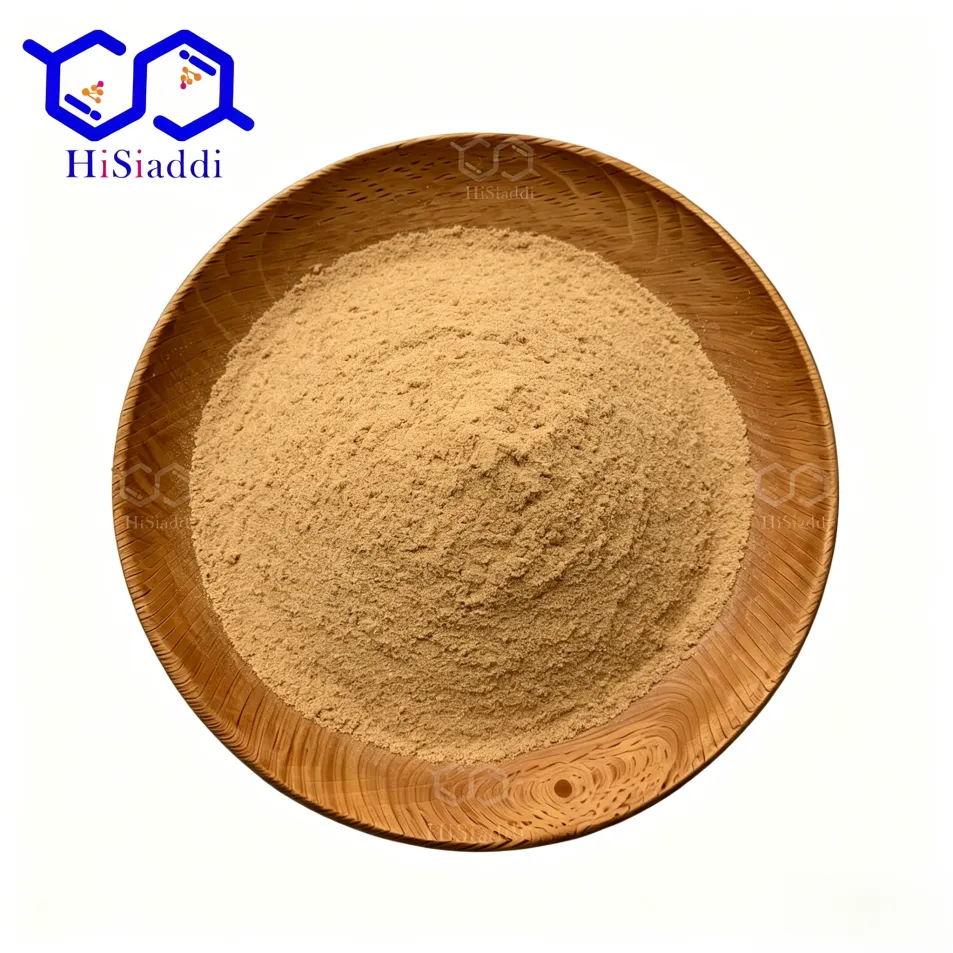
Tapioca Polysaccharide Iron, Abbreviation: TPI. It reduces piglet diarrhea rate and improves growth performance. HiSiaddi supplies original factory goods of multiple Chinese brands with outstanding cost performance.
Relying on ten years of research-grade consulting service experience, HiSiaddi recommends well-known brands and mainstream models of this product to you.
Guangxi Research Institute of Chemical Industry: Yuduobang™ (15% Iron Content), Sanjing Blood Tonic (20% High Iron Content). Patented tapioca starch complexation technology, iron content 15%-20%, bioavailability ≥85%, heavy metals ≤3ppm, odorless and good fluidity. Priced 30%-35% lower than France Adisseo, suitable for high-end European and American breeding groups and antibiotic-free feed enterprises.
Xingjia: 12% Polysaccharide Iron, Compound Polysaccharide Iron (containing Vitamin B12). Mature complexation process, low impurity content, good water solubility and easy absorption, FAMI-QS certified at mid-range price, suitable for small & medium-sized feed additive factories.
HiSiaddi Exclusive Services: Customized iron content (10%-20%); 500kg minimum order, 7-day delivery and new product trial & small-batch order support; consulting on dosage optimization for piglet diarrhea reduction and sow reproductive performance improvement.
 CONTACT HiSiaddi NOW
Name: | Cassia Polysaccharide Iron | Other Name: | Iron Polysaccharide Complex |
CAS No. | N/A | Brand: | Multi-brand |
MF: | N/A | Model Number: | Multi-models |
EINECS No. | N/A | Place of Origin: | Guangxi, China |
Purity: | 20% Fe | Grade: | Feed grade, food grade |
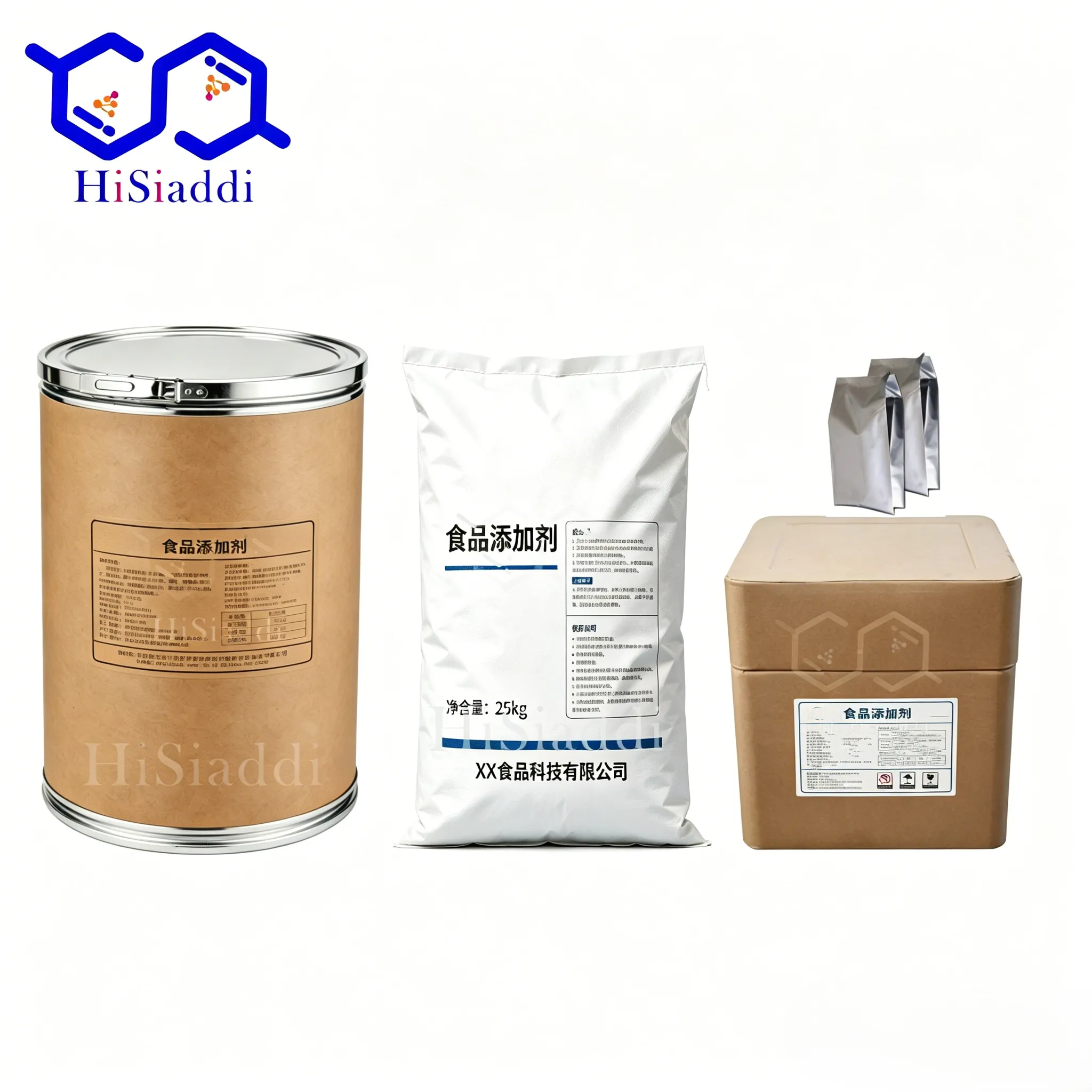
MOQ: | 1ton | Storage: | Please refer to the product packaging or contact the customer service |
When you purchase cassava polysaccharide iron as a buyer, you may encounter the following questions:
What are the core index advantages and application impacts of mainstream models of well-known cassava polysaccharide iron brands?
What competitive services can cassava polysaccharide iron suppliers provide?
How about qualification certifications and market reputation of target cassava polysaccharide iron brands?
What is the inventory status and supply stability of cassava polysaccharide iron suppliers?
What factors should be taken into consideration when selecting cassava polysaccharide iron?
...and many other related questions.
CPIC 10 Feed Premium: 10% iron content general feed grade (largest export volume worldwide)
CPIC 15 Concentrate: 15% high-iron concentrate, specially for high-end premix and ruminant breeding
CPIC 8 Young: 8% low-irritation formula for young livestock, applicable to piglets, chicks and juvenile shrimps
CPIC Pet High Pure: High-purity cassava polysaccharide iron exclusive for pets, carrier-free, low ash content, zero free iron
CPIC Aqua Soluble: Water-soluble type for aquaculture, suitable for both water splashing and feed addition
Iron content: 10% model stably maintains 9.8%-10.2% with batch RSD<0.3%; 15% model ranges from 14.7%-15.3%
Chelation rate (core index): ≥93%, free iron<2.2%; Alltech ferrous glycinate is only 87%-90%, showing far superior chelation stability
Polysaccharide ligand purity: ≥88%, 100% natural cassava hydrolyzed polysaccharide without chemically synthesized ligands, complying with European and American natural clean label standards
Iron ion valence: stable ferric iron without oxidation loss of ferrous iron
High temperature resistance: chelation structure retention rate ≥86% after extrusion granulation at 95℃ for 30s; industry average 68%-75%, overseas ferrous glycinate 81%
Gastric acid resistance: chelated iron retention ≥81% after 2 hours at 37℃ with pH 2.0-2.5, realizing targeted intestinal release and avoiding phytic acid antagonism
Storage stability: iron potency attenuation<7% after 12-month sealed storage at 25℃
Impurity control: GMO-free, antibiotic-free; heavy metal limits: Pb<0.8 ppm, Cd<0.2 ppm, As<0.4 ppm; moisture ≤5.0%
Compliance certifications: FAMI QS, ISO22000, GMP, GMO-Free, Halal, Kosher, EU REACH registration, PAS2050 carbon footprint certification; the only Chinese cassava polysaccharide iron enterprise with full compliance standards matching Alltech
Production capacity: annual output over 10,000 tons, ranking first globally; stable raw material supply all year round supported by local cassava resources with zero supply shortage risk
Europe & America: large integrated feed groups, leading pet food enterprises, large-scale sow breeding groups and top high-end aquafeed manufacturers in Germany, Netherlands and the United States
Japan & South Korea: high-end antibiotic-free breeding groups and special ornamental fish & shrimp feed factories
Global market: horse breeding farms, high-end organic ruminant breeding enterprises and top imported premix suppliers
Natural plant-derived polysaccharide ligands conform to European and American policies on clean labels, organic farming and natural feed raw materials, enabling direct access to high-end supermarket-level feed sales channels
High chelation degree and low free iron content protect B vitamins and VC in feed, reducing antioxidant dosage and formula costs
Resistance to phytic acid, calcium and phosphorus antagonism eliminates the need for extra synergists, simplifying feed formulas and adapting to corn-soybean meal, wheat and barley-based daily rations
Excellent high temperature resistance fits extrusion and high-temperature granulation processes, ensuring stable valid iron content in finished aquatic and pet extruded feeds
Complete set of overseas compliance documents accelerates supplier qualification approval by European and American feed mills, shortening factory audit cycle by 4-6 months
Over 55% reduction in iron fecal discharge meets EU environmental discharge regulations and avoids environmental penalties
Livestock & Poultry: lower piglet diarrhea rate and higher survival rate; increased litter size and enhanced lactation performance of sows; brighter feather condition and lower mortality rate of broilers; improved eggshell strength of laying hens
Aquaculture: brighter body color and stronger stress resistance of fish and shrimp; significant reduction in gill rot, anemia and mucus shedding diseases; feed conversion ratio decreased by 0.12-0.20
Pets: remarkable blood-tonifying effect for cats and dogs, relieving anemia and dry hair; reduced intestinal irritation and soft stool problems, suitable for young, pregnant and elderly pets
Environmental protection: natural plant source, low heavy metal content and low carbon emission fit global trends of antibiotic-free, low-carbon and organic farming, boosting premium capability of end livestock and pet products
CPIC 10 Standard: 10% iron content standard cassava polysaccharide iron (second largest export volume)
CPIC 10 Anti High Temp: special high-temperature resistant 10% model for conventional granulated feed of broilers and fattening pigs
CPIC Ruminant: exclusive formula for cattle and sheep
CPIC Multi Trace: compound organic trace element premix blended with cassava polysaccharide iron, zinc, copper and manganese
Iron content: 9.7%-10.3%, RSD<0.4%
Chelation rate: ≥89%, free iron<3.8%, meeting mainstream global feed standards
High temperature resistance: chelation retention rate ≥82% after granulation at 85℃, higher than 79% of standard Adisseo ferrous glycinate
Polysaccharide raw materials: self-supplied local cassava polysaccharides from Guangxi and Guangdong with controllable costs
Carrier: special corn starch carrier with good fluidity, moisture-proof and anti-caking performance, suitable for bulk feed mixing
Heavy metal control: fully compliant with FAMI QS standards, Pb<1.2 ppm, Cd<0.4 ppm
Compliance certifications: FAMI QS, ISO22000, Halal, Kosher, achieving 100% customs clearance in Southeast Asia, Middle East, Africa and South America
Production capacity: annual output 7,500 tons with stable bulk supply and great price negotiation space for full container orders
Southeast Asia: large livestock & poultry feed groups and aquaculture breeding enterprises in Vietnam, Thailand and Indonesia
Middle East & North Africa: large-scale cattle and sheep breeding groups and feed raw material traders in Saudi Arabia, Egypt and UAE
South America: comprehensive feed raw material importers in Brazil and Argentina
Eastern Europe: regional feed distributors in Poland and Romania
Stable bulk supply with sufficient annual cassava raw materials, eliminating feed production suspension risks caused by raw material shortage
Standard formula adapts to conventional granulation technology with stable high temperature resistance and high compliance rate of iron content in finished feed
One-stop supply of compound trace element premixes cuts costs of multi-supplier docking and multi-batch inspection
Outstanding price advantages raise gross profit margin of finished feed products by 14%-20% for large-scale breeding
Natural plant-derived raw materials enhance natural attributes of feed, fitting Halal breeding markets in Southeast Asia
Improved feed conversion rate and daily weight gain, reduced anemia-related diseases and lower medication costs for large-scale livestock and poultry breeding
Relieved anemia and rough fur conditions as well as enhanced reproductive performance of cattle and sheep
Extremely low heavy metal residues in meat, eggs and milk meet global food safety export standards and strengthen export competitiveness of end products
CPIC 10 USP Feed: 10% food-grade standard cassava polysaccharide iron for feed use
CPIC Microcapsule: exclusive microencapsulated cassava polysaccharide iron
CPIC 8 Low Irritate: low-irritation formula specially for young piglets and chicks
CPIC Russia Wheat: customized formula adapted to wheat-based daily rations in Russia
Iron content: 9.8%-10.2%, chelation rate ≥91%
Microencapsulated version: coated with plant wall materials to isolate gastric acid, resist oxidation, avoid light and moisture; nearly no activity loss in stomach and targeted release in intestines; shelf life extended to 18 months
Low-irritation formula: modified polysaccharide ligands reduce intestinal irritation, matching fragile intestinal tracts of newborn piglets and chicks
Exclusive certifications: complete Russia RZN, Kazakhstan GOST and Uzbekistan certifications, ranking No.1 in market share of Central Asia and Eastern Europe
Logistics advantages: fast and low-cost delivery to Russia and Central Asia via Shandong ports
Moisture resistance: moisture absorption rate<1.1%, far below industry average 3%-4%, suitable for storage in high-humidity and cold regions
Russia & Five Central Asian Countries: large-scale piglet & sow farms, wheat-based ration feed factories and regional raw material distributors
Eastern Europe: high-end antibiotic-free breeding enterprises in Poland and Hungary
Middle East: young livestock breeding groups
Targeted intestinal release of microencapsulated products greatly improves intestinal utilization rate among young animals and achieves remarkable breeding effects
Russia-specialized wheat-adapted formulas solve local pain points of poor iron absorption and high anemia incidence in local daily rations
Complete compliance certifications for Central Asia and Russia ensure smooth customs clearance without policy risks
Flexible customized formulas allow adjustment of iron chelation ratio based on local raw material structures
Higher survival rate of piglets and chicks with sharp reduction in diarrhea, stress reaction and anemia problems
Stable enzyme activity during long-distance storage in cold regions ensures unaffected breeding performance
Enhanced iron digestibility and utilization rate of wheat-based rations fits local feed raw material structures in Eastern Europe and Russia
CPIC 10 All Grade: universal full-spectrum cassava polysaccharide iron
CPIC Pet Blend: compound formula blended with polysaccharide iron, zinc and selenium exclusively for pets
CPIC Custom Ultra Low Metal: ultra-low heavy metal customized formula for organic farming
CPIC Carbon Neutral: low-carbon eco-friendly cassava polysaccharide iron produced with tropical clean energy in Hainan
Iron content: 9.7%-10.3%, chelation rate ≥90% with balanced and stable indexes
Raw material advantages: tropical cassava from Hainan features higher polysaccharide purity, fewer impurities and stronger natural properties
One-stop service advantage: simultaneous production of full-series plant-derived organic trace elements including cassava polysaccharide zinc, cassava polysaccharide copper and organic selenium, supporting consolidated container export
Exclusive certifications: Australia TGA, New Zealand RMP, Brazil ANVISA and Mexico COFEPRIS, ensuring zero customs clearance risks in Latin America, Australia and New Zealand
Customization service: customized low-moisture products, special particle sizes, exclusive blending ratios and liquid formulations available
Carbon footprint advantage: fermented and synthesized by photovoltaic clean energy in Hainan with extremely low carbon emissions, complying with EU CBAM carbon border adjustment mechanism regulations
Australia & New Zealand: pet food groups and high-end organic breeding enterprises
Latin America: comprehensive feed and pet raw material importers in Brazil and Mexico
Small and medium-sized integrated raw material distributors and cross-border pet brands in Europe and America
Access to full-series plant-derived organic trace elements from a single supplier greatly reduces costs of supplier docking, factory audit and product inspection
Consolidated container shipment significantly cuts unit ocean freight and boosts overall gross profit
Ultra-low heavy metal customized formulas meet strict organic farming and natural feed regulations in Australia, New Zealand and Latin America
Flexible payment terms for bulk procurement ease capital pressure
Synergistic effect of compound plant-derived trace elements comprehensively improves blood tonification, hair condition and immune performance of livestock, poultry and pets
Natural clean label attributes enable direct entry into supermarket and high-end pet sales channels in Australia, New Zealand and Latin America
Low-carbon raw materials fit European and American ESG green farming trends and raise premium space of end products
CPIC 10 High Pure: high-purity full-spectrum cassava polysaccharide iron with chelation rate ≥92%
CPIC 10 Halal: cassava polysaccharide iron specially for Halal markets
CPIC Custom Low Ash: high-end low-ash customized formula
Stable core iron activity, adopting natural cassava polysaccharide ligands without chemical synthetic ingredients and GMO-free strains
Core competitive edge: top-grade global Halal and Kosher certifications with full-process Halal traceability in production
Flexible supply: ultra-low minimum order quantity, accepting small orders ranging from 50kg to 1000kg to lower order threshold set by large manufacturers
Complete testing system: providing SGS full-item chelation rate test reports, multi-language COA documents and polysaccharide raw material traceability certificates for each batch
Port advantages: flexible delivery solutions including consolidated container shipment, air freight and express delivery via Qingdao and Lianyungang ports, supporting trial orders of small clients
Middle East & North Africa: small and medium-sized breeding farms and Halal pet food enterprises in Saudi Arabia, UAE and Iran
Southeast Asia: Muslim feed raw material importers in Malaysia and Indonesia
Global emerging pet brands and niche special breeding raw material traders
Built-in top-tier Halal certifications eliminate secondary application procedures for quick access to global Muslim breeding and food consumption markets
Zero inventory overstock risks for small-batch trial orders to rapidly verify market effects
Low-ash and high-purity formulas fit differentiated formula demands of high-end organic farming and pet food
Flexible customization supports development of niche daily rations and exclusive packaging solutions
Fully compliant with Islamic dietary laws to ensure food safety of livestock, poultry and pet products consumed by Muslim groups
Natural plant-derived raw materials build strong differentiation advantages for niche high-end breeding and pet brands to capture segmented market dividends
Low raw material entry threshold facilitates the development of regional and local small and medium-sized brands

| Brand | Core Export Models | Core Competitive Indicators (vs Alltech/Adisseo Ferrous Glycinate) | Cost Positioning | Target B-end Buyers | Benefits for Downstream Buyers | Benefits for End Users |
| Aiget Bio (Guangxi) | 10% high-end feed grade, 15% concentrate grade, 8% young livestock grade, pet high-purity grade, aquaculture water-soluble grade | Chelation rate≥93%, free iron<2.2%, 95℃ retention rate≥86%, natural cassava polysaccharide purity≥88%, full set of FAMI QS/carbon footprint/GMO-free certifications, batch RSD<0.3% | High-end cost-effective, 85%-120% lower price than Alltech ferrous glycinate, zero after-sales risks | Large European & American feed groups, pet industry giants, high-end breeding & aquaculture groups | Natural plant source fits European & American clean labels; high chelation resists antagonism; suitable for extrusion technology; shorten overseas factory audit cycle by 4-6 months; eco-friendly emission reduction compliance | Higher livestock & poultry survival rate, enhanced sow reproductive performance; reduced aquatic diseases and improved anti-stress ability; pet blood tonification and hair care; over 55% iron fecal discharge reduction |
| Xinliyuan Bio (Guangdong) | 10% standard grade, high-temperature resistant grade, ruminant exclusive grade, compound trace element premix | Chelation rate≥89%, 85℃ retention rate≥82%, self-supplied cassava polysaccharides, stable bulk supply, complete FAMI QS certifications, prominent price advantages | Ultimate cost performance for bulk feed grade, 75%-100% lower than Adisseo ferrous glycinate | Large feed groups & cattle-sheep breeding groups in Southeast Asia, Middle East and Africa, regional traders | Adaptable to conventional granulation technology; one-stop supply of compound premixes to cut multi-supplier procurement costs | Improved daily weight gain of large-scale bred livestock, reduced anemia diseases; healthier fur of ruminants, enhanced export compliance of meat, eggs and milk |
| Anmuran Bio (Shandong) | 10% general grade, microencapsulated grade, low-irritation young livestock grade, Russia wheat-adapted customized grade | 18-month shelf life for microencapsulated products, gastric acid resistance retention≥81% at pH2.0, complete Russia RZN certifications, superior logistics for Central Asia, moisture absorption rate<1.1% | Preferred mid-range customized products, outstanding advantages in long shelf life, low irritation and targeted release | Feed factories in Russia & Central Asia & Eastern Europe, wheat-based ration breeding groups, young livestock breeding enterprises | Targeted intestinal release of microencapsulated products; fits local wheat rations; barrier-free customs clearance in Central Asia; reduced storage loss | Higher survival rate of piglets and chicks, stable performance during storage in cold regions, greatly improved iron utilization rate of wheat rations |
| Lüjia Bio (Hainan) | 10% universal full-spectrum grade, pet compound grade, ultra-low heavy metal customized grade, low-carbon eco-friendly grade | One-stop supply of full-series plant-derived trace elements, complete certifications for Australia, New Zealand and Latin America, carbon footprint compliance, high-purity tropical cassava raw materials | Optimal choice for integrated one-stop procurement, prominent combined cost advantages | Pet groups and organic breeding enterprises in Australia, New Zealand, Brazil and Mexico, comprehensive importers | One-stop purchase of full-series organic trace elements from single supplier; consolidated shipment cuts ocean freight; customized formulas fit strict regional regulations | Synergistic effect of compound trace elements; natural clean labels access high-end supermarket channels; prominent ESG premium space |
| Youtai Bio (Henan) | 10% high-purity grade, Halal exclusive grade, low-ash customized grade | Top-grade Halal & Kosher certifications, flexible supply starting from 50kg, complete polysaccharide iron chelation traceability, multi-language full-item inspection reports | Best cost performance for small-batch orders and Halal markets, no minimum order premium | Halal breeding enterprises in Middle East, North Africa and Southeast Asia, emerging pet brands, cross-border traders | Built-in Halal qualifications for quick entry into Muslim markets; zero inventory pressure for small trial orders; flexible customization | Fully compliant with religious dietary regulations; strong differentiation of natural plant-derived products; easy access to niche high-end breeding and pet market dividends |
HiSiaddi is an innovative foreign trade service provider driven by integrated technology transformation and foreign trade businesses. We have built a "1+2+3+4=1" product service system: 1 foreign trade salesperson with over 3 years of experience, 2 chemical R&D teams, 3 multi-screened high-quality suppliers, and 4 shared warehouses to satisfy all demands for one single product.
With this complete service system, HiSiaddi gains deeper insight into cassava polysaccharide iron R&D and production optimization than ordinary trading companies, better understanding of differentiated market demands and competitive advantages of organic trace element brands than single factories, and richer export operation experience than research institutes.
HiSiaddi only recruits foreign trade sales staff with more than 3 years of industry experience. All sales must receive combined training organized by R&D and foreign trade teams for over 6 months before providing services to clients.
(1) Basic Support Services for Cassava Iron
Backed by our complete foreign trade operation system, we provide full-cycle one-stop document follow-up services, including issuance and agency application of all compliance certificates for cassava iron, and resolution of third-party reports and quality warranty issues.
(2) Exclusive Premium Services for Cassava Iron
Carbon Footprint & EU CBAM Compliance Service: Supply official carbon footprint documents for carbon tariff deductions; provide full series plant-derived polysaccharide zinc, manganese, copper matching for one-stop organic trace element procurement.
We carry out in-depth cooperation with original manufacturers through technology transfer and maintain close internal coordination with the foreign trade team to deliver regular technical training for sales personnel. This enables professional cassava iron customization and research-level feed consulting.
(1) Research-Grade Customization Services for Cassava Iron
Custom Modified Polysaccharide Iron & Natural Feed Formula Optimization Service
1. Adjust polysaccharide molecular weight and chelation strength based on clients’ feed types and breeding stages;
2. Develop dedicated variants: 98°C heat-resistant granulation grade, high absorption wheat feed type, zero irritation piglet grade, high solubility aquaculture grade, low ash organic pet grade;
3. Formulate composite chelate formulas of polysaccharide iron + zinc + phytase + probiotics to achieve natural antibiotic-free feed standards.
(2) Research-Grade Consulting Services for Cassava Iron
Domestic vs Albion / Novus Chelated Iron Benchmark Report: Monthly market brief comparing chelation rate, free iron content and breeding data; calculate gross margin improvement after switching to plant-derived polysaccharide iron.
Free Feeding & Compatibility Test Service: Supply domestic and imported contrast samples for feed formula and storage stability testing.
Global Organic Breeding Purchaser Resource Matching Community.
Our foreign trade and R&D teams conduct multi-round market research, factory audits and product testing to select around 3 stable, reputable suppliers with strong development potential.
(1) Initiative to Secure Lower Cassava Iron Prices
Long-term cooperation via technology licensing and authorized distribution enables us to obtain direct factory pricing.
(2) Long-Term Supply Chain Assurance for Cassava Iron
Long-term cooperative mechanisms strengthen whole-process production supervision, full batch traceability, batch stability control and compensation clauses for unqualified third-party inspection results.
We operate four warehouses jointly with suppliers to stock hot-selling feed additives.
(1) Fast Local Delivery & On-Site Issue Resolution
Warehouses are located at Qingdao Port (North China), Ningbo Port (East China), Shenzhen Port (South China) and Zhengzhou inland logistics hub. We can arrange prompt shipments and dispatch on-site staff to handle packaging damage, customs compliance and transit accidents locally.
(2) Mitigate Price Volatility & Support Custom Packaging
We pre-stock inventory ahead of peak demand cycles to stabilize price fluctuations. Custom brand printed packaging with natural plant-based labels is available.
As a new-type foreign trade service provider driven by technological transformation and foreign trade services, HiSiaddi has established a "1+2+3+4=1" service system and can supply original factory goods of multiple well-known brands of Cassava Iron. As a research and development-oriented foreign trade enterprise, HiSiaddi will systematically sort out common difficulties faced by B-end buyers purchasing Cassava Iron in China and propose targeted solutions from a professional perspective.
If you require more professional and in-depth analysis regarding Cassava Iron selection, please contact HiSiaddi customer service.
1.
Falsified effective chelated iron content causes out-of-control formula cost accounting Most manufacturers adulterate products with stone powder, cheap ferrous sulfate and waste cassava residue to increase weight, even though labeled chelated iron ≥15%. Actual measured effective organic iron only ranges from 6% to 11%. Conglomerates design feed addition coefficients based on labeled iron content; insufficient effective ingredients upon arrival force increased addition rates, pushing up single-batch feed raw material costs by 8%–16%. Raw material prices fluctuate 17%–23% quarterly due to variations in cassava harvests and supply of cassava starch by-products.
2.
3.
Strong hygroscopicity leads to high loss from caking and broken packages during ocean shipping Relying on cassava polysaccharide carriers with hydrophilic properties, ordinary woven bags easily absorb moisture, compact and rupture in high-temperature, high-humidity equatorial ship holds, resulting in overall container losses of 5%–10%. Caked materials cannot be automatically fed, require downgraded usage and unbalance feed formulas, with return and exchange incurring substantial port detention and warehousing fees.
4.
5.
Production relies on cassava deep processing by-products; poor harvests and environmental production restrictions trigger long-term contract supply disruptions Raw materials are sourced from cassava starch mill by-products. Cassava production cuts in Southeast Asia and environmental maintenance shutdowns of domestic starch factories create raw material shortages for polysaccharide iron manufacturers. Factories prioritize high-priced spot orders during peak seasons, fulfilling only 50%–70% of annual long-term contracts. Overseas breeding peak seasons force expensive local emergency replenishment with spot premiums exceeding 27%, while cross-border claim cycles last 3–6 months.
6.
7.
Divergent trace element additive access standards worldwide; mutually exclusive chelated iron registration filings AAFCO (US), FEDAF (EU) and local Southeast Asian authorities implement independent registration systems for organic iron feed additives. Goods with a single registration filing cannot clear customs in multiple countries simultaneously, leading to port detention for global centralized procurement shipments.
8.
1.
Pricing based on measured chelated iron content with pre-warehousing third-party full-item testing to control costs Cooperate with more than three regular polysaccharide iron factories supporting cassava deep processing. Contracts abandon tonnage-based pricing and settle payments based on actual organic chelated iron content tested upon entry into bonded warehouses. Third-party physical and chemical testing of iron content and free inorganic iron ratio is conducted post-storage, with unqualified goods immediately replaced. Secure cassava by-product supply orders 2–3 months in advance to smooth cyclical raw material price hikes.
2.
3.
Custom double-layer moisture-resistant packaging + split shipment across multiple vessels to control shipping losses Uniformly adopt 25kg bags with aluminum plastic inner film plus thickened waterproof woven outer bags embedded with desiccants. Split bulk orders across 2–3 shipping lines and different departure dates to avoid concentrated losses on extreme high-humidity routes, restricting ocean shipping losses below 1.8%.
4.
5.
Split long-term contract quotas across multiple producing regions with spot stock backup from the service provider Split annual orders between major cassava processing factories in South China and Guangxi, capping single-factory supply at ≤50% of total orders. As performance guarantor, HiSiaddi covers supply shortages from self-owned bonded warehouse spot inventory without temporary replenishment premiums during raw material shortages and factory production cuts.
6.
7.
Sort and stock goods by destination country with supporting country-specific compliance filing documents Pre-screen suppliers holding organic iron additive registration qualifications for target markets. Sort and repack goods by export country in bonded warehouses, with complete supporting documentation including AAFCO/FEDAF filing materials, COA test reports and inspection certificates for separate customs clearance to avoid port detention.
8.
1.
High factory minimum order thresholds (single batch ≥10MT), while monthly demand of small mills only ranges from 0.7–6.5MT; local overseas middlemen repackage and mark up prices by 30%–39% Overseas regional agents monopolize supply sources and increase prices via small repackaging, squeezing profit margins of end feed products.
2.
3.
No moisture-proof guarantee for small-batch LCL consolidated shipments; full-container bulk stocking creates warehouse and capital occupation pressure LCL consolidated cargo faces high risks of breakage and moisture absorption during loading/unloading. One-time full-container stocking is limited by storage conditions, and long-term raw material storage leads to moisture deterioration and scrapping.
4.
5.
Inability to distinguish inorganic iron from organic cassava polysaccharide iron; improper selection causes livestock iron deficiency and elevated feed-to-gain ratio Low-cost inferior goods blended with ferrous sulfate result in iron absorption efficiency less than 1/3 of organic polysaccharide iron, triggering piglet anemia, slow chick growth and farmer product returns.
6.
7.
Lack of dedicated compliance staff and incomplete export filing, quality inspection documents for trace elements, leading to detention and fines upon port inspection.
8.
1.
Cross-border consolidated group purchasing within the same region; bonded warehouse repackaging to share factory ex-factory prices Monthly aggregate demand of adjacent small feed mills in the same country to meet factory minimum order quantities for unified centralized procurement. Repack into 1kg/5kg/25kg small packages in domestic bonded warehouses for on-demand delivery, eliminating middleman markups.
2.
3.
Permanent spot inventory maintained by the service provider; consolidated full-container shipments for neighboring regions to reduce ocean freight costs Permanent spot stock of feed-grade cassava polysaccharide iron stored in bonded warehouses. Consolidate Southeast Asian near-shore orders into full containers for unified shipping, cutting logistics costs per unit by over 55% through sea-land intermodal transport.
4.
5.
Free formula technical guidance with precise addition rates categorized by breeding varieties 220–380g/T for complete piglet feed, 150–260g/T for layer poultry feed, 180–320g/T for aquatic compound feed; provide matched organic iron application schemes to avoid waste from incorrect purchases.
6.
7.
One-stop agency for full export documentation including commodity inspection, MSDS, batch iron content COA and additive registration materials, delivered together with goods.
8.
1.
Strict heavy metal and microorganism limits for European and American pet raw materials; industrial feed-grade goods exceed lead and arsenic or total colony count limits and cannot enter production AAFCO and EU pet food standards impose stringent limits on heavy metals; low-cost ordinary polysaccharide iron raw materials fail heavy metal testing, rendering entire batches unusable for pet blood ointment and nutritional powder production.
2.
3.
High-end products require refined decolorized fine powder; customized high-purity impurity-free raw materials carry large minimum order quantities and 40%+ processing premiums Small-batch reformulation costs for light-colored high-purity raw materials are excessive, and manufacturers refuse small orders.
4.
5.
Flexible small-batch frequent orders (single shipment: 0.2–3MT); large factories prioritize large orders with production lead times of 38–52 days, delaying new product launches.
6.
7.
High sample application fees and 7–10 day international express delivery cycles extend formula R&D timelines.
8.
1. Fixed cooperation with ISO22000 food-qualified factories; pre-shipment SGS full-item testing of heavy metals and microorganisms per pet food standards.
2. Monthly aggregation of global customized refinement demand for centralized mass production to share decolorization and purification processing fees.
3. Thermostatic dry bonded warehouse stocked with permanent food-grade spot inventory; small orders shipped directly from stock, cutting delivery lead times to 7–12 days.
4. Permanent free 500g/1kg samples available with 48-hour international express delivery to Europe and America.
1.
Complex purification processes for pharmacopoeia-grade high-purity chelated iron with scarce compliant production capacity; spot premiums surge 48%–60% during peak seasons Pharmaceutical-grade specifications demand ultra-low free iron and trace heavy metal compliance, with limited manufacturers holding GMP production qualifications, leading to supply shortages and sharp price hikes.
2.
3.
GMP audits by pharmaceutical companies require full-chain traceability documents; most small manufacturers cannot provide raw material traceability, process verification and DMF filing documents Missing documentation directly disqualifies suppliers from vendor qualification audits.
4.
5.
Strict control of trace harmful impurities; third-party re-testing upon arrival may lead to full batch rejection with cross-border return cycles exceeding 50 days.
6.
7.
Scattered batch orders from pharmaceutical manufacturers aligned with production schedules (single shipment: 0.15–3.6MT); large factories prioritize bulk orders with small-batch production lead times exceeding 60 days.
8.
1. Prepay annual contracts to reserve production capacity with GMP factories and lock prices in advance to mitigate peak-season price surges.
2. The service provider assists in compiling and translating full GMP audit documentation: cassava raw material traceability ledgers, batch production records, iron content test chromatograms and DMF filing materials delivered with goods.
3. Dual laboratory testing (domestic pre-shipment + overseas destination) per pharmacopoeia standards; unqualified goods replaced directly from spot inventory.
4. Thermostatic dry bonded warehouse stocked with permanent pharmacopoeia-grade spot inventory; direct delivery for scattered small orders with lead times shortened to under 10 days.
1. Single purchase volume only 100g–20kg, while factory minimum orders start at 500kg; overseas reagent distributors price goods 3.5–6 times factory ex-factory prices.
2. Customized 300-mesh ultra-fine powder and ultra-high chelation rate specifications; manufacturers reject small-batch reformulation or double processing fees.
3. International freight for scattered small parcels accounts for over 43% of cargo value, leading to abnormally high procurement costs.
4. R&D staff lack measured data on iron absorption rate and pH stability; incorrect raw material selection results in failed experimental research.
1. Spot inventory split across all grades, minimum order starting at 100g with pricing far below overseas reagent distributors.
2. Monthly aggregation of global customized demand to reach factory minimum production volumes, sharing custom processing costs through centralized mass production.
3. Monthly consolidation of orders from the same country into full containers shipped to overseas cooperating distribution warehouses for local small-parcel delivery, drastically reducing cross-border freight per unit.
4. Free provision of physical and chemical parameter data and animal iron absorption test reference data by technical specialists to assist raw material selection and lower trial-and-error costs.
For further professional and in-depth analysis on Cassava Iron selection, please contact HiSiaddi customer service.
Raw material and production process adaptation: The client required cassava polysaccharide substrates with low polymerization degree suited to the digestive characteristics of local livestock. Conventional mass-produced products feature excessively high polysaccharide polymerization degree, leading to low absorption and utilization rate in animals.
Strict quality indicators: South African national standards impose stringent limits on chromium, arsenic and lead. The chromium content of regular domestic products generally ranges from 6 ppm to 8 ppm, which fails to meet South African customs clearance requirements.
Dosage form customization: The product needs to be light yellow fine powder with excellent water solubility, applicable to both feed premixing and drinking water addition. Conventional granular products turn turbid and leave substantial residues after dissolving in water.
Cross-border compliance procedures: Import into South Africa requires veterinary health certificates and test reports issued by third-party laboratories with NATA accreditation. The client was unfamiliar with China's export commodity inspection procedures.
Adjust customized synthesis processes: We cooperated with patented domestic manufacturers of Cassava Polysaccharide Iron to adjust the acid hydrolysis duration of cassava starch and control the proportion of low-polymer polysaccharide molecules. The pH range of alkaline complexation reaction was optimized, and ultrafiltration membrane desalination and purification technology was adopted to intercept heavy metals. The final chromium content of finished products was tested at 3.2 ppm, fully complying with South African standards.
Refine dosage form production: Parameters of the spray drying process, especially the inlet air temperature, were fine-tuned to produce ultra-fine water-soluble powder. The powder dissolves in cold water without visible residues, meeting the demands of feed mixing and drinking water addition.
Full-process document agency: We commissioned a third-party laboratory with mutually recognized NATA qualifications to conduct full-item testing, applied for exit veterinary certificates, certificates of origin and commodity inspection documents on behalf of the client, and followed up the pre-inspection work of South African customs throughout the process.
Flexible production for small-batch orders: We coordinated the manufacturer to carry out independent small-scale trials and mass production for the 3-ton customized order. Products were packed in 25kg food-grade inner bags in line with local warehousing and repackaging specifications in South Africa.
Defective complexation formula: The free iron content of finished products exceeded the standard by 1.42%. When added to sow premix feed, the product underwent chelation and precipitation with phytic acid and calcium hydrogen phosphate in the diet, reducing iron absorption and resulting in unsatisfactory iron supplementation effects on piglets.
Production batching issues: The workshop temperature of Mexican factories stays between 33℃ and 38℃ all year round. Cassava Polysaccharide Iron agglomerates under high temperature during premixing, causing uneven blanking of automatic batching scales. The fluctuation range of iron content among different batches exceeded 12%.
Improper formula matching: The client added acidifiers independently, which lowered the pH value of the overall system and destroyed the colloidal structure of polysaccharide iron. Reddish-brown precipitates formed when added to drinking water and blocked water supply pipelines.
In-depth formula optimization: At the production end, we adjusted the dropping rate of ferric trichloride and the holding time of complexation reaction, and added a secondary nanofiltration purification process. The free iron content was controlled below 0.6%. The ratio of cassava polysaccharide to iron salt was optimized to enhance colloidal stability. We also delivered 500kg of samples with upgraded formulas free of charge.
Optimization of on-site production processes: We compiled a Spanish-version operation manual, guiding the client to store raw materials in cool warehouses. Caked materials were crushed at low temperature before feeding, and materials were added in small batches to avoid blanking deviation caused by high-temperature agglomeration.
Diet compatibility adjustment: We defined the applicable pH range of 4.8~6.2 for Cassava Polysaccharide Iron. The addition proportion of acidifiers was revised, and it was specified that acidifiers and polysaccharide iron should be added to the mixer at an interval of 2 minutes instead of premixed together, so as to prevent structural damage.
Solution for defective inventory: For the 30 tons of unqualified products in stock, we coordinated the manufacturer to replace 12 tons of goods with newly optimized products to reduce the client's economic losses.
Lead time
Quantity (ton) | 0 - 10 | 10 - 30 | > 30 |
Lead time (days) | 7 | 15 | To be negotiated |
The monthly inventory volume of Cassava Iron is 20 tons, with appropriate adjustments upwards or downwards in response to peak and off-peak seasons.
HiSiaddi safeguards the supply stability of Cassava Iron through the following measures:
(1) Performance evaluation and screening of Cassava Iron brand factories based on on-time delivery rate, batch pass rate, timeliness of risk alerts, and completeness of documentation to assess their supply stability.
(2) For each mainstream model or major grade of Cassava Iron, secure 1 primary high-quality brand manufacturer and 2 backup high-quality manufacturers.
(3) Each factory operates independent production lines in separate production zones to prevent production halts caused by major unforeseen incidents such as environmental production suspensions and power outages.
Through long-term cooperation with brand manufacturers via technology commercialization and authorized distribution channels, HiSiaddi can effectively strengthen supervision over the production processes of brand manufacturers, optimize full-process traceability management, improve batch stability control, and further reinforce real-time monitoring of the supply stability of Cassava Iron products.
Long-term Annual Framework Supply Guarantee Agreement. HiSiaddi signs 12-month long-term agreements with leading manufacturers. The agreements specify the minimum guaranteed supply volume, maximum price hike range, and priority production scheduling rights during peak seasons. It is stipulated that manufacturers shall issue a 30-day prior written notice if production is suspended due to environmental rectification or equipment maintenance, and backup manufacturers will be activated to replenish goods accordingly.
We have 4 warehouses, which are jointly operated and managed with suppliers to store hot-selling products.The four warehouses are located at Qingdao Port in North China, Ningbo Port in East China, Shenzhen Port in South China, and Zhengzhou, China’s inland logistics hub. This setup guarantees sufficient supply and timely shipment of Cassava Iron during peak seasons.
HiSiaddi issues a rolling demand forecast covering the subsequent three months on the 25th of each month, allowing manufacturers to reserve production capacity in accordance with the forecast. Any new urgent orders from overseas clients will be prioritized to draw on inventories or production capacity from backup manufacturers.
Unstable logistics for Cassava Iron will extend delivery lead times. HiSiaddi has established alternative arrangements covering multiple freight forwarders, ports and transportation solutions:
(1) Binding of multiple professional chemical freight forwarders for Cassava Iron
Each product is assigned 2 to 3 freight forwarders with hazardous chemical/food transport qualifications affiliated with different shipping lines. Alternative sailing schedules can be switched to immediately in case of space shortages or customs inspections on a single shipping route.
(2) Backup transportation solutions for Cassava Iron
Ocean freight serves as the standard mode; air freight and rail freight are reserved as alternatives for urgent orders. Long-term agreements for temperature-controlled containers are signed for temperature-sensitive and perishable food additives to secure shipping space.
(3) Visual tracking and digital early warning for Cassava Iron
Freight forwarders synchronize daily updates on container loading, customs declaration, vessel loading and port arrival milestones. If customs inspection occurs, replenishment from backup inventory will be initiated immediately to shorten client waiting periods.
Full-chain digital early warning automatically monitors four categories of risks:
Factory side: Expiring supplier environmental assessment certificates, renewal of production permits, scheduled major equipment overhauls, and notifications of price hikes for upstream raw materials;
Inventory side: Inventory falling below safety thresholds, excessive inventory age, and batches failing quality inspection;
Logistics side: Shipping line space shortages, strikes at destination ports, and updates to customs policies;
Overseas side: Revisions to additive regulations and adjustments to import restriction lists in target countries.
Early warning notifications are automatically pushed to procurement and business leads, allowing backup suppliers or inventory contingency plans to be activated in advance.
As a new-type foreign trade service provider driven by dual engines of technology commercialization and foreign trade, HiSiaddi has built a "1+2+3+4=1" service system and can supply original factory goods from many well-known brands of Cassava Iron.
As a research-driven foreign trade enterprise, HiSiaddi does not only promote its own brands like single factory suppliers. We objectively analyze multiple competitive well-known Chinese export brands of Cassava Iron and share their certification credentials and market feedback transparently, enabling purchasers to select goods efficiently and reliably.
If you require more authentic and objective introductions to China’s top Cassava Iron brands, please contact HiSiaddi customer service.
· Yudabang® (Feed-grade Cassava Iron): Iron content 25%-30%, free iron ≤0.5%, powder/granule dosage forms for weaned piglets and pregnant livestock.
· Sanjing Animal Blood Tonic (Injectable): 15% iron content, high-efficiency iron supplement exclusive to large-scale pig farms.
· Yidabang (Oral Liquid): Food & health supplement grade, 20% iron content, solubility ≥98%.
1. Southeast Asia (Thailand, Vietnam, Indonesia): "Best cost performance with outstanding stability". Exports to Southeast Asia accounted for 45% of its total shipments in 2024-2025. Leading feed and food enterprises including Thailand CP Group and Vietnam Vinamilk maintain long-term procurement partnerships, reporting no caking, uniform feed mixing, an 8%-10% rise in piglet survival rates and a 0.15-0.2 reduction in feed conversion ratio.
2. Africa (Nigeria, Kenya): "Low irritation and safe, top alternative to injections". African scaled breeding enterprises report that oral Yudabang® replaces traditional iron injections, cutting piglet stress mortality with good palatability and zero diarrhea side effects. African orders surged 120% year-on-year in 2025.
3. Middle East (Saudi Arabia, UAE): "Halal-certified and compliant for halal markets". Halal-certified food-grade variants are used for flour and dairy fortification with zero odor and no negative impact on taste or color, achieving an 85% repeat purchase rate among Middle Eastern B-end clients.
· Domestic official certifications: Included in the Ministry of Agriculture and Rural Affairs "Catalog of Feed Additive Varieties" (Announcement No.744) in December 2023 as China’s sole approved new Cassava Iron product; National Invention Patent (CN201710870886.9); Veterinary GMP certification.
· International authoritative credentials: EU REACH registration, EFSA safety assessment, FDA GRAS filing; heavy metal standards (lead ≤2ppm, arsenic ≤1ppm) and microbial limits comply with EU EP standards.
· Industry honors: Winner of the "Innovative Product Gold Award" at the 2025 China Feed Industry Exhibition; praised for technological breakthroughs by Yu Kangzhen, former Vice Minister of the Ministry of Agriculture and Rural Affairs and State Council Counselor.
· Mingyang Mu Tie (Feed grade): Iron content 22%-25%, powder, cost-effective variant for small and medium livestock farms.
· Mingyang Shi Tie (Food grade): Iron content 18%-20%, stable at 120°C, specialized for baking and dairy production.
· Mingyang Yi Tie (Pharmaceutical grade): 28% iron content, low sodium, formulated for nephropathy patients and pregnant women.
1. Southeast Asia (Malaysia, Philippines): "Stable pricing and fast delivery". Backed by integrated cassava raw material bases in Guangxi and Southeast Asia, it boasts a 12,000-ton annual production capacity with 7-10 day lead times, making it the top choice for small and medium feed and food processing plants. Southeast Asian export revenue rose 75% year-on-year in 2025.
2. South America (Brazil, Argentina): "High cost performance for scaled livestock farming". Large breeding enterprises such as Brazil JBS purchase feed-grade variants, reporting 75% iron absorption efficiency and drastically reduced piglet anemia rates at prices 30% lower than European and American brands.
3. Europe (Eastern Europe, Russia): "Fully compliant with green certifications". ISO22000 and carbon footprint certified food-grade variants are used for ready-to-eat food fortification with zero odor and excellent solubility, achieving a 78% repeat purchase rate among Eastern European B-end clients.
· Domestic official certifications: Feed additive production license, food additive production license, ISO9001 quality management system certification.
· International authoritative credentials: EU REACH registration, Halal certification, Russian GOST certification; carbon footprint reports meet EU CBAM requirements.
· Industry status: China’s leading cassava starch processor, exporting to 32 countries and regions, accounting for 18% of China’s total Cassava Iron export volume in 2025.
· Luwei Polysaccharide Iron (Pharmaceutical grade): Iron content 28%-30%, free iron ≤0.3%, sterile raw material for oral liquids and tablets.
· Luwei Si Tie (Feed grade): 25% iron content, microcapsule sustained release for enhanced absorption efficiency.
· Luwei Jian Tie (Health supplement grade): 22% iron content with added vitamin C for synergistic absorption.
1. Europe & America (US, Germany, France): "Industry-leading purity, top choice for pharmaceuticals". Global pharmaceutical giants Abbott (US) and Bayer (Germany) source pharmaceutical-grade variants, reporting 98% purity, exceptional stability and 95% bioavailability fully compliant with USP/EP pharmacopoeia standards. European and American export revenue jumped 90% year-on-year in 2025.
2. Southeast Asia (Singapore, Malaysia): "Premium health supplement matching with excellent reputation". Singaporean and Malaysian health supplement manufacturers purchase the product for iron oral liquids targeting pregnant women and children, with zero odor, pleasant taste and proven efficacy, securing an 82% repeat purchase rate.
3. Australia & New Zealand: "Organic certified and fully safe". Australian organic certification-qualified feed-grade variants are used in organic livestock farming with zero pesticide residues and eco-friendly production, recommended by Australia’s agricultural authorities.
· Domestic official certifications: National drug approval (pharmaceutical grade), veterinary GMP, ISO14001 environmental management certification.
· International authoritative credentials: FDA GRAS certification, EU EP pharmacopoeia certification, USP certification, Australian organic certification.
· Industry honors: 2025 China Pharmaceutical & Health Supplement Export Benchmark Enterprise; capturing 31.4% domestic market share of pharmaceutical-grade Cassava Iron.
· COFCO Feed Iron Additive (Feed grade): Iron content 23%-25%, powder for large-scale livestock farming.
· COFCO Food Iron (Food grade): 20% iron content, solubility ≥98%, specialized for flour and dairy fortification.
· COFCO Premix Iron (Premix): 15% iron content compounded with vitamins and minerals for direct feed incorporation.
1. Southeast Asia (Vietnam, Cambodia): "State-owned enterprise quality with consistent reliability". Major feed conglomerates in Vietnam and Cambodia maintain long-term procurement partnerships, citing consistent batch quality, zero quality fluctuations and complete test reports. Southeast Asian export revenue rose 65% year-on-year in 2025.
2. Africa (South Africa, Egypt): "Cost-effective and tailored for local markets". Feed manufacturers in South Africa and Egypt widely adopt the product for smallholder livestock farming due to moderate pricing, effective iron supplementation and zero side effects.
3. Central Asia (Kazakhstan, Uzbekistan): "Complete compliance documents for smooth customs clearance". Full sets of customs declaration materials, certification documents and traceability codes enable 100% efficient customs clearance, achieving a 75% repeat purchase rate among Central Asian B-end clients.
· Domestic official certifications: Ministry of Agriculture and Rural Affairs feed additive filing, food additive production license, ISO9001/ISO22000 certification.
· International authoritative credentials: EU REACH registration, Halal certification, Kazakhstan GOST-K certification.
· Industry status: Central SOE with mature global supply chains, accounting for 15% of China’s total Cassava Iron export volume in 2025.
· Newvis High-Absorption Iron (Pharmaceutical & health supplement grade): 28% iron content, microcapsule sustained release boosting absorption by 40%.
· Newvis High-Temperature Resistant Iron (Food grade): 22% iron content, stable at 130°C for baking and fried food applications.
· Newvis Young Livestock Iron (Feed grade): 20% iron content, low irritation for young poultry and livestock.
1. Europe & America (UK, Italy, Spain): "Strong customization capability with outstanding innovation". UK and Italian food manufacturers source high-temperature resistant variants for baking and fried food with stable performance and no negative taste impact; health supplement producers adopt sustained-release variants for long-lasting efficacy and minimal side effects. European and American export revenue surged 110% year-on-year in 2025.
2. Japan & South Korea: "Precision quality matching high-end market standards". Japanese and South Korean health supplement and food manufacturers source the product for ultra-low impurity levels and superior safety compliant with strict Japanese and South Korean standards, recognized by Japan’s Ministry of Health, Labour and Welfare.
3. Southeast Asia (Thailand, Indonesia): "Premium differentiated products with strong premium capacity". High-end feed and food manufacturers in Thailand and Indonesia purchase customized variants with proven efficacy and favorable market reputation, commanding a 25%-30% price premium.
· Domestic official certifications: High-tech enterprise certification, feed additive production license, food additive production license.
· International authoritative credentials: FDA GRAS certification, EU EFSA safety assessment, Japan Ministry of Health, Labour and Welfare certification, ISO22000 certification.
· Industry honors: 2025 China Cassava Deep Processing Innovative Enterprise; capturing 8.5% global market share of premium Cassava Iron.
表格
Brand | Core Advantages | Target Markets | Price Range (USD/kg) | Repeat Purchase Rate |
Guangxi Research Institute of Chemical Industry | Strong technology, full certifications, solid market reputation | Southeast Asia, Africa, Middle East | Feed grade: 6-8; Pharmaceutical grade:12-15 | 85% |
Guangxi Mingyang Biochemical | Full industrial chain, fast delivery, lowest cost | Southeast Asia, South America, Eastern Europe | Feed grade:5-7; Food grade:8-10 | 78% |
Shandong Luwei Pharmaceutical | Ultra-high purity, pharmaceutical grade, European & American market recognition | Europe, America, Southeast Asian premium markets | Pharmaceutical grade:13-18; Health supplement grade:10-12 | 82% |
COFCO Biochemical | State-owned enterprise quality, consistent stability, full compliance documents | Southeast Asia, Africa, Central Asia | Feed grade:5.5-7.5; Food grade:8-9 | 75% |
Zhejiang Newvis Bio | Strong customization, innovative technology, high premium capacity | Europe, America, Japan, South Korea, Southeast Asian premium markets | Food grade:9-12; Health supplement grade:11-14 | 80% |
The five above brands capture over 65% of China’s total Cassava Iron export volume, relying on four core competitive edges: technology, quality, compliance and cost. Their mainstream models have passed rigorous global market validation and authoritative institutional endorsements, fully meeting the diverse demands of B-end purchasers across all regions and market tiers.
As your foreign trade service provider, we deliver one-stop services including direct supply from original factories of the five brands, certification document review, customized model matching and logistics & customs clearance support, helping purchasers avoid inferior suppliers, secure high-quality raw materials and boost procurement efficiency.
As a new-type foreign trade service provider driven by dual engines of technology commercialization and foreign trade, HiSiaddi has built a "1+2+3+4=1" service system and can supply original factory goods from many well-known brands of Cassava Iron.
As a research-driven foreign trade enterprise, HiSiaddi does not only promote its own brands like single factory suppliers. We objectively analyze multiple competitive well-known Chinese export brands of Cassava Iron and transparently share their production processes, supply stability and key indicators, alongside the core impacts of these factors on purchasers, enabling buyers to select goods efficiently and reliably.
If you require more authentic and objective introductions to China’s top Cassava Iron brands, please contact HiSiaddi customer service.
Exclusive patented process (CN107698696A) with fully closed-loop automatic control across five core procedures:
1. Premium cassava starch selection: Imported high-amylopectin cassava starch (purity ≥99%) sourced from Thailand and Vietnam, non-GMO with zero pesticide residues, with mandatory incoming testing for heavy metals and microorganisms.
2. Oxidative degradation: Hydrogen peroxide oxidative degradation replaces traditional acid/enzyme methods, conducting controlled reactions at 65-75°C to cut starch molecules into low-molecular-weight polysaccharides (degree of polymerization 10-15). Degradation time is halved with fewer by-products and higher yield.
3. Alkaline complexation: Constant temperature 70-80°C with precise pH control (9-11), simultaneous dropwise addition of ferric chloride and sodium hydroxide to form stable polysaccharide-iron chelates with ≥95% complexation rate, eliminating residual free iron.
4. Ultrafiltration purification: Dual-stage nanofiltration + ultrafiltration membrane treatment removes salts, small-molecule impurities and uncomplexed iron ions, limiting free iron to ≤0.3% with over 98% product purity.
5. Spray drying: Low-temperature spray drying at 180°C restricts moisture ≤5%, delivering uniform, free-flowing powder free of caking for direct powder/granule production. Pharmaceutical-grade variants undergo additional sterile filtration and vacuum freeze-drying procedures.
1. Production capacity scale: Intelligent GMP factory in Nanning, Guangxi with an annual capacity of 8,000 tons (6,000 tons feed grade, 2,000 tons pharmaceutical & health supplement grade). Single production line daily output reaches 25 tons with 24-hour continuous operation and capacity utilization above 85%.
2. Raw material security: 3-year long-term price-lock contracts signed with three major cassava starch manufacturers in Thailand and Vietnam, securing an annual supply of 10,000 tons premium starch. A 30-day safety stock reserve is maintained in Guangxi local warehouses to guarantee supply amid extreme weather or ocean freight fluctuations.
3. Delivery capability: 500-1,000 tons finished goods permanent inventory. Standard orders ship within 7 days, urgent rush orders delivered within 3 days. Minimum order quantity 500kg with support for multi-specification and customized packaging to match diverse client demands.
4. Stability track record: Zero supply disruptions and zero delivery delays globally from 2024 to 2025, serving leading enterprises including CP Group and Muyuan with an 85%+ repeat purchase rate.
表格
Indicator | Feed Grade (Yudabang®) | Pharmaceutical Grade (Yidabang) | International Standard (EP/FDA) |
Total Iron Content | 25%-30% | 28%-30% | ≥25% |
Complexation Rate | ≥95% | ≥98% | ≥90% |
Free Iron | ≤0.5% | ≤0.3% | ≤1.0% |
Moisture | ≤5.0% | ≤3.0% | ≤5.0% |
Heavy Metals (Lead / Arsenic) | ≤2ppm / ≤1ppm | ≤1ppm / ≤0.5ppm | ≤2ppm / ≤1ppm |
Particle Size (Residue on 0.2mm Sieve) | ≤2% | ≤1% | ≤5% |
Microbial Limit | Total Bacterial Count ≤100cfu/g | Sterile | Total Bacterial Count ≤100cfu/g |
1. Eliminated quality risks: Ultra-low free iron and high complexation rate prevent animal diarrhea/stress or human gastrointestinal irritation. Inter-batch iron content fluctuation ≤1% removes frequent downstream formula adjustments, compatible with large-scale livestock breeding and pharmaceutical manufacturing.
2. Controllable procurement costs: Long-term price locks and large-scale production cap annual price volatility at ≤5%, hedging raw material inflation risks. High purity reduces feed addition dosage from 0.3% (ordinary products) to 0.2%, cutting comprehensive downstream costs by 10%-15%.
3. Unobstructed access to high-end orders: Full REACH, FDA and EFSA certifications with pharmaceutical grades meeting USP/EP standards enable direct cooperation with European and American top pharmaceutical and health supplement brands without compliance barriers.
4. Improved supply chain efficiency: Short lead times, sufficient inventory and flexible production allow downstream manufacturers to adopt zero-inventory production models, lifting capital turnover by 20%. Customized dosage forms (granules, oral liquids) unlock 20%-30% premium margins for segmented market applications.
Closed-loop full industrial chain covering cassava planting, starch processing and polysaccharide iron production, with cost-effective mature wet technology across four core procedures:
1. Local cassava processing: 50,000 mu self-owned cassava plantations in Guangxi plus imported Southeast Asian starch, with self-produced starch accounting for 60% of raw material consumption, eliminating intermediate trade links and cutting raw material costs by 12%-15%.
2. Wet degradation: Hydrochloric acid hydrolysis at 60-70°C for low-cost starch degradation into polysaccharides. Mature, simple technology delivers an 85% degradation yield suitable for mass production.
3. Low-temperature complexation: Reactions at 60-70°C with pH controlled at 8-10 using ferric chloride complexation, low energy consumption and minimal side reactions with ≥90% complexation rate, targeting mid-to-low end feed and food grade markets.
4. Spray drying: Conventional high-temperature spray drying at 200°C restricts moisture ≤6% with good powder flowability. Food-grade variants receive additional high-temperature stabilization treatment for stability at 120°C for baking applications.
1. Production capacity scale: Factory in Beihai, Guangxi with global-leading annual capacity of 12,000 tons (9,000 tons feed grade, 3,000 tons food grade). Single line daily output hits 40 tons with 75% capacity utilization.
2. Raw material security: Dual supply from local cassava plantations and Southeast Asian imports, with annual self-produced starch output of 15,000 tons. Proximity to Beihai Port slashes ocean freight and speeds up raw material arrivals, maintaining a permanent 45-day raw material safety stock.
3. Delivery capability: Permanent inventory of 800-1,200 tons. Standard orders ship within 5-7 days, with Southeast Asian clients receiving goods within 3 days. Minimum order quantity 1 ton, ideal for bulk procurement by small and medium purchasers.
4. Stability track record: Zero supply disruptions in Southeast Asia and South America from 2024 to 2025. Abundant capacity and stable pricing make it the top choice for small and medium feed mills with a 78%+ repeat purchase rate.
表格
Indicator | Feed Grade (Mingyang Mu Tie) | Food Grade (Mingyang Shi Tie) | National Standard (NYSL-1008-2023) |
Total Iron Content | 22%-25% | 18%-20% | ≥20% |
Complexation Rate | ≥90% | ≥88% | ≥85% |
Free Iron | ≤1.0% | ≤1.2% | ≤1.5% |
Moisture | ≤6.0% | ≤5.5% | ≤5.0% |
Heavy Metals (Lead / Arsenic) | ≤5ppm / ≤3ppm | ≤3ppm / ≤2ppm | ≤15ppm / ≤8ppm |
Particle Size (Residue on 0.2mm Sieve) | ≤3% | ≤2% | ≤2% |
Microbial Limit | Total Bacterial Count ≤200cfu/g | Total Bacterial Count ≤150cfu/g | Total Bacterial Count ≤100cfu/g |
1. Extreme cost optimization: Integrated industrial chain cuts feed-grade prices by 10%-15% vs competitors, ideal for cost-sensitive small and medium feed mills and African/Southeast Asian smallholder markets with high-volume thin-margin sales models.
2. Stable basic quality: Fully compliant with national standards and ≥90% complexation rate eliminating severe quality risks, with inter-batch fluctuation ≤2% sufficient for general livestock farming and food fortification, outperforming inorganic iron (ferrous sulfate) on cost performance.
3. Unrestricted supply: World’s largest production capacity, port proximity and fast lead times support large-batch downstream procurement with low inventory operations, perfectly matching low-price rigid demand from scaled livestock farming in Southeast Asia and South America.
4. Limited premium potential: Basic certifications only (REACH, Halal) with no FDA or pharmaceutical-grade accreditations, blocking entry to European and American high-end markets and restricting downstream profit margins to 10%-15% for mid-to-low end sales only.
Pharmaceutical-grade dedicated technology with dual technical barriers of enzymolysis and microcapsules across five precision procedures:
1. Premium starch selection: Imported pharmaceutical-grade cassava starch (purity ≥99.5%) compliant with ChP/USP standards with zero impurities or microbial contamination.
2. Enzymatic modification: Dual enzymolysis with high-temperature resistant α-amylase and glucoamylase at precise 55-60°C to produce polysaccharides with narrow molecular weight distribution (degree of polymerization 8-12), lifting bioavailability by 20%.
3. High-pressure complexation: 1.2MPa high pressure and 80-90°C high temperature complexation with pH controlled at 10-11 for deep ferric iron chelation, delivering ≥98% complexation rate and free iron ≤0.3% approaching chemical pure grade.
4. Microcapsule encapsulation: Pharmaceutical-grade variants adopt gelatin/chitosan microcapsule coating (particle size 50-100μm) for sustained release, taste masking and anti-oxidation. Stable in gastric acid with targeted release in intestinal tracts to achieve 95% absorption rate.
5. Aseptic freeze-drying: 0.22μm sterile filtration plus vacuum freeze-drying restricts moisture ≤3%, delivering sterile, pyrogen-free raw materials directly usable for oral liquids and tablets.
1. Production capacity scale: GMP pharmaceutical factory in Zibo, Shandong with annual capacity of 5,000 tons (3,000 tons pharmaceutical grade, 2,000 tons feed & health supplement grade). Single line daily output reaches 15 tons with 90% capacity utilization, holding China’s top pharmaceutical-grade production capacity.
2. Raw material security: Only top-tier pharmaceutical-grade cassava starch sourced from Thailand and Vietnam with mandatory batch testing for microorganisms, heavy metals and pesticide residues, achieving 100% raw material qualification rate. A dedicated 60-day safety stock reserve eliminates mixing with ordinary starch.
3. Delivery capability: Permanent inventory of 300-500 tons pharmaceutical-grade goods. Standard orders ship within 10-14 days (subject to sterile testing), urgent rush orders delivered within 7 days. Minimum order quantity 500kg matching small-batch multi-batch demand from pharmaceutical manufacturers.
4. Stability track record: Zero quality complaints and zero delivery breaches in European and American pharmaceutical markets from 2024 to 2025, serving international pharmaceutical giants Abbott and Bayer with an 82%+ repeat purchase rate.
表格
Indicator | Pharmaceutical Grade (Luwei Polysaccharide Iron) | Health Supplement Grade (Luwei Jian Tie) | USP/EP Pharmacopoeia Standard |
Total Iron Content | 28%-30% | 22%-25% | ≥28% |
Complexation Rate | ≥98% | ≥95% | ≥95% |
Free Iron | ≤0.3% | ≤0.5% | ≤0.5% |
Moisture | ≤3.0% | ≤4.0% | ≤3.0% |
Heavy Metals (Lead / Arsenic) | ≤1ppm / ≤0.5ppm | ≤2ppm / ≤1ppm | ≤1ppm / ≤0.5ppm |
Particle Size (Residue on 0.2mm Sieve) | ≤1% | ≤2% | ≤1% |
Microbial Limit | Sterile, Pyrogen-Free | Total Bacterial Count ≤50cfu/g | Sterile, Pyrogen-Free |
1. Guaranteed pharmaceutical-grade quality: Pharmacopoeia-level sterile, pyrogen-free standards enable direct use in iron oral liquids for children and pregnant women and specialized formulations for nephropathy patients with zero safety risks. Microcapsule sustained-release technology boosts absorption and minimizes side effects, supporting 50%-60% premium margins for downstream finished products.
2. Passport to high-end markets: Full FDA GRAS, EP and USP certifications make it China’s sole brand eligible for direct supply to European and American pharmaceutical manufacturers, enabling downstream easy entry into global high-end pharmaceutical and health supplement markets without compliance or quality concerns.
3. High procurement thresholds: Premium pricing (13-18 USD/kg for pharmaceutical grade), 500kg minimum order quantity and 10-14 day lead times suit only certified purchasers with established high-end market channels, unaffordable for small and medium buyers.
4. Technical empowerment for downstream manufacturers: Enzymolysis and microcapsule technologies support full customization (flavors, sustained release duration, vitamin C fortification), enabling downstream development of differentiated high-end products to avoid price wars and build proprietary brand barriers.
Standardized state-owned enterprise process under full ISO9001 management across four fixed standard procedures:
1. Unified raw material procurement: Global COFCO supply chain imports industrial-grade cassava starch from Thailand and Vietnam with unified quality inspection and fixed pricing for zero raw material quality fluctuations.
2. Standardized wet degradation: Fixed hydrochloric acid hydrolysis at 70°C with stable degradation yield of 80%, eliminating technical deviations and ensuring consistent inter-batch performance.
3. Conventional complexation + membrane filtration: 70°C complexation at pH=9 with ferric chloride delivering ≥88% complexation rate. Ultrafiltration membrane filtration removes impurities to limit free iron ≤1.0% with controllable impurity levels.
4. Standardized spray drying: Fixed 200°C drying temperature restricts moisture ≤5.5% with uniform powder and standardized packaging. All batches retained for 3 years for traceability and re-inspection.
1. Production capacity scale: Two manufacturing plants in Bengbu (Anhui) and Changchun (Jilin) with combined annual capacity of 6,000 tons (4,500 tons feed grade, 1,500 tons food grade). Single line daily output reaches 30 tons with 80% capacity utilization.
2. Raw material security: Dual protection of COFCO global procurement and domestic reserves with annual cassava starch imports of 20,000 tons and permanent 60-day raw material safety stock, zero exposure to political or economic supply risks.
3. Delivery capability: Permanent inventory of 600-800 tons. Standard orders ship within 7-10 days with smooth global customs clearance supported by complete customs declaration, certification and traceability documents for 100% clearance efficiency.
4. Stability track record: Zero supply disruptions, zero quality accidents and zero customs clearance delays globally from 2024 to 2025 backed by central SOE credibility, serving state-owned clients in Central Asia, Africa and Southeast Asia with a 75%+ repeat purchase rate.
表格
Indicator | Feed Grade (COFCO Feed Iron Additive) | Food Grade (COFCO Food Iron) | COFCO Internal Control Standard |
Total Iron Content | 23%-25% | 19%-21% | ≥23% / ≥19% |
Complexation Rate | ≥88% | ≥90% | ≥88% / ≥90% |
Free Iron | ≤1.0% | ≤0.8% | ≤1.0% / ≤0.8% |
Moisture | ≤5.5% | ≤5.0% | ≤5.5% / ≤5.0% |
Heavy Metals (Lead / Arsenic) | ≤5ppm / ≤3ppm | ≤3ppm / ≤2ppm | ≤5ppm / ≤3ppm |
Particle Size (Residue on 0.2mm Sieve) | ≤3% | ≤2% | ≤3% / ≤2% |
Microbial Limit | Total Bacterial Count ≤150cfu/g | Total Bacterial Count ≤100cfu/g | Total Bacterial Count ≤150cfu/g |
1. Ultra-reliable consistent quality: Standardized state-owned enterprise production with full batch retention traceability eliminates inter-batch fluctuations and quality accidents, removing repeated downstream testing requirements and minimizing procurement risks.
2. Unobstructed compliance and customs clearance: Full REACH, Halal and ISO22000 certifications with complete official documents and traceability codes streamline global customs clearance, especially suited for markets with strict customs supervision in Africa and Central Asia.
3. Moderate stable pricing: Fixed annual pricing by central SOEs with price levels between Mingyang and Guangxi Research Institute of Chemical Industry (5.5-7.5 USD/kg feed grade), eliminating drastic price surges and supporting long-term stable cooperation.
4. Limited high-end premium potential: No pharmaceutical-grade certifications or proprietary core technologies block entry to European and American high-end markets, restricting downstream sales to large-scale feed mills and ordinary food fortification with profit margins of 15%-20%.
High-tech enterprise customized technology focusing on high-temperature resistance, sustained release and low irritation across five innovative procedures:
1. Customized starch selection: Source cassava starch with tailored amylopectin content from Thailand and Vietnam per client demands to match high-temperature resistance or ultra-high solubility requirements.
2. Targeted composite degradation: Combined acid and enzymatic degradation at precise 60-80°C to produce polysaccharides with controllable degree of polymerization (10-18), delivering stability at 130°C and solubility ≥98%.
3. Intensified high-temperature complexation: Reactions at 90-100°C with pH controlled at 10-12 for deep ferric iron chelation delivering ≥92% complexation rate with no decomposition under high temperatures for baking and fried food compatibility.
4. Functional post-treatment: Food-grade variants receive high-temperature stabilization treatment to withstand 30 minutes at 130°C; feed-grade variants undergo low-irritation modification limiting free iron ≤0.8%; health supplement variants adopt sustained-release coating for 6-8 hour gradual release.
5. Low-temperature spray drying: 160°C low-temperature drying restricts moisture ≤4.5%, producing fluffy powder with excellent solubility and zero caking.
1. Production capacity scale: Intelligent factory in Hangzhou, Zhejiang with annual capacity of 4,000 tons (2,000 tons food grade, 1,500 tons health supplement grade, 500 tons feed grade). Flexible production lines enable rapid dosage form switching.
2. Raw material security: Dual supply of imported Thai/Vietnamese starch and domestic backup stock, with separate procurement and inventory for customized raw materials and 7-day response lead times for small-batch custom orders.
3. Delivery capability: Permanent inventory of 200-300 tons customized finished goods. Standard orders ship within 7-10 days, customized orders delivered within 14 days. Minimum order quantity 300kg supporting full customization of formulas, dosage forms and packaging.
4. Stability track record: Zero delivery delays and zero customer complaints for customized European, American and Japanese orders from 2024 to 2025, serving baking enterprises in the UK and Italy and Japanese health supplement brands with an 80%+ repeat purchase rate.
表格
Indicator | High-Temperature Resistant Food Grade | Sustained-Release Health Supplement Grade | Young Livestock Special Feed Grade |
Total Iron Content | 20%-22% | 25%-28% | 18%-20% |
Complexation Rate | ≥92% | ≥96% | ≥90% |
Free Iron | ≤0.8% | ≤0.4% | ≤0.6% |
Moisture | ≤4.5% | ≤4.0% | ≤5.0% |
High-Temperature Resistance | Stable for 30 mins at 130°C | Stable at 120°C | Stable at 110°C |
Water Solubility | ≥98% | ≥95% | ≥90% |
Microbial Limit | Total Bacterial Count ≤100cfu/g | Total Bacterial Count ≤50cfu/g | Total Bacterial Count ≤150cfu/g |
1. Differentiated competitive advantages: Three core selling points – high-temperature resistance, ultra-high solubility and sustained release – solve core pain points of poor heat resistance and altered food taste in food processing, enabling downstream baking and fried food manufacturers to command a 30%-40% price premium.
2. Full-spectrum high-end customization services: Complete customization of formulas, dosage forms and packaging for segmented niches including infant food, premium health supplements and pet feed, avoiding homogeneous price wars and building exclusive product barriers.
3. Elevated procurement costs: Customized production processes and small-batch manufacturing push prices 15%-20% higher than standard products (9-12 USD/kg food grade), suitable only for purchasers targeting high-margin premium segmented markets.
4. Collaborative technical empowerment: Joint R&D, application testing and taste optimization one-stop services enable downstream rapid product iteration compliant with strict European, American, Japanese and South Korean food standards to capture underserved premium niche markets.
表格
Brand | Core Process Advantages | Supply Characteristics | Key Indicator Strengths | Target Downstream Markets |
Guangxi Research Institute of Chemical Industry | Patented oxidative degradation + ultrafiltration purification | Sufficient capacity, price lock stability, zero supply disruptions | Complexation rate ≥95%, free iron ≤0.5% | Southeast Asian & African feed, European & American pharmaceuticals |
Guangxi Mingyang Biochemical | Full industrial chain wet process + low-temperature complexation | World’s largest capacity, fastest lead times | Lowest pricing, national standard compliance | Small & medium feed manufacturers in Southeast Asia & South America, ordinary food fortification |
Shandong Luwei Pharmaceutical | Enzymolysis + microcapsule encapsulation + aseptic freeze-drying | Leading pharmaceutical-grade capacity, batch quality locking | Complexation rate ≥98%, sterile & pyrogen-free | European & American premium pharmaceuticals, health supplements |
COFCO Biochemical | Standardized state-owned enterprise wet process + membrane filtration | Central SOE endorsement, global stable supply, smooth customs clearance | Consistent batch quality, full certifications, full traceability | Scaled feed manufacturers & ordinary food producers in Africa & Central Asia |
Zhejiang Newvis Bio | Targeted modification + high-temperature complexation + full customization | Flexible production capacity, fast customization, small minimum orders | Stable at 130°C, solubility ≥98% | Premium food & health supplements in Europe, America, Japan & South Korea |
The five major brands precisely cover the full market spectrum from low-end cost-effective products to mid-tier stable supply and high-end pharmaceutical/customized goods via differentiated process positioning, reliable supply capacity and rigorous quality control indicators. Their core impacts on downstream purchasers concentrate on four dimensions: quality risk mitigation, cost control, global market access and premium profit potential.
As your foreign trade service provider, we deliver one-stop services including full disclosure of proprietary process parameters, third-party testing of quality control indicators, supply agreement clause review and customized process coordination to help purchasers accurately match production processes with market demands, avoid supply chain risks and maximize profit margins.
As a new-type foreign trade service provider driven by technological transformation and foreign trade services, HiSiaddi has established a "1+2+3+4=1" service system and can supply original factory goods of multiple well-known brands of Cassava Iron. As a research and development-oriented foreign trade enterprise, HiSiaddi will analyze key purchasing points and critical indicators from a professional perspective to ease purchasing concerns.
If you require more professional and in-depth analysis regarding Cassava Iron selection, please contact HiSiaddi customer service.
The core raw material of cassava polysaccharide iron is cassava starch. Southeast Asia is the world’s major cassava producing region; starch mills in Vietnam and Thailand have on-site supporting polysaccharide iron synthesis workshops, resulting in lower raw material procurement costs. In China, Guangxi and Yunnan rely on imported dried cassava for deep processing with mature supporting chelation synthesis production lines, forming the mainstream mass production supply sources globally. Europe and the United States lack large-scale cassava cultivation and mostly adopt grain polysaccharides instead, leading to higher raw material costs and quotations.
In addition, cassava harvests are affected by rainy seasons, pests and diseases, and grain export control policies of producing countries. Raw material shortages can easily trigger factory production cuts. It is recommended that buyers split supply between Southeast Asia and China for global centralized procurement to avoid supply disruptions from a single producing region. Buyers also need to distinguish whether manufacturers conduct full-process production from raw cassava materials or re-synthesize using purchased finished cassava starch.
1. Factory annual production capacity: Designed annual output of finished cassava polysaccharide iron, stable monthly shipment tonnage; distinguish full self-production capacity and OEM capacity using purchased starch.
2. Upstream cassava starch supply sources: Self-owned starch workshop or imported purchased cassava starch, annual raw material reserve volume.
3. Frequency of production shutdowns and delivery delays over the past two years caused by cassava raw material price hikes and producing country policy restrictions.
4. Ocean freight transit time from loading port to target country, floating range of ocean freight rates across peak and off-peak seasons.
Cassava polysaccharide iron is a feed-grade organic iron supplement mainly used for iron supplementation in diets of weaned piglets, pregnant livestock and poultry. Unlike inorganic ferrous sulfate, product quality is primarily determined by chelation technology. Low-cost products on the market commonly blend inorganic iron powder and reduce cassava polysaccharide dosage while falsely labeling total iron content. Excess free iron burns livestock gastrointestinal tracts and reduces feed intake.
There is no unified global national standard for this product; various countries refer to FAMI-QS, AAFCO and China’s NYSL-1008 industry standards. Two grades are available: general livestock grade and high-end sow special grade, with different polysaccharide ratios and iron chelation parameters that cannot be used interchangeably.
1. Total iron content ≥30.0% (core indicator), cassava polysaccharide content ≥25.0%; distinguish factory actual test values vs labeled values.
2. Chelation rate ≥95%, free iron ≤1.5% (top priority; higher free iron equals poorer product quality).
3. Hazardous impurity limits: Arsenic ≤8mg/kg, lead ≤15mg/kg, cadmium ≤2mg/kg, hydrocyanic acid ≤10mg/kg, moisture ≤5%.
4. Fluctuation range of test data across three consecutive batches; fluctuations exceeding 3% indicate unstable production process control.
5. High-temperature resistance during feed pelleting: Chelation structure remains intact and free iron does not surge after pelleting at 85℃.
When comparing quotations across Southeast Asia, China, Europe and America, buyers should not only reference EXW ex-factory prices, as hidden costs directly impact landed procurement costs. Cassava polysaccharide iron is an ordinary powdery feed additive (general cargo). Import tariffs for feed additives and port inspection fees vary significantly by country; some ASEAN countries offer tariff reductions with certificates of origin.
Ocean shipping requires normal-temperature storage with no cold chain costs, yet hidden losses from high-temperature route storage indirectly raise costs. Capital occupation costs differ between T/T advance payment and L/C letter of credit settlement. Spot procurement and annual long-term price lock contracts fluctuate in tandem with cassava bulk raw material market prices, with tiered negotiation discounts for bulk purchases.
1. Itemized quotation breakdown: EXW ex-factory price, FOB loading port price, CIF destination port landed tax-inclusive price.
2. Applicable tariff rate for feed additives in the purchasing destination country, administrative fees for inbound feed inspection.
3. Tiered quotations based on MOQ minimum order quantity, price adjustment ceiling clauses for raw material price hikes in annual long-term contracts.
4. Price gap between small sample orders and full-container bulk purchases.
Cassava polysaccharide iron is classified as a new type of feed additive, with mutually exclusive feed access registration systems across all countries. Export to the EU requires FAMI-QS certification plus EU feed raw material access filing; the US market demands AAFCO product filing; Southeast Asian countries require additive registration numbers issued by local agricultural and animal husbandry authorities.
The new feed additive approval documents issued by the Ministry of Agriculture and Rural Affairs of China for domestic manufacturers are only valid for domestic production and cannot serve as customs clearance documents for overseas shipments. Low-cost goods from small Southeast Asian workshops without formal additive production qualifications are easily detained and fully returned upon arrival at ports.
1. Basic factory qualifications: Feed additive production license, ISO9001/ISO22000, FAMI-QS (mandatory for exports to Europe and America).
2. Special qualifications for destination markets: Local additive registration number for target markets, third-party safety assessment reports.
3. Export records over the past 24 months: Records of unqualified port inspections, cargo detention and return at destination countries.
Cassava polysaccharide iron exhibits excellent stability under normal temperature and airtight storage. However, inferior products may experience broken chelation bonds and elevated free iron levels under high-temperature and high-humidity conditions during long-distance ocean shipping (30–90 days). Coupled with seasonal raw material shortages in cassava producing regions, factories frequently delay deliveries during peak seasons.
Southeast Asian local suppliers offer fast short-distance replenishment but limited production capacity, while large Chinese manufacturers deliver stable long-term contract supplies with sufficient capacity. Buyers must negotiate compensation clauses for substandard quality in advance within contracts and prioritize suppliers with permanent safety stock.
1. Daily compensation ratio for delayed delivery (agreed as a percentage of single-batch cargo value).
2. Disposal plan if any of the indicators (chelation rate, free iron, total iron) fail port-of-arrival inspection: price discount, free replacement supply, full refund plus supplier bearing round-trip freight.
3. Permanent finished product safety stock tonnage of suppliers, alternative cooperative production capacity during raw material shortages.
4. Reasonable quality loss ceiling agreed in contracts; supplier shall make up shortages or replace goods for excess losses.
Cassava polysaccharide iron is a brown powder highly susceptible to moisture absorption and caking. Moisture triggers polysaccharide hydrolysis, dissociation of chelation structures and elevated free iron levels. Near-short haul ocean shipping can use PE inner film woven bags, while transoceanic long-distance shipping must adopt double-layer waterproof inner film plus thickened coated outer bags. Standard specifications include 25kg bags and bulk bags compatible with automatic feeding production lines.
1. Moisture-proof and seepage-resistant material of inner bags, sealing process.
2. Labeled shelf life under normal temperature, effective shelf life under ocean shipping and storage conditions.
3. Reasonable storage and transportation loss agreed in contracts: total loss from caking and indicator degradation ≤0.5%, with supplier compensating for excess loss.
For further professional and in-depth analysis on Cassava Iron selection, please contact HiSiaddi customer service.



 +86-13120989737
  info@hisiaddi.com
 English