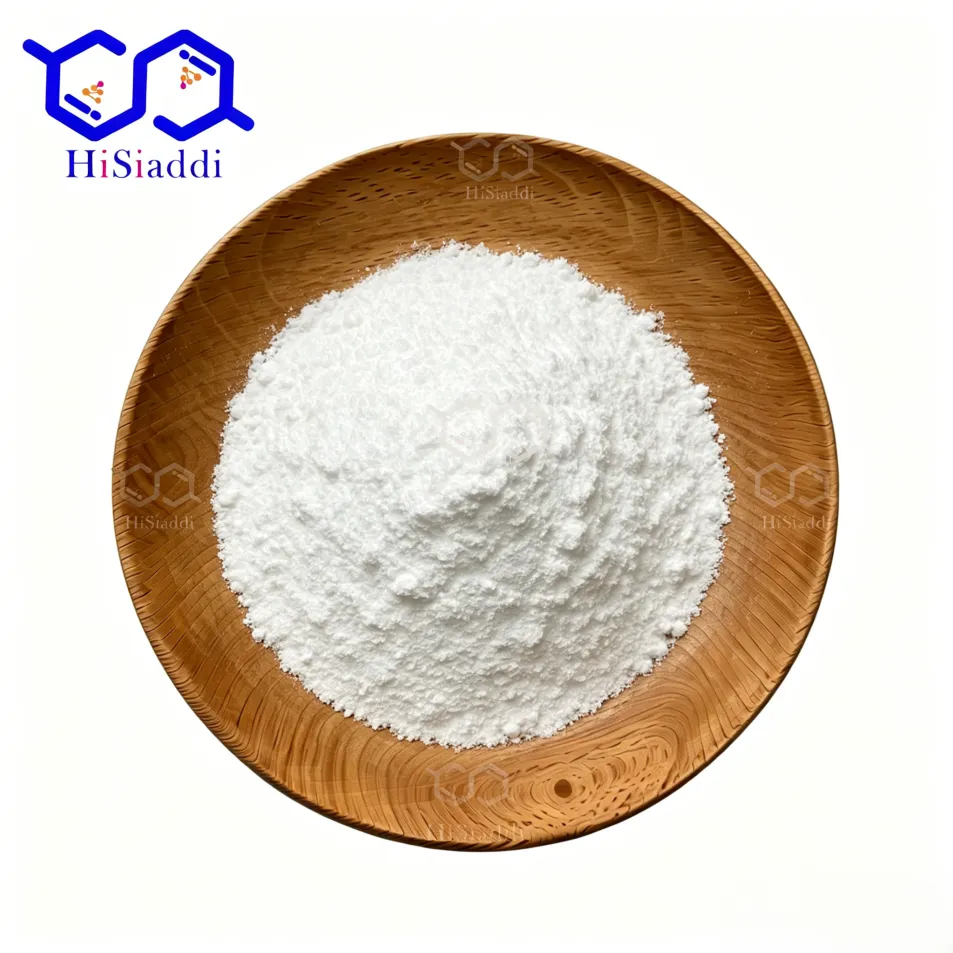
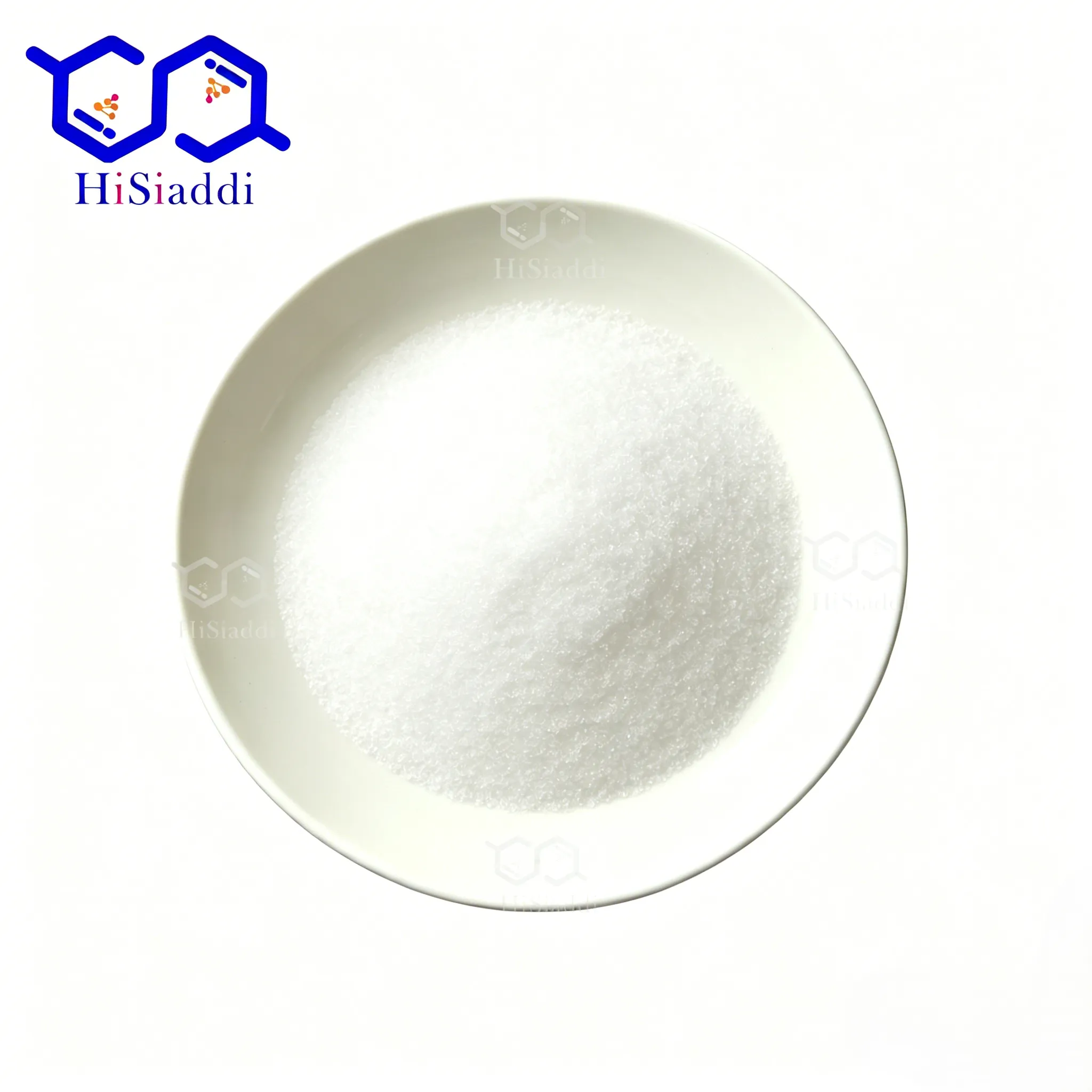
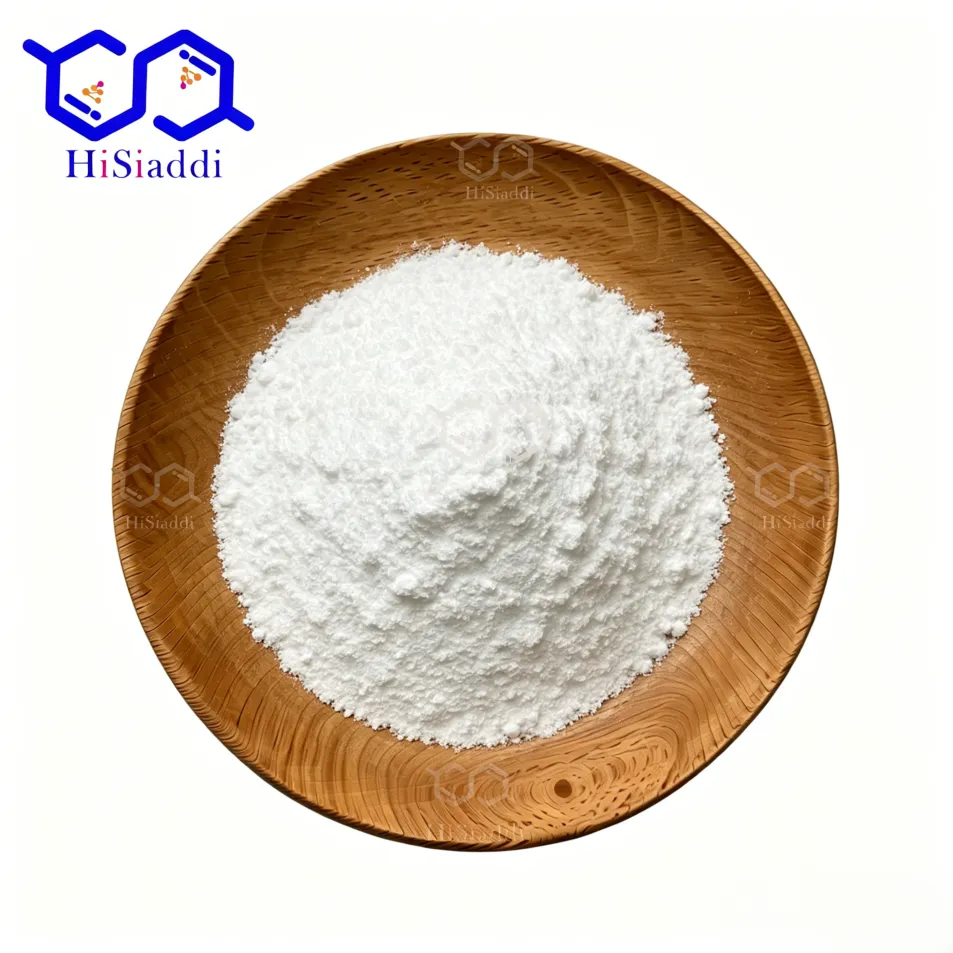
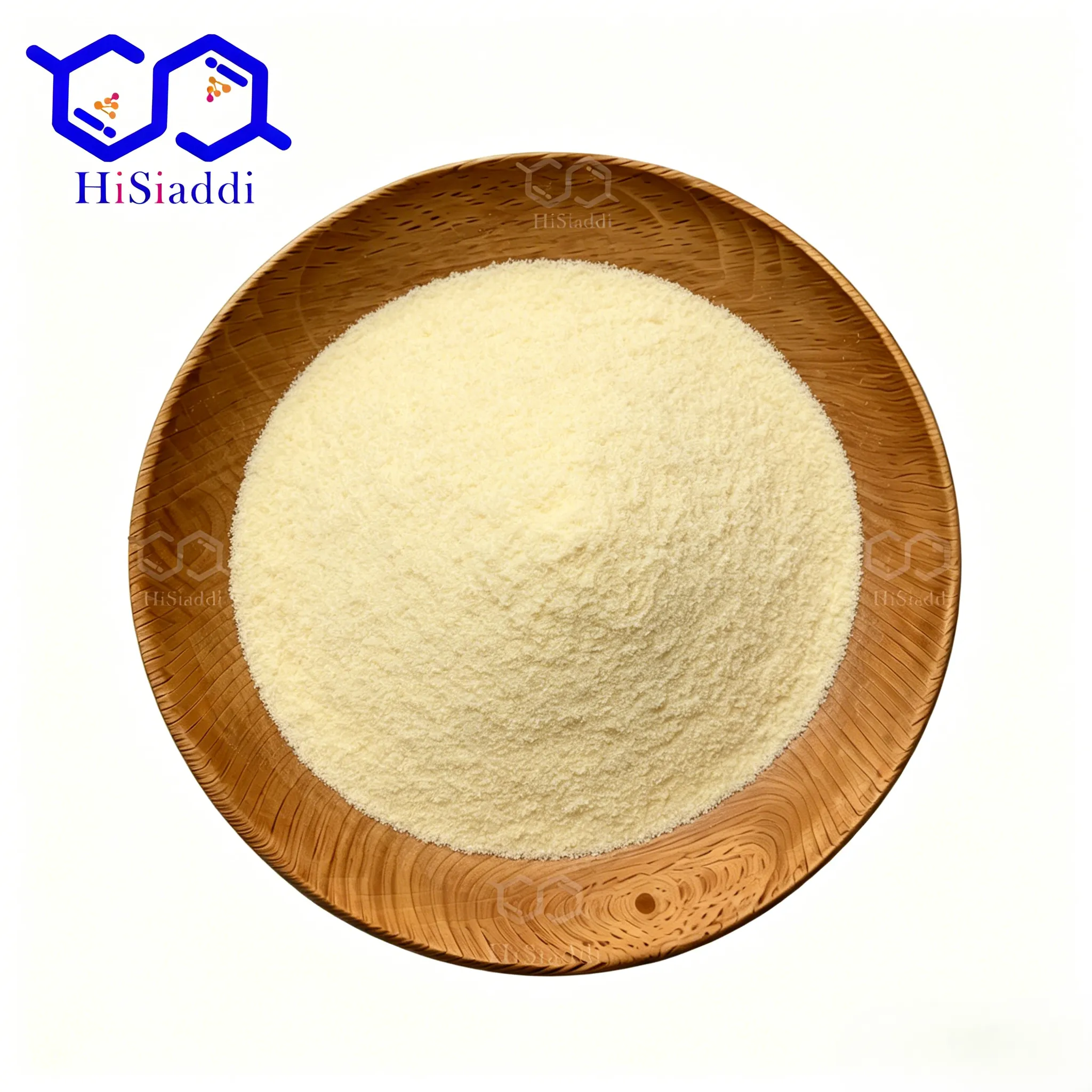
As a new foreign trade service provider driven by dual engines of technology commercialization and export services, HiSiaddi has built a "1+2+3+4=1" service system, capable of supplying original factory goods of multiple well-known Ester Quat brands.
Adopting the "1+1>2" business model, HiSiaddi focuses on integrating technology transformation and export business. It consistently tracks the global Ester Quat market from both R&D and commercial perspectives. Today, we conduct a professional analysis of the latest shifts and trends in the global Ester Quat market.
If you require more comprehensive and valuable market intelligence on Ester Quat, please contact HiSiaddi customer service.
Global environmental regulations keep tightening. EU REACH, US EPA, and China’s Green Product Evaluation – Surfactants (GB/T 43876-2025) impose clear restrictions on traditional double long-chain quaternary ammonium salts (e.g., DSDMAC). Ester quaternary ammonium salts, with a biodegradation rate of over 90%, have become the only compliant alternative. Key changes are as follows:
1. Surging penetration of bio-based raw materials: The share of palm-free, plant-based (rapeseed, sunflower seed, microalgae oil) ester quats rose from 18% in 2023 to 35% in 2025. P&G and Unilever require core raw materials to reach a bio-based carbon content of ≥50% by 2027.
2. Mandatory full life cycle (LCA) certification: Major international daily chemical conglomerates have incorporated LCA reports and carbon footprint certifications into supplier access standards; enterprises lacking relevant certifications will be directly eliminated from supply chains.
3. Accelerated phase-out of traditional production capacity: Over 200,000 tons of global traditional quaternary ammonium salt capacity was phased out in 2025, while 150,000 tons of new ester quat capacity was added. The Asia-Pacific region (China, India) serves as the core driver of capacity expansion.
Downstream demand has shifted from "single softening function" to "high efficiency, multi-functionality and safety". High-concentration liquid products (active ingredient ≥70%) have replaced traditional diluted solutions, and the proportion of multi-functional composite formulas is rising rapidly. Specific changes include:
1. Restructured product forms: Liquid ester quats account for 68.4% of the market, while powder-type products are shrinking. High-concentration variants (70%–90%) have a penetration rate exceeding 50% in Europe and America, thanks to reduced packaging and logistics costs.
2. Explosive growth of multi-functional integrated products: All-in-one formulas combining softening, antibacterial activity (bacteriostatic rate ≥99.9%), antistatic performance, slow-release fragrance and low sensitization made up 35.6% of new formulations launched in 2025, up 9.2 percentage points from 2024.
3. Ultra-stringent safety standards: Personal care-grade products (hair conditioners, baby wipes) require free amine residue ≤0.1% and heavy metal (lead/mercury) content ≤1 ppm; medical-grade products must pass ISO 10993 biocompatibility tests.
Geopolitics, raw material price volatility and capacity relocation have transformed supply chains from "globally dispersed" to "regionally concentrated + vertically integrated". Boasting a complete industrial chain, China has emerged as the global core supplier of ester quats with remarkable technical and cost advantages. Key shifts:
1. Asia-Pacific dominates global supply: The Asia-Pacific region contributed 58% of global capacity in 2025, with China accounting for 42%. India and Southeast Asia are rapidly expanding capacity, while local production in Europe and America is contracting and increasingly reliant on imports.
2. Normalized raw material cost fluctuations: Prices of core feedstocks including fatty acids and epichlorohydrin swing by 15%–25% annually, while palm oil prices fluctuate 30%–50% due to climate and export policies. This forces enterprises to lock in long-term supply contracts and expand non-palm feedstock sources.
3. Tiered technical barriers: Leading manufacturers (Wanhua Chemical, Zanyu Technology) adopt continuous-flow green catalysis and AI intelligent control, with batch stability deviation controlled within ±0.2%. Most small and medium-sized manufacturers use batch processes with severe quality fluctuations and are gradually marginalized.
Global demand maintains steady growth (market size reached approximately USD 18.2 billion in 2025, projected to hit USD 30.4 billion by 2034 at a CAGR of 5.9%). Demand across four core segments – household care, personal care, industrial textiles and medical disinfection – shows distinct differentiation, with high-end niche markets growing faster than the industry average. Specific breakdown:
1. Household care (38.2% market share): Fabric softeners and laundry pods see stable demand. Premium natural organic softeners grow at 12%, featuring plant-based ingredients, silicone-free formulations and long-lasting fragrance.
2. Personal care (41.3% market share): Hair conditioners, hair masks, baby wipes and sensitive skin care products witness booming demand for low-irritation, biodegradable, residue-free formulas. Sales of medical disinfection-grade products surged 22.4% year-on-year in 2025.
3. Industrial textiles (14.2% market share): Steady demand exists for high-end home textiles, hotel linens and nonwovens (wet wipes, mask base fabrics), with significant price premiums for high-temperature resistant and high wash-resistant antibacterial softeners.
4. Emerging application scenarios gain traction: Dispersible wet wipes, food packaging paper, medical wiping cloths and pet care products recorded rapid growth, jointly accounting for 6.3% of total market demand in 2025.
1. Surging compliance costs: Full replacement of traditional formulas is required by switching to bio-based, high-concentration ester quats, driving up raw material costs by 13.8%–20% per ton. Additional expenses are incurred for LCA and carbon footprint certifications.
2. Cutthroat price competition: Fierce price wars in mass-market segments make it difficult to pass cost increases to end consumers, squeezing profit margins of small and medium brands below 3%.
3. Fragile supply chain stability: Raw material volatility and capacity concentration extend delivery lead times from 2 weeks to 4–6 weeks, raising risks of supply disruptions.
1. Substantial premium space for premium products: Natural organic, plant-based softeners command a 30%–50% end-product price premium, lifting gross profit margins to 40%–50%, far exceeding mass-market alternatives.
2. Cost reduction and efficiency gains via high-concentration formulations: High-concentration ester quats cut packaging and logistics costs by 30%–50%, boosting profits despite lower unit retail prices.
3. ESG compliance builds competitive moats: Early investment in green certifications and bio-based formulations enables access to supply chains of major international conglomerates, lifting brand premiums and market share.
1. Stringent safety standards: Compliance with low-sensitization, residue-free and biocompatibility requirements raises procurement thresholds, with limited qualified suppliers charging a 20%–30% price premium.
2. Difficult formula compatibility: Ester quats exhibit poor compatibility with silicones and anionic surfactants, requiring full formula reoptimization and extending R&D cycles by 3–6 months.
3. Small scale of niche markets: Segments such as baby wipes and sensitive skin care feature small order volumes and frequent batch changes, weakening buyer bargaining power and creating unstable supply.
1. Tailwind from clean beauty trends: Global demand for silicone-free, natural, mild care products grows at 15%–20%, generating explosive demand for ester quats as core raw materials.
2. High-growth medical-grade segments: Surging demand for medical disinfection, post-operative care and maternity disinfection products delivers a 50%–80% price premium for medical-grade ester quats, with gross margins exceeding 60%.
3. Differentiated competitive edge: Formulations marketed as plant-based, biodegradable and low-irritation avoid homogeneous price competition and capture high-end niche market share.
1. Upgraded performance requirements: Premium home textiles and hotel linens demand high wash resistance (≥50 cycles), high temperature tolerance (180°C setting) and superior softness, which standard ester quats fail to meet.
2. Difficulty passing cost pressures downstream: Textile industry profit margins are thin (5%–8%), making it hard to offset raw material price hikes and compressing profits.
3. Tightening environmental compliance: Stricter industrial wastewater discharge and solid waste disposal standards mandate procurement of low-COD, readily biodegradable ester quats, adding operating costs.
1. Upgrading high-end home textiles: The global high-end home textile and hotel linen market grows at 8%–10%, supporting stable demand and strong pricing power for high-performance ester quats.
2. Booming nonwoven market: Wet wipes, mask base fabrics and medical nonwovens grow at 12%–15%, creating rigid demand for ester quats as core softening agents.
3. Green procurement barriers: Brand clients (IKEA, Marriott) require suppliers to adopt eco-friendly raw materials. Early compliance locks in long-term orders and elevates industry standing.
1. Heavy capital pressure: High-concentration and bio-based products carry high unit prices (USD 35,000–45,000 per metric ton), tying up large amounts of working capital and lengthening inventory turnover cycles.
2. Weak technical service capacity: Downstream clients demand formula optimization and application technical support, which most small and medium traders lack dedicated teams to provide, eroding competitiveness.
3. Competition from leading manufacturers: Major producers (Wanhua, Zanyu) directly serve large end customers, marginalizing small and medium traders and shrinking their survival space.
1. Abundant niche market opportunities: Leading manufacturers under-serve small-volume, scattered niche segments including pet care, dispersible wet wipes and food packaging paper, leaving room for specialized small traders.
2. Regional service advantages: Proximity to downstream clients enables flexible delivery, small-batch customization and localized after-sales support to strengthen customer stickiness.
3. Supply chain integration opportunities: Consolidating small-scale manufacturer resources to offer one-stop procurement, formula customization and compliance certification services boosts added value.
1. Product Portfolio Upgrade
1. Phase out traditional diluted softeners and launch high-concentration (≥70%), plant-based (bio-based carbon content ≥50%) formulations positioned as natural, eco-friendly and long-lasting to capture a 30%–50% price premium.
2. Develop multi-functional products (softening + antibacterial + antistatic) to differentiate offerings and evade price wars.
2. Supply Chain Optimization
1. Sign 3–5 year long-term locked contracts with leading manufacturers to stabilize prices and production capacity, mitigating raw material volatility risks.
2. Adopt a dual-supplier system (1 leading producer + 1 high-quality mid-tier manufacturer) to guarantee supply continuity and reduce disruption risks.
3. Compliance & Certification Deployment
1. Complete LCA, carbon footprint and EU ECOCERT certifications by 2026 to meet access requirements of international clients.
2. Join industry green alliances to share certification resources and cut certification costs.
1. Focus on Niche High-Growth Tracks
1. Prioritize three high-growth segments: baby wipes, sensitive skin care and medical disinfection, centered on low-irritation, residue-free and biocompatible formulations.
2. Offer small-batch, multi-batch customization to serve niche markets and lift premium potential.
2. Formula Technology Upgrade
1. Co-build joint R&D laboratories with upstream suppliers to optimize compatibility between ester quats and other ingredients, shortening R&D cycles to 1–2 months.
2. Adopt microcapsule fragrance and slow-release antibacterial technologies to raise product added value and secure a 50%–80% premium.
3. Supplier Screening Standards
1. Strictly audit indicators including free amine residue (≤0.1%), heavy metals (≤1 ppm) and biodegradation rate (≥90%), prioritizing suppliers holding medical and cosmetic grade certifications.
1. Product Performance Upgrade
1. Premium home textiles & linens: Procure double ester quats with superior 50-cycle wash resistance and 180°C high temperature tolerance to meet high-end client demands, capturing a 20%–30% price premium.
2. Nonwovens: Select dedicated ester quats featuring low residue, high retention rate and easy dispersibility to enhance fabric softness and water absorption while lowering defect rates.
2. Cost Control Strategies
1. Implement centralized procurement and long-term price-locking contracts to cut raw material procurement costs by 5%–10%.
2. Optimize production processes to reduce softener dosage from 0.7% to 0.5% without compromising performance.
3. Green Compliance Upgrade
1. Source low-COD, readily biodegradable and phosphorus-free eco-friendly ester quats to satisfy wastewater discharge standards and avoid environmental fines.
2. Apply for green product and OEKO-TEX certifications to gain entry into high-end brand supply chains.
1. Market Position Transformation
1. Avoid head-on competition with leading manufacturers; focus on niche segments including pet care, dispersible wet wipes, food packaging paper and specialty daily chemicals, providing small-batch (500kg minimum order) multi-specification customization.
2. Concentrate on regional markets, offering 24-hour delivery and localized after-sales support near downstream clients to boost customer loyalty.
2. Build Technical Service Capacity
1. Assemble a 1–2 person technical service team, partnering with upstream suppliers to deliver formula optimization, application testing and troubleshooting services to raise added value.
2. Provide value-added services including compliance certification consultation and LCA report assistance to lock in long-term clients.
3. Supply Chain Integration Strategies
1. Consolidate resources from 2–3 high-quality mid-tier manufacturers to form a one-stop procurement platform supplying ester quats across specifications and price tiers to satisfy diverse client demands.
2. Adopt zero-inventory & on-demand customization models to reduce capital occupation and improve inventory turnover efficiency.
If you require more authentic, objective information on multiple well-known Chinese Ester Quat brands, please contact HiSiaddi customer service.

 +86-13120989737
  info@hisiaddi.com
 English