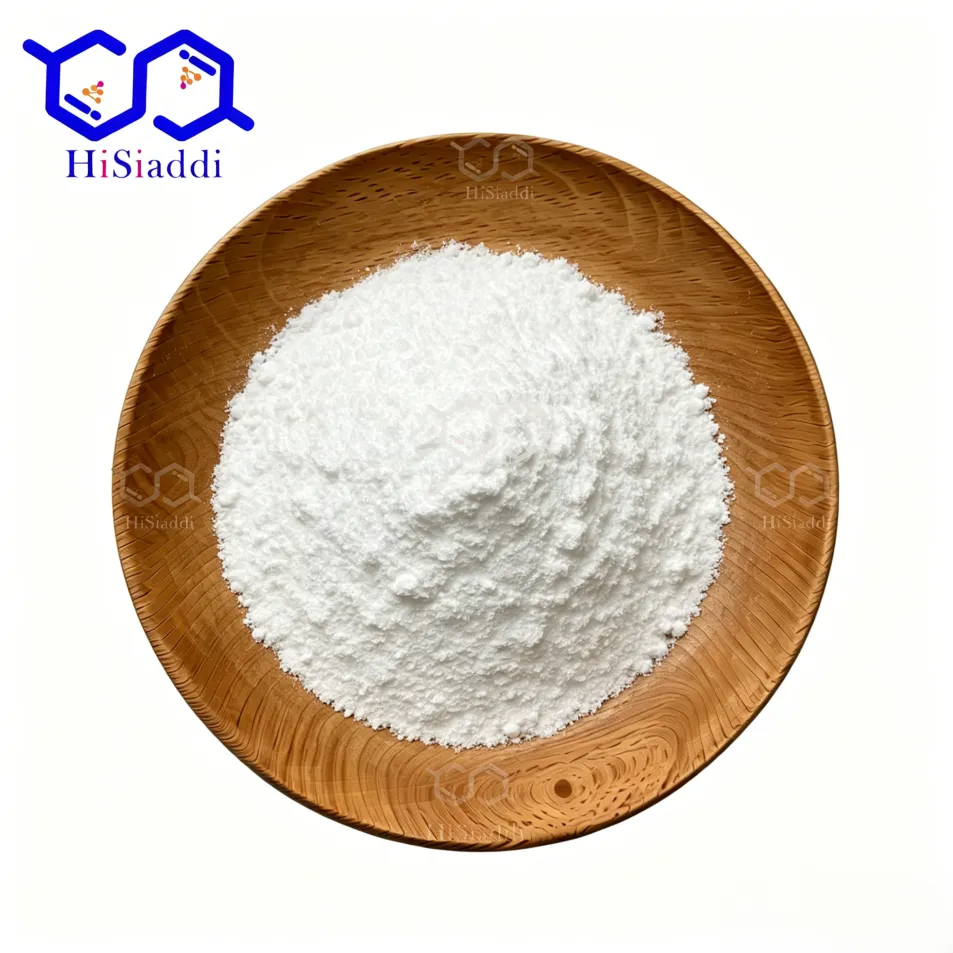
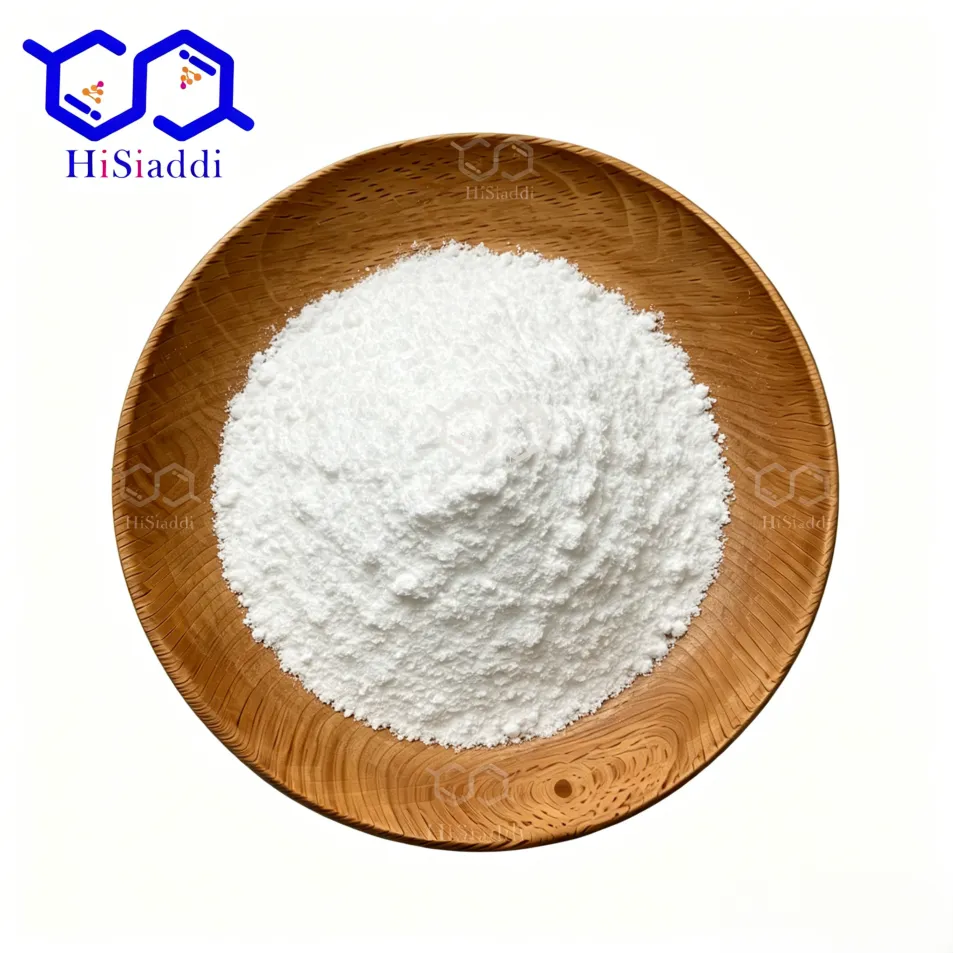
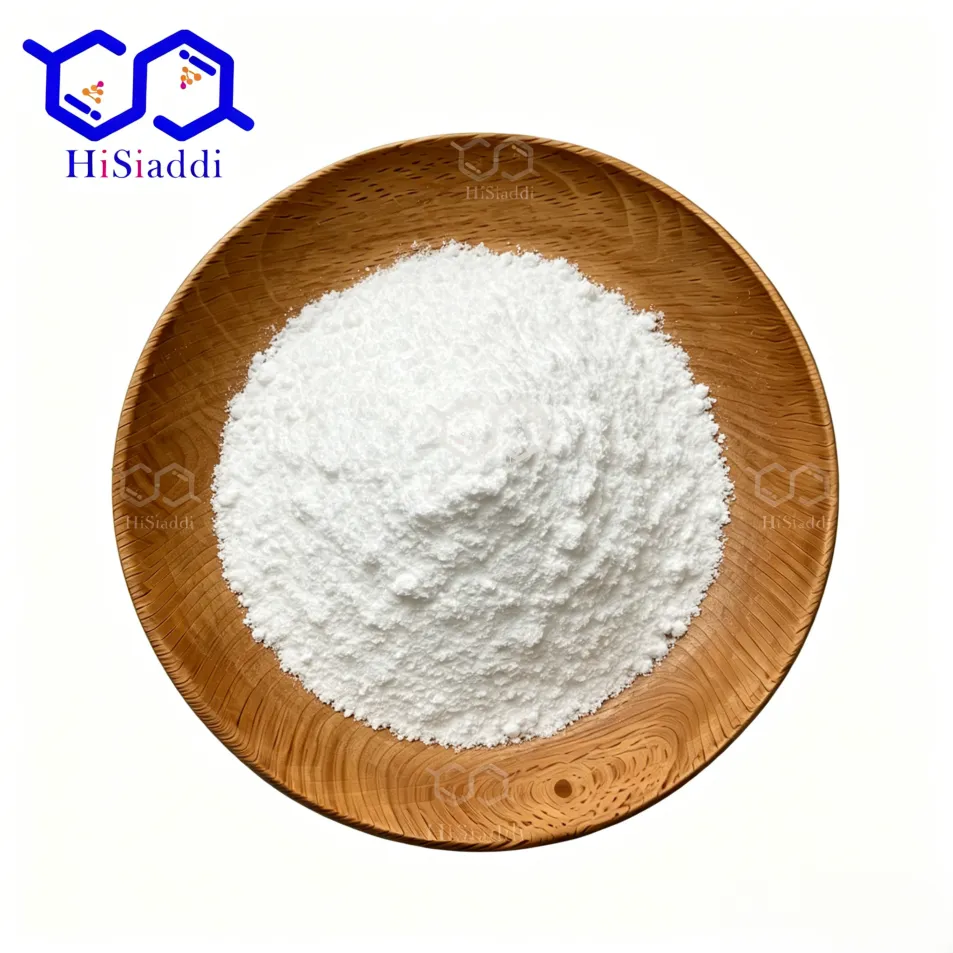
Polyglycerol Fatty Acid Esters, Abbreviation: PGFE. It is a non-ionic emulsifier for food emulsification stabilization and pharmaceutical dispersion. HiSiaddi supplies original factory goods of multiple Chinese brands with excellent quality.
Relying on ten years of research-grade consulting service experience, HiSiaddi recommends well-known brands and mainstream models of this product to you.
Songguan: PGFE-10 Decaglycerol Stearate (HLB=10), PGFE-8 Octaglycerol Oleate (HLB=8). Acid value ≤5, saponification value 120-135, heavy metals ≤1ppm. Strong emulsifying stability without hydrolysis at 120℃, priced 20%-25% lower than Japan Sakamoto, suitable for mid-to-high-end bakery and plant protein beverage manufacturers.
Cardlo: PGE-7 Lipophilic Type (HLB=7), PGE-12 Hydrophilic Type (HLB=12). Monoester content ≥70%, moisture ≤0.5%, free glycerol ≤2%. Good low-temperature fluidity and strong compound synergy at mid-range price, dedicated to sauce, meat product and cosmetic processing factories.
HiSiaddi Exclusive Services: Customized HLB gradient products (HLB 3-13); provision of E475, FDA 21CFR and REACH registration documents; formula optimization and emulsification process parameter debugging consulting; third-party testing for acid value, free glycerol and heavy metals.
 CONTACT HiSiaddi NOW
Name: | Polyglycerol Fatty Acid Esters | Other Name: | PGFE |
CAS No. | 67784-82-1 | Brand: | Multi-brand |
MF: | N/A | Model Number: | Multi-models |
EINECS No. | N/A | Place of Origin: | Jiangsu, China |
Purity: | 99.0% | Grade: | Food grade, industrial grade |
MOQ: | 1ton | Storage: | Please refer to the product packaging or contact the customer service |
When purchasing PGFE as a buyer, you may face the following questions:
What are the core indicator advantages and practical application effects of mainstream models of well-known PGFE brands?
What competitive services can PGFE suppliers offer?
How are the qualification certifications and market reputation of target PGFE brands?
What about the inventory volume and supply stability of PGFE suppliers?
What key factors should be taken into account when selecting PGFE?
...and many other relevant concerns.
Overseas batch production leads to uneven polymerization degree, low esterification rate and high impurity content;
Lack of feed-grade, high-temperature resistant extrusion-grade and customized polymerization-specific models;
Raw materials rely on imported palm oil, resulting in high costs and long delivery cycles;
Higher carbon footprint leads to much higher EU CBAM carbon tariff costs compared with China's eco-friendly continuous production process.
PGFE 10 Pro: HLB 10–12 high hydrophilic food grade, dedicated for ice cream, beverages and dairy products (top-selling export grade)
PGFE 6 High Pure: HLB 6 high-purity intermediate grade, ideal for bakery and chocolate production
PGFE 3 Oil Type: HLB 3 high lipophilic grade, applied in meat products, edible oil and fried food
PGFE HT High Temp: Special high-temperature resistant grade, suitable for 180℃ baking and extruded feed
PGFE Feed Grade: Feed-use PGFE for oil emulsification, nutrient absorption promotion and intestinal protection
Polyglycerol polymerization degree: Precisely controlled at 4–10 with narrow distribution, batch RSD<0.3%
Esterification rate: ≥92% for food grade, ≥95% for high-purity grade, free polyglycerol ≤3.0%
HLB accuracy deviation ≤±0.3, fully compliant with Sakamoto industrial standards
Acid value ≤2.0 mgKOH/g, saponification value: 200–225 mgKOH/g
Heavy metal limits: Pb<0.5 ppm, As<0.2 ppm, Cd<0.1 ppm, methanol residue<10 ppm
High temperature resistance: Retain ≥93% emulsifying activity after 30min heating at 180℃, higher than 85%–89% of Japanese brands
Shelf stability: Index attenuation<1.0% within 24 months sealed storage at 25℃
Raw materials: Natural plant-based palm oil & coconut oil, GMO-free
Full certifications: FSSC22000, ISO22000, GMP, EU REACH registration, Halal, Kosher, PAS2050 carbon footprint certification, FCC and EFSA filing. It is the only Chinese PGFE manufacturer with complete certification system matching Sakamoto standards
Annual output: 22,000 tons, ranking first worldwide
Europe & America: Large food groups, ice cream factories, leading bakery enterprises, chocolate manufacturers and top pet food brands in Germany, Netherlands, USA etc.
Japan & South Korea: Premium food additive producers, dairy factories and high-end bakery manufacturers
Global market: Organic food producers, high-end aquatic product processors and leading pre-mix feed importers
Accurate polymerization degree and high esterification rate enable direct replacement of Sakamoto and Riken products without formula adjustment
Excellent high-temperature resistance fits high-temperature baking, extrusion, frying and sterilization production processes
Compound use with sucrose ester and monoglyceride can reduce total emulsifier dosage by 20%–40%
Complete EFSA, REACH and FCC compliance documents shorten European and American factory audit cycle by 4–6 months
Improve fat utilization rate in feed, reduce fatty liver incidence and relieve livestock diarrhea
Bakery products: Enhanced anti-aging property, less crumbs, over 50% extended shelf life; fine cake texture and stable shaping
Ice cream: Improved melt resistance, no ice crystal formation and smooth taste
Beverages & dairy products: Stable protein system without stratification, strong acid-base tolerance
Chocolate: Reduced blooming phenomenon, higher gloss and better fluidity
Feed industry: Lower feed-to-meat ratio, less livestock diarrhea; enhanced anti-stress ability of aquatic products
Natural clean-label formula free of chemical residues brings prominent product premium
PGFE 10 Standard: HLB 10 standard food grade (second largest export volume)
PGFE 8 General: HLB 8 universal grade for snack food and beverages
PGFE Feed Multi: Universal feed-grade PGFE for livestock and aquaculture
PGFE Multi Blend: Compound emulsifier pre-mixture of PGFE, monoglyceride and sucrose ester
Polymerization degree: 4–8, esterification rate ≥88%, HLB deviation ≤±0.5
Heat resistance: Retain ≥86% activity at 85℃, higher than 81% of Evonik general grade
Self-sufficient raw material supply and bulk palm oil procurement ensure cost advantages
Certifications: ISO22000, Halal, Kosher, 100% smooth customs clearance in Southeast Asia, Middle East and South America
Annual capacity: 17,500 tons, great price negotiation space for full container orders
Stable bulk supply avoids production halt caused by raw material shortage
High compatibility with conventional food and feed production processes
One-stop supply of compound pre-mixture reduces multi-supplier procurement costs
Boost gross profit margin by 14%–20% via large-scale production
PGFE 10 USP: Standard food grade
PGFE Micro Powder: Exclusive instant micro-powder PGFE for cold processing and beverage production
PGFE Low PH: Strong acid resistant grade for acidic drinks and fermented food
PGFE Russia Grain: Custom formula specially for Russian grain bakery products
Micro-powder particle size ≤60 mesh, excellent cold water dispersibility without agglomeration
Strong acid resistance: Stable long-term performance at pH 2.0–3.0 with activity retention ≥91%
Complete Russian RZN and Central Asian GOST certifications
Superior sea freight logistics adapts to cold climate in Eastern Europe
PGFE All Grade: Universal full-specification PGFE
PGFE Pet Blend: High-purity compound grade exclusive for pet food (PGFE + sucrose ester + monoglyceride)
PGFE Ultra Low Metal: Ultra-low heavy metal customized grade for organic food
PGFE Carbon Low: Low-carbon eco-friendly PGFE
One-stop full-series supply: PGFE, sucrose ester, monoglyceride, polyglycerol ester, Span and Tween
Complete certifications: Australian TGA, New Zealand RMP, Brazilian ANVISA, Mexican COFEPRIS
Eco-friendly continuous production with low carbon footprint, fully compliant with EU CBAM regulations
PGFE 10 High Pure: High-purity food grade with esterification rate ≥91%
PGFE Halal: Halal-certified PGFE with full-process halal production
PGFE Low Ash: High-end low-ash customized grade
Natural plant-based raw materials, non-GMO, free of harmful solvents
Top-tier global Halal and Kosher certifications
Flexible supply with low MOQ starting from 50kg, breaking high order quantity threshold of large factories
Complete multi-language COA, SGS test reports and raw material traceability documents

| Brand | Core Export Grades | Core Competitive Indicators (vs Sakamoto/Riken/Evonik) | Cost Positioning | Target B2B Buyers | Downstream Buyer Benefits | End Product Advantages |
| Hangzhou Juxiangda | High-purity hydrophilic PGFE 10, bakery-grade PGFE 6, lipophilic PGFE 3, high-temperature extrusion grade, feed-specific grade | Precise 4–10 polymerization degree, esterification rate ≥92%, ≥93% activity retention at 180℃, full-set FSSC22000/REACH/carbon footprint/EFSA certifications, batch RSD<0.3% | High-end high cost-performance, 93%–140% cheaper than Sakamoto, zero after-sales risks | Large European & American food groups, bakery/ice cream giants, high-end pet feed enterprises | Direct replacement of imported products, wide high-temperature process adaptability, complete high-end compliance documents, 4–6 months shorter overseas audit cycle, clean label compliant | Prolonged bakery shelf life, ice cream free of ice crystals, anti-blooming chocolate, lower feed feed-to-meat ratio, strong natural safety premium |
| Zhejiang Dier Bio | Standard PGFE 10 food grade, universal PGFE 8, feed grade, compound emulsifier pre-mixture | Esterification rate ≥88%, HLB deviation ≤±0.5, ≥86% activity retention at 85℃, stable bulk supply, complete ISO certifications, prominent price edge | Most cost-effective for bulk food & feed grade, 81%–116% cheaper than Evonik | Large food factories, breeding groups and regional traders in Southeast Asia, Middle East, Africa | Fit common food & feed formulas, one-stop pre-mixture supply reduces multi-supplier costs | Lower emulsification cost for mass production, improved fat utilization in breeding industry, enhanced export qualification of livestock products |
| Guangdong Hesheng Bio | Standard PGFE 10, instant micro-powder grade, acid-resistant grade, customized Russian grain grade | Micro-powder ≤60 mesh, ≥91% activity retention at pH2.0, complete Russian & Central Asian certifications, moisture absorption<1.2% | Preferred mid-range customized brand, outstanding instant dispersion, acid resistance & regional customization advantages | Food manufacturers, grain bakeries and acidic beverage factories in Russia, Central Asia, Eastern Europe | Strong cold-processing compatibility, customized HLB matches high-starch formulas, hassle-free customs clearance, less storage loss | Stable beverage quality, optimized bakery taste, steady processing performance in cold regions |
| Shandong Youerkang | Universal full-spec grade, pet compound grade, ultra-low heavy metal organic grade, low-carbon eco grade | One-stop full-range emulsifier supply, complete Oceania & Latin America certifications, carbon footprint compliant, consolidated shipment cost advantage | Best choice for integrated one-stop procurement with prominent combined purchasing advantages | Pet groups, organic food enterprises and comprehensive importers in Australia, New Zealand, Brazil, Mexico | Unified supplier for all emulsifier materials, reduced ocean freight, customized products meet strict regional regulations | Synergistic emulsification effect, eco-friendly property accesses high-end retail channels, notable ESG green premium |
| Jiangsu Shengtai Bio | High-purity PGFE 10, halal-specific grade, low-ash customized grade | Top Halal & Kosher certifications, 50kg minimum order flexible supply, full raw material traceability, complete multi-language test reports | King of cost performance for small-batch & halal markets without MOQ premium | Halal food & breeding enterprises, emerging pet brands in Middle East, North Africa, Southeast Asia | Enter Muslim markets with built-in certifications, zero inventory risk for trial orders, flexible customization | Compliant with religious dietary standards, strong natural plant-based differentiation, rich profit space for niche brands |
HiSiaddi is an innovative foreign trade service provider driven by integrated technology transformation and foreign trade businesses. We have built a "1+2+3+4=1" product service system: 1 foreign trade salesperson with over 3 years of experience, 2 chemical R&D teams, 3 multi-screened high-quality suppliers, and 4 shared warehouses to satisfy all demands for one single product.
With this complete service system, HiSiaddi gains deeper insight into PGFE R&D and production optimization than ordinary trading companies, better understanding of differentiated market demands and competitive advantages of various PGFE brands than single factories, and richer experience in PGFE overseas export business than professional research institutes.
HiSiaddi only recruits foreign trade sales staff with more than 3 years of industry experience. All sales must receive combined training organized by R&D and foreign trade teams for over 6 months before providing services to clients.
(1) Basic Support Services for PGFE
Backed by our complete foreign trade operation system, we provide full-cycle one-stop document follow-up services, including issuance and agency application of all compliance certificates of PGFE, provision of third-party test reports, and follow-up & settlement of all quality guarantee problems.
(2) Exclusive Premium Services for PGFE
PGFE carbon footprint & EU CBAM compliance service: Official PAS2050 carbon footprint reports to save €150–210 per ton carbon tariffs; ESG and clean label registration support for food and feed downstream manufacturers.
We carry out in-depth joint development with source manufacturers via technology transfer, while maintaining close internal coordination with foreign trade teams to deliver regular technical training for sales teams. This enables us to provide highly professional PGFE customization and research-level consulting on brand selection and formula optimization.
(1) Research-Grade Customization Services for PGFE
Custom HLB value, high-temperature resistant and acid-stable PGFE for grain baking and acidic beverages; Optimize compound emulsification formulas with sucrose ester and monoglyceride to boost emulsification efficiency and end product gross margin by 35–55%.
(2) Research-Grade Consulting Services for PGFE
Global polyglycerol fatty acid ester market monthly report; Free high-temperature emulsification comparison test between domestic PGFE and Sakamoto/Riken samples; Global food purchaser resource matching community.
Our foreign trade and R&D teams cooperate closely. We conduct market research, on-site factory audits, full product testing, in-depth technical cooperation and bulk purchase cooperation in multiple rounds, and select around 3 reliable suppliers with stable supply, good reputation and great development potential.
(1) Initiative to Secure Lower PGFE Prices
Long-term cooperation via technology transfer and authorized distribution allows us to obtain factory-direct source at more competitive prices.
(2) Long-Term Supply Chain Assurance for PGFE
Our long-term cooperative model strengthens real-time production monitoring, full-process traceability, batch stability control, and compensation mechanisms for goods failing third-party inspection standards.
We operate 4 warehouses jointly with our suppliers to stock hot-selling bulk products.
(1) Fast Local Delivery & On-Site Problem Resolution for PGFE
Our four warehouses are located at Qingdao Port (North China), Ningbo Port (East China), Shenzhen Port (South China), and Zhengzhou inland logistics hub. We can deliver PGFE in a timely manner. If transportation damage, packaging defects or export compliance issues occur, our on-site staff stationed near each warehouse can solve problems on the spot immediately.
(2) Mitigate Price Volatility & Support Custom Packaging for PGFE
We stock goods in advance before peak demand seasons to ease sharp price fluctuations. Our self-operated warehouses fully support clients’ personalized packaging and labeling demands.
Custom light-proof packaging printed with client LOGO and natural emulsifier labels.
As an innovative foreign trade service provider driven by both technology transformation and foreign trade services, HiSiaddi has established a "1+2+3+4=1" service system and can supply PGFE sourced directly from multiple well-known original manufacturers. As a research & development-oriented foreign trade enterprise, we systematically sort out and analyze common procurement pain points faced by B-end buyers sourcing PGFE in China, alongside targeted solutions delivered by HiSiaddi.
If you require more professional and in-depth analysis regarding PGFE selection, please contact HiSiaddi customer service.
1. Falsely labeled polymerization degree and substandard emulsifying performance: Low-cost market supplies adulterate low-polymer glycerol (di- and triglycerol) to falsely market penta- and decaglycerol PGFE. Products labeled decaglycerol often exhibit far lower average measured polymerization degrees, triggering oil-water delamination and graininess in pastries and margarine, rendering entire batches of finished goods unusable and requiring full reformulation of emulsification systems.
2. High minimum order thresholds across diverse grades: PGFE includes over ten sub-grades with varying hydrophilic/lipophilic properties and HLB values. Most large manufacturers impose minimum order quantities of 500kg per single grade. Small ingredient factories requiring multiple blended materials cannot place large separate orders, and intermediate vendors mark up prices by 15%–30% for small batch purchases.
3. Excess acid value and heavy metal contamination: Residual unneutralized free fatty acids from inferior feedstocks drive elevated acid values, causing emulsion breakdown and sour deterioration when incorporated into acidic beverages and yogurts. Some raw materials contain heavy metal concentrations exceeding European and American food additive limits, failing incoming quality inspections by downstream brand clients.
4. Lack of import compliance documentation for small orders: Loose scattered suppliers only provide simple delivery slips, lacking EU E-number certifications, FDA food additive filings and raw material traceability records. Small consignments risk customs detention and inspection overseas due to incomplete documentation.
1. Contractual guarantee for polymerization degree and HLB indicators: Contracts specify fixed average polymerization degrees and HLB ranges for each grade, with third-party SGS test reports accompanying every batch. Products with measured indicators outside contracted limits qualify for unconditional returns and exchanges, with HiSiaddi covering all round-trip international logistics fees.
2. Consolidated multi-grade combined orders with split small-packaging supply: Consolidate purchasing demand from neighboring small ingredient factories for full-container bulk sourcing, with original manufacturers repackaging into 25kg/10kg food-grade plastic drums. All grades are available with a minimum order of 25kg, with phased batch delivery eliminating the need for large single-grade inventory stockpiling.
3. Tiered raw material supply with strict physical and chemical indicator controls: Export-standard limits enforced for acid value, lead and arsenic heavy metals. Premium formula-specific grades cap acid value at ≤3mgKOH/g, with single-item physical and chemical test reports supplied alongside shipments for compatibility with dairy and acidic beverage formulations.
4. One-stop complete compliance documentation support: Regardless of order tonnage, full supporting documentation including E-number certifications, FDA filings and raw material traceability ledgers is provided to satisfy cross-border customs clearance and downstream brand factory audit requirements.
1. Price hikes and supply disruptions driven by volatile bulk commodities (palm oil, glycerin): PGFE feedstocks rely on industrial glycerin and edible palm fatty acids, with international oil prices fluctuating 10%–25% monthly. Most manufacturers raise prices and cut production capacity amid raw material surges, leading to delivery delays during peak demand and production line downtime losses.
2. Inconsistent iodine value and melting point across batches: Variations in fatty acid carbon chain distribution from raw material batches create unstable expansion rates and low-temperature agglomeration in mass-produced ice cream and shortening oil. Inconsistent end-product quality across batches triggers brand returns and compensation claims.
3. Misalignment between long-term OEM fixed-price contracts and short-term price locks: Downstream brands sign 6–12 month fixed-price OEM agreements, yet most raw material suppliers only offer price locks valid for 15–30 days, leaving buyers to absorb all cost losses from oil price inflation.
4. Lack of customized modified specialty products: Frozen bakery dough requires low-temperature resistant modified PGFE, while beverages demand highly water-soluble modified variants. Standard universal grades deliver poor formulation compatibility, forcing buyers to purchase additional auxiliary emulsifiers and increasing raw material and processing costs.
1. Annual long-term framework agreements for raw material price locking and supply assurance: Sign yearly supply master agreements, with HiSiaddi pre-securing upstream glycerin and palmitic acid raw material inventory for quarterly phased delivery. Contracts stipulate liquidated damages of 0.2% of goods value per day for delayed shipments to mitigate seasonal raw material shortages.
2. Uniform homogenization mixing per batch plus dual factory & third-party testing: All finished goods from a single production batch undergo homogenized blending prior to packaging, with dual testing via internal factory inspection and full third-party Intertek analysis. Strict control of batch-to-batch errors in iodine value, melting point and HLB ensures stable continuous production line output.
3. Tiered price locking services spanning 3–12 months: Large annual buyers pay a small security deposit to lock pricing in advance based on monthly consumption forecasts, hedging against cyclical international oil price inflation.
4. Custom directional modification & production tailored to formulations: Develop low-temperature resistant variants for frozen bakery dough and highly hydrophilic modified PGFE for beverage applications, with finished products directly compatible with end-user formulas to eliminate secondary compounding processing costs for buyers.
1. Divergent additive regulatory indicator standards across jurisdictions: Goods distributed across the EU, US, Japan, South Korea and Southeast Asia face disparate regulations: the EU imposes strict limits on free glycerol and heavy metals, the US adheres to FCC standards, while Southeast Asia maintains loose access criteria. A single grade cannot serve all regions, and separate country-specific procurement increases combined ocean freight and customs costs by over 28%.
2. Leakage and oxidative deterioration during long-distance ocean transit: Liquid and paste PGFE risks leakage through damaged seals contaminating outer packaging; high-temperature ocean transit triggers fatty acid oxidative rancidity, resulting in end-customer rejection with goods losses ranging from 3.5%–8%.
3. Premium pricing for small supplementary orders after bulk container stockpiling: Large full-container bulk orders secure favorable unit pricing, yet subsequent small replenishment orders incur price surcharges of 12%–22%, squeezing distribution profit margins.
4. Shortage of multi-lingual customs declaration and SDS documentation: National customs authorities require safety data sheets and additive filing materials in local languages; original manufacturers only provide Chinese-language documents, and self-compiled buyer documentation errors frequently lead to cargo port detention.
1. Mixed multi-grade consolidated full-container shipments: Separate three product tiers: high-compliance grades for Europe and America, tightly controlled indicator grades for Japan and South Korea, and economical grades for Southeast Asia. Multiple PGFE specifications are consolidated into a single container shipment to eliminate separate orders and vessel bookings.
2. Thickened sealed packaging with optional temperature-controlled shipping: Solid products utilize inner aluminum foil bags housed within waterproof drums; liquid PGFE is packed in thickened food-grade sealed drums with outer protective cartons. Temperature-controlled containers are available for high-temperature ocean routes. HiSiaddi provides free product replacement and covers round-trip shipping fees for goods arriving rancid or leaking beyond acceptable thresholds.
3. Overseas bonded warehouse storage & supplementary replenishment mechanism: Large full-container shipments are stored at partnered overseas bonded warehouses, with subsequent small replenishment orders retaining the original bulk unit price without small-order surcharges for last-mile split delivery to regional downstream clients.
4. Complimentary multi-lingual full filing documentation support: Free supply of English, Spanish, Japanese and ASEAN-language SDS documents, label templates and national additive access certification materials, ready for direct printing and customs declaration.
1. Excess residual catalysts and small-molecule impurities triggering skin irritation: Standard food-grade PGFE retains alkaline catalysts and short-chain fatty acid impurities, causing stinging and redness when formulated into skincare creams and topical ointments, failing skin irritation testing and preventing product market launch.
2. Excessive microbial count and peroxide levels: Cosmetic and pharmaceutical raw materials enforce far stricter microbial control standards than food-grade alternatives. Conventional raw materials often exceed limits for colony count and peroxides, leading to mold and rancidity of finished creams during storage.
3. Persistent off-odors: Crude PGFE retains greasy processing odors, transferring fishy oil aromas to finished skincare products and failing sensory acceptance standards for end goods.
1. Refining and impurity removal processes for pharmaceutical and cosmetic grades: Catalyst neutralization and short-chain fatty acid rectification purification technologies are implemented to control hazardous residual levels, with supporting skin irritation test reports supplied for compatibility with topical cream and ointment formulations.
2. Production in Class 100,000 clean workshops with specialized testing: Cosmetic and pharmaceutical grades are manufactured under full sterile process controls, with additional factory testing for total plate count and peroxide levels to meet European and American cosmetic raw material access specifications.
3. Low-temperature vacuum deodorization refining treatment: Vacuum processing removes greasy residual odors, delivering mild or odorless finished products compliant with sensory requirements for skincare and pharmaceutical excipients.
If you require more professional and in-depth analysis regarding PGFE selection, please contact HiSiaddi customer service.
Free fatty acid content ≤ 1.0%, and heavy metal indicators comply with EU Regulation EC1881;
No palm oil based raw materials (restricted by local environmental protection laws in Chile for food additives); all fatty acids used for esterification must be derived from sunflower oil;
Trial order: 500 kg per batch; mass production order: 3 tons per batch;
Provide complete compliance documents including COA, REACH and KOSHER certificates recognized by Chilean customs.
The lotion stratified and oil floated on the surface after standing at room temperature for 48 hours, while the same formula worked well with PGFE from Mitsubishi, Japan;
The product turned white and turbid after being refrigerated at 5℃ for one week, pushing the product rejection rate up to 32%.
Traceability and testing of raw materials and formula
Our cosmetic application engineers took samples for inspection together with the Korean factory and identified two core causes:
The PGFE previously used by the client was a mixed ester (compound of oleic acid and linoleic acid), while the delivered domestic product was made of pure oleic acid with a single HLB value, which failed to adapt to the compound oil system (squalane + plant sterol) adopted by the client;
The water phase contained a high content of panthenol, leading to a system pH value of 5.3. Pure oleic acid based PGFE showed a sharp decline in emulsification stability under weakly acidic conditions.
Two sets of optimization schemes
Scheme 1 (Formula optimization): Reduce the dosage of original PGFE to 0.85%, add 0.3% Polyglycerol-6 Laurate for synergistic emulsification, and adjust the pH value of water phase to 5.8 to balance the acid value of the system.
Scheme 2 (Raw material customization): We coordinated the manufacturer to rapidly develop modified PGFE via targeted esterification with oleic acid and linoleic acid at a ratio of 7:3, reproducing the emulsification structure of Japanese products. 300 kg of modified products were delivered free of charge to replace the defective stock.
On-site production guidance
We provided online video guidance to optimize the emulsification process: heat the oil phase to 75℃ and the water phase to 80℃, conduct high-speed homogenization at 12000 rpm for 6 minutes, then stir slowly while cooling down to avoid whitening caused by rapid cooling and oil precipitation.
Lead time
Quantity (ton) | 0 - 10 | 10 - 30 | > 30 |
Lead time (days) | 7 | 15 | To be negotiated |
The monthly inventory volume of PGFE is 150 tons, with appropriate adjustments upwards or downwards in response to peak and off-peak seasons.
HiSiaddi safeguards the supply stability of PGFE through the following measures:
(1) Performance evaluation and screening of PGFE brand factories based on on-time delivery rate, batch pass rate, timeliness of risk alerts, and completeness of documentation to assess their supply stability.
(2) For each mainstream model or major grade of PGFE, secure 1 primary high-quality brand manufacturer and 2 backup high-quality manufacturers.
(3) Each factory operates independent production lines in separate production zones to prevent production halts caused by major unforeseen incidents such as environmental production suspensions and power outages.
Through long-term cooperation with brand manufacturers via technology commercialization and authorized distribution channels, HiSiaddi can effectively strengthen supervision over the production processes of brand manufacturers, optimize full-process traceability management, improve batch stability control, and further reinforce real-time monitoring of the supply stability of PGFE products.
Long-term Annual Framework Supply Guarantee Agreement. HiSiaddi signs 12-month long-term agreements with leading manufacturers. The agreements specify the minimum guaranteed supply volume, maximum price hike range, and priority production scheduling rights during peak seasons. It is stipulated that manufacturers shall issue a 30-day prior written notice if production is suspended due to environmental rectification or equipment maintenance, and backup manufacturers will be activated to replenish goods accordingly.
We have 4 warehouses, which are jointly operated and managed with suppliers to store hot-selling products.The four warehouses are located at Qingdao Port in North China, Ningbo Port in East China, Shenzhen Port in South China, and Zhengzhou, China’s inland logistics hub. This setup guarantees sufficient supply and timely shipment of PGFE during peak seasons.
HiSiaddi issues a rolling demand forecast covering the subsequent three months on the 25th of each month, allowing manufacturers to reserve production capacity in accordance with the forecast. Any new urgent orders from overseas clients will be prioritized to draw on inventories or production capacity from backup manufacturers.
Unstable logistics for PGFE will extend delivery lead times. HiSiaddi has established alternative arrangements covering multiple freight forwarders, ports and transportation solutions:
(1) Binding of multiple professional chemical freight forwarders for PGFE
Each product is assigned 2 to 3 freight forwarders with hazardous chemical/food transport qualifications affiliated with different shipping lines. Alternative sailing schedules can be switched to immediately in case of space shortages or customs inspections on a single shipping route.
(2) Backup transportation solutions for PGFE
Ocean freight serves as the standard mode; air freight and rail freight are reserved as alternatives for urgent orders. Long-term agreements for temperature-controlled containers are signed for temperature-sensitive and perishable food additives to secure shipping space.
(3) Visual tracking and digital early warning for PGFE
Freight forwarders synchronize daily updates on container loading, customs declaration, vessel loading and port arrival milestones. If customs inspection occurs, replenishment from backup inventory will be initiated immediately to shorten client waiting periods.
Full-chain digital early warning automatically monitors four categories of risks:
Factory side: Expiring supplier environmental assessment certificates, renewal of production permits, scheduled major equipment overhauls, and notifications of price hikes for upstream raw materials;
Inventory side: Inventory falling below safety thresholds, excessive inventory age, and batches failing quality inspection;
Logistics side: Shipping line space shortages, strikes at destination ports, and updates to customs policies;
Overseas side: Revisions to additive regulations and adjustments to import restriction lists in target countries.
Early warning notifications are automatically pushed to procurement and business leads, allowing backup suppliers or inventory contingency plans to be activated in advance.
As a new-type foreign trade service provider driven by dual engines of technology commercialization and foreign trade, HiSiaddi has built a "1+2+3+4=1" service system and can supply PGFE sourced from multiple well-known original manufacturers.
As an R&D-focused foreign trade enterprise, HiSiaddi does not only promote a single factory’s products like brand-specific manufacturers. We objectively analyze multiple competitive well-known Chinese export brands of PGFE and share their certification portfolios and market feedback transparently, enabling buyers to make more efficient, reliable purchasing decisions.
If you require authentic, objective comprehensive introductions to multiple leading Chinese PGFE brands, please contact HiSiaddi customer service.
· PG6-O (Polyglycerol-6 Oleate, pharmaceutical grade): ≥99.5% purity, low viscosity, superior emulsification, suitable for microcapsule drug delivery and sustained-release suppositories.
· PG10-MS (Decaglycerol Monostearate, premium cosmetic grade): Precisely controlled polymerization degree (PDI ≤1.12), non-irritating, excellent transdermal absorption for medical aesthetic repair creams and serums.
· PG4-L (Polyglycerol-4 Laurate, food grade): High HLB value (10.5), stable under low temperatures, tailored for emulsification systems in oat milk and plant meat.
1. Pharmaceutical sector (European, U.S., Japanese & South Korean pharmaceutical firms): Industry-leading batch consistency with zero detectable impurities (heavy metals/residual solvents), passing full ICH Q7 batch quality control audits. It is the exclusive Chinese supplier for microcapsule formulations to Pfizer and Merck, with pharmaceutical-grade orders rising 58% year-on-year in 2025.
2. Premium cosmetic sector (European & North American skincare brands): PG10-MS is recognized as the "top medical aesthetic emulsifier" by L’Oréal and SkinCeuticals. It delivers zero skin sensitization, 100% compatibility with hyaluronic acid and peptides, replaces equivalent products from Japan’s Sakamoto, and cuts costs by 35%.
3. Plant-based food sector (Southeast Asia & Australia): PG4-L eliminates stratification issues in plant milk, extending shelf life to 12 months, and is designated as a dedicated emulsifier for Mengniu Indonesia and OATLY’s Asian supply chain.
✅ Pharmaceutical grade: NMPA pharmaceutical excipient filings (12 dosage forms), ICH Q7 certification, U.S. FDA DMF filing, EU EDQM certification ✅ Food grade: EU E475, U.S. FDA GRAS, ISO22000, HACCP, Halal, Kosher ✅ Green certifications: Carbon neutrality certification, RSPO sustainable palm oil certification, LCA carbon footprint ≤1.4kgCO₂e/kg
· PG8-MS (Octaglycerol Monostearate, food grade): ≥98.5% purity, heat-resistant up to 180°C, anti-icing crystal and shape-retaining performance ideal for bakery and ice cream.
· PG10-MO (Decaglycerol Monooleate, cosmetic grade): High emulsification efficiency for premium sunscreens and cleansing oils with easy rinsing and zero residue.
· Bio-based PGFE (plant-derived glycerin + natural fatty acids): 61% lower carbon footprint, formulated for organic food and clean beauty applications.
1. Food sector (Europe, U.S., Japan & South Korea): The leading clean-label brand; its bio-based PGFE passed EFSA reassessment and is designated as the exclusive emulsifier for organic food by Danone, Nestlé and Meiji. Organic food orders accounted for 42% of total food-grade volumes in 2025.
2. Cosmetic sector (global mid-to-high-end brands): PG10-MO serves as the core emulsifier in Kiehl’s and Shu Uemura cleansing oils, delivering 15% higher emulsification efficiency than imported alternatives at a 30% lower price; Southeast Asian beauty brands name it the "cost-performance champion".
3. Industrial sector (waterborne coatings & biodegradable plastics): PG8-MS offers outstanding dispersibility, adopted by AkzoNobel and Kingfa Science for waterborne coatings and PLA biodegradable plastics, replacing traditional emulsifiers and cutting VOC emissions by 40%.
✅ Food grade: EU E475, U.S. FDA GRAS, China GB2760, EU & U.S. organic certifications, ISO22000, HACCP ✅ Cosmetic grade: EU REACH, U.S. CPSR, China’s new cosmetic regulations, Ecocert organic certification, Oeko-Tex Standard 100 ✅ Enterprise qualifications: MIIT Green Additive White List, National Green Factory, ISO14001, ISO45001
· PG4-ST (Tetraglycerol Stearate, color cosmetic grade): ≥98% purity, fine uniform powder dispersion for lipsticks, pressed powders and eyeshadows, anti-caking and enhanced color payoff.
· PG6-MO (Hexaglycerol Oleate, skincare grade): Low irritation, high moisturization for sensitive skin care and infant wash & care products, passing zero skin irritation testing.
· PG3-L (Triglycerol Laurate, wash & care grade): Water-soluble, fine foam for shampoos and body washes, delivering gentle cleansing without tightness.
1. Color cosmetic sector (Europe, U.S., Japan, South Korea & Taiwan China): PG4-ST is recognized as the dedicated powder emulsifier for Estée Lauder, MAC and Florasis, delivering uniform color payoff and long-wearing performance without caking. It replaces equivalent products from Japan’s Emulsification Co., Ltd., cutting costs by 28%.
2. Sensitive skin care sector (Europe, U.S. & Australia): PG6-MO holds EU sensitive skin certification with zero reported sensitization cases, adopted by La Roche-Posay, Winona and Aesop for sensitive skin creams and infant moisturizers. Sensitive skin orders rose 65% year-on-year in 2025.
3. Mass Southeast Asian beauty sector: PG3-L delivers outstanding cost-performance for large-scale procurement by Indonesian and Thai beauty giants (Wardah, Mistine), formulated into affordable wash & care lines with high repeat purchase rates.
✅ Cosmetic grade: EU REACH, U.S. CPSR, China’s new cosmetic regulations, Ecocert, Oeko-Tex Standard 100, Halal, Kosher ✅ Food grade: EU E475, U.S. FDA GRAS, ISO22000, HACCP ✅ Enterprise qualifications: National High-Tech Enterprise, Specialized, Refined, Unique & Innovative SME, ISO9001, ISO14001
· PG10-MS (Decaglycerol Monostearate, pharmaceutical grade): ≥99.9% purity, sterile, low endotoxin for injections, eye drops and ointments.
· PG5-O (Pentaglycerol Oleate, pharmaceutical grade): Superior emulsification stability for emulsion vaccines and liposomal drugs, boosting drug stability and bioavailability.
· PG2-ML (Diglycerol Laurate, food/cosmetic grade): Low viscosity, highly compatible for beverages, toothpaste and mouthwash.
1. Generic drug sector (India, Southeast Asia & South America: The top supplier for Indian generic pharmaceutical giants; PG10-MS holds Indian CDSCO certification for amoxicillin and ibuprofen ointments, matching BASF’s German quality at a 40% lower price. Indian orders accounted for 55% of total pharmaceutical volumes in 2025.
2. Vaccine & biologic sector (global emerging pharmaceutical firms): PG5-O is used by Sinopharm and Sinovac for emulsion vaccines, boosting formulation stability by 30% and extending vaccine shelf life. Southeast Asian biotech firms adopt it for liposomal drugs to enhance targeted delivery.
3. Mass food & cosmetic sector (global mainstream markets): PG2-ML delivers strong cost-performance for Coca-Cola and Colgate in beverages and toothpaste, optimizing mouthfeel and stabilizing formulations with a global repeat purchase rate exceeding 90%.
✅ Pharmaceutical grade: NMPA pharmaceutical excipient filings (17 filing numbers covering 8 dosage forms), ICH Q7, U.S. FDA DMF, EU EDQM, sterile certification ✅ Food grade: EU E475, U.S. FDA GRAS, ISO22000, HACCP, Halal, Kosher ✅ Enterprise qualifications: National Specialized, Refined, Unique & Innovative "Little Giant" Enterprise, High-Tech Enterprise, ISO9001, ISO14001
· Bio-based PGFE (fermented glycerin from waste oils + natural fatty acids): Carbon footprint of 1.82kgCO₂e/kg (61% lower than petrochemical routes), ≥98% purity for organic food, clean beauty and eco-industrial applications.
· PG8-MO (Octaglycerol Oleate, food grade): High HLB value (11.2), stable low-temperature emulsification for plant-based yogurt and low-sugar beverages.
· PG6-MS (Hexaglycerol Monostearate, cosmetic grade): ≥90% biodegradability for eco-friendly skincare and coatings on degradable cosmetic packaging.
1. Green food sector (Europe, Northern Europe & North America): A global benchmark for bio-based PGFE; its waste oil feedstock holds EU Circular Economy certification, designated as the exclusive emulsifier for IKEA Food and Northern European Organic Food Association. Bio-based orders rose 72% year-on-year in 2025.
2. Sustainable beauty sector (Europe, U.S., Japan & South Korea): Bio-based PGFE holds EU Ecocert and USDA organic certifications, adopted by Lush, The Body Shop and Muji for eco-friendly skincare with full biodegradability aligned with ESG trends.
3. Eco-industrial sector (waterborne coatings & biodegradable plastics): PG6-MS offers full biodegradability for BASF and Dow’s waterborne coatings and PLA plastics, replacing petrochemical emulsifiers and cutting carbon emissions with EU Green Product certification.
✅ Bio-based & green certifications: Carbon neutrality, RSPO, Ecocert, USDA Organic, LCA carbon footprint certification, EU Circular Economy certification ✅ Food & cosmetic grade: EU E475, U.S. FDA GRAS, EU REACH, ISO22000, HACCP, Halal, Kosher ✅ Enterprise qualifications: National Green Factory, MIIT Green Additive White List, ISO14001, ISO45001, Higg FEM certification (Anhui Anli Material Technology Co., Ltd.)
✅ Full-spectrum coverage: Complete food/cosmetic/pharmaceutical/industrial grades for one-stop procurement ✅ Full international compliance: All grades certified to EU E475, U.S. FDA GRAS, ISO22000 and other global standards for cross-border market access ✅ Superior cost-performance: Equivalent quality at 25%–40% lower prices than European/American brands and 20%–30% lower than Japanese/South Korean brands ✅ Customization capability: Adjustable polymerization degree, purity and HLB values tailored to exclusive client formulations
· Pharmaceutical buyers: Prioritize Jiangsu Haixing Chemical and Shandong Tianyi Chemical (ultra-high purity, sterile grades, ICH Q7 certified)
· Food buyers (clean label/plant-based): Prioritize Zhejiang Huangma Technology and Anhui Anli Material Technology (bio-based, organic certified, low-temperature stability)
· Premium cosmetic/color cosmetic buyers: Prioritize Guangdong Kefeng New Materials and Zhejiang Huangma Technology (high purity, zero irritation, optimized for color cosmetics)
· Sustainability-focused buyers: Prioritize Anhui Anli Material Technology (100% bio-based, carbon neutral, fully biodegradable)
As an exclusive foreign trade service provider for China’s top PGFE manufacturers, we deliver the following services:
1. Free samples: Complimentary samples of all grades for formulation testing and validation
2. Customized manufacturing: Adjustable purity, polymerization degree and HLB values for exclusive client formulations
3. Full compliance documentation: Complete certification packages including FDA, EFSA and ISO22000 for seamless customs clearance
4. Global logistics: One-stop FOB/CIF/DDP services to guarantee on-time delivery
We look forward to partnering with you to seize new opportunities in the global PGFE industry’s green transformation and premium upgrading, leveraging the high-quality, cost-effective and fully compliant strengths of China’s top 5 manufacturers to share industry growth dividends!
As a new-type foreign trade service provider driven by dual engines of technology commercialization and foreign trade, HiSiaddi has built a "1+2+3+4=1" service system and can supply PGFE sourced from multiple well-known original manufacturers.
As an R&D-focused foreign trade enterprise, HiSiaddi does not only promote a single factory’s products like brand-specific manufacturers. We objectively analyze multiple competitive well-known Chinese export brands of PGFE and transparently share their production processes, supply stability and key performance indicators, as well as the downstream procurement impacts of these critical factors to enable buyers to make more efficient, reliable purchasing decisions.
If you require authentic, objective comprehensive introductions to multiple leading Chinese PGFE brands, please contact HiSiaddi customer service.
The firm operates a fully self-contained vertical chain from epichlorohydrin to high-purity glycerin, polyglycerin and finished PGFE, with 82.6% self-supply of polyglycerin intermediates to control impurities at the source.
· Polymerization stage: Continuous flow microreactor with precise temperature control (230–250°C), vacuum dehydration under nitrogen protection (-0.095MPa), delivering narrow PDI ≤1.12 for PG6/PG10 to avoid mixed polymers.
· Esterification stage: 62.3% enzymatic catalysis paired with 37.7% solid acid catalysis, replacing traditional strong alkali catalysts to achieve 99.5% reaction selectivity. By-products are limited to glycerin and water, cutting total impurities by 67.4% versus alkali catalysis routes.
· Refining stage: Three-stage molecular distillation + activated carbon decolorization + sterile filtration. Pharmaceutical grades undergo 0.22μm sterile membrane filtration to eliminate pyrogens and endotoxins.
· Advantages: Ultra-high purity, minimal impurities, exceptional batch consistency, ideal for high-barrier applications including injectable pharmaceuticals and medical aesthetics.
· Production capacity: Dual manufacturing bases in Yancheng and Nantong, Jiangsu with total annual capacity of 18,000 tons, including an 8,000-ton dedicated pharmaceutical-grade production line operating at 89.7% capacity utilization, capable of fulfilling single orders of 50–200 tons.
· Raw material security: 3-year fixed-price strategic contracts with Shandong Binhua and Jiangsu Suopu guarantee annual supply of 12,000 tons of ≥99.5% high-purity glycerin, eliminating raw material shortage risks.
· Inventory strategy: Core grades (PG6-O/PG10-MS) maintain 30 days of safety stock pre-positioned in bonded warehouses at Shanghai Port; delivery lead times of 7–10 days for Europe/America and 3–5 days for Asia-Pacific markets.
· Emergency response capability: Standby production lines available 24/7; rush orders can commence production within 48 hours, achieving a 99.8% on-time delivery rate for all orders in 2025.
表格
Indicator | Pharmaceutical Grade (PG6-O/PG10-MS) | Food Grade (PG4-L) | Industry Benchmark |
Purity | ≥99.5% | ≥98.5% | ≥98.0% |
Heavy Metals (Pb/As) | ≤0.1ppm | ≤0.5ppm | ≤1.0ppm |
Free Glycerin | ≤0.2% | ≤0.3% | ≤0.5% |
Acid Value (mgKOH/g) | ≤0.3 | ≤0.5 | ≤1.0 |
Peroxide Value | ≤0.5meq/kg | ≤1.0meq/kg | ≤2.0meq/kg |
Microorganisms | Sterile (Pyrogen-Free) | Zero Detection | No Pathogens |
1. Pharmaceutical buyers: Quality matches BASF/Evonik with 35%–40% lower pricing; exceptional batch consistency eliminates re-filing requirements and shortens supplier audit cycles from 6 months to 2 months. Zero detectable impurities eliminate product write-off risks and reduce compliance liabilities.
2. Premium cosmetic buyers: PG10-MS delivers zero skin sensitization for sensitive skin and post-procedure repair formulations, replacing equivalent Japanese Sakamoto products with 30% cost savings and 100% compatibility with hyaluronic acid and peptides to stabilize formulations and extend shelf life.
3. Plant-based food buyers: High HLB (10.5) PG4-L eliminates stratification in oat milk, extending shelf life to 12 months and supporting 20%–30% product price premiums.
Specializing in food-grade PGFE, the firm uses 100% green manufacturing processes with bio-based palm-derived glycerin and natural fatty acids.
· Polymerization stage: Batch enamel reactors with gradient temperature ramping (180–220°C) to precisely control PG8/PG10 polymerization for bakery and ice cream applications.
· Esterification stage: Dual-temperature gradient esterification (160°C → 190°C) with solid acid catalysis, eliminating heavy metal residues and stabilizing acid value at ≤0.35mgKOH/g (industry average: 0.82).
· Refining stage: Two-stage molecular distillation + vacuum deodorization, delivering pale color (≤50 Hazen) and odor-free formulations suitable for clean-label food products.
· Advantages: Large-scale production, low cost, full clean-label compliance for mass mid-to-low volume food procurement.
· Production capacity: Single manufacturing base in Shaoxing, Zhejiang with total annual capacity of 32,000 tons (25,000-ton dedicated food-grade line) operating at 92.4% industry-leading capacity utilization, capable of fulfilling single bulk orders of 100–500 tons.
· Raw material security: 5-year strategic supply agreements with Sinopec and Sanjiang Chemical guarantee annual supply of 20,000 tons of bio-based glycerin with price volatility capped at ≤5%.
· Inventory strategy: Mainstream food-grade grades (PG8-MS/PG10-MO) maintain 45 days of safety stock pre-positioned at Ningbo Port bonded warehouses with global delivery lead times of 7–12 days.
· Delivery performance: Over 2,000 batches fulfilled in 2025 with a 99.5% on-time delivery rate and no major supply disruption incidents.
表格
Indicator | Food Grade (PG8-MS/PG10-MO) | Cosmetic Grade | EU E475 Standard |
Purity | ≥98.5% | ≥98.0% | ≥98.0% |
Heavy Metals (Pb/As) | ≤0.5ppm | ≤0.5ppm | ≤1.0ppm |
Free Glycerin | ≤0.3% | ≤0.4% | ≤0.5% |
Acid Value (mgKOH/g) | ≤0.35 | ≤0.5 | ≤1.0 |
Iodine Value | ≤3g/100g | ≤5g/100g | ≤10g/100g |
Microorganisms | Zero Detection | Zero Detection | No Pathogens |
1. Food buyers (bakery/dairy): Abundant stable capacity delivers consistent pricing of RMB 100,000–120,000 per ton, 30% cheaper than European/American brands. Bio-based PGFE holds EU EFSA approval as a clean-label emulsifier for Danone and Nestlé, enabling market access to premium European and American food markets.
2. Cosmetic buyers (mass skincare/color cosmetics): High-efficiency PG10-MO serves as the core emulsifier for Kiehl’s and Shu Uemura cleansing oils, delivering 15% higher emulsification performance than imported alternatives at a 25% cost reduction with batch variation controlled within ±2% for stable formulations.
3. Industrial buyers (waterborne coatings/biodegradable plastics): PG8-MS delivers superior dispersibility to replace traditional emulsifiers, cutting VOC emissions by 40% and meeting EU green certification standards for eco-industrial applications.
Focused on premium cosmetic niche segments, the firm adopts 100% enzymatic catalysis processes tailored to color cosmetics and sensitive skin care with ultra-low impurity levels.
· Polymerization stage: Small precision polymerization reactors to control PG4/PG6 polymerization with PDI ≤1.15 for ultra-fine, free-flowing powder dispersion.
· Esterification stage: Immobilized lipase catalysis at mild 37–50°C low temperatures eliminates side reactions, limiting total impurities to ≤50ppm (far below industry average).
· Refining stage: Nano-membrane filtration + low-temperature drying producing powder particle sizes ≤5μm with excellent fluidity for lipsticks, pressed powders and eyeshadows.
· Advantages: Low-temperature enzymatic synthesis, zero skin irritation, premium powder properties dedicated to color cosmetics and infant wash & care products.
· Production capacity: Manufacturing base in Sanshui, Foshan, Guangdong with total annual capacity of 12,000 tons (10,000-ton dedicated cosmetic-grade flexible production line) capable of fulfilling custom small-batch single orders of 5–50 tons.
· Raw material security: 2-year supply agreements with Guangdong Carpoly and Anhui Fengyuan guarantee annual supply of 8,000 tons of oleic and stearic acid for stable raw material sourcing.
· Inventory strategy: Color cosmetic grade (PG4-ST) and sensitive skin grade (PG6-MO) maintain 20 days of safety stock pre-positioned at Guangzhou Port; delivery lead times of 3–5 days for Asia-Pacific and 7–10 days for Europe/America.
· Customization agility: Sample development within 7 days and mass production within 15 days to support rapid formulation iteration by color cosmetic brands; custom orders accounted for 45% of total volume in 2025.
表格
Indicator | Color Cosmetic Grade (PG4-ST) | Sensitive Skin Grade (PG6-MO) | Cosmetic Industry Benchmark |
Purity | ≥98.0% | ≥98.5% | ≥98.0% |
Heavy Metals (Pb/As) | ≤0.5ppm | ≤0.3ppm | ≤0.5ppm |
Free Glycerin | ≤0.4% | ≤0.3% | ≤0.5% |
Acid Value (mgKOH/g) | ≤0.5 | ≤0.4 | ≤1.0 |
Skin Irritation Test | Zero Irritation | Zero Irritation | Non-Sensitizing |
Powder Particle Size | ≤5μm | — | ≤10μm |
1. Color cosmetic buyers (lipsticks/eyeshadows/pressed powders): Ultra-fine PG4-ST powder delivers uniform dispersion, enhanced color payoff and anti-caking long-wearing performance, replacing equivalent products from Japan’s emulsification manufacturers with 28% cost savings for mid-to-high-end color cosmetic brands.
2. Sensitive skin & infant wash & care buyers: EU-certified zero-irritation PG6-MO eliminates sensitization risks for La Roche-Posay, Winona and infant moisturizer lines, supporting 30%–40% product price premiums.
3. Mass Southeast Asian beauty buyers: Cost-effective PG3-L (RMB 80,000–100,000 per ton) delivers gentle non-stripping cleansing for affordable wash & care lines with repeat purchase rates exceeding 90%.
Specializing in pharmaceutical excipients, the firm uses ≥99.8% high-purity polyglycerin and sterile esterification processes holding NMPA pharmaceutical excipient filing approvals.
· Polymerization stage: High-temperature vacuum polymerization (240°C) with ≥99.8% high-purity glycerin feedstock delivering ≥85% PG10 content for ointments, suppositories and injectable formulations.
· Esterification stage: Solid acid catalysis under vacuum esterification (180°C) eliminates heavy metals and residual solvents, limiting total impurities to ≤40ppm.
· Refining stage: Four-stage molecular distillation + sterile packaging with endotoxin levels ≤0.25EU/mg meeting full ICH Q7 standards.
· Advantages: Full pharmaceutical regulatory compliance, ultra-high purity, low endotoxin levels ideal for generic drugs, vaccines and biologic formulations.
· Production capacity: Manufacturing base in Zibo, Shandong with total annual capacity of 10,000 tons (6,000-ton dedicated pharmaceutical-grade line) operating at 85% capacity utilization, capable of fulfilling single pharmaceutical orders of 20–100 tons.
· Raw material security: Exclusive 3-year fixed-price supply contract with Shandong Binhua for ≥99.8% high-purity glycerin eliminating raw material price volatility risks.
· Inventory strategy: Pharmaceutical grades (PG10-MS/PG5-O) maintain 25 days of safety stock pre-positioned at Qingdao Port with global delivery lead times of 7–14 days.
· Qualification barriers: 17 NMPA filings covering 8 dosage forms, plus ICH Q7, FDA DMF and EU EDQM certifications create high switching costs for pharmaceutical clients, delivering exceptional long-term partnership stickiness.
表格
Indicator | Pharmaceutical Grade (PG10-MS/PG5-O) | Food/Cosmetic Grade | ICH Q7 Standard |
Purity | ≥99.9% | ≥98.0% | ≥99.5% |
Heavy Metals (Pb/As) | ≤0.1ppm | ≤0.5ppm | ≤0.1ppm |
Free Glycerin | ≤0.2% | ≤0.4% | ≤0.2% |
Acid Value (mgKOH/g) | ≤0.2 | ≤0.5 | ≤0.3 |
Endotoxin | ≤0.25EU/mg | — | ≤0.25EU/mg |
Sterility | Sterile | — | Sterile |
1. Generic drug buyers (India, Southeast Asia & South America): Quality matches BASF at a 40% lower price with Indian CDSCO certification for amoxicillin and ibuprofen ointments, cutting raw material costs and boosting profit margins.
2. Vaccine & biologic buyers: High-stability PG5-O boosts vaccine formulation stability by 30% to extend shelf life for Sinopharm and Sinovac emulsion vaccines, enhancing targeted delivery performance for Southeast Asian biotech liposomal drug formulations and enabling global market entry.
3. Mass food & cosmetic buyers: Cost-effective PG2-ML (RMB 90,000–110,000 per ton) optimizes flavor and formulation stability for Coca-Cola beverages and Colgate toothpaste with repeat purchase rates exceeding 90%.
A global benchmark for sustainable green manufacturing, the firm produces 100% bio-based PGFE using glycerin fermented from waste industrial/catering oils paired with natural fatty acids.
· Polymerization stage: Bio-based fermented glycerin polymerized at 220°C under nitrogen protection, delivering a 61% lower carbon footprint versus petrochemical glycerin feedstocks.
· Esterification stage: Low-temperature enzymatic catalysis at 40°C minimizes energy consumption and emissions, achieving a carbon intensity of 1.82kgCO₂e/kg (industry average: 4.67).
· Refining stage: Plant-based activated carbon green decolorization + vacuum deodorization with zero chemical residues and ≥90% biodegradability.
· Advantages: Carbon-neutral, fully bio-based, biodegradable, ultra-low carbon emissions for organic food, clean beauty and eco-industrial applications.
· Production capacity: Manufacturing base in Hefei, Anhui with total annual capacity of 8,000 tons (5,000-ton dedicated bio-based production line) operating at 80% capacity utilization, capable of fulfilling single green product orders of 10–80 tons.
· Raw material security: Strategic partnership with Anhui Fengyuan delivers annual supply of 6,000 tons of waste oil fermented glycerin via circular economy models for sustainable long-term raw material sourcing.
· Inventory strategy: Bio-based grades (PG8-MO/PG6-MS) maintain 30 days of safety stock pre-positioned at Shanghai Port with delivery lead times of 7–12 days for Europe/America.
· Green certification portfolio: Carbon neutrality, RSPO, Ecocert, USDA Organic and LCA carbon footprint certifications deliver high recognition among European and American ESG-focused buyers.
表格
Indicator | Bio-Based Food Grade | Bio-Based Cosmetic Grade | Green Industry Benchmark |
Bio-Based Content | 100% | 100% | ≥95% |
Carbon Footprint | ≤1.82kgCO₂e/kg | ≤1.82kgCO₂e/kg | ≤2.5kgCO₂e/kg |
Biodegradability | ≥90% | ≥90% | ≥80% |
Heavy Metals (Pb/As) | ≤0.5ppm | ≤0.5ppm | ≤1.0ppm |
Free Glycerin | ≤0.3% | ≤0.4% | ≤0.5% |
Acid Value (mgKOH/g) | ≤0.4 | ≤0.5 | ≤1.0 |
1. Organic food buyers (Europe, Northern Europe & North America): Global bio-based PGFE benchmark holding EU Circular Economy certification, designated as exclusive emulsifier for IKEA Food and Northern European organic food associations, supporting 40%–50% product price premiums aligned with sustainable consumption trends.
2. Clean beauty buyers (Europe, U.S., Japan & South Korea): Fully biodegradable bio-based PGFE holds Ecocert and USDA Organic certifications for Lush, The Body Shop and Muji eco-skincare lines, enabling brands to highlight ESG commitments and strengthen high-end consumer loyalty.
3. Eco-industrial buyers (waterborne coatings & biodegradable plastics): Low-VOC fully biodegradable PG6-MS replaces petrochemical emulsifiers to cut carbon emissions by 60% with EU Green Product certification for premium eco-industrial applications.
表格
Brand | Core Process Strength | Supply Stability Advantages | Standout Quality Indicators | Best Suited Downstream Segments |
Jiangsu Haixing | Full vertical chain + enzymatic synthesis, ultra-low impurities | Dual manufacturing bases + pre-positioned inventory, near-zero supply disruption risk | Pharmaceutical grade purity ≥99.5%, sterile production | Pharmaceuticals, medical aesthetics, premium plant-based food |
Zhejiang Huangma | Dual-temperature esterification, clean-label compliant | Max capacity utilization for large-volume bulk delivery | Food grade acid value ≤0.35, pale color, odor-free | Bakery, dairy, mass cosmetics |
Guangdong Kefeng | 100% low-temperature enzymatic synthesis, zero irritation | Flexible production lines for fast small-batch custom orders | Color cosmetic powder particle size ≤5μm, zero skin irritation | Color cosmetics, sensitive skin care, infant wash & care |
Shandong Tianyi | High-purity intermediates + sterile refining | Full pharmaceutical qualification portfolio, strong client stickiness | Pharmaceutical grade endotoxin ≤0.25EU/mg | Generic drugs, vaccines, biologic formulations |
Anhui Anli | Waste oil fermentation circular economy, carbon neutral production | Circular raw material supply chain for sustainable long-term sourcing | 100% bio-based content, carbon footprint ≤1.82kgCO₂e/kg | Organic food, clean beauty, eco-friendly industrial applications |
1. Pharmaceutical buyers: Prioritize Jiangsu Haixing (injectable grade) and Shandong Tianyi (generic drug grade) for ultra-high sterile purity, complete regulatory certifications, import-equivalent quality and superior cost-performance.
2. Food buyers:
o Clean label & plant-based applications: Select Zhejiang Huangma Technology and Anhui Anli Material Technology for bio-based/organic certifications and low-temperature formulation stability;
o Bakery & dairy applications: Select Zhejiang Huangma Technology for large-scale low-cost consistent supply and full compliance.
3. Cosmetic buyers:
o Premium skincare & medical aesthetics: Select Jiangsu Haixing Chemical for zero irritation and full compatibility with active skincare ingredients;
o Color cosmetics & sensitive skin care: Select Guangdong Kefeng New Materials for premium powder performance, zero irritation and fast customization;
o Clean beauty: Select Anhui Anli Material Technology for fully bio-based biodegradable formulations aligned with global ESG trends.
4. Sustainability-focused buyers: Primary choice Anhui Anli Material Technology for carbon-neutral circular economy manufacturing and 100% bio-based feedstock to meet European and American ESG market requirements.
As an exclusive foreign trade service provider for China’s top PGFE manufacturers, we deliver the following support:
1. Targeted brand & grade matching: Customized manufacturer recommendations based on your downstream application (pharmaceutical/food/cosmetic/industrial);
2. Sample support: Complimentary samples of all grades for formulation testing and performance validation;
3. Full compliance documentation: Complete certification packages including FDA, EFSA, ISO22000 and ICH Q7 to eliminate customs clearance barriers;
4. End-to-end supply chain guarantee: Fixed-price long-term contracts, pre-positioned bonded inventory and global logistics solutions to secure on-time delivery and stable cost control.
We look forward to partnering with you to leverage the robust manufacturing technology, reliable supply stability and stringent quality standards of China’s top five PGFE manufacturers, and share new growth dividends driven by green transformation, premium upgrading and sustainable development across the global PGFE industry!
If you require authentic, objective comprehensive introductions to multiple leading Chinese PGFE brands, please contact HiSiaddi customer service.
As an innovative foreign trade service provider driven by both technology transformation and foreign trade services, HiSiaddi has established a "1+2+3+4=1" service system and can supply PGFE sourced directly from multiple well-known original manufacturers. As a research & development-oriented foreign trade enterprise, we will analyze key purchasing considerations and critical indicators from a professional perspective to ease procurement concerns.
If you require more professional and in-depth analysis regarding PGFE selection, please contact HiSiaddi customer service.
PGFE is synthesized via esterification of polyglycerol with animal and vegetable fatty acids. Disparities in raw material sources across regions are the root cause of quality differentiation. European and American manufacturers mostly adopt food-grade refined palmitic acid, stearic acid, rapeseed oil-based fatty acids and bio-based food-grade glycerin. Japanese and Korean suppliers primarily utilize fatty acids derived from coconut oil and palm kernel oil. Domestic Chinese manufacturers fall into two categories: high-end lines adopt imported refined fatty acids and food-grade glycerin, while low-end products use recovered industrial crude fatty acids and waste oil cracked glycerin. Small chemical plants in Southeast Asia extensively employ non-standard recycled by-products from kitchen waste grease.
Raw material sources directly affect the HLB range, high-temperature resistance and precipitation tendency. High-HLB grades for cold drinks and infant food must be produced from edible refined feedstocks; low-cost raw materials are acceptable for feed and industrial emulsification applications. When comparing global prices, buyers must verify suppliers’ raw material traceability documents. Frequent switching of grease feedstocks leads to fluctuating emulsifying capacity of products under the same grade, resulting in delamination in downstream bakery formulas and ice crystal formation in ice cream. In addition, distinguish between plant-based and animal-based fatty acids. Retail brand terminals in Europe and the United States generally require fully plant-derived PGFE.
Food additive regulations are independent across jurisdictions, a critical risk avoidance point for cross-border procurement:
1. European Union: Products require REACH registration, compliance with EU Regulation 1333/2008 governing food additives, and factories must hold FSSC22000 and IFS management system certifications.
2. United States: Products must be listed under FDA 21CFR food additive regulations; premium organic products additionally require USDA plant raw material certification.
3. Japanese & Korean supplies must meet food additive standards set by the Ministry of Health, Labour and Welfare. Chinese manufacturers can provide SC production qualifications, HALAL and KOSHER certifications. Most small Southeast Asian factories lack European and American registration qualifications, meaning low-priced goods cannot clear customs at EU and US ports. Many small factories barely meet physical and chemical indicators but lack filing documentation required by target countries, leading to goods detention and scrappage upon arrival. Such low-cost products should be excluded from supplier shortlists.
PGFE is divided into dozens of sub-grades based on polyglycerol polymerization degree and esterification degree: low-HLB (oil-soluble), medium-HLB and high-HLB (water-soluble). Oil-soluble variants are used in margarine and chocolate; highly water-soluble grades are applied in beverages and protein drinks. Precision chemical manufacturers in Europe, America and Japan & South Korea feature advanced equipment and can customize derivatives with polyglycerol polymerization degrees ranging from 3 to 10, though production capacity is limited with relatively high quotations. Large-scale domestic chemical enterprises boast complete continuous esterification production lines capable of mass-producing all grades with stable year-round output, largely unaffected by seasonal oil crop harvesting cycles. Southeast Asian factories can only mass-produce general low-grade PGFE and cannot customize special HLB grades or high-purity pharmaceutical-grade products.
Logistics considerations: Coastal ports in China offer comprehensive container support with flexible full-container and small-batch consolidation shipment options. Inland European factories incur high short-distance inland transportation costs, while Southeast Asian ports face frequent customs inspections generating hidden port detention expenses.
Global procurement must not rely solely on ex-factory unit prices for comparison:
1. Seasonal oil price volatility: Palm oil and coconut oil prices fluctuate with harvest seasons in Southeast Asia, directly driving cost variations for PGFE feedstocks.
2. Third-party testing fees: European and American orders mandate full testing for heavy metals, residues and plasticizers; some overseas factories require buyers to cover testing costs independently.
3. Packaging, storage and transportation expenses: PGFE exists as semi-solid or liquid at ambient temperature and solidifies at low temperatures, requiring thermally insulated packaging for cross-ocean shipping, leading to cost discrepancies due to differing packaging standards across regions. Additional costs including EU CBAM carbon tariffs, national import duties and destination-country inspection fees must be incorporated into landing cost calculations. Contracts should stipulate that suppliers bear round-trip shipping costs for products failing indicator standards or deteriorating via stratification during storage and transit.
Four core dimensions govern PGFE acceptance: polyglycerol polymerization degree, esterification indicators, hazardous impurity limits and physical & chemical performance.
1. Polyglycerol composition: Test proportional distribution of diglycerol, triglycerol, tetraglycerol up to decaglycerol, with fixed polymerization ratios stipulated for each corresponding grade. Inferior products contain large amounts of monoglycerol adulterants, causing a sharp drop in emulsifying efficacy.
2. Acid value and saponification value: Must strictly comply with FCC standard limits for each grade. Excessively high acid values accelerate food rancidity and oil-water delamination; deviations in saponification value indicate incomplete esterification.
3. HLB value: The measured HLB of water/oil-soluble grades must deviate no more than ±1 from contracted specifications. Beverage and bakery formulas are highly sensitive to HLB values, with out-of-spec readings directly triggering emulsion breakdown.
1. Heavy metals: Lead ≤2 mg/kg, arsenic ≤1 mg/kg, with strict limits on cadmium and mercury; tighter thresholds apply to infant formula and health supplement raw materials.
2. Ignition residue: ≤0.5% for food-grade products; excess residues indicate inorganic salts and mineral impurities introduced during synthesis.
3. Free glycerol and free fatty acids: Excess levels trigger oil precipitation in finished goods and shorten shelf life.
4. Plasticizers and solvent residues: Strict control over phthalate plasticizers; catalysts and extraction solvents used in synthesis must comply with ICH Q3C limits. Products manufactured from recycled waste oil feedstocks carry high risks of plasticizer overages.
1. Moisture content: ≤1.0% for liquid and paste PGFE; excessive moisture promotes microbial growth.
2. Melting/freezing point: Values specified per grade; ice cream and margarine production lines rely on matching solidification temperatures to manufacturing processes.
3. Dispersibility: High-HLB grades must disperse rapidly in cold water without agglomeration, a critical requirement for beverage production lines.
Standard food-grade specifications mandate compliance for total plate count, mold and yeast, Escherichia coli, Salmonella and Staphylococcus aureus. Infant formula and pharmaceutical excipient-grade PGFE enforce far stricter internal sterility controls; products manufactured from recycled feedstocks in Southeast Asia carry elevated risks of microbial non-compliance.
If you require more professional and in-depth analysis regarding PGFE selection, please contact HiSiaddi customer service.



 +86-13120989737
  info@hisiaddi.com
 English