HiSiaddi is an innovative foreign trade service provider driven by both technology transformation and export business, with a "1+2+3+4=1" integrated service system and direct access to original FEP resin supplies from multiple well-known manufacturers.
As a foreign trade service provider with independent R&D capabilities, HiSiaddi maintains long-term technical transformation cooperation with manufacturing plants and precise market insight, enabling us to deliver targeted FEP resin formula optimization schemes and application improvement recommendations. Below is a case where HiSiaddi resolved full-chain technical challenges including formula compatibility and mass production processing for a Japanese new energy insulation component manufacturer.
Please contact HiSiaddi customer service for further formula optimization consultation.
Toho Insulation Co., Ltd. is a listed Japanese specialist enterprise with over 40 years of experience in high-voltage wiring harness insulation components for new energy vehicles, internal insulation fittings for energy storage equipment and coating materials for photovoltaic busbars. It is a Tier 1 designated raw material supplier for Toyota, Panasonic Energy Storage and Kyocera Photovoltaics, operating three modern enclosed extrusion factories across Kanto and Kyushu in Japan, ranking among the world’s top ten manufacturers of fluoroplastic insulation components.
For over two decades, the company sourced high-voltage insulation-grade FEP resins from Chemours (US) and Daikin (Japan), with stable annual FEP procurement volume of approximately 380 tons. Its products comply with JIS K6891 Japanese fluororesin standards, IEC60245 international cable insulation standards, EU REACH Regulation and chemical safety requirements stipulated by Japan’s Ministry of Health, Labour and Welfare. Downstream applications include outer insulation for 800V high-voltage power wiring harnesses of new energy vehicles, internal thermal insulation sleeves for containerized energy storage modules and weather-resistant coating layers for outdoor photovoltaic ribbon. The company imposes stringent technical requirements on FEP resins covering melt stability, thermal cracking extractables, low-temperature bending resistance, formula compounding compatibility and extrusion process adaptability, as raw material quality directly determines whether end products pass rigorous third-party reliability audits required by automakers and energy storage suppliers.
In H1 2025, global fluorochemical raw material prices (fluorite, hydrofluoric acid) trended upward continuously. Major overseas fluorochemical manufacturers prioritized production quotas for local key clients, extending lead times for high-end customized grades from the standard 45 days to over 110 days. Coupled with rising import costs driven by JPY exchange rate fluctuations, Toho Insulation’s R&D and procurement teams launched a global supply chain localization replacement program. After four rounds of blind sample testing, qualification screening and on-site factory audits following attendance at the Shanghai International Rubber & Plastics Fair and Tokyo New Materials Expo, the company selected Shanghai HiSi Technology (HiSiaddi) as its exclusive Chinese foreign trade service provider for FEP resins. An initial order of 75 tons of general modified FEP was agreed, to be shipped in three batches from Shanghai Port to Yokohama Port, Japan.
The first 25-ton shipment successfully completed customs clearance, sea freight and inbound clearance for warehousing, then entered mass production at the client’s Kyushu extrusion facility for high-voltage wiring harnesses. Within one week of formal production, multiple severe manufacturing failures emerged stemming from incompatible compounding formulas. Three senior fluorine material engineers from the client’s internal materials R&D center spent nearly 40 days conducting multi-variable controlled trials, adjusting additive ratios, extrusion temperature profiles and screw speeds, yet failed to identify root causes. Production yield plummeted from 99.3% with Daikin raw materials to 58.7%, forcing intermittent shutdowns of multiple automated extrusion lines. Daily losses including scrapped raw materials, idle production capacity and liquidated damages for delayed orders exceeded one million Japanese Yen. After internal technical bottlenecks persisted, Toho Insulation formally issued a letter entrusting HiSiaddi to deploy a professional chemical engineering team on-site in Japan to fully dissect raw material defects, optimize compounding formulas, customize improved FEP resin performance and refine the complete downstream extrusion production process.
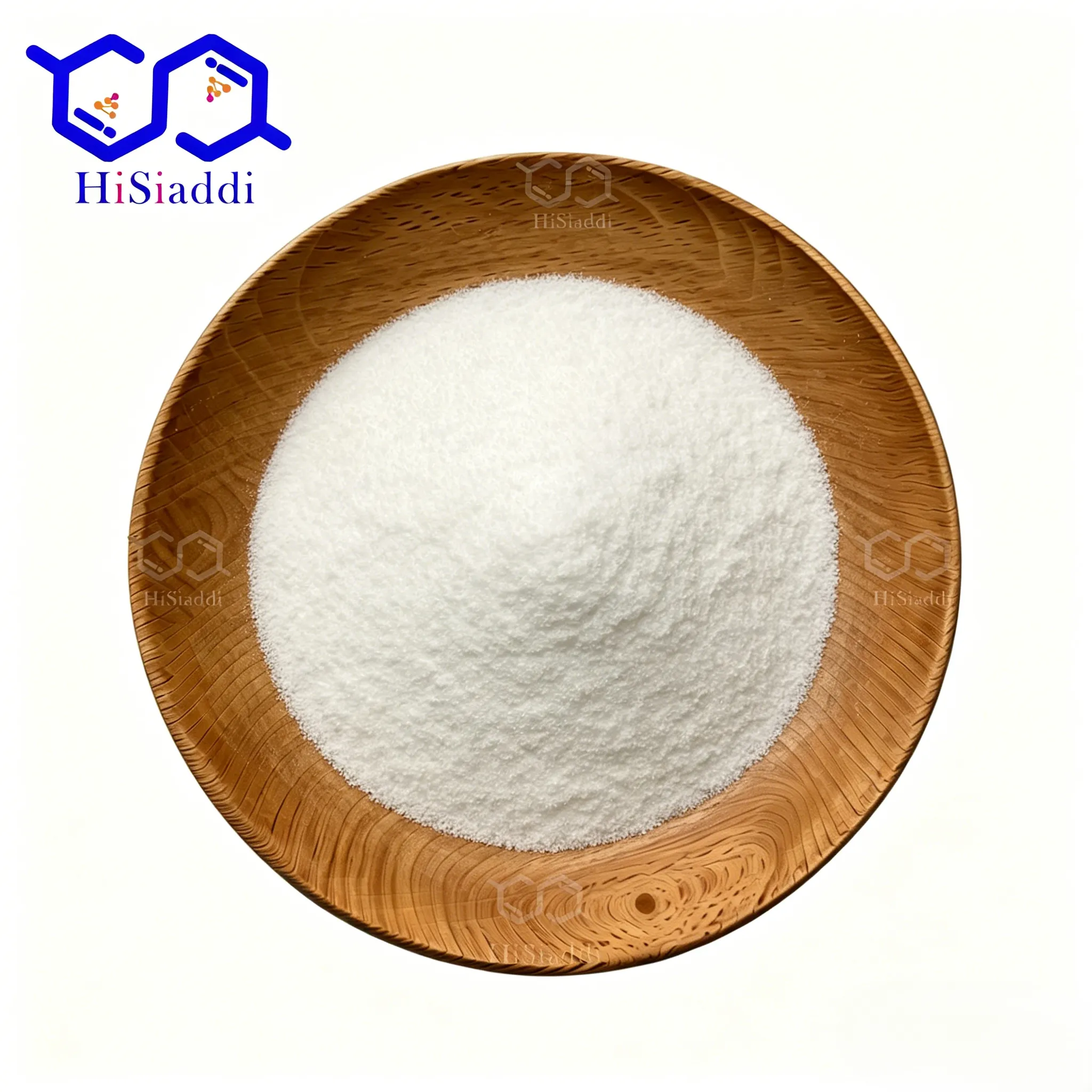
Product Basic Information: FEP resin, CAS: 25067-58-7, HS Code: 3904690000, standard product is milky white cylindrical pellets, standard export packaging: 25kg vacuum aluminum foil lined moisture-proof paper drums. The client originally used Daikin NP-20 grade dedicated for high-voltage insulation.
Toho Insulation’s mass production process for high-voltage wiring harnesses adopts a mature standardized compounding formula utilized for over a decade: FEP matrix + ultra-fine barium sulfate insulating filler + organosilicon flow aid + hindered phenol anti-radiation stabilizer, compounded into modified pellets before feeding into high-speed extruders for copper wire coating. After switching to the initial batch of domestic FEP supplied by HiSiaddi, abnormalities arose at the twin-screw compounding granulation stage:
· After 24 hours of sealed ambient storage, a thick white powdery bloom appeared across the surface of modified pellets, with visible fine particle agglomeration inside pellets causing feeding blockages in extruder hoppers;
· Twin-screw compounding equipment suffered frequent screen clogging from scorched material, requiring screen disassembly and replacement every 3.5 hours, a stark contrast to the 72-hour maintenance-free screen service life with imported raw materials.
End-product physical property degradation was also severe:
· After 72-hour thermal aging at 260℃ per JIS standards, elongation at break dropped by 41%, far exceeding the internal control limit of maximum 12% attenuation;
· Power frequency breakdown voltage averaged only 28kV during high-frequency voltage resistance testing, falling short of the minimum factory acceptance threshold of 38kV, resulting in mass scrapping of finished wiring harnesses failing electrical performance standards.
The client initially suspected excessive impurities in domestic FEP and commissioned Japan’s JQA accredited testing institute to conduct baseline testing; melt flow rate, melting point, ash content and base monomer content all fell within contracted qualified ranges, making it impossible to pinpoint the root cause of compatibility failure. The client independently adjusted filler loading ratios and trialed multiple organosilicon additive grades, completing a total of 32 orthogonal formula trials yet failing to eliminate bloom formation and substandard electrical performance.
On-site sampling analysis by HiSiaddi’s technical team identified the core root cause: general domestic FEP contains trace residual low-molecular perfluorinated oligomers and uneven residual unreacted HFP monomers from polymerization. Imported Daikin FEP undergoes intensive post-devolatilization, limiting low-molecular byproducts to below 50ppm, while the initial general domestic FEP batch contained 320ppm low-molecular oligomers. During high-temperature compounding, low-molecular substances continuously migrate to the material surface forming powdery bloom. Meanwhile, trace residual unsaturated end groups react slightly with hindered phenol stabilizers, damaging the anti-aging molecular structure and triggering steep declines in thermal aging and voltage insulation performance – the fundamental driver of matrix-additive compatibility failure.
The client’s Kyushu factory operates six imported German high-speed single-screw extrusion lines with a maximum line speed of 220m/min. Standard process parameters for original Daikin FEP: barrel temperature 290℃~315℃, screw L/D ratio 28:1, main screw speed 180r/min. After switching to domestic FEP, multiple molding defects plagued full-line mass production:
1. Extruded wire insulation surfaces were covered with fish eyes and microbubbles, with uneven wall thickness fluctuations up to ±0.08mm – exceeding the client’s internal ±0.02mm tolerance and failing precision coating requirements for new energy vehicle high-voltage wiring harnesses;
2. Finished wires cracked after 200 consecutive low-temperature bending cycles at -40℃, while imported Daikin material endured 1,200 cycles without cracking under identical test conditions;
3. Frequent carbon buildup accumulated at the extrusion die head, with black scorched precipitates adhering to wire surfaces, requiring frequent production halts for die cleaning and drastically reducing effective production runtime.
Client process engineers sequentially reduced extrusion temperature gradients and cut screw speed to 110r/min while extending raw material pre-drying time. Although bubble defects were marginally mitigated, melt flow insufficiency and strand breakage ensued, slashing production capacity to 40% of original output and risking delayed delivery penalties for Toyota’s new vehicle wiring harness orders. Restricted by lack of access to upstream fluororesin polymerization process data, Japanese process engineers could only iterate adjustments on downstream processing parameters rather than optimizing raw material performance at the polymerization source, leading to prolonged production shutdown losses.
Drawing on long-term cooperation with R&D centers of leading domestic fluororesin manufacturers, HiSiaddi launched targeted customized modification of FEP insulation-grade grades based on the client’s complete compounding formula, end-product physical standards and failed sample test reports, abandoning standard mass-production suspension polymerization parameters to resolve two core defects: excessive low-molecular oligomers and abundant reactive unsaturated end groups.
Phase 1: Optimize polymerization monomer ratios and reaction controls During TFE-HFP copolymer suspension polymerization, a DCS real-time online gas component monitoring system was deployed to precisely closed-loop regulate feed partial pressures of both monomers, locking HFP copolymer content at 15.1%±0.2% to match the melt rheological characteristics of the client’s existing compounding formulas and eliminate melt performance fluctuations driven by unbalanced copolymer ratios. Timing and dosage of polymerization terminators were adjusted, adopting low-residue eco-friendly polymerization termination additives and phasing out traditional high-residue industrial emulsifying dispersants to minimize formation of reactive unsaturated end groups at the polymerization source.
Phase 2: Add three-stage stepped negative-pressure high-temperature post-devolatilization Conventional domestic FEP only utilizes a single basic devolatilization stage; the modified product undergoes tiered deep devolatilization: primary devolatilization at 285℃ under high vacuum (-0.092MPa), secondary deep devolatilization at 298℃ and tertiary fine devolatilization at 305℃, sequentially stripping residual HFP monomers and low-molecular perfluorinated oligomers from the resin matrix. Post-process optimization reduced low-molecular oligomer content from 320ppm to 42ppm, matching equivalent indicators of Daikin peer-grade products.
A gradual small-batch sampling protocol was implemented throughout the project, sequentially producing 50kg, 300kg and 1-ton modified samples. Each batch was dispatched to both Japan’s JQA laboratory and the client’s internal R&D lab for dual testing. After 28 days of formula iteration, all baseline physical indicators and compatibility trials passed for the third batch of customized modified FEP. Modified compound pellets exhibited no bloom formation or agglomeration clogging after 72 hours of ambient storage. HiSiaddi designated an exclusive grade FEP-JP151 solely for Toho Insulation, distinct from general industrial FEP available on the market.
Following completion of FEP raw material formula customization and modification, HiSiaddi deployed two senior fluoroplastic application engineers to be stationed at the client’s Kyushu facility for 12 days. The team simultaneously rebalanced the client’s compounding formula based on rheological parameters of the modified FEP and fully optimized the complete set of extruder production process parameters, resolving mass production defects from both raw material and processing perspectives.
Formula Optimization: Based on adjusted polarity and melt flow characteristics of the new FEP grade, ultra-fine barium sulfate filler loading was reduced by 0.8%. Fluorine-modified organosilicon flow aids compatible with the new FEP matrix were substituted, and hindered phenol anti-aging stabilizer fractions were recalibrated. A bilingual Chinese-Japanese compound ratio adjustment manual was provided to guide granulation workshop feeding sequences: preheat and agitate FEP resin first before incremental addition of fillers and additives to avoid localized additive enrichment and precipitation. Post-optimization, elongation at break attenuation measured only 9.2% after 72-hour thermal aging (meeting internal control standards), and finished wiring harness power frequency breakdown voltage stabilized between 42kV and 45kV, clearing factory electrical performance acceptance thresholds.
Extrusion Process Optimization: A new four-stage extruder temperature profile was mapped based on measured melt rheological curves of FEP-JP151: Zone 1 barrel 282℃, Zone 2 barrel 292℃, Zone 3 barrel 302℃, die head 310℃, with marginal temperature reductions applied to local high-temperature zones vs. original parameters. Screw speed was restored to the client’s standard mass production setting of 180r/min to retain original high-speed production throughput. Standardized pre-drying specifications were mandated: modified pellets dried continuously for 14 hours at 115℃ in a constant-temperature forced-air oven to fully remove trace adsorbed moisture from raw materials, eliminating extrusion bubbles and fish eyes at the source. To mitigate die head carbon buildup, HiSiaddi recommended periodic barrel purging with clean PE-based purging compounds alongside standardized die head anti-carbon coating maintenance protocols. After 72 hours of trial operation under optimized processes, wire insulation wall thickness tolerance stabilized within ±0.018mm, low-temperature bending resistance reached 1,350 cycles without cracking at -40℃, and die cleaning frequency dropped from 4–5 daily shutdowns to once every 7 days. Production yield rebounded from 58.7% pre-rectification to 99.1%, restoring full-capacity manufacturing.
To eliminate batch-to-batch raw material performance fluctuations long-term, HiSiaddi phased out bulk industrial-grade TFE and HFP monomer supply channels of partner manufacturers, establishing exclusive procurement agreements with major domestic fluorochemical refineries for high-purity electronic polymerization-grade comonomers. Every incoming monomer batch is accompanied by full gas chromatography component test reports controlling internal impurities and moisture content. A dedicated enclosed production workshop equipped with Class 10,000 dust purification air systems was partitioned within partner manufacturing facilities exclusively for Japan high-end insulation-grade FEP production. Production runs for FEP-JP151 are fully isolated from general industrial FEP lines to prevent cross-contamination from mixed grades.
A full-chain one-item-one-code traceability ledger was established covering upstream monomer procurement → polymerization synthesis → post-devolatilization processing → pelletizing and packaging. Every FEP batch exported to Japan includes an exclusive COA certificate, extending testing items beyond standard melt flow rate and melting point measurements to three Japan-specific customized tests: low-molecular oligomer content, extractables and thermal aging performance. All test reports are issued in dual Japanese-English versions to facilitate client incoming quality inspection upon warehousing. Leveraging bulk procurement scale and mature domestic industrial chains, the customized FEP grade achieved a 23.5% reduction in unit procurement price compared to equivalent Daikin original grades, with overall delivery lead times compressed from 110 days to 38 days, significantly reducing capital occupation for raw material stockpiling and supply chain disruption risks for the client.
1. Product Compliance Filing: Collaborating with EU-based compliance institutions and local Japanese chemical compliance firms, HiSiaddi updated EU REACH pre-registration declarations for finished FEP products and comonomers, while completing local Japanese chemical filing for the new FEP grade under Japan’s Chemical Substances Control Law to obtain official access filing receipts issued by Japan’s Ministry of Health, Labour and Welfare. Samples were submitted to accredited third-party laboratories for testing per JIS standards to issue JQA certification reports, satisfying incoming material audit requirements from downstream end clients Toyota and Panasonic.
2. Documentation & Packaging Compliance: Redesigned GHS-standard bilingual Japanese-English MSDS chemical safety data sheets in accordance with Japanese JIS packaging norms and IMDG international sea transport regulations, replacing original single-language Chinese MSDS documents. Custom vacuum aluminum foil lined moisture-proof paper drums were specified for Japan-dedicated shipments, with Japanese chemical hazard identification and storage-transport guidelines printed on outer packaging to avoid booking rejections by shipping lines due to non-compliant packaging or documentation.
3. Customs Declaration & Clearance Support: HiSiaddi’s customs team leverages mature classification experience under HS Code 3904690000 to conduct pre-review of domestic export customs declaration materials, standardizing export commodity inspection and tax rebate filing workflows. Local cooperating customs brokers at Yokohama Port, Japan, pre-review all clearance documents to enable expedited cargo release upon arrival and avoid detention warehousing charges.
A total of 50 tons of optimized customized FEP-JP151 was shipped in two batches from Shanghai Port to Yokohama Port, Japan. After warehousing and launch into mass production, Toho Insulation’s three core high-voltage wiring harness extrusion lines resumed full-capacity operation. Direct losses from scrapped raw materials and delayed order penalties equivalent to over 18 million Japanese Yen were eliminated within the month. Multiple batches of finished high-voltage insulation wiring harnesses passed all reliability verification tests at Toyota’s new vehicle component laboratory, enabling on-time delivery of previously delayed orders. Following stable mass production of customized products, the client’s internal R&D center issued an official technical evaluation report confirming comprehensive performance parity between HiSiaddi’s customized FEP grade and imported Daikin raw materials, validating long-term localization substitution feasibility.
In Q4 2025, Toho Insulation and HiSiaddi formalized an annual long-term framework procurement agreement locking in 330 tons of FEP-JP151 customized grade for annual purchase, with balanced monthly production and shipment scheduling. Building on the existing technical cooperation foundation, the client simultaneously initiated R&D customization requests for two new specialized grades: radiation-resistant FEP dedicated to energy storage and ultra-low-friction FEP for photovoltaic ribbon coating. HiSiaddi continues to coordinate upstream manufacturing partners for lab-scale sample development and phased mass production launch.
Leveraging this benchmark success case with Japan’s leading new energy insulation material manufacturer, HiSiaddi capitalized on industry exhibition resources and client reputation referrals from Toho Insulation to onboard two additional mid-to-high-end fluoroplastic processors focused on energy storage insulation and rail transit wiring harnesses in Japan’s Kansai region, completing sample testing and small-batch trial order fulfillment. A stable supply chain for high-end new energy FEP resins in East Asia was established, refining HiSiaddi’s customer layout within the FEP foreign trade niche market.
The core challenge in this case stemmed from general industrial mass-produced raw FEP materials failing to match the refined compounding systems and high-precision automated production lines adopted by mid-to-high-end Japanese terminal manufacturers. This distinguishes HiSiaddi from low-end trading companies focused solely on raw material pricing without downstream technical delivery capabilities. Breaking the traditional mold of pure goods intermediation, HiSiaddi integrates upstream factory R&D resources and in-house materials engineering expertise to optimize resin formulations at the polymerization source while refining downstream client extrusion processing parameters. Balancing technical delivery, supply chain control and cross-border trade compliance, HiSiaddi supported the client’s cost-reduction localization substitution of imported raw materials while deepening long-term binding with high-end end clients via customized technical services – a typical benchmark example of chemical foreign trade enterprises transforming from simple commodity dealers to integrated service providers delivering products, technology and compliance solutions in tandem.
Please contact HiSiaddi customer service for further formula optimization consultation services.

 +86-13120989737
  info@hisiaddi.com
 English