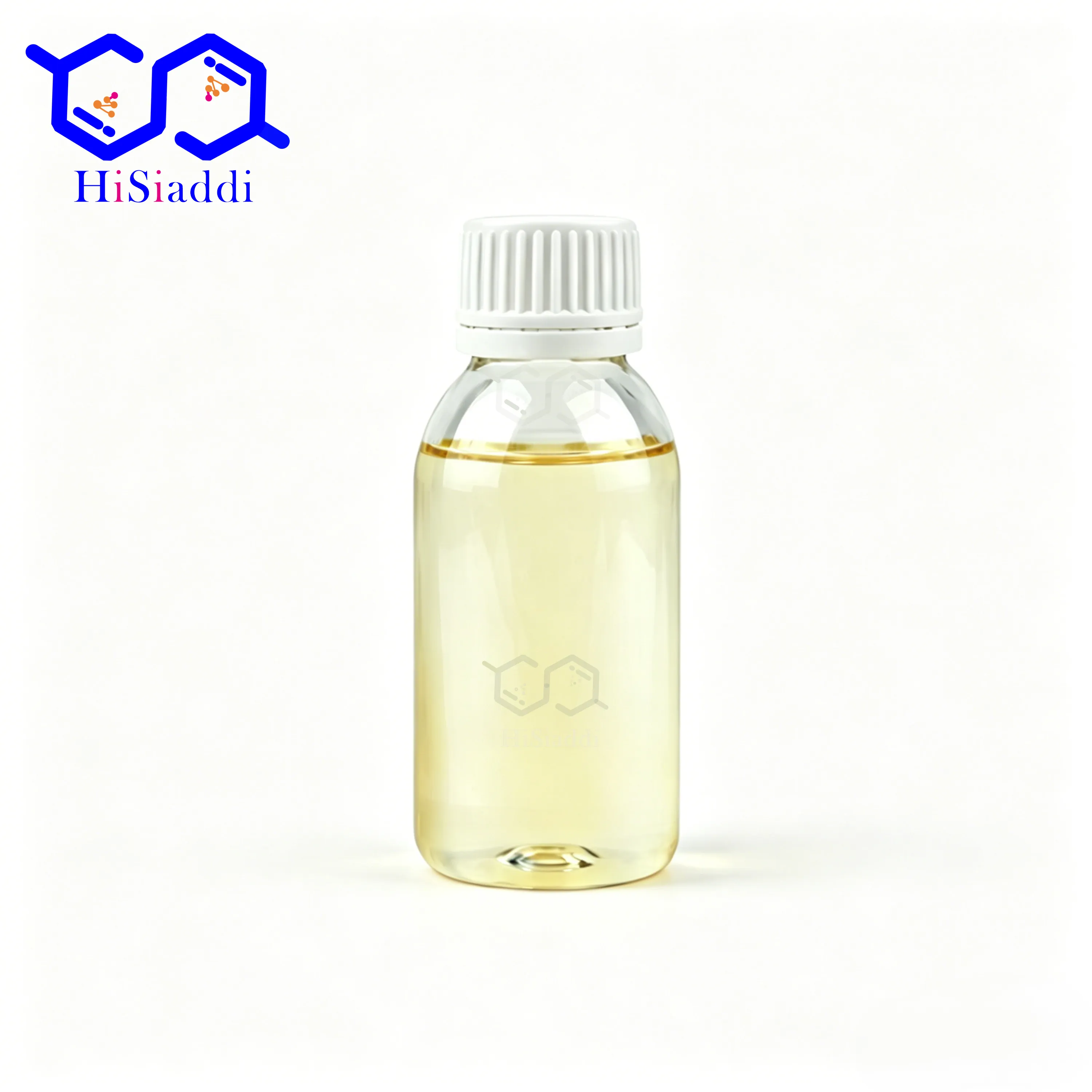
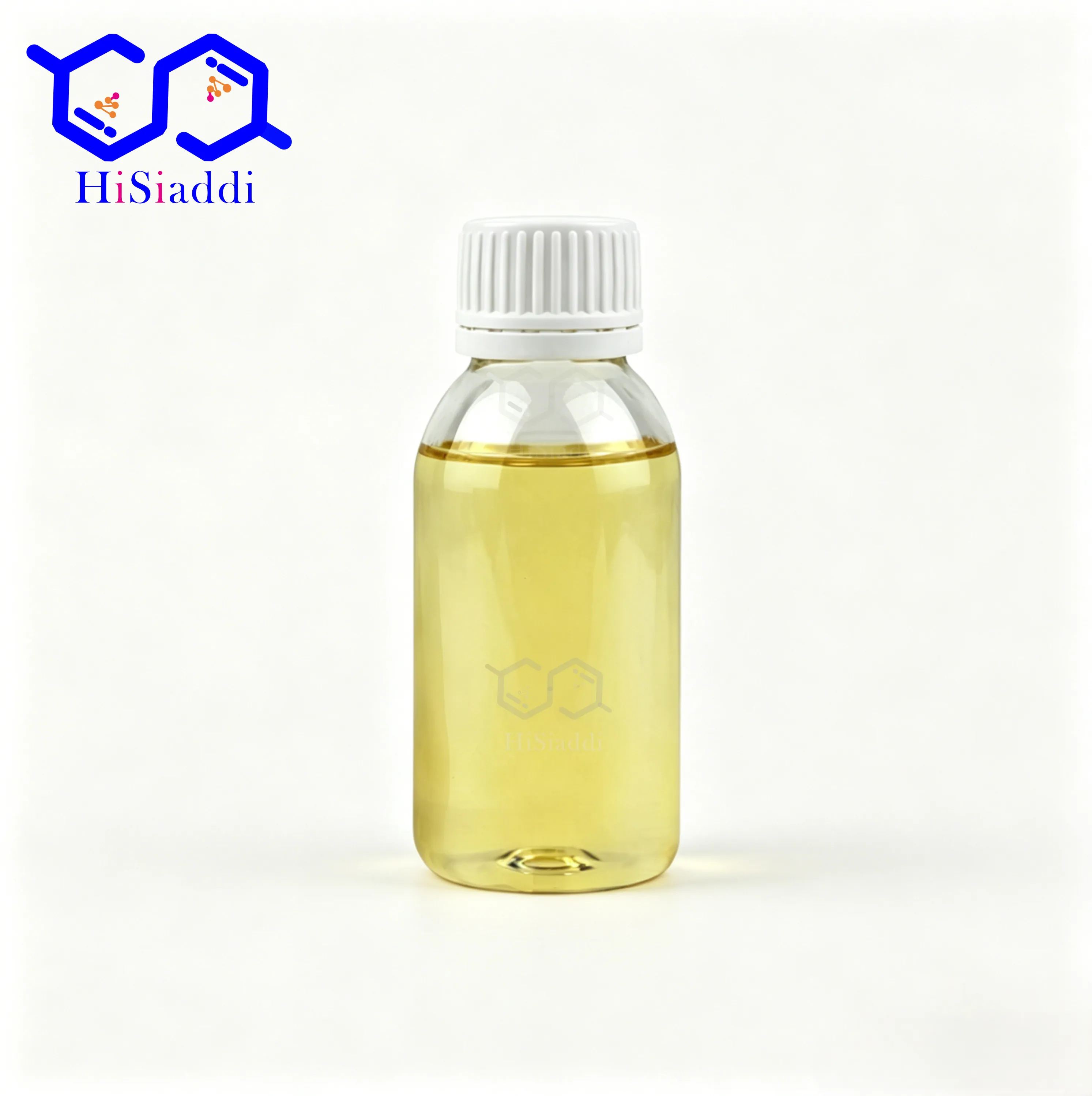
Litsea Cubeba Oil, also referred to as May Chang Oil, is applied in food flavoring, pharmaceutical antibacterial products and cosmetic antioxidants. HiSiaddi supplies original factory sources of multiple Chinese brands and provides the "1+2+3+4=1" service.
Yongzhou Shanxiang: SX-LC80 (citral ≥ 80%), SX-LC90 (citral ≥ 90%, high-purity grade); citral content ranges from 80% to 90%; acid value ≤ 1.0mg/g, much lower than the international standard (≤3.0mg/g); certified by EU REACH and FDA; 15%-20% lower in price than similar Indonesian products.
Guangxi Senhe: SH-LC75 (citral ≥ 75%), SH-LC85 (citral ≥ 85%); supercritical CO₂ extraction increases citral yield by 12%; pure aroma without peculiar odor; heavy metal content < 5ppm, meeting EU cosmetic standards; mid-purity grade is 10% cheaper than Southeast Asian brands, suitable for essence synthesis and daily chemical applications.
HiSiaddi Exclusive Services: Third-party testing for heavy metals, acid value and solvent residues; content customization (65%-90%), dual-process product options of cold pressing and distillation; 3%-5% direct discount for bulk procurement.
 CONTACT HiSiaddi NOW
Name: | Litsea Cubeba Oil | Other Name: | Mountainous Spice Oil |
CAS No. | 68855-99-2 | Brand: | Multi-brand |
MF: | N/A | Model Number: | Multi-models |
EINECS No. | 272-482-8 | Place of Origin: | Hunan, China |
Purity: | 99% | Grade: | Industrial grade, food grade, cosmetic grade |
MOQ: | 1ton | Storage: | Please refer to the product packaging or contact the customer service |
When purchasing Litsea Cubeba Oil as a buyer, you may face the following questions:
What are the core index advantages and application influences of mainstream models from well-known Litsea Cubeba Oil brands?
What competitive services can Litsea Cubeba Oil suppliers offer?
What are the qualification certifications and market reputation of target Litsea Cubeba Oil brands?
What is the inventory status and supply stability of Litsea Cubeba Oil suppliers?
What factors should be taken into consideration when selecting Litsea Cubeba Oil?
...and many other relevant inquiries.
Core Index: Citral 75%-78%, Moisture ≤0.3%, Heavy metal <10ppm, solvent-free; REACH registered, FDA food-grade certified, Kosher certified.
Competitive Edges: National standard drafting enterprise & geographical indication certified product; raw materials sourced from core Hunan producing areas with pure aroma and superior batch stability; extraction rate reaches 1.85% vs 1.1% via traditional craft with well-controlled costs.
Cost Performance: Mid-to-high end positioning (FOB USD 38-42/kg). Fully certified with quality matching international giants, priced at only 60% of equivalent products from Givaudan and Firmenich.
Target B2B Buyers: European fragrance intermediate manufacturers, Southeast Asian daily chemical OEMs, food flavor blending enterprises (e.g. Symrise, PUIG).
Downstream Benefits: Directly applicable for synthesis of Ionone, Vitamin A & E without secondary refining; end cosmetic and food brands gain full access to European and American markets without certification barriers.
Core Index: Citral 95%-98%, monoterpene impurity <1%, microorganism not detected; ECOCERT organic certified, ISO22000 certified, produced in GMP workshops.
Competitive Edges: Molecular distillation plus multi-stage countercurrent extraction delivers top-tier citral purity; by-products such as Pinene and Terpineol can be highly value-utilized, lifting comprehensive gross profit margin by 11%-14%.
Cost Performance: High-end positioning (FOB USD 68-75/kg). World-class purity at 50% price of international brands, the most cost-effective choice for high-end markets.
Target B2B Buyers: Top-tier global cosmetic raw material suppliers, pharmaceutical antibacterial preparation manufacturers, premium natural fragrance brands (e.g. Givaudan, Firmenich).
Downstream Benefits: Ideal for anti-aging and antibacterial skincare products as well as medical ointments; end products feature organic natural properties and low irritation, fully compliant with IFRA Standard 51.
Core Index: Citral 70%-73%, Moisture ≤0.5%, Heavy metal <20ppm; basic SGS tested, food production license approved.
Competitive Edges: Large-scale planting in core Jiangxi areas combined with traditional distillation ensures low cost and rich aroma; standardized 25kg drum packaging with short delivery lead time (7-10 days).
Cost Performance: Mid-to-low end positioning (FOB USD 28-32/kg), industry benchmark for cost efficiency, perfect for bulk purchase and cost-sensitive clients.
Target B2B Buyers: Low-cost fragrance manufacturers in the Middle East and India, entry-level daily chemical brands in Africa, feed additive producers.
Downstream Benefits: Ultra-low procurement cost and stable supply; end daily chemical and feed products obtain basic citral fragrance and antibacterial effects at favorable prices.
Core Index: Citral 80%-83%, Moisture ≤0.3%, Heavy metal <15ppm; IFRA compliant, partial batches with Kosher certification.
Competitive Edges: Upgraded refining process and selected raw materials achieve higher purity with merely 10% price increase, well suited for mid-tier quality demands.
Cost Performance: Mid-range positioning (FOB USD 35-38/kg), balanced quality and price, preferred by medium-sized purchasers.
Target B2B Buyers: Mid-scale fragrance factories in Southeast Asia, Taiwanese & Korean daily chemical OEMs, food flavor oil producers.
Downstream Benefits: Clients obtain stable fragrance and complete qualifications at moderate costs; mid-tier cosmetic and food products achieve quality upgrade without obvious price surge.
Core Index: Citral 72%-75%, Moisture ≤0.4%, Heavy metal <18ppm; pre-registered under REACH, basic SGS inspection passed.
Competitive Edges: Mountain-sourced raw materials in Shaanxi plus low-cost distillation ensure stable quality at competitive prices; rich experience in exporting to Central Asia and Russia with full knowledge of local compliance rules.
Cost Performance: Mid-to-low end positioning (FOB USD 30-33/kg). Slightly higher priced than Jiangxi Cedar yet more stable in quality, well adapted to demands of cold-climate regions.
Target B2B Buyers: Russian daily chemical enterprises, Central Asian food processing factories, Eastern European fragrance traders.
Downstream Benefits: Products fully meet local standards with steady supply; end daily chemical and food items maintain stable fragrance in cold regions with excellent regional adaptability.
Core Index: Citral 85%-88%, Moisture ≤0.25%, Heavy metal <12ppm; ISO9001 certified, fully registered under REACH.
Competitive Edges: Mature rectification technology and carefully selected raw materials deliver higher purity than ordinary industrial grade at lower prices than high-end products from Yongzhou Shanxiang.
Cost Performance: Mid-to-high end positioning (FOB USD 45-48/kg). Premium purity at mid-range price, top choice for cost-effective high-purity industrial applications.
Target B2B Buyers: Mid-sized European fragrance enterprises, North American daily chemical raw material suppliers, synthetic fragrance intermediate manufacturers.
Downstream Benefits: Clients acquire high-purity citral economically for both synthesis and daily chemical production; end products deliver consistent premium fragrance with zero compliance risks.
Core Index: Citral 68%-71%, Moisture ≤0.6%, Heavy metal <25ppm; no international certifications, only domestic quality inspection reports available.
Competitive Edges: Ultra-low-cost wild raw materials and simplified distillation keep prices at the bottom of the industry; large supply capacity and fast delivery focusing on low-end markets in South and Southeast Asia.
Cost Performance: Entry-level positioning (FOB USD 22-25/kg). Ideal for clients with extreme cost sensitivity and no certification requirements.
Target B2B Buyers: Low-cost spice factories in India, small daily chemical workshops in Bangladesh, minor feed additive plants in Southeast Asia.
Downstream Benefits: Maximum profit margin via minimal procurement cost; affordable basic fragrance and antibacterial effects for low-end daily chemical and feed products.
Core Index: Citral 78%-81%, Moisture ≤0.35%, Heavy metal <16ppm; SGS tested, basic IFRA compliance achieved.
Competitive Edges: Refined crude oil process lifts purity with only 15% price rise, satisfying quality upgrading demands in low-end markets.
Cost Performance: Mid-to-low end positioning (FOB USD 32-35/kg), optimal pick for quality upgrade in budget markets.
Target B2B Buyers: Mid-tier daily chemical manufacturers in Southeast Asia, South Asian food seasoning enterprises, low-cost fragrance traders in the Middle East.
Downstream Benefits: Achieve product quality improvement on a tight budget; end low-end cosmetic and food goods gain purer fragrance and better antibacterial performance at stable prices.
Core Index: Citral 70%-73%, Moisture ≤0.4%, Heavy metal <15ppm, no food-grade solvent residue detected; FDA GRAS & Kosher certified.
Competitive Edges: Organically cultivated raw materials in Sichuan and dedicated food-grade distillation meet top food safety standards; fresh pure aroma perfectly fits food seasoning applications.
Cost Performance: Mid-range positioning (FOB USD 36-40/kg). Complete food-grade certifications and reliable safety make it the preferred option for food industry purchasers.
Target B2B Buyers: European & American food seasoning enterprises, Japanese food additive manufacturers, high-end food brands in Southeast Asia.
Downstream Benefits: Directly applicable for food flavoring, antisepsis and fresh-keeping without extra tests; end food products feature natural safety and fresh lemon aroma in line with global natural food trends.
Core Index: Citral 82%-85%, Moisture ≤0.3%, Heavy metal <13ppm; ECOCERT organic certified, IFRA compliant, FDA food-grade approved.
Competitive Edges: Dual certifications for food and daily chemical industries support cross-field usage; pure fragrance and outstanding antibacterial properties enable versatile applications.
Cost Performance: Mid-to-high end positioning (FOB USD 42-46/kg). Dual-certified multi-functional product with high cost efficiency for cross-industry buyers.
Target B2B Buyers: Integrated daily chemical & food enterprises in Europe and America, high-end Japanese skincare brands, natural daily chemical & food brands in Southeast Asia.
Downstream Benefits: One single material covers two industries, cutting procurement expenses and simplifying supply chain management; end products deliver organic, safe and efficient effects catering to global natural consumption trends.

| Brand | Model | Citral Content | Core Certifications | FOB Price (USD/kg) | Core Competitive Advantages | Target B2B Buyers | Buyer Benefits | End-user Benefits |
| Yongzhou Shanxiang | SX-75 | 75%-78% | REACH, FDA, Kosher | 38-42 | National standard setter, GI certified, stable batches, high extraction rate | European fragrance intermediates, SEA daily chemical OEMs, food flavor blenders | Direct application without refining, easy EU & US export | Compliant natural formula, pure aroma |
| Yongzhou Shanxiang | SX-95 | 95%-98% | ECOCERT, ISO22000, GMP | 68-75 | Molecular distillation, ultra-high purity, high-value by-products | Top global cosmetic raw material suppliers, medical antibacterial firms | Perfect for high-end formulas, high profit margin | Organic & low irritation, excellent anti-aging & antibacterial effects |
| Jiangxi Cedar | XS-70 | 70%-73% | SGS, Food Production License | 28-32 | Large-scale planting, traditional craft, low cost, fast delivery | Mid-east & Indian low-cost fragrances, African entry-level daily chemicals, feed additives | Ultra-low cost, stable supply | Basic fragrance & antibacterial effect, budget-friendly |
| Jiangxi Cedar | XS-80 | 80%-83% | IFRA compliant, partial Kosher | 35-38 | Upgraded refining, balanced quality & price | Mid-scale SEA fragrance factories, Taiwan & Korean OEMs, food flavor oil makers | Stable fragrance & full compliance, good value | Mid-tier quality improvement at stable cost |
| Binzhou Mingrun | MR-72 | 72%-75% | Pre-REACH, SGS | 30-33 | Mountain planting, low cost, experienced in Central Asia & Russia | Russian daily chemical firms, Central Asian food processors, East European traders | Local standard adaptation, steady supply | Climate-adapted stable fragrance |
| Binzhou Mingrun | MR-85 | 85%-88% | ISO9001, Full REACH | 45-48 | Mature rectification, high-purity industrial grade at mid price | European mid-sized fragrances, North American cosmetic raw materials, synthetic intermediates | Low-cost high-purity supply for dual usage | Consistent premium fragrance, full compliance |
| Jiangxi Guoguang | GG-68 | 68%-71% | Domestic quality report only | 22-25 | Wild raw materials, simple process, lowest price, large supply | Indian low-cost spices, Bangladesh small workshops, SEA minor feed factories | Extreme cost control, huge profit space | Basic functional effects at rock-bottom price |
| Jiangxi Guoguang | GG-78 | 78%-81% | SGS, Basic IFRA | 32-35 | Crude oil refining, affordable quality upgrade | Mid-tier SEA daily chemicals, South Asian seasonings, Mid-east low-cost traders | Budget-friendly quality improvement | Purified fragrance & better antibacterial performance |
| Hongya Malaowu | MLW-70 | 70%-73% | FDA GRAS, Kosher | 36-40 | Sichuan organic planting, food-grade process, pure odor | European & American seasonings, Japanese food additives, high-end SEA foods | Direct food application without secondary inspection | Natural safe fresh lemon flavor |
| Hongya Malaowu | MLW-82 | 82%-85% | ECOCERT, IFRA, FDA | 42-46 | Dual food & cosmetic certification, multi-functional | Integrated daily chemical & food groups, premium Japanese skincare brands | Cross-industry usage, cost & supply chain optimization | Organic safe high-efficiency effects for dual industries |
HiSiaddi is an innovative foreign trade service provider driven by dual engines of technology transformation and foreign trade services. It has built a "1+2+3+4=1" product service system: 1 foreign trade salesperson with over 3 years of experience, 2 R&D teams, 3 high-quality suppliers and 4 warehouses to fulfill one product demand.
With this service system, HiSiaddi outperforms most foreign trade companies in R&D optimization and technical processes of Litsea Cubeba Oil, understands the market demands and competitive advantages of Litsea Cubeba Oil for different brands better than single factories, and has deeper insights into the foreign trade market of Litsea Cubeba Oil than scientific research institutions.
HiSiaddi only recruits foreign trade salespersons with more than 3 years of work experience. Before serving customers, all sales staff must receive training from both scientific research and foreign trade teams for more than 6 months.
(1) Basic Support Services for Litsea Cubeba Oil
Supported by the foreign trade team and corporate service system, we provide customers with one-stop full-process document handling services, including but not limited to issuance and application of various compliance certificates for Litsea Cubeba Oil, provision of third-party test reports, and resolution of quality after-sales issues.
(2) Exclusive Advantage Services for Litsea Cubeba Oil
Backed by our R&D team, we offer customers customized product and technical consulting services, including but not limited to core indicator adaptation and cost comparison analysis of Litsea Cubeba Oil from various brands, regular sharing of Litsea Cubeba Oil market trends, etc.
By-product high-value utilization matching service (a key industry pain point of Litsea Cubeba Oil: massive waste of distillation by-products). Distillation of Litsea Cubeba Oil generates front distillates rich in pinene and terpineol, rear distillates rich in sesquiterpenol and fruit pomace, most of which are discarded or sold cheaply by conventional factories. HiSiaddi connects buyers with domestic deep-processing manufacturers for by-products, offering integrated recycling, deep processing and sales matching services. This helps purchasers cut raw material costs and gain extra revenue, with by-product added value increased by 10–20 times for applications including terpineol analogues, biofuels and animal feed.
Through in-depth cooperation with source factories via technology transformation and close internal collaboration with the foreign trade team, our R&D teams deliver professional technical training to sales staff, enabling more customized Litsea Cubeba Oil solutions and providing research-grade consulting for brand matching and application formula optimization of Litsea Cubeba Oil.
(1) Research-Grade Customization Services for Litsea Cubeba Oil
Custom blending of ingredients, aroma optimization, impurity removal and application formula development (cosmetic antibacterial formulas, food preservative formulas, flavor compound formulas). We provide lab-scale samples, pilot schemes and mass production technical guidance to help buyers develop differentiated products and boost end-market competitiveness.
Precise customization of Citral content (core indicator of Litsea Cubeba Oil). We tailor Citral content from 68% to 98% based on clients’ application scenarios (high-purity for flavor synthesis, medium-purity for food flavoring, low-purity for low-end daily chemicals), formula requirements and budget, with a content error margin ≤±0.5%. Complete precise test reports and customized production plans are supplied to avoid insufficient Citral affecting usage or excessive Citral inflating costs.
(2) Research-Grade Consulting Services for Litsea Cubeba Oil
Aroma stability optimization service (core industry pain point of Litsea Cubeba Oil: inconsistent aroma across batches). The aroma of Litsea Cubeba Oil varies drastically by origin, fruit ripeness and processing parameters. HiSiaddi stabilizes batch aroma consistency above 95% by sourcing fresh fruits from core production bases in Yongzhou (Hunan) and Ji’an (Jiangxi) harvested in August–September, standardizing distillation temperature, pressure and duration, and deploying aroma blending technology. Comparative aroma samples and characteristic reports are provided to resolve end-product quality fluctuations caused by inconsistent batch scent.
Global flavor industry network matching service. We connect buyers with top international flavor houses including Givaudan and Firmenich, daily chemical brands and research institutions, and host regular online & offline industry exchanges and technical seminars to help clients expand business channels and capture market trends.
Our foreign trade and R&D teams work together to select around 3 reliable, stable and promising suppliers through multi-stage assessments including preliminary market research, on-site factory audits, product testing and deep technology & purchasing cooperation.
(1) Initiative to Secure Lower Litsea Cubeba Oil Prices
Long-term cooperation via technology transformation and exclusive distribution allows us to source factory-direct raw materials at preferential prices.
(2) Long-Term Supply Chain Assurance Services for Litsea Cubeba Oil
Long-term technical transformation and distribution partnerships strengthen production monitoring, full-product traceability, batch stability control and compensation guarantees for products failing third-party inspections.
We operate 4 warehouses jointly with suppliers for stocking hot-selling Litsea Cubeba Oil products.
(1) Fast Local Shipment & On-Site Issue Resolution
Our four warehouses are located in Qingdao Port (North China), Ningbo Port (East China), Shenzhen Port (South China) and Zhengzhou (inland logistics hub), ensuring timely delivery of Litsea Cubeba Oil. On-site staff can resolve transportation damage, packaging defects and export compliance issues promptly when they occur.
(2) Price Fluctuation Mitigation & Custom Packaging Support
We stock inventory in advance ahead of peak seasons to offset drastic price swings. Our self-owned warehouses support customized packaging, label design, multilingual label translation, brand story planning and promotional material production (English / French / German brochures and posters) to help clients build differentiated brand identities and boost global market recognition.
As a new foreign trade service provider driven by both technology transformation and foreign trade services, HiSiaddi has established a "1+2+3+4=1" service system and can supply genuine raw materials from multiple well-known original manufacturers of Litsea Cubeba Oil. As a tech-driven foreign trade service provider, we will systematically analyze the common difficulties encountered by B2B buyers sourcing Litsea Cubeba Oil from China, alongside corresponding solutions provided by HiSiaddi.
If you require more professional and in-depth analysis on Litsea Cubeba Oil sourcing, please contact HiSiaddi customer service.
Litsea Cubeba Oil is a natural volatile essential oil whose raw materials are heavily affected by harvest seasons and producing regions. Its chemical composition directly determines fragrance profile and application performance. Additionally, it is flammable, highly volatile and prone to oxidation, with cross-border shipments subject to dangerous goods supervision. Purchasing decisions cannot rely solely on price and scent evaluation. A holistic assessment covering six dimensions—compliance qualification verification, raw material & production control, grade & specification matching, commercial cost accounting, dangerous goods logistics & packaging, and technical after-sales support—is required.
Essential oils span multiple sectors including fragrances, daily chemicals, food and agriculture, with vastly different regulatory requirements varying by end-use and destination country. Compliance forms the first line of defense for cross-border procurement. First, distinguish special qualifications corresponding to end applications.
· For cosmetics, fragrances and wash care products exported to the EU: Comply with REACH Regulation, complete CPNP cosmetic notification, and provide allergen ingredient lists and safety assessment reports.
· For North American markets: Meet FDA regulatory requirements for cosmetic raw materials.
· For beauty markets in Japan, South Korea and Southeast Asia: Submit local daily chemical raw material registration documents and third-party safety test reports.
· For food flavoring applications: Obtain China’s food additive production qualifications and food-grade test reports, while confirming compliance with international food flavor standards FCC and IOFI specifications. Special filing for food flavors is mandatory in certain countries.
· For agricultural insect repellent and industrial pest control applications: Match local agricultural chemical and industrial auxiliary product access catalogs and provide non-food safety statements.
Second, compile all mandatory dangerous goods and general customs clearance documents. Litsea Cubeba Oil is classified as Class 3 flammable liquid and subject to dangerous goods control for both sea and air freight. Suppliers must provide standard multilingual MSDS, dangerous goods classification identification reports, and sea/air dangerous goods packaging certificates—mandatory documents for international logistics and customs inspection; cargo cannot be shipped or cleared without them.
Other routine customs documents required by most countries include certificates of origin, phytosanitary certificates for plant-derived products, and batch-specific COA quality inspection reports. Some countries additionally require pesticide residue and microbial quarantine documentation for plant essential oils.
Traceability documentation should also be requested. Natural essential oils vary significantly by origin and harvest time. Buyers may demand raw material origin certificates and batch records of fruit harvesting and distillation to avoid blended oils from different regions or seasons, stabilizing fragrance and chemical composition. Prioritize suppliers with verifiable official certifications and long-term export track records to target regions to mitigate customs detention risks.
The quality of Litsea Cubeba Oil originates from raw material harvesting and extraction processes. Fresh Litsea Cubeba fruits from different producing regions and harvest seasons across southern China deliver drastically different oil yields, core chemical components and fragrance profiles. Distillation equipment and storage conditions further impact final product quality consistency.
1.
Verify raw material origin and harvest cycle China’s major producing regions are concentrated in southern provinces, each yielding Litsea Cubeba fruits with distinct citral content and aromatic characteristics. Confirm fixed raw material origins and fruit harvest seasons with suppliers in advance; prioritize goods processed from fully mature fruits harvested in concentrated batches. Avoid oils blended with mixed fruits or re-distilled aged raw materials, which feature inconsistent chemical profiles, weak fragrance and poor stability. Pesticide residue test reports can be requested as needed to confirm compliant farming practices.
2.
3.
Confirm extraction technology and production environment Steam distillation, the internationally accepted mainstream process, is divided into atmospheric distillation and vacuum distillation:
4.
· Atmospheric distillation: High output and cost-effective, the standard choice for industrial-grade and general daily chemical applications.
· Vacuum distillation: Operates at lower temperatures to minimize degradation of heat-sensitive aromatic components, delivering purer, richer fragrance for premium fragrances and aromatherapy products.
Distinguish pure distilled crude oil from artificially blended compound oils; premium applications exclusively require unmodified crude oil without synthetic fragrance blending. Inspect production workshops, distillation equipment and oil storage tanks: formal manufacturers use food/daily chemical grade sealed stainless steel tanks, eliminating plastic containers that cause leaching and cross-contamination of scent.
1. Evaluate quality control, production capacity and inventory capacity Suppliers must be equipped with GC gas chromatography testing equipment for independent core component analysis, issuing complete chromatograms and inspection reports for every batch. Review consecutive batches of COAs to observe fluctuation ranges of key components such as citral and α-pinene, assessing overall quality control stability.
Litsea Cubeba Oil has a distinct peak harvest season with sufficient production capacity and favorable pricing; raw material supplies tighten and output contracts in off-seasons. Bulk buyers should lock production capacity and inventory in advance, while customers requiring small trial orders and fragrance sample preparation should confirm readily available stock to guarantee delivery timelines. Differentiate pure trading intermediaries from manufacturers with self-owned distillation lines: intermediaries frequently mix batches or adulterate grades, making direct cooperation with manufacturers preferable for long-term partnerships.
Four mainstream grades of Litsea Cubeba Oil circulate in the market: industrial grade, daily chemical fragrance grade, food grade and aromatherapy grade. Each grade features distinct chemical standards, aromatic profiles, impurity limits and price points; cross-grade substitution directly causes non-compliance of end products.
1. Precisely match product grades to applications
· Industrial grade: For warehouse pest control, low-end daily chemical deodorization and basic insect repellent auxiliaries; low requirements for fragrance and fine chemical composition, prioritizing antibacterial and insect-repellent efficacy.
· Daily chemical fragrance grade: The most widely circulated grade for perfumes, aromatherapy candles, wash care fragrance additives and sachets, with core evaluation criteria of fragrance purity and lasting power.
· Food grade: Strictly compliant with food flavor standards for pastries, beverages and condiment flavoring, featuring extremely low limits on harmful impurities; industrial or standard daily chemical grade oil must never be substituted.
· Aromatherapy grade: Premium grade requiring fully natural, residue-free and mild fragrance for essential oil therapy and high-end aromatherapy products, with the highest market price.
Explicitly mark product grades and agreed core component indicators within contracts and shipping documents to prevent inferior grade substitution.
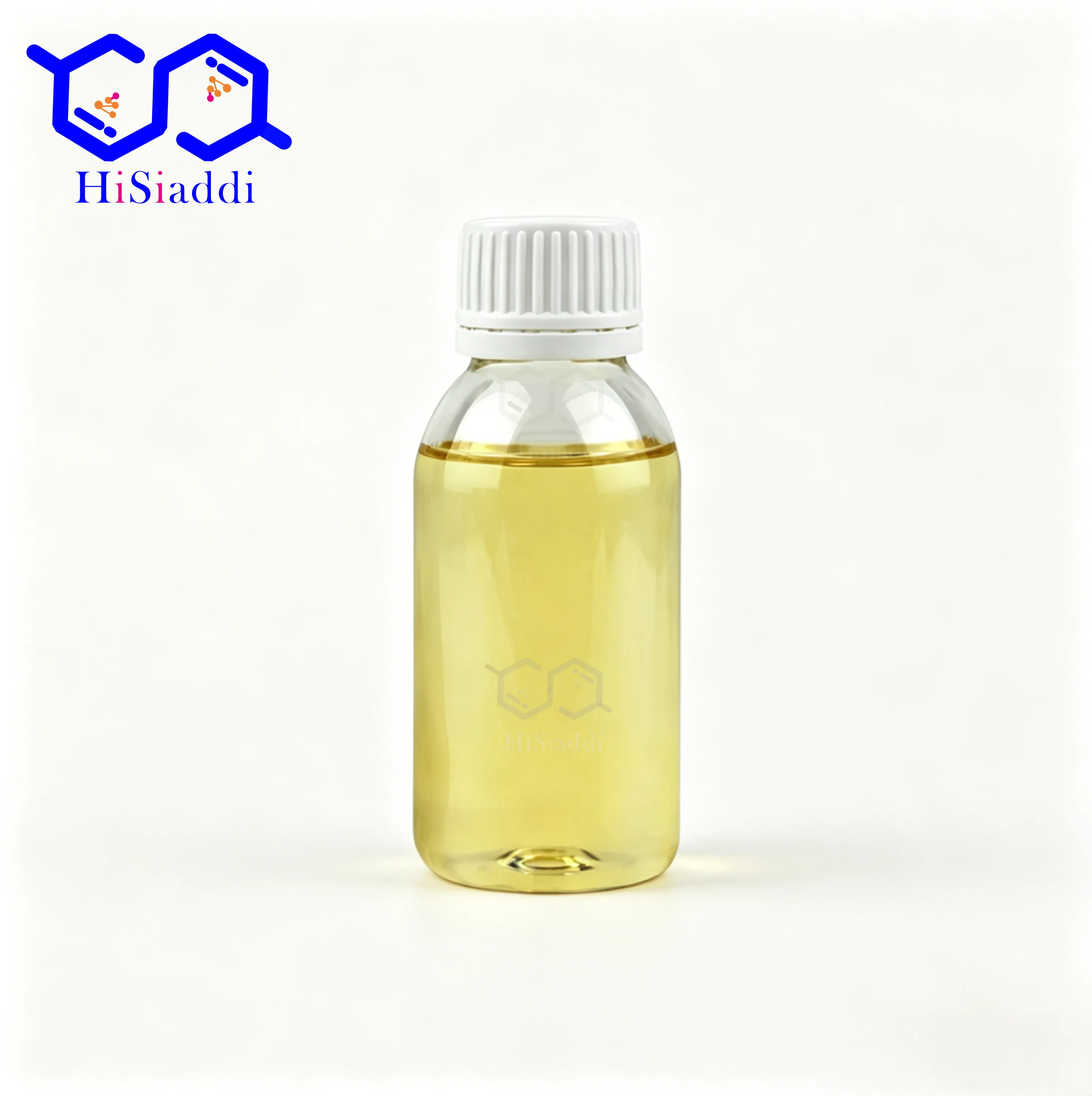
1. Distinguish oil forms and packaging specifications Standard Litsea Cubeba Oil appears as pale yellow to light orange oily liquid with no stratification or sediment. Select packaging according to order volume:
· Large export bulk: Standard 25kg / 50kg galvanized iron drums or stainless steel barrels.
· Small trial orders and brand repackaging: Sealed 1kg / 5kg aluminum bottles or amber light-proof glass bottles.
Confirm oils undergo full filtration and dehydration treatment; insufficiently refined crude oil contains trace plant residues and moisture, leading to turbidity and sediment that disrupt fragrance compounding and application.
1. Pre-negotiate customized requirements Certain fragrance compounding enterprises require customized oils with specific component ratios and aromatic profiles. Clarify customized standards, minimum order quantities and production lead times with suppliers, confirming their capability to fine-tune processes per chromatographic parameters to meet exclusive formulation demands. Standard samples must be sent for olfactory testing and small-batch formulation trials prior to mass production to verify fragrance compatibility and performance.
As a dangerous commodity, Litsea Cubeba Oil incurs higher logistics, dangerous goods packaging, insurance and tariff costs than ordinary chemicals. Final expenditure cannot be calculated solely based on ex-factory unit prices; comprehensive calculations accounting for international trade terms are required.
1. Clarify quotation terms Two mainstream quotation modes are available: FOB port and CIF destination port.
· FOB: Includes product cost + domestic inland freight + dangerous goods packaging fees; overseas sea freight, customs clearance and insurance are borne by buyers. Ideal for long-term bulk buyers with dedicated dangerous goods freight forwarders for lower overall costs.
· CIF: Covers international sea freight, insurance and dangerous goods handling fees, with full logistics agency services by suppliers. Simple operation suitable for first-time partners and small-batch purchasers.
Inquire about volume tiered pricing and annual framework cooperation discounts; seasonal price locking and long-term contracts effectively mitigate raw material price volatility risks.
1. Negotiate payment, delivery and liability clauses Essential oils represent high-value goods; select settlement methods such as T/T or L/C aligned with risk control preferences of both parties, defining advance payment and balance settlement milestones. Clearly state delivery cycles and dangerous goods packaging production lead times within contracts—dangerous goods booking and customs clearance involve complex procedures requiring reasonable lead time buffers.
Establish quality dispute resolution rules covering grade mismatch, substandard chemical composition, fragrance deterioration and adulteration, specifying return, replenishment and compensation standards. Agree on reasonable permissible loss ratios for oil volatilization during sea transportation, with excess losses borne by the responsible party.
1. Confirm minimum order quantities and storage terms Large distillation manufacturers typically enforce full drum minimum orders, catering to fragrance traders and large daily chemical factories; repackaging merchants and small aromatherapy brands enjoy flexible minimum order quantities. Confirm free domestic warehouse storage durations with suppliers—extended storage accelerates oil oxidation and deterioration, so prolonged warehousing should be avoided.
Litsea Cubeba Oil features a low flash point, high volatility and susceptibility to oxidation, discoloration and fragrance degradation upon air exposure. Classified as Class 3 flammable liquid, cross-border storage and transportation carry the highest risk, mandating strict adherence to dangerous goods specifications for packaging, transport routes and storage conditions.
1. Adopt dedicated packaging standards Ordinary plastic drums and transparent containers are strictly prohibited.
· Large bulk shipments: Thickened galvanized iron or stainless steel sealed barrels with double-layer leak-proof seals at bungs.
· Small samples and premium grades: Amber light-proof glass bottles or aluminum vessels to slow oxidation via light blocking.
All outer packaging must display international standard dangerous goods labels, sun and moisture resistance markings, alongside product name, grade, batch number, shelf life and storage & transportation requirements (cool, dry, shaded, away from fire sources). Packaging strength must pass sea freight dangerous goods testing to eliminate leakage and breakage risks during long-distance transit.
1.
Develop compliant dangerous goods transportation solutions Sea freight prioritizes shipping lines and containers certified for dangerous goods handling; containers must be fully enclosed, cool and shaded, segregated from heat and fire sources, and never loaded alongside oxidants, strong acids or strong alkalis. Air freight is only permitted via certified dangerous goods air channels; small samples utilize professional dangerous goods courier services. Minimize transshipment frequency, as repeated loading/unloading drastically increases packaging breakage and oil volatilization losses. Cargo insurance covering leakage and product damage is recommended for long-distance ocean shipments.
2.
3.
Clarify storage and transportation risk liability Suppliers bear responsibility for packaging, dangerous goods inspection and warehouse protection prior to cargo departure; buyers assume liability for receiving and local storage upon arrival at destination ports. Notify both parties of mandatory storage requirements: goods must be transferred immediately to cool, shaded warehouses upon port arrival for sealed ambient storage, avoiding direct sunlight and high-temperature environments.
4.
Natural essential oil application performance heavily relies on fragrance and component matching; comprehensive technical services significantly reduce formulation debugging costs.
1.
Pre-sample olfactory evaluation and formulation technical support Suppliers shall provide standard samples to support comparative olfactory testing and fragrance formulation trials, explaining compatible fragrance systems, matching raw materials and recommended addition ratios for Litsea Cubeba Oil. Process interpretation and application guidance are provided for common issues including excessive moisture, unbalanced fragrance and component fluctuation.
2.
3.
Post-arrival re-inspection service Agree on sampling inspection protocols upon cargo arrival; buyers may conduct independent GC chromatographic testing or commission third-party authoritative laboratories for analysis. If measured physicochemical indicators, component profiles or fragrance deviate from contractual specifications and COA reports, dispute resolution procedures shall be activated.
4.
5.
Document reissuance and customs clearance assistance Cross-border dangerous goods clearance involves cumbersome documentation. Suppliers must promptly revise and reissue MSDS, dangerous goods packaging certificates, quarantine documents and other materials with format or information errors to guarantee smooth customs clearance. They also assist in interpreting indicator limit requirements for fragrance regulations across different destination countries.
6.
Based on mainstream global application sectors, purchasing requirements are categorized into five buyer groups: Aromatherapy & Premium Fragrance, Daily Chemical Fragrance & Wash Care Formulation, Food Flavoring, Industrial Pest Control & Agricultural Auxiliaries, and Cross-Border Fragrance Distributors. Critical quality control priorities aligned with international general standards for fragrances, daily chemicals, food and industrial products are defined below.
Core priorities: Pure chemical composition, naturally authentic fragrance, low impurity content and strong oxidation resistance, compatible with high-end aromatherapy and fragrance formulations. This buyer group sources premium refined Litsea Cubeba Oil for aromatherapy essential oils, luxury perfumes and upscale home fragrance products, enforcing the strictest standards for chemical composition, scent and safety.
1. Main component content (Citral): Citral determines Litsea Cubeba Oil’s fragrance and core functional efficacy. Premium aromatherapy grade oil requires stable citral content within high-end industry ranges with minimal batch-to-batch deviation, directly governing aromatic style and therapeutic effects. Complete GC chromatograms must accompany every batch.
2. Relative density & refractive index: Core physicochemical markers for essential oil authenticity verification, identifying adulteration with vegetable oils or solvents, must fully comply with international essential oil standards.
3. Optical rotation: Characteristic marker of natural essential oils; artificially blended or adulterated oils exhibit abnormal optical rotation values, serving as a key authenticity screening metric.
4. Acid value & ester value: Elevated acid value indicates oxidative rancidity accompanied by sour off-odors; ester value governs fragrance layering and lasting power. Both indicators are tightly controlled within low ranges to ensure long-term storage stability.
5. Moisture & insoluble matter: Trace moisture and residues degrade fragrance and impair aromatherapy application; deep dehydration and filtration are mandatory to eliminate turbidity and sediment.
6. Heavy metals & pesticide residues: Rigorous screening for heavy metals and agricultural pesticide residues adhering to the strictest safety limits for cosmetic/aromatherapy raw materials, preventing skin irritation upon direct human contact.
7. Fragrance & color: Natural fresh lemon-like aroma with pure, free of miscellaneous or harsh chemical odors; uniform color without darkening or browning during long-term shaded storage, demonstrating superior oxidation resistance.
Core priorities: Stable chemical composition, harmonious fragrance and cost-effectiveness, suitable for mass daily chemical fragrance production. Representing the largest procurement volume, this grade serves perfumes, sachets, body wash, shampoo, aromatherapy candles and indoor fragrances, balancing scent performance, cost and mass production stability.
1. Citral content: Compliant with general daily chemical fragrance industry standards with permissible moderate fluctuations to maintain consistent overall fragrance for additive applications.
2. Relative density & refractive index: Controlled within universal standard ranges as baseline authenticity and quality verification metrics.
3. Acid value: Strictly regulated to prevent accelerated oxidation of Litsea Cubeba Oil within daily chemical formulations, which would cause fragrance deterioration and tank corrosion of finished products.
4. Moisture & mechanical impurities: Controlled to avoid clogging production pipelines and spray nozzles, and eliminate turbidity or black speck defects in finished goods.
5. Fragrance & odor retention: Pure aroma free of burnt, moldy or off-notes; lasting power matched to end daily chemical products without rapid scent dissipation.
6. Solubility: Solubility in ethanol and common daily chemical solvents verified to ensure uniform compatibility with fragrance systems and surfactants without stratification or precipitation.
Core priorities: Full compliance with food flavor standards, strict control of harmful residues, food safety as the paramount criterion. Exclusively utilized for flavoring food, beverages, condiments and baked goods, all indicators adhere to FCC, IOFI and national food additive regulations. Industrial or standard daily chemical grade oil is prohibited for substitution.
1. Characteristic components: Citral and other active ingredients meet food flavor specifications to deliver natural authentic flavor profiles.
2. Solvent residues, heavy metals & pesticide residues: Three mandatory safety metrics with comprehensive screening for organic solvents, heavy metals and agricultural pesticides, subject to stringent food-grade limit thresholds.
3. Microbial indicators: Control of total bacterial count, mold and yeast to eliminate food contamination risks.
4. Acid value & peroxide value: Peroxide value quantifies oil oxidation levels; both acid value and peroxide value must meet standards to prevent rancidity that compromises food flavor and safety.
5. Sensory indicators: Pure aroma and taste without bitter or irritating off-notes, with no disruption to the original flavor profile of food products post-addition.
6. Purity: Strict prohibition of adulteration with mineral oil, industrial solvents or non-edible synthetic fragrances; only pure plant steam-distilled oil permitted.
Core priorities: Qualified antibacterial and insect-repellent activity, stable physicochemical indicators, practical performance and cost competitiveness. Applied to warehouse pest prevention, wood preservation, agricultural insect repellents and environmental deodorization; fine fragrance requirements are minimal, with primary focus on practical antibacterial and insect-repellent efficacy.
1. Citral content: Citral acts as the core active ingredient for antibacterial and insect-repellent performance; only minimum effective content thresholds are required, with broader permissible standards than daily chemical and food grades.
2. Moisture & impurities: Basic control to avoid stratification and sediment formation during long-term storage that disrupts auxiliary formulation blending.
3. Flash point: As a flammable liquid, flash point serves as a critical safety metric for industrial storage and on-site application, complying with local industrial chemical safety codes.
4. Acid value: Controlled to reduce corrosion of metal storage tanks and agricultural application equipment.
5. Compatibility: Uniform miscibility with diesel, emulsifiers and other agricultural auxiliaries without stratification or efficacy loss.
Core priorities: Strong storage stability, universally applicable compliance documents and intact packaging for cross-border transit and multi-channel resale. Distributors do not manufacture end products; bulk barrels are purchased for repackaging and resale to small-to-medium fragrance factories, daily chemical enterprises and retailers worldwide, prioritizing circulation performance.
1. Storage stability (core metric): No significant shifts in color, fragrance or chemical composition following long-distance ocean transportation and cross-climate storage, with strong anti-oxidation properties.
2. Basic physicochemical indicators: Routine sampling inspection of relative density, refractive index, acid value and citral content to meet universal grade specifications.
3. Leakage & sealing performance: Packaging tightness is a critical inspection point to eliminate leakage and oil volatilization losses during multi-stage long-distance handling.
4. Appearance & sensory performance: Uniform, clear oil free of excessive sediment or mold spots with unaltered fragrance to ensure downstream customer acceptance upon delivery.
5. Complete compliance documentation set: Verify universal MSDS, dangerous goods packaging certificates, phytosanitary certificates, COAs and other documents to pass customs and customer inspection across multiple countries.
In summary, the core logic for global B2B buyers sourcing Litsea Cubeba Oil from China can be condensed into three stages:
1. Pre-cooperation supplier selection: Evaluate raw material origins, production processes and full set of compliance qualifications.
2. Transaction stage: Calculate comprehensive costs including dangerous goods logistics, packaging and tariffs.
3. Storage & transportation stage: Implement strict light-proof, sealed and leak-proof dangerous goods control protocols.
4. Goods acceptance stage: Conduct targeted testing of chemical components, physicochemical metrics and sensory indicators aligned with end-use applications.
China boasts unique Litsea Cubeba Cubeba planting resources and mature distillation processing technology, enabling stable supply of full-spectrum grades including industrial, daily chemical, food and aromatherapy oil. We cater to both large-volume cost-effective procurement demands from industrial and daily chemical manufacturers and ultra-strict standards for premium fragrance and food flavor applications.
As a professional foreign trade service provider, we deliver end-to-end services including factory screening, compliance verification, sample dispatch, dangerous goods logistics planning and customs clearance document coordination tailored to your destination country regulations, end applications and procurement volume. Feel free to reach out for quotations, sample testing, local fragrance access standard interpretation or customized packaging solutions—we will match you with stable, compliant and cost-effective sourcing cooperation plans.
For more professional and in-depth analysis on Litsea Cubeba Oil sourcing, please contact HiSiaddi customer service.
Grade 1 essential oil: Citral content at 78%±1% (for top note blending of high-end beverages)
Grade 2 essential oil: Citral content at 62%±2% (cost-effective raw material for confectionery flavors)
Raw material source control & customized fractionation production
We partnered with large-scale litsea cubeba plantations in Ji'an, Jiangxi Province, which owns ten thousand mu of standardized orchards with traceability management for harvesting. Fresh fruits are collected intensively from July to August every year when fully ripe, avoiding component fluctuations caused by premature or overripe fruits.
After being added to water-based personal care formulations, litsea cubeba oil caused oil-water separation and floating oil agglomeration within 24 hours. The original formula using single Tween-20 failed to form stable microemulsion.
The bacteriostatic effect declined sharply after 30 days of storage at room temperature. The bacteriostatic rate against Staphylococcus aureus dropped from 92% to 58%, failing to meet the TGA bacteriostatic standards for personal care products in Australia. The client postponed the launch of new products and suspended follow-up procurement.
Optimization of microemulsion system for personal care formulations
Our spice engineers conducted remote technical communication with the client's formulators. We confirmed that the required HLB value of litsea cubeba oil ranges from 11 to 16, and the originally selected emulsifier was inappropriate.
Dual improvement of raw materials and formulas to solve the attenuation of bacteriostatic performance
Raw material side: We assisted the manufacturer to upgrade the fractionation process to remove low-boiling olefin impurities prone to oxidation, and increase the content of citral — the core bacteriostatic component. Meanwhile, the oil was packaged in nitrogen-sealed opaque iron drums to prevent oxidation during transportation and storage.
Formula side: We advised the client to add 0.3% rosemary extract for synergistic anti-oxidation, slowing down the oxidative degradation of citral. After re-testing, the bacteriostatic rate of finished products stayed above 89% after 30 days of storage, complying with Australian TGA access standards.
Customized standardized raw material specifications
To avoid batch-to-batch variations, we formulated exclusive internal control standards: the citral content of litsea cubeba oil is fixed at 72%±1% with peroxide value no more than 8 meq/kg. GC-MS full-component spectrum is attached to each delivery, eliminating formula failures caused by raw material differences.
Lead time
Quantity (ton) | 0 - 10 | 10 - 30 | > 30 |
Lead time (days) | 7 | 15 | To be negotiated |
The monthly inventory volume of Litsea Cubeba Oil is 20 tons, with appropriate adjustments upwards or downwards in response to peak and off-peak seasons.
HiSiaddi safeguards the supply stability of Litsea Cubeba Oil through the following measures:
(1) Performance evaluation and screening of Litsea Cubeba Oil brand factories based on on-time delivery rate, batch pass rate, timeliness of risk alerts, and completeness of documentation to assess their supply stability.
(2) For each mainstream model or major grade of Litsea Cubeba Oil, secure 1 primary high-quality brand manufacturer and 2 backup high-quality manufacturers.
(3) Each factory operates independent production lines in separate production zones to prevent production halts caused by major unforeseen incidents such as environmental production suspensions and power outages.
Through long-term cooperation with brand manufacturers via technology commercialization and authorized distribution channels, HiSiaddi can effectively strengthen supervision over the production processes of brand manufacturers, optimize full-process traceability management, improve batch stability control, and further reinforce real-time monitoring of the supply stability of Litsea Cubeba Oil products.
Long-term Annual Framework Supply Guarantee Agreement. HiSiaddi signs 12-month long-term agreements with leading manufacturers. The agreements specify the minimum guaranteed supply volume, maximum price hike range, and priority production scheduling rights during peak seasons. It is stipulated that manufacturers shall issue a 30-day prior written notice if production is suspended due to environmental rectification or equipment maintenance, and backup manufacturers will be activated to replenish goods accordingly.
We have 4 warehouses, which are jointly operated and managed with suppliers to store hot-selling products.The four warehouses are located at Qingdao Port in North China, Ningbo Port in East China, Shenzhen Port in South China, and Zhengzhou, China’s inland logistics hub. This setup guarantees sufficient supply and timely shipment of Litsea Cubeba Oil during peak seasons.
HiSiaddi issues a rolling demand forecast covering the subsequent three months on the 25th of each month, allowing manufacturers to reserve production capacity in accordance with the forecast. Any new urgent orders from overseas clients will be prioritized to draw on inventories or production capacity from backup manufacturers.
Unstable logistics for Litsea Cubeba Oil will extend delivery lead times. HiSiaddi has established alternative arrangements covering multiple freight forwarders, ports and transportation solutions:
(1) Binding of multiple professional chemical freight forwarders for Litsea Cubeba Oil
Each product is assigned 2 to 3 freight forwarders with hazardous chemical/food transport qualifications affiliated with different shipping lines. Alternative sailing schedules can be switched to immediately in case of space shortages or customs inspections on a single shipping route.
(2) Backup transportation solutions for Litsea Cubeba Oil
Ocean freight serves as the standard mode; air freight and rail freight are reserved as alternatives for urgent orders. Long-term agreements for temperature-controlled containers are signed for temperature-sensitive and perishable food additives to secure shipping space.
(3) Visual tracking and digital early warning for Litsea Cubeba Oil
Freight forwarders synchronize daily updates on container loading, customs declaration, vessel loading and port arrival milestones. If customs inspection occurs, replenishment from backup inventory will be initiated immediately to shorten client waiting periods.
Full-chain digital early warning automatically monitors four categories of risks:
Factory side: Expiring supplier environmental assessment certificates, renewal of production permits, scheduled major equipment overhauls, and notifications of price hikes for upstream raw materials;
Inventory side: Inventory falling below safety thresholds, excessive inventory age, and batches failing quality inspection;
Logistics side: Shipping line space shortages, strikes at destination ports, and updates to customs policies;
Overseas side: Revisions to additive regulations and adjustments to import restriction lists in target countries.
Early warning notifications are automatically pushed to procurement and business leads, allowing backup suppliers or inventory contingency plans to be activated in advance.
As a new foreign trade service provider driven by dual engines of technology commercialization and foreign trade, HiSiaddi has established a "1+2+3+4=1" service system, capable of supplying authentic raw materials from multiple well-known original manufacturers of Litsea Cubeba Oil.
As a technology R&D-focused foreign trade service provider, HiSiaddi differs from single-brand factories that only promote their own products. We objectively analyze multiple competitive well-known Chinese brands of Litsea Cubeba Oil and share their qualification certifications and market feedback to help buyers select suppliers efficiently and reliably.
If you need more authentic and objective introductions to multiple well-known Chinese brands of Litsea Cubeba Oil, please contact HiSiaddi customer service.
· HR95 (Citral ≥95%): Dedicated to pharmaceutical intermediates and premium perfumes
· HR85 (Citral 85%±2%): Primary blending material for international daily chemical brands
· HR75 (Citral 75%±2%): General grade for food preservation and mass-market care products
· EU & US Markets: Givaudan and Firmenich place long-term orders for HR95, commenting that "batch stability ranks top in the industry with pure, impurity-free aroma", achieving a 92% repeat purchase rate in 2025.
· Japanese Market: Kao and Shiseido designate HR85 as their raw material. After replacing Southeast Asian crude oil, product fragrance retention is extended by 20% while customer complaints drop by 65%.
· Domestic Leading Brands: Bloomage Bio and Yunnan Baiyao source HR95 for oral care products; its natural antibacterial effect outperforms synthetic citral.
✅ EU REACH Registration (all grades), US FDA GRAS Certification (HR75/85) ✅ ECOCERT Organic Certification, USDA Organic (exclusive for HR95) ✅ National Forestry Industrialization Leading Enterprise, High-Tech Enterprise, ISO22716/GMP
· FH80 (Citral 80%±2%): Hit product for mass-market perfumes and care products
· FH70 (Citral 70%±2%): Specialized for soap and cleaning agents
· FH90 (Citral 90%±2%): For high-end fragrance and aromatherapy products
· Middle East & Southeast Asia: Daily chemical manufacturers in Dubai and Indonesia place bulk orders for FH80, commenting on "rich aroma, stable pricing and fast delivery", with export volume surging 28% year-on-year in 2025.
· Mid-to-Low-End EU Market: German and Spanish care brands replace synthetic fragrances with FH70, cutting costs by 12% while complying with natural ingredient labeling requirements.
· Domestic Market: Catering businesses in Yunnan and Guizhou use FH70 as flavoring oil for deodorization and aroma enhancement with outstanding results.
✅ IFRA Standard Certification, EU Pesticide Residue Compliance (all grades) ✅ Jiangxi Provincial Forestry Leading Enterprise, ISO9001, Council Member of China Fragrance Industry Association ✅ Zhangshu Port Geographical Indication Product, Jiangxi Famous Product of 2025
· KY98 (Citral ≥98%): Injection-grade raw material for vitamin A synthesis
· KY95 (Citral ≥95%): For oral preparations and traditional Chinese medicine formulations
· KY85 (Citral 85%±2%): For external ointments and disinfectant products
· Indian & Brazilian Markets: Pharmaceutical manufacturers source KY98 for vitamin A synthesis, confirming "qualified purity, undetected heavy metals and consistent batches".
· EU Pharmaceutical Sector: Merck (Germany) and Sanofi (France) purchase KY95, which complies with European Pharmacopoeia (EP) standards.
· Domestic Pharmaceutical Manufacturers: Yulin Pharmaceutical and Yunnan Baiyao procure KY85 for external products with remarkable antibacterial and anti-inflammatory effects.
✅ NMPA GMP Certification (exclusive production line for KY98) ✅ European Pharmacopoeia EP Certification, US FDA DMF Filing ✅ Guangxi High-Tech Enterprise, ISO14001/45001
· SX85 (Citral 85%±2%): For food flavors and high-end care products
· SX75 (Citral 75%±2%): For condiments and aromatherapy
· SX90 (Citral 90%±2%): For oral care and natural perfumes
· European & American Markets: Exported to the UK, France, US, Spain and other regions; REACH, Kosher and FDA certified for direct shelf sales in European and American supermarkets.
· Catering Channel: Specially used for Thai tom yum soup and Yunnan sour fish soup with pure aroma and excellent deodorization & flavor-enhancing performance, certified by Department of Agriculture and Rural Affairs of Guangxi Zhuang Autonomous Region.
· Industry Status: Formulator of China’s national standard for Litsea Cubeba Oil, Hunan Famous Brand, multiple award winner at provincial science and technology expos.
✅ EU REACH Registration, Kosher Certification, US FDA Certification ✅ National Geographical Indication Protected Product (Yongzhou Litsea Cubeba Oil) ✅ Member of China Fragrance, Flavor and Cosmetic Industry Association, High-Tech Enterprise
· ZX95 (Citral ≥95%, Organic): For aromatherapy and high-end skincare
· ZX85 (Citral 85%±2%): For natural perfumes and aromatherapy
· ZX75 (Citral 75%±2%): For food preservation and household cleaners
· EU Organic Market: French and German aromatherapy brands source ZX95, praising it for "complete organic certifications, pure aroma and stable efficacy".
· Japanese & Korean Markets: Skincare brands use ZX85 as natural fragrance raw material, featuring mild non-irritating properties and superior antioxidant effects.
· Domestic High-End Brands: Afu and Maystar source ZX95 for essential oil products with high repeat purchase rates and positive end-user feedback.
✅ FDA CFSAN (GMP), ISO22716, ISO9001 ✅ ECOCERT Organic Certification (exclusive for ZX95), First Prize of Jiangxi Provincial Science and Technology Progress ✅ National High-Tech Enterprise, Municipal Aromatic Essential Oil Technology Innovation Center
If you need more authentic and objective introductions to multiple well-known Chinese brands of Litsea Cubeba Oil, please contact HiSiaddi customer service.
As a new foreign trade service provider driven by dual engines of technology commercialization and foreign trade, HiSiaddi has established a "1+2+3+4=1" service system, capable of supplying authentic raw materials from multiple well-known original manufacturers of Litsea Cubeba Oil.
As a technology R&D-focused foreign trade service provider, HiSiaddi differs from single-brand factories that only promote their own products. We objectively analyze multiple competitive well-known Chinese brands of Litsea Cubeba Oil and share their production technologies, supply stability and key indicators, as well as the impacts of these core factors on buyers, to help buyers select suppliers efficiently and reliably.
If you need more authentic and objective introductions to multiple well-known Chinese brands of Litsea Cubeba Oil, please contact HiSiaddi customer service.
Core Process: Standardized Planting + Low-Temperature Negative Pressure Distillation + Combined Molecular Distillation
1. Raw Material Stage: 128,000 mu of self-owned standardized planting bases in Yongzhou and Shaoyang; fresh fruits are pre-cooled within 2 hours to avoid oxidative deterioration.
2. Extraction Stage: Negative pressure distillation under 0.03-0.06 MPa at 70-85°C; citral retention rate reaches 92.5% with an oil yield of 1.85%, cutting energy consumption by 30% compared with traditional processes.
3. Refining Stage: High-vacuum molecular distillation (10 Pa, 80-120°C) purifies citral from 80% to 95%-99% with a recovery rate exceeding 80%.
4. Quality Control Stage: AI temperature-pressure coordinated control system with real-time online GC-MS testing; all batch parameters traceable.
Process Advantages: Low-temperature aroma retention, ultra-high purity, excellent batch consistency, zero solvent residues, fully compliant with the strictest standards for pharmaceuticals and high-end daily chemicals.
· Production Capacity: Annual output of 1,200 tons, with high-end refined oil (≥95%) accounting for 70% — China’s largest high-end production capacity.
· Raw Material Guarantee: 128,000 mu self-owned bases plus 50,000 mu cooperative bases producing 18,000 tons of fresh fruits annually with 100% self-sufficiency, insulated from wild resource fluctuations.
· Production Line Configuration: 2 negative pressure distillation lines + 3 molecular distillation lines, with a daily single-shift output of 3.5 tons; full-year full-capacity operation without seasonal shutdowns.
· Delivery Capacity: Permanent safety inventory equivalent to 3-6 months of consumption; standard order delivery cycle stabilized at 15-20 days in 2025 with a 100% on-time delivery rate and zero supply interruption records.
· Risk Resistance: Production capacity redundancy and base resource allocation ensure supply under extreme weather and environmental production limits; no delivery delays during peak seasons in 2025.
HR-95 (Citral ≥95%, Pharmaceutical & Perfume Grade)
· Citral Content: 95.2%-98.5% (stable within ±0.5%)
· Relative Density: 0.885-0.895; Refractive Index: 1.482-1.486
· Pesticide Residues / Heavy Metals: Undetected (comply with EU REACH & US FDA)
· Aroma: Pure lemon scent with no off-notes and long-lasting fragrance
HR-85 (Citral 85%±2%, Daily Chemical Grade)
· Citral Content: 83%-87%; Moisture: ≤0.1%; Acid Value: ≤1.0
HR-75 (Citral 75%±2%, Food Grade)
· Citral Content: 73%-77%; Compliant with GB2760 and US FDA GRAS Standards
Positive Impacts:
1. Zero quality fluctuations: Batch deviation ≤0.5% stabilizes formulations for premium perfumes and pharmaceuticals, eliminating rework.
2. One-stop compliance: All grades carry full REACH registration, FDA GRAS and ECOCERT organic certifications, enabling direct entry into European and American high-end markets without additional certification costs.
3. Strong premium capability: HR-95 averages 150,000-160,000 RMB per ton, 40% higher than ordinary products, lifting end gross profit margins above 50%.
4. Zero supply risks: Long-term agreements lock production capacity with priority delivery during peak seasons, avoiding supply shortages and price hikes.
Potential Drawbacks: Higher procurement costs (20%-30% above Southeast Asian crude oil), suitable only for buyers targeting high-end positioning.
Core Process: Industrial Cluster Sourcing + Multi-Stage Variable Pressure Steam Distillation + Dual-Stage Rectification
1. Raw Material Stage: Core producing region of Zhangshu Port; "Company + Farmer" model; fresh fruits distilled within 24 hours of harvest to preserve fresh aroma.
2. Extraction Stage: Multi-stage variable pressure distillation (atmospheric → low pressure → micro pressure), cutting extraction time by 10% and lifting oil yield by 3% to 2.2%.
3. Refining Stage: Dual-stage distillation (atmospheric + reduced pressure) stabilizes citral purity at 80%-90%, matching daily chemical blending requirements.
4. Quality Control Stage: ISO9001 certified; SDS/COA issued for every batch with full basic compliance coverage.
Process Advantages: Low production cost, fast delivery speed, aroma optimized for daily chemical blending, outstanding cost performance.
· Production Capacity: Annual output of 1,000 tons, with daily chemical grades (70%-85%) accounting for 85% — top player in the daily chemical subsegment.
· Raw Material Guarantee: 100,000 mu wild and cultivated bases in Zhangshu Port producing 12,000 tons of fresh fruits annually with 90% self-sufficiency; external supplementary sourcing available during peak seasons.
· Production Line Configuration: 5 multi-stage variable pressure distillation lines with a daily single-shift output of 2.8 tons; flexible production supporting small-batch orders starting at 50kg for fast turnaround.
· Delivery Capacity: Permanent inventory equivalent to 1-3 months of consumption; standard orders delivered in 20-25 days, small-batch orders shipped within 7 days.
· Risk Resistance: Shared warehousing and logistics via the Zhangshu fragrance industrial cluster; temporary 30% capacity expansion available during peak demand.
FH-80 (Citral 80%±2%, Hit Product for Mass-Market Daily Chemicals)
· Citral Content: 78%-82%; Relative Density: 0.882-0.892; Refractive Index: 1.481-1.485
· Aroma: Rich lemon scent with subtle fruity notes, ideal for care product and perfume blending
FH-70 (Citral 70%±2%, Soap & Cleaner Grade)
· Citral Content: 68%-72%; Moisture: ≤0.2%; Acid Value: ≤1.5
FH-90 (Citral 90%±2%, High-End Fragrance Grade)
· Citral Content: 88%-92%; Pesticide residues compliant with EU standards
Positive Impacts:
1. Low procurement costs: FH-80 averages 90,000-100,000 RMB per ton, 30%-40% cheaper than Huarui’s products, pushing daily chemical gross profit margins to 25%-30%.
2. Ultra-fast delivery: Small-batch orders shipped within 7 days, rapidly responding to end demand and cutting inventory pressure by 50%.
3. Superior blending compatibility: Rich, layered aroma enables direct replacement of synthetic fragrances for a 12% cost reduction.
4. High recognition in Middle East & Southeast Asia: Long-term orders from local daily chemical brands with 100% market acceptance.
Potential Drawbacks: Insufficient purity for pharmaceutical applications (<90%), unable to enter European and American pharmaceutical markets; batch stability slightly inferior to Huarui (±1% deviation).
Core Process: Pharmaceutical-Grade GMP Workshop + Supercritical CO₂ Extraction + Molecular Distillation
1. Raw Material Stage: 50,000 mu standardized planting bases in Yulin free of pesticide and heavy metal pollution, fully compliant with pharmaceutical standards.
2. Extraction Stage: Supercritical CO₂ extraction under 25-35 MPa at 40-50°C delivers an oil yield of 3.4%, preserving heat-sensitive ingredients with zero solvent residues.
3. Refining Stage: Dedicated molecular distillation lines achieve citral purity of 95%-99.5%, complying with European Pharmacopoeia EP and US FDA DMF standards.
4. Quality Control Stage: NMPA GMP certification, Class 100,000 clean workshops, full-process sterile control, batch traceability back to individual planting plots.
Process Advantages: Pharmaceutical-grade sterile environment, ultra-high purity, zero residues; China’s exclusive supplier of injection-grade Litsea Cubeba Oil.
· Production Capacity: Annual output of 800 tons, with pharmaceutical grades (≥95%) accounting for 60%; sole domestic producer of injection-grade oil (≥98%).
· Raw Material Guarantee: 50,000 mu pharmaceutical-grade exclusive planting bases not open to external sales with 100% self-sufficiency.
· Production Line Configuration: 2 supercritical CO₂ extraction lines + 2 GMP molecular distillation lines dedicated to pharmaceutical production, no low-grade product manufacturing.
· Delivery Capacity: Permanent pharmaceutical-grade inventory equivalent to 4-6 months of consumption; only accepts 1-year+ long-term agreements with delivery cycles of 30-35 days and zero supply interruptions.
· Risk Resistance: Priority capacity allocation for pharmaceutical production, insulated from fluctuations in daily chemical and food market demand.
KY-98 (Citral ≥98%, Injection Grade)
· Citral Content: 98.2%-99.5%; Heavy Metals (Pb/As): Undetected; Microorganisms: Sterile
· Compliance: European Pharmacopoeia EP 10.0, US FDA DMF Filing, Chinese Pharmacopoeia 2025 Edition
KY-95 (Citral ≥95%, Oral / External Grade)
· Citral Content: 95.0%-97.5%; Solvent Residues: Undetected; FDA GRAS Compliant
KY-85 (Citral 85%±2%, Disinfectant / Ointment Grade)
· Citral Content: 83%-87%; Sterile; Compliant with external pharmaceutical standards
Positive Impacts:
1. Full pharmaceutical compliance: GMP/EP/FDA DMF certifications enable direct use in injection-grade vitamin A and oral formulations without additional testing.
2. Industry-leading purity: KY-98 with citral ≥98% boosts vitamin A synthesis conversion rate by 15% and eliminates impurities entirely.
3. Exclusive supply barriers: Unique injection-grade capacity locks buyers into long-term agreements with no alternative competitors, securing monopoly access to the high-end pharmaceutical market.
4. Enhanced antibacterial and anti-inflammatory efficacy: High-purity citral delivers 20% stronger bacteriostatic activity than ordinary oil, improving end pharmaceutical efficacy.
Potential Drawbacks: Premium pricing (180,000-200,000 RMB per ton), only viable for high-end pharmaceutical buyers; long order cycles (30-35 days), unsuitable for small urgent orders.
Core Process: Geographical Indication Production Zone + Traditional Steam Distillation + Molecular Distillation Refining
1. Raw Material Stage: Protected geographical indication zone in Yongzhou with 50,000 mu mixed wild and cultivated bases; fresh fruits distilled within 24 hours to retain natural aroma.
2. Extraction Stage: Traditional steam distillation at 160°C under 0.2 MPa for 2 hours, delivering an oil yield of 2.0%-2.5% in line with national standard GB/T 39471-2020.
3. Refining Stage: Molecular distillation purification achieves citral purity of 75%-90%, dual-purpose for food and daily chemical applications.
4. Quality Control Stage: Formulator of China’s national standard for Litsea Cubeba Oil, national geographical indication protected product; all batches comply with national and international standards.
Process Advantages: National standard compliance, pure natural aroma, food-grade safety; top choice for catering and food preservation applications.
· Production Capacity: Annual output of 750 tons, with food-grade products (75%-85%) accounting for 50%; benchmark enterprise for national standard formulation.
· Raw Material Guarantee: 50,000 mu geographical indication bases in Yongzhou producing 10,000 tons of fresh fruits annually with 95% self-sufficiency supplemented by wild resources for year-round stable supply.
· Production Line Configuration: 4 traditional distillation lines + 2 molecular distillation lines with a daily single-shift output of 2.5 tons; year-round operation prioritizing food-grade production.
· Delivery Capacity: Permanent inventory equivalent to 2-4 months of consumption; standard orders delivered in 25-30 days with priority shipment for food-grade orders.
· Risk Resistance: Geographical indication protection stabilizes raw material quality and eliminates counterfeit risks; national standard endorsement delivers high market recognition.
SX-85 (Citral 85%±2%, Food & Daily Chemical Grade)
· Citral Content: 83%-87%; Relative Density: 0.880-0.905; Refractive Index: 1.481-1.488
· Compliance: GB2760 Food Additive Standard, REACH, Kosher, FDA
SX-75 (Citral 75%±2%, Food Preservation Grade)
· Citral Content: 73%-77%; Pesticide Residues / Heavy Metals: Undetected; Directly applicable to food preservation
SX-90 (Citral 90%±2%, Oral Care Grade)
· Citral Content: 88%-92%; Pure aroma for toothpaste and mouthwash with remarkable antibacterial effects
Positive Impacts:
1. Dual national standard and international certification safeguards: Geographical indication plus REACH/Kosher/FDA certifications enable direct entry into European and American supermarkets and catering channels without extra audits.
2. Uncompromised food-grade safety: Zero pesticide residues and heavy metals, approved for maternal & infant and organic food use.
3. Superior catering compatibility: Pure aroma delivers excellent deodorization and flavor enhancement, designated raw material for Thai tom yum soup and Yunnan sour fish soup with outstanding market reputation.
4. Balanced cost performance: SX-85 averages 100,000-110,000 RMB per ton, combining full food-grade compliance with moderate pricing for gross profit margins of 25%-30%.
Potential Drawbacks: Insufficient purity for pharmaceutical applications (<90%), unable to enter pharmaceutical markets; batch stability slightly inferior to Huarui and Kangyuan (±1% deviation).
Core Process: Jinggangshan Regional Sourcing + Supercritical CO₂ Low-Temperature Extraction + Molecular Distillation + Full Organic Certification
1. Raw Material Stage: 20,000 mu organic planting bases in Jinggangshan free of chemical fertilizers and pesticides with full organic certification coverage; fresh fruits pre-cooled within 2 hours of harvest.
2. Extraction Stage: Supercritical CO₂ low-temperature extraction under 30 MPa at 45°C delivers an oil yield of 3.2%, fully preserving natural active ingredients and pure aroma.
3. Refining Stage: Molecular distillation purification achieves citral purity of 85%-95%, exclusive process for organic aromatherapy-grade products.
4. Quality Control Stage: ECOCERT Organic, USDA Organic and ISO22716 certifications; full-chain organic traceability with zero chemical additives.
Process Advantages: Complete organic certifications, low-temperature retention of active ingredients, pure aroma; top choice for high-end aromatherapy and skincare products.
· Production Capacity: Annual output of 700 tons, with organic grades (≥95%) accounting for 40%; China’s largest producer of organic Litsea Cubeba Oil.
· Raw Material Guarantee: 20,000 mu exclusive organic planting bases dedicated solely to organic production, not open to external sales with 100% self-sufficiency.
· Production Line Configuration: 2 supercritical CO₂ extraction lines + 2 molecular distillation lines with flexible production supporting customized organic orders starting at 30kg.
· Delivery Capacity: Permanent organic inventory equivalent to 1-3 months of consumption; standard orders delivered in 20-25 days, customized orders fulfilled within 30 days.
· Risk Resistance: Scarce organic production capacity with no alternative competitors, establishing market dominance in the high-end aromatherapy segment.
ZX-95 (Citral ≥95%, Organic Aromatherapy Grade)
· Citral Content: 95.0%-97.5%; ECOCERT/USDA Organic Certified; Undetected Pesticide Residues / Heavy Metals
· Aroma: Pure lemon scent with subtle floral undertones, delivering remarkable soothing aromatherapy effects
ZX-85 (Citral 85%±2%, Organic Skincare Grade)
· Citral Content: 83%-87%; Mild non-irritating formula; superior antioxidant performance for high-end skincare products
ZX-75 (Citral 75%±2%, Organic Food Grade)
· Citral Content: 73%-77%; Organic Certified; Applicable to organic food preservation
Positive Impacts:
1. Globally recognized organic certifications: ECOCERT and USDA Organic credentials enable direct entry into European and American organic markets with a 35%-40% product premium.
2. Complete retention of active ingredients: Low-temperature extraction delivers 30% stronger antioxidant and antibacterial activity than ordinary oil, boosting end product efficacy.
3. Superior aromatherapy compatibility: Pure soothing aroma preferred by French and German aromatherapy brands with a 90% repeat purchase rate.
4. Differentiated competitive barriers: Scarce organic production capacity eliminates competitors in niche high-end markets for gross profit margins above 50%.
Potential Drawbacks: Premium pricing (120,000-140,000 RMB per ton), suitable only for buyers targeting organic and high-end aromatherapy positioning; limited organic production capacity extends delivery cycles for large orders exceeding 50 tons.
表格
Brand | Core Production Technology | Supply Stability | Core Citral Indicator | Optimal Application Scenarios |
Hunan Huarui Biotechnology | Low-temperature molecular distillation | ★★★★★ (Zero supply interruption) | 95%-98.5% (ultra-stable) | High-end perfumes, pharmaceutical intermediates |
Jiangxi Zhangshu Fanghua Natural Fragrance | Multi-stage variable pressure distillation | ★★★★☆ (Ultra-fast small-batch delivery) | 78%-82% (optimized for daily chemicals) | Mass-market care products, soap, cleaning agents |
Guangxi Yulin Kangyuan Plant Extraction | GMP production + supercritical CO₂ extraction | ★★★★ (Exclusive pharmaceutical supply) | 98.2%-99.5% (injection grade) | Injection-grade vitamin A, oral pharmaceutical preparations |
Yongzhou Shanxiang Fragrance | Traditional distillation + national standard refining | ★★★★ (Stable food-grade supply) | 83%-87% (food compliant) | Food preservation, catering flavoring, oral care |
Ji’an Zhongxiang Natural Plants | Organic supercritical CO₂ extraction | ★★★★ (Customized organic orders) | 95%-97.5% (organic certified) | High-end aromatherapy, organic skincare, organic food |
· High-End Pharmaceuticals & Premium Perfumes: Prioritize Hunan Huarui HR-95 and Guangxi Kangyuan KY-98 for ultra-high purity, complete compliance and exceptional quality stability.
· Mass-Market Daily Chemicals & Care Products: Select Jiangxi Fanghua FH-80 for superior cost performance, fast delivery and broad market recognition in the Middle East and Southeast Asia.
· Food Production, Catering & European/American Export: Choose Yongzhou Shanxiang SX-85, the national standard formulator with geographical indication protection and full international certifications.
· Organic Aromatherapy & High-End Organic Skincare: Opt for Ji’an Zhongxiang ZX-95 with complete organic certifications, pure aroma and stable functional efficacy.
If you need more authentic and objective introductions to multiple well-known Chinese brands of Litsea Cubeba Oil, please contact HiSiaddi customer service.
As a new foreign trade service provider driven by both technology transformation and foreign trade services, HiSiaddi has established a "1+2+3+4=1" service system and can supply genuine raw materials from multiple well-known original manufacturers of Litsea Cubeba Oil. As a tech-driven foreign trade service provider, we will conduct a professional analysis of key purchasing considerations and critical indicators to ease buyers’ sourcing concerns.
If you require more professional and in-depth analysis on Litsea Cubeba Oil sourcing, please contact HiSiaddi customer service.
Litsea Cubeba Oil is a natural volatile essential oil whose raw materials are heavily affected by harvest seasons and producing regions. Its chemical composition directly determines fragrance profile and application performance. Additionally, it is flammable, highly volatile and prone to oxidation, with cross-border shipments subject to dangerous goods supervision. Purchasing decisions cannot rely solely on price and scent evaluation. A holistic assessment covering six dimensions—compliance qualification verification, raw material & production control, grade & specification matching, commercial cost accounting, dangerous goods logistics & packaging, and technical after-sales support—is required.
Essential oils span multiple sectors including fragrances, daily chemicals, food and agriculture, with vastly different regulatory requirements varying by end-use and destination country. Compliance forms the first line of defense for cross-border procurement. First, distinguish special qualifications corresponding to end applications.
· For cosmetics, fragrances and wash care products exported to the EU: Comply with REACH Regulation, complete CPNP cosmetic notification, and provide allergen ingredient lists and safety assessment reports.
· For North American markets: Meet FDA regulatory requirements for cosmetic raw materials.
· For beauty markets in Japan, South Korea and Southeast Asia: Submit local daily chemical raw material registration documents and third-party safety test reports.
· For food flavoring applications: Obtain China’s food additive production qualifications and food-grade test reports, while confirming compliance with international food flavor standards FCC and IOFI specifications. Special filing for food flavors is mandatory in certain countries.
· For agricultural insect repellent and industrial pest control applications: Match local agricultural chemical and industrial auxiliary product access catalogs and provide non-food safety statements.
Second, compile all mandatory dangerous goods and general customs clearance documents. Litsea Cubeba Oil is classified as Class 3 flammable liquid and subject to dangerous goods control for both sea and air freight. Suppliers must provide standard multilingual MSDS, dangerous goods classification identification reports, and sea/air dangerous goods packaging certificates—mandatory documents for international logistics and customs inspection; cargo cannot be shipped or cleared without them.
Other routine customs documents required by most countries include certificates of origin, phytosanitary certificates for plant-derived products, and batch-specific COA quality inspection reports. Some countries additionally require pesticide residue and microbial quarantine documentation for plant essential oils.
Traceability documentation should also be requested. Natural essential oils vary significantly by origin and harvest time. Buyers may demand raw material origin certificates and batch records of fruit harvesting and distillation to avoid blended oils from different regions or seasons, stabilizing fragrance and chemical composition. Prioritize suppliers with verifiable official certifications and long-term export track records to target regions to mitigate customs detention risks.
The quality of Litsea Cubeba Oil originates from raw material harvesting and extraction processes. Fresh Litsea Cubeba fruits from different producing regions and harvest seasons across southern China deliver drastically different oil yields, core chemical components and fragrance profiles. Distillation equipment and storage conditions further impact final product quality consistency.
1.
Verify raw material origin and harvest cycle China’s major producing regions are concentrated in southern provinces, each yielding Litsea Cubeba fruits with distinct citral content and aromatic characteristics. Confirm fixed raw material origins and fruit harvest seasons with suppliers in advance; prioritize goods processed from fully mature fruits harvested in concentrated batches. Avoid oils blended with mixed fruits or re-distilled aged raw materials, which feature inconsistent chemical profiles, weak fragrance and poor stability. Pesticide residue test reports can be requested as needed to confirm compliant farming practices.
2.
3.
Confirm extraction technology and production environment Steam distillation, the internationally accepted mainstream process, is divided into atmospheric distillation and vacuum distillation:
4.
· Atmospheric distillation: High output and cost-effective, the standard choice for industrial-grade and general daily chemical applications.
· Vacuum distillation: Operates at lower temperatures to minimize degradation of heat-sensitive aromatic components, delivering purer, richer fragrance for premium fragrances and aromatherapy products.
Distinguish pure distilled crude oil from artificially blended compound oils; premium applications exclusively require unmodified crude oil without synthetic fragrance blending. Inspect production workshops, distillation equipment and oil storage tanks: formal manufacturers use food/daily chemical grade sealed stainless steel tanks, eliminating plastic containers that cause leaching and cross-contamination of scent.
1. Evaluate quality control, production capacity and inventory capacity Suppliers must be equipped with GC gas chromatography testing equipment for independent core component analysis, issuing complete chromatograms and inspection reports for every batch. Review consecutive batches of COAs to observe fluctuation ranges of key components such as citral and α-pinene, assessing overall quality control stability.
Litsea Cubeba Oil has a distinct peak harvest season with sufficient production capacity and favorable pricing; raw material supplies tighten and output contracts in off-seasons. Bulk buyers should lock production capacity and inventory in advance, while customers requiring small trial orders and fragrance sample preparation should confirm readily available stock to guarantee delivery timelines. Differentiate pure trading intermediaries from manufacturers with self-owned distillation lines: intermediaries frequently mix batches or adulterate grades, making direct cooperation with manufacturers preferable for long-term partnerships.
Four mainstream grades of Litsea Cubeba Oil circulate in the market: industrial grade, daily chemical fragrance grade, food grade and aromatherapy grade. Each grade features distinct chemical standards, aromatic profiles, impurity limits and price points; cross-grade substitution directly causes non-compliance of end products.
1. Precisely match product grades to applications
· Industrial grade: For warehouse pest control, low-end daily chemical deodorization and basic insect repellent auxiliaries; low requirements for fragrance and fine chemical composition, prioritizing antibacterial and insect-repellent efficacy.
· Daily chemical fragrance grade: The most widely circulated grade for perfumes, aromatherapy candles, wash care fragrance additives and sachets, with core evaluation criteria of fragrance purity and lasting power.
· Food grade: Strictly compliant with food flavor standards for pastries, beverages and condiment flavoring, featuring extremely low limits on harmful impurities; industrial or standard daily chemical grade oil must never be substituted.
· Aromatherapy grade: Premium grade requiring fully natural, residue-free and mild fragrance for essential oil therapy and high-end aromatherapy products, with the highest market price.
Explicitly mark product grades and agreed core component indicators within contracts and shipping documents to prevent inferior grade substitution.
1. Distinguish oil forms and packaging specifications Standard Litsea Cubeba Oil appears as pale yellow to light orange oily liquid with no stratification or sediment. Select packaging according to order volume:
· Large export bulk: Standard 25kg / 50kg galvanized iron drums or stainless steel barrels.
· Small trial orders and brand repackaging: Sealed 1kg / 5kg aluminum bottles or amber light-proof glass bottles.
Confirm oils undergo full filtration and dehydration treatment; insufficiently refined crude oil contains trace plant residues and moisture, leading to turbidity and sediment that disrupt fragrance compounding and application.
1. Pre-negotiate customized requirements Certain fragrance compounding enterprises require customized oils with specific component ratios and aromatic profiles. Clarify customized standards, minimum order quantities and production lead times with suppliers, confirming their capability to fine-tune processes per chromatographic parameters to meet exclusive formulation demands. Standard samples must be sent for olfactory testing and small-batch formulation trials prior to mass production to verify fragrance compatibility and performance.
As a dangerous commodity, Litsea Cubeba Oil incurs higher logistics, dangerous goods packaging, insurance and tariff costs than ordinary chemicals. Final expenditure cannot be calculated solely based on ex-factory unit prices; comprehensive calculations accounting for international trade terms are required.
1. Clarify quotation terms Two mainstream quotation modes are available: FOB port and CIF destination port.
· FOB: Includes product cost + domestic inland freight + dangerous goods packaging fees; overseas sea freight, customs clearance and insurance are borne by buyers. Ideal for long-term bulk buyers with dedicated dangerous goods freight forwarders for lower overall costs.
· CIF: Covers international sea freight, insurance and dangerous goods handling fees, with full logistics agency services by suppliers. Simple operation suitable for first-time partners and small-batch purchasers.
Inquire about volume tiered pricing and annual framework cooperation discounts; seasonal price locking and long-term contracts effectively mitigate raw material price volatility risks.
1. Negotiate payment, delivery and liability clauses Essential oils represent high-value goods; select settlement methods such as T/T or L/C aligned with risk control preferences of both parties, defining advance payment and balance settlement milestones. Clearly state delivery cycles and dangerous goods packaging production lead times within contracts—dangerous goods booking and customs clearance involve complex procedures requiring reasonable lead time buffers.
Establish quality dispute resolution rules covering grade mismatch, substandard chemical composition, fragrance deterioration and adulteration, specifying return, replenishment and compensation standards. Agree on reasonable permissible loss ratios for oil volatilization during sea transportation, with excess losses borne by the responsible party.
1. Confirm minimum order quantities and storage terms Large distillation manufacturers typically enforce full drum minimum orders, catering to fragrance traders and large daily chemical factories; repackaging merchants and small aromatherapy brands enjoy flexible minimum order quantities. Confirm free domestic warehouse storage durations with suppliers—extended storage accelerates oil oxidation and deterioration, so prolonged warehousing should be avoided.
Litsea Cubeba Oil features a low flash point, high volatility and susceptibility to oxidation, discoloration and fragrance degradation upon air exposure. Classified as Class 3 flammable liquid, cross-border storage and transportation carry the highest risk, mandating strict adherence to dangerous goods specifications for packaging, transport routes and storage conditions.
1. Adopt dedicated packaging standards Ordinary plastic drums and transparent containers are strictly prohibited.
· Large bulk shipments: Thickened galvanized iron or stainless steel sealed barrels with double-layer leak-proof seals at bungs.
· Small samples and premium grades: Amber light-proof glass bottles or aluminum vessels to slow oxidation via light blocking.
All outer packaging must display international standard dangerous goods labels, sun and moisture resistance markings, alongside product name, grade, batch number, shelf life and storage & transportation requirements (cool, dry, shaded, away from fire sources). Packaging strength must pass sea freight dangerous goods testing to eliminate leakage and breakage risks during long-distance transit.
1.
Develop compliant dangerous goods transportation solutions Sea freight prioritizes shipping lines and containers certified for dangerous goods handling; containers must be fully enclosed, cool and shaded, segregated from heat and fire sources, and never loaded alongside oxidants, strong acids or strong alkalis. Air freight is only permitted via certified dangerous goods air channels; small samples utilize professional dangerous goods courier services. Minimize transshipment frequency, as repeated loading/unloading drastically increases packaging breakage and oil volatilization losses. Cargo insurance covering leakage and product damage is recommended for long-distance ocean shipments.
2.
3.
Clarify storage and transportation risk liability Suppliers bear responsibility for packaging, dangerous goods inspection and warehouse protection prior to cargo departure; buyers assume liability for receiving and local storage upon arrival at destination ports. Notify both parties of mandatory storage requirements: goods must be transferred immediately to cool, shaded warehouses upon port arrival for sealed ambient storage, avoiding direct sunlight and high-temperature environments.
4.
Natural essential oil application performance heavily relies on fragrance and component matching; comprehensive technical services significantly reduce formulation debugging costs.
1.
Pre-sample olfactory evaluation and formulation technical support Suppliers shall provide standard samples to support comparative olfactory testing and fragrance formulation trials, explaining compatible fragrance systems, matching raw materials and recommended addition ratios for Litsea Cubeba Oil. Process interpretation and application guidance are provided for common issues including excessive moisture, unbalanced fragrance and component fluctuation.
2.
3.
Post-arrival re-inspection service Agree on sampling inspection protocols upon cargo arrival; buyers may conduct independent GC chromatographic testing or commission third-party authoritative laboratories for analysis. If measured physicochemical indicators, component profiles or fragrance deviate from contractual specifications and COA reports, dispute resolution procedures shall be activated.
4.
5.
Document reissuance and customs clearance assistance Cross-border dangerous goods clearance involves cumbersome documentation. Suppliers must promptly revise and reissue MSDS, dangerous goods packaging certificates, quarantine documents and other materials with format or information errors to guarantee smooth customs clearance. They also assist in interpreting indicator limit requirements for fragrance regulations across different destination countries.
6.
Based on mainstream global application sectors, purchasing requirements are categorized into five buyer groups: Aromatherapy & Premium Fragrance, Daily Chemical Fragrance & Wash Care Formulation, Food Flavoring, Industrial Pest Control & Agricultural Auxiliaries, and Cross-Border Fragrance Distributors. Critical quality control priorities aligned with international general standards for fragrances, daily chemicals, food and industrial products are defined below.
Core priorities: Pure chemical composition, naturally authentic fragrance, low impurity content and strong oxidation resistance, compatible with high-end aromatherapy and fragrance formulations. This buyer group sources premium refined Litsea Cubeba Oil for aromatherapy essential oils, luxury perfumes and upscale home fragrance products, enforcing the strictest standards for chemical composition, scent and safety.
1. Main component content (Citral): Citral determines Litsea Cubeba Oil’s fragrance and core functional efficacy. Premium aromatherapy grade oil requires stable citral content within high-end industry ranges with minimal batch-to-batch deviation, directly governing aromatic style and therapeutic effects. Complete GC chromatograms must accompany every batch.
2. Relative density & refractive index: Core physicochemical markers for essential oil authenticity verification, identifying adulteration with vegetable oils or solvents, must fully comply with international essential oil standards.
3. Optical rotation: Characteristic marker of natural essential oils; artificially blended or adulterated oils exhibit abnormal optical rotation values, serving as a key authenticity screening metric.
4. Acid value & ester value: Elevated acid value indicates oxidative rancidity accompanied by sour off-odors; ester value governs fragrance layering and lasting power. Both indicators are tightly controlled within low ranges to ensure long-term storage stability.
5. Moisture & insoluble matter: Trace moisture and residues degrade fragrance and impair aromatherapy application; deep dehydration and filtration are mandatory to eliminate turbidity and sediment.
6. Heavy metals & pesticide residues: Rigorous screening for heavy metals and agricultural pesticide residues adhering to the strictest safety limits for cosmetic/aromatherapy raw materials, preventing skin irritation upon direct human contact.
7. Fragrance & color: Natural fresh lemon-like aroma with pure, free of miscellaneous or harsh chemical odors; uniform color without darkening or browning during long-term shaded storage, demonstrating superior oxidation resistance.
Core priorities: Stable chemical composition, harmonious fragrance and cost-effectiveness, suitable for mass daily chemical fragrance production. Representing the largest procurement volume, this grade serves perfumes, sachets, body wash, shampoo, aromatherapy candles and indoor fragrances, balancing scent performance, cost and mass production stability.
1. Citral content: Compliant with general daily chemical fragrance industry standards with permissible moderate fluctuations to maintain consistent overall fragrance for additive applications.
2. Relative density & refractive index: Controlled within universal standard ranges as baseline authenticity and quality verification metrics.
3. Acid value: Strictly regulated to prevent accelerated oxidation of Litsea Cubeba Oil within daily chemical formulations, which would cause fragrance deterioration and tank corrosion of finished products.
4. Moisture & mechanical impurities: Controlled to avoid clogging production pipelines and spray nozzles, and eliminate turbidity or black speck defects in finished goods.
5. Fragrance & odor retention: Pure aroma free of burnt, moldy or off-notes; lasting power matched to end daily chemical products without rapid scent dissipation.
6. Solubility: Solubility in ethanol and common daily chemical solvents verified to ensure uniform compatibility with fragrance systems and surfactants without stratification or precipitation.
Core priorities: Full compliance with food flavor standards, strict control of harmful residues, food safety as the paramount criterion. Exclusively utilized for flavoring food, beverages, condiments and baked goods, all indicators adhere to FCC, IOFI and national food additive regulations. Industrial or standard daily chemical grade oil is prohibited for substitution.
1. Characteristic components: Citral and other active ingredients meet food flavor specifications to deliver natural authentic flavor profiles.
2. Solvent residues, heavy metals & pesticide residues: Three mandatory safety metrics with comprehensive screening for organic solvents, heavy metals and agricultural pesticides, subject to stringent food-grade limit thresholds.
3. Microbial indicators: Control of total bacterial count, mold and yeast to eliminate food contamination risks.
4. Acid value & peroxide value: Peroxide value quantifies oil oxidation levels; both acid value and peroxide value must meet standards to prevent rancidity that compromises food flavor and safety.
5. Sensory indicators: Pure aroma and taste without bitter or irritating off-notes, with no disruption to the original flavor profile of food products post-addition.
6. Purity: Strict prohibition of adulteration with mineral oil, industrial solvents or non-edible synthetic fragrances; only pure plant steam-distilled oil permitted.
Core priorities: Qualified antibacterial and insect-repellent activity, stable physicochemical indicators, practical performance and cost competitiveness. Applied to warehouse pest prevention, wood preservation, agricultural insect repellents and environmental deodorization; fine fragrance requirements are minimal, with primary focus on practical antibacterial and insect-repellent efficacy.
1. Citral content: Citral acts as the core active ingredient for antibacterial and insect-repellent performance; only minimum effective content thresholds are required, with broader permissible standards than daily chemical and food grades.
2. Moisture & impurities: Basic control to avoid stratification and sediment formation during long-term storage that disrupts auxiliary formulation blending.
3. Flash point: As a flammable liquid, flash point serves as a critical safety metric for industrial storage and on-site application, complying with local industrial chemical safety codes.
4. Acid value: Controlled to reduce corrosion of metal storage tanks and agricultural application equipment.
5. Compatibility: Uniform miscibility with diesel, emulsifiers and other agricultural auxiliaries without stratification or efficacy loss.
Core priorities: Strong storage stability, universally applicable compliance documents and intact packaging for cross-border transit and multi-channel resale. Distributors do not manufacture end products; bulk barrels are purchased for repackaging and resale to small-to-medium fragrance factories, daily chemical enterprises and retailers worldwide, prioritizing circulation performance.
1. Storage stability (core metric): No significant shifts in color, fragrance or chemical composition following long-distance ocean transportation and cross-climate storage, with strong anti-oxidation properties.
2. Basic physicochemical indicators: Routine sampling inspection of relative density, refractive index, acid value and citral content to meet universal grade specifications.
3. Leakage & sealing performance: Packaging tightness is a critical inspection point to eliminate leakage and oil volatilization losses during multi-stage long-distance handling.
4. Appearance & sensory performance: Uniform, clear oil free of excessive sediment or mold spots with unaltered fragrance to ensure downstream customer acceptance upon delivery.
5. Complete compliance documentation set: Verify universal MSDS, dangerous goods packaging certificates, phytosanitary certificates, COAs and other documents to pass customs and customer inspection across multiple countries.
In summary, the core logic for global B2B buyers sourcing Litsea Cubeba Oil from China can be condensed into three stages:
1. Pre-cooperation supplier selection: Evaluate raw material origins, production processes and full set of compliance qualifications.
2. Transaction stage: Calculate comprehensive costs including dangerous goods logistics, packaging and tariffs.
3. Storage & transportation stage: Implement strict light-proof, sealed and leak-proof dangerous goods control protocols.
4. Goods acceptance stage: Conduct targeted testing of chemical components, physicochemical metrics and sensory indicators aligned with end-use applications.
China boasts unique Litsea Cubeba planting resources and mature distillation processing technology, enabling stable supply of full-spectrum grades including industrial, daily chemical, food and aromatherapy oil. We cater to both large-volume cost-effective procurement demands from industrial and daily chemical manufacturers and ultra-strict standards for premium fragrance and food flavor applications.
As a professional foreign trade service provider, we deliver end-to-end services including factory screening, compliance verification, sample dispatch, dangerous goods logistics planning and customs clearance document coordination tailored to your destination country regulations, end applications and procurement volume. Feel free to reach out for quotations, sample testing, local fragrance access standard interpretation or customized packaging solutions—we will match you with stable, compliant and cost-effective sourcing cooperation plans.
For more professional and in-depth analysis on Litsea Cubeba Oil sourcing, please contact HiSiaddi customer service.



 +86-13120989737
  info@hisiaddi.com
 English