HiSiaddi is an innovative foreign trade service provider integrating technology transformation and international trade services. We operate a "1+2+3+4=1" service system and can supply authentic raw materials of Ethyl Maltol from multiple well-known original manufacturers. With over a decade of deep engagement in the global Ethyl Maltol foreign trade market, HiSiaddi has sorted out full global sourcing cost data for your reference.
If you have inquiries regarding full global sourcing costs of Ethyl Maltol or product consultation, please contact HiSiaddi customer service or visit our official website www.hisiaddi.com.
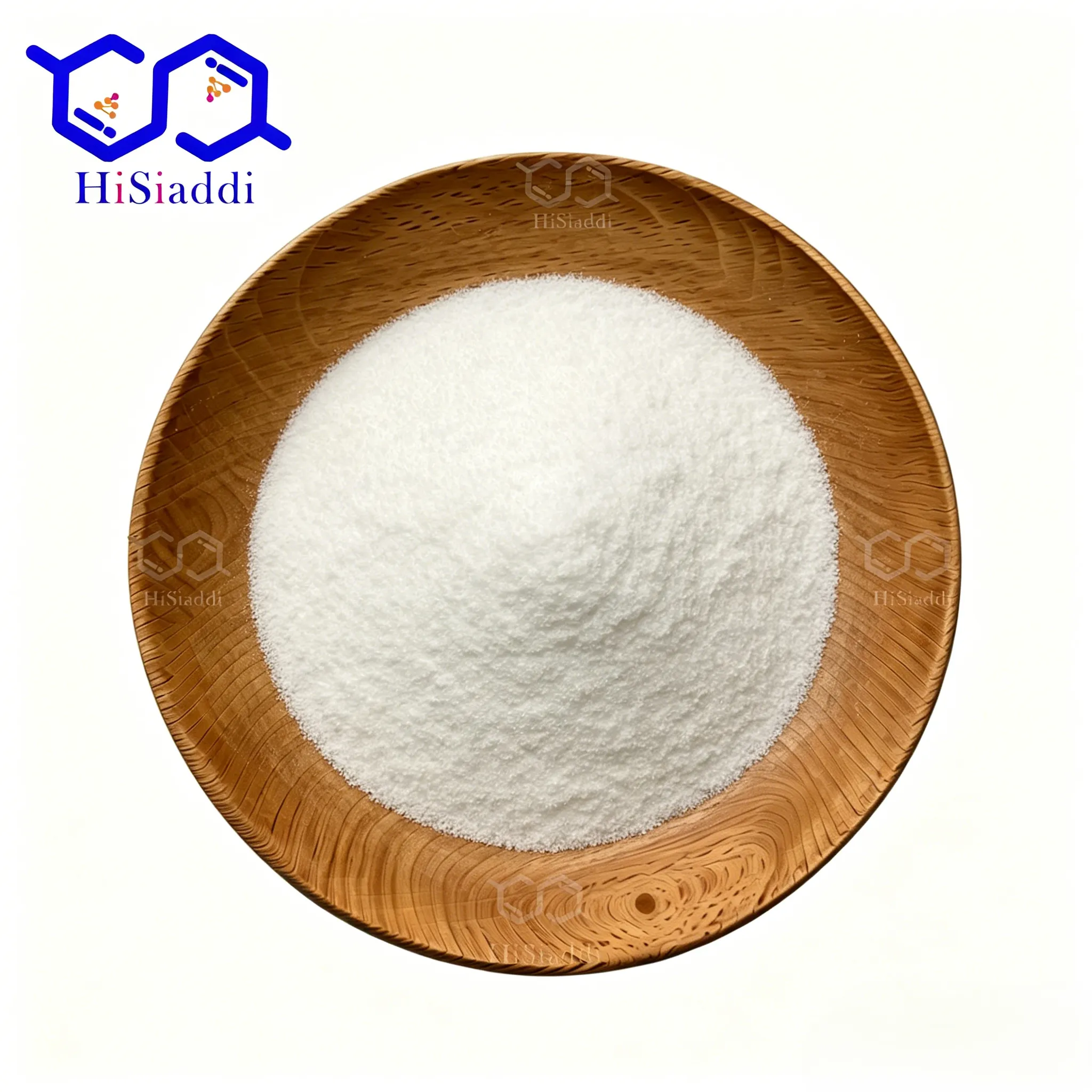
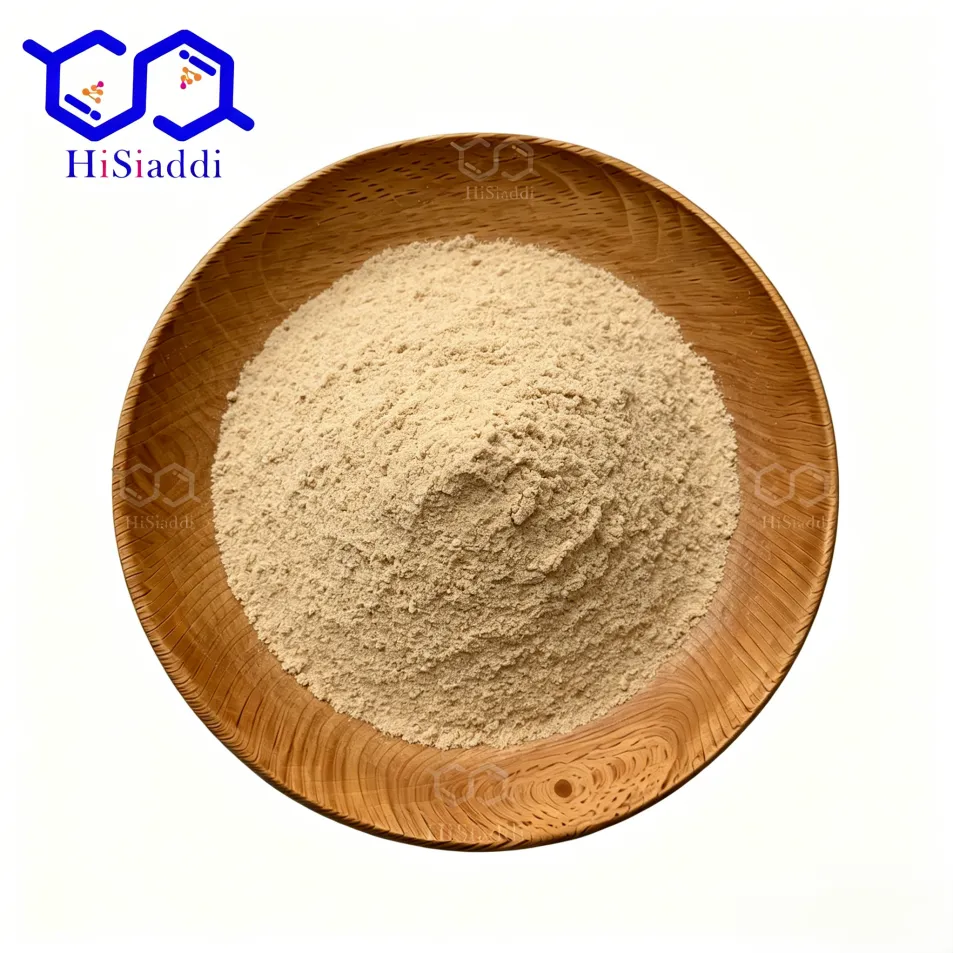
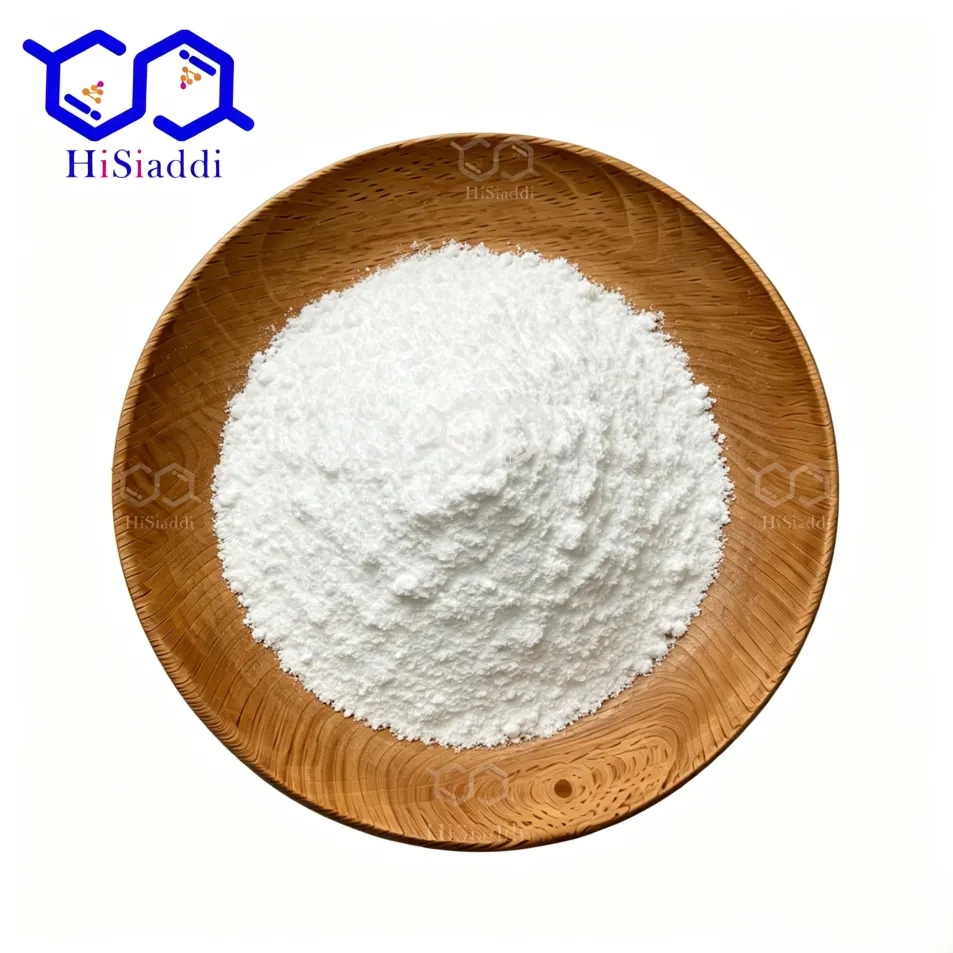
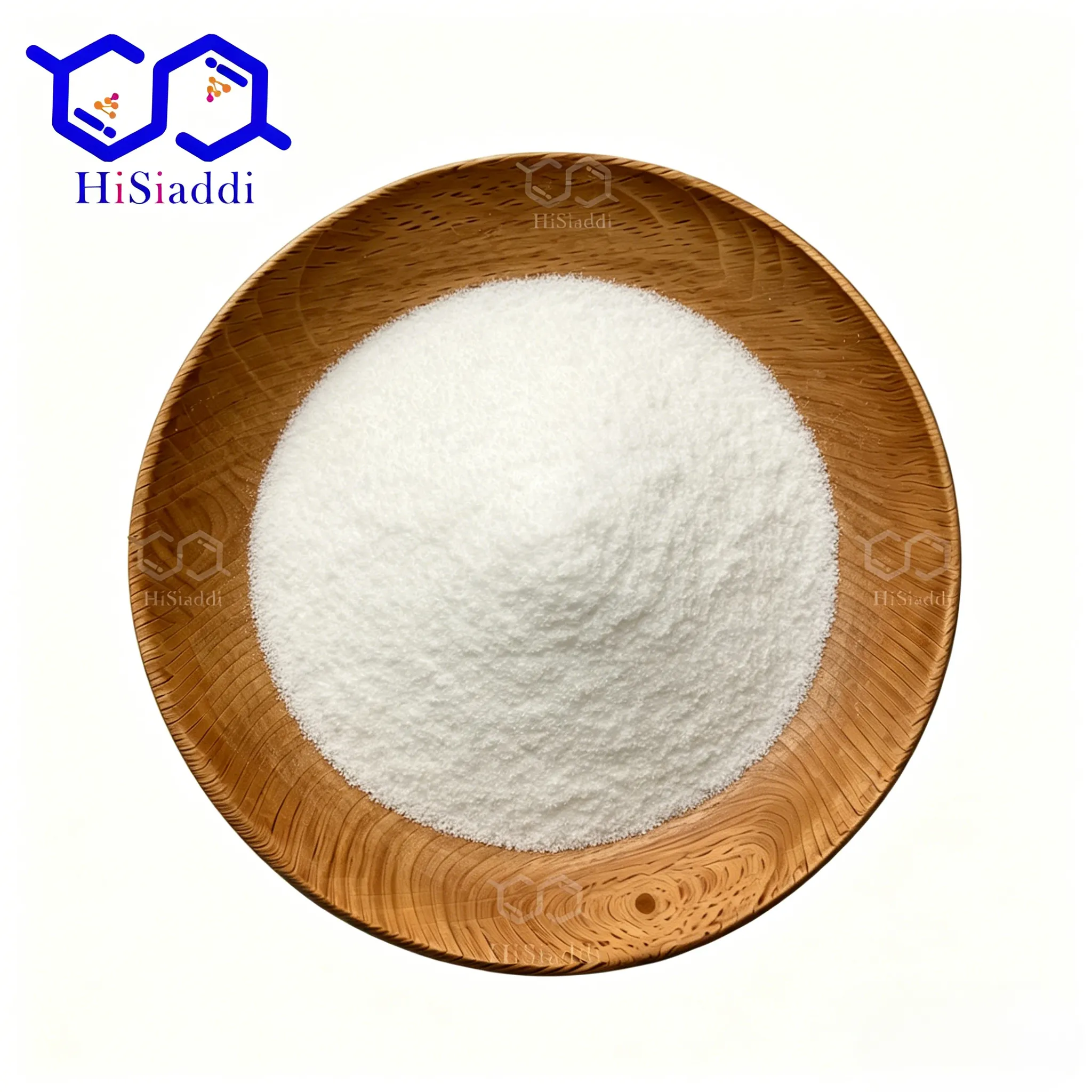
Ethyl Maltol (CAS No.: 4940-11-8), white crystalline powder, broad-spectrum flavor-enhancing food additive with four core functions: bitterness suppression, fishy odor elimination, sweetness amplification and fragrance fixation. Its flavor intensity is 4–6 times that of Methyl Maltol. Three mainstream models:
1. Pure Fruit Aroma (A1): Prominent fruity notes, applied to beverages, candy, fruit wine and baked goods.
2. Caramel Aroma (A2/A3): Rich caramel fragrance, for meat products, braised food, tobacco and pastries.
3. Premium Mellow Type: Long-lasting fragrance with high temperature resistance, for premium cooked food and high-end flavor essences.
Application Structure: Food & Beverage 40%, Meat Products 25%, Tobacco 18%, Daily Chemical Fragrances 12%, Pharmaceutical Excipients 5%.
Quality Grading:
· General Food Grade: Purity ≥99.0%, Heavy Metals ≤10 ppm, Compliant with GB 28318 National Standard.
· High-Purity Export Food Grade: Purity ≥99.5%, Free of off-odors, suitable for European & American exports.
· Pharmaceutical Grade: Purity ≥99.8%, Low residual solvents, pharmaceutical excipient use.
1. Mainstream Process: Furfural Closed-Loop Synthesis Route (Large-Scale Route of Domestic Leader Jinhe Industrial, 90% Global Capacity Share), continuous catalysis and recrystallization refining with total yield of 88%. European and American manufacturers including BASF (Germany) and Firmenich (Switzerland) adopt batch synthesis with yield of approximately 80% and higher energy consumption.
2. Capacity Distribution: Total Global Capacity 24,200 tons/year
· China (Absolute Industry Leader): 68% capacity share, total 16,500 tons, core enterprises including Anhui Jinhe Industrial (40% global market share), NHU and Fujian Zhongde. Core production zones in Anhui, Shandong and Zhejiang with complete upstream and downstream supporting industrial chains; 7
72% of domestic output exported globally;
· Europe & America: 22% capacity share, represented by Germany BASF and Switzerland Firmenich, focusing on high-purity premium fragrance grade, lacking low-cost integrated raw material supporting system;
· Japan & South Korea: 10% capacity, only blending and compounding workshops, all raw materials imported from China.
Calculation Scenario: Annual purchase volume of 1,000 tons, general food-grade caramel ethyl maltol with purity of 99.0%, domestic land transportation distance of 500km, and transoceanic sea freight for imported goods.
1. Tax-inclusive ex-factory base price: 86,000 CNY/ton; 10% discount for annual long-term orders of 1,000 tons, equivalent to 77,400 CNY/ton
2. Logistics & Packaging: Full truck road transportation, light-proof moisture-proof composite bag packaging, 720 CNY/ton, delivery lead time 3–5 days
3. Third-party full-item testing: Purity, melting point, heavy metals, ignition residue, 530 CNY/ton
4. Compliance management: Food additive filing, documents, supplier operation and maintenance, 190 CNY/ton
5. Risk provision: Fluctuations of raw materials such as acetic anhydride and furfural, slight caking loss during warehousing, 460 CNY/ton Total full domestic sourcing cost: 79,300 CNY/ton
1. FOB price: 11,800 USD/ton; tariff 6.5% + VAT 13%, converted duty-paid raw material cost: 97,200 CNY/ton
2. Cross-border logistics: Transoceanic sea freight, constant-temperature light-proof warehousing, customs clearance, domestic distribution, 3,350 CNY/ton, lead time 35–45 days
3. Full international testing: REACH, FDA, FCC standard re-inspection, 1,750 CNY/ton
4. Compliance & exchange cost: Annual overseas certification fees, 4% exchange rate fluctuation hedging, import & export agency service fees, 2,950 CNY/ton
5. Cross-border risk provision: Moisture damage during sea transportation, batch return and exchange, premium of overseas production capacity, patent surcharge, 2,400 CNY/ton Total full import sourcing cost: 107,650 CNY/ton
The domestic cost per ton is 28,350 CNY lower than imported goods, with an overall reduction of 26.3%; the cost advantage of domestic high-purity export grade and pharmaceutical grade expands to 30%–36%. The core price gap stems from domestic integrated raw material supporting system, continuous low-energy-consumption process, no overseas process patent fees, and elimination of cross-border tariffs and sea freight.
1. Core raw materials: Ethyl acetoacetate (35%), acetic anhydride (28%), furfural (16%), acetone (15%). Domestic integrated procurement in chemical parks reduces total raw material cost by 32%–38% compared with Europe and America. Production of one ton of ethyl maltol consumes about 3.2 tons of various basic chemical products in total, and cyclical fluctuations of raw materials directly drive price changes of finished products.
2. Process gap: The energy consumption of domestic continuous closed-loop synthesis is 36% lower than that of European and American batch processes. Jinhe’s circular chemical park greatly shares the cost of steam and wastewater treatment. Pharmaceutical grade requires multi-stage distillation for impurity removal, and its production cost is 30% higher than that of ordinary food grade. Premium mellow high-temperature resistant model adds refining procedures with a premium of 22%.
3. Purchase scale: A stable 10% discount is available for annual purchase ≥1,000 tons in China, and a 7% discount for 300–1,000 tons. Overseas brands only offer a 5%–7% bulk discount, and an additional process patent fee of 4,800 CNY/ton is charged for customized high-end models.
1. Storage & transportation characteristics: Ethyl maltol is prone to oxidative discoloration under light and sublimation loss under high temperature. The full-process constant-temperature light-proof packaging for imported goods leads to a 23% higher packaging & temperature control cost than domestic land transportation. The loss rate of domestic goods is 0.12%, while the sea freight loss rate of imported goods reaches 0.42%.
2. Tariffs & compliance thresholds: Import tariff 6.5%; annual maintenance fees for EU REACH, US FCC registration, HALAL certification are high. The EU has added traceability audit for flavor raw materials, increasing compliance cost by 1,300 CNY/ton at a single time.
3. Geopolitical trade: Europe and America have intensified reviews on Chinese food flavor raw materials, resulting in customs detention for 7–10 days and additional detention & warehousing fees of 1,000–1,600 CNY/ton.
1. Testing reuse advantage: Domestic leading manufacturers simultaneously hold FCC, FDA, REACH full sets of qualifications, one COA can be used for domestic and foreign sales, and repeated testing is reduced. Foreign brands such as BASF need separate testing for different regions, adding an extra testing cost of 900–1,300 CNY/ton.
2. Filing cycle & fees: Domestic food additive raw material filing takes 3–6 months with a basic fee of 5,000 CNY; import flavor raw material filing takes 8–14 months, with total agency & registration fees of 25,000–40,000 CNY, bringing significant time and capital costs.
1. Supply risk: China accounts for 68% of global production capacity, Jinhe, NHU have 10,000-ton reserve capacity, and the risk of supply interruption is only 0.11%. European and American single production lines rely on self-purchased basic raw materials, with a supply interruption risk of 0.68%.
2. Policy impact: Domestic environmental production restrictions eliminate small synthetic factories in the short term, pushing prices up by 5%–8%; carbon taxes and chemical energy consumption control in Europe and America continuously raise overseas production costs, leading to long-term upward trend of import prices.
3. Inventory loss: The storage cycle of imported goods is long, and the annual oxidation and sublimation loss provision is more than twice that of domestic goods.
Pure fruit aroma and caramel aroma general models have the lowest prices; premium mellow high-temperature resistant models carry a premium of 20%–25%; high-purity pharmaceutical grade has a premium of 30%–35%; organic certified food grade adds an extra premium of 28%.
1. Price Locking: Sign 1–3 year annual price-locking long-term agreements with Jinhe and NHU to hedge cyclical price hikes of acetic anhydride and furfural. Centralized bulk ordering of 1,000 tons per year to lock a 10% discount base price, and deliver goods in batches monthly to balance inventory loss. All conventional meat and beverage caramel/pure fruit aroma adopt domestic production; only a small amount of high-end flavor samples are imported from BASF for benchmarking.
2. Logistics & Warehousing Optimization: Direct full truck delivery to factories domestically to reduce transshipment and repackaging; raw material warehouses keep constant temperature and light-proof (≤28℃) to reduce oxidation scrapping. Consolidate full containers for imported goods to clear customs and test together to share costs. Sign forward foreign exchange contracts to lock US dollar exchange rate and avoid exchange losses.
3. Compliance Cost Compression: Prioritize large domestic manufacturers with FCC, REACH, HALAL certifications, directly reuse factory COA, conduct sampling inspection only once per quarter, and cancel full-batch repeated testing. Export products do not require separate overseas registration, saving high certification agency fees.
4. Supply Chain Risk Hedging: Build a dual supplier system of "domestic leading primary supplier + a small number of overseas standby suppliers"; purchase all-risk cargo transportation insurance to cover oxidation, sublimation and moisture damage. Establish price early warning of bulk commodities such as acetic anhydride and furfural, and stock up in advance when raw material prices rise by more than 5%.
1. General food grade (caramel/pure fruit aroma) for food & beverage and meat products Prioritize Anhui Jinhe Industrial and NHU, with sufficient production capacity, delivery lead time of 3–7 days, the lowest comprehensive sourcing cost, meeting domestic and global export standards with optimal cost performance.
2. High-end flavors and high-purity pharmaceutical grade Select domestic manufacturers with complete distillation production lines and FDA qualifications, with comprehensive cost 30%–36% lower than BASF and Firmenich, and batch impurity control comparable to imported products.
3. Organic certified, high-end premium mellow high-temperature resistant models Customize production in domestic organic compliant production lines, with premium more than 25% lower than European and American imported goods; only import a small number of foreign brand samples for R&D benchmarking.
1. Demand growth rate: Global annual compound growth rate of ethyl maltol reaches 9.3%. Pre-cooked dishes, low-alcohol fruit wine and high-end flavors drive sustained demand growth, with segmented growth rate of premium mellow high-temperature resistant and pharmaceutical grade exceeding 13%.
2. Supply-side changes: Domestic continuous synthesis process continues to upgrade, catalytic yield rises to 92%, and unit manufacturing cost decreases by 5%–7% year by year. The release of domestic high-purity flavor and pharmaceutical grade production capacity raises the localization rate of high-end products to 78%.
3. Price trend: Imported ethyl maltol is supported by overseas energy, carbon taxes and patent maintenance, with an annual price increase of 6%–10%. Prices of conventional domestic specifications remain stable and slightly downward, while high-end high-purity models carry modest premiums but remain far lower than imported goods.
4. Long-term sourcing strategy: Fully replace imported products with domestic ones, only retain a small number of imported channels for niche high-end benchmark samples, and the long-term comprehensive sourcing cost can be reduced by more than 26%.
If you have inquiries regarding full global sourcing costs of Ethyl Maltol or product consultation, please contact HiSiaddi customer service or visit our official website www.hisiaddi.com.

 +86-13120989737
  info@hisiaddi.com
 English