As a new-type foreign trade service provider driven by both technology transformation and foreign trade services, HiSiaddi has established a "1+2+3+4=1" service system and can supply raw materials of trans resveratrol from many well-known original manufacturers. Having deeply engaged in the trans resveratrol foreign trade market for over a decade, HiSiaddi sorts out full global sourcing cost structures, shared below for your reference.
If you have inquiries about trans resveratrol full global sourcing cost analysis or other related questions, please contact HiSiaddi customer service or visit our official website: www.hisiaddi.com.
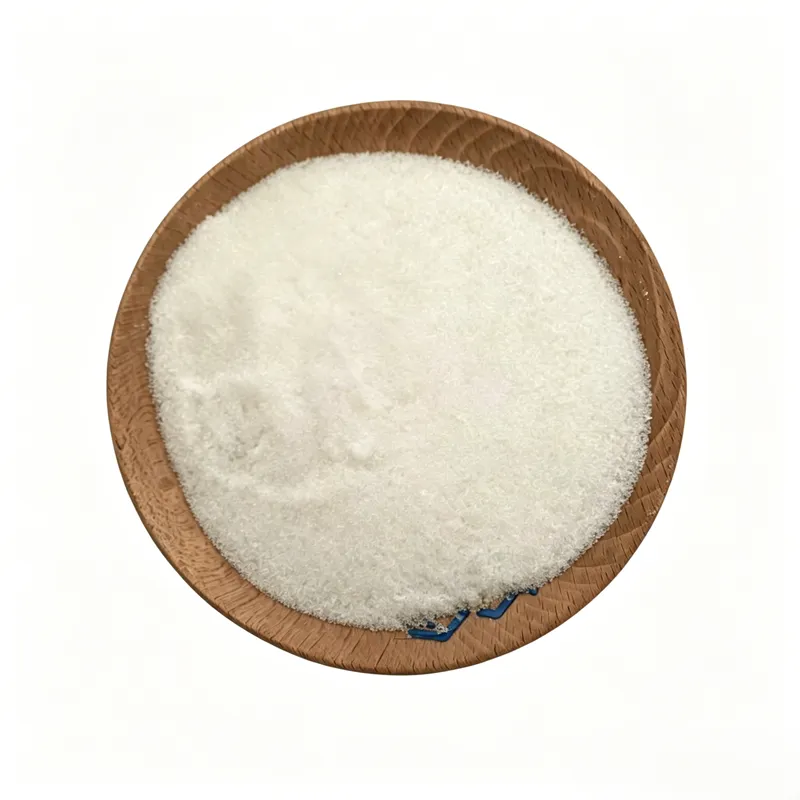
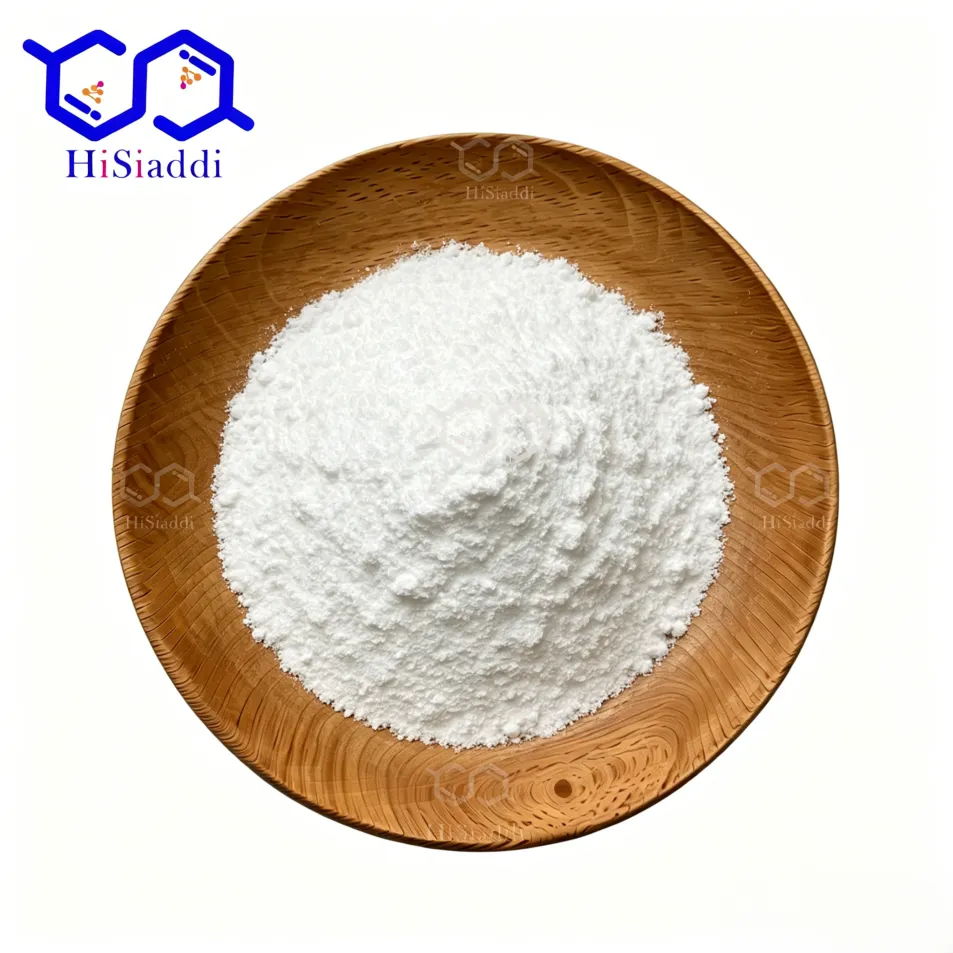
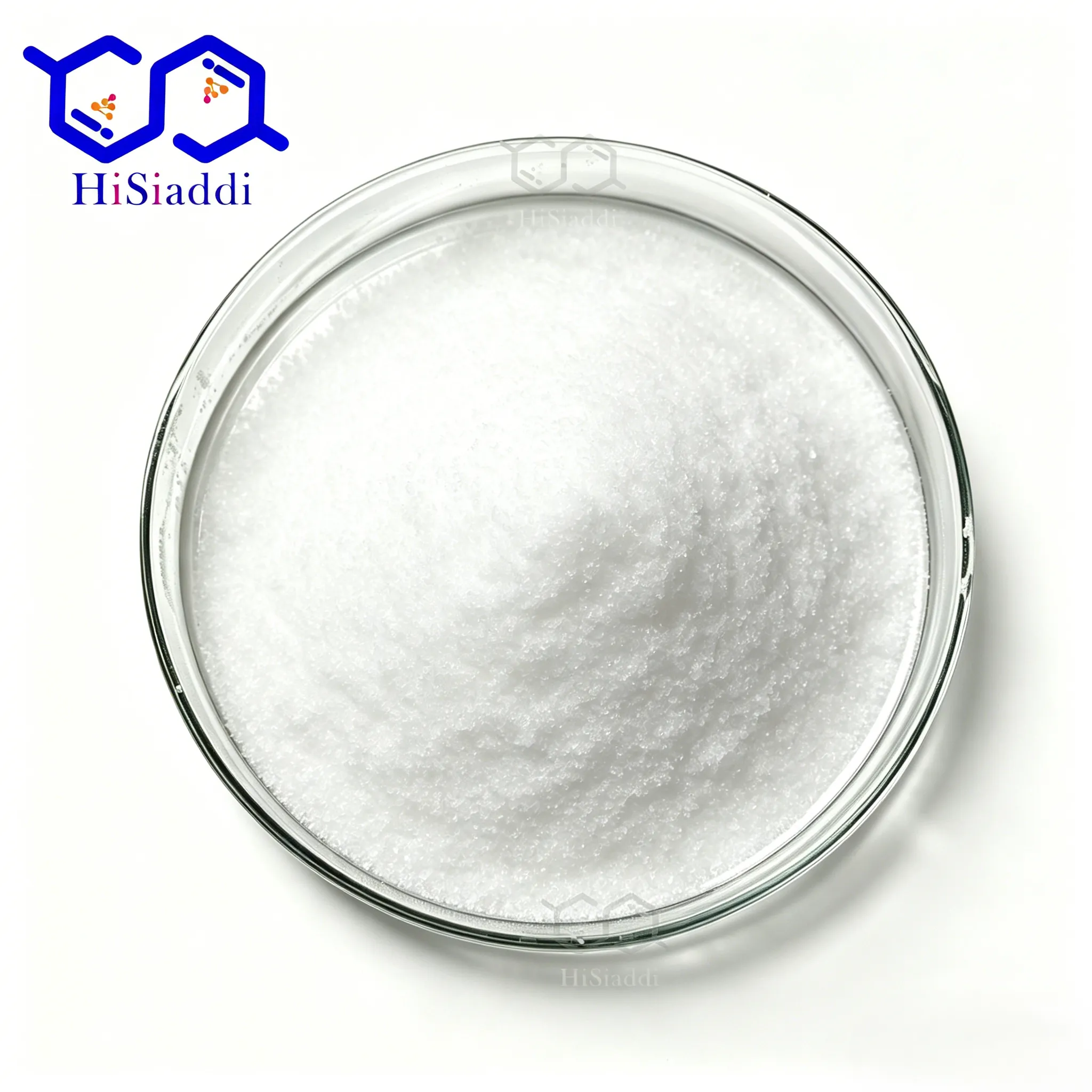
Giant Knotweed Extract’s core active ingredient is trans-resveratrol (CAS No. 501-36-0), a natural polyphenolic compound extracted and purified from Polygonum cuspidatum rhizomes. It appears as white to off-white crystalline powder, odorless with a slight bitter taste, readily soluble in ethanol and slightly soluble in water. Core functions include antioxidation, anti-aging, blood lipid regulation, cardiovascular protection and anti-inflammation, serving as a core raw material for health supplements, skincare products, functional foods and pharmaceutical preparations. Products are graded by trans-resveratrol purity and application scenarios.
Core Specifications Classified by Trans-Resveratrol Purity:
1. Food / Health Supplement Grade: Trans-resveratrol purity ≥98.0%, heavy metals ≤10ppm, complying with FCC and national Chinese standards, pesticide-free, suitable for nutritional supplements, solid beverages and meal replacement powders.
2. Cosmetic Grade: Trans-resveratrol purity ≥98.5%, heavy metals ≤5ppm, non-irritating and high skin permeability, for anti-aging, whitening and anti-inflammatory skincare additives.
3. Pharmaceutical Grade: Trans-resveratrol purity ≥99.0%, complying with USP/EP standards, heavy metals ≤5ppm, free of residual solvents, for cardiovascular protection and anti-inflammatory pharmaceutical preparations and clinical nutritional supplements.
4. Industrial Grade: Trans-resveratrol purity ≥90.0%, for food additives and feed additives with the lowest price point.
5. Premium Organic Grade: Manufactured from organically grown giant knotweed, trans-resveratrol purity ≥98.0% with organic certification, marketed as pollution-free natural material, priced 30%-40% higher than standard grades.
1. Production Processes
1. Mainstream Process: Giant knotweed rhizome pretreatment (washing, crushing) + solvent extraction (ethanol primary) + purification (column chromatography, recrystallization) + drying. Mature ethanol extraction technology delivers high purity and accounts for over 95% of global capacity. Recrystallization further elevates purity for pharmaceutical and cosmetic grades, raising production costs by 25%-30% versus standard extraction.
2. Auxiliary Process: Biosynthetic fermentation (high cost, low output), exclusively for premium organic certified products with less than 5% market share.
2. Capacity Distribution: China is the world’s largest producer holding over 75% of global capacity, concentrated in Shaanxi, Hunan, Hubei, Zhejiang giant knotweed core growing regions and botanical extraction industrial belts. Abundant wild giant knotweed resources and mature extraction technology deliver prominent cost control advantages. International production capacity is primarily located in France, USA and Germany, limited to premium organic and pharmaceutical grades. Leading global manufacturers include France’s Naturex, USA’s Sabinsa and ChromaDex, with constrained capacity and high pricing focused on European & American premium markets.
· International Brands: Naturex (France), Sabinsa Corporation (USA), ChromaDex (USA, Pteropure®), Dr. Grandel (Germany), Kyowa Hakko (Japan)
· Domestic Chinese Brands: Xi’an Cuiyuan Biotechnology, Changsha Shanghe Biotechnology, Shaanxi Huike Plant Development, Hubei Sanxin Biotechnology, Zhejiang Conba Pharmaceutical, Hunan Lvyuan Biotechnology
Core Scenario: Health Supplement Grade (98.5% trans-resveratrol purity), annual procurement volume 800 tons, delivery destination Xi’an, China. Comparative full cost analysis of imported vs domestic sourcing (Calculated July 2026, exchange rate 1USD=7.2 CNY).
· Unit purchasing price (6% bulk discount applied): FOB USD 135/kg, equivalent to 972,000 CNY/ton; post tariff & VAT price 1,050,000 CNY/ton
· Logistics Costs: International sea cold chain transport + domestic transshipment + customs clearance & inspection, total 18,500 CNY/ton
· Warehousing Costs: Sealed moisture-proof cold chain storage (2-month inventory cycle), total 11,000 CNY/ton
· Quality Costs: Third-party full testing (FCC/USP standards) + purity testing + non-conforming goods return & exchange, total 9,000 CNY/ton
· Compliance & Management Costs: EU REACH certification maintenance + organic certification testing + procurement administration, total 1,000 CNY/ton
· Risk Costs: EUR exchange rate fluctuation (±4%) + supply disruption losses, total 30,000 CNY/ton
· Total Full Cost Per Ton: 1,119,500 CNY
· Unit purchasing price (9% bulk discount applied): Tax-inclusive ex-factory price 560,000 CNY/ton
· Logistics Costs: Domestic highway transport + loading/unloading, moisture-proof sealed packaging, total 1,300 CNY/ton
· Warehousing Costs: Sealed moisture-proof storage (1.5-month inventory cycle), total 7,500 CNY/ton
· Quality Costs: Third-party national standard testing + purity testing + non-conforming goods return & exchange, total 5,500 CNY/ton
· Compliance & Management Costs: Domestic health supplement raw material qualification maintenance + procurement administration, total 500 CNY/ton
· Risk Costs: Giant knotweed raw material price fluctuation (±5%) + supply disruption losses, total 23,000 CNY/ton
· Total Full Cost Per Ton: 597,800 CNY
Domestic sourcing delivers a 521,700 CNY per ton cost reduction, a 46.6% price drop with extremely prominent cost advantages. Core differentiators: abundant domestic giant knotweed raw material supply, mature extraction processes, no import tariffs, logistics costs only 1/14 of imported alternatives. Imported product advantages include organic certification, European & American compliance endorsement and superior batch stability, suitable for premium brand customization and EU/US export scenarios. Domestic products match imported purity and quality standards for most food, health supplement and cosmetic applications with outstanding cost performance.
1. Raw Material Volatility: Core feedstock giant knotweed rhizome prices fluctuate with output, climate (drought/flood disrupting cultivation) and harvest cycles. A 10% raw material price hike drives an 8%-10% increase in giant knotweed extract pricing. Organically cultivated giant knotweed carries 30% higher production and control costs, directly lifting premium product prices.
2. Process & Purity Differentials: Recrystallized products cost 25%-30% more than standard extracted material; pharmaceutical grade carries a 30%-35% premium over food grade; imported organic grade products command a minimum 45% price markup versus equivalent domestic alternatives driven by brand and certification premiums.
3. Bulk Purchase Discounts: Annual procurement ≥800 tons qualifies for 9%-11% discounts; orders under 300 tons only receive 2%-3% rebates, with larger volume discounts available for bulk industrial grade procurement to further cut costs.
4. Exchange Rate Volatility: Imports settled in EUR/USD experience ±0.9%-1.1% purchasing price fluctuation per ±1% exchange rate swing, with EUR volatility exerting the most significant impact on import costs.
1. Transportation Requirements: Trans-resveratrol oxidizes readily and decomposes under high temperature, requiring sealed moisture-proof lightproof transport below 25℃. Import sea freight incurs additional cold chain preservation fees; air freight costs reach approximately 62,000 CNY/ton exclusively for small-batch emergency procurement.
2. Tariffs & Trade Barriers: Most-favored nation tariff rate 6.5%; additional tariff surcharges drastically inflate import costs. EU and US authorities impose strict limits on trans-resveratrol purity, heavy metals, pesticide residues and residual solvents for giant knotweed extracts, with import testing fees 60% higher than domestic testing and complex, lengthy customs clearance procedures.
3. Cross-Border Regulatory Oversight: Imported organic grade materials require giant knotweed planting base qualification, organic certification and environmental testing reports; pharmaceutical grade imports demand clinical validation documents, raising compliance and testing expenses.
1. Testing Standards: USP/EP pharmaceutical grade testing standards are far stricter than food grade, with dedicated testing for trans-resveratrol purity, residual solvents, heavy metals and pesticide residues pushing testing fees 80%-100% higher. Cosmetic grade adds skin irritation testing with 50% higher testing costs than food grade; organic grade testing incurs a 30% premium over standard grades for organic certification compliance indicators.
2. Compliance Mandates: Export-oriented procurement requires EU REACH, US FDA and Japan JHFA certification with annual maintenance fees of 30,000–50,000 CNY. Domestic sourcing must comply with China’s Catalog of Health Food Raw Materials and Food Additive Standards; pharmaceutical grade materials require GMP certification, with non-compliant goods triggering hidden costs of returns, fines and product recalls.
3. Qualification Verification: Imported sourcing requires full validation of product compliance certificates, organic certifications and raw material traceability documents to avoid customs detention due to incomplete documentation.
1. Supply Stability Risk: International manufacturers concentrate capacity on premium organic and pharmaceutical grades with limited output, carrying a 0.5% supply disruption risk driven by raw material shortages, international logistics delays and regulatory controls. Domestic manufacturers maintain abundant production capacity and stable giant knotweed raw material supply, with only 0.15% supply interruption risk for food and industrial grades supported by over 75% domestic production share.
2. Policy Risk: Global clean label and natural organic consumption trends boost organic grade demand; partial nations restrict imports of pesticide-residue-exceeding botanical extracts, indirectly lifting high-purity raw material prices. Domestic environmental policy upgrades tighten controls on botanical extraction emissions and wild giant knotweed resource protection, eliminating small unregulated manufacturers and triggering short-term supply shortages and mild price hikes.
3. Market Demand Volatility: Sustained global growth in anti-aging and cardiovascular health supplement and skincare demand, especially robust uptake in European & American premium markets, drives 5%-8% price surges during supply-demand imbalance periods.
1. Consolidate corporate procurement volume to achieve bulk purchasing; sign 1–3 year long-term supply contracts with core domestic manufacturers to lock unit prices and secure maximum 9%-11% bulk discounts, hedging raw material price volatility risks. Negotiate enhanced rebates for large-volume industrial grade procurement; pre-negotiate pricing for customized purity products to avoid ad-hoc price adjustments.
2. Prioritize domestic ethanol extraction manufacturers for 46% lower health supplement grade costs versus imports. For premium pharmaceutical/cosmetic grade demand, select domestic manufacturers with GMP and USP/EP certifications (Changsha Shanghe Biotechnology, Zhejiang Conba Pharmaceutical) delivering 35%+ cost savings over direct imports.
3. For imported procurement, utilize forward foreign exchange contracts and currency swaps to lock EUR/USD exchange rates and mitigate fluctuation losses. Monitor giant knotweed harvest cycles and raw material price trends to increase purchasing volume and build inventory during price troughs.
1. Imported sourcing prioritizes full-container sea cold chain transport; engage professional customs brokers to streamline clearance procedures and cut inspection fees, avoiding detention charges and fines from incomplete documentation. Optimize transport routes to reduce transshipment links and minimize transit losses.
2. Domestic sourcing prioritizes local or nearby manufacturers (Shaanxi, Hunan, Hubei) utilizing full-truck delivery to reduce unit freight costs, paired with standardized moisture-proof lightproof sealed packaging to cut transit deterioration and packaging expenses, eliminating product oxidation and decomposition scrappage.
3. Rationalize procurement cycles to avoid frequent small-batch orders reducing transport frequency and associated overheads; optimize inventory turnover to cut capital occupation and warehousing expenses. Zone cold chain warehouses to lower energy consumption and storage costs.
1. Rigorous supplier admission screening: Audit production qualifications, quality certifications (ISO9001, ISO22000, GMP), compliance documentation and raw material testing reports; conduct on-site inspections of planting bases and extraction workshops to select suppliers with robust quality control and compliant raw material sources.
2. Consolidate sample and batch testing; sign long-term cooperation agreements with third-party testing laboratories to secure discounted testing rates. Leverage supplier-provided certified COAs for domestic sourcing to eliminate redundant testing and cut inspection expenses. Source premium grades from domestically certified international standard manufacturers to avoid redundant import testing procedures.
3. Optimize inventory turnover: Control food/industrial grade inventory at 1.5–2 months, pharmaceutical/cosmetic grade at 1–1.5 months; implement first-in-first-out stock rotation. Adopt consignment inventory models from suppliers to reduce self-owned warehouse space and capital interest costs, while enforcing strict storage environment controls (dry, moisture-proof, lightproof, low temperature) to minimize oxidation and decomposition losses.
1. Establish diversified supplier systems: Maintain 2–3 core domestic ethanol extraction manufacturers plus 1–2 backup suppliers to mitigate single-source supply disruption risks, with separate vendors for standard and organic grades to fulfill diversified demand for health supplements, pharmaceuticals, cosmetics and industrial applications.
2. Purchase all-risk cargo transport insurance covering oxidation, decomposition, moisture absorption, damage and loss during transit for full financial compensation of losses.
3. Build early warning mechanisms for raw material prices, exchange rates and policy risks with ±5% fluctuation alert thresholds; adjust procurement strategies (increase inventory, switch suppliers, modify order volumes) once thresholds are breached. Closely monitor global regulatory policy updates and clean label trends to proactively adjust sourcing compliance standards and product specifications.
1. Food / Health Supplement Grade: Prioritize domestic manufacturers from Shaanxi and Hunan growing regions (Xi’an Cuiyuan Biotechnology, Changsha Shanghe Biotechnology) with abundant giant knotweed raw materials, low costs, internationally compliant quality, 46%+ cost savings over imports, stable supply and convenient after-sales service to meet most domestic and export demand.
2. Premium Pharmaceutical / Cosmetic Grade: Prioritize domestic manufacturers with GMP and USP/EP certifications (Zhejiang Conba Pharmaceutical, Hubei Sanxin Biotechnology), delivering 35%-40% lower pricing than imports with controllable quality and reduced compliance overheads.
3. Industrial Grade: Source exclusively from large domestic botanical extraction manufacturers with broad raw material access and rock-bottom pricing, delivering over 50% cost reduction versus imported alternatives for bulk procurement.
4. Premium Organic Grade / EU & US Export: Select Naturex (France) or Sabinsa (USA); rigorously verify FDA/REACH certifications, organic certification and raw material traceability documentation to guarantee regulatory compliance.
5. Research Reagent Grade: Prioritize domestic manufacturers with high-purity extract production qualifications, offering 40%-50% cost savings versus imported equivalents for laboratory experimental requirements.
1. Establish full-cost accounting systems centered on purchasing price and logistics cost monitoring; conduct regular cost variance analysis for targeted optimization. Focus raw material price fluctuation control for industrial grade procurement; prioritize quality compliance and cold chain warehousing cost management for pharmaceutical and cosmetic grades.
2. Deploy digital procurement management systems to digitalize inquiry, bidding, contract signing and payment workflows, reducing administrative overheads and boosting sourcing efficiency.
3. Build long-term cooperative partnerships with suppliers; share
继续
price and demand data, and negotiate raw material price linkage agreements to share the pressure of raw material price hikes.
Driven by the rapid development of the global anti-aging and cardiovascular health industry (the average annual growth rate of global demand for giant knotweed extract trans-resveratrol is expected to reach 7.2% from 2026 to 2031), domestic enterprises will further mature their extraction and purification technologies, continuously improving the purity and stability of trans-resveratrol, and expanding production capacity of high-end pharmaceutical grade and organic grade products, narrowing the gap with international brands. At the same time, the optimization of artificial giant knotweed planting technology and the upgrading of environmentally friendly extraction processes will further reduce product costs, making the cost performance advantage of domestic procurement more prominent, and the domestic self-supply rate is expected to rise further to more than 85%.
Procurement enterprises should keep up with the global consumption trend of "natural, organic and high purity", prioritize sourcing compliant, cost-effective raw materials, and connect with suppliers holding high-end qualifications and international certifications in advance. Meanwhile, strengthen supply chain risk management, optimize procurement strategies, and realize coordinated optimization of procurement cost, quality and supply stability to provide sustainable support for enterprise development.
If you have inquiries about the full global sourcing cost of trans resveratrol or other related questions, please contact HiSiaddi customer service or visit our official website: www.hisiaddi.com.


 +86-13120989737
  info@hisiaddi.com
 English