As a new type of foreign trade service provider driven by technological transformation and foreign trade services, HiSiaddi has established a "1+2+3+4=1" service system and can supply raw materials from multiple well-known original manufacturers of Poly methylsilsesquioxane. Having engaged in the foreign trade market of Poly methylsilsesquioxane for more than a decade, HiSiaddi has sorted out full global sourcing cost data for your reference.
For inquiries about full global sourcing cost analysis or product information of Poly methylsilsesquioxane, please contact HiSiaddi customer service or visit the official website www.hisiaddi.com.
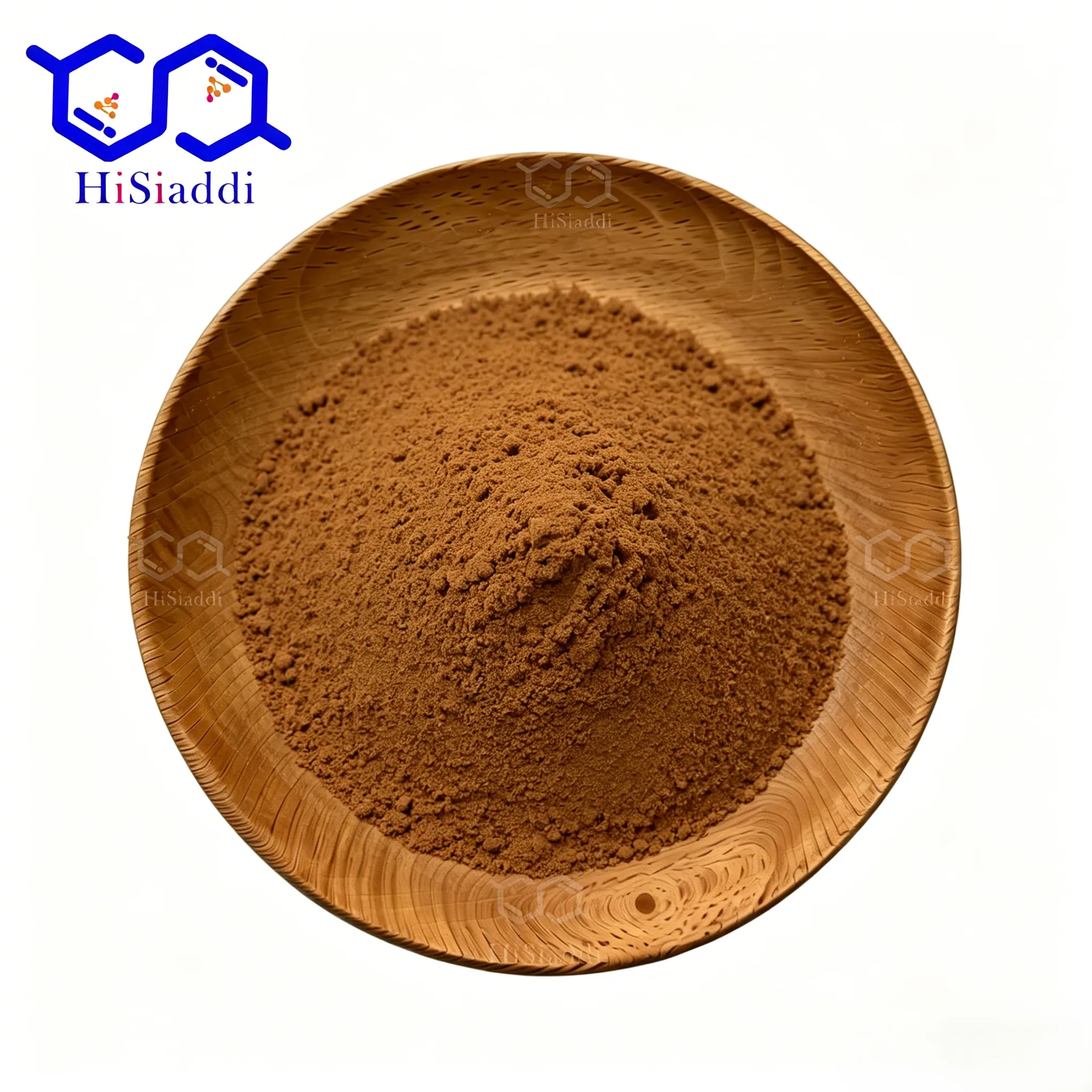
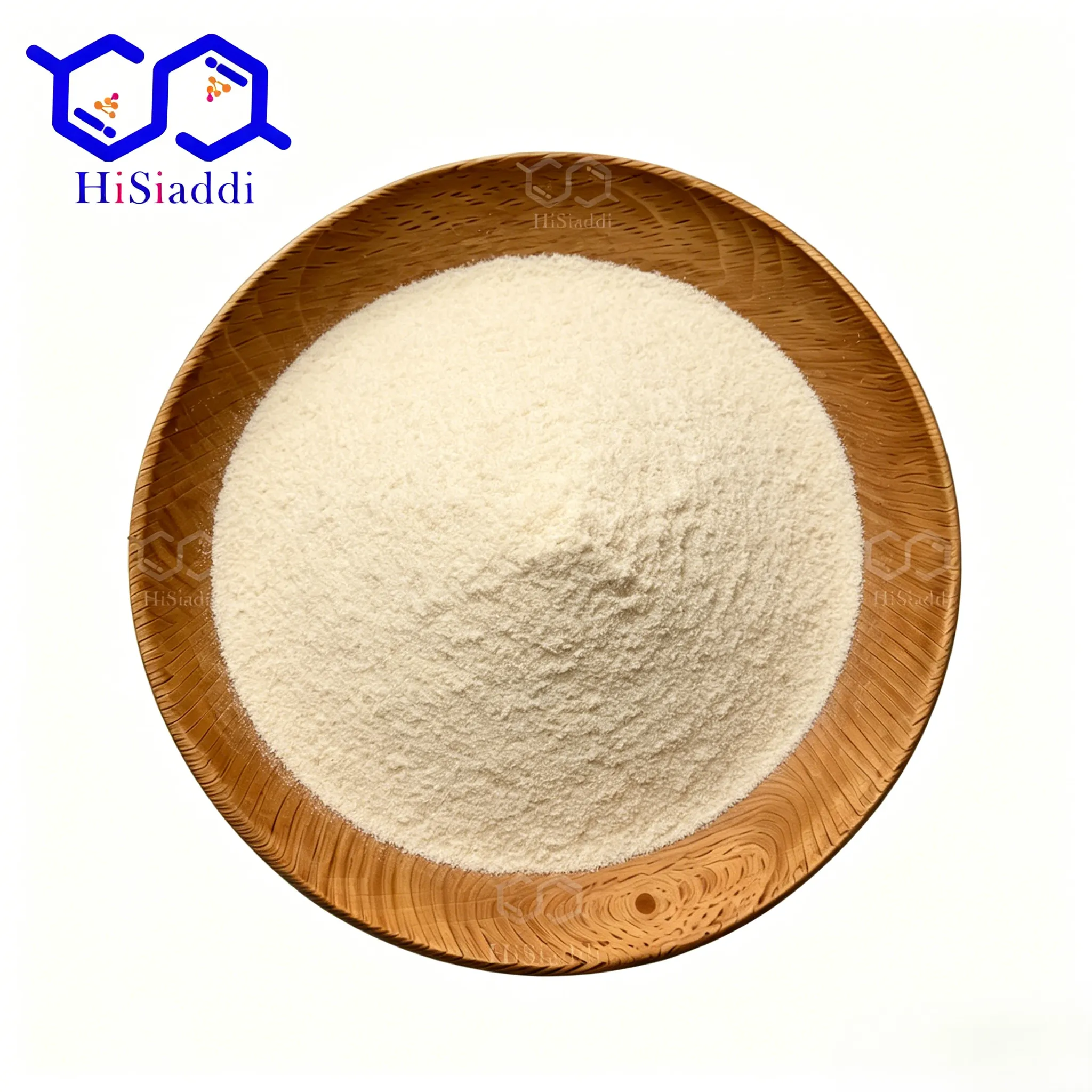
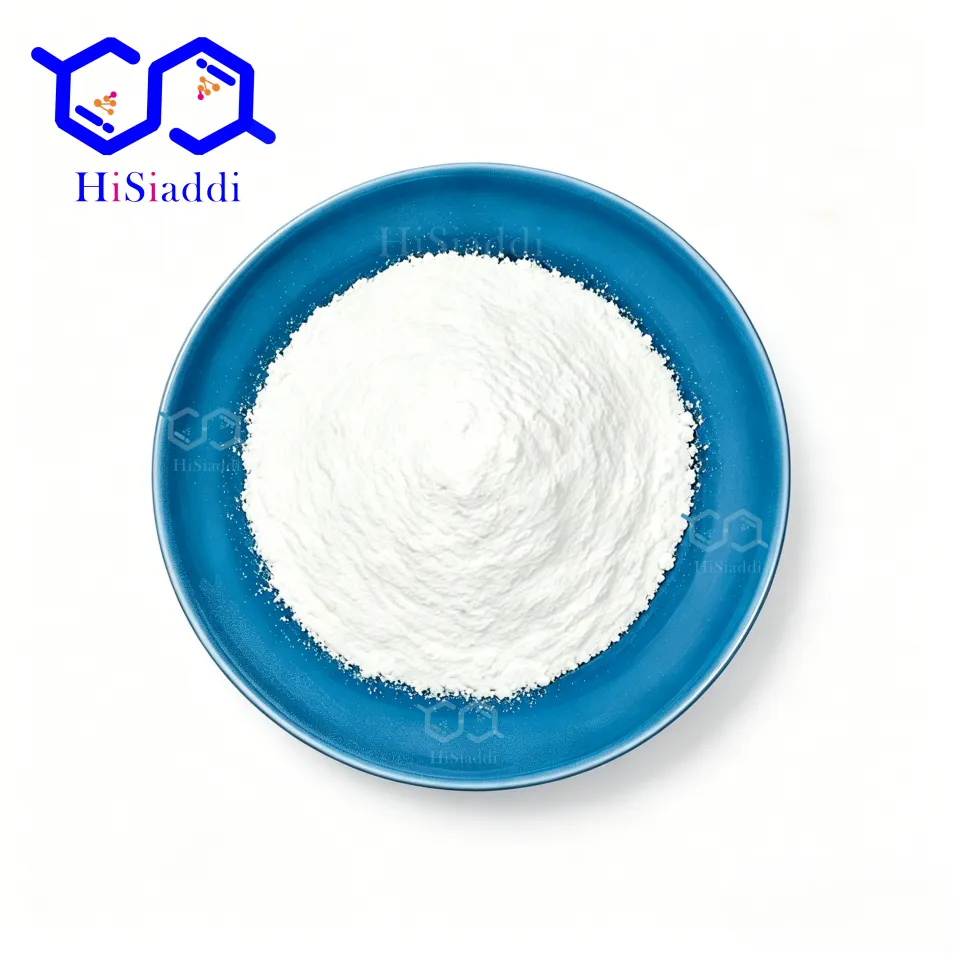
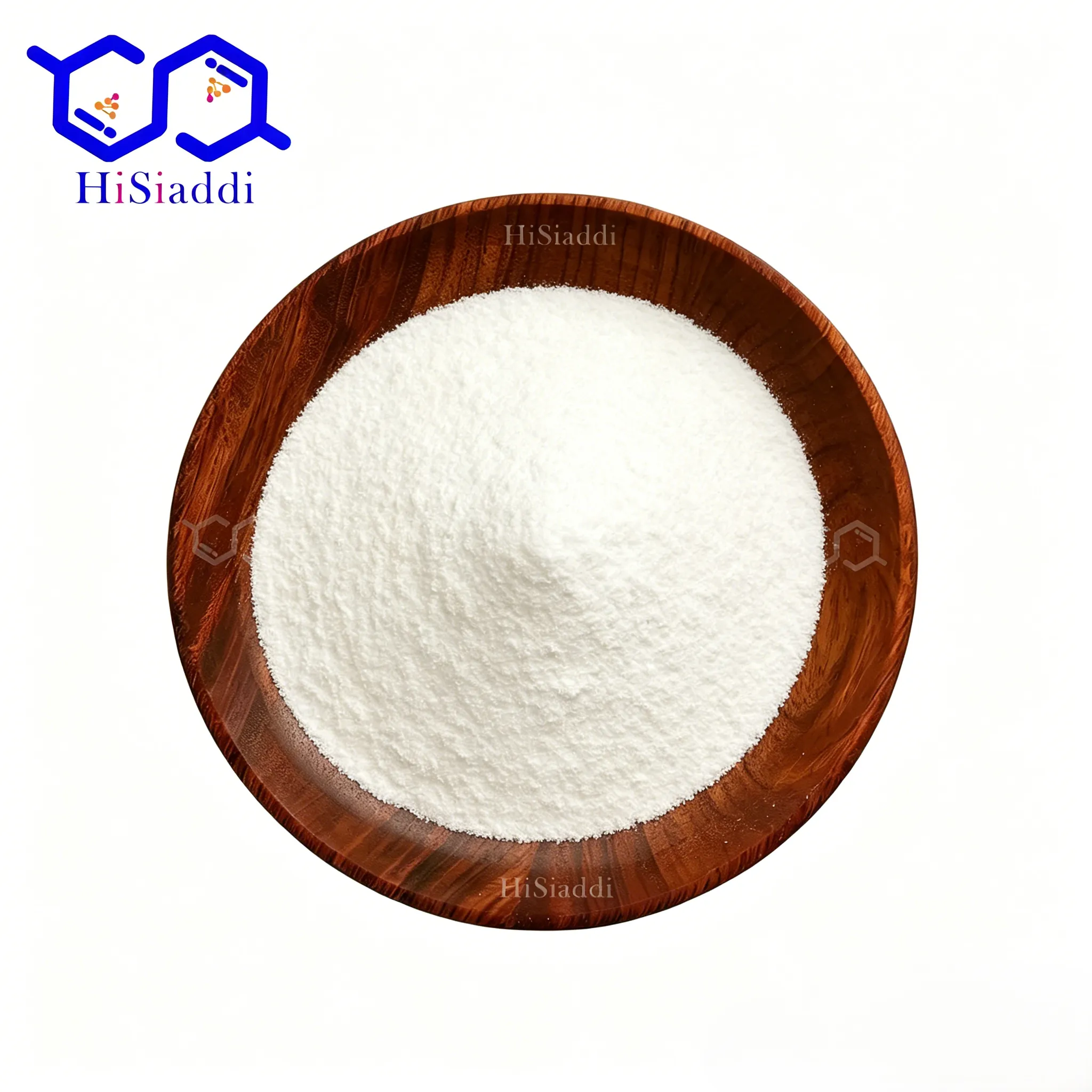
Methylsilsesquioxane (abbreviated PMSS, CAS: 68585-39-5), white free-flowing powder or microsphere particles, belongs to organosilicon high molecular polymer with a 3D cage/ladder structure. It delivers outstanding heat resistance (≥300℃), hydrophobicity, lubricity, film-forming and dispersion performance, with strong chemical stability and excellent compatibility with cosmetic raw materials, rubber & plastic substrates and coating resins. Widely applied across cosmetics (45%, foundation, loose powder, makeup slip agent, anti-caking agent), rubber & plastic processing (25%, plastic lubricant, rubber release agent, anti-yellowing agent), coatings & inks (15%, coating matting agent, ink anti-wear & scratch-resistant additive), electronic materials (10%, electronic encapsulation & insulation filler) and building materials (5%, waterproof coating hydrophobic agent, thermal insulation modification agent), it represents a core high-end organosilicon functional material.
Core grade classification by particle size & form (microspheres dominate the market):
· Cosmetic Grade (Mainstream): Particle size 5–9μm, whiteness ≥95%, moisture content ≤0.5%, heavy metals ≤10ppm, compatible with facial & skincare formulations.
· Rubber & Plastic Special Grade: Particle size 10–20μm, heat resistance ≥350℃, lubricity ≥90, suitable for plastic & rubber processing.
· Coating Special Grade: Particle size 2–5μm, matting efficiency ≥85%, scratch resistance ≥4H, formulated for premium coatings & inks.
· Electronic Grade: Particle size 1–3μm, purity ≥99.8%, dielectric constant ≤2.8, applied in electronic encapsulation & insulation materials.
1. Production Processes: Dominant methyltrimethoxysilane hydrolysis-condensation process (95% market share). Methyltrimethoxysilane undergoes hydrolysis to form silanol intermediates, followed by catalytic polycondensation, granulation and drying to produce powder/microsphere products. Leading domestic manufacturers adopt continuous sol-gel processes equipped with tail gas recovery and powder modification systems, delivering uniform particle size distribution, high whiteness and production yields above 90%. Traditional batch hydrolysis processes account for 5% of market share, producing materials with uneven particle size and excessive impurities, gradually phased out. Niche ultra-fine particle customization processes cost 20%–25% higher than conventional processes to meet strict standards for high-end cosmetics & electronics.
2. Capacity Distribution: Global total capacity 32,000 tons/year, China accounting for 55% (17,600 tons/year, core production zones in Jiangsu, Zhejiang, Guangdong; representative manufacturers: Jiangsu Cologne Chemical, Zhejiang Xin’an Chemical, Guangdong Hesheng Silicon Industry, Shandong Dongyue Silicon Materials). China is the world’s largest producer & exporter, capturing over 60% of global trade volume. EU & US capacity accounts for 25% (Dow Chemical US, Wacker Chemie Germany, Momentive Performance Materials US), specializing in cosmetic & electronic grade products with combined market share exceeding 40%. Japan accounts for 15% (Shin-Etsu Chemical), focused on high-end electronic grade & ultra-fine particle specialty products. Other regions account for 5% (South Korea, Southeast Asia), limited to repackaging & compounding operations.
1. Product Purchase Price: Tax-inclusive ex-factory price RMB 48,800/ton, 10% volume discount for annual orders of 1,000 tons, discounted procurement cost RMB 43,920/ton.
2. Logistics Cost: Domestic full-truck road transport + sealed moisture-proof food-grade fiber drum packaging, RMB 900/ton for transport distance of 500km; transit cycle 3–5 days, moisture absorption loss rate 0.1%.
3. Testing Cost: Third-party full testing covering particle size, whiteness, moisture content, heavy metals and other core indicators, RMB 800/ton.
4. Compliance & Administrative Cost: Cosmetic raw material filing, procurement operation, document management, supplier coordination and other overheads, comprehensive cost RMB 250/ton.
5. Supply Chain Risk Cost: Provision for methyltrimethoxysilane raw material price volatility, production process losses, unqualified batch rework losses, accrued at 0.3% of procurement cost, risk cost RMB 1,317/ton. Total Full Cost: RMB 47,187/ton
1. Product Purchase Price: FOB offshore price USD 7,500/ton, converted at exchange rate USD 1 ≈ RMB 7.25, plus 6.5% import tariff and 13% VAT, tax-inclusive raw material cost RMB 62,000/ton.
2. Logistics Cost: Ocean freight + domestic last-mile delivery with full-process constant-temperature moisture-proof sealed packaging (to prevent powder moisture absorption, agglomeration and particle breakage), including ocean freight, customs clearance fees, domestic transshipment and dedicated packaging costs, RMB 3,600/ton under current ocean freight market conditions; transit cycle 35–45 days, moisture absorption loss rate 0.5%.
3. Testing Cost: Full testing by international testing institutions compliant with EU REACH, US FDA and ISO 16128 cosmetic standards, re-inspection of heavy metals & particle size distribution, testing cost RMB 2,000/ton.
4. Compliance & Administrative Cost: International cosmetic raw material certification filing, exchange rate hedging (provision for 4% exchange rate fluctuation), import & export document processing, overseas supplier coordination and other overheads, comprehensive cost RMB 3,200/ton.
5. Supply Chain Risk Cost: Ocean shipment delays, overseas methyltrimethoxysilane raw material shortages & price premiums, batch return & rework losses, accrued at 0.6% of tax-inclusive raw material cost, risk cost RMB 4,500/ton. Total Full Cost: RMB 75,300/ton
Domestic full sourcing cost totals RMB 47,187/ton, import full sourcing cost totals RMB 75,300/ton, delivering a cost saving of RMB 28,113 per ton via domestic procurement, a comprehensive reduction of 37.3%. For electronic grade products, domestic cost advantages expand further to 38%–43%; ultra-fine customized particle grade domestic customization costs are 40%–45% lower than German Wacker imports. Core price gaps stem from domestic continuous process raw material cost advantages (methyltrimethoxysilane procurement prices 35%–40% lower than EU/US), absence of overseas patent licensing fees, and savings on cross-border logistics & tariff surcharges.
1. Raw Material Costs: Core feedstock methyltrimethoxysilane, with complete domestic organosilicon industrial chain supporting procurement prices of approximately RMB 22,000/ton, 35%–40% lower than EU/US markets. PMSS production consumes approximately 1.2 tons of methyltrimethoxysilane per ton of finished product, accounting for 68% of total production cost. Major domestic methyltrimethoxysilane production zones in Jiangsu & Zhejiang deliver stable sufficient supply; EU/US raw materials rely on imports with additional sol-gel process patent licensing fees adding over 40% to total costs. Japanese high-end products utilize imported ultra-high-purity methyltrimethoxysilane, further elevating raw material costs and product premiums.
2. Process Differentials: Domestic continuous sol-gel processes consume 38% less energy than EU/US batch processes, delivering higher production efficiency and precise particle size & purity control, cutting production costs by 25%–30% vs EU/US alternatives. Cosmetic grade requires additional powder modification & impurity removal processes, costing 30%–35% more than general rubber & plastic grade. Electronic grade demands enhanced purity and dielectric performance control with complex production workflows, costing 35%–40% higher than general rubber & plastic grade. Ultra-fine particle customization processes incur 20%–25% higher costs than conventional processes due to refined production workflows and stringent testing standards, yet deliver premium performance for high-end application requirements with expanding premium margins.
3. Procurement Scale Discounts: Domestic leading manufacturers offer a minimum 10% volume discount for annual orders ≥1,000 tons, with additional 2%–3% rebates for orders of 300–1,000 tons. Overseas brands only offer 5%–8% volume discounts, plus mandatory patent licensing fees of approximately RMB 12,000/ton for cosmetic & electronic grade products.
1. Transportation Restrictions: PMSS powder/microspheres are highly susceptible to moisture absorption, agglomeration and particle breakage. Import shipments require full-process constant-temperature (15–25℃) moisture-proof sealed packaging compliant with international general chemical transport standards with strict protective requirements, raising ocean freight packaging & temperature control costs by 25% vs domestic road transport. Domestic road transit cycles last only 3–5 days with flexible adjustable transport conditions and low product quality loss risk; ocean import transit exceeds 30 days, vulnerable to humidity & temperature fluctuations triggering moisture absorption and particle breakage, generating additional re-inspection & return costs.
2. Tariffs & Trade Barriers: Raw material imports attract 6.5% import tariffs; EU REACH & US FDA cosmetic raw material registration and annual renewal testing fees are substantial, with one-time registration costs of RMB 100,000–150,000. German & US PMSS exports to China require supplementary raw material traceability certificates, process compliance reports and cosmetic industry certification documents, adding compliance costs of RMB 2,000–2,500/ton. Tightening EU/US environmental standards for imported organosilicon functional materials mandate additional biodegradability testing reports, further increasing testing overheads.
3. Geopolitical Trade Impacts: Stricter EU/US trade reviews targeting high-end organosilicon materials exported to China extend customs clearance cycles by 3–7 days, generating additional detention & warehouse storage costs of RMB 1,500–2,000/ton. Carbon neutrality policies implemented across EU/US drive chemical production capacity relocation, raising overseas raw material production costs and creating long-term upward price pressure; rising international ocean freight rates further inflate import logistics expenses.
1. Testing Standards: Domestic leading manufacturers (Jiangsu Cologne Chemical, Zhejiang Xin’an Chemical) deliver products compliant with EU REACH, US FDA and ISO 16128 standards, with particle size, whiteness and other indicators matching imported brands. Export clients reuse a single set of test reports to reduce allocated testing costs. Overseas brands require separate testing to meet regional cosmetic & electronic industry standards, imposing strict re-inspection of particle size uniformity, heavy metals and dielectric performance, generating duplicate testing overheads of RMB 1,500–2,000/ton.
2. Compliance Filing: Domestic cosmetic raw material filing cycles last 3–6 months with filing fees of approximately RMB 10,000 per item. Imported cosmetic raw material filing cycles extend 6–12 months, requiring professional agency handling with agency & filing fees of RMB 80,000–120,000 per item, plus additional overseas supplier audit fees of RMB 30,000–50,000 per audit. Electronic grade products require supplementary international electronic industry certifications (RoHS), adding further certification costs.
1. Supply Stability: China’s 55% global capacity share, with combined capacity of over 8,000 tons/year from Jiangsu Cologne Chemical & Zhejiang Xin’an Chemical, delivers ample reserve capacity and stable raw material supply with supply interruption risk of only 0.1%. EU/US capacity is geographically dispersed, vulnerable to methyltrimethoxysilane import volatility and equipment maintenance generating large capacity fluctuations with supply interruption risk of 0.8%. Japanese high-end electronic grade limited capacity creates long lead times and steep premiums with heightened supply chain volatility risks. Southeast Asian repackaged products suffer unstable batch consistency and elevated return & rework risks.
2. Policy Impacts: Domestic environmental policies eliminate non-compliant small-scale organosilicon manufacturers, triggering mild short-term supply tightening and price hikes of 5%–8%. EU/US carbon neutrality policies drive chemical capacity relocation overseas, creating long-term upward raw material price pressure. Tightening domestic cosmetic industry supervision expands premium pricing space for qualified domestic cosmetic grade PMSS. Methyltrimethoxysilane, a downstream organosilicon product, exhibits price volatility driven by metal silicon and methanol feedstock fluctuations, triggering finished product cost inflation.
3. Inventory Losses: Imported goods require long transit periods with constant-temperature moisture-proof warehouse storage costing twice as much as domestic inventory storage. Humidity & temperature fluctuations trigger powder moisture absorption, agglomeration and particle breakage, generating annual additional loss costs of RMB 2,000–2,500/ton and requiring dedicated constant-temperature moisture-proof warehouse facilities to further inflate storage overheads.
1. Pricing Optimization: Sign 1–3 year fixed-price long-term supply contracts with core domestic suppliers (Jiangsu Cologne Chemical, Zhejiang Xin’an Chemical) to lock in purchase pricing and hedge cyclical methyltrimethoxysilane raw material price hikes. Consolidate thousand-ton bulk orders to secure 10% minimum volume discounts with split monthly delivery to balance cash flow and inventory holding costs. Fully localize procurement of standard cosmetic & rubber plastic grade products; only maintain small-volume import supplementary supply for high-end electronic grade & ultra-fine customized particle grade materials.
2. Logistics & Warehouse Cost Reduction: Domestic full-truck direct delivery to manufacturing facilities to avoid intermediate repackaging losses; prioritize suppliers near core raw material production zones to shorten transit distances, partnering with logistics providers holding dedicated powder chemical transport qualifications to mitigate delivery risks. Consolidate full-container ocean import shipments for unified customs clearance and combined multi-batch testing to allocate temperature control & testing overheads; advance customs clearance document preparation to shorten clearance cycles. Hedge exchange rate losses via forward foreign exchange contracts for USD/EUR denominated imports. Maintain raw material warehouses at
constant temperature 15–25℃ and humidity ≤50℃, equipped with dehumidification and anti-breakage facilities to prevent powder moisture absorption and particle damage, cutting quality loss expenses.
1.
Compress Quality & Compliance Costs: Reuse full-set COA test reports from qualified domestic leading manufacturers, only conduct third-party spot checks quarterly to eliminate redundant full testing. Prioritize domestic suppliers pre-certified with REACH, FDA, ISO 16128 and RoHS, eliminating expensive overseas registration agency fees. Standardize procurement of 5–9μm cosmetic grade regular specifications to avoid process premiums incurred by customized special particle sizes and ultra-high purity indicators; domestic powder modification technology can upgrade product indicators at a cost 40%+ lower than imported customization. Entrust professional agencies to process cosmetic raw material filings in batches to share filing expenses.
2.
3.
Supply Chain Risk Hedging: Establish a dual-supplier system with domestic leading manufacturers as primary suppliers and Wacker Chemie Germany as backup suppliers to avoid production shutdown and stock-out risks from single production lines; select backup suppliers with certified compliant transport qualifications. Inspect all shipments with all-risk cargo insurance for powder chemicals to cover losses from moisture absorption, particle breakage, packaging damage and transit accidents; purchase additional international customs detention insurance for imported goods to cope with clearance delay risks. Build a price early warning mechanism for upstream raw materials including methyltrimethoxysilane, metallic silicon and methanol; stock up and lock pricing in advance when raw material prices surge over 5%. Conduct batch sampling inspection for domestic products and implement regular supplier audits, focusing on verifying production compliance and product stability to reduce non-conforming batch risks.
4.
1. Cosmetic Grade / Rubber & Plastic Special Grade: Prioritize leading manufacturers in Jiangsu and Zhejiang production zones (Jiangsu Cologne Chemical, Zhejiang Xin’an Chemical). These suppliers feature low costs, stable supply and fully compliant cosmetic raw material production qualifications, meeting domestic cosmetic and rubber production as well as export demands with optimal cost-performance ratio.
2. Coating Special Grade / Electronic Grade: Select domestic manufacturers with complete REACH, FDA and RoHS certifications (High-End Division of Guangdong Hesheng Silicon Industry) for customized refining. Their costs are 40%–45% lower than imports from Wacker Chemie Germany and Dow Chemical US, fully meeting coating and electronic industry standards.
3. Ultra-Fine Custom Particle Grade: Source small-batch supplies from Shin-Etsu Chemical Japan; place mass customization orders with domestic leading manufacturers, cutting costs by over 35% compared to full import procurement.
1. Demand Side: The global annual compound growth rate of PMSS will reach 9.5%. Premium cosmetic upgrading, quality improvement of rubber & plastic processing and refined electronic material requirements will drive rising demand for cosmetic grade and electronic grade PMSS. Ultra-fine custom particle grade products will achieve a growth rate above 18%, becoming a new growth driver for high-end cosmetic and electronic encapsulation fields.
2. Supply Side: Continuous iterative upgrades of domestic continuous sol-gel technology will boost the penetration rate of new catalysts to 80%, further improving the precision of particle size distribution and purity control, with annual unit production cost reduction of 5%–7%. Domestic high-end electronic grade and ultra-fine custom particle grade production capacity will continue to expand, lifting the localization rate of high-end products above 60%. Large-scale mass production of ultra-fine particle processes will bring their costs down to within 1.1 times that of traditional processes, further accelerating domestic substitution.
3. Price Trend: Imported PMSS from overseas will maintain an annual price increase of 6%–9%, supported by raw material import costs, energy expenses, carbon tax and patent maintenance fees. Conventional domestic grade raw material prices will fluctuate slightly downward, while high-purity premium products will see mild price premiums yet remain far cheaper than imported equivalents. Long-term procurement strategies centered on domestic substitution can cut comprehensive sourcing costs by over 30%, and ultra-fine custom particle grade products will become a cost-effective high-end sourcing choice in the future.
For inquiries about full global sourcing cost analysis or product information of Poly methylsilsesquioxane, please contact HiSiaddi customer service or visit the official website www.hisiaddi.com.

 +86-13120989737
  info@hisiaddi.com
 English