Clostridium Butyricum and Bacillus Coagulans. It is used in feed to repair intestinal mucosa and inhibit harmful bacteria. HiSiaddi supplies original factory goods of multiple Chinese brands.
Relying on ten years of research-grade consulting service experience, HiSiaddi recommends well-known brands and mainstream models of this product to you.
Baolailai: Compound Probiotics (10 billion CFU/g Clostridium Butyricum + 5 billion CFU/g Bacillus Coagulans). Total viable bacteria ≥15 billion CFU/g, spore rate ≥90%, survival rate ≥85% after 10min at 80℃, strong intestinal colonization ability. Priced 30%-35% lower than Japan Mitsubishi with equivalent viable count and stability, suitable for high-end European and American piglet, broiler and aquaculture groups, as well as antibiotic-reduced feed suppliers.
Caiwei: Compound Premix (300 billion CFU/g Bacillus Coagulans + 5 billion CFU/g Clostridium Butyricum). Microcapsule embedding technology, viable bacteria preservation rate ≥99%, gastric acid/bile resistance, harmful bacteria ≤100 CFU/g with stable batches at mid-range price, suitable for small & medium-sized feed additive factories.
HiSiaddi Exclusive Services: Customized total viable bacteria count (5-30 billion CFU/g); 100kg minimum order, 7-day delivery and new product trial support; consulting on compound formula of probiotics + enzyme preparation/organic acid.
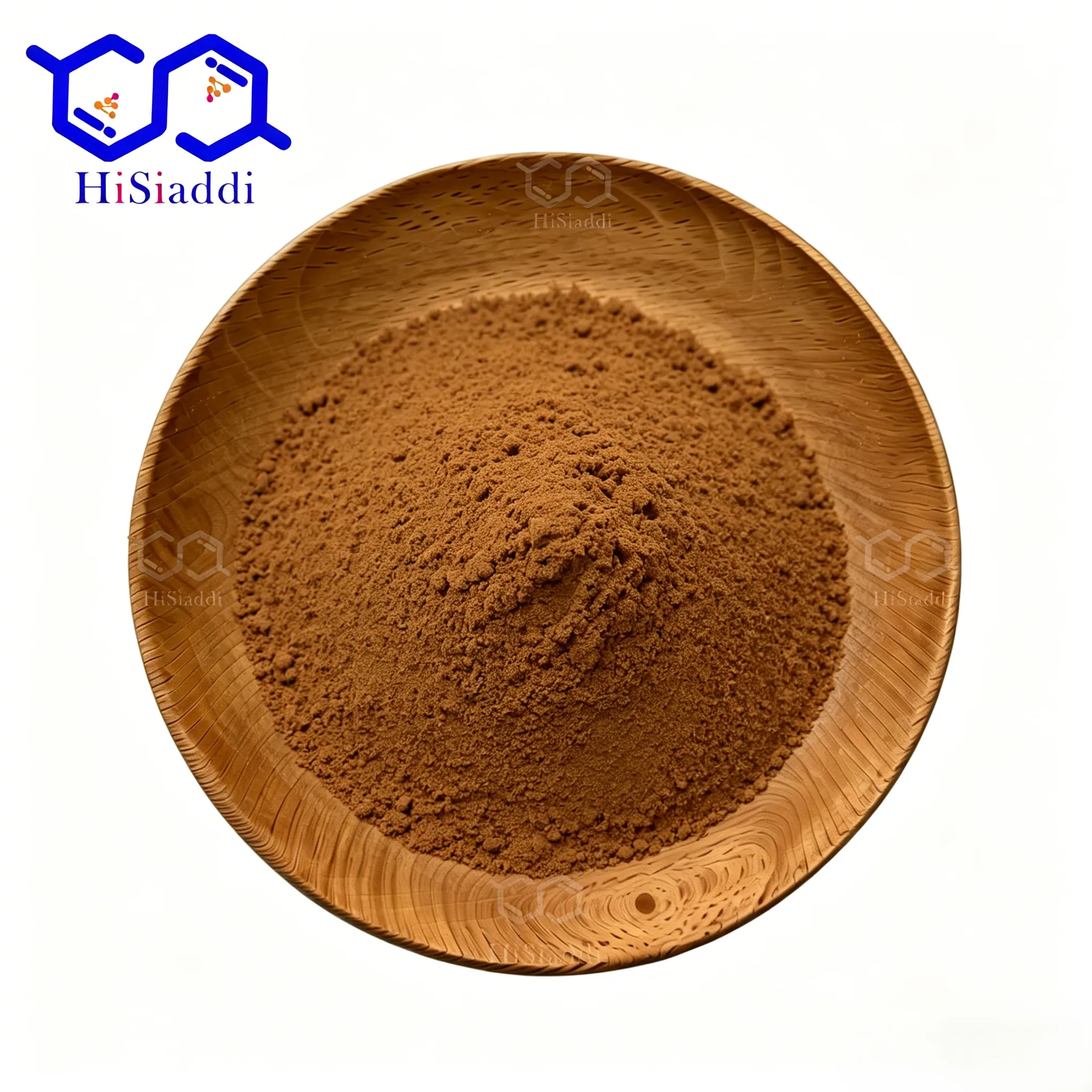
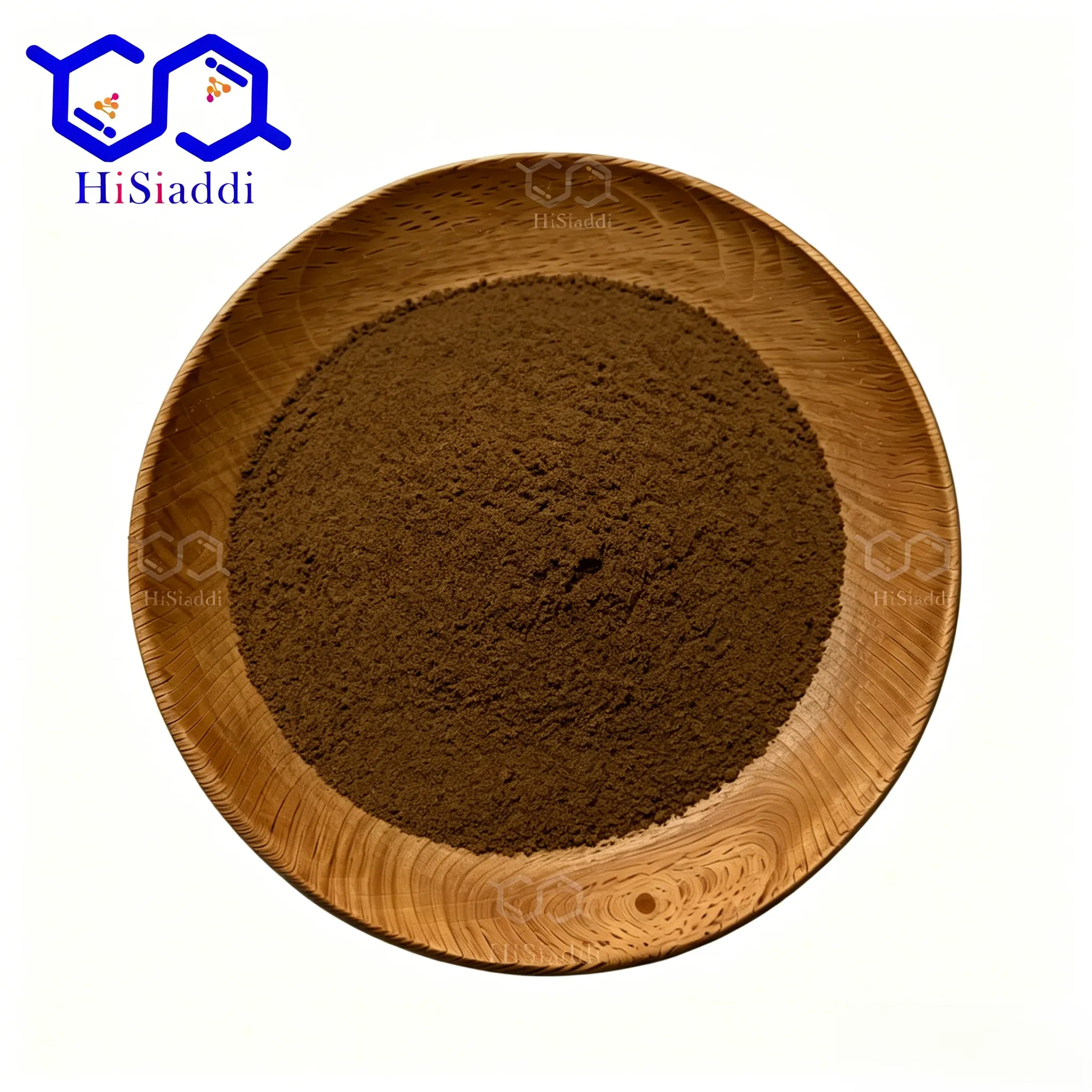
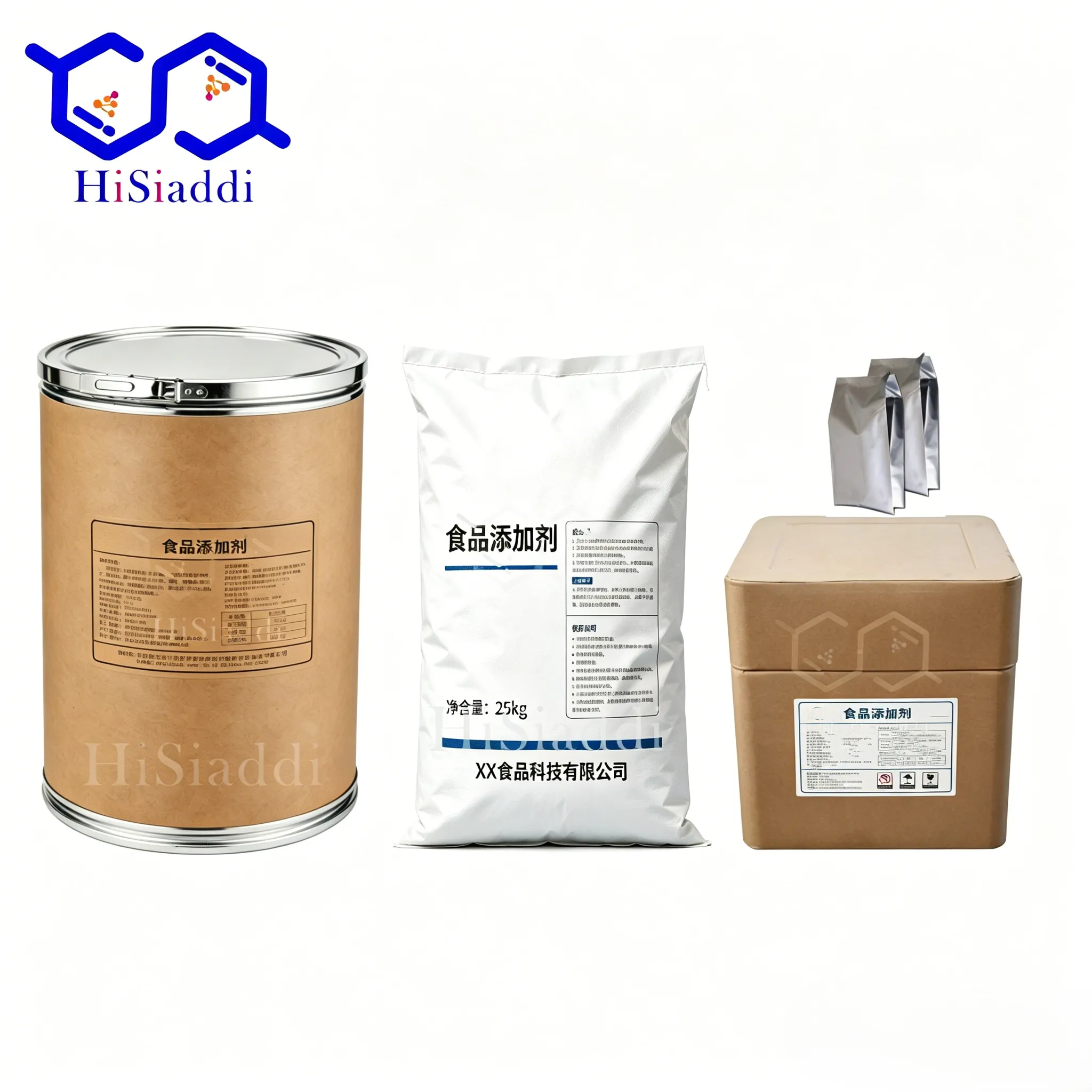
 CONTACT HiSiaddi NOW
Name: | Clostridium Butyricum / Bacillus Coagulans | Other Name: | Probiotics |
CAS No. | N/A | Brand: | Multi-brand |
MF: | N/A | Model Number: | Multi-models |
EINECS No. | N/A | Place of Origin: | Jiangsu, China |
Purity: | 5×10⁹ CFU/g | Grade: | Feed grade, food grade |
MOQ: | 1ton | Storage: | Please refer to the product packaging or contact the customer service |
As a buyer purchasing Clostridium butyricum / Bacillus coagulans, you may encounter the following questions:
What are the core indicator advantages and application impacts of mainstream models from well-known Clostridium butyricum / Bacillus coagulans brands?
What competitive services can suppliers of Clostridium butyricum / Bacillus coagulans provide?
What are the qualification certifications and market feedback of target Clostridium butyricum / Bacillus coagulans brands?
How about the inventory level and supply stability of Clostridium butyricum / Bacillus coagulans suppliers?
What key factors should be considered when selecting Clostridium butyricum / Bacillus coagulans?
...and many other related inquiries.
Most overseas Clostridium butyricum products adopt liquid fermentation, resulting in low spore formation rate and poor heat resistance, incompatible with 90–95°C expansion granulation for feed;
Most overseas products use single strains with weak compounding customization, failing to adapt to dietary structures in different countries;
Overseas suppliers feature long lead times, high minimum order quantities and high carbon footprints, unable to meet flexible demands of small and medium-sized buyers.
Single Clostridium butyricum: 10 billion CFU/g, 20 billion CFU/g, 50 billion CFU/g
Single Bacillus coagulans: 10 billion CFU/g, 20 billion CFU/g
Compound Bacteria (Clostridium butyricum + Bacillus coagulans): Custom ratios (1:1, 2:1, 1:2)
Specialized Types: High-temperature resistant coated type, water-soluble type for aquaculture, high-purity carrier-free type for pets, bile-resistant type for ruminants
CB BC 200 Pro: 20 billion CFU/g Clostridium butyricum + 20 billion CFU/g Bacillus coagulans, 1:1 golden compound coated type (world's highest export volume model)
CB 500 Pharma: 50 billion CFU/g high-purity Clostridium butyricum (for pets, medical-grade feed and high-end breeding)
BC 200 HT: 20 billion CFU/g high-temperature resistant Bacillus coagulans, dedicated for expanded feed
CB BC Aqua: Water-soluble compound bacteria for aquaculture, for antibiotic-free farming of fish, shrimp and crabs
CB BC Young: Low-irritation compound bacteria for young animals, for piglets, chicks and juvenile shrimp
Spore formation rate: Clostridium butyricum ≥95% / Bacillus coagulans ≥98%
Viable cell retention at 95°C ≥82%
Double-layer microcapsule: Viable cell attenuation <12% after 24 months
Complete certifications: FAMI QS, carbon footprint, GMO-free, toxicological reports
Batch consistency: RSD<0.3%
Standard compound bacteria (10 billion CFU/g)
High-temperature resistant Bacillus coagulans
Ruminant-specific strain
Multi-strain compound premix
Spore formation rate: Clostridium butyricum ≥90% / Bacillus coagulans ≥95%
Viable cell retention at 85°C ≥78%
Stable bulk supply, complete FAMI QS certifications, prominent price advantage
General compound bacteria (10 billion CFU/g)
Microcapsule gastric acid-resistant type
Strong acid-resistant type for young animals
Customized formula for Russian wheat-based rations
Microcapsule shelf life: 18 months
Viable cell retention at pH1.8 ≥74%
Complete Russian RZN certification, superior Central Asia logistics, moisture absorption rate <1.2%
Full-spec general compound bacteria
Pet-specific compound formula
GMO-free customized type
Low-carbon eco-friendly type
One-stop supply of all microbial additives
Complete certifications for Australia, New Zealand and Latin America
Carbon footprint compliance, favorable consolidated container cost
High-purity compound bacteria
Halal-certified exclusive type
Low-ash customized grade
Top-class Halal/Kosher certifications
Flexible supply starting from 50kg
Complete strain traceability and multilingual test reports

| Brand | Core Export Models | Core Competitive Indicators (vs Kemin / Chr. Hansen / DSM) | Cost-performance Positioning | Target B-end Buyers | Advantages for Downstream Buyers | Advantages for End Users |
| Bora Lila | 20B 1:1 coated compound, 50B high-purity C. butyricum, high-temperature resistant B. coagulans, aqua/young animal grades | Spore rate: C. butyricum ≥95%/B. coagulans ≥98%; 95°C retention ≥82%; 24-month attenuation <12%; full certifications, RSD<0.3% | High-end cost-effective, 92–135% lower than Kemin, zero after-sales risks | Large EU/US feed/pet groups, high-end breeding/aqua farms | Heat-resistant for expansion, stable efficacy, full safety docs, 5–7 months shorter audit, eco-compliant | Less diarrhea, higher survival; fewer aqua diseases; better pet gut, less odor; strong organic premium |
| Weikang Bio | 10B standard compound, HT B. coagulans, ruminant grade, multi-strain premix | Spore rate: C. butyricum ≥90%/B. coagulans ≥95%; 85°C retention ≥78%; bulk stable, FAMI QS | Bulk feed value, 80–115% lower than DSM | SEA/Middle East/Africa feed groups, cattle-sheep farms, regional traders | Fits regular pelleting, one-stop premix, lower multi-vendor costs | Less gut issues/meds in mass farming; better rumen health; compliant meat/egg/milk |
| Weilai Bio | 10B general compound, microcapsule acid-resistant, young animal grade, Russia wheat custom | Microcapsule 18m shelf life; pH1.8 retention ≥74%; RZN certified, Central Asia logistics, moisture <1.2% | Mid-range custom leader, long shelf life/targeted release/acid-resistant | Russia/Central Asia/Eastern Europe feed mills, wheat-ration farms, young stock breeders | High gut colonization, fits local wheat rations, smooth customs, less storage loss | Higher chick/piglet survival; stable in cold climates; better wheat ration digestibility |
| Angel Yeast | Full-spec compound, pet blend, GMO-free custom, low-carbon grade | All-microbial one-stop supply; AU/NZ/LATAM certifications; CBAM-compliant, consolidated container savings | Best one-stop bundle value, strong multi-item discount | AU/NZ/Brazil/Mexico pet groups, organic farms, general importers | Single-vendor for all additives, lower sea freight, custom for strict regs | Synergistic compound efficacy, retail-ready compliance, ESG premium |
| Huayuan Tiansheng | High-purity compound, Halal grade, low-ash custom | Top Halal/Kosher; 50kg MOQ flexible; strain traceability, multi-language COAs | Small-batch/Halal market leader, no MOQ premium | Middle East/North Africa/SEA Halal farms, new pet brands, cross-border traders | Halal-certified market entry, risk-free trials, flexible custom | Religion-compliant; strong niche differentiation; accessible for small brands |
HiSiaddi is an innovative foreign trade service provider driven by integrated technology transformation and foreign trade businesses. We have built a "1+2+3+4=1" product service system: 1 foreign trade salesperson with over 3 years of experience, 2 chemical R&D teams, 3 multi-screened high-quality suppliers, and 4 shared warehouses to satisfy all demands for one single product.
With this complete service system, HiSiaddi gains deeper insight into probiotic strain R&D and production optimization than ordinary trading companies, better understanding of differentiated market demands and competitive advantages of probiotic brands than single factories, and richer export operation experience than research institutes.
HiSiaddi only recruits foreign trade sales staff with more than 3 years of industry experience. All sales must receive combined training organized by R&D and foreign trade teams for over 6 months before providing services to clients.
(1) Basic Support Services for Probiotics
Backed by our complete foreign trade operation system, we provide full-cycle one-stop document follow-up services, including issuance and agency application of all compliance certificates for probiotics, and resolution of third-party reports and quality warranty issues.
(2) Exclusive Premium Services for Probiotics
Carbon Footprint & EU CBAM Compliance Service: Provide official carbon footprint reports for carbon tariff reduction, and assist with ESG certification and carbon label filing for downstream livestock and pet feed.
One-Stop Antibiotic-Free Additive Matching: Supply compound NSP enzymes, phytase, organic trace elements and plant extracts together for integrated feed formula design.
We carry out in-depth cooperation with original manufacturers through technology transfer and maintain close internal coordination with the foreign trade team to deliver regular technical training for sales personnel. This enables professional probiotic customization and research-level feed consulting.
(1) Research-Grade Customization Services for Probiotics
Custom Strain Compounding & Antibiotic-Free Feed Optimization Service
1. Adjust the ratio of Clostridium butyricum and Bacillus coagulans based on clients’ local feed formulas;
2. Develop dedicated variants: 98°C high-temperature granulation grade, high solubility for aquaculture, low-irritation piglet type, bile acid resistant ruminant grade, carrier-free high-purity pet probiotics;
3. Design synergistic formulas combining probiotics, enzymes and trace minerals to improve intestinal health and reduce antibiotic usage.
(2) Research-Grade Consulting Services for Probiotics
Monthly Global Probiotic Market Analysis: Compare domestic strains with overseas brands on viable count, spore rate, heat resistance and breeding benefits, calculate cost savings after domestic substitution.
Multilingual Technical Manual & Online Training: Provide English/Spanish/Russian handbooks on dosage, storage and granulation techniques; hold regular live training sessions for overseas feed factories.
Global Buyer Resource Platform: Connect breeding groups and pet food brands to expand downstream sales channels for raw material purchasers.
Our foreign trade and R&D teams conduct multi-round market research, factory audits and product testing to select around 3 stable, reputable suppliers with strong development potential.
(1) Initiative to Secure Lower Probiotic Prices
Long-term cooperation via technology licensing and authorized distribution enables us to obtain direct factory pricing.
(2) Long-Term Supply Chain Assurance for Probiotics
Long-term cooperative mechanisms strengthen whole-process production supervision, full batch traceability, batch stability control and compensation clauses for unqualified third-party inspection results.
We operate four warehouses jointly with suppliers to stock hot-selling feed additives.
(1) Fast Local Delivery & On-Site Issue Resolution
Warehouses are located at Qingdao Port (North China), Ningbo Port (East China), Shenzhen Port (South China) and Zhengzhou inland logistics hub. We can arrange prompt shipments and dispatch on-site staff to handle packaging damage, customs compliance and transit accidents locally.
(2) Mitigate Price Volatility & Support Custom Packaging
We pre-stock inventory ahead of peak demand cycles to stabilize price fluctuations. Custom printed packaging with client LOGO and strain identification labels is available.
As an innovative foreign trade service provider driven by both technological transformation and cross-border trading, HiSiaddi has built a "1+2+3+4=1" service system and can supply genuine raw materials from multiple well-known probiotic manufacturers. As a research-oriented foreign trade enterprise, HiSiaddi provides professional analysis of critical purchasing considerations and key indicators to ease buyers’ sourcing concerns.
For more in-depth and professional analysis on probiotic sourcing, please contact HiSiaddi customer service.
Both strains in question are live bacteria products produced via submerged liquid fermentation. Their manufacturing heavily relies on carbon and nitrogen fermentation feedstocks such as corn starch and soybean meal, sterile fermentation tank infrastructure, as well as local environmental protection and emission control policies. Factories in Europe and the United States feature advanced fermentation equipment and stringent process control yet bear high production and labor costs. China boasts a complete large-scale fermentation industrial chain with self-sufficient raw materials, making it the world’s primary supply base. Most Southeast Asian manufacturers operate small-scale OEM facilities that rely on purchased stock bacterial solutions for blending and repackaging, lacking independent fermentation capacity.
In addition, cross-border microbial strain import/export regulations and biosafety policies vary across jurisdictions; some countries restrict the cross-border circulation of live bacterial strains. Factories frequently slash output or halt production amid environmental inspections or sharp grain price surges. For global centralized procurement, buyers are advised to allocate inventory across 2–3 distinct production regions to mitigate supply disruption risks from a single area.
1. Annual single-product fermentation capacity of the factory, stable monthly shippable tonnage; distinguish between self-produced stock bacterial solution capacity and repackaging capacity using outsourced stock solutions
2. Average factory operating rate over the past 2 years, count of temporary production shutdowns caused by environmental compliance or raw material shortages
3. Strain origin: self-preserved strain bank or purchased master seeds; supply stability of outsourced strains
4. Standard ocean transit lead time from loading port to destination port, premium range for temperature-controlled logistics
Clostridium butyricum and Bacillus coagulans are widely applied in livestock & aquafeed premixes and pet probiotics, categorized into feed-grade, pet health supplement-grade and food-grade, complying with separate standards including EU FAMI-QS, US AAFCO and Chinese national standards. Common market malpractices include cutting costs with excessive fillers, selling heat-inactivated dead bacteria powder as live bacteria, and supplying non-standard unregistered strains.
Even within the same species, different registered strain codes deliver vastly different efficacy. For instance, commercial standardized strains of Bacillus coagulans such as BC30 and TBC-169 exhibit consistent performance, while unbranded wild strains demonstrate poor intestinal colonization capacity. Buyers must first confirm end-use scenarios before purchasing: strains engineered for aquatic water tolerance cannot be interchanged with those specialized for livestock gut health.
1. Labeled live bacteria count (core metric): Feed-grade Bacillus coagulans typically ranges from 1 billion CFU/g to 2 billion CFU/g; Clostridium butyricum mainly falls between 500 million – 2 billion CFU/g, with premium pet-grade variants reaching 5 billion – 10 billion CFU/g. Actual live bacteria retention rate at shelf-life expiry must be verified via testing
2. Official strain registration number and strain preservation certificate to avoid unregistered unknown strains
3. Physical & chemical impurities: moisture, ash content, heavy metals (lead, arsenic, cadmium, mercury), full negative testing for Salmonella, E. coli and other pathogenic bacteria
4. Heat resistance and gastric acid stability test data: bacterial survival rate under 80–90°C feed pelleting, in-vitro gastric fluid survival rate
5. Live bacteria test fluctuation range across three consecutive production batches from the same factory
Global cross-border price comparison cannot rely solely on factory ex-factory prices. As active microbial products, probiotics experience rapid live bacteria decay under high temperatures. Long-distance ocean shipments often require refrigerated or temperature-controlled containers, incurring substantial extra logistics premiums compared to general chemical commodities. Import tariffs and microbial quarantine fees for probiotic feed additives differ widely by destination country; quarantine costs for live bacterial additives are notably higher in the EU and North America.
Additionally, payment terms including advance T/T and L/C impose varying capital occupation costs on buyers. Fermentation feedstock prices fluctuate with grain market cycles, creating clear pricing disparities between spot goods and annual long-term procurement contracts.
1. Itemized quotation breakdown: EXW factory price, FOB port price, CIF destination port price; separate premium gap between ambient and temperature-controlled ocean freight
2. Import tariff and microbial quarantine administrative fees for probiotics in the target purchasing country
3. Tiered pricing based on minimum order quantity, price cap escalation clauses for annual long-term procurement
4. Price gap between small trial packaging and bulk order purchases
Classified as microbial feed additives, Clostridium butyricum and Bacillus coagulans are subject to strict customs and agricultural department quarantine across all countries, with independent market access registration requirements per jurisdiction. EU market entry mandates FAMI-QS certification plus EFSA strain safety registration; US market access requires AAFCO registration, while food-grade variants additionally demand FDA strain filing. Most Southeast Asian nations require dedicated additive registration numbers issued by local agricultural authorities.
Small-scale manufacturers usually only hold domestic production credentials without specialized strain registration for target export markets. Despite low quotations, shipments risk port detention or full container return upon arrival. All export consignments must be accompanied by official microbial quarantine certificates.
1. Basic factory qualifications: microbial production license, ISO9001/ISO22000, FAMI-QS (mandatory for feed exports)
2. Target market-specific certifications: strain registration ID for destination countries, strain safety assessment reports
3. Export track record over the prior 24 months: frequency of customs quarantine failures, destination port detention or returned shipments
Probiotic activity continuously declines with storage duration and transport temperature. Long-distance ocean transit generally takes 30–90 days, with accelerated live bacteria loss on tropical shipping routes exposed to high temperatures. Combined with raw material shortages and fermentation equipment maintenance delays, delivery schedule disruptions are commonplace.
Suppliers based in Europe and America offer convenient local restocking yet carry higher procurement costs. For shipments sourced from China or other Asian regions with long ocean transit times, contracts must predefine compensation terms for shelf-life activity loss and substandard live bacteria levels upon arrival. Priority should be given to manufacturers with permanent finished goods safety stock to enable emergency stock replenishment amid tight fermentation capacity during peak seasons.
1. Daily compensation ratio for delayed delivery calculated against total shipment value
2. Remedial measures for substandard live bacteria counts upon port inspection: discounted supplementary goods, free replacement shipments, full return plus defined freight liability party
3. Supplier’s permanent safety stock tonnage, alternative OEM production capacity in case of strain supply disruption
4. Committed shelf life validity period, compensation standards for live bacteria loss exceeding reasonable thresholds
Both spore-forming probiotic strains are vulnerable to high temperature, moisture and oxidative degradation; packaging directly determines live bacteria retention after transoceanic transit. Short near-sea shipments under ambient temperature may use PE-lined woven bags, while transpacific and transatlantic long-distance shipments require aluminum foil vacuum inner liners plus moisture-proof outer sacks to isolate air and water vapor. Packaging specifications include 25kg sacks and bulk jumbo bags, compatible with automated feeding equipment for buyers.
1. Vacuum sealing process of inner bags, light-shielding and oxygen-barrier material specifications
2. Labeled product shelf life, valid storage duration under temperature-controlled vs ambient transoceanic transport
3. Contractually agreed reasonable activity loss cap: live bacteria decay ≤5% under ambient ocean transit; supplier shall compensate for excess loss
For more in-depth and professional analysis on probiotic sourcing, please contact HiSiaddi customer service.
Adopt plant-derived enteric coating without chemical auxiliary materials;
Moisture content ≤ 7.5%, with a shelf life of 18 months at 30°C;
Trial production of 200 kg and mass production of 12 tons; provide product manuals in Thai and third-party test reports recognized by EFSA to comply with the access regulations for aquatic feed in Thailand.
Conventionally produced Clostridium butyricum is manufactured via ordinary spray drying, with an acid resistance rate of only 55%~65%, failing to meet the 90% survival rate standard at pH 2.0. Most domestic factories are not equipped with microcapsule low-temperature coating production lines and refuse small-batch orders due to high equipment startup costs.
Thailand’s access standards for aquatic raw materials require comprehensive tests for microorganisms, miscellaneous bacteria and heavy metals. Most domestic manufacturers can only provide test reports in accordance with Chinese national standards, and lack qualification for issuing documents recognized by the Thai Department of Fisheries.
The client’s 200 kg trial order has high threshold requirements for coating materials and initial strain cultivation. Most factories set a minimum order quantity of 1 ton, which cannot match the client’s small-scale trial production demand.
During international maritime transportation, the temperature inside shipping containers can reach up to 52°C in tropical regions. Conventional packaging cannot control the excessive decline of viable bacteria during long-distance shipping.
Lead time
Quantity (ton) | 0 - 10 | 10 - 30 | > 30 |
Lead time (days) | 7 | 15 | To be negotiated |
The monthly inventory volume of Probiotics is 20 tons, with appropriate adjustments upwards or downwards in response to peak and off-peak seasons.
HiSiaddi safeguards the supply stability of Probiotics through the following measures:
(1) Performance evaluation and screening of Probiotics brand factories based on on-time delivery rate, batch pass rate, timeliness of risk alerts, and completeness of documentation to assess their supply stability.
(2) For each mainstream model or major grade of Probiotics, secure 1 primary high-quality brand manufacturer and 2 backup high-quality manufacturers.
(3) Each factory operates independent production lines in separate production zones to prevent production halts caused by major unforeseen incidents such as environmental production suspensions and power outages.
Through long-term cooperation with brand manufacturers via technology commercialization and authorized distribution channels, HiSiaddi can effectively strengthen supervision over the production processes of brand manufacturers, optimize full-process traceability management, improve batch stability control, and further reinforce real-time monitoring of the supply stability of Probiotics products.
Long-term Annual Framework Supply Guarantee Agreement. HiSiaddi signs 12-month long-term agreements with leading manufacturers. The agreements specify the minimum guaranteed supply volume, maximum price hike range, and priority production scheduling rights during peak seasons. It is stipulated that manufacturers shall issue a 30-day prior written notice if production is suspended due to environmental rectification or equipment maintenance, and backup manufacturers will be activated to replenish goods accordingly.
We have 4 warehouses, which are jointly operated and managed with suppliers to store hot-selling products.The four warehouses are located at Qingdao Port in North China, Ningbo Port in East China, Shenzhen Port in South China, and Zhengzhou, China’s inland logistics hub. This setup guarantees sufficient supply and timely shipment of Probiotics during peak seasons.
HiSiaddi issues a rolling demand forecast covering the subsequent three months on the 25th of each month, allowing manufacturers to reserve production capacity in accordance with the forecast. Any new urgent orders from overseas clients will be prioritized to draw on inventories or production capacity from backup manufacturers.
Unstable logistics for Probiotics will extend delivery lead times. HiSiaddi has established alternative arrangements covering multiple freight forwarders, ports and transportation solutions:
(1) Binding of multiple professional chemical freight forwarders for Probiotics
Each product is assigned 2 to 3 freight forwarders with hazardous chemical/food transport qualifications affiliated with different shipping lines. Alternative sailing schedules can be switched to immediately in case of space shortages or customs inspections on a single shipping route.
(2) Backup transportation solutions for Probiotics
Ocean freight serves as the standard mode; air freight and rail freight are reserved as alternatives for urgent orders. Long-term agreements for temperature-controlled containers are signed for temperature-sensitive and perishable food additives to secure shipping space.
(3) Visual tracking and digital early warning for Probiotics
Freight forwarders synchronize daily updates on container loading, customs declaration, vessel loading and port arrival milestones. If customs inspection occurs, replenishment from backup inventory will be initiated immediately to shorten client waiting periods.
Full-chain digital early warning automatically monitors four categories of risks:
Factory side: Expiring supplier environmental assessment certificates, renewal of production permits, scheduled major equipment overhauls, and notifications of price hikes for upstream raw materials;
Inventory side: Inventory falling below safety thresholds, excessive inventory age, and batches failing quality inspection;
Logistics side: Shipping line space shortages, strikes at destination ports, and updates to customs policies;
Overseas side: Revisions to additive regulations and adjustments to import restriction lists in target countries.
Early warning notifications are automatically pushed to procurement and business leads, allowing backup suppliers or inventory contingency plans to be activated in advance.
As a new type of foreign trade service provider driven by dual engines of technology transformation and export services, HiSiaddi has established a "1+2+3+4=1" service system, offering access to original factory supplies from multiple well-known brands of Probiotics.
Unlike factory-only brands that prioritize promoting their own products, HiSiaddi, a foreign trade service provider with proprietary R&D capabilities, objectively analyzes multiple highly competitive Chinese export brands of probiotics and shares their qualification certifications and market feedback to help purchasers make efficient, secure sourcing decisions.
If you require more authentic, objective details on China’s top probiotic brands, please contact HiSiaddi customer service.
· Main Specifications: 20 billion CFU/g, 50 billion CFU/g, 300 billion CFU/g raw powder; microcapsule embedded variants (resistant to 100°C high temperature); feed-grade compound bacterial agents (BC99 + Bacillus Licheniformis)
· Core Advantages: High temperature resistance (survives 100°C), gastric acid tolerance (90% survival rate at pH 2.5), stable for 24 months at ambient temperature, eliminating reliance on cold chains for traditional probiotics.
1. Food & Health Product Segment: Core raw material for sports nutrition brands in Europe, America and Southeast Asia, applied to protein bars, energy drinks and ambient yogurt. It boosts protein digestibility by 40% and reduces body fat rate by 8%-12%, with a repurchase rate exceeding 75%.
2. Feed Segment: Leading strain for antibiotic-free breeding in the EU and Southeast Asia, lowering piglet diarrhea rates by 15%-20% and improving feed-to-meat ratios by 0.08-0.12; long-term orders from major feed groups in the Netherlands and Thailand.
3. Client Testimonial: "The only probiotic directly applicable to baked goods, with ≥92% activity retention over shelf life, drastically cutting storage and transportation costs." – German food raw material purchaser
· Strain Certifications: FDA GRAS (Self-Affirmed + No-Objection Letter), EU QPS certification, inclusion in China’s permitted food strain list
· Industry Awards: 2025 Asia Nutrition Ingredients Award, 2026 iSEE Global Technology Innovation Award (the only strain to win the award twice worldwide)
· Production Capacity Status: Certified by Shangpu Consulting as "Asia’s top probiotic raw material exporter by global sales volume" and China’s first industrialization base for Bacillus Coagulans.
· Main Specifications: 10 billion CFU/g, 30 billion CFU/g, 50 billion CFU/g; Feed Grade JBH-F1 (resistant to 85°C pelleting), Aquatic Grade JBH-A1 (high anaerobic activity), Food Grade JBH-G1 (high purity, odor-free)
· Core Advantages: Domestic pioneering solid-state fermentation technology, miscellaneous bacteria rate ≤0.1%, negative for drug-resistant genes, compliant with EU Feedap standards.
1. Aquatic Segment: Over 40% market share in major shrimp and crab producing regions of Southeast Asia, reducing empty stomach syndrome incidence by 30% and boosting survival rates by 12%-15%; certified by Thailand CP Group and Indonesian aquaculture conglomerates.
2. Livestock & Poultry Segment: Core supplier for antibiotic-free breeding in Spain, France and other European countries, replacing zinc oxide for diarrhea prevention and cutting ammonia levels in livestock manure by 25%, compliant with EU animal welfare standards.
3. Client Testimonial: "Industry benchmark for Clostridium Butyricum, with far superior batch stability compared to Japanese competitors, priced at only 60% of equivalent Japanese products." – Middle Eastern feed purchaser
· Standard Formulation: Primary drafting unit of NY/T 4347-2023 Feed Additive Clostridium Butyricum issued by the Ministry of Agriculture and Rural Affairs
· Qualification Certifications: ISO9001/14001/22000, Veterinary GMP, Feedap certification; National "Specialized, Refined, Unique & Innovative Little Giant" Enterprise, Manufacturing Single Champion
· Testing Endorsement: Passed inspections by the Ministry of Agriculture Microbial Products Quality Supervision and Inspection Center and State Key Laboratory of Agricultural Microbiology
· Main Specifications:
o Clostridium Butyricum: 20 billion CFU/g, 50 billion CFU/g (high-purity food grade, heavy metal content <0.001%)
o Bacillus Coagulans: 10 billion CFU/g, 20 billion CFU/g (resistant to 130°C high temperature, low ash content)
· Core Advantages: Compliant with FCC/USP international standards, proprietary microcapsule embedding technology, superior odor control, ideal for high-end food and pharmaceutical raw materials.
1. Food Segment: Raw material for high-end yogurt and sugar-free beverages in the US and EU, with 40% higher consumer acceptability than competing strains, fully compliant with FDA food-grade testing standards.
2. Pharmaceutical Segment: Raw material supplier for European probiotic formulation enterprises, with 100% compliance of heavy metal residue limits under EU REACH regulations.
3. Emerging Markets: 41.2% export growth to Southeast Asia in 2025; RCEP tariff reductions and consistent quality make it the preferred supplier for health product enterprises in Indonesia and Malaysia.
· International Certifications: FDA GRAS, FCC (Food Chemicals Codex), EU REACH, HALAL/KOSHER
· System Certifications: ISO9001/22000, HACCP, GMP; microbial limits of finished products are 50% stricter than national standards
· Market Status: Ranked among China’s top nutritional fortificant exporters for three consecutive years, with overseas client repurchase rates exceeding 80%.
· Main Specifications: 30 billion CFU/g, 50 billion CFU/g, 100 billion CFU/g (food/pharmaceutical grade, purity ≥99%); microcapsule embedded variants (stable across pH 2.5-7 acid-base range)
· Core Advantages: Molecular-level purification, 90% reduction of impurities, fine, odorless powder that eliminates caking and precipitation issues in high-end food formulations.
1. Dairy Segment: Raw material for high-end infant formula and low-temperature yogurt in Europe, cutting formula caking rates by 90% and boosting reconstitution performance by 40%; stable annual procurement volume of 800+ tons.
2. Special Medical Food Segment: Specified raw material for Special Medical Purpose Formula Food enterprises in the US and Germany, with heavy metal residues <0.001%, compliant with EU infant food standards.
3. Client Testimonial: "Global top choice for high-purity Clostridium Butyricum, with purity and stability surpassing local European and American brands, plus ultra-fast customized R&D response times." – Swiss pharmaceutical raw material purchaser
· Technical Certifications: Patents for enzymatic modification + dual-membrane separation technology and microcapsule embedding technology
· Compliance Qualifications: HALAL, KOSHER, EU food-grade raw material filing, inclusion in China’s permitted food strain list
· Testing Endorsement: Passed SGS and Eurofins testing; batch stability recognized by European Pharmacopoeia standards.
· Main Specifications: 20 billion CFU/g, 30 billion CFU/g; acid-base resistant variants (≥85% survival rate at pH 2.5-7); compound bacterial agents (Clostridium Butyricum + FOS + Heme Iron Peptides)
· Core Advantages: Nano-embedding technology delivering ≥92% activity retention over 72 hours, synergistic efficacy from probiotic-peptide complexes, flexible minimum order quantity of 1kg for customized formulations.
1. Functional Beverage Segment: Core raw material for clean-label yogurt and probiotic drinks in Southeast Asia and Latin America, eliminating viable cell precipitation and becoming a market blockbuster.
2. Health Product Segment: Raw material for compound probiotic products in the Middle East and Africa, delivering dual intestinal repair and iron supplementation efficacy with repurchase rates exceeding 70%.
3. Client Testimonial: "Outstanding innovation capabilities, flexible small-batch customization ideal for new product R&D, with far superior cost performance to European and American equivalents." – Brazilian health product purchaser
· Qualification Certifications: ISO22000, GMP, FDA food-grade raw material filing, HALAL
· Technical Patents: Patents for nano-embedding technology, vitamin-bacteria composite technology and probiotic-peptide compound technology
· Market Recognition: Products included in the procurement catalog of nutrition departments at tertiary hospitals across Southeast Asia; winner of the 2025 ASEAN Microecology Innovation Award.
表格
Brand | Core Strain | Top Competitive Edge | Primary Export Regions | International Certifications |
Wecare Probiotics | Bacillus Coagulans BC99 | High temperature resistance, complete clinical data, global top sales volume | Europe, America, Southeast Asia, Australia | FDA GRAS, EU QPS, dual iSEE Awards |
Henan Jinbaihe | JBH Series Clostridium Butyricum | Solid-state fermentation, industry standard drafting, superior aquatic product adaptability | Southeast Asia, Middle East, Europe | Triple ISO Systems, Feedap, Specialized Refined Unique Innovative Little Giant |
Shandong Pingju | Pingju Probiotics Series | Most comprehensive international certifications, 130°C heat resistance, high cost performance | Europe, America, Southeast Asia, Latin America | FDA GRAS, FCC, HALAL/KOSHER |
Jiangsu Caiwei | High-Purity Clostridium Butyricum | ≥99% purity, odor-free, exclusive supplier for high-end food | Europe, America, Switzerland, Germany | HALAL/KOSHER, EU food-grade filing |
Hubei Haijia | HJ Series Clostridium Butyricum | Nano-embedding, compound functional formulations, flexible small-batch customization | Southeast Asia, Latin America, Middle East | FDA filing, ISO22000, GMP |
1. For Bacillus Coagulans procurement: Prioritize Wecare Probiotics BC99 – industry-leading heat resistance, complete clinical data, maximum international recognition, applicable across feed, food and health product full scenarios.
2. For Clostridium Butyricum (Aquaculture/Feed) procurement: Prioritize Henan Jinbaihe JBH-A1/F1 – industry standard drafting entity, top reputation in Southeast Asian aquaculture, exceptional batch stability.
3. For high-end food/pharmaceutical-grade raw material procurement: Prioritize Jiangsu Caiwei high-purity Clostridium Butyricum – ≥99% purity, odor-free, long-term supplier for European and American dairy enterprises.
4. For fully certified, cost-effective bulk raw material procurement: Prioritize Shandong Pingju – dual FDA GRAS & FCC certifications, 130°C heat resistance, multi-scenario compatibility.
5. For innovative compound bacterial agents and small-batch customized orders: Prioritize Hubei Haijia – nano sustained-release technology, dual-probiotic-peptide compound efficacy, flexible minimum order quantities for new product development.
In summary, China’s top 5 probiotic export brands have achieved independent technological R&D, complete international certifications and global market recognition, breaking monopolies held by European, American, Japanese and Korean manufacturers. They deliver distinct competitive advantages in four core dimensions: high heat resistance, high purity, superior stability and full customization, priced at only 50%-70% of equivalent European and American products for outstanding cost performance.
As a foreign trade service provider, we facilitate direct factory sourcing from the above brands, verify full qualification documentation, supply third-party test reports, support customized formula development and deliver one-stop global logistics and customs clearance services to ensure low-cost, efficient, fully compliant procurement.
Upon request, we can provide original factory contact information, product quotations and sample application channels to accelerate your cooperation launch.
As a new type of foreign trade service provider driven by dual engines of technology transformation and export services, HiSiaddi has established a "1+2+3+4=1" service system, offering access to original factory supplies from multiple well-known brands of Probiotics.
Unlike factory-only brands that prioritize promoting their own products, HiSiaddi, a foreign trade service provider with proprietary R&D capabilities, objectively analyzes multiple highly competitive Chinese export brands of probiotics and shares their production processes, supply stability and key performance indicators, as well as the impact of these core factors on purchasers, to help purchasers make efficient, secure sourcing decisions.
If you require more authentic, objective details on China’s top probiotic brands, please contact HiSiaddi customer service.
· Strain: Patented proprietary strain Bacillus Coagulans BC99
· Core Process Flow: Solid-State Deep Fermentation (37°C±1°C, pH 6.5-7.0) → Multi-Stage Centrifugal Concentration → Low-Temperature Spray Drying (Inlet Air ≤160°C) → Heat-Resistant Microcapsule Embedding (100°C resistant wall material) → Aseptic Packaging
· Process Highlights:
o Solid-state fermentation replaces traditional liquid fermentation, lifting spore formation rate to ≥95% (vs. 70%-80% for conventional processes), delivering superior heat and gastric acid resistance.
o Low-temperature drying paired with specialized wall material embedding achieves ≥92% viable cell retention, stable for 24 months at ambient temperature, eliminating cold chain dependency.
o Full aseptic GMP workshop production, no antibiotics added to fermentation broth, fully compliant with EU Feedap and FDA GRAS standards.
· Capacity Layout: Dual fermentation bases in Suzhou Headquarters and Yancheng, Jiangsu, with total annual capacity of 12,000 tons (70% allocated to Bacillus Coagulans), ranking first in the industry.
· Supply Chain Safeguards:
o Self-sufficient raw materials: Self-owned soybean meal/corn fermentation bases with 100% self-produced culture media, mitigating risks of bulk commodity price volatility.
o Safety stock reserves: 3,000 tons of permanent safety stock for standard specifications (20/50 billion CFU/g), with shipments dispatched within 48 hours.
o Order Delivery Performance: 99.7% on-time delivery rate from 2025 to 2026, with zero delivery delays for long-term European, American and Southeast Asian client orders.
· Viable Count: Standard 20/50 billion CFU/g, measured viable counts ≥95% of labeled values (industry minimum standard ≥90%).
· Spore Formation Rate: ≥95% (core determinant of heat and storage resistance), ≥80% activity retention after 85°C pelleting.
· Gastric Acid Tolerance: ≥90% survival rate after 2-hour exposure to pH 2.5 gastric fluid.
· Miscellaneous Bacteria Rate: ≤0.01%, negative for drug-resistant genes, Salmonella and E. coli.
· Heavy Metal Limits: Lead <0.1mg/kg, Mercury <0.01mg/kg, compliant with FCC/USP standards.
1. Feed Segment: Strains retain activity post high-temperature pelleting without extra embedding costs; piglet diarrhea rates drop 15%-20% and feed-to-meat ratios improve by 0.08-0.12 to boost farming profitability.
2. Food Segment: 24-month ambient stability eliminates 15%-20% cold chain storage and transportation costs; direct integration into baked goods and hot beverages unlocks the blue ocean ambient probiotic market.
3. Risk Control: Ultra-consistent batch performance (RSD ≤5%) minimizes efficacy fluctuations in end products, reducing customer complaints and product returns.
· Strain: Patented JBH-1 Clostridium Butyricum (primary strain for drafting national industry standards)
· Core Process Flow: Strictly oxygen-free anaerobic solid-state fermentation (36°C±1°C, pH 7.0-7.5) → Plate-and-Frame Filtration → -40°C Vacuum Freeze-Drying → Milling & Packaging
· Process Highlights:
o Domestic pioneering anaerobic solid-state fermentation technology achieving ≥85% butyric acid conversion rate (vs. 60%-70% for liquid fermentation), delivering enhanced intestinal mucosal repair and anti-inflammatory effects.
o Vacuum freeze-drying replaces spray drying to lift anaerobic activity to ≥90% (vs. 60%-70% for spray drying), ideal for aquaculture and intestinal medical applications.
o Full veterinary GMP & ISO22000 compliant production, zero antibiotics and preservatives, EU Feedap certified.
· Capacity Layout: Large-scale dedicated fermentation base in Puyang, Henan, with total annual capacity of 6,000 tons (100% allocated to Clostridium Butyricum), China’s largest exclusive Clostridium Butyricum production line.
· Supply Chain Safeguards:
o Exclusive focus on Clostridium Butyricum with no capacity diversion; priority order allocation for Southeast Asian aquaculture clients during peak farming seasons (March-August annually).
o Localized fermentation raw material procurement limiting price fluctuations to ≤5%, stable pricing via long-term supply agreements.
o Order Delivery Performance: 99.2% on-time delivery rate for aquaculture orders from 2025 to 2026, long-term partner of Thailand CP Group and Indonesian aquaculture conglomerates.
· Viable Count: 10/30/50 billion CFU/g, measured viable counts ≥92% of labeled values.
· Anaerobic Activity: ≥90% (vs. 60%-70% for conventional processes), robust survival in low-oxygen aquatic environments.
· Butyric Acid Content: ≥8% dry weight, delivering potent intestinal mucosal repair and anti-inflammatory efficacy.
· Miscellaneous Bacteria Rate: ≤0.1%, negative for drug-resistant genes, compliant with national industry standard NY/T4347-2023.
· Heat Resistance: Feed-grade variants retain ≥70% activity post 85°C pelleting; aquatic-grade variants stable for 18 months at ambient temperature.
1. Aquaculture Segment: Superior anaerobic activity cuts shrimp and crab empty stomach syndrome incidence by 30% and boosts survival rates by 12%-15%; improves water quality and reduces water exchange costs.
2. Feed Segment: Replaces zinc oxide and antibiotics to lower piglet diarrhea rates by 18%-25% and cut ammonia concentrations in livestock manure by 25%, fully compliant with EU antibiotic-free and animal welfare regulations.
3. Cost Advantages: Priced at only 60% of equivalent Japanese products with consistent batch performance, driving high repurchase rates from farmers via stable breeding efficacy.
· Strains: Dual product lines – 130°C heat-resistant Bacillus Coagulans, high-purity food-grade Clostridium Butyricum
· Core Process Flow:
o Bacillus Coagulans: Liquid Deep Fermentation → Ceramic Microfiltration → Nanofiltration Concentration → Spray Drying → Heat-Resistant Modification
o Clostridium Butyricum: Anaerobic Liquid Fermentation → Multi-Stage Membrane Separation (Pyrogen/Heavy Metal Removal) → Freeze-Drying → Aseptic Packaging
· Process Highlights:
o Multi-stage membrane separation technology removes ≥99% of impurities and heavy metals, achieving 99.5% purity compliant with FCC/USP standards.
o Heat-resistant modified Bacillus Coagulans withstands instantaneous 130°C temperatures, compatible with Ultra-High Temperature (UHT) sterilized food production.
o Full ISO9001/22000+HACCP+HALAL/KOSHER certification, fully compliant with European and American food and feed regulatory frameworks.
· Capacity Layout: Dual production bases in Jinan and Dezhou, Shandong, total annual capacity of 8,000 tons (50% Bacillus Coagulans, 50% Clostridium Butyricum), 70% of total output allocated for export.
· Supply Chain Safeguards:
o Dual production base backup system eliminating delivery disruptions during single-facility maintenance; emergency European and American orders shipped within 72 hours.
o Global raw material procurement mitigates single-source supply risks; raw material price increases limited to only 8% during the 2025 bulk commodity inflation cycle.
o Order Delivery Performance: 99.5% on-time delivery rate for European and American orders from 2025 to 2026; full FDA and EU filing documentation ensures zero customs clearance delays.
· Bacillus Coagulans:
o Viable Count: 10/20 billion CFU/g, spore formation rate ≥93%
o Heat Resistance: ≥85% survival rate after instantaneous 130°C exposure, fully compatible with UHT sterilization
o Purity: ≥99.5%, heavy metal content <0.001%, zero pyrogens and endotoxins
· Clostridium Butyricum:
o Viable Count: 20/50 billion CFU/g, anaerobic activity ≥88%
o Miscellaneous Bacteria Rate: ≤0.005%, meeting pharmaceutical-grade raw material specifications
· Compliance: Full FDA GRAS, EU QPS, FCC, HALAL & KOSHER certification suite.
1. Food Segment: 130°C heat resistance adapts to UHT milk and sterilized beverage production; high purity eliminates off-odors without compromising product flavor; full regulatory compliance permits direct use of authorized efficacy claims on European and American product labels.
2. Health Product Segment: Pyrogen-free ultra-high purity ideal for oral liquids and gummies; end products maintain ≥85% viable cell retention over 24-month shelf lives.
3. Compliance Advantages: Full certification suite with bilingual technical documentation eliminates customs clearance risks for European and American shipments, cutting additional third-party testing costs by 10%-15%.
· Strain: Patented proprietary high-purity Clostridium Butyricum (food/pharmaceutical grade)
· Core Process Flow: Anaerobic Fermentation → Enzymatic Modification (Impurity Protein Removal) → Dual-Membrane Separation (Ultrafiltration + Nanofiltration) → Vacuum Freeze-Drying → Sustained-Release Microcapsule Embedding
· Process Highlights:
o Enzymatic modification paired with dual-membrane separation removes ≥99.9% of impurities and miscellaneous proteins to achieve ≥99% purity, eliminating caking and precipitation issues in high-end food formulations.
o Sustained-release microcapsule embedding delivers stable performance across pH 2.5-7, lifting human intestinal colonization rates to ≥30% (vs. 10%-15% for generic strains).
o Full pharmaceutical GMP & ISO22000 compliant production, SGS/Eurofins certified, compliant with EU infant food standards.
· Capacity Layout: Exclusive biopharmaceutical-grade production base in Wuxi, Jiangsu, total annual capacity of 3,000 tons (100% allocated to high-purity Clostridium Butyricum), dedicated exclusively to high-end market supply.
· Supply Chain Safeguards:
o Exclusive focus on high-purity niche segment with no capacity dilution; priority production scheduling for dairy and special medical food clients.
o Custom imported core auxiliary materials (freeze-drying protectants, embedding wall materials) ensure consistent quality with inter-batch RSD ≤3%.
o Order Delivery Performance: 99.8% on-time delivery rate for high-end clients from 2025 to 2026; customized order R&D response cycle of 5-7 days.
· Viable Count: 30/50/100 billion CFU/g, measured viable counts ≥98% of labeled values.
· Purity: ≥99%, miscellaneous bacteria rate ≤0.001%, heavy metal content <0.001%, zero pyrogens and endotoxins.
· Colonization Rate: ≥30% under simulated human intestinal conditions, sustained viable cell release over 24 hours via embedded formulation.
· Sensory Performance: Odor-free, fine powder dissolving into clear liquid with no precipitation, ideal for high-end dairy and beverage applications.
· Compliance: HALAL/KOSHER certification, EU food-grade raw material filing, full SGS/Eurofins testing coverage.
1. Dairy Segment: Eliminates formula caking and boosts reconstitution performance by 40%, extending yogurt shelf life to 35 days and delivering a 20%-30% retail premium for end products.
2. Special Medical & Pharmaceutical Segment: Pyrogen-free ultra-high purity paired with superior colonization rates enables application in post-operative recovery and infant formulations, supporting gross profit margins of 60%-80% and establishing differentiated quality barriers against competitors.
3. R&D Empowerment: Customizable embedding and strain modification tailored to specialized dosage forms (oral liquids, chewable tablets), cutting new product R&D cycles by 30%.
· Strain: Patented proprietary HJ Series functional compound Clostridium Butyricum
· Core Process Flow: Anaerobic Fermentation → Concentration → Nano-Embedding (72-hour sustained release) → Probiotic-Peptide Compounding (FOS + Heme Iron Peptides) → Packaging
· Process Highlights:
o Nano-embedding technology delivers ≥92% viable cell retention over 72 hours, with robust acid-base resistance (stable across pH 2.5-7) and high-humidity tolerance.
o Probiotic-peptide compounding delivers synergistic dual efficacy: intestinal repair + iron supplementation, creating differentiated functional selling points for end products.
o Full ISO22000 & GMP compliant production, FDA food-grade raw material filing, winner of the 2025 ASEAN Microecology Innovation Award.
· Capacity Layout: Innovative biotech production base in Wuhan Optics Valley, total annual capacity of 4,000 tons (100% allocated to compound Clostridium Butyricum), fully flexible production lines.
· Supply Chain Safeguards:
o Flexible manufacturing supporting minimum order quantities of 1kg for customized R&D trial batches, minimizing new product testing costs for clients.
o Strategic Wuhan transportation hub enabling global logistics; Southeast Asian and Latin American orders shipped within 72 hours.
o Order Delivery Performance: 99.3% on-time delivery rate for customized orders from 2025 to 2026, with repurchase rates exceeding 70% across emerging markets.
· Viable Count: 20/30 billion CFU/g, ≥92% viable cell retention post nano-embedding treatment.
· Sustained Release Performance: Continuous viable cell release over 72 hours, intestinal colonization rate ≥25%.
· Compound Functional Efficacy: Dual synergistic benefits of intestinal mucosal repair and iron supplementation via integrated Clostridium Butyricum, FOS and heme iron peptides.
· Long-Term Stability: ≥85% viable cell retention over 24 months at ambient temperature; stable for 72 hours in acidic pH 3-5 beverage environments.
· Compliance: FDA food-grade filing, ISO22000, GMP, HALAL certification.
1. Functional Beverage Segment: Nano-embedding eliminates viable cell precipitation in acidic beverages, extending end-product shelf life to 18 months and delivering a 15%-20% retail premium.
2. Health Product Segment: Dual compound efficacy creates differentiated selling points to avoid brutal price wars, supporting gross profit margins of 50%-70%; flexible small-batch customization reduces new product trial and error costs.
3. Emerging Market Expansion: Formulations aligned with consumer preferences in Southeast Asia, Latin America and the Middle East drive blockbuster cross-border e-commerce sales with repurchase rates exceeding 70%.
表格
Brand | Core Production Process | Annual Production Capacity (Tons) | Core Key Performance Indicators (Viable Count / Unique Strengths) | Optimal Application Scenarios |
Wecare Probiotics | Solid-State Fermentation + Heat-Resistant Embedding | 12,000 | 20-50 billion CFU/g, ≥95% spore formation rate | Feed, ambient-temperature food, health products |
Henan Jinbaihe | Anaerobic Solid-State Fermentation + Freeze-Drying | 6,000 | 10-50 billion CFU/g, ≥90% anaerobic activity | Aquaculture, antibiotic-free livestock & poultry feed |
Shandong Pingju | Liquid Fermentation + Multi-Stage Membrane Separation + Heat-Resistant Modification | 8,000 | 10-50 billion CFU/g, ≥99.5% purity | European & American food, feed, health products |
Jiangsu Caiwei | Enzymatic Modification + Dual-Membrane Separation + Microcapsule Embedding | 3,000 | 30-100 billion CFU/g, ≥99% purity | High-end dairy, special medical food, pharmaceutical raw materials |
Hubei Haijia | Anaerobic Fermentation + Nano-Embedding + Probiotic-Peptide Compounding | 4,000 | 20-30 billion CFU/g, 72-hour sustained release | Functional beverages, compound health products for emerging markets |
1. Livestock & Aquaculture Feed Sourcing: Prioritize Wecare Probiotics (Bacillus Coagulans) and Henan Jinbaihe (Clostridium Butyricum) – mature production processes, stable supply chains and proven antibiotic replacement efficacy directly boost farming profitability.
2. European & American Food & Health Product Sourcing: Prioritize Shandong Pingju – full global certification suite paired with 130°C heat resistance and ultra-high purity eliminates customs compliance risks and delivers maximum compatibility with baked goods and UHT sterilized beverages, minimizing overall compliance costs.
3. High-End Dairy, Special Medical & Pharmaceutical Raw Material Sourcing: Prioritize Jiangsu Caiwei – industry-leading ≥99% purity, superior intestinal colonization rates and odor-free formulations enable substantial retail premiums and unrivaled quality barriers for high-end market penetration.
4. Functional Beverage & Compound Health Product Sourcing for Emerging Markets: Prioritize Hubei Haijia – nano sustained-release technology, dual compound functional efficacy and flexible small-batch customization accelerate new product iteration and deliver differentiated blockbuster potential for Southeast Asian, Latin American and Middle Eastern markets.
In summary, China’s top 5 probiotic export brands have established a mature supply chain ecosystem featuring segmented production processes, scenario-specific product positioning, reliable supply capacity and full international regulatory compliance, summarized concisely as: Wecare delivers unrivaled stability, Jinbaihe specializes in Clostridium Butyricum, Pingju holds the broadest certification portfolio, Caiwei excels in ultra-high purity, and Haijia leads functional formulation innovation. Each brand caters to distinct core demands across downstream industrial segments, with pricing at only 50%-70% of equivalent European, American, Japanese and Korean competitors for exceptional cost performance.
For downstream purchasers, selecting the optimal production process guarantees consistent product quality, while partnering with the right brand locks in a reliable long-term supply chain – two decisive factors governing end-product efficacy stability, regulatory compliance, retail premium potential and overall market competitiveness.
As a foreign trade service provider, we deliver comprehensive support including:
· Direct factory sourcing eliminating middleman markup costs
· Full batch production record and third-party test report verification
· Customized strain modification formulation (heat resistance, embedding, compound blending)
· One-stop global logistics and customs clearance compliance services
As an innovative foreign trade service provider driven by both technological transformation and cross-border trading, HiSiaddi has built a "1+2+3+4=1" service system and can supply genuine raw materials from multiple well-known probiotic manufacturers. As a research-oriented foreign trade enterprise, HiSiaddi provides professional analysis of critical purchasing considerations and key indicators to ease buyers’ sourcing concerns.
For more in-depth and professional analysis on probiotic sourcing, please contact HiSiaddi customer service.
Both strains in question are live bacteria products produced via submerged liquid fermentation. Their manufacturing heavily relies on carbon and nitrogen fermentation feedstocks such as corn starch and soybean meal, sterile fermentation tank infrastructure, as well as local environmental protection and emission control policies. Factories in Europe and the United States feature advanced fermentation equipment and stringent process control yet bear high production and labor costs. China boasts a complete large-scale fermentation industrial chain with self-sufficient raw materials, making it the world’s primary supply base. Most Southeast Asian manufacturers operate small-scale OEM facilities that rely on purchased stock bacterial solutions for blending and repackaging, lacking independent fermentation capacity.
In addition, cross-border microbial strain import/export regulations and biosafety policies vary across jurisdictions; some countries restrict the cross-border circulation of live bacterial strains. Factories frequently slash output or halt production amid environmental inspections or sharp grain price surges. For global centralized procurement, buyers are advised to allocate inventory across 2–3 distinct production regions to mitigate supply disruption risks from a single area.
1. Annual single-product fermentation capacity of the factory, stable monthly shippable tonnage; distinguish between self-produced stock bacterial solution capacity and repackaging capacity using outsourced stock solutions
2. Average factory operating rate over the past 2 years, count of temporary production shutdowns caused by environmental compliance or raw material shortages
3. Strain origin: self-preserved strain bank or purchased master seeds; supply stability of outsourced strains
4. Standard ocean transit lead time from loading port to destination port, premium range for temperature-controlled logistics
Clostridium butyricum and Bacillus coagulans are widely applied in livestock & aquafeed premixes and pet probiotics, categorized into feed-grade, pet health supplement-grade and food-grade, complying with separate standards including EU FAMI-QS, US AAFCO and Chinese national standards. Common market malpractices include cutting costs with excessive fillers, selling heat-inactivated dead bacteria powder as live bacteria, and supplying non-standard unregistered strains.
Even within the same species, different registered strain codes deliver vastly different efficacy. For instance, commercial standardized strains of Bacillus coagulans such as BC30 and TBC-169 exhibit consistent performance, while unbranded wild strains demonstrate poor intestinal colonization capacity. Buyers must first confirm end-use scenarios before purchasing: strains engineered for aquatic water tolerance cannot be interchanged with those specialized for livestock gut health.
1. Labeled live bacteria count (core metric): Feed-grade Bacillus coagulans typically ranges from 1 billion CFU/g to 2 billion CFU/g; Clostridium butyricum mainly falls between 500 million – 2 billion CFU/g, with premium pet-grade variants reaching 5 billion – 10 billion CFU/g. Actual live bacteria retention rate at shelf-life expiry must be verified via testing
2. Official strain registration number and strain preservation certificate to avoid unregistered unknown strains
3. Physical & chemical impurities: moisture, ash content, heavy metals (lead, arsenic, cadmium, mercury), full negative testing for Salmonella, E. coli and other pathogenic bacteria
4. Heat resistance and gastric acid stability test data: bacterial survival rate under 80–90°C feed pelleting, in-vitro gastric fluid survival rate
5. Live bacteria test fluctuation range across three consecutive production batches from the same factory
Global cross-border price comparison cannot rely solely on factory ex-factory prices. As active microbial products, probiotics experience rapid live bacteria decay under high temperatures. Long-distance ocean shipments often require refrigerated or temperature-controlled containers, incurring substantial extra logistics premiums compared to general chemical commodities. Import tariffs and microbial quarantine fees for probiotic feed additives differ widely by destination country; quarantine costs for live bacterial additives are notably higher in the EU and North America.
Additionally, payment terms including advance T/T and L/C impose varying capital occupation costs on buyers. Fermentation feedstock prices fluctuate with grain market cycles, creating clear pricing disparities between spot goods and annual long-term procurement contracts.
1. Itemized quotation breakdown: EXW factory price, FOB port price, CIF destination port price; separate premium gap between ambient and temperature-controlled ocean freight
2. Import tariff and microbial quarantine administrative fees for probiotics in the target purchasing country
3. Tiered pricing based on minimum order quantity, price cap escalation clauses for annual long-term procurement
4. Price gap between small trial packaging and bulk order purchases
Classified as microbial feed additives, Clostridium butyricum and Bacillus coagulans are subject to strict customs and agricultural department quarantine across all countries, with independent market access registration requirements per jurisdiction. EU market entry mandates FAMI-QS certification plus EFSA strain safety registration; US market access requires AAFCO registration, while food-grade variants additionally demand FDA strain filing. Most Southeast Asian nations require dedicated additive registration numbers issued by local agricultural authorities.
Small-scale manufacturers usually only hold domestic production credentials without specialized strain registration for target export markets. Despite low quotations, shipments risk port detention or full container return upon arrival. All export consignments must be accompanied by official microbial quarantine certificates.
1. Basic factory qualifications: microbial production license, ISO9001/ISO22000, FAMI-QS (mandatory for feed exports)
2. Target market-specific certifications: strain registration ID for destination countries, strain safety assessment reports
3. Export track record over the prior 24 months: frequency of customs quarantine failures, destination port detention or returned shipments
Probiotic activity continuously declines with storage duration and transport temperature. Long-distance ocean transit generally takes 30–90 days, with accelerated live bacteria loss on tropical shipping routes exposed to high temperatures. Combined with raw material shortages and fermentation equipment maintenance delays, delivery schedule disruptions are commonplace.
Suppliers based in Europe and America offer convenient local restocking yet carry higher procurement costs. For shipments sourced from China or other Asian regions with long ocean transit times, contracts must predefine compensation terms for shelf-life activity loss and substandard live bacteria levels upon arrival. Priority should be given to manufacturers with permanent finished goods safety stock to enable emergency stock replenishment amid tight fermentation capacity during peak seasons.
1. Daily compensation ratio for delayed delivery calculated against total shipment value
2. Remedial measures for substandard live bacteria counts upon port inspection: discounted supplementary goods, free replacement shipments, full return plus defined freight liability party
3. Supplier’s permanent safety stock tonnage, alternative OEM production capacity in case of strain supply disruption
4. Committed shelf life validity period, compensation standards for live bacteria loss exceeding reasonable thresholds
Both spore-forming probiotic strains are vulnerable to high temperature, moisture and oxidative degradation; packaging directly determines live bacteria retention after transoceanic transit. Short near-sea shipments under ambient temperature may use PE-lined woven bags, while transpacific and transatlantic long-distance shipments require aluminum foil vacuum inner liners plus moisture-proof outer sacks to isolate air and water vapor. Packaging specifications include 25kg sacks and bulk jumbo bags, compatible with automated feeding equipment for buyers.
1. Vacuum sealing process of inner bags, light-shielding and oxygen-barrier material specifications
2. Labeled product shelf life, valid storage duration under temperature-controlled vs ambient transoceanic transport
3. Contractually agreed reasonable activity loss cap: live bacteria decay ≤5% under ambient ocean transit; supplier shall compensate for excess loss
For more in-depth and professional analysis on probiotic sourcing, please contact HiSiaddi customer service.



 +86-13120989737
  info@hisiaddi.com
 English