As a new type of foreign trade service provider driven by technological transformation and foreign trade services, HiSiaddi has established a "1+2+3+4=1" service system and can supply original factory goods of Photoinitiator 1173 from multiple well-known brands. Having been deeply engaged in the foreign trade market of Photoinitiator 1173 for more than ten years, HiSiaddi has sorted out full global sourcing cost conditions, shared for your reference.
If you have inquiries about full global sourcing cost conditions or product consultation of Photoinitiator 1173, please contact HiSiaddi customer service or visit our official website www.hisiaddi.com for more information.
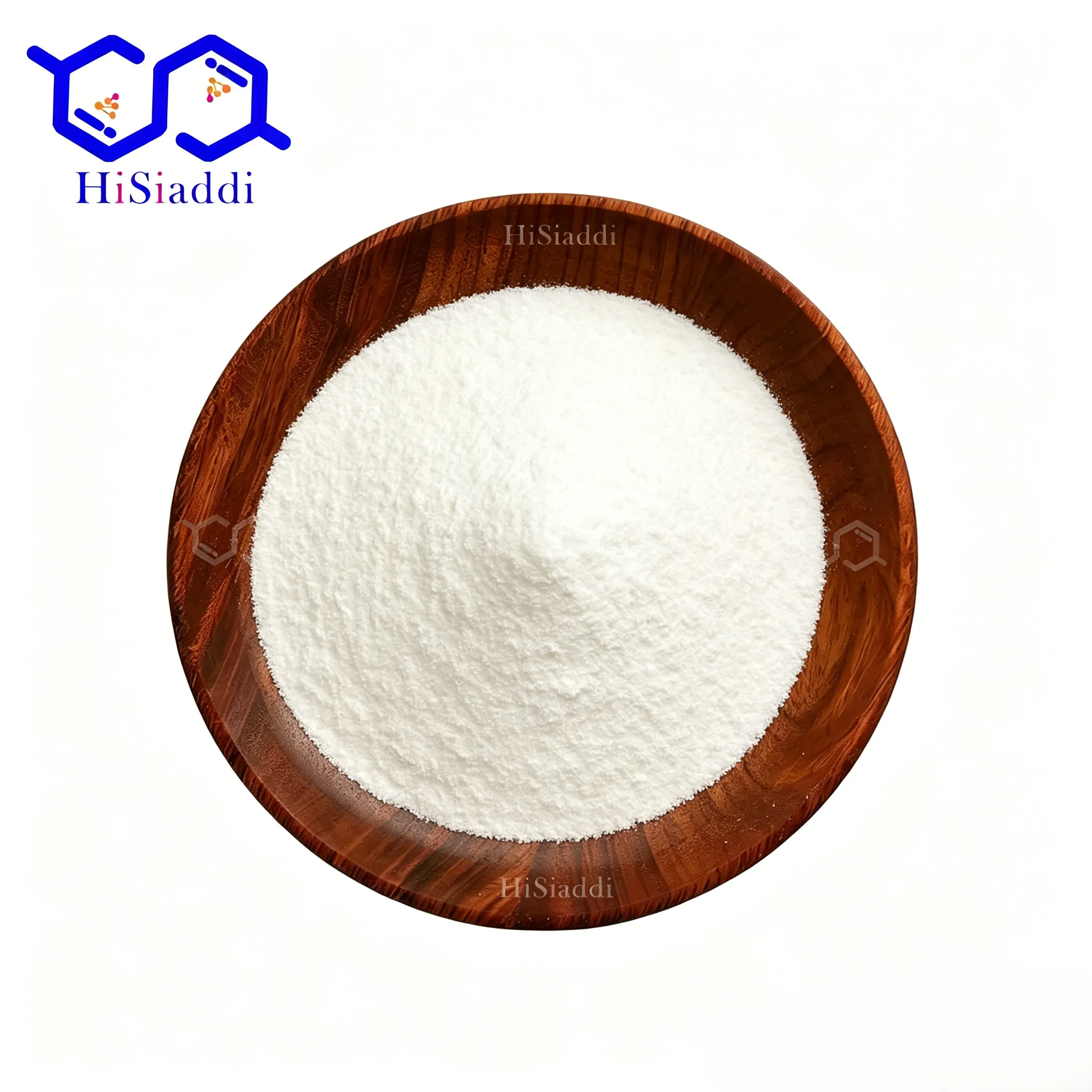
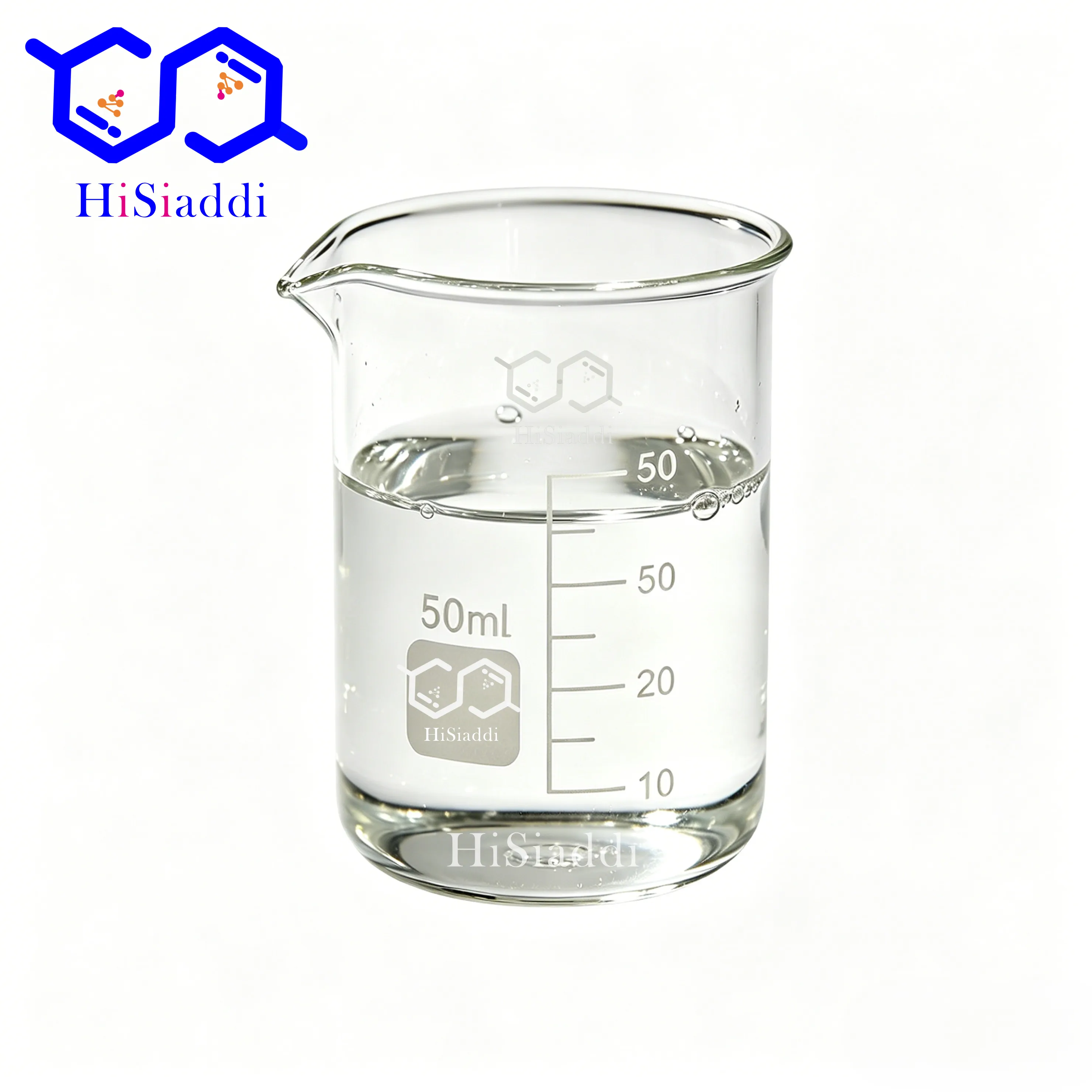
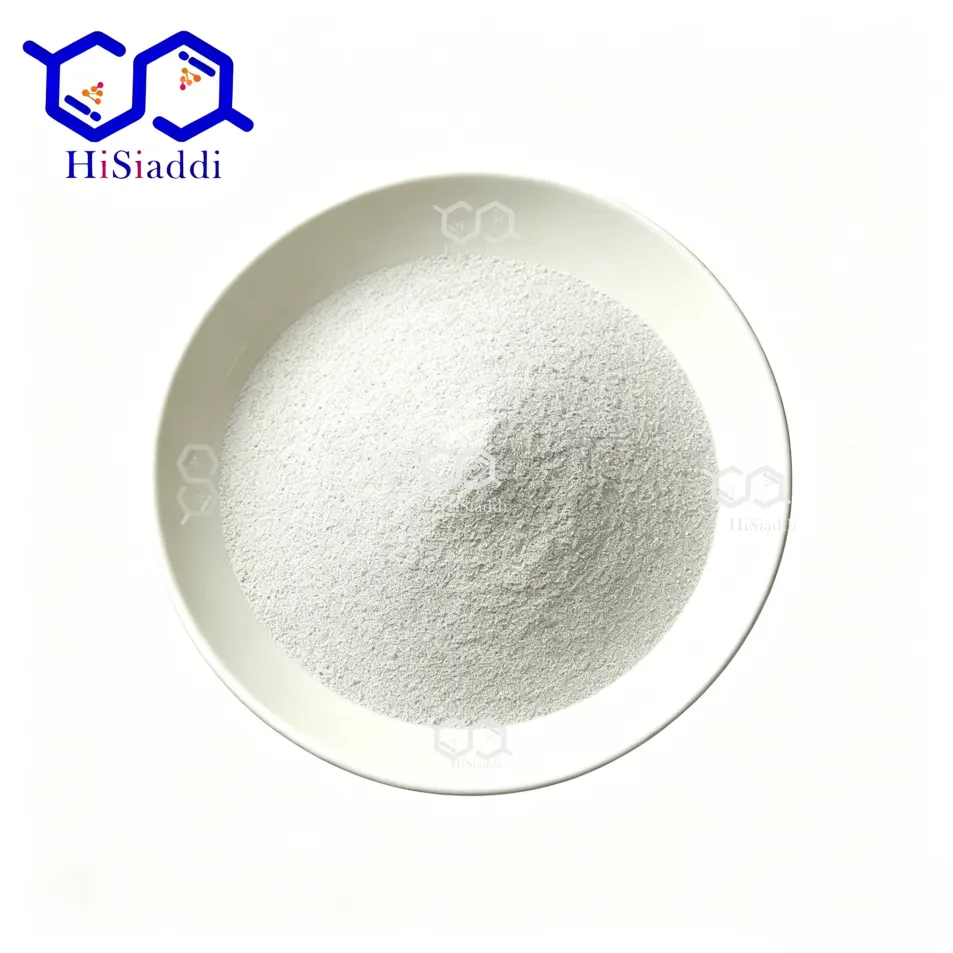
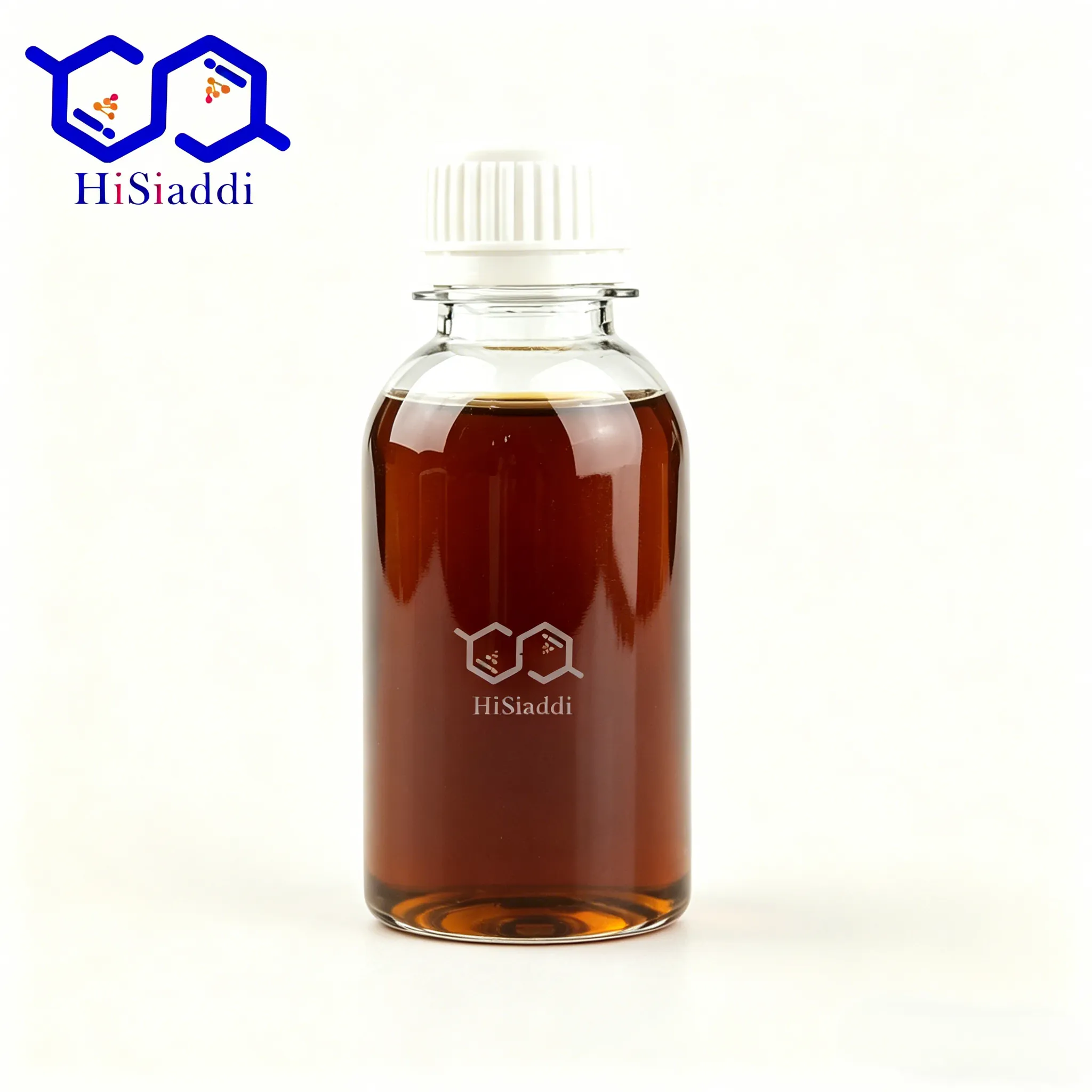
Photoinitiator 1173 (Chemical Name: 2-Hydroxy-2-methylpropiophenone, CAS No.: 7473-98-5) is a high-efficiency Type I liquid free radical photoinitiator, appearing as colorless to pale yellow transparent liquid fully soluble in toluene, ethyl acetate, acrylates and other organic solvents, insoluble in water. It features zero yellowing, low odor, fast curing speed and excellent compatibility, widely applied in UV curable coatings, UV inks, UV adhesives, 3D printing resins, electronic encapsulation materials and other sectors as one of the most widely used basic photoinitiators in UV curing systems.
Core Specification Grading (Classified by Purity & Application Scenarios, Industrial Grade as Market Mainstream):
· Industrial Grade: Purity ≥98.0%, moisture ≤0.1%, Hazen color ≤30, suitable for standard UV coatings and UV inks with over 70% market demand share and cost advantages
· High-End Industrial Grade: Purity ≥99.0%, moisture ≤0.05%, Hazen color ≤20, suitable for high-end UV inks and 3D printing resins with strict batch consistency requirements
· Electronic Grade: Purity ≥99.5%, metal impurities ≤10 ppm, no harmful residues, suitable for electronic encapsulation materials and PCB solder mask inks with stringent compliance requirements
· Reagent Grade: Purity ≥99.8%, suitable for laboratory formulation R&D and UV curing system performance testing with customizable packaging available
The mainstream production process is acylation reaction method using isobutyraldehyde and benzoyl chloride as core raw materials via acylation, hydrolysis and purification under catalytic action. High-end electronic-grade products require additional distillation and decolorization to boost purity and color stability. Domestic leading manufacturers including Runtec and Yangfan New Materials have realized upstream-downstream vertical integration of core raw materials breaking overseas monopolies.
Global total production capacity of Photoinitiator 1173 reaches approximately 62,000 tons/year with a regional pattern of "China Dominates Supply, Europe & America Focus on High-Purity Premium Grades":
· China: 45,000 tons/year capacity (72.6% global share), core production zones in Shandong, Hunan, Jiangsu and Zhejiang. Representative enterprises: Runtec, Yangfan New Materials, Yangnong Chemical, Aolun Environmental Protection. Domestic electronic-grade capacity accounts for approximately 15%; self-sufficiency rate for industrial-grade and high-end industrial-grade products has risen to 95%, positioning China as the world’s largest producer and exporter
· Europe & America: 11,000 tons/year capacity (17.7% global share). Representative enterprises: BASF (Germany), IGM Resins (Netherlands), AkzoNobel (Belgium), specializing in electronic-grade and high-end industrial-grade products with high patent barriers. BASF Irgacure® 1173 holds over 30% global market share
· Japan & South Korea: 4,000 tons/year capacity (6.5% global share). Representative enterprises: DIC (Japan), Kolon Industries (South Korea), focusing on electronic-grade products supplying Asian electronics manufacturing markets
· Remaining Regions: India, Southeast Asia and other regions account for 3.2% of total capacity, only capable of manufacturing low-end industrial-grade products with outdated purification processes failing to meet purity and color standards
The industry features high concentration; five leading enterprises (Runtec, Yangfan New Materials, BASF, IGM Resins, AkzoNobel) jointly occupy over 80% of global market share, with over 90% market share for electronic-grade and high-end industrial-grade products. Domestic electronic-grade capacity utilization stands at approximately 70%, while industrial-grade and high-end industrial-grade supply remains sufficient with prominent cost-performance advantages.
This analysis centers on high-end industrial-grade Photoinitiator 1173, a high-growth segment compatible with 3D printing and high-end ink applications featuring significant cost gaps between domestic and imported products for representative comparison. Full costs are calculated based on two benchmarks: domestic leading manufacturer Runtec and imported leading brand BASF (Germany), with exchange rate fixed at USD 1 = RMB 7.25.
Mature domestic production technology with localized supply of core raw materials delivers significant scale production advantages, resulting in far lower procurement costs versus imported alternatives:
1. Product Purchase Price: Tax-inclusive ex-factory price RMB 38,000/ton for high-end industrial-grade 1173 (99.0% purity); 12% volume discount for annual 100-ton procurement bringing discounted purchase cost to RMB 33,440/ton
2. Logistics Cost: Domestic road transport via dedicated liquid chemical tankers + sealed light-shielded packaging; RMB 900/ton for 500km delivery radius, transit cycle 3–5 days with 0.10% loss rate (specialized tankers effectively prevent leakage and volatilization)
3. Testing Cost: Full third-party testing covering purity, moisture, color, metal impurity content and other core indicators with stringent standards for high-end industrial grade; testing cost RMB 1,800/ton
4. Compliance & Administrative Cost: Covering chemical raw material filing, procurement operation, supplier liaison, light-shielded sealed inventory management and other overheads; comprehensive cost RMB 450/ton
5. Supply Chain Risk Cost: Primarily including price volatility of isobutyraldehyde and benzoyl chloride raw materials, distillation process losses and rework costs for failed batch sampling; accrued at 0.3% of purchase cost equaling RMB 100.32/ton Total Full Cost: RMB 36,690.32/ton
Imported high-end industrial-grade 1173 delivers superior purity, color stability and batch consistency for high-end 3D printing resins and precision electronic ink applications yet incurs far higher full costs due to cross-border logistics, tariffs and exchange rate volatility:
1. Product Purchase Price: FOB offshore price USD 8,500/ton for BASF Irgacure® 1173 high-end industrial grade, converted to RMB 61,625/ton at fixed exchange rate; additional 6.5% import tariff and 13% VAT pushing duty-inclusive raw material cost to RMB 76,000/ton
2. Logistics Cost: Ocean shipping via dedicated liquid chemical ISO tanks + domestic tanker secondary distribution with full sealed light-shielded leak-proof packaging, covering ocean freight, customs clearance fees, domestic transfer charges and insurance premiums based on current international ocean freight market rates; logistics cost RMB 5,200/ton, transit cycle 35–45 days with 0.35% loss rate
3. Testing Cost: Must comply with EU REACH, US FDA and domestic UV curing material industry standards requiring full testing and performance re-inspection by international testing institutions; testing cost RMB 4,000/ton
4. Compliance & Administrative Cost: Covering international chemical certification filing, import qualification audit, exchange rate hedging (calculated based on 4% exchange rate fluctuation), import & export document processing and overseas supplier liaison overheads; comprehensive cost RMB 5,000/ton
5. Supply Chain Risk Cost: Primarily including ocean shipment delays, overseas raw material shortage premiums, exchange rate volatility and rework losses for returned batches; accrued at 0.6% of duty-inclusive raw material cost equaling RMB 456/ton Total Full Cost: RMB 90,656/ton
Domestic full sourcing cost totals RMB 36,690.32/ton versus imported full sourcing cost of RMB 90,656/ton, representing a RMB 53,965.68/ton cost reduction and 59.5% overall cost decline for domestic procurement. For electronic-grade Photoinitiator 1173, domestic cost advantages expand further to 61–66%; customized reagent-grade products deliver a 65–70% domestic cost reduction versus imports.
Three core sources of price disparity:
1. Localized domestic supply of core raw materials isobutyraldehyde and benzoyl chloride leveraging complete coal chemical and fine chemical industrial chains cutting raw material costs by 40–45% versus overseas; large-scale production further reduces product purchase prices
2. Domestic supporting costs for logistics (road tanker transport), testing and compliance are far lower than cross-border procurement expenses (ocean ISO tank transport + international testing)
3. Imported products carry brand and patent premiums alongside additional costs including tariffs and exchange rate hedging fees
Performance-wise, domestic high-end industrial-grade and industrial-grade 1173 deliver performance metrics (purity, color, curing speed) within a 2% gap versus imported alternatives, fully suitable for most UV coating, UV ink and 3D printing resin applications. Only ultra-high-end electronic-grade (precision electronic encapsulation) and reagent-grade products retain minor gaps in domestic metal impurity control and long-term color stability requiring scenario-specific channel selection.
Raw material costs constitute the primary component of Photoinitiator 1173 procurement costs, with core raw materials isobutyraldehyde and benzoyl chloride accounting for 60–65% of total production costs. Complete domestic chemical industrial supporting infrastructure delivers domestic industrial-grade isobutyraldehyde (≥99.5% purity) at approximately RMB 8,200/ton and benzoyl chloride (≥99% purity) at approximately RMB 16,000/ton, 38–43% lower than European, American and German prices. European and American manufacturers rely on self-produced or custom high-purity imported raw materials plus patent licensing fees for acylation and distillation processes pushing raw material and process costs over 45% higher than domestic levels.
Process differences also drive cost gaps: mature domestic acylation reaction processes cut production costs by 25–30% versus overseas continuous acylation technology. High-end industrial-grade and electronic-grade products require additional precision distillation and decolorization treatment with purification costs accounting for 25–30% of total production costs; domestic breakthroughs in high-end distillation technology steadily narrow this cost gap.
Procurement volume impacts pricing: domestic leading manufacturers offer a minimum 12% volume discount for annual procurement ≥100 tons, with an additional 1–2% price reduction for 50–100 ton orders. Overseas brands provide only a 3–5% bulk discount with high minimum order quantities (typically ≥20 tons) for electronic-grade products further elevating unit procurement costs.
Transport Restrictions: Photoinitiator 1173 is a flammable liquid (flash point approximately 96℃) classified as hazardous chemicals requiring dedicated tankers/ISO tanks for transport. Import ocean shipments must comply with IMDG International Maritime Dangerous Goods Code pushing packaging and transport costs 35% higher than domestic road tanker delivery. Short domestic transit cycles enable strict control of transport conditions with far lower product leakage and volatilization loss rates versus import shipments.
Tariffs & Trade Barriers: Finished product imports incur a 6.5% tariff alongside high registration fees for EU REACH, US FDA and domestic hazardous chemical filing (one-time registration cost approximately RMB 150,000–200,000). Stricter European and American trade reviews for high-end electronic-grade 1173 extend customs clearance cycles by 3–7 days generating additional port storage and warehousing costs of approximately RMB 2,200–2,700/ton. Additionally, increasingly stringent European and American standards for VOC emissions and harmful residual substances mandate supplementary environmental and impurity testing reports lifting testing costs further.
Geopolitical Trade Impacts: European and American carbon reduction policies drive fine chemical production capacity relocation overseas lifting raw material production costs with volatile international ocean freight rates tied to oil prices and shipping capacity pushing import procurement costs upward. The EU CBAM Carbon Border Adjustment Mechanism imposes carbon tariffs on UV curing materials adding an extra 7–11% import cost burden.
Testing Standards: Domestic leading manufacturers (Runtec, Yangfan New Materials) meet EU REACH, US FDA and domestic UV curing & electronic material industry standards with reusable test reports for export orders lowering allocated testing costs. Overseas brands require separate testing to align with individual national industry standards with stricter purity, metal impurity, color and curing efficiency inspections generating high duplicate testing costs of an additional RMB 2,200–2,700/ton.
Compliance Filing: Domestic hazardous chemical filing cycles span 3–6 months with single-item fees of approximately RMB 15,000; import hazardous chemical filing and qualification audits take 8–15 months requiring professional agency representation with agency and filing fees of RMB 150,000–200,000 per item plus an additional RMB 50,000–70,000 one-time overseas supplier compliance audit cost. Electronic-grade 1173 requires supplementary electronic material certification incurring extra compliance expenses.
Supply Stability: China accounts for 72.6% of global production capacity with sufficient industrial-grade and high-end industrial-grade supply. Combined capacity of leading domestic manufacturers Runtec and Yangfan New Materials exceeds 35,000 tons/year with ample reserve production capacity delivering a mere 0.1% supply disruption risk. European, American and Japanese/South Korean capacity is highly concentrated with frequent production fluctuations driven by equipment maintenance and environmental production restrictions pushing supply disruption risk to 0.9%. Overseas high-end electronic-grade and reagent-grade capacity remains limited with long delivery cycles (typically 4–6 weeks) and steep price premiums.
Policy Impacts: Domestic environmental policies eliminate non-compliant small fine chemical manufacturers generating short-term mild supply tightening and 6–9% product price hikes. European and American carbon reduction policies drive overseas fine chemical capacity relocation creating long-term upward price pressure. Domestic industrial support policies for UV curing and 3D printing sectors expand premium pricing space for compliant domestic high-end photoinitiator 1173 products.Inventory Losses: Imported goods endure extended transit periods and demand sealed, cool, light-shielded storage, incurring warehousing costs twice as high as domestic stock. Multiple transit and storage stages lead to elevated losses from volatilization, leakage and color degradation, translating to annual extra loss costs of roughly RMB 2,200–2,700 per ton. Specialized hazardous chemical storage facilities must be constructed additionally, further inflating total expenses.
Pricing Optimization Sign 1–3 year long-term fixed-price contracts with core domestic suppliers (Runtec, Yangfan New Materials) to lock in product prices, hedging cyclical price surges of isobutyraldehyde, benzoyl chloride and international raw material fluctuations. Place consolidated bulk orders of 100 tons to secure the 12% discounted base price, with monthly staggered deliveries to balance cash flow and inventory occupancy. Select procurement channels based on application scenarios: fully localize procurement for industrial-grade and high-end industrial-grade 1173 to leverage domestic supply chain advantages and cut costs; adopt a hybrid model of domestic customization plus small-volume imports for electronic-grade and reagent-grade products. Source mass quantities via customized production from domestic leading manufacturers (with adjustable purity and color per requirements) and only purchase imported products for niche high-precision scenarios to slash overall procurement expenditure.
Logistics & Warehousing Cost Reduction For domestic procurement, adopt direct tanker delivery to factories to avoid losses from intermediate repackaging. Prioritize suppliers near major raw material production zones to shorten transport distances, and cooperate with qualified hazardous chemical logistics providers for full sealed, light-shielded, leak-proof transit to mitigate transport risks and material losses. For imported procurement (only for premium grades), ship full ISO containers with unified customs clearance to split logistics and clearance fees across multiple batches. Complete customs clearance and import qualification audits in advance to shorten detention cycles; utilize forward foreign exchange contracts to lock EUR/USD exchange rates and hedge currency fluctuation risks. Optimize warehouse management: build dedicated cool, light-shielded hazardous chemical storage zones with separate storage for photoinitiator 1173 and monthly routine purity & color testing to reduce inventory deterioration losses. Adopt a just-in-time inventory model with staged pickups aligned with production/R&D demands to cut stockpiling and warehousing overheads.
Compress Quality & Compliance Expenses Reuse full COA test reports and industry certification credentials from domestic leading suppliers, only conducting third-party spot checks quarterly to eliminate redundant full testing and qualification audit fees. Prioritize suppliers pre-certified with REACH, FDA and electronic material standards to avoid repeated overseas registration and certification agent charges. Entrust professional agencies to centrally process hazardous chemical filings and industry certifications to split filing and certification costs across multiple orders. Establish a regular supplier audit mechanism to inspect production compliance and product stability, lowering rejection and rework costs from out-of-spec batches.
Risk Hedging Optimization Build a dual-supplier system: designate 2–3 domestic leading manufacturers with mass electronic-grade production capacity as primary suppliers, and international giants including BASF and IGM Resins as backup import suppliers, eliminating supply interruptions caused by single-line production shutdowns or trade policy shifts. Insure all cargo with comprehensive hazardous chemical transit insurance covering losses from leakage, volatilization, breakage and transit accidents. Add additional international trade detention risk insurance for imported orders to offset losses from ocean shipment and customs clearance delays. Deploy a real-time price early warning system tracking prices of core raw materials (isobutyraldehyde, benzoyl chloride) and global photoinitiator 1173 market rates. Pre-purchase and lock prices once raw material hikes exceed 5% to mitigate cost volatility risks.
Industrial-grade & high-end industrial-grade photoinitiator 1173: Prioritize leading domestic manufacturers from Shandong, Hunan, Jiangsu and Zhejiang provinces (Runtec, Yangfan New Materials, Yangnong Chemical). These manufacturers boast sufficient production capacity, stable quality, complete supporting supply chains and after-sales service systems with optimal cost performance, fully meeting demand from UV coatings, UV inks, 3D printing resins and most other application scenarios.
Electronic-grade & reagent-grade photoinitiator 1173: Partner with domestic manufacturers equipped with high-end distillation lines and full electronic-grade certifications (Runtec High-End Division, Yangfan New Materials) for customized refined production, cutting costs by 65%–70% compared with European, American and Japanese imports. Only source imported products from BASF and IGM Resins for ultra-specialized scenarios such as precision electronic encapsulation and high-end laboratory R&D.
Core procurement audit focus: Verify suppliers’ hazardous chemical production licenses, full product test reports, environmental and electronic certification documents. Prioritize manufacturers with self-produced core raw materials and high-end distillation processes to further reduce raw material costs and supply chain risks.
Demand Side: The global photoinitiator 1173 market maintains a compound annual growth rate of 6.35%, with electronic-grade and high-end industrial-grade products growing at over 10% and 8% respectively, driven by UV curing, 3D printing, electronic encapsulation and new energy automotive coating industries. As the world’s largest consumer of photoinitiator 1173 (accounting for 65% of global consumption), China holds massive demand growth potential.
Supply Side: China’s photoinitiator 1173 industry undergoes continuous upgrading, with breakthroughs in high-end electronic-grade distillation technology and expanding electronic-grade production capacity. Domestic self-sufficiency rate for premium products is expected to surpass 75% in 2026. Domestic manufacturers will further optimize acylation and distillation processes to narrow the performance gap with international giants, lifting the domestic localization rate of high-end products above 85% and capturing greater global market share.
Price Trend: Imported photoinitiator 1173 from overseas faces steady annual price hikes of 7%–10%, supported by raw material import costs, energy expenditure, carbon tariffs and patent maintenance fees. Prices of domestic conventional-grade products will fluctuate slightly downward, while high-end electronic-grade and reagent-grade products carry mild premiums yet remain far cheaper than imported equivalents. In the long run, domestic products will retain an enduring cost-performance advantage, accelerating the pace of import substitution.
Technological Trend: Future photoinitiator 1173 will evolve toward ultra-high purity, low odor, zero yellowing and functional customization. Domestic manufacturers will focus on breakthroughs in low metal impurity control for electronic-grade products and solvent-free synthetic processes, while optimizing compound formulation schemes to adapt to high-efficiency UV curing and precision electronic encapsulation scenarios and strengthen overall competitiveness.
In summary, photoinitiator 1173 procurement should match application scenarios, cost budgets and performance requirements, with domestic high-cost-performance products as the primary choice. Enterprises can further slash full sourcing costs by optimizing procurement models, logistics, warehousing and supply chain management. Meanwhile, tracking domestic industrial technological upgrades and capacity expansion will help seize import substitution opportunities and boost supply chain stability and cost-effectiveness.For inquiries regarding full global sourcing cost conditions or product consultation of Photoinitiator 1173, please contact HiSiaddi customer service or visit our official website www.hisiaddi.com for more information.


 +86-13120989737
  info@hisiaddi.com
 English