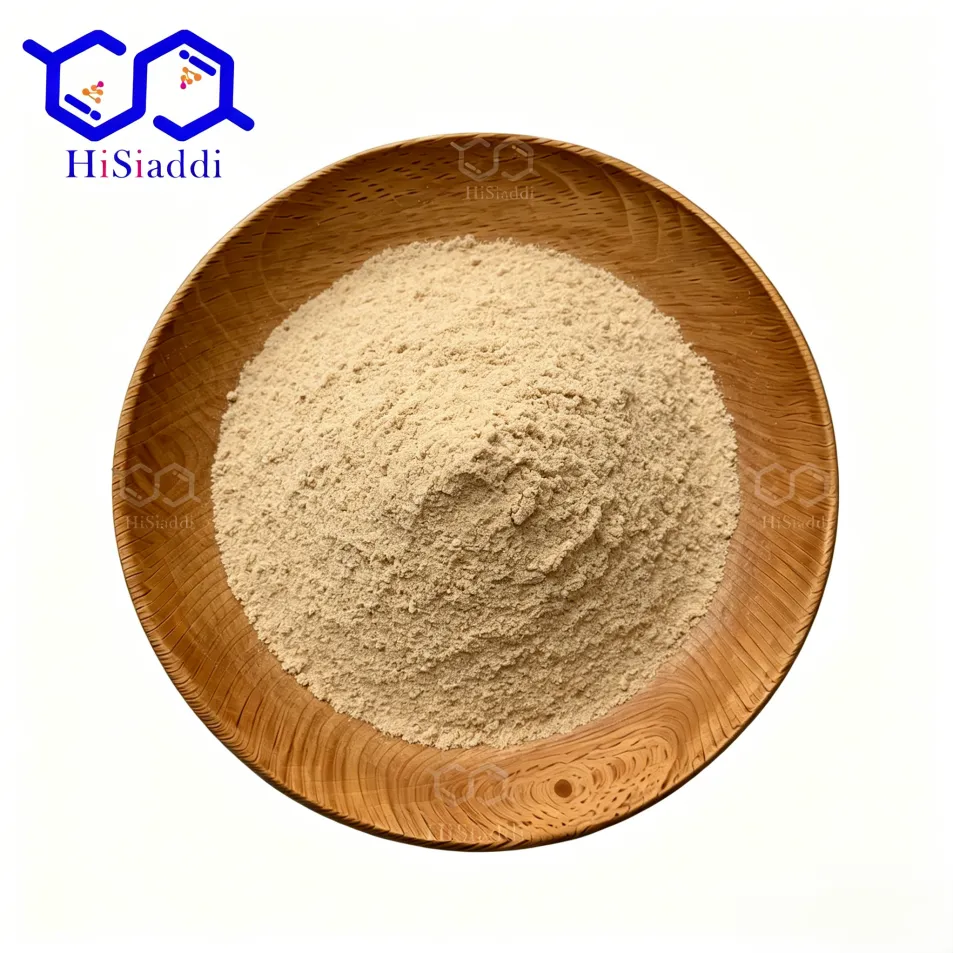
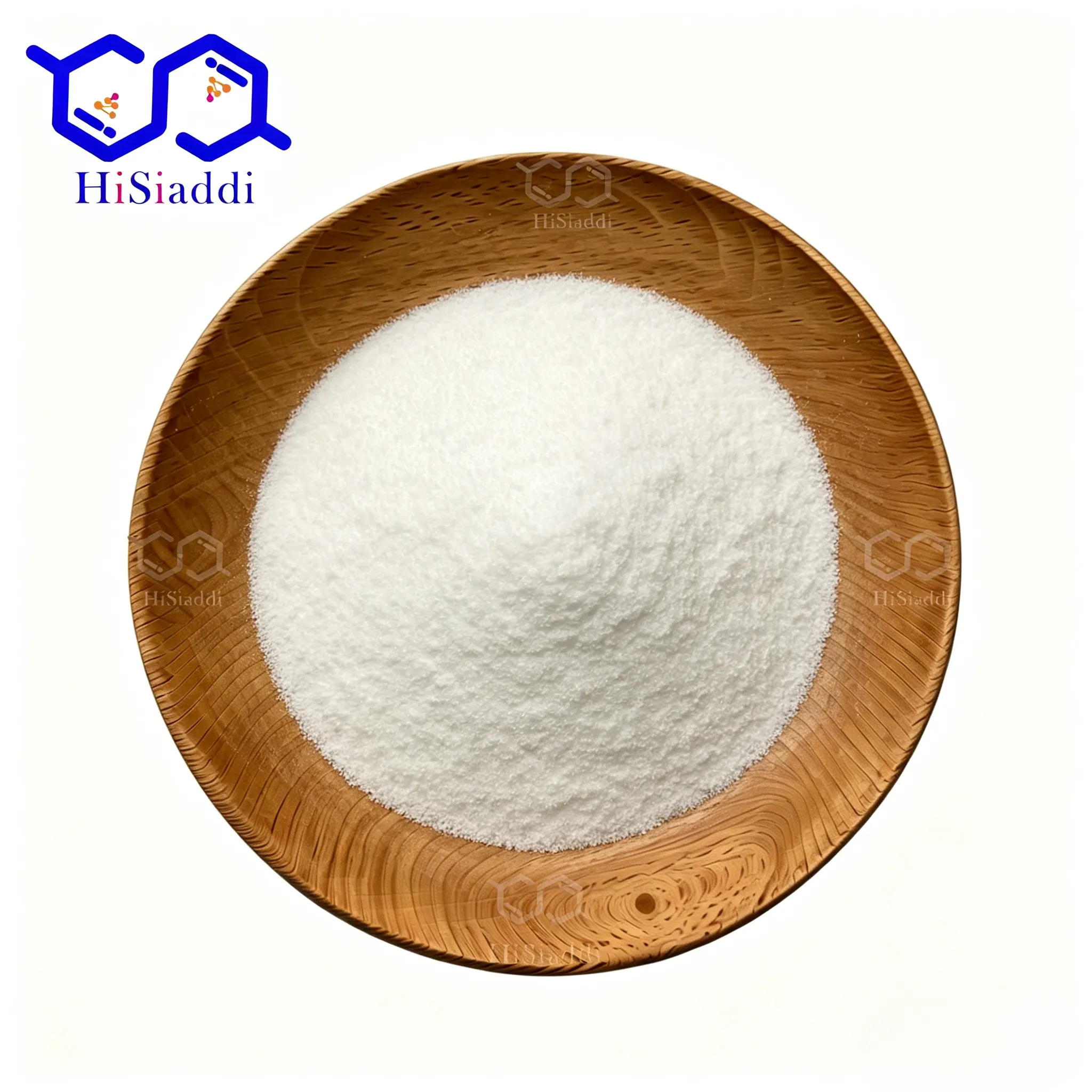
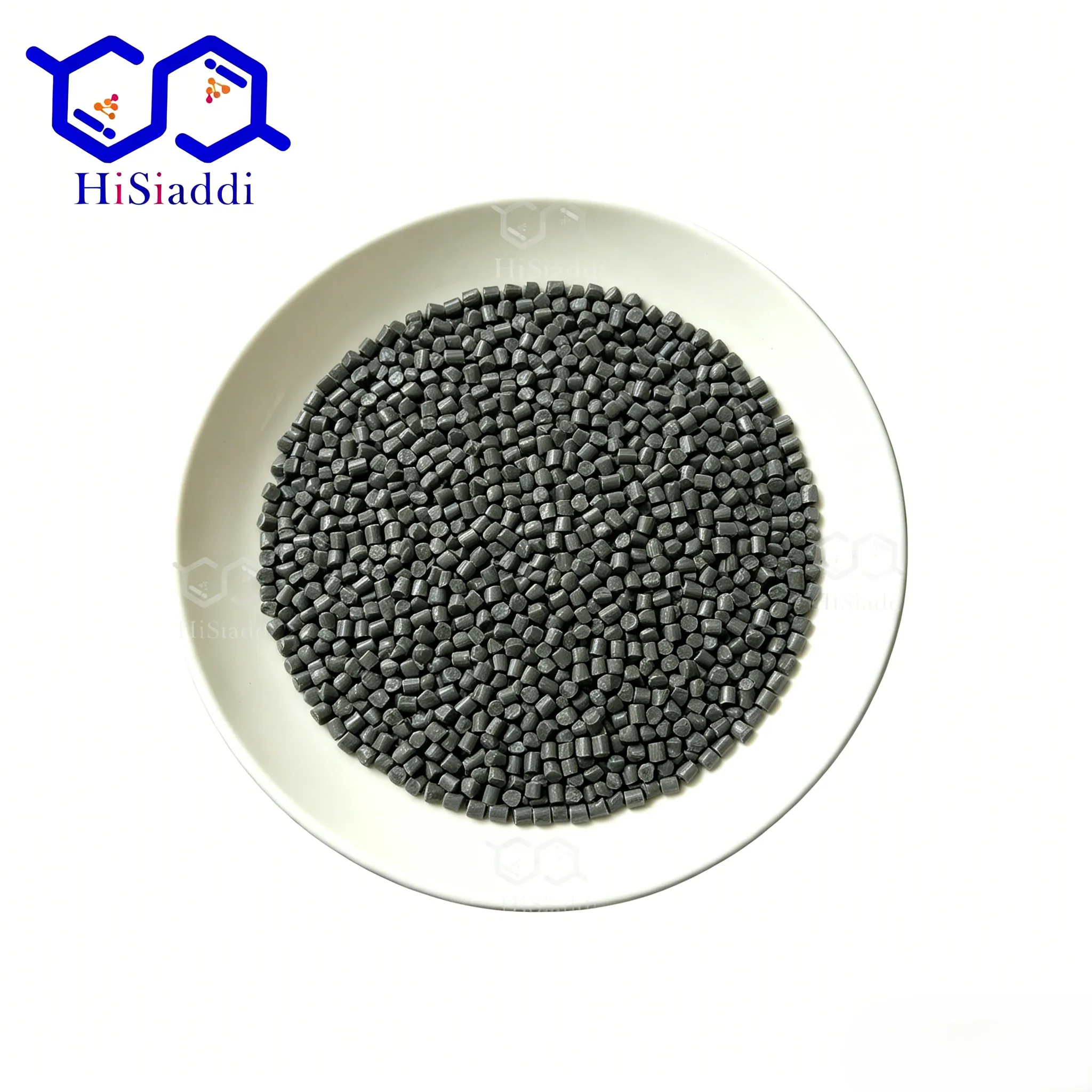
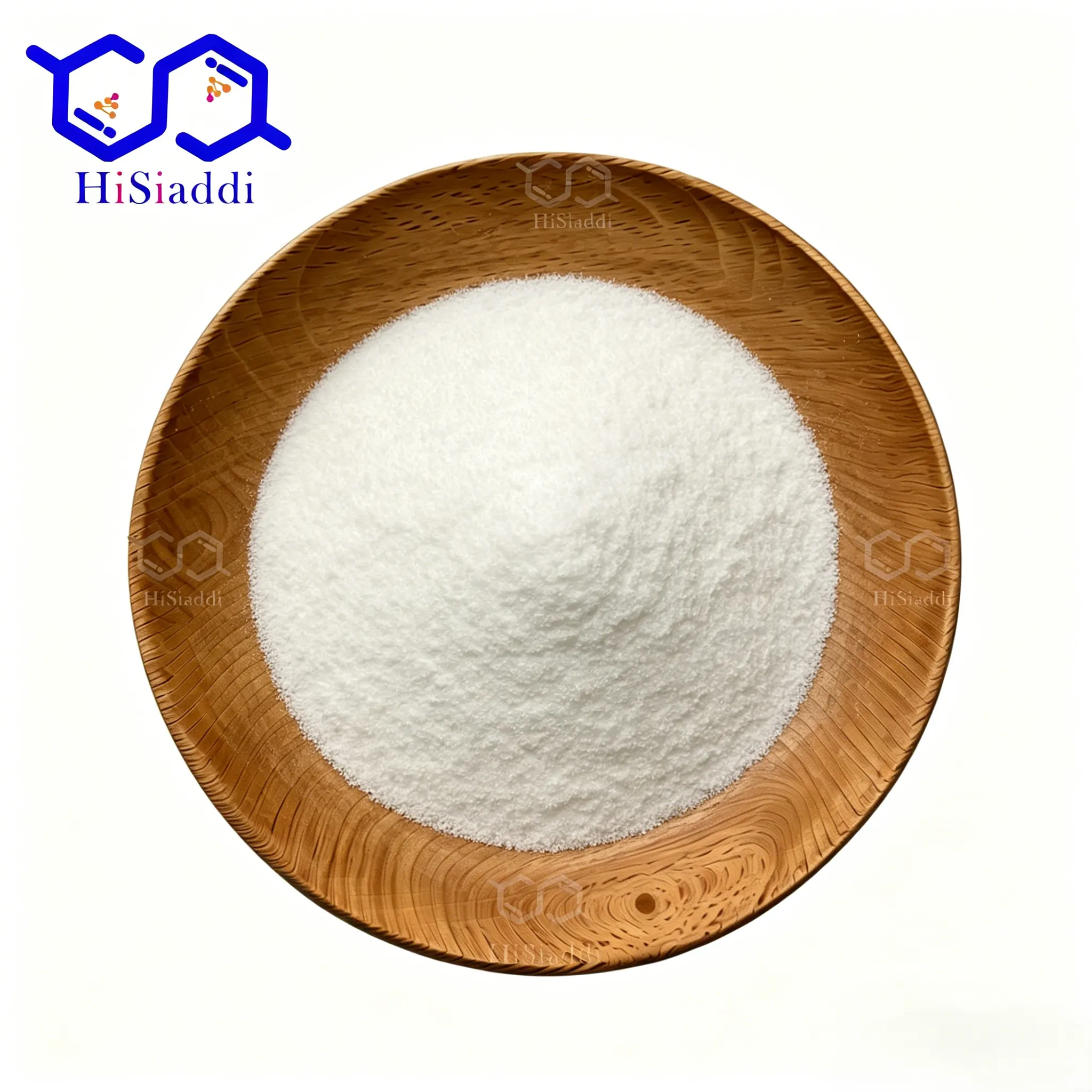
As a new-type foreign trade service provider driven by technological transformation and cross-border trade, HiSiaddi has built a "1+2+3+4=1" service system and can supply authentic raw materials of Malic Acid from multiple well-known original manufacturers.
As a research-driven foreign trade service provider, HiSiaddi does not only promote its own factory’s products unlike single-brand manufacturers. We objectively analyze multiple high-market-share domestic and global brands and share their major industrialized process advancements and breakthroughs, delivering authentic, timely and valuable market information to buyers.
If you require more comprehensive and valuable market information on Malic Acid, please contact HiSiaddi customer service.
(Top 5 Chinese Exporters: Changmao Biochemical, Anhui Xuelang Bio, Shandong Kaisheng New Materials, Jiangsu Fengyuan Bio, Zhejiang NHU; Top 5 Global Market Share Players: Jungbunzlauer (Germany), Fuso Chemical (Japan), Bartek (Canada), Polynt (Italy), Isegen (South Africa). Only industrialized mass-production breakthroughs are listed below.)
1. Technical Improvements: Third-generation genetically modified Aspergillus niger strains achieved industrialized production in 2025, replacing corn starch with hydrolyzed sugars from corn and wheat straw as fermentation carbon sources, abandoning traditional pure grain feedstock routes. Coupled with continuous membrane separation + bipolar membrane electrodialysis refining processes.
2. Key Indicator Breakthroughs:
1. Glucose conversion efficiency increased from 0.78g/g to 0.94g/g
2. Comprehensive energy consumption per unit product reduced by 22.7%
3. Succinic acid (hetero-acid) byproduct content cut from ≤0.3% to ≤0.08%, far exceeding JECFA international food standards
4. Wastewater discharge reduced by 42%
3. Benefits for Downstream Buyers:
1. Raw material costs are insulated from international corn futures volatility, improving long-term quotation stability by 15%
2. Dual EU REACH and US FDA certifications enable direct access to EU infant complementary food and organic beverage formulas without additional third-party testing for buyers
3. Bio-based products satisfy carbon neutrality traceability requirements of European and American brands, allowing end customers to label products as "natural bio-based raw materials" and boost product premium pricing.
1. Technical Improvements: CRISPR-edited engineered strains paired with 200m³ fully automatic continuous fermenters launched in 2024–2025, matched with microwave-enhanced continuous crystallization equipment to replace traditional batch synthesis and single-batch crystallization processes.
2. Key Indicator Breakthroughs:
1. L-malic acid terminal fermentation concentration rose from 125g/L to 182g/L
2. Injection-grade pharmaceutical products feature lead ≤0.0003% (national standard ≤0.001%) and moisture ≤0.15%
3. Comprehensive product yield increased from 90.2% to 98.6%; DL-malic acid production efficiency tripled with 71% lower energy consumption
3. Benefits for Downstream Buyers:
1. Pharmaceutical-grade material replaces high-end imported European and American malic acid, cutting procurement costs by 12%–18% for injectable and sustained-release pharmaceutical raw material sourcing
2. Batch-to-batch purity deviation ≤±0.02%, reducing formula debugging losses by 8% for beverage and health supplement manufacturers
3. Spot delivery lead times shortened from 12 days to 5–7 days, accelerating small-batch replenishment cycles for overseas small and medium buyers.
1. Technical Improvements: China’s first continuous production line using immobilized fumarase enzymes launched, realizing one-step directed synthesis of D-malic acid via enzymatic catalysis without chemical isomerization, filling domestic mass production gaps.
2. Key Indicator Breakthroughs: Optical purity of D-malic acid [α] D²⁰ ≥+2.9° (industry standard ≥+2.5%), product yield 88.2%, wastewater discharge reduced by 45% vs traditional chemical routes.
3. Benefits for Downstream Buyers: Overseas pharmaceutical intermediate manufacturers no longer need to import high-priced D-malic acid from Japan and South Korea, cutting raw material procurement costs for chiral APIs by 23%, suitable for cardiovascular drug and vitamin synthesis end production.
1. Technical Improvements: MBR membrane bioreactors + in-situ CO₂ capture and recycling systems launched for mass production in 2025, reintroducing fermentation exhaust CO₂ into strain carbon metabolism cycles. Fuso simultaneously completed fermentation transformation using renewable sugarcane-based feedstocks.
2. Key Indicator Breakthroughs:
1. Product carbon footprint reduced by 61% vs traditional processes
2. Cold water solubility of premium natural L-malic acid improved by 19%, with sourness release speed up 12% at equal addition dosages
3. Zero external discharge of solid waste residues
3. Benefits for Downstream Buyers: European and American high-end organic food and sparkling water brands complete end-product carbon footprint accounting during procurement, complying with EU carbon labeling regulations. High-solubility grades reduce energy consumption in beverage batching processes, cutting downstream factory production energy use by 7%.
1. Technical Improvements: Bartek launched Malic Ultra-Pure pharmaceutical-exclusive grade via low-temperature recrystallization purification processes; Isegen developed high-flow granular DL-malic acid through spray granulation with optimized particle pore structure.
2. Key Indicator Breakthroughs:
1. Unknown organic residual impurities in Bartek ultra-pure grade ≤10ppm (standard ≤50ppm)
2. Isegen granular products have a repose angle of 32° (powder raw materials: 58°), with mixing uniformity error ≤0.5%
3. Benefits for Downstream Buyers:
1. Improved formulation dissolution stability for pharmaceutical manufacturers, cutting tablet disintegration failure rates by 9%
2. Dust-free, clog-free automated feeding for baking factories reducing labor feeding costs by 11%, suitable for centralized bulk procurement by major European and American baking chains.
1. Technical Improvements: Distillation coupled with molecular sieve refining processes with end-group modification for polymer-specialized malic acid, optimizing removal procedures for small-molecule free acids.
2. Key Indicator Breakthroughs: Free fumaric acid residues reduced from 0.4% to ≤0.09%, volatile loss ≤0.2% under 150°C high-temperature heating.
3. Benefits for Downstream Buyers: Coatings and biodegradable plastic manufacturers experience drastically reduced end-product yellowing risk, enabling replacement of high-end imported polymerization additives and boosting weather resistance performance of downstream new material products.
1. Procurement Cost Side: After green process industrialization by domestic and international leading manufacturers, average prices across all product categories have trended downward over the past 12 months. FOB prices of L food-grade malic acid fell 7%–13%, expanding space for long-term fixed-price risk hedging.
2. Compliance Access Side: High-end grades of domestic leading manufacturers fully pass FSSC22000 and USP pharmacopoeia standards, enabling European and American buyers to complete multi-country market access certifications in one stop, eliminating duplicate qualification audit costs across multiple product lines and suppliers.
3. End Product Upgrading Side: High-purity, high-solubility and low hetero-acid new grades support formula iteration for low-sugar beverages, functional health supplements and medical skincare products, allowing end brands to launch "natural additive-free" new lines and raise retail pricing.
4. Supply Chain Security Side: Domestic non-grain feedstock mass production mitigates grain raw material shortage risks, while expanded low-carbon capacity of international brands alleviates peak-season supply shortages in Europe and America. Global full-year stockout risks dropped by 60% year-on-year.
If you require more comprehensive and valuable market information on Malic Acid, please contact HiSiaddi customer service.

 +86-13120989737
  info@hisiaddi.com
 English