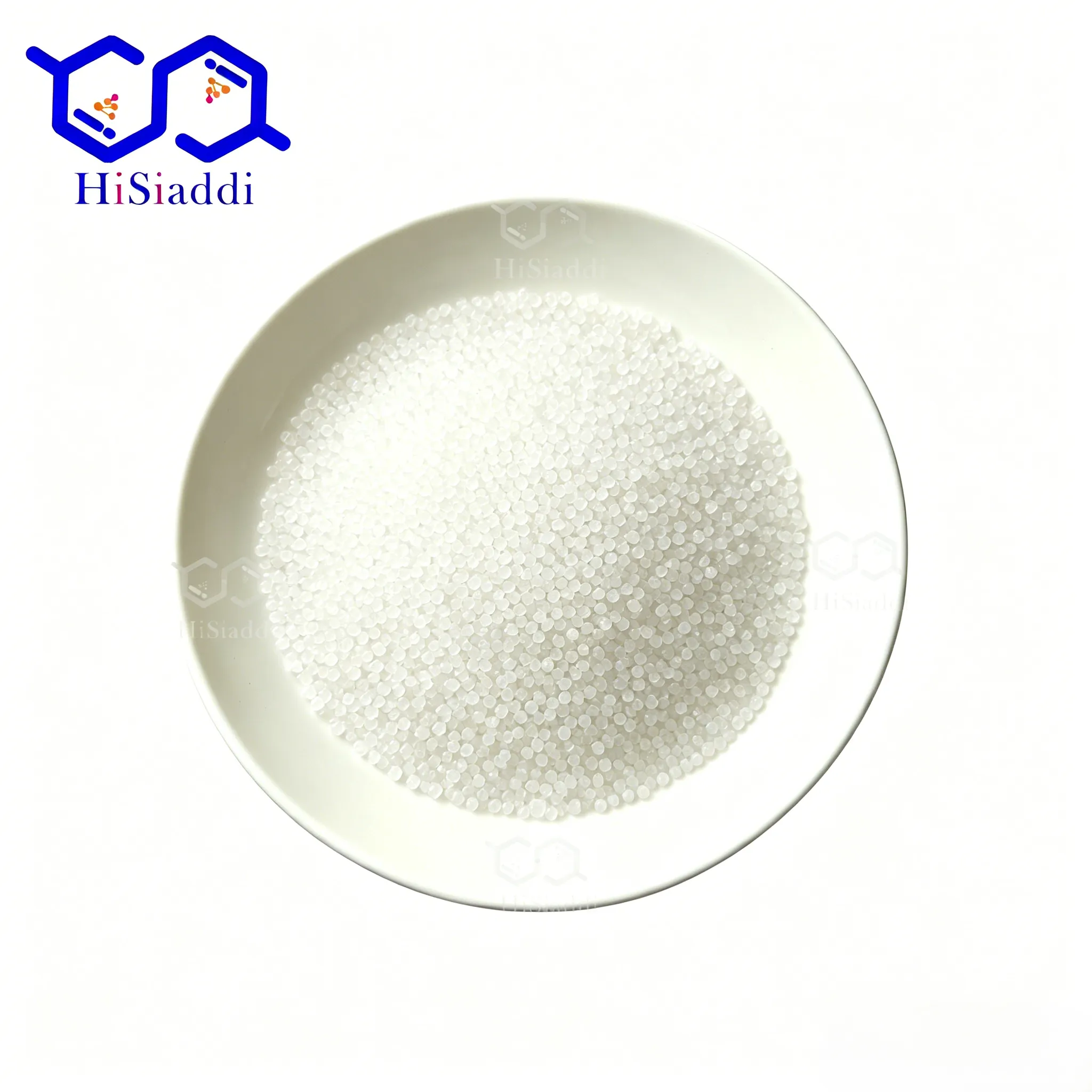
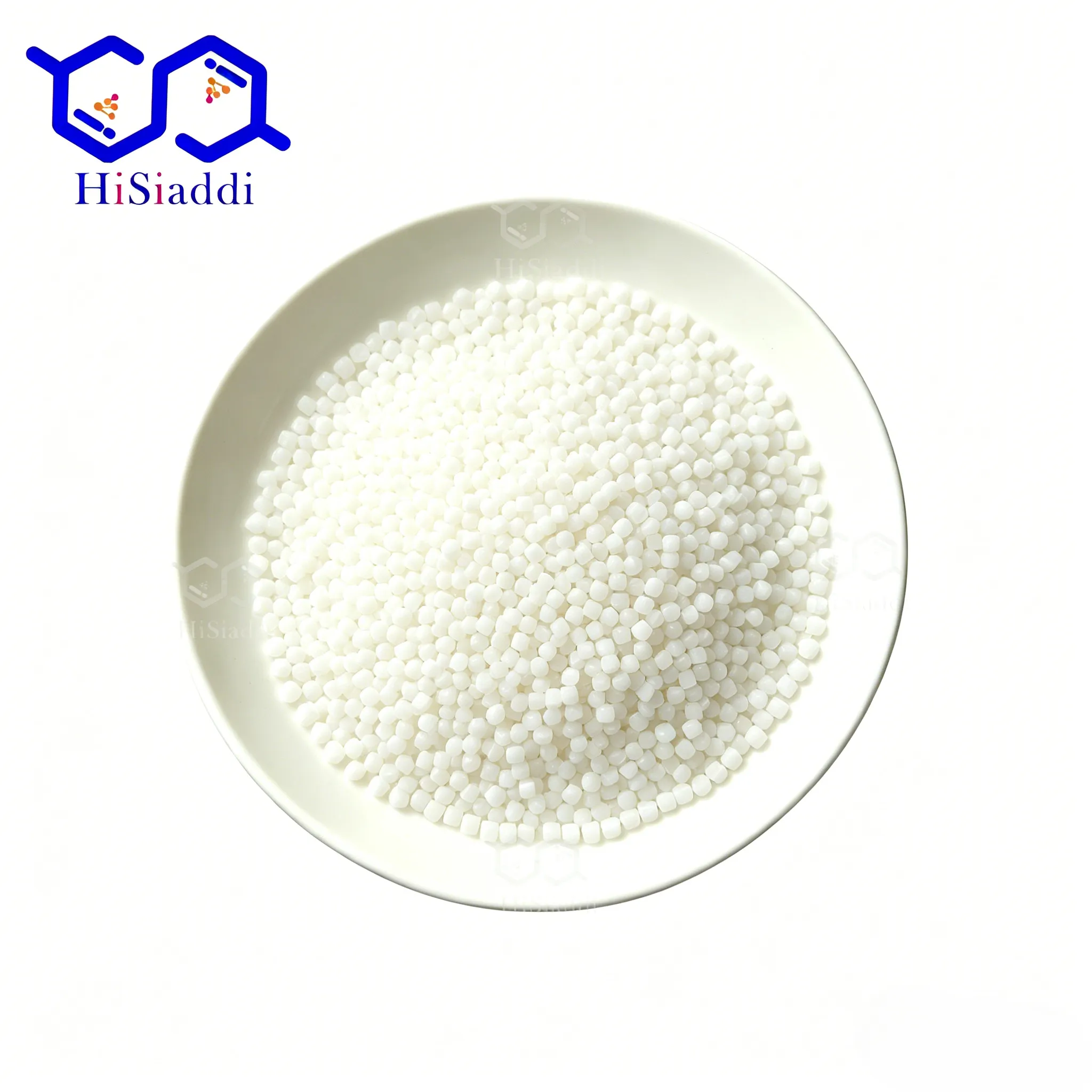
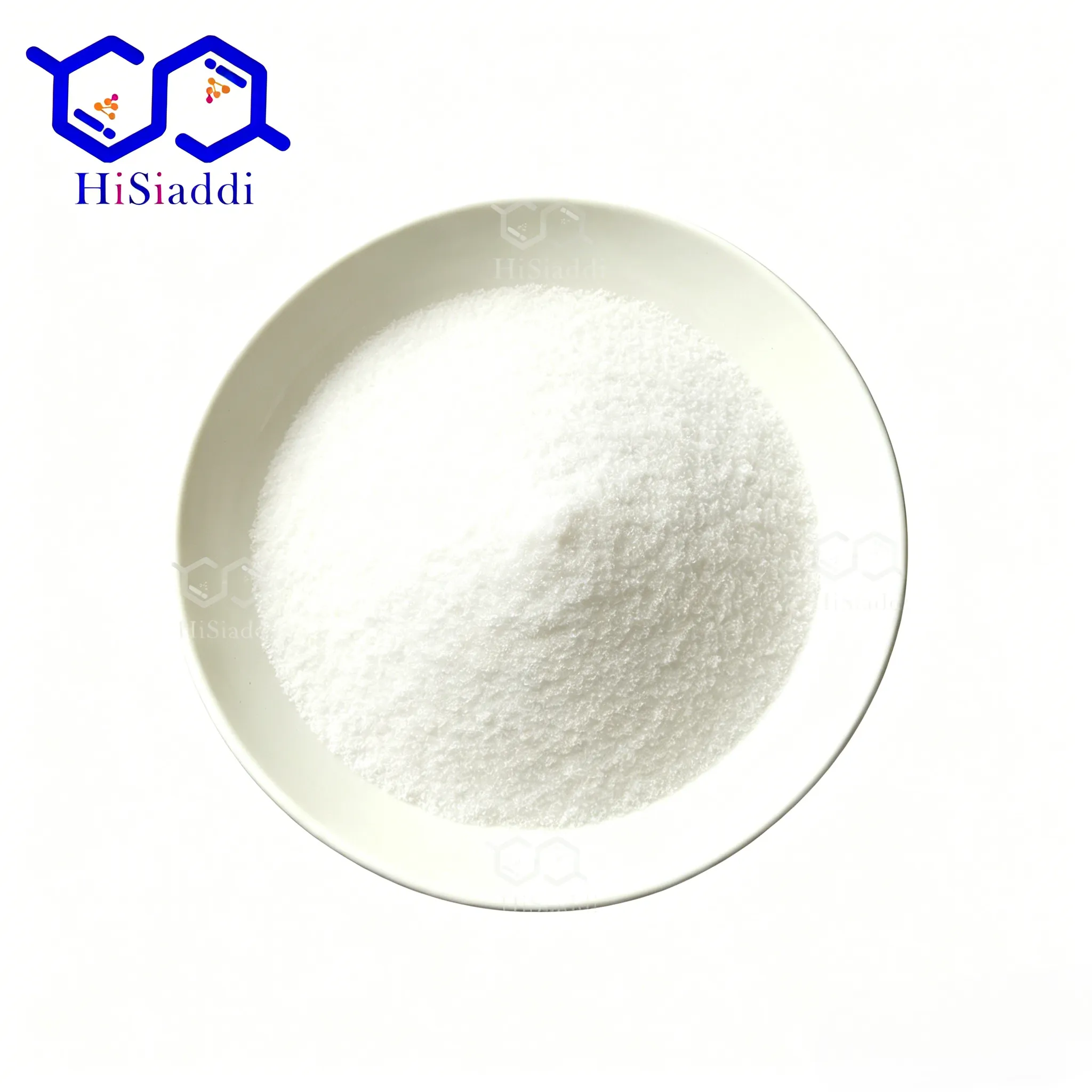
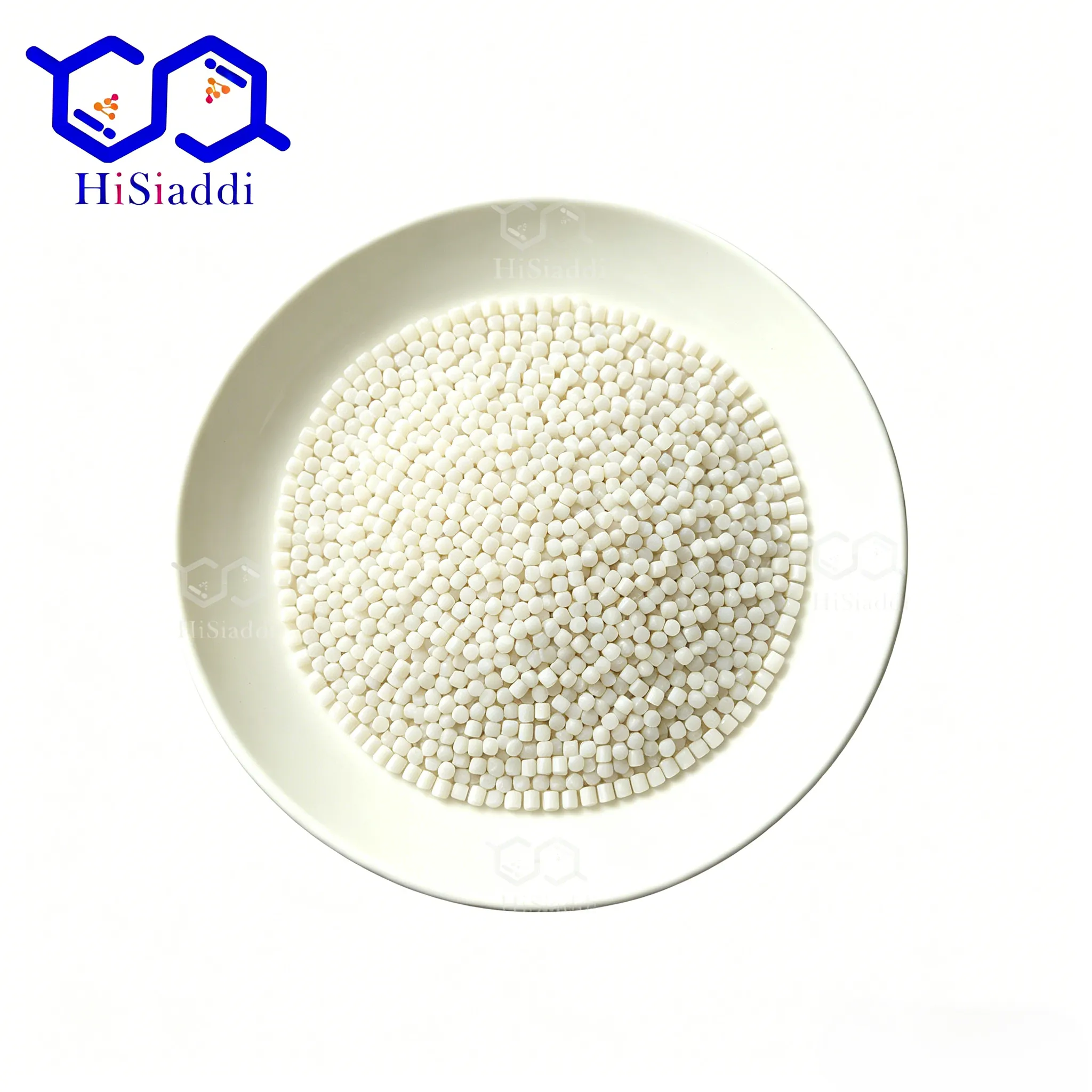
Polyphenylene Sulfide abbreviated as PPS, it is used in automotive engine parts, electronic connectors and chemical anti-corrosion filter materials. HiSiaddi can supply original factory sources of multiple Chinese brands and provide "1+2+3+4=1" services.
NHU: PPS-H100 (pure resin), PPS-H200 (40% glass fiber reinforced), melting point 285℃, long-term temperature resistance 220℃, tensile strength ≥150MPa, flame retardant UL94 V-0, acid and alkali / organic solvent resistance, low chlorine impurities < 50ppm, 30%~40% lower in price than Japan Idemitsu with equivalent performance, suitable for electronic component manufacturers and chemical filter material factories.
Kingfa: PPS-K110, PPS-K120 (high flow grade), heat distortion temperature 260℃, flexural modulus ≥4.2GPa, molding shrinkage ≤0.2%, international grade quality, 25%~35% lower in price, suitable for new energy vehicle high-voltage connector factories and precision mold factories.
HiSiaddi Service: Customization of filling modification (glass fiber / carbon fiber / mineral); formula optimization of automotive engine parts, molding process of electronic connectors, technical support for replacing Japan Idemitsu, flame retardant / high rigidity modification.
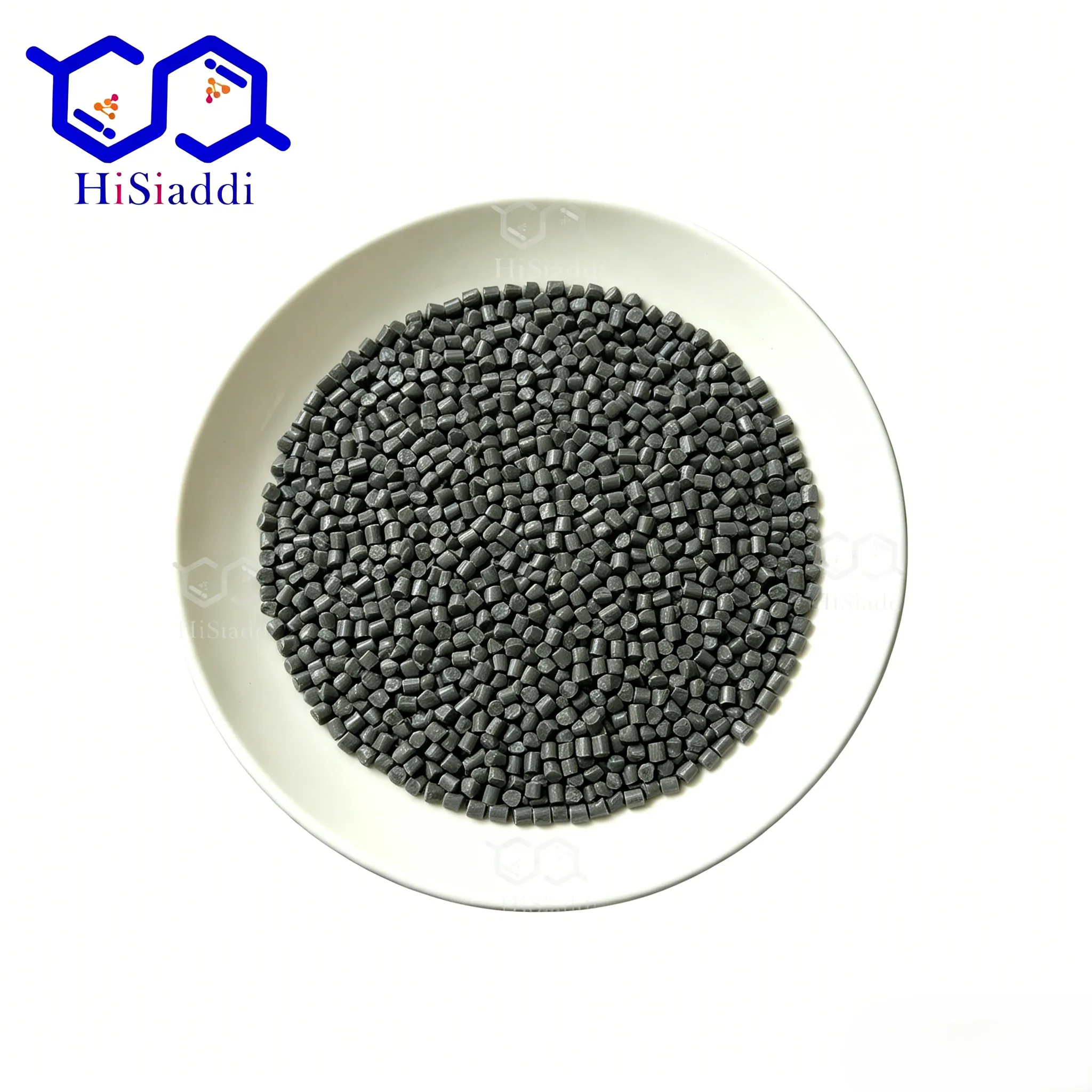
 CONTACT HiSiaddi NOW
| CAS No: | 26125-40-6 | Brand Name: | Multi-brand |
| MF: | N/A | Model Number: | Multi-models |
| EINECS No: | N/A | Grade: | N/A |
| Purity: | N/A | Place of Origin: | China |
| MOQ: | 1ton | Storage: | Please refer to the product packaging or contact the customer service. |
When purchasing Polyphenylene Sulfide (PPS) as a buyer, you may have the following questions:
What are the core index advantages and practical application influences of mainstream grades from well-known PPS brands?
What competitive services can PPS suppliers offer?
What are the qualification certifications and market reputation of target PPS brands?
How are the inventory reserves and supply stability of PPS suppliers?
What key factors should be considered when selecting PPS materials?
...and many other relevant concerns.
D PPS 1140: Neat resin injection grade, equivalent to Toray A900
D PPS 4140: 40% glass fiber reinforced high-strength grade, equivalent to Toray A310M
D PPS 4220: 20% glass fiber reinforced low-warpage grade
D PPS 6150: 50% glass fiber high-rigidity grade
D PPS EX: Special grade for extruded sheets and pipes
Superior thermal performance: Melting point 280℃, heat deflection temperature above 260℃, continuous service temperature up to 220℃, no thermal decomposition under long-term exposure at 260℃.
Excellent chemical and hydrolysis resistance: Resistant to strong acid, strong alkali, organic solvents, refrigerants and antifreeze; performance attenuation less than 4% after long-term immersion in high-pressure boiling water at 130℃, ideal for automotive cooling systems and harsh chemical working conditions.
Outstanding mechanical property & dimensional stability: 40% glass fiber reinforced grade features tensile strength 165-175MPa, flexural modulus 13-14GPa, water absorption below 0.02% and molding shrinkage below 0.4%, ensuring ultra-high dimensional accuracy.
Strict chlorine content control: Hydrolyzable chlorine content below 800ppm for general grades, and down to below 200ppm for high-purity modified grades, meeting EU halogen-free standards and low-chlorine requirements for automotive electronics.
Flame retardant & eco-friendly: UL94 V0 halogen-free flame retardant, limiting oxygen index over 44%, low smoke and non-toxic.
Stable batch performance: Adopts continuous sodium sulfide polymerization process, melt flow index fluctuation controlled within ±0.5g/10min, perfectly compatible with overseas high-speed automatic injection molding lines without warpage and cracking defects.
Cut core raw material procurement cost by 39%-49%, greatly boosting profit margins and enhancing product competitiveness in the new energy industry.
Uniform glass fiber dispersion eliminates floating fiber and agglomeration issues, reducing appearance defects of precision parts.
Direct replacement of imported materials without extra process adjustment, compatible with mainstream overseas high-speed injection molding equipment.
Sufficient large-scale domestic production capacity ensures stable supply in peak seasons, avoiding price hikes, supply shortages and excessive lead time of Japanese original products.
Water pumps, sensors and wiring harness connectors of new energy vehicles feature excellent high-temperature and hydrolysis resistance, improving overall vehicle durability and safety.
Long-term stable performance of high-temperature resistant home appliance parts extends the service life of air conditioners, washing machines and other equipment.
Strong corrosion resistance of chemical pumps and valves effectively reduces equipment maintenance and replacement costs.
XH PPS HP: Ultra-low chlorine high-purity grade, hydrolyzable chlorine<150ppm, equivalent to Celanese 0203P
XH PPS SEMI: Special semiconductor electronic grade with low metal ion content
XH PPS CF30: 30% carbon fiber reinforced conductive grade
Ultra-low chlorine & low ion content: Hydrolyzable chlorine below 150ppm for high-purity grades, total content of metal ions (Na, K, Ca, Fe, Cu) less than 3ppm, no halogen precipitation, satisfying strict low-chlorine standards for automotive electronics and semiconductor industries.
Excellent semiconductor compatibility: Resistant to high-temperature baking and plasma cleaning, free of small molecule precipitation, suitable for wafer carrier accessories and electronic precision insulating components.
Stable conductivity of carbon fiber reinforced grades: Volume resistivity ranges from 10² to 10⁴Ω·cm with permanent conductive property and no ion migration, applicable to anti-static and electromagnetic shielding scenarios.
Superior thermal aging resistance: Mechanical property retention rate over 85% after 1000-hour thermal aging at 220℃, far exceeding ordinary PPS grades.
Performance fully matches imported high-end materials, enabling access to high-end overseas automotive electronic and semiconductor supply chains and avoiding fierce low-end market competition.
Low ion content and zero precipitation improve insulation reliability of electronic parts and lower short-circuit risks.
Flexible small-batch supply supports overseas R&D-oriented clients and customized high-end niche orders.
High-temperature and aging resistance of vehicle-mounted electronic components stabilizes the electronic system of new energy vehicles.
Clean and precipitation-free semiconductor accessories guarantee a safe chip production environment.
HY PPS F: Special spinning grade, equivalent to Kureha T1881
HY PPS M: High-viscosity extrusion grade
HY PPS MOD: Acid & alkali resistant modified filter grade
Superior spinnability: Narrow molecular weight distribution, uniform melt texture and zero gel particles, enabling stable production of 0.8-3 denier ultra-fine fibers, matching overseas needle felt and filter bag spinning equipment.
Outstanding resistance to acid, alkali and flue gas: Stable performance under long-term exposure to high-temperature flue gas and desulfurization corrosive environment up to 200℃.
High melt strength, ideal for high-temperature filter materials and industrial dust removal filter bags with temperature resistance above 200℃.
Stable batch purity without black spots and impurities, ensuring uniform finished filter products.
Special spinning grades fit mainstream overseas spinning equipment effectively, reducing yarn breakage and fuzz defects.
Remarkable raw material cost reduction strengthens global market competitiveness of filter material enterprises.
Inherent acid and alkali resistance adapts to high-temperature flue gas working conditions without secondary modification.
High-temperature resistant filter bags are free from flue gas corrosion, with service life extended by 2 to 3 times and lower operation costs for power plants.
Stable filtration efficiency of industrial dust removal materials meets overseas environmental emission standards.
RT PPS TC: High thermal conductivity modified grade
RT PPS LGF: Long glass fiber reinforced high-strength grade
RT PPS FR HV: High-viscosity halogen-free flame retardant grade
Excellent thermal conductivity: Thermal conductivity reaches 0.8-1.2W/(m·K), perfect for heat dissipation structural parts of new energy batteries.
Superior long fiber reinforcement performance: Impact strength above 60kJ/m² with outstanding creep resistance and fatigue resistance, suitable for automobile chassis and structural components.
Stable extrusion performance under high viscosity, applicable to long fiber products, sheets and thick-walled articles.
Low-warpage formula ensures zero deformation of large-scale structural parts, matching overseas production lines for large automotive components.
Low unit price for bulk orders adapts to large-scale assembly line production overseas.
Pre-modified high thermal conductivity and long fiber reinforced grades meet stringent working conditions of new energy industry and cut formula R&D costs.
Low warpage rate of large components lowers rejection rate and satisfies the rapid expansion demand of overseas new energy industry.
High heat dissipation efficiency of new energy vehicle cooling parts improves battery thermal management safety.
Lightweight yet high-strength long fiber structural parts enhance overall vehicle durability and safety.
PM PPS LV: Low-viscosity thin-wall precision injection grade
PM PPS GF: General glass fiber modified grade
PM PPS ESD: Anti-static modified grade
Low viscosity & high fluidity: High melt flow index, suitable for ultra-thin precision parts of 0.2-0.8mm and miniature connectors.
Precisely adjustable anti-static performance: Surface resistance adjustable within 10⁶-10¹⁰Ω with permanent anti-static effect.
Strong customization capability: Rapid adjustment of melt index, chlorine content and filler ratio to fulfill niche high-end orders.
Outstanding cost advantages and flexible small-batch delivery service.
Low-viscosity grades help enterprises expand high-end market of ultra-thin miniature parts and avoid homogeneous price competition.
Flexible small-batch supply supports overseas new product R&D and medium & small-sized clients.
Differentiated anti-static modification helps seize segmented anti-static material markets.
Lightweight and compact miniature electronic components fit the miniaturization trend of 5G and vehicle-mounted electronic products.
Anti-static accessories prevent electrostatic breakdown and stabilize the operation of electrical equipment.

| Comparison Items | Sichuan Deyang Chemical | Shandong NHU | Zhejiang Heyuan New Materials | Jiangsu Ruitai Technology | Pingmei Shenma Group (Henan) |
| Export Ranking | 1 | 2 | 3 | 4 | 5 |
| Core Business Segments | General injection grade, glass fiber reinforced grade, extrusion sheet & pipe grade | High-purity low-chlorine grade, semiconductor electronic grade, carbon fiber conductive grade | Spinning grade, high-temperature filter material grade, acid & alkali resistant modified grade | High thermal conductivity modified grade, long glass fiber reinforced grade, new energy dedicated grade | Low-viscosity thin-wall precision grade, general glass fiber grade, anti-static modified grade |
| Main Export Models | D PPS 1140/4140/4220/6150/EX | XH PPS HP/SEMI/CF30 | HY PPS F/M/MOD | RT PPS TC/LGF/FR HV | PM PPS LV/GF/ESD |
| Overseas Benchmark Brands | Full-range general grades of Toray & Kureha | High-purity premium series of Celanese & BASF | Spinning & filter grades of Kureha & Idemitsu | New energy dedicated grades of Toray, thermal conductivity series of BASF | Niche modified series of Idemitsu & Celanese |
| Core Competitive Strengths | Melting point 280℃, long-term service at 220℃; water absorption<0.02%; hydrolyzable chlorine<800ppm; 40% GF grade strength 165-175MPa; ultra-stable batch consistency | Hydrolyzable chlorine<150ppm; total metal ions<3ppm; permanent conductivity; 85%+ property retention after 220℃ aging; low precipitation & halogen-free | Narrow molecular weight distribution; ultra-fine fiber spinnable; 200℃ flue gas resistance; acid & alkali resistance; no gel or black spots | Thermal conductivity 0.8-1.2W/(m·K); long fiber impact strength>60kJ/m²; low warpage; fit large structural parts | Low viscosity for thin-wall molding; adjustable anti-static resistance; flexible customization; fast small-batch delivery; high molding precision |
| Price Ratio vs Overseas Equivalents | 51%-61% | 47%-57% | 46%-56% | 45%-55% | 56%-66% |
| Cost Performance Rating | ★★★★★ | ★★★★★ | ★★★★☆ | ★★★★☆ | ★★★★ |
| Core Target Overseas B-end Clients | New energy auto part factories, auto electronic connector plants, high-temp home appliance part makers, pump & valve accessory suppliers | Precision auto electronic component factories, semiconductor equipment part manufacturers, high-end connector suppliers | Power plant & waste incineration filter bag factories, industrial dust removal material producers, flue gas filter material vendors | New energy vehicle structural part factories, battery heat dissipation part plants, photovoltaic inverter component manufacturers | Miniature precision electronic factories, high-end connector producers, anti-static accessory suppliers |
| Downstream B-end Buyer Advantages | 1. 39%-49% raw material cost reduction2. Uniform glass fiber lowers defect rate3. Direct import substitution without process adjustment4. Stable peak-season supply | 1. Access to high-end electronic supply chain via ultra-low chlorine property2. Low ion content boosts insulation reliability3. Flexible small-batch delivery | 1. Compatible with overseas spinning equipment to reduce yarn breakage2. Great cost cut for filter materials3. Inherent modification fits high-temperature flue gas scenarios | 1. Ultra-low bulk purchase price2. Pre-modified grades match new energy working conditions3. Low warpage cuts rejection rate of large parts | 1. Tap high-end ultra-thin miniature part markets2. Support new product R&D with small-batch supply3. Gain competitive edge via anti-static differentiation |
| End User Advantages | 1. Durable and safe vehicle-mounted parts2. Extended service life of home appliances3. Strong corrosion resistance of chemical pumps & valves | 1. Stable operation of vehicle electronic systems2. Clean and safe semiconductor accessories | 1. 2-3 times longer service life of filter bags2. Filtration efficiency meets overseas environmental standards | 1. Improved battery heat dissipation safety2. Lightweight & high-strength vehicle body | 1. Meet electronic product miniaturization trend2. Anti-static protection ensures stable electrical equipment operation |
As an innovative foreign trade service provider driven by dual engines of technology commercialization and cross-border trading, HiSiaddi has built a "1+2+3+4=1" product service system: 1 seasoned foreign trade sales specialist with over 3 years of industry experience, 2 dedicated R&D teams, 3 rigorously vetted premium suppliers, and 4 shared warehouses — all aligned to fulfill one integrated product demand.
Backed by this comprehensive service framework, HiSiaddi boasts deeper expertise in PPS Pellets R&D optimization and manufacturing processes than most conventional trading firms, a sharper grasp of market demands and competitive edges across various PPS brands than standalone manufacturers, and more in-depth insights into the global export market for PPS Pellets than pure research institutions.
1 Professional Salesperson With More Than 3 Years of Experience
HiSiaddi exclusively recruits foreign trade specialists with a minimum of 3 years of hands-on experience. Before serving clients, all staff must complete over six months of joint training delivered by our R&D and foreign trade teams.
(1) Basic Full-Cycle Support Services
Leveraging our integrated foreign trade team and corporate service system, we deliver one-stop end-to-end order management for clients, including but not limited to:
Issuance and application of all compliance certifications for PPS Pellets
Provision of third-party test reports and full resolution of quality warranty claims
(2) Exclusive Value-Added Technical Services
Supported by our in-house R&D teams, we offer bespoke product customization and technical consultation solutions, covering:
Comparative analysis of core indicator compatibility and cost performance across all mainstream PPS Pellets brands
Regular updates on global market trends for PPS Pellets
Regular Global PPS Industry Intelligence Briefings
We deliver periodic industry insights covering overseas competitor price trends, demand trajectories across new energy, automotive electronics and filter media sectors, popular modified grades, global low-chlorine & halogen-free regulatory policies, and regional procurement preferences. These intelligence reports enable clients to strategically map out market expansion and hedge against price volatility risks.
Full-Order Visual Tracking Service
Overseas buyers gain real-time visibility into every production and logistics milestone: polymerization, modification, refining, quality inspection, moisture-proof packaging, international transportation, customs clearance and last-mile delivery. Full transparency and traceability drastically boost confidence in sourcing high-end specialty engineering plastics.
Blind Sample Comparative Testing for PPS
We supply anonymous blind test samples of domestic PPS alongside imported grades from Toray and WuYu. Clients independently conduct lab assessments on tensile strength, heat resistance, hydrolysis resistance, chlorine content and processability. Direct side-by-side performance verification dismantles the long-standing misconception that Japanese PPS materials are irreplaceable, delivering highly persuasive proof of domestic equivalent quality.
2 Chemical R&D Teams: Dietary Nutrition & Chemical Additive Divisions
We maintain deep collaborative ties with upstream manufacturers via technology commercialization, paired with seamless internal coordination between R&D and foreign trade teams. Our technical training programs equip sales teams with profound material expertise to deliver professional PPS Pellets customization, alongside research-grade consulting for brand matching and application formulation optimization of PPS materials.
(1) Research-Grade Customization Services
Specialized Import Substitution Comparative Analysis
For clients currently utilizing imported PPS from Toray, WuYu, Celanese and BASF, we conduct full-dimensional one-on-one benchmarking covering melt flow index, chlorine content, thermal stability, hydrolysis resistance, mechanical properties, batch consistency, cost reduction margins and lead time comparisons. A formal professional substitution report is issued to guide overseas buyers in switching to domestic alternatives — a capability unavailable to general traders lacking polymer material technical know-how.
PPS Technology Commercialization & Custom Modification Service
We partner with R&D centers of five leading manufacturers and domestic specialty plastics research institutes to fulfill custom modification requirements from global clients, including:
Ultra-low chlorine semiconductor-grade PPS
High thermal conductivity PPS tailored for new energy applications
Long glass fiber reinforced high-strength PPS
Ultra-high purity spinning-grade PPS
Precisely modified antistatic PPS
Coolant-resistant, hydrolysis-stabilized PPS for automotive systems
We deliver full technical implementation from lab trial and pilot production to mass manufacturing, translating cutting-edge lab-developed modified PPS formulations into export-ready products to capture high-end niche overseas markets.
(2) Research-Grade Consulting Services
Localized Overseas PPS Processing Technical Support
Our bilingual technical team specializing in PPS polymer materials provides remote engineering consultation for overseas client technical teams, covering:
Injection molding temperature profiles and screw parameter calibration
Glass fiber dispersion optimization
Long fiber molding processes
Spinning temperature and draw ratio tuning
Filter media formulation adjustment
Anti-warpage solutions for thin-wall components
General foreign trade firms without specialty plastics processing knowledge cannot deliver this depth of technical backing.
Specialized Low-Chlorine & Low-Ion Content Control
For automotive electronics and semiconductor clients, third-party test reports for hydrolyzable chlorine and trace metal ions are provided for every production batch. Rigorous control over critical electronic-grade parameters ensures compliance with stringent access standards for automotive and semiconductor industries across Europe and North America.
Coolant & Hydrolysis Resistance Qualification Testing
For new energy vehicle manufacturers, we perform ethylene glycol coolant immersion testing, high-pressure boiling water hydrolysis at 130°C, and cyclic temperature aging trials. Test reports formatted to meet international overseas standards eliminate client concerns regarding the long-term durability and stability of domestic PPS resins.
Spinning & Filter Media Formulation Adaptation
For filter media producers, we adjust PPS molecular weight and melt flow index to match overseas spinning equipment, enhancing fiber uniformity, lowering filament breakage rates, and optimizing resistance to flue gas corrosion in finished filter products.
Long Fiber / High Thermal Conductivity Formulation Optimization
For new energy structural component manufacturers, custom long glass fiber and high-conductivity filler systems are developed to enhance tensile strength, thermal conductivity and creep resistance, compatible with large-scale automotive component production lines overseas.
3 High-Quality Suppliers Screened via Multi-Round Audits & Technology Transfer
Our foreign trade and R&D teams work in tandem to conduct multi-stage evaluations including preliminary market research, on-site factory audits, full material testing, deep technology commercialization partnerships and trial procurement cooperation. We select approximately three brand manufacturers featuring reliable quality, stable supply, solid market reputation and robust growth potential.
(1) Procurement Edge for Competitive Raw Material Pricing
Long-term partnerships rooted in technology commercialization and authorized distribution grant us direct access to factory-origin materials at preferential price points.
(2) Long-Term Stable Supply Chain Assurance
Our deep collaboration strengthens full-process production monitoring, end-to-end product traceability, consistent batch quality control, and robust compensation guarantees in cases of non-compliant third-party test results.
Exclusive High-Purity / Spinning-Grade Production Capacity Reservation for Overseas Clients
Framework agreements with top-tier manufacturers secure dedicated overseas-exclusive high-purity polymerization lines and spinning-grade production facilities. Reserved capacity caters to automotive electronics, semiconductor and high-temperature filter media buyers, preventing supply shortages caused by domestic enterprises bulk purchasing premium PPS during peak demand seasons.
4 Distribution Warehouses Powered by Shared Efficient Logistics Network
We operate four jointly managed warehouses in partnership with our suppliers to stock fast-moving PPS products.
(1) Proximity Shipping for Fast Delivery & Rapid Issue Resolution
Our four warehouses are strategically positioned at Qingdao Port (Northern China), Ningbo Port (Eastern China), Shenzhen Port (Southern China), and Zhengzhou — China’s inland logistics hub. This layout guarantees expedited shipment of PPS Pellets. On-site staff stationed near each warehouse enable immediate on-location resolution of transit damage, packaging defects and export compliance complications.
(2) Mitigate Price Fluctuations & Support Custom Packaging Solutions
We pre-emptively stock inventory when sharp price surges are forecast during peak seasons to stabilize client procurement costs. Our self-operated warehouses fully accommodate personalized customization of packaging, labeling and other branding requirements.
As a new foreign trade service provider driven by both technology commercialization and foreign trade services, HiSiaddi has established a "1+2+3+4=1" service system and can supply original factory materials from multiple well-known brands of PPS Pellets. As a R&D-oriented foreign trade service provider, we will systematically sort out and analyze common difficulties faced by B-end purchasers sourcing PPS Pellets in China, and propose targeted solutions from HiSiaddi.
If you require more professional and in-depth analysis on PPS Pellets selection, please contact HiSiaddi customer service.
1.
Stringent differentiated compliance access regulations across multiple countries Products are divided into neat natural pellets, glass fiber reinforced grades, mineral-filled grades, and food/medical contact grades. The EU enforces REACH, RoHS, and SVHC control; automotive products must comply with European and American ELV end-of-life vehicle environmental regulations; food grades meet FDA 21CFR standards. Strict controls apply to MFR, ash content, moisture, volatiles, iron impurities, heat deflection temperature, and chloride ion content. Each batch requires English COAs, SDS, and certificates of origin. Large downstream manufacturers audit factory ISO certifications and third-party physical test reports; non-compliant indicators lead to customs detention and immediate supply termination.
2.
3.
Indicator fluctuations directly disrupt high-temperature molding and end-product performance Excessive MFR deviation causes material shortage and flash defects in thin-wall precision injection parts. Abnormal ash content leads to poor conductivity of electronic connectors and substandard wear resistance of automotive pump bodies. PPS pellets readily absorb ambient moisture; water absorption during humid ocean shipping triggers blistering and internal voids in finished products during high-temperature extrusion, resulting in mass scrapping.
4.
5.
Price volatility of bulk raw materials due to hazardous petrochemical feedstock supply chain Core raw materials sodium sulfide and p-dichlorobenzene fall under hazardous petrochemical categories. Environmental production restrictions and equipment maintenance drive raw material price hikes. Limited local PPS production capacity in Europe and America relies heavily on large-scale domestic sulfur polymerization factories in China. Standard sea freight plus customs clearance takes 5–7 weeks. Demand surges during peak stocking seasons for new energy vehicles and electronic components, triggering single raw material price jumps of 20%–35%. Frequent port inspections for engineering plastic pellets and tight container space easily cause downstream production line shutdowns due to material shortages.
6.
1.
Complete graded compliance documents for one-stop customs clearance review Separate production lines for neat resin, glass fiber modified, filled, and food-grade products. Full REACH registration, RoHS, and FDA food contact filing documents are provided as required. Full English COAs and SGS test reports aligned with European and American automotive & electronic industry standards are issued to assist customers with import filing and factory audits.
2.
3.
Closed atmospheric sulfur polymerization + post-pelletizing dehumidification to lock core physical and chemical parameters Closed high-temperature synthesis and desalination purification processes are adopted, followed by constant-temperature deep dehumidification after pellet cutting. Full third-party SGS factory inspections control MFR, ash content, and moisture within narrow tolerance ranges. Vacuum PE inner bags + 25kg kraft paper bags provide sealed moisture-proof packaging to eliminate water absorption and agglomeration during ocean shipping.
4.
5.
Long-term framework price locking + safety stock in European & American bonded warehouses 6–12 month annual supply framework agreements lock base prices with annual adjustment caps of ≤5%. Safety inventories covering 2–3 months are maintained in bonded warehouses in Rotterdam (Europe) and Los Angeles (USA). Standard orders are delivered locally within 3–5 working days; emergency samples for high-end precision components can be airfreighted within 48 hours.
6.
1.
High procurement costs with small-batch surcharges and flood of counterfeit inferior supplies Small factories typically purchase 100–300kg per order, while the industry standard MOQ is 500kg with a 10%–18% surcharge for small lots. Counterfeit products blended with PP, recycled waste plastics, and excessive calcium carbonate flood the market, drastically reducing heat resistance and wear resistance of finished goods.
2.
3.
Incorrect grade selection and injection molding process errors lead to high finished product scrap rates Buyers cannot distinguish neat resin, glass fiber reinforced, and mineral-filled grades; mismatched raw materials cause product cracking and high-temperature failure. Improper drying and barrel temperature control trigger blistering from moisture, pushing overall raw material loss above 8%.
4.
5.
Widespread counterfeiting & heavy upfront capital pressure Low-cost blended inferior materials disrupt the market. Ocean shipping lead times range 45–60 days with small orders delayed an additional 2–3 weeks. Full advance payment requirements tie up working capital.
6.
1.
No surcharge for orders starting at 100kg, factory direct supply with tiered ex-factory pricing Minimum order threshold lowered to 100kg at factory base prices; volume discounts apply for orders over 500kg, with an additional 4% discount for orders above 1 ton. Direct factory supply eliminates middlemen, cutting end procurement costs by over 20%.
2.
3.
Free samples + full English on-site technical guidance 1–2kg free samples provided with English drying parameter and injection temperature control manuals, plus remote grade selection consultation to reduce production loss to below 3%.
4.
5.
Consolidated regional container shipments + flexible payment terms + full batch traceability Scattered small orders are consolidated into full containers to shorten lead times to 30–35 days. Each order includes third-party quality inspection reports and product traceability codes to eliminate counterfeiting. Payment options include 30% advance deposit + 70% against copy of bill of lading to ease cash flow pressure.
6.
1.
Ultra-strict high-purity low-impurity environmental standards & stability challenges for low-additive modification Food equipment and halogen-free electronic raw materials enforce zero tolerance for metal impurities, chloride ions, and small molecule volatiles. Ordinary recycled blended materials fail European and American environmental and food safety testing and cannot enter high-end supply chains.
2.
3.
Micro-impurities cause injection molding defects for low-additive formulations Low-dosage premium modified formulations develop pinholes and insufficient mechanical strength from trace moisture and impurities; temperature fluctuations during long-distance transportation further exacerbate water absorption.
4.
5.
Rapid new formula iteration with frequent small-batch customized sampling demands Continuous R&D of new high-temperature resistant modified materials requires custom MFR and low-ash specifications, with single sampling orders of 5–20kg that cannot be matched to standard mass production scheduling.
6.
1.
Ultra-high-purity refined grades meeting clean access standards Multi-stage water washing and desalination plus magnetic iron removal processes after polymerization deliver chloride ion and metal impurity levels superior to EU limits, with dedicated food/halogen-free test reports attached.
2.
3.
Optimized pellet modification for stable post-drying molding Surface regularization treatment of pellets prevents blistering after drying during extrusion and injection molding. Uniform dispersion of glass fibers and additives delivers long-term stable heat and weather resistance of finished products.
4.
5.
Custom sampling starting at 5kg with priority R&D production scheduling Custom MFR, glass fiber content, and ash content specifications available on demand via dedicated R&D production lines with priority scheduling, full support for overseas laboratory formula testing.
6.
1.
Poor compound compatibility and uneven filler dispersion Low-quality PPS features disordered molecular weight distribution, leading to agglomeration of fillers during compounding, surface pitting on injection-molded parts, reduced mechanical strength, and full batch scrapping of compounded raw materials.
2.
3.
Undried raw materials cause mass blistering during high-temperature extrusion due to poor workshop humidity control Open storage and feeding environments allow moisture intrusion, pushing raw material moisture levels out of spec and raising processing scrap rates.
4.
5.
Strict requirements on pricing, continuous supply, and standardized packaging for 10,000-ton bulk procurement Multi-ton to tens-of-ton single purchases mean raw material price hikes directly compress modified product profit margins. Uninterrupted year-round production incurs massive shutdown losses from supply shortages, requiring packaging compatible with automated closed feeding systems.
6.
1.
Special compound-modified grades optimized for filler compatibility Mixing compatibility testing for mainstream glass fiber reinforced and mineral-filled formulas optimizes molecular fluidity for uniform, agglomerate-free blending with all fillers and additives.
2.
3.
Low-volatility stable grades + standardized raw material drying guidance Deep dehumidified standard grades available, paired with standardized raw material pre-drying temperature and warehouse humidity control specifications to reduce processing blister scrap.
4.
5.
Tiered bulk discounts + annual supply guarantee + industrial bulk packaging Volume discounts for ton-plus orders lower unit costs via full container and full truck shipments. Annual supply guarantee agreements lock production capacity, with 25kg bags and jumbo industrial bulk bags compatible with automated feeding.
6.
1.
High inventory capital occupation across multiple grades Simultaneous stocking of neat resin, glass fiber reinforced, and mineral-filled grades ties up large capital; high single-grade MOQs create high unsold inventory risks.
2.
3.
Lack of self-testing capacity for physical and chemical indicators, vulnerability to counterfeit materials Without laboratory testing capabilities to independently verify MFR, ash content, and moisture, distributors risk purchasing counterfeit recycled-blended materials that cause customer product cracking, compensation claims, and damaged channel reputation.
4.
5.
Cumbersome customs clearance for scattered engineering plastic shipments; high logistics costs; quality deterioration risk from damaged packaging during transit Fragmented customs declaration procedures increase logistics expenses; broken packaging causes moisture absorption and pellet degradation, creating cumbersome after-sales processing.
6.
1.
Mixed multi-grade consolidated orders, repackaging & drop-shipping services Mixed-grade consolidated orders with no single-grade MOQ restrictions; overseas warehouse repackaging and drop-shipping enable distributors to operate with zero inventory.
2.
3.
Full batch quality inspection reports with quality compensation guarantees Third-party authoritative COAs and simple authenticity identification guides attached to every shipment. Full refund and replacement commitment for non-compliant indicators, covering round-trip logistics fees.
4.
5.
Dedicated engineering plastic cross-border logistics lines + vacuum moisture-proof sealed packaging Specialized chemical cross-border logistics simplify customs clearance. Vacuum inner-sealed kraft paper bags provide complete moisture and water barrier protection with full traceable logistics tracking.
6.
For more professional and in-depth analysis on PPS Pellets selection, please contact HiSiaddi customer service.
Weight-average molecular weight: 42000±2000 g/mol
Melt flow rate (316℃/5kg): 38±1.5 g/10min
Continuous operating temperature: 220℃; Heat deflection temperature: ≥270℃
Tensile strength: ≥82 MPa; Flexural modulus: ≥4.1 GPa; Charpy notched impact strength: ≥21 kJ/m²
Hydrolysis resistance: After immersion in boiling water at 95℃ for 1000 hours, retention rate of mechanical properties ≥91%
Total Volatile Organic Compounds (TVOC): ≤45 ppm; Flame retardant rating: UL94 V0 (1.5mm)
Water absorption: ≤0.02%; No swelling or performance degradation after immersion in engine oil and transmission oil for 800 hours
Appearance: Uniform off-white pellets; Particle size: 2.5±0.2 mm; Fine powder content: <0.2%
Adaptable to precision injection molding and single-screw extrusion; Dimensional shrinkage rate of finished products ≤0.35%
No changes in fluidity and color after 12 months of storage at room temperature
Precise control of molecular weight and melt flow rate: The melt polymerization of PPS is highly sensitive to raw material ratio, reaction pressure and termination conditions. Deviations in molecular weight will directly affect processing fluidity and product rigidity, requiring extremely stringent control over polymerization processes for such narrow-range indicators.
Conflict between hydrolysis resistance and crosslinking structure: Ordinary PPS has active groups at molecular chain terminals, which are prone to chain scission under high-temperature water environment and result in deteriorated mechanical properties. Excessive crosslinking improves hydrolysis resistance but reduces melt fluidity, which is unfavorable for precision injection molding.
Complex low-volatility treatment and high-purity purification: Residual small molecules from polymerization and volatile substances from additives will interfere with the service environment of automotive electronic products. In-depth devolatilization may cause local oxidation, discoloration and decline in mechanical properties of the resin.
Balance between high rigidity and impact resistance: Increasing the modulus tends to make the material brittle, failing to meet the impact resistance requirements of gears and moving parts.
Strict EU automotive material compliance requirements: Special tests such as long-term thermal aging, oil immersion aging and low volatility are mandatory, bringing heavy workload for testing and document certification.
High requirements for cross-border moisture-proof packaging: PPS requires high processing temperature. Moisture absorption of pellets will lead to silver streaks and bubbles in injection-molded products.
Stringent production quality control: The allowable performance fluctuation between batches is extremely low, bringing great pressure on mass production quality management.
For molecular weight and melt flow rate: We precisely adjusted the parameters of melt polymerization and implemented closed-loop control of reaction termination. The actual melt flow rate reached 37.2 g/10min, and the molecular weight fully met the standard.
For hydrolysis resistance: Terminal group blocking technology was adopted to passivate active groups, and the molecular crosslinking density was optimized. The mechanical property retention rate hit 92.3% after 1000 hours of boiling water immersion, achieving a perfect balance between hydrolysis resistance and processing fluidity.
For low volatility: Multi-stage high-temperature vacuum treatment was applied to remove residual small molecules after polymerization, with the actual TVOC measured at 41 ppm.
For rigidity and toughness matching: A trace composite toughening system was adopted to enhance impact resistance while maintaining high modulus.
We completed all tests in accordance with EU automotive standards and compiled a full set of English compliance documents.
Pellets were packed with moisture-proof vacuum packaging, and temperature and humidity were controlled during ocean transportation to prevent moisture absorption.
Silver streaks and bubbles caused by moisture absorption of raw materials and residual volatile substances.
High activity of molecular terminal groups resulting in hydrolysis and cracking under high temperature and humid environment.
Insufficient rigidity of resin leading to excessive deformation under stress.
Fluctuations of melt flow rate between batches requiring frequent adjustment of injection molding parameters.
Poor moisture resistance of pellets, resulting in rapid moisture absorption under conventional warehouse storage.
To eliminate silver streaks and bubbles: Raw materials were pre-dried at 140℃ for 4 hours, and the exhaust structure and heating curve of injection molding machines were optimized.
To solve hydrolysis cracking: The raw materials were replaced with special hydrolysis-resistant PPS with terminal group blocking treatment.
To improve rigidity: High-rigidity PPS grade was selected, and injection molding holding pressure parameters were unified to increase the compactness of finished products.
To prevent moisture absorption: The warehouse humidity was controlled below 45%, and all products were sealed completely for packaging.
A raw material incoming inspection system was established to strictly control batch differences. Meanwhile, we compiled operation specifications for injection molding and warehouse management and provided professional training for the client's staff.
Lead time
Quantity (ton) | 0 - 10 | 10 - 30 | > 30 |
Lead time (days) | 7 | 15 | To be negotiated |
The monthly inventory volume of PPS is 60 tons, with appropriate adjustments upwards or downwards in response to peak and off-peak seasons.
HiSiaddi safeguards the supply stability of PPS through the following measures:
(1) Performance evaluation and screening of PPS brand factories based on on-time delivery rate, batch pass rate, timeliness of risk alerts, and completeness of documentation to assess their supply stability.
(2) For each mainstream model or major grade of PPS, secure 1 primary high-quality brand manufacturer and 2 backup high-quality manufacturers.
(3) Each factory operates independent production lines in separate production zones to prevent production halts caused by major unforeseen incidents such as environmental production suspensions and power outages.
Through long-term cooperation with brand manufacturers via technology commercialization and authorized distribution channels, HiSiaddi can effectively strengthen supervision over the production processes of brand manufacturers, optimize full-process traceability management, improve batch stability control, and further reinforce real-time monitoring of the supply stability of PPS products.
Long-term Annual Framework Supply Guarantee Agreement. HiSiaddi signs 12-month long-term agreements with leading manufacturers. The agreements specify the minimum guaranteed supply volume, maximum price hike range, and priority production scheduling rights during peak seasons. It is stipulated that manufacturers shall issue a 30-day prior written notice if production is suspended due to environmental rectification or equipment maintenance, and backup manufacturers will be activated to replenish goods accordingly.
We have 4 warehouses, which are jointly operated and managed with suppliers to store hot-selling products.The four warehouses are located at Qingdao Port in North China, Ningbo Port in East China, Shenzhen Port in South China, and Zhengzhou, China’s inland logistics hub. This setup guarantees sufficient supply and timely shipment of PPS during peak seasons.
HiSiaddi issues a rolling demand forecast covering the subsequent three months on the 25th of each month, allowing manufacturers to reserve production capacity in accordance with the forecast. Any new urgent orders from overseas clients will be prioritized to draw on inventories or production capacity from backup manufacturers.
Unstable logistics for PPS will extend delivery lead times. HiSiaddi has established alternative arrangements covering multiple freight forwarders, ports and transportation solutions:
(1) Binding of multiple professional chemical freight forwarders for PPS
Each product is assigned 2 to 3 freight forwarders with hazardous chemical/food transport qualifications affiliated with different shipping lines. Alternative sailing schedules can be switched to immediately in case of space shortages or customs inspections on a single shipping route.
(2) Backup transportation solutions for PPS
Ocean freight serves as the standard mode; air freight and rail freight are reserved as alternatives for urgent orders. Long-term agreements for temperature-controlled containers are signed for temperature-sensitive and perishable food additives to secure shipping space.
(3) Visual tracking and digital early warning for PPS
Freight forwarders synchronize daily updates on container loading, customs declaration, vessel loading and port arrival milestones. If customs inspection occurs, replenishment from backup inventory will be initiated immediately to shorten client waiting periods.
Full-chain digital early warning automatically monitors four categories of risks:
Factory side: Expiring supplier environmental assessment certificates, renewal of production permits, scheduled major equipment overhauls, and notifications of price hikes for upstream raw materials;
Inventory side: Inventory falling below safety thresholds, excessive inventory age, and batches failing quality inspection;
Logistics side: Shipping line space shortages, strikes at destination ports, and updates to customs policies;
Overseas side: Revisions to additive regulations and adjustments to import restriction lists in target countries.
Early warning notifications are automatically pushed to procurement and business leads, allowing backup suppliers or inventory contingency plans to be activated in advance.
As a new-type foreign trade service provider driven by dual engines of technology commercialization and export services, HiSiaddi has built a "1+2+3+4=1" service system and can supply raw PPS pellets from multiple well-known original manufacturers.
As a R&D-focused foreign trade service provider, unlike single-brand factories that only promote their own products, HiSiaddi objectively analyzes multiple export-competitive leading Chinese PPS brands and shares their certification portfolios and market feedback to help buyers select materials efficiently and reliably.
If you require more authentic, objective information on multiple leading Chinese PPS pellet brands, please contact HiSiaddi customer service.
· NHU-PPS 1100 (neat resin, injection molding grade): Linear high-purity PPS with low ion content (≤30ppm), low chlorine and superior thermal stability, suitable for electrical connectors, coil bobbins and precision automotive components.
· NHU-PPS 1140 (40% glass fiber reinforced): Flagship general-grade material with tensile strength 185MPa and heat deflection temperature 265°C, a cost-effective alternative to Toray A504 and DIC FZ-2100.
· NHU-PPS 1300 (halogen-free flame-retardant): UL94 V-0 at 0.8mm thickness, applied to 5G base stations, new energy battery modules and flame-retardant home appliance structural parts.
· NHU-PPS Fiber Grade: One of the few stable mass producers globally, used for high-temperature dust removal filter bags and industrial felts, exported to environmental protection markets across Europe, America and Southeast Asia.
· Bio-based PPS (100% bio-based): Mass-produced in 2025 with ISCC certification, cutting carbon footprint by 60%, exclusively supplied to Tesla and BMW green supply chains.
· New energy vehicles: Mass-adopted in Tesla, CATL and BYD supply chains for motor stator bobbins, battery end plates and high-voltage connectors. Under 800V platform testing, it retains 88% mechanical strength after 1,000h at 200°C, outperforming imported materials (82% retention).
· Electronics & 5G: Certified by Huawei and ZTE. Low-dielectric grades (ε≤2.9) serve high-frequency connectors and antenna vibrators, matching Japanese batch consistency at a 25%–30% price discount.
· Industry & environmental protection: Specified filter bag material for European power plants and Southeast Asian waste incineration plants, with acid/alkali resistance delivering an 8-year service life and 20% import cost reduction.
· Core market reputation keywords: Consistent batch quality, ultra-low ion high purity, bio-based green certification, 4–6 week lead times (vs. 12–16 weeks for Japanese brands).
· International certifications: IATF 16949 (automotive grade), UL Yellow Card (E492772), RoHS, REACH, FDA (food contact), ISCC (bio-based), CNAS laboratory accreditation.
· Domestic certifications: National Key New Product, High-Tech Industrialization Demonstration Project, First-Class Zhejiang Provincial Science & Technology Progress Award.
· End-customer qualification approvals: Qualified supplier for Tesla, CATL, Huawei, BMW and Volkswagen, passing stringent AEC-Q200 (automotive electronics) and JEDEC (semiconductor) testing.
· GLION-PPS G1000 (high-purity linear resin): Narrow molecular weight distribution with oligomer content <1.2%, exceptional acid & alkali resistance for chemical pump valves, pipelines and anti-corrosion equipment.
· GLION-PPS G2140 (40% glass fiber reinforced): High rigidity and low warpage for automotive structural parts, home appliance housings and electronic brackets with ±0.01mm dimensional precision.
· GLION-PPS G3300 (flame-retardant heat-resistant grade): Continuous service temperature up to 220°C, UL94 V-0 rated for high-temperature electrical equipment, industrial heaters and new energy wiring harness jackets.
· GLION-PPS Fiber Series: Specialized high-temperature filter bag material exported to Vietnam, Indonesia and Thailand for power plant & cement plant high-temperature dust removal.
· Chemical anti-corrosion: Specified corrosion-resistant PPS for major Southeast Asian chemical conglomerates (Pertamina, PTT Thailand). After 1,000h immersion in 50% sulfuric acid / 30% sodium hydroxide, strength retention exceeds 90%, delivering a 30% longer service life than imported materials.
· General automotive parts: Certified by Toyota and Mitsubishi Southeast Asia factories for engine peripheral components and transmission housings, priced 35% lower than Japanese brands with stable 4-week lead times.
· Environmental filtration: Bulk procurement by Vietnamese and Malaysian waste incineration plants, with filter bags delivering 25,000 operating hours, nearly matching Japanese material performance.
· Core market reputation keywords: Superior chemical resistance, outstanding cost-performance, complete Southeast Asia service network, stable mass supply capacity.
· International certifications: SGS RoHS/REACH, UL Yellow Card, ISO 9001, ISO 14001, IATF 16949 (obtained in 2025).
· Domestic certifications: National Specialized, Refined, Unique & Innovative "Little Giant" Enterprise, National High-Tech Enterprise, Second-Class Chongqing Municipal Science & Technology Progress Award.
· End-customer qualification approvals: Qualified supplier for Pertamina, PTT Thailand, Toyota Southeast Asia and Mitsubishi Motors, passing stringent chemical corrosion and automotive component working condition testing.
· KINGFA-PPS K-Flex PPS-M (automotive grade): 40% glass fiber reinforced, heat resistant up to 260°C with superior anti-aging performance for new energy motors, battery packs and high-voltage connectors, certified AEC-Q200 Grade 0 (-40°C~150°C).
· KINGFA-PPS K1300 (halogen-free flame-retardant): UL94 V-0 at 0.4mm thickness with high flowability for thin-wall electronic components, 5G base station housings and flame-retardant home appliance structural parts.
· KINGFA-PPS K7000 (low-warpage mineral-filled): Hybrid glass fiber/mineral filler for superior dimensional stability, used for automotive instrument panels and sensor housings.
· KINGFA-PPS K-CF20 (20% carbon fiber reinforced): High rigidity with conductive anti-static properties for new energy battery trays, electronic shielding components and industrial wear-resistant parts.
· European & American automotive: Certified and mass-purchased by BMW, Volkswagen, General Motors and Ford for engine covers, thermostat housings and EGR valves. No cracking after 1,000 cold-hot cycles (-40°C~150°C) with production yield above 95%.
· New energy three-electric systems: Core supplier to BYD, NIO and Li Auto. 800V high-voltage platform testing delivers insulation withstand voltage >20kV/mm, superior to imported materials.
· Electronics & home appliances: Certified by Huawei, ZTE and Siemens for connectors, relays and high-end home appliance structural parts, with fast customized formulation response and sample delivery within 2 weeks.
· Core market reputation keywords: Full automotive-grade certification, anti-aging performance, low warpage, localized European & American service, robust technical support.
· International certifications: IATF 16949, UL Yellow Card (E319239), RoHS, REACH, FDA, CNAS laboratory accreditation, German TUV certification.
· Domestic certifications: National Enterprise Technology Center, Postdoctoral Research Workstation, participant in drafting national PPS industry standards, National High-Tech Enterprise.
· End-customer qualification approvals: Global qualified supplier for BMW, Volkswagen, GM, Ford and Huawei, passing IATF 16949 process audits and AEC-Q200 reliability testing.
· VOT-PPS V1100 (high-purity low-dielectric resin): Dielectric constant ≤2.8, loss tangent ≤0.003, ultra-low ion content (≤20ppm) for 5G/6G high-frequency connectors, antenna vibrators and semiconductor carriers.
· VOT-PPS V1140 (40% glass fiber reinforced): High flowability optimized for thin-wall precision molding, applied to micro-electronic components, mobile phone cooling fans and new energy connectors, cutting injection molding cycles by 20%.
· VOT-PPS V1300 (halogen-free flame-retardant high-frequency grade): UL94 V-0 rated low-dielectric material for 5G base station filters, high-frequency modules and flame-retardant electronic parts.
· VOT-PPS V-CF30 (30% carbon fiber reinforced): High rigidity and thermal conductivity for AI server heat sinks, new energy battery trays and high-power components.
· 5G & high-frequency electronics: Certified and mass-sourced by Huawei, Samsung, LG and Kyocera for 5G base stations, high-frequency connectors and semiconductor packaging. High-frequency performance matches Toray/Kureha at a 30% price discount.
· New energy precision components: Qualified supplier for BYD, NIO and Tesla for high-voltage connectors, BMS and motor sensors, delivering ±0.008mm dimensional precision with production yield above 93%.
· Korean & Japanese markets: Specified high-end PPS for Samsung SDI, LG Chem and Nidec, cutting costs by 40% vs. LCP for consumer electronics and new energy battery components.
· Core market reputation keywords: Low dielectric constant, ultra-low ion high purity, superior high-frequency performance, complete Korean & Japanese certifications, excellent precision molding performance.
· International certifications: IATF 16949, UL Yellow Card, RoHS, REACH, JEDEC (semiconductor), AEC-Q200 (automotive electronics), CNAS laboratory accreditation.
· Domestic certifications: National High-Tech Enterprise, Shenzhen Specialized, Refined, Unique & Innovative Enterprise, Postdoctoral Innovation Practice Base, holder of over 20 low-dielectric PPS patents.
· End-customer qualification approvals: Global core supplier for Huawei, Samsung, LG and BYD, passing 5G high-frequency performance testing, semiconductor ion precipitation testing and automotive-grade reliability testing.
· PFLON-PPS P1100 (hydrolysis-resistant high-purity resin): Retains 85% mechanical strength after 1,000h at 130°C with low moisture absorption, ideal for new energy batteries, outdoor energy storage and high-temperature high-humidity components.
· PFLON-PPS P1140 (40% glass fiber reinforced heat-resistant grade): Continuous service temperature up to 230°C, heat deflection temperature 270°C for industrial pump valves, high-temperature molds and automotive turbocharger components.
· PFLON-PPS P1300 (halogen-free flame-retardant weather-resistant grade): UV & aging resistant with UL94 V-0 rating for outdoor equipment, photovoltaic inverters and new energy charging pile components.
· PFLON-PPS P-AR (wear-resistant self-lubricating grade): Formulated with PTFE/molybdenum disulfide for a friction coefficient of 0.18, suitable for gears, bearings and industrial wear-resistant parts.
· High-temperature industry: Certified by Bosch, Siemens Industrial and DuPont for high-temperature pump valves, chemical equipment and heat treatment tooling, maintaining no deformation after long-term 230°C operation with a 25% longer service life than imported materials.
· Outdoor new energy storage: Specified hydrolysis-resistant PPS for Sungrow, Huawei Digital Energy and Tesla Energy for storage cabinets, charging piles and outdoor battery enclosures. Retains over 80% mechanical strength after 1,000h of 85°C/85% RH damp heat testing.
· Automotive high-temperature components: Qualified supplier for BYD, NIO and Li Auto for turbochargers and EGR systems, with 20°C higher continuous heat resistance than standard PPS grades.
· Core market reputation keywords: Excellent hydrolysis resistance, ultra-high temperature tolerance, wear-resistant self-lubrication, outdoor weather resistance, strong customized specialty formulation capability.
· International certifications: IATF 16949, UL Yellow Card, RoHS, REACH, FDA, German TUV hydrolysis resistance certification, UL weather resistance certification.
· Domestic certifications: National High-Tech Enterprise, Guangdong Specialized, Refined, Unique & Innovative Enterprise, Engineering Technology Research Center for Specialty Engineering Plastics, holder of over 15 hydrolysis-resistant PPS patents.
· End-customer qualification approvals: Qualified supplier for Bosch, Siemens Industrial, DuPont, Sungrow and Huawei Digital Energy, passing high-temperature aging, hydrolysis resistance and wear-resistance specialized testing.
表格
Brand | Core Strengths | Flagship Certifications | Optimal Target Markets | Price Range (USD/ton) |
NHU | Full industrial chain integration, ultra-high purity, bio-based grades | ISCC, AEC-Q200, JEDEC | New energy vehicles, 5G, environmental filtration | 8,500–9,500 |
GLION | Outstanding chemical resistance, superior cost-performance, Southeast Asia distribution network | IATF 16949, SGS | Chemical anti-corrosion, general automotive, Southeast Asia | 7,200–8,200 |
Kingfa | Full automotive-grade portfolio, anti-aging performance, European & American localized service | IATF 16949, TUV, UL | European & American automotive, new energy three-electric systems | 8,000–9,000 |
VOT | Low dielectric constant, ultra-high purity, premium high-frequency performance | JEDEC, AEC-Q200, UL | 5G/6G, semiconductors, Korean & Japanese electronics | 8,800–9,800 |
Pengfulong | Hydrolysis resistance, ultra-high temperature tolerance, wear-resistant self-lubrication | TUV hydrolysis certification, UL weather resistance | High-temperature industrial equipment, outdoor energy storage, wear-resistant parts | 8,300–9,300 |
If you require more authentic, objective information on multiple leading Chinese PPS pellet brands, please contact HiSiaddi customer service.
As a new-type foreign trade service provider driven by dual engines of technology commercialization and export services, HiSiaddi has built a "1+2+3+4=1" service system and can supply raw PPS pellets from multiple well-known original manufacturers.
As a R&D-focused foreign trade service provider, unlike single-brand factories that only promote their own products, HiSiaddi objectively analyzes multiple export-competitive leading Chinese PPS brands and shares their production processes, supply stability and key performance indicators, as well as the downstream impacts of these core factors, to help buyers select materials efficiently and reliably.
If you require more authentic, objective information on multiple leading Chinese PPS pellet brands, please contact HiSiaddi customer service.
· Core technical route: Integrated chlor-alkali & aromatic hydrocarbon production with self-sufficiency of p-DCB feedstock exceeding 90%. Self-developed continuous polymerization equipment cuts reaction cycles by 40% to 6.8 hours, operating at 270–320°C and 1.2–1.5MPa.
· Purification technology: Gradient solvent extraction, membrane separation and supercritical CO₂ desalination deliver ash content ≤0.08%, residual monomer <10ppm and ion content ≤30ppm. Automation rate exceeds 90%, cutting three-waste emissions by 50%.
· Integrated modification capacity: 12 self-owned twin-screw modification lines (80,000 tons annual capacity) for glass/carbon fiber reinforcement, halogen-free flame retardant and low-dielectric grades with zero outsourced processing.
· Capacity scale: Annual PPS resin capacity 35,000 tons (world’s third largest), paired with 80,000 tons modified material capacity. Dual manufacturing bases in Zhejiang and Shandong eliminate delivery risks during single-site maintenance.
· Supply chain safeguards: Raw materials and key additives secured via long-term contracts. On-time delivery rate reached 99.7% from 2024 to 2026 with zero supply disruption records, robust capacity for peak season and emergency bulk orders.
· Inventory strategy: 45-day safety stock maintained for general and mainstream modified grades, supporting flexible switching between small trial orders (minimum 50kg) and large long-term contracts (monthly volumes above 500 tons).
· Basic mechanical properties: Melt index (MI) 25–35g/10min (316°C/5kg); density 1.35±0.01g/cm³; tensile strength 180–190MPa (40% GF); heat deflection temperature (HDT) 265–270°C.
· Ultra-high purity metrics: Ion content (Na⁺/K⁺/Cl⁻) ≤30ppm; ash ≤0.08%; volatile matter ≤0.15%; polydispersity index (PDI) ≤2.0.
· Compliance metrics: UL94 V-0 at 0.8mm thickness; full RoHS/REACH compliance; AEC-Q200 Grade 0 (-40°C~150°C); optional ISCC bio-based certification.
1. New energy vehicles (three-electric/high-voltage systems): Ultra-low ion content eliminates electric migration and short-circuit risks for 800V platforms. Consistent batch quality lifts connector/battery end plate production yield above 95% and cuts after-sales failure rates by 40%.
2. 5G & precision electronics (high-frequency micro-components): Low-dielectric grades (ε≤2.85) deliver loss tangent ≤0.003 for low-latency 5G/6G signal transmission. ±0.01mm dimensional precision fits thin-wall micro-components with 0.3mm pitch.
3. Cost & delivery advantages: Integrated manufacturing stabilizes annual price fluctuations within 5%. Long-term 1–2 year contracts lock pricing to avoid raw material inflation risks, with 4–6 week lead times vs. 12–16 weeks for Japanese brands.
· Core technical route: Aqueous process replaces traditional NMP solvent synthesis, operating at mild 220–250°C under atmospheric pressure to cut energy consumption by 30%. Membrane separation purification reduces residual monomer below 8ppm and boosts chemical resistance.
· Modification technology: Acid/alkali/hydrolysis-resistant formulations with nano-silica and silane coupling agents retain over 90% mechanical strength after 1,000h immersion in 50% sulfuric acid / 30% sodium hydroxide.
· Capacity layout: Chongqing base with 20,000 tons annual resin capacity + 30,000 tons modified material capacity. Bonded warehouses in Southeast Asia maintain 30-day inventory to shorten local lead times to 2 weeks.
· Capacity scale: 20,000 tons annual resin capacity (China’s second largest), 100% production focus on PPS with no capacity diversion to other material categories.
· Supply chain safeguards: Long-term raw material (sodium sulfide/p-DCB) contracts secured in Southwest China, minimizing geopolitical volatility impacts. Southeast Asia on-time delivery rate hit 99.2% from 2024 to 2026, with maximum Q4 peak lead times capped at 3 weeks.
· Inventory strategy: 30-day factory safety stock in Chongqing, split pre-stocked inventory across Vietnamese and Indonesian bonded warehouses for fast small-batch (100kg minimum) Southeast Asia deliveries.
· Basic mechanical properties: MI 30–40g/10min; density 1.34±0.01g/cm³; tensile strength 175–185MPa (40% GF); HDT 260–265°C.
· Core corrosion resistance metrics: ≥90% strength retention after 1,000h immersion in 50% H₂SO₄; ≥85% retention in 30% NaOH; water absorption ≤0.02%.
· Compliance metrics: UL94 V-0 at 1.0mm thickness; RoHS/REACH; IATF 16949 (certified 2025); SGS chemical resistance certification.
1. Chemical anti-corrosion equipment (pump valves/pipelines): Extreme acid/alkali resistance extends equipment service life by over 30% and cuts import costs by 25%, suitable for harsh petrochemical & water treatment working conditions across Southeast Asia, reducing equipment failure rates by 50%.
2. General automotive components (Toyota/Mitsubishi Southeast Asia): 35% lower pricing vs. Japanese brands with stable lead times, replacing PA66/metal to cut overall costs by 20%. No cracking after 1,000 -30°C~120°C thermal cycles, optimized for tropical high-temperature high-humidity environments.
3. Environmental filtration (filter bags/filter media): Fiber-grade PPS with 220°C continuous heat resistance and acid/alkali tolerance fits waste incineration and power plant high-temperature flue gas treatment, delivering 25,000 operating hours of filter bag service life near Japanese material standards at a 20% price discount.
· Core technical route: Microchannel continuous reactors operate at 280–300°C and 1.3MPa to deliver PDI ≤1.95 and ash ≤0.087%. Closed-loop solvent recycling cuts carbon footprint by 34%.
· Modification technology: Automotive anti-aging formulations with HALS hindered amine light stabilizers and nano-zinc oxide retain 91.4% mechanical strength after 1,000h of 85°C/85% RH damp heat aging.
· Capacity layout: Guangzhou base with 25,000 tons annual resin capacity + 100,000 tons modified material capacity (world’s largest PPS modification capacity). Technical centers in Germany and the US provide 24-hour localized European & American technical support.
· Capacity scale: 25,000 tons annual resin capacity, 100,000 tons modified material capacity with multi-category synergy prioritizing PPS automotive-grade order fulfillment.
· Supply chain safeguards: Long-term raw material contracts, direct imported sourcing of critical anti-aging additives. European & American automotive-grade on-time delivery rate hit 99.5% from 2024 to 2026 with zero certified batch delays.
· Inventory strategy: 45-day factory safety stock in Guangzhou, pre-stocked automotive-grade inventory in European & American bonded warehouses to support OEM JIT weekly replenishment.
· Basic mechanical properties: MI 22–32g/10min; density 1.35±0.01g/cm³; tensile strength 185–195MPa (40% GF); HDT 265–275°C.
· Core automotive-grade metrics: AEC-Q200 Grade 0 (-40°C~150°C); no cracking after 1,000 cold-hot cycles; ≥90% strength retention after 1,000h of 85°C/85% RH aging; comparative tracking index (CTI) ≥600V.
· Compliance metrics: UL94 V-0 at 0.4mm thickness; RoHS/REACH; FDA; German TUV certification; IATF 16949.
1. European & American automotive OEMs (BMW/Volkswagen/GM): Pre-certified automotive-grade materials meet strict OEM standards, cutting costs by 25% vs. Japanese alternatives. Superior anti-aging performance extends component service life by 50%, optimized for extreme cold/hot European operating environments.
2. New energy three-electric systems (battery packs/electronic control units): Insulation withstand voltage >20kV/mm ensures safe operation under 800V platforms. Low thermal expansion coefficient (12×10⁻⁵/°C) suppresses sealing failure risks during thermal cycling.
3. European & American high-end electronics & home appliances: High flowability shortens thin-wall molding cycles by 20% to boost production efficiency and cut manufacturing costs by 15%. UL94 V-0 rating at 0.4mm thickness delivers ultra-thin flame retardancy aligned with component miniaturization trends.
· Core technical route: China’s first low-temperature solution polycondensation production line operating at 240–260°C to deliver 65%–70% crystallinity and intrinsic viscosity 0.45–0.52dL/g for superior low-dielectric performance.
· Modification technology: Nano-silica/hollow glass microsphere composite modification achieves dielectric constant ε≤2.8 and loss tangent ≤0.003, with ultra-low ion purification (≤20ppm) for semiconductor & high-frequency applications.
· Capacity layout: Shenzhen base with 15,000 tons annual resin capacity + 40,000 tons modified material capacity. Dedicated specialized production lines for high-frequency grades with technical centers in Korea and Japan.
· Capacity scale: 15,000 tons annual resin capacity, 40,000 tons modified material capacity with 100% production focus on high-end electronics & 5G, no diversion to low-end general-grade output.
· Supply chain safeguards: Long-term raw material contracts, direct imported sourcing of nano-additives. Korean & Japanese high-frequency order on-time delivery rate hit 99.3% from 2024 to 2026 with priority production scheduling for certified batches.
· Inventory strategy: 30-day factory safety stock for high-frequency grades in Shenzhen, pre-stocked small-batch inventory in Korean & Japanese bonded warehouses supporting minimum 50kg trial orders with sample delivery within 2 weeks.
· Basic mechanical properties: MI 28–38g/10min; density 1.34±0.01g/cm³; tensile strength 170–180MPa (40% GF); HDT 260–265°C.
· Core high-frequency metrics: Dielectric constant ε≤2.8 (1GHz); loss tangent ≤0.003; ion content ≤20ppm; volume resistivity ≥10¹⁶Ω·cm.
· Compliance metrics: UL94 V-0 at 0.8mm thickness; RoHS/REACH; JEDEC; AEC-Q200; IATF 16949.
1. 5G/6G infrastructure (base stations/connectors/antennas): Low-dielectric low-loss properties reduce signal latency and boost transmission efficiency for high-frequency high-speed applications, cutting costs by 40% vs. LCP alternatives with prominent cost-performance advantages.
2. Semiconductor manufacturing (carriers/packaging/testing): Ultra-low ion content (≤20ppm) eliminates chip contamination via ion precipitation, fully compliant with JEDEC standards. High purity and low volatile organic content suit cleanroom production environments.
3. Korean & Japanese consumer electronics (Samsung/LG/Kyocera): Complete Korean & Japanese certification portfolio enables direct access to high-end supply chains. ±0.008mm ultra-precision molding fits micro-components with 0.3mm pitch.
· Core technical route: Self-developed hydrolysis-resistant polymerization formulations with epoxy silane coupling agents retain 85% mechanical strength after 1,000h at 130°C. Reactions operate at 290–310°C and 1.4MPa to boost molecular chain crosslink density.
· Modification technology: Ultra-high temperature resistant formulations for 230°C continuous service; wear-resistant self-lubricating grades blended with PTFE/molybdenum disulfide for a friction coefficient of 0.18; UV/aging resistant weather-resistant formulations for outdoor applications.
· Capacity layout: Huizhou base with 12,000 tons annual resin capacity + 30,000 tons modified material capacity, partnered German TUV testing laboratories for specialized hydrolysis & high-temperature grade validation.
· Capacity scale: 12,000 tons annual resin capacity, 30,000 tons modified material capacity with over 80% output dedicated to high-temperature/hydrolysis-resistant/wear-resistant specialty grades, general-grade output below 20%.
· Supply chain safeguards: Long-term raw material contracts, direct imported sourcing of specialty additives. Industrial & outdoor energy storage order on-time delivery rate hit 99.1% from 2024 to 2026 with priority production for test batches.
· Inventory strategy: 30-day factory safety stock for specialty grades in Huizhou, supporting flexible switching between small trial orders (minimum 100kg) and large long-term contracts (monthly volumes above 300 tons).
· Basic mechanical properties: MI 25–35g/10min; density 1.35±0.01g/cm³; tensile strength 175–185MPa (40% GF); HDT 270–275°C.
· Core high-temperature weather resistance metrics: ≥85% strength retention after 1,000h hydrolysis testing at 130°C; 230°C continuous service temperature; ≥80% strength retention after 5,000h UV aging; friction coefficient ≤0.2 for wear-resistant grades.
· Compliance metrics: UL94 V-0 at 1.0mm thickness; RoHS/REACH; FDA; German TUV hydrolysis resistance certification; UL weather resistance certification.
1. High-temperature industrial equipment (pump valves/molds/heat treatment tooling): 230°C long-term heat resistance prevents permanent deformation during continuous operation, delivering a 25% longer service life than imported materials. Wear-resistant self-lubricating grades replace metal bearings and gears to cut costs by 30% for high-temperature friction applications.
2. Outdoor energy storage & charging piles (Sungrow/Huawei): Combined hydrolysis and UV resistance delivers stable performance after 1,000h of 85°C/85% RH damp heat testing with over 80% strength retention, supporting a 10-year outdoor service life and reduced maintenance costs.
3. Automotive high-temperature peripheral components (turbochargers/EGR systems): 20°C higher continuous heat resistance than standard PPS grades suits engine bay high-temperature environments, with superior thermal aging resistance extending component service life by 40%.
表格
Brand | Standout Production Process Advantages | Supply Stability Strengths | Differentiated Core KPIs | Core Value for Downstream Buyers |
NHU | Integrated continuous polymerization, ultra-low ion purification | Dual manufacturing base redundancy, 99.7% on-time delivery | Ion content ≤30ppm, PDI ≤2.0, optional bio-based ISCC certification | Higher production yield for new energy/5G components, fully reliable delivery |
GLION | Full aqueous synthesis, specialized corrosion-resistant modification | Southeast Asia pre-stocked bonded warehouses, 2–3 week regional lead times | ≥90% strength retention after 1,000h acid/alkali immersion, water absorption ≤0.02% | Cost reduction for chemical anti-corrosion equipment, optimized for tropical climates |
Kingfa | Microchannel continuous polymerization, automotive anti-aging formulation | Global large-scale modification capacity, zero delays for automotive OEM orders | AEC-Q200 Grade 0, ≥90% post-aging strength retention, CTI ≥600V | Pre-certified automotive-grade materials for extreme European & American operating conditions |
VOT | Low-temperature polycondensation, nano-modified low-dielectric formulation | Dedicated high-frequency grade production lines, fast Korean & Japanese technical response | ε≤2.8, loss tangent ≤0.003, ion content ≤20ppm | Cost reduction for 5G/semiconductor manufacturing with premium high-frequency performance |
Pengfulong | Custom hydrolysis-resistant polymerization, high-temperature crosslink modification | Niche specialty grade production focus, dedicated specialized testing labs | ≥85% hydrolysis resistance retention, 230°C continuous heat resistance, friction coefficient 0.18 | Extended service life for high-temperature industrial equipment & outdoor energy storage hardware |
If you require more authentic, objective information on multiple leading Chinese PPS pellet brands, please contact HiSiaddi customer service.
As a new foreign trade service provider driven by both technology commercialization and foreign trade services, HiSiaddi has established a "1+2+3+4=1" service system and can supply original factory materials from multiple well-known brands of PPS Pellets. As a R&D-oriented foreign trade service provider, we will analyze key purchasing considerations and critical indicators from a professional perspective to ease customers’ selection concerns.
If you require more professional and in-depth analysis on PPS Pellets selection, please contact HiSiaddi customer service.
PPS is synthesized via sulfur polymerization using p-dichlorobenzene and sodium sulfide as core raw materials. The total global production capacity reached approximately 227,000 tons per year in 2025. Japanese and European & American established manufacturers dominate the high-end pure resin market, while domestic Chinese capacity keeps expanding, accounting for nearly 48% of global output.
Overseas Major Players: Four leading brands – Toray Torelina (Japan), DIC, Kurary Fortron, and Solvay Ryton – jointly occupy 56% of global high-end production capacity. European and American factories are restricted by high natural gas costs and strict environmental emission regulations. Standard modified materials have a lead time of 45–70 days, while high-end fiber and electronic grades require over 90 days of production scheduling, resulting in tight spot inventories and high quotations.
Domestic Major Players: Leading enterprises including NHU, Chongqing Jushi, and Sichuan Deyang feature complete supporting supplies of upstream sodium sulfide and monomers with full-grade mass production. Same-spec domestic products cost 25%–38% less than imported originals. They deliver outstanding advantages in full-container sea freight timeliness and comprehensive procurement costs for Southeast Asian, Middle Eastern, and Latin American markets. Overseas buyers from new energy vehicle and industrial control component sectors are increasingly shifting their sourcing to domestic Chinese supplies.
Products are categorized into five major grades: high-purity spinning pure resin, glass fiber reinforced general grade, mineral-filled low-warpage grade, carbon fiber conductive grade, and food/drinking water contact grade.
Standard Mandatory Documents: SDS/MSDS, REACH+SVHC, RoHS, UL94 flame retardant certification. Premium Supporting Certifications: FDA 21CFR177.2490 (food contact), NSF51 (water purification components), halogen-free test reports.
European and American customs conduct strict inspections for halogen and heavy metal residues. Unbranded materials lacking complete qualification documents face high risks of port detention and cargo seizure. Leading domestic manufacturers provide batch COAs and third-party test reports with shipments for smooth customs clearance without delays.
Grades are benchmarked against mainstream Toray, Polyplastics, and Solvay products based on melt flow rate (MFR) and filler loading ratios. Detailed product segments: unmodified neat PPS, GF20/GF30/GF40 glass fiber reinforced, glass fiber + mineral compound low-warpage, CF10~30 carbon fiber conductive series.
Overseas original manufacturers feature fixed grades with high minimum order quantities (MOQs) and long lead times for modified customization. Domestic suppliers offer flexible adjustments to glass fiber content, color, ionic impurity levels, and conductivity coefficients. Customizable products include low-chlorine electronic-specific pellets and black/natural modified pellets. Standard packaging options include 25kg paper-plastic composite bags and bulk jumbo bags, with 5kg small sample packages available for rapid mold testing.
Melt flow index and filler loading directly determine molding shrinkage, heat resistance, rigidity, and chemical resistance performance. Our engineers provide remote injection/extrusion machine tuning assistance to resolve pain points such as product warpage, floating glass fibers, cracking, and blistering during solder reflow.
PPS is classified as ordinary engineering plastic (non-hazardous goods), with quotations available under EXW/FOB/CIF trade terms. Annual long-term framework orders support price locking, batch production scheduling, and negotiable reasonable credit terms.
1. Melt Flow Rate (MFR, tested at 315℃/5kg): Neat resin ranges from 0.8–30g/10min. Low MFR suits spinning/extrusion; high MFR fits precision injection molding.
2. Glass Fiber Loading: 20%/30%/40% are mainstream market ratios. Higher filler content enhances rigidity and heat resistance while reducing toughness.
3. Melting Point: Uniformly 280–290℃. Glass fiber reinforced grades achieve heat deflection temperature (1.82MPa) ≥260℃.
1. Appearance: Premium natural pellets are off-white/tan cylindrical particles free of burnt black pellets and powder agglomerates. Modified pellets feature uniform color with no exposed floating glass fibers. Blended recycled materials contain abundant impurities and cause frequent black spots during processing.
2. Density: Neat PPS: 1.34–1.36g/cm³; GF40 reinforced PPS: 1.67–1.70g/cm³, used for feeding calculation and finished product weight control.
1. Chloride Ion Content: Precision electronic grade ≤50ppm; general industrial grade ≤300ppm. Excessive chloride ions corrode precision metal terminals.
2. Volatiles/Moisture: ≤0.05% for all grades. Excess moisture causes blistering and internal voids in finished products during high-temperature injection molding, leading to mass scrapping.
1. Flame Retardancy: Inherent UL94-V0 rating at 0.8mm thickness, halogen-free without additional flame retardants, complying with European and American electrical flame retardant regulations.
2. Temperature Resistance: Continuous long-term service temperature of 180–220℃, withstands short-term 260℃ lead-free reflow soldering temperatures. Resists all acids, alkalis, organic solvents, and high-temperature hydrolysis except strong oxidizing concentrated acids.
3. Mechanical Properties: GF40 grade tensile strength ≥170MPa, flexural modulus ≥13GPa, linear shrinkage ≤0.5%, ultra-low water absorption (≤0.02% after 24h immersion), no deformation under hot and humid environments.
4. Electrical Properties: High insulation and low dielectric loss, suitable for high-voltage connectors and 5G insulating components.
Ordinary plastic pellets requiring cool, dry, light-shielded warehouses with moisture and rain protection. Standard 25kg packaging adapts to global ocean shipping without hazardous goods packaging certificates.
For more professional and in-depth analysis on PPS Pellets selection, please contact HiSiaddi customer service.



 +86-13120989737
  info@hisiaddi.com
 English