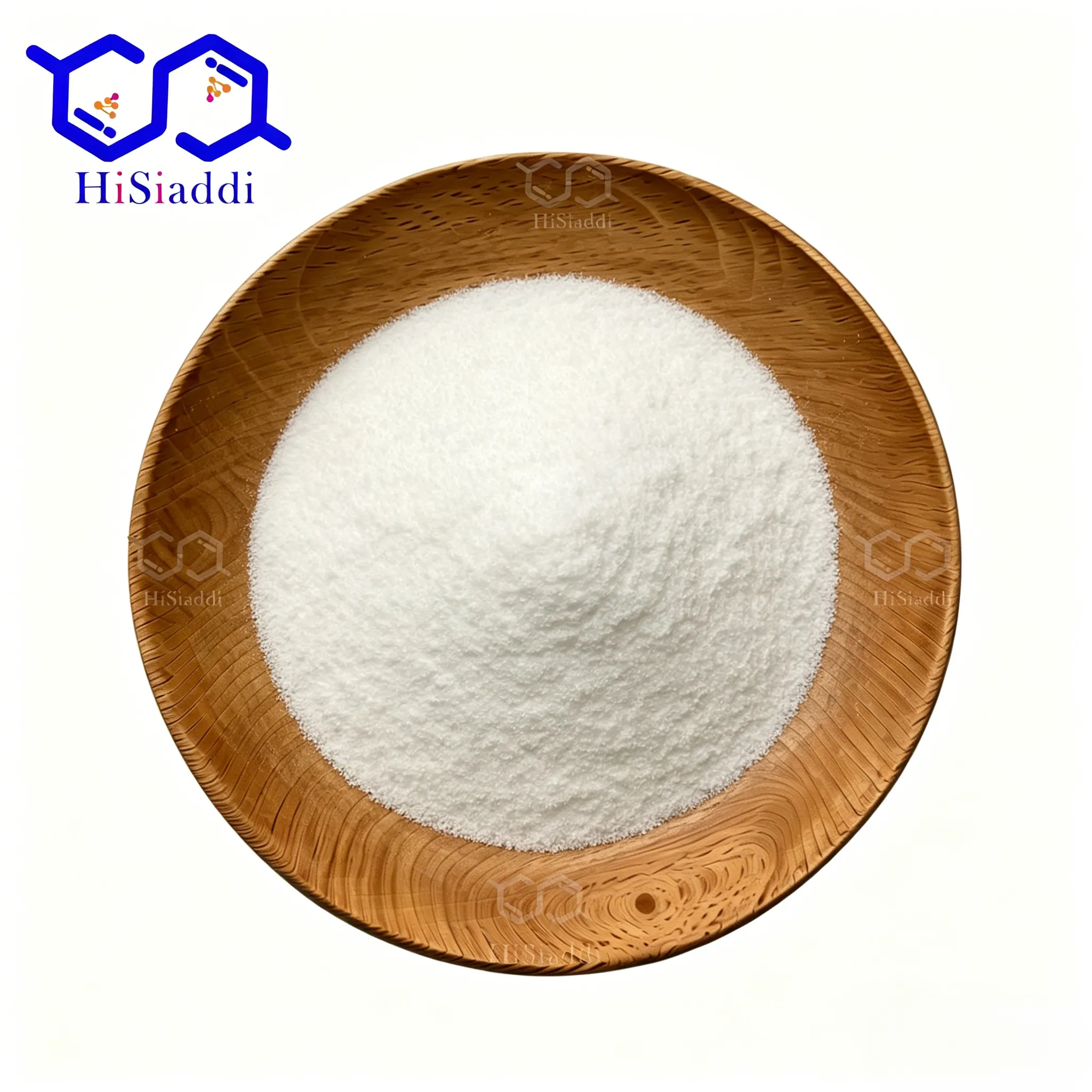
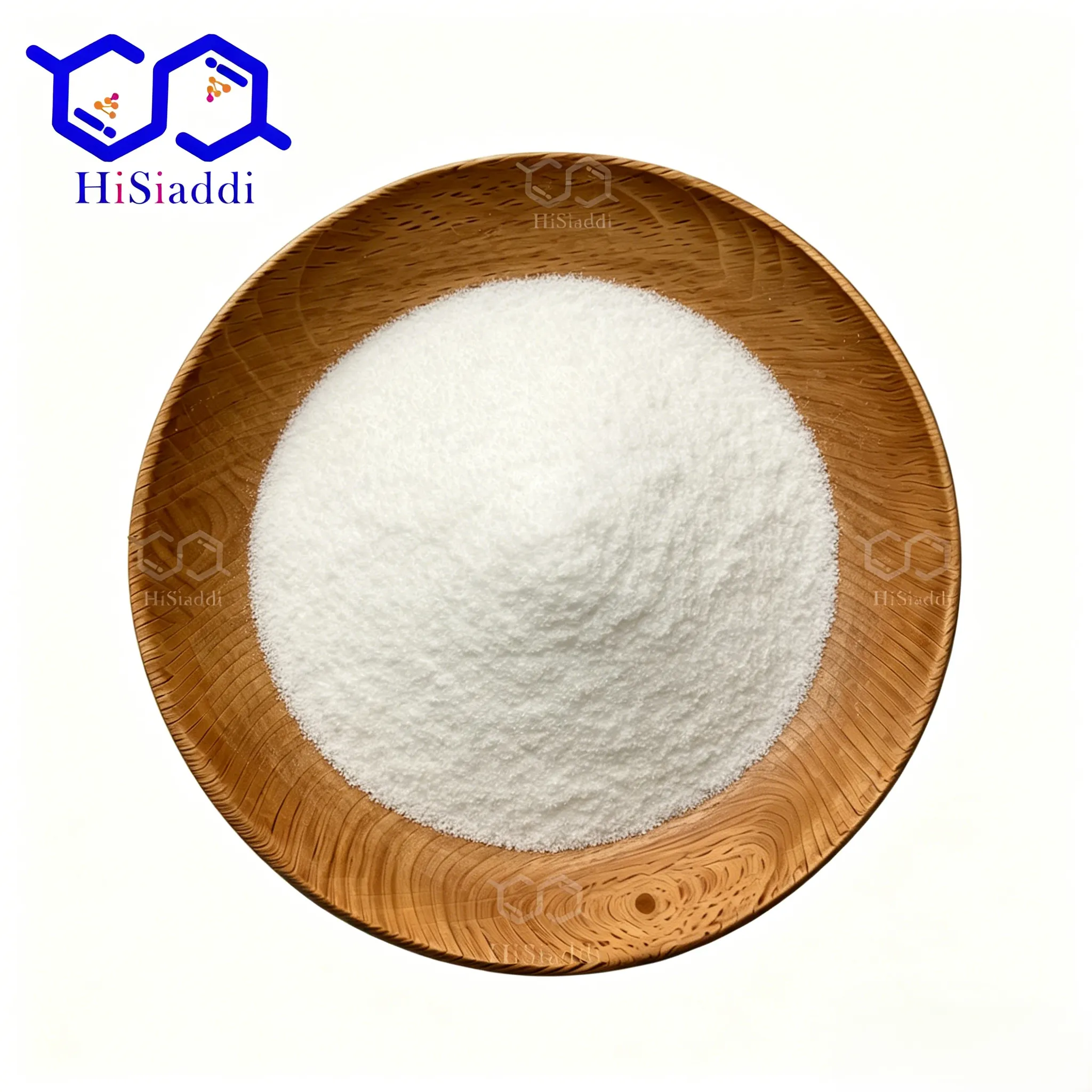
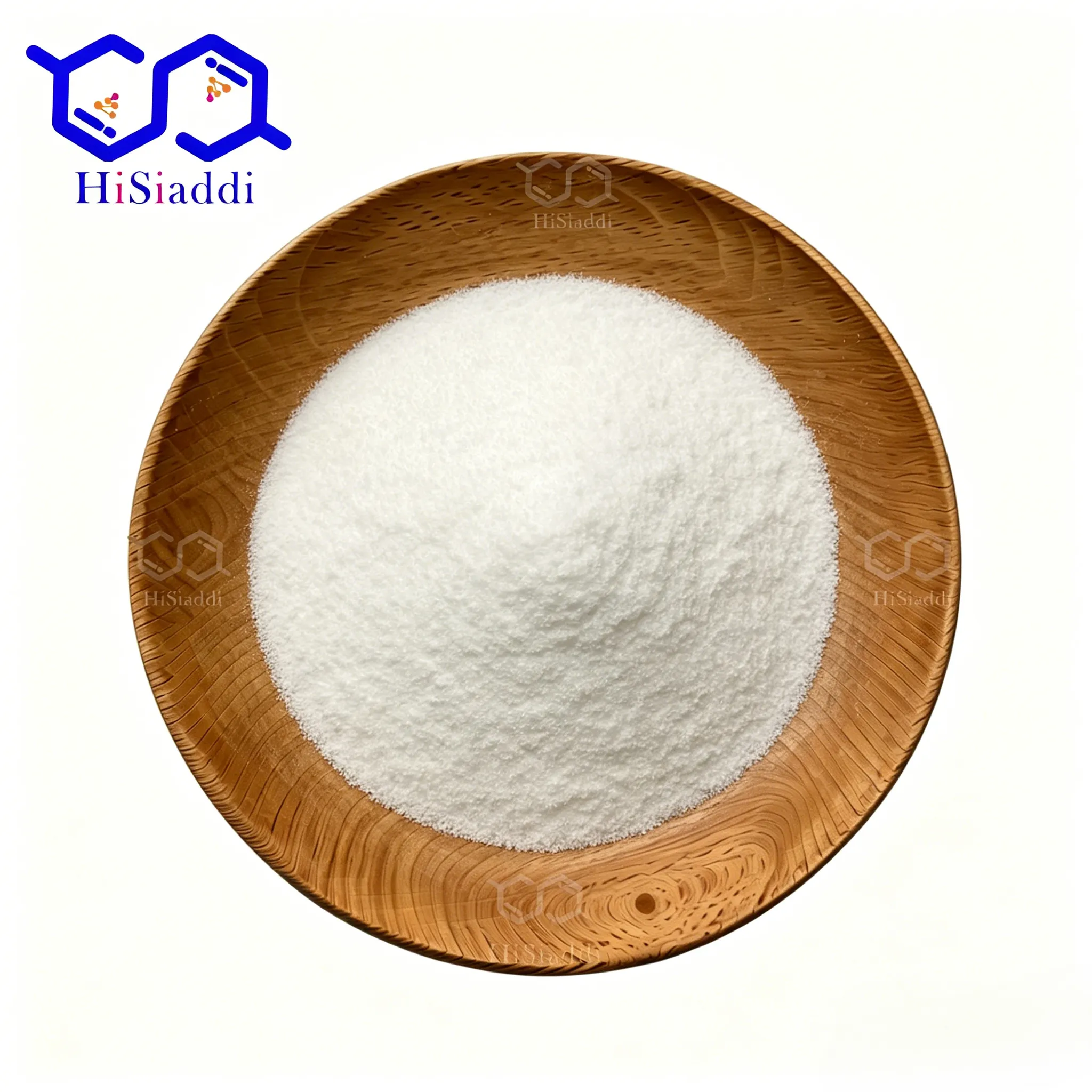
As a new type of foreign trade service provider driven by both technology transformation and foreign trade business, HiSiaddi has built a "1+2+3+4=1" service system and can supply natamycin from multiple well-known original manufacturers. With over a decade of market experience and cooperation with factories on technological transformation, HiSiaddi possesses extensive experience resolving product compliance issues. Below is a case of HiSiaddi handling natamycin export compliance challenges.
For further consultation on natamycin product compliance issues, please contact HiSiaddi customer service.
The purchaser is Toscana Premium, a high-end estate cheese group based in Tuscany, Italy, a benchmark mid-to-high-end European dairy client specializing in aged goat cheese, organic soft white mould cheese and air-dried fermented Salami sausages. Its products are sold at premium boutique supermarkets across Italy and Michelin supporting ingredient supply chains. All products comply with four major access standards: EU EC1333 regulations, EFSA safety assessments, LFGB and KOSHER kosher certification. The group’s annual total procurement volume of natamycin (E235) reaches 22 tons. It previously purchased original raw materials from BASF Germany, and shifted to Chinese procurement to compress supply chain costs. The client independently finalized a 6-ton trial order with two domestic natamycin manufacturers, yet five critical compliance loopholes emerged related to product qualifications, microbial control, label regulations for destination ports, customs supporting documents and production process compliance shortly before shipment, risking port detention, return shipment and heavy demurrage fines, and suspending the new cheese product launch plan. The client fully entrusted HiSiaddi to coordinate full-chain compliance rectification and guarantee smooth customs clearance and delivery.
1.
Non-compliant product certification qualifications Supplying manufacturers only held domestic SC production licenses, lacking EU EFSA E235 filing documents, LFGB food contact safety reports and valid annual KOSHER kosher certificates. Italian customs mandates three complete certificates for imported food additives; missing documents prevent EU pre-entry ICS2 declarations and ocean freight booking arrangements.
2.
3.
Hidden risks of excessive internal control microbial indicators Factory standard outgoing testing only covered active ingredient content without monitoring Listeria and Salmonella. Multiple RASFF alerts from the EU reported detained shipments of domestically produced natamycin due to excessive microbial levels, and Italian food safety authorities conduct mandatory microbial sampling inspections upon arrival. Detection of pathogenic bacteria results in full-container on-site destruction.
4.
5.
Chinese-English product labels non-compliant with EU Regulation (EU) 1169 Manufacturers used standard domestic simplified Chinese labels without mandatory English full ingredient marking, E number (E235), maximum permitted usage dosage, country of origin, production batch number, shelf life and manufacturer EU filing code, violating EU mandatory labeling standards for imports.
6.
7.
Missing customs declaration and destination port supporting documents No authoritative English SGS COA analysis certificates, ingredient safety statements or Form A certificates of origin (for EU tariff reductions) were provided; factory outgoing test reports were issued solely in Chinese and not accepted by destination port customs.
8.
9.
Production processes failing KOSHER control requirements The manufacturer’s natamycin production line shared equipment with non-kosher feed additive production, making it impossible to provide rabbi on-site audit reports. The client’s downstream kosher retail channels could not accept inventory even after customs clearance, blocking shelf placement in premium supermarkets.
10.
HiSiaddi established a dedicated team combining compliance, technical and certification specialists, coordinating high-quality domestic natamycin manufacturers, international third-party testing institutions and overseas compliance consulting agencies to fully resolve all compliance defects within 5 working days.
① Coordinate manufacturers to expedite EFSA E235 product filing and archiving, and supplement full-item LFGB physical and chemical safety testing reports simultaneously; ② Cooperate with domestic compliance certification bodies to arrange on-site factory audits by kosher rabbis, implement equipment zoning and isolation cleaning, and issue valid annual KOSHER certificates within 10 working days; ③ Input full English qualification documents into the Italian importer’s customs filing system to complete pre-registration of EU entry enterprises.
① Require manufacturers to add three mandatory outgoing testing items: Listeria, Salmonella and total mold count to original testing scope, with each batch accompanied by an English SGS third-party test report; ② HiSiaddi pre-samples and submits specimens to international laboratories to verify all microbial indicators meet EU limit standards, issuing compliant COAs to avoid RASFF alert notification risks.
Labels were re-typeset in full compliance with EU Regulation (EU) 1169, marking Natamycin (E235), active content, carrier ingredients, recommended application scope, EU maximum permitted addition dosage, country of origin MADE IN CHINA, production batch number, shelf life and manufacturer filing number. Label samples were confirmed error-free by the Italian importer’s legal team before mass packaging printing.
① Uniformly issue English commercial invoices, packing lists and product safety declarations, with consistent product names, specifications and batch numbers matching COAs one-to-one; ② Assist in processing GSP Form A certificates of origin, enabling the client to claim tariff reductions during Italian customs clearance; ③ Synchronously verify domestic customs declaration documents to ensure full data consistency between domestic commodity inspection and overseas import declarations, eliminating detention risks caused by inconsistent declarations.
Assist manufacturers to designate dedicated kosher natamycin production lines with exclusive equipment and partitioned raw material storage to eliminate cross-contamination with non-KOSHER products. Rabbis issue annual on-site audit documents, and copies of KOSHER certificates accompany each subsequent batch of goods to meet supermarket access requirements across all of the client’s retail channels.
1. On-time loading and zero-detention customs clearance at destination port: The fully rectified 6-ton natamycin shipment was loaded on schedule. Upon arrival at Naples Port, Italy, customs document review and sampling inspections were completed in one pass without demurrage or fines, and raw materials were delivered to the factory for production.
2. Compliant shelf placement of end products: Cheese and Salami produced using rectified raw materials passed local Italian food safety sampling inspections and successfully entered premium boutique supermarket chains and Michelin ingredient supply chains across Tuscany.
3. Annual framework procurement contract signed: The client finalized a 22-ton annual procurement contract delivered in 8 monthly batches. The comprehensive procurement cost of compliant domestically produced natamycin fell by 27.8% compared with original German imported raw materials, saving over 76,000 euros in annual procurement expenses.
Fully resolved full-chain compliance barriers for imported domestically produced raw materials, avoiding massive losses from full-container return shipments and product scrappage, and successfully achieved localized raw material replacement. Supported by complete compliance qualifications, the group expanded premium kosher ingredient channels in Switzerland and Austria, achieving a 21% revenue increase within six months of new product launches.
High-end European client compliance standards forced production line upgrades, perfecting international certification and outgoing quality control systems. Products escaped low-price domestic bulk market competition, with compliant high-end variants commanding a 23% premium over standard bulk goods. Endorsed by the benchmark Italian client, two additional EU local dairy enterprise procurement orders were secured.
An integrated export compliance service system for food additives was established covering certification acquisition, microbial control, label compliance, document processing and KOSHER factory audits, building differentiated core foreign trade competitiveness. Subsequent compliance supporting services for natamycin were undertaken for four mid-to-high-end dairy enterprises in Spain and France.
Most domestic natamycin manufacturers focus on the domestic market and only meet national standards and domestic SC qualifications, generally lacking supporting overseas access compliance documentation such as EU, KOSHER and LFGB certifications. Mid-to-high-end overseas dairy clients lack familiarity with qualification status of Chinese manufacturers and detailed import regulation rules of each EU country, easily falling into compliance detention risks when purchasing independently. Relying on cross-border compliance expertise, HiSiaddi closes the full-chain compliance loop covering factory production, product testing, certification processing, label revision and domestic & overseas customs declaration. This enables overseas mid-to-high-end clients to safely implement domestically produced raw material procurement while helping domestic manufacturers standardize production upgrades and penetrate high-end European food markets, achieving a win-win outcome for purchasers, manufacturers and foreign trade service providers.
For further consultation on natamycin product compliance issues, please contact HiSiaddi customer service.

 +86-13120989737
  info@hisiaddi.com
 English