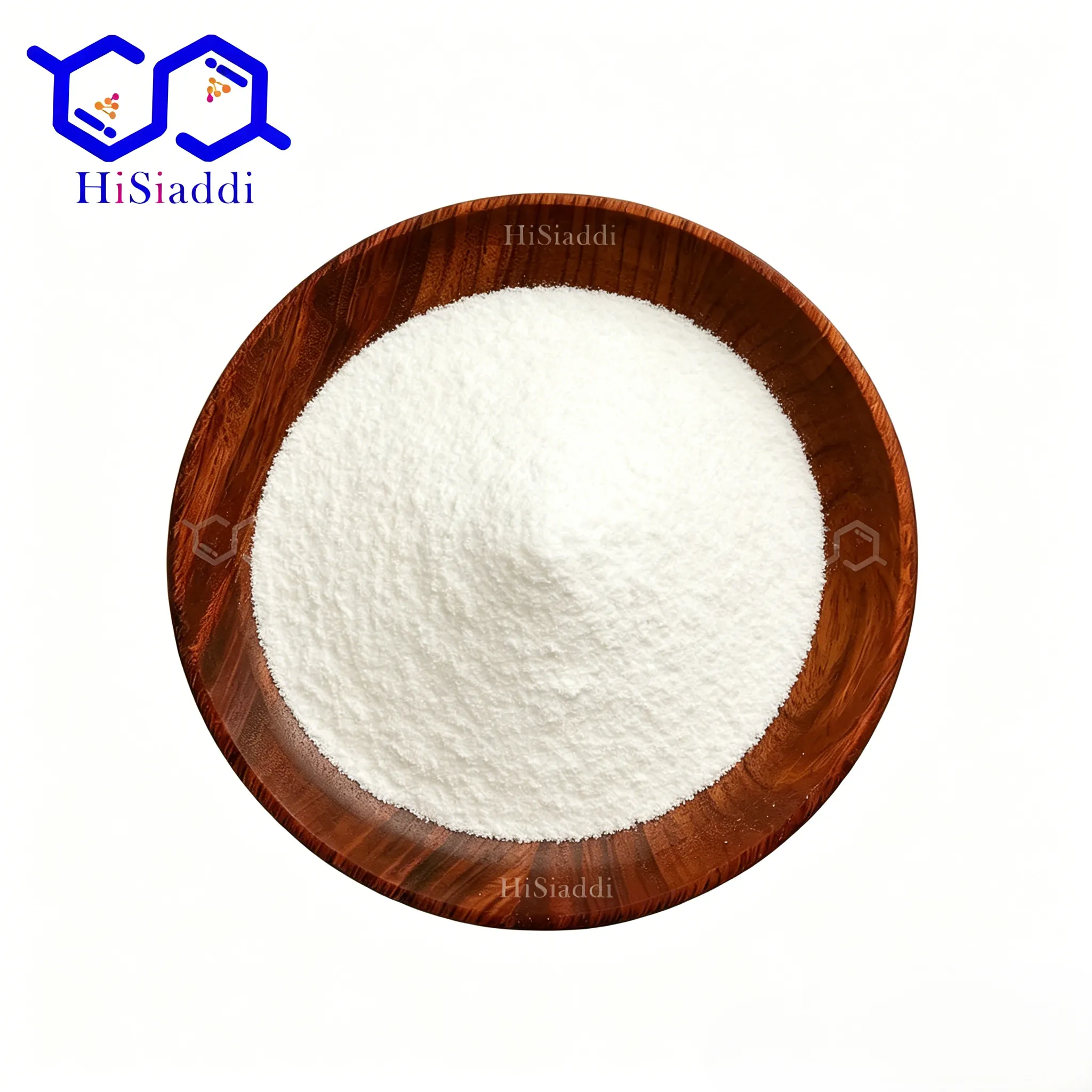
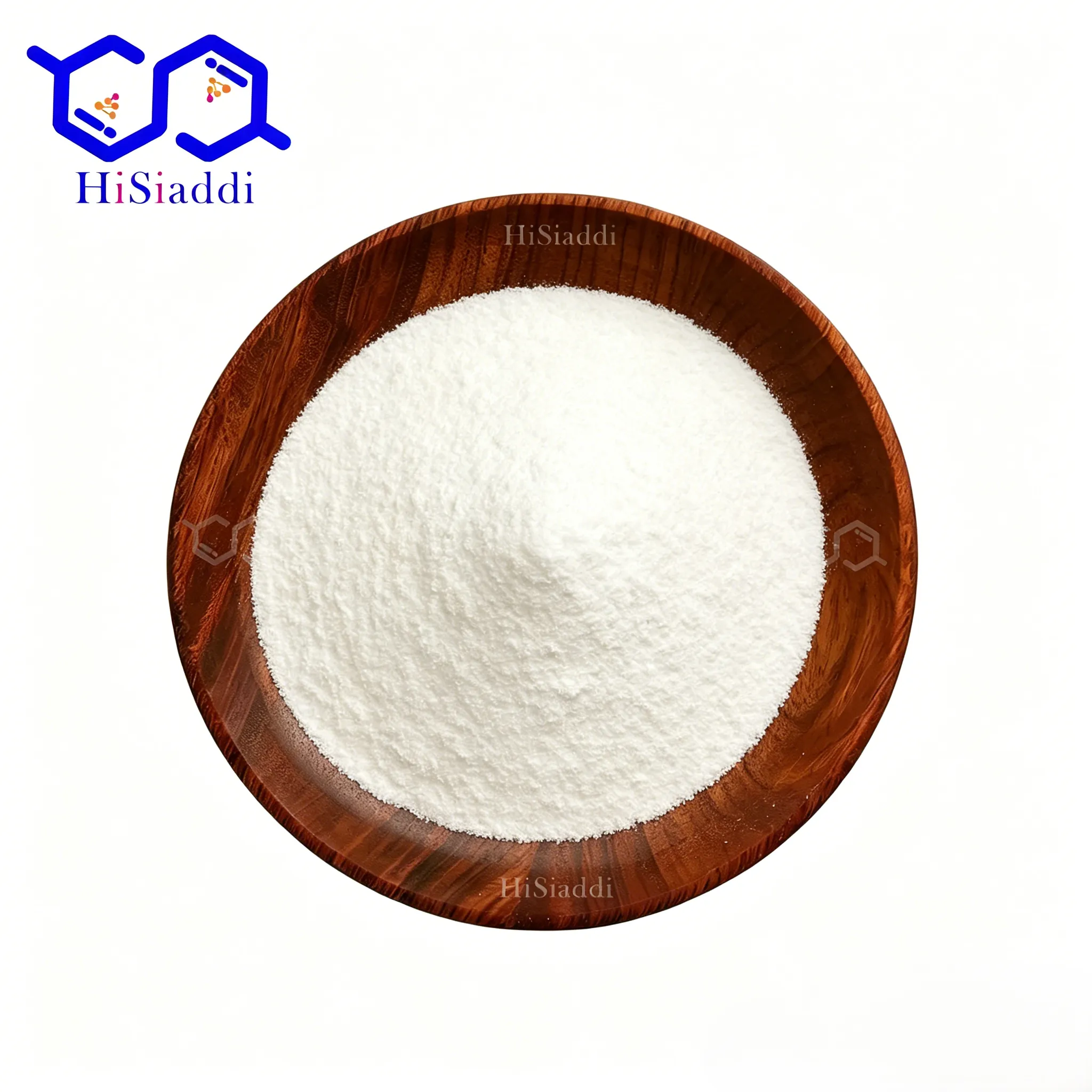
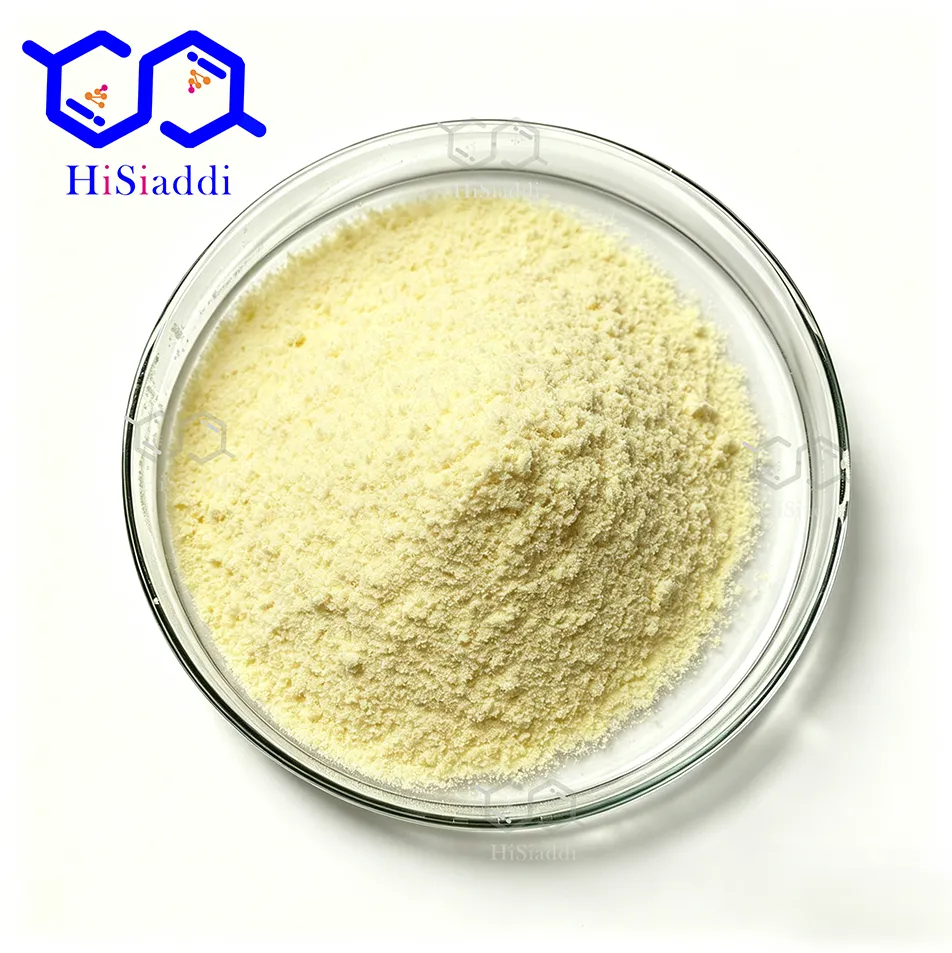
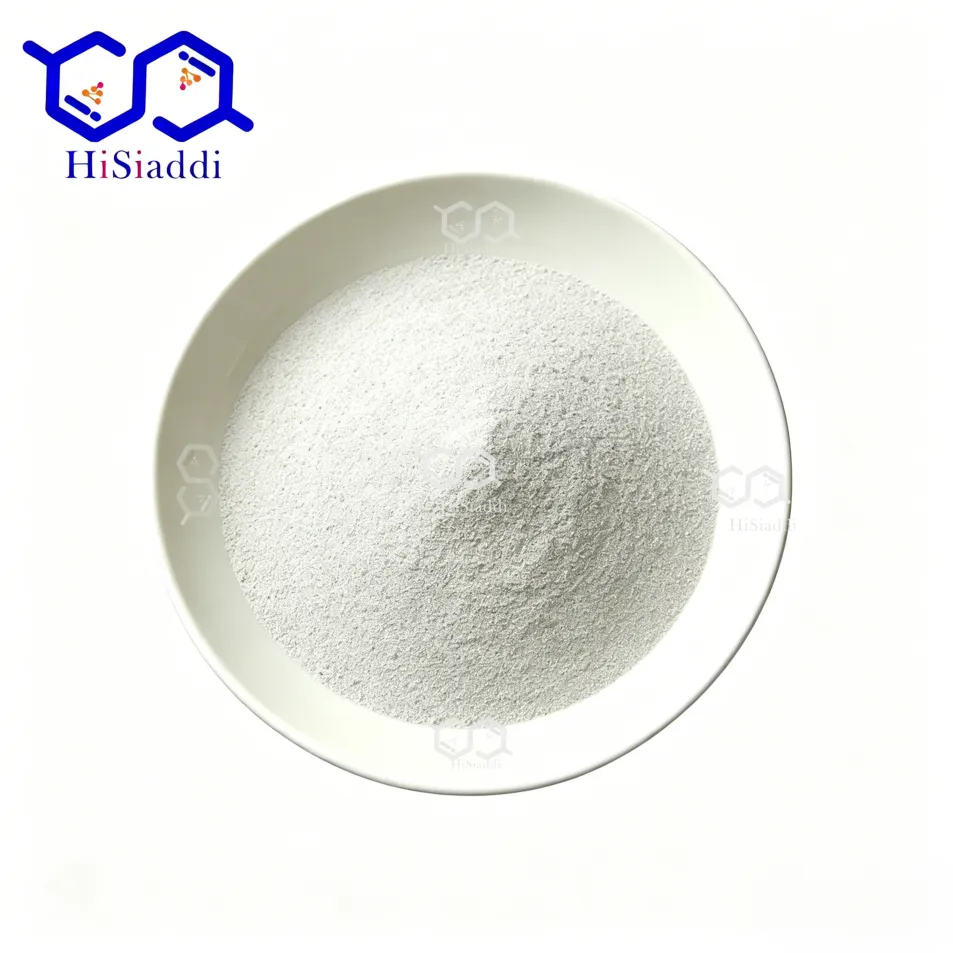
As a new foreign trade service provider driven by both technology commercialization and export business, HiSiaddi has built a "1+2+3+4=1" service system and can supply authentic raw materials from multiple well-known original manufacturers of PAPP.
Driven by the integrated development of technology commercialization and export business under the "1+1>2" operation model, HiSiaddi consistently tracks the global PAPP market from both R&D and commercial perspectives. Today, we conduct a professional analysis of new shifts and trends across the worldwide PAPP market.
If you require more comprehensive and valuable market intelligence on PAPP, please contact HiSiaddi customer service.
· Data: The global PAPP market size reached approximately USD 125–129 million in 2024, projected to hit USD 229–232 million by 2031 at a CAGR of 8.7%–9.0%, far outpacing traditional flame retardants (APP, MCA, etc.).
· Structural Shifts: The share of traditional home appliances and cable sheathing fell from 65% in 2023 to 52% in 2025; consumption for new energy vehicle power battery structural components, photovoltaic modules and energy storage enclosures hit 860 tons in 2025, a year-on-year surge of 142%, emerging as the top growth engine.
· Regional Capacity Transfer: China’s global production capacity share rose from 48% in 2022 to 65% in 2025 (Chongqing Kujufu, Zhongshan Conod, Inner Mongolia Pulitai form the first-tier manufacturers). Japan’s ADEKA and South Korea’s Samsung Fine Chemicals have scaled back domestic production, shifting to OEM or joint venture manufacturing in China.
· Low loading trend: The loading rate of mainstream grades dropped from 20%–25% in 2022 to ≤15% by 2025, while still meeting UL94 V0 (1.5mm) standards and preserving mechanical properties (tensile strength retention ≥85%).
· Upgraded hydrolysis & UV resistance: Microcapsule-encapsulated PAPP (polyurea/silane encapsulation) has become standard for outdoor new energy applications, delivering hydrolysis resistance ≥500 hours (85℃/85%RH) and UV aging resistance ≥1000 hours.
· Specialized compounding systems: Single-component PAPP usage has declined. Ternary compound systems (PAPP + MPP + MMT) jumped from 30% market share in 2023 to 55% in 2025, optimized for high-end substrates including EPDM, TPE and PA66.
· EU REACH: Starting October 2025, all imported PAPP products must complete REACH registration. Only five Chinese enterprises including Kujufu and Conod hold valid registrations; unregistered goods will be detained at customs clearance.
· RoHS 2.0 + New Flame Retardant Directives: From January 2026, PAPP used in electrical and electronic products must pass dual certifications: RoHS 2.0 four phthalates test and halogen-free compliance (Cl<900ppm, Br<900ppm).
· Updated North American UL Standards: UL94 V0 testing now mandates re-evaluation after 48 hours of 85℃ damp heat exposure. Traditional PAPP only achieves a 60% pass rate, while hydrolysis-modified PAPP boasts ≥95% pass rate.
· Capacity Concentration: Global CR5 (combined capacity share of top five manufacturers) climbed from 55% in 2022 to 78% in 2025. China’s three leading producers (Kujufu, Conod, Pulitai) account for 52% of global total capacity.
· Price Segmentation:
o Standard industrial grade (whiteness ≥90, thermal weight loss ≤8.2%): Average price USD 2,800–3,200/ton in 2025, down 8% year-on-year due to capacity expansion.
o High-end modified encapsulated/compound-specialized grade: Average price USD 4,500–5,800/ton, up 12% year-on-year driven by technical premium.
· Fluctuating Lead Times: Standard grade lead time 7–15 days; customized high-end modified grades require 30–45 days production with a minimum order quantity (MOQ) ≥5 tons.
· Green Manufacturing Processes: Leading manufacturers have eliminated DMF solvent synthesis, adopting aqueous synthesis with mother liquor recycling. VOC emissions reduced by 90% and energy consumption cut by 25%.
· Bio-Based PAPP R&D: In Q4 2025, Shanghai Research Institute of Chemical Industry launched PAPP synthesized from corn-fermented bio-based piperazine, delivering a 42% lower carbon footprint. Mass production scheduled for Q3 2026, targeting the EU Carbon Border Adjustment Mechanism (CBAM) market.
· New Energy Vehicles: PAPP demand for power battery modules, high-voltage connectors and charging gun housings registers a 28% CAGR (2025–2031), with per-vehicle consumption of 0.8–1.2kg.
· PV & Energy Storage: PAPP demand for PV inverter enclosures and energy storage battery cabinets grows at a 22% CAGR, with consumption of 15–20kg per MW capacity.
· High-End Electronics: PAPP replaces traditional brominated flame retardants in 5G base stations and server heat sinks; market penetration rose from 12% in 2023 to 35% in 2025.
· vs APP: PAPP requires lower loading (15% vs 25%), minimizes mechanical performance loss and features superior anti-migration properties (APP easily bleeds out), creating strong premium potential in TPE/EPDM applications.
· vs Brominated Flame Retardants: PAPP is halogen-free, low-smoke and non-toxic, complying with global environmental bans with ≥90% recyclability (brominated variants cannot be recycled). Mandatory substitution trends are evident across the EU market.
· Ample Capacity: China’s annual PAPP production capacity exceeds 80,000 tons, far exceeding global demand of roughly 32,000 tons in 2025, eliminating supply disruption risks.
· Price Advantage: Standard-grade Chinese PAPP costs 30%–40% less than Japan’s ADEKA equivalents; high-end modified grades are 20%–25% cheaper.
· Strong Customization Capability: Chinese manufacturers rapidly respond to custom formulations, particle size distribution and encapsulation requirements, delivering samples within 7 days versus 2–4 weeks for overseas competitors.
· Domestic Standard: HG/T 6122—2025 Piperazine Pyrophosphate Flame Retardant standard took effect in April 2025, defining strict benchmarks for whiteness, thermal weight loss, heavy metals and particle size, phasing out substandard products.
· International Certifications: Top manufacturers hold full REACH, RoHS, UL and ISO 9001 certifications with globally recognized product qualifications, lowering buyers’ compliance costs.
· High Formulation Requirements: PAPP performance heavily depends on substrate compatibility, compound ratios and processing temperatures (180–220℃). Buyers without dedicated R&D teams frequently face issues including unqualified flame retardancy, degraded mechanical performance and material bleeding.
· Insufficient Testing Infrastructure: Mandatory testing equipment (UL94 vertical flame tester, damp heat aging chamber, particle size analyzer) requires an investment of over USD 50,000, unaffordable for most small and medium-sized enterprises (SMEs).
· Shortage of Modified-Grade Capacity: Global production capacity for high-end encapsulated/compound-specific PAPP totals only 12,000 tons against 18,000 tons of demand, creating a 40% supply gap and sustained price hikes.
· Unstable Lead Times: During peak seasons (Q4 annually), lead times extend to 60 days, with 35% of orders facing delivery delays that disrupt downstream product shipments.
· High Certification Fees: A single enterprise’s full REACH registration costs over USD 150,000; annual maintenance fees for RoHS/UL certifications range from USD 5,000–10,000, imposing heavy burdens on SMEs.
· Severe Compliance Risks: EU customs intensified PAPP inspections in 2025. Goods without valid REACH registrations face direct return shipments, with single incident losses exceeding USD 100,000.
· Action 1: Phase out low-end standard PAPP with loading ≥20%, whiteness <90 and thermal weight loss >8.2%. Shift to hydrolysis-resistant encapsulated grades and compound-specialized variants optimized for EPDM/PA66, lifting premium capacity by 30%–50%.
· Action 2: Launch PAPP+MPP+MMT ternary compound masterbatches for new energy clients, with 12%–15% loading that directly meets UL94 V0 (1.5mm) standards post 48-hour 85℃ damp heat testing, eliminating secondary formulation work for customers.
· Action 3: Sign exclusive customization agreements with top Chinese suppliers (Kujufu/Conod) to lock high-end modified grade capacity and fix pricing for 6 months to hedge inflation risks.
· Action 1: Adopt a dual-supplier strategy: 1 leading manufacturer (Kujufu/Conod) for 60% core orders, plus 1 reputable mid-tier producer (e.g., Quzhou Weikai) for 40% backup orders to mitigate single-source supply disruption risks.
· Action 2: Establish safety inventory levels: Standard-grade PAPP stock ≥15 days of consumption, high-end modified grade ≥30 days of consumption; pre-purchase 2 months in advance for Q4 peak seasons.
· Action 3: Set up localized warehouses in Rotterdam (Netherlands), Hamburg (Germany) and Los Angeles (USA), cutting delivery lead times to 3–7 days to enhance customer satisfaction.
· Action 1: Assemble a dedicated 2–5 person formulation team focused on PAPP compatibility with polyolefins, EPDM and PA66, mastering core parameters including compound ratios, processing temperatures and extrusion settings to reduce trial-and-error costs.
· Action 2: Co-build joint laboratories with Chinese suppliers to share UL94, damp heat aging and particle size testing equipment, slashing testing costs by 50% and shortening testing cycles to 3 days.
· Action 3: Implement a fast sampling mechanism: Deliver samples within 72 hours of customer demand confirmation and provide third-party test reports within 5 days to secure customer orders.
· Action 1: Complete full REACH, RoHS and UL certifications by Q2 2026 to ensure fully certified, traceable batches of all imported PAPP products.
· Action 2: Standardize compliance documentation: Supply each batch with Certificate of Analysis (COA), Material Safety Data Sheet (MSDS), REACH registration certificate, RoHS test report and UL Yellow Card for zero customs inspection risks.
· Action 3: Build a global compliance risk early warning system to track REACH updates, new RoHS restricted substances and UL standard revisions, adjusting product formulations and certifications 3 months ahead of regulatory enforcement.
· Action 1: Exit low-margin red oceans of basic home appliances and general cables; focus on three high-growth segments: new energy vehicle power battery structural parts, PV inverter enclosures and 5G base station heat sinks, lifting customer unit prices by 2–3 times.
· Action 2: Create a differentiated brand identity centered on "eco-friendly, high-efficiency, stable performance", highlighting core selling points: halogen-free low-smoke, low loading, superior mechanical retention, hydrolysis and UV resistance to stand out from traditional flame retardant suppliers.
· Action 3: Exhibit at key industry expos including K Show (Germany), NPE Show (USA) and China International Plastics & Rubber Exhibition, showcasing PAPP compound masterbatches and new energy flame-retardant products to connect with global compounders and OEMs for high-end customer expansion.
If you require more authentic, objective introductions of multiple Chinese PAPP brands, please contact HiSiaddi customer service.
 +86-13120989737
  info@hisiaddi.com
 English