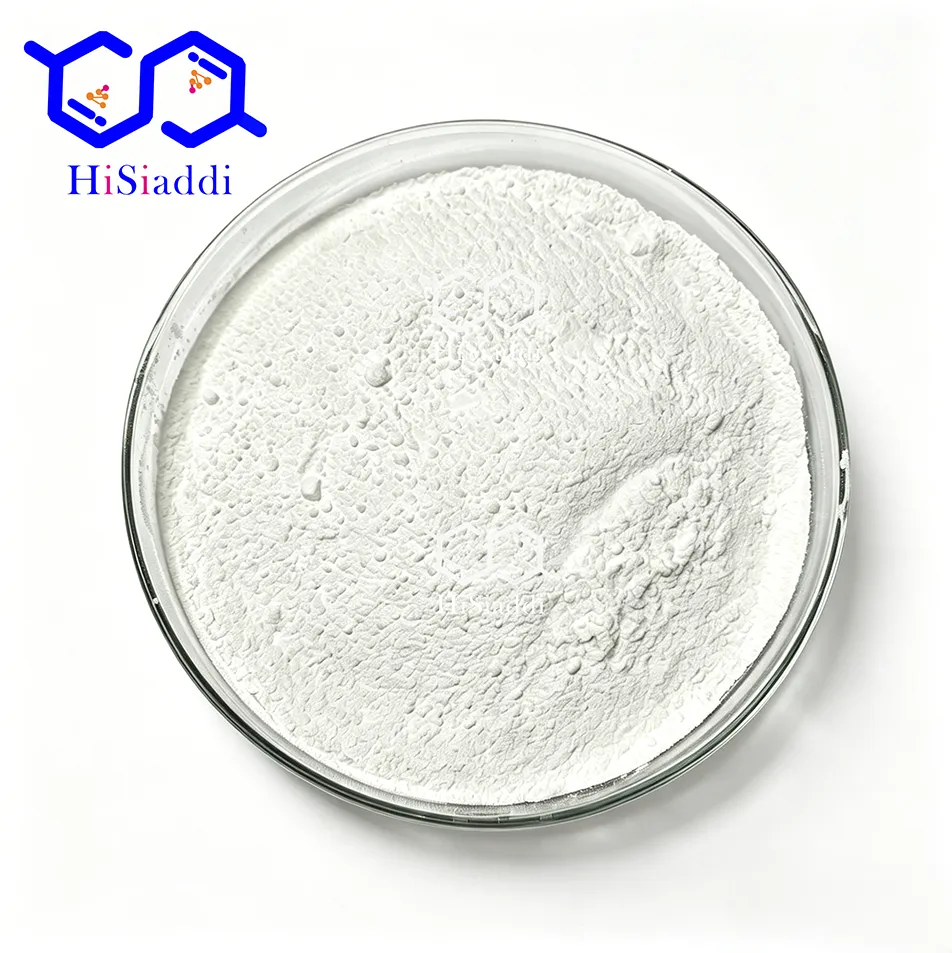
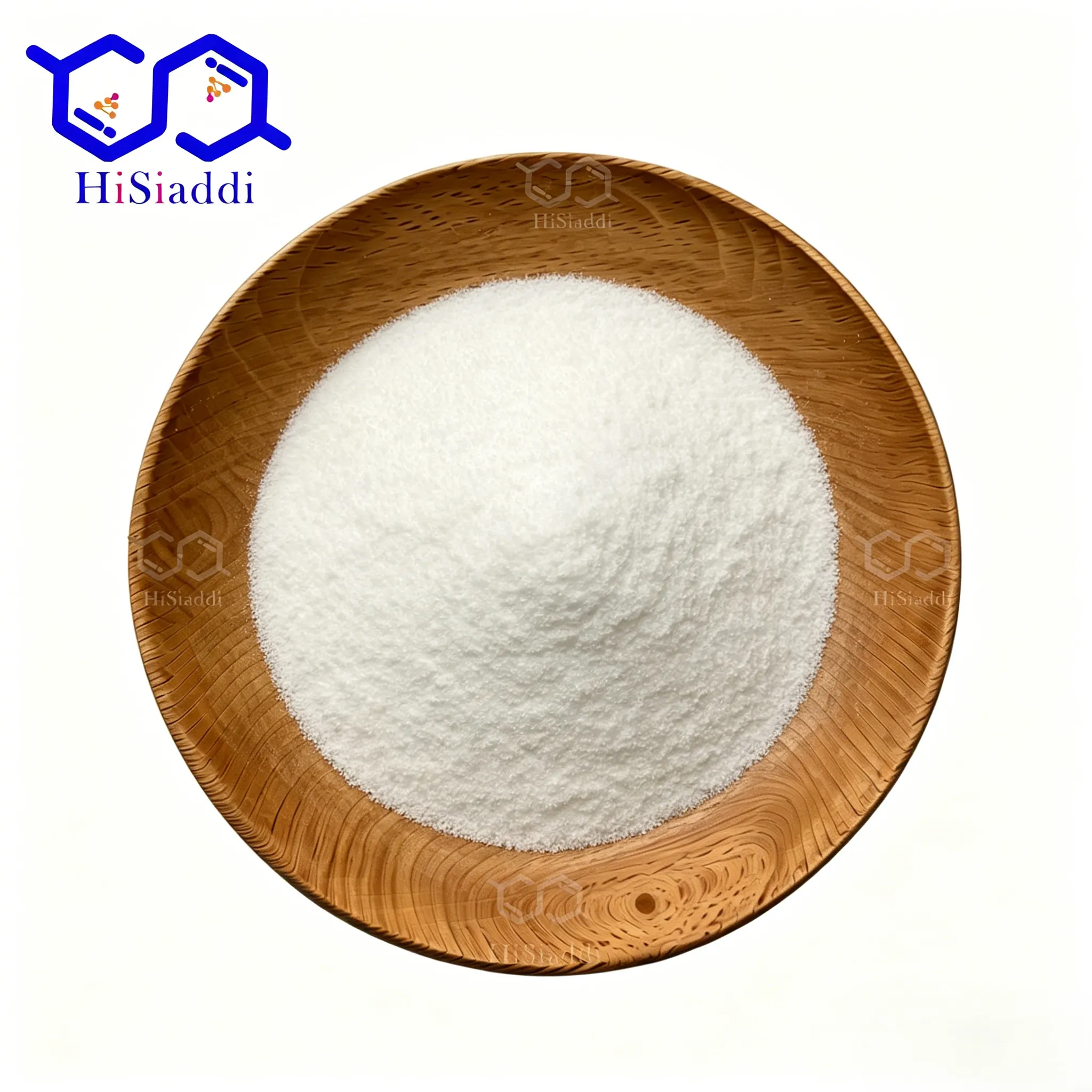
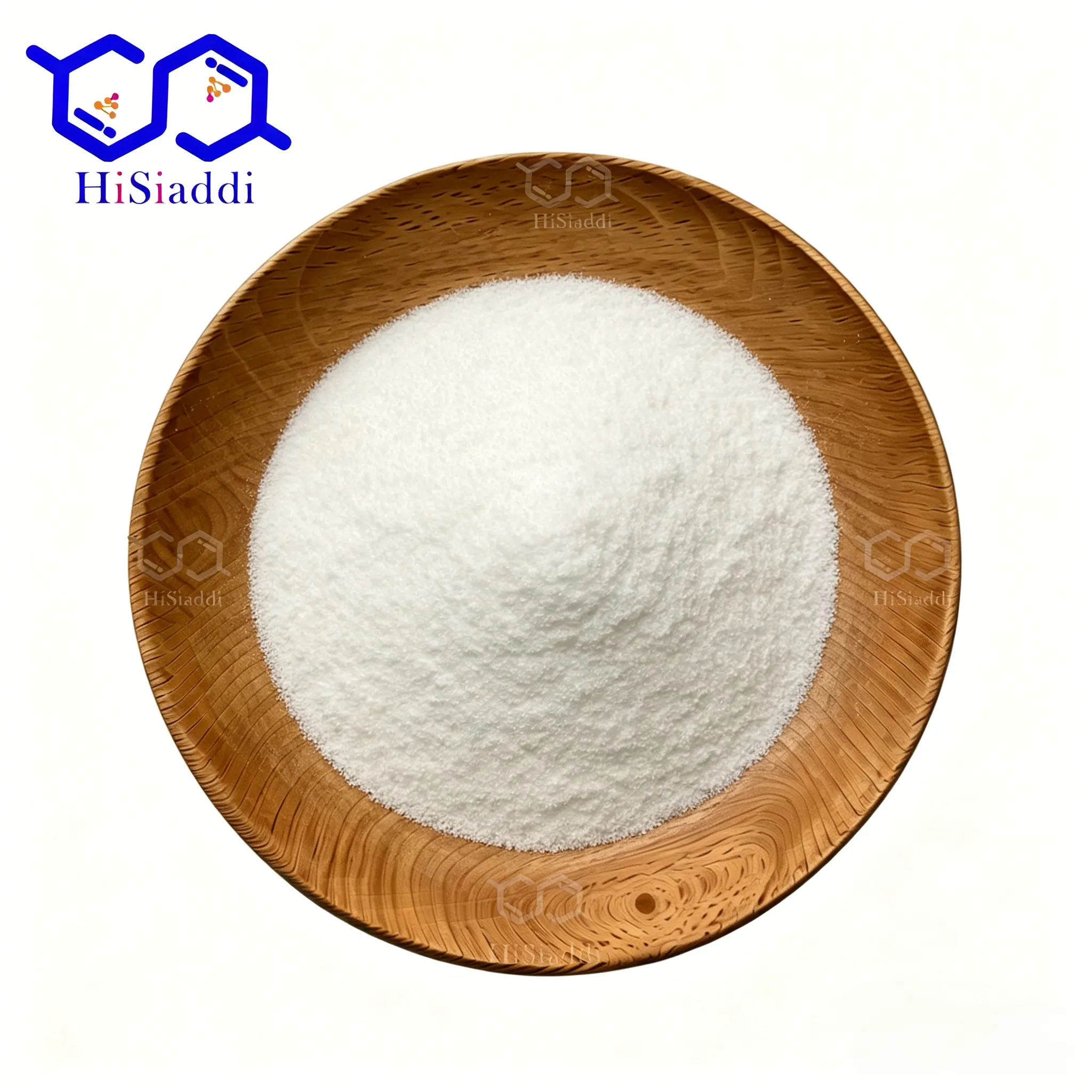
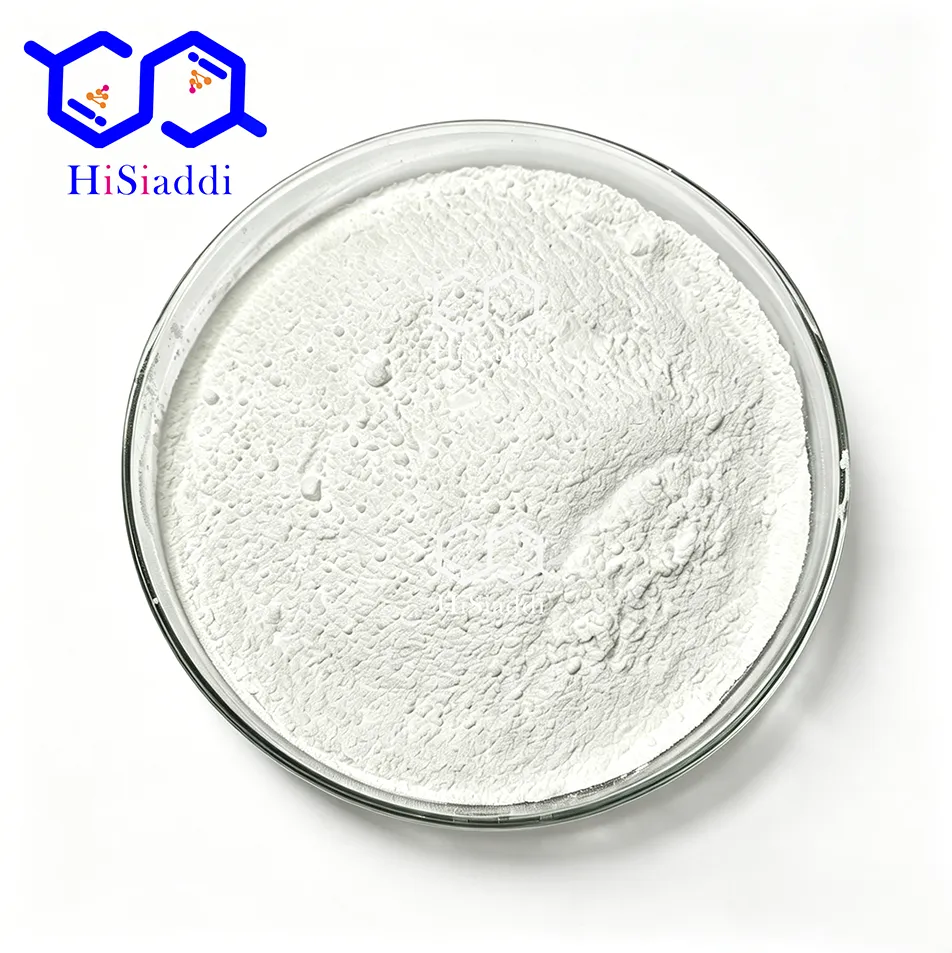
As a new foreign trade service provider driven by dual engines of technology transformation and foreign trade services, HiSiaddi has established a "1+2+3+4=1" service system and can supply original products from multiple well-known brands of polyvinylidene fluoride resin.
As a technology-driven foreign trade enterprise, HiSiaddi has repeatedly proposed formula optimization schemes and application improvement suggestions for polyvinylidene fluoride resin products through technology transformation cooperation with manufacturers and accurate insight into market demands. Below is a case of HiSiaddi’s formula optimization consulting services for polyvinylidene fluoride resin products.
For more formula optimization consulting services, please contact HiSiaddi customer service.
The cooperating client is Nippon Sepa Tech Co., Ltd. based in Osaka, Japan, a listed Japanese enterprise specializing in R&D and manufacturing of mid-to-high-end wet lithium battery separators, with over 20 years of experience in wet coated separators and ceramic separator substrates for power lithium batteries. Its products supply separator raw materials for power lithium batteries of Panasonic and Sumitomo, serving as core upstream raw material suppliers for power batteries supporting Japanese vehicle manufacturers. It has long placed fixed orders for high-end modified PVDF resins dedicated to ceramic separator coating from Solvay Solef and Arkema Kynar, never purchasing low-grade general PVDF powder for anti-corrosion coatings or water supply and drainage pipelines. Its products comply with multiple access specifications including Japanese JIS lithium battery material standards, REACH, RoHS and vehicle battery AEC-Q102.
In 2025, affected by tight supply of local Japanese and South Korean fluorochemical raw materials, continuous global price hikes of fluororesins and extended customization cycles of overseas brands exceeding 80 days, the enterprise’s R&D and procurement department connected with HiSiaddi New Materials Foreign Trade based in Shanghai upon recommendation by the Japan Fluororesin Industry Association to customize modified PVDF resin dedicated to single-side coating of ceramic separators. The initial trial order was 1,500 kg, followed by a planned annual procurement volume of 7 tons.
Based on parameters of mature Solvay grades previously used, the client issued procurement indicators, and HiSiaddi coordinated domestic leading fluorochemical enterprises to produce the first batch of samples in accordance with the parameters. After raw materials arrived at the Japanese separator production line for mass production, three consecutive linked technical failures emerged including mismatched formula adaptation, abnormal production coating processes and post-cell cycle failure. The mass production yield of separators dropped from 98.2% using imported materials to 76.5%, forcing the client’s coating production line to temporarily reduce output for debugging and facing risks of compensation for delayed Panasonic customer orders. Unable to quickly identify root causes of domestic PVDF raw material defects, the client’s R&D team fully entrusted HiSiaddi’s technical team to disassemble technical faults item by item from three dimensions: molecular formula, raw material production and terminal separator coating, completing iterative formula optimization and mass production implementation.
The client’s ceramic separators adopt mixed slurry coating of alumina powder and PVDF on one side. Finished separators require long-term immersion in carbonate electrolytes and complete 1,000 charge-discharge cycles at 45℃ high temperature. The initially supplied PVDF adopted a conventional homopolymer formula without introducing trace functional comonomers in accordance with Japanese operating conditions. Accelerated aging tests in Japanese laboratories showed the PVDF adhesive layer on separator surfaces swelled and peeled after 72 hours of electrolyte immersion, causing large-area detachment of ceramic coatings.
The original imported Solvay grade adopted VDF copolymerized with a small amount of HFP at a proportion of 3.2%, while the domestic manufacturer’s initial formula only added 1.1% HFP, resulting in excessively high molecular chain rigidity and insufficient internal cohesion toughness – the core inducement for coating detachment. Meanwhile, the resin featured an overly broad molecular weight distribution ranging from 250,000 to 480,000, and low-molecular components precipitated in electrolytes and contaminated cell electrolyte systems.
The client’s wet separator supporting high-speed stirring slurry preparation line requires PVDF resin with D50 particle size controlled at 16~19 μm and uniform internal particle pores to facilitate rapid dissolution by NMP solvent. Domestic manufacturers adopted general PVDF crushing and screening processes, resulting in polarized finished particle sizes: fine powder below 5 μm accounted for over 18% while coarse particles above 35 μm made up 11%. Ultra-fine powder featured excessive specific surface area and instantly agglomerated during dissolution, while coarse particles dissolved slowly and settled at tank bottoms. The client’s slurry preparation process required tripled stirring time, sharply rising production energy consumption, and 5-fold increased frequency of filter screen blockages, failing to match the continuous high-speed production rhythm of the production line. Excessively high spray drying temperatures in original post-treatment processes generated few closed internal particle pores, failing to meet Japanese production line standards for solvent penetration rates.
The client’s separator coating line operates at a speed of 35 m/min, utilizing high-end high-speed production equipment with stringent requirements for PVDF solution viscosity and thixotropy indicators. After slurry preparation by dissolution in NMP at identical concentrations, domestic PVDF slurry exhibited weak thixotropy. Slurry flowability lost control during high-speed blade coating, generating random micron-scale micropits and pinpoint pinholes on separator surfaces, rendering defective coated products unfit for assembly into vehicle power batteries. Laboratory analysis by the client revealed insufficient molecular chain branching of the resin; lacking controllable short branched structures, the slurry failed to rapidly rebound and level after high-speed shearing. The root cause lay in unregulated initiator feeding rhythms and chain transfer agent dosages during polymerization, a common shortcoming of conventional domestic grades.
All three types of failures represent refined application pain points exclusive to high-end lithium battery coating-grade PVDF. Low-grade PVDF for coatings and pipes only assesses acid and alkali resistance and basic adhesion, without requiring strict control of refined indicators including molecular weight distribution, particle size, rheology and electrolyte stability, leading to entirely different technical rectification logic.
HiSiaddi set up a dedicated fluororesin technical team and maintained real-time communication with the client’s Japanese R&D laboratory. Benchmarked against physical, chemical and electrochemical data of Solvay reference samples, the team optimized molecular structures from polymerization sources: First, adjust the copolymer system: raise the HFP comonomer addition ratio from 1.1% to 3.3%, infinitely approaching the imported benchmark formula ratio to enhance molecular chain flexibility and electrolyte swelling resistance and inhibit resin coating detachment. Second, precisely control segmented feeding of chain transfer agents and initiators during polymerization. Small amounts of thiol-based chain regulators were added in batches during the early and middle polymerization stages to lock the product weight-average molecular weight at 335,000 with a molecular weight distribution coefficient ≤1.7, eliminating excessive low-molecular polymers and preventing electrolyte precipitation contamination issues. Four rounds of gradient formula samples were sent to Japan successively, with domestic third-party test reports attached to each batch to coordinate full-item immersion and cycle aging verification by Japanese parties. The final finalized formula was confirmed after 39 days.
On the basis of finalized formulas, HiSiaddi dispatched process engineers to station at production workshops for targeted optimization of full-process powder forming and post-treatment: First, optimize spray drying and classification processes: lower spray inlet air temperature and adopt low-temperature negative-pressure drying processes to retain fine internal particle pores and accelerate NMP dissolution rates. Deploy lithium battery-specific air flow classifiers to remove ultra-fine dust and oversized particles, stabilizing finished D50 at 17.8 μm with particle size ranges strictly locked between 16 and 19 μm, completely resolving slurry agglomeration and sedimentation challenges. Second, fine-tune polymerization branching degree: add trace functional branching agents at the late polymerization stage to introduce controllable short branched structures on molecular main chains, boosting PVDF slurry thixotropy to enable rapid rebound and leveling of slurry after high-speed shearing, eliminating separator coating micropit and pinhole defects from raw material sources. Third, coordinate Japanese process personnel to optimize slurry preparation parameters: provide standardized guidance documents for dissolution temperatures and stirring rotation speeds based on dissolution characteristics of modified PVDF, helping the client fine-tune slurry preparation procedures, shorten stirring hours and adapt to the rhythm of original high-speed production lines.
HiSiaddi eliminated small and medium-sized fluoroplastic processing plants with loose process control only capable of mass-producing general grades, and selected two domestic mid-to-high-end PVDF leading enterprises with independent VDF monomer synthesis capacity. Both factories equipped dedicated clean polymerization workshops for lithium batteries, with incoming VDF monomer purity ≥99.996%. Each batch of raw materials came with ICP metal ion test reports and GC monomer purity analysis sheets. Blending of low-grade recycled PVDF for coatings or extrusion pipes was strictly prohibited. The deviation between key physical, chemical and electrochemical indicators of finished products and Solvay benchmark products was controlled within 3%. While meeting quality standards, the client’s comprehensive procurement costs dropped by 29.2% compared with imported raw materials. Leveraging HiSiaddi’s long-term cooperation resources, dedicated production lines were coordinated to prioritize small-batch customized scheduling for the client.
In accordance with Japanese JIS lithium battery material specifications, Japan METI chemical import filing and REACH-SVHC regulations, HiSiaddi entrusted SGS to issue full-item test reports in Chinese and Japanese covering electrolyte compatibility, restricted heavy metals and organic residue screening. Japanese versions of MSDS safety data sheets, original factory COA quality inspection documents and material traceability lists were compiled, and advance pre-filing of chemical imports in Japan was completed. Customized products adopted high-purity aluminum foil vacuum moisture-proof sealed packaging and were shipped via constant-temperature containerized ocean freight to Osaka Port to avoid powder moisture agglomeration caused by temperature and humidity fluctuations during ocean transit, enabling direct customs clearance and warehouse entry upon port arrival for online production.
1. Smooth delivery and commissioning of bulk qualified products: After rectification and formula finalization, all 1,500 kg modified PVDF was delivered to the Japanese factory. After online mass production, the separator coating yield recovered to 97.9%. Ceramic coatings showed no peeling or detachment after electrolyte immersion tests, and all indicators passed 1,000 battery cycle tests, successfully passing Panasonic’s incoming raw material audit for vehicle power batteries and formally replacing original imported Solvay raw materials, completely eliminating risks of delayed order delivery.
2. Signing of annual framework agreement: After successful verification of sample mass production, both parties signed an annual procurement framework, stipulating stable supply of a total of 7 tons of customized PVDF divided into 6 batches annually. Later, the client developed ultra-thin ceramic separators for high-rate fast-charging batteries and entrusted HiSiaddi with continuous formula development and mass production implementation for new high-adhesion low-water-absorption modified PVDF products.
3. Client supply chain upgrade: Nippon Sepa Tech included HiSiaddi in the enterprise’s global qualified supplier list and established a dual raw material procurement system of "Japanese original manufacturers + HiSiaddi China". Relying on its industry resources, the client referred two additional leading Japanese lithium battery separator enterprises to HiSiaddi for customized PVDF procurement, continuously expanding HiSiaddi’s market share in Japan’s high-end lithium battery fluororesin sector.
The product of this project is high-end modified PVDF resin dedicated to ceramic coating of vehicle power batteries, directly supporting Japanese vehicle power battery supply chains with stringent control over formula, particle size, rheology and electrochemical indicators. It shares no technical interoperability with low-grade general PVDF for anti-corrosion coatings and water supply and drainage pipes. Breaking the basic foreign trade model limited to supply-demand matching and cargo delivery, HiSiaddi relied on professional fluorochemical technical capabilities to deeply participate in formula improvement and production process optimization, coordinating with terminal clients to complete production line adaptation and debugging. It resolved mass production pain points of overseas mid-to-high-end clients through technical service support, serving as a typical example of refined fluorochemical foreign trade differentiated from low-end spot goods trading.
For more formula optimization consulting services, please contact HiSiaddi customer service.

 +86-13120989737
  info@hisiaddi.com
 English