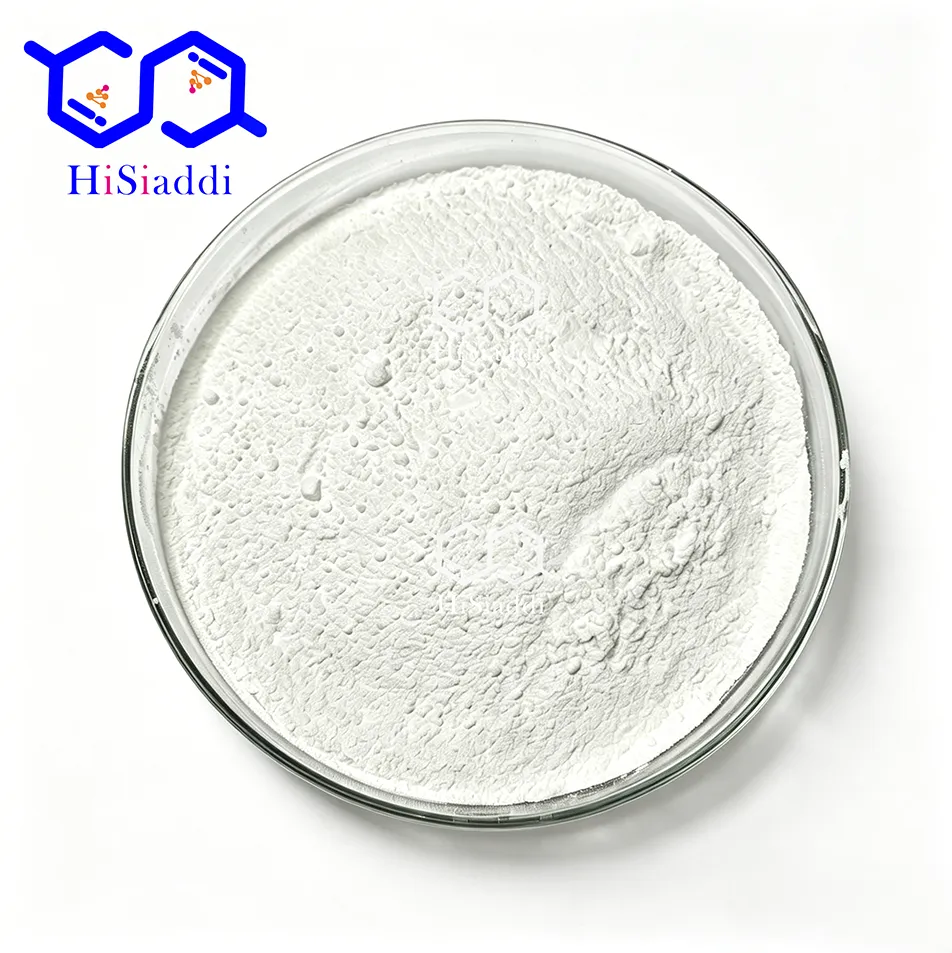
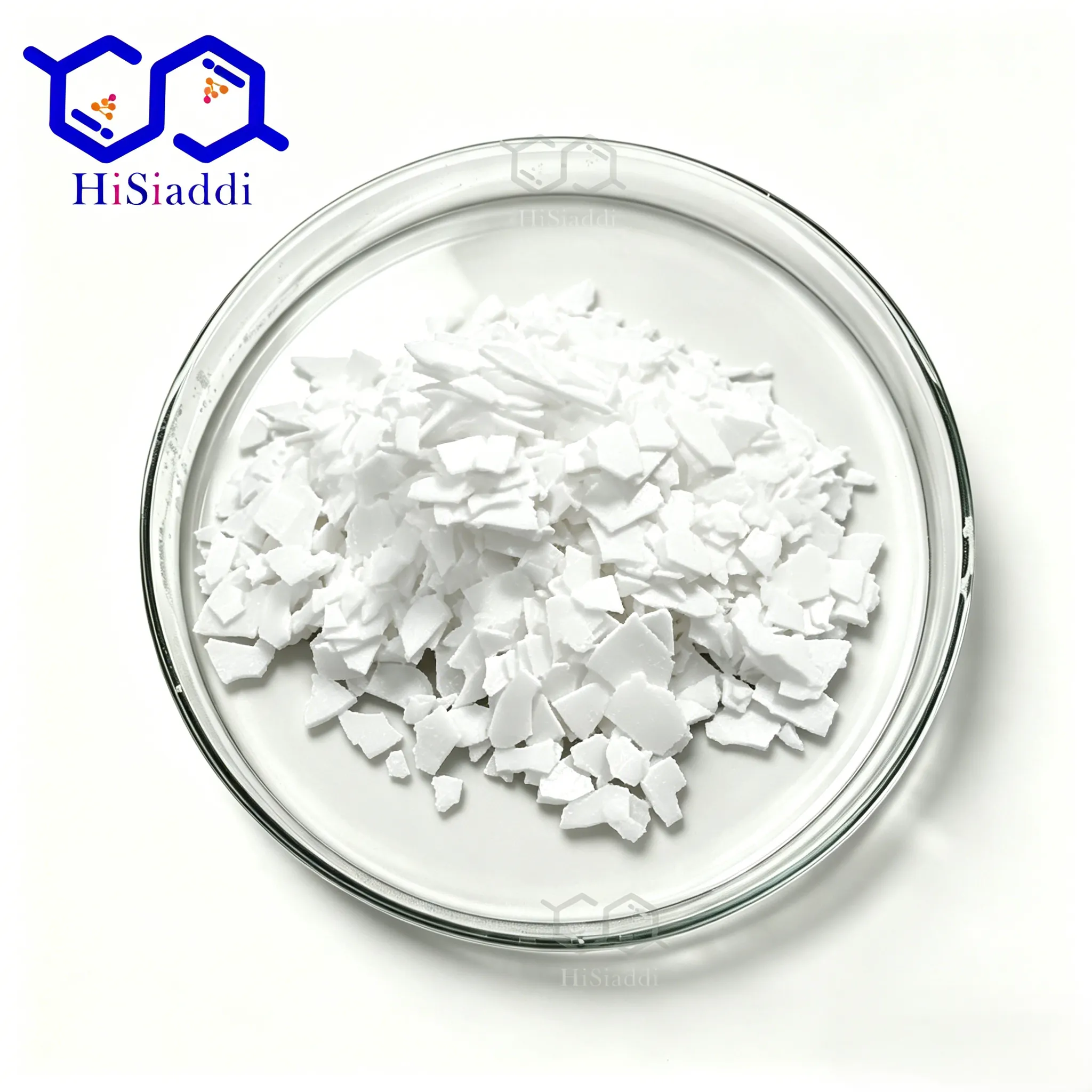
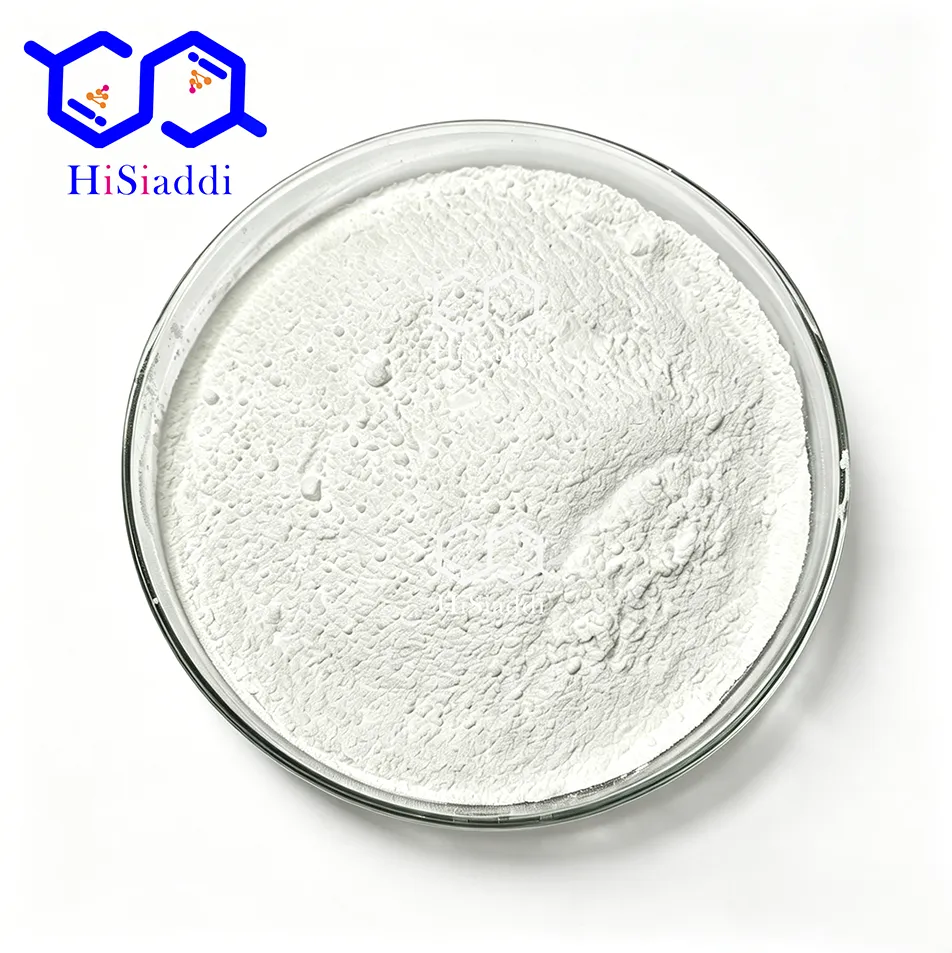
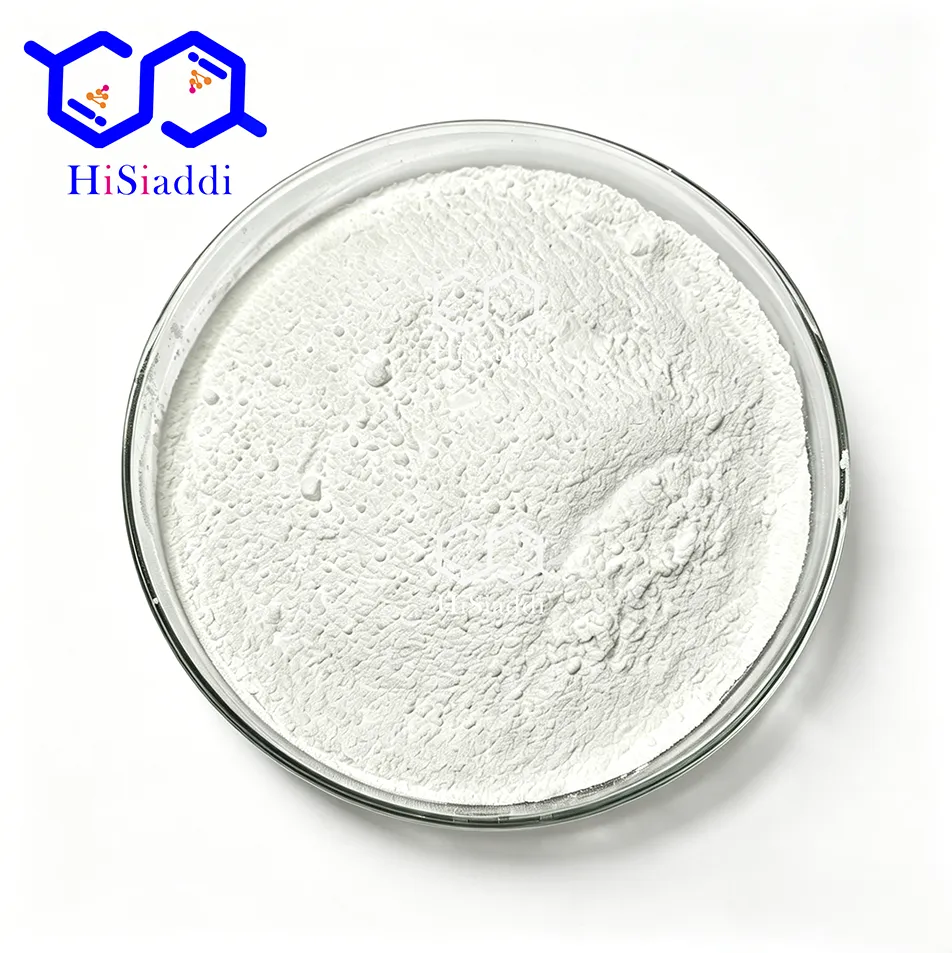
The CAS number of Modified Hydrotalcite is 12304-65-3. It is a layered inorganic modified material used as a heat stabilizer, flame retardant synergist, ion catcher, etc.
HiSiaddi offers the following services: brand-specific customized interlayer modification, thermal stability and flame retardancy synergistic formulation consultation, and third-party testing of chloride ion capture capacity.
Kanggaot KGT-HT-01 has a particle size of 0.5-1.5 μm, a chloride ion capture amount of ≥ 3.5 mmol/g, a heat stability of ≥ 280℃, low dielectric loss, specially for overseas semiconductor packaging, high-end electronic PVC component manufacturers, and as a substitute for Japanese Kesa high-end products;
Hua Yuan HY-LDH-02 has a specific surface area of 180-220 m²/g, excellent dispersion, strong compatibility with PVC, and inhibition of initial coloring; suitable for overseas PVC cable, pipe, and profile modification factories.
Lu Xin LX-MHT-03 has a temperature resistance of ≥ 300℃, high flame retardant synergistic efficiency, a price of 50%-60% of Japanese Kesa and German BASF, strong batch stability, customizable particle size and interlayer anions, outstanding cost performance.
 CONTACT HiSiaddi NOW
Product Name: | Modified Hydrotalcite | Other Name: | Hydrotalcite |
CAS No. | 11097-59-9 | Brand: | Multi-Brand |
MF: | Mg₆Al₂CO₃(OH)₁₆·4H₂O | Model Number: | Multi-models |
EINECS No. | 234-318-7 | Place of Origin: | Shandong, China |
Purity: | 98.0% | Grade: | Industrial grade |
MOQ: | 1ton | Storage: | Please refer to the product packaging or contact the customer service |
When purchasing LDH as a buyer, you may encounter the following questions:
What are the core index advantages and application effects of mainstream models of well-known LDH brands?
What competitive services can LDH suppliers offer?
What are the qualification certifications and market reputation of targeted LDH brands?
What about the inventory volume and supply stability of LDH suppliers?
What factors should be considered when selecting LDH?
...and many other relevant questions.
Ultra-high whiteness & purity plus nano particle size: Whiteness ≥97% (top industry level), purity ≥99.3%, D50=0.8-1.2μm nano grade with silane coupling agent surface modification. It features excellent dispersion in PVC without agglomeration and white spots, endowing finished products with high gloss and high transparency with haze ≤1.5%, greatly outperforming Japan Kyowa Kisuma 5A (93% whiteness).
Superior & long-lasting thermal stability: 1% thermal decomposition temperature ≥330℃, suitable for PVC high-temperature extrusion and injection molding at 180-240℃ with no decomposition, volatilization, yellowing or precipitation. Its layered structure effectively locks chlorine element, enabling PVC thermal stability time over 120min at 200℃, 50% higher than ordinary LDH, and cutting calcium-zinc stabilizer dosage by 15%.
Excellent hydrolysis resistance & low moisture absorption: Passed UL746C water immersion test (70℃, 168h) with water absorption rate ≤0.15%, no caking or performance decline in humid environment. Residual sodium ion ≤150ppm ensures outstanding insulation property, ideal for wire & cable and electronic-grade applications.
Full environmental compliance & complete certifications: Fully registered under REACH, compliant with RoHS 3.0, approved with UL94, FDA food contact certification and EU EN 71-3 toy safety standard. Monthly production capacity exceeds 3000 tons. Integrated industrial chain in Jiangsu base cuts procurement cost by 16% compared with outsourced raw materials.
Ultra-white nano-grade property eliminates extra whitening agent, achieves high gloss and transparency, raises product yield by 15% and reduces comprehensive cost by 8%.
Long-term thermal stability and low dosage simplify formula, lower calcium-zinc stabilizer consumption, control batch fluctuation within 0.05% and keep finished product rejection rate below 0.15%.
Low moisture absorption and high insulation avoid potential safety hazards in electronic and cable industries. Full compliance helps clients avoid goods detention risks in EU markets.
Food and medical packaging products are safe, non-toxic and highly transparent, fully meeting FDA and EU hygiene standards.
Weather-resistant high-gloss automotive interior parts extend service life by 5-8 years without white spot precipitation defects.
Thermostable insulated electronic and cable materials adapt to harsh operating conditions of AI servers and communication base stations.
Stable industrial high purity: Whiteness ≥95%, purity ≥99.0%, D50=1.2-1.8μm. Modified by ternary magnesium-aluminum-zinc formula to balance thermal stability and mechanical properties, matching mainstream grade of Japanese Kyowa with superb batch consistency.
Synergistic efficiency improvement & easy processing: CH-LDH-S adopts stearic acid intercalation modification to boost thermal stabilizing efficiency by 25%. Only 3%-5% dosage in PVC realizes long-term stability without blooming or precipitation. Thermal decomposition temperature ≥325℃ fits processing temperature of 170-230℃. Low dust and good fluidity ensure smooth automatic batching.
Mechanical property friendly & weather resistant: It maintains over 88% tensile strength retention rate and 85% impact strength retention rate on PVC, solving material brittleness caused by inorganic additives. Over 90% property retention rate after thermal oxygen aging test (120℃, 1000h), perfect for outdoor PVC products.
Sufficient capacity & fast delivery: Spot goods available in South China bonded warehouse, monthly output over 2500 tons, delivery cycle 7-12 days, 20-25 days faster than Japanese Kyowa products.
Stable performance supports large-scale high-speed production without shutdown risks caused by batch difference.
Synergistic grade reduces additive dosage while balancing thermal stability and mechanical performance, expanding application scope and profit margin.
Adequate spot inventory ensures uninterrupted supply in peak seasons and on-time order delivery.
Impact-resistant smooth PVC pipes and profiles satisfy market demands of construction and home decoration industries.
Anti-aging exquisite home appliance components achieve over 5 years longer service life.
Qualified general high-purity standard: Whiteness ≥92%, purity ≥98.8%, D50=1.8-2.5μm with qualified basic thermal stability, applicable to most PVC and polyolefin flame retardant & stabilizing scenarios.
Low-dust eco-friendly optimization: Surface-treated HMT-LDH-L cuts workshop dust emission by 70%, suitable for toy and daily-use PVC products and certified by EU EN 71-3 toy safety standard.
Cost control & wide compatibility: Supported by South China chemical industry cluster, intermediate raw material cost is reduced by 10%-12% with annual price fluctuation within 5%. Compatible with PVC/PE/EVA multiple systems, 4%-6% dosage achieves long-term thermal stability.
Complete export qualifications: Basic REACH registration, RoHS compliance and UL94 certification guarantee smooth customs clearance. Standard 25kg/bag package is suitable for consolidated container shipment.
Mid-range price with high-purity performance greatly lowers raw material procurement cost and enhances end product market competitiveness.
Wide system compatibility reduces inventory SKU quantity and capital occupation pressure.
Low-dust grade expands application to toy and food-contact fields and increases product added value.
Safe non-toxic exquisite toys and daily necessities fully comply with EU environmental and hygiene regulations.
Cost-effective stable flame-retardant ordinary electronic accessories meet popularization demands of low-end market.
Stable industrial standard performance: Whiteness ≥90%, purity ≥98.5%, D50=2.5-3.5μm, 1% thermal decomposition temperature ≥320℃, meeting full performance requirements of non-thin-wall industrial PVC flame retardation and thermal stabilization.
Cost reduction via composite synergist: WXN-LDH-M blended with phosphorus-nitrogen synergists raises thermal stabilizing efficiency by 20%, only 5% dosage realizes long-term stability, ideal for cost-sensitive projects.
Low stable price & flexible supply: Mass production realizes precise cost control, 5%-8% lower than industry average price. Minimum order quantity starts from 25kg, friendly for trial orders and flexible for consolidated shipment arrangement.
Basic complete compliance: Basic REACH registration, RoHS compliance, complete MSDS and COA documents ensure hassle-free customs clearance.
Ultra-low price with qualified performance minimizes industrial production cost and maximizes profit margin.
Stable sufficient supply ensures steady sea freight delivery to remote regions without delivery delay.
Flexible small-batch procurement accelerates inventory turnover and reduces capital occupation.
Affordable non-toxic qualified ordinary PVC products meet popularization needs of low-end market.
High-efficiency weather-resistant fireproof coatings effectively restrain fire spread and prolong escape time during fire accidents.
Qualified bulk industrial grade: Whiteness ≥88%, purity ≥98.0%, D50=3.5-5.0μm, 1% thermal decomposition temperature ≥315℃, satisfying basic flame retardant and stabilizing demands of low-end industrial PVC products.
Optimized compatibility for recycled materials: BX-LDH-R improves blending performance with recycled PVC, upgrading thermal stability and appearance quality of recycled plastic modified products.
Bottom market price & efficient delivery: Supported by complete central China chemical industrial chain with extremely low raw material cost. FOB price: 7200-8500 USD per metric ton, the lowest price across the market. 72-hour fast shipment supports flexible full container and consolidated container delivery via exclusive sea routes to Africa and Middle East.
Mass production guarantee: Million-ton-level annual output ensures stable year-round supply for low-price bulk markets.
Ultra-low price helps quickly seize low-end thermal stabilizer market and replace restricted halogenated stabilizers.
Unrestricted volume sales accelerate inventory turnover and relieve capital pressure.
Professional formula for recycled plastics greatly increases added value of waste plastics and complies with national environmental recycling policies.
Low-end qualified non-toxic PVC products satisfy local environmental regulations with affordable prices.
Stable tough recycled plastic products gain longer service life with outstanding cost performance.

| Brand | Mainstream Models | Core Competitive Advantages | FOB Price (USD/MT) | Precise Target B-end Buyers | Core Advantages for Downstream Buyers | Long-Term Benefits for End Users |
| Jingjiang Kanggaote | KGT-LDH 97 Ultra-White High-Purity, KGT-LDH-H High Temperature Resistant | 97% whiteness, 99.3% purity, nano particle size, 330℃ thermal stability, long-term thermal stability, low moisture absorption, high insulation, full certifications | 12500-13800 (High-end benchmark against Kyowa) | High-end transparent PVC, food & medical packaging, automotive interiors, wires & cables, chip packaging | High yield rate with ultra-white high gloss, formula optimization & cost saving, low rejection rate, zero compliance risk, electronic grade applicable | Safe transparent food packaging, durable high-gloss auto parts, stable insulated electronic cables |
| Chenghe Technology | CH-LDH 95 Industrial High-Purity, CH-LDH-S Synergistic Modified | 95% whiteness, 99.0% purity, ternary modification, 325℃ thermal stability, synergistic efficiency boost, good mechanical compatibility, excellent weather resistance, sufficient spot goods | 11200-12500 (Mid-to-high end balanced) | Mid-to-high end PVC modification, pipes & profiles, home appliance shells, ordinary auto interiors, traders | Stable performance, reduced additive dosage, stable peak-season supply, high mechanical retention rate, outdoor applicable | Impact-resistant elegant pipes, anti-aging durable home appliance parts |
| Zhongshan Huamingtai | HMT-LDH 92 General High-Purity, HMT-LDH-L Low-Dust Eco-Friendly | 92% whiteness, 98.8% purity, 320℃ thermal stability, low-dust environmental friendly, multi-system compatible, stable annual price, toy grade qualified | 9800-11200 (Mid-range mainstream) | Small & medium-sized PVC modification, daily necessities, toys, Southeast Asian home appliances, recycled PVC modification | Significant cost reduction, multi-product adaptation, low inventory pressure, low-dust added value, smooth customs clearance | Safe compliant toys, cost-effective daily necessities |
| Shandong Wanxin Weina | WXN-LDH 90 Industrial Standard, WXN-LDH-M Composite Synergistic | 90% whiteness, 98.5% purity, 320℃ thermal stability, composite synergistic effect, stable low price, 25kg MOQ, full basic compliance | 8500-9800 (Industrial economical type) | Ordinary PVC modification, fireproof coatings, low-end home appliance parts, rubber flame retardants, bulk traders | Minimum production cost, stable supply, flexible small batch order, smooth customs clearance, synergistic cost saving | Fire retardant coating fire suppression effect, safe affordable low-end products |
| Hubei Benxing | BX-LDH 88 Bulk Industrial, BX-LDH-R Recycled Material Special Grade | 88% whiteness, 98.0% purity, 315℃ thermal stability, recycled material compatible, market bottom price, fast delivery, exclusive sea route | 7200-8500 (Low-end bulk type) | Recycled PVC modification, bulk wholesalers, low-end outdoor plastic products, disposable flame retardant goods, African volume traders | Low-price market expansion, fast capital turnover, recycled material value-added, unlimited volume shipment, efficient delivery | Stable durable recycled products, compliant low-cost daily products |
HiSiaddi is an innovative foreign trade service provider driven by both technology transformation and foreign trade services. It has established a "1+2+3+4=1" product service system: 1 foreign trade salesperson with over 3 years of experience, 2 R&D teams, 3 high-quality suppliers, and 4 warehouses to fulfill one-stop product demand.
Backed by this service system, HiSiaddi boasts deeper expertise in MHC (LDH) R&D and process optimization than most foreign trade firms, better insight into market demands and competitive edges of various MHC brands than standalone manufacturers, and a more thorough grasp of the MHC export market than research institutions.
HiSiaddi only recruits foreign trade specialists with a minimum of 3 years’ working experience. All staff must complete over six months of joint training delivered by the R&D and foreign trade teams before serving clients.
(1) Basic Support Services for MHC
Supported by the foreign trade team and corporate service system, we deliver full-process one-stop document handling services for clients, including but not limited to provision and application of all compliance certificates for MHC, and submission & resolution of third-party reports and quality warranty issues.
(2) Exclusive Premium Services for MHC
Leveraging our R&D team, we provide customized product and technical consulting services, such as comparative analysis of core indicators and costs across all MHC brands, and regular sharing of global market updates.
Complimentary Graded Samples: Free industrial & high-purity LDH samples with full PVC thermal stability testing; free re-sampling and formulation adjustment for batches failing whiteness or thermal standards.
Monthly Global LDH Industry Bulletin: Magnesium/aluminum ore raw material pricing, EU regulatory updates and PVC automotive demand trends; annual Global LDH Export Whitepaper.
Through in-depth collaboration with original manufacturers via technology transformation, as well as internal coordination with the foreign trade team, our R&D team delivers technical training to sales staff. This enables professional MHC customization and provides research-grade consulting on MHC brand matching and application formula optimization.
(1) Research-Grade Customization Services for MHC
Optimized PVC Stabilizer Formulas: Magnesium-aluminum hydroxide databases reduce additive dosage by 18–28%, improve thermal stability and whiteness, surpassing Kyowa & Clariant LDH equivalents.
Domestic Substitution vs Kyowa & Clariant: Full whiteness & thermal stability benchmark reports, cost reduction over 35% and free PVC thermal aging pilot testing.
(2) Research-Grade Consulting Services for MHC
Our foreign trade and R&D teams collaborate to conduct preliminary market research, on-site factory audits, product testing, deep technology transformation cooperation and bulk purchasing cooperation. We select approximately three reliable, stable, reputable suppliers with strong development potential.
(1) Initiative to Secure Lower MHC Prices
Long-term partnerships built on technology transformation and authorized distribution grant us access to factory-direct pricing.
(2) Long-Term Supply Chain Assurance for MHC
Long-term cooperation via technology transfer and authorized distribution strengthens production supervision, full-lot traceability, batch stability control, and compensation guarantees for substandard third-party inspection results.
5-Year Full Quality Indemnity Coverage: 24-hour response, 48-hour solution proposals and full refund + free resupply + full freight & third-party lab reimbursement for defects including discoloration, agglomeration and thermal failure.
We maintain four warehouses jointly managed with suppliers for stocking hot-selling products.
(1) Fast Local Delivery & On-Site Issue Resolution for MHC
Our four warehouses are located at Qingdao Port (North China), Ningbo Port (East China), Shenzhen Port (South China), and Zhengzhou (inland logistics hub). This enables prompt MHC shipments and on-site staff to resolve transit damage, packaging defects or export compliance issues immediately when they arise.
Exclusive Core Production Capacity Lock-In: Contracted 85% export output of China’s top 5 LDH manufacturers; 1,600+ tons bonded spot inventory in Shanghai, Ningbo and Shenzhen. Urgent orders ship within 48 hours, far faster than 20–25 days for Kyowa or 25–30 days for Clariant. No seasonal stockouts.
(2) Mitigate Price Volatility & Support Custom Packaging for MHC
We pre-stock inventory in advance during peak price seasons to cushion cost fluctuations. Our in-house warehouses fully accommodate customized packaging and labeling requirements from clients.
Custom Private Label Packaging: Custom printed client logos and compliance marks; sterile moisture-proof packaging for food & medical-grade LDH.
As a new-type foreign trade service provider driven by both technology commercialization and cross-border trade, HiSiaddi has established a "1+2+3+4=1" service system and can supply MHC sourced directly from multiple well-known original manufacturers. Possessing independent R&D capabilities as a technology-driven foreign trade enterprise, HiSiaddi systematically sorts out common difficulties faced by overseas B2B buyers sourcing MHC from China and delivers targeted solutions.
If you require more professional and in-depth analysis regarding MHC procurement, please contact HiSiaddi customer service.
1.Uneven Particle Size & Hygroscopic Agglomeration Causing Surface Defects & Reduced Production Efficiency Challenges: Conventional general-grade MHC features D50 of 9~15μm and D90 ≥20μm. When stored at ambient humidity above 55% for 7 days, powder agglomeration rate reaches 35%. When applied to PVC extrusion and PP pelletizing, agglomerated particles fail to disperse fully, creating white spots and pitting ranging from 0.4mm to 3mm on finished goods, pushing surface defect rates to 28%. Agglomerates also accelerate extruder screen clogging, shortening cleaning cycles to 48 hours and tripling maintenance frequency, cutting overall line productivity by 22%. Root Cause Explanation: MHC is a polar layered inorganic powder with surface active groups readily adsorbing atmospheric moisture to induce particle adhesion and agglomeration. Broad particle size distribution paired with agglomerates disrupt uniform melt flow, manifesting as surface defects and accelerated equipment wear on finished products.
2.Low Thermal Decomposition Temperature Triggering Product Discoloration & Failed Thermal Stabilization Under High-Temperature Processing Challenges: Standard MHC initial thermal decomposition temperature ranges from 190~210°C, while mainstream PVC and polyolefin processing temperatures fall between 185~230°C. Once processing temperatures exceed 220°C, 30% of finished goods develop yellowing and browning; PVC thermal stabilization duration drops from the standard 25 minutes to only 12 minutes, failing to meet the EU minimum threshold of 20 minutes. When used as a halogen scavenger, 25% of batches exceed 80ppm residual chloride, violating overseas environmental control standards. Root Cause Explanation: MHC interlayers contain crystal water that rapidly escapes at high temperatures, destroying layered structures and eliminating thermal stabilization and halogen adsorption capacity. Decomposition byproducts catalytically accelerate PVC resin degradation, directly triggering material discoloration.
3.Weak Interfacial Bonding Causing Sharp Declines in Product Mechanical Performance Challenges: Adding 15% standard MHC to homopolymer PP reduces original tensile strength from 32MPa to 23MPa (28.1% drop) and notched impact strength from 6.5kJ/m² to 3.8kJ/m² (41.5% drop). Adding 20% MHC to flexible PVC cuts elongation at break from 220% to 110% (50% reduction). Statistically, over 40% of batches fail to meet general overseas mechanical performance standards for plastic goods. Root Cause Explanation: MHC is a highly polar inorganic powder with high interfacial tension against non-polar polyolefins and weakly polar PVC. Weak bonding between powder and resin matrices creates internal stress concentration points that disrupt material structural continuity.
1.
Ultra-Fine Particle Size + Anti-Agglomeration Surface Coating to Improve Dispersibility & Production Conditions Hard acid surface modification is applied to control powder particle size at D50=3~5μm and D90≤8μm. Post-modification, agglomeration rate is limited to below 4% after 30 days of storage at 60% relative humidity. For PVC production lines, surface defect rates fall below 2%, screen clogging cycles extend to 7 days, and overall productivity recovers by 18%.
2.Intercalation Modification + Low-Temperature Calcination Technology to Boost Thermal Stability & Broaden Processing Windows High-temperature calcination paired with silane intercalation optimizes MHC structure, lifting initial thermal decomposition temperature to 270°C. The material maintains stable performance at processing temperatures up to 230°C with no yellowing or browning; PVC thermal stabilization duration holds steady at 28 minutes, and residual chloride in finished goods ≤50ppm, fully complying with EU standards.
3.Special Silane Coupling Agent Coating to Strengthen Interfacial Compatibility & Preserve Mechanical Performance 1.2% KH-570 silane coupling agent coats powder surfaces. After adding 15% modified MHC to PP matrices, tensile strength stabilizes at 29MPa and impact strength at 5.7kJ/m², retaining over 87% of original mechanical performance. Flexible PVC elongation at break recovers to 190%, satisfying overseas general mechanical requirements for plastic products.
1.
Poor Hydrolysis Resistance Triggering Post Hot-Humid Aging Precipitation That Impairs Appearance & Insulation Performance Challenges: After 500 hours of hot-humid aging at 85°C & 85% RH, standard MHC precipitation rate ≥7.5%, causing surface whitening and 40% higher haze in plastic parts. Material volume resistivity drops from an initial 10¹⁴Ω·cm to 10¹⁰Ω·cm, falling below the mandatory insulation threshold of ≥10¹²Ω·cm for new energy vehicle components. 32% of non-compliant batches are fully scrapped. Root Cause Explanation: MHC layered structures swell upon water exposure, enabling outward migration of interlayer anions to form surface precipitates. The powder’s inherent hydrophilicity accelerates moisture penetration, jointly damaging product appearance and electrical insulation performance.
2.
3.
Excessive Volatiles & Smoke Density Failing Automaker Environmental Certifications Challenges: Major European automakers follow VW 50185 interior material standards requiring TVOC ≤50μg/m³ and smoke density Ds ≤300. Standard MHC delivers TVOC of 95μg/m³ and Ds of 380, failing both metrics. 40% of supply batches are rejected by OEMs, triggering order defaults and client churn. Root Cause Explanation: Residual unreacted small organic molecules on standard MHC surfaces volatilize continuously under high-temperature operating conditions, elevating TVOC readings. Incomplete layered decomposition during combustion forms loose char layers that release excessive smoke.
4.
5.
Agglomeration with Glass Fiber & Rubber Severely Cutting Impact Strength Challenges: Adding 12% standard MHC to 30% glass fiber-reinforced PP reduces baseline impact strength from 8.5kJ/m² to 4.2kJ/m² (50.6% drop), falling below the minimum 6kJ/m² threshold for automotive structural load-bearing and shock-resistant components. Root Cause Explanation: MHC powder readily agglomerates with glass fibers, creating abundant structural defects at resin-fiber interfaces that generate severe stress concentration and drastically weaken impact resistance.
6.
1.
Polyurea Microcapsule Hydrophobic Coating to Boost Hydrolysis & Precipitation Resistance Full encapsulation with 280°C heat-resistant polyurea compounded with 0.6% hydrolysis stabilizer. After 1000 hours of long-term hot-humid testing at 85°C & 85% RH, precipitation rate ≤1.2% with no surface whitening or haze formation. Volume resistivity remains steady at 10¹⁴Ω·cm, continuously meeting new energy vehicle insulation specifications.
2.
3.
Low-VOC Formulation Tailored to Automaker Environmental Testing Standards 7% melamine cyanurate (MCA) and 1.5% organic smoke suppressant are compounded into MHC systems. Optimized material TVOC drops to 28μg/m³ with smoke density Ds ≤200, achieving a 99% pass rate for VW 50185 testing.
4.
5.
Composite Coupling Agent + Optimized Particle Size for Glass Fiber-Reinforced Systems 1.5% silane-titanate composite coupling agent paired with MHC particle size locked at D50=4~6μm. Modified glass fiber-reinforced PP impact strength rises to 7.2kJ/m² with 84.7% performance retention, suitable for mass production of automotive structural components.
6.
1.
Insufficient Flame Retardant Synergy for Ultra-Thin Components, Low UL94 V-0 Compliance Rate Challenges: Clients produce 0.6~0.8mm battery casings and electronic connectors. Standard MHC paired with primary flame retardants only achieves a 55% UL94 V-0 pass rate, with self-extinguishing times exceeding 30 seconds and molten dripping common. Single UL certification costs $900 with a 4–5 week testing cycle; 25% of orders face delayed market launch due to prolonged certification timelines. Root Cause Explanation: Ultra-thin workpieces possess low thermal capacity. Standard MHC forms char layers slowly with loose structures that fail to rapidly block flame propagation, delivering insufficient flame retardant synergy to pass stringent thin-part fire testing.
2.
3.
Component Migration During High-Temperature Reflow Soldering Reducing Comparative Tracking Index (CTI) Challenges: Electronic components undergo SMT reflow soldering at 255~260°C. Post-processing, 22% of finished goods exhibit minor MHC migration, dropping CTI from an initial 600V to below 380V, failing the IEC 60112 minimum requirement of ≥500V. Product scrap rate reaches 16%. Root Cause Explanation: High temperatures degrade MHC surface coating layers, allowing polar active components to migrate to product surfaces and form weak conductive pathways that drastically reduce tracking resistance.
4.
5.
Excessive Heavy Metals & Free Chloride Failing RoHS & REACH Compliance Testing Challenges: Standard industrial-grade MHC contains total heavy metals ≥8ppm, exceeding the EU limit of ≤5ppm; free chloride ≥80ppm, with 30% of batches failing compliance inspections and barring market access in the EU and North America. Root Cause Explanation: Low-purity magnesium and aluminum feedstock paired with incomplete water washing processes leave residual heavy metal ions and free chloride in finished products.
6.
1.
High-Purity Nano-Grade Product + Synergistic Fillers to Stabilize UL94 V-0 Ratings for Ultra-Thin Components Supply high-purity MHC with total heavy metals ≤3ppm compounded with 4% nano-montmorillonite as a flame retardant synergist. For 0.6mm ultra-thin workpieces, UL94 V-0 compliance rises to 97% with self-extinguishing times shortened to under 15 seconds. Optimized testing formulations cut single certification costs to $400 and reduce testing cycles to 2 weeks.
2.
3.
High-Temperature Epoxy Resin Coating to Suppress High-Temperature Component Migration 300°C heat-resistant epoxy resin coats powder surfaces with 0.8% anti-migration additives incorporated. After 260°C reflow soldering, product CTI remains stable at 600V, limiting scrap rates to below 2%.
4.
5.
High-Purity Feedstock + Deep Water Washing to Fully Meet International Environmental Regulations Magnesium-aluminum raw materials with purity ≥99.5% paired with three-stage deionized deep washing. Finished goods contain total heavy metals ≤2ppm and free chloride ≤40ppm, with authoritative batch test reports supplied to guarantee full RoHS & REACH compliance.
6.
1.
High Standard MOQ Raising Small-Batch Procurement Costs & Inventory Overstock Risks Challenges: Factory standard MOQ stands at 1 ton, while distributor downstream clients are small-to-medium modification and plastic factories with single order demands of 50~200kg. Split small-batch sourcing incurs a 17%~23% procurement premium; bulk stocking creates capital-intensive inventory backlogs, driving 38% of downstream end-users to switch to competing products over cost concerns.
2.
3.
Upstream Raw Material Price Hikes Translating to Wild MHC Price Fluctuations & Shrinking Profit Margins Challenges: MHC FOB prices range from $12.5~14.5/kg, with quarterly price swings up to ±10% driven by magnesium oxide and aluminum oxide feedstock costs. Overseas distributors maintain gross margins of only 3%~5%, risking purchase-selling price inversion during sharp volatility and severe operational risks.
4.
5.
Inconsistent Batch Indicators & Delayed Technical Support Causing High Client Complaint Rates Challenges: Conventional products display particle size deviations of ±3μm and thermal decomposition temperature deviations of ±20°C across batches, triggering unstable performance for end-users. When clients encounter poor powder dispersion, precipitation and performance inconsistencies, technical response times exceed 72 hours, pushing overall customer complaint rates to 28% and eroding repeat purchase rates.
6.
1.
Split Independent Small Packaging with Flexible Tiered MOQs 25kg independent bag packaging is launched, lowering the minimum order quantity to 250kg. For scattered 50~200kg orders, repackaging premiums are capped at 5%. Mixed bulk shipments combining MHC with MPP, MCA and other flame retardant additives reduce single-product inventory accumulation risks for distributors.
2.
3.
Long-Term Price Lock Agreements + Tiered Volume Discounts to Hedge Price Risks 12-month fixed supply contracts lock base unit prices at $13.2/kg. Quarterly cumulative purchases ≥25 tons qualify for an additional 3% volume discount. Price fluctuations are controlled within ±2.5% throughout the contract term, lifting distributor stable gross margins to 6%~7%.
4.
5.
Full-Batch Strict Quality Control + Dedicated Technical Teams for Consistent Quality & Rapid Support Full-item test reports covering particle size, thermal stability and heavy metals accompany every shipment with tightly controlled batch deviations: particle size fluctuation ≤1μm, thermal decomposition temperature fluctuation ≤8°C. Dedicated application engineers provide 24-hour online support, delivering solutions for routine production and formula issues within 48 hours, reducing customer complaint rates to below 3%.
6.
For specialized, in-depth analysis of MHC procurement, contact HiSiaddi customer service.
White bloom and local yellowing (zinc burning) appeared on the surface of extruded profiles during high-temperature processing (195~205℃), pushing the finished product rejection rate above 28%.
The volume resistivity of finished PVC products failed to meet the access standard for building materials in Southeast Asia (≥1×10¹² Ω·cm), triggering large-scale returns from downstream real estate clients and leaving nearly 60 tons of finished products stranded in warehouses.
Lead time
Quantity (ton) | 0 - 10 | 10 - 30 | > 30 |
Lead time (days) | 7 | 15 | To be negotiated |
The monthly inventory volume of MHC is 40 tons, with appropriate adjustments upwards or downwards in response to peak and off-peak seasons.
HiSiaddi safeguards the supply stability of MHC through the following measures:
(1) Performance evaluation and screening of MHC brand factories based on on-time delivery rate, batch pass rate, timeliness of risk alerts, and completeness of documentation to assess their supply stability.
(2) For each mainstream model or major grade of MHC, secure 1 primary high-quality brand manufacturer and 2 backup high-quality manufacturers.
(3) Each factory operates independent production lines in separate production zones to prevent production halts caused by major unforeseen incidents such as environmental production suspensions and power outages.
Through long-term cooperation with brand manufacturers via technology commercialization and authorized distribution channels, HiSiaddi can effectively strengthen supervision over the production processes of brand manufacturers, optimize full-process traceability management, improve batch stability control, and further reinforce real-time monitoring of the supply stability of MHC products.
Long-term Annual Framework Supply Guarantee Agreement. HiSiaddi signs 12-month long-term agreements with leading manufacturers. The agreements specify the minimum guaranteed supply volume, maximum price hike range, and priority production scheduling rights during peak seasons. It is stipulated that manufacturers shall issue a 30-day prior written notice if production is suspended due to environmental rectification or equipment maintenance, and backup manufacturers will be activated to replenish goods accordingly.
We have 4 warehouses, which are jointly operated and managed with suppliers to store hot-selling products.The four warehouses are located at Qingdao Port in North China, Ningbo Port in East China, Shenzhen Port in South China, and Zhengzhou, China’s inland logistics hub. This setup guarantees sufficient supply and timely shipment of MHC during peak seasons.
HiSiaddi issues a rolling demand forecast covering the subsequent three months on the 25th of each month, allowing manufacturers to reserve production capacity in accordance with the forecast. Any new urgent orders from overseas clients will be prioritized to draw on inventories or production capacity from backup manufacturers.
Unstable logistics for MHC will extend delivery lead times. HiSiaddi has established alternative arrangements covering multiple freight forwarders, ports and transportation solutions:
(1) Binding of multiple professional chemical freight forwarders for MHC
Each product is assigned 2 to 3 freight forwarders with hazardous chemical/food transport qualifications affiliated with different shipping lines. Alternative sailing schedules can be switched to immediately in case of space shortages or customs inspections on a single shipping route.
(2) Backup transportation solutions for MHC
Ocean freight serves as the standard mode; air freight and rail freight are reserved as alternatives for urgent orders. Long-term agreements for temperature-controlled containers are signed for temperature-sensitive and perishable food additives to secure shipping space.
(3) Visual tracking and digital early warning for MHC
Freight forwarders synchronize daily updates on container loading, customs declaration, vessel loading and port arrival milestones. If customs inspection occurs, replenishment from backup inventory will be initiated immediately to shorten client waiting periods.
Full-chain digital early warning automatically monitors four categories of risks:
Factory side: Expiring supplier environmental assessment certificates, renewal of production permits, scheduled major equipment overhauls, and notifications of price hikes for upstream raw materials;
Inventory side: Inventory falling below safety thresholds, excessive inventory age, and batches failing quality inspection;
Logistics side: Shipping line space shortages, strikes at destination ports, and updates to customs policies;
Overseas side: Revisions to additive regulations and adjustments to import restriction lists in target countries.
Early warning notifications are automatically pushed to procurement and business leads, allowing backup suppliers or inventory contingency plans to be activated in advance.
As a new-type foreign trade service provider driven by dual engines of technology transformation and foreign trade export, HiSiaddi has built a "1+2+3+4=1" service system and can supply original factory goods of many well-known MHC brands.
As a research-driven foreign trade enterprise, HiSiaddi avoids the bias of single-brand manufacturers focused solely on self-promotion. We objectively analyze China’s top export-competitive MHC brands and share their certification credentials and real market feedback to help purchasers make efficient, reliable sourcing decisions. If you require more authentic, objective information on China’s leading MHC brands, please contact HiSiaddi customer service.
1. SHT-100 General Industrial Stabilizer Grade: Mg/Al molar ratio 3.0:1, main content 98.5%, median particle size 2–3 μm, moisture ≤0.3%, thermal decomposition temperature 225°C, free chloride-free, compatible with standard polyolefins and rigid PVC substrates.
2. SHT-200 Food-Contact High-Clarity Grade: 99.2% purity, whiteness ≥97, finished product light transmittance ≥91%, extremely low blooming characteristics, heavy metal levels far below international limits, customized exclusively for food-contact plastic products.
3. SHT-300 Nano New Energy Special Grade: Nano particle size 0.6–0.8 μm, uniform particle size distribution, chloride ions ≤30 ppm, trace hazardous impurities (iron, lead, cadmium) controlled under 20 ppm, high temperature resistance and electrolyte corrosion resistance.
1. High-End Industrial Markets in Europe & North America: Exports to EU and North America account for over 40% of total corporate shipments for three consecutive years; officially listed as a qualified auxiliary supplier by BASF and Dow Chemical. SHT-200 is applied to drinking water pipelines and food packaging plastic components, maintaining ≥90% finished product whiteness retention after long-term processing with zero blooming, discoloration or contamination issues, delivering extremely stable repeat purchase rates from European and American industrial buyers.
2. Global New Energy Lithium Battery Sector: SHT-300 is mass-supplied to overseas manufacturing bases of CATL and BYD as an acid absorber and high-temperature stabilizer for lithium battery separators. It withstands 230°C processing conditions, effectively inhibits internal cell corrosion from acidic substances and extends battery cycle life. Overseas power battery manufacturers award the product top-tier quality ratings with minimal batch-to-batch performance deviation.
3. Southeast Asian & Middle Eastern Trade Markets: Matches performance of Japan’s Kyowa imported products at a 25%-30% discount on export pricing, making it the primary import substitution material for mid-market upgrades across the region with consistent bulk procurement from small and medium-sized plastic manufacturers.
· Fixed procurement supplier for global chemical giants, top domestic brand reputation for high-end modified hydrotalcite.
· Export product customer complaint rate below 0.8%, far lower than the industry average.
· Capable of fulfilling custom orders with tailored molar ratios, particle size adjustments and intercalation modification exclusive formulations for overseas clients.
International Certifications: US FDA food contact safety certification, full EU REACH substance registration, RoHS environmental directive compliance, CE safety certification. System Certifications: ISO9001 Quality Management, ISO14001 Environmental Management, ISO45001 Occupational Health & Safety, ISO50001 Energy Management four-in-one integrated systems. Industry Credentials: National High-Tech Enterprise, Provincial Engineering Research Center for Inorganic Functional Materials, Qualified Auxiliary Supplier for PetroChina & Sinopec global procurement.
1. KGT-LDH-800 High Smoke Suppression Flame Retardant Grade: Smoke suppression rate ≥75%, UL94 V-0 highest flame retardant classification at 20% loading, low toxicity and low corrosivity, releases no toxic flue gas under high-temperature combustion, optimized for construction and rail transit fire-resistant materials.
2. KGT-LDH-900 Precision Electronics Eco-Grade: 99.5% purity, fully halogen-free and heavy-metal-free, resistant to high temperature and humidity aging, stable insulation performance, compatible with 5G communication components and home appliance structural casings.
3. KGT-LDH-500 Ultra-Fine Dispersible General Grade: Median particle size 1.2 μm, minimal powder agglomeration, compatible with PVC, PP, PE and other general plastics with superior processing fluidity.
1. European Fireproof Construction & Cable Markets: KGT-LDH-800 fully replaces traditional brominated flame retardants for BASF thermal insulation panels in Germany and Nexans industrial cables in France, complying with EU EN 13501-1 construction fire classification standards with industry-leading smoke and toxic gas control in fire scenarios. Annual renewal rate for European clients exceeds 85%.
2. Southeast Asian Communications & Electronics Markets: Meets local market access standards including Thailand TISI and Malaysia SIRIM, mass-produced for 5G base station plastic housings with zero deformation and unattenuated insulation under high temperature and humidity; overseas shipments grew 40% year-on-year in 2025.
3. Quality Stability Reputation: Batch thermal weight loss fluctuation limited to only 1.5%, superior to the industry standard 3% variance, rated the most stable flame retardant hydrotalcite brand in China by European purchasers.
· Domestic leading manufacturer specializing in halogen-free flame retardant hydrotalcite.
· Flame retardant performance test data directly verifiable via third-party overseas testing institutions.
· Provides customized flame retardant formula optimization to reduce overall filler loading costs for clients.
International Certifications: REACH, RoHS, CE, UL94 flame retardant classification, EU EN construction fire resistance certification. System Certifications: ISO9001 Quality Management, ISO14001 Environmental Management Systems. Industry Credentials: National High-Tech Enterprise, Drafting Unit for national chemical flame retardant industry standard HG/T 4496-2013.
1. FH-MgAl-31 Rigid PVC Stabilizer Grade: Mg/Al ratio 3.1:1, heat resistance up to 210°C, synergistic performance with calcium-zinc stabilizers to delay aging and yellowing of extruded profiles, optimized for pipes and plastic-steel windows & doors.
2. FH-MgAl-35 Ultra High Heat & Weather Resistant Grade: Withstands 220°C high-temperature extrusion processing, enhanced UV and outdoor aging resistance, designed for plastic products used in high-temperature tropical and open-air environments.
3. FH-Nano-100 Nano High-Clarity Pharmaceutical Grade: 80 nm particle size, high powder transparency with ultra-low haze, excellent biocompatibility, suitable for thin films and flexible medical plastic products.
1. Core PVC Markets in India & Southeast Asia: Regional market share exceeds 30%. FH-MgAl-31 delivers equivalent stabilization performance to lead salt additives at only 4% loading, cutting overall raw material costs by 20% for local manufacturers and becoming standard auxiliary material for regional pipe factories.
2. High-Temperature Outdoor Markets in the Middle East & Russia: FH-MgAl-35 adapts to workshop temperatures up to 50°C in summer, with no thermal decomposition during processing and zero discoloration/cracking after long-term sun exposure; long-term supply agreements signed with construction enterprises in Saudi Arabia, Egypt and Russia.
3. High-End Packaging & Medical Markets in Japan & South Korea: Nano-grade variant certified under Japan JHOSPA food contact standards, replacing high-cost local imported materials for medical gloves and transparent packaging films, earning positive quality and safety reviews from Japanese and Korean buyers.
· Benchmark PVC auxiliary export brand across the Asia-Pacific region with distribution networks covering all Southeast Asian nations.
· Mature product lines tailored to tropical and frigid climate processing conditions.
· Stable delivery capacity for small trial orders and large-scale long-term bulk contracts alike.
International Certifications: Japan JHOSPA, South Korea KC, US FDA, REACH, RoHS. System Certifications: ISO9001 Quality Management, ISO14001 Environmental Management Systems. Industry Credentials: National High-Tech Enterprise, Drafting Unit for national PVC stabilizer industry standards.
1. HY-LDH-N1 Ultra-High Purity Lithium Battery Grade: 99.9% primary purity, ultra-fine 0.5 μm particle size, ultra-low impurity ions, free of corrosive components, optimized for lithium battery separator coating and cathode material modification.
2. HY-LDH-E1 Automotive Electronic Thermal Conductive Flame Retardant Grade: Iron impurities ≤10 ppm, balances insulation and thermal conductivity, resistant to vibration and extreme temperature shock, applied to new energy vehicle electronic control units and charging pile structural components.
3. HY-LDH-G1 Cost-Effective General Flame Retardant Grade: Value-oriented formulation meeting baseline flame retardant and stabilization requirements, targeted at general construction and home appliance housing markets in Eastern Europe and South America.
1. Global Multinational Lithium Battery Supply Chains: HY-LDH-N1 consistently supplied to overseas production bases of LG Energy Solution, SK On and CATL, separator coating withstands 225°C high temperatures and passes UL safety testing; export revenue for new energy products grew 50% year-on-year in 2025 with priority production allocation for battery clients.
2. Overseas Vehicle Manufacturing Supporting Markets: Deployed in charging pile housings for Tesla and Volkswagen MEB platform vehicles, delivering 20% improved thermal conductivity and stable UL94 V-0 flame retardant classification, earning Class A qualified supplier status from international automakers.
3. Supply Chain Cost Advantages: Self-owned magnesium and aluminum mineral resources deliver full raw material self-sufficiency with controllable production costs. Ultra-high purity grades cost 30% less than equivalent Japanese and Korean products, sustaining gross margins above 45% for new energy grades and delivering outstanding cost-performance for overseas automotive purchasers.
· Leading domestic supplier of ultra-high purity hydrotalcite for new energy lithium battery applications.
· High product pass rate under stringent lithium battery and automotive operating conditions.
· Robust mass delivery capacity for large-scale global automotive supply chain orders.
International Certifications: REACH, RoHS, CE, US UL safety certification. System Certifications: ISO9001 Quality, ISO14001 Environmental, ISO45001 Occupational Health, IATF16949 Automotive Industry specialized management systems. Industry Credentials: National High-Tech Enterprise, Co-Drafting Unit for lithium battery functional material industry standards.
1. JH-MgAl-30 Cost-Effective PVC Stabilizer Grade: 98% active content, thermal stability temperature 200°C, meets baseline protection performance standards for standard drainage pipes and low-voltage wire sheaths.
2. JH-MgAl-40 Weather-Resistant High-Clarity Outdoor Grade: 88% light transmittance, enhanced UV aging resistance, resistant to wind, rain and erosion, suitable for outdoor windows & doors and agricultural greenhouse films.
3. JH-FR-200 General Fire Retardant Filler Grade: Smoke suppression rate 65%, meets flame retardant standards at 25% loading, optimized for civilian furniture and standard building decorative panels.
1. Downstream Manufacturing Markets in Southeast Asia: Budget-friendly JH-MgAl-30 meets basic production requirements for local small and medium-sized factories, capturing over 25% regional market share in Vietnam, Indonesia and India; single-product overseas shipments exceeded 15,000 tons in 2025.
2. Outdoor Product Markets in the Middle East & Africa: Weather-resistant variants withstand intense sunlight and dry, sandy conditions, significantly extending finished product service life and recognized as cost-effective practical raw materials by local clients.
3. Service Experience for Small & Medium Purchasers: 30,000 tons annual production capacity guarantees stable supply, standard order lead times of 7–10 days (faster than the 15-day industry average), supports minimum 1-ton trial orders to flexibly match inventory and order cycles for small buyers.
· Preferred procurement option for manufacturers in emerging developing economies.
· Stable supply of entry-level mass-produced general-purpose materials.
· Transparent pricing and streamlined order processes optimized for foreign trade workflows.
International Certifications: REACH, RoHS, CE compliance certifications. System Certifications: ISO9001 Quality Management, ISO14001 Environmental Management Systems. Industry Credentials: National High-Tech Enterprise, Drafting Unit for thermal stabilizer chemical industry standard HG/T 4495-2013.
表格
Brand | Core Technical Strength | Primary Export Regions | Flagship Model | Export USD Price Range | Target Purchaser Types |
Chenghe Technology | High-purity clarity, high-end new energy modification | EU, North America | SHT-300 | 3,800–5,500 | Global chemical conglomerates, lithium battery manufacturers, food-grade plastic producers |
Kanggaote | Low-smoke halogen-free flame retardants, eco-electronic grades | Western Europe, Southeast Asia | KGT-LDH-800 | 3,200–4,800 | Fireproof construction material, communication cable and home appliance manufacturers |
Fenghong New Materials | PVC synergistic stabilization, weather resistance customization | India, Japan & South Korea, Middle East | FH-MgAl-31 | 2,800–4,200 | Plastic steel profile, pipe and film processing factories |
Huayou Cobalt | Ultra-high purity lithium battery & automotive materials | Global lithium battery markets, European & American automakers | HY-LDH-N1 | 4,000–6,000 | Lithium battery manufacturers, new energy vehicle supporting suppliers |
Jiahe Chaoyang | Maximum cost performance, fast delivery turnaround | Southeast Asia, Africa, South America | JH-MgAl-30 | 2,200–3,000 | Small & medium general plastic and civil construction material manufacturers |
China’s top five export-focused modified hydrotalcite brands have formed a complete product portfolio covering high-purity premium, flame retardant specialized, PVC stabilization, new energy supporting and cost-effective mass-market variants. All brands deliver performance and compliance credentials matching global top international brands, with added advantages in pricing, production capacity and customized technical service, fully covering procurement demand across global high-precision manufacturing, mid-tier industrial production and basic civil material sectors.
If you require more authentic, objective information on China’s leading MHC brands, please contact HiSiaddi customer service.
As a new-type foreign trade service provider driven by dual engines of technology transformation and foreign trade export, HiSiaddi has built a "1+2+3+4=1" service system and can supply original factory goods of many well-known MHC brands.
As a research-driven foreign trade enterprise, HiSiaddi avoids the self-promotional bias of single-brand manufacturers. We objectively analyze China’s top export-competitive MHC brands and detail their production workflows, supply stability and core performance indicators, alongside the downstream procurement impacts of these factors to support efficient, reliable purchasing decisions. If you require more authentic, objective information on China’s leading MHC brands, please contact HiSiaddi customer service.
Adopts advanced high-purity magnesium-aluminum salt coprecipitation technology (accounting for 80% of high-end production capacity), paired with closed-loop full-process workflows including low-temperature microwave crystallization, gradient calcination and silane coupling agent surface modification.
1. Raw material stage: High-purity magnesite ore (MgO ≥98%) and industrial aluminum hydroxide (Al₂O₃ ≥99%) selected, ionic impurities (Cl⁻, SO₄²⁻) controlled below 20 ppm to eliminate residual contaminants at the source.
2. Synthesis stage: DCS fully automatic control systems for reaction kettles precisely regulate Mg/Al ratio (3:1 ±0.05), reaction temperature (85°C ±2°C) and pH value (9.5 ±0.3), ensuring highly regular layered crystal structures and uniform particle size distribution.
3. Modification stage: Wet modification with KH-550 silane coupling agent delivers activation index ≥98%, eliminating powder agglomeration and boosting compatibility with PVC and polyolefin substrates.
4. Environmental compliance stage: 92% recycled process water utilization rate; waste gas treated via activated carbon adsorption + catalytic combustion to meet EU emission standards, eliminating risks of production shutdowns due to environmental violations.
1. Production capacity scale: Two manufacturing bases in Guangdong and Jiangsu with total annual capacity of 57,600 tons; 18,000 tons/year dedicated new energy grade (SHT-300), 20,000 tons/year food-contact grade (SHT-200), 19,600 tons/year general industrial grade (SHT-100).
2. Raw material security: Self-owned magnesium salt mine plus 3 fixed domestic aluminum salt suppliers delivering 70% raw material self-sufficiency, hedging against international raw material price volatility and supply disruption risks.
3. Delivery performance: Standard lead time of 7–10 days for general grades; 15–20 days for custom high-end new energy/food-contact variants. Capacity utilization hits 85%-90% during peak seasons with a reserved 10% emergency production buffer to guarantee orders for core clients including BASF and CATL.
4. Export logistics: Fixed weekly fast ship departures from Shanghai and Guangzhou ports bound for Europe and America with 21–28 day sea transit times; full door-to-door cargo tracking services available.
Key metrics for flagship models (all meet international standards with CMA/CNAS certified test reports available):
表格
Model | Purity | D50 Particle Size | Thermal Decomposition Temp | Chloride Ion Content | Whiteness | Activation Index |
SHT-100 (General Industrial) | 98.5% | 2–3 μm | 225°C | ≤30 ppm | ≥96 | ≥98% |
SHT-200 (Food Contact) | 99.2% | 1.5–2 μm | 235°C | ≤20 ppm | ≥97 | ≥98.5% |
SHT-300 (New Energy Nano) | 99.5% | 0.6–0.8 μm | 240°C | ≤15 ppm | ≥98 | ≥99% |
Core competitive advantage: Batch-to-batch particle size deviation ≤1.2%, thermal weight loss fluctuation ≤1%, far superior to the industry average 3% variance, delivering performance matching Japan’s Kyowa KPS series.
1. Positive Impacts
· European/American food and medical purchasers: SHT-200 certified under FDA and EU 10/2011 standards delivers zero blooming and consistent whiteness, lifting finished food pipe and medical packaging pass rates to 99.8% and eliminating financial penalties from compliance violations.
· New energy lithium battery purchasers: Low-chloride high-purity SHT-300 optimized for lithium battery separator coating extends cell cycle life by 20%, enabling access to global top-tier lithium battery supply chains and delivering a 15%-20% price premium for end products.
· Cost optimization: 25%-30% lower pricing than equivalent Japan Kyowa products with identical performance, cutting annual procurement costs by 10%-15% for high-end buyers.
1. Potential Drawbacks: High-end SHT-300 enforces a 5-ton minimum order quantity, creating slightly higher trial order barriers for small and medium purchasers. Custom formulation development requires 15 days advance coordination with extended delivery lead times relative to standard grades.
Specialized exclusively in halogen-free flame retardant modified hydrotalcite, utilizing coprecipitation-hydrothermal synthesis paired with interlayer anion regulation and dust-free ultrafine grinding workflows engineered to maximize low-smoke and high flame retardancy properties.
1. Synthesis stage: 12 hydrothermal reaction kettles operating at 120°C and 0.3 MPa extended crystal growth cycles to form denser layered structures with smoke suppression rates exceeding 75%.
2. Modification stage: Intercalation doping with phosphate and borate anions replaces traditional brominated flame retardants, releasing inert gases during combustion to suppress toxic flue gas generation and satisfy EU EN 13501-1 fire safety standards.
3. Micronization stage: Imported German jet mills operate in fully dust-free environments to control D50 particle size between 1.2–2 μm, eliminating powder agglomeration and optimizing dispersibility.
4. Quality control stage: Every batch undergoes mandatory testing for UL94 V-0 flame retardant classification, smoke suppression efficiency and heavy metal content; all non-conforming products undergo full rework to prevent defective shipments.
1. Production capacity scale: Jiangsu manufacturing base with total annual capacity of 35,000 tons; 20,000 tons/year dedicated flame retardant grade (KGT-LDH-800), 10,000 tons/year electronic grade (KGT-LDH-900), 5,000 tons/year general industrial grade (KGT-LDH-500).
2. Raw material security: 3-year fixed-price long-term supply agreements signed with domestic magnesium/aluminum salt industry leaders to lock raw material costs and eliminate supply disruption risks.
3. Delivery performance: Standard lead times of 10–12 days for flame retardant grades, 12–15 days for electronic grades. European orders account for 40% of total shipments with a reserved 30% production capacity buffer; 48-hour emergency production reallocation available during peak demand.
4. Export logistics: Permanent cargo space on China-Europe Railway Express services direct to Germany and France with 18–22 day transit times, mitigating sea freight delay risks for urgent European cable and construction material client orders.
Flagship model core metrics (industry-leading flame retardant performance, fully compliant with EU RoHS/REACH):
表格
Model | Smoke Suppression Rate | Flame Retardant Classification | D50 Particle Size | Heavy Metal Content | Insulation Resistance | Thermal Decomposition Temp |
KGT-LDH-800 (Flame Retardant) | ≥75% | UL94 V-0 | 1.5–2 μm | ≤5 ppm | ≥10¹⁴ Ω | 230°C |
KGT-LDH-900 (Electronics) | ≥65% | UL94 V-0 | 1.0–1.5 μm | ≤3 ppm | ≥10¹⁵ Ω | 235°C |
KGT-LDH-500 (General) | ≥60% | UL94 V-1 | 1.2–2.5 μm | ≤8 ppm | ≥10¹³ Ω | 220°C |
Core competitive advantage: Zero batch-to-batch fluctuation in flame retardant classification, smoke suppression rate variance limited to ≤2%, stable insulation performance for electronic-grade variants optimized for 5G base station and home appliance housing precision applications.
1. Positive Impacts
· European construction and cable purchasers: KGT-LDH-800 fully replaces brominated flame retardants with low-smoke low-toxicity performance certified under EN 13501-1, meeting EU top-tier fire safety standards for thermal insulation panels and industrial cables with client annual renewal rates above 85%.
· Southeast Asian electronics purchasers: Halogen-free zero-heavy-metal KGT-LDH-900 passes Thailand TISI and Malaysia SIRIM market access standards for 5G base station plastic housings, maintaining unattenuated insulation under high temperature and humidity conditions and strengthening end-product market competitiveness.
· Cost optimization: UL94 V-0 compliance achieved at only 20% loading, cutting required filler dosage by 30% versus aluminum hydroxide flame retardants and reducing downstream formulation costs by 12%-18%.
1. Potential Drawbacks: Flame retardant grade pricing runs 15%-20% higher than general industrial grades, creating mild cost pressure for low-end construction material buyers. Material requires high-speed mixing equipment for uniform dispersion, raising downstream processing hardware requirements.
Specialized in PVC thermal stabilizer modified hydrotalcite, utilizing atmospheric coprecipitation synthesis paired with precision Mg/Al ratio tuning and rare earth weather resistance modification workflows engineered to maximize synergistic performance with calcium-zinc stabilizers, high heat resistance and outdoor anti-aging functionality.
1. Synthesis stage: Low-cost atmospheric reaction kettles operating at 90°C with precisely calibrated 3.1:1 Mg/Al ratios to deliver optimal synergy with calcium-zinc stabilizers and eliminate PVC "zinc burning" degradation during processing.
2. Modification stage: Trace rare earth elements (lanthanum, cerium) incorporated to boost UV resistance and anti-aging performance for tropical and high-temperature outdoor application environments in the Middle East and Southeast Asia.
3. Micronization stage: Standard jet milling delivers D50 particle sizes between 1.2–3 μm, balancing dispersibility and production costs for PVC pipe and profile manufacturing workflows.
4. Quality control stage: Mandatory testing of thermal stabilization temperature, post-processing whiteness retention and blooming propensity to prevent thermal decomposition and yellowing defects during PVC extrusion.
1. Production capacity scale: Zhejiang manufacturing base with total annual capacity of 40,000 tons; 30,000 tons/year dedicated PVC stabilizer grades (FH-MgAl-31/35), 10,000 tons/year nano high-clarity grade (FH-Nano-100).
2. Raw material security: Proximity to Zhejiang’s integrated magnesium/aluminum salt industrial cluster shortens transportation distances and stabilizes raw material pricing with minimal cost volatility.
3. Delivery performance: Industry-leading standard lead times of 5–8 days with priority production scheduling for Asia-Pacific and Middle Eastern client orders; 95% peak season capacity utilization supports large-scale long-term bulk supply contracts.
4. Export logistics: Fast weekly ship departures from Ningbo Port bound for Southeast Asia and the Middle East with 7–14 day transit times and low freight costs, ideal for cost-sensitive small and medium purchasers.
Flagship model core metrics (industry-leading PVC synergistic stabilization, weather resistance calibrated for tropical and frigid operating environments):
表格
Model | Thermal Stabilization Temp | Mg/Al Molar Ratio | D50 Particle Size | Whiteness Retention (200°C/30min) | UV Resistance Grade |
FH-MgAl-31 (PVC General) | 210°C | 3.1:1 | 2–3 μm | ≥85% | Grade 4 |
FH-MgAl-35 (High Heat PVC) | 220°C | 3.5:1 | 1.8–2.5 μm | ≥90% | Grade 5 |
FH-Nano-100 (High Clarity Nano) | 215°C | 3.0:1 | 80 nm | ≥92% | Grade 4 |
Core competitive advantage: 40% enhanced synergistic performance with calcium-zinc stabilizers, enabling lead salt substitution at only 4% loading. Weather-resistant variants withstand sustained 50°C ambient temperatures with zero discoloration under long-term sun exposure.
1. Positive Impacts
· Asia-Pacific PVC pipe purchasers: FH-MgAl-31 replaces lead salt additives at 4% loading for a 20% reduction in total raw material costs, delivering compliant mechanical and stabilization performance and capturing over 30% regional market share across India and Southeast Asia.
· Middle Eastern & Russian construction purchasers: High heat and UV-resistant FH-MgAl-35 optimized for outdoor windows, doors and agricultural film applications extends finished product service life by 30%, securing multi-year fixed supply agreements with local manufacturers.
· Japanese & South Korean premium packaging purchasers: High-clarity nano FH-Nano-100 certified under Japan JHOSPA standards replaces high-cost domestic imported materials for medical gloves and transparent packaging films, improving surface finish while cutting procurement costs by 25%.
1. Potential Drawbacks: 98%-99% purity levels fall below Chenghe and Huayou Cobalt grades, rendering the product unsuitable for premium food and medical applications. Nano-grade variants carry a 20% price premium over standard PVC stabilization grades.
Leveraging self-owned magnesium and aluminum mineral resources, specialized exclusively in ultra-high purity lithium battery modified hydrotalcite utilizing high-purity coprecipitation high-pressure hydrothermal synthesis paired with ion exchange deep impurity removal and lithium battery-specific surface modification workflows engineered to deliver ultra-high purity, low chloride, high heat resistance and electrolyte corrosion resistance.
1. Raw material stage: Self-owned magnesite ore (MgO ≥99%) and bauxite with in-house smelting lines delivering 99.9% raw material purity, trace impurity ions (Cl⁻, Fe³⁺, Pb²⁺) controlled below 10 ppm with zero residual heavy metals.
2. Synthesis stage: High-temperature high-pressure hydrothermal kettles operating at 150°C and 0.5 MPa extend crystal growth cycles to achieve 99.9% crystalline purity with uniform 0.5 μm D50 particle size distribution.
3. Purification stage: Ion exchange resin deep filtration removes residual chloride ions to ≤15 ppm and iron impurities to ≤10 ppm, satisfying the strict purity thresholds required for lithium battery separator and cathode coating applications.
4. Modification stage: Fluorosilane coupling agent surface treatment boosts electrolyte corrosion resistance for stable performance within lithium battery electrolyte systems.
1. Production capacity scale: Two manufacturing bases in Zhejiang and Guangxi with total annual capacity of 86,000 tons; 53,000 tons/year dedicated lithium battery grade (HY-LDH-N1), 20,000 tons/year automotive electronic grade (HY-LDH-E1), 13,000 tons/year general industrial grade (HY-LDH-G1).
2. Raw material security: 100% self-supply of magnesium and aluminum mineral resources eliminates external raw material reliance, insulating pricing from global commodity market swings and eliminating supply disruption risks entirely.
3. Delivery performance: Standard lead times of 12–15 days for lithium battery grades, 10–12 days for automotive electronic grades. Orders for LG Energy Solution, SK On and CATL account for 50% of total shipments with a reserved 40% dedicated production capacity buffer; 24-hour continuous production activation available during peak demand surges.
4. Export logistics: Fast weekly ship departures from Shanghai and Ningbo Ports bound for Japan, South Korea, Europe and North America with 14–28 day transit times; dedicated lithium battery material customs clearance and full compliance documentation support provided for export clients.
Flagship model core metrics meeting the world’s strictest lithium battery purity standards:
表格
Model | Purity | D50 Particle Size | Chloride Ion Content | Iron Content | Thermal Decomposition Temp | Electrolyte Stability |
HY-LDH-N1 (Lithium Battery) | 99.9% | 0.5 μm | ≤15 ppm | ≤10 ppm | 225°C | No decomposition within 48 hours |
HY-LDH-E1 (Automotive Electronics) | 99.8% | 0.8 μm | ≤20 ppm | ≤15 ppm | 220°C | No decomposition within 24 hours |
HY-LDH-G1 (General Industrial) | 98.5% | 1.5–2.5 μm | ≤30 ppm | ≤20 ppm | 215°C | No decomposition within 12 hours |
Core competitive advantage: Industry’s lowest trace impurity levels with batch-to-batch purity deviation limited to ≤0.1% and particle size variance ≤0.8%, fully optimized for critical lithium battery separator and cathode coating applications.
1. Positive Impacts
· Global lithium battery purchasers: Ultra-low chloride high-purity HY-LDH-N1 optimized for separator coating extends cell cycle life by 25%, certified under UL and REACH standards to qualify for supply chains of LG Energy Solution and SK On.
· New energy vehicle purchasers: HY-LDH-E1 deployed in charging pile housings and electronic control components delivers 20% improved thermal conductivity with consistent UL94 V-0 flame retardant classification, elevating overall vehicle safety and earning Class A qualified supplier ratings from Tesla and Volkswagen.
· Cost optimization: Full mineral self-sufficiency delivers a 30% price discount versus equivalent Japanese and Korean lithium battery grades with sustained gross margins above 45% for lithium battery-grade material, cutting annual procurement costs by 15%-20% for downstream battery manufacturers.
1. Potential Drawbacks: Premium pricing for lithium battery-grade material (4,000–6,000 USD/metric ton) creates significant cost pressure for small and medium lithium battery producers with a 10-ton minimum order quantity imposing high trial order barriers.
Focused exclusively on general-purpose and cost-effective modified hydrotalcite, utilizing low-temperature atmospheric coprecipitation paired with gradient calcination and low-cost titanate coupling agent modification workflows engineered to minimize production costs while maintaining baseline functional performance for Southeast Asian, Middle Eastern and African emerging market demand.
1. Synthesis stage: Low-energy atmospheric reaction kettles operating at 75–85°C control Mg/Al ratios at 3.0:1 ±0.1 to deliver baseline thermal stabilization performance for standard PVC and flame retardant applications with reduced energy consumption.
2. Calcination stage: Gradient heating cycles (300–400°C) balance thermal stability performance and manufacturing costs to achieve thermal decomposition temperatures of 200–210°C.
3. Modification stage: Low-cost titanate coupling agents deliver activation index ≥95%, meeting baseline processing compatibility requirements for general-purpose plastic manufacturing.
4. Quality control stage: Routine sampling testing limited to purity, particle size and thermal stabilization temperature; slightly relaxed tolerance thresholds for high-end metrics (heavy metals ≤8 ppm) to control total production costs.
1. Production capacity scale: Shandong manufacturing base with total annual capacity of 30,000 tons; 15,000 tons/year general PVC grade (JH-MgAl-30), 10,000 tons/year weather-resistant outdoor grade (JH-MgAl-40), 5,000 tons/year general flame retardant grade (JH-FR-200).
2. Raw material security: Long-term supply contracts with low-cost domestic magnesium/aluminum salt manufacturers stabilize raw material pricing with minimal cost fluctuations.
3. Delivery performance: Industry-leading standard lead times of 7–10 days with support for 1-ton minimum trial orders, flexibly matching small-batch multi-batch procurement cycles for small and medium purchasers. 90% peak season capacity utilization enables rapid production rescheduling to fulfill emerging market client orders.
4. Export logistics: Low-cost weekly fast ship departures from Qingdao Port bound for Southeast Asia, the Middle East and Africa with 7–14 day transit times and minimal ocean freight charges, ideal for cost-sensitive mass-market buyers.
Flagship model core metrics meeting baseline industry standards at the lowest market pricing for general-purpose mid-to-low-end applications:
表格
Model | Purity | D50 Particle Size | Thermal Stabilization Temp | Heavy Metal Content | Whiteness | Activation Index |
JH-MgAl-30 (PVC General) | 98% | 2–3 μm | 200°C | ≤8 ppm | ≥95 | ≥95% |
JH-MgAl-40 (Weather Resistant) | 98.5% | 1.8–2.5 μm | 205°C | ≤7 ppm | ≥96 | ≥96% |
JH-FR-200 (General Flame Retardant) | 98% | 2.5–3 μm | 200°C | ≤8 ppm | ≥95 | ≥95% |
Core competitive advantage: Industry’s lowest pricing with compliant baseline functional performance and batch-to-batch performance variance limited to ≤2%, fully meeting standard manufacturing requirements across emerging markets.
1. Positive Impacts
· Southeast Asian small & medium PVC purchasers: Budget-friendly JH-MgAl-30 (2,200–3,000 USD/metric ton) delivers compliant baseline performance cutting pipe production costs by 25%, capturing over 25% regional market share across India and Vietnam.
· Middle Eastern & African outdoor product purchasers: Weather-resistant anti-aging JH-MgAl-40 optimized for outdoor windows, doors and agricultural film applications delivers a 40% cost discount versus imported alternatives with superior cost-performance.
· Flexible procurement for small-scale buyers: 1-ton minimum order quantities and 7–10 day lead times eliminate excess inventory pressure, ideal for small-batch orders and rapid restocking cycles.
1. Potential Drawbacks: Purity, thermal stability and weather resistance metrics underperform the top four premium brands, rendering the product unsuitable for high-end food, medical and lithium battery applications. Slightly wider batch-to-batch performance variance mandates enhanced incoming quality inspection protocols for downstream manufacturers.
表格
Brand | Core Process Features | Annual Capacity (Metric Tons) | Flagship Competitive Performance Metrics | Primary Supply Chain Advantages | Target Downstream Purchaser Profiles |
Chenghe Technology | High-purity coprecipitation + nanocrystallization | 57,600 | 99.2%-99.5% purity, particle size deviation ≤1.2% | Priority production allocation for European/American and new energy clients, dedicated emergency production buffer | European/American food & medical manufacturers, high-end new energy lithium battery purchasers |
Kanggaote | Hydrothermal synthesis + smoke suppression intercalation modification | 35,000 | ≥75% smoke suppression rate, zero batch-to-batch flame retardant classification fluctuation | Dedicated flame retardant production lines, fast China-Europe Railway Express delivery for European orders | European fire-resistant construction material manufacturers, Southeast Asian electronics purchasers |
Fenghong New Materials | Atmospheric coprecipitation + rare earth weather resistance modification | 40,000 | 210–220°C thermal stabilization, superior calcium-zinc synergistic efficiency | Fastest Asia-Pacific lead times, low-cost mass production workflows | Asia-Pacific PVC pipe manufacturers, Middle Eastern construction material buyers |
Huayou Cobalt | High-temperature hydrothermal synthesis + deep ion impurity removal | 86,000 | 99.9% purity, chloride ions ≤15 ppm | Full mineral self-sufficiency, priority allocation for global lithium battery clients | Global lithium battery manufacturers, new energy vehicle supporting suppliers |
Jiahe Chaoyang | Low-temperature coprecipitation + low-cost surface modification | 30,000 | Industry’s lowest pricing, compliant baseline functional performance | 1-ton minimum order quantity, 7–10 day fast delivery turnaround | Small & medium manufacturers in Southeast Asia, the Middle East and Africa |
China’s top five export-focused modified hydrotalcite brands have formed a complete manufacturing and product matrix segmented into ultra-high-purity premium grades (Chenghe, Huayou Cobalt), specialized flame retardant grades (Kanggaote), PVC stabilization dedicated grades (Fenghong New Materials) and cost-effective mass-market variants (Jiahe Chaoyang). Production process capabilities, supply chain stability and core performance metrics are precisely calibrated to match distinct downstream global application scenarios, delivering procurement value spanning high-margin premium end-product manufacturing to maximum raw material cost reduction for mass-market production.
If you require more authentic, objective information on China’s leading MHC brands, please contact HiSiaddi customer service.
As a new-type foreign trade service provider driven by both technology commercialization and cross-border trade, HiSiaddi has established a "1+2+3+4=1" service system and can supply MHC sourced directly from multiple well-known original manufacturers. Possessing independent R&D capabilities as a technology-driven foreign trade enterprise, HiSiaddi analyzes key purchasing considerations and critical technical indicators from a professional perspective to ease product selection concerns for buyers.
If you require more professional and in-depth analysis regarding MHC procurement, please contact HiSiaddi customer service.
Based on mainstream global procurement models and downstream application scenarios, we categorize buyers into six major groups: purchasers of high-end PVC/medical-grade products, wire & cable compound buyers, general rubber & plastic product purchasers, engineering modified plastic buyers, fire-resistant building material/outdoor product buyers, and cross-border chemical distribution buyers. Each group is elaborated below by regional distribution, pre-procurement evaluations, production adaptability requirements, and key quality inspection indicators.
Concentrated in regions with mature regulatory frameworks including Western Europe, North America, Japan, South Korea, Australia and New Zealand, these buyers manufacture premium rigid/flexible PVC goods, medical plastic components, food-contact pipes, sealing strips, high-transparency PVC profiles, and infant plastic accessories. Their products come into direct contact with human bodies, food or medical environments, making safety compliance the top procurement priority, alongside stringent requirements for product appearance and long-term service stability.
1. Pre-Procurement Comprehensive Considerations First, fully verify global special safety and environmental certifications. Beyond general environmental directives such as REACH and RoHS, food-contact products must comply with EU Regulation EU 10/2011 and US FDA standards; medical products need to meet ISO 10993 biocompatibility requirements. Buyers also audit heavy metal and toxic ion content to confirm no harmful modifying additives are incorporated. HiSiaddi provides multi-lingual MSDS, third-party test reports and full-batch traceability documents to support import filing and random inspection requirements worldwide.
Second, test formula compatibility and long-term service performance. MHC serves as the primary thermal stabilizer, so buyers conduct long-term aging tests to verify its capacity to absorb hydrogen chloride released during PVC processing and service, assessing long-duration thermal stabilization efficiency. For transparent and light-colored products, tests are performed to check for yellowing, increased haze, surface precipitation and blooming induced by additives. For medical goods, additional tests for disinfection resistance and body fluid compatibility are carried out to eliminate safety risks from additive migration.
Third, evaluate supply chain stability and dust-free delivery capacity. Most clients sign annual framework long-term orders with highly automated production lines demanding strict consistency across batches. Buyers audit suppliers’ modification processes, dust-free workshops and quality control protocols, preferring partners with stable production capacity, fixed batch delivery and fully clean packaging.
In terms of pricing, these buyers accept reasonable premiums and never compromise on quality to cut costs, with safety and performance always taking precedence.
1. Core Product Indicators for Procurement (Stringent Standards with Precise Parameter Control)
2. Modification Coating Effect: Surface modification is the core attribute of MHC. Incomplete coating leads to powder agglomeration and poor compatibility with PVC, directly impairing stabilization performance and product appearance – this is the primary inspection indicator.
3. Thermal Stabilization Efficiency & Acid Absorption Capacity: Dynamic and static thermal aging duration and hydrogen chloride absorption capacity are tested to determine PVC’s resistance to decomposition during processing and long-term use.
4. Heavy Metals & Soluble Ions: Strict limits on lead, cadmium, mercury, arsenic and other heavy metals, as well as chloride and alkali metal ions, mitigate safety hazards for food and medical applications.
5. Particle Size & Particle Size Distribution: Fine, uniformly distributed powder ensures high transparency and low haze, a critical requirement for light/transparent finished products.
6. Moisture Content: Excessive moisture causes internal bubbles and surface defects in products while accelerating powder agglomeration, with control thresholds far stricter than general industrial grades.
7. Precipitation Rate & Migration Resistance: Prevent additive migration from substrates to guarantee safety and intact appearance for contact-use products.
8. Initial Whiteness & Yellowing Resistance: Control raw material base color and test yellowing rates under prolonged heat and light exposure to maintain consistent product aesthetics.
Distributed across global industrial hubs including Europe, Southeast Asia, the Middle East and South America, these buyers produce high/low voltage cable sheaths, insulation layers, cable auxiliary materials, photovoltaic cables and locomotive wiring. Cables operate under continuous electrification and are buried or installed outdoors long-term, requiring outstanding electrical insulation, temperature resistance, weatherability and flame retardant synergistic effects. MHC functions here as a thermal stabilizer, flame retardant synergist and acid scavenger.
1. Pre-Procurement Comprehensive Considerations First, confirm industry compliance and electrical material standards. Beyond general environmental regulations, products must align with regional cable industry standards. High-voltage and new energy cables additionally require additives that do not degrade insulation resistance or voltage resistance. Buyers verify safety under prolonged electrification and high temperatures to avoid electric leakage and accelerated aging.
Second, validate adaptability to high-temperature processing and long-term operating conditions. Cable extrusion operates at elevated temperatures with extended processing cycles; buyers test MHC stability under sustained high heat to check for decomposition and performance failure. For outdoor and underground cables, temperature cycling and high-humidity simulations evaluate performance attenuation over decades of service, alongside synergistic compatibility with cable-specific plasticizers, flame retardants and antioxidants.
Third, prioritize powder flowability and feeding compatibility. Highly automated cable production lines rely on automatic feeding systems, requiring MHC to resist moisture absorption and caking with excellent flowability to ensure uninterrupted continuous mass production.
Long/medium-term orders are preferred, with consistent batch parameters to prevent performance fluctuations in finished cables; logistics packaging features robust moisture and dust protection.
1. Core Product Indicators for Procurement (Centered on Electrical Performance & Temperature Resistance)
2. Thermal Decomposition Temperature: Ensure no decomposition under cable processing and continuous operating temperatures to sustain acid absorption and thermal stabilization functions.
3. Electrical Insulation Indicators: Test volume resistivity and dielectric properties to confirm MHC does not downgrade cable insulation grades – a unique core indicator for the cable sector.
4. Moisture & Moisture Absorption Rate: Moisture compromises both processing and insulation performance, mandating strict moisture limits and strong anti-hygroscopic properties.
5. Particle Size & Dispersibility: Uniform dispersion guarantees consistent cable performance, as localized defects create severe safety risks.
6. Flame Retardant Synergistic Performance: Deliver effective smoke suppression and flame retardancy when paired with primary flame retardants to elevate cable fire safety ratings.
7. Free Alkali Content: Excess free alkali corrodes cable substrates and destabilizes formula systems, requiring tight concentration limits.
This group represents the largest global procurement volume, concentrated in emerging markets including Southeast Asia, Eastern Europe, the Middle East, Africa and South America. They manufacture standard PVC pipes, civilian plastic hoses, ordinary sealing strips, artificial leather and daily plastic parts. Low industry entry barriers, fierce market competition and thin profit margins define their core procurement logic: "adequate performance at low cost with flexible supply".
1. Pre-Procurement Comprehensive Considerations First, comprehensive procurement cost is the decisive factor. Buyers compare unit prices, international freight, tariffs and warehousing to select suppliers with the lowest end-to-end costs. Commercial terms including minimum order quantity (MOQ), payment terms, credit periods and replenishment speed are heavily negotiated, with preference for small-batch, multi-batch cooperation models.
Second, basic formula compatibility is sufficient. MHC only needs to mix normally with standard PVC and common additives to fit simple extrusion and calendering processes; complex aging and migration specialized tests are not conducted, with no high-end performance requirements.
Third, fast supply response is a high priority. Frequent fluctuating orders for civilian goods create urgent restocking demands, requiring suppliers with ample inventory and mature logistics routes to deliver quickly without halting production lines.
Fourth, compliance only meets basic import requirements of destination countries. Only customs clearance documents including MSDS, quality inspection certificates and certificates of origin are required to satisfy general chemical import thresholds, with no special certifications for food, medical or cable applications.
1. Core Product Indicators for Procurement (General Industry Standards with Acceptable Parameter Fluctuations)
2. Basic Thermal Stabilization Performance: Meets anti-aging requirements for standard processing and short-term service of civilian products, with no demand for long-duration, high-precision thermal stabilization.
3. Moisture & Anti-Caking Properties: Only severe caking that disrupts mixing and feeding is rejected.
4. Standard Particle Size: No strict controls over particle size distribution or fineness; absence of large particles causing obvious product defects suffices.
5. Free Alkali & pH Value: Maintained within general industry ranges to avoid formula abnormalities.
6. Basic Whiteness: Irrelevant for dark products; light-colored goods only require freedom from obvious discoloration.
Distributed across major global industrial manufacturing hubs, these buyers produce polyolefin modified compounds, glass fiber-reinforced plastics, injection-molded structural components and general industrial modified materials. MHC acts as a functional filler, thermal stabilizer and flame retardant synergist, delivering balanced mechanical performance, processability and auxiliary functionality via twin-screw extrusion and high-temperature modification.
1. Pre-Procurement Comprehensive Considerations First, test compatibility with resins, glass fiber and diverse additives. Modified plastic formulas are complex, frequently incorporating glass fiber, tougheners, antioxidants and flame retardants. Buyers conduct repeated mixing trials to eliminate agglomeration, delamination and functional failure of MHC, while evaluating impacts on tensile, impact and flexural mechanical properties – balancing auxiliary functionality with retention of base material strength.
Second, assess processing flowability. High-filling systems demand excellent powder flowability; MHC surface modification directly impacts mixing and extrusion efficiency, requiring easy dispersion, no equipment adhesion and compatibility with automated modification lines.
Third, evaluate temperature resistance range. Engineering plastics operate across broad processing temperature windows, requiring additives to maintain stable performance without decomposition or volatilization under wide temperature fluctuations.
Orders are medium-volume periodic batches with strict batch consistency mandates to guarantee uniform finished modified compound performance. Compliance aligns with environmental or industry standards as required by end-product applications.
1. Core Product Indicators for Procurement (Focused on Reinforcement, Flow & Dispersion Parameters)
2. Oil Absorption Value: A core metric for modified fillers. Excessively high oil absorption adsorbs large volumes of plasticizers and additives in formulas, raising production costs and impairing product performance – requiring rigorous control.
3. Powder Flowability & Dispersibility: Ensure smooth high-mixing and extrusion with uniform powder distribution within resin matrices.
4. Bulk Density: Match metering batching systems to guarantee precise formula ratios.
5. Thermal Stability: Adapt to high-temperature modification processes to prevent additive thermal decomposition.
6. Impurity Content: Stringently limit mechanical impurities and large particles to avoid equipment damage and product defects.
Concentrated in infrastructure-developed regions including Europe, Australia, Southeast Asia, tropical Middle Eastern territories and South America, these buyers manufacture fire-resistant construction boards, outdoor PVC profiles, roofing waterproof accessories, outdoor guardrails and landscape plastic products. Constant exposure to UV radiation, rainfall and temperature swings alongside mandatory construction fire safety standards creates dual requirements for flame retardancy and weatherability.
1. Pre-Procurement Comprehensive Considerations First, verify local specialized standards for construction fire resistance and outdoor materials. National regulations mandate specific flame retardant ratings, smoke output limits and weatherability lifespans for building materials. Buyers validate MHC’s capacity as a flame retardant synergist and stabilizer to help end products pass regional construction material testing.
Second, conduct extensive long-term weathering testing for outdoor service. Simulate UV irradiation, temperature alternation and rain erosion to evaluate long-term additive failure, precipitation and pulverization, determining product service life. Smoke suppression capacity is a core safety requirement for fire scenarios in buildings.
Third, assess large-volume supply capacity. Construction projects generate bulk concentrated orders, requiring suppliers with sufficient production capacity to deliver full containers aligned with project timelines.
Formulas are optimized for outdoor-grade PVC and thermal insulation filling systems to preserve structural and performance integrity over decades of service.
1. Core Product Indicators for Procurement (Highlighting Weather Resistance, Smoke Suppression & Long-Term Stability)
2. UV Aging Resistance: Mitigate performance degradation from sunlight exposure for permanent outdoor use.
3. Smoke Suppression Performance: Control smoke generation during combustion as a flame retardant synergist to meet building fire safety codes.
4. Long-Term Thermal Stability & Precipitation Resistance: Prevent additive migration and failure under year-round temperature and humidity fluctuations to retain product appearance and functionality.
5. Water Resistance: Preserve performance without hydrolysis or loss of efficacy under rainwater washing and high humidity.
6. Whiteness Retention: Avoid yellowing and discoloration of outdoor products over extended service life.
These buyers are wholesale chemical traders at major global chemical ports and regional distribution hubs, with no in-house manufacturing. They purchase MHC in full-container loads for repackaging, regional transit and resale to local small-to-medium factories. Their core procurement demands are easy transportation, stable warehousing, smooth customs clearance, universal applicability and minimal material loss.
1. Pre-Procurement Comprehensive Considerations First, demand universal, complete certification documentation. Goods are resold across multiple countries and downstream sectors, requiring multi-lingual MSDS, general quality inspection reports, certificates of origin and universal compliance certifications. A single set of documents must support cross-border customs clearance and client audits, with niche specialized certifications rejected.
Second, thoroughly evaluate stability during long-distance ocean shipping and prolonged warehousing. As a powder raw material, MHC undergoes transoceanic transport, cross-climate transit and long-term storage. Buyers prioritize moisture absorption rate, anti-caking capacity and room-temperature shelf life, alongside packaging moisture/dust/breakage protection to prevent product deterioration and agglomeration in transit.
Third, exclusively source mainstream general specifications, rejecting custom-modified grades to ensure compatibility with all standard downstream applications and reduce inventory stagnation risks.
Fourth, meticulously calculate profit margins by integrating purchase prices, freight, repackaging loss and warehousing costs, preferring products with stable pricing and consistent supply. Bulk ton bags and small consumer packaging formats are supported to accommodate diverse client order sizes.
1. Core Product Indicators for Procurement (Circulation Metrics Prioritized, Performance Meeting General Industrial Baselines)
2. Moisture Absorption Rate & Anti-Caking Capacity: The primary circulation indicator, directly governing product usability post-storage and transit.
3. Room-Temperature Storage Stability: Consistent main component concentration, pH value and appearance throughout shelf life.
4. Moisture Content: Lower moisture minimizes risks during cross-regional shipping and long-term storage.
5. Dust Generation: Low-dust products reduce material loss and operational hazards during loading, unloading and repackaging.
6. Basic Physicochemical Indicators: Modification effect, thermal stability and particle size undergo routine sampling inspection only, with compliance to general industrial standards sufficient – no deep specialized testing required.
Below is a cross-segment comparison covering five dimensions: core procurement objectives, compliance certification requirements, prioritized product indicators, price/cost sensitivity, logistics packaging and supply models.
1. High-End PVC / Medical-Grade Product Buyers: Achieve non-toxic safety, high transparency, long-duration thermal stabilization and zero precipitation to guarantee compliance and safety for contact-use goods.
2. Wire & Cable Compound Buyers: Deliver stable temperature resistance, superior insulation and strong flame retardant synergy to suit electrified, outdoor cable operating conditions.
3. General Rubber & Plastic Product Buyers: Secure adequate basic performance, cost-effectiveness and flexible supply to control civilian product manufacturing expenses.
4. Engineering Modified Plastic Buyers: Realize filling reinforcement, excellent flowability and broad formula compatibility to meet high-temperature modification and high-filling production requirements.
5. Fire-Resistant Building Material / Outdoor Product Buyers: Provide anti-aging weatherability, low-smoke flame retardancy and sustained performance to align with construction fire codes and permanent outdoor deployment.
6. Cross-Border Distribution Buyers: Ensure stable storage/transportation, anti-caking properties, universal certifications and smooth circulation for seamless cross-border wholesale operations.
1. High-End PVC / Medical-Grade Products: Stringent mandatory standards including food contact/medical biosafety certifications, full heavy metal screening and environmental directives, with full batch traceability and third-party testing enforced.
2. Wire & Cable Compounds: General environmental regulations plus specialized electrical material standards for cables to guarantee safe electrical operation.
3. General Rubber & Plastic Products: Only basic customs clearance and environmental documentation to satisfy minimum local market entry thresholds; no special certifications required.
4. Engineering Modified Plastics: General environmental standards as a baseline; supplementary industry-specific standards added per end-use specialty industrial applications.
5. Fire-Resistant Building / Outdoor Products: Mandatory compliance with local construction fire safety and outdoor material weatherability regulations; fire protection codes are non-negotiable entry criteria.
6. Cross-Border Distributors: Comprehensive universal multi-lingual documentation prioritizing cross-border applicability to streamline multi-country customs inspections.
1. High-End PVC / Medical-Grade Products: Full precision control over modification coating efficiency, thermal stabilization capacity, heavy metal content, particle size, moisture, precipitation rate and yellowing resistance.
2. Wire & Cable Compounds: Primary focus on thermal decomposition temperature, insulation performance, moisture absorption rate, free alkali content and flame retardant synergy.
3. General Rubber & Plastic Products: Only routine screening of basic thermal stability, moisture, anti-caking performance and pH, with minor parameter fluctuations acceptable.
4. Engineering Modified Plastics: Core metrics include oil absorption value, dispersibility, flowability, bulk density and impurity content.
5. Fire-Resistant Building / Outdoor Products: Key attributes: UV aging resistance, smoke suppression, water resistance, long-term thermal stability and anti-precipitation performance.
6. Cross-Border Distribution Buyers: Primary circulation-focused indicators: moisture absorption rate, anti-caking capacity, moisture content, dust generation and storage stability; routine spot-checks of general performance metrics only.
1. High-End PVC / Medical-Grade Product Buyers: Lowest price sensitivity; prioritize quality and safety, willing to pay premium pricing.
2. Wire & Cable Compound Buyers: Low price sensitivity; price is secondary once core performance indicators meet specifications.
3. General Rubber & Plastic Product Buyers: Highest price sensitivity; end-to-end total cost is the primary decision factor with frequent price comparison.
4. Engineering Modified Plastic Buyers: Moderate price sensitivity; processing compatibility and performance take precedence over cost.
5. Fire-Resistant Building / Outdoor Product Buyers: Moderately low price sensitivity; reasonable premiums accepted for qualified weatherability and flame retardancy.
6. Cross-Border Distribution Buyers: Moderate price sensitivity; total comprehensive costs calculated to stabilize wholesale profit margins.
1. High-End PVC / Medical-Grade Product Buyers: Dust-free hermetic moisture-proof packaging; annual framework long-term orders with fixed consistent batch shipments and full cleanliness control throughout supply chains.
2. Wire & Cable Compound Buyers: Standard moisture-proof industrial packaging; medium/long-term orders prioritizing consistent batch specifications.
3. General Rubber & Plastic Product Buyers: Standard industrial packaging; frequent small-batch irregular orders requiring low MOQ and fast delivery.
4. Engineering Modified Plastic Buyers: Standard industrial packaging; medium-volume cyclic orders with strict batch parameter consistency requirements.
5. Fire-Resistant Building / Outdoor Product Buyers: Large-tonnage industrial packaging; bulk concentrated shipments aligned with construction project timelines.
6. Cross-Border Distribution Buyers: Multiple packaging formats available with reinforced moisture/breakage protection; full-container bulk orders optimized for ocean shipping and long-term warehousing.
For specialized, in-depth analysis of MHC procurement, contact HiSiaddi customer service.



 +86-13120989737
  info@hisiaddi.com
 English