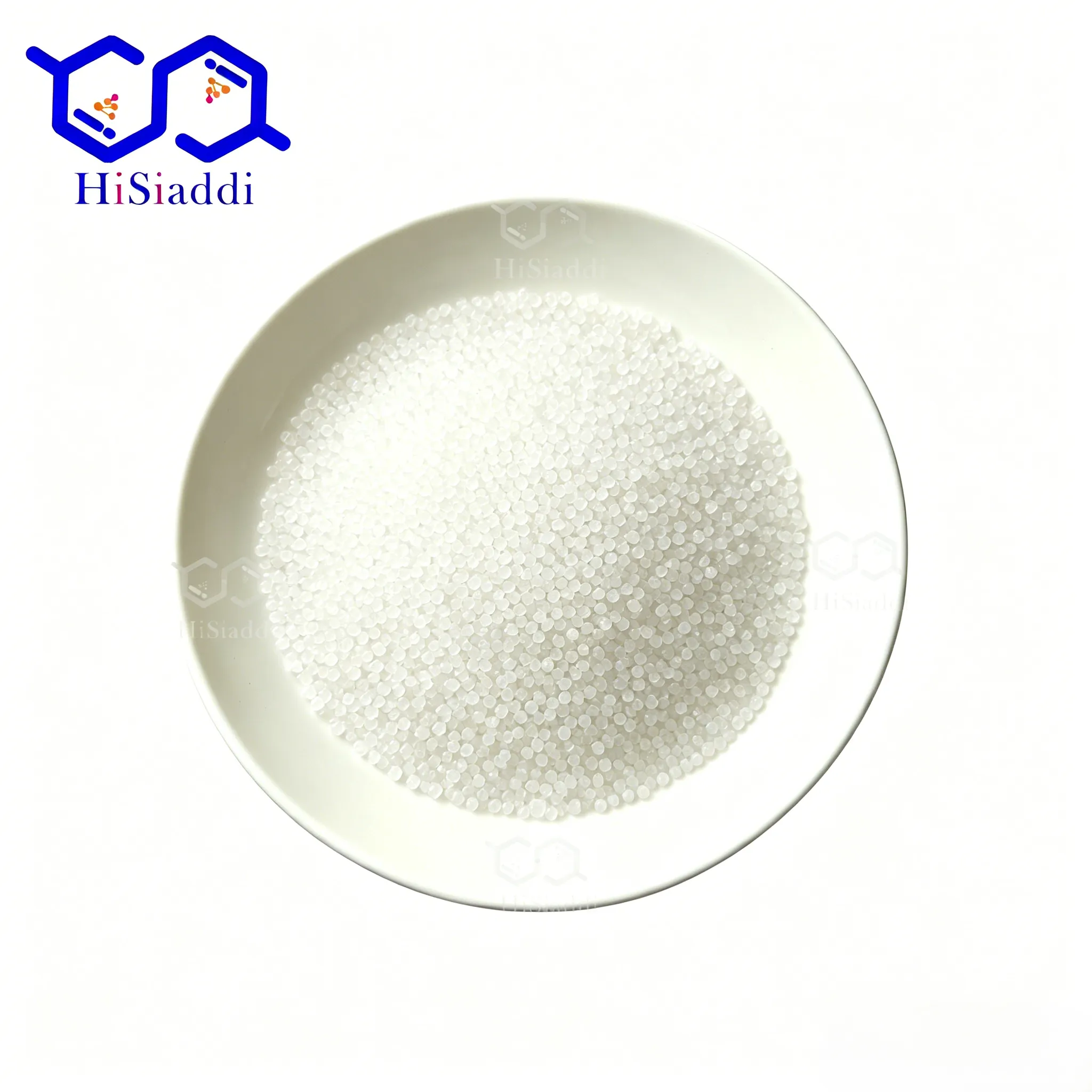
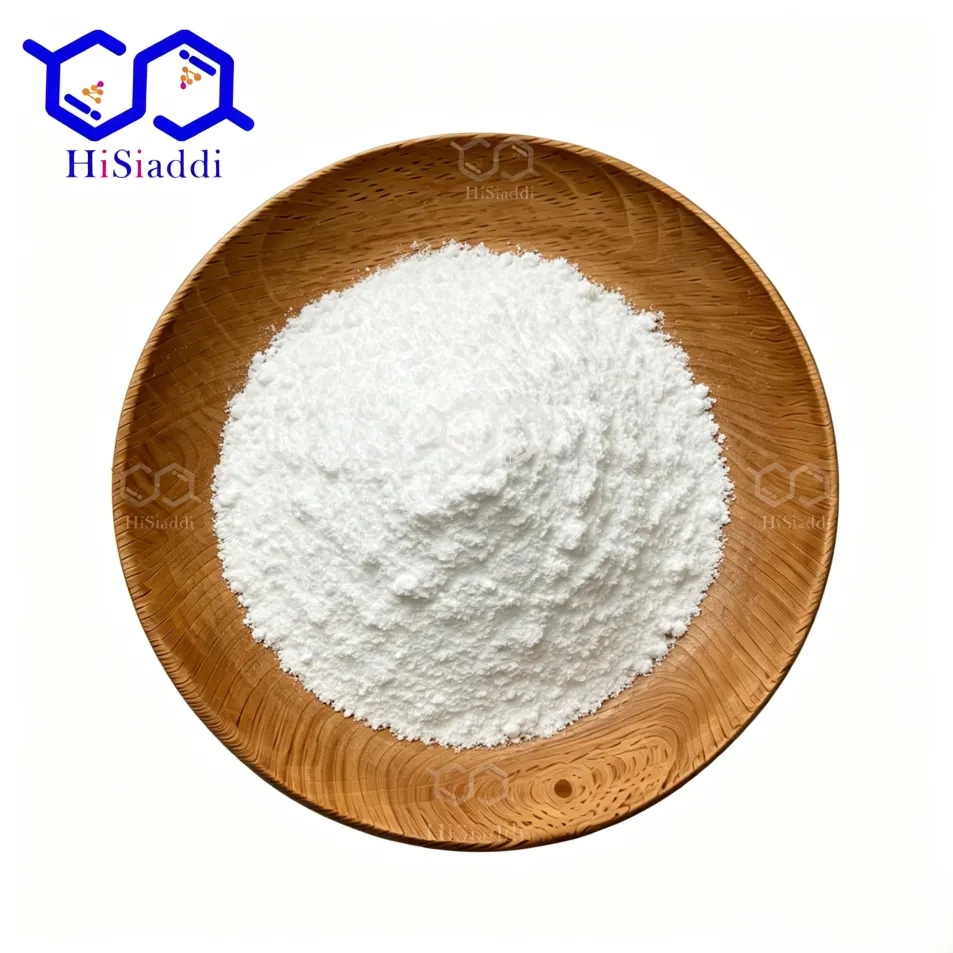
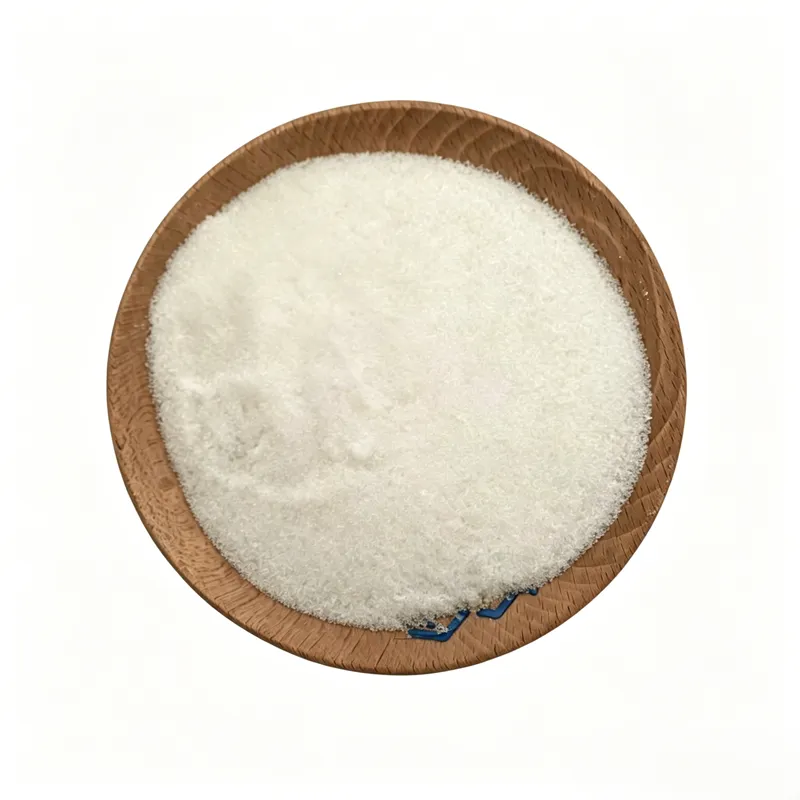
HiSiaddi is an innovative foreign trade service provider driven by both technology transformation and export business. We operate a service system defined as "1+2+3+4=1" and can supply PVI rubber vulcanizing agents sourced directly from multiple well-known original manufacturers. As a tech-driven foreign trade enterprise, HiSiaddi has long collaborated with factories on technology conversion and accurately captured market demands, repeatedly proposing formulation optimization solutions and application improvement recommendations for PVI rubber vulcanizing agents. Below is a technical consulting case on PVI formulation optimization delivered by HiSiaddi.
Contact HiSiaddi customer service for inquiries about formulation optimization consulting services.
Purchaser: Elastomer-Tech GmbH, Stuttgart, Germany Designated supporting supplier for Mercedes-Benz and Bosch, specializing in EPDM/FKM composite engine oil seals, new-energy vehicle water-cooled pipeline sealing rubber, and white food-grade on-board water delivery rubber accessories. Products comply with German DIN535 rubber testing standards, IATF16949 automotive OEM access specifications, and EU REACH & RoHS environmental regulations. The client previously partnered with HiSiaddi to launch two customized PVI grades: high-purity refined powder PVI and EPDM-carrier pre-dispersed PVI-80 granules under a 190-ton annual framework contract. After the first batch of 82 tons was delivered and deployed across four mixing extrusion production lines using the original mature LANXESS PVI formulation, three fatal defects emerged within one week of mass production: localized abnormal rubber scorch, white bloom on finished products after storage, and slight yellow discoloration of white rubber parts. Multiple indicators failed third-party laboratory testing commissioned by Mercedes-Benz, causing frequent production line shutdowns with weekly losses exceeding EUR 11,800 from semi-finished product scrapping and order breach penalties.
The client’s R&D team followed European additive compatibility logic and adjusted PVI, accelerator, sulfur and lubricant dosages over 20 separate trials, falling into a dead loop: increasing PVI reduces vulcanization efficiency, decreasing PVI causes mass scorch, and adjusting any additive triggers blooming or discoloration. The original PVI manufacturer only guaranteed product physical and chemical compliance at factory exit, lacking downstream rubber formulation application engineers; they could only issue COAs and failed to diagnose failures from rubber compatibility and processing condition perspectives. The client fully entrusted HiSiaddi to establish a dedicated rubber additive technical team for remote technical troubleshooting.
HiSiaddi operates an in-house rubber formulation application laboratory with full-time rubber and plastic engineers, covering the full technical chain of upstream PVI synthesis processes and downstream mixing processing. Distinct from pure goods-resale foreign trade merchants, we conduct parallel testing of raw material benchmarks, formulation disassembly and process simulation trials to identify compatibility conflicts and deliver comprehensive rectification solutions.
1.
Physical property differences between customized domestic PVI and original LANXESS grades cause compatibility imbalance when directly copying mature formulations The domestically refined PVI undergoes secondary negative-pressure rectification purification, leading to objective gaps versus imported LANXESS PVI in residual small-molecule impurities, molecular solubility and melt dispersion properties. The client’s original formulation was designed for low-impurity imported materials; at identical dosage levels, additive solubility limits within the rubber matrix are exceeded, the primary root cause of blooming and discoloration.
2.
3.
Poor compatibility between vulcanization accelerator systems and domestic PVI leads to unstable scorch time The client’s original formulation adopted a CZ+DM composite accelerator system with a wide safe anti-scorch window when paired with LANXESS PVI. Domestic customized PVI reacts at different rates with thiazole and sulfenamide accelerators; original dosing ratios trigger unbalanced vulcanization, resulting in localized premature rubber scorch during high-temperature mixing.
4.
5.
Mixing and extrusion process parameters calibrated for European additives mismatch heat resistance characteristics of domestic PVI The client’s internal mixer temperature control, screw speed and vacuum negative pressure were fully calibrated for imported raw material operating conditions. Low-boiling residual components in customized PVI volatilize and precipitate more readily under heat, exacerbating product blooming and yellow discoloration. The client lacked a process parameter database for domestic PVI and had no basis for production line adjustments.
6.
HiSiaddi collected samples of original LANXESS PVI and domestic customized PVI simultaneously and commissioned EU SGS to conduct full parallel physical and chemical screening. Test results confirmed the domestic PVI met all contracted factory exit specifications, ruling out raw material quality defects as the failure source. Three root causes were identified:
1. Refined PVI exhibits slightly higher solubility than imported alternatives; excessive lubricants and process oils in the original formulation push additives beyond EPDM rubber solubility limits, leading to slow migration and precipitation of white bloom during ambient storage.
2. The anti-scorch activity window of domestic PVI shifts forward. The original 0.32phr dosage paired with CZ+DM accelerators delivers excessive anti-scorch effect and insufficient overall vulcanization speed; dosage reduction eliminates anti-scorch protection and triggers localized scorch.
3. Mismatch between the Mooney viscosity of the EPDM carrier in pre-dispersed PVI-80 and the client’s base raw rubber causes uneven mixing dispersion, with tiny agglomerates inducing localized yellowing in white rubber compounds.
Original formulation: PVI-80 granules 0.32phr, CZ 1.8phr, DM 1.1phr, sulfur 1.5phr, naphthenic oil 7.2phr, polyethylene wax 0.45phr Optimization plan:
1. Reduce pre-dispersed PVI-80 dosage from 0.32phr to 0.26phr to moderately lower anti-scorch component content.
2. Fine-tune accelerators: CZ reduced to 1.55phr, DM increased to 1.28phr to balance vulcanization speed and anti-scorch safety.
3. Cut naphthenic oil from 7.2phr to 5.8phr to eliminate excess plasticizing oil and mitigate blooming risks from additive oversaturation.
4. Lower polyethylene wax to 0.28phr to reduce migration precipitation of low-molecular wax substances.
1. Adjust high-purity refined PVI dosage from 0.30phr to 0.25phr.
2. Partially replace paraffin softeners with 0.35phr epoxy-based compatibilizers to improve interfacial compatibility between PVI and white fillers and eliminate finished product yellowing.
3. Add 0.2phr silane coupling agent to silica reinforcing filler to enhance powder dispersion and avoid localized discoloration from additive enrichment.
1. Segmented temperature reduction: Original mixing zone 1 at 162°C, zone 2 at 154°C, extrusion die head at 158°C; optimized to zone 1:153°C, zone 2:146°C, die head:150°C to reduce volatile precipitation of small molecules induced by high temperatures.
2. Lower internal mixer rotor speed from 420r/min to 365r/min to minimize frictional heat generation and avoid instantaneous localized overheating scorch.
3. Raise four-stage vacuum negative pressure from -0.072MPa to -0.089MPa to extract volatile small molecules in real time during mixing.
4. Adjust feeding sequence: Feed raw rubber + reinforcing fillers first and mix for 3 minutes, then add accelerators and oils, and finally introduce PVI under low temperature to prevent premature thermal decomposition of PVI.
Customized PVI storage environment: Constant temperature ≤25°C, humidity <60%; opened raw materials to be consumed within 7 days, residual materials sealed with nitrogen for preservation. HiSiaddi also issued a bilingual Customized PVI Processing & Usage Guidebook labeling recommended dosage ranges and temperature intervals for each grade, with batch-specific processing reference parameters attached to every shipment.
1. Lab trials + 72-hour mass production validation: Optimized formulation samples subjected to accelerated aging testing for 90 days in internal laboratories showed no blooming or white rubber yellowing, with scorch time stabilized within safe process windows. The client ran continuous 72-hour full-load production on a single line, raising yield rate from 74.3% to 99.6%. All Mercedes-Benz incoming re-inspection standards were satisfied, enabling delivery of backlogged orders and avoidance of large compensation claims.
2. Stable delivery of full-year order split: Monthly balanced shipments of the 190-ton annual framework order, including 75 tons high-purity powder PVI and 115 tons pre-dispersed granular PVI-80. HiSiaddi conducts pre-shipment physical and chemical testing for every batch and updates supporting process guidance documents synchronously.
3. Long-term incremental cooperation: The client launched an energy storage battery sealing rubber project the following year, and HiSiaddi collaborated with upstream manufacturers to develop low-temperature modified PVI, adding an additional annual procurement volume of 70 tons.
4. Full-category additive management: The client subsequently entrusted HiSiaddi with material selection and matching for all rubber auxiliary materials including zinc oxide, accelerators and anti-aging agents.
Domestic PVI manufacturers focus on synthesis and mass production, with limited reserves of rubber formulation and end-processing technical expertise. European mid-to-high-end automotive rubber enterprises rely on imported additives for finalized formulation systems; objective physical property gaps between domestic refined modified PVI and original imported products cause compatibility failures when simply substituting at equal dosages. Overseas R&D teams lack familiarity with domestic additive synthesis characteristics, incurring high trial-and-error costs for independent formulation adjustments.
We transcend pure goods trading by integrating three core technical capabilities: additive synthesis knowledge, rubber formulation R&D and mass production process calibration. We accurately distinguish failures caused by raw material quality defects versus formulation/process compatibility issues, delivering full-chain rectification solutions covering formulation, processing and usage specifications to rapidly resolve client production shutdown crises.
European automotive Tier 1 rubber manufacturers evaluate PVI suppliers based not only on product indicators and pricing, but also formulation optimization capabilities, on-site process technical support and closed-loop after-sales failure resolution. Full-cycle technical empowerment constitutes the core competitive advantage for domestic additives to enter high-end European automotive supply chains.
Contact HiSiaddi customer service for inquiries about formulation optimization consulting services.

 +86-13120989737
  info@hisiaddi.com
 English