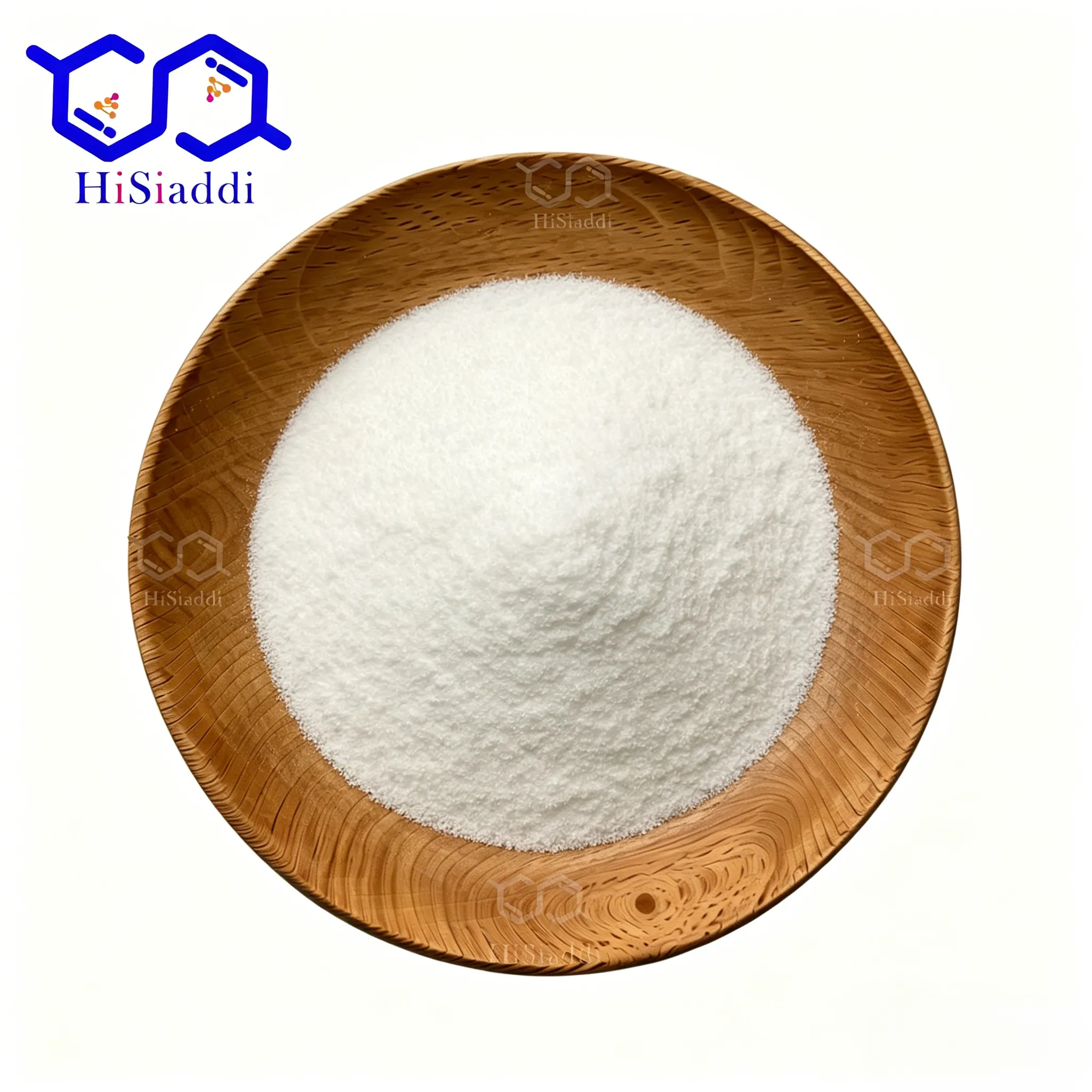
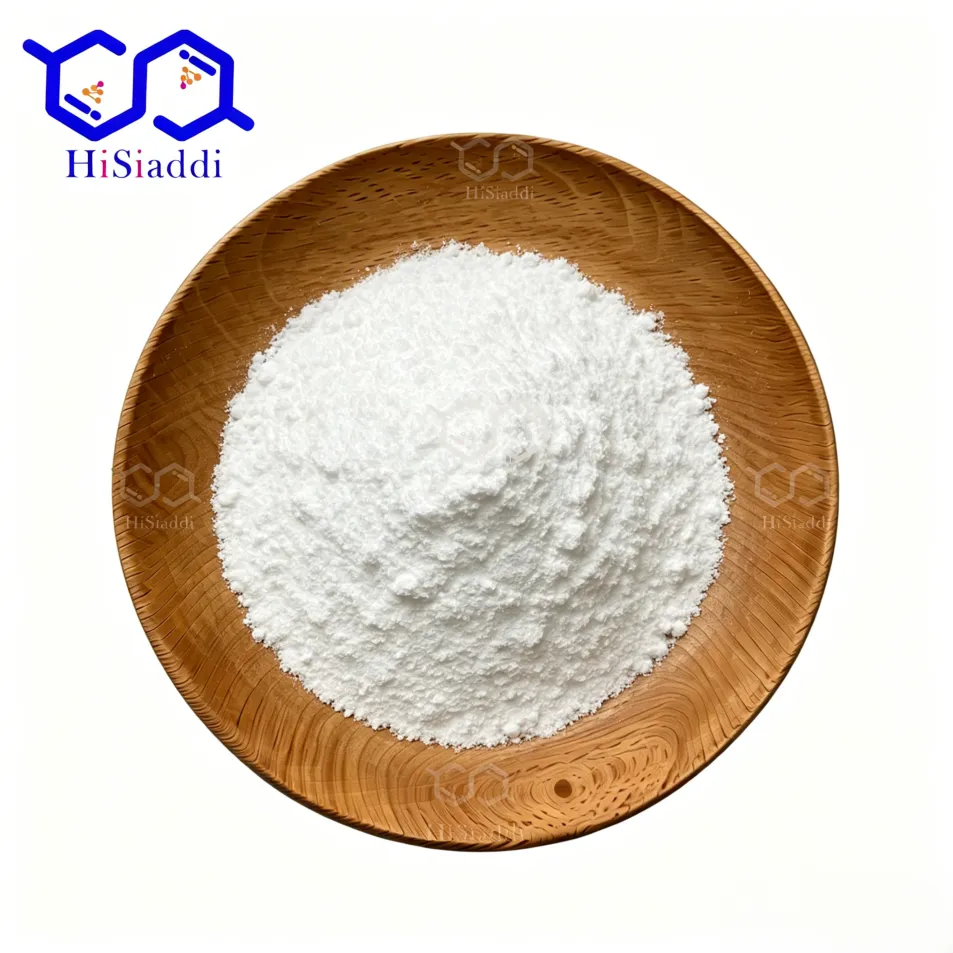
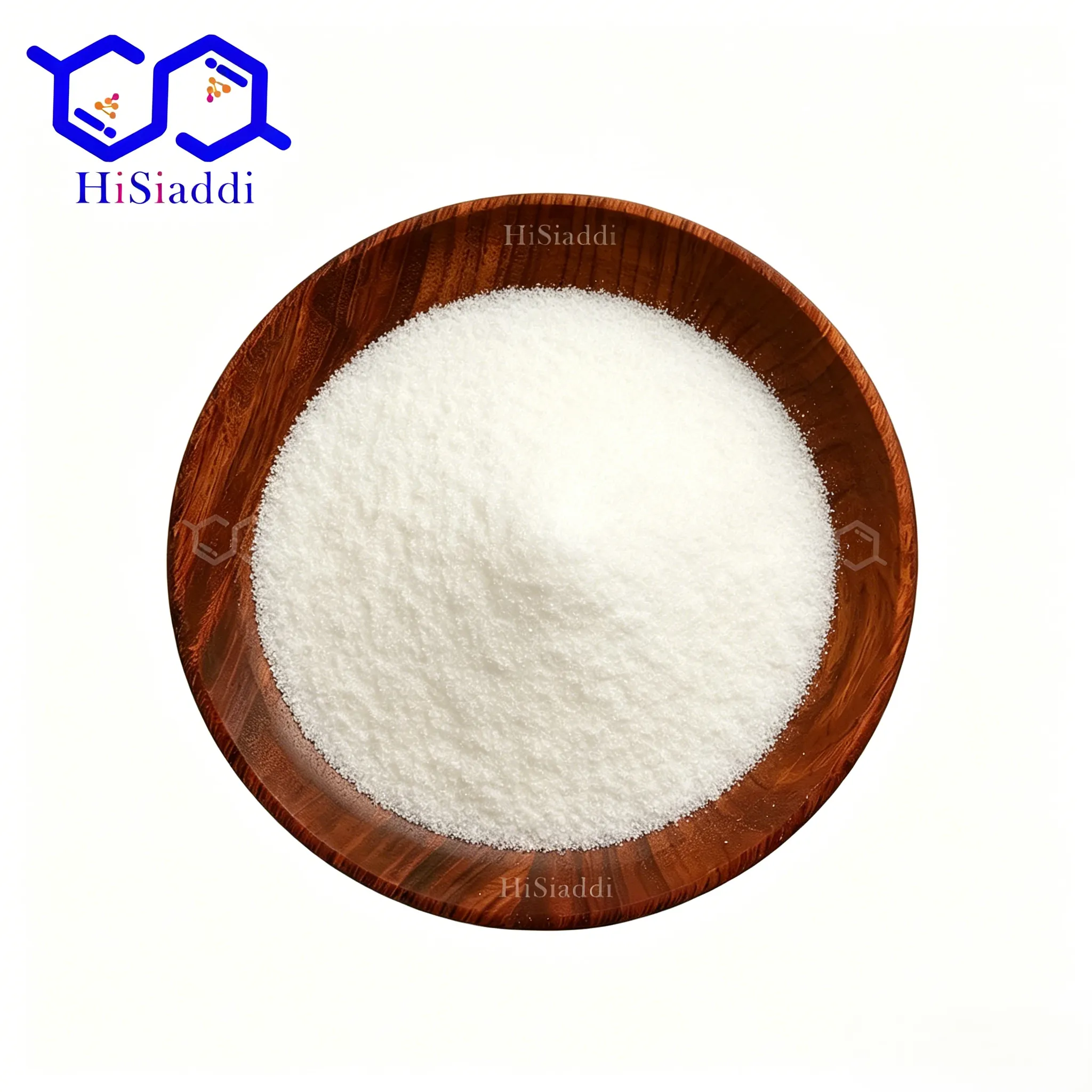
HiSiaddi is an innovative foreign trade service provider driven by both technology commercialization and export business. It has established a "1+2+3+4=1" service system and can supply steviol glycosides sourced directly from multiple well-known original manufacturers. As a technology-driven foreign trade enterprise, HiSiaddi repeatedly proposes steviol glycosides formulation optimization schemes and application improvement suggestions through technological cooperation with manufacturers and precise market insight. Below is a case study of HiSiaddi’s steviol glycosides formulation optimization consulting services.
For more formulation optimization consulting services, please contact HiSiaddi customer service.
The buyer, NaturVita B.V. based in Amsterdam, the Netherlands, is a mid-to-high-end organic food brand serving Western Europe. Its products are available in premium AH supermarkets in the Netherlands and chain organic pharmacies across Northern Europe. Core zero-sugar product lines include organic fresh fruit beverages, low-sugar pectin gummies and whole-grain meal replacement biscuits. Raw materials comply with EU EFSA standards, the Netherlands SKAL Organic Certification and LFGB safety specifications, with an annual steviol glycosides procurement volume of 118 tons. The client previously purchased standard domestic RA95 steviol glycosides in bulk, which triggered three severe mass production failures after launch. Manufacturers only supplied fixed-spec raw materials without downstream formulation application technical support, resulting in production line shutdowns for commissioning and finished product scrap losses exceeding 52,000 Euros. The client entrusted HiSiaddi to fully investigate and rectify technical challenges covering raw material indicator adjustment, formulation improvement and production process optimization.
Three Core Production Failures Occurred During Production
1. Acidic fruit beverages (pH 3.1~3.4): Fine white crystal precipitates formed at the bottom of bottles after 45 days of ambient storage, with prominent lingering bitter and grassy off-notes, failing the factory release standards for Dutch organic beverages;
2. Organic pectin gummies: White bloom appeared on the surface after cooling post 115°C boiling shaping; gummies softened and released free water with collapsed colloid structures after one month of shelf storage;
3. Whole-grain baking biscuits: Severe sweetness loss and pale coloring after baking at 170°C, finished products carried metallic bitter aftertaste, creating significant taste discrepancies and high terminal return rates.
1.
Precipitation & Lingering Bitterness in Beverages The client used standard RA95 stevia with high levels of stevioside and RebC miscellaneous glycosides, plus excessive residual steviol. Glycosides slowly hydrolyze in acidic water environments to form crystal precipitates. The delayed sweetness characteristic of standard RA95 stevia is amplified by organic acids, generating inherent grassy bitter flavors incompatible with low-acid beverage formulations.
2.
3.
Sugar Recrystallization & Water Separation in Gummies Direct addition of stevia powder lacks filler carriers to balance soluble solids within the gummy system, leading to precipitation of fine stevia crystals that form white bloom. Local thermal denaturation of stevia during high-temperature boiling damages the pectin network structure, releasing free water and causing softening during shelf storage.
4.
5.
Severe Sweetness Loss & Poor Coloring in Baking Standard stevia exhibits insufficient high-temperature resistance; glycoside decomposition during baking causes massive sweetness loss. Stevia lacks Maillard reaction substrates found in sucrose, resulting in pale biscuit coloring. Thermal decomposition of impurity components generates metallic bitter substances.
6.
Domestic raw material manufacturers only control national standard purity indicators and operate without downstream food formulation laboratories. They merely deliver raw materials and cannot adjust raw material specifications or compound formulas based on clients’ end products. Repeated adjustments to feeding ratios by the client failed to eliminate defects.
1. Raw Material Adjustment: Replace with high-purity RA98 compounded with a small proportion of RebM stevia, strictly limiting steviol ≤0.07% and stevioside <1% to drastically reduce easily hydrolyzed miscellaneous glycosides and improve stability in weak acid systems;
2. Minor Formulation Modification: Add 0.12% sodium citrate and trace organic erythritol to the original formulation to stabilize pH via buffer systems and mask stevia bitter aftertaste; reduce stevia feeding dosage by 12% to cut bitter precursor substances;
3. Production Process Optimization: Pre-dissolve stevia in warm water at 40°C before batching to avoid local oversaturation and precipitation from direct dry powder addition. Accelerated stability testing confirmed no crystal precipitation after 120 days of ambient storage for pH 3.2 samples, with clean flavor free of grassy bitterness.
1. Raw Material Replacement: Switch to low-temperature physically compounded granular stevia (1:3.2 premix of stevia and organic erythritol) to replace bulk powder stevia. Erythritol balances solid content and inhibits crystal precipitation;
2. Formulation Improvement: Slightly increase pectin dosage by 0.15% and add 0.08% apple polyphenols to optimize colloid compatibility and lock free water within the system;
3. Production Adjustment: Add compound stevia after cooling boiling mass to 108°C to shorten stevia exposure to high temperatures. Mass production tests verified no recrystallization, water separation or shape deformation after 90 days of ambient gummy storage.
1. Raw Material Selection: Adopt low-moisture-absorption granular stevia (30 mesh) and heat-resistant modified RA97 stevia with thermal loss controlled within 3.8% at 170°C;
2. Formulation Supplement: Add 6% organic coconut sugar to supply Maillard reaction substrates for improved biscuit coloring, plus trace salt to neutralize metallic bitter notes from stevia;
3. Baking Process Adjustment: Low-temperature shaping at 155°C in the first stage, followed by short high-temperature coloring at 168°C to avoid prolonged thermal decomposition of stevia. Finished biscuits featured uniform baking coloration, no residual bitterness and retained target sweetness levels.
Three batches of optimized raw material samples were delivered, all passing full-formulation pilot tests conducted by the client’s Dutch laboratory. A small trial batch of 7.6 tons of raw materials ran continuously on full production lines, completely eliminating the three major defects. The client finalized an annual procurement framework of 118 tons: 48 tons beverage grade, 39 tons gummy compound grade and 31 tons baking granular grade, delivered in 13 monthly batches. HiSiaddi coordinated manufacturers to supply SKAL organic supporting reports, EFSA filing documents and batch-by-batch bilingual COA quality inspection certificates to guarantee Dutch customs clearance and raw material warehousing compliance.
1. Client Side: Raw material procurement costs decreased by 22.3% compared with European imports. Three new products launched across full supermarket channels, with terminal return rates dropping below 0.3% within three months. In the following year, the client transferred all stevia raw material procurement and formulation technical service business for its Finland and Sweden subsidiaries to HiSiaddi, raising annual procurement volume to 152 tons.
2. Supplier Manufacturer Side: Supported by this formulation implementation project, manufacturers established customized stevia production processes covering beverage, gummy and baking applications, forming segmented product lines aligned with EU organic standards. They subsequently secured fixed supply orders from two premium snack brands in Switzerland and Belgium.
3. HiSiaddi Value: Beyond simple export sales, HiSiaddi connects full upstream-to-downstream links including raw material indicator optimization, end-product formulation and production process rectification, bridging technical information gaps between Chinese and foreign sugar substitute application technologies. A full-process technical service system targeting premium Western European food brands was established.
Most domestic steviol glycosides manufacturers focus on mass-producing standard RA90/RA95 grades without end-food formulation R&D capabilities, only delivering raw materials under fixed specifications. Premium organic food formulas in Europe and America operate under strict systems where pH, boiling temperature and colloid structure all impact stevia performance. Raw material replacement without professional technical support easily triggers flavor, stability and shaping failures. Supported by sugar substitute application technology reserves, HiSiaddi delivers synchronous rectification covering raw material selection, fine-tuning of formulations and production line processes to resolve mass production challenges in one stop, securing long-term high-value clients through technical expertise.
For more formulation optimization consulting services, please contact HiSiaddi customer service.

 +86-13120989737
  info@hisiaddi.com
 English