As a new foreign trade service provider driven by dual engines of technology transformation and export services, HiSiaddi has built a "1+2+3+4=1" service system, offering access to original factory supplies of TAIC from multiple well-known brands.
Adopting a "1+1>2" business model, HiSiaddi integrates technology transformation and export development, and consistently tracks the global TAIC market from both R&D and commercial perspectives. Today, we analyze the latest shifts and trends of the global TAIC market from a professional standpoint.
If you require more comprehensive, high-value insights into the TAIC market, please contact HiSiaddi customer service.
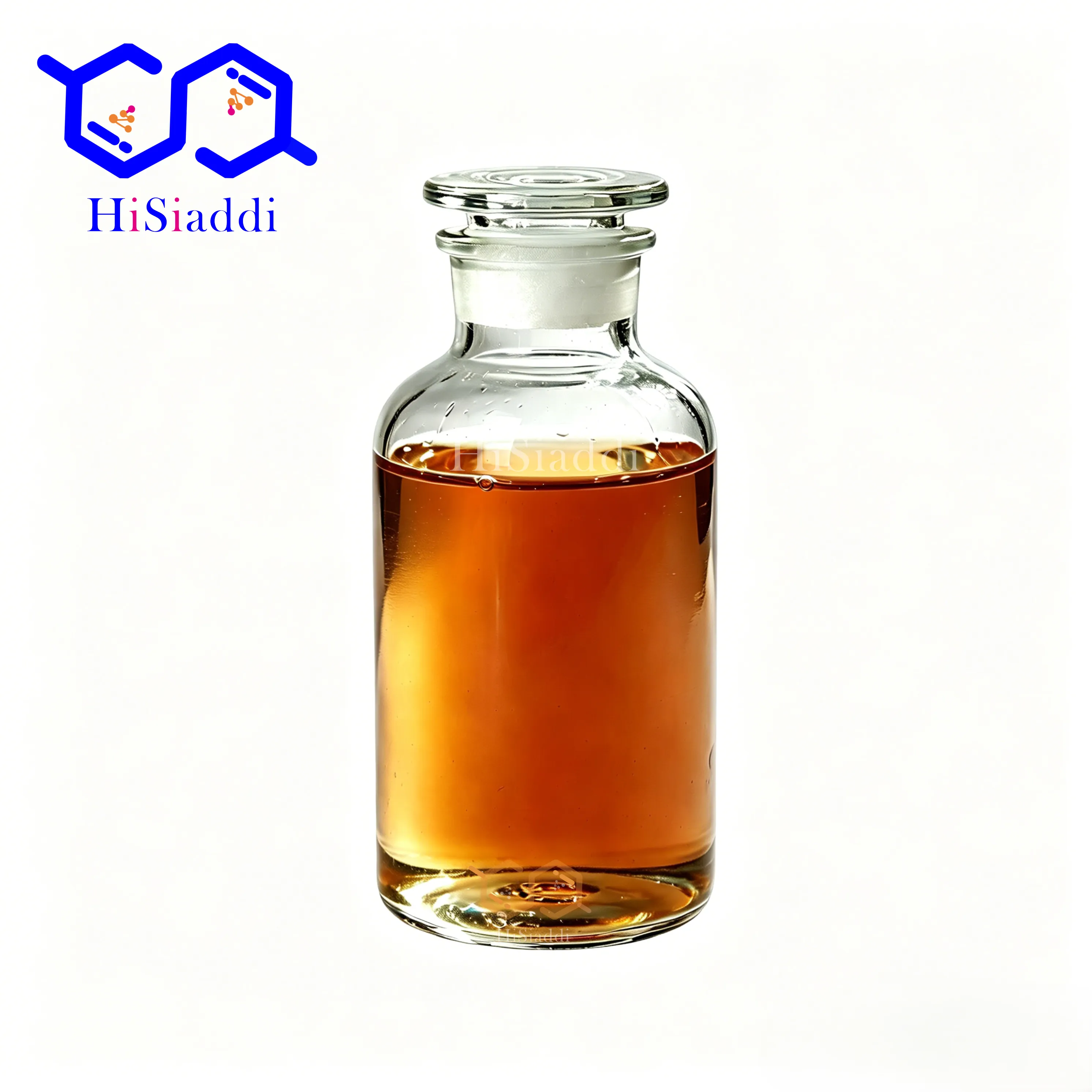
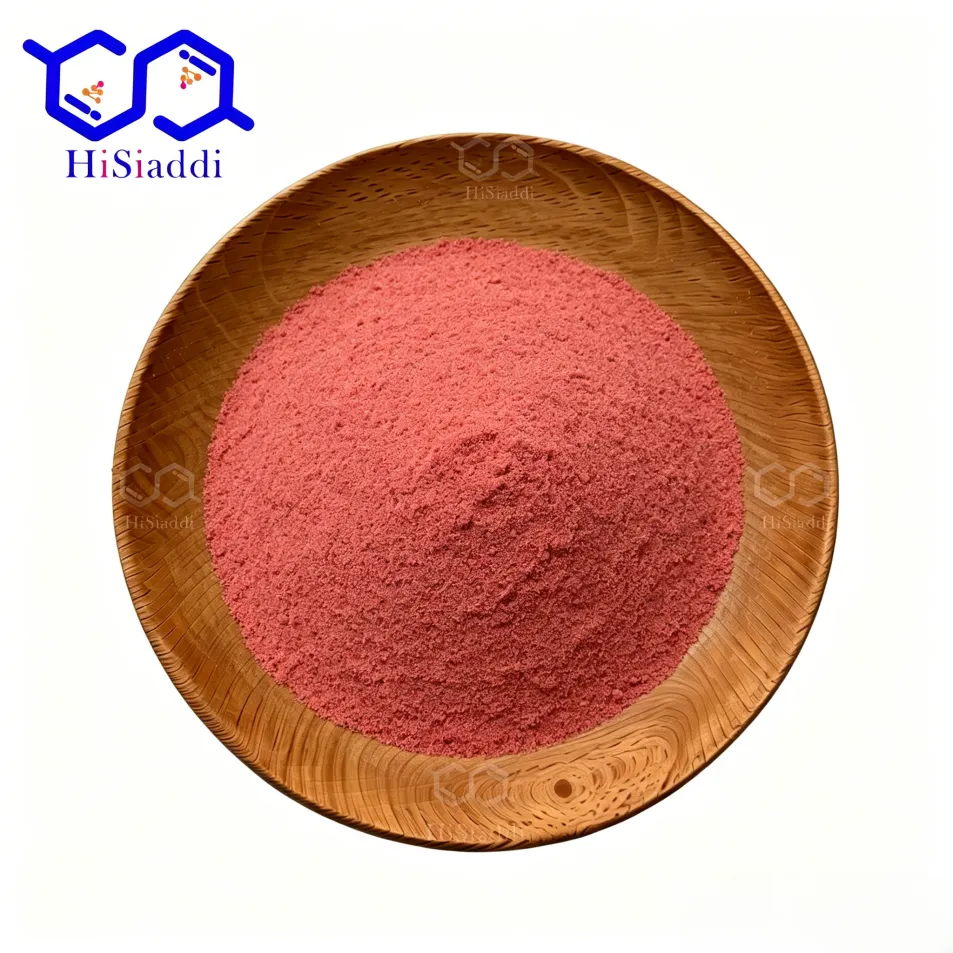
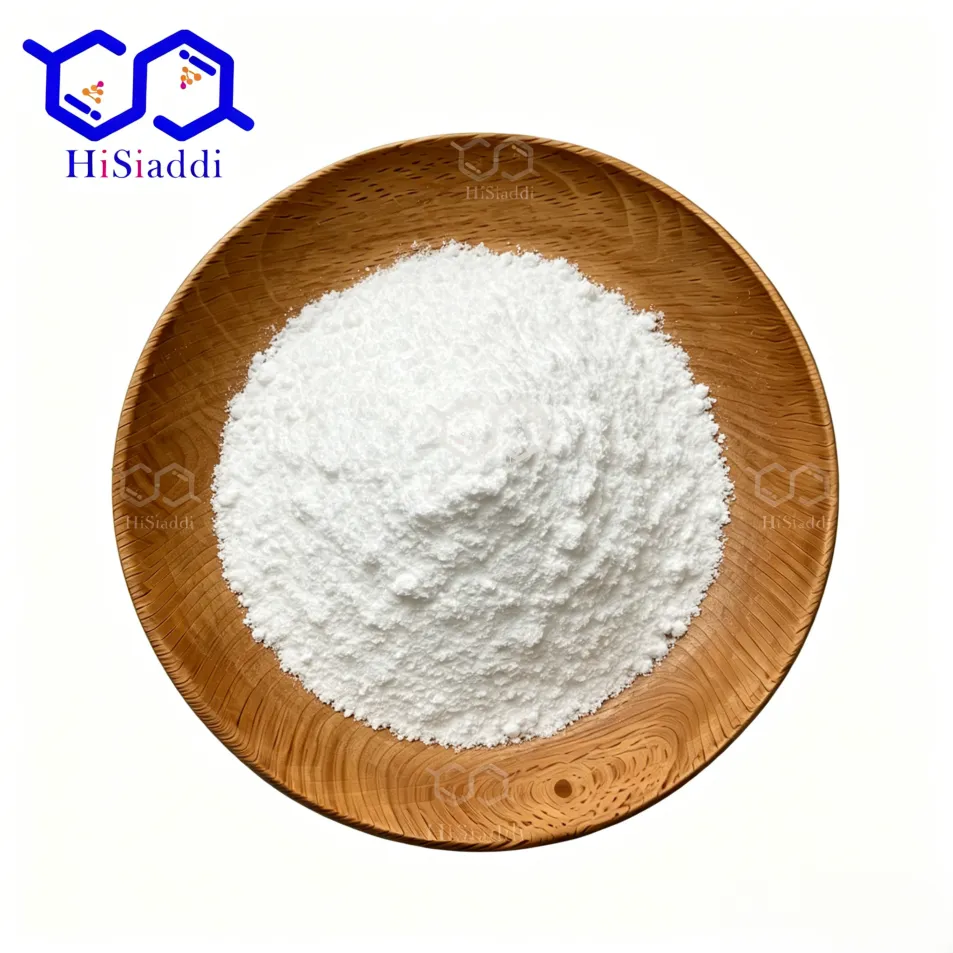
1. Clear substitution trend with stark growth divergence: Spurred by tightened EU REACH regulations, US FDA standards, China’s "Dual Carbon" policies and atmospheric pollution emission limits, low-VOC, low-migration, easy-to-process powder TAIC is rapidly replacing traditional liquid TAIC. The global powder TAIC market posted a 28% growth rate in 2024, far exceeding the overall industry growth of 12%. Liquid TAIC’s market share slid from 65% in 2022 to 38% in 2025, and is projected to drop below 20% by 2027.
2. Compliance certifications become market entry tickets: High-end applications (food contact, medical, photovoltaic, export electronics) mandate TAIC to meet REACH SVHC compliance, FDA 21 CFR 177.2600 certification, and SGS low-VOC test reports. Leading Chinese manufacturers (Wanhua Chemical, Zhejiang Zhongcheng) have obtained EU Green Product Certifications; non-compliant products face direct rejection at European and American customs.
3. Environmental processes force capacity upgrades: Traditional liquid TAIC production relies on highly polluting solvents (toluene, xylene). Powder TAIC adopts solvent-free synthesis and low-temperature crystallization technology, cutting VOC emissions by 85% and solid waste output by 70%. Between 2024 and 2025, 12 small and medium liquid TAIC manufacturers worldwide shut down due to failure to meet environmental standards, while leading enterprises accelerated capacity construction for powder-grade products.
1. Purity benchmarks shift from 99% to 99.5%–99.9%: High-end scenarios including new energy vehicle seals (heat resistance ≥200°C), photovoltaic EVA encapsulant films (light transmittance >95%), and 5G base station insulation materials (CTI >600V) require TAIC with purity ≥99.5% and impurities (moisture, free cyanuric acid) ≤0.1%. High-purity TAIC (≥99.5%) captured 42% of the global market in 2025, a 21 percentage point rise from 2022, with a 15%–20% price premium over standard grades.
2. Surging demand for high crosslinking efficiency and customized grades: Downstream clients demand a 25% boost in gel rate and a 15%–20% reduction in TAIC dosage (to cut substrate costs). Differentiated customized grades have emerged: low-temperature resistant grades for fluororubber, high-dispersion grades for silicone rubber, low-migration grades for radiation crosslinking, and emulsion grades for water-based coatings. Leading manufacturers (Evonik, Wanhua) offer customized production covering purity (99%/99.5%/99.9%), particle size (50–200 mesh), and form (powder/liquid/emulsion).
3. Booming demand in emerging tracks: From 2024 to 2025, TAIC demand surged 45%, 38% and 52% year-on-year in photovoltaic encapsulant films, new energy vehicle battery separators, and energy storage equipment insulation layers respectively. Traditional rubber sectors (tires, general seals) only registered modest growth of 6%–8%, completely restructuring market demand patterns.
1. Global capacity concentration CR5 hits 78%: Total global TAIC capacity stood at approximately 32,000 tons in 2025. Chinese manufacturers (Wanhua Chemical, Zhejiang Zhongcheng, Liuyang Sanji) account for 65% of capacity, European and American firms (Evonik, BASF) 23%, and Japanese & Korean enterprises 12%. The CR5 (capacity share of top 5 manufacturers) climbed from 62% in 2022 to 78% in 2025, with small and medium players exiting the market at an accelerated pace.
2. Chinese capacity upgrades and breakthroughs in high-end segments: China has shifted from exporting low-end liquid TAIC to supplying high-end powder TAIC globally. In 2025, Chinese powder TAIC exports made up 58% of total global powder TAIC trade volume. Wanhua Chemical operates the world’s largest powder TAIC production line (annual output 8,000 tons) with 99.9% purity, matching premium Evonik products directly.
3. Tiered pricing system: Standard liquid TAIC (98%–99% purity): USD 3,800–4,000/ton; general powder TAIC (99%): USD 4,200–4,500/ton; high-end customized grades (99.5%–99.9%): USD 5,000–5,800/ton. High-end products carry significant price premiums with milder price fluctuations.
1. Heightened risks of raw material cost volatility: TAIC’s core feedstocks cyanuric acid and allyl alcohol are petrochemical derivatives. Between 2024 and 2025, international crude oil prices swung by 35%, driving 28% price volatility for allyl alcohol and 22% for cyanuric acid. This caused TAIC prices to fluctuate 8%–12% quarterly, creating severe cost control challenges for small and medium buyers.
2. Stable delivery becomes a core competitive edge: During the annual peak season (Q2–Q3), global capacity tightens drastically. Small suppliers extended lead times from 30 days to 60 days with a 40% delivery delay rate. Leading enterprises operate regional warehouses (Yangtze River Delta, Pearl River Delta, European warehouses) with inventory turnover ≤30 days, enabling fast delivery within 7–15 days and a 98% on-time delivery rate.
3. Technical services evolve from add-ons to mandatory offerings: Downstream buyers (especially small manufacturers) lack capabilities in TAIC formula matching, crosslinking process optimization and performance testing. Top suppliers have transitioned from mere product sales to solution provision, offering free lab/pilot trials, formula optimization, crosslinking degree testing and process training as full-suite support.
1. Heavy environmental compliance pressure: European and American orders mandate low-VOC powder TAIC; traditional liquid TAIC cannot be exported overseas. Switching to powder TAIC raises raw material costs by 15%–20%, squeezing profit margins.
2. Homogenized low-end market competition: Domestic small manufacturers flood the market with generic rubber products, competing solely on price. TAIC procurement prioritizes low cost over purity and stability, resulting in insufficient crosslinking, poor aging resistance and high product rejection rates.
3. Weak technical capacity: Lack of expertise in TAIC formula adaptation and process optimization leads to uneven crosslinking, product cracking and reduced production efficiency after switching to powder TAIC.
1. Ample room for high-end substitution: Expansion in domestic new energy vehicle and high-end building waterproof markets allows traditional rubber buyers to enter high-value segments including premium automotive seals, photovoltaic supporting rubber parts and new energy cable insulation, delivering 30%–50% profit premiums.
2. Cost optimization potential: Powder TAIC requires 15%–20% lower dosage than liquid grades, cutting long-term comprehensive raw material costs while boosting finished product yield and reducing rework losses.
3. Dividends from supply chain integration: Establishing long-term partnerships with leading TAIC suppliers unlocks customized products, technical support, preferential pricing and stable delivery, strengthening market competitiveness.
1. Ultra-high purity and stability requirements: TAIC directly impacts photovoltaic module service life (25+ years) and battery safety, requiring purity ≥99.5%, batch stability tolerance ±0.3% and impurities ≤0.1%. Qualified suppliers are scarce, limiting buyers’ bargaining power.
2. Supply chain security risks: High-purity TAIC capacity is concentrated among a handful of leading manufacturers, creating risks of supply shortages, price hikes and delivery delays during peak seasons, disrupting production schedules and order fulfillment.
3. Rapid technological iteration complicates adaptation: Photovoltaic encapsulant films shift from EVA to POE, and battery separators evolve to ultra-thin specifications (<5μm). TAIC requirements for crosslinking efficiency, dispersibility and heat resistance keep rising, demanding frequent formula and process adjustments.
1. Explosive demand growth: Global annual compound growth of new photovoltaic installations will hit 20% from 2025 to 2030, while new energy vehicle sales grow 15% yearly, driving 30%–40% annual demand growth for high-purity TAIC and sustained market supply gaps.
2. Room for collaborative technological innovation: Jointly developing dedicated TAIC grades with leading suppliers (low-migration TAIC for POE films, high-dispersion TAIC for ultra-thin separators) builds differentiated product barriers to capture high-end market share.
3. Global market expansion opportunities: Rapidly growing photovoltaic and new energy markets in Europe, Southeast Asia and the Middle East enable buyers with high-end material capabilities to expand into high-margin overseas markets and reduce reliance on single regional markets.
1. Multiple certification barriers: Products require EU REACH, US UL, Japanese JIS and other accreditations, forcing TAIC suppliers to provide complete CoA (Certificate of Analysis), MSDS (Material Safety Data Sheet) and certification documents, pushing up compliance costs.
2. Stringent performance metrics: TAIC must deliver high thermal stability (5% TGA weight loss ≥300°C), superior electrical insulation (CTI >600V) and strong weather resistance, making standard grades ineligible and raising procurement costs.
3. Small-batch, multi-variety demand: Fast electronics product iteration creates orders characterized by small batches and diverse custom specifications, requiring flexible TAIC supply capacity from vendors.
1. Growth driven by 5G and digital economy: Global 5G base station construction and data center high-voltage insulation demand surged 28% year-on-year for TAIC in electronics in 2025, with high-end insulation materials carrying 40%–60% profit premiums.
2. Domestic substitution dividends: Premium European and American TAIC suppliers command steep prices and long lead times. Leading Chinese manufacturers (Wanhua, Huitian New Materials) deliver matching performance at a 10%–15% price discount, unlocking massive domestic substitution potential.
3. High-value product layout: Focus on high-margin products such as high-frequency high-speed PCB insulation layers, 5G radomes and new energy charging pile insulation components to escape low-end price wars and boost profitability.
1. High procurement costs and weak bargaining power: Low monthly consumption (<5 tons) excludes volume discounts, while leading suppliers enforce high minimum order quantities (≥10 tons). Small buyers are forced to source from small vendors with inconsistent product quality.
2. Elevated quality risks and insufficient testing capacity: Lack of professional testing equipment (gas chromatographs, TGA thermal gravimetric analyzers) prevents verification of TAIC purity, impurities and thermal stability, leading to receipt of counterfeit high-purity grades or inconsistent batches that cause finished product scrap.
3. Absence of technical support: Small suppliers lack dedicated technical teams to assist with formula matching and process optimization, pushing high trial-and-error costs and long lead times onto buyers.
1. Niche high-end market prospects: Specialty rubber, medical polymers, aerospace niche materials demand customized TAIC performance (low-temperature resistance, high flame retardancy, biocompatibility). These segments face limited competition with 50%–80% profit premiums.
2. Joint procurement for cost reduction: Coordinating group purchases with peer small buyers increases order volume to access volume discounts from leading suppliers and relax minimum order quantity requirements, resolving supply and cost pain points.
3. OEM export opportunities: European and American small brands and research institutions generate substantial customized demand. Buyers with flexible production and custom service capabilities can undertake OEM export orders to avoid cutthroat domestic low-end competition.
1. Tiered supplier screening & dual-supplier system
1. Core supplier (1 vendor): Select top manufacturers with annual capacity ≥5,000 tons, full powder production lines, complete high-end certifications and robust technical services (Wanhua Chemical, Evonik, Zhejiang Zhongcheng), covering 70%–80% of total procurement to guarantee high-purity products, stable delivery and technical support.
2. Backup suppliers (1–2 vendors): Choose second-tier manufacturers with capacity ≥2,000 tons, consistent quality, moderate pricing and flexible delivery to mitigate peak-season supply shortages and unexpected order spikes, covering 20%–30% of procurement.
3. Avoid low-cost traps: Reject uncertified low-priced products with purity <99% and no test reports to prevent costly full-batch scrap and customer churn.
2. Lock long-term agreements to hedge price volatility
1. Sign 1–3 year long-term procurement contracts with core suppliers, stipulating price fluctuation caps (±5%), lead times and quality compensation clauses to lock costs and offset raw material price swings.
2. Place orders 1–2 months in advance for peak seasons (Q2–Q3) to reserve production capacity; maintain safety stock of 1–2 months during off-peak periods to mitigate peak-season price hikes.
3. Deploy localized warehousing to shorten lead times
1. Prioritize suppliers operating warehouses in target markets (Europe, Southeast Asia, China’s Yangtze/Pearl River Delta) for 7–15 day fast delivery and faster order response.
2. Small buyers may join 3–5 peer firms to jointly lease regional warehouses for bulk inventory, cutting warehousing expenses and securing supply.
1. Product upgrading to enter high-profit tracks
1. Traditional rubber buyers: Phase out low-margin tire and general seal production, pivot to new energy vehicle seals, photovoltaic supporting rubber parts and premium building waterproof materials, sourcing 99.5% purity powder TAIC to lift product performance and profit margins.
2. Electronics & new energy buyers: Focus on POE photovoltaic films, ultra-thin battery separators and 5G high-frequency insulation materials; co-develop dedicated low-migration, high-dispersion, 220°C+ heat-resistant TAIC grades with suppliers to build differentiated competitive barriers.
2. Strengthen in-house testing for strict quality control
1. Basic testing equipment setup: Deploy gas chromatographs (purity/impurity testing), TGA thermal gravimetric analyzers (thermal stability testing) and gel rate testers; enforce mandatory incoming inspection and batch sampling to ensure TAIC meets specifications.
2. Third-party testing endorsement: Commission SGS, Intertek and other accredited bodies to test every batch and issue compliance reports, satisfying European and American customer certification requirements and boosting product credibility.
3. Deepen technical service partnerships to optimize formulas & processes
1. Mandate suppliers to provide free lab trials (≥500g), pilot production support, formula tuning and process training to resolve issues including uneven crosslinking, product cracking and low production efficiency.
2. Co-build joint R&D labs with suppliers to develop proprietary TAIC formulas tailored to end-product requirements, enhancing finished product heat resistance, aging resistance and mechanical strength while lowering dosage and raw material costs.
1. End-to-end compliance to unlock European and American high-end markets
1. Product compliance: Source only TAIC with full REACH SVHC compliance, FDA certification and SGS low-VOC test reports; complete UL, JIS, CE and other accreditations for export products in advance to avoid customs detention.
2. Production compliance: Upgrade production equipment to adopt low-VOC, eco-friendly manufacturing processes, reducing pollutant emissions to meet European and American environmental audit standards and elevate brand image.
2. Diversify markets to reduce reliance on single regions
1. Domestic market: Penetrate emerging tracks including new energy, photovoltaics, 5G and premium automotive sectors, establishing partnerships with leading domestic brands (BYD, LONGi Green Energy, Huawei) to capture larger domestic high-end market share.
2. Overseas market: Prioritize Europe (photovoltaics/new energy), Southeast Asia (rubber/electronics) and the Middle East (photovoltaics/building waterproofing); expand channels via foreign trade service providers and local agents to evade domestic low-end price wars.
3. Brand operation to boost product added value
1. Build premium product brands highlighting high purity, eco-compliance, consistent performance and full technical services to differentiate from low-end OEM goods and raise price premiums.
2. Exhibit at global industry expos (Germany K Show, International Rubber Show USA, China Photovoltaic Expo) to showcase product performance and certifications, connect with high-quality overseas clients and strengthen international brand influence.
1. Lean cost control to cut comprehensive expenditure
1. Formula optimization cost reduction: Leverage supplier technical services to adjust TAIC dosage, cutting consumption by 15%–20% to lower raw material costs while lifting finished product yield and eliminating rework/scrap losses.
2. Group procurement cost reduction: Small buyers coordinate bulk purchasing with 3–5 peer firms to increase order volume, unlocking 5%–10% volume discounts and relaxed minimum order quantity terms to resolve high small-batch procurement costs.
2. Digital management to boost operational efficiency
1. Deploy SCM (Supply Chain Management) systems to monitor real-time TAIC inventory, purchase orders, delivery schedules and price fluctuations, enabling inventory alerts, automated ordering and cost analysis for streamlined management.
2. Establish a regular supplier evaluation system (quarterly/semi-annual reviews) covering five dimensions: quality, pricing, delivery, technical service and compliance; implement merit-based supplier elimination to optimize supply chain structure.
Dear buyer partners, the global TAIC market has entered a new era defined by environmental protection, high-end specialization, industrial concentration and supply chain resilience. Traditional low-price competition models are no longer viable. Premium supply chain partnerships, robust product performance, full compliance capabilities and joint technical innovation will form the core competitiveness of B-end downstream buyers.
If you require more authentic, objective introductions to multiple well-known Chinese TAIC brands, please contact HiSiaddi customer service.

 +86-13120989737
  info@hisiaddi.com
 English