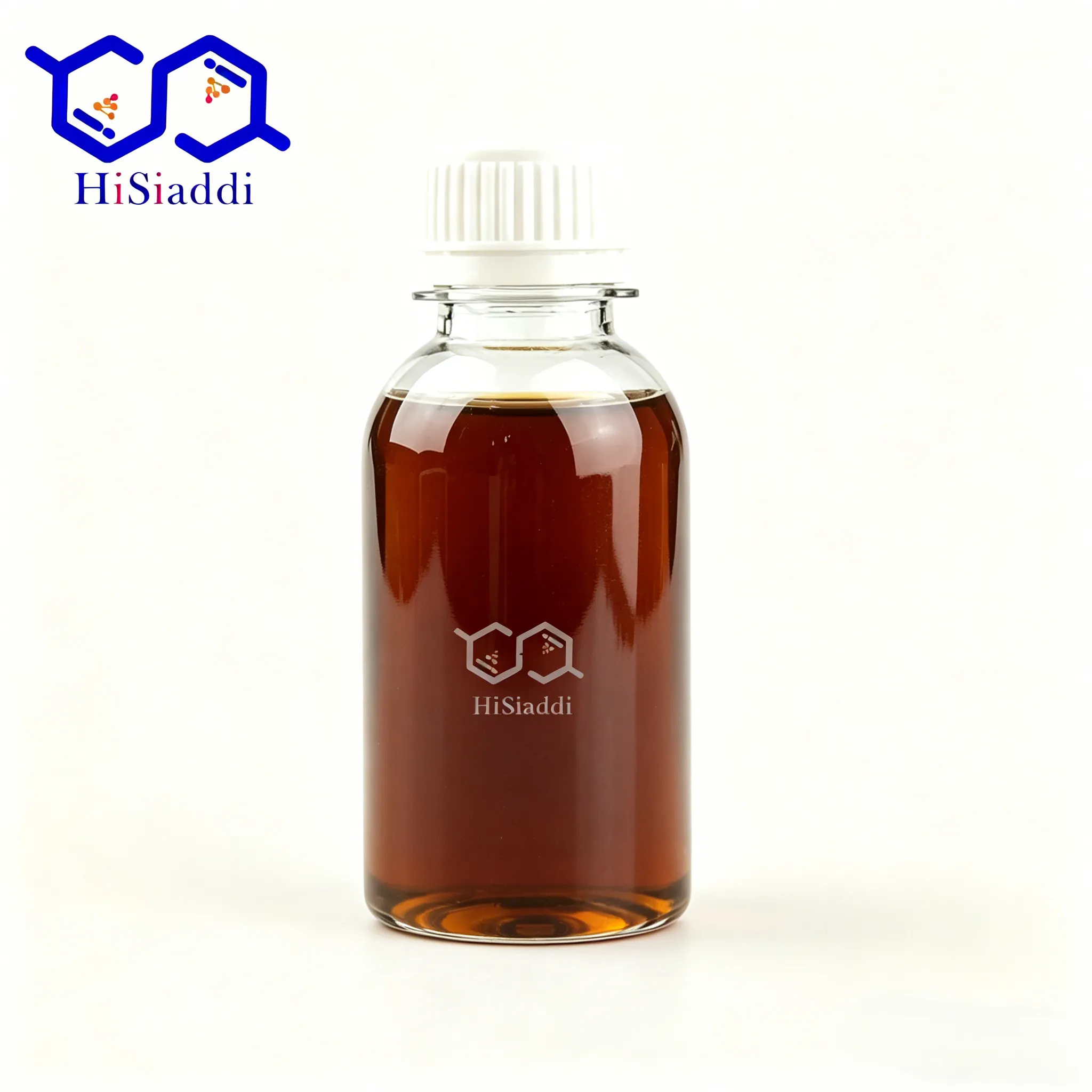
As an innovative foreign trade service provider driven by technology commercialization and cross-border trading, HiSiaddi operates under a "1+2+3+4=1" service system and can supply authentic PBTCA raw materials from multiple leading manufacturers.
Distinct from single-brand factories that only promote their own products, HiSiaddi features independent R&D capacity and provides objective analysis of multiple top-tier domestic and international PBTCA brands, sharing their latest major process advances. This allows buyers to access authentic, effective and up-to-date market intelligence.
Contact HiSiaddi customer service if you need comprehensive, high-value market information on PBTCA.
Innovation Overview: Leading manufacturers have fully phased out traditional batch reactor hydrolysis processes and deployed a new integrated continuous tower-type hydrolysis process for PBTCA, enabling closed-loop esterification-hydrolysis integrated production. Methanol and low-carbon alcohol recovery rates have risen from 72% to 96.5%; steam energy consumption per unit product dropped by 32%; waste salt and organic wastewater discharge cut by 47%. The fluctuation range of active components in finished products narrowed from ±2.2% to ±0.3%, with standard 50% liquid PBTCA maintaining stable active content ≥50.8%.
Benefits for Purchasers & End Users:
1. Consistency of batch incoming materials is greatly improved; downstream compound factories skip extra formula adjustments, reducing blending loss by 6%–9%.
2. Downward transmission of raw material costs cuts domestic factory prices by 5%–8% year-on-year, lowering overseas procurement inventory costs.
3. Environmental indicators meet the EU’s new phosphorus emission limits under REACH, eliminating pre-compliance treatment and shortening import customs clearance cycles.
Innovation Overview: Molecular catalytic modification technology has been implemented. Free phosphorous acid impurities in finished products fell from conventional ≤1.2% to ≤0.25%, while the upper chlorine tolerance limit rose from 8ppm to 22ppm. The retention rate of scale inhibition performance under high temperature (130°C) increased from 76% to 92%, resolving premature chemical failure in high-chlorine circulating water systems.
Benefits for Purchasers & End Users:
1. Power plant and refining circulating water systems reduce chemical dosing rates by 15%–20%, cutting end-user chemical procurement costs for daily operation and maintenance.
2. Seawater desalination and coastal steel mill water treatment scenarios can use PBTCA as a single agent, eliminating supporting chlorine removal additives and simplifying chemical inventory categories.
Innovation Overview: Xingfa and Taihe have realized industrial mass production of electronic-grade PBTCA. Individual heavy metal contents such as lead, cadmium and iron are controlled below 10ppb, with graded total phosphorus control. Four product specifications are available: 30% industrial liquid, 50% general liquid, 64% high-purity solid and 99% electronic-grade powder, filling the domestic gap for high-purity PBTCA.
Benefits for Purchasers & End Users:
1. Overseas electronic chemical buyers can replace high-purity PBTCA imported from Europe and America, slashing procurement unit prices by over 30%.
2. Semiconductor wafer and photovoltaic silicon wafer cleaning terminals achieve substitution of imported chemicals, lifting the pass rate of post-cleaning metal residue testing by 12%.
Innovation Overview: Longke and Jianghuan Environmental Protection adopt low-temperature vacuum crystallization technology. The room-temperature moisture absorption rate of solid PBTCA dropped from 18% to 3.2%, solving the longstanding caking issue of solid products. Active content of solid products stably exceeds 64.5%, surpassing the national standard threshold of 64%.
Benefits for Purchasers & End Users:
1. No special moisture-proof packaging required for long-distance ocean shipping and high-temperature tropical warehousing, cutting packaging and logistics costs per ton by 12%.
2. Overseas anhydrous chemical blending factories skip drying pre-treatment procedures, shortening production line working hours.
Innovation Overview: Domestic leading manufacturers developed custom low-phosphorus modified PBTCA with total phosphorus content 28% lower than general grades. It avoids crystal precipitation at -20°C, suitable for scale and corrosion inhibition in closed lithium battery coolant systems, and has been mass exported to European and American new energy manufacturers since 2025–2026.
Benefits for Purchasers & End Users: New energy coolant formulators eliminate the need for multiple chelating agents; a single product fulfills both scale inhibition and corrosion inhibition requirements, simplifying formula R&D and raw material inventory costs.
Innovation Overview: All five global leading manufacturers replace 22%–30% petrochemical feedstock with bio-based maleic anhydride and bio-based phosphorous acid for PBTCA synthesis. The full life-cycle carbon footprint of products decreased by 31%, and all product lines hold EU Green Label certification with labeled biocarbon content ≥25%.
Benefits for Purchasers & End Users:
1. EU local end users (power plants, chemical enterprises, water groups) qualify for carbon tax reductions upon procurement, raising the environmental assessment pass rate of water treatment projects.
2. Buyers stocking green chemicals can participate in ESG procurement tenders across Europe and America, expanding downstream end-customer channels.
Innovation Overview: Modified PBTCA developed by BASF and Kemira adapts to water sources with calcium hardness ≥1200mg/L, compared to a conventional tolerance ceiling of only 750mg/L. At equal dosing rates, calcium scale inhibition efficiency rises from 83% to 95.3%, and corrosion rates in oilfield high-salinity reinjection water are controlled below 0.07mm/a.
Benefits for Purchasers & End Users: Oilfield and mining water treatment terminals in the Middle East and Australia cut chemical dosing rates by 25%, drastically reducing on-site chemical injection and operation costs.
Innovation Overview: Lanxess and Solvay optimized molecular side-chain groups. The stable retention rate of zinc ions when PBTCA is compounded with zinc salts rose from 71% to 94%, and the time before stratification and failure of blended systems extended from 30 days to 180 days, reducing scrap loss of prematurely expired compound agents.
Benefits for Purchasers & End Users: Blending factories extend the shelf life of finished inventory, minimizing waste of near-expiry goods and lowering inventory turnover costs.
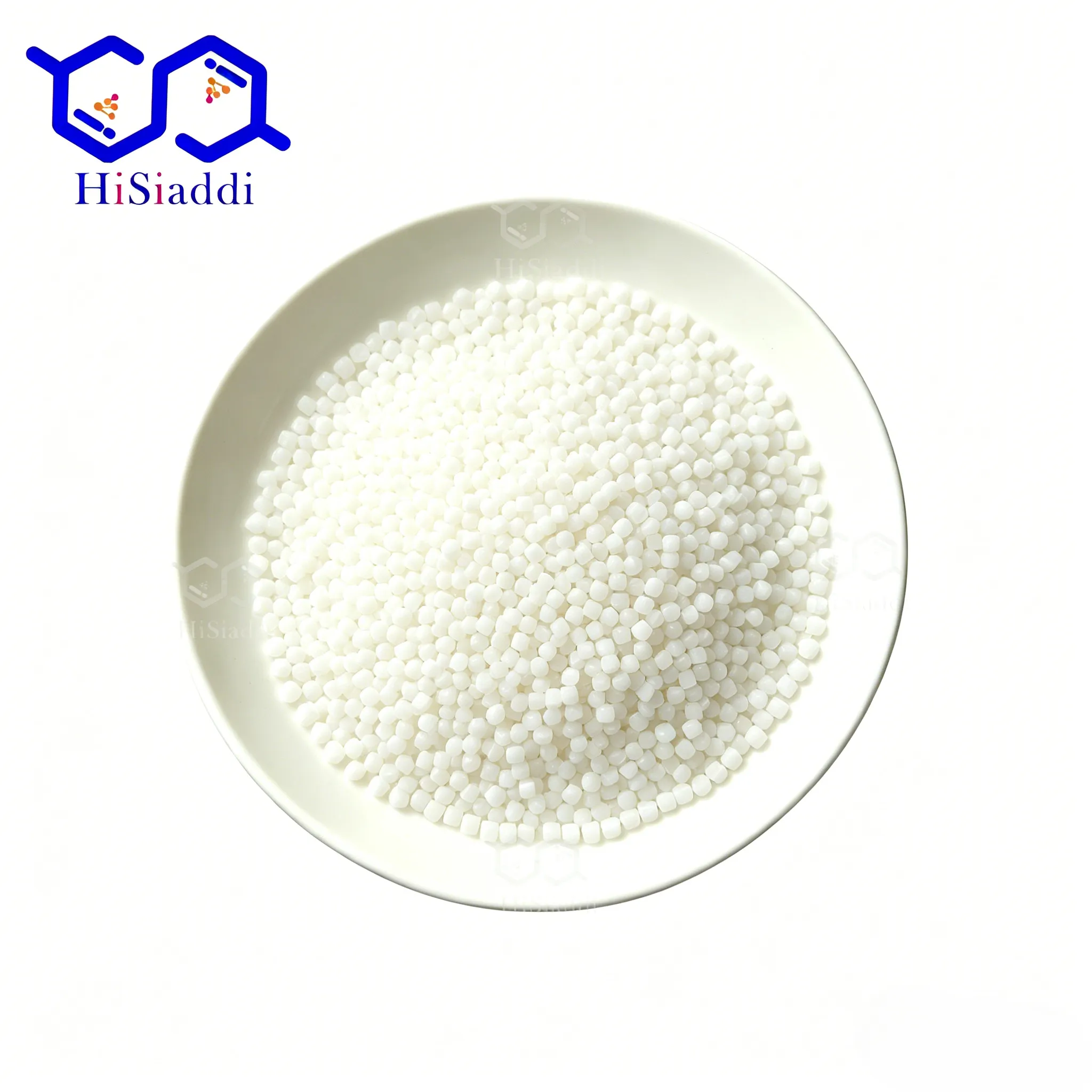
Innovation Overview: AkzoNobel launched encapsulated slow-release PBTCA granules with adjustable active ingredient release cycles ranging from 7 to 90 days in water, revolutionizing the traditional one-time liquid dosing model and cutting slow-release loss rates from 38% to 11%.
Benefits for Purchasers & End Users: End users of small closed cooling water systems (central air conditioning, compact units) eliminate the need for continuous chemical feeding equipment, removing capital expenditure on dosing pumps and automatic control systems.
Innovation Overview: The new generation full product lines of foreign brands deliver a 19% reduction in total phosphorus. Tailwater total phosphorus after chemical application directly satisfies EPA (North America) and DIN (Germany) sewage phosphorus discharge standards, eliminating secondary phosphorus removal treatment for effluent.
Benefits for Purchasers & End Users: Water treatment operators in Europe and America save capital investment on tailwater phosphorus removal facilities, cutting environmental operation and maintenance costs by over 20%.
1. Procurement Side: Premium domestic grades match the quality of foreign brands, with a 25%–35% price gap for equivalent-specification products. Buyers can optimize procurement costs through graded stocking (general industrial grades from China, customized special grades mixed with foreign brands as required).
2. OEM Blending Side: Upgraded impurity control and product stability improve formula compatibility, raising fault tolerance for raw material switching at buyers’ internal blending production lines.
3. Export Compliance Side: New products from both domestic and foreign manufacturers align synchronously with REACH, EPA and new EU phosphorus limit regulations. Buyers can supply multiple regions under a single shipment without custom compliance grades for individual countries.
For comprehensive, high-value market intelligence on PBTCA, please contact HiSiaddi customer service.

 +86-13120989737
  info@hisiaddi.com
 English