As a new-type foreign trade service provider driven by both technology commercialization and foreign trade services, HiSiaddi has established a "1+2+3+4=1" service system and can supply original manufacturer materials of Silicon Nitride from multiple well-known global brands. Having over a decade of deep engagement in the Silicon Nitride foreign trade market, HiSiaddi has sorted out full global sourcing cost data for your reference.
For inquiries about full global sourcing costs of Silicon Nitride or product information, please contact HiSiaddi customer service or visit the official website: www.hisiaddi.com.
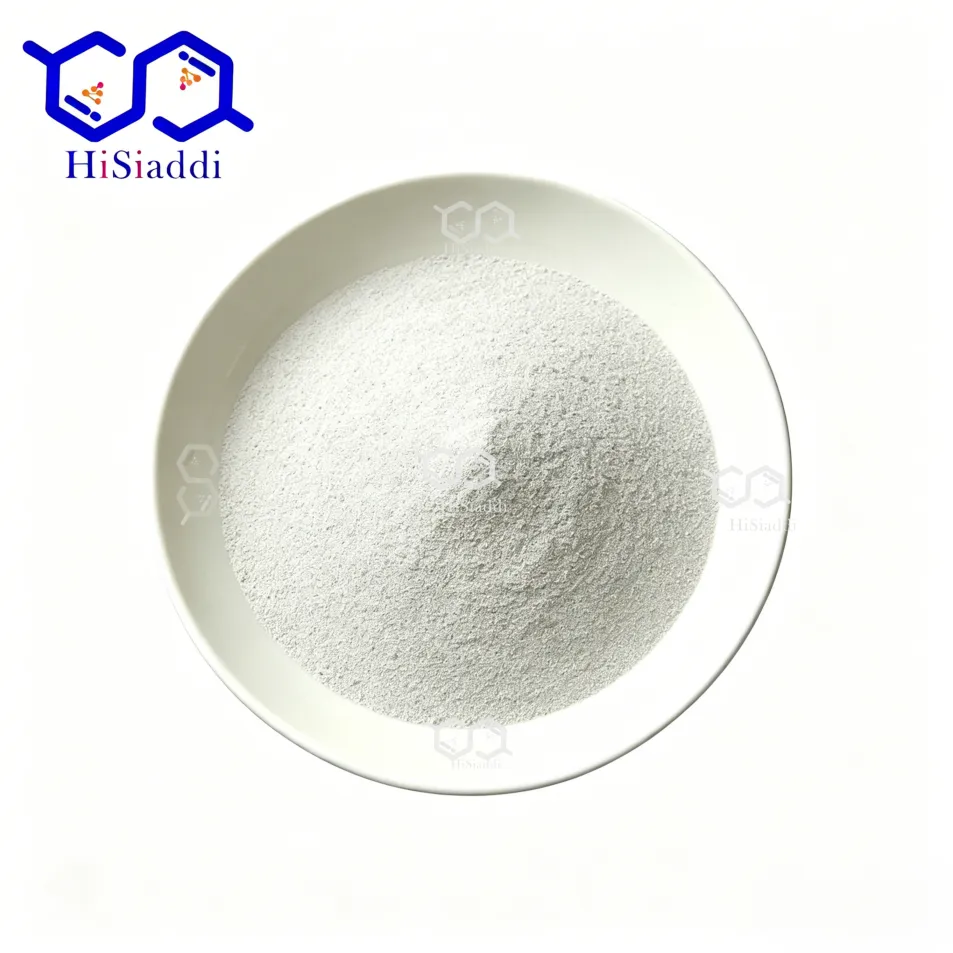
Silicon Nitride Powder (CAS No.: 12033-89-5, Chemical Name Si₃N₄), off-white to blue-gray amorphous or crystalline powder, a new type of ceramic material with three-dimensional network covalent molecular structure. It integrates outstanding high-temperature resistance (heat resistance ≥1800℃), high strength, high hardness (Mohs Hardness 9–9.5), corrosion resistance, thermal shock resistance and electrical insulation, with exceptional chemical stability. Widely applied in advanced structural ceramics (45%, ceramic bearings, cutting tools, engine components), semiconductor materials (25%, chip encapsulation insulating layers, semiconductor ceramic parts), refractory materials (15%, metallurgical kiln furniture, high-temperature furnace linings), electronic materials (10%, insulating ceramics, thermal conductive fillers) and photovoltaic industry (5%, photovoltaic crucibles, crystalline silicon cutting additives), serving as the core raw material for high-end ceramics and semiconductors.
Core Specification Grades (Classified by Crystal Form & Purity, α-Si₃N₄ as Market Mainstream):
· Industrial Ceramic Grade (Mainstream): α-phase ≥90%, purity ≥98.5%, particle size 0.5–2 μm, suitable for ordinary structural ceramics and refractory materials
· High-End Ceramic Grade: α-phase ≥95%, purity ≥99.0%, particle size 0.3–1 μm, suitable for ceramic bearings and premium cutting tools
· Semiconductor Grade: Purity ≥99.9%, metallic impurities ≤10 ppm, particle size 0.1–0.5 μm, suitable for semiconductor encapsulation and chip insulation
· Custom Grade: Crystal phase ratio, particle size and purity adjustable on demand, suitable for extreme high-temperature and precision processing scenarios
1. Production Processes: Mainstream Carbothermal Reduction Nitridation (CRN) accounting for 85% of total capacity, using high-purity silicon powder and nitrogen as raw materials for reduction & nitridation at 1400–1500℃. Domestic leading manufacturers deploy continuous high-temperature nitridation lines equipped with nitrogen recovery and powder classification systems for stable crystal form, uniform particle size and production yield above 82%. Traditional Self-Propagating High-Temperature Synthesis (SHS) accounts for 10% of capacity with low purity and inconsistent crystal form, gradually phased out. Minority high-end CVD Gas-Phase Deposition process costs 25–30% higher than traditional methods and meets strict semiconductor grade standards.
2. Capacity Distribution: Global total capacity approximately 128,000 tons per annum, China holding 42% (53,760 tons per annum, core production regions Shandong, Jiangsu, Zhejiang; representative manufacturers: China National Electric Materials, Sinoma Advanced Nitride Ceramics, Jiangsu Tiangong International, Zhejiang Jinhongtai New Materials) as the world’s largest producer & exporter with over 55% of global trade volume exported. Japan accounts for 25% (UBE, Denka, specializing in semiconductor & high-end ceramic grades with combined market share over 40%). Europe & America account for 20% (H.C.Starck Germany, Dow Chemical USA, focused on ultra-high-purity semiconductor grades). Other regions account for 13% (South Korea, Southeast Asia, specializing in repackaging & blending).
1. Product Purchase Price: Tax-inclusive ex-factory price 88,800 CNY/ton, 10% volume discount for annual orders of 1,000 tons, discounted purchase cost 79,920 CNY/ton
2. Logistics Cost: Domestic full-truck road transport + moisture-proof food-grade cardboard barrel packaging, calculated for 500 km delivery distance: 950 CNY/ton, transit cycle 3–5 days, moisture absorption loss rate 0.1%
3. Testing Cost: Third-party full testing covering crystal phase ratio, purity, particle size, metallic impurities and other core indicators: 1,200 CNY/ton
4. Compliance & Administrative Cost: Chemical raw material filing, procurement operations, document management, supplier liaison and integrated overheads: 280 CNY/ton
5. Supply Chain Risk Cost: Provisions for high-purity silicon powder / nitrogen price volatility, production process losses and rejected batch testing losses, calculated at 0.3% of purchase cost: 2,397 CNY/ton Total Full Sourcing Cost: 84,747 CNY/ton
1. Product Purchase Price: FOB Offshore Price 1,500 USD/ton, converted at exchange rate 1 USD ≈7.25 CNY, plus 6.5% import tariff and 13% VAT, duty-inclusive raw material cost 123,000 CNY/ton
2. Logistics Cost: Ocean freight + domestic secondary distribution, full moisture-proof sealed packaging to prevent powder agglomeration and particle damage, covering ocean freight, customs clearance fees, domestic transshipment and dedicated packaging charges per current ocean freight market conditions: 3,800 CNY/ton, transit cycle 35–45 days, moisture absorption loss rate 0.5%
3. Testing Cost: Full testing and retesting of crystal phase & impurity content by international third-party labs to comply with EU REACH, US EPA and semiconductor industry standards: 2,500 CNY/ton
4. Compliance & Administrative Cost: International chemical certification filing, exchange rate hedging (calculated at 4% exchange rate fluctuation), import & export document processing, overseas supplier liaison and integrated overheads: 3,500 CNY/ton
5. Supply Chain Risk Cost: Provisions for ocean shipping delays, overseas high-purity silicon powder shortage premiums and rejected batch replacement losses, calculated at 0.6% of duty-inclusive raw material cost: 8,800 CNY/ton Total Full Import Sourcing Cost: 141,600 CNY/ton
Domestic full sourcing cost totals 84,747 CNY/ton versus import full cost of 141,600 CNY/ton, delivering a per-ton cost saving of 56,853 CNY or an overall 40.1% reduction. For semiconductor grade products, domestic cost advantages widen further to 42–47%; customized grades cost 45–50% less via domestic customization versus UBE Japan imports. Core price gaps stem from domestic continuous process raw material cost advantages (high-purity silicon powder 35–40% cheaper than Japan & Europe), absence of overseas patent licensing fees, and savings on cross-border logistics & tariff surcharges.
1. Raw Material Costs: Core feedstocks high-purity silicon powder and nitrogen gas. China boasts a complete domestic semiconductor & chemical industrial chain with high-purity silicon powder (≥99.99%) priced at approximately 38,000 CNY/ton – 35–40% cheaper than Japan & Europe. Production of one ton of high-end ceramic grade silicon nitride consumes roughly 1.5 tons of high-purity silicon powder, with raw materials accounting for 68% of total manufacturing costs. Shandong and Jiangsu host major domestic high-purity silicon powder production bases with stable sufficient supply. Japan and Europe rely on imported raw materials plus additional high-temperature nitridation patent licensing fees, inflating costs by over 40%. While Southeast Asia offers marginal raw material cost advantages, backward production processes fail to meet crystal form and purity standards, leading to overall sourcing costs 15–20% higher than domestic Chinese suppliers.
2. Process Differentials: Domestic continuous high-temperature nitridation lines consume 38% less energy than Japanese batch production lines, with higher production efficiency and precise crystal form / particle size control, cutting manufacturing costs by 25–30% versus Japan & Europe. High-end ceramic grades require extra powder classification and crystal phase modulation processes, costing 30–35% more than standard industrial ceramic grades. Semiconductor grades demand upgraded purity and reduced metallic impurities, raising process complexity by 35–40% over ordinary industrial grades. CVD gas-phase deposition incurs 25–30% higher processing costs than traditional routes but meets strict semiconductor application requirements with expanding premium margins.
3. Procurement Scale Discounts: Domestic leading manufacturers offer a minimum 10% volume discount for annual orders ≥1,000 tons, with an additional 2–3% price reduction for 300–1,000 ton batches. Overseas brands only provide 5–8% bulk discounts, with an extra 18,000 CNY/ton patent licensing fee applicable for high-end ceramic and semiconductor grades.
1. Transport Constraints: Silicon nitride powder is highly susceptible to moisture absorption agglomeration and particle breakage, requiring full moisture-proof sealed packaging for ocean import shipments – packaging & moisture protection costs 25% higher than domestic road transport. Domestic road transit cycles last only 3–5 days with flexible adjustable transport conditions and low product quality loss risk. Ocean import transit exceeds 30 days with quality degradation risks from fluctuating humidity and temperature, generating additional re-inspection and replacement costs.
2. Tariffs & Trade Barriers: Raw material imports incur a 6.5% tariff; EU REACH, US EPA and semiconductor industry registration testing fees range from 120,000–180,000 CNY per single registration. Japanese & European manufacturers exporting silicon nitride to China must provide raw material traceability certificates, process compliance reports and crystal performance testing documents, adding 2,500–3,000 CNY/ton in compliance overheads. Stricter EU environmental standards for imported high-end ceramic materials mandate additional biodegradability testing reports, further inflating testing expenses.
3. Geopolitical Trade Impacts: Tightened European, American and Japanese trade reviews for high-end ceramic materials extend customs clearance cycles by 3–7 days, generating extra detention and warehouse storage fees of 1,800–2,300 CNY/ton. Carbon reduction policies in Europe & America drive offshore chemical production capacity relocation, lifting overseas raw material manufacturing costs and creating sustained upward pressure on import prices. Rising international ocean freight rates further exacerbate import logistics cost burdens.
1. Testing Standards: Domestic leading manufacturers (China National Electric Materials, Sinoma Advanced Materials) fully comply with EU REACH, US EPA and semiconductor industry standards, with domestic product crystal form and purity metrics matching imported brands. Export customers may reuse a single set of test reports to lower allocated testing costs. Overseas brands require separate testing suites for different national semiconductor and ceramic industry standards, generating duplicate testing overheads of an extra 2,000–2,500 CNY/ton.
2. Compliance Filing: Domestic chemical raw material filing cycles last 3–6 months with fees of approximately 10,000 CNY per item. Import chemical filing cycles extend 6–12 months with professional agency handling fees of 100,000–150,000 CNY per filing, plus an additional 40,000–60,000 CNY per overseas supplier audit. Semiconductor grade products require supplementary international electronic industry certifications (RoHS, semiconductor industry standards) with extra certification expenses.
1. Supply Stability: China holds 42% of global silicon nitride production capacity; combined output of China National Electric Materials and Sinoma Advanced Materials exceeds 20,000 tons per annum with sufficient reserve capacity and stable raw material supply, carrying only a 0.1% risk of supply disruption. Dispersed Japanese & European production capacity faces output volatility from high-purity silicon powder import fluctuations and equipment maintenance, with a 0.8% supply interruption risk. Repackaged Southeast Asian products suffer inconsistent batch quality and elevated replacement risks.
2. Policy Impacts: Domestic environmental policies eliminate non-compliant small ceramic material manufacturers, creating short-term market supply tightening and price hikes of
5%–8%; Carbon neutrality policies in Europe and the U.S. drive chemical production capacity relocation overseas, forming long-term upward price pressure; supportive domestic policies for high-end ceramics and semiconductors gradually roll out, expanding premium margins for compliant domestic high-quality products. Additionally, high-purity silicon powder is a core raw material for semiconductors, and its price fluctuates drastically driven by metallic silicon and photovoltaic sector demand, easily triggering rises in raw material costs.
1. Inventory Losses: Imported goods face lengthy transit cycles and require constant moisture-proof sealed warehouse storage, with warehouse costs more than double those of domestic inventory. Humidity and temperature fluctuations during storage readily cause powder moisture absorption, agglomeration and particle breakage, generating extra annual loss costs of 2,500–3,000 CNY/ton, alongside mandatory investment in constant-temperature moisture-proof warehouse facilities that further inflate storage overheads.
1.
Pricing Optimization for Procurement Sign 1–3 year fixed-price long-term contracts with core domestic suppliers (China National Electric Materials, Sinoma Advanced Materials) to lock in product purchase prices and hedge cyclical price hikes of high-purity silicon powder and other raw materials. Place consolidated thousand-ton orders to secure the 10% discounted base price, with monthly staggered pickups to balance cash flow and inventory occupation. Fully localize procurement of standard industrial ceramic and high-end ceramic grades; only retain small-batch supplementary imports for ultra-high-purity semiconductor and special custom grades.
2.
3.
Logistics & Warehouse Cost Reduction Adopt full-truck direct delivery to factories for domestic procurement to avoid intermediate repackaging losses; prioritize suppliers near raw material production zones to shorten transportation distances, and select logistics providers with specialized chemical powder transport qualifications to cut transit risks. Consolidate full-container ocean shipments for imported goods and combine multiple batches of testing to share moisture-proof and testing expenses; complete customs clearance procedures in advance to shorten clearance cycles. Hedge exchange losses via forward foreign exchange contracts for USD and EUR. Equip raw material warehouses with constant temperature and moisture control (15–25℃, humidity ≤50%) alongside dehumidification and anti-breakage facilities to prevent powder moisture absorption and particle damage, reducing quality loss.
4.
5.
Quality & Compliance Cost Compression Reuse full COA test reports from domestic leading manufacturers and only conduct quarterly third-party spot checks to eliminate repetitive full testing. Prioritize domestic suppliers holding pre-approved REACH, EPA, RoHS and semiconductor industry certifications to skip expensive overseas re-registration agency fees. Standardize procurement of high-end ceramic grade products with α-phase ≥95% and particle size 0.3–1μm to avoid process premiums from custom crystal phase and ultra-high purity specifications; implement powder modification domestically to upgrade indicators at 40% lower cost than imported customization. Entrust professional agencies to centrally process chemical raw material filings and share filing expenses across multiple orders.
6.
7.
Supply Chain Risk Hedging Build a dual-supplier system: domestic leading manufacturers as primary suppliers and UBE Japan as backup suppliers to avoid production halts and stockouts due to single production line failures; select backup suppliers with qualified specialized transport credentials. Purchase all-risk transport insurance for chemical powder cargo to cover losses from moisture absorption, particle breakage, packaging damage and transit accidents; additionally take out international trade detention insurance for imports to offset risks of delayed customs clearance. Establish a price early warning mechanism for high-purity silicon powder and metallic silicon; advance stockpiling and price locking when raw material prices surge over 5%. Implement batch sampling inspection for domestic products and regular supplier audits, focusing on production compliance and product stability checks to lower risks of unqualified batches.
8.
1. Industrial Ceramic Grade / High-End Ceramic Grade: Prioritize leading manufacturers from Shandong and Jiangsu (China National Electric Materials, Sinoma Advanced Materials). They deliver low costs, stable supply and fully compliant product quality to meet domestic ceramic, refractory production and export demand, delivering optimal cost performance.
2. Semiconductor Grade / Custom Grade: Select domestic manufacturers holding complete REACH, EPA, RoHS and semiconductor industry certifications (e.g., high-end division of Jiangsu Tiangong International) for customized refining. Their costs stand 45%–50% lower than imports from UBE Japan and H.C.Starck Germany, fully meeting semiconductor and high-end ceramic industry standards.
3. Special Ultra-Custom Grades: Import small batches from UBE Japan and H.C.Starck Germany; place large-batch custom orders with domestic leading manufacturers to cut overall costs by over 35% versus full import procurement.
1. Demand Side: The global compound annual growth rate of silicon nitride powder will reach 9.6%. Upgrading semiconductor packaging, high-end ceramic bearing and photovoltaic industries will drive rising demand for semiconductor and high-end ceramic grade products. Demand for low-metal impurity eco-friendly grades will grow at over 18% year-on-year, emerging as a new growth driver for photovoltaic and semiconductor sectors.
2. Supply Side: Iterative upgrades of domestic continuous high-temperature nitridation technology will lift the penetration rate of new powder classification systems to 80%, further boosting precision control of crystal form and purity while cutting unit production costs by 5%–7% annually. Mass production capacity for domestic high-end semiconductor and custom grades will continue to expand, lifting the localization rate of high-end products above 75%. CVD gas-phase deposition processes will achieve scaled mass production, with costs expected to drop to 1.1 times that of traditional processes, further accelerating domestic substitution.
3. Price Trend: Imported silicon nitride powder prices will rise 6%–9% annually, supported by overseas raw material sourcing expenses, energy costs, carbon taxes and patent maintenance fees. Prices of standard domestic grades will remain stable with mild downward adjustments, while premium high-purity domestic grades will carry slight price markups yet remain drastically cheaper than imported equivalents. Long-term procurement strategies centered on domestic substitution can cut overall sourcing costs by over 30%; low-metal impurity semiconductor grade powder will become the high-cost-performance choice for future high-end sector procurement.
For inquiries about full global sourcing costs of Silicon Nitride or product information, please contact HiSiaddi customer service or visit the official website: www.hisiaddi.com.

 +86-13120989737
  info@hisiaddi.com
 English