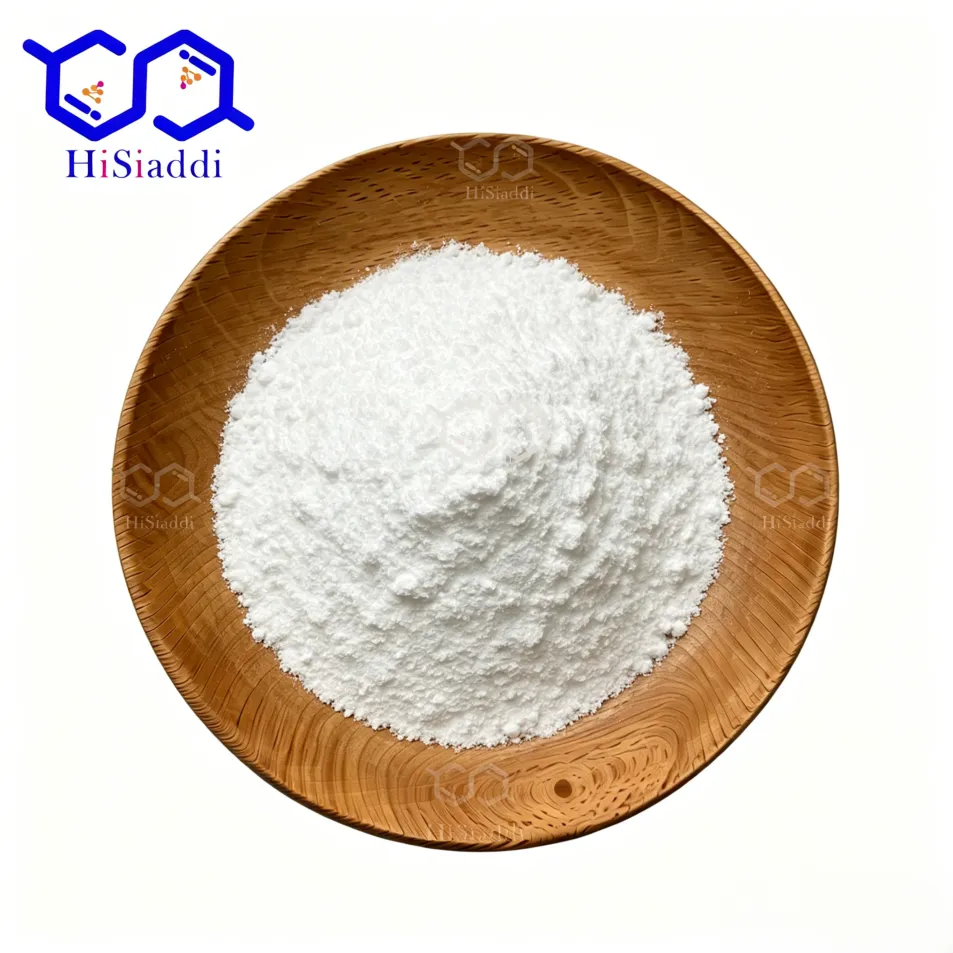
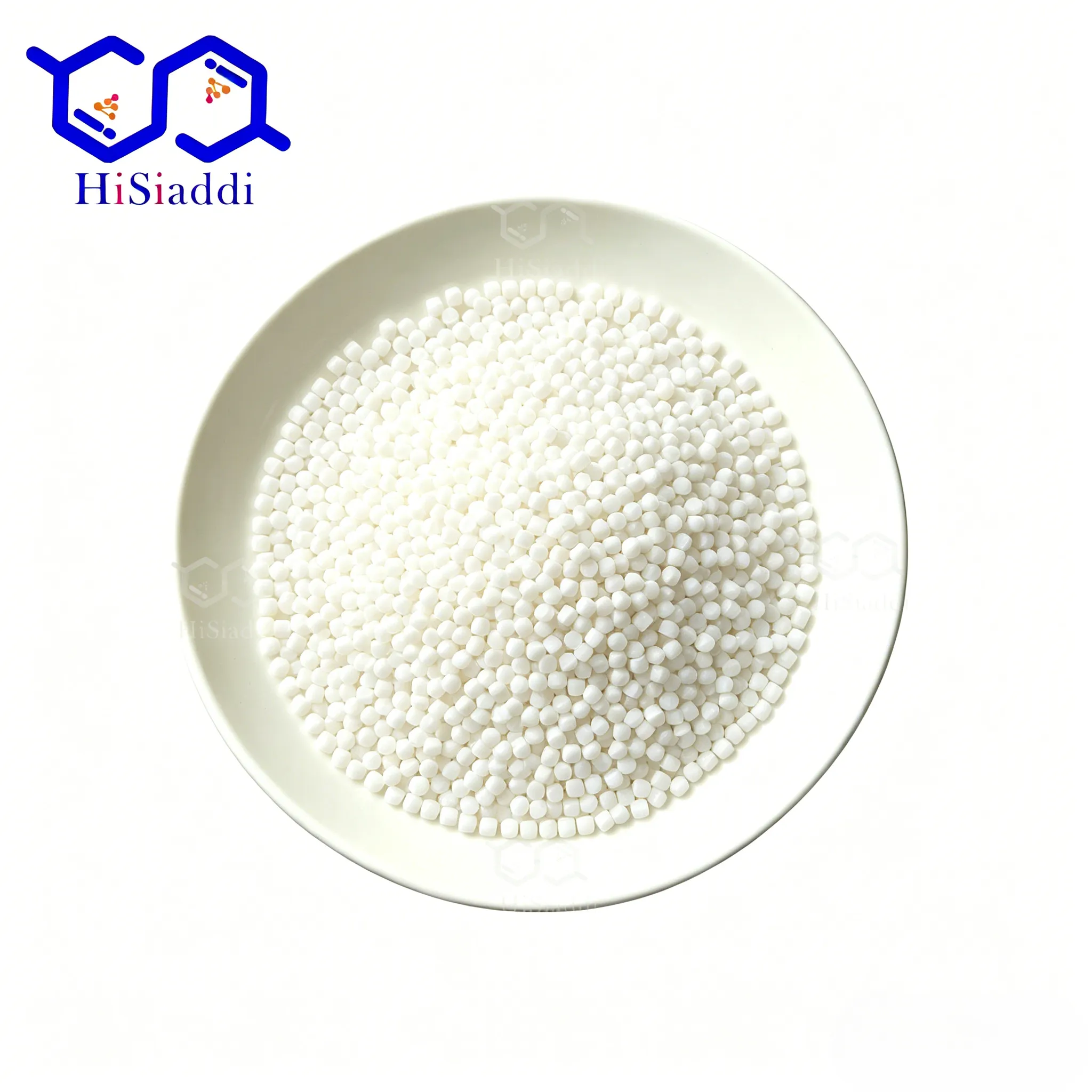
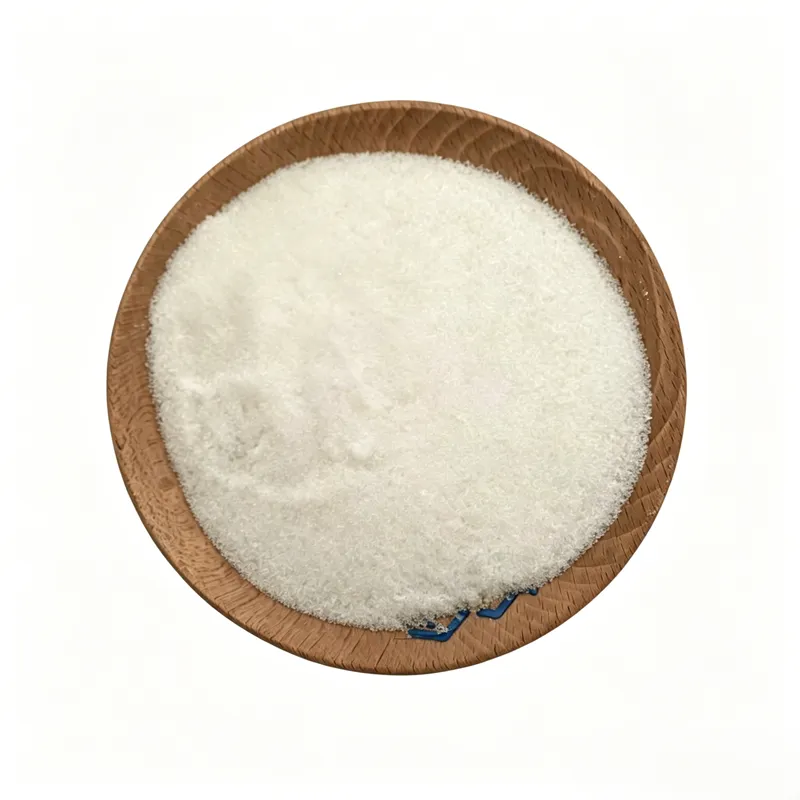
As a new-type foreign trade service provider driven by both technological transformation and export business, HiSiaddi has established a "1+2+3+4=1" service system and can supply erucylamide sourced from multiple well-known original manufacturers. Possessing R&D capabilities, HiSiaddi has repeatedly resolved customized erucylamide requirements for clients through technical cooperation with factories and accurate market insight. Below is a case of HiSiaddi delivering customized erucylamide solutions.
For more customized service inquiries, please contact HiSiaddi customer service.
Germany’s PolyFine is a top-tier European chemical end-user group focusing on three core segments: optical films, medical & food packaging materials, and premium TPE elastomers. Headquartered in North Rhine-Westphalia, it supplies downstream clients including Bayer’s medical consumables division, leading European food packaging brands, and precision optical film manufacturers. With 32 years of experience in EU rubber and plastic additives, its annual procurement volume of fatty acid amide additives exceeds 800 tons, including rigid annual demand of 180 tons for customized high-purity erucylamide.
For over two decades, the group exclusively imported specialty erucylamide from AkzoNobel (Netherlands) and Croda (UK). While these imported products deliver stable performance, procurement costs remain high, and ocean transit takes up to 75 days. Driven by European energy price hikes and volatile international logistics, raw material procurement costs surged by 31% in 2025, straining the company’s supply chain. PolyFine thus launched a localized Chinese raw material substitution program.
In Q3 2025, PolyFine was connected to HiSiaddi’s chemical division via the European Chemical Industry Council. The client ruled out general industrial-grade erucylamide and standard domestic GB-qualified products, putting forward three sets of differentiated customized indicators for three exclusive application scenarios: ① High-transparency food-grade CPP cast optical films (90 tons/year) ② TPE modified raw materials for medical infusion tubes (55 tons/year) ③ Slip and dispersing additives for premium eco-friendly inks (35 tons/year)
The three customized erucylamide grades feature stricter standards than China’s national GB across seven dimensions: raw material source, purity, acid value, color, particle size, heavy metal residue, and migration rate. Some parameters even outperform existing commercial EU grades. Conventional domestic erucylamide factories only mass-produce general powder products and cannot develop three differentiated customized formulas in one go. The client independently contacted five leading domestic manufacturers for sample trials, all of which failed. Restricted by equipment, synthesis processes and refining sections, these factories proposed adjusting the client’s indicators to fit their existing production lines instead of developing tailor-made products, putting the project on hold. PolyFine fully entrusted HiSiaddi, as a third-party foreign trade service provider, to coordinate the entire customization process. The parties agreed on an initial trial order of 32 tons, with a 180-ton annual long-term framework contract to be signed upon successful trial production.
Mandatory Custom Technical Parameters (Differentiated Indicators for Three Grades)
1.
Erucylamide for Optical Films Synthesized from non-GMO rapeseed oil of plant origin; amide content ≥99.3%, acid value ≤0.12mgKOH/g, Hazen color ≤30, moisture ≤30ppm, total heavy metal residues (Fe, Cu, Pb, As) <8ppb; uniform spherical pellets of 0.3–0.5mm; no yellowing under high-temperature extrusion at 260°C, slow and mild migration; static friction coefficient ≤0.16 when added to films at 0.12% dosage, no negative impact on film corona treatment and printing adhesion; compliant with EU FDA food contact regulations and full REACH registration.
2.
3.
Erucylamide for Medical TPE Modification Ultra-high-purity refined grade; amide content ≥99.5%, free erucic acid residue <0.03%, zero solvent residue, iodine value 77±1gI₂/100g; dust-free ultrafine powder of 800 mesh; passed EU medical material biocompatibility testing; no small-molecule precipitation to contaminate inner lumens of medical rubber tubes.
4.
5.
Erucylamide for Eco-Friendly Inks Medium-sized 40-mesh particles with controllable moderate migration rate; acid value ≤0.18mgKOH/g; excellent compatibility with soybean ink resins; no roller sticking or white precipitate specks during high-speed printing; compliant with EU RoHS 2.0 environmental control standards.
6.
Most domestic erucylamide manufacturers adopt mixed rapeseed oil and recovered acidified grease to extract erucic acid, resulting in mixed raw material sources and inability to issue EU-recognized non-GMO traceability reports. The German client requires traceable ledgers for plant raw materials covering the full chain: rapeseed cultivation, oil refining, and erucic acid rectification. Ordinary factories source raw materials from open bulk markets without dedicated supply chains, failing to meet both traceability compliance and purity requirements. Samples submitted by five manufacturers all failed testing due to mixed feedstock causing excessive heavy metals and high color values, falling short of optical film material thresholds.
Domestic mainstream production adopts atmospheric batch tank synthesis plus single recrystallization refining, only capable of general GB-grade products (amide content 98.5%). To achieve ultra-high purity of 99.3%–99.5%, customized technical upgrades are required: continuous molecular distillation, multi-stage low-temperature solvent recrystallization, and adjusted catalytic systems. In addition, the three grades demand three distinct granulation processes (spherical pellets, ultrafine powder, medium particles), which cannot be switched on a single production line. Most factories refuse to invest in equipment retrofits and catalyst ratio adjustments, instead urging the client to unify indicators to match their standard mass-produced grades, conflicting with the core customization requirements.
The precipitation and migration speed of erucylamide is jointly determined by particle size, crystal morphology, and free acid residue. The German client has divergent migration requirements across three applications: slow long-term migration for optical films, minimal trace migration for medical TPE, and moderate migration for inks. Domestic manufacturers rely on empirical rough regulation without quantitative test data. Previous samples suffered three major defects: white bloom precipitation on films within a short period, screen clogging precipitates in inks, and internal oil seepage on medical tube walls, resulting in over 2 tons of wasted trial samples and sharp increases in the client’s R&D costs.
The three customized grades each require differentiated compliance reports: food contact certification, medical material safety certification, and ink environmental certification. Supporting documents include bilingual (English/French) CLP-SDS, full REACH SVHC screening, and notarized raw material traceability files. Domestic manufacturers mostly only hold domestic SGS GB testing qualifications and lack capacity to cooperate with EU third-party laboratories or compile overseas compliance documents. Missing compliance paperwork directly prevents customs clearance in Germany.
Faced with overlapping obstacles, the client notified HiSiaddi: if qualified customized samples could not be delivered within 35 days, it would renew supply contracts with Croda and AkzoNobel and terminate Chinese localized procurement plans.
HiSiaddi formed a dedicated customization team consisting of chemical R&D engineers, supply chain specialists, compliance officers, and on-site technical supervisors stationed at production plants. Leveraging China’s complete oil chemical industry chain resources, the team adopted a four-pronged approach: dedicated locked raw material supply, split independent workshop production lines, multiple rounds of lab and pilot testing, and one-stop compliance support. Qualified samples for all three grades were completed and fully passed third-party testing within 32 days. Detailed execution measures are as follows:
HiSiaddi partnered with a leading high-erucic acid rapeseed oil refinery in Jiangsu and signed an exclusive dedicated raw material supply agreement. The feedstock is limited to oil pressed from non-GMO double-low rapeseed grown in the Yangtze River Basin. Full records including rapeseed purchase receipts, refining production ledgers, and erucic acid rectification quality inspection slips are retained, with each batch of erucic acid accompanied by EU notarized traceability certificates recognized by certification bodies. The raw material supplier conducts two rounds of rectification and purification on crude erucic acid to ensure incoming erucic acid purity ≥99.7%, eliminating trace heavy metals and mixed fatty acids from impure oil sources and removing hidden risks of raw material impurity excess at the source to satisfy the client’s traceability customization demands.
HiSiaddi selected a Jiangsu-based erucylamide customization factory equipped with high-end molecular distillation production lines and coordinated three separate dedicated production lines for optical film, medical TPE, and ink grades respectively, with targeted adjustments to catalytic systems, synthesis temperature control, and refining processes:
1.
Spherical Pellet Grade for Optical Films High-selectivity rare earth composite catalysts were adopted; synthesis temperature precisely controlled at 182°C ±1°C under 0.32MPa reaction pressure. Crude products underwent two-stage molecular distillation to remove free erucic acid and by-products, followed by low-temperature ethanol solvent recrystallization. Special disc granulation equipment produced uniform 0.3–0.5mm spherical pellets. Free acid was controlled to 0.11mgKOH/g with Hazen color value of 28, fully meeting optical film standards.
2.
3.
Ultrafine Powder Grade for Medical Use Activated carbon adsorption heavy metal removal was added to the refining section, supplemented by three rounds of recrystallization purification to limit free erucic acid residue below 0.028%. Finished products were cryogenically jet-milled into dust-free 800-mesh ultrafine powder under fully sealed production to eliminate trace metal precipitation from equipment. Total heavy metal content stabilized at 7.2ppb, complying with strict medical-grade limits.
4.
5.
Medium Particle Grade for Inks Ammonolysis reaction time was shortened by 2 hours to retain trace controllable free components and precisely regulate migration rate. Air-cooled granulation yielded uniform 40-mesh particles with acid value locked at 0.17mgKOH/g, matching dispersion requirements for soybean inks.
6.
During production, HiSiaddi technical specialists were stationed on-site for 7 days to track data across lab trial, pilot test, and mass sample stages. Samples of each batch were sent to the client’s German laboratory for synchronous testing, with process parameters fine-tuned based on feedback, completing a total of 6 rounds of formula adjustments.
HiSiaddi coordinated domestic rubber and plastic R&D laboratories to prepare CPP films, TPE compounds, and eco-friendly ink samples according to the client’s recommended dosage ratios, measuring friction coefficient, precipitation performance, and compatibility data to quantify the correlation between particle size and migration rate:
· Optical film samples with 0.12% addition produced cast films showing no white bloom precipitation after 90 days of storage at 25°C, with friction coefficient of 0.152;
· TPE extrusion molded infusion tubes showed no internal oil precipitation after high-temperature sterilization;
· Inks ran continuously at 12,000 revolutions/hour during high-speed printing without roller sticking or screen clogging.
All test data were submitted to the German R&D department for review and confirmation, locking the finalized customized specifications.
HiSiaddi collaborated with EU-licensed compliance institutions and dual-qualified CNAS domestic third-party laboratories to conduct targeted testing and certification for each grade:
· Optical film grade: Complete FDA food contact material testing and full REACH SVHC 224-item screening;
· Medical grade: Supplementary testing for medical material cytotoxicity and extractable safety;
· Ink grade: Issue RoHS 2.0 environmental test reports.
EU chemical engineers drafted bilingual English/French SDS compliant with CLP standards, compiling full notarized raw material traceability files and English COA factory inspection reports. The complete compliance dossier was submitted to the client’s legal and quality control departments for audit, passing pre-inspection by German customs in one go.
After 30 days of full testing in PolyFine’s German laboratory, the three customized sample grades matched the performance of imported erucylamide from Croda and AkzoNobel, with superior thermal stability and low precipitation indicators in some metrics. The client immediately confirmed the 32-ton customized trial order: 16 tons for optical films, 10 tons for medical TPE, 6 tons for inks. Goods were packed in EU-compliant food-grade lined fiber drums and shipped from Shanghai Port to Hamburg Port. Full customized compliance documents enabled expedited customs clearance. After production launch at the client’s plant, downstream film yield increased by 4.2%, defective rate of medical tubes dropped to 0.3%, and ink production downtime fell by 35%, delivering remarkable cost reduction and efficiency improvement for the client’s production lines.
PolyFine formally terminated annual supply contracts with Dutch and UK additive suppliers and signed a 180-ton annual framework procurement agreement with HiSiaddi, with quarterly split orders for customized batch production as required. HiSiaddi built an exclusive customized control system for the German client: locking raw materials for the next quarter in advance, pre-production lab verification, third-party factory inspection before shipment, and full customized compliance documents attached with each shipment. Product indicators are continuously optimized alongside iterative development of the client’s new downstream formulas. Localized customized procurement reduced overall raw material costs by 29.6% compared with imports and cut delivery lead time from 75 days to 32 days, greatly optimizing the client’s global supply chain layout.
1.
Common Industry Customization Pain Points China’s erucylamide industry features overcapacity of low-end general products yet scarce high-end customized production capacity. Most manufacturers operate equipment and processes tailored to mass general-grade output, lacking flexible customized production lines and refined R&D capabilities. Restricted by production costs and technical upgrade investment, factories tend to persuade clients to adjust indicators to fit existing mass production specifications, failing to meet differentiated customization demands of mid-to-high-end overseas clients. Additionally, domestic factories generally lack understanding of EU regulations and supporting compliance services, with incomplete raw material traceability systems – the primary barriers hindering localized customization for high-end overseas buyers.
2.
3.
Core Customization Demands of Mid-to-High-End Overseas Clients European mid-to-high-end end enterprises represented by PolyFine serve high-threshold downstream industries including food, medical care, and precision optics. Customization involves far more than adjusting physical and chemical indicators; it covers full-chain support including raw material traceability, quantitative performance regulation, and cross-border compliance, with extremely low product fault tolerance. Raw material quality directly determines downstream finished product compliance and yield, and clients refuse to sacrifice product quality to adapt to domestic general-grade materials – a key distinction from low-volume bulk purchasers.
4.
5.
HiSiaddi’s Value as a Foreign Trade Service Provider Breaking away from the single production factory sales perspective, HiSiaddi acts as a third-party resource integrator connecting four stakeholders: upstream oil raw material manufacturers, midstream refined customized production plants, domestic and overseas third-party testing laboratories, and EU compliance service providers. The team breaks down and delivers complex client customization requirements covering raw material sourcing, production process adjustment, performance debugging, and compliance documentation, compensating for the incomplete customized service capacity of domestic manufacturers while enabling mid-to-high-end overseas clients to substitute imported raw materials with domestic customized products. Deep long-term cooperation with premium overseas clients is secured via differentiated customized services.
6.
For more customized service inquiries, please contact HiSiaddi customer service.
 +86-13120989737
  info@hisiaddi.com
 English

![tert-Butyl (1S,3S,5S)-3-carbamoyl-2-azabicyclo[3.1.0]hexane-2-carboxylate](/uploads/image/20260508/tert-butyl-1s3s5s-3-carbamoyl-2-azabicyclo-310-hexane-2-carboxylate-392332-99-1.webp "tert-Butyl (1S,3S,5S)-3-carbamoyl-2-azabicyclo[3.1.0]hexane-2-carboxylate")