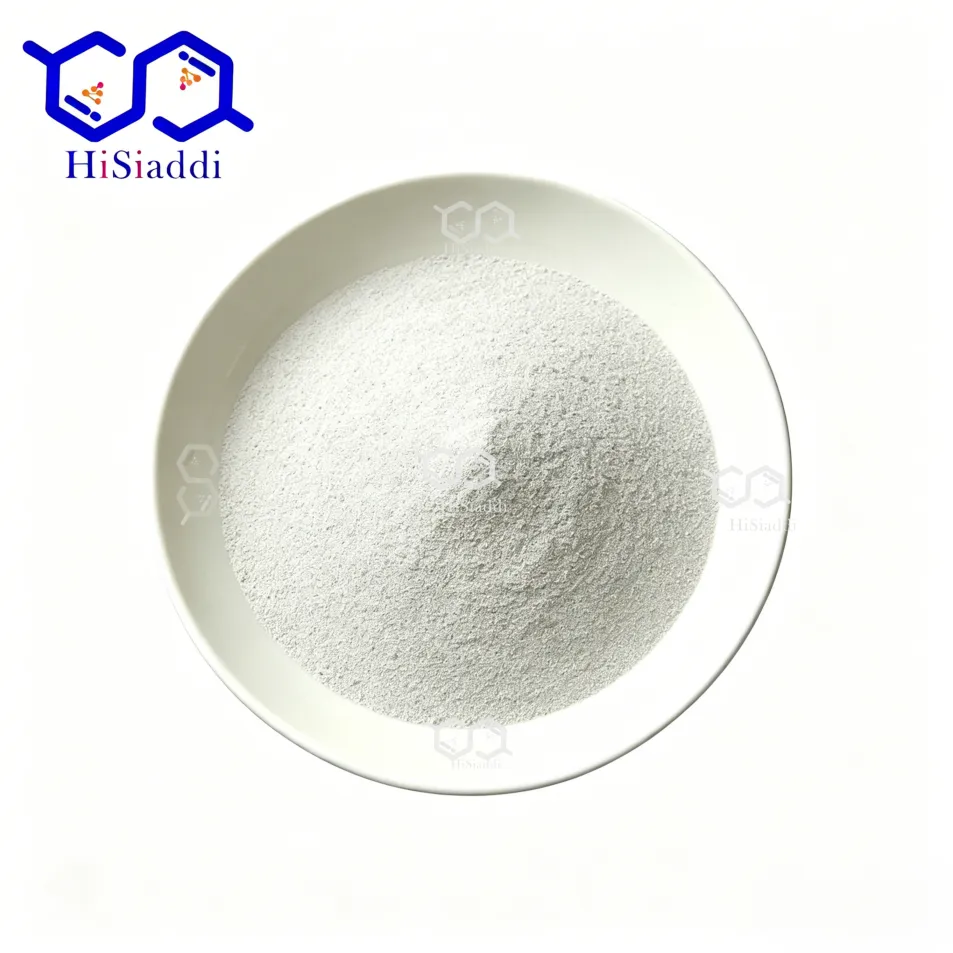
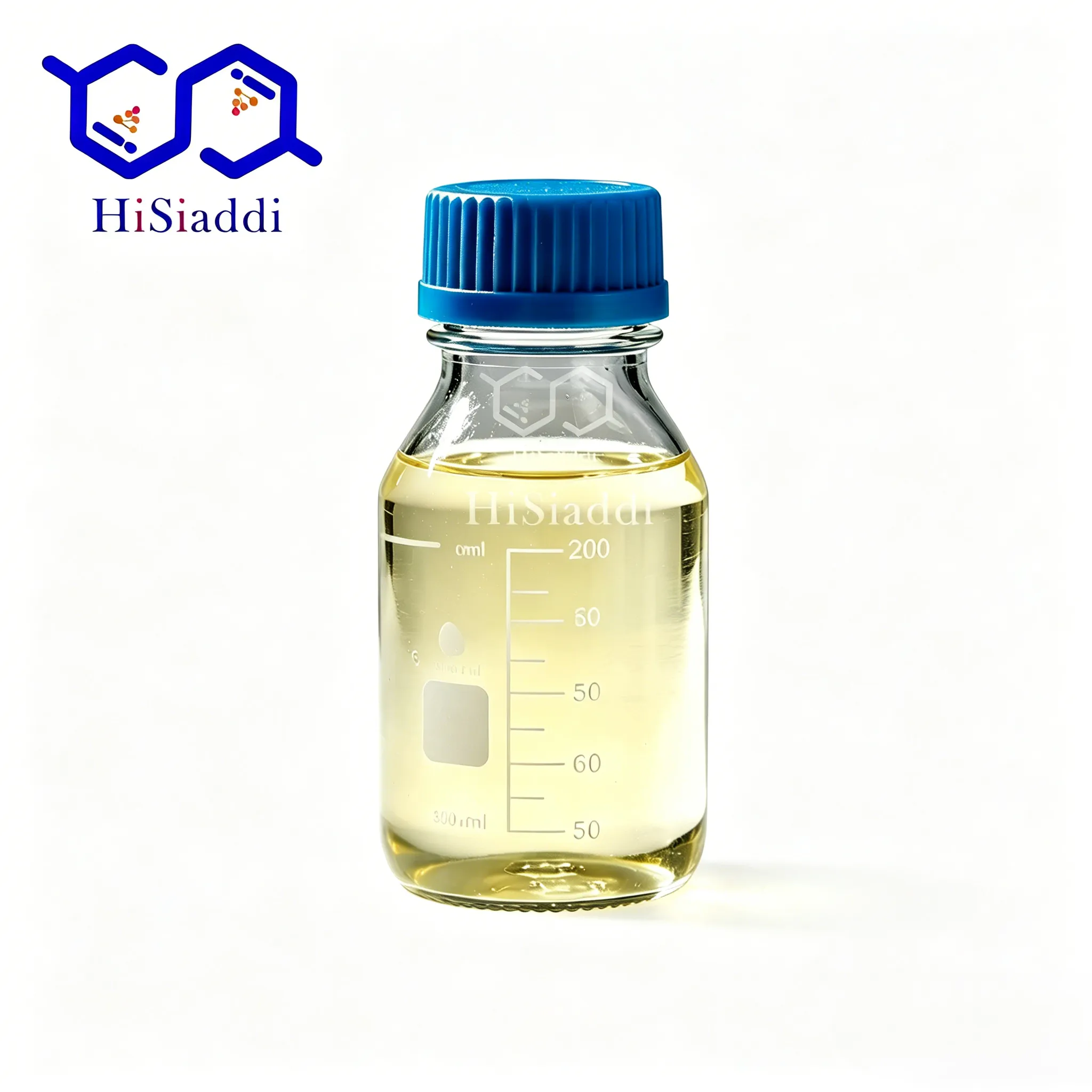
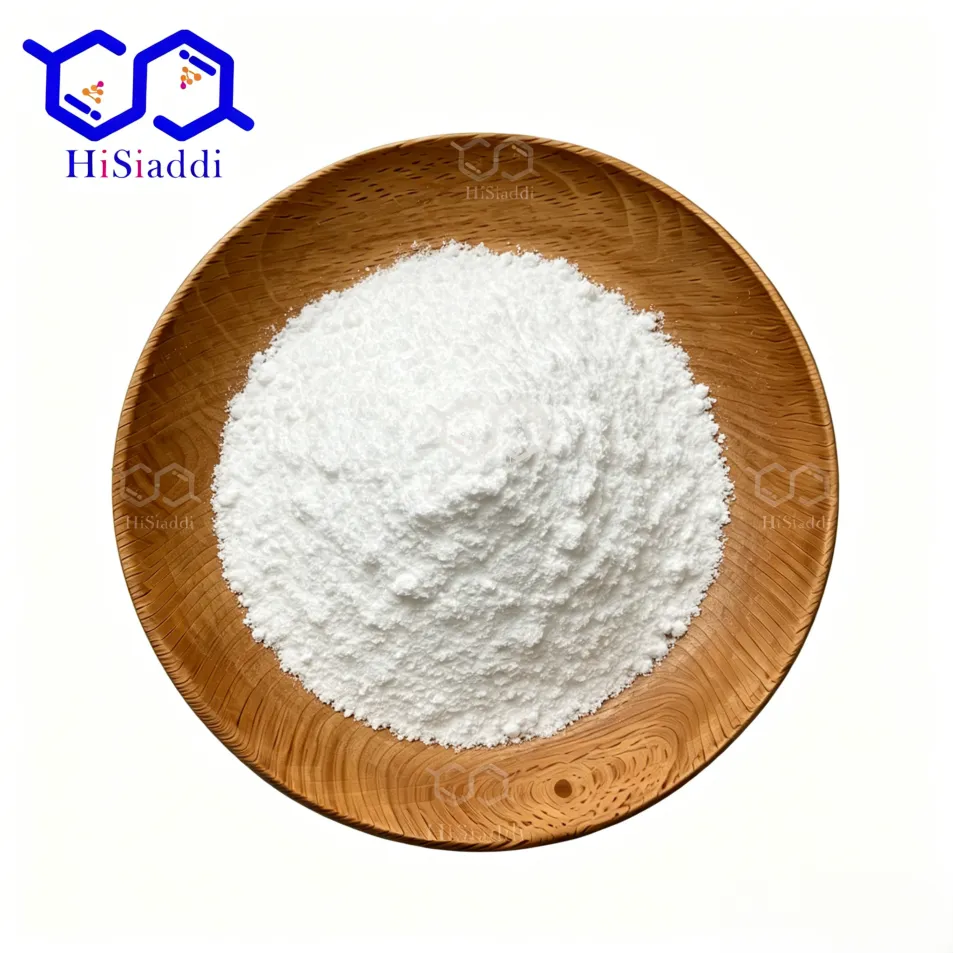
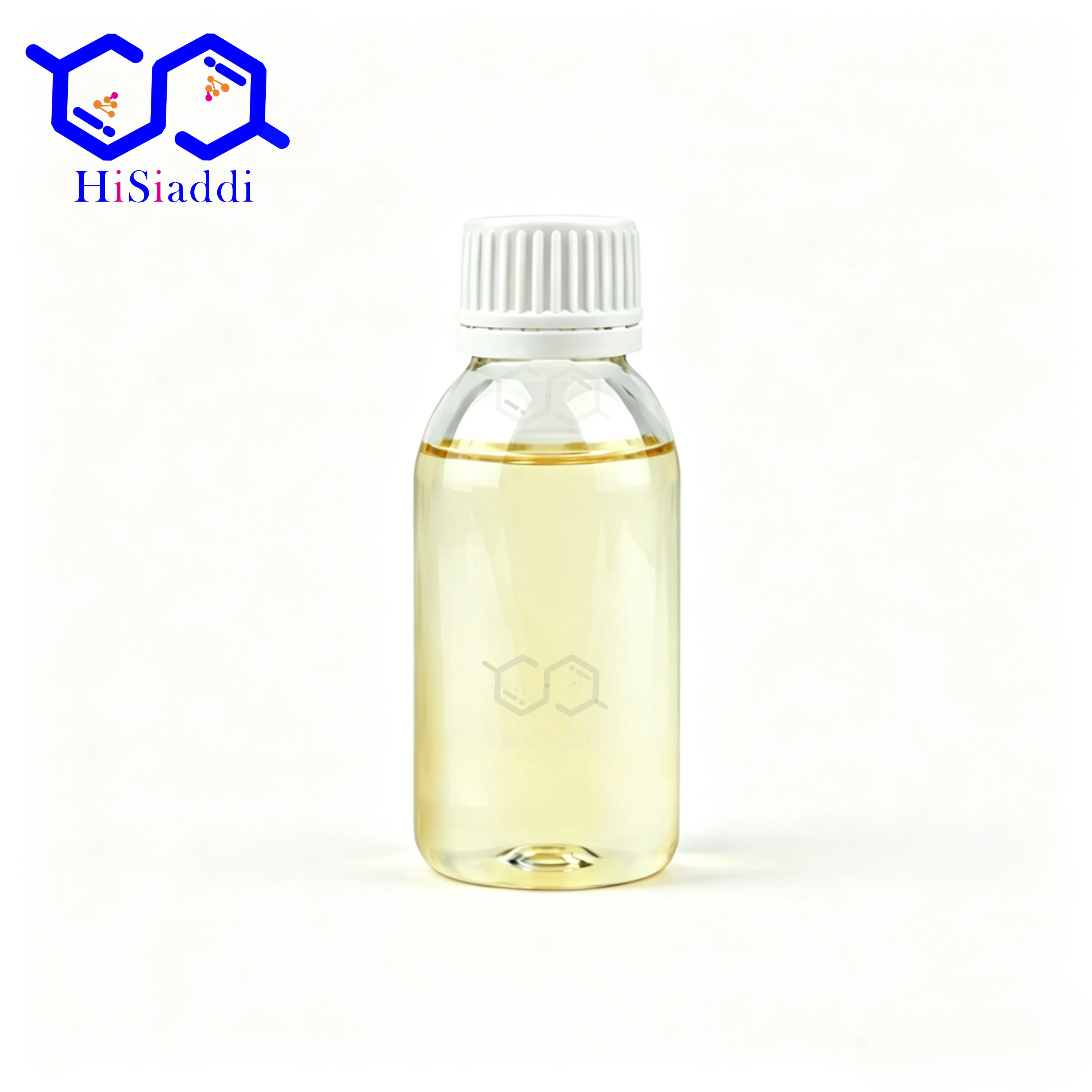
As a new type of foreign trade service provider driven by both technological transformation and foreign trade services, HiSiaddi has built a "1+2+3+4=1" service system and can supply original goods of glutathione from multiple well-known brands. As a R&D-driven foreign trade enterprise, HiSiaddi has repeatedly addressed customized glutathione product demands for clients by leveraging technological transformation cooperation with manufacturers and precise insight into market needs. The following is a case of HiSiaddi solving customized glutathione product requirements.
For more customized service inquiries, please contact HiSiaddi customer service.
Purchaser: BioCare Pharma Co., Ltd., Tokyo, Japan. A leading domestic mid-to-high-end special medical pharmaceutical and medical aesthetic raw material enterprise in Japan, it mainly produces medical oral liver-protecting preparations, injectable sliding fluid stock solutions for skin medical aesthetics, and post-operative antioxidant repair essences. Its products comply with Japanese JP Pharmacopoeia, raw material access specifications issued by the Ministry of Health, Labour and Welfare of Japan, JAS additive-free certification, and GMP cleanroom control standards. It previously purchased original pharmaceutical-grade reduced glutathione (GSH) from Kyowa Hakko Fermentation on a long-term basis, with an annual stable procurement volume of 68 tons of high-purity customized-grade reduced glutathione (CAS: 70-18-8).
In 2025, the client launched domestic supply chain localization replacement in China. Its product positioning differs from domestic national standard cosmetic-grade and feed-grade glutathione, requiring non-standard targeted customization of all indicators. The client previously contacted four top domestic glutathione manufacturers (Jincheng Bio, Shandong Luwei, Shanghai Tianwei, Fujian Fuda Biochemical). All manufacturers adopt continuous standardized mass production lines and only promote their own standardized mass-produced grades. Due to high investment costs and long commissioning cycles for revamping fermentation, extraction and refining production lines, all manufacturers refused special customization in accordance with Japanese pharmaceutical pharmacopoeia indicators and put aside small-batch gradient sample testing requests. The client’s launch schedule for new liver-protecting oral liquids and injectable medical aesthetic stock solutions stalled, so it fully entrusted foreign trade firm HiSiaddi to coordinate process calibration, phased sample testing, indicator customization, and full-link implementation of compliance supporting services.
1. Purity Control: HPLC purity of reduced GSH ≥99.70%; oxidized GSSG impurity ≤0.12% (the general limit under Chinese national standards is ≤0.5%); single free amino acid impurity ≤0.05% to eliminate sensitization risks after injection.
2. Heavy Metal & Harmful Residues: Single content of lead, arsenic, cadmium and mercury ≤0.3 ppm; residual organic solvents such as methanol and acetone <3 ppm, meeting the access limits for injectable raw materials set by Japan’s Ministry of Health, Labour and Welfare.
3. Customized Crystal Particle Size: Regular rhombic crystals of 90–100 mesh with a repose angle of 32°±2°, low moisture absorption, suitable for Japan’s sterile closed automatic feeding and low-temperature freeze-dried preparation production lines to avoid material blockage and agglomeration.
4. Customized Physical & Chemical pH Value: pH of 1% aqueous solution locked at 5.4–5.6 with batch fluctuation ≤±0.1, matching the buffer formula system of injections and preventing sudden acid-base changes during compatibility.
5. Moisture & Loss on Drying: ≤0.20%; water activity Aw ≤0.35, ensuring no moisture absorption, oxidation or deterioration during 24-month storage under Japan’s humid and hot climate.
6. Customized Sterile Specifications: Additional supporting 10% sterile injectable subpackaged products without preservatives or exogenous bacteriostatic additives, exclusively for filling medical aesthetic injections.
1. Fixed mass production lines with low willingness for technical renovation: Major domestic manufacturers mainly produce general-grade glutathione for daily chemicals and health products, with fixed ratios of fermentation substrates, concentration extraction and recrystallization parameters. Reducing oxidized impurities and changing crystal morphology requires production line shutdown to revamp refining sections. Manufacturers prioritize large-volume low-cost spot orders and refuse separate technical renovation.
2. Excessive oxidized impurities under conventional processes: Oxidation easily occurs during extraction via domestic general processes, resulting in oxidized glutathione content of 0.4%–0.7% in finished products, failing to meet Japan’s strict threshold of ≤0.12%.
3. Lack of sterile liquid preparation workshops: Most manufacturers only have solid crystal mass production lines without Class 10,000 sterile filling workshops, making it impossible to produce customized 10% sterile liquid.
4. Compliance documents inconsistent with Japanese regulations: Manufacturers only provide Chinese COAs complying with national standards, unable to issue bilingual Japanese/English test reports in accordance with JP Pharmacopoeia and process traceability dossiers required for filing with Japan’s Ministry of Health, Labour and Welfare.
HiSiaddi evaluated the production capacity and processes of the four manufacturers one by one:
· Luwei and Fuda Biochemical focus on bulk food-grade raw materials without flexible pharmaceutical refining production lines and were eliminated.
· Shanghai Tianwei relies heavily on daily chemical production lines with insufficient sterile workshop configuration and was eliminated.
· Jincheng Bio was selected: it owns flexible pilot workshops for biosynthesis, 100,000-class pharmaceutical refining sections and Class 10,000 sterile liquid preparation workshops with mature enzymatic synthesis processes. HiSiaddi secured cooperation by signing a special customization agreement based on an annual long-term order of 68 tons, agreeing on a three-stage implementation model: 5kg laboratory bench scale test → 80kg pilot scale-up → mass production, to share the equipment commissioning costs of the manufacturer.
1. Source impurity control optimization: Adjust the carbon and nitrogen source ratio for yeast fermentation; adopt low-temperature closed fermentation to reduce product oxidation. A three-stage membrane separation + inert nitrogen-protected recrystallization process is used to isolate air oxidation and strictly control GSSG oxidized impurities. After multiple rounds of sample debugging, the HPLC purity of finished products reaches 99.73% with oxidized impurities at 0.10%, meeting Japan’s limits.
2. Crystal and drying improvement: Gradual slow cooling crystallization under nitrogen atmosphere to generate 95-mesh rhombic crystals; low-temperature vacuum negative pressure drying is adopted to stabilize loss on drying at 0.18% and water activity at 0.33, perfectly controlling moisture absorption.
3. Fine-tuning of pH buffer: Precise pH adjustment at the final stage of finished products to fix the pH of 1% aqueous solution at approximately 5.5 with batch error controlled within 0.08. 5kg solid samples and 1kg sterile liquid were airfreighted to Japan for laboratory testing of freeze-dried preparations and injection formula by the client. No precipitation occurred during compatibility, and no oxidative discoloration was observed in long-term accelerated tests.
HiSiaddi stationed personnel at the factory to follow up the full production process and solidify complete SOP production parameters for fermentation, extraction and refining. Relying on the Class 10,000 sterile workshop, 10% sterile glutathione aqueous solution was prepared under nitrogen protection, followed by ultrafiltration sterilization and sterile sealing in 20kg sterile plastic barrels. Pilot products were sent to a third-party laboratory with dual Chinese-Japanese qualifications for full testing in accordance with JP Pharmacopoeia, and all indicators passed inspection. Meanwhile, customized double-layer aluminum foil vacuum light-proof packaging with built-in desiccants was developed to adapt to moisture and oxidation prevention during ocean shipping.
The annual 68-ton order is split into two parts: 59 tons of solid customized crystals (raw materials for liver-protecting drugs and antioxidant essences) and 9 tons of 10% sterile liquid (exclusively for medical aesthetic injectable stock solutions), scheduled for production in 7 batches monthly.
1. Compile English-Japanese bilingual COAs in accordance with JP Pharmacopoeia, marking data of each impurity and solvent residue item by item, attached with full-process production traceability ledgers.
2. Recompile MSDS safety data sheets recognized by Japan’s Ministry of Health, Labour and Welfare, supported by raw material safety assessment reports.
3. Assist clients in sorting out pre-filing documents for raw material import with Japan’s PMDA to meet Japan’s customs clearance and pharmaceutical factory incoming inspection requirements.
1. For the Japanese client: All batches of goods were smoothly shipped from Shanghai to Yokohama Port in Tokyo with zero customs clearance abnormalities. The customized raw materials were successfully put into production, and the new oral liver-protecting preparations and antioxidant medical aesthetic injections passed filing with Japan’s Ministry of Health, Labour and Welfare on schedule, launching in more than 200 specialist pharmacies and medical aesthetic clinics nationwide in Japan. Compared with original raw materials imported from Kyowa Hakko in Japan, the comprehensive procurement cost decreased by 33%. The client renewed a 75-ton annual long-term order the following year and added customized demand for acetylated glutathione derivatives.
2. For the manufacturer (Jincheng Bio): Relying on this benchmark order from a high-end Japanese pharmaceutical enterprise, a standardized customization process for low-oxidation pharmaceutical-grade glutathione was established. The premium price of high-end customized grades increased by 31%, followed by successive sample testing orders from multiple pharmaceutical enterprises in South Korea, Singapore and other Asia-Pacific regions.
3. For HiSiaddi Foreign Trade: A full-chain customized service system for glutathione covering "fermentation optimization - crystal modification - sterile liquid customization - East Asian pharmaceutical compliance" was established, enabling subsequent acceptance of customized foreign trade businesses for active pharmaceutical amino acid derivatives such as lipoic acid and carnosine.
Most domestic glutathione manufacturers focus mass production on low-cost raw materials for food and daily chemicals with fixed production line processes and low willingness for technical renovation, generally failing to meet non-standard customization requirements for raw materials complying with overseas pharmacopoeias. Mid-to-high-end Japanese pharmaceutical and medical aesthetic enterprises are restricted by strict raw material regulations under JP Pharmacopoeia and Japan’s Ministry of Health, Labour and Welfare, making general spot products incompatible with injectable and oral preparation formulas. Leveraging full industrial chain resources, HiSiaddi eliminated manufacturers’ concerns over technical renovation through annual long-term orders, and fully delivered customized demands from all dimensions including raw material process optimization, dual dosage form customization and cross-border compliance supporting services, helping domestic high-end glutathione successfully enter the mid-to-high-end pharmaceutical raw material supply chain in East Asia.
For more customized service inquiries, please contact HiSiaddi customer service.

 +86-13120989737
  info@hisiaddi.com
 English