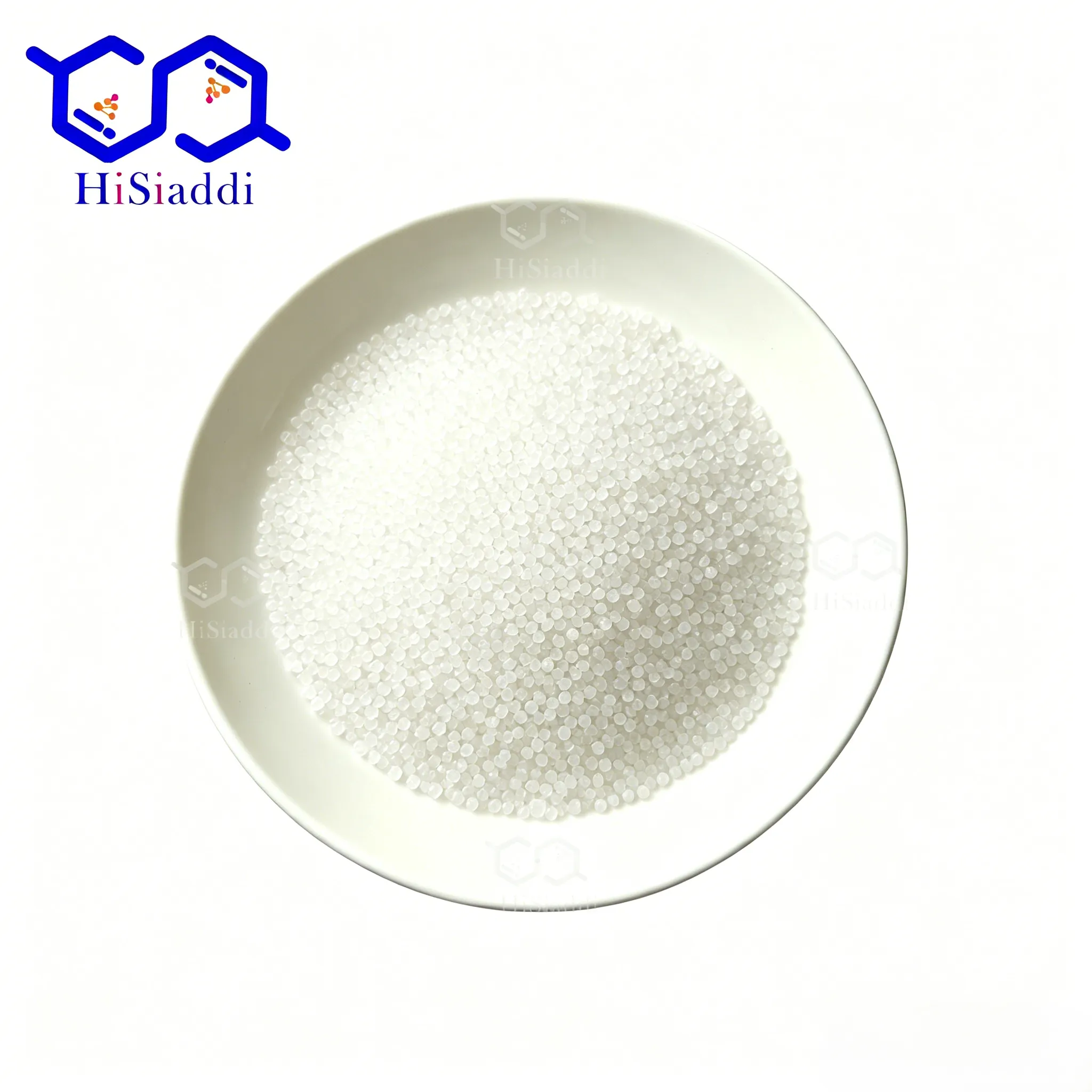
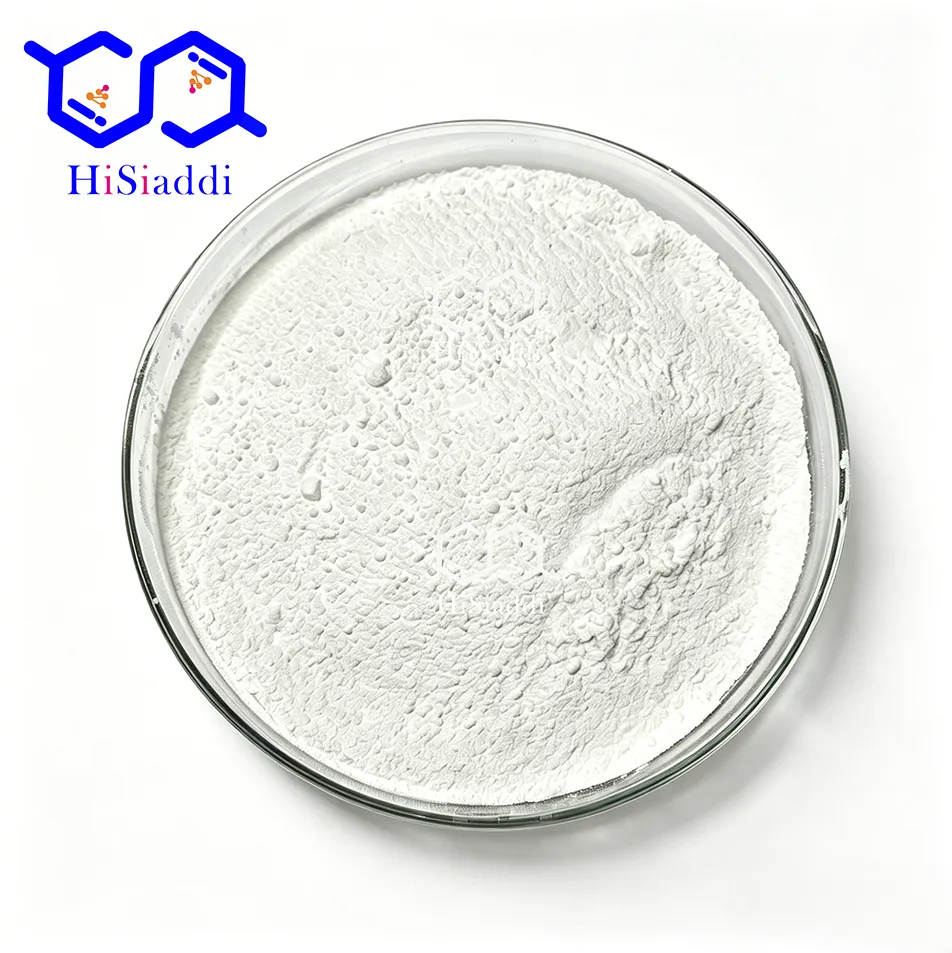
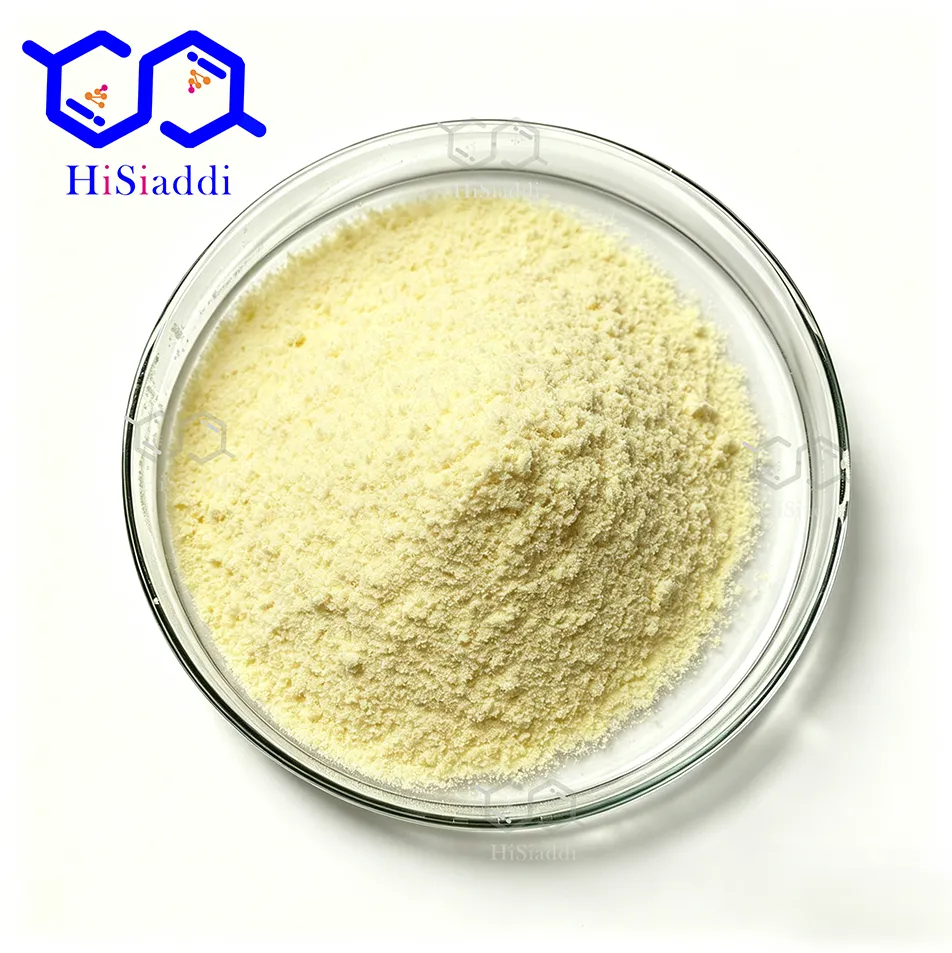
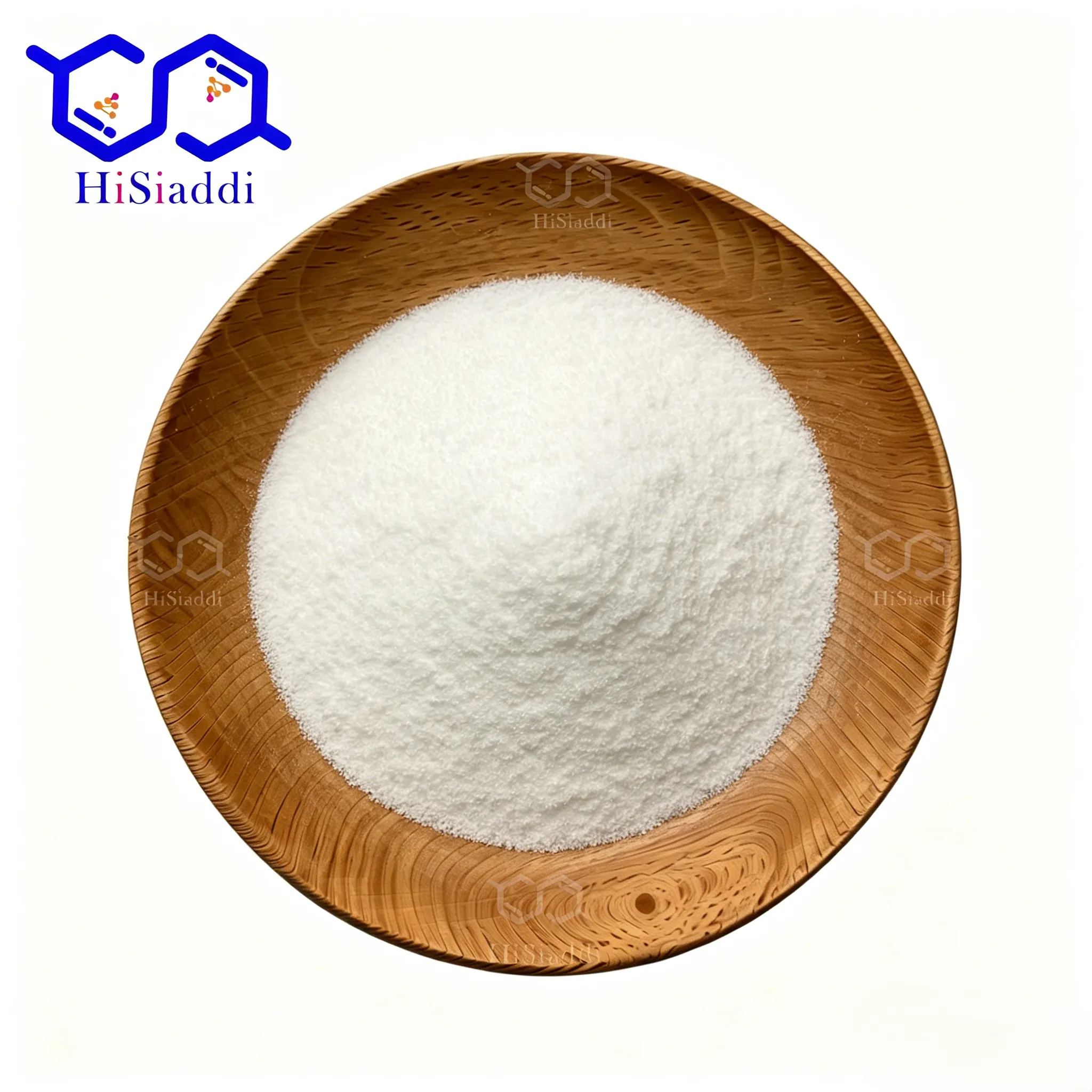
As a new-type foreign trade service provider driven by dual engines of technology transformation and foreign trade services, HiSiaddi has established a "1+2+3+4=1" service system and can supply original factory materials of HALS-2020 hindered amine light stabilizers from multiple well-known brands.
Possessing R&D capabilities, HiSiaddi has repeatedly proposed formulation optimization solutions and application improvement suggestions for AAA-grade products through technological transformation cooperation with manufacturers and accurate insight into market demands. The following is a consultation case of HiSiaddi on formulation optimization of HALS-2020.
Please contact HiSiaddi customer service if you need more formulation optimization consultation services.
Client: FilmPack, Spain (referred to as Company F), a high-end packaging material manufacturer. Core Business: Food-grade high-transparency polyolefin packaging films, fresh-keeping stretch films and high-end daily chemical outer packaging films, supplied to renowned European food and beauty brands. Its products must pass EU food contact material certifications, with stringent requirements on additive transparency, low blooming, thermal stability and long-term weather resistance.
Company F purchased bulk domestic HALS-2020 for anti-aging modification of films. After long-term use of imported products, switching to domestic materials triggered continuous abnormalities in formulation compounding, extrusion production and finished product weathering tests, reducing production line efficiency and pushing up non-conforming finished product rates. The client commissioned HiSiaddi to investigate and resolve technical issues urgently.
After compounding HALS-2020 with primary antioxidants and lubricants in the formulation, white fog-like precipitates appeared on film surfaces after 48 hours of room-temperature storage, pushing haze values of high-transparency films out of standard limits and failing to meet appearance requirements for high-end packaging. Adjustments to additive dosage ratios failed to eliminate blooming.
Extrusion temperature was set at 225~235℃, generating irritating odors inside the workshop and excessive flue gas from equipment exhaust ports. Meanwhile, melt flow fluctuated drastically, resulting in uneven film thickness and an 18% rise in defective product rates.
Per European standard xenon lamp aging tests, samples turned yellow and suffered sharp declines in mechanical strength after only 3500 hours, far below the client’s 5000-hour weather resistance target, making the products undeliverable to end food brand customers.
Coke deposits and sticky impurities accumulated on extruder dies after 8 hours of continuous production, requiring shutdown cleaning 2–3 times per production line daily, drastically cutting production efficiency and raising operation and maintenance costs.
Equipped with professional formulation engineers and polymer application technicians, HiSiaddi immediately collaborated with technical teams from domestic HALS-2020 manufacturers to conduct sample testing and on-site review, pinpointing root causes and rolling out corrective measures step by step.
Full-item analysis of batches used by the client identified the root triggers of defects:
1. Excess low-molecular polymers and residual monomers in the product feature strong molecular migration capacity, leading to poor compatibility with the formulation system and blooming precipitation.
2. Low-boiling impurities decompose at temperatures above 225℃, generating odor and flue gas while disrupting melt stability.
3. Insufficient high-molecular active components weaken light stabilization efficiency and fail to meet weather resistance standards.
4. Trace impurities carbonize under heat and continuously adhere to die inner walls, causing buildup and blockages.
Coordinate production manufacturers to adjust production and post-treatment processes:
1. Upgrade multi-stage high-vacuum devolatilization systems to fully remove residual monomers and low-molecular impurities and reduce volatile fractions.
2. Optimize polymerization reaction parameters to narrow molecular weight distribution, raise the proportion of active components and strengthen light stabilization performance.
3. Add precision filtration processes to eliminate mechanical impurities and carbon-prone substances, reducing die buildup at the source.
Manufacturers produced improved HALS-2020 samples and sent them to the client for retesting.
HiSiaddi application engineers traveled to the client’s plant in Spain to optimize compounding formulas based on the characteristics of improved products:
1. Adjust additive compound ratios: Reduce independent dosage of HALS-2020 and match synergistic auxiliary antioxidants to optimize overall system compatibility and completely eliminate film blooming and excessive haze.
2. Supplement synergistic weather resistance systems: Pair with compatible UV absorbers to build dual protection of light stabilization + UV absorption and boost overall anti-aging capacity.
1. Staged temperature control: Lower mixing section temperatures without compromising molding quality to slow premature additive decomposition and eliminate production odor and flue gas.
2. Optimize screw speed and feeding rate: Ensure uniform material mixing and stabilize melt flow to resolve uneven film thickness.
3. Add food-grade processing flow aids: Reduce adhesion between materials and equipment inner walls, extending die buildup intervals from 8 hours to over 24 hours and drastically cutting shutdown frequency.
1. 72-hour continuous trial production tracking confirmed normal finished product appearance, transparency and thickness.
2. Third-party laboratory testing passed the 5000-hour xenon lamp aging standard with no yellowing or strength degradation.
3. Deliver special training to production and technical teams of the client covering HALS-2020 storage, feeding and process control key points to prevent recurrence of similar defects.
1. All four core technical issues were fully resolved, non-conforming product rates returned to normal levels, production lines resumed full-capacity operation and operation & maintenance costs dropped significantly.
2. Improved domestic HALS-2020 delivers performance equivalent to imported alternatives at lower procurement costs, expanding profit margins for Company F’s products.
3. The client fully recognized HiSiaddi’s technical service capacity, completely phased out original imported products and adopted domestic HALS-2020 as its primary model for procurement.
4. Both parties established a long-term technical linkage mechanism; the client advances technical communication with HiSiaddi in advance for new product formulation R&D and process upgrades, while gradually expanding procurement categories of supporting additives.
This service targeted a high-end European food packaging enterprise focused on product quality, regulatory compliance and production stability, a typical mid-to-high-end procurement client. Instead of simply replacing materials, HiSiaddi delivered full-chain services including component testing for root cause tracing, upstream product process improvement, on-site formulation and production debugging, and technical training to systematically resolve formulation and manufacturing defects. Supported by professional technical strength and actionable on-site services, HiSiaddi realized import substitution of domestic additives and upgraded cooperation from pure product trade to technical service-oriented partnership.
Please contact HiSiaddi customer service if you need more formulation optimization consultation services.

 +86-13120989737
  info@hisiaddi.com
 English