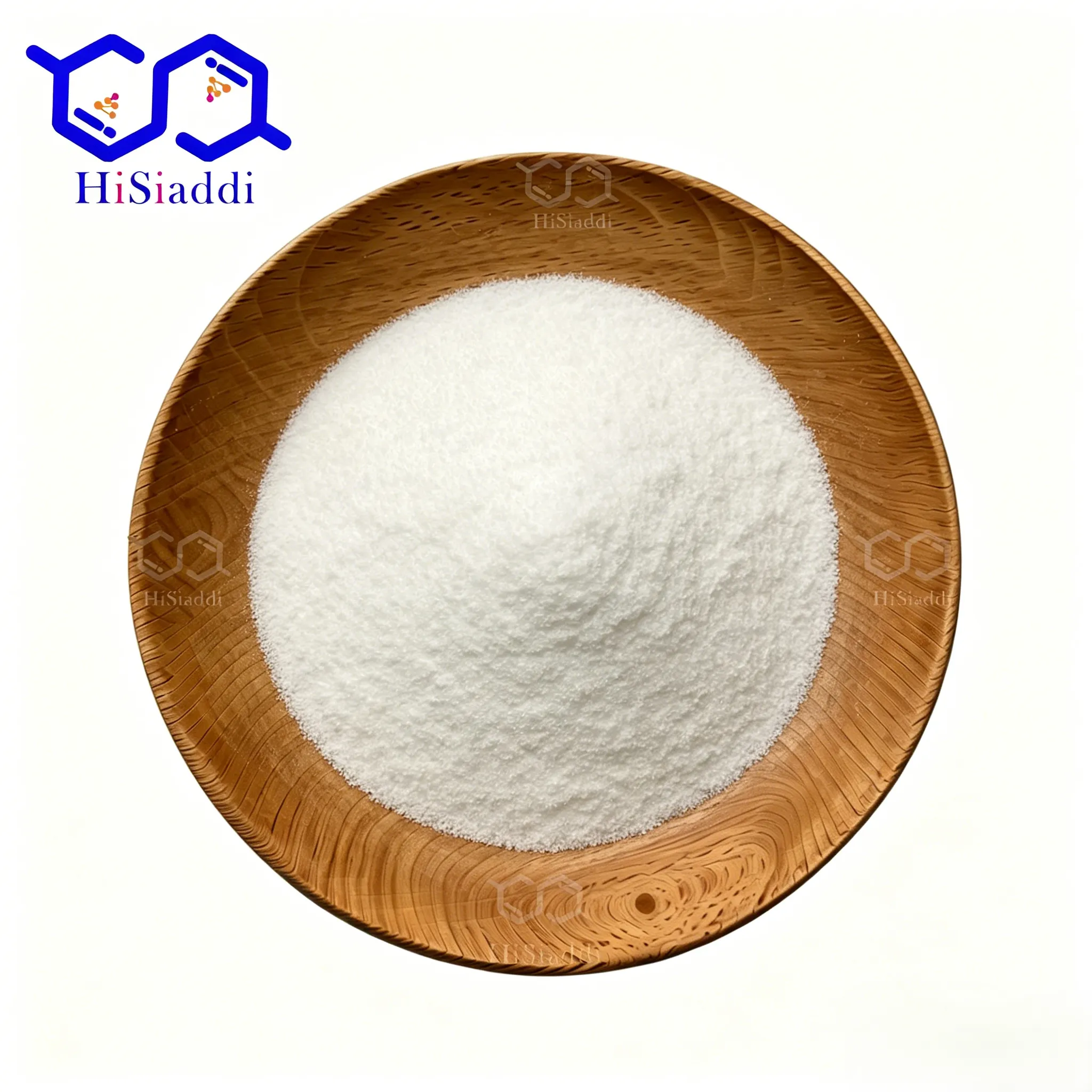
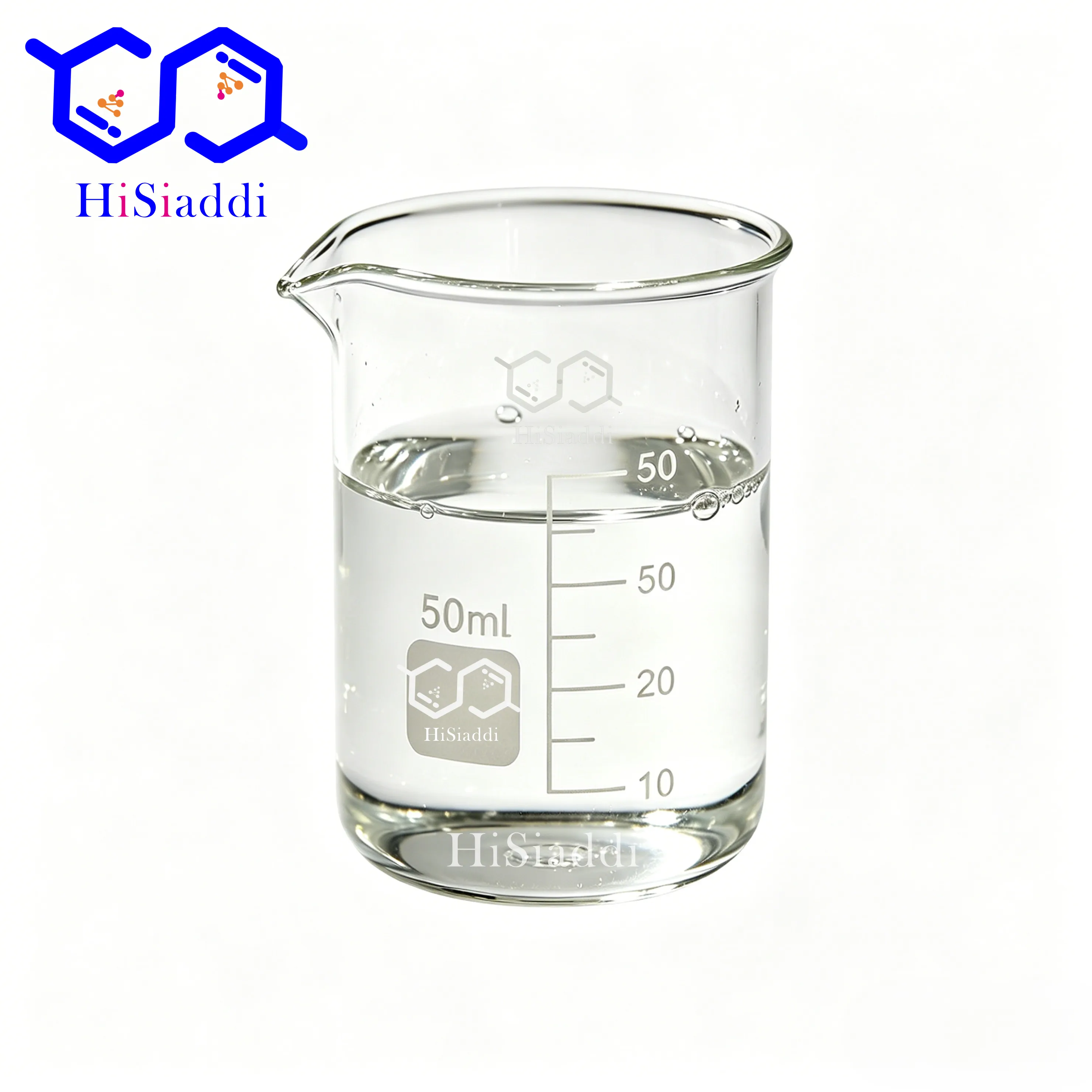
HiSiaddi is an innovative foreign trade service provider driven by technology transformation and cross-border trading. We have established a "1+2+3+4=1" service system and can supply THPS 75 sourced from multiple well-known original manufacturers. Boasting over a decade of market experience and technological transformation cooperation with factories, HiSiaddi possesses extensive expertise in product compliance issues. Below is a case study of HiSiaddi’s solutions for THPS 75 compliance challenges.
For inquiries regarding additional THPS 75 product compliance issues, please contact HiSiaddi customer service.
HiSiaddi resolved three major challenges including domestic export commodity inspection, dual EU REACH & BPR compliance and hazardous chemical customs declaration labeling one by one, securing a long-term annual procurement order of 276 tons.
Headquartered in Düsseldorf, North Rhine-Westphalia, Germany, WasserTech is a mid-to-high-end specialty chemical producer with 31 years of experience in thermal power plant circulating water treatment, bacteriostasis for fine chemical closed systems and comprehensive industrial wastewater management along the Rhine River. Its clients include RWE Group power plants, BASF supporting water treatment subsidiaries and dozens of precision manufacturing enterprises across the Ruhr Industrial Zone. Finished chemical products are subject to four layers of supervision: German Environment Agency regulations, EU Water Framework Directive, BPR Biocidal Products Regulation and REACH Chemicals Regulation. All imported raw materials must complete EU active substance filings, hazardous chemical customs compliance verification and third-party toxicology re-inspection upon factory entry. Raw material compliance documentation directly binds environmental assessment certificates of finished products; missing any compliance document will result in goods being blocked from customs clearance, warehousing and production.
The enterprise previously sourced all THPS 75 (75% aqueous tetrakis(hydroxymethyl)phosphonium sulfate) from original BASF Germany supplies. Successive domestic European chemical raw material price hikes and production capacity restrictions at BASF factories pushed procurement costs up by 42% and extended lead times to 90 days. To optimize supply chain costs, the client launched a Chinese-origin raw material replacement program in late 2025, planning to purchase a total of 276 tons of domestic THPS 75 split into four quarterly batches, subdivided as follows:
· 142 tons modified THPS 75 dedicated to power plant closed circulating water
· 85 tons high-purity THPS 75 dedicated to fine chemical bacteriostasis
· 49 tons general THPS 75 dedicated to open river water pretreatment
The client initially sent samples from three domestic THPS manufacturers for lab testing, which passed physical and chemical indicator inspections. However, four cross-border compliance bottlenecks emerged collectively before formal stock preparation: domestic manufacturers could only issue national standard factory test reports without full compliance documentation aligned with EU specifications, erroneous hazardous goods declaration materials, incomplete supplementary REACH documentation and missing BPR biocidal product filing materials. The first planned shipment of 68 tons was detained at Shanghai Port unable to clear customs. German customs issued advance warnings: incomplete documentation would lead to direct return of goods upon arrival plus heavy detention and destruction fines. The client immediately terminated cooperation with the three original manufacturers and fully entrusted HiSiaddi’s foreign trade compliance division to coordinate full-process compliance rectification, complete export customs declaration and deliver EU inbound compliance solutions.
THPS 75 bears CAS No. 55566-30-8 and UN hazard identification number UN2922, classified as Class 8 corrosive liquid combined with Class 6.1 toxic liquid, Packing Group III – a statutorily regulated hazardous chemical. The three domestic manufacturers only compiled Chinese MSDS per national GB/T standards, with English SDS generated via direct machine translation riddled with data loopholes:
1. Hazard classification adopted outdated domestic hazard categorization inconsistent with EU CLP (EC 1272/2008) GHS standards; hazard pictograms, H hazard statements and P precautionary statements on products were all marked incorrectly.
2. Vague component breakdowns failed to specify precise contents of free formaldehyde, residual phosphate and trace by-salts to 0.01% accuracy, a mandatory requirement under German regulations for Section 3 of SDS detailing chemical composition.
3. Outer packaging only bore Chinese labels without EU-standard multi-lingual hazard markings, missing UN numbers, hazard pictograms and information of the EU-based unique legal entity representative. Per China’s export hazardous chemical supervision rules, non-compliant labels prevent issuance of outbound dangerous goods packaging certificates, while German customs explicitly reject goods arriving with non-compliant labeling.
None of the three manufacturers maintained internal teams specializing in EU compliance documentation drafting; sales staff only focused on product transactions without professional knowledge of overseas chemical regulations, making independent SDS and label revisions impossible.
Per China’s 2025 revised hazardous chemical export regulations, four core documents are mandatory for customs declaration of Class 8 THPS hazardous goods: hazard classification identification report, outbound dangerous goods packaging performance test certificate, dangerous goods packaging usage appraisal certificate and manufacturer hazardous chemical conformity statement. The original cooperating manufacturers only provided general product quality inspection certificates, failing to submit samples to CNAS-accredited domestic appraisal institutions for hazardous classification verification or procure UN-certified dangerous goods packaging with pre-shipment packaging inspection documentation. Customs pre-audit submissions were returned, detaining 68 tons of barreled raw materials in Shanghai bonded warehouses with daily warehousing and container detention charges accumulating. If delayed beyond 15 days, shipping lines would directly discard containers. These manufacturers primarily supplied low-end domestic wastewater treatment clients and bulk commodity traders, most often filing simplified general cargo declarations with minimal experience completing formal hazardous chemical export commodity inspection and full declaration procedures.
EU REACH Regulation mandates that non-EU-origin chemical raw materials entering EU territory must either complete import registration via an EU-based importer or pre-registration + formal registration by overseas manufacturers, with supporting tonnage coverage certificates and SVHC 233-item screening reports (formaldehyde, a THPS production byproduct, is listed under SVHC control). The original domestic manufacturers only completed domestic production filings without REACH pre-registration, unable to issue tonnage verification documents. No full SVHC 233-item hazardous substance screening was conducted at factory release, depriving the client’s German importer of mandatory documents for customs inbound declaration. Per EU customs penalty rules, undocumented imports incur administrative fines up to 30% of cargo value. Low-volume purchasers frequently evade REACH requirements via split customs clearance through EU intermediaries, yet WasserTech, as a mid-to-high-end end manufacturer conducting independent full-traceability customs clearance for all raw materials, cannot adopt grey-area clearance methods.
As a bactericidal raw material, THPS falls under two controlled categories of EU BPR Regulation: PT6 industrial preservatives and PT11 cooling water biocides. EU mandatory requirements stipulate raw material active substances must be listed on the BPR approved inventory, with suppliers providing full toxicology dossiers and environmental risk assessment PEC/PNEC data. Importers rely on these documents to complete raw material filings at the German Federal Environment Agency; unapproved filings ban raw material deployment in chemical compounding production. Domestic manufacturers only conduct bacteriostatic testing per domestic pesticide/water treatment auxiliary standards, lacking OECD-standard aquatic toxicity, skin sensitization and subchronic toxicity test data required to compile BPR filing dossiers. Without supporting documentation, the client cannot complete environmental assessment filings for finished domestic products, risking full production line shutdown. This constitutes the core compliance distinction separating low-volume resellers and mid-to-high-end manufacturers: low-end buyers only care about goods clearing customs, while mid-to-high-end factories tie raw material compliance to their own production licenses and environmental permits.
1. Partnering with a third-party testing laboratory holding EU SDS compilation qualifications, HiSiaddi redrafted tri-lingual SDS (Chinese, English, German) complying with all 16 standard clauses of REACH and CLP regulations based on actual component data from raw material manufacturers. Precise breakdowns were provided for main constituents: THPS 75.02%, free formaldehyde 0.0078%, sulfate by-salts 2.15%, balance deionized water. EU-standard hazard statements including H302 (Harmful if swallowed), H318 (Causes serious eye damage) and H317 (May cause an allergic skin reaction) were revised, removing outdated non-compliant risk descriptions from domestic versions, with all data backed by CNAS laboratory test reports.
2. Outer Packaging Compliance Rectification: Single Chinese labels were replaced with customized color hazardous goods labels complying with EU specifications, clearly printed with UN2922, dual hazard pictograms for Class 8 + 6.1, address of the EU-based legal responsible party and batch traceability codes, with label data synchronized to Germany’s national chemical traceability customs system. Separate exclusive labels were customized for three product variants (power plant modified grade, high-purity bacteriostatic grade, general water treatment grade) to distinguish component differences and avoid cross-labeling violations at German customs.
1. Coordinating manufacturers to rush sample delivery to Shanghai Customs designated hazardous chemical appraisal institutions, official hazard classification conclusions confirming THPS 75 as UN2922 Class 8 (6.1) Packing Group III hazardous goods were issued within 3 working days.
2. Mandating manufacturers to replace packaging with brand-new UN-certified HDPE hazardous goods drums, which passed air tightness, hydraulic pressure and drop tests for packaging performance appraisal, securing the Outbound Goods Transport Packaging Performance Inspection Result Certificate followed by the Dangerous Goods Packaging Usage Appraisal Certificate. A full manufacturer hazardous chemical conformity statement was supplementary submitted, enabling one-time pass of customs pre-audit for the complete commodity inspection documentation set.
3. HiSiaddi’s in-house hazardous goods customs declaration team standardized customs declaration elements including HS code 2931900090, hazard classification, UN number and component ratios, alongside IMDG-compliant ocean dangerous goods DGD declaration documents. Shipping lines holding Class 8 hazardous goods carriage qualifications were coordinated, enabling the detained 68-ton cargo to load onto vessels on the 11th day post rectification, avoiding approximately RMB 120,000 in detention and container abandonment losses.
1. Drawing on years of chemical export compliance resources, HiSiaddi coordinated leading domestic THPS manufacturers to complete REACH pre-registration affiliation, securing official REACH registration coverage certificates for the full 276-ton annual procurement tonnage issued by EU-based legal representatives for filing with German customs.
2. Samples of all three THPS 75 variants were uniformly sent to GLP-accredited EU laboratories for full SVHC 233-item substance of very high concern screening, verifying formaldehyde and organophosphorus impurity levels below EU control limits. Official bilingual test reports were issued as mandatory attachments for the client’s German import customs declaration. The client’s EU importer compliance files were supplemented to complete REACH inbound filing and eliminate risks of customs detention and fines.
1. Collaborating with third-party toxicology laboratories, HiSiaddi supplemented full BPR-required test data for THPS per OECD testing guidelines: 96-hour fish acute toxicity, 48-hour daphnia median lethal concentration, skin sensitization, microbial bacteriostatic efficacy and environmental degradation rate data, alongside PEC/PNEC environmental risk calculation reports formatted to EU official standards to form auxiliary BPR active substance filing dossiers.
2. Dossiers were simultaneously submitted to the German Federal Environment Agency to assist WasserTech with pre-review of domestic BPR filings for three THPS raw material variants. Supplementary supporting documents including manufacturer ISO9001/ISO14001 production system certificates and full outgoing batch quality inspection reports were provided for filing review. German environmental authorities ultimately confirmed full BPR eligibility of raw materials for legal deployment in finished chemical compounding production.
1. The rectified first batch of 68 tons shipped via ocean freight arrived at Hamburg Port, Germany after a 42-day transit period. Full compliance documentation provided by HiSiaddi enabled one-stop customs clearance without anomalies during on-site German customs verification of SDS, labels, REACH and BPR materials. Goods safely entered WasserTech’s production warehouse. Full physical, chemical, impurity and toxicology testing conducted by the client’s in-house laboratory on incoming raw materials confirmed all three product variants matched benchmark indicators of original BASF products, enabling full-scale commissioning of three chemical compounding production lines.
2. Subsequent three batches totaling 208 tons were subject to pre-emptive full-process compliance pre-audit by HiSiaddi, with standardized oversight covering production, packaging, commodity inspection, customs declaration and EU inbound clearance for zero compliance exceptions and on-time port arrival for all shipments.
3. Post-project implementation, WasserTech formally signed a quarterly delivery annual contract of 276 tons with HiSiaddi, entrusting HiSiaddi with full lifecycle compliance management, documentation updates and real-time regulation tracking for all batches of products. All future additional biocide raw material procurement requirements from the client will prioritize HiSiaddi for full compliance and supply coordination.
Cost Accounting: Comprehensive procurement + compliance service costs of domestic THPS decreased by 31.7% versus original BASF products, ocean shipping lead times shortened to under 40 days, and finished chemical production costs of the client fell by an additional 18.2%.
The vast majority of domestic tetrakis(hydroxymethyl)phosphonium sulfate manufacturers focus on domestic civil wastewater and low-end aquaculture disinfection markets, with downstream purchasers primarily small and medium trading resellers prioritizing unit price and basic national standard indicators. Simplified hazardous goods declaration and omitted REACH/BPR compliance procedures are commonplace for cargo shipments. Consequently, manufacturers generally lack internal professional teams specializing in EU CLP, REACH and BPR regulations, with SDS, labels and toxicology documentation only satisfying domestic supervision standards. When engaging mid-to-high-end end manufacturers in Germany, France, Northern Europe and other EU regions, compliance gaps emerge immediately. Mid-to-high-end European and American clients are bound by national environmental laws and product filing systems, equating raw material compliance documentation with production qualifications; missing documents halt production entirely, representing an essential logical distinction from low-volume purchasers whose sole requirement is cargo customs clearance.
Mid-to-high-end fine chemical enterprises in the EU represented by Germany’s WasserTech tie enterprise production licenses, pollutant discharge permits and finished product environmental assessments to full archived raw material compliance documentation subject to unscheduled audits by German environmental authorities. Split cargo shipments or third-party credential borrowing to evade REACH and BPR regulations, common among small traders, are inadmissible. Procurement demands extend beyond qualified chemical products to one-stop compliance services covering domestic export commodity inspection, international ocean hazardous goods declaration and destination country inbound regulatory filings across the full supply chain.
Traditional chemical foreign trade enterprises act merely as supply intermediaries, sourcing goods from factories and competing on price without capacity to resolve cross-border chemical regulatory barriers. Leveraging internal compliance engineers, third-party testing resources and full-spectrum hazardous goods customs declaration capabilities, HiSiaddi pre-judges regulatory clauses of destination countries and bridges domestic manufacturers’ documentation gaps across SDS drafting, customized labeling, domestic commodity inspection and dual EU regulation registration. Compliance capacity addresses the top procurement concern of mid-to-high-end overseas clients – regulatory compliance risks. This THPS compliance project enabled HiSiaddi to establish extensive industry connections with premium domestic German water treatment enterprises, followed by THPS procurement intentions from three additional German industry peers, cementing compliance expertise as the core competitive advantage for developing high-end European and American chemical markets.
For inquiries regarding additional THPS 75 product compliance issues, please contact HiSiaddi customer service.

 +86-13120989737
  info@hisiaddi.com
 English