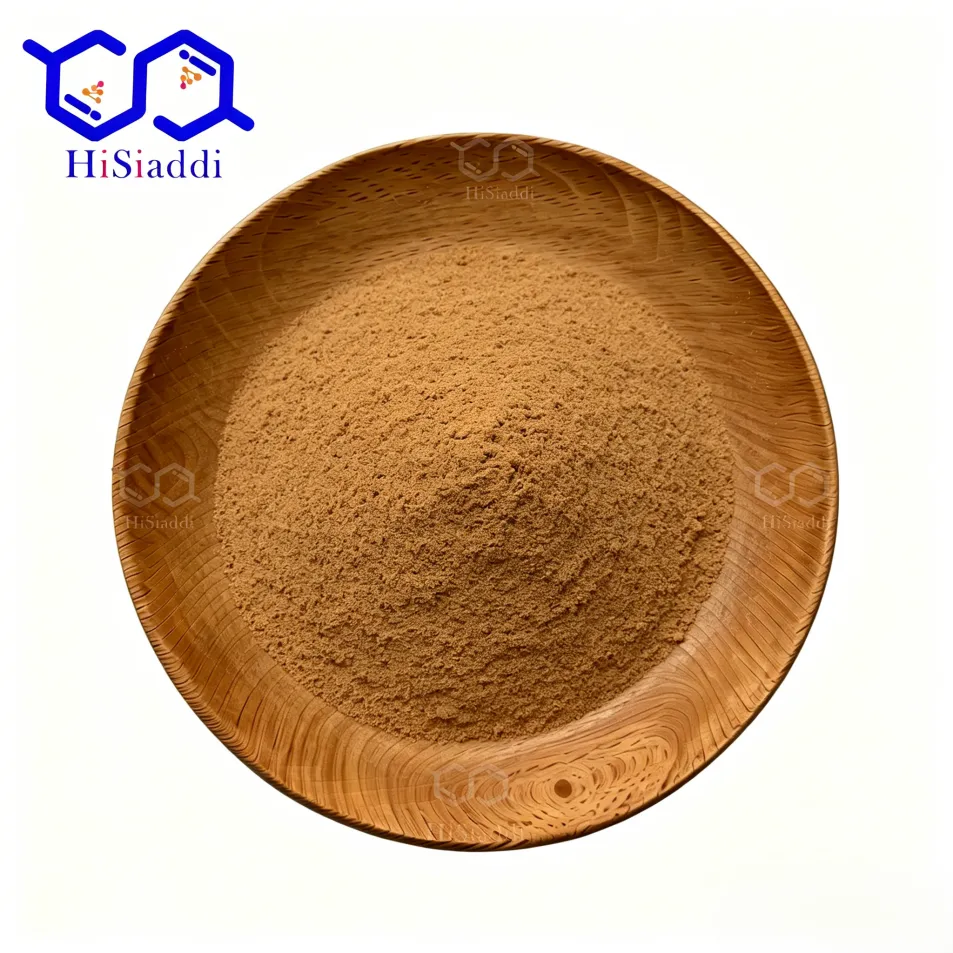
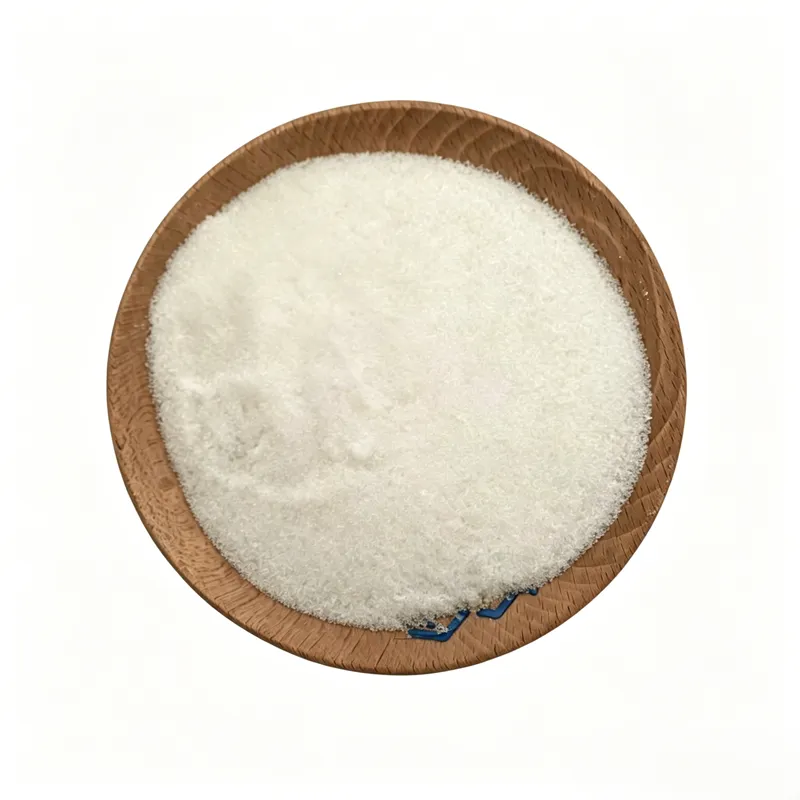
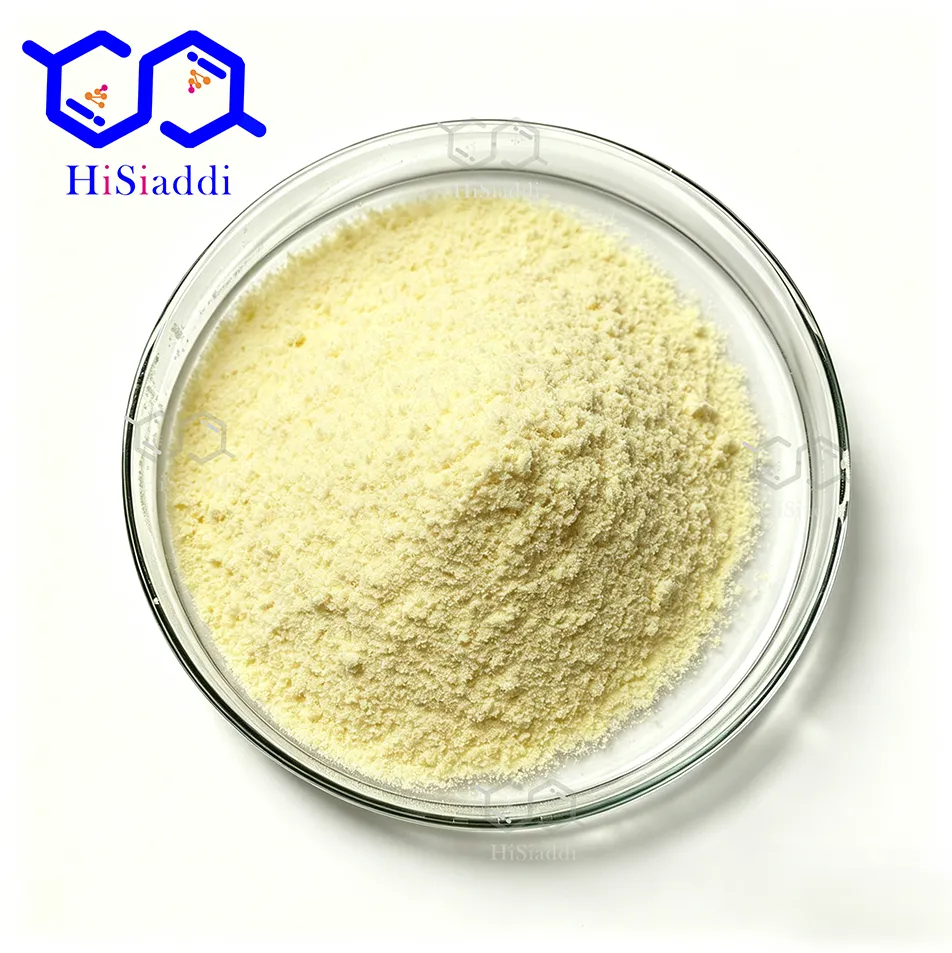
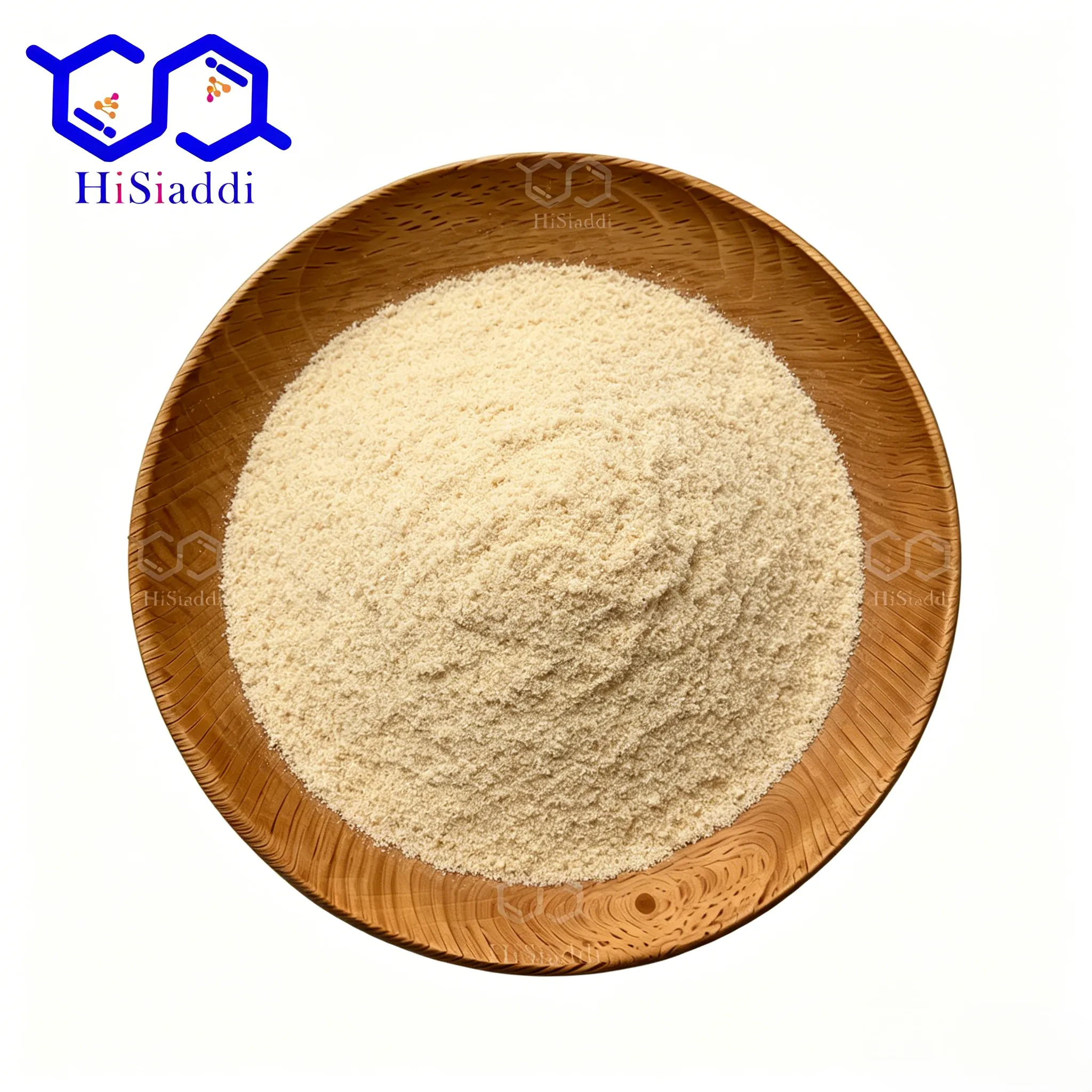
As a new-type foreign trade service provider driven by technological transformation and foreign trade services, HiSiaddi has over ten years of experience in foreign trade services and maintains long-term observation and in-depth research on the vitamin B12 trading market. Below, HiSiaddi elaborates sequentially on new global trends, challenges and opportunities for downstream buyers, and targeted adjustment strategies.
Global total vitamin B12 capacity continues to expand. Leading Chinese enterprises (NHU, CSPC Pharmaceutical, Zhejiang Medicine, etc.) further increase their market share, triggering obvious price wars. The average price of feed-grade and food-grade products has dropped by about 15%–20% cumulatively in the past two years, squeezing profit margins.
Meanwhile, synthetic biology (genetic engineering, strain modification) has moved from laboratory research to mass production, featuring higher fermentation efficiency, fewer impurities, higher purity and a lower carbon footprint. Buyers in Europe and North America show growing willingness to pay a premium for biosynthetic/non-GMO/low-carbon products, no longer focusing solely on unit price.
Cyanocobalamin used to be the mainstream choice due to its low cost and high stability; currently, a clear global shift is underway:
Mecobalamin and Adenosylcobalamin: Active forms with better nerve repair effects and absorption efficiency.
Nano-encapsulation, sublingual, spray and microcapsule formulations: Raise absorption rates from the traditional 10%–20%to 80%–95%,offering substantial premium potential.
Vegan/plant-based,animal-free and clean-label attributes: Mandatory requirements for European and American supermarket chains and brand owners;animal-free vitamin B12 has become a basic market entry threshold.
Feed grade (largest rigid demand): Accounts for 50%–55% of total demand. However, the popularization of coated compound vitamins has reduced the proportion of single vitamin B12 year by year (down from 68% in 2020 to 53% in 2024).
Health care/dietary supplements: Driven by global aging, the vegan population (accounting for approximately 8%–10% of the global population) and rising demand for cognitive health, it registers the fastest growth with a CAGR of 7%–9%.
Pharmaceutical grade: Demand for high-purity (≥99.5%), low-endotoxin and injectable vitamin B12 is increasing, applied in the adjuvant treatment of pernicious anemia, diabetic neuropathy and Alzheimer’s disease.
Food fortification: Vitamin B12 fortification has become a standard configuration for plant-based milk, cereals, energy drinks and algal protein products.
EU: Novel food regulations relax market access for microbial-sourced nutrients, while imposing stricter requirements on purity, impurities, microorganisms, heavy metals and traceability.
China: Mecobalamin is listed as a pharmaceutical ingredient. After 2025, ordinary health foods and food products are prohibited from adding mecobalamin, with only cyanocobalamin and other compliant forms permitted.
North America/Japan & South Korea: Label transparency, origin traceability, non-GMO declarations and carbon footprint disclosure are gradually becoming mandatory.
Low-price route: Major manufacturers in China and India supply cyanocobalamin for feed/food grade, competing on production capacity and cost performance.
Value route: European, American, Japanese and a small number of high-end Chinese suppliers focus on active B12, high purity, biosynthesis, low carbon and clean labels, competing on technology, compliance and branding.
Mid-tier market: A large number of small and medium-sized buyers and distributors are caught between price wars and escalating compliance standards, facing the greatest pressure and urgent transformation needs.
Downstream B-end buyers are categorized into five types: feed additive suppliers, health care/supplement brands, food fortification enterprises, pharmaceutical formulation manufacturers, and cross-border distributors/traders. The pain points and opportunities for each category are analyzed below.
Challenges
Continuous price declines squeeze gross profit margins; feed-grade vitamin B12 has retreated from its 2022 peak, with cutthroat low-price competition and some quotes even below cost.
Coated compound vitamins replace single vitamin B12, shrinking order volume and fragmenting demand.
Breeding enterprises face high cost pressure, leading to intense bargaining and long payment terms.
Opportunities
High-purity, low-impurity and high-stability vitamin B12 can reduce feed mildew and improve animal absorption, supporting product premium pricing.
Custom compound premixes (Vitamin B12 + Folic Acid + Iron + Zinc) help bind breeding clients, enhance customer stickiness and increase average order value.
Expanding breeding industry in Southeast Asia, Latin America and the Middle East brings stable rigid demand and incremental market potential.
Challenges
Dramatic regulatory changes: China’s ban on mecobalamin in food, strict EU labeling rules and North American traceability inspections force frequent formula adjustments and raise inventory risks.
Severe homogenization and spreading price wars result in extremely low profit margins for ordinary cyanocobalamin supplements.
Consumer demand for "active ingredients, high absorption, vegan, organic and clean labels" pushes up compliance and R&D costs.
Opportunities
Active B12 (mecobalamin/adenosylcobalamin) plus high-absorption formulations (sublingual/nano) can achieve a premium of 30%–80% with limited market competition.
Vegan/plant-based and fermentation-sourced vitamin B12 gains priority shelf access and traffic tilt in online and offline European and American channels.
Custom formulas (Vitamin B12 + Vitamin D + Folic Acid + Omega-3) target specific groups (the elderly, pregnant women, vegans, sports enthusiasts) to boost repurchase rates and average customer value.
Challenges
Divergent fortification standards across countries: Varying limits, testing and labeling requirements in the EU, North America and Asia lead to high compliance costs for multi-market layout.
Growing consumer resistance to "artificial additives", with a preference for naturally fermented, algae-sourced and clean-label raw materials.
Stability issues of vitamin B12: It is prone to degradation under high-temperature and acidic environments, affecting shelf life and efficacy.
Opportunities
Stabilized vitamin B12 (microcapsule-embedded) adapts to baking, beverage and high-temperature processing scenarios with obvious premium advantages.
Naturally vitamin B12-rich raw materials such as algal protein and nutritional yeast boast dual selling points of natural origin and nutrient fortification, popular in high-end European and American supermarkets.
Low penetration rate of fortified food in emerging markets (Southeast Asia, India, the Middle East) creates a blue ocean market with rapid growth potential.
Challenges
Extremely high purity requirements (≥99.5%), low endotoxin, sterility and injectable grade standards push up production and testing costs with limited qualified suppliers.
Rapid updates to global pharmacopoeia standards (USP/EP/BP) require continuous investment in verification, documentation and audit costs.
Potential substitution risk from gene therapy: Fast clinical progress of gene therapy for pernicious anemia may partially replace injectable vitamin B12 in the long run.
Opportunities
High-purity, low-endotoxin vitamin B12 complying with global pharmacopoeia standards enjoys scarce supplier resources, strong bargaining power and high gross profit margins.
Compound formulations (Vitamin B12 + Folic Acid + Iron + Vitamin C) for the treatment of anemia, neuropathy and geriatric diseases feature stable demand and high industry barriers.
Biosynthesis/fermentation-derived pharmaceutical-grade vitamin B12 has fewer impurities, higher safety and conforms to the green pharmaceutical development trend.
Challenges
Upstream price volatility, unstable production capacity and long delivery cycles lead to high inventory risks and capital occupancy pressure.
Fragmented, customized and compliance-oriented downstream demand results in small-batch, multi-batch and multi-specification orders, raising management costs.
Intensified global competition with traders from China, India and Europe competing simultaneously, triggering both price and service wars.
Opportunities
Transform into a provider of global centralized procurement + compliance screening + technical services, offering one-stop solutions for multi-origin, multi-standard and multi-formulation demand, shifting profit sources from price differentials to service/solution fees.
Focus on segmented tracks (pharmaceutical grade, active B12, vegan-sourced products) to avoid red ocean price wars and tap niche high-margin markets.
Digital supply chain construction (traceability, testing, inventory visualization) enhances customer trust, reduces risks and improves capital turnover efficiency.
All recommendations below are actionable and prioritized in order:
Price tier (feed/ordinary food grade): Cooperate with major manufacturers in China and India for cost-effective cyanocobalamin in bulk to guarantee basic supply.
Value tier (health care/pharmaceutical grade): Partner with 1–2 high-end European/Japanese manufacturers plus 1–2 leading technology-oriented Chinese enterprises for compliant active B12, high-purity and biosynthetic products.
Core principle: Compare prices for equal quality, compliance for equal prices and services for equal compliance; maintain at least 2 alternative suppliers to avoid supply disruption and price surge risks.
Feed suppliers: Retain low-cost cyanocobalamin and add high-purity stabilized vitamin B12 to launch compound premix products.
Health care brands: Reduce inventory of ordinary cyanocobalamin, focus on promoting mecobalamin/adenosylcobalamin plus sublingual/nano formulations highlighting vegan attributes, high absorption and nerve repair efficacy.
Food fortification enterprises: Replace ordinary vitamin B12 with microcapsule-embedded products to extend shelf life and enhance stability.
Pharmaceutical manufacturers: Lock high-purity low-endotoxin vitamin B12 complying with USP/EP standards, and complete supplier audits and pharmacopoeia verification in advance.
Mandatory documents: COA, TDS, MSDS, non-GMO declaration, vegan/vegetarian certification, traceability reports, heavy metal and microbial test reports.
Key market standards: Comply with EU Regulation (EU 1169/2011), US FDA regulations, China GB 14880 and Japan Ministry of Health standards, and adapt labels and formulas in advance.
Mecobalamin risk warning: Mecobalamin is strictly prohibited for food/health food use in the Chinese market; follow local regulations for overseas markets.
Feed/ordinary food grade: Place monthly orders with 15–30 days of safety inventory, lock quarterly prices and avoid blind follow-up of price fluctuations.
Active/pharmaceutical grade: Adopt make-to-order production with 7–15 days of safety inventory due to high unit prices, large capital occupancy and rapid regulatory changes.
Core logic: Avoid speculative price betting, secure stable gross profits, and allocate capital prioritized to high-margin products.
Provide downstream customers with formula optimization suggestions, stability testing, formulation adaptation, label compliance review and market trend analysis.
For feed suppliers: Design nutritional solutions for breeding farms to reduce feed-to-meat ratio and enhance animal immunity.
For health care brands: Assist in selecting active B12 raw materials, designing high-absorption formulas and connecting with testing institutions.
For pharmaceutical manufacturers: Support pharmacopoeia verification, impurity analysis and endotoxin control.
Essence: Shift from price competition to value competition to strengthen customer stickiness and profit margins.
Traceability: Enable full batch traceability of vitamin B12 covering origin, fermentation batch, test reports and transportation records, a rigid demand for European and American customers.
Low-carbon development: Prioritize biosynthetic/fermentation-sourced vitamin B12 with low energy consumption and emissions; low-carbon products will gain greater advantages after the official implementation of the EU CBAM.
Clean label: Adopt animal-free, non-GMO and artificial-additive-free attributes to display directly on packaging and enhance end-consumer trust.


 +86-13120989737
  info@hisiaddi.com
 English