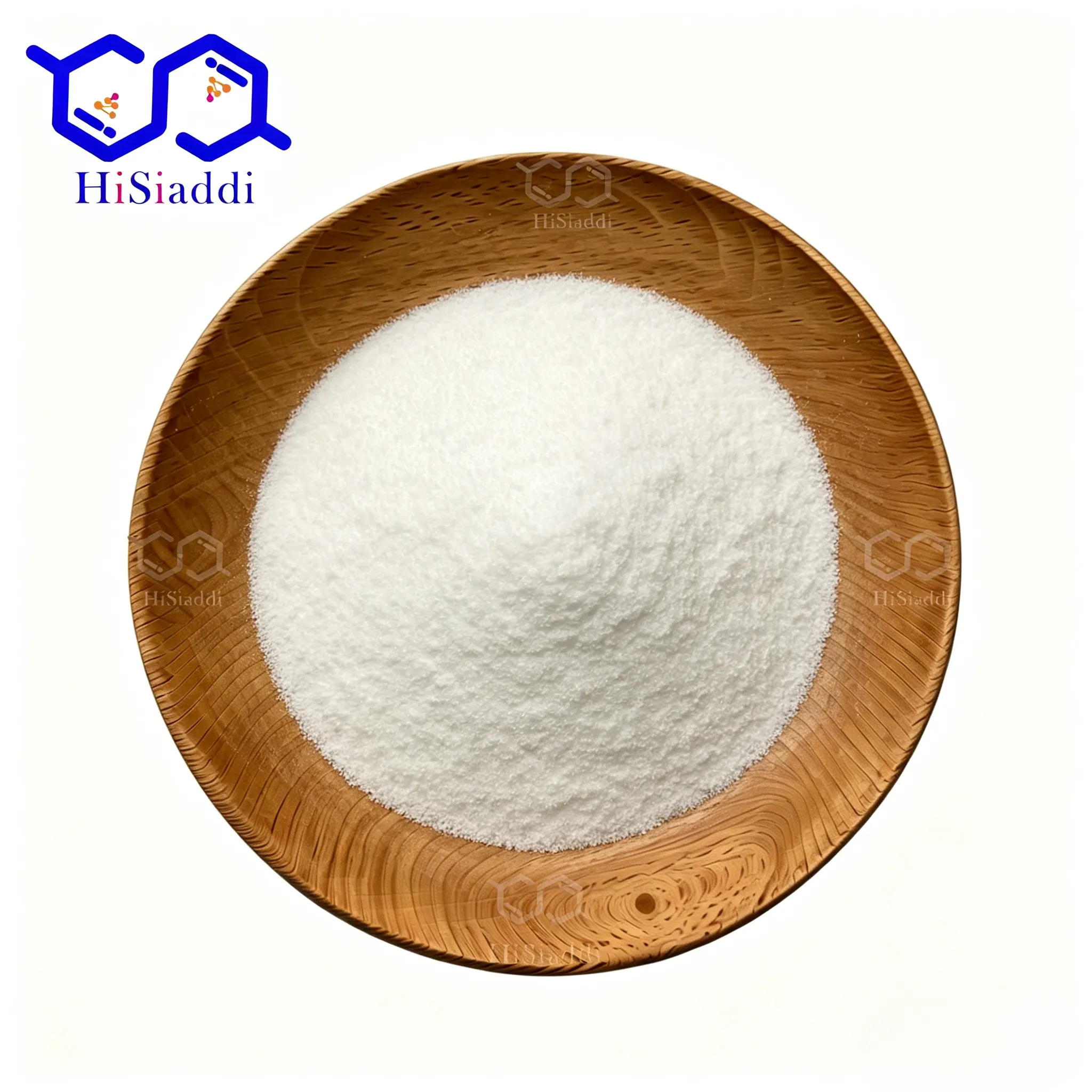
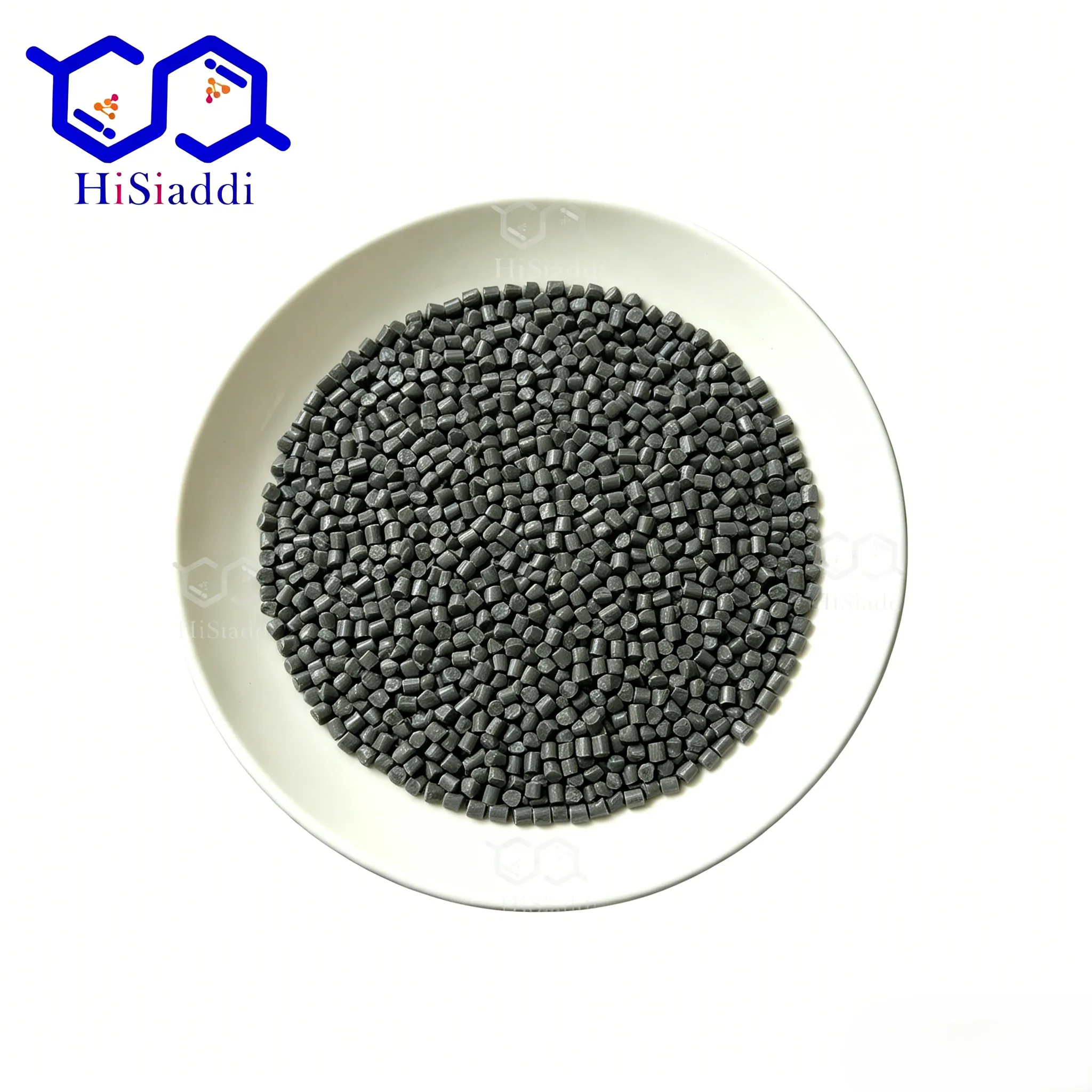
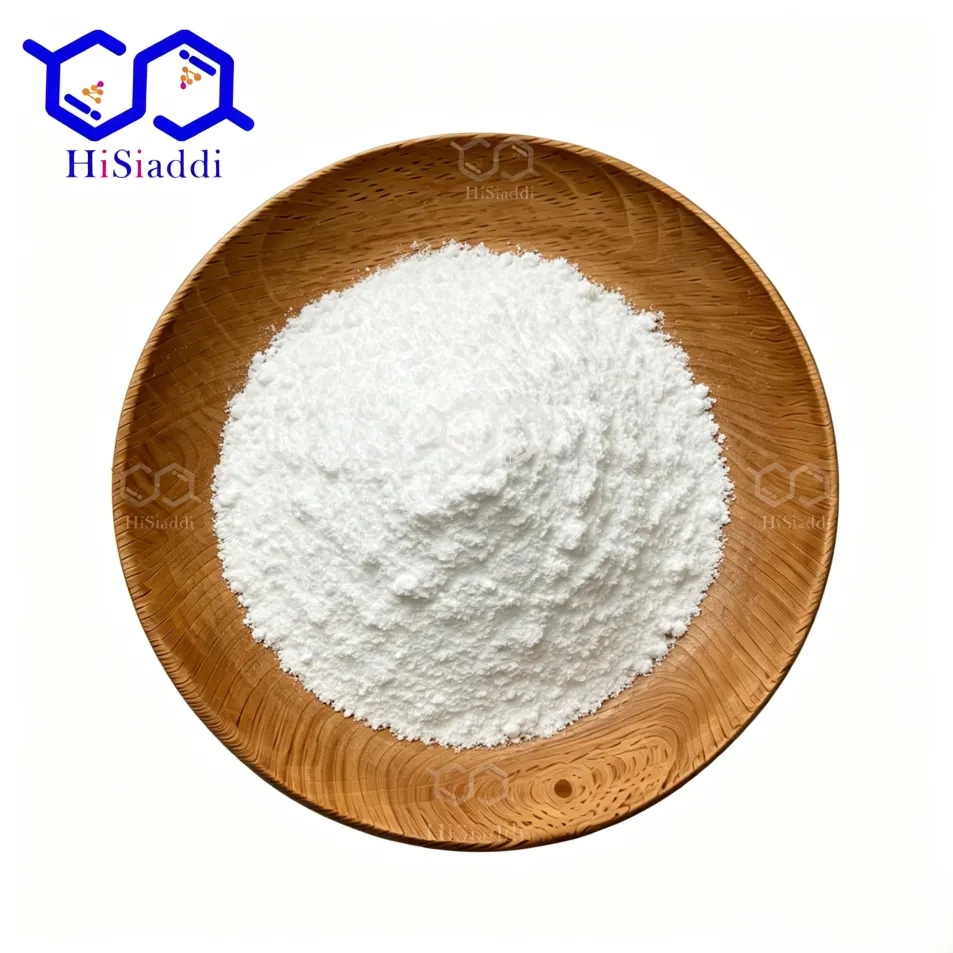
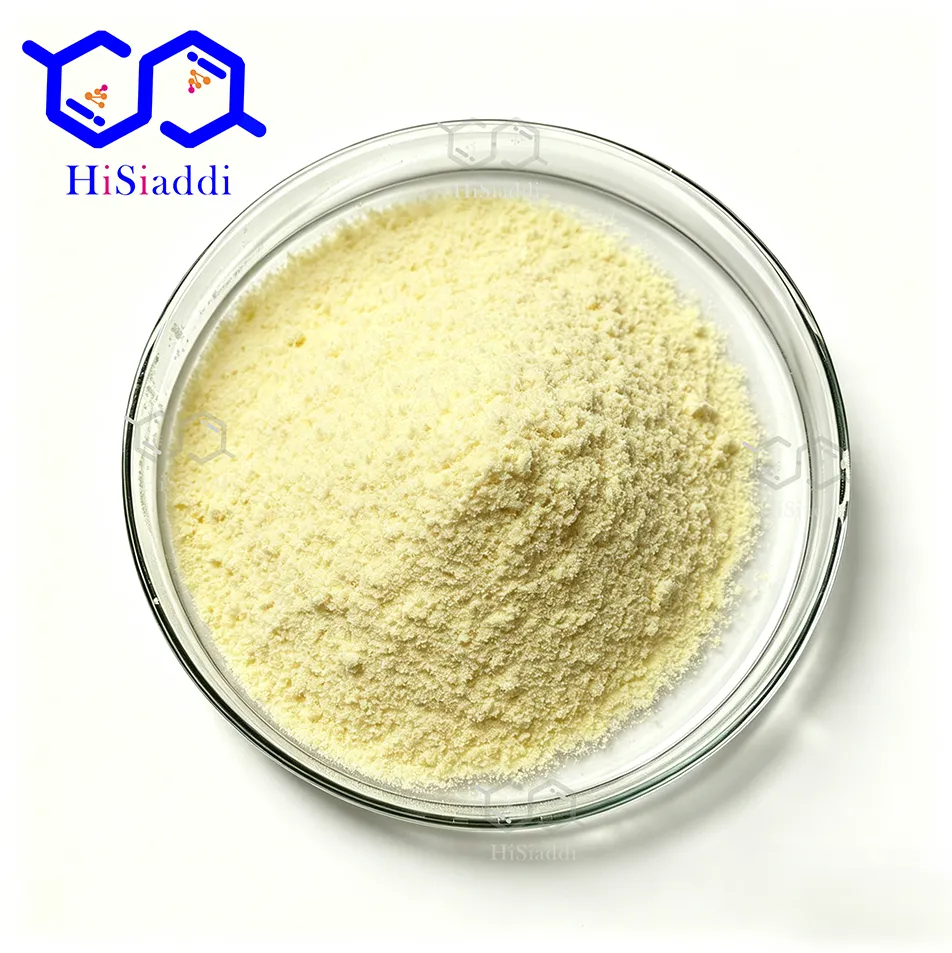
As a new-type foreign trade service provider driven by both technology commercialization and foreign trade services, HiSiaddi has established a "1+2+3+4=1" service system and can supply original factory sources of XPhos from multiple well-known brands.
As a technology-driven foreign trade enterprise, HiSiaddi repeatedly delivers XPhos formulation optimization schemes and application improvement recommendations through technology transformation cooperation with manufacturers. Below is a consulting case of XPhos formulation optimization by HiSiaddi.
Please contact HiSiaddi customer service if you require additional formulation optimization consulting services.
The client is a high-end fine chemical enterprise based in Belgium, engaged in R&D and large-scale production of premium pesticide intermediates and functional chemicals, supplying leading European chemical and pharmaceutical manufacturers. All operations comply with ISO 9001, REACH and GMP quality control standards, representing a typical mid-to-high-end European client. The company purchases 42 kg of high-purity XPhos annually as a core chiral phosphine ligand for Suzuki coupling reactions.
The client previously sourced products from European local brands but shifted to Chinese high-purity XPhos to optimize supply chain structure and control overall costs. While all factory release indicators (purity, particle size, heavy metals, residual solvents, etc.) met procurement standards, the material triggered consistent production issues when incorporated into the client’s existing formulation and reaction system: reduced catalytic activity, incomplete reactions, lower target product yields and oily byproduct adhesion on reactor vessel walls. The client’s internal R&D and production teams spent over ten days adjusting reaction temperature, stirring speed and raw material ratios with no full resolution, resulting in declining production line yield and delayed order delivery. The client contacted HiSiaddi urgently for full-process technical diagnosis and implementable solutions.
HiSiaddi collaborated with application engineers from upstream manufacturers to dissect XPhos physicochemical properties, the client’s solvent system, catalytic formulation, reaction operating conditions, feeding procedures and raw material storage environments, identifying four core root causes:
1. Mismatched Surface Properties & Formulation Compatibility Subtle differences exist in crystal surface polarity and active site distribution between domestic XPhos and the original European product. The client retained its fixed legacy formulation, resulting in poor compatibility between co-catalysts, solvents and domestic XPhos. Catalytic sites could not be fully activated, slowing primary reaction rates and elevating side reactions, cutting target product yields by approximately 11%.
2. Improper Feeding Protocols Causing Uneven Material Dispersion & Localized Reaction Abnormalities The client deployed one-time full batch feeding at elevated temperatures. XPhos readily agglomerates within high-temperature solvents; agglomerated particles cannot fully interact with reaction substrates, generating raw material waste and inconsistent reaction concentrations across batches, widening inter-batch quality deviations.
3. Improper Reaction Temperature Control Triggering Byproduct Precipitation & Equipment Adhesion The reaction exhibits extreme sensitivity to temperature ranges, while the client’s reactor uses steep heating gradients that create localized overheating mid-reaction. XPhos degrades slightly under high temperatures to form viscous byproducts that continuously coat reactor walls and agitators, impairing heat and mass transfer and requiring frequent production shutdowns for cleaning, drastically reducing effective operational hours.
4. Inadequate Raw Material Storage & Pre-Treatment Allowing Trace Oxide Interference XPhos is susceptible to oxidation by atmospheric oxygen. The client’s warehouse maintains high humidity, and raw material containers were not sealed under inert gas after opening. Trace oxidized impurities slowly formed on powder surfaces; while these impurities remained below factory release limits, they disrupted reaction stability in high-precision catalytic workflows.
All optimizations adhere to four core principles: no core production equipment modifications, no complete overhaul of primary formulations, low implementation costs and fast visible results. Adjustments were developed across four dimensions (formulation fine-tuning, feeding processes, operating parameters, storage & pre-treatment) alongside standardized operating guidelines, with real-time online support for on-site commissioning.
1. Fine-Tune Formulation Compatibility to Boost System Matching While retaining core raw material ratios, minor adjustments to co-catalyst loadings and small amounts of compatible solubilizing additives were incorporated to improve binding between XPhos, organic solvents and catalytic systems, fully unlocking catalytic activity and suppressing side reactions. Post-adjustment catalytic activity recovered to baseline levels.
2. Optimize Feeding Workflows for Uniform Material Dispersion The original feeding logic was revised to low-temperature pre-dissolution + batch feeding: solvents were first cooled to a safe low-temperature process range, XPhos powder was added in multiple increments under low-speed stirring until full dissolution, and remaining reaction substrates were introduced afterward. Powder agglomeration was completely eliminated, ensuring uniform concentration across full reactor batches.
3. Graded Temperature Control to Eliminate Oily Surface Adhesion A revised gradual heating curve was implemented to strictly regulate temperature ranges throughout the reaction and avoid localized high-temperature ligand degradation. Agitation speeds were segmented by reaction stage to enhance material flow, fundamentally preventing precipitated degraded byproducts from adhering to equipment surfaces and eliminating frequent production shutdowns for cleaning.
4. Standardize Storage & Raw Material Pre-Treatment to Block Trace Interfering Impurities Finished goods must be fully sealed and stored in low-humidity cold warehouses. Raw material opening and feeding operations are conducted under nitrogen protection; only required quantities are dispensed per batch, and residual material is immediately sealed and nitrogen-purged. A short low-temperature vacuum drying step was added prior to feeding to remove adsorbed surface moisture and oxides, eliminating impurity interference in reactions.
After full solution deployment, three consecutive mass production batches confirmed full resolution of all abnormal issues:
· Catalytic reaction rates and product yields returned to standard levels, with tightly controlled inter-batch quality deviations.
· Oily wall adhesion on reactors was fully eliminated, enabling continuous stable production line operation and restored normal manufacturing efficiency.
· Raw material loss rates decreased simultaneously.
The client’s Production Technical Lead stated: “We assumed raw materials meeting paper specifications could be directly deployed in production, overlooking subtle physicochemical differences between geographically distinct product sources. Blindly retaining legacy processes led to significant setbacks. HiSiaddi accurately identified root causes with simple, easy-to-implement solutions that restored normal production in a short timeframe. Professional application technical support gives us greater confidence in China’s high-end fine chemical raw material supply chains.”
The client designated this grade of XPhos as its long-term primary procurement raw material, awarding HiSiaddi full agency rights for its 42 kg annual order. A regular technical communication mechanism was established; the client consults HiSiaddi’s technical team in advance for new product R&D and formulation iteration to complete raw material compatibility testing.
For mid-to-high-end European and American fine chemical and pharmaceutical clients, raw material evaluation extends far beyond printed test specifications: compatibility with proprietary formulations, production operating conditions and reaction stability represent equally critical assessment criteria. Compliance with written indicators does not guarantee seamless production deployment.
Foreign trade services must evolve beyond simple product delivery; supplementary value-added services including professional technical diagnostics, process optimization and hands-on operational guidance form core competitive advantages for serving high-end clients.
Natural information gaps exist between upstream and downstream parties during cross-border supply chain transitions. Delivering customized process schemes based on raw material physicochemical characteristics and resolving tangible production pain points sustain long-term cooperative relationships.
Please contact HiSiaddi customer service if you require additional formulation optimization consulting services.

 +86-13120989737
  info@hisiaddi.com
 English