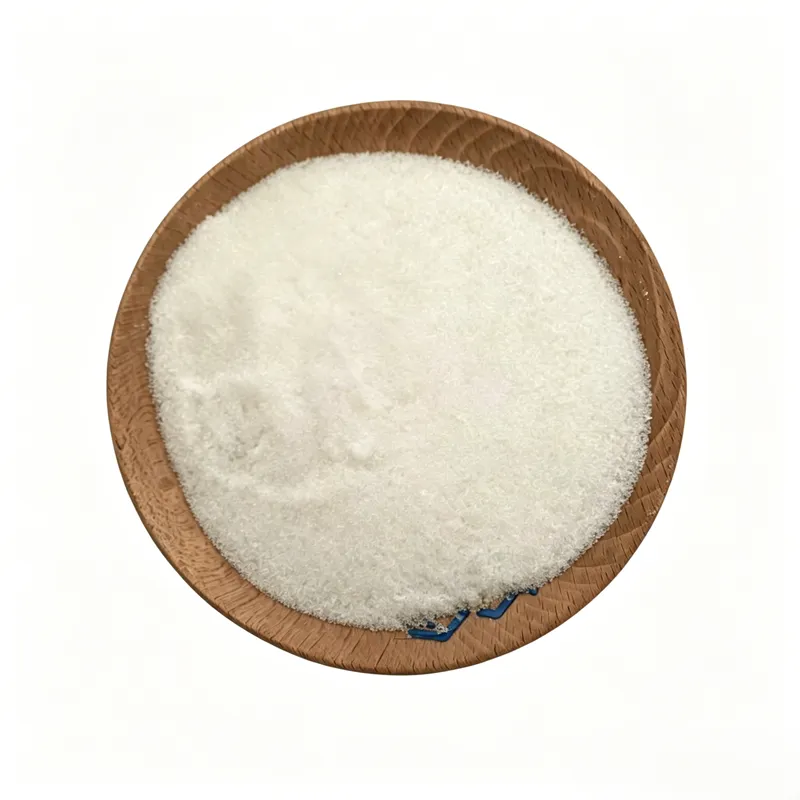
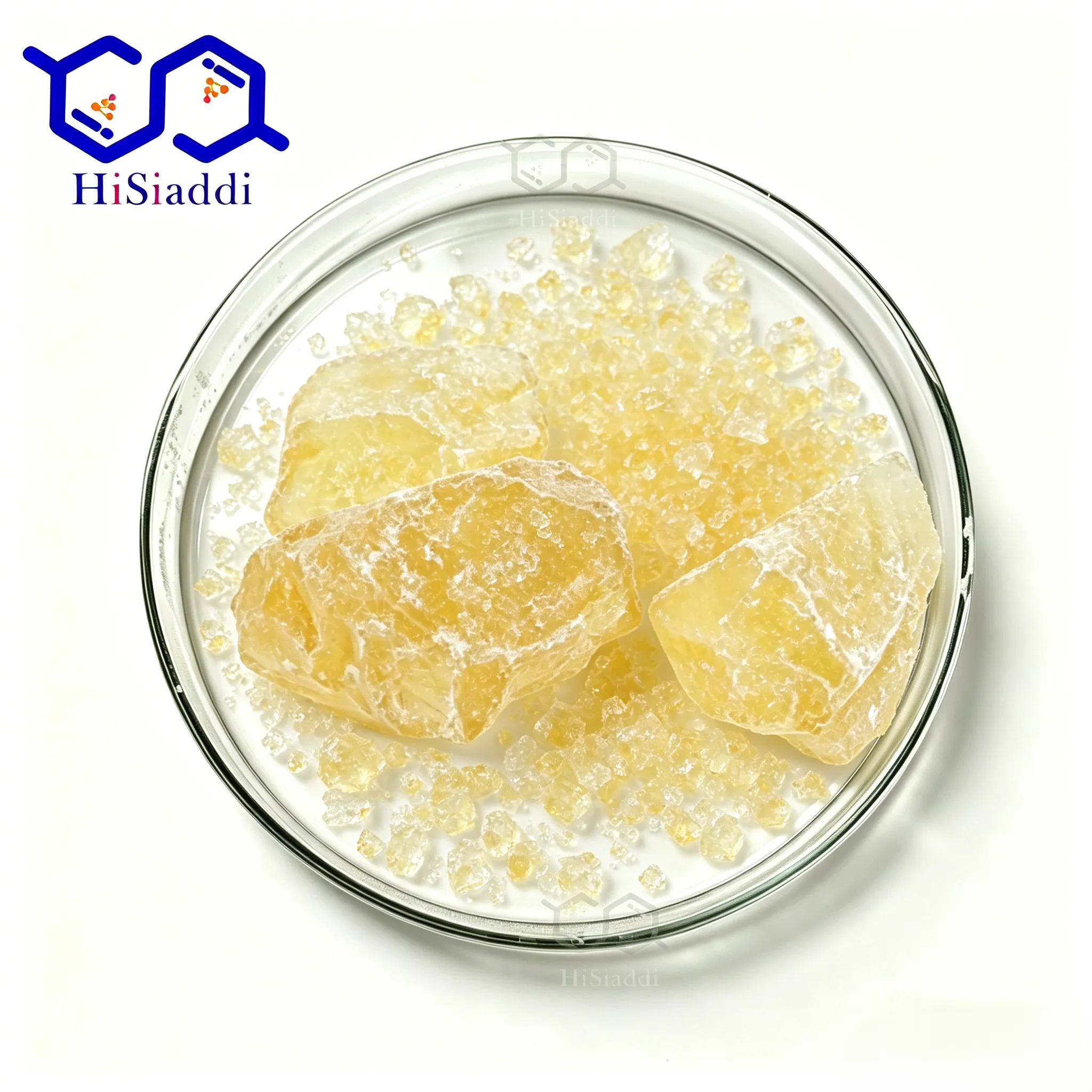
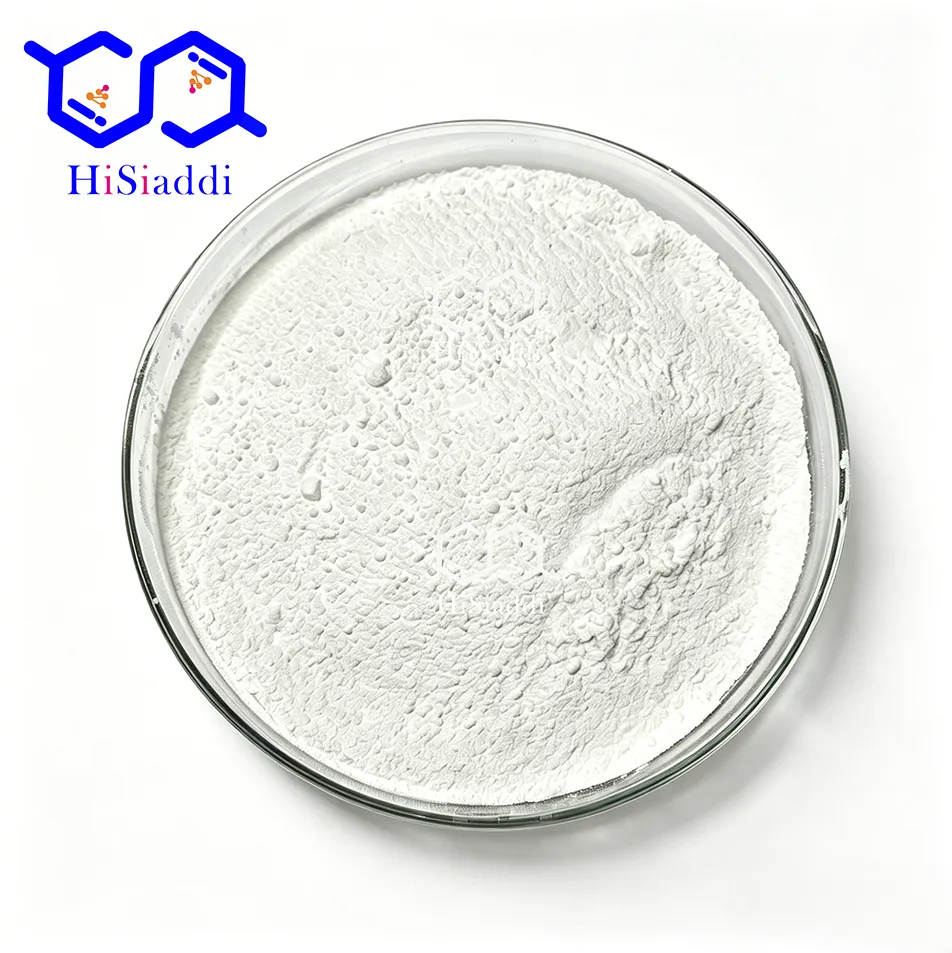
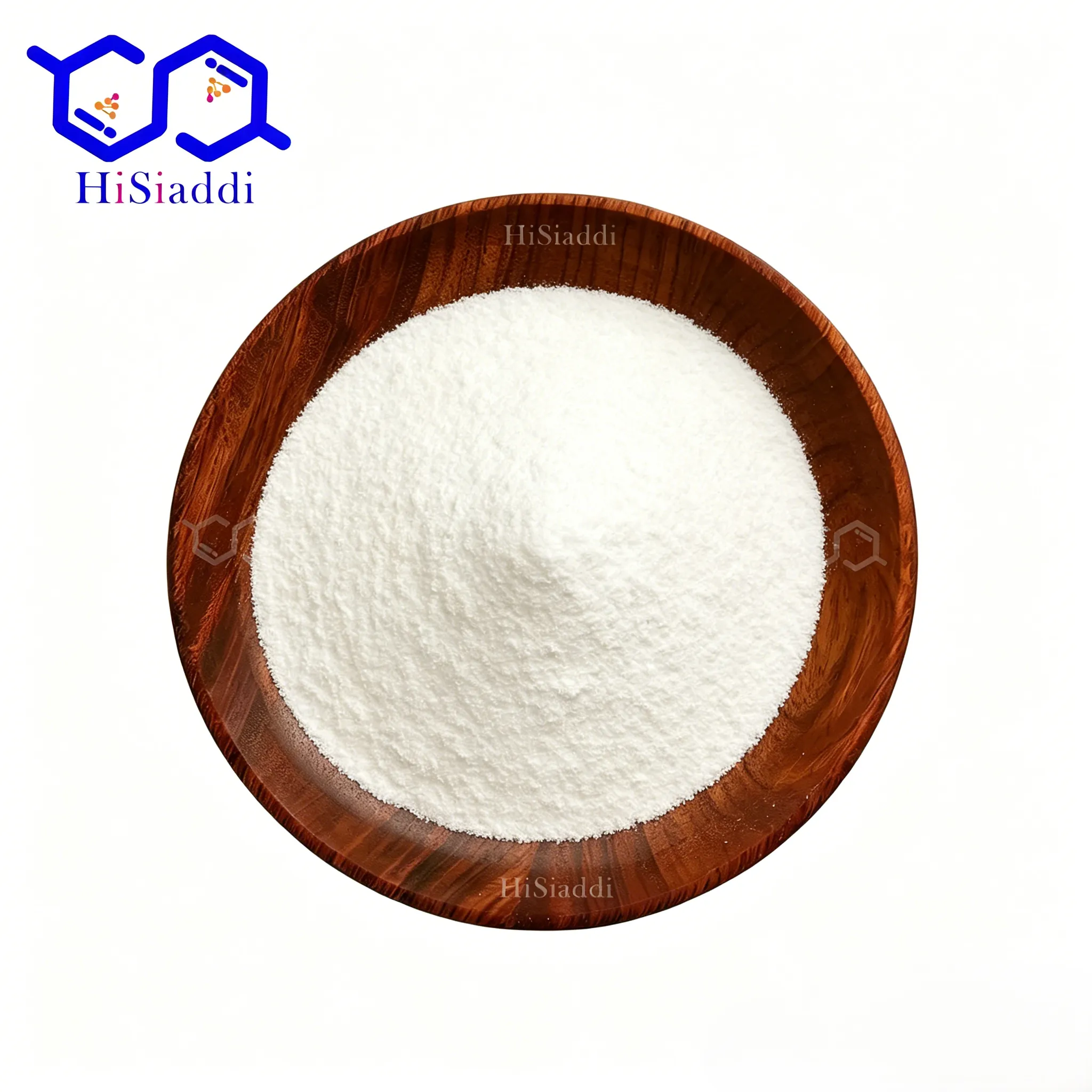
As a new type of foreign trade service provider driven by both technological transformation and foreign trade services, HiSiaddi has built a "1+2+3+4=1" service system and can supply original goods of glutathione from multiple well-known brands.
As a R&D-driven foreign trade enterprise, HiSiaddi has repeatedly proposed glutathione product formula optimization plans and application improvement suggestions by leveraging technological transformation cooperation with manufacturers and precise insight into market needs. The following is a case of formula optimization consulting services for glutathione products provided by HiSiaddi.
For more formula optimization consulting services, please contact HiSiaddi customer service.
Purchaser: Medicare Bio, a medical aesthetic pharmaceutical company headquartered in Seoul, South Korea. It specializes in production of hospital-line injectable stock solutions, oral liver-protecting functional preparations and post-operative repair essences, with products complying with South Korea’s KP Pharmacopoeia and raw material control standards set by KFDA Ministry of Food and Drug Safety. It purchases pharmaceutical-grade reduced glutathione from China all year round with an annual procurement volume of 52 tons, used for two core product lines: water light injection stock solutions and liver-protecting oral liquids.
The client previously adopted national standard grade reduced glutathione from a major domestic manufacturer for mass production, encountering four severe technical failures during production: raw material blockage during feeding, oxidation yellowing and failure of finished products during storage, flocculent precipitation after compound compatibility, and low oral bioavailability. Three consecutive batches of finished products failed testing, with over 450kg of semi-finished products scrapped and production lines forced to suspend operation. The client’s in-house formula team spent one month on repeated debugging yet failed to solve the root causes. Raw material manufacturers could only guarantee qualified factory physical and chemical indicators, lacking understanding of downstream preparation formula logic and mass production process adaptation key points, and were unable to assist with rectification. The client fully entrusted foreign trade firm HiSiaddi to conduct full-process technical services including raw material traceability investigation, formula system optimization, factory feeding process rectification and storage plan upgrade.
1. Powder absorbs moisture and agglomerates, causing frequent blockage of automatic closed feeding pipelines: Crystal particles of raw materials vary greatly in size with a high proportion of fine powder and large surface activity. The client’s workshop maintains constant temperature and humidity (52% RH), leading to rapid moisture absorption and agglomeration of raw materials after unpacking, bridging and blockage of negative pressure feeding racks. Production lines must be shut down for manual crushing of agglomerates in each batch, reducing production efficiency by 40%. Impurities introduced during crushing increase sensitization risks of finished products.
2. Easy oxidation after solution preparation, finished products turn yellow within 1–2 months and lose efficacy as reduced state converts to oxidized GSSG: The thiol group of reduced glutathione features high activity. Conventional preparation processes expose materials to air, and trace copper/iron ions catalyze oxidation, turning the stock solution from transparent to pale yellow. The GSSG impurity level surges from 0.3% at factory delivery to 1.2%, exceeding the South Korean Pharmacopoeia control limit of ≤0.5% and resulting in scrapped finished products.
3. Acid-base imbalance in compound formulas leads to flocculent precipitation when mixed with VC and niacinamide: The client’s classic formula combines glutathione, L-ascorbic acid and niacinamide. VC maintains stability at pH 3.2–3.8, while glutathione remains stable at pH 3.5–5.5. The pH of raw material batches fluctuates between 5.2–6.6, shifting the system pH after mixing and causing precipitation of active substances, resulting in unqualified transparency of water light stock solutions unable to be filled.
4. Low in-vivo absorption rate of oral liquids with bioavailability below 9%: Free glutathione undergoes severe decomposition loss in gastric acid, with most components enzymatically degraded in the stomach. The measured in-vivo antioxidant effect of oral products falls far below R&D standards, leading to poor consumer feedback and declining repeat purchases at medical aesthetic clinics.
HiSiaddi coordinated with the refining workshop of raw material manufacturers to propose targeted raw material improvement requirements:
1. Optimize recrystallization process: Gradual cooling crystallization under closed nitrogen atmosphere to uniformly control regular crystals of 90–100 mesh, narrow particle size distribution range, reduce powder specific surface area and lower moisture absorption. Low-temperature vacuum drying of finished products strictly controls moisture ≤0.2% and water activity <0.35 to improve fluidity of raw materials at the source.
2. Lock precise pH value at factory delivery: Add buffer fine-tuning procedures at the final stage of finished products to fix the pH of 1% aqueous solution at 5.4–5.6 with single batch fluctuation ≤±0.1, eliminating wide pH variation of raw materials themselves.
3. Packaging upgrade: Double-layer aluminum foil vacuum light-proof packaging with separate desiccant packaging to isolate moisture during ocean shipping and storage, preventing rapid moisture absorption after unpacking. Improved samples were sent to South Korea, with no agglomeration observed after two consecutive weeks of open placement in the workshop and smooth feeding without pipeline blockage.
Cooperating with domestic skincare and pharmaceutical R&D laboratories, HiSiaddi adjusted formulas for two product lines in compliance with South Korean Pharmacopoeia specifications:
1. Optimization of water light injection stock solution (liquid formula) ① Add EDTA disodium + phytic acid composite chelating agent to complex trace iron and copper heavy metals in water and block oxidation pathways catalyzed by metal ions. ② Deploy citric acid-sodium citrate buffer system to lock the final formula pH at 4.2±0.1, falling within the dual stable pH range of both glutathione and VC and avoiding precipitation caused by acid-base conflicts. ③ Complete batching at low temperature (≤38℃), replace air inside mixing tanks with nitrogen before feeding to reduce contact between raw materials and oxygen. Cancel high-temperature sterilization and adopt terminal sterile ultrafiltration sterilization to avoid accelerated oxidation under high temperature.
2. Optimization of liver-protecting oral liquid formula Add 5% natural VC to the formula, which can regenerate reduced glutathione in circulation in vivo and delay oxidation during storage; add a small amount of N-acetylcysteine as an active precursor to assist long-term stability of stock solutions. After optimization, samples remained clear and transparent after 3 months of normal-temperature accelerated testing, with GSSG oxidized impurities stably controlled at ≤0.32%, meeting South Korean Pharmacopoeia limits.
1. Adjust feeding sequence: Abandon one-time full material input; adopt the feeding logic of "adding low-temperature pure water first, turning on low-speed stirring, slowly sprinkling glutathione powder in small batches gradually" to avoid agglomeration when powder is concentrated into water. Use gentle low-speed mixing instead of violent shaking to prevent foaming and destruction of molecular structures.
2. Storage control upgrade: Store raw materials in cool and dark warehouses (below 20℃); use unpacked raw materials within 24 hours and re-vacuum seal remaining raw materials for storage.
To address the low utilization rate of oral liquids, HiSiaddi recommended two implementable paths: ① Adopt liposome-encapsulated glutathione for small-batch high-end lines to isolate gastric acid degradation and raise intestinal absorption rate above 35%. ② Match glycine and cysteine precursor raw materials for mass-market formulas to assist endogenous glutathione synthesis in vivo, improving product efficacy without modifying existing production line equipment.
1. For the South Korean client: All 52 tons of improved raw materials were shipped from Shanghai to Incheon Port, South Korea in batches, restoring full normal mass production of production lines. The shelf life of water light stock solutions stabilized at 24 months without yellowing or precipitation, and the bioavailability of liver-protecting oral liquids tripled. New products successfully passed KFDA sampling inspection and launched in over 180 chain medical aesthetic clinics and high-end pharmacies nationwide in South Korea. Compared with previously imported raw materials, the comprehensive procurement cost decreased by 28%. The client renewed a 58-ton annual procurement order the following year and added customized demand for acetylated glutathione.
2. For raw material manufacturers: Relying on rectification standards from this high-end South Korean pharmaceutical enterprise project, a standardized internal control process for pharmaceutical-grade glutathione was established. High-end modified grades achieved a 27% price premium, followed by development of sample testing orders from pharmaceutical enterprises in Malaysia, Singapore and other Southeast Asian countries.
3. For HiSiaddi Foreign Trade: A full-chain technical service system for glutathione covering "raw material crystal modification + buffer formula optimization + mass production feeding specifications + terminal dosage form improvement" was established, enabling subsequent acceptance of supporting formula businesses for active raw materials such as lipoic acid and carnosine.
Most domestic glutathione manufacturers only focus on factory indicators of raw materials and lack R&D capabilities for downstream preparation formulas and terminal mass production processes. Mid-to-high-end overseas pharmaceutical enterprises are subject to strict national pharmacopoeia control; minor physical property deviations of raw materials or errors in formula compatibility details may trigger mass scrapping of finished products. Leveraging upstream and downstream industrial chain resources, HiSiaddi optimized both raw material modification and client-side formula processes to fundamentally resolve four core technical pain points: oxidation, agglomeration, precipitation and low absorption rate, helping domestic glutathione stabilize its supply chain in South Korea’s mid-to-high-end pharmaceutical raw material market.
For more formula optimization consulting services, please contact HiSiaddi customer service.
 +86-13120989737
  info@hisiaddi.com
 English