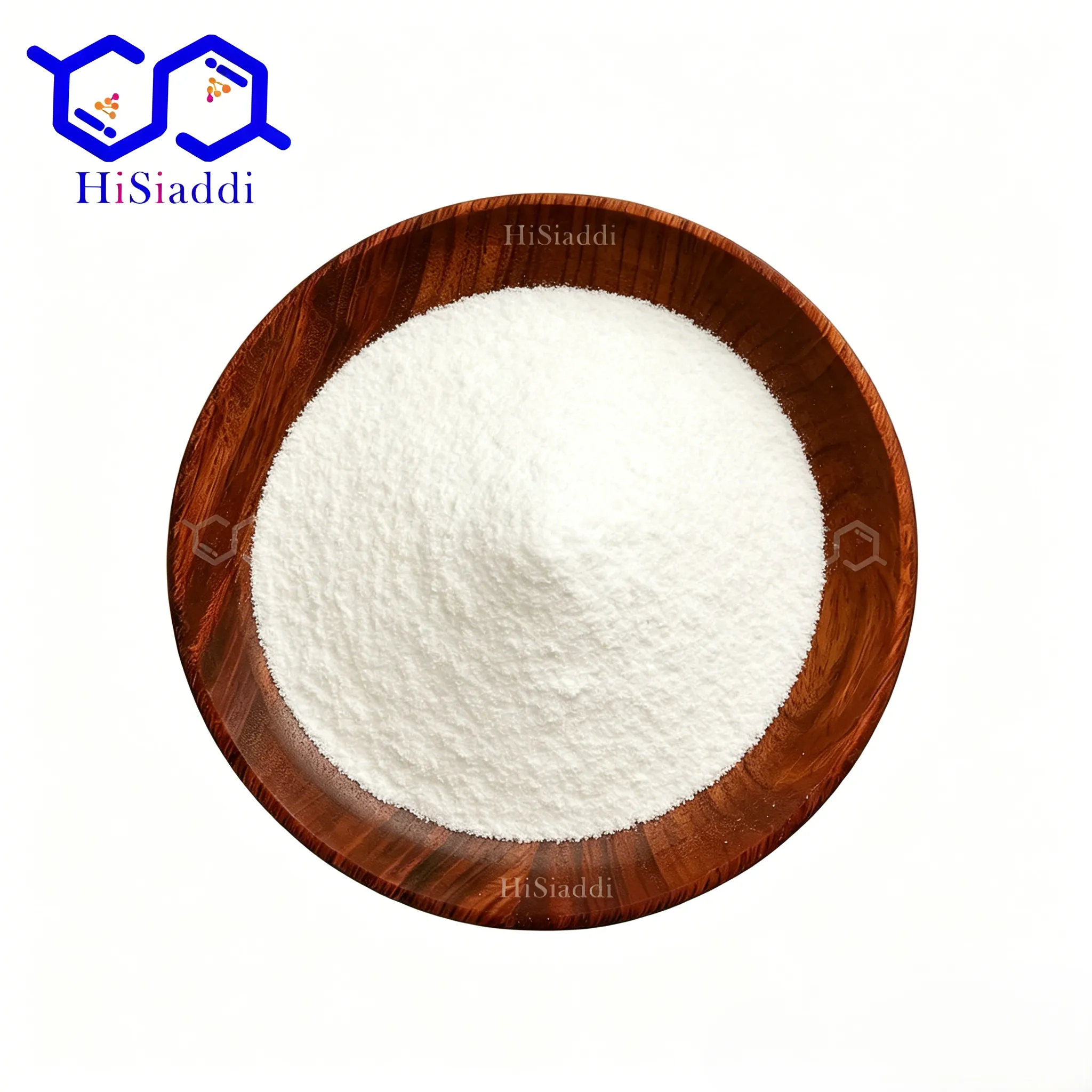
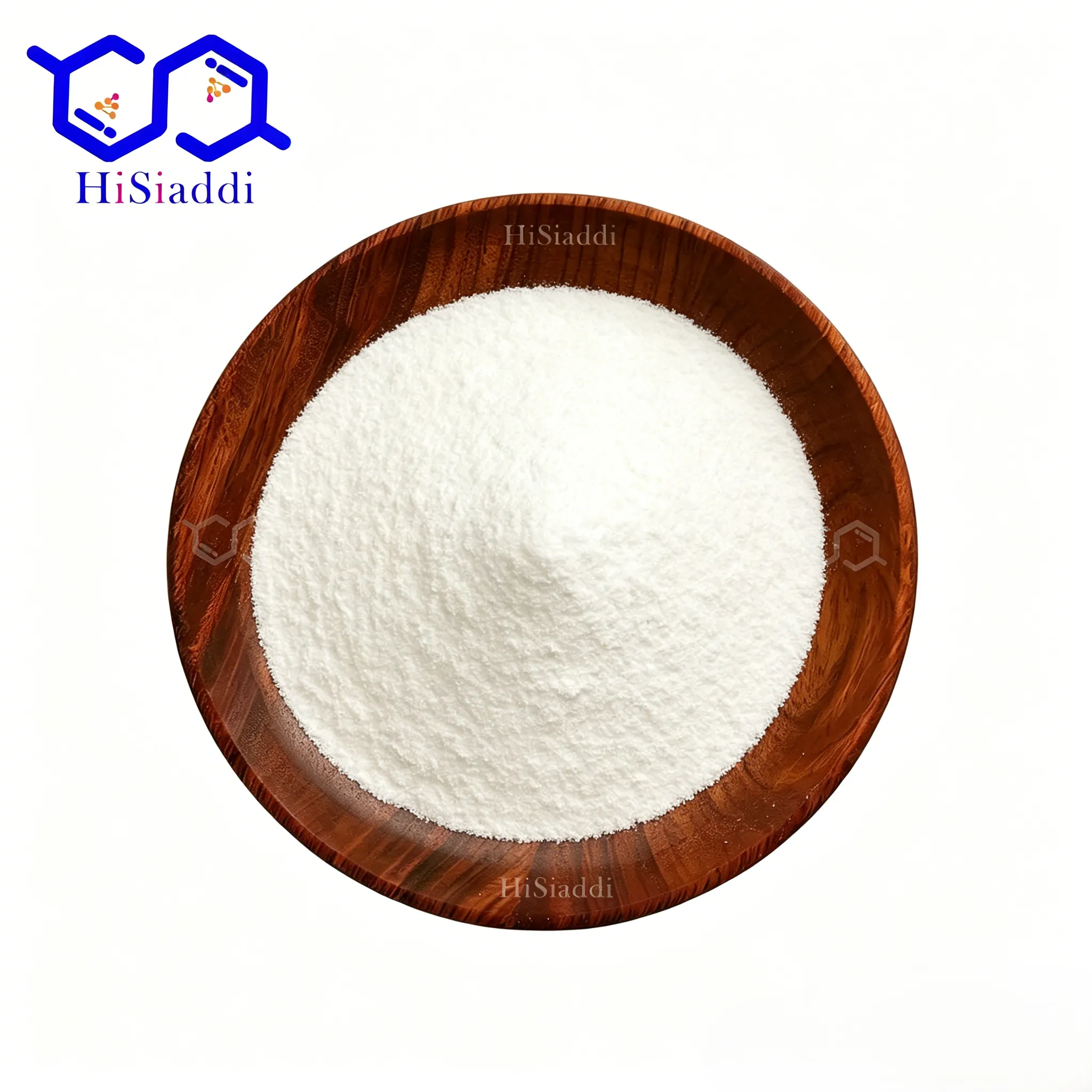
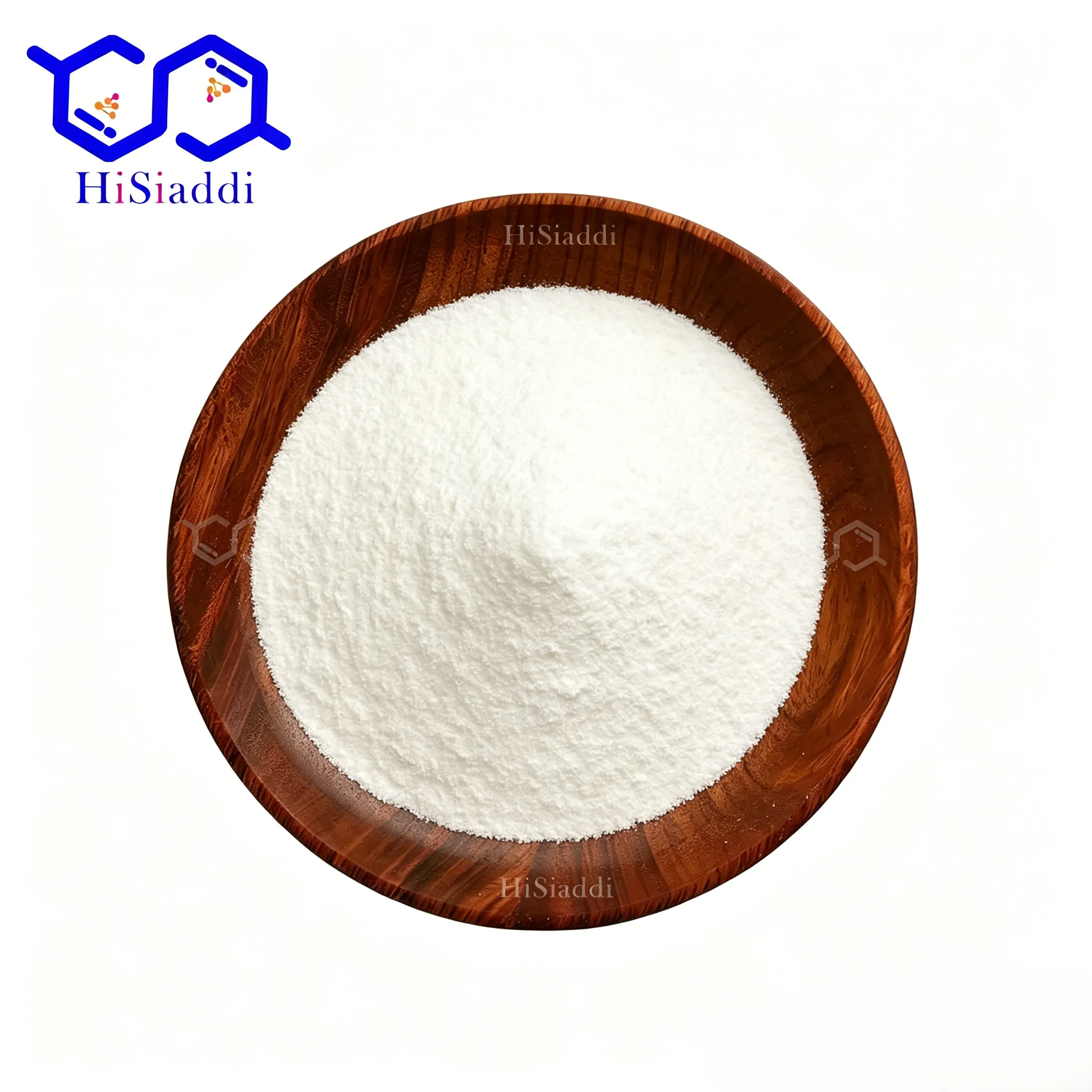
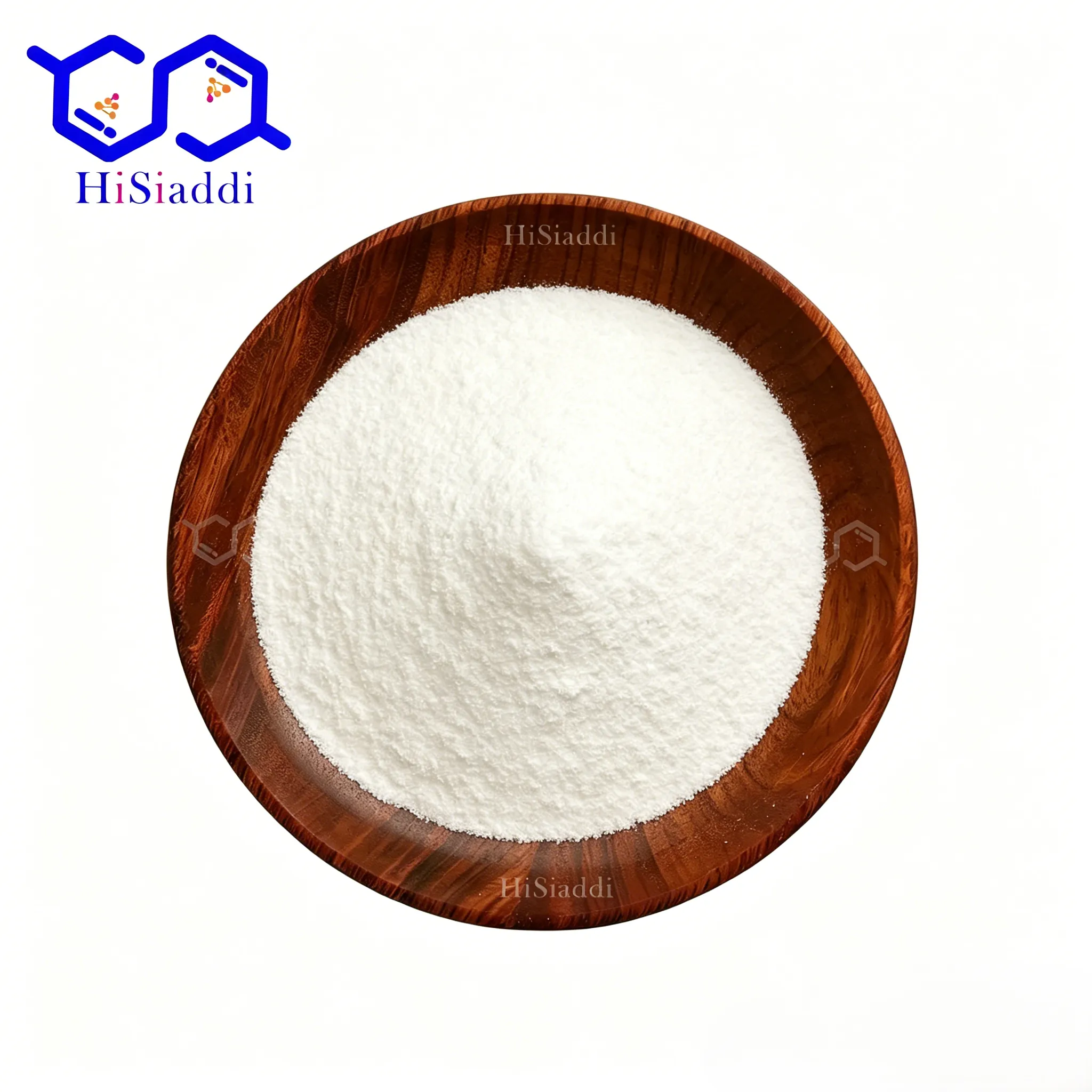
Disodium 5'-Ribonucleotide, abbreviated as I+G, acts as a food flavor enhancer, used in condiments and snack foods.
HiSiaddi can provide original factory supplies of multiple Chinese brands and the "1+2+3+4=1" service.
Xinghu supplies 99.5% pharmaceutical grade, 99% food grade, compound flavor-enhancing type (plus Monosodium Glutamate) and high-freshness type with purity 99.5%, impurity < 0.1%, strong stability and fast dissolution speed. Its price is 30% lower than international brands, suitable for high-end compound condiment merchants.
CJ provides 99% food grade, 2000 mesh superfine powder, instant type and low-sodium type with purity 99%, uniform particle size, good fluidity and acid and alkali resistance. As a Korean enterprise factory in China, its quality benchmarks international standards, with a price 25% lower than that in South Korea, suitable for high-end snack brands.
HiSiaddi Exclusive Service: Ratio customization (IMP:GMP=1:1/2:1), particle size customization, low-sodium/low-iron customization; condiment flavor enhancement formula optimization, meat product flavor improvement scheme, compound condiment compatibility guidance, stability test; detection of light transmittance, solubility and umami intensity.
 CONTACT HiSiaddi NOW
| CAS No: | 12111-11-4 | Brand Name: | Multi-brand |
| MF: | C14H8Cl2Ir2 | Model Number: | Multi-models |
| EINECS No: | N/A | Grade: | Cosmetic grade |
| Purity: | 99% | Place of Origin: | China |
| MOQ: | 1ton | Storage: | Please refer to the product packaging or contact the customer service. |
When you purchase Disodium 5'-Ribonucleotide as a buyer, you may encounter the following questions:
What are the key indicator advantages and application influences of mainstream models from well-known Disodium 5'-Ribonucleotide brands?
What competitive services can Disodium 5'-Ribonucleotide suppliers provide?
How about the qualification certifications and market reputation of target Disodium 5'-Ribonucleotide brands?
What is the inventory level and supply stability of Disodium 5'-Ribonucleotide suppliers?
What factors need to be taken into consideration when selecting Disodium 5'-Ribonucleotide?
...and many other relevant questions.
Total nucleotide content: ≥98.0% for food grade, ≥99.0% for high-purity export grade
IMP:GMP ratio: strictly 1:1; ratio deviation will directly impair synergistic umami effect
Heavy metals (Pb, As, Cd, Hg), arsenic and chloride: fully compliant with FCC, FAO and WHO standards, ≤1ppm for food grade
Moisture content, pH value, light transmittance and sulfate content: determine powder fluidity, dissolution speed and storage stability
Total bacterial count, molds and pathogenic bacteria: under strict sterile control for food grade
Solubility and heat resistance: suitable for high-temperature stewing, frying and sterilization processes without umami loss
Compliance certificates: FCC, FAO/WHO, Kosher, Halal, ISO22000, HACCP and EU E635 approval
Particle size specification: fine powder, medium powder and granular type to match different food production lines
Main export models: 99.0% high-purity standard 1:1 ratio I+G, granular I+G, high-purity GMP/IMP monomers, high-temperature resistant grade for meat products, special grade for pet food
Core competitive advantages
Stable total nucleotide content between 99.0%-99.3%, precise 1:1 IMP/GMP ratio and light transmittance above 98.5%. Its umami synergistic effect is fully comparable to Ajinomoto, making it the only domestic enterprise capable of stable bulk supply of high-end European and American food-grade I+G.
Strict heavy metal control: Pb<0.3ppm, total arsenic<0.2ppm, fully meeting food additive standards of FCC, FAO, WHO and the EU with zero food safety risks.
Excellent high-temperature resistance; its umami taste will not fade or decompose under 121℃ high-temperature sterilization and frying, ideal for ready meals, canned food and meat products.
Complete set of international compliance certifications including FCC, FAO/WHO, Halal, Kosher, ISO22000 and HACCP, eligible for application in high-end food, catering supply chain and ready meal brand registration in Europe, America, Japan and South Korea.
Complete corn industrial chain fermentation, huge production capacity and strong ability to resist international raw material price fluctuations with stable long-term supply.
Cost performance: The price of high-purity food-grade product is 50%-57% of Ajinomoto’s price, and granular & monomer grade is 60% of imported counterparts. It ranks top in cost performance among domestic alternatives in the global high-end food industry with quality reaching international first-class level.
Target B-end buyers: Large European and American food groups, leading manufacturers of ready meals, canned food and meat products, global giants of chicken essence and compound seasonings, Japanese and South Korean trading companies, raw material suppliers for high-end catering soup bases and premium pet food enterprises.
Benefits for downstream buyers: Direct 1:1 replacement for Ajinomoto without formula and dosage adjustment; stable umami enhancement and outstanding deodorization effect thanks to high purity and accurate ratio, effectively reducing product taste fluctuation and food safety compliance risks; high-temperature resistant grade expands application in canned food and sterilized meat products; one-stop provision of full compliance documents for easy access to European and American supermarket and food industrial channels; global production layout and high export volume ensure stable long-term supply and break Japanese enterprise market monopoly.
Benefits for end consumers: Mellow and natural food umami without pungent MSG taste; effective deodorization and flavor enhancement for ready meals and meat products with full-bodied taste; greatly improved palatability of pet food to boost food intake.
Main export models: 98.5% food-grade I+G, granular I+G, I+G&MSG compound umami base material, special grade for catering soup bases
Core competitive advantages
Mature fermentation technology with batch content fluctuation less than 0.2%, accurate 1:1 ratio, few impurities and excellent solubility.
Self-developed granular I+G is anti-caking, well-suited for automatic production lines of chicken essence and compound seasonings with low dust emission and material loss.
One-stop customized compound umami system combining I+G, MSG and flavor peptides simplifies formula research and development for condiment manufacturers.
Excellent powder storage stability adapting to high temperature and humid climate in Southeast Asia, free from moisture deterioration.
Cost performance: Customized granular type is priced at 62% of imported products, and ordinary food grade at 50%, achieving optimal cost performance in condiment and catering industries with much lower customization cost than imported brands.
Target B-end buyers: Chicken essence and MSG manufacturers in Southeast Asia and the Middle East, compound seasoning enterprises, catering chain soup base factories, snack food processing plants and affordable food raw material suppliers in South Korea.
Benefits for downstream buyers: Customized granular and compound products improve production efficiency and product differentiation; sufficient spot goods support 7-day fast delivery; stable quotation fits fast-selling mode of condiments; compound base materials cut raw material procurement and formula debugging costs.
Benefits for end consumers: Mild and long-lasting umami of chicken essence and seasonings; rich base taste and good deodorization effect of catering soup bases; richer flavor and layered taste of snack foods.
Main export models: 98.0% general food-grade I+G, feed-grade I+G, special appetite-stimulating grade for aquaculture, basic food industrial grade
Core competitive advantages
Large-scale continuous fermentation production ensures leading domestic low cost and prominent price edge for bulk procurement.
Special aquaculture grade improves feeding appetite, growth performance and meat flavor of aquatic products, perfectly matching large-scale overseas aquatic product processing and breeding industry.
Excellent batch consistency with stable control over moisture content, pH value and particle size, ideal for large-volume bulk orders.
Basic-grade indicators fully meet market access standards of food and feed industries in Southeast Asia, Latin America and Africa with superior cost performance.
Cost performance: General bulk grade is only 42% of imported price, unrivaled in cost performance for large-scale rigid demand procurement.
Target B-end buyers: Global bulk food additive traders, affordable condiment factories in Africa and Latin America, aquatic product processing enterprises, feed additive distributors and instant food manufacturers.
Benefits for downstream buyers: Ample space for bulk price locking and controllable long-term cooperation cost; appetite-stimulating aquaculture grade helps expand aquatic food business; flexible full-container and consolidated container shipment adapts stock-up mode of overseas distributors.
Benefits for end consumers: Stable umami taste of affordable condiments and instant food; improved flavor and palatability of processed aquatic products.
Main export models: 98.5% food-grade I+G, Halal/Kosher customized high-purity grade, special pet food grade, Halal compound umami raw materials
Core competitive advantages
Heavy metal and impurity indicators fully reach European and American high-end food standards, suitable for Halal food, pet food and high-end snack food.
Fully certified with FCC, Halal, Kosher, ISO22000 and HACCP to fully cover Halal compliance requirements and cater to huge Muslim consumer markets.
Special pet food grade features mild property and strong palatability, applicable to overseas pet staple food, wet food and snacks.
In-depth layout in Middle Eastern and Southeast Asian Muslim countries with profound understanding of local food additive filing regulations, assisting clients in rapid customs clearance and product filing.
Cost performance: High-purity food grade is 58% of imported price, and Halal & pet special grade is 55%, ranking first in cost performance in Halal food and pet food industries.
Target B-end buyers: Middle Eastern Halal food manufacturers, Southeast Asian Muslim condiment brands, overseas pet food processing plants and Halal canned food enterprises.
Benefits for downstream buyers: Complete Halal compliance enables easy access to growing Middle Eastern Muslim markets; pet-specific products create differentiated palatability selling points; professional assistance in local food filing shortens new product launch cycle.
Benefits for end consumers: Authentic flavor and natural umami of Halal food; good food intake performance and balanced nutrition of pet food, fully meeting dietary demands of Muslim groups.
Main export models: 98.0% food-grade I+G, small-pack trial order grade, cross-border e-commerce special grade, customized particle size grade for medium and small food factories
Core competitive advantages
Products fully meet import standards of Europe, America and emerging markets; 12 years of dedicated food additive export experience accumulates rich experience in overseas regulations, customs clearance and market operation.
Support small-batch customization of 1kg/5kg/25kg, while most imported brands set minimum order quantity above 1000kg, perfectly matching startup medium and small food brands.
Customizable fine/medium/granular particle size and neutral English packaging support direct repackaging and private labeling for overseas end brands.
Meet multi-SKU demand of cross-border e-commerce food raw materials, small-scale catering and niche food brands.
Cost performance: Mid-range positioning, 14% lower in price than Meihua Biotech and slightly higher than Star Lake Bioscience, the optimal choice for emerging medium and small food brands and cross-border food raw material business.
Target B-end buyers: Medium and small food brands in Europe and America, niche condiment manufacturers in Latin America, cross-border e-commerce food raw material suppliers and startup ready meal & snack food enterprises.
Benefits for downstream buyers: Flexible small-batch trial orders greatly reduce R&D trial-and-error costs; professional support in customs clearance and local regulation interpretation; customized particle size and packaging accelerate product launch progress.
Benefits for end consumers: Upgraded flavor and prominent umami of niche characteristic food; products of medium and small brands achieve international top-tier taste with outstanding cost performance.

| Comparison Dimension | Meihua Biotech | Fufeng Group | Star Lake Bioscience | Yipin Bio | Lihua Starch |
| Core Positioning | Global I+G leader, high-purity food grade, benchmark Ajinomoto, top choice for global high-end markets | Condiment-grade benchmark, strong granular & compound customization, No.1 in Southeast Asian catering market | Leading bulk general grade, aquaculture & feed grade, lowest cost for mass sales | Most complete Halal compliance, specialized in pet food, dominant in Middle Eastern Muslim markets | Export-specialized enterprise, strong emerging market customization, flexible for small-batch cross-border business |
| Main Export Models | 99.0% high-purity I+G, granular type, GMP/IMP monomers, high-temperature resistant meat product grade | 98.5% food grade, granular type, I+G&MSG compound base material, catering soup base grade | 98.0% general food grade, feed grade, special aquaculture appetite-stimulating grade | 98.5% food grade, Halal customized grade, pet food special grade | 98.0% food grade, small-pack trial grade, customized particle size grade |
| Core Indicator Advantages | 99.0-99.3% total nucleotide, precise 1:1 ratio, excellent heat resistance, full FCC/WHO compliance | Anti-caking granular form, high solubility, flexible compound customization, fit for automatic condiment production | Lowest cost via large-scale fermentation, good aquaculture appetite stimulation effect, stable bulk supply | Low impurity, good palatability, full Halal certification, exclusive pet food formula | Flexible small-batch customization, adjustable particle size, English private labeling, fit for multi-SKU cross-border business |
| Benchmarked Import Brands | Ajinomoto (Japan), CJ (South Korea) | Miwon (Thailand), Cargill (USA) | Imported general food grade | Mid-range food grade products of BASF (Germany) | Mid-range imported general grade |
| Cost Performance Level | King of cost performance in global high-end food industry (50%-57% of imported price) | Optimal choice for condiment customization (62% of imported price) | Lowest price for large-scale rigid demand (42% of imported price) | Best option for Halal & pet food industries (58% of imported price) | Preferred for medium & small food brands and cross-border raw material trade |
| Core Overseas B-end Buyers | Large European & American food groups, ready meal/canned food/meat product factories, global condiment giants, Japanese & South Korean traders | Southeast Asian chicken essence factories, compound seasoning enterprises, catering soup base factories, snack food plants | Global bulk traders, affordable food factories in Africa & Latin America, aquatic product processors, feed distributors | Middle Eastern Halal food factories, Southeast Asian Muslim brands, pet food manufacturers, Halal canned food enterprises | Medium & small European & American food brands, Latin American niche condiment producers, cross-border e-commerce raw material suppliers, startup food enterprises |
| Direct Benefits for Downstream Buyers | 1:1 replacement for Ajinomoto without formula adjustment, heat resistance for deep processing, full compliance, stable supply | Simplified production via granular compound products, fast spot delivery, fit for fast-selling condiment business | Controllable bulk procurement cost, expanded aquaculture & feed business coverage | Full Halal access, differentiated pet food palatability advantages, local filing assistance | Low R&D risk via small trial orders, private labeling support, professional customs clearance guidance |
| Benefits for End Consumers | Mellow long-lasting umami of ready meals & meat products, strong deodorization effect, improved pet food palatability | Mild umami of chicken essence & seasonings, rich catering soup taste, rich snack flavor | Stable umami of affordable food, upgraded taste of aquatic processed products | Authentic Halal food flavor, good pet food palatability, meet Muslim dietary needs | Flavor upgrade of niche food, outstanding cost performance of medium & small brand products |
| Main Export Markets | EU, North America, Japan, South Korea, Australia | Southeast Asia, Middle East, global condiment markets | Africa, Latin America, Southeast Asian bulk markets | Middle East, Southeast Asian Muslim countries | Medium & small brand markets in Europe & America, emerging markets in Latin America & Africa |
HiSiaddi, a new-type foreign trade service provider driven by dual engines of technology commercialization and foreign trade services, has formed a "1+2+3+4=1" product service system: 1 foreign trade salesperson with over 3 years of experience, 2 R&D teams, 3 high-quality suppliers, and 4 warehouses to fulfill one-stop product demand.
With this service system, HiSiaddi boasts deeper expertise in Disodium nucleotide R&D and technical processes than most foreign trade companies, a better grasp of market demands and competitive edges of various Disodium nucleotide brands than standalone factories, and richer experience in Disodium nucleotide foreign trade business than research institutions.
HiSiaddi only recruits foreign trade sales staff with more than 3 years of working experience, who must complete over 6 months of training organized by both R&D and foreign trade teams before serving clients.
(1)Disodium nucleotide Basic Support Service
Backed by the foreign trade team and corporate service system, we provide clients with full-process one-stop order follow-up services, including but not limited to issuance and application of all compliance certificates for Disodium nucleotide, provision of third-party test reports, and settlement of quality warranty complaints.
(2)Disodium nucleotide Exclusive Premium Service
Supported by our R&D team, we deliver customized product and technical consulting services, including but not limited to core indicator adaptation and cost comparison analysis of various Disodium nucleotide brands, as well as regular sharing of Disodium nucleotide market trends.
We conduct in-depth research on customers’ downstream processing technologies such as high-temperature sterilization, deep frying and stewing, end product types, particle size requirements and religious compliance standards, so as to accurately match the top 5 qualified manufacturers:
High-purity high-temperature resistant grade from Meihua Bio for European and American large food groups producing prepared dishes and canned meat;
Granular and compound base materials from Fufeng Bio for chicken essence, monosodium glutamate, compound seasonings and catering soup bases;
General food grade from Star Lake Tech for mass food, aquatic products and feed raw materials;
Special Halal grade for Middle Eastern Muslim food and pet food from Yipin Bio;
Small-batch customized fine-grain packaging grade for new food brands and cross-border merchants from Lihua Starch.
We issue a full comparison report of domestic I+G vs Ajinomoto Japan, covering total nucleotide content, IMP/GMP ratio, heavy metal indexes, heat resistance, solubility and cost accounting, which can be directly used for customers’ internal procurement decisions and food compliance promotion materials.
We carry out in-depth cooperation with source factories via technology commercialization, and maintain close internal collaboration with the foreign trade team to deliver technical training for sales staff. This enables professional Disodium nucleotide customization and delivers research-grade consulting for Disodium nucleotide brand matching and application scheme optimization.
(1)Disodium nucleotide Research-Grade Customization Service
Customized granular, high temperature resistant and compound compound types are available.
(2)Disodium nucleotide Research-Grade Consulting Service
Formula debugging for replacing imported I+G raw materials to solve problems such as mismatched IMP/GMP ratio, insufficient flavor enhancement, residual fishy odor and incompatibility with monosodium glutamate compounding;
We provide exclusive fresh-enhancement and deodorization formulas for chicken essence, meat products, canned food and pet food;
Optimize the addition dosage to lower raw material costs while guaranteeing fresh taste and improving product cost performance.
Our foreign trade and R&D teams jointly conduct multi-stage evaluations including preliminary market research, on-site factory inspections, product testing, in-depth technology commercialization cooperation and product procurement cooperation, to select around 3 reliable, stable, reputable and high-potential brand suppliers.
(1)Disodium nucleotide Advantage of Lower Sourcing Prices
Long-term cooperation via technology commercialization and authorized agency grants us priority access to factory-origin goods at lower prices.
(2) Disodium nucleotide Long-Term Supply Chain Guarantee Service
Long-term technology commercialization and agency cooperation strengthen full production monitoring, full traceability, batch stability control, and compensation guarantees for products failing third-party testing.
We have 4 warehouses, which are jointly operated and managed with suppliers to store hot-selling products.
(1)Disodium nucleotide Fast Delivery & On-Site Issue Resolution
Our four warehouses are located at Qingdao Port (North China), Ningbo Port (East China), Shenzhen Port (South China), and Zhengzhou (inland logistics hub), ensuring timely delivery of Disodium nucleotide. On-site staff are available to resolve transport damage, packaging defects and export compliance issues nearby.
(2) Disodium nucleotide Price Stabilization & Custom Packaging Support
We stock up in advance when sharp seasonal price fluctuations are forecasted to mitigate cost volatility. Our warehouses support highly customized packaging and label requirements for clients.
As a new foreign trade service provider driven by both technology transformation and export services, HiSiaddi has established a "1+2+3+4=1" service system and can supply original factory goods of multiple well-known brands for disodium nucleotide. As a research & development-oriented foreign trade enterprise, HiSiaddi systematically sorts out common challenges faced by B-end buyers purchasing disodium nucleotide from China and puts forward targeted solutions from a professional perspective.
Contact HiSiaddi customer service for more professional and in-depth analysis on disodium nucleotide purchasing.
1. Low total nucleotide content and unbalanced IMP/GMP ratio: A deviation from the 1:1 ratio drastically weakens umami taste; European and American food regulations mandate labeling of active ingredients, and inconsistent measured values will lead to product removal and recall.
2. Excessive phosphate and ammonium salt impurities restrict EU food market access and result in customs detention during random inspections.
3. Slight hydrolysis and degradation during high-temperature cooking reduce umami intensity and cause turbid white soup.
4. Moisture absorption and caking lead to uneven automatic feeding, resulting in large batch-to-batch umami fluctuations in finished products.
5. Excessive heavy metals, inorganic arsenic or microorganisms lead to direct rejection by food manufacturers.
1. Precise blending of refined monomers to strictly maintain IMP/GMP=1:1, guarantee qualified total nucleotide content and control inorganic impurities below 50% of regulatory limits.
2. Multi-stage water washing to remove phosphorus and ammonium, keeping impurity residues below regulatory thresholds.
3. Crystal modification to improve heat resistance; loss of active ingredients is less than 2% after short-term boiling at 100℃, and the solution remains transparent without turbidity.
4. Low-temperature drying to control moisture ≤3.0%, producing dry crystals resistant to moisture absorption and caking.
5. Clean workshop packaging + deep chelation for heavy metal removal, meeting FCC and EP food standards.
1. Slow dissolution in cold water; fine crystals form and soup turns hazy under low-temperature blending conditions
2. Uneven particle size causes bridging and blockage in loss-in-weight feed hoppers, leading to inconsistent feeding dosage and fluctuating umami intensity in finished products
3. Hygroscopic agglomeration during open storage; grinding caked material triggers hydrolysis and reduced efficacy
1. Ultrafine grinding + mild water solubility modification for rapid full dissolution in cold water; clear solution without precipitation after 72-hour static storage at 0℃
2. Food-grade flow aid modification to control feeding error within 1% and eliminate hopper blockage
3. Precise particle size classification + anti-caking coating + high-barrier hermetic packaging to resist moisture absorption and caking under regular storage.
1. Heavy metal and inorganic arsenic levels close to Ministry of Health, Labour and Welfare limits; failed spot checks bar domestic market access
2. Missing Japanese food raw material filing prohibits labeling of umami-enhancing function, lowering product premium
3. Strict long-term stability requirements for dashi; entire batches rejected if precipitation and turbidity appear during storage; fluctuating batch ratios cause unstable formulations
1. Multi-stage ion exchange + deep chelation impurity removal to reduce heavy metals to less than 40% of Japanese standard limits, passing Japanese inspection smoothly
2. Assist with handling Japanese food raw material filing and provide Japanese-language compliance documents to legally highlight umami-boosting effects and raise terminal product premiums
3. Thorough removal of precipitation-inducing impurities to keep seasoning liquid clear and stable for 30 days at room temperature; automated monomer synthesis and blending limit batch indicator fluctuation to ≤0.4%
1. Low-cost adulteration with MSG, starch and inorganic fillers leads to extremely low effective I+G content, failed flavor enhancement and numerous consumer complaints regarding abnormal taste in end products
2. Lack of unified standards for content and ratio requires frequent formulation adjustments, reducing production efficiency by over 20% and increasing defective goods
3. Rapid moisture absorption and deliquescence under tropical high temperature & high humidity; damaged simple packaging causes large material loss; incomplete certificates lead to customs detention
1. Economical grade without starch or MSG adulteration, stable IMP/GMP ratio with selling price 22%~27% lower than high-purity grade
2. Fixed key parameters including total content, moisture and ratio for stable customer feeding formulations
3. Double-layer moisture-proof sealed packaging (PE inner bag + woven bag) plus anti-caking additives to resist deliquescence and caking for 3 months under 45℃ high humidity
4. Batch-specific CoA, MSDS and Halal certificates provided for customs clearance filing; storage guidance for cool and dry warehouse conditions offered.
1. Unscrupulous merchants counterfeit I+G with MSG and starch, falsely labeling effective content, triggering compensation claims and customer churn due to unqualified flavor
2. Poor packaging barrier leads to moisture absorption, hydrolysis and caking during ocean shipping, resulting in full order rejection by high-end seasoning brands; incomplete certificates block access to European and American high-end supply chains
3. Water vapor intake during open repackaging triggers secondary moisture absorption and degradation of small packages, destabilizing end-product seasoning quality
1. Direct supply of refined and blended monomers from original factories with full CoA covering content, ratio and impurities; third-party re-inspection supported with zero adulteration guarantee
2. Thick fiber drums + double-layer high-barrier aluminum foil vacuum sealing for moisture resistance and compression resistance, suitable for long-distance ocean shipping
3. Vacuum sealing + storage guidance; umami and physicochemical indicators show no obvious deterioration after 12-month storage at 25℃ under cool conditions
4. One-stop full set of compliance documents including FDA, REACH, Halal and Kosher certificates plus Japanese & South Korean import filings
5. Sealed moisture-proof repackaging standards to isolate secondary water vapor contamination and ensure consistent quality across bulk and small packaging specifications.
Contact HiSiaddi customer service for more professional and in-depth analysis on disodium nucleotide purchasing.
Customized Ratio: Standard domestic I+G adopts an IMP:GMP ratio of 1:1. The client’s new product required a differentiated ratio of IMP:GMP = 1.15:0.85 to amplify the natural seafood flavor and suppress artificial chemical umami notes.
Customized Physical & Chemical Properties: The product must resist caking under high-humidity tropical storage conditions, dissolve within 12 seconds (standard national-grade I+G takes 22–30 seconds to dissolve), have ignition residue ≤0.05%, and hold dual certifications: EU BRCGS food certification and Halal certification.
Implementation Challenges: Vietnam lacks local nucleotide purification capacity. Most major domestic I+G manufacturers operate fixed 1:1 mass production lines; adjusting the ratio requires temporary modifications to fermentation, membrane separation and crystallization processes. Additionally, the client requested an initial small trial batch of 3 tons, which most factories declined to accept. Import customs clearance required original manufacturer test reports recognized by Vietnam’s Food Authority.
Production Line Coordination with Factories: HiSiaddi partnered with leading domestic bio-fermentation manufacturers to arrange off-peak production line scheduling. It adjusted strain fermentation feeding ratios and nanofiltration membrane separation parameters to alter the crystallization precipitation rates of the two nucleotides, enabling precise control of the customized ratio. Sampling was conducted in three phases: 1kg samples → 500kg pilot batches → 3-ton mass production, with CNAS laboratory test reports attached to each batch.
Compliance & Custom Packaging Support: HiSiaddi assisted manufacturers in completing full documentation for Halal and BRCGS certifications. Custom 25kg packaging was supplied, featuring moisture-proof inner bags and tropical moisture-resistant woven outer sacks, paired with bilingual Vietnamese-English product labels. The team compiled certificates of origin and sanitary certificates required for Vietnam’s import customs clearance.
Logistics Risk Control: Moisture-proof refrigerated shipping containers were selected for sea transport to Ho Chi Minh Port to prevent raw material caking under Vietnam’s high-temperature, high-humidity climate. The CIF Ho Chi Minh trade term was adopted to lock in logistics risks.
Formula Compatibility Problems: The client adopted I+G dosage parameters developed for Japanese and Korean raw materials. Domestic Chinese I+G differs from Japanese/Korean equivalents in impurity composition and hygroscopicity. When compounded with phosphates and spice extracts in the marinade formula, it produced bitter by-products under high-temperature baking. The original I+G addition rate of 0.8% was excessively high, leading to over 35% umami loss after 30 days of ambient storage.
Production Process Deficiencies: The client pre-dissolved I+G in hot water at 95°C; prolonged high-temperature exposure hydrolyzed and degraded part of the nucleotides, drastically reducing umami intensity. Under the Middle East’s high-temperature storage environment, standard I+G absorbed moisture and caked, causing uneven mixing during feeding and inconsistent flavor across production batches.
Client Dilemma: The in-house R&D team was only familiar with the application system of Japanese and Korean raw materials and lacked physical property databases for Chinese I+G. Repeated fine-tuning of feeding dosages failed to eliminate the defects, and daily losses from wasted raw materials and halted production exceeded 12,000 Saudi Riyals.
Raw Material & Formula Optimization:
① Raw material adjustment: Low-hygroscopic refined I+G was selected with moisture content controlled at ≤2.5% to reduce caking risks under high-temperature conditions.
② Formula adjustment: HiSiaddi technical engineers performed remote calculations to lower the I+G addition rate from 0.8% to 0.32%, while fine-tuning the dosage of sodium tripolyphosphate to avoid bitter compound formation under high heat. A small amount of yeast extract was added to synergistically enhance umami and offset flavor loss from the reduced I+G dosage.
Production Process Improvements: The client was instructed to adjust the dissolving process: maintain water temperature at 50–55°C and prepare the solution immediately before feeding to prevent nucleotide degradation from prolonged high-temperature exposure. A two-stage pre-mixing feeding method was implemented: pre-blend I+G with salt first before adding to main ingredients to eliminate uneven mixing.
Sample Trial Verification: HiSiaddi provided 500kg of optimized refined I+G samples free of charge. Three consecutive pilot production batches by the client yielded products free of bitter notes after high-temperature baking, with umami attenuation controlled below 8% after 60 days of ambient storage. The finished products passed sampling inspections by Saudi Arabia’s Food and Drug Authority.
Lead time
Quantity (ton) | 0 - 10 | 10 - 30 | > 30 |
Lead time (days) | 7 | 15 | To be negotiated |
The monthly inventory volume of 5 Disodium nucleotide is 15 tons, with appropriate adjustments upwards or downwards in response to peak and off-peak seasons.
HiSiaddi safeguards the supply stability of 5 Disodium nucleotide through the following measures:
(1) Performance evaluation and screening of 5 Disodium nucleotide brand factories based on on-time delivery rate, batch pass rate, timeliness of risk alerts, and completeness of documentation to assess their supply stability.
(2) For each mainstream model or major grade of 5 Disodium nucleotide, secure 1 primary high-quality brand manufacturer and 2 backup high-quality manufacturers.
(3) Each factory operates independent production lines in separate production zones to prevent production halts caused by major unforeseen incidents such as environmental production suspensions and power outages.
Through long-term cooperation with brand manufacturers via technology commercialization and authorized distribution channels, HiSiaddi can effectively strengthen supervision over the production processes of brand manufacturers, optimize full-process traceability management, improve batch stability control, and further reinforce real-time monitoring of the supply stability of 5 Disodium nucleotide products.
Long-term Annual Framework Supply Guarantee Agreement. HiSiaddi signs 12-month long-term agreements with leading manufacturers. The agreements specify the minimum guaranteed supply volume, maximum price hike range, and priority production scheduling rights during peak seasons. It is stipulated that manufacturers shall issue a 30-day prior written notice if production is suspended due to environmental rectification or equipment maintenance, and backup manufacturers will be activated to replenish goods accordingly.
We have 4 warehouses, which are jointly operated and managed with suppliers to store hot-selling products.The four warehouses are located at Qingdao Port in North China, Ningbo Port in East China, Shenzhen Port in South China, and Zhengzhou, China’s inland logistics hub. This setup guarantees sufficient supply and timely shipment of 5 Disodium nucleotide during peak seasons.
HiSiaddi issues a rolling demand forecast covering the subsequent three months on the 25th of each month, allowing manufacturers to reserve production capacity in accordance with the forecast. Any new urgent orders from overseas clients will be prioritized to draw on inventories or production capacity from backup manufacturers.
Unstable logistics for 5 Disodium nucleotide will extend delivery lead times. HiSiaddi has established alternative arrangements covering multiple freight forwarders, ports and transportation solutions:
(1) Binding of multiple professional chemical freight forwarders for 5 Disodium nucleotide
Each product is assigned 2 to 3 freight forwarders with hazardous chemical/food transport qualifications affiliated with different shipping lines. Alternative sailing schedules can be switched to immediately in case of space shortages or customs inspections on a single shipping route.
(2) Backup transportation solutions for 5 Disodium nucleotide
Ocean freight serves as the standard mode; air freight and rail freight are reserved as alternatives for urgent orders. Long-term agreements for temperature-controlled containers are signed for temperature-sensitive and perishable food additives to secure shipping space.
(3) Visual tracking and digital early warning for 5 Disodium nucleotide
Freight forwarders synchronize daily updates on container loading, customs declaration, vessel loading and port arrival milestones. If customs inspection occurs, replenishment from backup inventory will be initiated immediately to shorten client waiting periods.
Full-chain digital early warning automatically monitors four categories of risks:
Factory side: Expiring supplier environmental assessment certificates, renewal of production permits, scheduled major equipment overhauls, and notifications of price hikes for upstream raw materials;
Inventory side: Inventory falling below safety thresholds, excessive inventory age, and batches failing quality inspection;
Logistics side: Shipping line space shortages, strikes at destination ports, and updates to customs policies;
Overseas side: Revisions to additive regulations and adjustments to import restriction lists in target countries.
Early warning notifications are automatically pushed to procurement and business leads, allowing backup suppliers or inventory contingency plans to be activated in advance.
As a new foreign trade service provider driven by technological transformation and export business, HiSiaddi has built a "1+2+3+4=1" service system and can supply authentic raw materials of multiple well-known manufacturers of Disodium 5'-Ribonucleotide.
As an R&D-focused foreign trade service provider, HiSiaddi avoids biased brand promotion unlike single-brand manufacturers. We objectively analyze multiple Chinese brands with strong export competitiveness and share their certification portfolios and market feedback transparently to help buyers streamline supplier selection.
If you require more authentic, objective details on multiple well-known Chinese brands of Disodium 5'-Ribonucleotide, please contact HiSiaddi customer service.
· 99% Food Grade I+G (Standard Export Grade, 10kg/bag): Universal for condiments, chicken essence and instant noodles; the world’s highest-volume grade.
· 99.2% High-Purity I+G (Premium Condiment & Ready Meal Special Grade): Higher purity, transmittance ≥98%, heavy metals ≤0.08 mg/kg, ideal for high-end soy sauce and low-salt food.
· Low-Sodium I+G (Na ≤38%, Flagship for EU & Health Markets): Compliant with low-salt regulations and clean label requirements; European and American orders surged 58% year-on-year in 2024–2025.
· High-Temperature Resistant I+G (Stable at 121°C for 30min, for meat products & canned food)
· Major condiment manufacturers (Indofood, Wings): Fast dissolution, rich umami and minimal batch variation; 95%+ repeat purchase rate for 5 consecutive years.
· Instant noodle producers: High thermal stability, no off-odors, excellent synergistic effect with MSG; complaint rate <0.2%.
· Top recognized brand in Halal markets: Valid MUI Halal certification, bright white color, low caking tendency, suitable for dry-blended seasonings.
· Meat product manufacturers: Long-lasting clean umami without bitter aftertaste, cost-effective alternative to Japanese & Korean brands.
· Multinational food groups (Nestlé Latin America) list Meihua as a preferred global supplier: Clear fermentation source, ultra-low impurities, aligned with clean label trends.
· Core feedback: Heavy metals consistently below 0.1 mg/kg, loss on drying ≤0.4%, pure flavor; top alternative to Ajinomoto of Japan.
· Ready meal manufacturers: Delivers full umami while cutting salt by 30%–40%, compliant with EU salt reduction policies.
· International safety certifications: JECFA (unrestricted ADI), EU E635, US FDA GRAS
· Quality management systems: FSSC 22000, ISO 22000, HACCP, ISO 9001
· Religious compliance: Kosher (OU), Halal (MUI, GAC)
· Chinese national standards: GB 1886.171, GB 2760, GB 5009.4
· Unique industry honors: National Demonstration Enterprise for Green Fermentation Production; AI intelligent crystallization production line cutting energy consumption by 13.7%.
· 99.2% High-Purity Premium I+G (Membrane Separation Process, 5kg/10kg): Core grade for high-end soy sauce, chicken essence and special medical food; transmittance ≥98.5%, impurities <0.1%.
· 99.5% Pharmaceutical / Special Medical Grade (Exclusive for Infant Formula, Health Supplements, Premium Oral Liquids): Lead <0.05 mg/kg, arsenic <0.03 mg/kg, pyrogen-free; one of the world’s few compliant manufacturers.
· Monosodium IMP / Monosodium GMP (Split Raw Materials for Custom Blending): Adjustable IMP:GMP ratios (7:3, 6:4, etc.) per client flavor requirements.
· Japanese soy sauce manufacturers (Kikkoman, Maruzen): Purity comparable to Ajinomoto, natural clean umami without bitter aftertaste, 20%–25% lower price; deployed in partial premium product lines.
· Korean fermented food (kimchi, fermented pastes): Salt-resistant and fermentation-stable flavor; Korean import volumes rose 35% year-on-year in 2024.
· Recognized as clean-label friendly (enzymatic hydrolysis + membrane separation, zero chemical residues); European orders grew 40% year-on-year in 2024–2025.
· German & Dutch organic condiment manufacturers: Eligible for "naturally fermented source" labeling, enabling large product premiums.
· Long-term designated supplier feedback: Industry-leading batch consistency and impurity control to support high-end export product quality.
· International safety certifications: JECFA, EU E635, US FDA GRAS
· Quality management systems: FSSC 22000, ISO 22000, HACCP, ISO 14001
· Religious compliance: Kosher, Halal (including MUI)
· Technical honors: Second Prize of China National Light Industry Science & Technology Progress Award (clean enzymatic production); globally recognized membrane separation high-purity patents
· Chinese national standards: GB 1886.171, GB 2760, GB 5009.4
· CJ Standard 99% Food Grade I+G (Red Packaging 1kg/10kg, Global Uniform Packaging): Preferred by multinational groups and chain food manufacturers; standardized packaging, full certification documents, 100% inspection pass rate.
· High-Temperature Resistant CJ I+G (Stable at 125°C, for fried & puffed food)
· Exclusive Halal CJ I+G (MUI certified, for Middle East & Indonesian markets)
· Feedback: Strong global brand recognition, uniform global quality standards, stable 15–20 day lead times, complete COA, COO and certification documentation with near-zero audit resistance.
· Over 70% of clients maintain long-term framework supply agreements.
· Feedback: Ultra-fast dissolution, strong umami, moderate pricing, standardized packaging; 90%+ repeat purchase rate.
· Widely acknowledged as the most hassle-free brand: Flexible small-batch orders (minimum 100kg), full certification packages, zero inspection risks, ideal for trial orders and frequent restocking.
· International safety certifications: JECFA, EU E635, US FDA GRAS
· Quality management systems: FSSC 22000, ISO 22000, HACCP, ISO 9001
· Religious compliance: Kosher (OU), Halal (MUI, GAC, SASO)
· Multinational client audit credentials: Passes annual factory audits for Nestlé & Unilever, global supply chain system certification
· Chinese national standards: GB 1886.171, GB 2760
· 98.5%–99% Economy Grade I+G (Industrial & Mid-Tier Condiment, 25kg Bulk Packaging): Lowest price, strongest cost performance for cost-sensitive bulk orders (≥500 tons).
· 99% Standard Food Grade I+G (Southeast Asian & African Standard Specifications)
· Feedback: Outstanding price advantage, stable quality, superior cost performance, good storage stability for bulk procurement.
· One of the highest-market-share Chinese brands in the region: Low caking tendency, consistent flavor, suitable for tropical storage climates.
· Strong price competitiveness, robust large-volume delivery capacity (monthly output ≥300 tons).
· International safety certifications: JECFA, EU E635, US FDA GRAS
· Quality management systems: ISO 9001, ISO 22000, HACCP
· Religious compliance: Halal, Kosher
· Environmental credentials: Wastewater zero-discharge retrofit (96.8% COD reduction), green manufacturing certification
· Chinese national standards: GB 1886.171, GB 2760
· 99.5% Pharmaceutical Grade I+G (For infant formula, special medical food, health supplements)
· Low-Purine I+G (Purine <1.5%, for health food & functional beverages)
· European & Australian clients: Ultra-low impurities, non-detectable heavy metals, negative microbial test results; one of the world’s few brands approved for food targeting infants aged 0–3.
· Japanese & US clients: Low purine, pure intense umami with no bitter aftertaste, ideal for eye-protection and liver-support functional beverages.
· International safety certifications: JECFA, EU E635, US FDA GRAS
· Quality management systems: FSSC 22000, ISO 22000, HACCP, Pharmaceutical GMP
· Religious compliance: Kosher, Halal
· Specialized certifications: National registration as infant food additive, special medical food raw material certification
· Chinese national standards: GB 1886.171, GB 2760, GB 5009.4
1. Globally unified safety recognition: JECFA (FAO/WHO unrestricted ADI), EU E635, US FDA GRAS
2. Highest global food quality standards: FSSC 22000 (EU food chain safety), ISO 22000, HACCP
3. Global religious market passports: Kosher (Jewish), Halal (Muslim, including Indonesian MUI certification)
4. Chinese official national compliance: GB 1886.171, GB 2760, GB 5009.4
· Premium condiments, ready meals & low-salt formulations (EU, US): Xinghu 99.5%, Meihua 99.2%
· Multinational groups & chain food manufacturers: CJ
· Large-volume orders, cost priority, Southeast Asia & Africa: Fufeng
· Infant formula, special medical food & health supplements: CSDQ
· Standard condiment production, balanced stability & cost: Meihua, CJ
If you require more authentic, objective details on multiple well-known Chinese brands of Disodium 5'-Ribonucleotide, please contact HiSiaddi customer service.
As a new foreign trade service provider driven by technological transformation and export business, HiSiaddi has built a "1+2+3+4=1" service system and can supply authentic raw materials of multiple well-known manufacturers of Disodium 5'-Ribonucleotide.
As an R&D-focused foreign trade service provider, HiSiaddi avoids biased brand promotion unlike single-brand manufacturers. We objectively analyze multiple Chinese brands with strong export competitiveness and share their production technology, supply stability and core technical indicators, as well as the downstream procurement impacts of these core metrics to help buyers streamline supplier selection.
If you require more authentic, objective details on multiple well-known Chinese brands of Disodium 5'-Ribonucleotide, please contact HiSiaddi customer service.
Process Flow: Corn starch → sugar solution → genetically modified Bacillus subtilis / Corynebacterium → co-fermentation (simultaneous generation of IMP & GMP at 1:1 ratio) → membrane filtration → activated carbon decolorization → low-temperature vacuum crystallization → centrifugal drying → sieving & packaging Core Technologies:
· Gene-edited strains shorten fermentation cycles to 58 hours (vs traditional 72 hours), with conversion rates of 85%–86%.
· Entirely fermentation-based with zero chemical synthesis or solvent residues, qualifying for clean label "naturally fermented" claims.
· Controllable crystal particle size (60–120 mesh) for superior flowability and low caking risk. Advantages: Low cost, stable purity, minimal batch variation, full green compliance.
· Capacity: Two production bases in Langfang & Inner Mongolia with total annual capacity of 12,000 tons (28% of China’s total output).
· Inventory: Permanent safety stock of over 2,000 tons; bulk orders for Southeast Asia & Middle East can be fulfilled within the same month.
· Supply disruption record: 0% outage rate in 2024–2025; export orders prioritized during market volatility.
· Delivery: Standard 10kg/bag packaging, full 20-ton containers shipped within 15 days.
· Purity: ≥99.0% (standard) / ≥99.2% (high-purity)
· Transmittance (5% aqueous solution): ≥98% (clear, no turbidity)
· Heavy metal (Pb): ≤0.08 mg/kg (far below national standard limit of 1.0 mg/kg)
· Arsenic (As): ≤0.03 mg/kg
· Moisture: ≤0.4% (low moisture absorption)
· pH value: 7.5–8.0 (mildly alkaline, compatible with all food systems)
· Microorganisms: Total plate count <100 CFU/g; E. coli & Salmonella not detected.
· Ultra-consistent batch performance stabilizes condiment and instant noodle formulations, minimizes flavor fluctuation and product complaints.
· Low heavy metal content and high transmittance qualify products for high-end EU & US markets, enabling large sales premiums.
· Year-round stable supply allows downstream manufacturers to operate low or zero-inventory models, reducing capital pressure.
Medium-high price point; cost-sensitive clients must balance budget constraints.
Process Flow: Yeast RNA → phosphodiesterase / monoesterase hydrolysis → IMP + GMP mixture → membrane separation (nanofiltration / ultrafiltration) → decolorization & impurity removal → low-temperature crystallization → drying → precision sieving Core Technologies:
· Patented membrane separation technology removes over 99.5% of impurities (heteronucleotides, protein residues).
· Fully enzymatic process with zero chemical residues, supporting "natural source" labeling.
· Precise crystallization control enables purity up to 99.5% for pharmaceutical & special medical grades. Advantages: Ultra-high purity, trace impurities, clean natural umami with no bitter aftertaste.
· Capacity: Zhaoqing, Guangdong production base with annual capacity of 6,000 tons, dedicated to premium food & pharmaceutical grades.
· Inventory: Permanent stock of 800–1,000 tons of high-purity material exclusively for premium Japanese, Korean and European clients.
· Delivery reliability: 99.8% on-time delivery rate 2024–2025; premium customer orders prioritized in production scheduling.
· Delivery: 5kg/10kg high-purity packaging, shipped within 20 days.
· Purity: ≥99.2% (high-purity) / ≥99.5% (pharmaceutical grade)
· Transmittance: ≥98.5% (near parity with Ajinomoto Japan)
· Heavy metal (Pb): ≤0.05 mg/kg (non-detectable for pharmaceutical grade)
· Arsenic (As): ≤0.03 mg/kg
· Moisture: ≤0.3% (maximum storage stability)
· Impurities: Heteronucleotides <0.1% for pure, unadulterated flavor.
· Ultra-high purity and minimal impurities deliver natural clean umami for high-end soy sauce, chicken essence and ready meals, elevating end-product positioning.
· Pharmaceutical-grade technical standards enable compliance for infant formula, special medical food and health supplements; one of few globally qualified manufacturers.
· Clean label compatibility unlocks 30%+ sales premiums in European & North American markets.
Higher pricing and slightly extended lead times; only suitable for premium-positioned manufacturers.
Process Flow: Corn / molasses → fermentation (Korean proprietary strains) → enzymatic conversion → separation & purification → crystallization & drying → globally standardized red packaging Core Technologies:
· Uniform global production standards aligned with CJ’s Korean & Polish facilities for consistent cross-border quality.
· High-temperature resistant strains and crystallization technology stabilize product performance at 125°C, ideal for fried & puffed food.
· Full traceability system with universally accepted COA, COO and certification documentation for all global markets. Advantages: Strong international brand recognition, complete audit documentation, zero barrier for multinational supply chain entry, cross-region uniform formulation compatibility.
· Capacity: Liaocheng, Shandong production base with annual capacity of 7,000 tons; 70% output for export, 30% for domestic premium markets.
· Inventory: Globally linked stock pools with regional allocation for Southeast Asia, Middle East and Europe.
· Supply disruption record: 0% outage rate 2024–2025; long-term framework agreement clients receive priority supply guarantees.
· Delivery: Uniform global red packaging (1kg/10kg), shipped within 15 days with 100% inspection pass rate.
· Purity: ≥99.0% (global uniform standard)
· Transmittance: ≥97% (stable clear solution)
· Heavy metal (Pb): ≤0.1 mg/kg (fully compliant with EU & US standards)
· Thermal stability: No degradation or umami loss after 30 minutes at 125°C
· Religious compliance: Valid MUI/GAC Halal certification for direct customs clearance in Middle East & Indonesia.
· Multinational brand endorsement drastically shortens factory audit timelines and eliminates entry barriers for global food conglomerate supply chains.
· Uniform global quality standards allow manufacturers to deploy identical formulas across cross-border facilities, simplifying inventory and quality management.
· Flexible small-batch orders (minimum 100kg) ideal for trial runs, new product development and frequent restocking cycles.
10%–15% higher pricing compared to leading domestic manufacturers; creates cost pressure for price-sensitive buyers.
Process Flow: Corn starch → sugar solution → fermentation (domestic strains) → simultaneous IMP & GMP generation in one step → filtration & decolorization → crystallization & drying → bulk packaging Core Technologies:
· Single-step fermentation eliminates separate enzymatic hydrolysis stages, cutting production costs by over 20%.
· Large-scale continuous production lines maximize batch output and minimize unit manufacturing costs.
· Coarse-grain crystallization (40–80 mesh) further reduces pricing without impairing performance for conventional seasoning applications. Advantages: Industry’s lowest price point, maximum production capacity, superior large-volume delivery capacity.
· Capacity: Zhucheng, Shandong production base with annual capacity of 10,000 tons (China’s No.1, global No.2 total output).
· Inventory: Permanent stock of over 1,500 tons of economy-grade material exclusively for bulk orders to Southeast Asia, Africa and South America.
· Delivery reliability: 99.5% on-time delivery rate 2024–2025; large-volume orders receive priority production scheduling.
· Delivery: 25kg bulk packaging, full 20-ton containers shipped within 12 days at the lowest market price.
· Purity: ≥98.5% (economy grade) / ≥99.0% (standard food grade)
· Transmittance: ≥95% (minor turbidity, acceptable for conventional seasoning use)
· Heavy metal (Pb): ≤1.0 mg/kg (national standard upper limit, compliant with Southeast Asian & African market requirements)
· Moisture: ≤0.5% (stable under standard storage conditions)
· Lowest market price drastically reduces raw material costs and expands end-product profit margins & market competitiveness.
· Robust large-volume delivery capacity enables manufacturers to lock in low pricing via one-time bulk procurement and hedge against price hikes.
· Optimized for mid-tier market segments, delivering unmatched cost performance for instant noodle and condiment manufacturers in Southeast Asia & Africa.
Slightly greater batch-to-batch variation, lower transmittance values, heavy metal content near national standard limits; unsuitable for premium EU & US market applications.
Process Flow: Premium yeast RNA → high-purity enzymatic hydrolysis → multi-stage nanofiltration / ultrafiltration → deep decolorization & impurity removal → pharmaceutical-grade low-temperature crystallization → sterile drying → precision sieving → sterile packaging Core Technologies:
· Multi-stage membrane separation + deep refining delivers non-detectable heavy metals and zero microbial contamination.
· Dedicated pharmaceutical GMP clean workshop with sterile production & packaging for infant formula and special medical food compliance.
· Proprietary low-purine process delivers purine content <1.5% for health & functional food applications. Advantages: Ultra-high purity, trace impurities, low purine levels, sterile safety profile, global infant formula regulatory compliance.
· Capacity: Binzhou, Shandong production base with annual capacity of 2,500 tons, exclusively focused on pharmaceutical & infant formula grades.
· Inventory: Permanent sterile high-purity stock of 300–500 tons for infant formula, special medical food clients in Europe, Australia and Japan.
· Delivery reliability: 99.9% on-time delivery rate 2024–2025; pharmaceutical-grade orders receive absolute production priority.
· Delivery: 5kg sterile aluminum foil packaging, shipped within 25 days at the highest market price point.
· Purity: ≥99.5% (pharmaceutical grade)
· Transmittance: ≥99% (completely clear transparent solution)
· Heavy metals (Pb/As): Non-detectable (below instrumental detection limits)
· Microorganisms: Sterile (total plate count, E. coli, Salmonella, mold & yeast not detected)
· Purine content: <1.5% (specialized for low-purine health & functional food)
· One of the world’s few manufacturers compliant for infant food targeting ages 0–3; simplifies regulatory audits for downstream infant formula suppliers.
· Ultra-high purity sterile material delivers top-tier quality for premium health supplements, functional beverages and oral liquids with substantial sales premiums.
· Low-purine specification unlocks market opportunities for weight management, liver support and eye-health functional food categories.
Highest market pricing, longest lead times, elevated minimum order quantity (500kg); only viable for premium-positioned manufacturers.
表格
Brand | Production Technology | Purity Grade | Supply Stability | Price Tier | Best-Suited Downstream Clients |
Meihua Biotech | Full gene-strain fermentation | 99%–99.2% | ★★★★★ | Mid-range | Southeast Asian & Middle Eastern condiments, instant noodles, ready meals |
Xinghu Technology | Enzymatic hydrolysis + membrane separation | 99.2%–99.5% | ★★★★ | Mid-high | Premium soy sauce, chicken essence & low-salt food for Japan, South Korea & Europe |
CJ China | Korean-standard fermentation + enzymatic conversion | 99% | ★★★★★ | High | Multinational food groups, chain manufacturers, Halal market segments |
Fufeng Group | Low-cost single-step fermentation | 98.5%–99% | ★★★★★ | Low | Mid-tier condiments & instant noodles for Southeast Asia, Africa & South America, large bulk orders |
CSDQ | Ultra-pure enzymatic hydrolysis + pharmaceutical refining | 99.5% | ★★★★ | Highest | Infant formula, special medical food, premium health supplements & functional beverages |
· Premium condiments, ready meals & low-salt formulations (EU & US markets): Xinghu 99.5%, Meihua 99.2%
· Multinational food groups & chain manufacturers requiring unified global formulas: CJ
· Large-volume cost-focused orders for Southeast Asia & Africa: Fufeng
· Infant formula, special medical food, health supplements & functional beverages: CSDQ
· Standard condiment production requiring balanced stability and cost performance: Meihua, CJ
If you require more authentic, objective details on multiple well-known Chinese brands of Disodium 5'-Ribonucleotide, please contact HiSiaddi customer service.
As a new foreign trade service provider driven by both technology transformation and export services, HiSiaddi has established a "1+2+3+4=1" service system and can supply original factory goods of multiple well-known brands for disodium nucleotide. As a research & development-oriented foreign trade enterprise, HiSiaddi analyzes key purchasing considerations and critical indicators from a professional perspective to ease procurement concerns.
Contact HiSiaddi customer service for more professional and in-depth analysis on disodium nucleotide purchasing.
Classification: Flavor enhancer for food and feed additives; core control items: IMP/GMP ratio, total nucleotide content, moisture, heavy metals, arsenic, ignition residue, ammonium salts, microorganisms
· EU: REACH registration, listed in EFSA permitted food additive catalogue
· North America: FDA food additive filing, regulated by FCC standards
· Japan & South Korea: Filing with Ministry of Health, Labour and Welfare, complying with specifications of Japan’s Official Food Additives Standards
· Southeast Asia / Middle East / South America: Local national food additive standards; goods transshipped to Europe, America, Japan and South Korea require batch-specific COA, full-set third-party SGS testing reports and raw material traceability documents. Customs will detain shipments if content fails to meet standards or heavy metals exceed limits. Customs authorities will inspect MSDS and quality certificates; shipments with substandard content or excessive heavy metals will be seized.
Properties: White crystalline powder, easily soluble in water, slightly soluble in ethanol, delivers prominent umami taste in aqueous solution
1. IMP:GMP Ratio (standard 1:1): The 1:1 ratio is the universal national standard; unbalanced ratios directly impair umami synergistic effects
2. Total Nucleotide Content: Determines flavor-enhancing efficiency and dosage cost; clear specifications distinguish high-purity grade from regular food grade
3. Ammonium Salt Impurities: Byproduct from fermentation; excessive content causes off-odors and bitter taste upon heating
4. Moisture Content & Powder Flowability: High moisture leads to moisture absorption and caking, hindering powder blending for seasonings
5. pH & Temperature Stability: Stable under weak acid and normal temperature; prone to hydrolysis and reduced umami under strong alkaline conditions with prolonged high-temperature exposure
6. Compatibility: Synergizes with monosodium glutamate (MSG); compatible with spices and yeast extracts. Conduct flavor compatibility tests in advance for new formulations.
1. High-Purity Food Grade (for export to Europe, America, Japan and South Korea): Total nucleotides ≥99.0%, IMP:GMP=50:50, ammonium salts ≤0.1%, compliant with FCC and national standards; specially used for high-end chicken essence, infant complementary food seasonings and canned food
2. Regular Food Grade: Total nucleotides ≥98.0%, ammonium salts ≤0.3%; suitable for cooked braised food, frozen food and common seasonings
3. Feed Grade: Total nucleotides ≥95.0%, relaxed impurity limits; added to livestock and pet feed to boost palatability
Core production process: Strain fermentation → bacterial cell extraction → ion exchange impurity removal → refined crystallization → centrifugal drying → precise IMP/GMP blending Key control points: Accurate IMP/GMP ratio, ammonium salt removal, moisture control during crystallization Prioritize integrated fermentation manufacturers with complete ISO22000, HACCP and FSSC22000 certifications. Large manufacturers maintain stable ratios and controlled ammonium salt levels, and support cross-border testing via SGS and Eurofins. Full-container, consolidated and small sample orders are available with standard lead time of 7–10 days. Small manufacturers perform crude blending with excessive ammonium salts, making their products ineligible for export to high-end food markets.
Physicochemical properties: Slightly hygroscopic, stable at room temperature away from light, prone to caking under high humidity; non-hazardous chemical
· Packaging: 25kg woven bags lined with PE film and coated or fiber drums with sealed liners; high-purity export grade adopts aluminum foil inner liners
· Storage & Transportation Conditions: Cool and dry warehouse, storage temperature ≤30℃, relative ambient humidity ≤60%
· Taboos: Do not store alongside strong acids, strong alkalis or moist fresh raw materials; follow first-in-first-out principle to avoid long-term storage-induced moisture absorption.
Custom non-standard IMP/GMP ratios, ultra-fine powder, compound umami powder (I+G + MSG + yeast extract) blending, multi-language foreign labels; seasoning formula solutions, food additive regulatory documents for various countries, customs clearance document sorting.
1. Total Nucleotides (IMP+GMP): High-purity export grade ≥99.0%; regular food grade ≥98.0%; feed grade ≥95.0%
2. IMP:GMP Ratio: Standard national specification 50:50
3. Ammonium Salts (NH₄⁺): High-purity grade ≤0.10%; regular food grade ≤0.30%
4. Loss on Drying: ≤5.0% for all grades, ≤3.0% for high-purity grade
5. Ignition Residue: ≤0.50% for food grade, ≤1.0% for feed grade
6. Sensory Characteristics & Solubility: White crystalline powder, clear aqueous solution with distinct strong umami taste; caking and moisture absorption indicate degraded quality
7. Microorganisms: Total bacterial count and mold levels of food grade comply with national food standards; pathogenic bacteria not detected
Full compliance with heavy metal and arsenic limits, strict control of ammonium salts and total nucleotide content; no bitter taste and stable umami after high-temperature cooking.
Qualified total nucleotide content and ammonium salts; microorganisms meet local food standards.
Only total nucleotide content, moisture and ash content are controlled.
Basic documents: Production license, ISO22000, HACCP, MSDS, batch-specific COA, full-set SGS testing reports (total nucleotides, ratio, ammonium salts, heavy metals, arsenic, microorganisms)
· EU: REACH + EFSA food filing
· North America: FDA/FCC filing
· Japan & South Korea: Filing with Ministry of Health, Labour and Welfare Value-added certificates: HALAL, KOSHER, non-GMO certificate
1. Slightly hygroscopic; hermetic moisture-proof packaging is required for ocean shipping, as caking will impair even feeding during production
2. Total nucleotide content, ammonium salts and component ratio are core compliance thresholds for food exports; full testing is required for bulk high-end export orders
3. Hydrolysis under strong alkali and high temperature reduces umami intensity; avoid extreme strong alkaline processes in seasoning formulations.
Contact HiSiaddi customer service for more professional and in-depth analysis on disodium nucleotide purchasing.



 +86-13120989737
  info@hisiaddi.com
 English