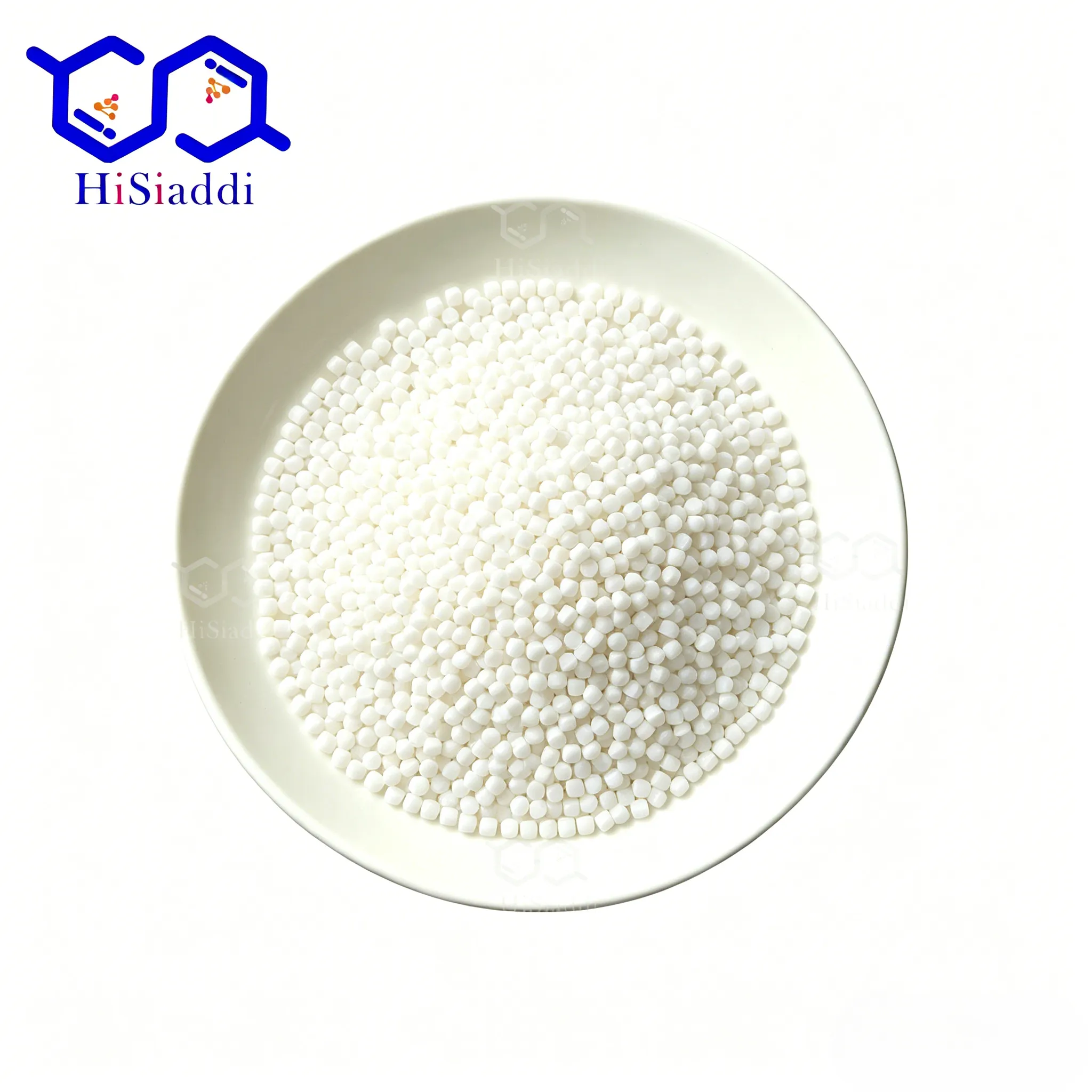
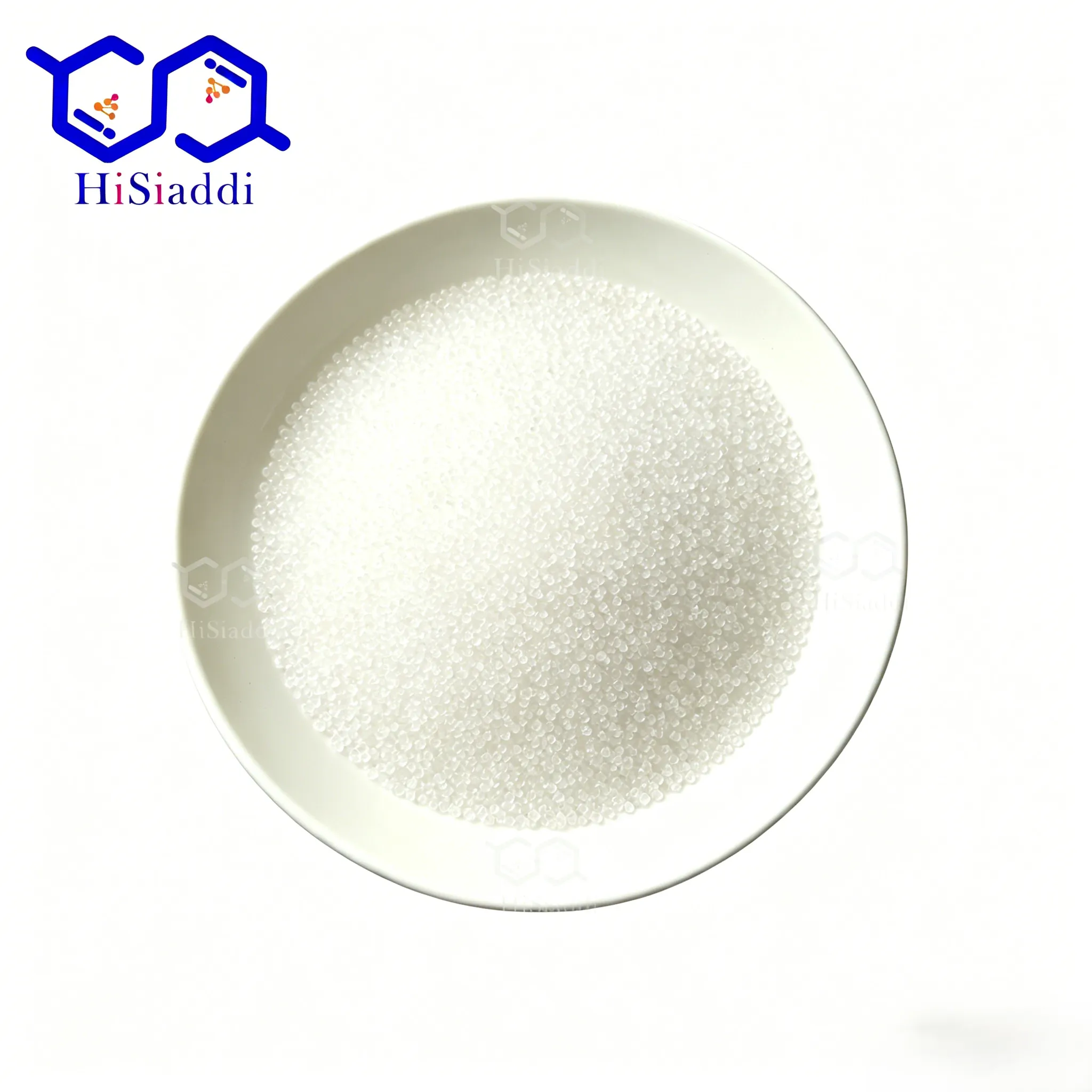
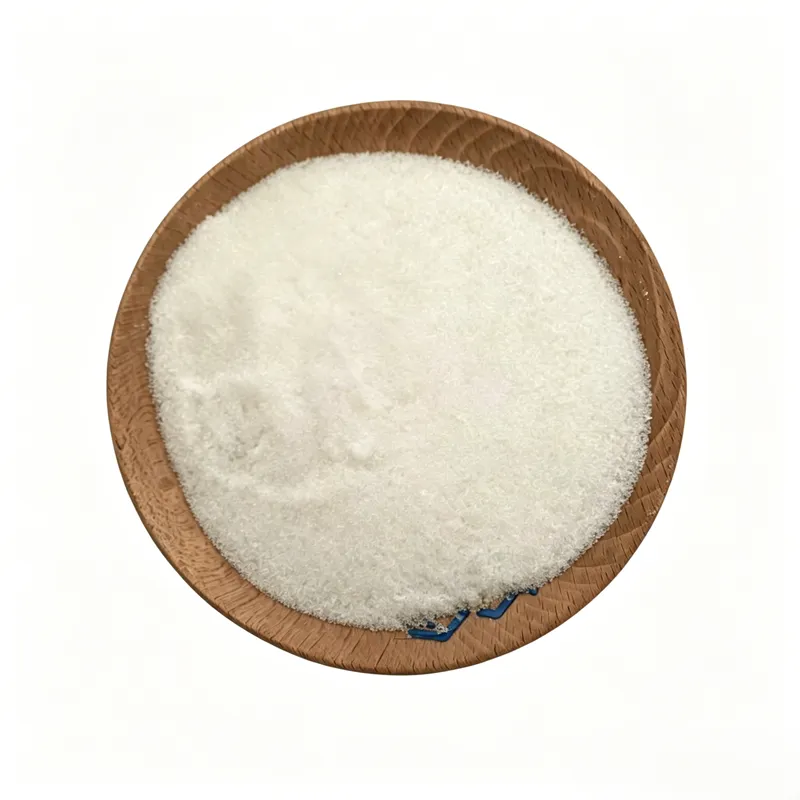
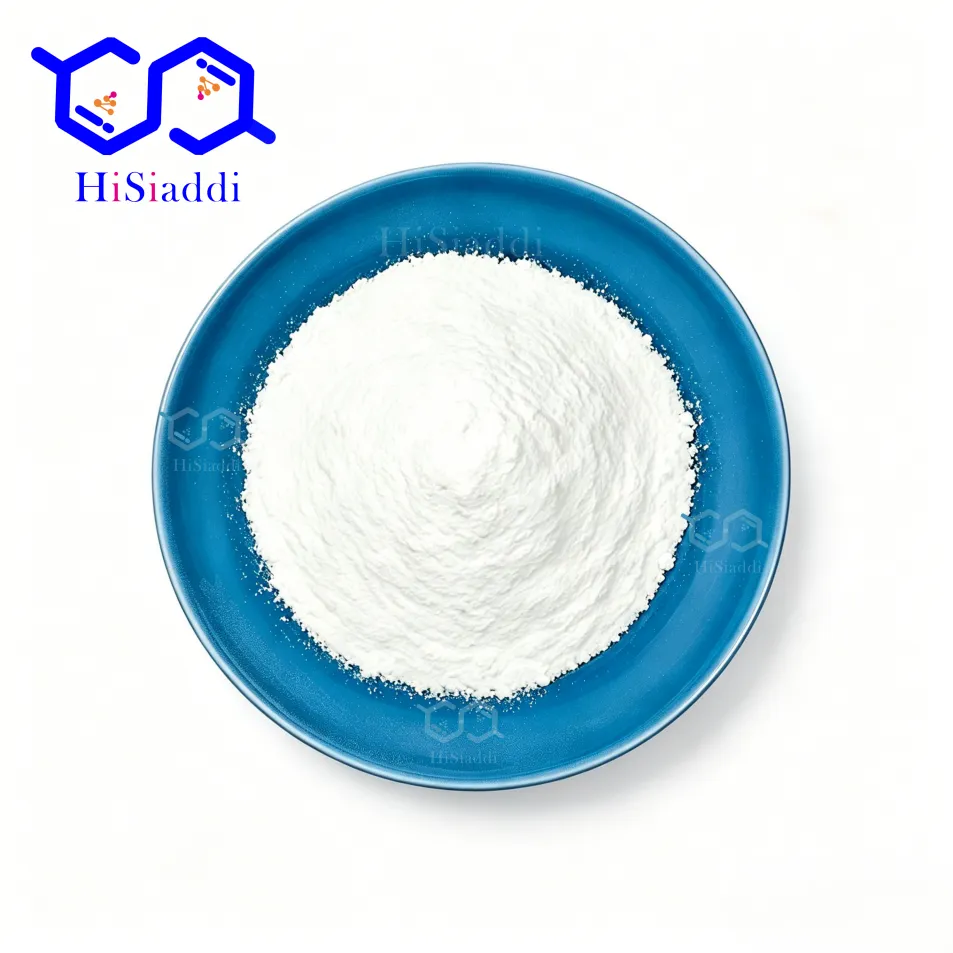
HiSiaddi is an innovative foreign trade service provider driven by both technology transformation and foreign trade. It has established a "1+2+3+4=1" service system and can supply L-carnitine L-tartrate sourced directly from multiple well-known original manufacturers.
As a foreign trade enterprise with independent R&D capabilities, HiSiaddi has collaborated with manufacturers on technology transformation and accurately captured market demands, repeatedly proposing formulation optimization schemes and application improvement suggestions for L-carnitine L-tartrate clients. Below is a technical optimization consultation case of HiSiaddi for L-carnitine L-tartrate.
Please contact HiSiaddi customer service if you need further formulation optimization consultation services.
Purchaser: SportPharma High-End Nutritional Pharmaceutical Group, Lyon, France. A leading domestic special dietary brand in France, it specializes in fat-loss tablets for professional athletes, vegan sustained-release capsules and metabolic conditioning special diets for medical institutions. Its products are sold at premium chain pharmacies across France and supply centers for European professional sports clubs, complying with EP European Pharmacopoeia, EU EFSA, French AFNOR food regulations and KOSHER clean certification. Its stable annual procurement volume of pharmaceutical-grade L-carnitine L-tartrate totals 25 tons, previously sourced exclusively from patented Swiss imported raw materials.
After switching to mass-produced domestic L-carnitine L-tartrate to cut supply chain costs, the client encountered four major mass production failures on its fully automatic direct tableting and capsule filling lines: frequent powder blockages and sticking punches, deterioration from compound raw material incompatibility, moisture absorption and caking of finished products during storage, and uneven active ingredient content. The finished product rejection rate reached 37%, halting the new product launch project. Domestic suppliers only controlled content in line with national standards and lacked familiarity with downstream formulation and European production line processes, rendering them unable to identify terminal technical risks. The client fully entrusted HiSiaddi’s technical team to deliver comprehensive technical rectification covering raw material process improvement, terminal formulation adjustment and workshop production specifications.
The client’s two core finished product formulations: ① Compound fat-loss tablets (L-carnitine L-tartrate + EGCG tea polyphenols + CLA vegetable oil extract + B vitamins); ② Additive-free vegan capsules (clean formula with zero exogenous excipients).
Generic domestic raw materials contain mixed coarse and fine powder with excessive ultrafine dust, resulting in an angle of repose above 45°, material bridging and blockages in silos, and the tablet press requiring shutdown and cleaning every 2 hours. Local agglomeration of mixed L-carnitine causes single tablet weight deviation exceeding ±8%, failing French drug administration uniformity testing of active ingredients. Root Cause: Manufacturers adopt crude crushing without air-flow classification procedures and rapid cooling crystallization generating irregular crystal shapes.
Trace residual free tartaric acid in raw materials undergoes acid-base reactions with CLA oil extracts and calcium-magnesium mineral salts in formulations. Finished tablets develop yellow spots after 45 days of room-temperature storage, with L-carnitine active content declining by 9.5%, failing the EU 24-month shelf life standard. Root Cause: Fixed feed ratio in the salt-forming stage without multi-stage refined water washing procedures, leaving incomplete removal of free acidic byproducts.
Raw material moisture ≥0.48%, Aw>0.48. Raw materials melt and stick to molds after heating of tableting dies during pressing, resulting in massive tablet cracking; ultrafine powder absorbs moisture and adheres to the feeding screw of capsule filling machines, cutting filling efficiency by 40%. Root Cause: Conventional hot-air drying with rough temperature control leading to uneven product drying.
Measured free L-carnitine ranges from 67.2% to 69.1%, exceeding the client’s internal narrow control standard of 68.0%±0.3%. Fixed-proportion feeding by the client results in inconsistent active ingredient content per tablet, carrying risks of product removal from shelves due to non-compliance.
1. Optimization of salt-forming refining: HiSiaddi coordinated manufacturers to adjust the molar feed ratio of L-carnitine and L-tartaric acid, adopt slow controlled-temperature salt formation, and add three-stage countercurrent pure water rinsing procedures to drastically reduce residual free organic acids, eliminating hidden risks of later formulation acid-base reactions at the source.
2. Crystal modification: Gradual slow cooling crystallization adopted to regularize crystal shapes and reduce generation of irregular ultrafine powder.
3. Upgraded drying and classification: Conventional hot-air drying replaced with segmented vacuum low-temperature drying to lock moisture ≤0.22% and water activity Aw<0.41; closed air-flow crushing and cyclone classification added to uniformly control D90 at 50±5 μm, reducing powder angle of repose to within 36° and greatly improving free-flow performance.
4. Precise content control: Online HPLC testing of intermediates and fine-tuning of feed quantities to stabilize free L-carnitine at 67.8%–68.2%, matching the client’s narrow internal control standard.
1. Optimization of compound fat-loss tablet formulation: Leveraging low-free-acid modified raw materials to cut calcium carbonate buffer excipient dosage by 22% and remove citric acid regulator from the formula; microcrystalline cellulose adopted as an acid-base buffer carrier. Recalculated feeding ratios of all components based on measured L-carnitine content to avoid localized ingredient enrichment and deterioration.
2. Optimization of vegan clean capsule formulation: Raw materials sieved through a 325-mesh screen before feeding to remove excess ultrafine powder; 0.2% plant-based hydrophobic microsilica glidant added to the formula without animal-derived additives to comply with EU vegan label regulations and improve powder mixing uniformity.
1. Workshop temperature and humidity control: Constant temperature of 22°C and environmental humidity below 42% in raw material unpacking and mixing workshops to reduce moisture absorption risk of opened raw materials.
2. Segmented feeding and mixing: Adopt stepwise dilution pre-mixing process: pre-mix a small portion of L-carnitine with excipients for 12 minutes before adding full raw materials for high-speed mixing to reduce agglomeration probability.
3. Fine-tuning of tableting parameters: Moderately lower the temperature of tableting dies and reduce equipment rotating speed to avoid high-temperature sticking punches.
1. Constant-temperature accelerated aging test: Finished products made from optimized raw materials stored at 40°C for 90 days without yellow discoloration of tablets, with L-carnitine content attenuation ≤1.7%, passing stability testing conducted by a third-party French laboratory.
2. 800 kg full-process pilot trial: Uninterrupted full-line mass production by the client reduced tablet reject rate from 37% to 0.7%, with smooth capsule filling free of machine blockages; all indicators met EP Pharmacopoeia and French import standards.
1. SportPharma Group (France): Successfully completed localized replacement of Swiss imported raw materials with comprehensive procurement costs reduced by 32.6%. Two new products were launched on schedule at premium pharmacies across France and professional sports supply channels, driving a 21.8% year-on-year revenue increase in European markets within half a year, followed by additional procurement orders from distributors in Spain and Italy.
2. Domestic raw material manufacturers: Formalized production processes for high-end low-acid, narrow-particle-size and low-moisture grades, with a 41% premium for customized high-end products over standard national standard bulk goods. Leveraging this benchmark French client, they successively secured sample trial orders from two mid-to-high-end nutrition enterprises in Belgium and Luxembourg.
3. HiSiaddi Foreign Trade: Established an integrated technical service system for L-carnitine L-tartrate covering raw material process improvement, terminal formulation adjustment and production line process standardization, breaking technical coordination barriers between domestic raw material manufacturers and mid-to-high-end European and American special dietary brands.
Most domestic L-carnitine L-tartrate manufacturers focus on standardized bulk mass production with fixed production processes, only monitoring basic content indicators without familiarity with European and American high-end formulation systems and automatic direct compression production processes. Formulations of mid-to-high-end European and American special dietary brands are precise with strict regulatory requirements, and standard domestic raw materials easily trigger ingredient incompatibility and production line failures. Drawing on fine chemical and dietary formulation application expertise, HiSiaddi coordinates both upstream manufacturers and downstream terminal producers to deliver full-chain technical rectification. It helps mid-to-high-end overseas clients recover losses from scrapped finished products and stabilize supply chains, while supporting domestic manufacturers to escape low-price competition and enter the high-end European nutritional raw material track.
Please contact HiSiaddi customer service if you need further formulation optimization consultation services.

 +86-13120989737
  info@hisiaddi.com
 English