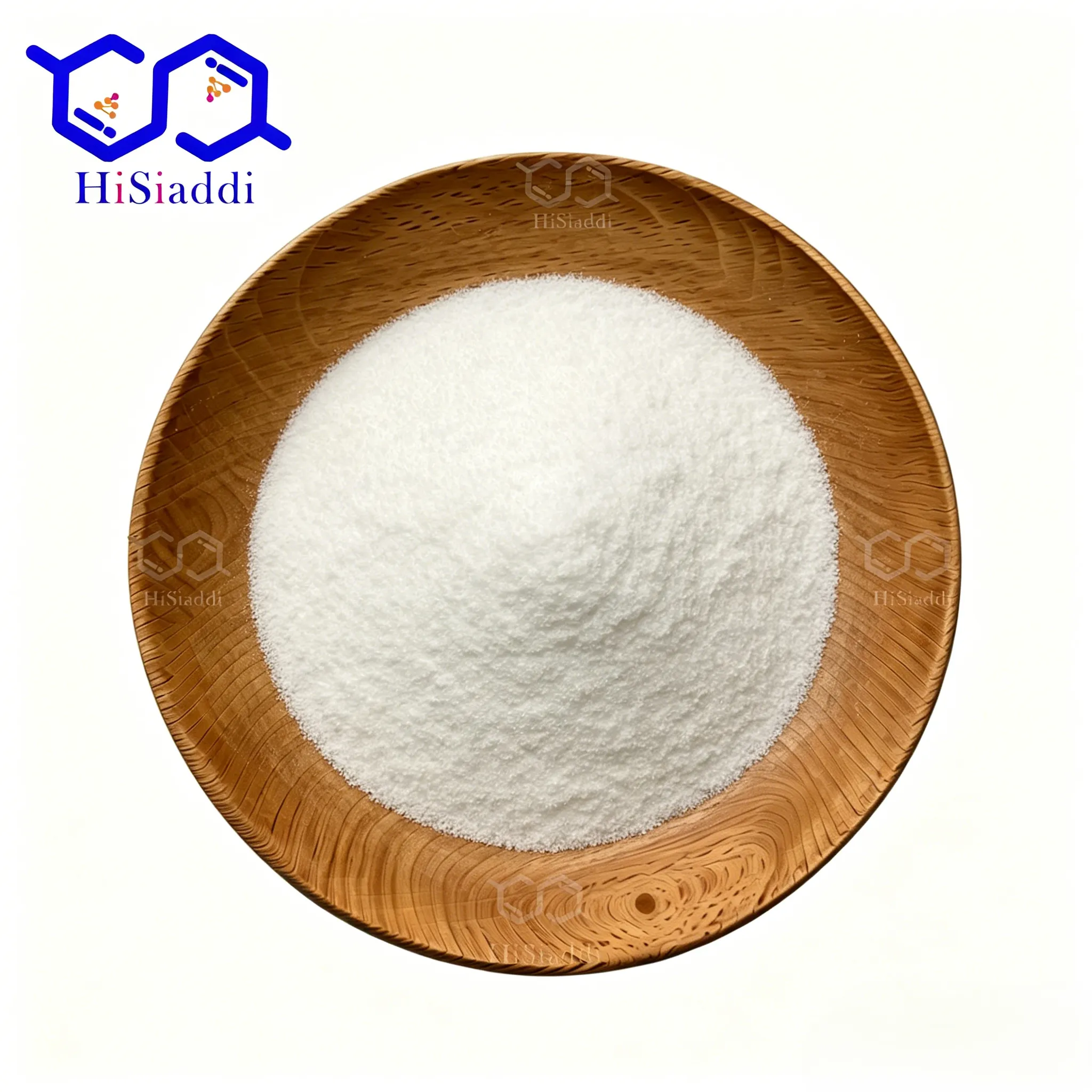
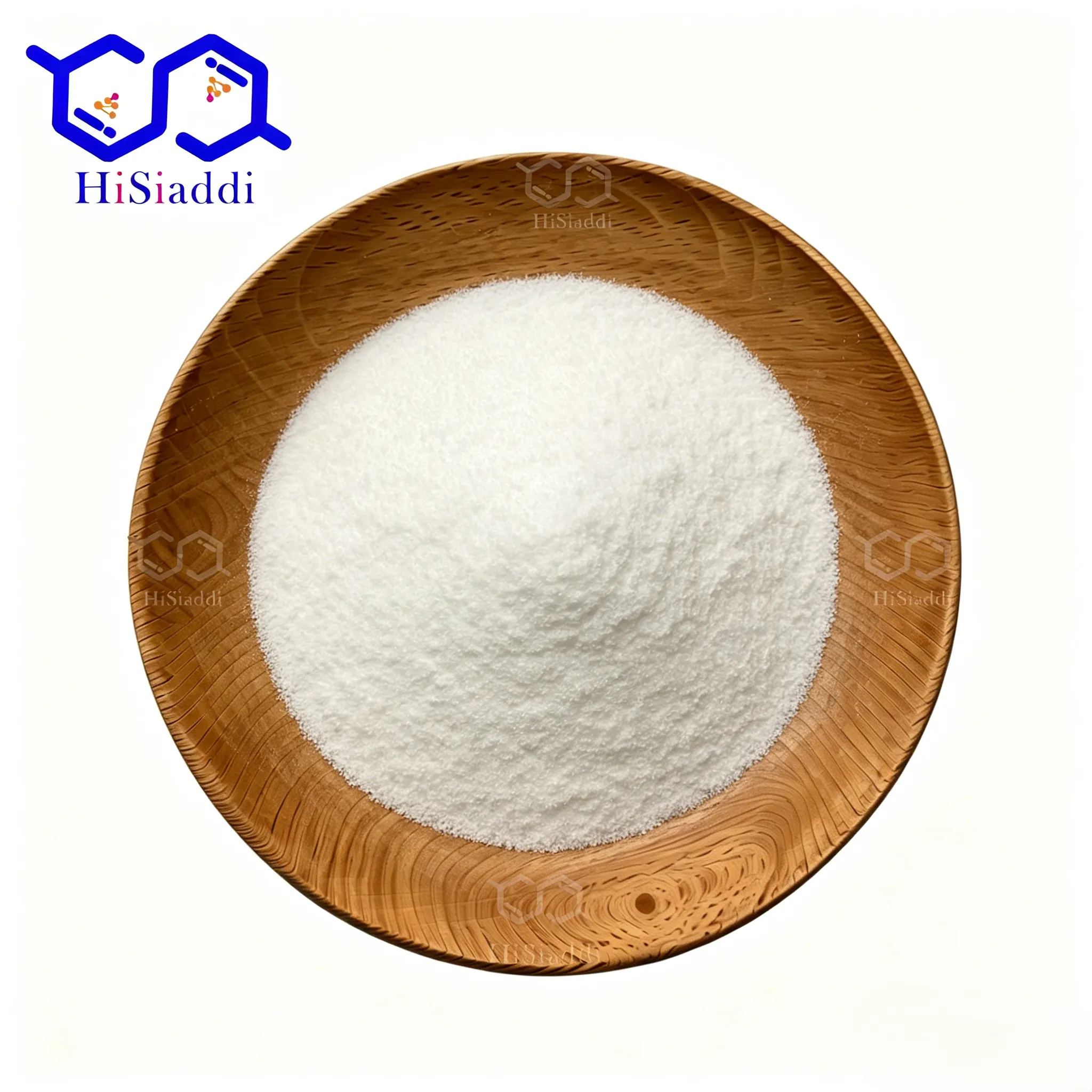
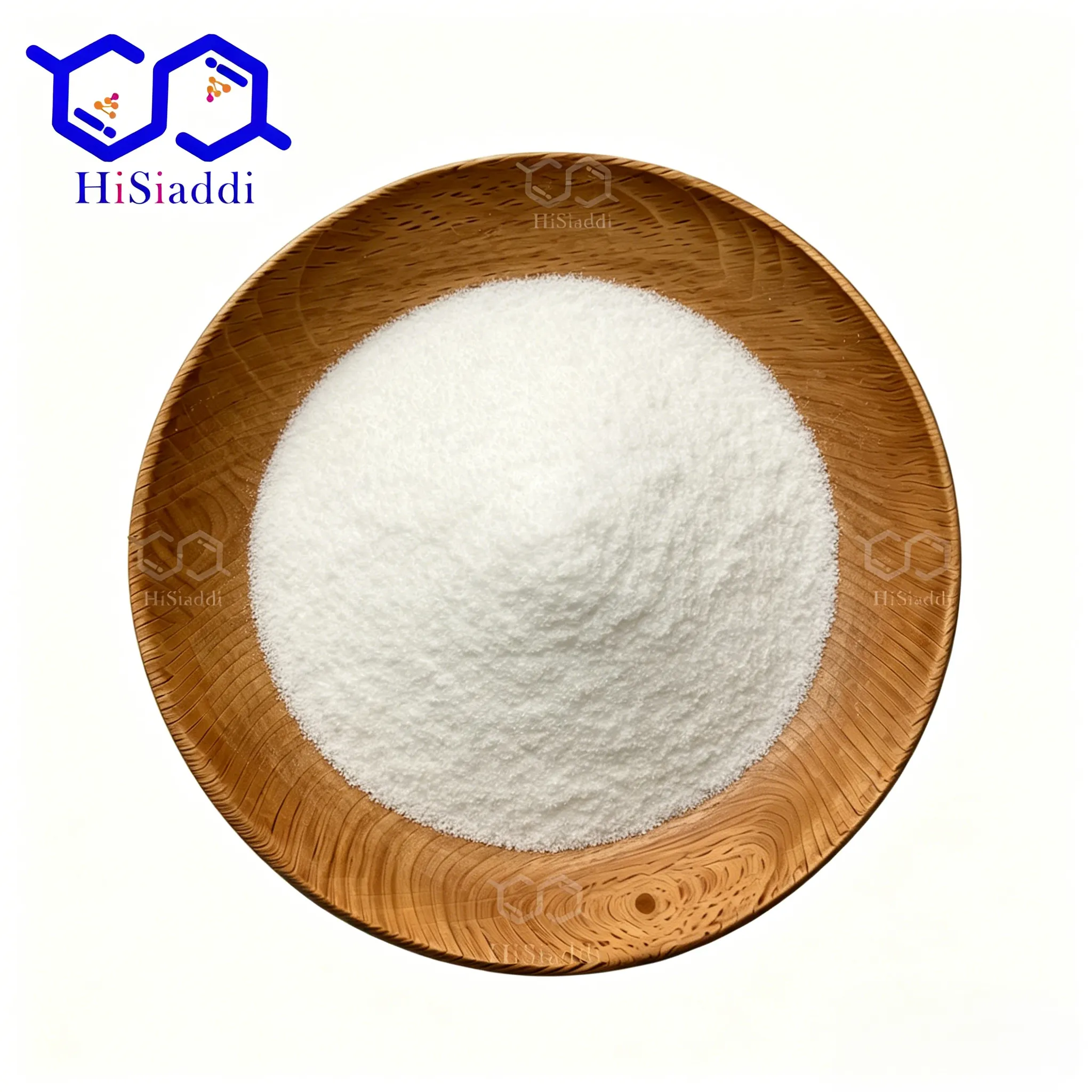
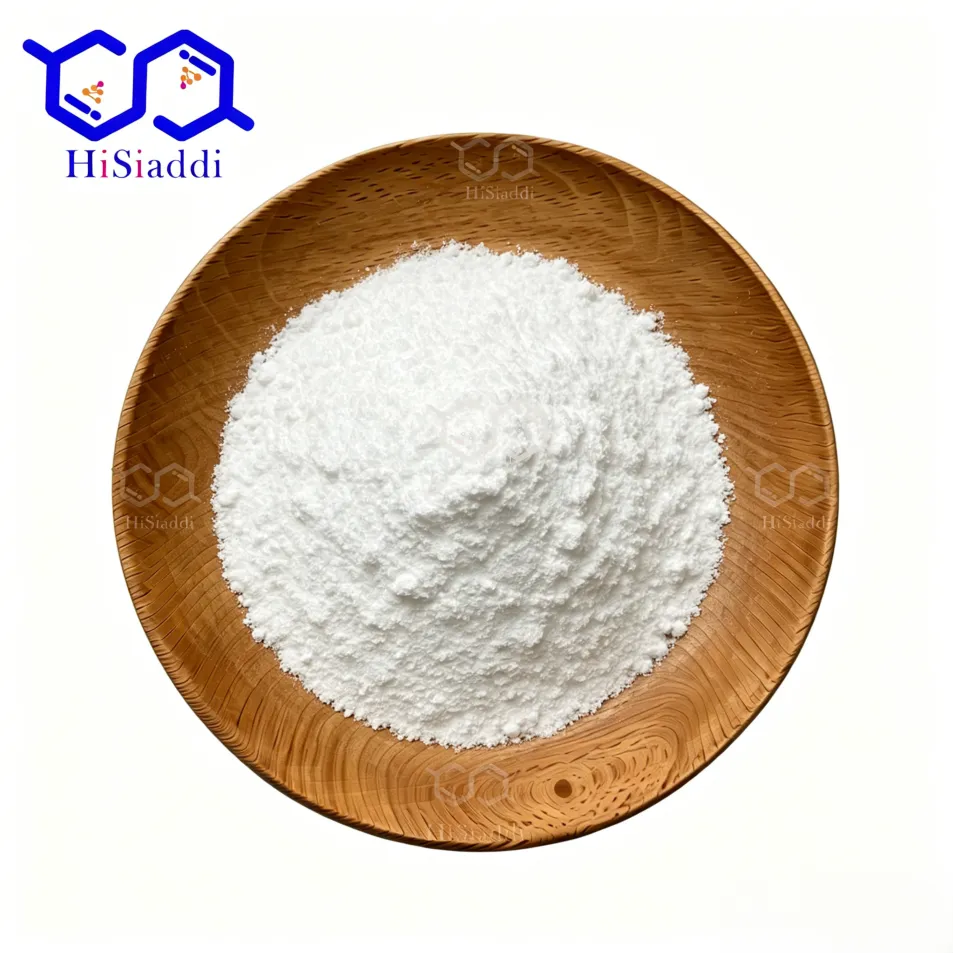
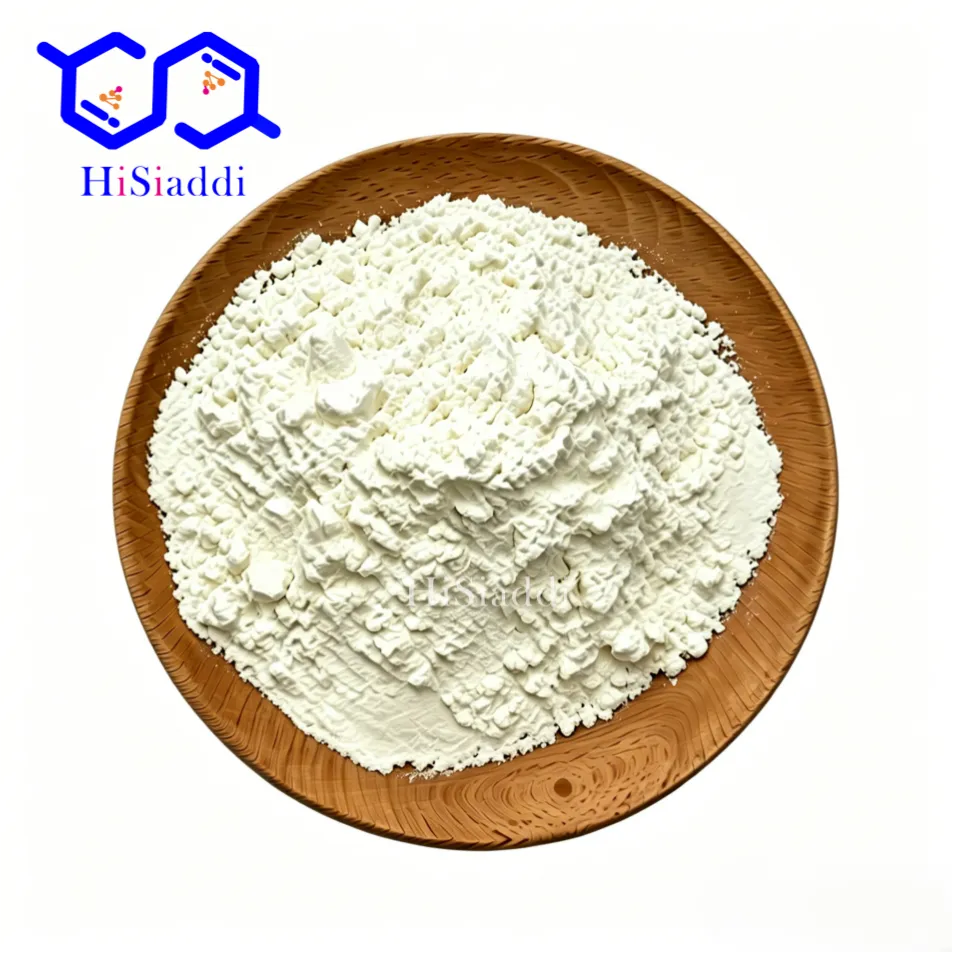
ε-Poly-L-lysine, Abbreviation: ε-PL. It is a natural cationic antibacterial agent for food preservation and pharmaceutical bacteriostasis. HiSiaddi supplies original factory goods of multiple Chinese brands with superior quality.
Relying on ten years of research-grade consulting service experience, HiSiaddi recommends well-known brands and mainstream models of this product to you.
Yiming: ε-PL 95, ε-PL 99. Adopting membrane separation coupled crystallization process, purity ≥99%, molecular weight 3600-4300Da, excellent thermal stability (activity retention>90% at 120℃ for 30min) with antibacterial activity reaching Japanese standards. Priced 30%-35% lower than Japan Showa, suitable for high-end European and American food, plant-based beverage and cosmetic industry giants.
Sundge: ε-PL-S98 Food Grade, ε-PL-S99 High-purity Grade. High fermentation level, low impurity content, heavy metals ≤10ppm, FDA GRAS certified with strong batch stability, suitable for mid-to-high-end snack food and condiment processing factories.
HiSiaddi Exclusive Services: Purity customization (95%-99%); provision of FDA GRAS, Kosher/Halal and ISO22000 compliance certifications; support for new product trial and small-batch orders; consulting on compound preservative formula of ε-PL + Natamycin/Glycine.
 CONTACT HiSiaddi NOW
Name: | ε-Polylysine | Other Name: | Epsilon Polylysine |
CAS No. | 28211-04-3 | Brand: | Multi-brand |
MF: | (C₆H₁₂N₂O)n | Model Number: | Multi-models |
EINECS No. | N/A | Place of Origin: | Jiangsu, China |
Purity: | 99.0% | Grade: | Food grade |
MOQ: | 1ton | Storage: | Please refer to the product packaging or contact the customer service |
What are the key indicator advantages and application impacts of the main grades of well‑known ε‑Polylysine brands?
What competitive services can ε‑Polylysine suppliers provide?
What are the qualification certifications and market feedback of target ε‑Polylysine brands?
What is the inventory level and supply stability of ε‑Polylysine suppliers?
What factors should be considered when purchasing ε‑Polylysine?
...and many other questions.
Naturally degradable, zero residue
High temperature resistant (>120°C)
Acid & alkali tolerant
Broad‑spectrum antibacterial
Non‑toxic & safe
Replaces chemical preservatives such as sodium benzoate and potassium sorbate
Fully compliant with European & American policies for clean labels, natural/organic claims, zero additives, and antibiotic‑free farming
88%+ of global production capacity and 92%+ of export volume are concentrated in China.
Overseas brands dominate the high‑end European & American markets relying on early patents, strain monopolies, and brand premiums.
Under equivalent activity and purity, overseas brands are 100%–180% more expensive than Chinese alternatives, with notable disadvantages:
Low strain productivity, high fermentation costs, long lead times, and inflexible pricing.
Mainly produce 25% hydrochloride salt, lacking 50% high‑activity, microencapsulated slow‑release, and feed‑specific customized grades.
Poor high‑temperature stability, incompatible with 95°C feed extrusion pelleting.
High carbon footprint, resulting in significantly higher EU CBAM carbon tariffs compared to China’s green fermentation processes.
25% ε‑Polylysine Hydrochloride (Food Grade)
50% High‑Purity High‑Activity Hydrochloride
98% Free Base
Microencapsulated High‑Temperature Resistant Slow‑Release
Feed‑Specific Antibacterial & Antibiotic‑Free
Aquatic Preservation
Pet Food Grade
Cosmetic & Pharmaceutical Grade
ε‑PL‑25‑Food‑Pro: 25% Food‑Grade ε‑Polylysine Hydrochloride (world’s highest export volume)
ε‑PL‑50‑High‑Pure: 50% High‑Purity High‑Activity Hydrochloride (Premium Food & Pet Food)
ε‑PL‑HT‑Microcapsule: Microencapsulated High‑Temperature Resistant Slow‑Release (Feed Extrusion)
ε‑PL‑98‑Free‑Base: 98% Free Base (Pharmaceuticals, Cosmetics, High‑End Preservation)
ε‑PL‑Feed‑Anti‑Pathogen: Feed‑Specific Antibacterial & Antibiotic‑Free (Antibiotic‑Free Farming)
Assay: 25% grade 24.7%–25.3%, batch RSD<0.2%; 50% grade ≥49.5%
Polymerization Degree: 25–35 L‑lysine units, MW 3400–4200 Da, antibacterial activity ≥1200 U/mg (JNC equivalent: 1150–1200 U/mg)
Free Lysine: ≤1.0%
Transmittance: ≥98%
Large European & American food groups
Pet food giants
High‑end feed/preservation R&D enterprises
Top‑tier Halal certification included; no secondary application required – direct access to global Muslim food & farming markets.
Small‑batch trial orders available with no inventory risk; quickly validate natural preservation & antibiotic‑free effects.
Low‑ash, high‑purity formulation ideal for premium organic food & pet food differentiation.
Flexible customization supports niche food & specialty diet formulation development.
Fully compliant with Islamic dietary laws; safe & legal for Muslim consumers of food, livestock, and pet products.
Premium natural bio‑based ingredient enables strong differentiation for niche food/farming brands, capturing segment market profits.
Lower raw material barriers for small‑to‑mid brands, fostering regional/local brand growth.
ε‑PL‑25‑Standard: 25% Standard Food‑Grade ε‑Polylysine (2nd largest export volume)
ε‑PL‑25‑HT: 25% High‑Temperature Resistant General Grade, for regular feed & snack foods
ε‑PL‑Aqua: Specialty grade for aquatic processing & preservation
ε‑PL‑Multi‑Blend: Polylysine + plant essential oil + organic acid composite preservative & antibiotic‑free premix
Assay: 24.5%–25.5%; polymerization degree 24–36; antibacterial activity ≥1150 U/mg
Heat resistance: ≥82% activity retention after pelleting at 85°C (vs. 77% for Evonik general grade)
Carrier: Corn starch fermentation; self‑sufficient raw materials, cost‑effective
Impurities: Strictly compliant with FAMI‑QS, FSSC22000
Compliance: ISO22000, Halal, Kosher; 100% customs clearance in SE Asia, Middle East, Africa, South America
Capacity: 9,500 tons/year; stable bulk supply, strong negotiation for full container loads
FOB Weifang standard grade price: 82%–118% lower than Evonik general grade; 9%–13% lower than small‑to‑mid domestic mills
Strong cost advantage for bulk FCL purchases, ideal for large‑scale food factories, feed groups, volume‑driven traders
Positioning: Best‑in‑value for bulk food/feed grade, global leader in large‑scale natural preservation
SE Asia: Large food factories, livestock & poultry feed groups, aquatic processors in Vietnam, Thailand, Indonesia
Middle East & North Africa: Food additive traders, cattle & sheep farming groups in Saudi Arabia, Egypt, UAE
South America: Integrated feed & food raw material importers in Brazil, Argentina
Eastern Europe: Regional distributors in Poland, Romania
Stable bulk supply, ample year‑round fermentation capacity, no risk of raw material shortages or production halts
Standard grade fits regular pelleting & food sterilization processes; controllable activity loss, consistent preservation
One‑stop composite preservative premix supply, reducing costs of multi‑additive procurement & batch testing
Significant price advantage, 15%–21% higher gross margins for large‑scale production
Natural bio‑based material, suitable for Halal food & farming markets in SE Asia/Middle East
Food: Extended shelf life for snacks, dried seafood, meat products; reduced or zero chemical preservatives
Farming: Less feed mold, mycotoxins, intestinal pathogens; higher livestock/poultry survival rates
Safe, natural, residue‑free products, meeting global food export standards & enhancing international competitiveness
ε‑PL‑25‑USP: 25% Standard Food‑Grade ε‑Polylysine
ε‑PL‑Microcapsule‑Slow‑Release: Microencapsulated slow‑release ε‑Polylysine (exclusive core grade)
ε‑PL‑Low‑PH: Acid‑resistant specialty for young animals (piglets, chicks)
ε‑PL‑Russia‑Grain: Custom preservative for Russian grain‑based diets
Stable polymerization degree; antibacterial activity ≥1180 U/mg
Microcapsule grade: Plant‑based wall material, gastric acid isolation, antioxidant; no inactivation in stomach, targeted intestinal release; 18‑month shelf life
Acid‑resistant grade: ≥76% activity retention after 2h at pH 1.8 (extreme gastric acid), ideal for newborn young animals
Exclusive certifications: Full Russian RZN, Kazakhstan GOST, Uzbekistan approvals; #1 market share in Central Asia/Eastern Europe
Logistics: Shandong ports enable fast, cost‑effective shipping to Russia/Central Asia
Moisture stability: Moisture absorption <1.1%, suitable for long‑term storage in high‑humidity/cold regions
FOB price for standard 25% grade: 21%–26% lower than NHU Bio
Microcapsule grade: 15%–21% premium, but no additional protectants needed downstream → same overall formulation cost
ε‑PL‑All‑Grade: General‑purpose full‑spec ε‑Polylysine
ε‑PL‑Pet‑Blend: High‑purity custom blend for pet food (polylysine + tea polyphenols)
ε‑PL‑Custom‑Ultra‑Low‑Metal: Ultra‑low heavy metal grade for organic food
ε‑PL‑Carbon‑Low: Low‑carbon eco‑friendly ε‑Polylysine
Balanced & stable activity, polymerization degree, transmittance
One‑stop advantage: Parallel production of natamycin, nisin, plant essential oils, organic acids — full natural bio‑preservative line; consolidated FCL export
Exclusive certifications: Australia TGA, New Zealand RMP, Brazil ANVISA, Mexico COFEPRIS; zero customs risk in Latin America/Australia‑New Zealand
Customization: Low moisture, special particle size, tailored activity, liquid formulations available
Carbon footprint: Green fermentation, low emissions; compliant with EU CBAM carbon tariffs
Standalone ε‑Polylysine: Moderate value
Multi‑preservative consolidated FCL: 17%–22% lower total cost vs. separate purchases
Positioning: Best integrated one‑stop supplier, ideal for multi‑category importers
Australia/New Zealand: Pet food groups, premium organic food enterprises
Latin America: Integrated food & feed raw material importers in Brazil, Mexico
Small‑to‑mid general raw material distributors & cross‑border pet brands in Europe/America
Single‑supplier for full natural preservative portfolio, drastically reducing vendor management, factory audits, testing costs
Consolidated FCL shipping, lower unit ocean freight & higher overall margins
Ultra‑low heavy metal grade meets strict organic food/feed regulations in Australia‑New Zealand/Latin America
Favorable bulk payment terms, easing cash flow pressure
Synergistic efficacy of blended natural preservatives, better food preservation & feed antibiotic reduction
Clean‑label natural profile, direct access to supermarkets & premium pet channels in Australia‑New Zealand/Latin America
Low‑carbon raw materials align with EU/US ESG trends; higher premiums for end products
ε‑PL‑25‑High‑Pure: High‑purity food‑grade ε‑Polylysine; antibacterial activity ≥1190 U/mg
ε‑PL‑25‑Halal: Halal‑specific ε‑Polylysine; fully Halal fermentation & production
ε‑PL‑Custom‑Low‑Ash: Premium low‑ash custom grade
Self‑selected safe strain; GMO‑free, no chemical synthesis, no pathogenic contamination
Core barrier: Highest‑grade global Halal & Kosher certifications, full‑process Halal traceability
Flexible supply: Very low MOQ (50kg–1,000kg), solving large mills’ high MOQ barriers
Testing: SGS full‑panel activity/polymerization/heavy metal tests, multi‑language COA, strain traceability per batch
Ports: Fujian/Qingdao ports enable flexible consolidation, air, courier for small‑batch trials
Small‑batch price: 13%–18% lower than large mills’ small orders; no MOQ premium, no customization fees
Positioning: Best value for small batches & Halal/Kosher markets, irreplaceable in niche segments
Middle East & North Africa: Small food factories, Halal pet food firms, Halal farming groups in Saudi Arabia, UAE, Iran
SE Asia: Muslim food & feed importers in Malaysia, Indonesia
Global startup pet brands & niche specialty feed traders
Top‑tier Halal certifications included, direct access to global Muslim food/farming markets
Small‑batch trials with no inventory risk, fast validation of natural preservation & antibiotic‑free effects
Low‑ash, high‑purity formulation for premium organic food/pet food differentiation
Flexible customization for niche food/diet formulation development
Fully compliant with Islamic dietary laws, safe & legal for Muslim‑consumed food, livestock, pet products
Premium natural bio‑based ingredient, strong differentiation for niche food/farming brands; capturing segment market profits
Low raw material barriers for small brands, supporting regional/local brand growth

| Brand | Core Export Grades | Key Competitive Hard Metrics (vs. JNC / Evonik) | Value Positioning | Target B‑End Buyers | Downstream Buyer Benefits | End‑Customer Benefits |
|---|---|---|---|---|---|---|
| NHU Bio | 25% Food Grade, 50% High‑Pure, Microcapsule HT, 98% Free Base, Feed Anti‑Pathogen | Assay 24.7–25.3%, Activity ≥1200 U/mg, 95°C microcapsule retention ≥88%, full FSSC22000/REACH/Carbon Footprint/EFSA compliance, batch RSD<0.2% | Premium High‑Value; 95–145% cheaper than JNC; minimal after‑sales risk | Large European/American food groups, pet giants, high‑end feed/preservation R&D | High activity for clean labels; microcapsule for extrusion; full premium compliance; 5–7 months shorter factory audits; natural preservation & antibiotic reduction | Extended food shelf life; reduced mycotoxins/pathogens in feed; natural additive‑free pet food; strong biodegradable & low‑carbon premium |
| Ribond Bio | 25% Standard Food Grade, 25% HT, Aquatic Preservation, Blended Preservative Premix | Assay 24.5–25.5%, Activity ≥1150 U/mg, 85°C retention ≥82%, stable bulk supply, full ISO22000, strong price advantage | Bulk Food/Feed Grade Best Value; 82–118% cheaper than Evonik | SE Asia/Middle East/Africa large food factories, farming groups, regional traders | Compatible with standard pelleting/sterilization; one‑stop blended premix supply; lower multi‑supplier costs | Lower preservation costs at scale; zero chemical additives in food; improved gut health in farming; enhanced export compliance |
| Mucome Bio | 25% Standard Food Grade, Microcapsule SR, Young Animal Acid‑Resistant, Russian Grain Custom | Microcapsule 18‑month shelf life, pH1.8 activity retention ≥76%, full Russian RZN certification, optimal Central Asia logistics, moisture absorption<1.1% | Mid‑Range Customization Leader; outstanding long‑shelf‑life, slow‑release & regional specialization | Russian/Central Asia/Eastern Europe food factories, grain processors, young animal breeding groups | Targeted gut antibacterial via microcapsules; compatible with local high‑starch diets; zero Central Asia customs delays; reduced storage losses | Improved survival rates for piglets/poultry; stable activity in cold regions; significantly enhanced mold inhibition in grain foods |
| Huayuan Pharma | Full‑Range General, Pet‑Specific Blended, Ultra‑Low Heavy Metal Organic Custom, Low‑Carbon Eco | One‑stop natural preservative supply, full ANZ/Latin America certification, carbon footprint compliance, strong consolidation cost advantage | Best for One‑Stop Sourcing; exceptional multi‑product bundle value | ANZ/Brazil/Mexico pet groups, organic food enterprises, general importers | Single‑supplier for full preservative range; lower sea freight via consolidation; custom grades meet strict regional regulations | Synergistic efficacy of blended preservatives; natural clean labels for premium retail; significant ESG green premium |
| Lvkang Biotech | 25% High‑Pure, Halal‑Specific, Low‑Ash Custom | Top‑tier Halal/Kosher certification, 50kg MOQ flexible supply, full strain traceability, multi‑language full test reports | Small‑Batch & Halal Market Value King; no MOQ premium | Middle East/North Africa/SE Asia Halal food & farming enterprises, startup pet brands, cross‑border traders | Halal qualification for immediate Muslim market entry; zero‑inventory small‑batch trials; flexible customization | Meets religious dietary requirements; strong natural bio‑based differentiation; niche food/farming brand profit potential |
HiSiaddi is an innovative foreign trade service provider driven by integrated technology transformation and foreign trade businesses. We have built a "1+2+3+4=1" product service system: 1 foreign trade salesperson with over 3 years of experience, 2 chemical R&D teams, 3 multi-screened high-quality suppliers, and 4 shared warehouses to satisfy all demands for one single product.
With this complete service system, HiSiaddi gains deeper insight into ε-PL R&D and production optimization than ordinary trading companies, better understanding of differentiated market demands and competitive advantages of various ε-PL brands than single factories, and richer experience in ε-PL overseas export business than professional research institutes.
HiSiaddi only recruits foreign trade sales staff with more than 3 years of industry experience. All sales must receive combined training organized by R&D and foreign trade teams for over 6 months before providing services to clients.
(1) Basic Support Services for ε-PL
Backed by our complete foreign trade operation system, we provide full-cycle one-stop document follow-up services, including issuance and agency application of all compliance certificates of ε-PL, provision of third-party test reports, and follow-up & settlement of all quality guarantee problems.
(2) Exclusive Premium Services for ε-PL
ε-PL carbon footprint & EU CBAM compliance documents supply; One-stop matching of natural anti-mold raw materials including natamycin, oregano oil for antibiotic-free replacement formulas.
We carry out in-depth joint development with source manufacturers via technology transfer, while maintaining close internal coordination with foreign trade teams to deliver regular technical training for sales teams. This enables us to provide highly professional ε-PL customization and research-level consulting on brand selection and formula optimization.
(1) Research-Grade Customization Services for ε-PL
Custom high-temperature resistant, low-stimulation and microencapsulated ε-polylysine for grain, aquaculture and pet feed; Optimize compound preservative formulas combining ε-PL, natamycin and plant essential oils to extend product shelf life and lift gross margin by 40–60%.
(2) Research-Grade Consulting Services for ε-PL
Monthly natural preservative market analysis comparing domestic ε-PL vs Kyowa fermentation products; Free antibacterial effect comparison testing of domestic and imported samples; Global food & livestock buyer community resource docking.
Our foreign trade and R&D teams cooperate closely. We conduct market research, on-site factory audits, full product testing, in-depth technical cooperation and bulk purchase cooperation in multiple rounds, and select around 3 reliable suppliers with stable supply, good reputation and great development potential.
(1) Initiative to Secure Lower ε-PL Prices
Long-term cooperation via technology transfer and authorized distribution allows us to obtain factory-direct source at more competitive prices.
(2) Long-Term Supply Chain Assurance for ε-PL
Our long-term cooperative model strengthens real-time production monitoring, full-process traceability, batch stability control, and compensation mechanisms for goods failing third-party inspection standards.
We operate 4 warehouses jointly with our suppliers to stock hot-selling bulk products.
(1) Fast Local Delivery & On-Site Problem Resolution for ε-PL
Our four warehouses are located at Qingdao Port (North China), Ningbo Port (East China), Shenzhen Port (South China), and Zhengzhou inland logistics hub. We can deliver ε-PL in a timely manner. If transportation damage, packaging defects or export compliance issues occur, our on-site staff stationed near each warehouse can solve problems on the spot immediately.
(2) Mitigate Price Volatility & Support Custom Packaging for ε-PL
We stock goods in advance before peak demand seasons to ease sharp price fluctuations. Our self-operated warehouses fully support clients’ personalized packaging and labeling demands.
As a new type of foreign trade service provider driven by both technology transformation and foreign trade services, HiSiaddi has established a "1+2+3+4=1" service system and can supply original factory materials of multiple well-known brands for ε-PL. As a R&D-oriented foreign trade enterprise, we will systematically sort out common procurement challenges faced by B-end buyers sourcing ε-PL in China and propose targeted solutions from a professional perspective.
If you require more professional and in-depth analysis on ε-PL selection, please contact HiSiaddi customer service.
1. Falsified active ingredient content: Low-end raw materials are adulterated with inorganic salts and glucose powder. Products labeled 25% food-grade ε-PL actually test only 16%–21%. When applied as preservatives for prepared dishes and bean products, finished goods suffer mold spoilage and full batch scrappage. Higher dosages must be used to compensate, increasing raw material budgets by over 30%.
2. Diverse specifications with high minimum order quantities: Three mainstream forms exist: 25% hydrochloride liquid, 25% powder and 98% high-purity API. Large manufacturers impose minimum orders of 500kg per single specification, while small blending factories require small volumes of multiple grades. Intermediaries mark up prices by 16%–28% for scattered small orders.
3. Excessive heavy metals and ignition residues: Inferior fermentation raw materials retain bacterial ash and heavy metals such as lead and arsenic. Products used for organic snacks and fresh-keeping goods fail overseas EU/US heavy metal screenings, leading to port detention.
4. Missing compliance documentation for small orders: Small-scale suppliers only provide simple delivery slips without EU preservative E-number filings, Japanese food additive certifications or fermentation strain traceability records. Small shipments held at overseas ports due to incomplete import paperwork.
1. Contract-backed active ingredient guarantee: Contracts specify fixed content ranges for each grade (24.0%–26.0% for 25% formulations, 97.0%–99.0% for 98% grades). Each batch includes SGS HPLC test reports; full free returns and round-trip international freight covered by HiSiaddi if test results fall outside agreed ranges.
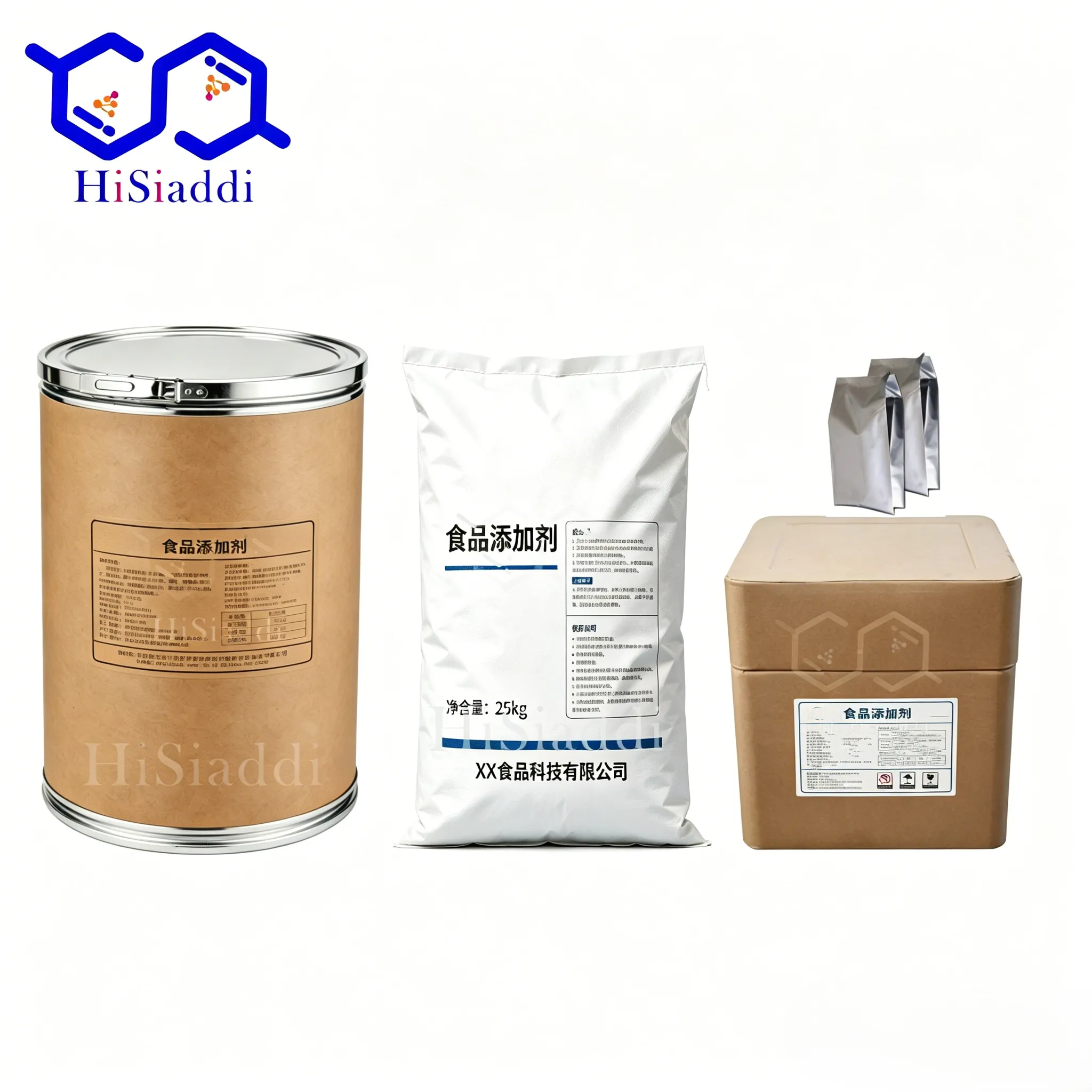
2. Consolidated mixed orders with split small packaging: Aggregate orders from regional small ingredient manufacturers for consolidated container shipments, repackaged into sealed 10kg/25kg aluminum foil units. Minimum order reduced to 25kg across all grades, with staggered delivery in 1–3 shipments aligned with client production schedules to avoid overstock idle inventory.
3. Tiered impurity-controlled raw material supply: Export-grade products strictly limit ignition residues ≤4% and lead <1ppm, with separate impurity test reports attached for organic food formulation production.
4. Full compliance documents provided free of charge regardless of order size: EU E-number records, Japanese food additive permits and fermentation strain source dossiers supplied alongside shipments to satisfy customs clearance and brand factory audits.
1. Raw material price volatility and supply disruption risks: ε-PL production relies on microbial fermentation with glucose as core feedstock. Corn market fluctuations drive annual glucose price swings of 11%–26%. Fermentation plants restrict output and raise prices during raw material surges, causing delivery delays during peak fresh food production seasons, automated line shutdowns and spoilage losses of perishable raw materials.
2. Batch inconsistency in antibacterial activity: Variable polymerization degrees across fermentation batches lead to uneven antibacterial performance against Gram-positive bacteria at identical dosage rates. Meat products display inconsistent shelf life at ambient temperature, triggering mass returns and compensation claims from supermarket distributors.
3. Mismatch between long-term OEM contracts and short fixed-price validity: Downstream brands sign fixed-price supply agreements for 6–12 months, yet most suppliers only lock quotations for 15–30 days. All raw material cost losses from commodity price hikes are borne solely by purchasers.
4. Shortage of specialized modified grades: Acidic fruit juices require acid-resistant modified ε-PL; rice and flour products demand high-temperature resistant powder. Generic raw materials lack sufficient thermal and acid stability, forcing customers to blend additional preservatives and raising formulation & processing costs.
1. Annual long-term framework agreements for raw material security: Sign yearly supply frameworks with advance bulk purchasing of corn and glucose feedstock. Batched quarterly production & delivery schedules; compensation of 0.2% of order value per day for delayed shipments to mitigate raw material shortage risks.
2. Post-production homogenization + dual factory testing: Homogenize all products from the same fermentation batch prior to packaging, combining in-house self-inspection and full Intertek antibacterial performance testing to standardize polymerization degrees and antibacterial activity, eliminating cross-batch preservation inconsistencies.
3. Tiered long-term price locking service: Large annual purchasers may lock unit prices for 3–12 months with a small security deposit to hedge seasonal corn raw material inflation risks.
4. Custom formulation-oriented modified production: Custom acid-resistant grades for fruit juices and high-temperature resistant modified powders for grain products, delivered ready for direct dosing without secondary blending by clients.
1. Divergent national preservative access standards: Goods distributed across EU, US, Japan, South Korea and Southeast Asia face disparate regulations: the EU strictly limits fermentation byproducts and heavy metals, Japan restricts permitted usage scopes, the US follows FCC standards, and Southeast Asia adopts looser requirements. A single grade cannot cover all markets; separate purchasing for each region increases ocean freight and customs costs by over 27%.
2. Leakage risks for liquid formulations and moisture-induced deactivation of powders during transoceanic shipping: Sealing failures on 25% liquid ε-PL cause leakage and packaging corrosion. Powders absorb moisture and degrade during 30–45 day high-temperature, high-humidity ocean transit, resulting in caking and reduced active content, end-customer rejection and total losses of 3.8%–8.2%.
3. Premium pricing for small supplementary orders after bulk container purchases: Unit prices increase by 13%–22% for small restock orders following full container shipments, squeezing multi-tier distribution profit margins.
4. Lack of multi-language customs safety documentation: Original manufacturers only provide Chinese documents, while customs authorities in each country require local-language SDS and preservative declaration forms. Self-compiled paperwork by distributors leads to customs detention due to filing errors.
1. Mixed-grade & mixed-formulation consolidated container shipments: Three tiered product lines developed – high-compliance EU/US grade, Japan-specified index grade and cost-effective Southeast Asian grade. Liquids and powders of multiple specifications loaded in a single consolidated container to avoid separate shipments and customs filings.
2. Differentiated moisture-proof sealed packaging + optional temperature-controlled containers: Powders packaged with inner vacuum aluminum foil, desiccants and waterproof cartons; liquids shipped in thickened acid-resistant food drums with outer protective cases. Temperature-controlled containers available for high-temperature ocean routes. Free product replacement and full round-trip freight coverage if shipments arrive with degraded active content, leakage or caking.
3. Overseas bonded warehouse consignment restocking mechanism: Full container goods stored in our partner overseas bonded warehouses. Subsequent small supplementary orders retain the original bulk purchase unit price without small-order markups for regional direct delivery to downstream clients.
4. Complimentary multi-language full declaration documentation: English, Japanese, Spanish and ASEAN minor-language SDS, product label templates and national preservative filing materials provided free of charge, ready for direct printing and customs clearance.
1. Allergenic residual fermentation mycelia and protein impurities: Standard food-grade ε-PL retains crude fermentation mycoprotein residues, triggering skin redness and irritation when incorporated into serums and pet topical formulations, failing skin irritation testing and blocking product launch.
2. Excessive microbiology and pyrogen levels: Cosmetic and veterinary raw materials enforce far stricter internal controls for total microbial count and pyrogens than food additives; conventional raw materials risk mold growth during formulation storage.
3. Persistent fermentative odor residues: Crude ε-PL carries sour fermentative odors that remain detectable in finished skincare and pet care products, failing sensory acceptance standards.
1. Nanofiltration impurity removal process: Nanofiltration eliminates mycoprotein and cellular residues to control allergenic impurities, with supplementary skin irritation test reports supplied for topical formulation production.
2. Production in Class 100,000 clean workshops + specialized testing: Cosmetic / veterinary dedicated high-purity ε-PL manufactured under aseptic conditions, with additional factory testing for pyrogens, total aerobic count and mold to meet EU cosmetic and veterinary raw material access specifications.
3. Vacuum low-temperature deodorization treatment: Low-temperature vacuum processing removes sour fermentative odors to deliver odorless high-purity raw materials suitable for antibacterial skincare and veterinary preservation formulations.
For further professional and in-depth analysis on ε-PL procurement, please contact HiSiaddi customer service.
Precise molecular weight control within the range of 2500–2700 Da. Conventionally fermented ε-PL has a molecular weight span of 2800–3600 Da, making accurate molecular weight regulation difficult.
Meeting strict quality indicators: ash content ≤ 1.8% and lead content in heavy metals < 0.5 ppm, to comply with U.S. FDA GRAS requirements.
Small-batch trial demand of only 450 kg for new product testing. Large domestic factories were reluctant to arrange production for such small orders due to high production line commissioning thresholds.
Lack of complete documentation for dual registration with South Korea’s KFDA and the U.S. FDA, with no supporting documents for regulatory declaration.
Lead time
Quantity (ton) | 0 - 10 | 10 - 30 | > 30 |
Lead time (days) | 7 | 15 | To be negotiated |
The monthly inventory volume of ε-PL is 20 tons, with appropriate adjustments upwards or downwards in response to peak and off-peak seasons.
HiSiaddi safeguards the supply stability of ε-PL through the following measures:
(1) Performance evaluation and screening of ε-PL brand factories based on on-time delivery rate, batch pass rate, timeliness of risk alerts, and completeness of documentation to assess their supply stability.
(2) For each mainstream model or major grade of ε-PL, secure 1 primary high-quality brand manufacturer and 2 backup high-quality manufacturers.
(3) Each factory operates independent production lines in separate production zones to prevent production halts caused by major unforeseen incidents such as environmental production suspensions and power outages.
Through long-term cooperation with brand manufacturers via technology commercialization and authorized distribution channels, HiSiaddi can effectively strengthen supervision over the production processes of brand manufacturers, optimize full-process traceability management, improve batch stability control, and further reinforce real-time monitoring of the supply stability of ε-PL products.
Long-term Annual Framework Supply Guarantee Agreement. HiSiaddi signs 12-month long-term agreements with leading manufacturers. The agreements specify the minimum guaranteed supply volume, maximum price hike range, and priority production scheduling rights during peak seasons. It is stipulated that manufacturers shall issue a 30-day prior written notice if production is suspended due to environmental rectification or equipment maintenance, and backup manufacturers will be activated to replenish goods accordingly.
We have 4 warehouses, which are jointly operated and managed with suppliers to store hot-selling products.The four warehouses are located at Qingdao Port in North China, Ningbo Port in East China, Shenzhen Port in South China, and Zhengzhou, China’s inland logistics hub. This setup guarantees sufficient supply and timely shipment of ε-PL during peak seasons.
HiSiaddi issues a rolling demand forecast covering the subsequent three months on the 25th of each month, allowing manufacturers to reserve production capacity in accordance with the forecast. Any new urgent orders from overseas clients will be prioritized to draw on inventories or production capacity from backup manufacturers.
Unstable logistics for ε-PL will extend delivery lead times. HiSiaddi has established alternative arrangements covering multiple freight forwarders, ports and transportation solutions:
(1) Binding of multiple professional chemical freight forwarders for ε-PL
Each product is assigned 2 to 3 freight forwarders with hazardous chemical/food transport qualifications affiliated with different shipping lines. Alternative sailing schedules can be switched to immediately in case of space shortages or customs inspections on a single shipping route.
(2) Backup transportation solutions for ε-PL
Ocean freight serves as the standard mode; air freight and rail freight are reserved as alternatives for urgent orders. Long-term agreements for temperature-controlled containers are signed for temperature-sensitive and perishable food additives to secure shipping space.
(3) Visual tracking and digital early warning for ε-PL
Freight forwarders synchronize daily updates on container loading, customs declaration, vessel loading and port arrival milestones. If customs inspection occurs, replenishment from backup inventory will be initiated immediately to shorten client waiting periods.
Full-chain digital early warning automatically monitors four categories of risks:
Factory side: Expiring supplier environmental assessment certificates, renewal of production permits, scheduled major equipment overhauls, and notifications of price hikes for upstream raw materials;
Inventory side: Inventory falling below safety thresholds, excessive inventory age, and batches failing quality inspection;
Logistics side: Shipping line space shortages, strikes at destination ports, and updates to customs policies;
Overseas side: Revisions to additive regulations and adjustments to import restriction lists in target countries.
Early warning notifications are automatically pushed to procurement and business leads, allowing backup suppliers or inventory contingency plans to be activated in advance.
As a new-type foreign trade service provider driven by both technology transformation and export services, HiSiaddi has built a "1+2+3+4=1" service system, offering direct access to raw materials from multiple well-known original manufacturers of ε-PL.
As an R&D-focused foreign trade operator, HiSiaddi does not only promote a single factory’s own brand. We objectively analyze multiple competitive Chinese ε-PL brands with strong export performance and share their certification portfolios and real market feedback to streamline buyers’ sourcing decisions.
If you require authentic, objective comprehensive introductions to China’s leading ε-PL brands, please contact HiSiaddi customer service.
· Food Grade EP-L95 (Purity ≥95%): Standard baseline grade, molecular weight 3600–4300 Da, white powder, water solubility ≥500 g/L
· High-Purity Grade EP-L98 (Purity ≥98%): Premium flagship grade, low bitterness, low impurities (heavy metals <1 ppm)
· Pharmaceutical Grade EP-L99.5 (Purity ≥99.5%): Specialized high-end grade, sterile, pyrogen-free, uniform molecular weight distribution
1. Food Industry: Consistent stability and potent antibacterial activity drive sustained repeat orders from leading manufacturers
o European & American meat and prefabricated food producers: EP-L95 performs well in high-salt and low-temperature matrices; a dosage of 150 mg/kg extends shelf life by 25–30 days and retains full activity after 121°C/30 min sterilization, with an 89% repeat order rate in 2025.
o Japanese & Korean rice preservation applications: Low-bitterness EP-L98 suits staple foods, suppressing rice mold growth by 92% and delivering an 18% retail price premium post-synthetic preservative replacement.
o Southeast Asian beverage market: EP-L95 is compatible with fruit and vegetable juices without altering color or flavor; Vietnamese and Thai order volumes rose 35% year-on-year in 2025.
2. Pharmaceutical & Cosmetic Sectors: High purity and low irritation secure dominant market share in premium segments
o EU cosmetic manufacturers: REACH-registered EP-L98 delivers 40% lower irritation potential than phenoxyethanol for sensitive-skin and maternity care products; German and French procurement accounted for 32% of its cosmetic-grade export volume in 2025.
o Domestic pharmaceutical clients: EP-L99.5 is deployed for antimicrobial medical device coatings with robust antibacterial performance and superior biocompatibility; 286 tons were exported to European and American pharmaceutical firms in 2025, representing 42.1% of China’s total pharmaceutical-grade ε-PL shipments.
✅ US FDA GRAS Certification (2025 re-audit approved), authorized for all food and cosmetic applications ✅ EU EFSA Novel Food Authorization (Approved 2025), covering meat, seafood and baked goods ✅ China GB 1886.362-2022 National Standard Compliance, dual certification for food and pharmaceutical grades ✅ ISO 22000 Food Safety Management System Certification, GMP Pharmaceutical Production Certification
· Standard Food Grade ME-PL95 (Purity ≥95%): Cost-performance leader, high fermentation yield and low production costs
· Compound Formulation ME-PL95-G (ε-PL + Glycine): Efficiency-enhanced variant lifting antibacterial performance by 50% while cutting required dosage by 30%
· Feed Grade ME-PL90 (Purity ≥90%): Dedicated aquafeed and pet food preservative
1. Mass Food Industry: Unmatched cost advantages make it the preferred choice for emerging market rigid demand
o Middle Eastern and North African snack food manufacturers: ME-PL95 carries a 25% price discount vs imported alternatives, ideal for nut and crisp preservation; Saudi Arabian and Egyptian orders rose 42% year-on-year in 2025.
o South American baking sector: ME-PL95-G compound formulation delivers outstanding mold inhibition for bread, extending shelf life by 7–10 days with bulk procurement from Brazilian and Argentine bakeries.
o Domestic prefabricated food export supply chains: ME-PL95 withstands high-temperature steaming for ready meals; it sourced 40% of Southeast Asian prefabricated food manufacturers’ ε-PL demand in 2025.
2. Feed Industry: New compliant application segment fuels explosive demand for feed-grade material
o Southeast Asian aquafeed producers: ME-PL90 is listed in China’s approved feed additive catalog, suppressing aquatic pathogenic bacteria; Indonesian and Malaysian procurement volumes grew 37.2% year-on-year in 2025.
o European pet food market: ME-PL90 suits wet pet food with natural residue-free preservation; German and British pet brands placed bulk orders in 2025.
✅ US FDA GRAS Certification (Approved 2025) ✅ EU EFSA Novel Food Authorization (Approved 2025) ✅ China GB 2760-2024 Food Additive Standard Certification, Listed in National Feed Additive Catalog ✅ ISO 9001 Quality Management System Certification, HACCP Food Safety Certification
· Food Grade BNF-PL95 (Purity ≥95%): Standard baseline grade with robust salt tolerance for condiments and pickled vegetables
· Low-Bitterness Grade BNF-PL98-L (Purity ≥98%): Specialized variant cutting bitterness by 30%, compatible with dairy and dessert matrices
· Cosmetic Grade BNF-PL98-C (Purity ≥98%): Dedicated cosmetic raw material with excellent water solubility and colorless transparent solution
1. Condiment & Pickled Vegetable Sector: Stable salt tolerance resolves high-salt preservation pain points
o Japanese sauce manufacturers: BNF-PL95 retains full activity under 10% NaCl concentration and survives 121°C sterilization for soy sauce and broad bean paste preservation, with an 85% repeat order rate in 2025.
o Korean kimchi export producers: BNF-PL95 adapts to high-salt fermented environments, suppressing miscellaneous bacteria and extending shelf life; Korean procurement accounted for 28% of its export volume in 2025.
2. Dairy & Dessert Segments: Low-bitterness formulation preserves authentic flavor profiles
o European dairy enterprises: Low-bitterness BNF-PL98-L preserves natural milk aroma in yogurt and cheese with no off-notes, attracting bulk procurement from Dutch and Belgian dairy brands in 2025.
o Southeast Asian dessert market: BNF-PL98-L applied to jelly and pudding delivers potent antibacterial performance alongside improved taste; Malaysian and Singaporean orders rose 30% year-on-year in 2025.
3. Cosmetic Industry: Mild antibacterial activity for premium personal care products
o Southeast Asian personal care brands: BNF-PL98-C is deployed in wet wipes and hand sanitizers with gentle non-irritating performance; Indonesian and Thai order volumes increased 25% year-on-year in 2025.
✅ US FDA GRAS Certification (Approved 2025) ✅ EU EFSA Novel Food Authorization (Approved 2025) ✅ China GB 1886.362-2022 National Standard Compliance, National Invention Patent for Low-Bitterness Technology ✅ EU REACH Registration (Dedicated for Cosmetic Grades)
· High-Purity Food Grade SK-PL98 (Purity ≥98%): Premium flagship grade with impurities <0.5%, suitable for infant food and functional beverages
· Pharmaceutical Grade SK-PL99 (Purity ≥99%): Specialized pharmaceutical excipient, sterile, pyrogen-free with precisely controlled molecular weight
· Custom Compound Formulation SK-PL-C: Tailored ratio formulations customized to client-specific matrix requirements
1. Premium Food Sector: Ultra-high purity safety standards for infant and functional food applications
o European infant complementary food manufacturers: SK-PL98 contains heavy metal levels below 0.5 ppm, complying with EU infant food standards; German and French complementary food brands accounted for 35% of its export volume in 2025.
o North American functional beverage market: SK-PL98 generates no precipitation post high-temperature sterilization for sports drinks, with US and Canadian orders rising 38% year-on-year in 2025.
2. Pharmaceutical Sector: Customized formulations meet stringent pharmaceutical excipient requirements
o European and American biotechnology firms: SK-PL99 is used for injectable bacteriostasis and tissue engineering scaffolds with superior biocompatibility and zero cytotoxicity; 150 tons were exported to US and German pharmaceutical manufacturers in 2025.
o Medical device manufacturers: Custom SK-PL-C coatings deliver strong adhesion and long-lasting antibacterial activity, attracting bulk orders from European medical device brands in 2025.
✅ US FDA GRAS Certification (Approved 2025) ✅ EU EFSA Novel Food Authorization (Approved 2025) ✅ China GB 1886.362-2022 National Standard Compliance, Pharmaceutical GMP Certification ✅ ISO 13485 Medical Device Quality Management System Certification, International Patent for Customization Technology
· Ultra-High-Purity Food Grade CW-PL99 (Purity ≥99%): Flagship grade with molecular-level purification, heavy metals <0.1 ppm
· Medical Food Grade CW-PL99.2 (Purity ≥99.2%): Specialized grade compliant with medical food and premium dairy standards
· Modified High-Solubility Grade CW-PL-S: Enhanced water solubility ≥600 g/L for hard-to-solubilize matrices
1. Premium Dairy Sector: Ultra-low impurities eliminate milk powder suspension and precipitation issues
o Domestic leading dairy enterprises (Mengniu, Yili): Custom CW-PL99 delivers ultra-low impurity levels boosting milk powder reconstitution performance by 40%, with stable annual procurement volumes exceeding 800 tons.
o European premium milk powder brands: CW-PL99.2 complies with EU medical food standards for infant formula powder, attracting bulk procurement from Swiss and British dairy manufacturers in 2025.
2. Medical & Functional Food Segments: Maximum safety standards capture top-tier global brand partnerships
o North American medical food manufacturers: Pyrogen-free, non-allergenic CW-PL99 suits special medical formula foods, with US order volumes rising 45% year-on-year in 2025.
o Premium sports nutrition brands: Modified high-solubility CW-PL-S leaves no precipitation after high-temperature sterilization for high-protein sports drinks, with European orders growing 32% year-on-year in 2025.
3. Pharmaceutical Sector: Molecular-level purity for high-spec pharmaceutical applications
o Global biopharmaceutical corporations: CW-PL99 with 99.2% purity deployed in drug delivery systems; 120 tons exported to European and American pharmaceutical manufacturers in 2025.
✅ US FDA GRAS Certification (Approved 2025) ✅ EU EFSA Novel Food Authorization (Approved 2025) ✅ China GB 1886.362-2022 National Standard Compliance, Medical Food Production Qualification ✅ International Patent for Molecular-Level Purification Technology, Dual ISO 22000 / ISO 13485 Certifications
· Zhejiang Silver Elephant: Largest global export scale, robust high-purity production capacity, full-spectrum food and pharmaceutical compatibility, highest international recognition
· Meihua Bio: Largest overall production capacity, superior cost-performance, dominant position in mass food and feed segments, preferred for emerging market sourcing
· Zhengzhou Bainafo: Pioneering compound formulation and low-bitterness technology, clear advantages in condiment, dairy and cosmetic applications
· Nanjing Shineking: Outstanding technological innovation and customization capabilities, optimal choice for premium food and pharmaceutical custom formulations
· Jiangsu Caiwei: Benchmark molecular-level purification, ultra-low impurity profiles, industry-leading reputation for medical food, premium dairy and pharmaceutical applications
· All manufacturers hold US FDA GRAS Certification, EU EFSA Novel Food Authorization and China GB 1886.362-2022 National Standard Compliance
· All maintain Food Additive Production Licenses, ISO 9001 / ISO 22000 certifications; select brands additionally hold pharmaceutical GMP and ISO 13485 medical device certifications
· Premium Food, Medical Food & Pharmaceutical Applications: Prioritize Zhejiang Silver Elephant, Jiangsu Caiwei, Nanjing Shineking
· Mass Market Food & Emerging Market Exports: Prioritize Meihua Bio, Zhengzhou Bainafo
· Condiment & Cosmetic Formulations: Prioritize Zhengzhou Bainafo, Zhejiang Silver Elephant
· Infant & Medical Food Formulations: Prioritize Jiangsu Caiwei, Nanjing Shineking
As a professional foreign trade service provider, we deliver one-stop services including direct original manufacturer supply across five brands, qualification verification, sample delivery, technical matching and export customs clearance to help clients accurately match sourcing requirements, cut procurement costs and eliminate compliance risks.
To access full specification datasheets, latest quotation lists and complete authoritative certification document packages for all five brands, contact us for a customized exclusive procurement solution.
As a new-type foreign trade service provider driven by both technology transformation and export services, HiSiaddi has built a "1+2+3+4=1" service system, offering direct access to raw materials from multiple well-known original manufacturers of ε-PL.
As an R&D-focused foreign trade operator, HiSiaddi does not only promote a single factory’s own brand. We objectively analyze multiple competitive Chinese ε-PL brands with strong export performance and share their production workflows, supply stability and key performance indicators (KPIs), alongside the downstream procurement impacts of these core factors, to streamline buyers’ sourcing decisions.
If you require authentic, objective comprehensive introductions to China’s leading ε-PL brands, please contact HiSiaddi customer service.
Core workflow: Submerged aerobic deep fermentation of Streptomyces albulus (30°C, pH 6.8) → Ceramic microfiltration for sterilization → Ion exchange resin adsorption → Nanofiltration concentration & desalination → Spray drying (inlet 140°C, outlet 85°C) → Aseptic packaging
· Strain: Self-developed high-yield mutant SA-2025, fermentation titer reaching 45 g/L (industry average: 32 g/L), 48-hour production cycle for maximum capacity efficiency
· Purification: Combined nanofiltration and activated carbon decolorization delivers ≥92% recovery rate, impurities (free lysine monomer, ash) ≤0.3%, heavy metals <1 ppm
· Unique advantage: Proprietary low-bitterness modification process reducing bitterness by 30%, ideal for dairy and dessert formulations
· Capacity: 400 tons annual output (China’s largest), dual manufacturing bases (Zhejiang + Jiangsu) with 30% spare production capacity, capable of fulfilling single 50-ton urgent bulk orders
· Raw material supply chain: Self-produced strains + local corn starch / soybean meal with 85% self-sufficiency, strong resilience against raw material price fluctuations; 3,000 m² constant-temperature warehouse maintaining 50 tons permanent inventory, lead times of 7–10 days for European/American shipments, 3–5 days for Asia-Pacific
· Historical performance: 100% global order delivery rate in 2025, no supply shortages during peak demand, 89% customer repeat order rate
· Purity: Food grade ≥95%, high-purity grade ≥98%, pharmaceutical grade ≥99.5%
· Molecular weight: 3600–4300 Da (optimal antibacterial range), molecular weight distribution width <1.1 for exceptional uniformity
· Heat resistance: Retains full activity after 121°C/30 min sterilization, compatible with high-temperature food processing
· Heavy metal limits: Lead ≤0.5 ppm, arsenic ≤0.3 ppm, mercury ≤0.1 ppm
· Water solubility: ≥500 g/L, instant dissolution in cold water with zero precipitation
· Food manufacturers: Minimal batch-to-batch variation (≤0.3%) eliminates frequent formulation readjustments; low-bitterness and heat-resistant grades suit meat, baked goods and dairy, extending shelf life by 25–30 days and cutting product return rates by 40%.
· Cosmetic manufacturers: High purity with low impurities (<0.5%) meets EU REACH registration standards for sensitive-skin and maternity care, with irritation incidence <0.1%.
· Pharmaceutical manufacturers: Sterile, pyrogen-free pharmaceutical grade complies with USP standards for antimicrobial medical device coatings and injectable bacteriostasis, offering excellent biocompatibility with zero cytotoxicity.
Core workflow: Shallow-layer Streptomyces albulus fermentation (32°C, pH 7.0) → Plate-and-frame filtration → Ethanol precipitation → Centrifugal dehydration → Vacuum drying → Milling & packaging
· Strain: General-purpose SA-95 strain with 35 g/L fermentation titer, 42-hour production cycle; low-cost molasses & urea culture medium cutting raw material expenses by 20%
· Purification: Ethanol precipitation + activated carbon decolorization delivers 85% recovery rate with ≥95% purity, 15% lower production costs vs membrane-based purification workflows
· Unique advantage: In-house compound formulation technology blending ε-PL and glycine to lift antibacterial efficiency by 50% and cut required dosage by 30%
· Capacity: 500 tons annual global top-tier output, dual manufacturing bases (Hebei + Inner Mongolia) running at full load, accepting single 100-ton bulk orders
· Raw material supply chain: Vertically integrated corn deep processing division insulates against cost volatility; five national warehousing hubs maintain 80 tons permanent inventory with global lead times of 5–7 days
· Historical performance: 99% order delivery rate for Middle Eastern and South American emerging markets in 2025, consistent pricing with no mid-year price hikes
· Purity: Standard food grade ≥95%, compound formulation grade ≥90%, feed grade ≥90%
· Molecular weight: 3500–4500 Da, distribution width <1.2 with stable antibacterial activity
· Heat resistance: Retains activity after 115°C/20 min sterilization, suitable for medium-temperature food processing
· Heavy metal limits: Lead ≤2 ppm, arsenic ≤1 ppm, compliant with national and FDA standards
· Water solubility: ≥400 g/L with fast dissolution speed
· Mass food manufacturers: 25% lower unit pricing for snack, baked good and condiment preservation, boosting profit margins; compound grades reduce required ε-PL dosage by 30% for additional cost savings.
· Feed manufacturers: Compliant feed-grade material suppresses aquatic and pet pathogenic bacteria as an antibiotic alternative to mitigate antimicrobial resistance, with Southeast Asian orders rising 37.2% in 2025.
· Emerging market buyers: Stable pricing and fast lead times align with low-cost food production demands across the Middle East and South America with minimal compliance risks.
Core workflow: Fermentation of salt-resistant Streptomyces albulus SA-BNF (30°C, pH 7.2, 10% salt concentration) → Filtration → Cation exchange resin adsorption → Ammonia elution → Nanofiltration concentration → Spray drying
· Strain: Salt-tolerant mutant strain sustaining stable fermentation under 10% NaCl concentration, matching high-salt food matrix requirements
· Purification: Combined cation resin and nanofiltration delivers 90% recovery rate with ≥98% purity, retaining 90% antibacterial activity in high-salt environments
· Unique advantage: Dual low-bitterness and cosmetic-grade modification technologies cutting bitterness by 30%, producing colorless transparent aqueous solutions with excellent solubility
· Capacity: 200 tons annual single-base production in Henan, focused exclusively on food and cosmetic grades with flexible small-batch production (5–20 tons per batch)
· Raw material supply chain: Local raw materials paired with proprietary salt-tolerant strain and stable high-salt culture medium formulations; 1,000 m² constant-temperature warehouse holding 20 tons permanent inventory with global lead times of 7–10 days
· Historical performance: 98% order delivery rate for Japanese/Korean condiment and Southeast Asian cosmetic clients in 2025, 85% repeat order rate
· Purity: Standard food grade ≥95%, low-bitterness grade ≥98%, cosmetic grade ≥98%
· Molecular weight: 3600–4200 Da, distribution width <1.1 with exceptional salt resistance
· Salt tolerance: Retains 90% antibacterial activity under 10% NaCl environments, ideal for high-salt food formulations
· Bitterness score: Low-bitterness grade sensory score ≤3 vs industry average of 5
· Heavy metal limits: Lead ≤1 ppm, arsenic ≤0.5 ppm; cosmetic-grade impurity content <0.5%
· Condiment manufacturers: Outstanding salt tolerance performs reliably in soy sauce, broad bean paste and kimchi high-salt fermented matrices, retaining activity after 121°C sterilization to extend shelf life by 15–20 days with 92% miscellaneous bacteria suppression efficiency.
· Dairy & dessert manufacturers: Low-bitterness variants preserve authentic milk and fruit flavors in yogurt, cheese and jelly, attracting bulk procurement from European dairy brands in 2025.
· Cosmetic manufacturers: High-purity low-irritation material for wet wipes, hand sanitizers and facial masks complies with EU REACH standards, with Southeast Asian order volumes rising 25% year-on-year in 2025.
Core workflow: Precision-controlled Streptomyces albulus fermentation (29°C, pH 6.5, real-time metabolic monitoring) → Ultrafiltration sterilization → Ion exchange + gel filtration chromatography → Freeze drying → Aseptic packaging
· Strain: Customizable SA-SK strain enabling targeted molecular weight modulation (3000–5000 Da), 40 g/L fermentation titer with 52-hour production cycle for precise molecular weight distribution control
· Purification: Combined gel filtration and nanofiltration delivers 88% recovery rate with ≥98% food-grade purity / ≥99% pharmaceutical-grade purity, ultra-uniform molecular weight and minimal impurities
· Unique advantage: Bespoke compound formulations and molecular weight tuning to match client-specific special matrix requirements
· Capacity: 150 tons annual single-base production in Jiangsu, focused on high-end food and pharmaceutical grades with small-batch high-customization runs (1–10 tons per batch)
· Raw material supply chain: University-co-developed strains + imported high-purity culture media for consistent quality; 500 m² sterile warehouse holding 10 tons permanent inventory, lead times of 10–15 days for custom formulations and 7 days for standard grades
· Historical performance: 99% order delivery rate for European infant complementary food, North American functional beverage and European/American pharmaceutical clients in 2025, 95% customer satisfaction score for customized orders
· Purity: High-purity food grade ≥98%, pharmaceutical grade ≥99%, custom formulation grade ≥98%
· Molecular weight: 3600–4300 Da (food grade), 3800–4000 Da (pharmaceutical grade), distribution width <1.05 for exceptional uniformity
· Heavy metal limits: Pharmaceutical grade lead ≤0.1 ppm, arsenic ≤0.05 ppm, sterile and pyrogen-free
· Microbial limits: Total plate count <10 CFU/g, pathogen-free, compliant with infant food standards
· Customization flexibility: Modifiable molecular weight, purity and compound ratios to accommodate specialty matrix requirements
· Infant food manufacturers: Ultra-low heavy metal and sterile profiles meet EU infant food standards for complementary food and formula powder, delivering zero-residue safe preservation with no developmental risks, European procurement volumes rising 35% year-on-year in 2025.
· Functional beverage manufacturers: Zero precipitation post high-temperature sterilization for sports and protein drinks, preserving natural color and flavor with stable formulations extending shelf life by 30 days.
· Pharmaceutical & medical device manufacturers: Uniform molecular weight delivers superior biocompatibility for injectable bacteriostasis, tissue engineering scaffolds and antimicrobial coatings with zero cytotoxicity, lifting regulatory approval pass rates by 50%.
Core workflow: High-density Streptomyces albulus fermentation (30°C, pH 6.8) → Enzymatic modification for bitterness reduction → Combined ceramic microfiltration & nanofiltration dual-membrane separation → Concentration → Spray drying → Fine sieving
· Strain: University-jointly bred high-yield SA-CW strain with 42 g/L fermentation titer and 45-hour cycle; enzymatic modification cutting bitterness by 35%
· Purification: Dual-membrane separation (ceramic + nanofiltration) delivers 93% recovery rate with ≥99% food-grade purity / ≥99.2% medical food-grade purity, heavy metals <0.1 ppm
· Unique advantage: Modified enhanced water solubility (≥600 g/L) with stable performance under acidic pH 3–5 environments, free-flowing powder with zero caking
· Capacity: 180 tons annual single-base production in Jiangsu, dedicated to ultra-high-purity and medical food grades via semi-continuous stable manufacturing workflows
· Raw material supply chain: Self-produced strains + organic low-impurity culture media; 800 m² constant-temperature sterile warehouse holding 15 tons permanent inventory with global lead times of 8–12 days
· Historical performance: 100% order delivery rate for Mengniu/Yili premium milk powder, North American medical food and European pharmaceutical clients in 2025, zero quality complaints filed
· Purity: Ultra-high-purity food grade ≥99%, medical food grade ≥99.2%, modified solubility grade ≥98%
· Molecular weight: 3700–4200 Da, distribution width <1.08 with consistent antibacterial activity
· Heavy metal limits: Lead ≤0.1 ppm, arsenic ≤0.05 ppm, mercury ≤0.01 ppm, far stricter than national standard thresholds
· Water solubility: Modified grade ≥600 g/L, stable with zero precipitation under acidic pH conditions
· Microbial limits: Sterile, pyrogen-free, allergen-free protein profiles compliant with medical food regulations
· Premium milk powder manufacturers: Ultra-low impurities eliminate suspension and precipitation during reconstitution, boosting powder dissolution speed by 40% while meeting EU medical food standards, attracting bulk procurement from Swiss and British dairy brands in 2025.
· Medical food manufacturers: Sterile, pyrogen-free and non-allergenic material for special medical formula foods delivers exceptional safety and accelerates regulatory approval timelines, North American order volumes rising 45% year-on-year in 2025.
· Premium beverage manufacturers: Modified high-solubility grade eliminates precipitation post high-temperature sterilization for high-protein and acidic beverages, stabilizing formulations to extend shelf life by 35 days with European orders growing 32% year-on-year in 2025.
· Silver Elephant: Dual-membrane purification + low-bitterness modification → High purity, low bitterness, consistent quality
· Meihua Bio: Ethanol precipitation + compound formulation → Low cost, large-scale production, efficiency-enhanced variants
· Bainafo: Salt-tolerant fermentation + cation resin adsorption → Optimized for high-salt matrices, low-bitterness grades
· Shineking: Precision controlled fermentation + gel filtration chromatography → Full customization, ultra-uniform molecular weight
· Caiwei: Enzymatic modification + dual-membrane separation → Molecular-level ultra-high purity, enhanced water solubility modifications
· Zhejiang Silver Elephant: ★★★★★ (400-ton capacity, dual manufacturing bases, zero global supply disruptions)
· Meihua Bio: ★★★★★ (500-ton maximum global capacity, fastest lead times)
· Zhengzhou Bainafo: ★★★★ (200-ton specialized niche capacity, high repeat customer retention)
· Nanjing Shineking: ★★★★ (150-ton premium customization capacity, on-time delivery for custom orders)
· Jiangsu Caiwei: ★★★★ (180-ton ultra-high-purity medical food capacity, zero quality complaints)
1. Purity Ranking: Caiwei (99.2%) > Shineking (99%) > Silver Elephant (98%) = Bainafo (98%) > Meihua Bio (95%)
2. Molecular Weight Uniformity Ranking: Shineking (<1.05) > Caiwei (<1.08) > Silver Elephant (<1.1) = Bainafo (<1.1) > Meihua Bio (<1.2)
3. Heavy Metal Control Ranking: Caiwei (<0.1 ppm) = Shineking (<0.1 ppm) > Silver Elephant (<1 ppm) = Bainafo (<1 ppm) > Meihua Bio (<2 ppm)
4. Water Solubility Ranking: Caiwei (≥600 g/L) > Silver Elephant (≥500 g/L) = Bainafo (≥500 g/L) > Meihua Bio (≥400 g/L)
· Premium Food, Medical Food & Pharmaceutical Manufacturing: Prioritize Caiwei, Shineking, Silver Elephant (Ultra-high purity, minimal impurities, maximum safety)
· Mass Market Snack, Baked & General Food Production: Prioritize Meihua Bio, Silver Elephant (Superior cost-performance, consistent supply)
· Condiment & High-Salt Food Formulations: Prioritize Bainafo, Silver Elephant (Excellent salt tolerance, low-bitterness grades)
· Cosmetic & Personal Care Manufacturing: Prioritize Bainafo, Silver Elephant, Caiwei (Mild irritation profiles, high purity)
· Aquafeed & Pet Feed Production: Prioritize Meihua Bio (Low-cost fully compliant feed-grade material)
All five leading manufacturers hold FDA GRAS, EU EFSA Novel Food and China GB 1886.362 certification for full cross-border compliance. Their core differentiators lie in production process positioning, purity tiers, supply chain reliability and customization capabilities: Meihua Bio leads on scale and cost-performance; Silver Elephant delivers all-round stable quality; Bainafo specializes in salt-tolerant low-bitterness formulations; Shineking excels at customized ultra-high-purity production; Caiwei sets the industry benchmark for maximum safety and ultra-low impurity profiles.
For downstream procurement buyers, selecting the optimal brand directly mitigates operational risks, cuts raw material costs, elevates finished product quality and unlocks new market access. As your dedicated foreign trade service partner, we deliver end-to-end solutions including direct original manufacturer supply across all five brands, qualification document verification, sample dispatch, technical formulation support and customized supply chain design to match your ideal sourcing portfolio.
As a new type of foreign trade service provider driven by both technology transformation and foreign trade services, HiSiaddi has established a "1+2+3+4=1" service system and can supply original factory materials of multiple well-known brands for ε-PL. As a R&D-oriented foreign trade enterprise, we will analyze key purchasing points and critical indicators from a professional perspective to ease procurement concerns.
If you require more professional and in-depth analysis on ε-PL selection, please contact HiSiaddi customer service.
Key Points: Differentiate approval status across target countries, complete export-specific certifications to avoid customs clearance failures and prohibited end-use addition. ε-Polylysine has vastly varying access policies worldwide. The EU has not yet approved its use in food-grade applications, while the US, Japan, South Korea, China and Canada operate independent compliance frameworks. Domestic national standard certifications cannot directly replace overseas access documents, forming a hard screening threshold for initial supplier evaluation.
1. United States Market: Factory FDA registration number, GRAS filing documentation (GRN 000135), product compliance with 21 CFR Part 172, with clear permitted application categories and dosage limits for food processing.
2. Japan & South Korea Markets: Japan MHLW food additive approval, South Korea KFDA raw material registration. Distinguish free ε-PL and its hydrochloride form for compliance; only free-type ε-PL is approved for food preservation in both countries (supplier reference: JNC Corporation).
3. Southeast Asia, Australia & Canada: Local food additive filings and import declaration documents. For cosmetic exports, complete domestic cosmetic ingredient inventory notifications.
4. Domestic Basic Qualifications: SC food additive production license, GB 1886.371 national standard compliant test reports, alongside ISO22000, FSSC22000 and BRC system certifications. For export supermarket channels, additionally verify Halal and Kosher certifications. Confirm certificates are issued for self-owned fermentation plants, rejecting outsourced raw material blending and repackaging operations.
Key Points: Fermentation strain type, carbon/nitrogen substrates and complete synthesis & purification chain determine batch-to-batch stability of antibacterial activity. Global industrial production capacity is concentrated in China and Japan. Leading Japanese manufacturers have mature iterated strains, while Chinese suppliers fall into two routes: self-produced high-yield strain fermentation and outsourcing crude fermentation liquid for refining. Culture medium quality directly determines baseline impurity levels and consistency of antibacterial efficacy.
1. Fermentation Strain Documentation: Confirm production uses compliant Streptomyces albulus strains; reject fermentation products derived from unknown mixed strains for food processing.
2. Upstream Fermentation Substrate Traceability: Source documents for culture media including glucose, corn steep liquor and inorganic salts; prioritize food-grade fermentation substrates.
3. Full In-House Production Verification: Complete production line covering self-owned fermenters, ion exchange purification, concentration and drying, rather than purchasing crude products for decolorization and blending. Outsourced semi-finished products suffer fluctuating polymerization degrees and inconsistent antibacterial performance across batches.
4. Strain Breeding & Fermentation Process Records: Confirm fed-batch fermentation technology for stable output capacity.
Key Points: Dry basis purity of ε-PL, molecular weight range, MIC antibacterial values, heavy metal & residual contaminants – core benchmarks for matching Japanese original manufacturer quality standards. Active content and polymerization degree form the core pricing factors; antibacterial activity directly impacts downstream dosage costs. Impurity levels are key inspection targets for global customs and the primary comparison metric against JNC’s Japanese original products.
1. Dry Basis ε-PL Content: ≥95% for food grade, ≥98% for high-purity pharmaceutical grade; HPLC test error per batch ≤±1%. Strictly distinguish free ε-PL and ε-PL hydrochloride to avoid mislabeling for food processing.
2. Polymerization Degree / Molecular Weight: Optimal antibacterial range of 3000–5000 Da (25–35 lysine residues). Control the proportion of low-activity short-chain fractions outside this range.
3. Antibacterial Activity Indicators: Minimum Inhibitory Concentration (MIC) against E. coli, Staphylococcus aureus, yeast and mold, supported by third-party antibacterial test reports. Thermal stability data at 121°C/30min, and activity retention data across pH 2–9 for food processing applications.
4. Safety Limit Control: Heavy metals (Pb ≤2ppm, As ≤1ppm, Cd ≤1ppm, Hg ≤0.1ppm), residual fermented sugars, protein residues, ignition residues and moisture; microbiological indicators (total aerobic count, Salmonella, E. coli, Staphylococcus aureus must all be negative).
5. Bitterness Control and Water Clarity: High-bitterness products will compromise the flavor system of beverages and cooked foods.
Key Points: Pure powder / carrier-blended powder at 50% concentration, particle size and water solubility tailored for food, cosmetic and feed production lines. Two mainstream forms are available: high-purity neat powder and 50% dextrin-blended powder. Wet beverage production, dry baking, liquid condiment manufacturing and cream cosmetic formulation have entirely different process requirements; substandard physical properties prevent direct replacement of Japanese raw materials.
1. Powder mesh size, bulk density and angle of repose to suit automatic premixing feeding systems.
2. Cold water dissolution rate and aqueous solution transmittance – critical requirements for beverages and liquid condiments, demanding high clarity without precipitation.
3. Moisture absorption coefficient: ε-PL is highly hygroscopic; verify critical caking humidity of powders. Low-hygroscopic modified grades are preferred for warehouse storage and blending scenarios.
4. Cation compatibility test reports to avoid stratification reactions with anionic emulsifiers in cosmetic formulations.
Key Points: Separate production lines for high-purity food grade and cosmetic grade, MOQ thresholds, adjustable polymerization degree customization to support global batch ordering. Japanese original manufacturers impose high minimum order quantities with long customization lead times and supply shortages during peak seasons. Chinese manufacturers offer tiered production capacity to accommodate small R&D trial orders and large-volume stock orders with flexible specification adjustments.
1. Monthly actual operating capacity across three production lines: high-purity free ε-PL, ε-PL hydrochloride and carrier-blended powder (exclude nominal designed capacity figures).
2. Standard in-stock MOQ, minimum purchasing volume for customized low-bitterness / narrow molecular weight range products; cross-compare minimum order costs with Japanese and Korean suppliers.
3. Customizable items: adjusted polymerization degree range, low-bitterness refining, custom carrier blending (dextrin / lactose), ultrafine powder processing and low-heavy-metal specialty grades.
Key Points: Calculate full landed cost breakdown, trade terms, payment terms and damage compensation agreements for fair cross-regional price comparison. Global price comparison cannot rely solely on raw material unit prices; packaging, inland logistics, ocean freight and destination country tariffs must be factored to calculate comprehensive landed costs for fair comparison between Chinese, Japanese and Korean suppliers.
1. Quotation breakdown: fermentation raw material costs, ion exchange refining processing fees, packaging charges and domestic VAT; distinguish tax-inclusive / tax-ex-factory quotations.
2. Trade terms: detailed breakdown for FOB domestic port, CIF destination port and DDP delivered duty paid, clarifying responsible parties for marine insurance and terminal surcharges.
3. Settlement methods: advance payment, sight L/C and credit terms for long-term partnerships, compared against strict prepayment policies of Japanese original manufacturers.
4. Written agreements covering discounts, supplementary shipments and full refunds for caking during ocean transit or failed third-party testing upon arrival.
Key Points: Complete COA test checklist, sample retention cycle and enforceable compensation terms for non-compliant batches. Ocean transit takes 30–60 days; ε-PL easily absorbs moisture and degrades, leading to extremely high return and re-inspection costs upon arrival. All liability clauses for quality non-compliance must be finalized prior to cooperation.
1. Mandatory test items per batch COA: active ingredient content, molecular weight distribution, MIC antibacterial values, heavy metals, microbiology and moisture.
2. Factory sealed batch sample retention for ≥12 months, supporting third-party retesting and traceability commissioned by purchasers.
3. Enforceable terms for supplementary shipments, price discounts or full refunds if third-party testing detects non-compliant content, antibacterial activity or heavy metal levels.
Key Points: Light-blocking, water-isolating packaging and storage lifespan to adapt to high-temperature, high-humidity cabin environments during transoceanic shipping. ε-PL is highly hygroscopic; exposure to moisture causes rapid caking and minor degradation that reduces antibacterial activity, creating stringent barrier requirements for packaging during cross-climate ocean transport.
1. Standard packaging: 25kg food-grade PE inner liner + thickened aluminum foil vacuum bag + fiber drum. High-purity food grade adopts full aluminum foil vacuum sealing; reject simple woven bag packaging.
2. Shelf life for unopened products stored at room temperature away from light, differentiated between high-purity neat powder and carrier-blended powder.
3. Ocean transport protection recommendations; moisture-proof shipping containers are recommended during high-temperature rainy seasons to avoid prolonged open-air stacking.
For further professional and in-depth analysis on ε-PL procurement, please contact HiSiaddi customer service.



 +86-13120989737
  info@hisiaddi.com
 English