Polyaspartic Acid, namely Sodium Polyaspartate, abbreviated as PASP, is a phosphorus-free, non-toxic and biodegradable green water treatment agent. HiSiaddi supplies original factory sources of multiple Chinese brands.
Shandong Taihe: TH-PASP-40 (40% liquid), TH-PASP-90 (90% high-purity solid); molecular weight 2000-4000, calcium carbonate scale inhibition rate ≥98%, biodegradation rate ≥99%; high-purity solid priced at 50% of BASF of Germany, liquid 30% cheaper than Nalco of the United States, suitable for green water treatment engineering companies and high-end daily chemical brands.
Hubei Yuanlian: YL-PASP-40 (40% standard liquid), YL-PASP-30; calcium chelating capacity ≥400mg/g; temperature resistant from -10~120℃, pH5-11 stable; synergistic effect increased by 30% when compounded with zinc salts/PBTCA; low residual monomer < 0.1%; standard grade is 25% cheaper than European and American brands, suitable for petrochemical and agricultural fertilizer manufacturers.
HiSiaddi Exclusive Services: Test reports for solid content, molecular weight, scale inhibition rate and biodegradation rate; solid content customization (25%-90%), molecular weight adjustment (1000-5000) and daily chemical/agricultural grade modification; multi-brand core indicator comparison and formula optimization consulting services.
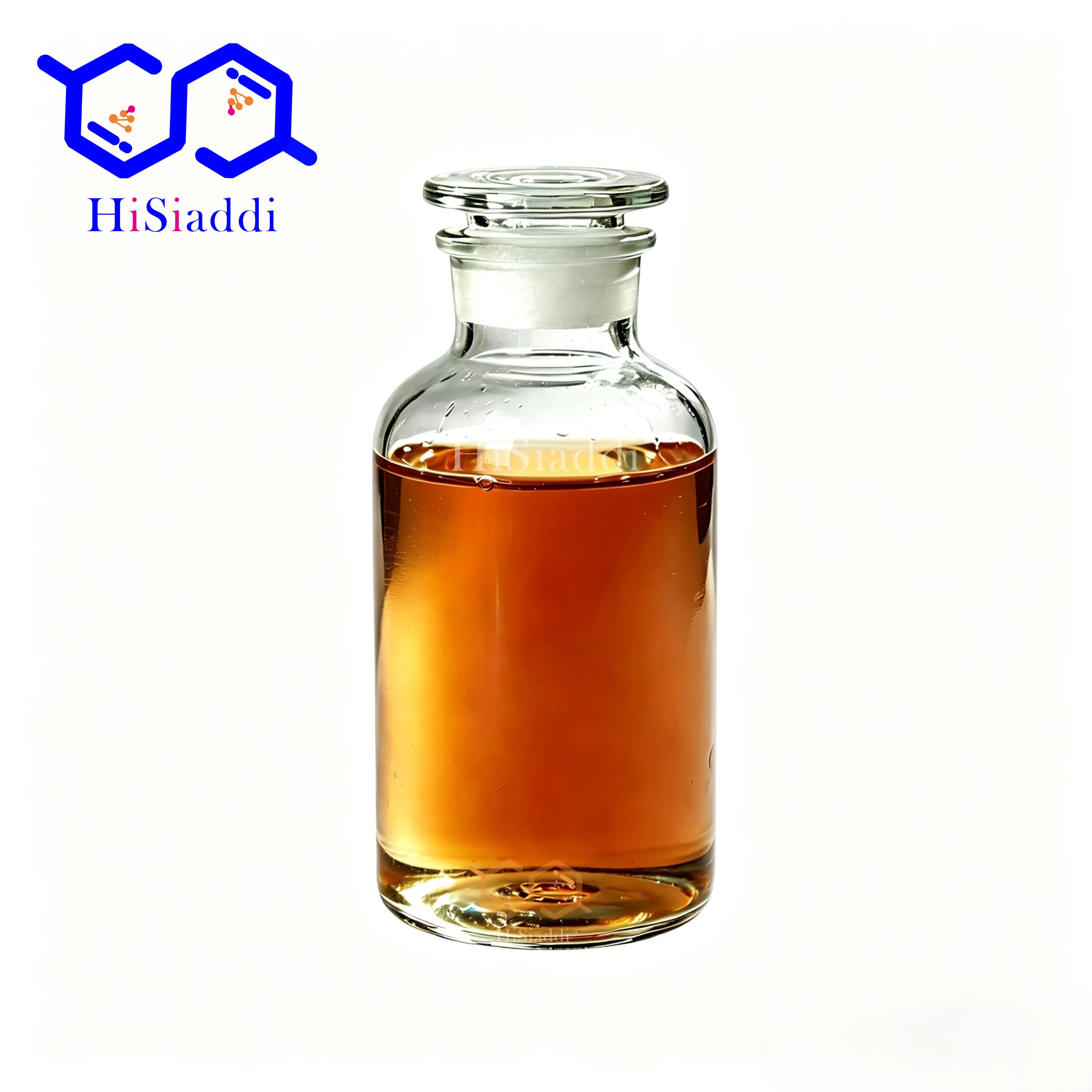
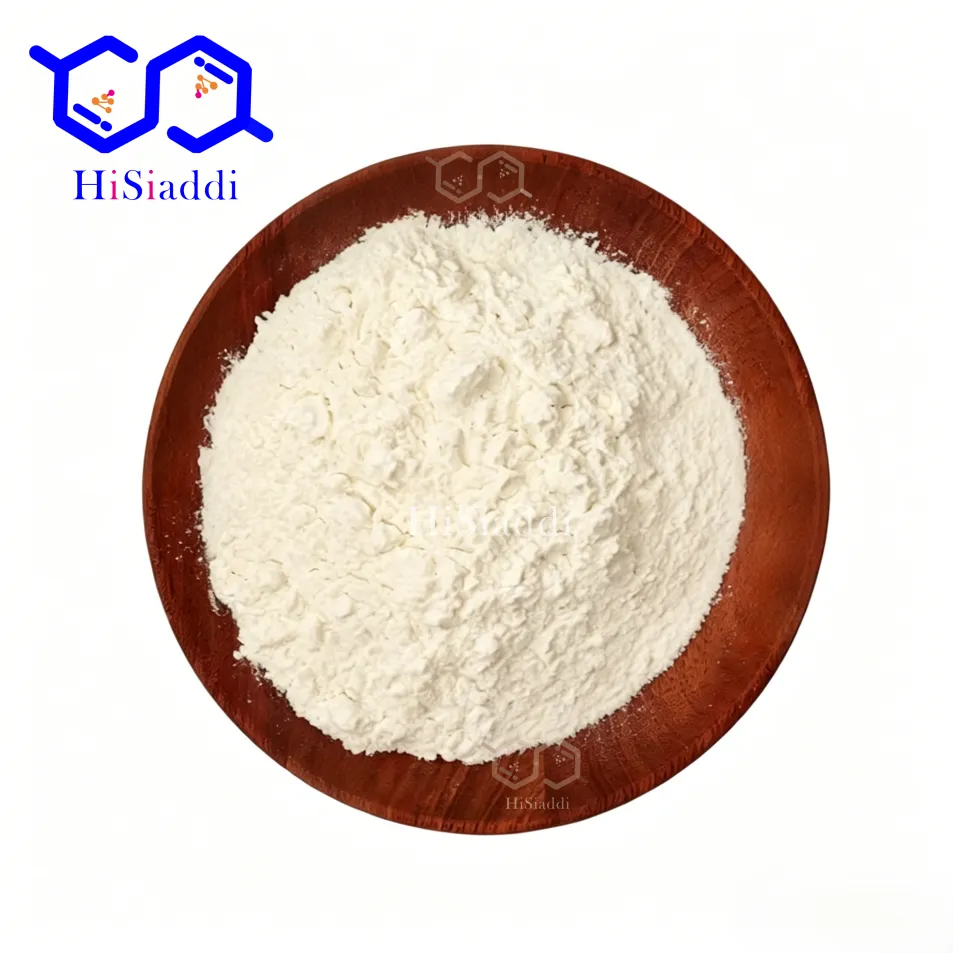
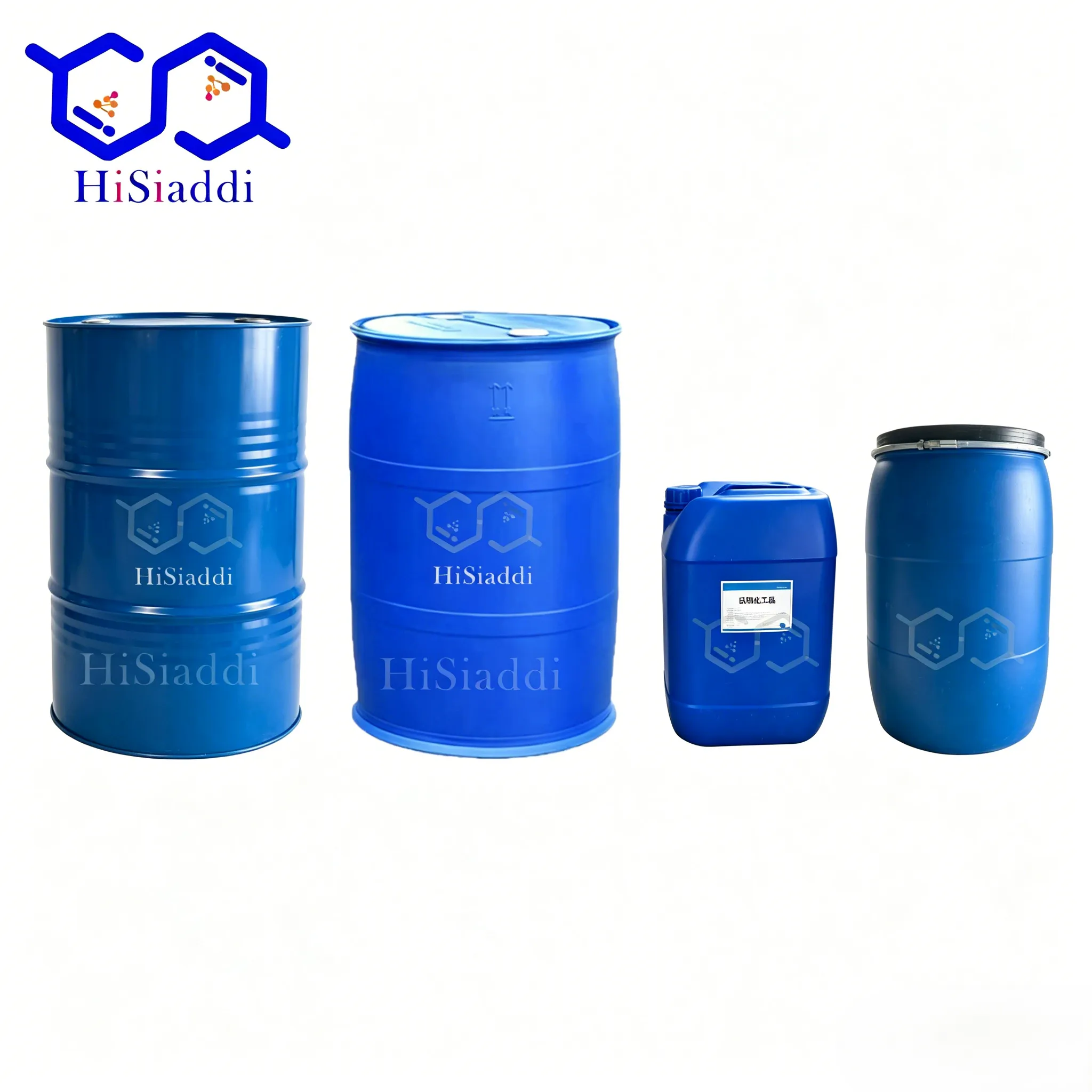
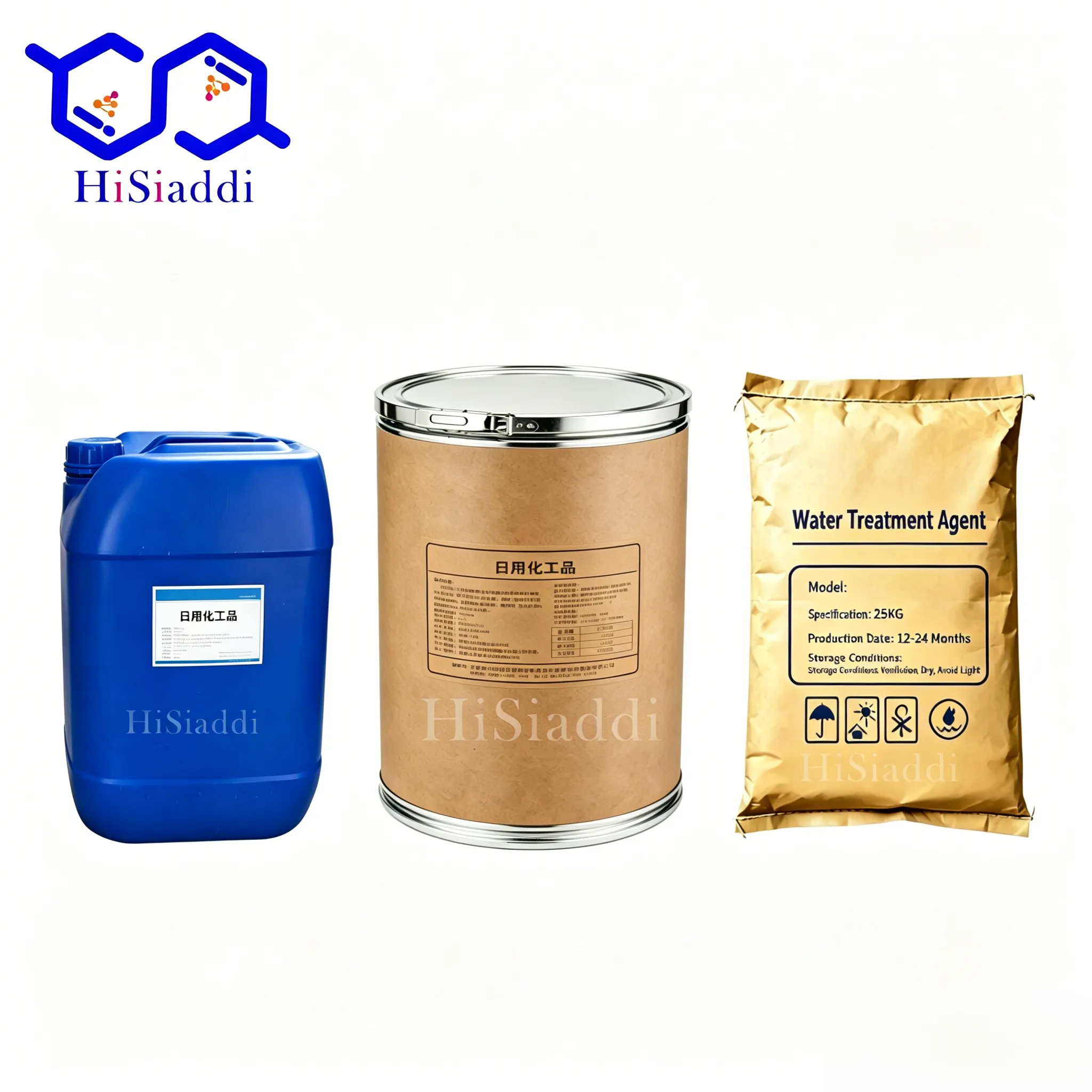
 CONTACT HiSiaddi NOW
Name: | Polyaspartic Acid | Other Name: | PASP |
CAS No. | 181828-06-8 | Brand: | Multi-brand |
MF: | (C₄H₅NO₃)n | Model Number: | Multi-models |
EINECS No. | N/A | Place of Origin: | Jiangsu, China |
Purity: | 40% | Grade: | Industrial grade |
MOQ: | 1ton | Storage: | Please refer to the product packaging or contact the customer service |
When purchasing Polyaspartic Acid (PASP) as a buyer, you may encounter the following questions:
What are the core index advantages and practical application effects of mainstream models from well-known Polyaspartic Acid brands?
What competitive services can Polyaspartic Acid suppliers offer?
What are the qualification certifications and market reputation of target Polyaspartic Acid brands?
What is the inventory status and supply stability of Polyaspartic Acid suppliers?
What key factors should be taken into account when selecting Polyaspartic Acid?
...and numerous other relevant inquiries.
Main export models: LJ PASP 40 HP (40% high-purity high-molecular-weight grade, equivalent to BASF Baypure DS 100), LJ PASP 40 SW (specialized for seawater desalination RO systems), LJ PASP 40 OIL (for high-salinity water injection in oilfields)
Core technical advantages
Accurately stabilized active content at 40.0±1.0%, weight-average molecular weight ranging from 8000 to 12000, monomer residue ≤0.3%, heavy metal content <10ppb; pale yellow transparent liquid with chroma ≤25 Hazen; stable under 120℃ high temperature and salt tolerance exceeding 14%, stable performance within pH 2-12; calcium carbonate scale inhibition rate >98%, calcium sulfate scale inhibition rate >96%, carbon steel corrosion inhibition rate >95%, fully biodegradable.
Seawater desalination grade adapts to working conditions with high calcium, magnesium, boron and salt content to protect RO membranes; oilfield grade features dual functions of anti-corrosion and scale inhibition against high formation salinity; high-molecular-weight grade boasts outstanding dispersibility for harsh industrial circulating water systems.
Excellent compatibility with polycarboxylic acid, zinc salt, biocides and reducing agents without flocculation or sedimentation; no stratification or crystallization at low temperature of 8℃, suitable for ocean transportation and storage in frigid regions worldwide.
Complete set of compliance certificates including REACH registration, RoHS certification, biodegradability test report, MSDS and COA. It is a long-term certified qualified supplier for European and American seawater desalination groups, Middle Eastern oilfield enterprises and large-scale environmental water treatment companies.
Annual output of high-purity PASP exceeds 46,000 tons, capable of undertaking annual ten-thousand-ton framework orders from international water treatment and oilfield groups.
Cost performance: Ultra-premium market positioning with unit price of 2.9-3.5 USD/kg. Its quality matches BASF products priced at 3.8-4.5 USD/kg while being 24%-30% cheaper, achieving the best cost performance globally in seawater desalination, oilfield and high-end circulating water fields.
Target B2B buyers: European and American seawater desalination plants, power plant circulating cooling water projects, Middle Eastern oilfield water injection projects, high-hardness industrial cooling water systems and green water treatment projects in large industrial parks.
Benefits for downstream buyers: High-purity high-molecular-weight formula perfectly fits harsh high-salinity and high-temperature working conditions; pure phosphorus-free and biodegradable properties easily meet the strictest EU environmental discharge regulations; high-efficiency scale and corrosion inhibition reduces chemical dosage; highly stable batch quality ensures consistent long-term system operation; complete compliance documents support direct project filing in Europe and America and avoid environmental penalties.
Benefits for end users: Scale-free and corrosion-free operation of circulating water systems; prolonged service life of seawater desalination RO membranes; long-term anti-corrosion effect on oilfield pipelines; fully compliant with global low-carbon, phosphorus-free and biodegradable development trends.
Main export models: TQ PASP 40 M (mid-to-high-end general industrial grade), TQ PASP 40 P (dedicated for power plant boiler water), TQ PASP 40 C (special for central air conditioning circulating water)
Core technical advantages
Active content at 40±1.2%, molecular weight ranging from 6000 to 9000, monomer residue ≤0.5%; balanced and stable scale inhibition and corrosion inhibition effects, good resistance to hard water and oxidative biocides, ideal for power plants, steel mills, central air conditioning and boiler circulating water systems.
High temperature resistance and wide pH adaptability suit continuous industrial operation; excellent storage stability without degradation or performance loss during long-term storage, biodegradability rate over 90%.
Owns a large-scale PASP polymerization production base in Shandong with strong mass production capacity and stable supply, free from production constraints of international brands, able to fulfill bulk long-term orders from global power plants and industrial projects.
Standard export packaging in 25kg drums and IBC totes ensures minimal loss during ocean transportation; balanced performance and cost ratio.
Cost performance: Dominant product in mid-to-high-end mainstream markets with unit price of 2.3-2.8 USD/kg. It is the most cost-effective choice for industrial circulating water and central air conditioning markets in Southeast Asia, Latin America and the Middle East, outperforming low-grade Indian PASP and priced only 50%-60% of European and American counterparts.
Target B2B buyers: Power plant cooling water facilities in Southeast Asia, iron and steel petrochemical groups in Latin America, central air conditioning projects in the Middle East and regional distributors of global water treatment chemicals.
Benefits for downstream buyers: Balanced performance applicable to all general industrial scenarios; stable bulk supply guarantees uninterrupted project operation; phosphorus-free eco-friendly properties conform to global sewage discharge standards; improved system heat exchange efficiency reduces downtime maintenance frequency.
Benefits for end users: Stable heat exchange efficiency of power plant systems; scale-free clean operation of central air conditioners; prolonged service life of industrial equipment.
Main export models: HB PASP 40 AG (for agricultural fertilizer efficiency enhancement), HB PASP 40 PC (phosphorus-free daily chemical care grade), HB PASP 40 FD (for food processing cooling water)
Core technical advantages
Customizable molecular weight, monomer residue, chelating capacity and biodegradability; agricultural grade chelates trace medium and micro elements, realizes slow-release synergism and improves fertilizer utilization rate; daily chemical grade features mild irritation-free property, phosphorus-free and eco-friendly advantages suitable for sulfate-free care products; food-grade grade contains ultra-low heavy metals with non-toxic and safe features.
Phosphorus-free and nitrogen-free, non-toxic and harmless, meeting labeling standards of global organic agriculture and green daily chemicals; strictly controlled microbial indicators comply with food processing safety specifications.
Flexible small-batch production supports customized supply ranging from 1 ton to 25 tons, perfectly meeting R&D and mass production demands of small and medium-sized enterprises in agriculture, daily chemical and food industries.
Cost performance: Top-tier product in customized segmented markets with unit price of 2.4-3.0 USD/kg. It enjoys the best market reputation worldwide in agricultural efficiency improvement and phosphorus-free daily chemical care sectors with far stronger customization capability than international industry giants.
Target B2B buyers: European and American organic fertilizer enterprises, daily chemical product factories in Southeast Asia, food and beverage cooling water projects and cross-border bio-based additive traders.
Benefits for downstream buyers: Customized technical indicators precisely match segmented application scenarios; prominent green and eco-friendly selling points; small-batch supply effectively reduces project inventory pressure.
Benefits for end users: Improved fertilizer efficiency and crop yield; mild and safe daily care products; non-toxic and pollution-free water for food production.
Main export models: JC PASP 40 G (base material for compound scale and corrosion inhibitors), JC PASP 40 D (for high-hardness industrial water), JC PASP 40 B (general bulk blending grade)
Core technical advantages
Stably maintained active content between 39.5% and 40.5%, outstanding compatibility enabling compounding with zinc salt, polycarboxylic acid, HPAA and PBTCA; suitable for high-hardness and high-turbidity industrial circulating water.
Complete basic qualification documents including REACH certification, MSDS and COA satisfy market access requirements for industrial chemicals in most countries worldwide.
Sufficient bulk spot goods stored in IBC totes with top-ranking industry production capacity, ideal for large-scale procurement by global water treatment chemical manufacturers and industrial groups.
Cost performance: Optimal choice for industrial blending segmented markets with unit price of 1.9-2.4 USD/kg. It delivers ultimate cost performance in the global bulk water treatment compounding market and outperforms inferior PASP products from Southeast Asia in overall quality.
Target B2B buyers: Global water treatment compounding chemical manufacturers, industrial circulating water operation and maintenance service providers, chemical enterprises and industrial chemical importers in the Middle East and Africa.
Benefits for downstream buyers: Low procurement cost and stable compounding performance enhance the environmental-friendly properties of blended chemicals; sufficient bulk supply supports large-scale industrial operation; universal compliance documents eliminate technical barriers for global cross-border customs clearance.
Benefits for end users: Stable scale inhibition effect of industrial circulating water systems; eco-friendly phosphorus-free blended chemicals; remarkable reduction of daily water treatment operation and maintenance costs.
Main export models: QY PASP 40 U (universal global blending grade), QY PASP 40 L (economical industrial raw material grade), QY PASP 40 EX (enhanced general export grade)
Core technical advantages
Active content ranging from 39% to 41% with balanced and stable indicators, applicable to general industrial circulating water, economical daily chemical products and basic agricultural blending scenarios worldwide.
Complete basic compliance files including basic REACH registration, MSDS and COA meet import access standards in developing countries across the globe.
Full specifications covering 25kg drums and IBC totes with perennial sufficient spot inventory and ultra-fast delivery speed, mainly undertaking large-volume bulk orders from global distributors.
Highly competitive pricing, with the unit price of QY PASP 40 L only 1.7-2.0 USD/kg, fully surpassing low-grade inferior PASP products from India and Malaysia.
Cost performance: Ultimate cost-effective choice for bulk commodity markets with unit price of 1.7-2.3 USD/kg, ranking first in cost performance in global mid-to-low-end industrial, daily chemical and agricultural markets.
Target B2B buyers: Large-scale global bio-based additive distributors, overseas daily chemical packaging factories, economical agricultural fertilizer enterprises and chemical importers in Africa and the Middle East.
Benefits for downstream buyers: Industry-lowest raw material procurement cost creates huge profit margins after repackaging and secondary blending; adequate spot goods and fast delivery ensure timely market replenishment; simplified universal compliance procedures streamline customs clearance processes.
Benefits for end users: Qualified operation of basic industrial circulating water systems; green and safe economical daily chemical products; obvious efficiency improvement effect of agricultural fertilizers.

| Brand | Main Models | Core Indicators (Active Content / Molecular Weight / Monomer Residue / Scale Inhibition Rate / Biodegradability) | Unit Price Range (USD/kg) | Cost Performance Positioning | Core Target B2B Buyers | Practical Benefits for Downstream Buyers | Specific Benefits for End Users | Core Advantages vs European & American Overseas Brands |
| Jiangsu Lvju Chemical | LJ PASP 40 HP/SW/OIL | Active content 40±1%, molecular weight 8000-12000, monomer residue ≤0.3%, scale inhibition rate>98%, 100% biodegradable, top grade for seawater desalination & oilfields | 2.9-3.5 | Top-tier cost performance for global seawater desalination & oilfield industries | European & American seawater desalination projects, power plant circulating water, Middle Eastern oilfields, high-hardness cooling water | High-purity high-molecular-weight property, phosphorus-free eco-friendly, excellent salt & temperature resistance, one-stop compliance service, ultra-stable batch quality | Extended RO membrane service life, long-term oilfield anti-corrosion effect, stable scale-free system operation | Equivalent quality to BASF with 24%-30% lower price and superior biodegradability |
| Shandong Tianquan New Materials | TQ PASP 40 M/P/C | Active content 40±1.2%, molecular weight 6000-9000, excellent hard water & oxidation resistance, stable industrial-grade performance | 2.3-2.8 | Leading brand for global industrial circulating water & central air conditioning sectors | Southeast Asian power plants, Latin American iron & steel petrochemical enterprises, Middle Eastern central air conditioning groups | Stable mass supply, compatible with full industrial scenarios, complete compliance certificates | Efficient heat exchange, prolonged equipment service life, reduced operation costs | Priced at 50%-60% of European & American brands with more reliable supply capacity |
| Guangdong Hebong Additives | HB PASP 40 AG/PC/FD | Customizable molecular weight & chelating performance, dedicated for agriculture, daily chemicals and food industry | 2.4-3.0 | Preferred choice for agricultural efficiency enhancement & daily chemical care segmented markets | European & American organic fertilizer enterprises, daily chemical factories, food processing cooling water projects | Accurate customized formulas, prominent green eco-friendly advantages, flexible small-batch delivery | Increased crop yield, mild safe care products, non-toxic food-grade water application | Stronger customization capability and lower minimum order quantity than international giants |
| Zhejiang Jucheng Fine Chemicals | JC PASP 40 G/D/B | Active content 39.5%-40.5%, strong compounding compatibility, universal for high-hardness water treatment | 1.9-2.4 | Best solution for water treatment compounding & general industrial circulating water | Global chemical compounding factories, industrial operation & maintenance service providers, chemical enterprises | Low bulk procurement cost, stable compounding effect, suitable for large-scale production | Eco-friendly and efficient blended chemicals, long-term stable operation of circulating water systems | Larger production scale and more competitive price than overseas small and medium-sized brands |
| Anhui Qingyuan Environmental Protection | QY PASP 40 U/L/EX | Active content 39%-41%, balanced overall indicators, abundant spot goods, diversified packaging options | 1.7-2.3 | Ultimate cost performance for global bulk distribution business | Global bio-based additive distributors, economical daily chemical manufacturers, chemical traders in Africa & the Middle East | Lowest procurement cost, fast spot delivery, convenient universal customs clearance | Qualified basic water treatment effect, safe economical daily chemicals, obvious agricultural synergistic effect | Most competitive global market price with better quality than low-grade Southeast Asian products |
Comparison with international giants including BASF, Solenis, Kemira and Kurita: International brands feature high brand premium, high minimum order quantity, long delivery cycles, insufficient supply of high-molecular-weight high-purity products and poor customization flexibility. In contrast, Chinese PASP products have more precise molecular weight control, lower monomer residue, stronger biodegradability, complete phosphorus-free environmental compliance standards, more affordable prices, accessible small-batch sample supply and accurate formula customization services. They are the ideal alternative solution for global enterprises engaged in seawater desalination, oilfield development, daily chemical production and agricultural development to realize import substitution, cost reduction, efficiency improvement and layout green low-carbon industries.
Comparison with low-grade PASP products from India and Southeast Asia: Overseas low-end products are characterized by low molecular weight, poor biodegradability, weak scale inhibition effect and excessive impurity content. Chinese refined PASP boasts high purity, stable performance, full compliance certification and green safety properties, firmly occupying all mid-to-high-end market shares of global bio-based scale and corrosion inhibitors.
The five major brands fully cover high-end seawater desalination & oilfield fields, general industrial circulating water, agricultural & daily chemical & food industries, industrial chemical compounding and global bulk distribution markets, perfectly satisfying diversified B2B procurement demands with different budget ranges and application scenarios worldwide.
HiSiaddi is a new foreign trade service enterprise powered by dual drivers of technology transformation and foreign trade services. It has established a "1+2+3+4=1" product service system: 1 foreign trade specialist with over 3 years of working experience, 2 chemical R&D teams, 3 high-quality suppliers and 4 shared warehouses to satisfy one-stop product demands.
With this system, HiSiaddi outperforms most foreign trade firms in the R&D optimization and technical craftsmanship of PASP, grasps market demands and competitive edges of different PASP brands better than single manufacturers, and boasts deeper insights into the global foreign trade market of this product than research institutes.
HiSiaddi only recruits foreign trade sales staff with over three years of industry experience. All salespeople must complete more than 6 months of joint training delivered by our R&D and foreign trade teams before serving clients.
(1) Basic Supporting Services for PASP
Supported by our complete foreign trade operation system, we deliver one-stop full order follow-up services for PASP, including but not limited to issuance & application of all compliance certificates, provision of full sets of third-party test reports, and handling all quality after-sales issues.
(2) Exclusive Value-Added Services for PASP
Backed by our professional R&D teams, we provide customized product matching and technical consulting solutions, covering core indicator adaptation & cost comparison of all PASP brands, regular global market analysis reports, etc.
Global biodegradable scale inhibitor market comparison reports vs BASF, Solenis and Kemira products.
Free eco-friendly marketing materials for green agriculture and water treatment enterprises.
Connect global agriculture & water treatment supply chain resources for overseas buyers.
We carry out in-depth joint R&D with source manufacturers via technology transfer, while conducting internal technical training for foreign trade teams. This enables us to deliver highly customized PASP solutions and research-level technical consultation for brand selection and formulation optimization.
(1) Research-Grade Customization Services for PASP
· Molecular weight & monomer residue precise regulation: Optimize polymerization to tailor chelating and scale-inhibiting performance for agriculture, oilfield and industrial circulating water.
(2) Research-Grade Consulting Services for PASP
· Seawater flooding & agricultural fertilizer synergistic formulation guidance; low-temperature anti-crystallization logistics plans; compound schemes with polycarboxylic acid scale inhibitors.
Our foreign trade and R&D teams jointly conduct preliminary market research, factory site inspections, full product testing and long-term technical cooperation, selecting around 3 stable, reputable, high-potential core suppliers.
(1) Advantage of Cost-Effective Factory-Direct Sourcing
Long-term technical transformation and exclusive distribution partnerships grant us access to raw materials at factory bottom prices.
(2) Full-Lifecycle Supply Chain Assurance
Long-term cooperative production supervision strengthens full batch traceability, consistent quality control and full compensation commitments for batches failing third-party inspections.
We operate four warehouses together with our supplier partners to stock hot-selling PASP inventory.
(1) Fast Regional Delivery & On-Site Troubleshooting
Our four warehouses are located at Qingdao Port (North China), Ningbo Port (East China), Shenzhen Port (South China) and Zhengzhou inland logistics hub to guarantee timely shipments. Local on-site staff can rapidly resolve transportation damage, packaging faults and export compliance issues when they arise.
(2) Price Risk Mitigation & Custom Packaging Solutions
We pre-stock inventories ahead of peak demand cycles to ease drastic seasonal price swings. Our self-owned warehouses support customized packaging, labels and printing to meet personalized branding requirements.
Multi-scenario trial sample kits for engineers: Seawater, agricultural and industrial dedicated PASP with chelation test data.
As a new-type foreign trade service provider driven by both technology commercialization and foreign trade services, HiSiaddi has established the "1+2+3+4=1" service system and can supply original factory sources of PASP from multiple well-known brands. As a foreign trade enterprise with R&D capabilities, HiSiaddi will systematically analyze common difficulties faced by B2B buyers sourcing PASP from China and propose targeted solutions from a professional perspective.
If you require more professional and in-depth analysis on PASP selection, please contact HiSiaddi customer service.
Declining scale inhibition capacity in high-calcium water, precipitation failure under extreme acid/alkaline environments, deactivation from degradation under high-temperature working conditions, excessive biological slime growth, unstable operation caused by molecular weight fluctuations
1. When water calcium hardness is elevated, conventional PASP lacks sufficient chelation to encapsulate scale crystals, leading to rapid scaling on heat exchangers and pipelines and reduced heat exchange efficiency. The root cause lies in excessively broad molecular weight distribution and poor adaptability to high-hardness water.
2. Flocculent precipitation easily occurs under strong acidic or alkaline water conditions, deactivating molecular structures and triggering pipeline blockages and sudden scaling.
3. Gradual hydrolytic degradation of chemical agents occurs above 45°C with sustained loss of efficacy, forcing increased dosing rates and elevated operational costs.
4. High levels of unpolymerized monomers and low-molecular organic matter in products act as nutrient sources for microorganisms, resulting in slime and algae proliferation in pools and pipelines, requiring additional biocide dosage.
5. Significant molecular weight differences between batches lead to unstable scale inhibition and dispersing performance, forcing operation staff to repeatedly adjust chemical dosing parameters and increasing labor costs.
1. Adopt narrow-distribution polymerization technology to enhance tolerance to high-calcium water and deliver stable scale inhibition performance in high-hardness water bodies.
2. Optimize molecular structures to widen applicable pH ranges, preventing precipitation and performance loss under strong acid and alkaline conditions.
3. Upgrade formulations to boost high-temperature and anti-hydrolysis performance, maintaining unattenuated efficacy under long-term operation at 50°C without blind dosage increases.
4. Deeply remove residual monomers and low-molecular impurities to eliminate microbial nutrient sources and reduce slime and algae growth at the source.
5. Strictly control molecular weight for each batch to maintain consistent core performance, enabling fixed long-term system operation parameters.
Unstable chelation of trace elements, delamination and flocculation when compounded with high-salinity fertilizer solutions, insufficient activity under low-temperature conditions, crop leaf burn from residual impurities, lack of organic certifications blocking access to high-end markets
1. Weak stable chelation of zinc, iron, magnesium and other medium/trace elements leads to easy nutrient precipitation and reduced crop uptake efficiency, severely diminishing fertilizer efficacy.
2. Poor compatibility when mixed with high-concentration water-soluble fertilizers causes caking and delamination, easily clogging spray nozzles for field application.
3. At low temperatures of 5–10°C, chemical penetration and spreading capacity decline, resulting in easy liquid loss and poor rain wash resistance.
4. Excessive irritating organic residues in raw materials cause yellowing and wilting of seedling and young leaves after spraying, generating planting losses.
5. Absence of EU organic agriculture and ecological fertilizer certifications and test reports blocks market access to high-end organic planting channels in Europe and America.
1. Strengthen chelating performance to firmly bind all types of medium and trace elements, extend fertilizer efficacy and boost crop nutrient uptake rates.
2. Improve salt tolerance to adapt to high-concentration salt fertilizer systems, maintaining uniform liquid state after mixing without flocculation or nozzle clogging.
3. Preserve low-temperature activity to deliver reliable penetration and adhesion under cold field conditions for stable fertilizer efficacy.
4. Adopt agricultural-grade deep refining impurity removal for mild compositions that avoid crop leaf burn, suitable for all crop varieties.
5. Supply complete biosafety and organic agricultural access test documents to support clients in developing high-end organic agricultural markets in Europe and America.
Failed dispersing capacity in high-salinity environments, weak silicate scale inhibition, easy scaling during shutdown static storage, precipitation-induced membrane blockage at low inlet water temperatures, excessive pure water TOC from organic residues
1. High salinity in seawater and brackish water destroys molecular structures via strong electrolytes, preventing effective scale crystal dispersion and causing rapid membrane surface scaling.
2. Weak inhibition of silicate and boron-silicon composite scale forms hard water deposits after long-term operation, leading to permanent attenuation of membrane flux.
3. Ion enrichment occurs rapidly during equipment shutdown with static water flow; conventional products deliver insufficient static scale inhibition, forming dense scale layers within short periods.
4. Reduced chemical solubility in low-temperature seawater precipitates fine flocs and microcrystals that block membrane pores and directly lower water production capacity.
5. High low-molecular organic residue levels push total organic carbon (TOC) in pure water above standard limits, failing to meet specifications for high-purity pure water and boiler make-up water.
1. Modify molecular structures to enhance salt tolerance, maintaining stable molecular conformation and sustained dispersing/scale inhibition performance in high-salinity water bodies.
2. Conduct special formula optimization targeting silicate and boron-silicon composite scale to effectively suppress hard scale formation and extend membrane element service life.
3. Strengthen static scale inhibition performance to stably encapsulate scale crystals during equipment startup and shutdown, avoiding sudden scaling and differential pressure rises.
4. Optimize low-temperature compatibility for complete dissolution at 5°C low-temperature water with no precipitation or membrane module blockage.
5. Deeply remove low-molecular organic residues to control TOC within standard limits and meet high-end pure water production requirements.
Fluctuating chelating values impairing finished product quality, mutual performance reduction when compounded with biocides, discoloration under high-temperature storage/shipping, turbidity when mixed with high-molecular auxiliaries, finished product delamination and efficacy attenuation after long-term storage
1. Inconsistent batch chelating values and solid content produce composite chemicals with uneven performance under fixed formulations, leading to mass defective products.
2. High impurity levels in raw materials unbalance system stability when mixed with biocides and corrosion inhibiting auxiliaries, reducing both scale inhibition and bacteriostatic effects.
3. Oxidative discoloration occurs during high-temperature warehousing and ocean shipping, prohibiting production of transparent high-end export chemicals.
4. Poor compatibility with polycarboxylate, sulfonate and other high-molecular auxiliaries generates turbid liquid and flocs after mixing, restricting high-end product manufacturing.
5. Insufficient system stability causes finished compound chemicals to delaminate and lose efficacy after long-term storage, failing shelf-life standards for overseas products.
1. Precisely lock core parameters including chelating value and solid content for uniform batch indicators, enabling direct mass production under existing formulas and stable finished product quality.
2. Deep purification removes interfering impurities for compatibility with all types of auxiliaries and biocides, delivering synergistic performance gains after compounding.
3. Adopt decolorization and anti-oxidation processes for transparent raw materials resistant to discoloration under high temperatures, suitable for high-end private label chemical production.
4. Develop low-interference pure systems that remain transparent and homogeneous with no turbidity or precipitation when mixed with mainstream high-molecular auxiliaries.
5. Enhance overall system stability for finished compound chemicals that remain undelaminated with unattenuated performance after 12 months of ambient-temperature storage, meeting long-cycle circulation requirements.
Counterfeit high-purity adulterated products, artificially diluted active ingredients, degradation and deterioration under high-temperature ocean shipping, incomplete compliance documents causing customs detention, component sedimentation after long-term tote storage
1. Some suppliers adulterate cheap polymers to counterfeit pure PASP with substandard biodegradation rates, resulting in failed environmental testing and project acceptance for end clients.
2. Artificial water dilution with falsely labeled solid content and active indicators drastically reduces chelating and scale inhibition effects for end users, triggering returns and compensation claims.
3. High-temperature enclosed environments during ocean shipping accelerate chemical hydrolysis and oxidation, leading to obvious efficacy attenuation upon arrival.
4. Missing REACH-SVHC screening, CLP safety data sheets, biodegradation reports and other English compliance documents result in customs detention in Europe and America and ban local sales.
5. Long-term static storage of bulk IBC totes triggers light/heavy component sedimentation that cannot be fully homogenized via simple stirring, leading to uneven indicators for repackaged small-batch products.
1. Supply 100% pure polyaspartic acid with batch-by-batch biodegradation test reports, zero adulteration and support for third-party global re-inspection.
2. Issue full-item test reports per batch with truthful labeling of solid content, chelating value and other indicators; no dilution or false labeling to guarantee end-use performance.
3. Stabilize products against high-temperature degradation with anti-hydrolysis and anti-oxidation treatment, maintaining consistent quality with factory standards after long-distance ocean shipping.
4. Deliver complete sets of English compliance documents with goods, including safety specifications, hazardous substance screening and ecological testing reports, enabling unimpeded customs clearance and market circulation.
5. Optimize material homogeneity with standardized stirring protocols to suppress component sedimentation and deliver uniform indicators for all repackaged batches.
For more professional and in-depth analysis on PASP selection, please contact HiSiaddi customer service.
Challenges in customized product form: Commercially mass-produced PASP is mostly liquid with 40% solid content. Powdered PASP requires high-temperature vacuum spray drying, which most regular production lines lack supporting equipment for; retrofitting lines incurs high costs, so manufacturers show low willingness to produce small trial orders. The client specified the L-aspartic acid biosynthetic route instead of the low-cost maleic anhydride process, limiting available raw material procurement channels.
High threshold for overseas certification: Australian registration for water-relevant chemicals requires full testing of toxicology and biodegradability. The client was unfamiliar with standards of Chinese testing institutions, leading to uncontrollable cross-border testing cycles.
Barriers to packaging and ocean transportation: Powdered PASP readily absorbs moisture and agglomerates. The ocean shipping voyage to Australia lasts 38 days, and conventional woven bag packaging fails to meet moisture-proof standards. The client mandated double-layer vacuum aluminum foil lining plus 25 kg fiber drum packaging.
Fluctuating raw material supply: Bio-based L-aspartic acid faced periodic supply shortages, creating risks of raw material stockouts during mass production.
Integrated customized production via resource coordination: HiSiaddi screened leading manufacturers equipped with complete biosynthetic PASP production lines and supporting spray drying facilities, signing exclusive dedicated production scheduling agreements. It coordinated upstream bio-raw material suppliers to lock in monthly L-aspartic acid supply volumes. Strict control was implemented over polymerization temperature and hydrolysis pH value, and finished products underwent three-stage vacuum drying. Four consecutive batches of finished products tested with solid content between 98.7% and 99.2%, with molecular weights falling fully within the client’s specified range.
One-stop agency service for compliance certification: HiSiaddi collaborated with CNAS-accredited domestic laboratories to complete full toxicology and biodegradability tests in accordance with APVMA standards of Australia. Australian chemical registration and RCM certification were secured within 42 days, with complete Chinese-English test reports and registration documents delivered to the client simultaneously.
Customized moisture-proof packaging solution: HiSiaddi partnered with packaging manufacturers to develop packaging with double-layer vacuum aluminum foil inner lining and thickened fiber drums. Drums were printed with bilingual Chinese-English text and English safety labels to eliminate the risk of caking caused by moisture absorption during ocean transit. The 200 kg sample batch was split into 8 pallets and airfreighted to Perth for a 35-day on-site working condition test.
Phased delivery control: On-site testing of the samples at the mine achieved dual qualified indicators for scale inhibition in beneficiation circulating water and corrosion inhibition for underground pipelines – calcium carbonate scale inhibition rate reached 94.2% and carbon steel corrosion inhibition rate hit 91.8%. HiSiaddi coordinated the manufacturer to produce 60 tons of powdered PASP in three separate batches, shipped via two ocean vessels, with full tracking of shipping schedules and Australian customs clearance progress.
Incorrect compound formulation ratio: The client copied the ratio used for European chelating agents, mixing high-concentration PASP directly with zinc sulfate and magnesium sulfate trace elements at a PASP-to-zinc salt ratio of 2:1, exceeding the maximum chelation capacity of PASP. High-valent metal ions damaged the molecular chain structure of PASP, generating insoluble chelate salt precipitates. Meanwhile, uncontrolled pH in the compound system (measured at pH 11.3, outside PASP’s stable range of 7.0–9.5) accelerated chemical agent hydrolysis and failure.
Errors in client production and field application processes: The client mixed all components in one batch under high-temperature conditions without adopting a stepwise feeding process. For field drip irrigation, undiluted stock solution was applied at high concentration; free calcium and magnesium ions in soil instantly reacted with unbound PASP to form scale and block pipelines.
Cross-border sampling, testing and root cause tracing: HiSiaddi technical staff coordinated with local partner testing institutions in Turkey to collect samples of raw PASP solution and flocculated fertilizer for testing. Test results confirmed all factory delivery indicators of PASP complied with contractual standards (50.2% solid content, qualified molecular weight and biodegradability), proving malfunctions stemmed from the client’s compounding process rather than product defects.
Customized localized optimized compound formulation: Taking into account local Turkish groundwater with high calcium and magnesium content, HiSiaddi issued revised fertilizer compounding standards: the optimal PASP-to-zinc salt ratio adjusted to 5:1, stepwise feeding adopted throughout compounding (dilute PASP aqueous solution first, then add trace elements slowly), and citric acid used to fine-tune system pH to 8.0–8.6. Five small-batch fertilizer samples were produced and stored for 30 days at room temperature and 5°C with no stratification or precipitation observed, verifying stable chelation performance.
On-site remediation of semi-finished inventory: The client was guided to re-neutralize and re-compound the 38 tons of defective semi-finished inventory by adding supplementary PASP stock solution and buffer regulators. All remediated fertilizer passed quality inspection and was filled for shipment, avoiding losses from full-batch product returns.
On-site technical training for application: HiSiaddi compiled a Turkish-language PASP Fertilizer Compounding & Field Application Guide, and delivered online video training sessions for the client’s R&D and production teams. Clear specifications were provided: stock solution must be diluted 300–500 times prior to field drip irrigation, alongside a simple modification plan for dilution tanks.
Lead time
Quantity (ton) | 0 - 10 | 10 - 30 | > 30 |
Lead time (days) | 7 | 15 | To be negotiated |
The monthly inventory volume of PASP is 150 tons, with appropriate adjustments upwards or downwards in response to peak and off-peak seasons.
HiSiaddi safeguards the supply stability of PASP through the following measures:
(1) Performance evaluation and screening of PASP brand factories based on on-time delivery rate, batch pass rate, timeliness of risk alerts, and completeness of documentation to assess their supply stability.
(2) For each mainstream model or major grade of PASP, secure 1 primary high-quality brand manufacturer and 2 backup high-quality manufacturers.
(3) Each factory operates independent production lines in separate production zones to prevent production halts caused by major unforeseen incidents such as environmental production suspensions and power outages.
Through long-term cooperation with brand manufacturers via technology commercialization and authorized distribution channels, HiSiaddi can effectively strengthen supervision over the production processes of brand manufacturers, optimize full-process traceability management, improve batch stability control, and further reinforce real-time monitoring of the supply stability of PASP products.
Long-term Annual Framework Supply Guarantee Agreement. HiSiaddi signs 12-month long-term agreements with leading manufacturers. The agreements specify the minimum guaranteed supply volume, maximum price hike range, and priority production scheduling rights during peak seasons. It is stipulated that manufacturers shall issue a 30-day prior written notice if production is suspended due to environmental rectification or equipment maintenance, and backup manufacturers will be activated to replenish goods accordingly.
We have 4 warehouses, which are jointly operated and managed with suppliers to store hot-selling products.The four warehouses are located at Qingdao Port in North China, Ningbo Port in East China, Shenzhen Port in South China, and Zhengzhou, China’s inland logistics hub. This setup guarantees sufficient supply and timely shipment of PASP during peak seasons.
HiSiaddi issues a rolling demand forecast covering the subsequent three months on the 25th of each month, allowing manufacturers to reserve production capacity in accordance with the forecast. Any new urgent orders from overseas clients will be prioritized to draw on inventories or production capacity from backup manufacturers.
Unstable logistics for PASP will extend delivery lead times. HiSiaddi has established alternative arrangements covering multiple freight forwarders, ports and transportation solutions:
(1) Binding of multiple professional chemical freight forwarders for PASP
Each product is assigned 2 to 3 freight forwarders with hazardous chemical/food transport qualifications affiliated with different shipping lines. Alternative sailing schedules can be switched to immediately in case of space shortages or customs inspections on a single shipping route.
(2) Backup transportation solutions for PASP
Ocean freight serves as the standard mode; air freight and rail freight are reserved as alternatives for urgent orders. Long-term agreements for temperature-controlled containers are signed for temperature-sensitive and perishable food additives to secure shipping space.
(3) Visual tracking and digital early warning for PASP
Freight forwarders synchronize daily updates on container loading, customs declaration, vessel loading and port arrival milestones. If customs inspection occurs, replenishment from backup inventory will be initiated immediately to shorten client waiting periods.
Full-chain digital early warning automatically monitors four categories of risks:
Factory side: Expiring supplier environmental assessment certificates, renewal of production permits, scheduled major equipment overhauls, and notifications of price hikes for upstream raw materials;
Inventory side: Inventory falling below safety thresholds, excessive inventory age, and batches failing quality inspection;
Logistics side: Shipping line space shortages, strikes at destination ports, and updates to customs policies;
Overseas side: Revisions to additive regulations and adjustments to import restriction lists in target countries.
Early warning notifications are automatically pushed to procurement and business leads, allowing backup suppliers or inventory contingency plans to be activated in advance
As a new foreign trade service provider driven by dual engines of technology transformation and foreign trade, HiSiaddi has built a "1+2+3+4=1" service system and can supply original products from multiple well-known PASP brands.
As an R&D-oriented foreign trade service provider, HiSiaddi does not only promote a single manufacturer’s products. We objectively analyze multiple export-competitive leading Chinese PASP brands and share their certifications and market feedback to help buyers make efficient, secure purchasing decisions.
If you require more authentic, objective information on multiple leading Chinese PASP brands, please contact HiSiaddi customer service.
· TH-PASP-101: 40% Liquid Sodium Polyaspartate (General Industrial Water Treatment Grade), molecular weight 1,000–5,000 Da, scale inhibition rate ≥98%.
· TH-PASP-202: 95% Potassium Polyaspartate Powder (Premium Liquid Fertilizer Grade), calcium, magnesium and zinc ion chelation efficiency ≥95%.
· TH-PASP-303: High-Purity Modified PASP (Semiconductor / Pharmaceutical Grade), purity ≥98%, PDI ≤1.15, residual metal ions ≤5 ppm.
1. Industrial Water Treatment: Mass orders from European power and petrochemical enterprises (RWE Group, TotalEnergies). After replacing phosphorus-based chemicals, total phosphorus in circulating water discharge remains stable below 0.1 mg/L, cutting equipment maintenance costs by 35% with a 100% repeat order rate for three consecutive years.
2. Agriculture: Fertilizer manufacturers in Southeast Asia (Vietnam, Thailand) and the Middle East (Israel, Saudi Arabia) adopt TH-PASP-202. Field trials show 22%–28% higher fertilizer utilization and 10%–15% crop yield growth, earning recognition as a "Green Efficiency-Enhancing Product" by the Southeast Asian Agricultural Materials Association.
3. High-End Customization: Supplies TH-PASP-303 to Samsung Semiconductor (South Korea) and TSMC (Taiwan, China) for ultrapure water systems; export volume surged 42% year-on-year in 2025, making Taihe the sole Chinese PASP brand integrated into global semiconductor supply chains.
· International Certifications: Full-model EU REACH registration, US EPA Drinking Water Additive Certification, ISO14001 / ISO9001, ISO14067 Carbon Footprint Certification.
· Domestic Qualifications: Co-formulator of the HG/T3822-2020 industry standard, MIIT Green Manufacturing Demonstration Enterprise, Leading Enterprise Certification from the China Water Treatment Agent Association.
· International Awards: Winner of the 2024 Sustainable Chemical Innovation Award by the European Chemical Industry Council (Cefic), the only Asian PASP manufacturer to receive the honor.
· FM-PASP-A1: 40% Liquid Bio-PASP (Agricultural Fertilizer Synergist Grade), 28-day biodegradability ≥92% via bio-fermentation production.
· FM-PASP-B2: PASP-PESA Compound Agent (Oilfield Reinjection Water / Seawater Desalination Grade), heat-resistant up to 120°C, scale inhibition rate ≥96%.
· FM-PASP-C3: Low-Metal PASP (Electronics / Daily Chemical Grade), heavy metal residue ≤1 ppm, compatible with sensitive skin detergents.
1. Agriculture: Ten-thousand-mu demonstration trials in Vietnam’s Mekong Delta and Thailand’s major rice-producing regions. FM-PASP-A1 cuts nitrogen runoff by 30% and improves soil compaction by 40%, recommended as a premium fertilizer additive by the Southeast Asian Rice Growers Association.
2. Oilfields: Cooperates with Saudi Aramco and ADNOC. Replacing traditional polyacrylate chemicals reduces wastewater COD emissions by 63%, earning recognition as an "Eco-Friendly Oilfield Chemical" by the Middle East Petrochemical Association; Middle East export revenue rose 38% in 2025.
3. Daily Chemicals: Supplies European natural personal care brands (Weleda, L’Occitane). FM-PASP-C3 is used in sensitive skin laundry detergents to chelate water metal ions and prevent fabric yellowing, with a 92% client repeat order rate.
· International Certifications: EU REACH registration, ECOCERT Organic Agriculture Certification, EU Ecolabel, OECD 301F Biodegradability Certification.
· Domestic Qualifications: MIIT Green Design Product Certification, Recommended Product by the National Agricultural Technology Extension Service Center under the Ministry of Agriculture and Rural Affairs, Standing Director Unit of the China Biostimulant Committee.
· Technical Endorsement: Operates China’s first 10,000-ton annual bio-fermentation PASP production line; technical achievements featured in the 2025 Green Technology Casebook of China Petroleum & Petrochemical Industry.
· YL-PASP-L1: Low-Molecular-Weight Sodium PASP (High-Hardness Water Grade), molecular weight 3,000–5,000 Da, scale inhibition rate ≥98%.
· YL-PASP-M2: Medium-Molecular-Weight Potassium PASP (Industrial Circulating Water / Seawater Desalination Grade), molecular weight 8,000–15,000 Da, corrosion inhibition rate ≥90%.
· YL-PASP-H3: Customized PASP Powder (Coating / Papermaking Dispersant Grade), purity ≥95%, PDI ≤1.2.
1. Industrial Water Treatment: European steel and power plants (Thyssenkrupp, Enel) purchase YL-PASP-L1 for high-hardness circulating water, lifting concentration ratios from 3.0 to 5.5, saving 1.2 million tons of water annually and cutting equipment cleaning frequency by 75%.
2. Agriculture: Exported to Spain, France and Australia for grape and citrus cash crops. YL-PASP-M2 boosts medium and trace element absorption by 30% and reduces physiological crop diseases, certified as a "Green Chelating Agent" by the European Agricultural Association.
3. Coatings & Papermaking: Supplies coating manufacturers in Turkey and Russia. YL-PASP-H3 improves pigment dispersion and coating weather resistance by 20%; for European paper mills, it reduces fiber loss and boosts paper strength by 15%.
· International Certifications: EU REACH registration, ISO9001 / ISO14001, OHSAS18001, US TSCA Inventory Listing.
· Domestic Qualifications: National High-Tech Enterprise, Co-formulator of the HG/T3822-2020 industry standard, China Environmental Label Product Certification.
· Technical Recognition: Self-developed "Gradient Polymerization – Controlled Depolymerization" technology delivers precise molecular weight regulation (PDI ≤1.2), jointly certified by Nankai University and Beijing University of Chemical Technology.
· XT-PASP-1: 40% Liquid Sodium PASP (General Industrial Grade), cost-effective, preferred by small and medium enterprises globally.
· XT-PASP-2: 95% PASP Powder (General Agricultural / Daily Chemical Grade), powerful chelation compatible with compound and water-soluble fertilizers.
· XT-PASP-3: Modified PASP (Gypsum Retarder / Soil Conditioner Grade), tailored for construction material and soil improvement applications.
1. General Industrial Market: Exported to India, Indonesia, Brazil, Russia and other emerging markets. XT-PASP-1 captures over 60% of local PASP market share via cost efficiency and stable performance, listed as a "Standard Scale Inhibitor" by the Indian Water Treatment Association.
2. Agriculture: Widely adopted in Australia, New Zealand and South Africa for pastures and orchards. XT-PASP-2 improves fertilizer utilization by 25% and cuts chemical fertilizer dosage by 20%, filed for agricultural import certification by South Africa’s Ministry of Agriculture.
3. Construction Materials: Supplies gypsum manufacturers in Turkey and the Middle East. XT-PASP-3 accelerates gypsum setting by 20% and boosts structural strength, covering over 80% of gypsum plants across the Middle East.
· International Certifications: EU REACH registration, US TSCA Inventory Listing, Cosmetic Ingredient Inventory Listing, ISO9001 / ISO14001.
· Domestic Qualifications: Primary Formulator of the HG/T3822-2020 industry standard, National Key New Product (Recognized 2004), Standing Director Unit of the Biostimulant Committee under the China Inorganic Salts Industry Association.
· Historical Endorsement: Partnered with Tianjin University to realize domestic PASP industrialization in 2000, filling a national technology gap; led the drafting of the industry standard in 2005, laying the foundation for China’s PASP industry.
· XT-PASP-100: 40% Liquid Sodium PASP (Economical Industrial Grade), scale inhibition rate ≥95%, suited for small-to-medium circulating water systems.
· XT-PASP-200: PASP Compound Scale Inhibitor (PASP + PBTCA Blend, High-Temperature & High-Hardness Water Grade), heat-resistant up to 90°C.
· XT-PASP-300: Oilfield-Specific PASP (High-Molecular-Weight), for oilfield reinjection water and fracturing fluid dispersants.
1. Emerging Industrial Markets: Exported to Southeast Asia, the Middle East and South America. XT-PASP-100 delivers equivalent performance at prices 30% lower than European and American alternatives; exports to Vietnam and Malaysia rose 45% year-on-year in 2025.
2. Oilfield Sector: Participated in major projects including Saudi Yanbu Petrochemical and Iraq Basra Oilfield. XT-PASP-300 replaces imported chemicals with a ≥99% scale inhibition rate, enabling 18-month scale-free system operation, earning unanimous praise from Middle Eastern EPC contractors.
3. Water Treatment Engineering: Supplies chemical agents for municipal sewage and reclaimed water reuse projects across Southeast Asia. XT-PASP-200 adapts to high-hardness, high-salinity water, with a 100% project acceptance pass rate and over 50 long-term cooperative clients.
· International Certifications: EU REACH registration, ISO9001 / ISO14001, US TSCA Inventory Listing.
· Domestic Qualifications: Vice Chairman Unit of the China Industrial Water Treatment Association, Provincial Enterprise Technology Center, Chemical Industry "Quality Trustworthy Enterprise".
· Project Endorsement: Supplied chemical agents for 12 large international water treatment EPC projects from 2024 to 2025, passing strict client performance testing and certification.
· Taihe Technology: Largest production capacity + leading high-purity technology; ideal for semiconductor, pharmaceutical and large-scale high-end industrial projects.
· Fumiao Technology: Bio-based core strengths + dual agricultural & oilfield expertise; most comprehensive green certifications, suited for organic agriculture and eco-friendly oilfield projects.
· Yuanlian Chemical: Precise molecular weight control + superior stability; optimized for extreme high-hardness / high-temperature working conditions and high-end agricultural projects.
· Xietong Chemical: Industry standard originator + optimal cost performance; ideal for general global industrial, agricultural and construction material markets with cost-sensitive budgets.
· Xintai Water Treatment: Full industrial chain integration + deep emerging market presence; suited for small-to-medium industrial and oilfield projects in emerging economies.
· High-End Projects (Semiconductors / Pharmaceuticals / Large-Scale Industry): Prioritize high-purity grades from Taihe Technology.
· Organic Agriculture / Eco-Friendly Oilfield Projects: Prioritize bio-based grades from Fumiao Technology.
· Extreme Working Conditions (High Hardness / High Temperature): Prioritize precise molecular weight grades from Yuanlian Chemical.
· General Markets / Cost-Sensitive Projects: Prioritize classic grades from Xietong Chemical.
· Emerging Markets / Small-to-Medium Projects: Prioritize cost-effective grades from Xintai Water Treatment.
If you require more authentic, objective information on multiple leading Chinese PASP brands, please contact HiSiaddi customer service.
As a new foreign trade service provider driven by dual engines of technology transformation and foreign trade, HiSiaddi has built a "1+2+3+4=1" service system and can supply original products from multiple well-known PASP brands.
As an R&D-oriented foreign trade service provider, HiSiaddi does not only promote a single manufacturer’s products. We objectively analyze multiple export-competitive leading Chinese PASP brands and share their production processes, supply stability and key indicators, as well as the downstream procurement impacts of these core factors, to help buyers make efficient, secure purchasing decisions.
If you require more authentic, objective information on multiple leading Chinese PASP brands, please contact HiSiaddi customer service.
1. TH-PASP-101 (40% Liquid Sodium PASP, General Industrial Grade): Maleic Anhydride – Ammonia Aqueous Thermal Polycondensation (Mainstream Maleic Anhydride Route)
o Process Flow: Maleic anhydride + ammonia water → salt formation → high-pressure thermal polymerization at 200°C → polysuccinimide (PSI) generation → hydrolysis with NaOH → concentration & decolorization → finished product
o Core Advantages: Low raw material costs (bio-based feedstock <10%), large single-batch capacity (50 m³ reactors, 200 tons per batch), easy waste treatment, suited for 10,000-ton annual mass production.
2. TH-PASP-202 (95% Potassium PASP Powder, Premium Agricultural Grade): Maleic Anhydride Route + Potassium Salt Displacement Refining
o Process Flow: Maleic anhydride synthesis of sodium PASP → membrane filtration impurity removal → sodium ion displacement via KOH → spray drying → high-purity powder
o Core Advantages: Purity raised to 95%, sodium ion residue <0.5%, compatible with premium liquid fertilizers to avoid soil compaction.
3. TH-PASP-303 (High-Purity Modified PASP, Semiconductor / Pharmaceutical Grade): Bio-Based L-Aspartic Acid Thermal Polycondensation + Precision Membrane Separation
o Process Flow: Fermentation-derived L-aspartic acid → solvent-free vacuum thermal polycondensation at 180°C → PSI intermediate → hydrolysis → nanofiltration / reverse osmosis refining → high-purity finished product
o Core Advantages: Purity ≥98%, residual metal ions ≤5 ppm, PDI ≤1.15, zero organic solvent residue, compliant with semiconductor ultrapure water standards.
· Production Scale: Total annual capacity of 22,000 tons (20%+ of global share), dual manufacturing bases in Zaozhuang (Shandong) and Yancheng (Jiangsu), single line annual capacity 12,000 tons.
· Operating Rate: Steady 90%–95% annual utilization; full-load production during peak seasons (agricultural fertilizer preparation / EU-US water treatment tender cycles) with no supply disruptions from scheduled maintenance.
· Inventory Guarantee: 5,000 tons permanent stock of general-grade TH-PASP-101; 1,000 tons permanent stock of high-end TH-PASP-202 / 303, capable of fulfilling emergency single-batch orders up to 500 tons.
· Delivery Record: 100% on-time delivery for global orders in 2025; average 8-day lead time for European and Southeast Asian clients with zero delivery delays.
表格
Grade | Solid Content | Molecular Weight (Da) | PDI (Polydispersity Index) | Chelation Value (mg Ca/g) | Biodegradability Rate |
TH-PASP-101 | 40% ±1% | 3,000–5,000 | ≤1.25 | ≥320 | ≥90% |
TH-PASP-202 | 95% ±0.5% | 8,000–12,000 | ≤1.20 | ≥350 | ≥92% |
TH-PASP-303 | 98% ±0.3% | 5,000–10,000 | ≤1.15 | ≥380 | ≥95% |
1. Industrial Water Treatment Clients: Batch-to-batch scale inhibition fluctuation ≤2% for TH-PASP-101, delivering stable ≥98% scale inhibition under high-hardness water (hardness >500 mg/L) to prevent equipment scaling shutdowns; 8%–10% lower per-ton water chemical costs vs. small-scale manufacturers, ideal for large circulating water systems.
2. Premium Agricultural Fertilizer Clients: TH-PASP-202 potassium content ≥28%, 95%+ chelation efficiency for calcium, magnesium and zinc ions, capable of directly replacing imported chelated micronutrient fertilizers; improved finished fertilizer stability extending shelf life to 24 months.
3. High-End Electronics / Pharmaceutical Clients: TH-PASP-303 residual metal ions ≤5 ppm with robust batch uniformity, eliminating ion contamination risks in ultrapure water systems; compliant with GMP and semiconductor cleanroom standards to support long-term partnerships with top-tier high-end clients.
1. FM-PASP-A1 (40% Liquid Bio-PASP, Agricultural Grade): Bio-Fermentation & Thermal Polycondensation Coupling Process (100% Bio-Based)
o Process Flow: Corn starch fermentation → L-aspartic acid (purity ≥99%) → solvent-free vacuum thermal polycondensation at 170°C → PSI → hydrolysis → activated carbon decolorization → finished product
o Core Advantages: 100% bio-based feedstock with zero petrochemical raw materials, 28-day biodegradability ≥92%, eligible for ECOCERT organic agriculture certification.
2. FM-PASP-B2 (PASP-PESA Compound Agent, Oilfield / Seawater Desalination Grade): Bio-Based PASP + PESA Catalytic Blending Process
o Process Flow: Bio-based PASP (molecular weight 8,000–15,000) + Polyepoxysuccinic Acid (PESA) → catalytic blending → high-temperature stabilization treatment → finished product
o Core Advantages: Heat-resistant up to 120°C, salinity tolerance up to 10%, 63% lower COD discharge, suited for high-temperature reinjection water in Middle Eastern oilfields.
3. FM-PASP-C3 (Low-Metal PASP, Daily Chemical / Electronics Grade): Bio-Based Thermal Polycondensation + Ion Exchange Refining Process
o Process Flow: Bio-based L-aspartic acid thermal polycondensation → hydrolysis → strong acid cation exchange resin metal ion removal → concentration → finished product
o Core Advantages: Heavy metal residue ≤1 ppm, low odor, light color (APHA <50), compatible with sensitive skin and infant care detergents.
· Production Scale: Total annual capacity of 15,000 tons, China’s first dedicated 10,000-ton bio-based PASP production line with single line annual capacity 10,000 tons.
· Operating Rate: Bio-based line maintains steady 95%+ full-load utilization; flexible blending lines enable rapid switching between oilfield and daily chemical grades.
· Inventory Guarantee: 3,000 tons permanent peak-season stock of agricultural FM-PASP-A1; 1,500 tons permanent stock of oilfield FM-PASP-B2, supporting long-term framework orders for major Middle Eastern and Southeast Asian clients.
· Delivery Record: Average 10-day lead time for agricultural clients in Vietnam and Thailand, 12 days for Middle Eastern oilfield clients, with a 92% repeat order rate.
表格
Grade | Solid Content | Molecular Weight (Da) | PDI | Bio-Based Content | 28-Day Biodegradability Rate |
FM-PASP-A1 | 40% ±1% | 5,000–8,000 | ≤1.20 | 100% | ≥92% |
FM-PASP-B2 | 50% ±1% | 8,000–15,000 | ≤1.25 | 70% | ≥90% |
FM-PASP-C3 | 40% ±0.5% | 4,000–6,000 | ≤1.18 | 100% | ≥93% |
1. Organic Agriculture / Biostimulant Clients: 100% bio-based FM-PASP-A1 complies with EU organic farming standards, enabling finished fertilizer products to carry organic certification labels and unlock 30%–50% premium pricing; field trials deliver 10%–15% crop yield growth with high farmer repeat purchase rates.
2. Eco-Friendly Oilfield Chemical Clients: Heat and salinity resistant FM-PASP-B2 cuts oilfield wastewater COD emissions by 63% after replacing traditional polyacrylate chemicals, meeting strict Middle Eastern environmental standards and enabling access to supply chains of Saudi Aramco and ADNOC.
3. Natural Daily Chemical Clients: Low-metal, low-odor FM-PASP-C3 fits sensitive skin care formulations, delivering non-irritating laundry products free of fabric yellowing; compliant with EU ECOCERT natural personal care certification to strengthen brand competitiveness.
1. YL-PASP-L1 (Low-Molecular-Weight Sodium PASP, High-Hardness Water Grade): Maleic Anhydride Route + Gradient Polymerization Process
o Process Flow: Maleic anhydride + ammonia water → salt formation → three-stage temperature gradient thermal polymerization at 180°C → PSI → hydrolysis → precise molecular weight locking (3,000–5,000 Da) → finished product
o Core Advantages: Molecular weight deviation ≤±300 Da, PDI ≤1.2, ≥98% scale inhibition under ultra-high-hardness water (hardness >800 mg/L).
2. YL-PASP-M2 (Medium-Molecular-Weight Potassium PASP, Agricultural / Seawater Desalination Grade): Bio-Based L-Aspartic Acid Thermal Polycondensation + Controlled Depolymerization Process
o Process Flow: L-aspartic acid → vacuum thermal polycondensation → high-molecular-weight PSI → controlled depolymerization (precision chain scission) → hydrolysis → potassium salt displacement → locked molecular weight 8,000–15,000 Da → finished product
o Core Advantages: Extremely narrow molecular weight distribution, high chelating activity boosting medium and trace element absorption by 30%, suited for cash crops including grapes and citrus.
3. YL-PASP-H3 (Customized PASP Powder, Coating / Papermaking Grade): Maleic Anhydride Route + Membrane Filtration Fractionation Process
o Process Flow: Maleic anhydride synthesis of PASP → hydrolysis → nanofiltration membrane fractionation (screening targeted molecular weights) → spray drying → ≥95% purity powder
o Core Advantages: Molecular weight precisely matched to coating dispersion requirements, lifting pigment dispersibility and coating weather resistance by 20%.
· Production Scale: Total annual capacity of 12,000 tons, dedicated gradient polymerization & controlled depolymerization production line with single line annual capacity 8,000 tons.
· Operating Rate: Steady 85%–90% annual utilization; flexible manufacturing for customized orders enabling rapid response to special molecular weight requirements.
· Inventory Guarantee: 2,000 tons permanent stock of standard molecular weight YL-PASP-L1 / M2; customized grades scheduled within 7 days with delivery within 15 days.
· Delivery Record: Average 10-day lead time for European steel and power plant clients in 2025; 98% on-time delivery rate for customized orders.
表格
Grade | Solid Content | Molecular Weight (Da) | Molecular Weight Deviation | PDI | Scale Inhibition Rate (High-Hardness Water) |
YL-PASP-L1 | 40% ±0.8% | 3,000–5,000 | ±300 Da | ≤1.20 | ≥98% |
YL-PASP-M2 | 95% ±0.5% | 8,000–15,000 | ±500 Da | ≤1.18 | ≥95% |
YL-PASP-H3 | 95% ±0.5% | 15,000–20,000 | ±800 Da | ≤1.22 | ≥90% |
1. High-Hardness Industrial Water Treatment Clients: Precisely calibrated molecular weight of YL-PASP-L1 delivers consistent scale inhibition under high-hardness conditions, cutting equipment cleaning frequency by 75% and maintenance costs by 40%; uniform batch performance eliminates system failures caused by chemical agent inconsistency.
2. Cash Crop Fertilizer Clients: High chelating activity of YL-PASP-M2 boosts calcium, magnesium and zinc absorption by 30%, reducing physiological crop disorders (grape cracking, citrus magnesium-deficient yellowing); finished fertilizers command a 20%–40% price premium.
3. Coating & Papermaking Clients: YL-PASP-H3 molecular weight optimized for dispersion eliminates pigment agglomeration and improves coating weather resistance; reduces fiber loss in papermaking and raises paper strength by 15%, enhancing finished product quality consistency.
1. XT-PASP-1 (40% Liquid Sodium PASP, General Industrial Grade): Classic Maleic Anhydride – Ammonia Thermal Polycondensation (Industry Standard HG/T3822-2020 Prescribed Process)
o Process Flow: Maleic anhydride + ammonia water → atmospheric salt formation → thermal polymerization at 190°C → PSI → hydrolysis with NaOH → simple decolorization → finished product
o Core Advantages: Mature process with low equipment investment, 20%–25% lower per-ton production costs vs. bio-based routes, suited for large-scale general-grade mass manufacturing.
2. XT-PASP-2 (95% PASP Powder, General Agricultural / Daily Chemical Grade): Maleic Anhydride Route + Spray Drying Process
o Process Flow: Maleic anhydride synthesis of sodium PASP → concentration → spray drying → 95% purity powder
o Core Advantages: Optimal cost performance, fast dissolution compatible with compound and water-soluble fertilizers, preferred by small and medium enterprises globally.
3. XT-PASP-3 (Modified PASP, Gypsum Retarder / Soil Conditioner Grade): Maleic Anhydride Route + Inorganic Modification Process
o Process Flow: Maleic anhydride-derived PASP → blending with gypsum retardants → modification treatment → finished product
o Core Advantages: Optimized for construction gypsum retardation and saline-alkali soil improvement, shortening setting time by 20% and boosting soil fertility.
· Production Scale: Total annual capacity of 10,000 tons, China’s earliest commercial PASP production line (commissioned 2000) with single line annual capacity 6,000 tons.
· Operating Rate: Steady 80%–85% annual utilization; priority production scheduling for general-grade orders, full-load operation during peak water treatment seasons in India and Brazil.
· Inventory Guarantee: 4,000 tons permanent stock of XT-PASP-1; 1,500 tons permanent stock of XT-PASP-2, supporting large-volume orders for emerging markets including India, Indonesia and Brazil.
· Delivery Record: Average 12-day lead time for emerging market clients in 2025, stable pricing with no sharp fluctuations and an 88% client repeat order rate.
表格
Grade | Solid Content | Molecular Weight (Da) | PDI | Chelation Value | Biodegradability Rate |
XT-PASP-1 | 40% ±1.5% | 4,000–8,000 | ≤1.30 | ≥300 | ≥88% |
XT-PASP-2 | 95% ±1.0% | 5,000–10,000 | ≤1.28 | ≥320 | ≥90% |
XT-PASP-3 | 40% ±1.5% | 6,000–12,000 | ≤1.30 | ≥280 | ≥85% |
1. General Industrial Water Treatment Clients (India / Indonesia / Brazil): XT-PASP-1 meets full industry standard specifications with equivalent performance at prices 30% lower than European and American alternatives, suited for small-to-medium circulating water and municipal sewage systems delivering the lowest per-ton water chemical costs and unrivaled cost performance.
2. Small & Medium Fertilizer Manufacturers (Australia / New Zealand / South Africa): Fast-dissolving, highly compatible XT-PASP-2 blends seamlessly with compound and water-soluble fertilizers; 1%–3% dosing lifts fertilizer utilization by 25% with low raw material costs, enabling small fertilizer producers to launch mid-to-high-end product lines.
3. Construction Material & Soil Improvement Clients (Turkey / Middle East): XT-PASP-3 delivers reliable performance for gypsum retardation and saline-alkali soil remediation, cutting procurement costs for large-scale infrastructure and agricultural improvement projects across the Middle East.
1. XT-PASP-100 (40% Liquid Sodium PASP, Economical Industrial Grade): Maleic Anhydride Route + Simplified Refining Process
o Process Flow: Maleic anhydride + ammonia water → thermal polymerization → PSI → hydrolysis → simple filtration → concentration → finished product
o Core Advantages: Lowest production costs, short manufacturing cycles (3 days per batch), suited for small-to-medium circulating water and municipal sewage systems.
2. XT-PASP-200 (PASP Compound Scale Inhibitor, High-Temperature & High-Hardness Water Grade): Maleic Anhydride-Derived PASP + PBTCA Blending Process
o Process Flow: PASP (molecular weight 5,000–8,000) + PBTCA (organophosphorus agent) → blending → stabilization treatment → finished product
o Core Advantages: Heat-resistant up to 90°C, compatible with high-hardness water (hardness 600 mg/L), ≥96% scale inhibition rate optimized for high-temperature, high-hardness water conditions in Southeast Asia.
3. XT-PASP-300 (Oilfield-Specific PASP, High-Molecular-Weight Grade): Maleic Anhydride Route + High-Molecular-Weight Polymerization Process
o Process Flow: Maleic anhydride + ammonia water → extended polymerization duration → high-molecular-weight PSI (20,000–30,000 Da) → hydrolysis → finished product
o Core Advantages: High molecular weight delivering superior dispersing power for oilfield reinjection water and fracturing fluid dispersants, ≥99% scale inhibition rate.
· Production Scale: Total annual capacity of 10,000 tons, self-sufficient upstream raw materials (maleic anhydride, ammonia water) delivering full industrial chain cost control and supply security; single line annual capacity 7,000 tons.
· Operating Rate: Steady 85%–90% annual utilization; flexible blending lines enable rapid grade switching to meet diversified demand across Southeast Asia and the Middle East.
· Inventory Guarantee: 3,000 tons permanent stock of XT-PASP-100; 1,000 tons permanent stock of XT-PASP-300, delivering 7–10 day lead times for Vietnamese and Malaysian clients.
· Delivery Record: 45% year-on-year export growth to emerging markets in 2025; supplied chemical agents for major oilfield projects in Saudi Arabia and Iraq with a 100% project acceptance pass rate.
表格
Grade | Solid Content | Molecular Weight (Da) | PDI | Heat Resistance | Scale Inhibition Rate |
XT-PASP-100 | 40% ±1.2% | 4,000–6,000 | ≤1.28 | ≤60°C | ≥95% |
XT-PASP-200 | 45% ±1.0% | 5,000–8,000 | ≤1.25 | ≤90°C | ≥96% |
XT-PASP-300 | 40% ±1.0% | 20,000–30,000 | ≤1.30 | ≤80°C | ≥99% |
1. Small & Medium Industrial Clients in Southeast Asia: Lowest-cost XT-PASP-100 meets all performance standards for SME circulating water and municipal sewage systems, cutting per-ton water chemical costs by 15% vs. local alternatives with fast delivery and zero supply disruption risks.
2. High-Temperature & High-Hardness Water Treatment Clients: Heat and hardness resistant XT-PASP-200 delivers stable scale inhibition under Southeast Asian and Middle Eastern high-temperature conditions, eliminating system scaling and cutting equipment maintenance costs by 30%.
3. Small & Medium Oilfield EPC Contractors: High-molecular-weight XT-PASP-300 provides powerful dispersing performance for oilfield reinjection and fracturing fluids; replacing imported chemicals slashes project costs by 25% and passes strict owner testing to enable long-term cooperation.
· Taihe Technology: Large-scale maleic anhydride production + high-purity bio-based refining, balancing cost and high-end performance for full-spectrum application scenarios.
· Fumiao Technology: 100% bio-based thermal polycondensation, strongest green credentials, optimized for organic agriculture and eco-friendly oilfield projects.
· Yuanlian Chemical: Gradient polymerization & controlled depolymerization, precise molecular weight control for extreme working conditions and premium agricultural applications.
· Xietong Chemical: Classic standardized maleic anhydride process (industry standard), lowest production costs for general, cost-sensitive market segments.
· Xintai Water Treatment: Maleic anhydride route + compound modification, full industrial chain integration tailored for emerging markets and small-to-medium projects.
· Taihe Technology: Dual production bases + global maximum capacity, most reliable supply, top choice for emergency bulk orders.
· Fumiao Technology: Dedicated bio-based production line, stable order fulfillment for agricultural and oilfield clients.
· Yuanlian Chemical: Specialized precision molecular weight production line, strong customized order delivery capability.
· Xietong Chemical: Long-established manufacturing capacity, stable mass-volume delivery for general global markets.
· Xintai Water Treatment: Full vertical industrial chain, fastest delivery lead times for emerging markets.
· High-End Metrics (Purity / Molecular Weight Precision): Taihe Technology > Yuanlian Chemical > Fumiao Technology > Xietong Chemical > Xintai Water Treatment
· Green Metrics (Bio-Based Content / Biodegradability): Fumiao Technology > Taihe Technology > Yuanlian Chemical > Xietong Chemical > Xintai Water Treatment
· Cost Performance (Cost vs. Functional Output): Xietong Chemical > Xintai Water Treatment > Yuanlian Chemical > Fumiao Technology > Taihe Technology
· High-End Projects (Semiconductors / Pharmaceuticals / Large-Scale Industry): Select high-purity grades from Taihe Technology for stable performance, full compliance and comprehensive international certifications.
· Organic Agriculture / Eco-Friendly Oilfield Projects: Select bio-based grades from Fumiao Technology for complete green certification and proven field performance.
· Extreme Working Conditions (High Hardness / High Temperature): Select precise molecular weight grades from Yuanlian Chemical for consistent performance and full customization support.
· General Markets / Cost-Sensitive Procurement: Select classic grades from Xietong Chemical for optimal cost performance and full industry standard compliance.
· Emerging Markets / Small-to-Medium Scale Projects: Select economical grades from Xintai Water Treatment for fast delivery and localized condition compatibility.
If you require more authentic, objective information on multiple leading Chinese PASP brands, please contact HiSiaddi customer service.
As a new-type foreign trade service provider driven by both technology commercialization and foreign trade services, HiSiaddi has established the "1+2+3+4=1" service system and can supply original factory sources of PASP from multiple well-known brands. As a foreign trade enterprise with R&D capabilities, HiSiaddi will analyze key purchasing considerations and critical indicators from a professional perspective to ease buyers’ selection concerns.
If you require more professional and in-depth analysis on PASP selection, please contact HiSiaddi customer service.
Commercially available PASP mainly exists as homogeneous brownish-yellow to reddish-brown aqueous solutions; high-purity deep-processed products are also available as solid powder or granules. Its core performance, molecular weight distribution, impurity content, biodegradability and storage stability are determined by raw material quality, polymerization and hydrolysis processes, desalination, decolorization, concentration and refining procedures. As a green high-molecular fine chemical, PASP covers water treatment, oilfield, daily chemical, agriculture and other sectors. Environmental regulations, water contact safety, oilfield chemical and agricultural chemical standards vary widely across countries. Both liquid and solid formulations are regulated as ordinary chemicals with no flammability, explosion risk or strong corrosivity. Purchasing decisions cannot rely solely on unit price and solid content comparison; comprehensive evaluation combining application scenarios, regulatory requirements and long-term operational performance is necessary.
PASP covers a wide range of applications with distinct access standards, restricted substances and mandatory testing items for each field. Complete compliance documents serve as a prerequisite for cross-border customs clearance, legal project operation and environmental risk mitigation. First, match special testing and qualification documents based on end-use scenarios.
· For drinking water auxiliary circulating water and domestic building water systems: Control standards are extremely stringent. Exports to the EU, North America, Japan, South Korea and Southeast Asia require water contact safety test reports with strict limits on heavy metals, toxic residues and irritants, complying with auxiliary agent specifications for domestic water.
· For industrial circulating water, reverse osmosis systems and municipal wastewater: Prioritize compliance with local phosphorus-ban environmental regulations, and provide phosphorus-free certificates, biodegradation rate and ecotoxicity test reports to meet wastewater discharge standards.
· For oilfield reinjection water and downhole treatment agents: Attach supporting oilfield chemical access documents to verify tolerance to high salinity, formation compatibility and marine/soil ecological safety.
· For daily cleaning and personal care auxiliaries: Comply with REACH regulations and SVHC screening requirements, and provide skin irritation and heavy metal test reports.
· For fertilizer synergists and agricultural foliar additives: Meet local agricultural chemical standards and verify soil compatibility and crop safety.
Second, prepare complete cross-border customs clearance and transportation documents. Neither liquid nor solid PASP is classified as hazardous chemicals and shall be shipped as general goods. Suppliers must provide multi-lingual SDS safety data sheets and chemical classification identification reports, which are mandatory documents for global sea, air and land customs inspections. General customs clearance documents include certificates of origin, batch-by-batch COA quality inspection reports and production traceability documents. For environmentally regulated regions, supplementary biodegradation, phosphorus-free and total phosphorus test reports are required; for water contact and daily chemical markets, additional hygiene safety, toxicology and irritation test reports are needed; for oilfield and agricultural clients, supporting data on working condition adaptability and ecological safety shall be provided.
Finally, prioritize suppliers with long-term export track records in target regions, and verify the qualifications and traceability of third-party testing institutions issuing reports. Excessive impurities, substandard biodegradation rates or missing compliance documents may directly lead to cargo detention at customs, project shutdowns and environmental penalties. Full qualification verification must be completed in advance.
PASP’s scale and corrosion inhibition efficiency, molecular weight distribution, salt content, monomer residues, color and odor are determined by upstream raw materials, thermal polycondensation polymerization, hydrolysis, desalination and decolorization core procedures. These factors also distinguish high-purity eco-grade, general industrial-grade, special oilfield-grade and agricultural-grade products.
1. Verify upstream raw material quality. Premium products adopt high-purity aspartic acid as polymerization monomers with high monomer purity and minimal impurities, delivering high polymerization conversion rates, low residual monomers, inorganic salts and low-molecular by-products, as well as superior scale inhibition and biodegradation performance. Low-end products utilize crude industrial materials or recycled monomers with incomplete reactions, resulting in high salt and residual monomer levels. They degrade operational performance and easily cause secondary water pollution, making them unsuitable for high-environmental-standard areas, water contact and daily chemical applications. When purchasing high-grade products, buyers may request raw material purity test certificates from suppliers.
2. Confirm polymerization and post-refining processes. The mainstream industrial route adopts thermal polycondensation of aspartic acid followed by alkaline hydrolysis. Crude synthetic products contain inorganic salts, unreacted monomers, colored impurities and low polymers.
o High-purity eco/water-contact grade: Equipped with multi-stage desalination, vacuum concentration, activated carbon decolorization and precision filtration combined processes, drastically reducing salt content, residual monomers and colored impurities, delivering narrow molecular weight distribution and qualified biodegradation rates for strict environmental and water contact scenarios.
o General industrial grade: Adopts conventional concentration and simple filtration with effective components meeting standards and impurities controlled within industrial allowable ranges, serving as the mainstream model on the market.
o Special oilfield grade: Optimized molecular weight range to strengthen salt tolerance and dispersibility.
o Agricultural grade: Simplified deep refining focusing on cost and fertilizer compatibility. Strictly differentiate product grades during procurement; prohibit low-grade products being falsely marketed as high-purity eco-grade. Formal production lines adopt closed automated reaction equipment with full temperature and pressure control, resulting in minimal batch-to-batch fluctuations in molecular weight, solid content and color. High-grade products are produced in independent partitioned production lines to avoid cross-contamination.
3. Evaluate quality control, production capacity and inventory capacity. PASP is a continuous mass-produced chemical with sufficient annual stable supply from leading domestic manufacturers. Request consecutive batches of COAs, gel chromatography molecular weight distribution data, residual monomer and salt content test results. Focus on fluctuation ranges of solid content, molecular weight, molecular weight distribution, pH, density, salt content, residual monomer and biodegradation rate to judge the rigor of quality control. For long-term framework cooperation, negotiate fixed raw material sources, polymerization parameters and refining processes to guarantee consistent performance across batches. Prioritize original manufacturers with complete integrated polymerization, desalination and decolorization production lines; trading companies often blend products of different molecular weights and grades, directly impairing operational performance. Also request stability data under high-low temperature cycles and long-term static storage, as well as performance under different water qualities to adapt to ocean shipping, global temperature zones and diverse storage environments.
PASP products are primarily categorized by solid content, molecular weight range, physical form and application grade. Viscosity, scale inhibition capacity, corrosion inhibition effect, water solubility and compatibility vary significantly with different parameters; incorrect model selection may trigger scale inhibition failure, system salt accumulation, substandard biodegradation and formulation delamination.
1. Distinguish mainstream solid content specifications.
o Liquid mainstream grades: 40% and 50% solid content. 40% grade features low viscosity, excellent fluidity and resistance to thickening at low temperatures, suitable for small-scale equipment, automatic dosing systems and long-distance transportation. The highly concentrated 50% grade cuts logistics and warehousing costs but has higher viscosity, ideal for large water plants and centralized oilfield dosing. Custom high-concentration formulations up to 60% are available for chemical compounding factories.
o Solid powder/granule formulations: Effective content ≥90%, occupying minimal storage space, lowering transportation costs and extending shelf life, suited for low-temperature and arid regions as well as formulation deep processing scenarios. Clearly specify the nominal solid content and mutually agreed fluctuation range in contracts.
2. Differentiate molecular weight ranges and corresponding applications.
o Low molecular weight: Outstanding chelating and dispersing capacity, widely used in industrial cleaning, daily chemical auxiliaries and fertilizer synergists.
o Medium molecular weight: Balanced scale inhibition performance, the mainstream choice for industrial circulating water, boiler water and conventional reverse osmosis systems.
o High molecular weight: Superior corrosion inhibition and auxiliary flocculation effects, mainly applied in oilfield reinjection water and high-hardness complex water systems. Precisely select molecular weight ranges according to working conditions; arbitrary mixing is prohibited.
3. Classify application grades and applicable scenarios.
o High-purity eco-grade: Low salt, low residual monomers, high biodegradation rate, suitable for phosphorus-ban regions in Europe and America, drinking water auxiliary systems and high-end pure water projects.
o General industrial grade: Cost-effective, widely adopted in conventional industrial circulating water and wastewater systems.
o Special oilfield grade: Optimized molecular weight and salt tolerance for high-salinity formation water.
o Agricultural grade: Focused on fertilizer compatibility for agricultural synergist applications.
o Daily chemical grade: Low odor, low irritation and qualified heavy metal limits for cleaning and personal care products. No cross-scenario substitution is allowed between grades.
4. Confirm physical properties and packaging specifications. Qualified liquid PASP is a homogeneous, transparent brownish-yellow to reddish-brown liquid without delamination, turbidity or obvious suspended solids. Solid products are pale yellow to off-white powder/granules free of caking and impurities. Mainstream bulk liquid packaging includes 200kg plastic drums and 1000kg IBC totes; solids adopt 25kg PE-lined fiber drums; small batches and samples use 25kg plastic drums. For customized requirements such as special molecular weight, ultra-low salt content and tailored color, confirm minimum order quantities and production lead times in advance. Send samples for small-scale testing of scale inhibition, corrosion inhibition, salt resistance and formulation stability before placing bulk orders.
Liquid bulk PASP and high-value solid formulations differ drastically in packaging, short-distance transportation, ocean freight and special testing costs. Cost accounting cannot rely solely on unit prices; full-link calculation combining trade modes and formulations is required.
1. Clarify quotation modes. Two mainstream options are FOB China Port and CIF Destination Port.
o FOB quotation covers goods, domestic transportation and standard packaging fees. International logistics, insurance and destination customs clearance are the buyer’s responsibility, ideal for large water groups, major environmental engineering firms, oilfield enterprises and deep-processing factories with dedicated chemical freight forwarders and year-round bulk stocking, delivering optimal overall costs.
o CIF quotation includes ocean freight, insurance, port miscellaneous and handling fees, with the supplier managing the full process for simplified operations, suitable for first-time cooperation, small-batch procurement and cross-border chemical distributors. Inquire about volume tiered pricing and annual long-term contract discounts to hedge price fluctuations of upstream monomer raw materials via price locking.
2. Negotiate settlement, delivery and quality dispute clauses. International trade commonly adopts T/T or irrevocable L/C settlement; agree on advance payment and balance settlement schedules based on cargo volume and cooperation credibility. Standard solid content and conventional molecular weight general-grade products are in stock with short lead times. High-purity eco-grade, custom molecular weight, solid formulations and tailored daily chemical/agricultural products require reserved cycles for production, refining and full-item testing. Define judgment criteria for quality disputes in contracts: formulate re-inspection, return, replacement and replenishment procedures for non-compliance including substandard solid content, excessive molecular weight deviation, elevated salt/residual monomer levels, liquid delamination and severe solid caking or misrepresented grades. Simultaneously specify reasonable ranges for normal liquid storage and transportation loss, minor color variation and slight solid caking to clearly allocate liabilities between both parties.
3. Confirm minimum order quantities and warehousing agreements. Factory bulk orders start with full drums/totes (liquid) and full drums (solid); distributors offer more flexible minimum order thresholds. Liquid PASP darkens faster under high temperatures and thickens at low temperatures; solid powder is highly hygroscopic and prone to caking in high-humidity environments. Agree on complimentary domestic storage periods to avoid long-term cargo storage in open-air, high-temperature, humid or frigid ports.
Core risks for liquid PASP include leakage during long-distance bumpy transport, thickening at low temperatures and color darkening under high temperatures. Solid formulations mainly face moisture absorption, caking and dust contamination. With no fire or explosion hazards, the core control principles are hermetic sealing, ambient temperature storage and moisture/leakage prevention throughout the supply chain.
1. Implement formulation-specific packaging standards. Liquid products utilize thick brand-new plastic drums with double inner and outer lids paired with corrosion-resistant leak-proof gaskets and reinforced drum mouths. IBC totes feature sturdy frames and intact inner liners, with leakage testing performed drum-by-drum prior to delivery. Solid products adopt double-layer PE sealed inner bags plus thick fiber drums with tightly fastened lids to isolate water vapor and air. Uniform logistics labels are affixed to outer packaging: store at ambient temperature away from direct sunlight, prevent liquid congelation at low temperatures and protect solids from moisture. Packaging strength meets international ocean stacking and long-distance bumping transportation requirements.
2. Plan transportation modes and storage environments. Large-volume liquid cargo prioritizes ocean shipping in sealed containers maintained at ventilated ambient temperatures of 10–35°C. Avoid prolonged high-temperature cabin storage for summer tropical routes; utilize temperature-controlled containers for high-latitude cold regions in winter to prevent excessive liquid thickening. Solid cargo requires full moisture-proof covering during transit, with enhanced protection for rainy, coastal and high-humidity shipping lanes. Samples and urgent orders may be shipped by air following general chemical air freight regulations. Minimize transshipment times; repeated loading/unloading risks drum damage and leakage for liquids, and packaging rupture and moisture absorption for solids. Consider cargo insurance for high-value batches such as high-purity grades and solids to cover losses from leakage, moisture and contamination.
3. Allocate storage/transport liabilities and operational reminders. Suppliers are responsible for hermetic packaging and ambient dry warehousing prior to cargo departure. Upon arrival at the destination port, immediately transfer goods to indoor ambient-temperature dry warehouses. Remind operators: liquid thickening at low temperatures and slight solid caking are normal physical phenomena. Liquid recovers fluidity upon slow warming; gently breaking caked solids does not impair performance. Direct open-flame heating of liquid products is prohibited. Tightly seal drum lids immediately after each use to minimize contact with air and water vapor.
PASP is frequently compounded with flocculants, biocides, corrosion inhibitors, fertilizers and other materials. Molecular weight, salt content and residual monomers directly impact scale/corrosion inhibition performance, system stability and environmental compliance. Professional technical services reduce on-site commissioning and operational risks.
1. Pre-sales application technical support. Suppliers provide samples, complete technical manuals and molecular weight distribution data, explaining dilution ratios, dosing rates and compounding schemes for products of different solid contents, molecular weights and formulations. Deliver solutions for on-site challenges including scale control, metal corrosion inhibition, performance failure in high-salinity water, formulation delamination and substandard biodegradation, while interpreting environmental, water contact, daily chemical and agricultural regulatory limits of target countries.
2. Post-delivery inspection coordination. Agree on unified sampling and testing standards. Buyers may independently test basic indicators such as solid content, pH and appearance, or entrust third parties to conduct full-item testing of molecular weight, salt content, residual monomers and biodegradation rates. Rapidly resolve discrepancies when measured indicators and physical properties fail to meet contractual standards per agreed procedures.
3. Document assistance and regulatory interpretation. Provide multi-lingual SDS, translated test reports and compliance statements on demand to assist buyers with local chemical registration, water/oilfield/agricultural market access and environmental audits. Simultaneously update global phosphorus-ban environmental and water treatment regulatory revisions.
Based on mainstream global application sectors, six buyer categories are defined: high-purity eco & drinking water auxiliary water treatment, general industrial circulating water & wastewater, oilfield reinjection water, daily chemical & industrial cleaning, agricultural fertilizer synergist and cross-border chemical raw material distribution. Core quality control priorities aligned with international environmental, water treatment, oilfield, daily chemical and agricultural general standards are clarified for each category.
Core priority: Stable solid content, narrow molecular weight distribution, ultra-low salt/residual monomers, high biodegradation rate, qualified heavy metal limits, fully phosphorus-free environmental safety with the strictest indicator control.
1. Solid content: Strictly comply with contractual values with minimal fluctuation for precise dosing concentration control.
2. Molecular weight & molecular weight distribution: Stable range and narrow distribution to guarantee consistent scale/corrosion inhibition performance.
3. Total phosphorus: Undetectable, compliant with global phosphorus-ban regulations.
4. Inorganic salts & residual monomers: Ultra-low limits to avoid system salt accumulation and secondary pollution.
5. Biodegradation rate: Meet high-end environmental standards for ecological compatibility.
6. Heavy metals: Below safety limits for water contact chemicals.
7. pH & density: Highly consistent across batches to facilitate dosing and formulation compounding.
8. Appearance & odor: Uniform color with no pungent odor.
9. Scale & corrosion inhibition performance: Efficient suppression of scaling and equipment corrosion.
10. Storage stability: No delamination and no indicator attenuation after long-term storage.
Core priority: High scale/corrosion inhibition efficiency, temperature/alkali resistance, excellent compatibility and cost-effectiveness with qualified biodegradation; minor impurity indicators are moderately relaxed.
1. Solid content: Meet contractual specifications with allowable routine fluctuation ranges.
2. Molecular weight: Matched to circulating water working conditions for stable scale inhibition capacity.
3. Scale inhibition & corrosion inhibition rates: Core functional indicators to ensure stable system operation.
4. Temperature & alkali resistance: Maintain unattenuated performance under industrial water conditions.
5. Total phosphorus: Undetectable to satisfy wastewater discharge environmental requirements.
6. Compatibility: Stable mixing with biocides, flocculants and other water treatment chemicals.
7. Biodegradation rate: Conform to local wastewater discharge codes.
8. pH & density: Stable indicators compatible with automatic dosing systems.
Core priority: Adapted molecular weight, high salinity/hard water tolerance, strong dispersibility and favorable formation compatibility; focus on tolerance to complex high-salinity water and adaptability to downhole working conditions.
1. Solid content: Stable content for uniform on-site injection concentration.
2. Molecular weight: Adopt oilfield-specific range for outstanding corrosion inhibition and dispersing effects.
3. Salt & high salinity tolerance: No precipitation and stable performance in high-salinity formation water.
4. Scale inhibition, corrosion inhibition & dispersing capacity: Suppress scaling and corrosion of pipelines, formations and equipment.
5. Compatibility: No abnormal reactions when compounded with oilfield demulsifiers, biocides and flocculants.
6. Ecotoxicity: Low toxicity to formations and surrounding environments.
7. Viscosity & fluidity: Adapted for long-distance pipeline transportation.
Core priority: Low odor, low irritation, qualified heavy metal limits, powerful chelating/dispersing capacity and stable compatibility; balance human contact safety and cleaning performance.
1. Solid content: Stable indicators for precise control of formulation addition ratios.
2. Molecular weight: Low-molecular range selected for superior chelating and dispersing performance.
3. Heavy metals & harmful impurities: Comply with daily chemical chemical limits.
4. Odor & color: Faint odor and uniform color.
5. Skin irritation: Low irritation suitable for contact products.
6. Chelating & dispersing power: Boost cleaning detergency and anti-redeposition effects.
7. Compatibility: No delamination or performance failure when compounded with surfactants and auxiliaries.
Core priority: Stable solid content, strong fertilizer compatibility, favorable soil compatibility and no harmful residues; focus on adaptability for agricultural use with relaxed impurity requirements.
1. Solid content: Meet contractual standards with minimal batch variation.
2. Chelating synergistic capacity: Improve crop nutrient uptake efficiency of fertilizers.
3. Compatibility: No flocculation or precipitation when mixed with solid/liquid fertilizers.
4. Soil compatibility: No soil degradation after application and safe for crops.
5. pH & stability: Stable physical properties during storage and field application.
Core priority: Strong storage weather resistance, leak-proof/moisture-proof packaging and complete qualification documents; focus on market circulation and document compliance for bulk procurement, repackaging and resale.
1. Storage weather resistance: No obvious changes in solid content, color and viscosity after ocean shipping and cross-temperature zone warehousing.
2. Packaging protection: Leak-proof liquid drums and moisture-proof, damage-resistant solid drums intact after multiple transshipments.
3. Basic indicator sampling inspection: Verify solid content, pH, appearance and odor to match corresponding grades.
4. Temperature zone adaptability: Liquids do not congeal at low temperatures; solids resist severe moisture absorption and caking.
5. Qualification documents: Complete multi-lingual SDS, COA, biodegradation/phosphorus-free test reports and certificates of origin to pass audits in multiple countries.
For more professional and in-depth analysis on PASP selection, please contact HiSiaddi customer service.



 +86-13120989737
  info@hisiaddi.com
 English