Sophorolipids, abbreviated as SLs, are natural biological surfactants, used in high-end skincare products, eco-friendly detergents and oilfield flooding. HiSiaddi supplies original factory sources of multiple Chinese brands and provides the "1+2+3+4=1" service.
Shandong Qilu: QL-SL-90, QL-SL-95 (lactone type ≥ 95%, high-purity skincare grade); no chemical residue; high lactone content with antibacterial rate ≥ 99%; 35% cheaper than DSM of the Netherlands, the first choice for natural high-end applications.
Jiangsu Maiqi: MQ-SL-85 (lactone type ≥ 85%), MQ-SL-80; purified by fermentation broth with active ingredient retention rate ≥ 92%; low irritation (no eye irritation) and excellent moisturizing property; mid-grade is 25% cheaper than European and American brands, suitable for mass production of mid-to-high-end skincare products and eco-friendly detergents.
HiSiaddi Exclusive Services: Test reports for lactone content, antibacterial rate and biodegradation rate; lactone content customization (75%-95%), acidic/lactone type compounding and skincare/industrial grade modification; multi-brand component comparative analysis, process improvement and formula optimization consulting services.
 CONTACT HiSiaddi NOW
Name: | Sophorolipid | Other Name: | N/A |
CAS No. | 148409-20-5 | Brand: | Multi-brand |
MF: | N/A | Model Number: | Multi-models |
EINECS No. | N/A | Place of Origin: | Jiangsu, China |
Purity: | 50% | Grade: | Industrial grade |
MOQ: | 1ton | Storage: | Please refer to the product packaging or contact the customer service |
When you purchase sophorolipids as a buyer, you may encounter the following questions:
What are the core indicator advantages and application influences of mainstream models of well-known sophorolipid brands?
What competitive services can sophorolipid suppliers provide?
How about qualification certifications and market feedback of target sophorolipid brands?
What is the inventory level and supply stability of sophorolipid suppliers?
What factors need to be considered when selecting sophorolipids?
...and many other related questions.
Main export models: DG-SL50-L (95% high-purity lactonic grade, equivalent to Evonik Sophoron L high-end skincare grade), DG-SL40-M (golden lactonic-acidic mixed type for high-salt oilfield use), DG-SL35-G (general industrial environmental restoration grade)
Core competitive advantages
Stable active content ≥50%, lactonic purity ≥95%, polysaccharide impurities <0.8%, total miscellaneous bacteria <10CFU/g, no harmful fermentation by-products. Aqueous solution surface tension ≤32mN/m, CMC as low as 45mg/L, far exceeding national and international general standards. Light amber transparent appearance (color ≤30 Hazen) with mild natural fermentation fragrance. Long-term stable performance without decomposition at 120℃, stable stratification-free state under salt tolerance over 15% ultra-high salinity, wide pH adaptability from 5 to 11, perfectly suitable for harsh oilfield stratum conditions.
Natural anti-inflammatory and bacteriostatic rate over 92%, zero skin irritation and remarkable skin barrier repairing effect, ideal for EU-standard sensitive skin care and infant additive-free clean beauty products. Oilfield-specific grade owns ultra-low oil-water interfacial tension, enabling microbial oil displacement without secondary pollution and 100% natural biodegradability without damaging stratum ecology.
Excellent compatibility with amino acid surfactants, APG, plant essential oils, pesticide additives and oilfield chemicals. No stratification or turbidity at -15℃, stable performance during ocean shipping and global seasonal storage without flocculation, precipitation or efficacy loss.
Complete top-tier compliance certifications: ECOCERT EU organic certification, full REACH registration, CPNP cosmetic notification, full-set MSDS & COA test reports, ISO biodegradability certification and HALAL certification. It is a long-term designated certified supplier for European & American organic skincare, Middle Eastern oilfield environmental protection and global organic agriculture industries.
Annual output of high-purity fermented sophorolipids exceeds 32,000 tons, capable of undertaking annual ten-thousand-ton long-term fixed-price framework orders from international beauty groups and large-scale oilfield enterprises.
Cost performance: High-end global positioning, unit price: 18.5-23.0 USD/kg. Products match Evonik original lactonic sophorolipids (29-38 USD/kg) in full quality standards with 36%-42% lower price, ranking top-tier in high-end skincare, oilfield environmental protection and organic agriculture sectors worldwide.
Target B-end buyers: European & American high-end organic clean beauty groups, infant sensitive skin care brands, high-salt oilfield exploitation enterprises in Middle East and North Africa, global organic pesticide manufacturers, soil petroleum pollution remediation enterprises.
Benefits for downstream buyers: Ultra-high lactonic purity and zero miscellaneous bacteria help obtain EU organic green labels easily and avoid compliance penalties. Natural anti-inflammatory repairing properties create differentiated core selling points for sensitive skin, infant and additive-free pure skincare products. Superior high temperature and salt resistance greatly enhance oil recovery efficiency with zero environmental penalty risks. Highly consistent batch performance ensures stable product quality of daily chemicals, pesticides and oilfield supplies. One-stop complete compliance documents simplify customs clearance and product registration worldwide, cutting massive third-party testing and certification costs.
Benefits for end consumers: Mild cleansing without tightness, relief of sensitive and reddish skin, safe infant care products; uniform pesticide spreading on crop leaves with doubled absorption efficiency and enhanced plant disease resistance; low-carbon green oilfield exploitation with stable crude oil output; rapid degradation of soil oil pollutants to maintain ecological environment, fully catering to global sustainable green consumption trends.
Main export models: YY-SL45-H (skincare repairing functional sophorolipid), YY-SL40-W (mixed type specially compounded with amino acid cleansing products), YY-SL30-B (cost-effective general grade for household green cleaning)
Core competitive advantages
Active content: 40%-45%, lactonic proportion: 88%-92%, polysaccharide impurities <1.2%, surface tension ≤34mN/m. Fine dense foam with low-foam easy-rinse feature, non-drying and non-slippery after use. Outstanding anti-inflammatory soothing and anti-oxidation effects, remarkable oil control, bacteriostasis and barrier repairing efficacy for oily acne-prone skin, serving as core raw materials for global medical beauty products and classic amino acid cleansing products.
Far milder than common amino acid surfactants, safe for pregnant women and severe sensitive skin users. Perfect compounding compatibility with amino acid surfactants and APG without turbidity or stratification, effectively improving skin feel and cleansing power. Stable quality for 24 months under normal temperature storage.
Possesses large-scale continuous yeast fermentation base in Shandong with strong industrial mass production capacity and sufficient monthly spot goods, free from output shortage, price hike and supply interruption of international brands, capable of fulfilling bulk long-term orders from global large daily chemical OEM factories.
Standard export packaging: 200kg food-grade HDPE drums and IBC tanks with light-shielding design, ensuring zero quality deterioration loss during ocean shipping and controllable comprehensive costs.
Cost performance: Mid-to-high end mainstream daily chemical market positioning, unit price: 15.2-19.8 USD/kg. Best cost-performance choice for daily chemical markets in Southeast Asia, Latin America, Japan and South Korea, outperforming low-grade fermented sophorolipids from Southeast Asia with price only 45%-53% of Jeneil and DSM products.
Target B-end buyers: Southeast Asian amino acid cleansing product factories, Latin American medical beauty brands, global maternal and infant care OEM manufacturers, green household cleaning brands, regional first-level distributors of biosurfactants.
Benefits for downstream buyers: Distinctive functional natural skincare selling points support rapid development of hit products for sensitive skin and dual-purpose cleansing & makeup removing. Adequate stable spot goods guarantee new product launch and global stock replenishment in peak seasons. Complete biodegradation compliance certificates facilitate easy application for global green environmental protection product labels. Strong compounding compatibility enables direct replacement of chemical surfactants without adjusting original formula systems.
Benefits for end consumers: Gentle thorough facial cleansing with oil control and acne relief, alleviated skin redness; mild smooth shampoo products; hand-friendly household cleaners and residue-free soft laundry supplies, safe for the whole family.
Main export models: XZ-SL42-A (customized grade for agricultural pesticide synergism), XZ-SL38-F (natural fruit & vegetable fresh-keeping grade), XZ-SL32-S (environmental-friendly bacteriostatic grade for livestock and poultry feed)
Core competitive advantages
Customizable lactonic/acidic ratio, surface tension, spreading & wetting speed, bacteriostatic duration and rain erosion resistance level. Agricultural grade greatly improves pesticide wetting, spreading and absorption efficiency with strong rain wash resistance. Fresh-keeping grade inhibits mildew and rot, extending shelf life by over 30%. Feed grade provides broad-spectrum bacteriostasis to reduce intestinal diseases of livestock and poultry with zero drug residue and high environmental safety.
Heavy metal-free and antibiotic-free with dual safety compliance for plants and animals, certified by global agricultural organic input standards. Strict microbial index control and whole-process aseptic fermentation meet food contact and full-chain agricultural product safety standards.
Powerful flexible small-batch production capacity supports customized supply ranging from 500kg to 20 tons, perfectly meeting R&D and mass production demands of medium and small agricultural brands, fruit & vegetable export enterprises and feed manufacturers.
Cost performance: Top-tier product in agricultural segmented markets worldwide, unit price: 14.8-18.5 USD/kg. Leading reputation in global organic plant protection, fruit & vegetable preservation and green feed industries with far higher formula customization flexibility than European and American multinational bio-enterprises.
Target B-end buyers: European & American organic pesticide additive manufacturers, cross-border fruit & vegetable export enterprises, Southeast Asian livestock and poultry feed factories, niche green agricultural brands, cross-border agrochemical raw material traders.
Benefits for downstream buyers: Customized indicators perfectly match agricultural scenarios to reduce pesticide dosage and improve pest & weed control efficiency. Natural fresh-keeping function extends shelf life and cuts fruit & vegetable waste. Feed bacteriostasis replaces antibiotics to comply with global antibiotic prohibition policies. Low-threshold small-batch customization lowers R&D and inventory risks for start-up brands.
Benefits for end consumers: Better crop growth with fewer pests and diseases; longer fresh-keeping period of fruits and vegetables without chemical preservative residues; healthier livestock and poultry with safe drug-residue-free meat, eggs and dairy products.
Main export models: PS-SL40-Y (base material for compound oil displacement agents), PS-SL36-E (industrial grade for petroleum-contaminated soil remediation), PS-SL30-D (cost-effective general bulk blending grade)
Core competitive advantages
Stable active content: 36%-40%, balanced lactonic-acidic ratio with excellent salt and alkali resistance and strong emulsifying dispersibility, applicable for high-salinity oil displacement, petroleum-contaminated soil remediation and industrial oily wastewater treatment. High compatibility enables stable compounding with various oilfield additives and environmental agents without efficacy antagonism.
Complete basic qualifications including REACH registration, biodegradability certification, MSDS and COA reports, satisfying industrial environmental protection and oilfield chemical safety access requirements of most countries worldwide.
Permanent bulk spot goods stored in IBC tanks with top-tier fermentation production capacity, ideal for large-scale low-cost centralized procurement by global oilfield enterprises and environmental engineering companies.
Cost performance: Optimal choice for bulk industrial environmental protection materials, unit price: 12.5-16.0 USD/kg. Ultimate cost-performance ratio in global oilfield additive and soil remediation markets, surpassing inferior fermented sophorolipids from India.
Target B-end buyers: Global tertiary oil recovery enterprises, petroleum-contaminated soil remediation engineering companies, industrial oily wastewater treatment manufacturers, bulk biochemical importers in Middle East and Africa.
Benefits for downstream buyers: Ultra-low raw material procurement cost with stable salt-resistant emulsifying performance, greatly improving oil recovery rate and oil pollutant degradation efficiency. Sufficient bulk stable supply supports continuous construction of large-scale industrial environmental protection projects. Simple general compliance documents eliminate technical barriers for global cross-border customs clearance.
Benefits for end consumers: Remarkable crude oil output growth in oilfields; rapid harmless remediation of petroleum-contaminated soil; qualified discharge of industrial wastewater with zero secondary ecological pollution.
Main export models: LH-SL35-U (universal mixed sophorolipid), LH-SL30-L (cost-effective raw material for mass-market daily chemicals), LH-SL28-EX (enhanced general export grade for bulk sales)
Core competitive advantages
Active content: 28%-35% with stable balanced fermentation indicators, suitable for affordable amino acid daily care products, mass-market green household cleaners, basic agrochemical blending and general environmental protection applications. Minimal batch fluctuation and long-term stable supply price.
Full sets of basic REACH registration, MSDS and COA certificates meet import access standards of daily chemical, agrochemical and environmental products in developing countries worldwide.
Full specification packaging covering 200kg drums and IBC tanks, permanent spot goods in overseas warehouses ensure ultra-fast global delivery, specially catering to bulk sales orders from global biosurfactant distributors.
Highly competitive pricing, unit price of LH-SL30-L only 10.8-13.2 USD/kg, superior to inferior miscellaneous bacteria-containing sophorolipids from Southeast Asia and India in overall quality.
Cost performance: Ultimate cost advantage in global bulk distribution market, unit price: 10.8-15.0 USD/kg, absolute price leader in mid-to-low end green daily chemical and general agrochemical markets worldwide.
Target B-end buyers: Large-scale global bio-based surfactant distributors, overseas daily chemical filling factories, affordable mass-market amino acid care brands, daily chemical and agrochemical importers in Africa and Middle East.
Benefits for downstream buyers: Industry-lowest raw material procurement cost creates huge profit margin after filling and compounding. Fast delivery of overseas warehouse spot goods responds rapidly to global market restocking demands. Smooth general compliance procedures ensure barrier-free customs clearance.
Benefits for end consumers: Mild affordable daily care products and eco-friendly safe green cleaners; cost-effective general agrochemical products without soil and water pollution risks.

| Brand | Main Models | Core Key Indicators (Active Content/Lactonic Purity/Miscellaneous Bacteria/Temp & Salt Resistance/Surface Tension) | Unit Price Range (USD/kg) | Cost Performance Positioning | Core Target B-end Buyers | Downstream Buyer Practical Benefits | End Consumer Benefits | Core Advantages vs European & American Overseas Brands |
| Shaanxi Deguan Biotechnology | DG-SL50-L/M/G | Active ≥50%, Lactonic ≥95%, Miscellaneous Bacteria <10CFU/g, 120℃ heat resistance & >15% salt resistance, Surface Tension ≤32mN/m, top-tier EU organic compliance | 18.5-23.0 | Top-tier cost performance for global skincare, oilfield & organic agriculture | European & American organic beauty brands, infant care brands, high-salt oilfield enterprises, organic agrochemical manufacturers, soil remediation enterprises | Easy access to organic green labels, zero-irritation repairing efficacy, excellent high temperature & salt resistance, one-stop full compliance documents | Skin soothing & sensitive skin repair, green oilfield output growth, safe organic agricultural products, zero ecological pollution | Equivalent quality with lower price (36%-42% cheaper), more complete organic certifications and more stable supply |
| Shandong Yuyuan Biotechnology | YY-SL45-H/W/B | Active 40-45%, Lactonic 88-92%, dense easy-rinse foam, excellent anti-inflammation & anti-oxidation, long-term normal temperature stability | 15.2-19.8 | Scale leader for global daily chemicals & medical beauty | Southeast Asian cleansing product factories, Latin American medical beauty brands, maternal & infant care manufacturers, household cleaning brands, regional distributors | Outstanding functional selling points, excellent compounding performance, sufficient spot goods, fast green hit product development | Mild non-tight cleansing, oily acne skin repair, hand-safe household cleaning | Only 45%-53% price of European & American brands, better skin feel and faster bulk delivery cycle |
| Zhexi Xizhenlin Biotechnology | XZ-SL42-A/F/S | Active 38-42%, customizable lactonic-acidic ratio, excellent rain erosion resistance, superior bacteriostasis & fresh-keeping effect, dual plant-animal safety | 14.8-18.5 | Optimal choice for agricultural plant protection & fruit fresh-keeping | Organic pesticide manufacturers, cross-border fruit & vegetable exporters, livestock feed factories, niche agricultural brands | Scenario-matched customized indicators, antibiotic-ban compliance, low-threshold small-batch procurement | High-yield disease-resistant crops, long-lasting fruit freshness, drug-residue-free livestock products | Higher customization flexibility, lower MOQ and faster response speed than international giants |
| Wuhan Pushida Chemical | PS-SL40-Y/E/D | Active 36-40%, strong alkali & salt resistance, excellent emulsifying & repairing performance, stable for industrial environmental protection scenarios | 12.5-16.0 | Best bulk material for oilfield compounding & soil remediation | Global oilfield enterprises, soil remediation engineering companies, oily wastewater treatment manufacturers | Ultra-low centralized procurement cost, suitable for large-scale engineering projects, simple customs clearance | Improved oil recovery rate, rapid oil-contaminated soil remediation, qualified wastewater discharge | Larger production capacity than overseas small brands, over 30% lower price with equivalent performance |
| Hubei Lvhe Biotechnology | LH-SL35-U/L/EX | Active 28-35%, balanced stable indicators, sufficient overseas warehouse spot goods, full-range packaging specifications | 10.8-15.0 | Ultimate cost advantage for global bulk distribution | Global surfactant distributors, affordable daily chemical factories, African & Middle Eastern daily chemical & agrochemical importers | Lowest procurement cost, fast spot delivery, huge filling profit margin | Cost-effective mild green daily care products, qualified basic eco-friendly agrochemicals | Global bottom price advantage, far better quality than low-grade Southeast Asian fermented sophorolipids |
Vs international giants including Evonik, Jeneil, DSM and BASF: Overseas branded products are burdened with severe patent premium, high minimum order quantity, long ocean delivery cycle, frequent stock shortage of high-purity lactonic types, non-adjustable ingredient ratio and extremely high trial research threshold. In contrast, leading Chinese sophorolipid brands feature higher lactonic purity, fewer impurities, stronger salt & high temperature resistance, better skincare repairing efficacy, complete EU organic qualifications, greatly reduced pricing, flexible small-batch trial order support and adjustable ingredient ratio, becoming the optimal solution for global beauty, agricultural and oilfield enterprises to replace imported materials and cut costs efficiently.
Vs low-grade fermented sophorolipids from India and Southeast Asia: Overseas low-end products suffer from excessive miscellaneous bacteria, ultra-low lactonic purity, easy stratification and deterioration, pungent peculiar smell, poor salt & heat resistance and failure to pass EU compliance standards with chaotic batch quality. Chinese targeted fermented sophorolipids own high purity, stable performance, full compliance certifications and superior skin care & environmental protection properties, firmly occupying all mid-to-high-end global green biosurfactant market shares.
The five major Chinese brands fully cover all application sectors including high-end organic infant skincare, clinical functional cleansing products, organic agricultural plant protection, eco-friendly oilfield oil displacement, soil pollution remediation and cost-effective mass-market green daily chemicals, perfectly satisfying all budget ranges, application scenarios and purchasing demands of overseas B-end buyers worldwide.
HiSiaddi is a new foreign trade service enterprise powered by dual drivers of technology transformation and foreign trade services. It has established a "1+2+3+4=1" product service system: 1 foreign trade specialist with over 3 years of working experience, 2 chemical R&D teams, 3 high-quality suppliers and 4 shared warehouses to satisfy one-stop product demands.
With this system, HiSiaddi outperforms most foreign trade firms in the R&D optimization and technical craftsmanship of Sophorolipid, grasps market demands and competitive edges of different Sophorolipid brands better than single manufacturers, and boasts deeper insights into the global foreign trade market of this product than research institutes.
HiSiaddi only recruits foreign trade sales staff with over three years of industry experience. All salespeople must complete more than 6 months of joint training delivered by our R&D and foreign trade teams before serving clients.
(1) Basic Supporting Services for Sophorolipid
Supported by our complete foreign trade operation system, we deliver one-stop full order follow-up services for Sophorolipid, including but not limited to issuance & application of all compliance certificates, provision of full sets of third-party test reports, and handling all quality after-sales issues.
(2) Exclusive Value-Added Services for Sophorolipid
Backed by our professional R&D teams, we provide customized product matching and technical consulting solutions, covering core indicator adaptation & cost comparison of all Sophorolipid brands, regular global market analysis reports, etc.
Global biosurfactant market early warning service: We monitor real-time price and capacity changes of Evonik, Jeneil and DSM, issuing comprehensive comparative reports on Chinese vs imported sophorolipid in terms of purity, biodegradability and cost to help customers avoid monopoly pricing and inferior Southeast Asian raw materials.
Free green brand marketing materials: Full sets of English promotional copies highlighting fermentation origin, zero irritation, 100% biodegradability and low-carbon production to boost premium positioning for clean beauty, agriculture and oilfield brands.
Cross-industry network matching: Connect overseas buyers with global clean beauty labs, organic agriculture distributors and oilfield environmental technology alliances for dual sourcing & channel expansion support.
We carry out in-depth joint R&D with source manufacturers via technology transfer, while conducting internal technical training for foreign trade teams. This enables us to deliver highly customized Sophorolipid solutions and research-level technical consultation for brand selection and formulation optimization.
(1) Research-Grade Customization Services for Sophorolipid
· Precise lactone/acid ratio regulation via yeast fermentation tuning: Cooperate with fermentation factories to adjust bioprocesses to control lactone proportion, surface tension, foam density and bacteriostatic efficacy. High-lactone variants for skincare repair, high salt-resistant grades for oilfield flooding and high spreadability types for agricultural pesticide additives are available, with free salt tolerance & irritation simulation testing.
(2) Research-Grade Consulting Services for Sophorolipid
Specialized formulation support for sensitive & infant organic skincare: Matching amino acid & sophorolipid compound formulas, providing irritation test data and EU organic labeling guidance to launch top-tier clean beauty lines.
High-salinity oilfield flooding technical solutions: Custom high salt-resistant sophorolipid with emulsification optimization to improve crude oil recovery rate and lower mining costs.
Global storage technical manual: Custom high-temperature anti-oxidation and low-temperature anti-stratification storage protocols for all climate zones.
Blending guidance with amino acid, APG and rhamnolipid biosurfactants for synergistic mild cleansing and high cleaning efficiency.
Our foreign trade and R&D teams jointly conduct preliminary market research, factory site inspections, full product testing and long-term technical cooperation, selecting around 3 stable, reputable, high-potential core suppliers.
(1) Advantage of Cost-Effective Factory-Direct Sourcing
Long-term technical transformation and exclusive distribution partnerships grant us access to raw materials at factory bottom prices.
(2) Full-Lifecycle Supply Chain Assurance
Long-term cooperative production supervision strengthens full batch traceability, consistent quality control and full compensation commitments for batches failing third-party inspections.
We operate four warehouses together with our supplier partners to stock hot-selling Sophorolipid inventory.
(1) Fast Regional Delivery & On-Site Troubleshooting
Our four warehouses are located at Qingdao Port (North China), Ningbo Port (East China), Shenzhen Port (South China) and Zhengzhou inland logistics hub to guarantee timely shipments. Local on-site staff can rapidly resolve transportation damage, packaging faults and export compliance issues when they arise.
(2) Price Risk Mitigation & Custom Packaging Solutions
We pre-stock inventories ahead of peak demand cycles to ease drastic seasonal price swings. Our self-owned warehouses support customized packaging, labels and printing to meet personalized branding requirements.
Graded custom sample gift boxes for formulators: Complete sets of skincare high-lactone, oilfield salt-resistant and agricultural dedicated sophorolipid samples, with full performance test reports and application guidance to shorten R&D timelines.
As a new foreign trade service provider driven by both technology transformation and foreign trade services, HiSiaddi has established a "1+2+3+4=1" service system and can supply raw materials of Sophorolipid from multiple well-known original manufacturers. As a R&D-oriented foreign trade enterprise, HiSiaddi will conduct a professional analysis of key purchasing considerations and critical indicators to ease buyers’ selection concerns.
If you require more professional and in-depth analysis regarding Sophorolipid selection, please contact HiSiaddi customer service.
Sophorolipids are mainly categorized into acidic, lactonic and salt (sodium salt) types, mostly available in liquid or paste forms, with a small volume of powder products. Product quality, functionality, odor, color and stability are fully determined by fermentation strains, carbon substrates, fermentation processes and post-purification & concentration procedures. As bio-based fine chemicals, certain grades are applicable to food and cosmetic sectors, which are subject to strict green chemical, daily chemical, food contact and environmental regulations worldwide. Cross-border transportation is regulated as general chemical goods. Instead of merely comparing unit prices and basic active substance content, purchasers shall conduct comprehensive evaluation from six dimensions: compliance qualification, fermentation & purification processes, grade & dosage form matching, commercial costs, packaging & storage-transportation, and technical after-sales service.
Sophorolipids are applied in natural beauty care, food contact, agriculture, industry, environmental remediation and other fields, with drastically varying access standards and testing items across different segments. Complete compliance documents serve as the core prerequisite for cross-border customs clearance and legal launch of end products. First, match special qualifications and test reports according to end applications.
· For personal care products such as natural skincare, organic washing and sensitive skin care exported to the EU: Comply with REACH Regulation and Cosmetics Regulation, complete SVHC screening, and provide test reports on microorganisms, heavy metals, skin irritation and sensitization, while meeting relevant specifications for organic cosmetic raw materials.
· For North American markets: Meet FDA requirements for cosmetic raw materials and submit safety assessment reports.
· For Japan, South Korea and Southeast Asia: Standards for microorganisms, fermentation residues and trace impurities are stringent, requiring supplementary third-party authoritative test reports.
· For dishwashing, food processing equipment cleaning and food processing additives: Must provide food-grade certifications and food contact safety test reports corresponding to target countries.
· For pesticide adjuvants and soil remediation: Conform to local agricultural chemical and environmental chemical standards, with key verification on biodegradation rate, ecotoxicity and soil compatibility.
· For general industrial cleaning and textile auxiliaries: Follow industrial chemical management regulations, focusing on corrosivity and wastewater discharge indicators.
Second, prepare full sets of mandatory documents for cross-border customs clearance and transportation. Conventional liquid and paste sophorolipids are non-flammable and non-explosive hazardous goods, regulated as general liquid/paste chemicals. Suppliers must provide multi-lingual Safety Data Sheets (SDS) and chemical classification identification reports, which are mandatory documents for global sea, air and land transportation as well as customs inspection. General customs clearance documents include Certificate of Origin, batch Certificate of Analysis (COA) and production traceability forms. For EU organic beauty and food contact markets, additional test reports on fermentation residues, total sugars, biodegradation, heavy metals and microorganisms shall be requested.
Finally, prioritize suppliers with long-term export performance to target regions, and verify the validity and traceability of testing institutions and reports. Avoid cargo detention, end-product delisting and project stagnation caused by excessive indicators or missing documents.
Sophorolipids are typical fermented bio-surfactants. Fermentation strains, carbon substrates, fermentation environments and post-purification & concentration processes directly determine active substance content, lactone/acid ratio, fermentation residues, odor, color and application performance, which also distinguish high-end refined grades, general daily chemical grades and industrial crude grades.
1. Verify fermentation system and raw material substrates. Premium sophorolipids adopt high-yield yeast strains modified through screening, fermented with renewable natural raw materials such as vegetable oil and glucose, featuring high fermentation conversion rate, few by-products, mild odor and high ecological safety. Low-end crude products often utilize cheap industrial substrates and ordinary strains, resulting in low fermentation conversion rate, high residues of fermentation waste, crude sugar and bacterial protein, strong odor and susceptibility to microbial growth, making them ineligible for beauty and food applications. When purchasing high-end grades, buyers may request strain specifications and fermentation raw material traceability documents.
2. Confirm classification and purification & concentration processes. The mainstream three product types have distinct strengths:
o Lactonic type: Outstanding emulsification, bacteriostasis and skincare performance, mainly used in beauty and personal care products.
o Acidic type: Superior surface activity and detergency, widely applied in washing and industrial cleaning.
o Sodium salt type: Excellent water solubility and hard water resistance, suitable for pesticide and water treatment systems. Crude fermentation liquor contains large amounts of water, bacterial residues and residual sugars. High-end refined grades adopt deep purification processes including membrane separation, ultrafiltration, nanofiltration, vacuum concentration and multi-stage filtration to largely remove bacterial bodies, residual sugars and macromolecular impurities, delivering light color, mild odor and stable storage performance. General daily chemical grades simplify partial purification steps with moderate residual indicators, while industrial crude products only undergo simple filtration and concentration with high impurity content at low cost. Buyers shall clearly specify product classification and refinement grade in procurement, and guard against industrial crude products being falsely labeled as cosmetic refined grades. Formal fermentation workshops follow biological product production standards with full aseptic control to prevent mixed bacterial contamination.
3. Evaluate quality control, production capacity and inventory capacity. Sophorolipids are produced via large-scale continuous fermentation, with stable output from leading domestic manufacturers without obvious seasonal supply fluctuations. It is recommended to request COAs of multiple consecutive batches and liquid chromatography test data, focusing on fluctuation ranges of active substance content, lactone/acid proportion, residual sugar, bacterial residue, pH and color to judge the rigor of quality control. For long-term framework cooperation, buyers may lock fixed strains, fermentation processes and purification procedures to ensure consistent performance across batches. Prioritize original manufacturers with complete integrated fermentation and purification production lines; trading companies tend to mix different classifications and grades, which directly affects formulation effects. Meanwhile, request stability data under high-low temperature cycles, long-term storage and different water quality conditions to adapt to ocean shipping, storage and usage scenarios in multiple countries.
The market offers a wide range of sophorolipid specifications categorized by acid-base classification, active substance content, refinement depth and physical form. Parameters such as emulsifying power, detergency, solubility, skin feel and storage stability vary drastically, and improper selection will lead to abnormal foaming, system stratification, excessive microorganisms and reduced efficacy.
1. Distinguish core product classifications and match application scenarios:
o Lactonic sophorolipid: Mild to skin, capable of emulsification stabilization and bacteriostatic soothing; preferred for creams, essences, body washes and organic beauty products.
o Acidic sophorolipid: Strong surface activity with superior detergency and wetting power; mainly for household detergents, hard surface cleaners and industrial degreasers.
o Sodium salt sophorolipid: Good water solubility, hard water and electrolyte tolerance; mostly used as pesticide adjuvants and for water treatment & soil remediation. Classifications cannot be arbitrarily mixed, and product type shall be clearly stated in contracts.
2. Differentiate active substance content:
o Conventional liquid grades: 30%, 40%, 50% active substances with moderate viscosity and easy feeding, compatible with most production lines.
o High-concentration pastes: 60%~70% active substances, cutting warehousing and logistics costs yet featuring high viscosity and poor low-temperature fluidity, suitable for mass centralized compounding.
o Spray-dried powder: Over 90% active substances, easy storage and formulation deployment, mostly for solid washing products and high-end powder formulations. Sign contracts with clear nominal active substance content and allowable fluctuation ranges.
3. Classify refinement grades:
o Cosmetic & food refined grade: Deeply purified with low residual sugar and bacterial residues, strictly controlled microorganisms and mild odor, for organic cosmetics, high-end washing products and food contact scenarios.
o General daily chemical washing grade: Moderate residual indicators with cost advantages, for ordinary laundry detergents and cleaners.
o Industrial crude grade: Simplified purification with high impurity content, only for industrial cleaning, environmental remediation and low-end pesticide adjuvants.
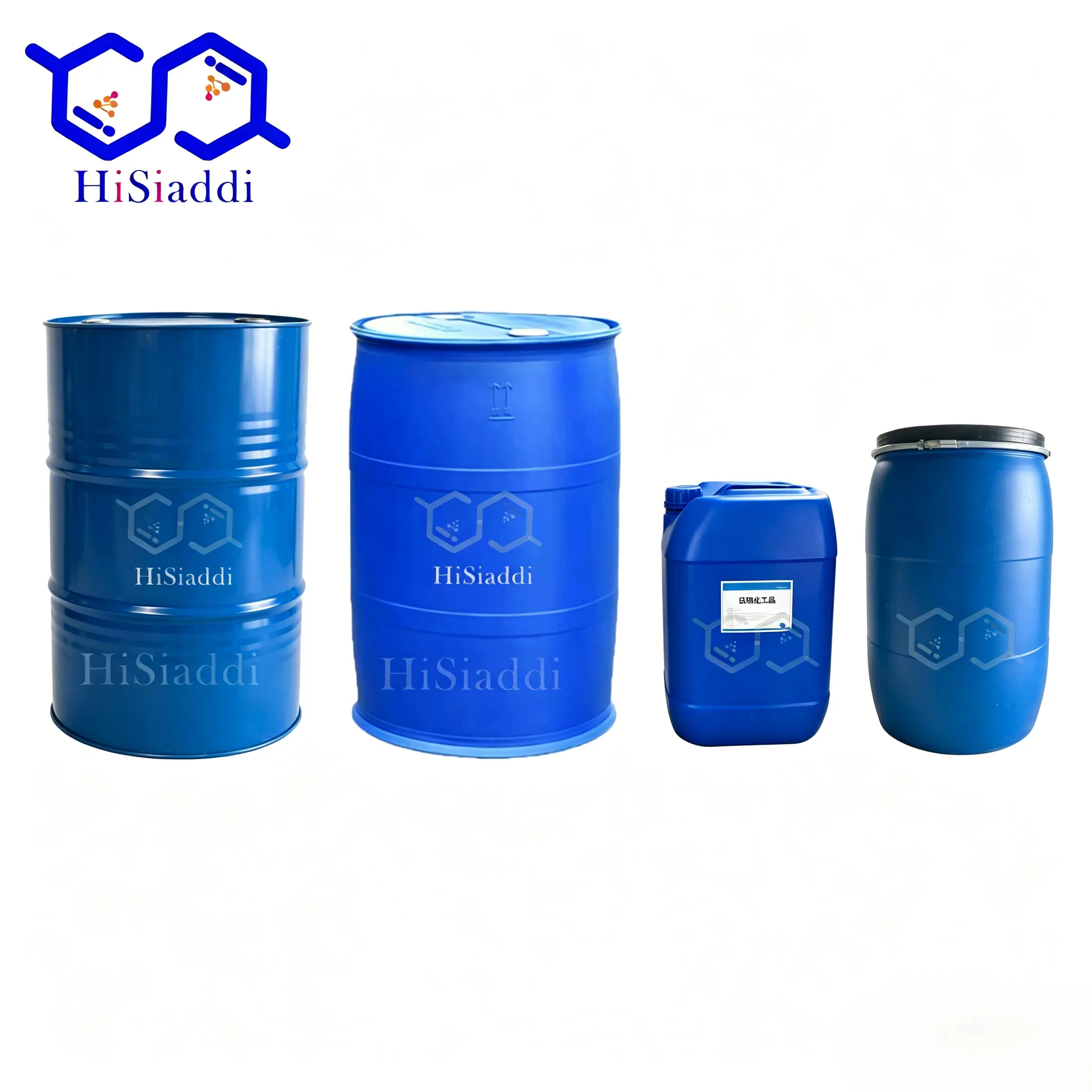
4. Confirm physical properties and packaging specifications. Qualified refined liquid sophorolipids are light yellow to tan transparent/semi-transparent liquids, while pastes are uniform viscous substances without stratification, obvious suspended solids or putrid odor. Bulk export goods adopt 200kg plastic drums and 1000kg IBC totes; samples and small batches use 25kg plastic drums; powders are packed in fiber drums lined with aluminum foil bags. For customized demands such as low odor, high lactone ratio and special concentration, communicate minimum order quantity and production cycles in advance. Send samples before bulk order placement to conduct compounding, foaming, emulsification, low-temperature stability and microbial challenge tests.
Sophorolipids are mostly supplied in large-tonnage liquid and paste packaging, with high-value concentrated and powder variants. Logistics, packaging and special testing costs must be included in overall accounting instead of only comparing bare unit prices; comprehensive calculation shall be carried out combined with trade modes.
1. Clarify quotation modes. Two mainstream quotation terms: FOB China Port and CIF Destination Port.
o FOB quotation includes goods, domestic transportation and standard packaging fees, with international logistics, insurance and destination port customs clearance borne by buyers. Suitable for beauty groups, washing factories and agricultural chemical enterprises with dedicated chemical freight forwarders and annual mass stocking, delivering optimal comprehensive costs.
o CIF quotation covers ocean freight, insurance, port miscellaneous and operation fees, with suppliers coordinating the whole process for easy operation, suitable for first-time cooperation, small-batch orders and cross-border distributors. Meanwhile, inquire about volume tier pricing and annual framework cooperation discounts; long-term fixed-price orders hedge against fluctuations in fermentation raw material and energy costs.
2. Agree on settlement, delivery and quality dispute clauses. International trade commonly adopts T/T or irrevocable letter of credit settlement, with advance payment and balance payment nodes determined based on cargo volume and cooperation trust. Standard classifications and standard-content products are in stock with short delivery cycles; customized products with high lactone ratio, ultra-high refinement or powder forms require reserved production cycles. Contracts shall specify dispute handling rules: set standards for re-inspection, return & replacement and supplementary delivery in case of inconsistent classification, substandard active substances, excessive residual sugar/bacterial residues, unqualified microorganisms, stratification, deterioration and abnormal odor. Meanwhile, define reasonable ranges of normal storage & transportation loss and slight color fluctuation for liquid/paste products to divide liabilities of both parties.
3. Confirm minimum order quantity and warehousing agreements. Factory bulk goods are subject to minimum orders of full drums, full IBC totes or full powder cartons, while distributors offer lower order thresholds. Rich natural sugars and organic matter in sophorolipids lead to microbial growth and rancidification under high temperature and long-term storage, as well as drastically increased viscosity under low temperature. Therefore, clearly specify free domestic warehousing duration to avoid long-term detention of goods in high-temperature and open-air ports.
Though non-hazardous, sophorolipids containing natural sugars and biological organic matter face core storage-transport risks including rancidification under high temperature, microbial proliferation, thickening under low temperature and leakage of pastes/liquids. The whole process shall be controlled around sealed, normal-temperature, light-shielded and temperature-controlled storage.
1. Adopt special sealed packaging for different dosage forms. Liquids and pastes use brand-new thickened plastic drums with double inner & outer lids and leak-proof gaskets, with reinforced drum mouths; IBC totes feature sturdy frames and fully sealed inner containers, with leakage testing conducted drum by drum before delivery. Powders are packed in double-layer sealed aluminum foil bags inside fiber drums for moisture-proof, anti-oxidation and anti-microbial invasion purposes. Outer packaging shall be labeled with storage-transport marks: store at normal temperature away from light, avoid high-temperature exposure and freezing. All packaging meets international ocean shipping stacking and long-distance bump resistance requirements.
2. Plan transportation modes and storage-transport environments. Sea transportation is preferred for large-tonnage goods using sealed light-shielded containers maintained at 10~30°C normal temperature throughout transit. For summer ocean routes and tropical regions, avoid high cabin temperatures; temperature-controlled containers shall be adopted when necessary to prevent organic rancidification and excessive microorganisms. Thermal insulation measures shall be taken in winter and high-latitude areas to avoid freezing and solidification. Samples and urgent orders are shipped by air in compliance with general chemical air transportation standards. Minimize transshipment times; repeated loading/unloading and unpacking damage sealing and increase risks of microbial contamination and oxidative deterioration. Cargo insurance covering leakage, deterioration and moisture damage is recommended for high-value refined grades and powder batches.
3. Divide storage-transport liabilities and usage reminders. Suppliers are responsible for sealed packaging and normal-temperature light-shielded warehousing before goods depart ports; goods shall be transferred to indoor constant-temperature warehouses immediately upon arrival. Remind operators that thickening under low temperature and hardening of pastes are normal physical phenomena, which can be restored by slow heating without open flame. Seal packaging completely after use to shorten air contact time and prevent contamination and rancidification.
As natural bio-surfactants, sophorolipids’ lactone ratio, residual sugar, microorganisms and classification differences directly affect emulsification, skincare and detergency effects. In addition, formulation compatibility of bio-based raw materials differs from traditional chemical surfactants, and professional technical services can greatly reduce debugging and compliance risks.
1. Pre-sales application technical support. Suppliers provide samples and complete technical manuals explaining functional differences, feeding schemes and compatible formulation systems of sophorolipids with various classifications and contents. Offer solutions for common problems such as emulsification system construction, foam adjustment, microbial control, compounding with chemical surfactants and low-temperature stratification, and interpret limit values stipulated by global beauty, food and agricultural chemical regulations simultaneously.
2. Post-arrival re-inspection coordination. Agree on sampling testing standards; buyers may test core indicators independently or commission third-party institutions for full-item testing. Dispose of non-compliant goods rapidly per agreed procedures if measured indicators, properties or odor fail to meet contract requirements.
3. Document assistance and regulation interpretation. Provide multi-lingual SDS, translated test reports and compliance statements on demand to assist local chemical filing, beauty/food raw material review and agricultural chemical market access; update new global regulations on green chemicals, organic beauty and environmental protection in a timely manner.
Classified into five major buyer groups: Organic Beauty & High-End Personal Care, Food Contact Cleaning, Household & Industrial Cleaning, Pesticide Adjuvant & Soil Remediation, and Cross-Border Chemical Raw Material Distributors, clarify quality control priorities for each scenario aligned with international general standards for cosmetics, food, detergents, agricultural chemicals and environmental protection.
Core priorities: High lactone proportion, low residual sugar, low bacterial residues, strict microbial control, mild odor and low irritation. Applied to organic skincare, natural washing and sensitive skin products, with safety, skin feel and natural attributes as top requirements and the strictest indicator control.
1. Active substance content: Strictly align with nominal contract values with minimal fluctuation ranges to guarantee precise formulation dosing.
2. Lactone proportion: Core functional indicator directly determining emulsification, skincare and bacteriostatic effects, which shall comply with agreed standards.
3. Reducing sugar/total sugar: Strictly control residual sugar, as sugars easily trigger microbial growth and abnormal system viscosity.
4. Bacterial and macromolecular residues: Deep purification to reduce fermentation waste and lower sensitization & deterioration risks.
5. Microbial indicators: Total bacterial count, mold & yeast, and pathogenic bacteria fully meet cosmetic raw material hygiene standards.
6. Color and odor: Light color without fermentation or rancid odor.
7. pH value: Adapt to the acid-base range of beauty formulations to maintain system stability.
8. Heavy metals and harmful impurities: Below international limit values for cosmetic raw materials.
9. Skin irritation: Low irritation and non-sensitizing.
10. High-low temperature & long-term storage stability: No stratification, turbidity or rancidification.
Core priorities: Food-grade compliance, ultra-low impurities, qualified microorganisms, odor-free and high safety. Applied to tableware cleaning, food equipment cleaning and food processing additives, with strict adherence to food contact specifications.
1. Active substance content: Stable indicators to ensure consistent working concentration.
2. Heavy metals and toxic hazardous substances: Fully meet limit values for food-grade raw materials.
3. Microorganisms: Comply with hygiene standards for food contact raw materials with zero pathogenic bacteria.
4. Residual sugar and fermentation waste: Strictly controlled to avoid food contamination risks.
5. Appearance and odor: No abnormal color or putrid odor.
6. Acute toxicity and migration volume: Meet food contact safety testing requirements.
Core priorities: Strong surface activity, excellent detergency & wetting power, stable physical and chemical properties and cost-effectiveness. Applied to laundry detergents, hard surface cleaners and industrial degreasers, focusing on cleaning performance with moderately relaxed standards for residues and microorganisms.
1. Active substance content: Comply with specification stated in contracts with allowable conventional fluctuation ranges.
2. Surface tension, wetting power and detergency: Core functional indicators to guarantee cleaning performance.
3. pH value and appearance: Stable indicators with uniform liquid/paste free of massive precipitates.
4. Hard water and acid-alkali resistance: Stable performance under conventional water quality and wide pH ranges.
5. Residual sugar and bacterial residues: Meet general standards for detergent grades.
6. Biodegradation rate: Satisfy local environmental wastewater discharge requirements.
Core priorities: Good solubility, electrolyte resistance, strong spreading & penetration and ecological safety. Used as pesticide spreaders, emulsifiers and soil improvement adjuvants, focusing on field working conditions and ecological safety.
1. Active substance content: Stable indicators for unified adjuvant dosing ratios.
2. Solubility and salt/electrolyte resistance: Compatible with pesticide systems and soil water environments without flocculation or precipitation.
3. Wetting, spreading and penetration performance: Improve pesticide adhesion and absorption efficiency.
4. Ecotoxicity: Low toxicity and friendly to crops and soil microorganisms.
5. Biodegradation rate: Comply with environmental standards for soil remediation.
6. Compatibility: Stable compounding with various pesticide technical materials and fertilizers.
Core priorities: Strong storage weather resistance, leak-proof & moisture-proof sealed packaging and universal full-set compliance documents. Purchase bulk goods for sub-packaging and global resale, focusing on circulation performance, packaging integrity and document compliance.
1. Storage weather resistance: No rancidification, severe thickening or sudden odor changes after ocean shipping and cross-temperature zone warehousing.
2. Packaging protection: Liquid/paste products prevent leakage; powders resist moisture and damage without abnormalities after multiple transshipments.
3. Random inspection of basic indicators: Check active substances, classification, appearance, odor and pH to meet corresponding grade standards.
4. Low-temperature tolerance: No solidification under low temperature, recovering original properties after reheating.
5. Compliance documents: Multi-lingual SDS, COA, special test reports and Certificates of Origin for universal use to pass customs and downstream audits in multiple countries.
For more professional and in-depth analysis regarding Sophorolipid selection, please contact HiSiaddi customer service.
Directed modification of fermentation strains and feeding processes was required to increase the proportion of lactone components.
The preservative-free product was prone to microbial contamination during cross-border ocean transportation.
Third-party laboratory testing and compliance filing for North America needed to be completed.
Excessive foam generated during formation injection caused well blockage due to foam backflow in wellbores.
The crude oil recovery rate dropped from 41% to 25.3%, leading to a sharp rise in production costs.
The residual free sugar content of the supplied sophorolipid exceeded 7.2%, while the customized standard was ≤3%. Excess sugar greatly enhanced foaming capacity.
Excessive soda ash was added in the original formula, and the alkaline environment further amplified the foaming property of sophorolipid.
Lead time
Quantity (ton) | 0 - 10 | 10 - 30 | > 30 |
Lead time (days) | 7 | 15 | To be negotiated |
The monthly inventory volume of Sophorolipid is 80 tons, with appropriate adjustments upwards or downwards in response to peak and off-peak seasons.
HiSiaddi safeguards the supply stability of Sophorolipid through the following measures:
(1) Performance evaluation and screening of Sophorolipid brand factories based on on-time delivery rate, batch pass rate, timeliness of risk alerts, and completeness of documentation to assess their supply stability.
(2) For each mainstream model or major grade of Sophorolipid, secure 1 primary high-quality brand manufacturer and 2 backup high-quality manufacturers.
(3) Each factory operates independent production lines in separate production zones to prevent production halts caused by major unforeseen incidents such as environmental production suspensions and power outages.
Through long-term cooperation with brand manufacturers via technology commercialization and authorized distribution channels, HiSiaddi can effectively strengthen supervision over the production processes of brand manufacturers, optimize full-process traceability management, improve batch stability control, and further reinforce real-time monitoring of the supply stability of Sophorolipid products.
Long-term Annual Framework Supply Guarantee Agreement. HiSiaddi signs 12-month long-term agreements with leading manufacturers. The agreements specify the minimum guaranteed supply volume, maximum price hike range, and priority production scheduling rights during peak seasons. It is stipulated that manufacturers shall issue a 30-day prior written notice if production is suspended due to environmental rectification or equipment maintenance, and backup manufacturers will be activated to replenish goods accordingly.
We have 4 warehouses, which are jointly operated and managed with suppliers to store hot-selling products.The four warehouses are located at Qingdao Port in North China, Ningbo Port in East China, Shenzhen Port in South China, and Zhengzhou, China’s inland logistics hub. This setup guarantees sufficient supply and timely shipment of Sophorolipid during peak seasons.
HiSiaddi issues a rolling demand forecast covering the subsequent three months on the 25th of each month, allowing manufacturers to reserve production capacity in accordance with the forecast. Any new urgent orders from overseas clients will be prioritized to draw on inventories or production capacity from backup manufacturers.
Unstable logistics for Sophorolipid will extend delivery lead times. HiSiaddi has established alternative arrangements covering multiple freight forwarders, ports and transportation solutions:
(1) Binding of multiple professional chemical freight forwarders for Sophorolipid
Each product is assigned 2 to 3 freight forwarders with hazardous chemical/food transport qualifications affiliated with different shipping lines. Alternative sailing schedules can be switched to immediately in case of space shortages or customs inspections on a single shipping route.
(2) Backup transportation solutions for Sophorolipid
Ocean freight serves as the standard mode; air freight and rail freight are reserved as alternatives for urgent orders. Long-term agreements for temperature-controlled containers are signed for temperature-sensitive and perishable food additives to secure shipping space.
(3) Visual tracking and digital early warning for Sophorolipid
Freight forwarders synchronize daily updates on container loading, customs declaration, vessel loading and port arrival milestones. If customs inspection occurs, replenishment from backup inventory will be initiated immediately to shorten client waiting periods.
Full-chain digital early warning automatically monitors four categories of risks:
Factory side: Expiring supplier environmental assessment certificates, renewal of production permits, scheduled major equipment overhauls, and notifications of price hikes for upstream raw materials;
Inventory side: Inventory falling below safety thresholds, excessive inventory age, and batches failing quality inspection;
Logistics side: Shipping line space shortages, strikes at destination ports, and updates to customs policies;
Overseas side: Revisions to additive regulations and adjustments to import restriction lists in target countries.
Early warning notifications are automatically pushed to procurement and business leads, allowing backup suppliers or inventory contingency plans to be activated in advance.
As a new-type foreign trade service provider driven by dual engines of technology transformation and foreign trade export, HiSiaddi has built a "1+2+3+4=1" service system and can supply genuine raw materials from multiple well-known original manufacturers of Sophorolipid.
As a R&D-focused foreign trade service provider, HiSiaddi is unlike single-brand factories that only promote their own products. We objectively analyze multiple competitive Chinese Sophorolipid brands with strong export performance and share their certification credentials and market feedback to help purchasers make efficient and reliable sourcing decisions.
If you require more authentic and objective introductions to multiple well-known Chinese Sophorolipid brands, please contact HiSiaddi customer service.
· ZanSop® L98 (Lactone type, purity ≥98%): For premium cleansing and sensitive skin care, ECOCERT organic certified with lactone content ≥95%
· ZanSop® A92 (Acidic mixture, purity ≥92%): Cost-effective grade for mass-market cosmetics and industrial cleaning
· ZanSop® M99 (Pharmaceutical grade, purity ≥99%): For pharmaceutical excipients and medical dressings, GMP certified
1. 92% repeat purchase rate from European cosmetic clients: Supplies ZanSop® L98 to Unilever and Schwarzkopf Germany, replacing imported Saraya products at a 28% lower price with superior stability (100% pass rate in 48-hour high-temperature stability testing).
2. Top choice for North American sensitive skin brands: Partnered with CeraVe U.S. to develop Sophorolipid soothing series with zero skin irritation in patch tests; North American orders grew 45% year-on-year in 2025.
3. Deeply integrated into premium Japanese and Korean cleansing supply chains: ZanSop® L98 accounts for over 30% of the supply chain for Rohto Japan and Amorepacific Korea, delivering finer foam and superior moisturization versus competing imported products.
✅ EU ECOCERT organic certification for all grades, ISO22716 cosmetic GMP certification ✅ U.S. FDA food contact grade certification, listed on EPA Safer Choice safe ingredient roster ✅ China cosmetic new raw material filing (2025), full compliance with 235 SVHC substances under REACH regulation ✅ Winner of EU Green Raw Material Innovation Award 2025 (ZanSop® L98)
· KaiSop® I90 (Industrial grade, purity ≥90%): For oil displacement, industrial cleaning and agricultural additives; stable at 120°C, tolerates 15% salinity
· KaiSop® H95 (High salt-tolerant grade, purity ≥95%): Customized for high-salinity oilfields in the Middle East and South America, emulsifying power ≥80%
· KaiSop® Agri85 (Agricultural grade, purity ≥85%): For pesticide synergism and soil remediation, low aquatic toxicity
1. Dominant supplier to Middle Eastern oilfields: Supplies KaiSop® H95 to Saudi Aramco and ADNOC UAE, replacing chemical oil displacement agents to cut costs by 35% and raise oil recovery rates by 12%; Middle Eastern export revenue surged 67% year-on-year in 2025.
2. 40% market share in European industrial cleaning: Henkel Germany and Auchan France source KaiSop® I90 for heavy oil stain removal with 92.7% biodegradability (OECD301F), fully compliant with EU environmental discharge standards.
3. Hit agricultural product in Southeast Asia: KaiSop® Agri85 gained widespread adoption in palm plantations across Vietnam and Malaysia, lifting pesticide utilization by 20% and reducing chemical residues by 30%; Southeast Asian orders doubled in 2025.
✅ Full REACH registration for all grades, OECD 301F biodegradability certification (92.7%) ✅ U.S. EPA industrial cleaning safety certification, Canadian low-toxicity agrochemical certification ✅ Listed in China’s Key Supported Bio-Based Materials Catalog (2025), Shandong Green Manufacturing Benchmark Enterprise ✅ API oil displacement agent certification from the American Petroleum Institute (2025)
· ZhongSop® C95 (Compound grade, purity ≥95%): Universal for cosmetics and industrial use, blended lactone and acidic types balancing mildness and emulsification
· ZhongSop® Pharma98 (Pharmaceutical grade, purity ≥98%): Sterile grade for oral care and medicinal ointments
· ZhongSop® Tech88 (Industrial grade, purity ≥88%): Cost-effective option for coating additives and environmental engineering
1. Full-channel penetration across Europe: ZhongSop® C95 entered the supply chains of Boots UK and Sephora France; European sales rose 38% year-on-year in 2025 with an 85% repeat purchase rate.
2. Preferred natural cleansing ingredient in Australia and New Zealand: Marketed as "100% bio-based, sulfate-free", ZhongSop® C95 captured 25% of the local natural cleansing market at a 30% lower price than imported equivalents with quality matching international top-tier standards.
3. High recognition from Asia-Pacific industrial clients: Supplies ZhongSop® Tech88 to Kao Japan and LG Chem Korea for industrial cleaning and coating additives with 99% batch consistency and on-time delivery rate.
✅ EU ECOCERT natural certification, ISO9001 quality management system certification ✅ U.S. FDA cosmetic ingredient safety certification, Australian ACO organic certification ✅ China Ten Rings environmental labeling certification, cosmetic safety assessment filing (2025) ✅ Winner of Asia-Pacific Bio-Surfactant Best Cost-Performance Award 2025
· AnSop® Med99 (Pharmaceutical grade, purity ≥99%): For medical dressings, vaccine adjuvants and skin repair, sterile and pyrogen-free
· AnSop® Lux98 (Premium cosmetic grade, purity ≥98%): For luxury face creams, serums and maternal-infant care, low-irritation soothing formula
· AnSop® Eco90 (Eco-industrial grade, purity ≥90%): For food processing cleaning and biodegradable material additives
1. Core participant in European and American pharmaceutical supply chains: AnSop® Med99 holds EU CEP certification and supplies medical dressing raw materials to Bayer Germany and Johnson & Johnson U.S.; pharmaceutical-grade export revenue rose 50% year-on-year in 2025.
2. Hidden champion in European premium beauty: Supplies AnSop® Lux98 to Guerlain France and La Prairie Switzerland, replacing plant-derived surfactants to boost mildness by 40% and cut costs by 25%.
3. Specified raw material for North American maternal-infant care: AnSop® Lux98 is recommended by the American Academy of Pediatrics for baby cleansing and zero-tear sensitive skin formulations.
✅ EU CEP pharmaceutical certification, dual ISO22716+GMP certification for pharmaceutical grades ✅ U.S. FDA sterile medical auxiliary certification, EU ECOCERT organic certification for all grades ✅ China pharmaceutical GMP certification, cosmetic new raw material filing for leave-on formulations (2025) ✅ EU Pharmaceutical-Grade Bio-Raw Material Compliance Benchmark Award 2025
· GuangSop® Ind85 (Industrial grade, purity ≥85%): Universal for industrial cleaning, paper additives and leather treatment, ultra cost-effective
· GuangSop® Agri80 (Agricultural grade, purity ≥80%): For foliar fertilizers and pesticide emulsifiers, low-cost high-efficiency
· GuangSop® Cos92 (Cosmetic grade, purity ≥92%): For mass-market shampoos, laundry detergents and dish soap, mild high detergency
1. Blockbuster industrial and agricultural product in Southeast Asia: GuangSop® Ind85/Agri80 sold well across Indonesia, Thailand and the Philippines at a 50% lower price than imports to meet local low-cost demand; Southeast Asian export volumes jumped 70% year-on-year in 2025.
2. 35% market penetration in South American agriculture: Widely adopted by soybean and corn farmers in Brazil and Argentina, lifting pesticide utilization by 15% and reducing chemical dosage by 25% for local crop systems.
3. Preferred mass-market cleansing ingredient for emerging African markets: GuangSop® Cos92 entered the mass cleansing markets of Nigeria and Kenya with strong detergency and mild non-irritating properties at an affordable price; African orders rose 80% year-on-year in 2025.
✅ Basic REACH registration in the EU, OECD 301B biodegradability certification (89%) ✅ Listed on U.S. EPA industrial cleaning safety roster, FOA African organic agriculture certification ✅ Key Supported Enterprise under China’s Bio-Based Materials Industry, China Ten Rings environmental product certification ✅ Southeast Asia High-Cost-Performance Bio-Additive Gold Award 2025
表格
Brand | Core Positioning | Greatest Strength | Primary Export Regions |
Zhesheng Zhejiang | Premium Cosmetic & Pharmaceutical Grade | Ultra-high purity, superior mildness, complete certification portfolio | EU, North America, Japan & South Korea |
Kaisheng Shandong | Industrial, Oilfield & Agricultural Grade | Outstanding temperature & salt tolerance, cost advantages, specialized oilfield certifications | Middle East, South America, Southeast Asia |
Zhongdan Jiangsu | Full-Category Balanced Supplier | Mature compound formulation technology, stable batch consistency, fast customized production | Europe, Asia-Pacific, Australia |
Anke Anhui | Specialized Pharmaceutical & Premium Cosmetic | Sterile products, low pyrogen content, high pharmaceutical compliance barriers | European & American pharmaceutical sectors, premium beauty |
Guangji Hubei | Cost-Effective Industrial & Agricultural Grade | Lowest pricing, large production capacity, fast delivery for emerging markets | Southeast Asia, South America, Africa |
1. EU compliance baseline: REACH registration + ECOCERT certification (for premium grades), mandatory access credentials for EU market entry
2. U.S. safety endorsement: FDA cosmetic ingredient safety certification + EPA Safer Choice listing, passport to North American markets
3. Authoritative eco-degradation verification: OECD 301 series biodegradability certification (≥89%), aligned with global green environmental trends
4. Chinese official recognition: Cosmetic new raw material filing + listing in China’s Key Supported Bio-Based Materials Catalog, national endorsement for domestic high-end industrialization
If you require more authentic and objective introductions to multiple well-known Chinese Sophorolipid brands, please contact HiSiaddi customer service.
As a new-type foreign trade service provider driven by dual engines of technology transformation and foreign trade export, HiSiaddi has built a "1+2+3+4=1" service system and can supply genuine raw materials from multiple well-known original manufacturers of Sophorolipid.
As a R&D-focused foreign trade service provider, HiSiaddi is unlike single-brand factories that only promote their own products. We objectively analyze multiple competitive Chinese Sophorolipid brands with strong export performance and share their production technologies, supply stability and core performance indicators, as well as the downstream procurement impacts of these core factors, to help purchasers make efficient and reliable sourcing decisions.
If you require more authentic and objective introductions to multiple well-known Chinese Sophorolipid brands, please contact HiSiaddi customer service.
· Strain: Genetically modified Starmerella bombicola, lactone proportion ≥95%, yield 42–45g/L
· Carbon source: Food-grade glucose blended with palm kernel oil (1:0.4), zero petrochemical feedstock to meet ECOCERT organic standards
· Fermentation: 50m³ stainless steel fermenters, dissolved oxygen 60–80%, pH 5.8–6.2, temperature 28±1°C; fed-batch fermentation over 60 hours with residual sugar/oil controlled below 2g/L to suppress impurity generation
· Extraction & Purification:
1. Three-phase centrifugation (3000rpm) to remove bacterial biomass and crude residues
2. Nanofiltration membrane (1000Da) for desalination and decolorization, elevating purity from 75% to ≥98%
3. Low-temperature vacuum concentration (45°C) to retain active ingredients
4. Sterile filtration (0.22μm) for separate grading of pharmaceutical and cosmetic grades
· Core strengths: Targeted lactone enrichment with minimal byproducts; membrane separation replaces solvent extraction for residue-free eco-compliance.
· Capacity: Dual manufacturing sites in Huzhou Zhejiang and Yancheng Jiangsu, total annual capacity 3,000 tons (2,000 tons cosmetic grade, 500 tons pharmaceutical grade, 500 tons industrial grade)
· Equipment utilization rate: 92% (industry average 80%), annual maintenance ≤15 days scheduled during Q2 off-peak season
· Inventory strategy: 3-month safety stock reserved for high-purity grades; 1–3 year fixed-volume contracts signed with core clients including Unilever and Schwarzkopf for priority supply
· Delivery lead time: 15–20 days for standard orders, 7-day rapid response for urgent orders; 99.7% on-time delivery rate in 2025
· ZanSop® L98 (Cosmetic Lactone Grade): Purity ≥98% (HPLC), lactone content ≥95% Appearance: Colorless to pale yellow transparent liquid Surface tension ≤32mN/m (0.1% aqueous solution) CMC: 45–60mg/L pH: 6.5–7.5 Biodegradability ≥98% (OECD 301F) Heavy metals: Pb<1ppm, As<0.5ppm
· ZanSop® A92 (Industrial Grade): Purity ≥92%, acid-type dominant, emulsifying power ≥75%
· ZanSop® M99 (Pharmaceutical Grade): Purity ≥99%, sterile and pyrogen-free, endotoxin <0.25EU/mg
· Premium cosmetic brands: Ultra-high purity, low irritation, batch consistency RSD<1.5%, ideal for sensitive skin and maternal-infant formulations; direct replacement for imported Saraya with 28% cost reduction and minimal compliance risks
· Pharmaceutical clients: Sterile low-endotoxin specifications satisfy EU CEP and U.S. FDA requirements for medical wound dressings and oral care products
· Risk note: Premium pricing (423,000 RMB/ton), minimum order quantity 5 tons, suitable only for mid-to-high-end positioning clients
· Strain: Salt-resistant candida strain (15% salinity tolerance, stable up to 120°C), optimized for oilfield and agricultural scenarios
· Carbon source: Corn syrup blended with soybean oil (low-cost industrial dedicated formula)
· Fermentation: Solid-state fermentation using wheat bran and cottonseed hull substrates over 72 hours, yield 28–32g/L; 30% lower energy consumption and 40% less wastewater, ideal for large-scale industrial manufacturing
· Extraction & Purification:
1. Hot water leaching (80°C) to obtain crude extract at 70–75% purity
2. Acid hydrolysis (pH 2.0, 90°C) to remove acetyl groups and boost salt tolerance
3. Plate-and-frame filtration + vacuum concentration to reach ≥90% purity
4. Direct filling for standard industrial grades; additional membrane treatment for high salt-tolerant variants
· Core strengths: Outstanding temperature and salt resistance; low-cost solid-state fermentation suited for mass industrial applications.
· Capacity: Weifang Shandong production base, total annual capacity 5,000 tons (4,000 tons industrial grade, 800 tons agricultural grade, 200 tons cosmetic grade), capturing 31.2% domestic industrial-grade market share
· Equipment utilization rate: 89%, 24-hour continuous production delivering stable monthly output over 400 tons
· Inventory strategy: 1-month safety stock for industrial grades; quarterly volume lock-ins for Middle Eastern and South American oilfield clients with priority supply guarantees
· Delivery lead time: 10–15 days for standard orders, priority scheduling for bulk orders ≥500 tons; 99.2% on-time delivery rate in 2025
· KaiSop® I90 (Industrial Grade): Purity ≥90% Appearance: Tan liquid Thermal stability: Stable at 120°C Salt tolerance: No precipitation in 15% NaCl solution Emulsifying power ≥80% (oil/water system) Biodegradability ≥92% (OECD 301F)
· KaiSop® H95 (High Salt-Tolerant Grade): Purity ≥95%, tolerates 20% salinity for high-salt Middle Eastern oilfields
· KaiSop® Agri85 (Agricultural Grade): Purity ≥85%, low aquatic toxicity (LC50>100mg/L)
· Oilfield clients: Stable at 120°C, tolerates ≥15% salinity; replaces chemical oil displacement agents to cut costs by 35% and boost recovery rates by 12%; long-term stable procurement partners for Saudi Aramco and ADNOC UAE
· Industrial cleaning clients: Superior heavy oil emulsification with 92% biodegradability, fully compliant with EU environmental discharge standards; sourced by Henkel Germany and Auchan France for industrial heavy-duty cleaning
· Agrochemical clients: Low toxicity, boosts pesticide utilization by 20%; widely deployed in palm and rubber plantations across Vietnam and Malaysia with doubled orders in 2025
· Risk note: Cosmetic-grade purity limited to ≥92% with low lactone content, unsuitable for premium sensitive skin formulations
· Strain: Mixed wild-type and genetically modified strains with acid-to-lactone ratio 7:3, optimized for universal cosmetic and industrial applications
· Carbon source: Glucose blended with rapeseed oil (1:0.5) balancing cost and performance
· Fermentation: 30m³ fermenters, pH 5.5–6.5, temperature 29°C, dissolved oxygen 50–70%; fed-batch fermentation over 48 hours, yield 35–38g/L
· Extraction & Purification:
1. Centrifugation + 0.45μm microfiltration to remove impurities
2. Compound modification: Blended acid and lactone fractions to adjust HLB to 9–11
3. Vacuum concentration + activated carbon decolorization to reach ≥95% purity
4. Graded separation into cosmetic, industrial and pharmaceutical grades
· Core strengths: Mature compound formulation technology with customizable HLB, emulsifying power and foaming performance for multi-scenario adaptability.
· Capacity: Taizhou Jiangsu production base, total annual capacity 2,500 tons (1,200 tons cosmetic grade, 1,000 tons industrial grade, 300 tons pharmaceutical grade)
· Equipment utilization rate: 90%, flexible production lines enabling full grade switching within 24 hours
· Inventory strategy: 1.5-month safety stock for all grades; half-year supply agreements with European and Asia-Pacific clients for consistent delivery
· Delivery lead time: 12–18 days for standard orders, 20–25 days for customized formulations; 99.5% on-time delivery rate in 2025
· ZhongSop® C95 (Compound Cosmetic Grade): Purity ≥95% Appearance: Pale yellow transparent liquid Surface tension ≤34mN/m HLB: 10±0.5 Foam height: 120±10mm (0.5% solution) Biodegradability ≥95%
· ZhongSop® Pharma98 (Pharmaceutical Grade): Purity ≥98%, low endotoxin, optimized for oral care
· ZhongSop® Tech88 (Industrial Grade): Purity ≥88%, cost-effective for coating additives and environmental engineering
· Mass-market cosmetic brands: Balanced mildness and emulsification for shampoos, body washes and laundry detergents; stable supply chains for Boots UK and Sephora France at a 30% lower price than imported alternatives
· General industrial clients: Strong cost performance (190,000–220,000 RMB/ton), consistent batch quality for coating additives, environmental engineering, paper and leather processing
· Customization-focused clients: Rapid adjustable HLB, foaming and salt tolerance parameters to develop exclusive formulas and secure long-term partnerships
· Risk note: Pharmaceutical grade certification progress lags competitors; U.S. FDA sterile certification not yet obtained, unsuitable for injectable formulations or premium medical dressings
· Strain: High-lactone genetically modified strain with ≥98% lactone content and low sensitization potential
· Carbon source: Medical-grade glucose blended with refined olive oil, impurity-free and low-irritant
· Fermentation: 10m³ GMP sterile fermenters, pH 5.2–5.8, temperature 27°C, dissolved oxygen 70–80%; full sterile environment over 72 hours fermentation, yield 38–40g/L
· Extraction & Purification:
1. Sterile centrifugation + 0.22μm ultrafiltration
2. Preparative HPLC chromatographic purification to reach ≥99% purity
3. Sterile concentration + optional freeze-drying
4. Sterile packaging (1kg/5kg sterile bags)
· Core strengths: Sterile ultra-high purity with minimal irritation, high pharmaceutical compliance barriers and EU CEP certification.
· Capacity: GMP-compliant manufacturing base in Bengbu Anhui, total annual capacity 800 tons (500 tons pharmaceutical grade, 300 tons premium cosmetic grade)
· Equipment utilization rate: 85% (frequent mandatory maintenance under strict GMP standards), stable monthly output 60–70 tons
· Inventory strategy: Zero inventory for pharmaceutical grades (make-to-order production); 1-month safety stock for premium cosmetic grades; priority scheduling under annual contracts with Bayer and Johnson & Johnson
· Delivery lead time: 25–30 days for pharmaceutical grades (7-day sterile testing cycle), 15–20 days for cosmetic grades; 98.8% on-time delivery rate in 2025
· AnSop® Med99 (Pharmaceutical Grade): Purity ≥99% (HPLC) Appearance: Colorless transparent liquid / white freeze-dried powder Endotoxin <0.25EU/mg Microbial status: Sterile (passes full sterility testing) Skin irritation: Zero irritation (human patch test) Heavy metals: Undetectable (<0.1ppm)
· AnSop® Lux98 (Premium Cosmetic Grade): Purity ≥98%, low-irritation soothing formula for maternal-infant care
· AnSop® Eco90 (Eco-Industrial Grade): Purity ≥90%, optimized for food processing cleaning
· Pharmaceutical & medical dressing clients: Sterile low-endotoxin zero-irritation specifications with EU CEP and U.S. FDA certification, directly applicable to wound healing dressings and vaccine adjuvants; core supplier for Bayer Germany and Johnson & Johnson U.S.
· Premium beauty clients: Low-irritation high-purity formulation replaces plant-derived surfactants to boost mildness by 40% and cut costs by 25%; adopted by Guerlain France and La Prairie Switzerland for luxury face creams and serums
· Maternal-infant care clients: Recommended by the American Academy of Pediatrics for zero-tear non-irritating baby cleansing formulations, designated raw material for North American infant care brands
· Risk note: Premium pricing (450,000–500,000 RMB/ton), limited production capacity and extended lead times, unsuitable for mass industrial applications
· Strain: Wild-type candida strain with robust adaptability to crude culture media
· Carbon source: Molasses blended with waste vegetable oil (20%+ lower raw material costs versus peers)
· Fermentation: 50m³ standard fermenters, pH 6.0–7.0, temperature 30°C, dissolved oxygen 40–60%; 72-hour fermentation cycle, yield 22–25g/L with low energy consumption and simple wastewater treatment
· Extraction & Purification:
1. Natural sedimentation + plate-and-frame filtration
2. Simple acid precipitation (pH 3.0) to reach ≥80% purity
3. Vacuum concentration followed by direct filling
4. No complex fine purification steps to control production costs
· Core strengths: Lowest market pricing, large production capacity, ideal cost-performance fit for Southeast Asian, South American and African emerging markets.
· Capacity: Wuxue Hubei manufacturing base, total annual capacity 1,500 tons (1,000 tons industrial grade, 400 tons agricultural grade, 100 tons cosmetic grade)
· Equipment utilization rate: 93%, 24-hour continuous production delivering stable monthly output over 120 tons
· Inventory strategy: 2-month safety stock reserved for industrial and agricultural grades; half-year volume lock-ins for Southeast Asian and South American clients to stabilize pricing
· Delivery lead time: 7–12 days for standard orders, priority scheduling for bulk orders ≥1,000 tons; 99.8% on-time delivery rate in 2025
· GuangSop® Ind85 (Industrial Grade): Purity ≥85% Appearance: Dark brown liquid Surface tension ≤36mN/m Emulsifying power ≥70% Biodegradability ≥89% (OECD 301B) Price: 140,000–160,000 RMB/ton (industry lowest tier)
· GuangSop® Agri80 (Agricultural Grade): Purity ≥80%, low-cost pesticide emulsifier
· GuangSop® Cos92 (Cosmetic Grade): Purity ≥92%, formulated for mass-market cleansing products
· Southeast Asian industrial & agricultural clients: 50% lower pricing versus imported alternatives, large capacity and fast lead times for industrial cleaning and pesticide additives in Indonesia, Thailand and the Philippines; Southeast Asian export volumes rose 70% year-on-year in 2025
· South American agricultural clients: Widely adopted by soybean and corn farmers in Brazil and Argentina, lifting pesticide utilization by 15% and reducing chemical dosage by 25% with strong cost performance, capturing 35% local market penetration
· African mass-market cosmetic clients: High detergency, mild non-irritation and affordable pricing for mass cleansing products in Nigeria and Kenya; African orders rose 80% year-on-year in 2025
· Risk note: Low purity specifications, batch consistency RSD>3%, minimal lactone content, unsuitable for premium cosmetic or pharmaceutical applications
表格
Brand | Process Characteristics | Supply Stability | Core Performance Advantages | Most Suitable Downstream Sectors |
Zhesheng Zhejiang | High-density fermentation + membrane separation for lactone enrichment | Dual manufacturing bases, zero supply shortages during peak seasons | ≥98% purity, low irritation, exceptional batch consistency | Premium cosmetics, pharmaceutical excipients |
Kaisheng Shandong | Solid-state fermentation + salt-tolerant strains, cost advantages | 10,000-ton annual capacity, reliable industrial-grade supply | Thermal stability at 120°C, ≥15% salinity tolerance | Oilfield displacement, industrial cleaning, agriculture |
Zhongdan Jiangsu | Hybrid fermentation + compound modification, flexible manufacturing | Balanced full-category supply, fast customized development | Adjustable HLB, balanced emulsification and foaming performance | Mass-market cosmetics, general industrial applications |
Anke Anhui | GMP sterile fermentation + HPLC purification | Small-batch output, top-tier pharmaceutical compliance | Sterile, low endotoxin, zero skin irritation | Medical dressings, premium luxury beauty, maternal-infant care |
Guangji Hubei | Low-cost fermentation + simplified purification, peak cost performance | Massive production capacity, fastest delivery lead times | Lowest market pricing, maximum output volume | Industrial & agricultural applications for Southeast Asia, South America, Africa |
1. Premium Cosmetics & Pharmaceuticals: Prioritize Zhesheng Zhejiang (L98/M99) or Anke Anhui (Lux98/Med99) for complete certification portfolios and minimal compliance risks
2. Oilfields, Industrial Cleaning & Agriculture: Prioritize Kaisheng Shandong (I90/H95/Agri85) for superior temperature and salt tolerance plus balanced cost performance
3. Mass-Market Cosmetics & General Industrial Use: Prioritize Zhongdan Jiangsu (C95/Tech88) for flexible compound customization and consistent batch quality
4. Low-Cost Emerging Markets (Southeast Asia, South America, Africa): Prioritize Guangji Hubei (Ind85/Agri80) for the lowest market pricing and shortest delivery cycles
If you require more authentic and objective introductions to multiple well-known Chinese Sophorolipid brands, please contact HiSiaddi customer service.
As a new foreign trade service provider driven by both technology transformation and foreign trade services, HiSiaddi has established a "1+2+3+4=1" service system and can supply raw materials of Sophorolipid from multiple well-known original manufacturers. As a R&D-oriented foreign trade enterprise, HiSiaddi will professionally sort out and analyze common difficulties faced by B-end purchasers when sourcing Sophorolipid in China, and propose targeted solutions from HiSiaddi.
If you require more professional and in-depth analysis regarding Sophorolipid selection, please contact HiSiaddi customer service.
1. Fermentation waste and bacterial protein trigger sensitization; unbalanced component ratios lead to abnormal foam and skin feel; residual sugar causes microbial growth; stratification & precipitation under low temperature; missing organic certification documents.
o Excessive residues of fermentation waste and bacterial protein induce skin redness and allergies. Ordinary crude-extracted sophorolipids lack deep purification and retain yeast bacterial protein and macromolecular impurities, frequently triggering consumer complaints of contact allergies after use in facial and baby wash products. Root cause: Only simple filtration without protein removal and precision purification processes.
o Fluctuating lactone/acid component ratios lead to inconsistent foam thickness, viscosity and skin feel across batches. The two components deliver distinct functions (lactone for emulsification, acid for foaming & wetting); unstable batch ratios cause inconsistent foaming speed, foam density and spread smoothness of finished products, raising brand quality control difficulty. Root cause: No directional regulation technology for fermentation and post-treatment component ratios.
o High residual reducing sugar triggers mold and bacterial growth within finished product shelf life. Inadequate sugar removal after fermentation provides nutrients for microorganisms, resulting in mold spots and odor deterioration within 3–6 months of washing product storage, leading to complete scrapping. Root cause: Lack of special residual sugar removal and bacteriostatic treatment processes.
o Stratification and precipitate formation under 0–8°C low-temperature storage/cold chain transportation. Poor low-temperature compatibility of conventional products disrupts system balance under cross-border cold chain environments, generating flocculent precipitates that disqualify transparent organic washing products. Root cause: Absence of low-temperature phase stability modification.
o Missing organic and natural raw material certifications bar entry into EU organic washing channels. High-end overseas organic stores and offline channels mandate natural biological raw material certifications; ordinary suppliers only provide basic test reports, blocking market access.
1. Adopt multi-stage membrane filtration + passivation protein removal processes to fully eliminate bacterial protein and macromolecular fermentation waste, with heavy metals and sensitizing impurities strictly controlled within organic raw material limits, compatible with sensitive skin and baby products.
2. Directionally regulate lactone/acid component ratios with batch ratio error controlled within ±1.5%, ensuring consistent foam, viscosity and skin feel for standardized mass production.
3. Add residual sugar rectification & removal processes paired with food-grade compliant bacteriostatic systems to inhibit microbial reproduction; finished products remain mold and odor-free for 12 months under sealed normal-temperature storage.
4. Optimize system solvents and solubilizing components to avoid stratification or precipitation after long-term static storage at 0°C, fully adapting to ocean cold chain transportation and low-temperature warehouse storage.
5. Provide EU natural raw material certifications, organic raw material qualifications and full-item COA test reports with goods to meet access requirements of EU organic washing channels.
1. Demulsification and flocculation in high-salt fertilizer liquid systems; poor low-temperature fluidity in field conditions; rapid attenuation of active substances under high temperature and sunlight; poor compatibility with pesticide technical materials; residual fermentation waste disrupts soil flora and harms crops.
o Mixing with high-salt foliar fertilizers and water-soluble fertilizers triggers system demulsification and flocculent precipitates. Conventional sophorolipids feature weak salt resistance due to high endogenous fermentation salt content, leading to blockage of spray nozzles and interrupted field pesticide application. Root cause: High salt content of fermentation by-products and insufficient molecular electrolyte resistance.
o Sharp viscosity surge and poor fluidity under 0–5°C low field temperatures in autumn and winter. Raw materials thicken severely under outdoor low-temperature working conditions, blocking pipelines and spray holes and reducing farming efficiency. Root cause: High base freezing point without cold-resistant modification.
o Rapid attenuation of active components under high temperature and strong sunlight in summer open-air spraying, shortening pesticide efficacy cycles. Active sophorolipid components decompose under sunlight and temperatures above 35°C, weakening leaf spreading and rain resistance of liquid pesticides. Root cause: Unremoved photosensitive and heat-sensitive impurities.
o Uneven emulsification and stratification after compounding with pyrethroids, organophosphates, herbicides and other pesticide technical materials. Narrow single-component structural adaptability causes stratification after static storage of mixed pesticides, uneven dispersion of active ingredients and inconsistent field efficacy. Root cause: Unoptimized carbon chains and hydrophilic groups for pesticide systems.
o Undegraded fermentation waste carried by crude products triggers local harmful flora proliferation in soil, disrupting root growth of crops.
1. Deeply remove system inorganic salts to enhance salt resistance; direct compounding with high-salt water-soluble and compound fertilizers without demulsification or flocculation, ensuring normal operation of spraying equipment.
2. Cold-resistant formula modification lowers freezing point, maintaining excellent fluidity at 0°C without pipeline or nozzle blockage, suitable for year-round field pesticide application.
3. Rectify and remove heat-sensitive and photosensitive impurities to improve high-temperature and light stability; active components remain stable under 38°C strong sunlight with enhanced liquid pesticide adhesion and rain resistance, extending efficacy cycles.
4. Optimize hydrophilic-lipophilic balance (HLB) for broad-spectrum compatibility with all types of pesticide technical materials; uniform and stable emulsification without stratification after long-term liquid storage for consistent field efficacy.
5. Deep harmless purification removes incompletely decomposed fermentation waste without disrupting soil flora after application, meeting ecological agriculture and pollution-free planting standards.
1. Reduced surface activity under medium-high temperature cleaning working conditions; scaling generated by calcium and magnesium ions in high-hardness water; residual sugar triggers secondary bacterial growth in food processing scenarios; performance attenuation under weak strong alkali systems; failure to pass overseas water body discharge environmental audits due to undefined degradation intermediates of crude products.
o Diminished emulsification and penetration capacity under 50–65°C medium-high temperature industrial cleaning, resulting in incomplete heavy oil stain removal. Food factories and pipeline cleaning mostly adopt medium-high temperature operations; conventional sophorolipids feature weak molecular thermal stability with attenuated performance under high temperature. Root cause: Poor molecular thermal stability.
o Binding with calcium and magnesium ions in high-hardness industrial circulating water generates viscous attachments on equipment and pipeline inner walls, increasing manual descaling costs. Root cause: Unenhanced hard water resistance.
o Residual sugar adheres to equipment gaps after food equipment cleaning, acting as bacterial breeding grounds and violating EU food contact equipment hygiene standards.
o Detergency and wetting power decline under pH 10–12 weak strong alkali cleaning systems. Eco-friendly industrial cleaners often compound weak alkali to boost detergency, while conventional products feature narrow alkali resistance ranges with drastically weakened performance under strong alkali environments.
o Crude products carry undefined degradation intermediates and lack complete biodegradation reports, failing environmental audits for offshore and river cleaning projects with strict requirements for degradation products.
1. Thermal stability modification maintains stable activity under long-term 65°C high-temperature working conditions, sustaining strong emulsification and degreasing capacity to adapt to high-temperature food equipment cleaning processes.
2. Enhanced hard water resistance avoids complexation and scaling in high-hardness circulating water, reducing attachments on pipeline walls and lowering operation & maintenance costs.
3. Multi-process thorough residual sugar removal eliminates sugar residues on equipment post-cleaning to prevent secondary bacterial growth, complying with food contact grade hygiene standards.
4. Widened acid-alkali resistance range delivers stable wetting and detergency performance under pH 10–12 weak strong alkali systems.
5. Full-process purification optimization ensures non-toxic raw materials and degradation products, with complete biodegradation reports and water body discharge compliance documents to meet all water environment discharge regulations in Europe and America.
1. Varying color and odor across batches; discoloration after compounding with plant extracts; water separation and stratification in high-viscosity cream systems; sustained viscosity attenuation during long-term storage; trace impurities interfere with high-end fragrance systems.
o Significant batch-to-batch differences in color depth and fermentation odor intensity damage finished product appearance and fragrance stability. Fermented products are affected by strains and fermentation cycles; crude products display obvious color aberration and mixed odors leading to unstable beauty product quality after mixing. Root cause: Lack of standardized decolorization, deodorization and post-ripening processes.
o Discoloration and turbidity after compounding with plant essential oils and herbal extracts. Trace reducing substances and fermentation by-products react with polyphenol plant components, causing yellowing and loss of transparency in creams and essences.
o Water separation and stratification after static storage of high-viscosity creams and emulsions. Unstable raw material interfacial tension breaks colloidal structures of creams, triggering system destabilization within shelf life.
o Slow hydrolysis of the system after over 6 months of normal-temperature storage leads to continuous viscosity decline and altered product morphology.
o Intrinsic fermentation odors mask original essence fragrances, hindering formulation of high-end fragrance beauty products.
1. Standardized decolorization, deodorization and negative-pressure post-ripening processes unify color and odor across all batches without obvious fermentation odors for stable finished product appearance.
2. Specialized removal of oxidizing substances ensures compatibility with all plant extracts and essential oils without discoloration or turbidity, protecting active plant components.
3. Optimized interfacial activity and compounding performance stabilize colloidal structures; high-viscosity creams and emulsions remain free of water separation and stratification after 12 months of normal-temperature storage.
4. Eliminate easily hydrolyzable impurities to improve chemical stability with no obvious viscosity change during long-term storage, preserving consistent product morphology.
5. Deep removal of volatile odor components delivers mild neutral odor that does not interfere with fragrance and essence systems, compatible with high-end beauty formulations.
1. Falsified active substance content via dilution; missing full-set export compliance documents; bacterial proliferation and deterioration during long-term high-temperature ocean shipping; sedimentation of fermentation waste at the bottom of large storage drums; non-compliant product classification and warning labels violating EU CLP Regulation.
o Low-priced suppliers artificially dilute raw materials with water and falsely label active substance content, leading to substandard downstream performance and customer returns & claims after distribution. Root cause: Lack of mandatory batch testing and control.
o Missing REACH, SDS, microbial test and toxicology documents trigger cargo detention by EU customs during inspection. Overseas customs clearance and market supervision require complete English compliance documents, while ordinary suppliers only provide simplified papers blocking customs clearance.
o Long-term high-temperature ocean shipping promotes massive microbial reproduction from residual mixed bacteria inside raw materials, causing deterioration and barrel bulging. Raw materials without aseptic treatment exceed microbial limits after long sea transit, leading to full-batch scrapping.
o Heavy fermentation waste settles at the bottom of IBC totes and plastic drums during static bulk storage, resulting in inconsistent component ratios between upper and lower layers and uneven performance after subpackaging.
o Non-compliant product classification and warning labels fail to meet EU CLP Regulation standards, prohibiting legal circulation and retail sales in local markets.
1. Issue third-party authoritative test reports for every batch with truthful active substance labeling without dilution or adulteration, supporting re-inspection by any global institution to safeguard distribution reputation.
2. Supply complete English SDS, REACH-SVHC screening, microbial, toxicology and biodegradation documents with goods for zero-barrier customs clearance and market supervision.
3. Precision aseptic filtration + compliant long-acting bacteriostatic systems inhibit microbial proliferation during ocean shipping without deterioration or barrel bulging.
4. Optimize system suspension stability to eliminate waste sedimentation; uniform component ratios throughout IBC totes ensure consistent raw material performance post-subpackaging.
5. Complete product classification and standard warning labels in strict accordance with EU CLP Regulation for legal circulation, retail and distribution within EU regions.
For more professional and in-depth analysis regarding Sophorolipid selection, please contact HiSiaddi customer service.



 +86-13120989737
  info@hisiaddi.com
 English