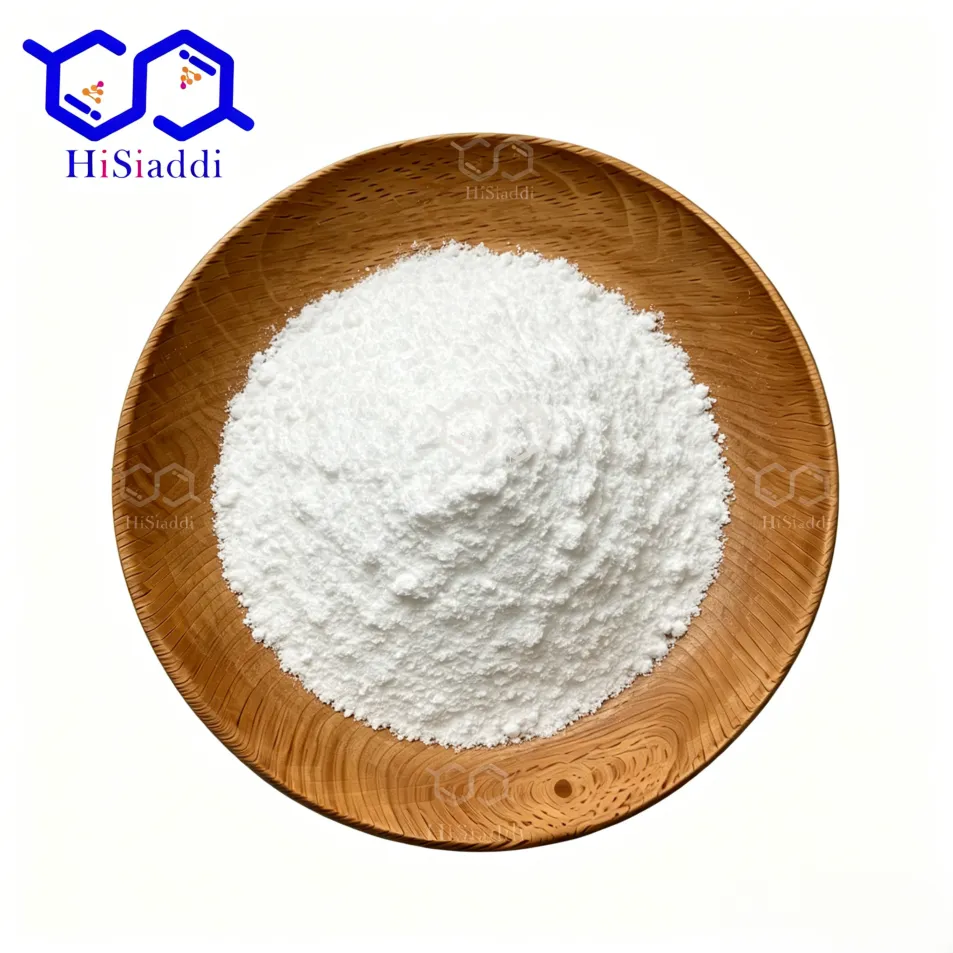
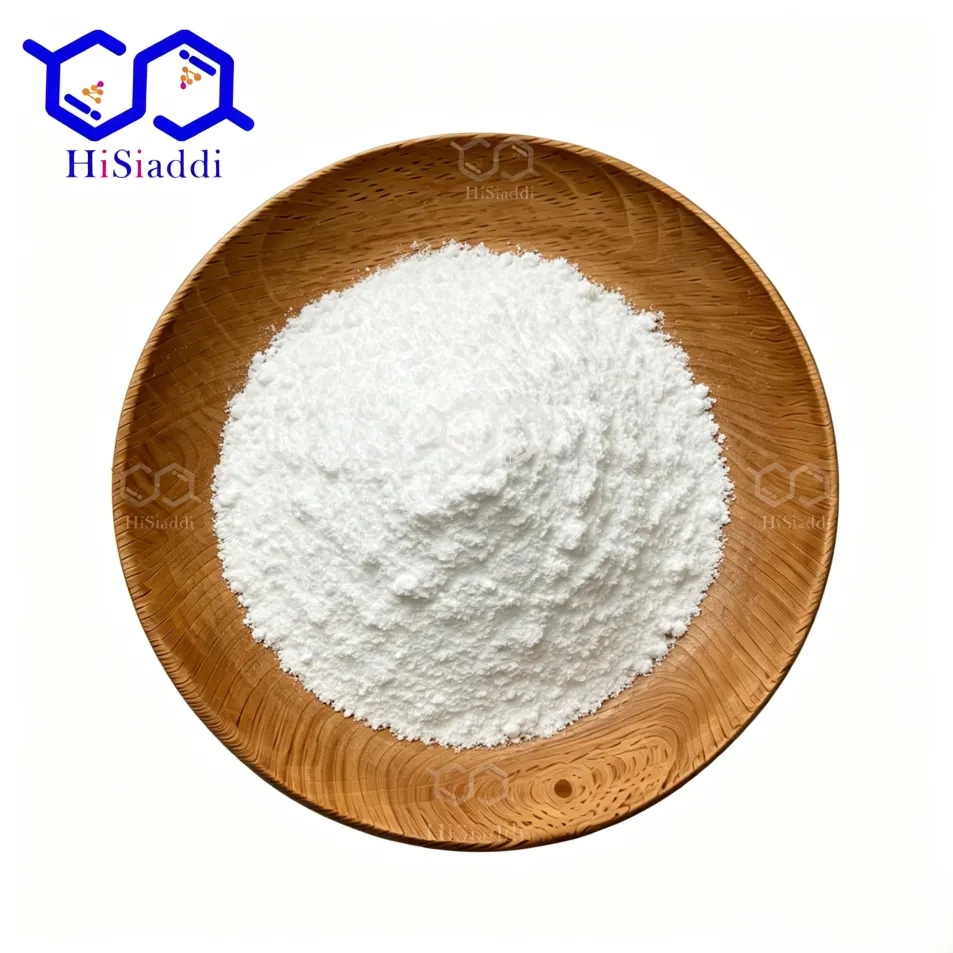
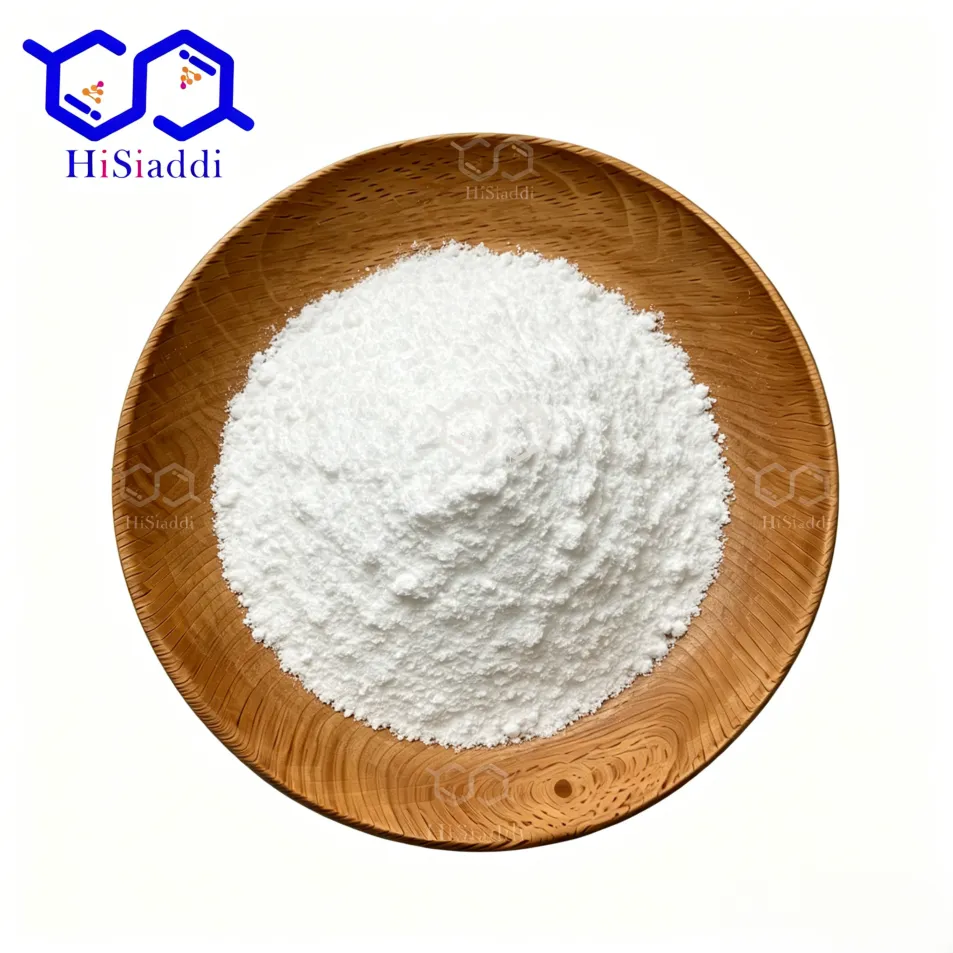
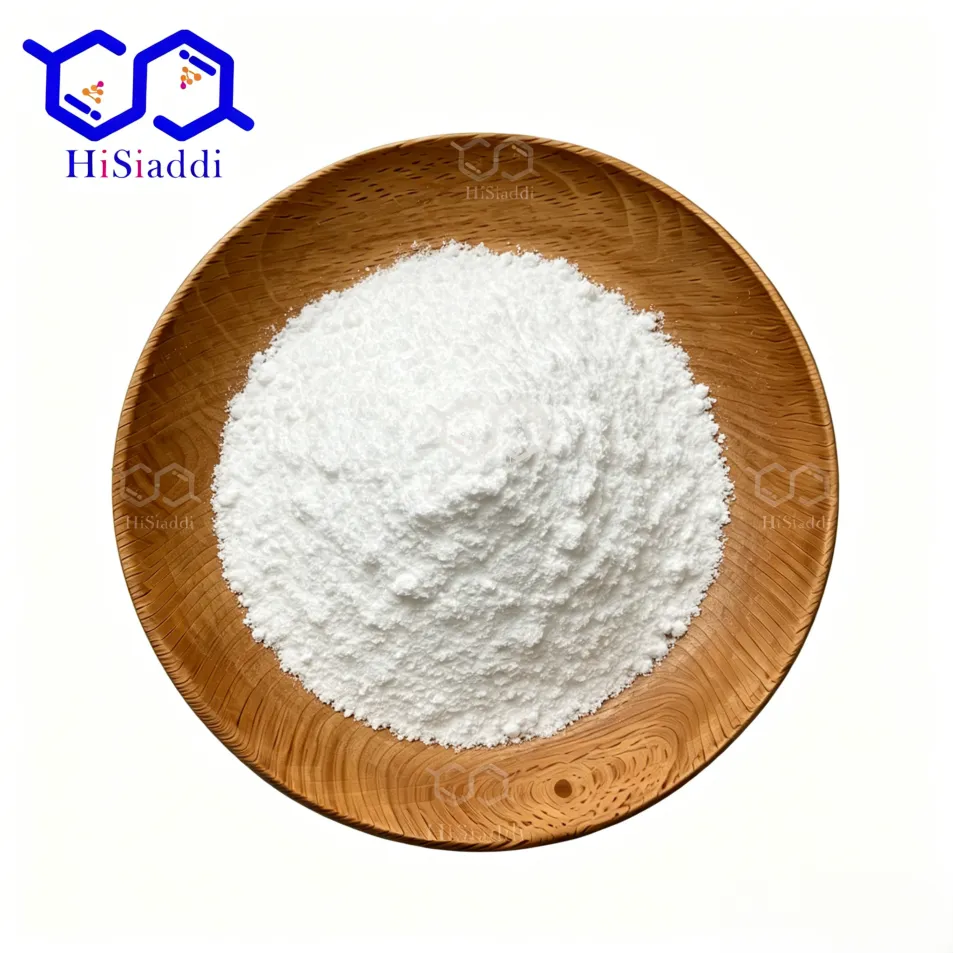
Curdlan, also known as β-1,3-Glucan. It is used as food gelling agent, stabilizer and texture modifier. HiSiaddi provides original factory products of multiple Chinese brands with premium quality, priced around 30% lower than international brands.
Relying on ten years of research-grade consulting service experience, HiSiaddi recommends well-known brands and mainstream models of this product to you.
Fufeng: CF-995 High-purity Food Grade, CF-800 Standard Grade. Purity ≥99.5%, gel strength ≥800g/cm², ash content ≤0.15%. Short fermentation cycle and excellent batch stability, benchmarking international brands and priced 25%-30% lower than Japan Mitsubishi. Suitable for high-end meat products, plant-based meat and frozen prepared food manufacturers.
Yiming: HBG-52 High Gel Strength Grade, Standard Curdlan. Gel strength 700-800g/cm², good cold water dispersibility and freeze-thaw stability with better anti-aging performance than competitors. Ideal for medium-budget flour products, surimi products and large-scale frozen food processors.
HiSiaddi Exclusive Services: Customized polymerization degree (DP value) adjustment; provision of Kosher/Halal/ISO22000/FDA compliance documents; application formula and process optimization consulting; testing for gel strength and heavy metals.
 CONTACT HiSiaddi NOW
Name: | Curdlan | Other Name: | Curdlan Gum |
CAS No. | 54724-00-4 | Brand: | Multi-brand |
MF: | N/A | Model Number: | Multi-models |
EINECS No. | N/A | Place of Origin: | Jiangsu, China |
Purity: | 99.0% | Grade: | Food grade |
MOQ: | 1ton | Storage: | Please refer to the product packaging or contact the customer service |
When you purchase Curdlan as a buyer, you may encounter the following questions:
What are the core indicator advantages and application impacts of mainstream models of well-known Curdlan brands?
What competitive services can Curdlan suppliers provide?
How about the qualification certifications and market reputation of target Curdlan brands?
What is the inventory level and supply stability of Curdlan suppliers?
What factors need to be considered when selecting Curdlan?
...and many other relevant questions.
Most overseas producers adopt batch fermentation, leading to low gel strength, large batch-to-batch fluctuation and high impurity polysaccharide content;
Limited customized specifications, with long lead time for high-gel-strength type, low-viscosity instant soluble type, meat-specialized type and pet-food-specialized type;
Restricted strain production capacity results in unstable supply and shortage of high-purity high-grade products;
Higher carbon footprint, incurring much higher CBAM carbon tariff costs compared with China's eco-friendly continuous fermentation technology.
CRD 800 Pro: High-purity food grade, gel strength ≥800 g/cm², dedicated for meat products & high-end vegetarian food (top-selling export model worldwide)
CRD 600 Standard: Standard food grade, gel strength 600-700 g/cm², universal for general food production
CRD High Elastic: High-elasticity special grade for konjac products and artificial meat
CRD Micro Powder: Micro-powder instant soluble grade for beverages and cold-processed food
CRD Pet Feed: Special grade for pet food & animal feed, featured with water retention and intestinal protection
Gel strength: Stable at 800-860 g/cm² for CRD 800, batch RSD<0.3%, fully compliant with Takeda's standards
β-1,3-glucan content ≥92%, molecular weight: 8×10⁵–1.2×10⁶ Da with even distribution
Viscosity: 1200-1600 mPa·s for 1% aqueous solution; micro-powder particle size ≤60 mesh, well dispersed in cold water without agglomeration
Temperature & pH resistance: Stable within pH 2-12; forms irreversible gel at 90°C; retains over 90% strength after 5 freeze-thaw cycles at 18°C
Heavy metal limit: Pb<0.5 ppm, As<0.2 ppm, Cd<0.1 ppm; protein residue ≤0.5%
Strain qualification: Self-bred safe Alcaligenes strain, GMO-free, complete toxicology and non-pathogenicity test reports
Shelf stability: Gel strength attenuation<1.0% within 24 months sealed storage at 25°C
Compliance certifications: FSSC22000, ISO22000, GMP, EU REACH registration, Halal, Kosher, PAS2050 carbon footprint certification, FCC, EFSA filing. It is the only Chinese Curdlan manufacturer with full-range certifications matching Takeda and Mitsui
Production capacity: Annual output 11,000 tons, ranking No.1 globally with stable year-round supply
Europe & America: Large-scale meat product groups, plant-based vegetarian food enterprises, high-end frozen food factories and leading pet food brands in Germany, Netherlands, USA etc.
Japan & South Korea: High-end food additive manufacturers and konjac product factories
Global market: Organic food producers, premium aquatic product processors and top pre-mix feed importers
Identical ultra-high gel strength as imported Takeda products, enabling direct replacement without formula adjustment
Excellent freeze-thaw and acid-base resistance adapts to frozen food, sterilization and acidic food production processes with stable structural performance
Instant soluble micro-powder solves cold-water agglomeration issue and greatly improves compatibility with cold-processing formulas
Complete set of EFSA, REACH and FCC compliance documents facilitate quick supplier qualification approval in European and American food enterprises, shortening factory audit cycle by 5-7 months
Improves water retention, stool formation and intestinal barrier health in feed and pet food, effectively reducing diarrhea incidence
Meat products: Enhanced elasticity of ham and luncheon meat, firm slicing performance, excellent water & oil retention without water seepage
Vegetarian & konjac food: Chewy texture of artificial meat, high gel strength of konjac products, anti-boiling property and authentic taste
Frozen food: Dumplings and meatballs resist boiling and freeze-thaw deformation with extended shelf life
Beverages: Stable suspension effect, zero calorie and clean label compliance
Pet food: Increased particle hardness and water retention, reduced loose stool
Natural microbial fermentation without chemical additives meets European and American clean label standards, bringing prominent product premium
CRD 600 Standard: 600-strength standard food grade (second largest export volume)
CRD 500 General: 500-strength universal grade for snack food and aquatic product processing
CRD Feed Multi: Feed-grade Curdlan applicable for livestock and aquatic farming
CRD Multi Blend: Compound gel pre-mixture of Curdlan, konjac powder and xanthan gum
Gel strength: 580-620 g/cm², β-1,3-glucan content ≥88%
Freeze-thaw resistance: Retains over 85% strength after freeze-thaw treatment, higher than 80% of Evonik general grade
Self-sufficient fermentation raw materials and large-scale production ensure cost control
Strictly compliant with FSSC22000 and FAMI QS standards
Certifications: ISO22000, Halal, Kosher, 100% smooth customs clearance in Southeast Asia, Middle East, Africa and South America
Annual capacity: 8,600 tons, stable bulk supply with great price negotiation space for full-container orders
Southeast Asia: Large meat product factories, konjac processing plants and livestock feed groups in Vietnam, Thailand, Indonesia
Middle East & North Africa: Food additive traders and livestock breeding groups in Saudi Arabia, Egypt, UAE
South America: Comprehensive feed and food raw material importers in Brazil, Argentina
Eastern Europe: Regional distributors in Poland, Romania
Sufficient annual production capacity ensures stable bulk supply and avoids production shutdown caused by raw material shortage
Standard specifications fit conventional food and feed formulas with stable gel performance and good formula compatibility
One-stop supply of compound gel pre-mixture cuts procurement and multi-batch testing costs of various additives
Obvious price advantage raises gross profit margin of finished products by 15%-21% via large-scale production
Natural microbial fermentation adapts to halal food and halal breeding markets in Southeast Asia and Middle East
Food industry: Stable structure of casual meat and aquatic products with lower processing cost
Breeding industry: Improved water retention and shaping performance of feed, reduced livestock diarrhea and enhanced growth performance
Natural and safe products free of chemical residues meet global food export standards and boost international competitiveness
CRD 600 USP: Standard 600-strength food grade Curdlan
CRD Micro Powder Fast: Exclusive ultra-fine instant soluble Curdlan for cold processing and beverage production
CRD Low PH: Strong acid resistant grade for acidic meat products and fermented food
CRD Russia Meat: Custom formula specially tailored for Russian meat products
Ultra-fine powder particle size ≤40 mesh, instant cold-water dispersion without agglomeration and caking
Strong acid resistant type keeps stable for long term under pH 2.5-4.0 with gel strength retention ≥90%
Complete exclusive certifications including Russian RZN, Kazakhstan GOST and Uzbekistan certifications, ranking first in market share in Central Asia and Eastern Europe
Superior logistics via Guangdong ports ensures stable sea freight delivery to Russia and Central Asia
Low moisture absorption rate<1.1%, suitable for long-term storage in high-humidity and cold regions
Russia & Central Asia: Meat product enterprises, acidic fermented food factories and feed groups
Eastern Europe: High-end vegetarian food manufacturers and antibiotic-free breeding enterprises in Poland, Hungary
Middle East: High-end aquatic product processors and young livestock breeding enterprises
Ultra-fine instant soluble powder eliminates dispersion difficulties in cold processing, optimizing formula effect of beverages and cold-made food
Customized gel strength ratio fits local low-temperature sterilization technology in Russia
Complete regional compliance certifications ensure hassle-free customs clearance without policy risks
Flexible customized specifications allow adjustment of gel strength and particle size according to local food and breeding industry demands
No layering and uniform gel state of cold-processed food, stable taste of acidic meat products
Stable long-distance storage performance in cold areas without quality loss during transportation
Improved elasticity and water retention of meat products matching local processing characteristics in Eastern Europe and Russia
CRD All Grade: Universal full-specification Curdlan
CRD Pet Blend: High-purity compound grade exclusively for pet food (Curdlan + konjac gum + xanthan gum)
CRD Custom Ultra Low Metal: Ultra-low heavy metal customized grade for organic food
CRD Carbon Low: Low-carbon eco-friendly Curdlan
Balanced and stable gel strength, molecular weight and physicochemical properties
One-stop supply advantage: simultaneous production of full-range hydrophilic colloids including xanthan gum, gellan gum, konjac gum, carrageenan and pectin, supporting consolidated container shipment
Exclusive certifications: Australian TGA, New Zealand RMP, Brazilian ANVISA, Mexican COFEPRIS, zero customs clearance risk in Latin America, Australia and New Zealand
Customizable services: adjustable moisture content, special particle size, exclusive gel strength and liquid dispersible type
Low-carbon continuous fermentation process meets EU CBAM carbon tariff compliance requirements
Australia & New Zealand: Pet food groups and high-end organic food enterprises
Latin America: Comprehensive food and feed raw material importers in Brazil, Mexico
Small and medium-sized comprehensive raw material distributors and cross-border pet brands in Europe and America
Access to full-series hydrophilic colloid additives from one single supplier, greatly cutting costs on supplier management, factory audit and product inspection
Consolidated shipment lowers unit ocean freight and raises overall profit margin
Ultra-low heavy metal customized products comply with strict organic food and natural feed regulations in Oceania and Latin America
Favorable credit terms for bulk purchases ease capital pressure
Synergistic effect of compound colloids improves gel structure of food and stability of pet food comprehensively
Natural microbial-based and low-carbon raw materials gain easy access to high-end supermarkets and pet product channels in target regions
ESG green raw materials cater to high-end consumption trends in Europe and America and achieve higher end-product premium
CRD 800 High Pure: High-purity food grade, gel strength ≥790 g/cm²
CRD Halal: Halal-certified Curdlan with full-process halal fermentation and production
CRD Custom Low Ash: High-end low-ash customized grade
Fermented with safe strains, free of harmful chemical impurities and GMO ingredients
Core advantage: Top-grade global Halal and Kosher certifications with full-process halal traceability
Flexible supply: Low MOQ supporting orders from 50 kg to 1000 kg, breaking high MOQ threshold of large manufacturers
Complete testing service: Batch-wise full-item SGS reports covering gel strength, molecular weight and heavy metals, multi-language COA documents and strain traceability files
Superior port logistics: Convenient shipment via Shanghai and Lianyungang ports, flexible consolidated container, air freight and express delivery for small trial orders
Middle East & North Africa: Small and medium meat product factories, halal pet food enterprises and halal breeding groups in Saudi Arabia, UAE, Iran
Southeast Asia: Muslim food and feed raw material importers in Malaysia, Indonesia
Global emerging pet brands and niche special breeding raw material traders
Built-in top-tier halal certifications eliminate secondary certification procedures for quick access to global Muslim food and breeding markets
Low-risk small-batch trial orders avoid overstock and accelerate formula effect verification
Low-ash and high-purity formulas support differentiated product development of high-end organic food and pet food
Flexible customization serves formula research of niche food and special animal feed
Fully compliant with Islamic dietary laws, ensuring qualified application in Muslim-oriented meat products, artificial meat and pet supplies
High-end natural microbial gel raw materials create strong product differentiation for niche brands to capture segmented market dividends
Low raw material entry threshold facilitates the growth of regional local brands

| Brand | Core Export Models | Core Competitive Indicators | Cost-performance Positioning | Target B-end Buyers | Benefits for Downstream Buyers | End-product Advantages |
| Shandong Fufeng Bio | CRD 800 High-purity Grade, CRD 600 Standard Grade, High-elasticity Konjac Grade, Micro-powder Instant Grade, Feed & Pet Special Grade | Gel strength 800-860 g/cm², β-1,3-glucan ≥92%, ≥90% strength retention after 5 freeze-thaw cycles, full-set FSSC22000/REACH/carbon footprint/EFSA certifications, batch RSD<0.3% | High-end superior cost-performance, 96%-142% cheaper than Takeda, zero after-sales risks | Large European & American meat groups, plant-based vegetarian giants, high-end pet food enterprises | Direct replacement of imported products, wide process adaptability, complete high-end compliance documents, shortened overseas audit cycle | Firm & water-retentive meat products, chewy vegetarian food, stable frozen food, less loose pet stool, prominent natural additive-free premium |
| Zhejiang Tianxin Bio | CRD 600 Standard Food Grade, CRD 500 General Grade, Feed Grade, Compound Gel Pre-mixture | Gel strength 580-620 g/cm², β-1,3-glucan ≥88%, ≥85% freeze-thaw strength retention, stable bulk supply, complete ISO certifications | Ultimate cost efficiency for bulk food & feed grade, 83%-119% cheaper than Evonik | Large food factories, breeding groups and regional traders in Southeast Asia, Middle East, Africa | Compatible with common food & feed formulas, one-stop pre-mixture supply cuts procurement cost | Stable processed food texture, improved livestock intestinal health, enhanced export compliance of agricultural products |
| Guangdong Hesheng Bio | CRD 600 Standard Food Grade, Ultra-fine Instant Grade, Acid-resistant Grade, Russian Meat Custom Grade | Particle size ≤40 mesh, ≥90% strength retention under pH2.5, complete Russian & Central Asian certifications, moisture absorption rate<1.1% | Preferred mid-range customized brand, outstanding instant solubility, acid resistance and regional customization advantages | Meat product factories, acidic fermented food manufacturers in Russia, Central Asia, Eastern Europe | Solve cold-processing agglomeration, local formula matching, barrier-free customs clearance, low storage loss | Uniform cold-processed food texture, improved meat elasticity, stable performance in cold regions |
| Shandong Youerkang Bio | Universal Full-spec Grade, Pet Compound Grade, Ultra-low Heavy Metal Organic Grade, Low-carbon Eco Grade | One-stop full-range hydrophilic colloid supply, complete Oceania & Latin America certifications, carbon footprint compliance, consolidated shipment cost advantage | Best choice for integrated one-stop procurement with prominent combined purchasing cost advantage | Pet groups, organic food enterprises and comprehensive importers in Australia, New Zealand, Latin America | Simplified supplier management, lower ocean freight, formulas matching strict regional regulations | Synergistic colloidal effect, eco-friendly property for high-end sales channels, notable ESG product premium |
| Jiangsu Shengtai Bio | CRD 800 High-purity Grade, Halal Special Grade, Low-ash Custom Grade | Top Halal & Kosher certifications, flexible supply starting from 50kg, full strain traceability, multi-language complete test reports | King of cost-performance for small-batch orders and halal segmented markets without MOQ premium | Halal food & breeding enterprises, emerging pet brands in Middle East, North Africa, Southeast Asia | Quick entry into Muslim markets via built-in certifications, low-risk trial orders, flexible customization | Religious compliance guarantee, strong niche brand differentiation, easy market expansion for small brands |
HiSiaddi is an innovative foreign trade service provider driven by integrated technology transformation and foreign trade businesses. We have built a "1+2+3+4=1" product service system: 1 foreign trade salesperson with over 3 years of experience, 2 chemical R&D teams, 3 multi-screened high-quality suppliers, and 4 shared warehouses to satisfy all demands for one single product.
With this complete service system, HiSiaddi gains deeper insight into Curdlan R&D and production optimization than ordinary trading companies, better understanding of differentiated market demands and competitive advantages of various Curdlan brands than single factories, and richer experience in Curdlan overseas export business than professional research institutes.
HiSiaddi only recruits foreign trade sales staff with more than 3 years of industry experience. All sales must receive combined training organized by R&D and foreign trade teams for over 6 months before providing services to clients.
(1) Basic Support Services for Curdlan
Backed by our complete foreign trade operation system, we provide full-cycle one-stop document follow-up services, including issuance and agency application of all compliance certificates of Curdlan, provision of third-party test reports, and follow-up & settlement of all quality guarantee problems.
(2) Exclusive Premium Services for Curdlan
Curdlan carbon footprint & EU CBAM one-stop compliance solution: PAS2050 carbon footprint certification service to help clients save €160–220 per ton of carbon tariffs; ESG and clean label filing support for meat and plant-based food downstream products.
We carry out in-depth joint development with source manufacturers via technology transfer, while maintaining close internal coordination with foreign trade teams to deliver regular technical training for sales teams. This enables us to provide highly professional Curdlan customization and research-level consulting on brand selection and formula optimization.
(1) Research-Grade Customization Services for Curdlan
Custom ultrafast soluble, high sterilization stability, acid-resistant and low-ash curdlan for meat, vegetarian and pet food; Optimize compound formulas with konjac gum and xanthan to strengthen gel strength and shelf life, lifting gross margin by 40–60%.
(2) Research-Grade Consulting Services for Curdlan
Monthly global hydrocolloid market report comparing domestic curdlan vs Takeda/Mitsui; Free gel stability comparative testing of domestic and imported samples; Global food and pet purchaser community resource matching.
Our foreign trade and R&D teams cooperate closely. We conduct market research, on-site factory audits, full product testing, in-depth technical cooperation and bulk purchase cooperation in multiple rounds, and select around 3 reliable suppliers with stable supply, good reputation and great development potential.
(1) Initiative to Secure Lower Curdlan Prices
Long-term cooperation via technology transfer and authorized distribution allows us to obtain factory-direct source at more competitive prices.
(2) Long-Term Supply Chain Assurance for Curdlan
Our long-term cooperative model strengthens real-time production monitoring, full-process traceability, batch stability control, and compensation mechanisms for goods failing third-party inspection standards.
We operate 4 warehouses jointly with our suppliers to stock hot-selling bulk products.
(1) Fast Local Delivery & On-Site Problem Resolution for Curdlan
Our four warehouses are located at Qingdao Port (North China), Ningbo Port (East China), Shenzhen Port (South China), and Zhengzhou inland logistics hub. We can deliver Curdlan in a timely manner. If transportation damage, packaging defects or export compliance issues occur, our on-site staff stationed near each warehouse can solve problems on the spot immediately.
(2) Mitigate Price Volatility & Support Custom Packaging for Curdlan
We stock goods in advance before peak demand seasons to ease sharp price fluctuations. Our self-operated warehouses fully support clients’ personalized packaging and labeling demands.
Custom light-proof, sealed packaging printed with natural microbial gel identification marks.
As a new type of foreign trade service provider driven by both technology transformation and foreign trade services, HiSiaddi has built a "1+2+3+4=1" service system and can supply raw curdlan from multiple well-known original manufacturers. As a research and development-oriented foreign trade service provider, we will systematically sort out common procurement pain points for B-end buyers sourcing curdlan in China and propose targeted solutions from a professional perspective.
If you require more professional and in-depth analysis regarding curdlan procurement, please contact HiSiaddi customer service.
1. Falsified polymerization degree and substandard emulsification performance: Low-cost raw materials adulterate diglycerol/triglycerol to falsely label pentaglycerol/decaglycerol PGFE. Products marked as decaglycerol often feature low actual average polymerization degrees, causing oil-water separation and sanding in pastries and margarine, leading to full-batch finished product scrapping and reformulation of emulsification systems.
2. High minimum order quantities across diverse grades: PGFE includes over ten subcategories with different lipophilic/hydrophilic properties and HLB values. Most manufacturers set a 500kg MOQ per single grade. Small factories requiring multiple compound ingredients cannot stock large volumes of each grade separately, with middlemen marking up prices by 15%–30% for small-batch single-grade orders.
3. Excessive acid value and heavy metal contamination: Low-quality raw materials retain unneutralized free fatty acids with elevated acid values, triggering demulsification and sour deterioration when added to acidic beverages and yogurts. Some raw materials exceed European and American food additive heavy metal limits and fail factory incoming quality inspections of downstream clients.
4. Lack of complete import compliance documents for small orders: Scattered suppliers only provide simple delivery slips without EU E-number certifications, FDA food additive listings or raw material traceability records, leading to customs detention and inspection of small shipments overseas due to incomplete documentation.
1. Contractual guarantee for polymerization degree and HLB indicators: Contracts specify fixed average polymerization degrees and HLB ranges for corresponding grades. Each batch is accompanied by third-party SGS test reports. Full unconditional return and exchange shall apply if test indicators deviate from agreed standards, with HiSiaddi covering all round-trip international logistics costs.
2. Consolidated mixed-order split small-package supply: Consolidate procurement orders from nearby small ingredient manufacturers for full-container bulk purchasing. Original manufacturers repackage into 25kg/10kg food-grade plastic drums, with a minimum order quantity of 25kg across all grades. Split shipments are available on demand to avoid large-volume single-grade inventory stocking.
3. Tiered supply with strict physicochemical control: Control acid value, lead and arsenic heavy metals in line with export standards. Premium formulation grades limit acid value ≤3mgKOH/g, with individual physical and chemical test reports attached to each shipment for dairy and acidic beverage formulations.
4. One-stop full-range certification support: Regardless of purchase volume, supply complete E-number certifications, FDA filing documents and raw material traceability ledgers to meet customs clearance and downstream brand factory audit requirements.
1. Price hikes and supply shortages driven by volatile bulk raw materials (palm oil, glycerin): PGFE production relies on industrial glycerin and edible palm fatty acids, with international oil prices fluctuating 10%–25% monthly. Most manufacturers raise prices and cut production capacity during raw material price surges. Sudden peak season order delays result in production line shutdown losses.
2. Inconsistent iodine value and melting point across batches: Variations in fatty acid carbon chain distribution between raw material batches cause unstable expansion rates and low-temperature caking in mass-produced ice cream and shortening, leading to inconsistent finished product quality across batches, brand returns and compensation claims.
3. Mismatch between long-cycle OEM fixed-price contracts and short-term price locks: Downstream brands sign 6–12 month fixed-price OEM contracts, yet most raw material suppliers only offer price locks valid for 15–30 days, leaving buyers to bear all cost losses from oil price hikes.
4. Lack of customized modified specialty products: Conventional PGFE shows poor compatibility with low-temperature-resistant variants for frozen baking dough and high-water-soluble variants for beverages. Buyers must compound additional auxiliary agents separately, increasing raw material and processing costs.
1. Annual long-term framework supply agreements for raw material supply security: Sign annual framework supply contracts with upstream glycerin and palmitic acid raw material inventory locked in advance for quarterly batch delivery. Contracts stipulate liquidated damages of 0.2% of goods value per day for delayed shipments to mitigate seasonal raw material shortages.
2. Uniform batch homogenization + dual factory & third-party testing: Homogenize and blend finished products per batch before repackaging. Implement in-house factory inspection plus full-item testing by Intertek to strictly control batch errors of iodine value, melting point and HLB, ensuring stable continuous production.
3. Tiered price locks for 3–12 month periods: Large annual buyers pay a small deposit to lock prices in advance based on monthly consumption forecasts, hedging against cyclical international oil price hikes.
4. Customized directional modification for formulation matching: Develop low-temperature-resistant variants for frozen baking dough and high-hydrophilic modified products for beverages on demand. Finished products directly match end formulations, eliminating secondary compounding processing costs for buyers.
1. Divergent additive regulation indicators across jurisdictions: Goods distributed to the EU, US, Japan, South Korea and Southeast Asia face disparate standards: the EU imposes strict controls on free glycerin and heavy metals, the US follows FCC standards, while Southeast Asia adopts loose access criteria. A single grade cannot serve all regions, and separate procurement per country increases combined sea freight and customs costs by over 28%.
2. Leakage and oxidative deterioration during long-distance ocean transportation: Liquid/cream PGFE leaks through damaged seals and contaminates outer packaging; high ocean temperatures trigger fatty acid oxidative rancidity, resulting in 3.5%–8% goods rejection losses from end clients upon arrival.
3. Premium surcharges for small replenishment orders after bulk full-container purchases: Large full-container bulk orders carry low unit prices, yet subsequent small replenishment orders face 12%–22% unit price markups, squeezing distribution profit margins.
4. Shortage of multi-language customs declaration and SDS documents: Customs authorities of various countries require local-language safety data sheets and additive declaration materials, while original manufacturers only provide Chinese documents. Self-prepared documents by buyers contain errors leading to port detention.
1. Mixed-grade full-container consolidated shipments: Separate products into EU/US high-compliance grades, Japan/South Korea strict-indicator grades and Southeast Asian economical grades, consolidating multiple specifications into a single container shipment to avoid separate orders and vessels.
2. Thickened sealed packaging + optional temperature-controlled containers: Solid products adopt inner aluminum foil bags plus waterproof drums; liquid PGFE uses thickened food-grade sealed drums with outer protective cartons. Temperature-controlled containers are optional for high-temperature ocean routes. Free product replacement with full round-trip freight coverage is provided for rancid or leaking goods upon arrival.
3. Overseas bonded warehouse inventory & replenishment mechanism: Large full-container shipments are stored in cooperative overseas bonded warehouses. Subsequent small replenishment orders retain the original bulk purchase unit price without small-order surcharges, enabling split delivery to downstream clients across regions from nearby warehouses.
4. Free full-set multi-language declaration documentation: Complimentary English, Spanish, Japanese and ASEAN-language SDS, label templates and national additive access materials for direct printing and customs clearance.
1. Excessive residual catalysts and small-molecule impurities causing skin irritation: Conventional food-grade PGFE retains alkaline catalysts and short-chain fatty acid impurities, triggering stinging and redness when formulated into skin creams and topical ointments, failing skin irritation testing and blocking product launch.
2. Excessive microbial count and peroxide levels: Cosmetic and pharmaceutical raw materials require far stricter microbial control than food-grade materials. Excessive colony count and peroxides in conventional raw materials cause mold and rancidity in stored creams.
3. Persistent off-odors: Crude PGFE retains oil refining odors, leaving fishy oil off-notes in finished skincare products and failing sensory acceptance by end clients.
1. Refining and impurity removal process for pharmaceutical & cosmetic applications: Adopt catalyst removal and short-chain fatty acid rectification refining processes to strictly control harmful residual levels, with skin irritation test reports provided for compatibility with topical cream formulations.
2. Production in Class 100,000 clean workshops + special testing: Cosmetic and pharmaceutical grades are produced under full aseptic workflow with additional dedicated testing for total aerobic count and peroxides, complying with European and American cosmetic raw material access regulations.
3. Low-temperature vacuum deodorization refining: Vacuum treatment at low temperatures removes oil odors, delivering mild or odorless finished products meeting sensory requirements for skincare and pharmaceutical excipients.
For more professional and in-depth analysis on curdlan procurement, please contact HiSiaddi customer service.
Low ash content: ≤ 0.35% (the ash content of standard domestic products ranges from 0.8% to 1.2%);
Cold-soluble modification: Conventional Curdlan requires heating above 90°C for swelling, while the client’s production line only adopts normal-temperature ice water feeding technology;
Compliance with Malaysian HALAL halal standards and FCC food regulations, with Malay-language Certificate of Analysis (COA);
Flexible batch supply: 15 kg for lab trials, 300 kg for pilot production and 2 tons for mass production, as the factory could not stock large quantities at one time.
Sausages cracked and suffered severe water separation after cooking, with a cooking loss rate of 21% (the qualified rate in the industry is no more than 10%);
When feeding Curdlan at a high stirring speed of 3500 rpm in the chopper, the powder agglomerated and failed to disperse evenly, blocking the feeding pipeline;
After 7 days of low-temperature refrigeration, the surface of meatballs released excessive water and became sticky, shortening the shelf life to 6 days (the required shelf life is no less than 15 days).
Reduced the addition amount of Curdlan from 0.4% to 0.28%, cut the dosage of phosphate by 0.15%, and added 0.08% modified corn starch to stabilize the system;
Optimized feeding procedures: Pre-dispersed Curdlan in 5 times the volume of ice water with a small amount of granulated sugar and soaked for 12 minutes, then mixed it with soy protein before adding to the chopper in batches to prevent agglomeration of dry powder;
Adjusted low-temperature processing parameters: Adopted segmented temperature control during cooking — pre-cook at 72°C for 30 minutes for shaping, then fully cook at 90°C to avoid sausage cracking caused by thermal expansion.
Product fine-tuning to match the production system
HiSiaddi coordinated the domestic raw material manufacturer to perform mild alkalization pretreatment on the undelivered Curdlan, adjusting the initial gel temperature to adapt to the client’s low-temperature cooking production line. We also delivered 120 kg of pre-modified products free of charge to replace the problematic inventory.
Lead time
Quantity (ton) | 0 - 10 | 10 - 30 | > 30 |
Lead time (days) | 7 | 15 | To be negotiated |
The monthly inventory volume of Curdlan is 80 tons, with appropriate adjustments upwards or downwards in response to peak and off-peak seasons.
HiSiaddi safeguards the supply stability of Curdlan through the following measures:
(1) Performance evaluation and screening of Curdlan brand factories based on on-time delivery rate, batch pass rate, timeliness of risk alerts, and completeness of documentation to assess their supply stability.
(2) For each mainstream model or major grade of Curdlan, secure 1 primary high-quality brand manufacturer and 2 backup high-quality manufacturers.
(3) Each factory operates independent production lines in separate production zones to prevent production halts caused by major unforeseen incidents such as environmental production suspensions and power outages.
Through long-term cooperation with brand manufacturers via technology commercialization and authorized distribution channels, HiSiaddi can effectively strengthen supervision over the production processes of brand manufacturers, optimize full-process traceability management, improve batch stability control, and further reinforce real-time monitoring of the supply stability of Curdlan products.
Long-term Annual Framework Supply Guarantee Agreement. HiSiaddi signs 12-month long-term agreements with leading manufacturers. The agreements specify the minimum guaranteed supply volume, maximum price hike range, and priority production scheduling rights during peak seasons. It is stipulated that manufacturers shall issue a 30-day prior written notice if production is suspended due to environmental rectification or equipment maintenance, and backup manufacturers will be activated to replenish goods accordingly.
We have 4 warehouses, which are jointly operated and managed with suppliers to store hot-selling products.The four warehouses are located at Qingdao Port in North China, Ningbo Port in East China, Shenzhen Port in South China, and Zhengzhou, China’s inland logistics hub. This setup guarantees sufficient supply and timely shipment of Curdlan during peak seasons.
HiSiaddi issues a rolling demand forecast covering the subsequent three months on the 25th of each month, allowing manufacturers to reserve production capacity in accordance with the forecast. Any new urgent orders from overseas clients will be prioritized to draw on inventories or production capacity from backup manufacturers.
Unstable logistics for Curdlan will extend delivery lead times. HiSiaddi has established alternative arrangements covering multiple freight forwarders, ports and transportation solutions:
(1) Binding of multiple professional chemical freight forwarders for Curdlan
Each product is assigned 2 to 3 freight forwarders with hazardous chemical/food transport qualifications affiliated with different shipping lines. Alternative sailing schedules can be switched to immediately in case of space shortages or customs inspections on a single shipping route.
(2) Backup transportation solutions for Curdlan
Ocean freight serves as the standard mode; air freight and rail freight are reserved as alternatives for urgent orders. Long-term agreements for temperature-controlled containers are signed for temperature-sensitive and perishable food additives to secure shipping space.
(3) Visual tracking and digital early warning for Curdlan
Freight forwarders synchronize daily updates on container loading, customs declaration, vessel loading and port arrival milestones. If customs inspection occurs, replenishment from backup inventory will be initiated immediately to shorten client waiting periods.
Full-chain digital early warning automatically monitors four categories of risks:
Factory side: Expiring supplier environmental assessment certificates, renewal of production permits, scheduled major equipment overhauls, and notifications of price hikes for upstream raw materials;
Inventory side: Inventory falling below safety thresholds, excessive inventory age, and batches failing quality inspection;
Logistics side: Shipping line space shortages, strikes at destination ports, and updates to customs policies;
Overseas side: Revisions to additive regulations and adjustments to import restriction lists in target countries.
Early warning notifications are automatically pushed to procurement and business leads, allowing backup suppliers or inventory contingency plans to be activated in advance.
As a new-type foreign trade service provider driven by dual pillars of technology commercialization and export services, HiSiaddi has built a "1+2+3+4=1" service system and can supply raw materials from multiple well-known original manufacturers of curdlan.
As an R&D-oriented foreign trade service provider, HiSiaddi avoids the bias of single-brand factories that only promote their own products. We objectively analyze multiple highly competitive Chinese export brands of curdlan and share their certification credentials and market feedback transparently to help purchasers select suppliers efficiently and reliably. If you require more authentic, objective information on China’s major curdlan brands, please contact HiSiaddi customer service.
· Food Grade F990 (General High-Purity Type): Purity ≥99.2%, gel strength ≥850g/cm², standard export packaging in 25kg bags.
· High-Temperature Sterilization Resistant Grade F995: Purity ≥99.5%, retains ≥92% gel integrity after 121°C/30min sterilization, suitable for meat products and canned food.
· Plant-Based Special Grade F998: Low ash content (≤0.3%) and high elasticity, compatible with soy/pea protein matrices to resolve loose, low-chewiness pain points of plant meat.
1. European & American Markets (42% of total exports): Leading meat processors (Vion Netherlands, Tyson USA) are long-term purchasers of F995, commenting that "batch consistency outperforms Japanese and South Korean competitors; no water separation or gel cracking after high-temperature sterilization with over 99% intact slice rate". Plant-based brands including Beyond Meat upgraded their chewiness score from 7.5 to 8.3 (full score 9) after adopting F998.
2. Japanese & South Korean Markets (38% of total exports): Designated supplier for Nippon Ham and Nonghyup Korea. Client feedback confirms purity compliance, heavy metal (lead ≤0.5mg/kg) and microbial (total plate count ≤100cfu/g) indicators exceed national standards, enabling direct substitution for Ajinomoto Japanese products with a 25% cost reduction.
3. Southeast Asian & Middle Eastern Markets (20% of total exports): Quick-frozen food and surimi manufacturers prioritize F990, praising its unrivaled cost-performance, enhanced water retention (7%–9% higher finished yield), compatibility with local humid climates and 30% extended shelf life.
· International Certifications: FDA (food grade), EFSA E418, FCC, HALAL, Kosher—exemption qualifications for European, American and Japanese markets.
· Domestic Certifications: GB 28304-2012 national standard, ISO 22000 food safety management system, "Industry Benchmark Brand" awarded by China Fermentation Industry Association (2024).
· Industry Honors: "Best Curdlan Supplier" at the 2025 Global Food Additives Expo, China’s top curdlan exporter for three consecutive years.
· General Food Grade M990: Purity ≥99.0%, gel strength ≥750g/cm², featuring superior cost-performance and consistent batch quality.
· Instant Dissolving Grade M991: Dispersible in cold water without high-speed stirring, cutting mixing time by 30% for beverages and cold-processed foods.
· Compound Special Grade M992: High synergistic compatibility with xanthan gum/carrageenan, reducing total formulation costs by 20%–25% for mass-market products including ham sausages and fish balls.
1. Southeast Asian Markets (55% of total exports): Core supplier for quick-frozen food and instant noodle manufacturers in Thailand, Vietnam and Malaysia. Buyers report M991 instant grade boosts production line capacity by 15% for cold processing workflows; M992 compound formulas deliver stable texture at low cost for mass-scale manufacturing.
2. Middle Eastern Markets (25% of total exports): Preferred supplier for halal food enterprises in Saudi Arabia and the UAE, praised for complete HALAL certification, low impurities and neutral odor, compatible with local high-temperature arid climates to prevent product deterioration.
3. Niche European Markets (20% of total exports): Meat processors in Poland and Hungary source the product, noting superior cost-performance versus local EU suppliers with compliant water retention and elasticity for low-to-mid tier meat product upgrades.
· International Certifications: FDA, EFSA E418, HALAL, Kosher, ASEAN food standard certification—fastest market entry qualification for Southeast Asia.
· Domestic Certifications: GB 28304-2012, ISO 22000, "Recommended Export Brand" by China Food Additives & Ingredients Association (CFAA, 2025).
· Industry Honors: "Most Popular Chinese Ingredient Brand" at the 2024 Southeast Asian Food Ingredients Expo, "Best Supplier" at the Middle East Halal Food Expo.
· High-Purity Food Grade H995: Purity ≥99.5%, ash ≤0.2%, low microbial count, suitable for high-end meat products and dairy goods.
· Pharmaceutical Grade H998: Purity ≥99.8%, allergen-free, pyrogen-free, particle size 50–200 mesh, designed for drug sustained-release carriers and tissue engineering scaffolds.
· Cosmetic Grade H990-C: Low-temperature soluble, high transparency, odor-free, formulated for moisturizing gels and skin repair dressings.
1. European & American Pharmaceutical & Special Medical Food Markets (50% of total exports): Long-term supplier for pharmaceutical excipient manufacturers and special medical food brands in the U.S., Germany and Switzerland. Clients confirm H998 meets EP (European Pharmacopoeia) standards for purity and pyrogen-free batch consistency, enabling replacement of Japanese pharmaceutical-grade curdlan with a 30% cost cut.
2. High-End European Food Markets (30% of total exports): Premium dairy and bakery manufacturers in France and Italy purchase H995, citing low ash content and high transparency that elevate product texture in line with clean label trends.
3. Japanese & South Korean Cosmetic Markets (20% of total exports): Supply chain manufacturers for Shiseido (Japan) and Amorepacific (South Korea) source H990-C, commenting on its low-temperature solubility, excellent film-forming capacity, effective moisturizing and repair effects, and non-irritant formulation compliant with EU cosmetic standards.
· International Certifications: FDA (pharmaceutical grade DMF filing), EP (European Pharmacopoeia), EFSA E418, GMP (Good Manufacturing Practice for Pharmaceuticals)—one of a limited number of Chinese manufacturers with export credentials for pharmaceutical-grade curdlan.
· Domestic Certifications: GB 28304-2012, ISO 22000, Chinese Pharmacopoeia 2025 Edition pharmaceutical excipient certification, "High-End Ingredient Innovation Enterprise" (CFAA, 2025).
· Industry Honors: "Best Natural Polysaccharide Supplier" at the 2024 Global Pharmaceutical Excipients Expo, "Technical Innovation Award" from China Biofermentation Industry (2025).
· Clean Label Special Grade C990: Purity ≥99.2%, free of chemical residues and genetically modified ingredients, extracted via fermentation for natural clean label food applications in Europe and the U.S.
· Freeze-Thaw Resistant Grade C991: Retains ≥88% gel integrity after -18°C freezing and 121°C sterilization, optimized for prepared foods and quick-frozen ready meals.
· Triple-Effect Compound Agent C992: Patented compound blend of curdlan and natural auxiliary ingredients integrating water retention, elasticity enhancement and color protection, protected by national invention patent.
1. European & American Plant-Based & Prepared Food Markets: Core supplier for leading plant meat and prepared food brands in the U.S., Germany and the UK. Clients highlight C990’s clean label properties that align with Western consumer trends as a direct replacement for synthetic gelling agents; C991’s freeze-thaw resistance eliminates disintegration after reheating and extends shelf life by 50%.
2. High-End Southeast Asian Food Markets: Premium quick-frozen food and bakery manufacturers in Singapore and Malaysia source the product, praising its high purity, clean taste suitable for premium positioning, fast technical support response and robust formula optimization capabilities.
3. Australian & New Zealand Markets: Dairy and meat processors purchase the product, citing complete HALAL/Kosher certification, consistent batch quality and full compliance with strict local food safety standards.
· International Certifications: FDA, EFSA E418, FCC, HALAL, Kosher, EU NON-GMO certification—top choice for European and American clean label food manufacturers.
· Domestic Certifications: GB 28304-2012, ISO 22000, Green Factory Certification (2024), "Recommended Clean Label Brand" (CFAA, 2025).
· Industry Honors: "Best Natural Ingredient Supplier" at the 2025 European Clean Label Food Expo, China’s top curdlan supplier for technical service satisfaction for two consecutive years.
· Standard Food Grade P990: Purity ≥99.0%, gel strength ≥700g/cm², packed in 25kg bags with abundant spot inventory and 7-day delivery lead time.
· Low Ash Grade P991: Ash ≤0.4%, enhances product gloss for surimi and meat product applications.
· Small-Batch Custom Grade P992: Minimum order 1kg, supports custom packaging (5kg/10kg bags) and tailored gel strength for new product R&D and small-lot trial production.
1. European & American Small-to-Medium Food Enterprises (45% of total exports): Core supplier for small and mid-sized meat, bakery and quick-frozen food manufacturers in the U.S. and EU. Buyers value flexible small-batch customization (1kg minimum for R&D trials), complete regulatory documentation (FDA/EFSA certification, traceability reports) enabling fast market access and stable delivery schedules.
2. Emerging Southeast Asian Markets (35% of total exports): Top choice for small-scale food processing plants in Indonesia, the Philippines and Vietnam, offering balanced pricing and consistent quality for local low-to-mid tier markets, alongside multilingual technical support to resolve formula adaptation challenges efficiently.
3. Latin American Markets (20% of total exports): Meat and surimi manufacturers in Brazil and Argentina source the product, citing complete compliance documentation aligned with Latin American food standards, integrated logistics support for door-to-door delivery and minimal packaging damage rates.
· International Certifications: FDA, EFSA E418, FCC, HALAL, Kosher, Brazil ANVISA certification, Argentina SENASA certification—hassle-free market entry for Latin America.
· Domestic Certifications: GB 28304-2012, ISO 22000, China Registered Export Food Additive Enterprise (2024), "Premium Export Service Brand" (CFAA, 2025).
· Industry Honors: "Best Export Service Provider" at the 2025 China International Food Ingredients Expo, "Most Promising Chinese Brand" at the 2024 Southeast Asian Food Expo.
表格
Brand | Core Strengths | Primary Target Markets | Suitable Customer Profiles |
Fufeng Biotech | Largest production capacity, ultra-high purity, superior high-temperature stability | High-end meat & plant-based sectors in Europe, America, Japan | Large leading manufacturers with mass high-grade production lines |
Meihua Biotech | Unmatched cost-performance, mature instant dissolving & compound formulation technology | Mass food manufacturers in Southeast Asia & the Middle East | Mid-to-large scale mass-market food producers, cost-sensitive buyers |
Hanguang Industrial | Rare pharmaceutical-grade credentials, high-purity customization | Pharmaceutical, special medical food & high-end cosmetic sectors in Europe & America | High-end R&D enterprises, pharmaceutical and special medical food brands |
Caiwei Biotech | Clean label compliance, freeze-thaw resistance, robust technical service | Plant-based & prepared food innovation brands in Europe & America | Mid-to-high end innovative enterprises, clean label-focused brands |
Pingju Biotech | Flexible small-batch supply, full regulatory support | Small-to-medium manufacturers in Europe & emerging Southeast Asian markets | Small enterprises, new product R&D teams, multi-ingredient one-stop purchasers |
As a professional foreign trade service provider, we exclusively integrate production capacity from the five above brands to deliver the following services:
· Full grade coverage: Complete product portfolio spanning food-grade to pharmaceutical-grade, standard to customized variants for one-stop procurement;
· Authoritative certification guarantee: Full set of FDA/EFSA/HALAL certification documentation to facilitate seamless global market entry;
· Technical empowerment: Joint R&D teams from all five manufacturers provide free formula optimization, sample testing and process adaptation services;
· Supply chain security: Fixed pricing & capacity reservation, 7-day fast delivery, door-to-door global logistics with damage compensation guarantees.
As a new-type foreign trade service provider driven by dual pillars of technology commercialization and export services, HiSiaddi has built a "1+2+3+4=1" service system and can supply raw materials from multiple well-known original manufacturers of curdlan.
As an R&D-oriented foreign trade service provider, HiSiaddi avoids the bias of single-brand factories that only promote their own products. We objectively analyze China’s highly competitive curdlan export brands and share their production processes, supply stability and key technical indicators, alongside the downstream impacts of these core factors to help purchasers select suppliers efficiently and reliably. If you require more authentic, objective information on China’s major curdlan brands, please contact HiSiaddi customer service.
· Core process: High-density submerged liquid fermentation using Agrobacterium radiobacter in 50–200m³ stainless steel bioreactors + hot alkali dissolution-acid precipitation-centrifugal washing-membrane separation refining + low-temperature vacuum drying.
· Process details: Fermentation temperature 28–32°C, pH 6.8–7.2, dissolved oxygen ≥30%, fermentation cycle 48–72 hours, sugar conversion rate 65%–75%. Membrane separation replaces traditional ethanol precipitation, lifting purity to 99.2%–99.5%, limiting solvent residues ≤0.1% and cutting wastewater discharge by 40%.
· Grade-specific process differentiation: F990 (general grade, standard fermentation + membrane separation); F995 (high-temperature resistant grade, extended 12-hour fermentation + deep refining); F998 (plant-based special grade, low-ash fermentation + nano-membrane filtration).
· Production scale: Two manufacturing bases in Linyi (Shandong) and Inner Mongolia with total annual capacity of 6,000 tons (32.4% of national output), 24-hour continuous production with capacity utilization above 85%.
· Inventory & lead time: Permanent safety stock of 800–1,000 tons; standard orders shipped within 7 days, emergency orders responded to within 48 hours. Long-term agreement clients can reserve 30%–50% of total capacity with zero supply disruptions in peak Q4 seasons.
· Supply chain resilience: Self-owned corn starch-glucose raw material production lines achieve 100% raw material self-sufficiency to hedge upstream price volatility; global logistics network with marine packaging damage rate ≤0.3%.
· F990 (Food Grade): Purity ≥99.2%, gel strength ≥850g/cm², ash ≤0.3%, lead heavy metal ≤0.5mg/kg, total plate count ≤100cfu/g.
· F995 (High-Temperature Sterilization Resistant Grade): Purity ≥99.5%, retains ≥92% gel integrity after 121°C/30min sterilization, moisture ≤8.0%.
· F998 (Plant-Based Special Grade): Purity ≥99.3%, ash ≤0.2%, cold water dispersion time ≤30s.
1. Meat & surimi manufacturers: Consistent batch quality eliminates water separation and gel cracking after high-temperature sterilization with over 99% intact slice rate, reducing rework waste; superior water retention lifts finished product yield by 7%–9% to cut tonnage production costs directly.
2. Plant-based food manufacturers: F998’s low ash and high elasticity resolve loose, low-chewiness defects of plant meat, boosting product chewiness by over 10% and supporting premium clean label positioning.
3. Risk mitigation: Full batch traceability and strict internal control deliver heavy metal and microbial indicators superior to Japanese/South Korean competitors, enabling exemption inspections for European and American markets and lowering compliance risks.
· Core process: Fed-batch liquid fermentation with rhizobia strains + ethanol precipitation + spray drying + compound modification.
· Process details: Dynamic glucose feeding extends the logarithmic growth phase of strains, raising product yield to 18–22g/L (versus 12–15g/L for conventional processes). Spray drying at 80–90°C produces fine powder (80–120 mesh); instant dissolving grades eliminate high-speed mixing requirements.
· Grade-specific process differentiation: M990 (general grade, standard fed-batch fermentation); M991 (instant grade, low-temperature spray drying + surface modification); M992 (compound special grade, physical blending with carrageenan/xanthan gum post-fermentation).
· Production scale: Manufacturing bases in Dezhou (Shandong) and Changji (Xinjiang) with total annual capacity of 4,000 tons focused on mid-to-high end food-grade curdlan, capacity utilization at 78%.
· Inventory & lead time: Five national warehousing hubs holding permanent stock of 500–600 tons; 25kg standard orders shipped within 5 days, 1–5kg small-batch orders delivered in 3 days.
· Cost control: Vertically integrated corn deep processing supply chain delivers 10%–15% lower raw material costs than industry average, with annual price fluctuation capped at ≤5% for cost-sensitive buyers.
· M990 (General Food Grade): Purity ≥99.0%, gel strength ≥750g/cm², ash ≤0.4%, moisture ≤9.0%.
· M991 (Instant Dissolving Grade): Cold water dispersion time ≤20s, purity ≥98.5%, viscosity ≥6000cP (1% aqueous solution).
· M992 (Compound Special Grade): Purity ≥98.0%, ≥90% synergistic compatibility with xanthan gum, delivering 20%–25% total formulation cost reduction after compound blending.
1. Southeast Asian & Middle Eastern food manufacturers: M991 instant grade cuts mixing time by 30% and boosts production line capacity by 15%; M992 compound formulas deliver stable texture at low cost for mass-scale ham sausage and fish ball production.
2. Halal food manufacturers: Complete HALAL certification, low impurities and neutral odor compatible with local high-temperature arid climates, extending product shelf life by 20%.
3. Small & medium enterprises: Flexible small-batch supply with 1kg minimum order supports new product trial production and reduces excess inventory risks.
· Core process: Directed fermentation of high-yield strains + enzymatic impurity removal + deep membrane separation purification + aseptic freeze drying + dust-free packaging.
· Process details: Strict endotoxin (<0.25EU/mg) and pyrogen control during fermentation; imported composite enzyme systems remove ≥99% of protein impurities; production in Class 10,000 aseptic workshops delivers allergen-free, microbe-free pharmaceutical-grade output.
· Grade-specific process differentiation: H995 (high-purity food grade, enzymatic treatment + membrane separation); H998 (pharmaceutical grade, aseptic fermentation + deep purification); H990-C (cosmetic grade, low-temperature drying + transparency modification).
· Production scale: Single manufacturing base in Changzhou (Jiangsu) with total annual capacity of 2,000 tons (40% allocated to pharmaceutical-grade output), one of few Chinese manufacturers with pharmaceutical-grade production qualifications, capacity utilization above 90%.
· Inventory & lead time: Permanent pharmaceutical-grade safety stock of 100–150 tons; standard order lead time 7–15 days, customized grades delivered within 20 days. Exclusive capacity reservation agreements with leading pharmaceutical brands secure scarce high-end output.
· Quality stability: Full-process GMP control limits batch-to-batch gel strength fluctuation to ≤3%, far below the industry average of 8%, meeting stringent pharmaceutical and special medical food requirements.
· H995 (High-Purity Food Grade): Purity ≥99.5%, ash ≤0.2%, light transmittance ≥92%, heavy metals ≤0.3mg/kg.
· H998 (Pharmaceutical Grade): Purity ≥99.8%, pyrogen-free, allergen-free, particle size 50–200 mesh, endotoxin ≤0.25EU/mg.
· H990-C (Cosmetic Grade): Purity ≥99.3%, transparency ≥90%, soluble at 25°C low temperature, odor-free.
1. Pharmaceutical & special medical food manufacturers: Pyrogen-free ultra-high purity complies with EP and Chinese Pharmacopoeia standards, enabling substitution for Japanese pharmaceutical-grade curdlan at a 30% cost reduction; controllable particle sizes support sustained-release carriers and tissue engineering scaffolds.
2. High-end food & cosmetic manufacturers: Low-ash ultra-high purity elevates finished product texture; cosmetic grade delivers low-temperature solubility and superior film-forming capacity for moisturizing and skin repair applications, supporting a 25%+ product price premium.
3. Compliance guarantee: FDA DMF filing and GMP certification enable direct market access to European and American pharmaceutical markets, cutting third-party certification investment and audit risks.
· Core process: Non-grain carbon source (xylose/glycerol) fermentation + enzymatic extraction + low-temperature spray drying + molecular-level modification.
· Process details: Replacing traditional glucose feedstock cuts raw material costs by 12% and aligns with green industrial policies. Enzymatic extraction replaces chemical separation, reducing wastewater discharge by 70% and energy consumption by 45% to earn Green Factory accreditation. Joint R&D with Jiangnan University enables precise polymerization degree (DP) adjustment to match diverse texture requirements.
· Grade-specific process differentiation: C990 (clean label grade, non-grain fermentation + enzymatic extraction); C991 (freeze-thaw resistant grade, cross-link modification + low-temperature drying); C992 (triple-effect compound agent, natural ingredient blending via patented process).
· Production scale: Manufacturing base in Wuxi (Jiangsu) with total annual capacity of 2,500 tons; flexible production lines switch product variants within 24 hours to accommodate small-batch multi-spec orders.
· Inventory & lead time: Permanent safety stock of 300–400 tons; standard orders shipped within 6 days, customized grades delivered in 10 days. Twelve national warehousing hubs enable 24-hour emergency shipment.
· Technical synergy: Joint laboratories deliver formula optimization responses within 48 hours to rapidly adapt to client production process adjustments.
· C990 (Clean Label Grade): Purity ≥99.2%, non-GMO, zero chemical residues, ash ≤0.3%, compliant with EU NON-GMO certification.
· C991 (Freeze-Thaw Resistant Grade): Retains ≥88% gel integrity after -18°C freezing and 121°C sterilization, elastic recovery rate ≥90%.
· C992 (Triple-Effect Compound Agent): Purity ≥98.5%, water retention rate ≥95%, color protection stability ≥98%, protected by national invention patent.
1. European & American plant-based & prepared food manufacturers: Clean label attributes align with Western consumer trends as a direct replacement for synthetic gelling agents; freeze-thaw resistant grades eliminate disintegration after prepared food reheating and extend shelf life by 50%.
2. High-end food manufacturers: Triple-effect compound agents integrate water retention, elasticity enhancement and color protection, lifting ham sausage finished yield by 8% and slice integrity above 99% while cutting separate additive blending costs.
3. Technical empowerment: Joint R&D accelerates formula iteration to match new product production workflows, shortening R&D cycles by over 30%.
· Core process: Standard liquid fermentation with Agrobacterium radiobacter + ethanol precipitation + centrifugal drying + graded pulverization + custom packaging.
· Process details: 48–60 hour fermentation cycles prioritizing cost control with consistent national-standard quality; graded pulverization (80/100/120 mesh) for diverse dispersion demands; customizable packaging options (25kg/5kg/1kg) with double-layer aluminum foil moisture-proof light-blocking packaging extending shelf life to 24 months.
· Grade-specific process differentiation: P990 (standard food grade, standard fermentation + conventional pulverization); P991 (low-ash grade, extended washing + fine filtration); P992 (small-batch custom grade, flexible fermentation + tailored pulverization).
· Production scale: Manufacturing base in Weifang (Shandong) with total annual capacity of 1,500 tons focused on export markets, capacity utilization at 75% with 25% spare capacity reserved for small-batch orders.
· Inventory & lead time: Permanent safety stock of 200–300 tons; standard orders shipped within 5 days, 1kg small-batch orders delivered in 2 days. Emergency orders can be prioritized in production scheduling to support small enterprise new product trial production.
· Regulatory support: Complete FDA/EFSA/HALAL/Kosher certification documentation with multilingual COA and traceability reports to accelerate global market entry.
· P990 (Standard Food Grade): Purity ≥99.0%, gel strength ≥700g/cm², ash ≤0.4%, moisture ≤9.0%.
· P991 (Low Ash Grade): Purity ≥99.1%, ash ≤0.35%, gloss ≥85%, optimized for surimi products.
· P992 (Small-Batch Custom Grade: Adjustable gel strength 500–900g/cm², 1kg minimum order, custom particle size available.
1. European & American small-to-medium food manufacturers: Flexible small-batch supply with 1kg minimum order lowers new product trial risks; complete regulatory documentation accelerates European and American market entry to save certification time and costs.
2. Emerging Southeast Asian & Latin American markets: Balanced pricing and consistent quality match local low-to-mid tier meat and surimi product requirements; multilingual technical support enables seamless communication and rapid formula troubleshooting.
3. Cost optimization: Standard grades deliver strong cost-performance with negotiable bulk purchasing pricing to support small and medium enterprise cost control targets.
表格
Brand | Core Process Advantages | Supply Characteristics | Highlighted Key Indicators | Suitable Downstream Clients |
Fufeng | Large-scale fermentation + membrane separation, ultra-high purity & consistent batches | Largest capacity, reliable capacity reservation, stable lead times | Gel strength ≥850g/cm², ≥92% gel retention post high-temperature sterilization | Large meat & plant-based leading manufacturers |
Meihua | Fed-batch fermentation + compound modification, superior cost-performance | Fast response for small & medium orders, low raw material costs | Instant grade dispersion ≤20s, 20%+ cost reduction via compound blending | Mass-market food manufacturers in Southeast Asia & the Middle East |
Hanguang | Aseptic fermentation + enzymatic purification, pharmaceutical-grade compliant | Scarce premium capacity, ≤3% batch fluctuation range | Purity ≥99.8%, pyrogen-free, allergen-free | Pharmaceutical, special medical food & high-end cosmetic enterprises |
Caiwei | Green fermentation + customized modification, clean label compliant | Flexible production lines, fast turnaround for custom formulas | ≥88% gel retention post freeze-thaw, NON-GMO certified | Plant-based & prepared food innovation brands in Europe & America |
Pingju | Standard fermentation + refined custom packaging, export service-focused | Flexible small-batch supply, full regulatory documentation | 1kg minimum order, adjustable gel strength | Small European & American manufacturers, emerging Southeast Asian market buyers |
As a professional foreign trade service provider, we exclusively integrate production capacity from the five above brands to deliver the following services:
· Transparent production processes: Access to production flowcharts and critical control point reports with full traceability;
· Precision indicator matching: Custom grade recommendations tailored to your end-use products (meat / plant-based / pharmaceutical) alongside customized technical indicators;
· Supply chain guarantee: Fixed pricing & capacity reservation, 7-day fast delivery, door-to-door global logistics with damage compensation guarantees;
· Technical empowerment: Joint R&D teams from all five manufacturers provide free formula optimization, sample testing and process adaptation services.
If you require more authentic, objective information on China’s major curdlan brands, please contact HiSiaddi customer service.
As a new type of foreign trade service provider driven by both technology transformation and foreign trade services, HiSiaddi has built a "1+2+3+4=1" service system and can supply raw curdlan from multiple well-known original manufacturers. As a research and development-oriented foreign trade service provider, we will analyze key purchasing points and critical indicators from a professional perspective to ease buyers’ procurement concerns.
If you require more professional and in-depth analysis regarding curdlan procurement, please contact HiSiaddi customer service.
Curdlan is a microbial fermented polysaccharide primarily produced by Alcaligenes. Differences in fermentation substrates among manufacturers directly affect the physicochemical properties of finished products. Leading Japanese enterprises historically used refined glucose as the carbon source, delivering products with stable gel strength and low impurity levels. Korean factories mostly adopt hydrolyzed corn starch sugar. Domestic mainstream manufacturers utilize corn glucose and high-fructose corn syrup, while some small and medium-sized manufacturers adopt cheap molasses as raw materials. A small number of Southeast Asian small plants ferment with sugarcane waste molasses. Molasses-derived raw materials contain high impurities, resulting in curdlan with high ash content and volatile gel performance, suitable only for low-end feed and cheap industrial binders. Products fermented from refined sugars feature stable grades, ideal for high-end meat products and quick-frozen foods. During global procurement, buyers need to confirm whether factories maintain fixed raw material supply channels or purchase cheap by-product sugars based on market fluctuations. Frequent raw material changes will easily cause gel performance discrepancies between batches of the same grade, leading to scrapped downstream mass production due to inconsistent processing performance.
Food additive access standards vary widely across jurisdictions, representing the top risk avoidance priority for cross-border procurement.
1. Export to the EU: Complete REACH registration, EU food additive filing, and possess FSSC22000 and IFS factory system certifications.
2. Export to the US: FDA food additive listing registration (included in 21CFR); premium organic orders additionally require non-GMO certification.
3. Japanese and Korean local raw materials inherently carry Ministry of Health, Labour and Welfare food certifications. Chinese suppliers can provide SC food production licenses, HALAL and KOSHER halal & kosher certifications. Most small Southeast Asian factories lack European and American access certifications; despite low quotations, their goods cannot clear customs upon arrival. Many workshop-made products barely meet physicochemical standards but lack regional registration documents, leading to port detention and seizure, and shall be excluded from supplier shortlists.
Curdlan production relies on submerged liquid fermentation with high equipment investment thresholds. Global mass production capacity is concentrated in China, Japan and South Korea. Japanese production capacity is tight with high pricing; South Korea maintains moderate capacity; leading domestic manufacturers operate ten-thousand-ton continuous annual production lines, largely unaffected by agricultural harvest cycles. There are almost no large-scale compliant fermentation factories in Southeast Asia, with most suppliers only offering repackaged OEM goods. Products are divided into low-gel-strength and high-heat-set grades. Conventional heat-set types are widely used in fried batter coatings and meat products; low-strength modified variants apply to beverages and jellies. Only large-scale manufacturers own post-purification, modification and screening production lines, while small factories can only produce generic crude products without customized fineness and gel indicator adjustments. Logistics overview: Full-container and LCL shipments are mature at China’s coastal ports. Japan and South Korea feature short-distance sea transport with low shipping costs, yet raw material and commodity prices remain overall higher.
Global price comparison cannot rely solely on ex-factory prices:
1. Seasonal raw material volatility: Corn and sucrose prices drop during harvest seasons, driving down finished product prices; molasses prices fluctuate drastically based on sugar pressing cycles.
2. Third-party testing fees: European and American orders mandate full physicochemical and microbiological testing; some overseas suppliers shift testing costs to buyers.
3. Warehouse and transportation losses: Curdlan is highly hygroscopic; poor packaging causes moisture absorption and caking, with significant differences in moisture-proof packaging costs across regions for cross-ocean shipping. Additionally, EU import carbon tariffs and national import duties must be included in landed costs. Large domestic manufacturers dilute purification costs via mass production, often delivering lower comprehensive landed costs than Japanese and Korean original manufacturers. Contracts shall stipulate freight compensation liabilities for moisture damage and off-spec products before signing.
Benchmarked against China’s national standard GB 28302 and FAO/JECFA curdlan specifications, acceptance focuses on four categories: gel performance, purity, safety impurities and general physicochemical properties.
1. Polysaccharide Content: Dry-base curdlan polysaccharide ≥90%. Low-quality products adulterated with dextrin and malt powder have polysaccharide content below 75%, drastically reducing gelling capacity.
2. Thermal Gel Strength: Conventional grades form gels at 80°C with 1% suspension. Meat and quick-frozen food formulations require fixed gel strength ranges; bulk shipments failing agreed ranges cannot proceed with production. Low-gel-strength variants require separate verification of cold solubility and low-temperature gel-forming properties.
3. Particle Size: Available in 80-mesh, 100-mesh and 200-mesh ultrafine powder. Ultrafine grades for beverages, coarse powder for meat products; mismatched particle size directly impacts dispersion rate and feeding processes.
1. Heavy Metals: Lead ≤2mg/kg, Arsenic ≤1mg/kg; strict limits on Cadmium and Mercury with minor variances between JECFA, EU and US limits.
2. Ignition Residue (Ash Content): Food-grade ≤5.0%; excessive residue indicates adulteration with inorganic salts and fillers.
3. Solvent Residues: Purification primarily uses pure water and small volumes of food-grade ethanol; comply with ICH Q3C to eliminate industrial organic solvent residues.
4. Protein Residues: Excess residual crude protein from fermentation causes off-odors and mold growth during storage; premium food-grade ≤2.5%.
1. Loss on Drying (Moisture Content): ≤10.0%. Excess moisture causes caking, microbial growth and shortened shelf life during storage.
2. pH Value (1% Aqueous Suspension): 6.0–8.0. Abnormal pH indicates over-acid/alkali treatment and damaged gel structures.
3. Dispersibility: No agglomeration in cold water, a critical index for feeding in beverages and liquid meat products.
General food-grade specifications require non-detectable total aerobic count, mold & yeast, E. coli, Salmonella and Staphylococcus aureus. Stricter microbiological limits apply to curdlan used in health supplements and infant formula raw materials. Repackaged OEM goods from Southeast Asia carry high risks of excessive microbial counts and shall be cautiously selected for food export orders.
For more professional and in-depth analysis on curdlan procurement, please contact HiSiaddi customer service.



 +86-13120989737
  info@hisiaddi.com
 English