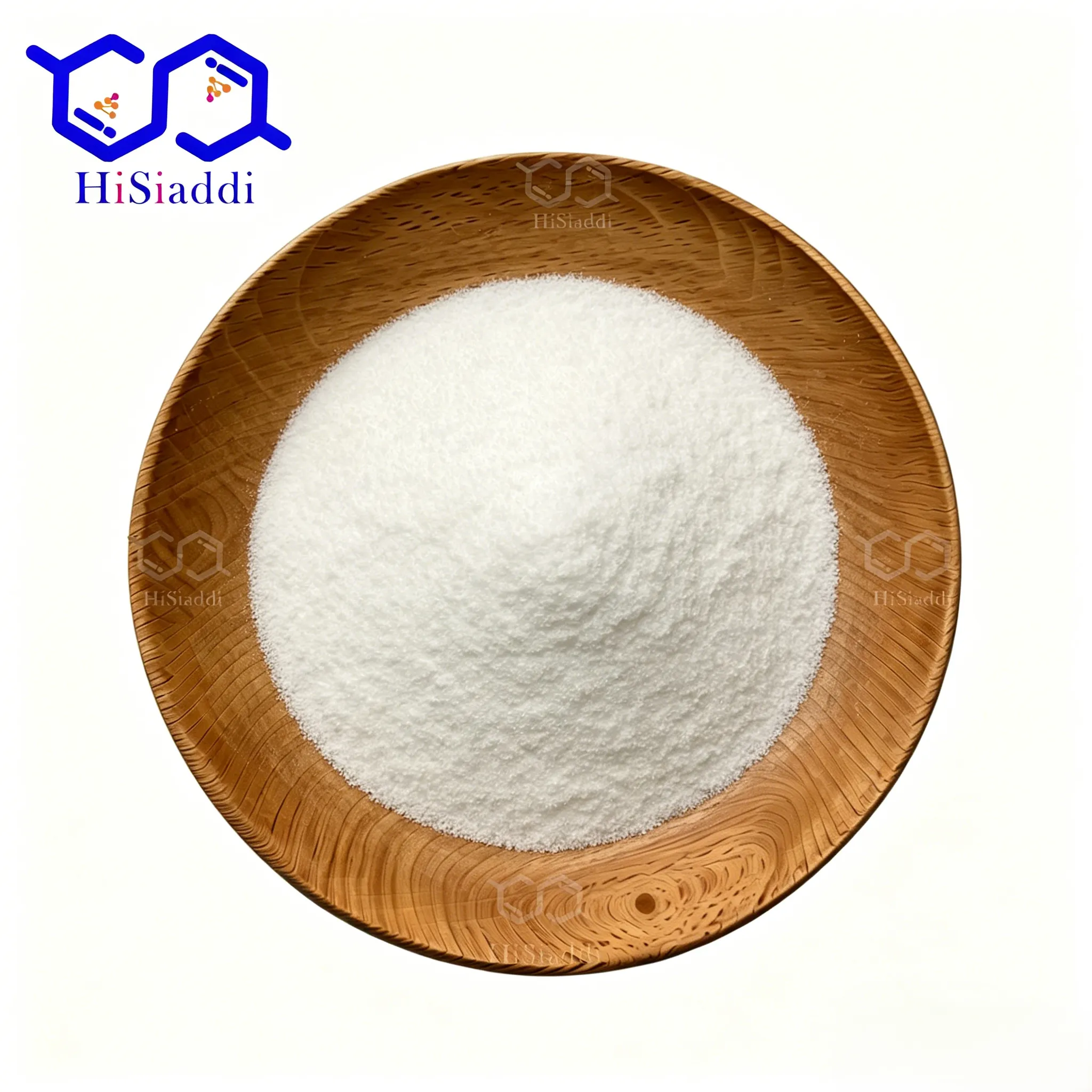
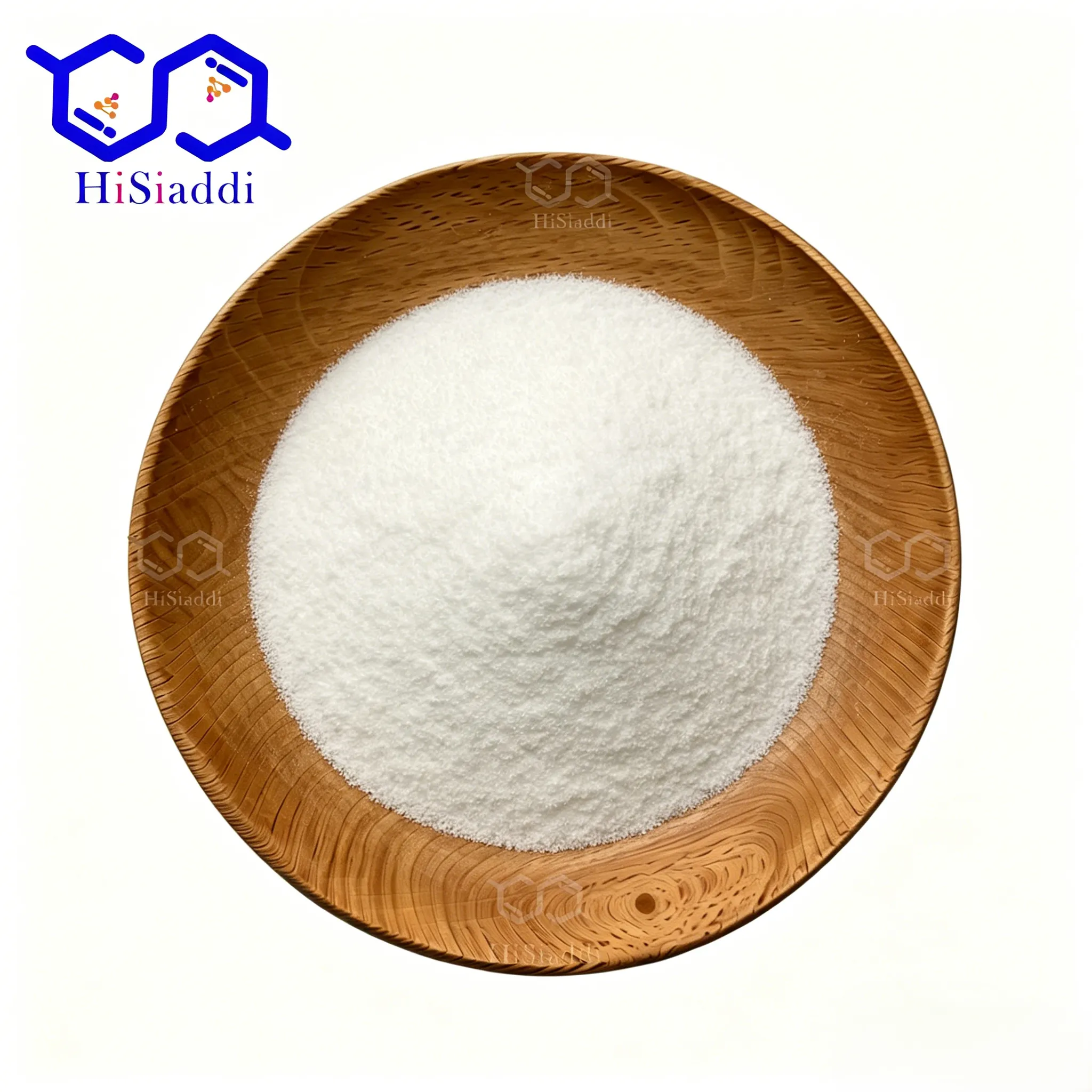
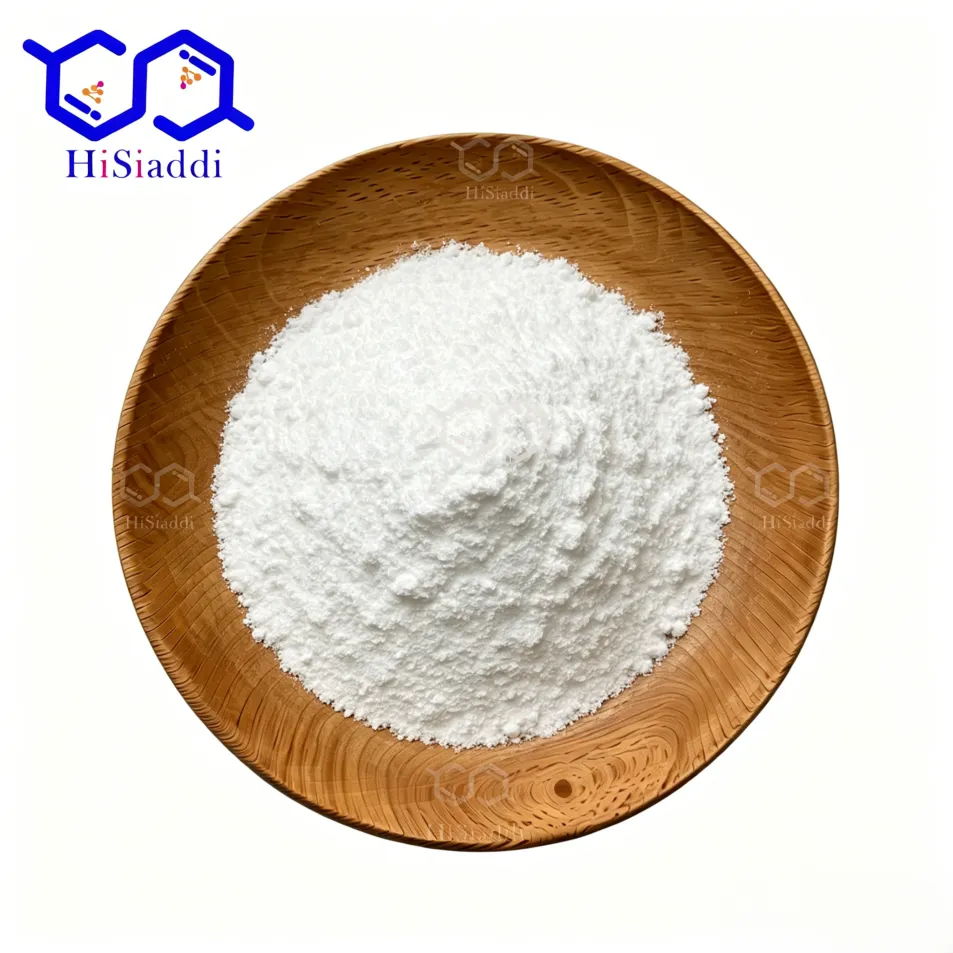
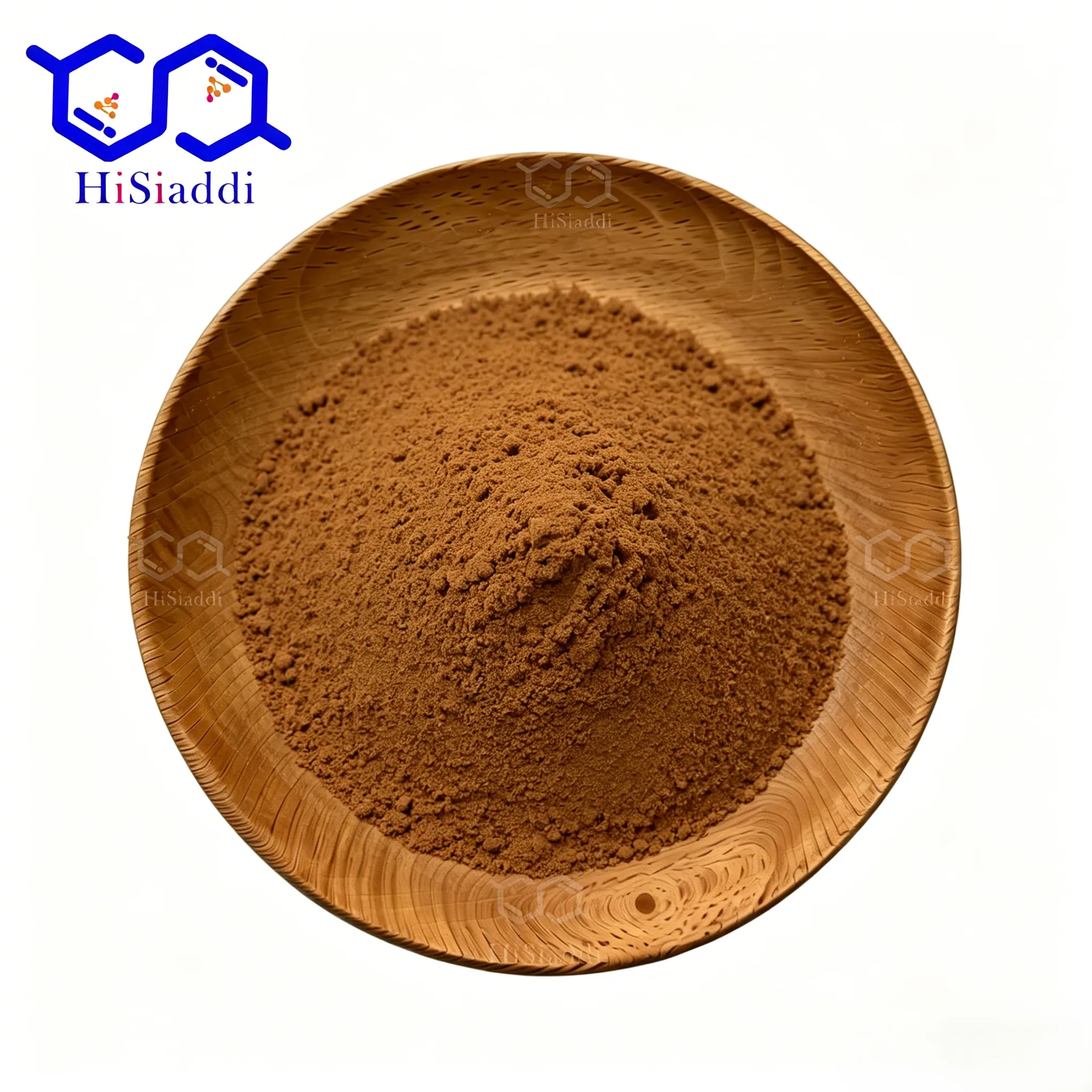
Compound Non-Starch Polysaccharide Enzymes, Abbreviation: NSP. It degrades anti-nutritional factors in feed to improve nutrient digestibility and feed utilization rate. HiSiaddi provides original factory goods of multiple Chinese brands, priced over 30% lower than international brands.
Relying on ten years of research-grade consulting service experience, HiSiaddi recommends well-known brands and mainstream models of this product to you.
Sunhy: Sunzyme CP+ (10000IU/g Xylanase + 2000IU/g Glucanase + 5000IU/g Mannanase), NSP-100 High Temperature Resistant Type. Enzyme activity retention rate ≥90% after 10min at 85℃, pH tolerance 3.0-6.5. Liquid submerged fermentation ensures strong batch consistency, meeting EU FAMI-QS standards. Priced 25%-30% lower than Denmark Novozymes with equivalent enzyme activity and stability, suitable for high-end poultry breeding groups.
Starzyme: NSP-Plus Full Spectrum Type, NSP-S Wheat Special Type. Precisely proportioned compound enzyme system, no harmful bacteria detected, moisture ≤0.5%. Optimized for corn/wheat/soybean meal formula with significant viscosity reduction effect, priced 60%-70% of international brands.
HiSiaddi Exclusive Services: Customized enzyme activity (5000-15000IU/g); provision of FAMI-QS and REACH registration documents; supply of 85℃/90℃ high temperature resistant granular products; consulting on dosage ratio and viscosity reduction efficiency optimization.
 CONTACT HiSiaddi NOW
Name: | Compound Non-Starch Polysaccharide Enzyme | Other Name: | NSP Enzyme |
CAS No. | N/A | Brand: | Multi-brand |
MF: | N/A | Model Number: | Multi-models |
EINECS No. | N/A | Place of Origin: | Jiangsu, China |
Purity: | 10000 U/g | Grade: | Feed grade, industrial grade |
MOQ: | 1ton | Storage: | Please refer to the product packaging or contact the customer service |
When purchasing compound non-starch polysaccharide enzymes as a buyer, you may encounter the following questions:
What are the core indicator advantages and application influences of mainstream models from well-known compound NSP enzyme brands?
What competitive services can compound NSP enzyme suppliers provide?
How are the qualification certifications and market feedback of target compound NSP enzyme brands?
What is the inventory level and supply stability of compound NSP enzyme suppliers?
What factors need to be considered when selecting compound non-starch polysaccharide enzymes?
...and many other related questions.
HiSiaddi supplies original factory products of top-tier Chinese compound NSP enzyme brands catering to diverse client groups. Based on export statistics, production scale, global market share, compliance standards, long-term procurement reputation of overseas buyers, as well as our on-site investigation and long-term cooperation experience, we have screened out five leading brands: Yiduoli, Sunhy, Challenge Animal Health, Youshi Bio and Xiasheng Bio.
NSP Pro Corn: Corn-soybean meal dedicated compound NSP enzyme (top-selling export model worldwide)
NSP Pro Wheat: Wheat/barley dedicated compound NSP enzyme for wheat-based diets in Europe and the Middle East
NSP HT 95: 95℃ high-temperature resistant pelleting dedicated type for expanded feed
NSP Aquatic: Full-spectrum aquatic compound NSP enzyme for antibiotic-free farming of fish, shrimp and crabs
NSP Liquid: Liquid spraying compound NSP enzyme for post-spraying processing
Complete full-spectrum enzyme system (xylanase + beta-glucanase + cellulase + pectinase + mannanase + arabinofuranosidase), enzyme system completeness ≥98% (93%-95% for equivalent Danisco products)
Valid enzyme activity: Corn-type xylanase ≥20000 U/g, beta-glucanase ≥2000 U/g, pectinase ≥1500 U/g; batch RSD <0.4%
High temperature resistance: Enzyme activity retention rate ≥85% after pelleting at 95℃ for 30s (industry average: 65%-72%; Danisco high-end version: 82%)
Gastric acid resistance: Enzyme activity retention ≥80% after 2h incubation at 37℃ under pH 2.5-3.0 for high intestinal working efficiency
Storage stability: Enzyme activity attenuation <8% after 12-month sealed storage at 25℃
Anti-nutritional factor degradation: Effectively degrade arabinoxylan and mannan in corn and soybean meal, increase feed apparent metabolizable energy by 120-180 kcal/kg
Impurity control: Non-GMO fermentation strains, no antibiotic residues; lead <1.0 ppm, arsenic <0.5 ppm
Compliance Certifications: FAMI-QS, ISO22000, GMP, GMO-Free, Halal, Kosher, EU REACH registration, PAS2050 carbon footprint certification; the only Chinese enzyme enterprise fully compliant with Danisco global standards
Production Capacity: Annual output exceeds 35,000 tons, ranking first globally with stable year-round supply
FOB Guangzhou price of corn-type compound NSP enzyme is 80%-110% lower than Danisco equivalent products and 75%-105% lower than DSM products; 18%-24% higher than second-tier domestic manufacturers.Zero risks of substandard batch enzyme activity, pelleting failure and unstable farming effects. Comprehensive procurement cost for high-grade feed, pet food and aquatic farming clients is over 60% lower than famous overseas brands.Market Positioning: Preferred choice for global high-end feed, aquatic feed and pet feed industries; featured with full-spectrum enzyme system, excellent heat resistance, superior stability and zero after-sales costs, the king of high-end cost performance.
Europe & America: Large integrated feed groups, top pet food enterprises, scaled layer/sow breeding groups and leading aquatic feed manufacturers in Germany, Netherlands and the US
Japan & South Korea: High-end antibiotic-free farming groups and special aquatic feed factories
Global clients: Horse breeding farms, high-end ruminant breeding enterprises and top premix manufacturers
Universal compatibility with corn-soybean meal, wheat and barley diets, reducing inventory pressure of multi-specification enzyme products
Excellent heat resistance adapts to expansion and high-temperature pelleting technologies, ensuring sufficient residual enzyme activity and stable finished feed quality
Improved feed metabolizable energy cuts corn addition ratio by 3%-5% and lowers raw material procurement costs
Non-GMO formula plus complete overseas compliance documents simplify supplier qualification audit for European and American feed mills, shortening factory inspection cycle by 4-6 months
Reduced nitrogen and phosphorus emissions from livestock manure complies with EU environmental regulations and avoids relevant penalties
Livestock & Poultry: Broiler feed conversion ratio reduced by 0.08-0.12; laying rate increased by 2%-4%; enhanced sow lactation performance and lower mortality rate
Aquaculture: Improved intestinal health of fish and shrimp, reduced incidence of enteritis and gill rot; feed conversion ratio decreased by 0.15-0.25 and survival rate raised by 5%-8%
Pets: Relieve intestinal flatulence and loose stool, boost nutrient absorption, improve hair condition and strengthen immunity
Environmental Protection: 15%-20% less fecal discharge, fitting global trends of antibiotic-free and low-carbon farming
NSP Standard Corn: Standard corn-soybean meal compound NSP enzyme (second largest export volume)
NSP HT 85: 85℃ high-temperature resistant general type specially for broiler and fattening pig feed
NSP Ruminant: Ruminant-dedicated compound NSP enzyme for cattle and sheep diets
NSP Multi Blend: Compound enzyme premix (NSP enzyme + phytase + protease + amylase)
Heat resistance: Enzyme activity retention rate ≥80% after pelleting at 85℃ (DSM general type: 78%)
Storage stability: Enzyme activity attenuation <10% within 12 months
Carrier: Special corn starch carrier with good fluidity, moisture-proof and anti-caking properties
Compliance: FAMI-QS, ISO22000, Halal, Kosher; 100% customs clearance accessible in Southeast Asia, Middle East, Africa and South America
Production Capacity: Annual output reaches 28,000 tons with stable bulk supply and favorable bulk container bargaining space
FOB Wuhan price of standard products is 70%-95% lower than DSM general products and 9%-13% lower than small and medium-sized domestic manufacturers. Ideal for scaled farming groups and volume-oriented traders.Market Positioning: Ultimate cost-performance choice for bulk feed-grade enzymes, top supplier for global large-scale farming industry.
Southeast Asia: Large livestock and poultry feed groups, aquatic farming groups in Vietnam, Thailand and Indonesia
Middle East & North Africa: Scaled cattle and sheep breeding groups and feed raw material traders in Saudi Arabia, Egypt and UAE
South America: Integrated feed raw material importers in Brazil and Argentina
Eastern Europe: Regional feed distributors in Poland and Romania
Sufficient stable bulk supply eliminates feed production suspension risks caused by raw material shortage
Standard formulas fit conventional pelleting techniques with controllable enzyme activity loss and high qualified rate of finished feed
One-stop supply of compound enzyme premixes cuts procurement and multi-batch inspection costs of various enzymes
Remarkable cost advantages raise gross profit margin of finished feed by 13%-19% for large-scale farming
Enhanced feed conversion efficiency and daily weight gain, decreased medication costs for large-scale livestock and poultry breeding
Higher utilization rate of roughage including straw and wheat bran reduces breeding costs for cattle and sheep
Improved quality of meat, eggs and milk with less antibiotic usage, meeting global food safety export standards
NSP Corn USP: Standard corn-type compound NSP enzyme
NSP Microcapsule: Exclusive core microcapsule embedded compound NSP enzyme
NSP Low PH: Strong acid-resistant type for intestinal health of piglets and young poultry
NSP Wheat Russia: Custom formula specially for Russian wheat-based diets
Enzyme system completeness ≥94% with stable core enzyme activity
Microcapsule version: Plant-based wall material embedding isolates gastric acid, achieves anti-oxidation, light and moisture resistance; nearly no activity loss in stomach with targeted intestinal release; shelf life extended to 18 months
Strong acid-resistant version: Enzyme activity retention ≥78% after 2h under pH 2.0 environment, perfectly suitable for young animals
Exclusive Certifications: Complete Russian RZN, Kazakhstan GOST and Uzbekistan certifications; top market share in Central Asia and Eastern Europe
Logistics Advantages: Fast and cost-effective delivery to Russia and Central Asia via northern ports
Moisture resistance: Moisture absorption rate <1.2%, suitable for storage in high-humidity and cold regions
Price of ordinary corn-type products is 21%-26% lower than Yiduoli; microcapsule products have 15%-21% premium, yet eliminate extra enzyme protectant addition needs to balance overall formula cost.Market Positioning: Preferred mid-range customized enzyme supplier featured with long shelf life, strong acid resistance and region-exclusive formulas.
Russia & Five Central Asian Countries: Scaled piglet/layer farms, wheat-based diet feed mills and regional raw material distributors
Eastern Europe: High-end antibiotic-free farming enterprises in Poland and Hungary
Middle East: Young livestock and poultry breeding groups
Targeted intestinal release of microcapsule enzymes greatly improves utilization rate for young animals and delivers prominent farming effects
Russia-exclusive wheat diet formulas solve local core farming pain points directly
Complete compliance certifications ensure barrier-free customs clearance without policy risks in Central Asia and Russia
Flexible customized formulas adjust enzyme proportion according to local raw material structures
Higher survival rate of piglets and chicks with sharply reduced diarrhea and stress reactions
Stable enzyme activity during long-distance storage in cold areas ensures unaffected farming performance
Improved digestibility of wheat-based diets fits local feed raw material structure in Eastern Europe and Russia
NSP All Grade: General full-spectrum compound NSP enzyme
NSP Pet Blend: Pet-specialized compound enzymes (NSP enzyme + protease + lipase)
NSP Custom GMO Free: Ultra-low heavy metal non-GMO customized version
NSP Carbon Low: Low-carbon eco-friendly compound NSP enzyme
Enzyme system completeness ≥93% with balanced and stable performance indicators
One-stop Service Advantage: Simultaneous production of full-series feed enzymes including phytase, protease, amylase, lipase and cellulase supporting consolidated container export
Exclusive Certifications: Australian TGA, New Zealand RMP, Brazilian ANVISA, Mexican COFEPRIS for hassle-free customs clearance in Latin America, Australia and New Zealand
Customization Service: Support customized low-moisture products, special particle size, exclusive compound ratio and liquid formulations
Carbon Footprint: Green fermentation technology lowers carbon emissions to meet EU CBAM carbon tariff compliance requirements
Moderate cost performance for single compound NSP enzyme purchase; consolidated container procurement of mixed enzymes cuts overall comprehensive cost by 17%-22%.Market Positioning: Best comprehensive one-stop procurement supplier ideal for multi-category import traders.
Australia & New Zealand: Pet food groups and high-end organic farming enterprises
Latin America: Integrated feed and pet raw material importers in Brazil and Mexico
Small and medium-sized comprehensive raw material distributors and cross-border pet brands in Europe and America
One-stop sourcing of full-series feed enzymes drastically reduces supplier docking, factory inspection and testing costs
Consolidated shipment lowers unit ocean freight and raises overall gross profit
Non-GMO and ultra-low heavy metal customized products meet strict organic farming regulations in Australia, New Zealand and Latin America
Favorable payment terms for bulk purchases ease capital pressure
Synergistic effect of compound enzymes comprehensively improves digestion and absorption capacity of livestock, poultry and pets
High compliance level enables direct access to supermarkets and high-end pet sales channels in Australia, New Zealand and Latin America
Low-carbon raw materials conform to European and American ESG green farming trends and bring higher premium for end products
NSP High Pure: High-purity full-spectrum compound NSP enzyme with enzyme system completeness ≥95%
NSP Halal: Halal-specialized compound NSP enzyme
NSP Custom Low Ash: High-end low-ash customized version
Stable core enzyme activity with non-GMO strains and zero antibiotic residues
Core Advantages: Top-grade global Halal and Kosher certifications with full-process halal traceability
Flexible Supply: Ultra-low MOQ accepting 50kg-1000kg small orders to eliminate high MOQ barriers of large manufacturers
Complete Testing System: Provide SGS full-item enzyme activity test reports, multi-language COA documents and strain traceability certificates for each batch
Port Advantage: Convenient consolidated shipment, air freight and express delivery via Qingdao Port supporting trial orders of small clients
Unit price of small-batch orders is 13%-18% lower than small-batch products from large manufacturers without MOQ premium and extra customization fees.Market Positioning: Cost-performance leader for small-batch transactions and halal markets, irreplaceable in segmented niche markets.
Middle East & North Africa: Small and medium-sized scaled farms and halal pet food enterprises in Saudi Arabia, UAE and Iran
Southeast Asia: Muslim feed raw material importers in Malaysia and Indonesia
Global emerging pet brands and niche special breeding raw material traders
Built-in top halal certifications skip secondary application procedures for quick access to global Muslim farming and food consumption markets
Low-risk small-batch trial orders avoid overstock and accelerate market effect verification
Low-ash and high-purity formulas support differentiated formulas for high-end organic farming and pet food
Flexible customization fits niche diet formulas and exclusive packaging development
Fully compliant with Islamic dietary laws to ensure food safety of livestock, poultry and pet products for Muslim consumers
Strong product differentiation empowers niche high-end farming and pet brands to seize segmented market dividends
Low raw material entry threshold boosts development of regional and local emerging brands

| Brand | Core Export Models | Core Competitive Hard Indicators (vs Danisco/DSM) | Cost-performance Positioning | Target B-end Buyers | Benefits for Downstream Buyers | Benefits for End Users |
| Yiduoli | Corn-soybean meal type, wheat dedicated type, 95℃ high-temperature resistant type, aquatic dedicated type, liquid type | Enzyme system completeness ≥98%, 95℃ enzyme activity retention ≥85%, gastric acid resistance retention ≥80%, full-set FAMI-QS/carbon footprint/GMO-free certifications, batch RSD<0.4% | High-end high cost-performance, 80-110% cheaper than Danisco, zero after-sales risks | Large European & American feed groups, top pet enterprises, high-end breeding & aquatic farming groups | Universal diet compatibility, fit expansion high-temperature techniques, reduce corn dosage, shorten overseas factory inspection cycle by 4-6 months, eco-friendly compliance | Lower livestock feed conversion ratio, higher laying rate; reduced aquatic intestinal diseases & higher survival rate; improved pet intestinal health, 15%+ fecal emission reduction |
| Sunhy | Standard corn type, 85℃ high-temperature resistant type, ruminant dedicated type, compound enzyme premix | Enzyme system completeness ≥92%, 85℃ activity retention ≥80%, stable bulk supply, complete FAMI-QS certificates, prominent price advantages | Ultimate cost-performance for bulk feed grade, 70-95% cheaper than DSM | Large feed groups & cattle-sheep breeding groups in Southeast Asia/Middle East/Africa, regional traders | Fit conventional pelleting process, one-stop compound premix supply, cut multi-supplier procurement costs | Higher daily weight gain & lower medication cost for scaled breeding; improved roughage utilization rate & reduced breeding cost for ruminants |
| Challenge Animal Health | Standard corn type, microcapsule embedded type, strong acid-resistant type, Russia wheat customized type | 18-month shelf life for microcapsule products, ≥78% activity retention under pH2.0, complete Russian RZN certifications, superior Central Asia logistics efficiency | Preferred mid-range customized brand, outstanding long shelf life & targeted release advantages | Feed mills & wheat diet breeding groups in Russia/Central Asia/Eastern Europe, young poultry breeding enterprises | Intestinal targeted release of microcapsule enzymes, fit local wheat diets, barrier-free Central Asia customs clearance, lower storage loss | Higher survival rate of piglets and chicks, stable enzyme activity in cold regions, greatly improved wheat diet digestibility |
| Youshi Bio | General full-spectrum type, pet dedicated compound type, non-GMO customized type, low-carbon eco-friendly type | One-stop full enzyme supply, complete Australia/New Zealand/Latin America certifications, carbon footprint compliance, prominent consolidated shipment cost advantages | Optimal one-stop comprehensive procurement, outstanding combined cost performance | Pet groups & organic farming enterprises in Australia/New Zealand/Brazil/Mexico, comprehensive importers | One-stop docking for full-series enzymes, lower ocean freight via consolidated shipment, customized products fit strict regional regulations | Synergistic enzyme effect boosts digestion efficiency, high-end compliant end products, fit European & American ESG green consumption trend |
| Xiasheng Bio | High-purity full-spectrum type, halal dedicated type, low-ash customized type | Top-tier Halal/Kosher certifications, flexible supply starting from 50kg, strain traceability, multi-language full-item test reports | King of cost performance for small-batch & halal markets, no MOQ premium | Halal farming enterprises in Middle East/North Africa/Southeast Asia, emerging pet brands, cross-border traders | Built-in halal qualifications to enter Muslim markets rapidly, zero inventory risk for small trial orders, flexible customization | Fully compliant with religious dietary standards, strong differentiation for niche high-end breeding/pet brands, easy access to segmented market dividends |
HiSiaddi is an innovative foreign trade service provider driven by integrated technology transformation and foreign trade businesses. We have built a "1+2+3+4=1" product service system: 1 foreign trade salesperson with over 3 years of experience, 2 chemical R&D teams, 3 multi-screened high-quality suppliers, and 4 shared warehouses to satisfy all demands for one single product.
With this complete service system, HiSiaddi gains deeper insight into compound NSP enzyme R&D and production optimization than ordinary trading companies, better understanding of differentiated market demands and competitive advantages of enzyme brands than single factories, and richer export operation experience than research institutes.
HiSiaddi only recruits foreign trade sales staff with more than 3 years of industry experience. All sales must receive combined training organized by R&D and foreign trade teams for over 6 months before providing services to clients.
(1) Basic Support Services for NSP Enzyme
Backed by our complete foreign trade operation system, we provide full-cycle one-stop document follow-up services, including issuance and agency application of all compliance certificates for NSP Enzyme, and resolution of third-party reports and quality warranty issues.
(2) Exclusive Premium Services for NSP Enzyme
Carbon Footprint & EU CBAM One-Stop Compliance: Official carbon footprint documents to deduct EU carbon tariffs; ESG and carbon label filing support for livestock feed manufacturers.
Full-Series Feed Enzyme One-Stop Supply: Match phytase, protease, lipase and probiotics for consolidated orders and integrated feed formula optimization.
We carry out in-depth cooperation with original manufacturers through technology transfer and maintain close internal coordination with the foreign trade team to deliver regular technical training for sales personnel. This enables professional NSP enzyme customization and research-level feed consulting.
(1) Research-Grade Customization Services for NSP Enzyme
Custom Compound NSP Enzyme & Low-Protein Feed Formula Optimization Service
1. Adjust xylanase, mannanase and pectinase ratios according to clients’ local raw grain composition;
2. Develop dedicated variants: 98°C high-temperature grade, wheat feed enhanced type, acid-resistant piglet grade, high solubility aquaculture enzyme, high activity antibiotic-free feed variant;
3. Design synergistic compound formulas combining NSP enzyme + phytase + probiotics to reduce soybean meal addition and improve feed conversion rate.
Pain Points Solved: Standard compound enzymes cannot match local feed raw materials, leading to poor digestion and high breeding costs.
Client Benefits: Feed costs are reduced significantly, forming market differentiation with gross profit margin up 35–55%.
(2) Research-Grade Consulting Services for NSP Enzyme
Monthly Global NSP Enzyme Market Whitepaper: Compare domestic compound enzymes with DSM / Danisco products on full enzyme activity, thermal stability and breeding performance; quantify cost reductions after switching to domestic alternatives.
Global Feed Purchaser Community: Connect large-scale breeding enterprises and pet food brands to help clients expand downstream sales channels.
Our foreign trade and R&D teams conduct multi-round market research, factory audits and product testing to select around 3 stable, reputable suppliers with strong development potential.
(1) Initiative to Secure Lower NSP Enzyme Prices
Long-term cooperation via technology licensing and authorized distribution enables us to obtain direct factory pricing.
(2) Long-Term Supply Chain Assurance for NSP Enzyme
Long-term cooperative mechanisms strengthen whole-process production supervision, full batch traceability, batch stability control and compensation clauses for unqualified third-party inspection results.
We operate four warehouses jointly with suppliers to stock hot-selling feed additives.
(1) Fast Local Delivery & On-Site Issue Resolution
Warehouses are located at Qingdao Port (North China), Ningbo Port (East China), Shenzhen Port (South China) and Zhengzhou inland logistics hub. We can arrange prompt shipments and dispatch on-site staff to handle packaging damage, customs compliance and transit accidents locally.
(2) Mitigate Price Volatility & Support Custom Packaging
We pre-stock inventory ahead of peak demand cycles to stabilize price fluctuations. Custom moisture-proof bags and fiber drums printed with client LOGO and enzyme product labels are supported.
As a new-type foreign trade service provider driven by both technological transformation and foreign trade services, HiSiaddi has built a "1+2+3+4=1" service system and can supply original factory goods of multiple well-known brands of NSP Enzyme. As a research-and-development-enabled foreign trade enterprise, HiSiaddi systematically sorts out common procurement challenges faced by B-end buyers sourcing NSP Enzyme from China and proposes targeted solutions from a professional perspective.
If you require more professional and in-depth analysis regarding the procurement of NSP Enzyme, please contact HiSiaddi customer service.
1. Severe false labeling of enzyme activity and excessive activity decay lead to uncontrolled formula cost accounting Product labels list activity indicators of xylanase, β-glucanase, pectinase and other compound enzymes, yet numerous small and medium manufacturers dilute products with corn and wheat bran carriers. The actual comprehensive enzyme activity at factory outgoing only reaches 50%~72% of labeled values. Liquid enzymes undergo an additional 25%~35% activity decay under high-temperature cabin conditions during transoceanic shipping. Groups design addition dosages based on labeled activity, yet insufficient product efficacy upon arrival forces increased additive proportions, pushing raw material costs up by 7%~14% per batch.
Enzyme fermentation relies on raw materials including corn and wheat bran; grain price volatility paired with environmental production restrictions and factory maintenance in China causes quarterly factory quotation fluctuations of 16%~21%.
1.
Solid and liquid formulations differ drastically in storage and transport tolerance, creating divergent losses within single containers Solid granular enzymes demand strict moisture prevention, while liquid NSP enzymes require low-temperature light-shielded storage. Cabin temperatures exceeding 40°C along equatorial shipping routes cause protein denaturation and deactivation of liquid enzymes, and moisture absorption and caking of solid enzymes. Partial failure of full container goods prevents automatic feeding, generating massive raw material and finished product losses from downgraded usage.
2.
3.
Upstream fermentation factories face energy consumption and environmental regulation restrictions, leading to frequent supply reductions for long-term contracts Compound NSP enzymes adopt deep liquid fermentation processes. Power rationing and environmental inspections in China easily trigger production line shutdowns. During peak seasons, large factories prioritize high-priced spot orders, cutting supply volumes for annual long-term contracts by 28%~42%. Overseas farming peak stocking gaps can only be filled by local intermediaries with spot premiums exceeding 26%. Cross-border dispute resolution cycles last 4~7 months, missing critical livestock breeding feeding windows.
4.
5.
Divergent national additive registration standards with non-interchangeable strain and enzyme activity registration numbers The US AAFCO, EU FEDAF and Southeast Asian countries enforce separate registration for each monomer component of compound NSP enzymes. Goods sourced with a single set of registration qualifications cannot clear customs at multi-country split warehouses under unified group procurement, resulting in detained cargo with heavy port warehousing and demurrage penalties.
6.
1.
Pricing settled based on measured enzyme activity with pre-warehousing third-party full-spectrum enzyme activity testing We cooperate with three formal factories with large-scale enzyme fermentation capacity. Sales contracts abandon tonnage-based pricing and adopt final settlement based on measured activity of each monomer enzyme after bonded warehouse warehousing. Upon goods entry, authoritative testing institutions conduct itemized testing of xylanase, glucanase and cellulase activity; goods failing enzyme activity standards are directly replaced. Fermentation raw material orders are locked 2~3 months in advance to hedge cyclical grain price hikes.
2.
3.
Differentiated packaging + split-container staggered shipment to control enzyme activity loss during transit Solid NSP enzymes adopt aluminum foil inner film waterproof 25kg bags; liquid enzymes use light-proof food-grade plastic drums with external box reinforcement and built-in thermal insulation protection. Solid and liquid goods are shipped in separate containers and stowed in different vessel holds. Ultra-large batch orders are split across 2~3 sailing schedules for staggered shipment, with full-container temperature tracking. Overall ocean shipping enzyme activity loss is controlled within 10%.
4.
5.
Split long-term contract quotas across multiple supply origins with service provider spot stock for gap coverage Annual procurement orders are split among fermentation factories in different production regions, with single-factory supply capped at 50% of total orders. As performance guarantor, HiSiaddi deploys self-owned bonded spot inventory to cover shortages when upstream factories reduce or suspend supply, without charging temporary spot premiums. Subsequent losses are recovered by the service provider from manufacturers.
6.
7.
Goods sorted by destination country for shipment with country-specific compliant documentation pre-attached Goods sourced with monomer enzyme registrations matching target import countries are sorted and repackaged in bonded warehouses by export nation, accompanied by independent supporting documents including AAFCO/FEDAF registration certificates, batch COA enzyme activity reports and commodity inspection files per country, eliminating customs clearance delays.
8.
1.
High factory minimum order thresholds (solid ≥8MT per batch, liquid ≥2MT), while monthly total demand of small factories only ranges from 0.5~5.5MT. Local overseas intermediaries split bulk goods and mark up prices by 29%~37% Local overseas agents monopolize regional supply chains, repack bulk goods into small packages and apply multi-layer price hikes, drastically squeezing profit margins of finished feed products.
2.
3.
Uncontrolled temperature and humidity for consolidated LCL shipments of small orders; full-container bulk stock occupies warehouse space and working capital Temperature and humidity conditions for scattered consolidated shipments cannot be regulated, causing severe enzyme activity loss. Full-container bulk stocking is constrained by storage conditions and product shelf life, with natural enzyme activity decay leading to scrapped goods during long-term storage.
4.
5.
Lack of formula technical support; incorrect selection of NSP enzyme blending ratios fails to deliver expected feed conversion ratio improvements Corn-soybean meal diets and wheat bran-heavy diets require distinct compound enzyme blending ratios. Blind procurement of generic NSP enzymes fails to decompose non-starch polysaccharides in raw materials, sustaining high feed-to-gain ratios for livestock and triggering customer claims from farmers.
6.
7.
Absence of dedicated compliance staff; missing export registration and full-spectrum enzyme activity testing documents lead to port detention and fines upon inspection.
8.
1.
Cross-border consolidated group purchasing within the same region, split repackaging in bonded warehouses to share factory ex-factory pricing Monthly aggregation of procurement demands from multiple small feed mills within the same country meets factory minimum order quantities for unified bulk procurement. Goods are split into small specifications of 1kg, 5kg and 25kg in domestic bonded warehouses for shipment, eliminating price markups by local intermediaries.
2.
3.
Permanent spot inventory maintained by the service provider; neighboring regional orders consolidated into full containers to share ocean freight costs Bonded warehouses maintain full-spec solid and liquid NSP enzyme spot inventory. Scattered near-ocean Southeast Asian orders are consolidated into full containers for unified shipment, with combined sea-land intermodal transport for near-shore routes cutting comprehensive logistics costs per unit by over 52%.
4.
5.
Free on-site formula technical guidance with customized addition recommendations based on raw material ratios Recommended dosage: 200~350g/T for corn-soybean meal diets; increased to 350~550g/T for high wheat bran and mixed meal diets. Precise dosage recommendations differentiated for piglets, broilers, fish and shrimp.
6.
7.
One-stop agency for full customs clearance documents: export commodity inspection, MSDS, monomer-by-monomer enzyme activity COA, additive registration certificates, with complete documents accompanying each shipment.
8.
1.
Stringent microbial and heavy metal regulations under European and American pet food laws; ordinary feed-grade enzymes exceed microbial limits and cannot enter production AAFCO and EU pet feed standards impose strict controls on Salmonella and total mold counts. Low-cost industrial-grade compound enzymes with excessive microorganisms render full batches of raw materials unfit for pet health supplement production.
2.
3.
High-end pet products demand carrier-free high-purity refined enzymes; customized purification imposes high minimum order quantities with processing premiums exceeding 38% Manufacturers set high customization thresholds for carrier-free high-purity compound NSP enzymes and decline small-batch production or double processing fees for minor orders.
4.
5.
Flexible small-batch frequent orders (single batch: 0.18~2.7MT); large fermentation factories prioritize bulk orders, creating production lead times of 36~48 days that delay new product launch schedules.
6.
7.
High sample application costs and lengthy international sample delivery cycles extend formula R&D timelines.
8.
1.
Fixed cooperation with factories holding ISO22000 food-grade qualifications; full-spectrum SGS testing against pet raw material standards prior to shipment Each batch undergoes sampling inspection for heavy metals, microorganisms and full-component enzyme activity, with shipment only approved after passing all tests.
2.
3.
Monthly aggregation of global customized high-purity enzyme demand for centralized mass refinement to share purification processing costs.
4.
5.
Constant-temperature light-shielded bonded warehouses maintain permanent food-grade spot inventory; small orders ship directly from split stock, cutting delivery lead times to 7~11 days.
6.
7.
Permanent stock of free 500g/1kg samples with 48-hour international express sample delivery for European and American clients.
8.
1.
Scarce production capacity for pharmacopoeia-grade impurity-free high-purity compound NSP enzymes with complex purification processes; spot premiums surge by 43%~58% during peak seasons Pharmacopoeia-grade enzyme preparations require removal of fermentation residues and hetero-proteins, with limited compliant GMP fermentation factories in China. Raw material procurement costs skyrocket amid tight supply.
2.
3.
GMP factory audits by pharmaceutical companies demand full-traceability documentation; most small and medium enzyme manufacturers cannot provide complete strain traceability, process verification and DMF filing materials Missing documentation directly disqualifies suppliers from pharmaceutical factory vendor access.
4.
5.
Stringent control over trace fermentation solvent residues and hetero-enzyme impurities; full batches rejected if third-party retesting upon arrival fails, with cross-border return and exchange cycles exceeding 48 days.
6.
7.
Scattered order placement aligned with pharmaceutical production schedules (single batch: 0.12~3.3MT); large factories prioritize bulk orders, extending small-batch production cycles beyond 58 days.
8.
1. Annual prepayment locks reserved fermentation capacity at GMP factories with price locking in advance to avoid peak-season raw material price hikes.
2. The service provider assists factories in sorting and translating complete GMP audit materials: strain traceability archives, batch production records, single-monomer enzyme activity testing chromatograms and DMF filing documents, delivered with every shipment.
3. Dual laboratory full-spectrum testing against pharmacopoeia standards conducted domestically and overseas prior to shipment; substandard goods are directly replaced with spot inventory.
4. Constant-temperature pharmaceutical bonded warehouses maintain permanent pharmacopoeia-grade spot inventory; scattered orders ship directly from split warehouse stock, shortening delivery lead times to under 10 days.
1. Single-batch demand ranging only from 100g~20kg, while factory minimum orders start at 500kg; overseas reagent distributors price goods at 3.6~6 times factory ex-factory cost.
2. Customized high-activity ultra-fine powder NSP enzymes; manufacturers reject small-batch formulation changes or double processing fees.
3. International freight for scattered small parcels accounts for over 41% of cargo value, severely undermining procurement cost-effectiveness.
4. R&D personnel lack measured data on temperature and pH tolerance of each monomer enzyme, leading to incorrect material selection and failed experiments or formula development.
1. Split supply of full-grade spot inventory with minimum order starting at 100g; quotations far lower than overseas reagent distributors.
2. Monthly aggregation of global customized specification demand to reach factory minimum production tonnage, with centralized unified manufacturing to share customized processing fees.
3. Monthly consolidation of orders from the same country into full containers for shipment to overseas cooperative distribution warehouses, with local small-parcel delivery to drastically dilute cross-border logistics costs per unit.
4. Technical specialists provide free measured data on enzyme activity stability, acid-base tolerance and in vitro degradation performance to assist raw material selection and reduce R&D trial-and-error costs.
For any questions regarding NSP Enzyme procurement and selection, please contact HiSiaddi customer service for more professional and in-depth analysis.
Formula Customization Barriers: European and American manufacturers only provided finished products with fixed ratios and refused targeted customized compounding. The client lacked professional laboratories for enzyme activity testing and adjustment, making independent formula optimization impossible.
Compliance and Certification Challenges: Feed products imported to Thailand require full-item COA test reports, filing registration of production manufacturers, and compliance of heavy metal and microbial limits with Thailand's TISI national standards. The client was unfamiliar with the certification procedures for exporting domestic products to Thailand.
Formulation and Processing Restrictions: The pelleting temperature of local feed mills generally ranges from 82℃ to 88℃. Ordinary powdered enzymes would suffer an activity loss of over 40% due to high temperature, so slow-release coated granular formulation was in urgent need.
Minimum Order Quantity and Supply Chain Issues: The regular minimum production order of the manufacturer was 30 metric tons, while the client could only place a 5-metric-ton trial order in the early stage. It brought difficulties to production scheduling, separate packaging and sea freight booking.
Technical Support: We collaborated with domestic enzyme R&D institutes, collected samples of palm kernel meal and cassava meal delivered by the client, and carried out in vitro simulated digestion tests. After 22 days of small-scale trials on three sets of ratios, we finalized the enzyme activity parameters for the customized 2.7-5 compound enzymes. The proportions of mannanase and pectinase were increased accordingly to adapt to high-fiber miscellaneous meal diets.
Document and Compliance Services: We assisted the manufacturer in completing overseas supplier filing with Thailand's Ministry of Agriculture, and entrusted SGS to conduct full-item testing (total bacterial count, lead, arsenic, cadmium, moisture content and actual activity of each single enzyme). Bilingual COA and Certificate of Free Sale were issued to complete all customs clearance documents for import.
Flexible Production Arrangement: We coordinated the manufacturer to allocate a separate production line for the small-batch production of 5 metric tons of customized coated granular products. Fluidized bed low-temperature coating technology was adopted. The finished product can withstand short-term pelleting at 90℃, with activity loss controlled below 8%.
Logistics Coordination: We split the full container into consolidated sea freight and arranged inland truck delivery from the port to Bangkok. Forwarders were coordinated for priority booking to reduce port detention time and avoid delays caused by customs inspection in Thailand.
Incompatible Formula: Beet pulp and sunflower meal accounted for more than 25% of the client's feed formula. The glucanase activity of the original standard NSP enzymes was insufficient to fully hydrolyze beet polysaccharides, resulting in sticky feces and a piglet diarrhea rate up to 11.3%.
Improper Production Process: The client adopted an incorrect feeding sequence in the premixing section. NSP enzymes were mixed and stored in advance with choline chloride and trace element premixes. Heavy metals in trace elements accelerated the inactivation of enzyme proteins, leading to an enzyme activity loss of over 35% in finished products.
Poor Storage Management: The temperature difference between day and night in the warehouse in central Romania exceeded 22℃. Products were temporarily stacked in the open air without moisture-proof measures, causing bagged products to absorb moisture and agglomerate, with excessive attenuation of enzyme activity in partial products.
Formula Optimization: Our in-house nutritionists and enzyme R&D engineers re-optimized the formula according to the raw material composition of the client's feed. The dosage of β-glucanase and pectinase was increased by 19%, while the proportion of redundant xylanase was reduced. We delivered 200 kg of samples with the optimized formula free of charge for on-site small-scale trials.
Standardized Production Operation: We compiled bilingual (Romanian and English) operating instructions for feeding operations, specifying that NSP enzymes shall be added in the last step (3 minutes before the mixer discharges materials) at low temperature. Long-term premixing with choline chloride and mineral premixes was prohibited. We also guided on-site operators to adjust feeding procedures via remote video.
Warehouse Improvement Guidance: We provided moisture-proof stacking solutions, requiring products to be stacked on wooden pallets 15 cm above the ground and dehumidifiers to be installed in the warehouse. The agglomerated products in existing inventory were sieved and used separately in small-batch trials.
Value-Added Services: To offset the loss of products with excessive activity attenuation, we coordinated the manufacturer to deliver an additional 3 metric tons of products with the optimized formula at no extra cost to the client.
Lead time
Quantity (ton) | 0 - 10 | 10 - 30 | > 30 |
Lead time (days) | 7 | 15 | To be negotiated |
The monthly inventory volume of NSP Enzyme is 10 tons, with appropriate adjustments upwards or downwards in response to peak and off-peak seasons.
HiSiaddi safeguards the supply stability of NSP Enzyme through the following measures:
(1) Performance evaluation and screening of NSP Enzyme brand factories based on on-time delivery rate, batch pass rate, timeliness of risk alerts, and completeness of documentation to assess their supply stability.
(2) For each mainstream model or major grade of NSP Enzyme, secure 1 primary high-quality brand manufacturer and 2 backup high-quality manufacturers.
(3) Each factory operates independent production lines in separate production zones to prevent production halts caused by major unforeseen incidents such as environmental production suspensions and power outages.
Through long-term cooperation with brand manufacturers via technology commercialization and authorized distribution channels, HiSiaddi can effectively strengthen supervision over the production processes of brand manufacturers, optimize full-process traceability management, improve batch stability control, and further reinforce real-time monitoring of the supply stability of NSP Enzyme products.
Long-term Annual Framework Supply Guarantee Agreement. HiSiaddi signs 12-month long-term agreements with leading manufacturers. The agreements specify the minimum guaranteed supply volume, maximum price hike range, and priority production scheduling rights during peak seasons. It is stipulated that manufacturers shall issue a 30-day prior written notice if production is suspended due to environmental rectification or equipment maintenance, and backup manufacturers will be activated to replenish goods accordingly.
We have 4 warehouses, which are jointly operated and managed with suppliers to store hot-selling products.The four warehouses are located at Qingdao Port in North China, Ningbo Port in East China, Shenzhen Port in South China, and Zhengzhou, China’s inland logistics hub. This setup guarantees sufficient supply and timely shipment of NSP Enzyme during peak seasons.
HiSiaddi issues a rolling demand forecast covering the subsequent three months on the 25th of each month, allowing manufacturers to reserve production capacity in accordance with the forecast. Any new urgent orders from overseas clients will be prioritized to draw on inventories or production capacity from backup manufacturers.
Unstable logistics for NSP Enzyme will extend delivery lead times. HiSiaddi has established alternative arrangements covering multiple freight forwarders, ports and transportation solutions:
(1) Binding of multiple professional chemical freight forwarders for NSP Enzyme
Each product is assigned 2 to 3 freight forwarders with hazardous chemical/food transport qualifications affiliated with different shipping lines. Alternative sailing schedules can be switched to immediately in case of space shortages or customs inspections on a single shipping route.
(2) Backup transportation solutions for NSP Enzyme
Ocean freight serves as the standard mode; air freight and rail freight are reserved as alternatives for urgent orders. Long-term agreements for temperature-controlled containers are signed for temperature-sensitive and perishable food additives to secure shipping space.
(3) Visual tracking and digital early warning for NSP Enzyme
Freight forwarders synchronize daily updates on container loading, customs declaration, vessel loading and port arrival milestones. If customs inspection occurs, replenishment from backup inventory will be initiated immediately to shorten client waiting periods.
Full-chain digital early warning automatically monitors four categories of risks:
Factory side: Expiring supplier environmental assessment certificates, renewal of production permits, scheduled major equipment overhauls, and notifications of price hikes for upstream raw materials;
Inventory side: Inventory falling below safety thresholds, excessive inventory age, and batches failing quality inspection;
Logistics side: Shipping line space shortages, strikes at destination ports, and updates to customs policies;
Overseas side: Revisions to additive regulations and adjustments to import restriction lists in target countries.
Early warning notifications are automatically pushed to procurement and business leads, allowing backup suppliers or inventory contingency plans to be activated in advance.
As a new-type foreign trade service provider driven by both technology transformation and export business, HiSiaddi has built a "1+2+3+4=1" service system and can supply genuine raw materials from multiple well-known original manufacturers of NSP Enzyme.
As an export service provider with R&D capabilities, HiSiaddi is unlike single-brand factories that only promote their own products. We objectively analyze multiple competitive well-known Chinese export brands of NSP Enzyme and share their qualification certifications and market feedback to help purchasers select products efficiently and reliably.
If you require more authentic, objective introductions to multiple well-known Chinese NSP Enzyme brands, please contact HiSiaddi customer service.
· YINENGBAO® Acidic Xylanase Compound Enzyme (VTR-XY100): Universal for swine and poultry, xylanase ≥10,000 U/g, stable at pH 3.0-7.5, ≥90% enzyme activity retention after pelleting at 85°C.
· QINBAO® High-Efficiency Compound Enzyme (VTR-Bird Pro): Dedicated to broilers and layers, compounded with xylanase, β-glucanase and cellulase, boosting metabolizable energy by ≥80 kcal/kg.
· TIKANGBAO® Full-Spectrum NSP Enzyme (VTR-AntiAGP): Specialized for AGP replacement, synergistic with probiotics to lift anti-nutritional factor degradation efficiency by 20%.
1. Southeast Asia (Vietnam, Thailand): 86% of feed mills report access to customized formulas within 48 hours, adapted to local diets with high proportions of cottonseed and rapeseed meal. Feed conversion ratios drop by 5%-7%, cutting feed costs by 18-25 USD per ton.
2. EU (Poland, Hungary): Large-scale pig farm field trials show 18% lower nitrogen and phosphorus emissions from manure post-addition, meeting CBAM low-carbon requirements and qualifying farms for green breeding subsidies, delivering an 8%-12% product premium.
3. Latin America (Brazil, Argentina): Beef cattle farmers report stable cellulase activity, 10%-12% higher roughage digestibility and 0.15 kg higher daily weight gain, with an ROI of 1:3.5.
· International Certifications: EU FAMI-QS, US FDA GRAS, HALAL, Kosher, CNAS laboratory accreditation (L5123).
· Domestic Recognition: Included in the Ministry of Agriculture and Rural Affairs’ Catalog of Key Promoted Feed Enzyme Technologies; honored as "Benchmark Feed Enzyme Enterprise" by China Feed Industry Association; jointly technically certified by South China Agricultural University and China Agricultural University.
· WENWEN® High-Temperature Resistant Compound Enzyme (Vland-Thermo90): ≥92% enzyme activity retention after pelleting at 85°C, xylanase ≥12,000 U/g, tailored for high-temperature pelleting scenarios.
· PUTANJUNBAO® Aquatic-Specific Enzyme (Vland-AquaGlu): β-glucanase ≥8,000 U/g, stable low-temperature activity at 20-25°C, supporting 35.7% aquafeed penetration rate.
· GANLUJING® Low-Allergen Compound Enzyme (Vland-MannoClear): β-mannanase ≥28,600 U/g, degrades soybean antigens to reduce piglet diarrhea incidence by 40%.
1. EU (Germany, Spain): Feed mills confirm heat resistance performance matching foreign brands (Novozymes, DSM) at a 25% lower price; no post-spraying required for 85°C pelleting, cutting process costs by 10%.
2. Southeast Asia (Indonesia, Malaysia): Aquafeed clients observe 8%-10% higher survival rates for fish and shrimp and a 0.15 reduction in Feed Conversion Ratio (FCR), enabling "Low-Allergen Antibiotic-Free" labeling for aquatic exports to Europe and America.
3. Middle East (Saudi Arabia, UAE): Ruminant farms record 9% improved roughage degradation and 7.9% lower methane emissions, complying with local green breeding subsidy standards.
· International Certifications: EU FAMI-QS, US FDA cGMP, EU REACH registration, ISO 22000; one of the first Chinese brands to pass the European Food Safety Authority (EFSA) safety assessment for animal feed additives.
· Domestic Recognition: National Industrial Enzyme R&D Platform; Ministry of Agriculture and Rural Affairs Synthetic Biology Enzyme Demonstration Enterprise; recipient of China Feed Industry Association’s "High-Temperature Resistant Enzyme Technological Innovation Award".
· LONGGU® Solid-State Fermentation Compound Enzyme (LK-Solid500): Produced in Asia’s largest solid-state fermentation workshop, ≥92.4% enzyme activity retention after pelleting at 85°C, compounded with xylanase and cellulase.
· MAIYOU® Wheat-Specific Enzyme (LK-WheatMax): Adapted to wheat-dominant European diets, xylanase ≥15,000 U/g, reducing chyme viscosity by 30% and broiler feed conversion ratio by 0.06.
· RumiZyme Pro Ruminant-Specific Enzyme: Formulated for ruminants, xylanase ≥8,000 U/g and β-glucanase ≥5,000 U/g, boosting average daily milk yield of dairy cows by 1.2 kg.
1. EU (France, Italy): Feed mills in wheat-producing regions confirm resolution of high viscosity and poor digestibility issues in wheat-based diets; wheat inclusion can be raised from 20% to 35%, cutting soybean meal costs by 30-40 USD per ton of feed.
2. Russia (Far East): Large-scale pig farms report stable enzyme activity at extreme low temperatures (-20°C) with no thermal storage requirements, reducing logistics losses and batch enzyme activity fluctuation limited to ≤5%.
3. Southeast Asia (Vietnam, Cambodia): Preferred by small and medium feed mills for exceptional cost performance (30% cheaper than foreign brands) and stable supply, with a 48-hour emergency restocking capacity and monthly output of 10,000 tons.
· International Certifications: EU FAMI-QS, ISO 9001, ISO 14001, HALAL; Russian GOST certification compliant with EAEU standards.
· Domestic Recognition: National Manufacturing Single Champion Demonstration Enterprise; Top 10 Fermentation Industry Enterprises in China Light Industry (sole enzyme manufacturer); exclusive enzyme enterprise cooperating with Academician Yao Bin’s Workstation.
· TEIMEI® Rice-Specific Enzyme (Sunhy-RicePro): World’s first compound enzyme tailored for rice byproducts, fortified with cellulase and endoxylanase to adapt to high rice husk and rice bran inclusion in Southeast Asian diets.
· ZHISUANBAO® NSP + Phytase Compound Enzyme (Sunhy-PhyMix): Phytase ≥5,000 FTU/g, simultaneously degrading NSP and phytic acid to lift phosphorus utilization by 15% and reduce dicalcium phosphate additions.
· ZHUZHUANG® Piglet-Specific Enzyme (Sunhy-Piglet): Strong acid tolerance (stable at pH 2.5), compounded with β-mannanase to boost piglet weaning weight by 0.3-0.5 kg.
1. Southeast Asia (Thailand, Myanmar): Feed mills in rice-producing regions confirm TEIMEI® resolves anti-nutritional challenges from rice husks and rice bran, cutting feed costs by 12%-15% and capturing over 40% local market share.
2. South Asia (India, Pakistan): Small-scale farms praise affordable pricing (10%-15% cheaper than VTR Bio-Tech) and flexible small-batch orders starting at 5 tons, matching small purchaser procurement requirements.
3. Africa (Nigeria, Kenya): Delivers strong adaptability to corn-rice mixed diets, lowering intestinal disease incidence and mortality by 3%-5%, recommended by African agricultural technology promotion stations.
· International Certifications: EU FAMI-QS, US FDA GRAS, HALAL, Kosher; ASEAN feed additive mutual recognition certification.
· Domestic Recognition: Ministry of Agriculture and Rural Affairs Feed Enzyme Standardization Demonstration Unit; "ASEAN Export Benchmark Brand" awarded by China Feed Industry Association; technical cooperation partner of Wuhan Polytechnic University.
· BAIJIEMEI® EG Full-Spectrum Compound Enzyme (Bestzyme-EG): Cell wall breaking technology + multi-enzyme synergy (xylanase + β-glucanase + protease + amylase), lifting nutrient utilization by 12%-15%.
· NAREBAO® Pellet-Specific Enzyme (Bestzyme-Thermo85): ≥88% enzyme activity retention after pelleting at 85°C, suitable for pelleted feed without post-spraying.
· CHANGDAOKANG® Antibiotic-Free Enzyme (Bestzyme-GutHealth): Enzymatic hydrolysates contain prebiotics to regulate intestinal flora, replacing AGP and lowering mortality by 4%-6%.
1. EU (Netherlands, Belgium): Leading antibiotic-free breeding countries confirm GutHealth® delivers outstanding AGP replacement efficacy, enabling "Organic Antibiotic-Free" labeling for chicken and pork products with a 15%-20% price premium.
2. Southeast Asia (Malaysia, Singapore): High-end feed clients report the full-spectrum compound enzyme resolves all anti-nutritional factor challenges in one product, eliminating separate single-enzyme additions and cutting formulation labor costs by 8%.
3. Australia & New Zealand: Cattle and sheep farms record improved forage digestibility and reduced reliance on concentrate feed, cutting annual feed costs by 50-70 USD per beef head.
· International Certifications: EU FAMI-QS, US FDA cGMP, ISO 22000, HALAL; Australian ACIAR agricultural technology certification.
· Domestic Recognition: Synthetic biology division of GenScript; Ministry of Agriculture and Rural Affairs Antibiotic Replacement Technology Innovation Enterprise; co-builder of Nanjing Agricultural University Enzyme Joint Laboratory.
表格
Brand | Core Strengths | Target Markets | Price Range (USD/ton) |
VTR Bio-Tech | Fast customization, stable heat resistance, low-carbon compliance | EU, high-end Southeast Asia, Latin America | 5,500-6,500 |
Vland Biotech | Industry-leading heat resistance, synthetic biology strengths, aquaculture specialization | EU, Middle East, high-end aquaculture markets | 5,800-6,800 |
Longkete | Large production scale, solid-state fermentation technology, wheat diet compatibility | EU wheat-producing regions, Russia, Southeast Asia | 4,800-5,800 |
Sunhy | Rice diet specialization, cost competitiveness, flexible small-batch supply | Southeast Asia, South Asia, Africa | 4,200-5,200 |
Bestzyme | Full-spectrum multi-enzyme synergy, AGP replacement capacity, comprehensive technical services | EU antibiotic-free regions, Australia, high-end feed markets | 5,000-6,000 |
China’s top five NSP enzyme export brands have achieved technological performance comparable to foreign counterparts at lower prices with flexible service models, all holding authoritative international certifications including EU FAMI-QS and US FDA to meet global compliance and breeding demands. Each brand targets distinct regional markets (Vland Biotech for aquaculture, Sunhy for rice-producing regions, Longkete for wheat-consuming regions) to satisfy differentiated procurement requirements.
As your foreign trade partner, we provide complimentary sample testing for the five brands, customized formulation matching, certification agency services and full logistics tracking to help you rapidly screen cost-effective products and capture market dividends.
For further authentic, objective introductions to multiple Chinese NSP Enzyme brands, please contact HiSiaddi customer service.
As a new-type foreign trade service provider driven by both technology transformation and export business, HiSiaddi has built a "1+2+3+4=1" service system and can supply genuine raw materials from multiple well-known original manufacturers of NSP Enzyme.
As an export service provider with R&D capabilities, HiSiaddi is unlike single-brand factories that only promote their own products. We objectively analyze multiple competitive well-known Chinese export brands of NSP Enzyme and share their production processes, supply stability and core key indicators, as well as how these critical factors impact purchasers, to help purchasers select products efficiently and reliably.
If you require more authentic, objective introductions to multiple well-known Chinese NSP Enzyme brands, please contact HiSiaddi customer service.
Flagship Products: VTR-XY100 (Universal Swine & Poultry), VTR-Bird Pro (Poultry-Specific), VTR-AntiAGP (AGP Replacement)
1. Strain Engineering: Self-developed library of genetically engineered Bacillus subtilis and Trichoderma reesei strains. Targeted strain modification boosts xylanase and β-glucanase expression by over 40% compared to wild strains.
2. Fermentation Stage: Submerged Liquid Fermentation (SmF) in fully automatic 500m³ fermenters with precise temperature control (30±1°C), dissolved oxygen control (30%-50%) and pH regulation (4.5-6.0). Fermentation cycle lasts 48 hours, with volumetric enzyme activity reaching 165,000 U/mL vs. industry average 142,000 U/mL.
3. Post-Treatment Processes:
1. Ultrafiltration Concentration: Imported ceramic membrane filtration removes bacterial impurities, concentrating enzyme liquid 5-fold.
2. Dual-Layer Microcapsule Coating (Core Proprietary Technology): Inner acid-resistant gelatin-chitosan membrane, outer heat-resistant glyceryl palmitostearate membrane. ≥90% enzyme activity retained after pelleting at 85°C; less than 15% release within 30 minutes at pH 2.0.
3. Sterile Powder Blending: AI intelligent proportioning system customizes xylanase/β-glucanase/cellulase ratios based on client diet structures with blending error ≤2%.
4. Quality Control Nodes: Four-stage full inspection covering fermentation liquid, concentrated liquid, semi-finished products and finished goods. All batches retained for 12 months for full traceability.
1. Production Capacity Layout: Two manufacturing bases in Zhuhai and Meizhou, Guangdong, with total annual output of 25,000 tons and 8 dedicated NSP enzyme production lines with daily single-line capacity of 12 tons.
2. Inventory Guarantee: Permanent bonded warehouses in core global markets (Vietnam, Thailand, Poland, Brazil) hold minimum safety stock of 300 tons covering all mainstream models.
3. Delivery Capacity: Conventional orders shipped within 7 days; Southeast Asian and Latin American short-sea shipments arrive at ports in 10-14 days. Emergency orders dispatched within 48 hours with priority air freight or fast vessel arrangements.
4. Performance Record: 99.7% delivery rate for export orders from 2024 to 2026, batch quality complaint rate ≤0.1%, no major supply disruptions recorded.
表格
Indicator | VTR-XY100 (Universal) | Industry Standard (NY/T 722-2022) | Business Impact |
Xylanase Activity | ≥10,000 U/g | ≥5,000 U/g | Higher activity strengthens arabinoxylan degradation in grains to lower feed conversion ratios |
Enzyme Activity Retention Post 85°C Pelleting | ≥90% | ≥70% | Directly determines effective activity post-pelleting; low retention diminishes product efficacy |
pH Stability Range | 3.0-7.5 | 4.0-6.5 | Wider range adapts to acid-base environments in livestock stomachs and intestines for broader application scenarios |
Moisture Content | ≤8.0% | ≤10.0% | Lower moisture improves storage stability and prevents caking and mold growth |
Heavy Metal (Lead) Content | ≤5 mg/kg | ≤10 mg/kg | Below EU standards to minimize compliance risks |
1. Feed Mills (EU / High-End Southeast Asia): Customized formulas adapt to high miscellaneous meal diets, cutting feed conversion ratios by 5%-7% and feed costs by 18-25 USD per ton. Low-carbon emission data supports CBAM compliance, enabling an 8%-12% feed price premium.
2. Large-Scale Breeding Farms: Consistent batch performance (≤5% enzyme activity fluctuation) stabilizes breeding indicators and reduces mortality by 3%-5%. "Antibiotic-Free Low-Carbon" labeling delivers a 15%-20% premium for end livestock products.
3. Traders: High-end positioning paired with complete certifications (FAMI-QS/HALAL) delivers profit margins of 15%-20% and strong customer loyalty.
Flagship Products: Vland-Thermo90 (High-Temperature Resistant), Vland-AquaGlu (Aquatic-Specific), Vland-MannoClear (Low-Allergen)
1. Strain Technology: Synthetic biology gene editing generates heat-resistant mutant strains with a half-life of 217 minutes at 85°C (industry average: 65 minutes), boosting β-glucanase expression by 50%.
2. Fermentation Process: Submerged liquid fermentation in fully automatic 300m³ fermenters with a 42-hour cycle (vs. industry 48 hours), volumetric enzyme activity of 187,000 U/mL and 15% lower energy consumption.
3. Core Post-Treatment Processes:
1. Low-Temperature Spray Drying: Inlet temperature 185-195°C, outlet temperature 78-82°C, ≥95% intact enzyme protein conformation.
2. Specialized High-Temperature Coating: High-melting-point palmitate outer layer delivers ≥92% enzyme activity retention post 85°C pelleting with no post-spraying required.
3. Aquatic-Specific Modification: Enhanced low-temperature activity at 20-25°C to match cold-water aquaculture environments.
4. Quality Control: EFSA-accredited laboratory testing; each batch supplied with Certificate of Analysis (COA) and enzyme activity test reports complying with EU feed additive standards.
1. Production Capacity: Dual manufacturing bases in Qingdao and Heze with total annual output of 20,000 tons, 6 dedicated high-temperature resistant NSP enzyme lines and 2 exclusive aquaculture lines with daily single-line capacity of 10 tons.
2. Inventory: Permanent bonded warehouses in the EU, Middle East, Indonesia and Malaysia hold minimum safety stock of 200 tons, with dedicated aquaculture stock of ≥80 tons.
3. Delivery: Conventional orders shipped within 7 days; aquaculture orders prioritized for production (3-5 days lead time). Emergency orders dispatched within 48 hours with direct air freight to concentrated Southeast Asian aquaculture zones.
4. Performance Record: 99.5% delivery rate from 2024 to 2026, zero supply disruptions for high-temperature resistant and aquaculture models, overseas complaint rate ≤0.2%.
表格
Indicator | Vland-Thermo90 (High-Temp Resistant) | Vland-AquaGlu (Aquatic) | Industry Standard | Business Impact |
Xylanase Activity | ≥12,000 U/g | ≥8,000 U/g | ≥5,000 U/g | Higher activity for heat-resistant variants adapts to high-temperature pelleting |
Enzyme Activity Retention Post 85°C Pelleting | ≥92% | ≥88% | ≥70% | Stable post-pelleting activity reduces process losses |
Low-Temperature Activity (25°C) | ≥75% | ≥90% | ≥60% | Aquatic variants deliver strong cold activity to lower fish/shrimp feed conversion ratios |
β-Mannanase Activity | ≥10,000 U/g | ≥5,000 U/g | ≥3,000 U/g | Low-allergen variants degrade soybean antigens to cut piglet diarrhea incidence by 40% |
1. Feed Mills (EU / Middle East): Heat resistance matches foreign brands (Novozymes, DSM) at a 25% lower price, eliminating post-spraying and cutting process costs by 10%. Ruminant farms in the Middle East reduce methane emissions to qualify for green subsidies.
2. Aquafeed Mills (Southeast Asia): Low-temperature stable enzymes lift fish and shrimp survival rates by 8%-10% and cut FCR by 0.15, enabling "Low-Allergen Antibiotic-Free" labeling for aquatic exports with a 10%-15% premium.
3. Traders: Differentiated dual focus on heat resistance and aquaculture delivers profit margins of 12%-18%.
Flagship Products: LK-Solid500 (Solid-State Fermentation), LK-WheatMax (Wheat-Specific), RumiZyme Pro (Ruminant-Specific)
1. Strains: Self-developed Trichoderma reesei and Aspergillus niger strains optimized for solid-state fermentation with strong synergistic cellulase and xylanase performance.
2. Core Fermentation Advantage: Asia’s largest 100,000 m² solid-state fermentation workshop utilizing corn cobs and wheat bran as substrates. Solid-State Fermentation cuts energy consumption by 39.5% and carbon emissions by 80% vs. liquid fermentation, with a 72-hour cycle and 25%-30% lower unit costs.
3. Post-Treatment Processes:
1. Low-Temperature Air Drying (≤60°C): Prevents thermal deactivation with ≥92.4% enzyme activity retention.
2. Ultrafine Grinding: Fineness ≥80 mesh for uniform blending.
3. Wheat-Specific Formulation: Fortified xylanase (≥15,000 U/g) reduces chyme viscosity by 30%.
4. Quality Control: Testing conducted at national enzyme engineering laboratories with batch enzyme activity fluctuation limited to ≤4%, prioritizing cost performance.
1. Production Capacity: Dual manufacturing bases in Yiyuan and Jinan with total annual output of 30,000 tons (industry leader), 12 solid-state fermentation production lines with daily single-line capacity of 15 tons.
2. Inventory: Permanent bonded warehouses in France, Italy, Russia and Southeast Asia hold minimum safety stock of 500 tons, with dedicated wheat-specific stock ≥150 tons.
3. Delivery: Conventional orders shipped within 5 days; bulk orders (≥500 tons) delivered within 10 days. Railway transport to Russia and Central Asia takes 21 days with high stability.
4. Performance Record: 99.8% delivery rate from 2024 to 2026, zero supply disruptions, annual price fluctuation limited to ≤5%, ideal for long-term price-locked procurement.
表格
Indicator | LK-Solid500 (Solid-State) | LK-WheatMax (Wheat-Specific) | Industry Standard | Business Impact |
Xylanase Activity | ≥10,000 U/g | ≥15,000 U/g | ≥5,000 U/g | Higher activity for wheat variants delivers pronounced viscosity reduction |
Enzyme Activity Retention Post 85°C Pelleting | ≥92.4% | ≥90% | ≥70% | Solid-state fermentation delivers exceptional enzyme stability for high-temperature pelleting |
Chyme Viscosity Reduction Rate | ≥25% | ≥30% | ≥15% | Reduced viscosity in wheat diets boosts broiler feed intake and digestibility |
Price (USD/ton) | 4,800-5,200 | 5,000-5,500 | — | Industry-leading low pricing with outstanding cost performance |
1. Feed Mills (EU Wheat Regions / Russia): Wheat inclusion can be raised from 20% to 35%, cutting soybean meal costs by 30-40 USD per ton of feed. Stable enzyme activity at -20°C eliminates thermal storage requirements and reduces logistics losses by 5%.
2. Small and Medium Feed Mills (Southeast Asia): 30% lower pricing paired with stable supply and flexible minimum 5-ton orders matching limited budgets and inventory capacity.
3. Traders: High-volume low-margin business model with profit margins of 8%-12% relying on scale, ideal for deep market penetration in Southeast Asia and Russia.
Flagship Products: Sunhy-RicePro (Rice-Specific), Sunhy-PhyMix (NSP + Phytase), Sunhy-Piglet (Piglet-Specific)
1. Strains: Selected Aspergillus oryzae and Bacillus subtilis strains optimized for rice substrates to target arabinoxylan and cellulose in rice husks and rice bran.
2. Fermentation Process: Submerged liquid fermentation co-blended with rice flour over a 45-hour cycle, boosting cellulase and endoxylanase activity by 30% to match high rice byproduct inclusion in Southeast Asian diets.
3. Post-Treatment Processes:
1. Synergistic Compound Blending: Combined NSP enzymes and phytase lift phosphorus utilization by 15% and reduce dicalcium phosphate additions.
2. Acid-Resistant Modification: Stable at pH 2.5 to adapt to piglet gastric acid environments.
3. Low-Temperature Blending: Avoids enzyme activity conflicts to maximize synergistic efficacy.
4. Quality Control: ASEAN feed additive mutual recognition certification; each batch validated against local rice raw materials for targeted performance.
1. Production Capacity: Dual manufacturing bases in Wuhan and Jingmen with total annual output of 15,000 tons, 4 dedicated rice-enzyme production lines with daily single-line capacity of 8 tons.
2. Inventory: Regional warehouses in Thailand, Myanmar and Vietnam hold minimum safety stock of 150 tons with full coverage of small-batch (5-ton) safety inventory.
3. Delivery: Conventional orders shipped within 5 days with Southeast Asian port arrival within 7 days; flexible minimum 5-ton order production matching small purchasers’ high-frequency low-volume demand.
4. Performance Record: 99.3% delivery rate from 2024 to 2026, zero supply disruptions in Southeast Asia, pricing 10%-15% lower than VTR Bio-Tech.
表格
Indicator | Sunhy-RicePro (Rice-Specific) | Sunhy-Piglet (Piglet-Specific) | Industry Standard | Business Impact |
Cellulase Activity | ≥8,000 U/g | ≥5,000 U/g | ≥3,000 U/g | High cellulase activity for rice variants degrades anti-nutritional factors in rice husks |
pH Stability Range | 4.0-7.0 | 2.5-7.5 | 4.0-6.5 | Piglet variants deliver strong acid tolerance matching weaned pig gastric acid environments |
Phosphorus Utilization Improvement Rate | ≥12% | ≥10% | ≥8% | NSP-phytase synergy reduces phosphorus emissions and cuts feed costs |
Price (USD/ton) | 4,200-4,800 | 4,500-5,000 | — | Industry low pricing for Southeast Asian small and medium clients |
1. Feed Mills (Southeast Asian Rice Regions): Resolves anti-nutritional challenges from rice husks and rice bran, cutting feed costs by 12%-15% and capturing over 40% local market share.
2. Small-Scale Farms (South Asia / Africa): Affordable pricing and flexible small-batch supply lower intestinal disease incidence and mortality by 3%-5%, recommended by African agricultural technology promotion stations.
3. Traders: Differentiated rice-specific products avoid cutthroat price wars with profit margins of 12%-18%, ideal for deep penetration in underserved Southeast Asian rural markets.
Flagship Products: Bestzyme-EG (Full-Spectrum), Bestzyme-Thermo85 (Heat-Resistant), Bestzyme-GutHealth (Antibiotic-Free)
1. Strains: Mixed Bacillus subtilis and Aspergillus niger strains modified via GenScript synthetic biology platform for co-expression of four enzymes (xylanase + β-glucanase + protease + amylase).
2. Fermentation Process: Submerged liquid fermentation coupled with cell wall breaking enzymolysis over a 44-hour cycle. Enzymatic hydrolysates contain prebiotics delivering dual functionality of anti-nutritional degradation and intestinal regulation.
3. Post-Treatment Processes:
1. Full-Spectrum Compound Blending: Four-enzyme synergy lifts nutrient utilization by 12%-15% to resolve all anti-nutritional factor challenges in a single product.
2. Heat-Resistant Coating: ≥88% enzyme activity retained post 85°C pelleting for compatibility with standard pelleted feed production.
3. Antibiotic-Free Modification: Prebiotic enzymatic hydrolysates regulate intestinal flora for potent AGP replacement efficacy.
4. Quality Control: Australian ACIAR certification; each batch supplied with breeding performance data reports quantifying ROI.
1. Production Capacity: Dual manufacturing bases in Nanjing and Taizhou with total annual output of 12,000 tons, 3 dedicated full-spectrum compound enzyme lines with daily single-line capacity of 7 tons.
2. Inventory: Permanent high-end market warehouses in the Netherlands, Belgium, Australia and Southeast Asia hold minimum safety stock of 100 tons, with dedicated antibiotic-free stock ≥50 tons.
3. Delivery: Conventional orders shipped within 7 days with synchronized technical team support for high-end orders; flexible minimum 3-ton customized production matching differentiated high-end client demands.
4. Performance Record: 99.4% delivery rate from 2024 to 2026, zero complaints in high-end markets, technical service response time ≤24 hours.
表格
Indicator | Bestzyme-EG (Full-Spectrum) | Bestzyme-GutHealth (Antibiotic-Free) | Industry Standard | Business Impact |
Total Compound Enzyme Activity | ≥25,000 U/g | ≥20,000 U/g | ≥15,000 U/g | Multi-enzyme synergy in full-spectrum variants maximizes nutrient utilization |
Enzyme Activity Retention Post 85°C Pelleting | ≥88% | ≥85% | ≥70% | Qualified heat resistance compatible with standard pelleting processes |
Mortality Reduction Rate | ≥4% | ≥6% | ≥2% | Antibiotic-free variants replace growth-promoting antibiotics and improve intestinal health |
ROI (Return on Investment) | 1:3.2 | 1:3.8 | ≥1:2 | Higher returns for antibiotic-free variants ideal for premium breeding segments |
1. Feed Mills (EU Antibiotic-Free Zones): Powerful AGP replacement enables "Organic Antibiotic-Free" labeling for pork and chicken with a 15%-20% price premium; single-product formulations eliminate separate single-enzyme additions and cut labor costs by 8%.
2. Large-Scale Breeding Farms (Australia): Improved forage digestibility reduces concentrate feed reliance, cutting annual feed costs by 50-70 USD per beef head.
3. Traders: Premium antibiotic-free positioning paired with bundled technical services boosts customer loyalty and profit margins of 15%-20%.
表格
Brand | Core Production Technology | Supply Stability (Annual Capacity / Delivery Rate) | Core Performance Advantages | Target Markets | Price Range (USD/ton) |
VTR Bio-Tech | Submerged liquid fermentation + dual-layer microcapsule coating | 25,000 tons / 99.7% | ≥90% heat retention, rapid customization | EU, high-end Southeast Asia, Latin America | 5,500-6,500 |
Vland Biotech | Gene-edited strains + high-temperature coating | 20,000 tons / 99.5% | ≥92% heat retention, superior low-temperature activity | EU, Middle East, high-end aquaculture | 5,800-6,800 |
Longkete | Solid-state fermentation + low-temperature drying | 30,000 tons / 99.8% | Outstanding cost performance, wheat diet compatibility | EU wheat-producing regions, Russia, Southeast Asia | 4,800-5,800 |
Sunhy | Rice-targeted fermentation + synergistic compound blending | 15,000 tons / 99.3% | Rice diet specialization, strong acid resistance | Southeast Asia, South Asia, Africa | 4,200-5,200 |
Bestzyme | Cell wall breaking enzymolysis + full-spectrum compound blending | 12,000 tons / 99.4% | Full multi-enzyme synergy, powerful AGP replacement | EU antibiotic-free zones, Australia, high-end feed markets | 5,000-6,000 |
China’s top five NSP enzyme export brands have built differentiated technological barriers, robust supply chain systems and targeted core performance indicators, fully matching differentiated procurement demands across global regions and breeding scenarios: VTR Bio-Tech excels in customization and heat resistance; Vland Biotech leads in high-temperature performance and aquaculture specialization; Longkete delivers unmatched scale and cost advantages; Sunhy specializes in rice-based diets; Bestzyme focuses on full-spectrum antibiotic-free solutions.
For downstream purchasers, selecting a brand aligned with operational needs not only cuts costs and boosts efficiency while mitigating compliance risks, but also enables differentiated product positioning to build market competitiveness. As your foreign trade partner, we provide complimentary sample testing, cross-brand process parameter comparison, real-time capacity and inventory inquiries, and customized formulation matching services to support precise product selection, stable supply chains and profit maximization.
For further authentic, objective introductions to multiple Chinese NSP Enzyme brands, please contact HiSiaddi customer service.
As a new-type foreign trade service provider driven by both technological transformation and foreign trade services, HiSiaddi has built a "1+2+3+4=1" service system and can supply original factory goods of multiple well-known brands of NSP Enzyme. As a research-and-development-enabled foreign trade enterprise, HiSiaddi analyzes key purchasing considerations and core indicators from a professional perspective to ease buyers’ selection concerns.
If you require more professional and in-depth analysis regarding the procurement of NSP Enzyme, please contact HiSiaddi customer service.
Compound NSP enzymes are blended from multiple single enzymes including xylanase, β-glucanase, pectinase and cellulase. Two production processes are available: liquid fermentation stock solution blending and solid carrier powder production. Manufacturing is highly dependent on industrial fermentation facilities, strain breeding technology and fermentation raw materials such as corn and wheat bran.
Leading European and American enterprises develop self-engineered strains and boast fully automated fermentation production lines, yet their high labor and plant construction costs lead to premium pricing. China features a mature full industrial chain for enzyme preparations with sufficient raw material supply, making it the world’s primary OEM and mass production base. Most Southeast Asian factories lack independent fermentation capacity; they merely purchase single-enzyme stock solutions from Europe, America or China for simple subpackaging and blending, resulting in weak batch stability.
In addition, significant disparities exist in environmental protection emission standards and biological fermentation regulatory policies across regions. Environmental production restrictions in certain areas directly cut factory operating capacity. For global procurement, it is recommended to source goods from at least two production origins to disperse risks of regional production suspension and supply shortages.
1. Annual comprehensive production capacity of the factory: combined capacity of self-produced single enzymes and finished blended products; distinguish capacity of self-manufactured stock solutions versus outsourced stock solution subpackaging.
2. Average factory operating rate over the past two years, and frequency of temporary shutdowns caused by raw material shortages or environmental rectification.
3. Core production strains: self-domesticated engineered strains or outsourced commercial strains, plus stability of strain supply sources.
4. Regular ocean shipping transit time from port of loading to port of destination, and floating range of ocean freight in peak and off seasons.
Compound NSP enzymes are categorized into poultry-specific, swine-specific and aquaculture-exclusive types. Formulas adjust the proportion of each single enzyme based on daily feed raw materials (wheat, corn, wheat bran, soybean meal). The EU FAMI-QS, US AAFCO and national feed standards impose different requirements on enzyme activity labeling and microbial impurity limits.
Many low-cost products on the market deliberately reduce the dosage of core enzymes such as xylanase, and use inert carriers to dilute contents for falsely labeled enzyme activity. Alternatively, generic fixed blending formulas fail to match buyers’ proprietary feed formulations, leading to no improvement in raw material digestibility after application. Before procurement, buyers must clarify target livestock species and daily feed composition to customize tailored blending solutions.
1. Labeled activity of each component (core indicator): measured activity values of xylanase, β-glucanase, cellulase and pectinase; differentiate labeled activity, factory outgoing measured activity and residual activity at the end of shelf life.
2. Thermal stability: residual enzyme activity after feed pelleting at 75~90°C (a mandatory indicator for pelleted livestock feed).
3. Physicochemical indicators: moisture content, fineness, heavy metals (lead, arsenic, cadmium, mercury), pathogenic bacteria including Salmonella and Escherichia coli.
4. Enzyme activity fluctuation margin of each single enzyme across three consecutive batches of the same formula; excessive margin indicates poor control of blending processes.
When comparing quotations across Europe, America, Southeast Asia and China, buyers must not only reference EXW ex-factory prices, as hidden costs drastically impact final landing procurement expenses. Powder NSP enzymes are classified as general chemical regular goods, while liquid compound enzymes are partially categorized as feed additives, subject to varying import tariffs and port inspection fees across countries.
Long-distance ocean procurement incurs differential warehousing fees for ambient-temperature storage versus constant-temperature storage. Settlement methods including L/C letters of credit and advance T/T transfers create distinct capital occupation costs. Furthermore, raw material prices for enzyme production fluctuate with grain cycles, creating clear cost gaps between spot purchases and annual long-term price-locking contracts. Volume centralized procurement also qualifies for tiered negotiation discounts.
1. Three split quotation components: EXW ex-factory price, FOB port-of-loading price, CIF port-of-destination landing price; additional sealing packaging surcharges specified separately for liquid enzymes.
2. Import tariff rate and administrative animal/plant inspection fees applicable to NSP enzymes in target importing countries.
3. Tiered unit prices based on MOQ minimum order quantity, and annual price adjustment caps stipulated in annual long-term contracts.
4. Price gaps between small-batch sample orders and full-container bulk shipments.
Compound NSP enzymes fall under the feed additive category, and national feed access registrations worldwide are mutually non-transferable. Export to the EU requires FAMI-QS certification plus EU feed material registration; the US market demands AAFCO compliance registration, while certain countries require additive registration numbers issued by local agricultural authorities. Production permits issued to Chinese manufacturers are only valid within China and cannot serve as customs clearance qualifications for European and American markets. Low-cost goods lacking compliant registration are highly likely to be detained at destination ports or returned in full containers.
1. Basic factory qualifications: enzyme preparation production license, ISO9001, ISO22000, FAMI-QS (mandatory for feed exports).
2. Target country special qualifications: feed additive registration number for target markets and official safety assessment reports.
3. Export track record over the past 24 months: records of failed port sampling inspections, destination country returns and customs detention.
Compound enzymes gradually lose activity with storage duration and ambient temperature/humidity. Ocean shipping cycles generally last 30~85 days, with high-temperature shipping routes accelerating enzyme activity loss. Raw material price hikes and equipment overhauls at upstream factories frequently cause delivery delays. While local European and American manufacturers enable convenient nearby restocking at elevated procurement costs, cross-border long-distance procurement must pre-negotiate compensation terms for enzyme activity loss and late delivery penalties in sales contracts. Prioritize suppliers with permanent finished product safety stock to address tight production capacity during peak seasons.
1. Daily compensation percentage for delayed delivery (calculated based on total shipment value per batch).
2. Resolution methods for substandard enzyme activity upon arrival: price discount, free restocking or full return; clear definition of responsible party for round-trip freight.
3. Permanent safety stock tonnage maintained by suppliers, and alternative outsourced production resources during capacity shortages.
4. Reasonable upper limit of enzyme activity decay over shelf life stipulated in contracts; suppliers shall compensate for losses exceeding the agreed threshold.
Powder compound NSP enzymes readily absorb moisture and agglomerate, with rapid enzyme activity decline after dampening. Liquid enzymes are sensitive to high temperature, sunlight exposure and leakage from damaged seals. Short-distance near-ocean shipping can use ordinary PE-lined woven bags or food-grade plastic drums. For transoceanic long-distance shipping, powder products adopt double-layer waterproof inner film bags plus thickened outer bags, while liquid enzymes use light-proof sealed plastic drums. Standard packaging specifications include 25kg bags, 200L drums and bulk ton bags, compatible with buyers’ automatic feeding equipment.
1. Moisture-proof and seepage-resistant material of powder inner bags, and leak-proof sealing technology of liquid drums.
2. Shelf life under sealed ambient storage, and effective shelf life under ocean shipping conditions.
3. Reasonable loss thresholds agreed in contracts: comprehensive loss of powder ≤0.3%; combined leakage and enzyme activity loss of liquid enzymes ≤0.4%, with suppliers liable for compensation for excess losses.
For any questions regarding NSP Enzyme procurement and selection, please contact HiSiaddi customer service for more professional and in-depth analysis.



 +86-13120989737
  info@hisiaddi.com
 English