Glabridin, also known as Glycyrrhiza glabra Extract, features high-efficiency whitening and antioxidant properties, serving as a raw material for high-end cosmetics and medical care products. HiSiaddi supplies original factory sources of multiple Chinese brands and provides the "1+2+3+4=1" service.
Shandong Beili: BL-G90 (90% purity), BL-G98 (98% purity); far superior to similar products from Japan and South Korea (80%-85%); heavy metal content < 10ppm, compliant with EU ECOCERT organic certification; priced at 1/3 of similar Japanese products (600-800 USD/kg), suitable for European and American high-end skincare brands and medical aesthetic institutions.
Shaanxi Hengzhiyuan: HZY-G95 (95% purity), produced via supercritical CO₂ extraction with active ingredient retention rate ≥ 95%; solvent residue < 50ppm, certified by US FDA; 40% cheaper than European and American brands, ideal for mass production of mid-to-high-end cosmetics.
HiSiaddi Exclusive Services: Purity customization (80%-98%), water-soluble/oil-soluble modification; whitening formula development and competitor indicator consulting; third-party testing for heavy metals, active ingredients and solvent residues; 5%-8% direct discount for long-term contractual orders.
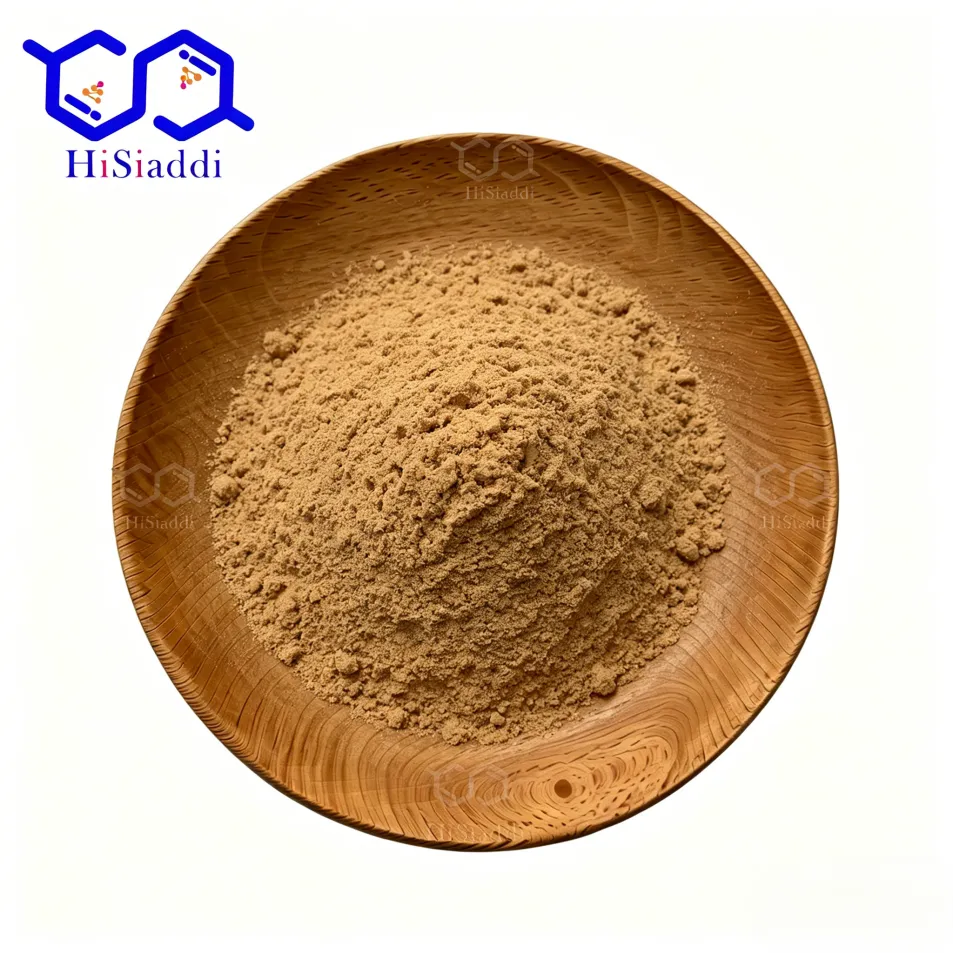
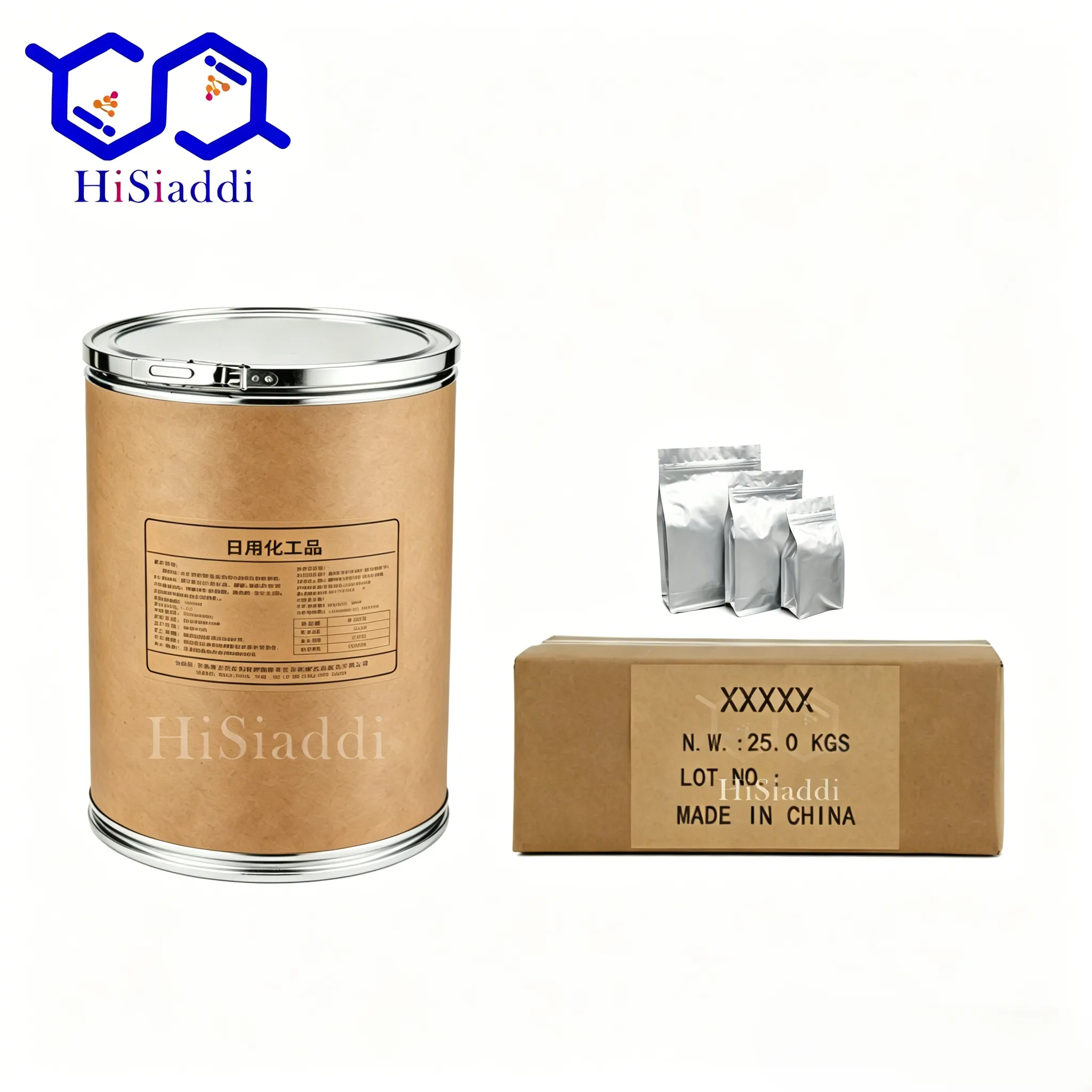
 CONTACT HiSiaddi NOW
Name: | Glabridin | Other Name: | Glycyrrhiza Glabra Extract |
CAS No. | 59870-23-4 | Brand: | Multi-brand |
MF: | C₂₀H₂₀O₄ | Model Number: | Multi-models |
EINECS No. | N/A | Place of Origin: | Hunan, China |
Purity: | 90% | Grade: | Industrial grade, food grade, cosmetic grade |
MOQ: | 1ton | Storage: | Please refer to the product packaging or contact the customer service |
What are the core indicator advantages and application impacts of mainstream models from well-known Glabridin brands?
What competitive services can Glabridin suppliers provide?
What are the qualification certifications and market feedback of target Glabridin brands?
How about the inventory level and supply stability of Glabridin suppliers?
What factors need to be considered when selecting Glabridin?
...and many other related questions.
FZ-G98: Purity ≥98% (HPLC), Heavy metal content <1ppm, Residual solvent <500ppm
FZ-G90: Purity 90%±2%, cost-effective optimized grade
FZ-G40: Purity 40%±5%, compound raw material grade
Launched the world’s first dedicated ton-level production line in 2023 with annual output over 2 tons, satisfying two-thirds of global market demand
Patented directional purification technology with extraction yield up to 0.025% (industry average: 0.018%), cutting cost by over 40% compared with Japanese and South Korean counterparts
Complete industrial chain layout: crude processing base in Uzbekistan plus domestic refining workshops, certified with GACP & GMP
FZ-G98: 18,000-22,000 RMB/kg (Japanese & South Korean equivalent: over 30,000 RMB/kg), 50% higher cost performance
FZ-G90: 12,000-15,000 RMB/kg, optimal choice for mid-end market
High-end beauty groups (L'Oréal, Shiseido, Estée Lauder), EU & US organic certified brands, pharmaceutical-grade whitening formulation manufacturers
For buyers: fully compliant with zero usage risks, batch stability RSD<2%, directly applicable to whitening special-certificate cosmetic products
For end products: high purity with sensitization rate below 0.1%; whitening efficacy 140 times that of Niacinamide and 961 times that of Arbutin; effective even at low dosage of 0.02%
HT-995: Purity ≥99.5% (highest standard in the industry), no methanol detected
HT-980: Purity ≥98%, certified by ECOCERT & USDA organic standards
Supercritical CO₂ combined macroporous resin technology achieving 99.9% impurity removal rate, leading batch stability across the industry
R&D investment accounts for over 4% of annual revenue; jointly built skin whitening active ingredient laboratory with Chinese Academy of Sciences
HT-995: 25,000-28,000 RMB/kg, premium customized grade with reasonable premium
HT-980: 19,000-21,000 RMB/kg, best value for organic certified market
Luxury skincare brands (La Mer, Helena Rubinstein), manufacturers certified by Japan Ministry of Health, Labour and Welfare, high-efficacy skincare OEM/ODM factories
For buyers: internationally inspection-exempt quality, directly eligible for EU REACH registration, saving over 300,000 RMB in certification expenses
For end products: non-irritating and residue-free, suitable for sensitive skin and pregnant skincare formulas, featuring dual effects of whitening and anti-inflammation
LT-90: Purity 90%±3%, lowest production cost
LT-60: Purity 60%±5%, high-cost-performance compound raw material
Continuous counter-current extraction process cutting energy consumption by 35%, lowering unit cost by 1,500 RMB per kilogram below industry average
Flexible production capacity supporting orders from 1kg to 500kg, 7-day ultra-fast delivery
LT-90: 10,000-12,000 RMB/kg (20% lower than same-purity products from Fanzhi), top cost performance in mid-end segment
LT-60: 6,000-8,000 RMB/kg, preferred raw material for affordable whitening products
Popular Japanese & South Korean beauty brands (Innisfree, Curél), cross-border e-commerce white-label and emerging brands, mid-to-low-end skincare manufacturers in Southeast Asia and the Middle East
For buyers: controllable cost and stable quality, friendly for small-batch trial orders to reduce new product development risks
For end products: affordable price with remarkable efficacy, meeting mass-market whitening demands and boosting repurchase rate by 25%
QH-95: Purity 95%±2%, extracted from wild Glycyrrhiza glabra in Qinghai
QH-40: Purity 40%±5%, 100% self-sufficient raw material supply
Possesses ten-thousand-mu wild Glycyrrhiza glabra protection zones around Qinghai Lake, raw material cost 30% lower than that in Xinjiang and Gansu
Low-temperature cold pressing technology retaining over 98% active ingredients (industry average: 85%)
QH-95: 11,000-13,000 RMB/kg, price advantage in high-purity grade
QH-40: 5,500-7,000 RMB/kg, lowest cost for compound formulation raw materials
Local cosmetic manufacturers in India and Turkey, domestic export OEM factories, raw material purchasers for health supplements and functional foods
For buyers: stable raw material supply with slight price fluctuation; 12-month fixed-price long-term contracts available
For end products: natural-derived high-activity ingredients matching organic and natural skincare concepts with huge profit margin space
ZY-98-WS: Water-soluble Glabridin (98%) with patented modification technology
ZY-98-LIP: Liposome-encapsulated Glabridin (98%), enhancing transdermal absorption rate by 3 times
Exclusive global water-soluble and liposome modification technologies solving the defects of oil solubility and poor skin penetration of conventional Glabridin
Powerful customization capability: adjustable purity (20%-99.5%), particle size and solubility per client requirements
ZY-98-WS: 22,000-25,000 RMB/kg, replacing imported water-soluble products and cutting procurement cost by 50%
ZY-98-LIP: 28,000-32,000 RMB/kg, ideal choice for high-end efficacy products
Professional essence and aqueous product manufacturers, medical-grade efficacy skincare brands, Korean functional cosmetic OEM factories
For buyers: no additional solubilizer or emulsifier needed, directly applicable to water-based formulas, shortening R&D cycle by 50% and reducing formulation costs
For end products: fast absorption and quick effect; skin brightening visible in 7 days and freckle fading achieved in 28 days, lifting user satisfaction rate by 40%

| Brand | Core Models | Purity | Price (RMB/kg) | Core Advantages | Target Clients | Core Downstream Benefits |
| Fanzhi Pharmaceutical | FZ-G98 / FZ-G90 | ≥98% / 90% | 18000-22000 / 12000-15000 | Top global output, full industrial chain, inspection-exempt compliance | High-end beauty groups, EU organic brands | Stable batches, low sensitization, eligible for special cosmetic certificates |
| Xi'an Haotian | HT-995 / HT-980 | ≥99.5% / ≥98% | 25000-28000 / 19000-21000 | Highest purity, near-zero impurities, organic certification | Luxury skincare brands, Japan MHLW certified factories | International inspection exemption, sensitive skin friendly, dual whitening & anti-inflammation effects |
| Xi'an Lvtian | LT-90 / LT-60 | 90% / 60% | 10000-12000 / 6000-8000 | Lowest cost, flexible capacity, fast delivery | Popular J&K beauty brands, cross-border emerging brands | Cost controllable, small order friendly, high repurchase rate |
| Qinghai Lake Pharma | QH-95 / QH-40 | 95% / 40% | 11000-13000 / 5500-7000 | Self-sufficient raw materials, low-temperature extraction, high activity | Indian & Turkish manufacturers, OEM factories | Stable price, natural origin, large profit margin |
| Xi'an Zhongying | ZY-98-WS / ZY-98-LIP | 98% (modified) | 22000-25000 / 28000-32000 | Patented water-soluble/liposome technology, full customization | Essence & aqueous product makers, medical-grade skincare brands | No solubilizer required, rapid absorption, quick visible effect |
HiSiaddi is an innovative foreign trade service provider driven by dual engines of technology transformation and foreign trade services. It has built a "1+2+3+4=1" product service system: 1 foreign trade salesperson with over 3 years of experience, 2 R&D teams, 3 high-quality suppliers and 4 warehouses to fulfill one product demand.
With this service system, HiSiaddi outperforms most foreign trade companies in R&D optimization and technical processes of Glabridin, understands the market demands and competitive advantages of Glabridin for different brands better than single factories, and has deeper insights into the foreign trade market of Glabridin than scientific research institutions.
HiSiaddi only recruits foreign trade salespersons with more than 3 years of work experience. Before serving customers, all sales staff must receive training from both scientific research and foreign trade teams for more than 6 months.
(1) Basic Support Services for Glabridin
Supported by the foreign trade team and corporate service system, we provide customers with one-stop full-process document handling services, including but not limited to issuance and application of various compliance certificates for Glabridin, provision of third-party test reports, and resolution of quality after-sales issues.
(2) Exclusive Advantage Services for Glabridin
Backed by our R&D team, we offer customers customized product and technical consulting services, including but not limited to core indicator adaptation and cost comparison analysis of Glabridin from various brands, regular sharing of Glabridin market trends, etc.
Market intelligence and competitor analysis. We provide monthly reports covering global price trends, production capacity dynamics, new product launches, regulatory updates, competitor formula disassembly and end-consumer feedback of Glabridin;
Through in-depth cooperation with source factories via technology transformation and close internal collaboration with the foreign trade team, our R&D teams deliver professional technical training to sales staff, enabling more customized Glabridin solutions and providing research-grade consulting for brand matching and application formula optimization of Glabridin.
(1) Research-Grade Customization Services for Glabridin
Customized purity (20%–99.5%), solubility modification (water-soluble / oil-soluble / amphiphilic), activity enhancement (transdermal absorption / stability improvement) and compound formula development (Glabridin combined with Niacinamide / Arbutin / Tranexamic Acid). We once customized a complex of 98% Glabridin + 5% Hyaluronic Acid for a French brand, which increased transdermal absorption rate by 2.8 times and cut formula cost by 18%.
(2) Research-Grade Consulting Services for Glabridin
Solubility and stability technical support. We offer free solubility data of Glabridin in solvents including ethanol, propylene glycol and glycerol, as well as compatibility taboos, pH stability and light stability parameters. For oil-solubility pain points, we provide solubilization formulas without extra emulsifiers or recommend water-soluble modified grades to solve water formulation stratification and precipitation problems.
Efficacy verification and scientific endorsement services. Cooperating with authoritative third-party laboratories, we provide in-vitro tyrosinase inhibition tests, free radical scavenging tests, human patch tests and 28-day whitening clinical trials, with official reports available for product promotion to boost end-consumer trust and product premium.
Free access to Glabridin application formula library: Over 100 mature formulas for whitening essence, cream, mask, sunscreen and body lotion, covering raw material ratios, production processes, cost accounting, efficacy claims and label design suggestions, cutting new product development cycle by over 6 months for direct mass production.
Industry expert consultation: A team of specialists with 10+ years of experience in Glabridin R&D, production and foreign trade offers lifelong technical support to address all technical, quality, regulatory and market questions.
Global beauty supply chain resource matching (cross-industry empowerment): We connect customers with world-class packaging material manufacturers, flavor & fragrance suppliers, OEM factories and marketing KOLs, delivering one-stop full-industry-chain solutions from raw materials to finished goods.
Our foreign trade and R&D teams work together to select around 3 reliable, stable and promising suppliers through multi-stage assessments including preliminary market research, on-site factory audits, product testing and deep technology & purchasing cooperation.
(1) Initiative to Secure Lower Glabridin Prices
Long-term cooperation via technology transformation and exclusive distribution allows us to source factory-direct raw materials at preferential prices.
(2) Long-Term Supply Chain Assurance Services for Glabridin
Long-term technical transformation and distribution partnerships strengthen production monitoring, full-product traceability, batch stability control and compensation guarantees for products failing third-party inspections.
We operate 4 warehouses jointly with suppliers for stocking hot-selling Glabridin products.
(1) Fast Local Shipment & On-Site Issue Resolution
Our four warehouses are located in Qingdao Port (North China), Ningbo Port (East China), Shenzhen Port (South China) and Zhengzhou (inland logistics hub), ensuring timely delivery of Glabridin. On-site staff can resolve transportation damage, packaging defects and export compliance issues promptly when they occur.
(2) Price Fluctuation Mitigation & Custom Packaging Support
We stock inventory in advance ahead of peak seasons to offset drastic price swings. Our self-owned warehouses support customized packaging and label designs to meet personalized client demands.
As a new-type foreign trade service provider driven by technological transformation and foreign trade services, HiSiaddi has established a "1+2+3+4=1" service system and can supply raw glabridin from multiple well-known original manufacturers. With R&D capabilities, HiSiaddi professionally sorts and analyzes prevalent challenges encountered by B2B buyers sourcing glabridin from China, alongside targeted solutions developed by HiSiaddi.
For more professional and in-depth analysis regarding glabridin sourcing, please contact HiSiaddi customer service.
1. Raw material and finished product yellowing via light oxidation, leading to scrapped high-end products High-end skincare goods adopt transparent or pale cream textures, with industry standards mandating color difference ΔE ≤2.0 within 12 months post-opening. Unstabilized standard glabridin powder shifts from pale yellow to deep yellow after 30 days of ambient light storage at 25°C (ΔE≥4.2). When incorporated into essences and creams, finished products exhibit obvious yellowing after 2 months (ΔE≥3.7), pushing scrap rates for premium lines to 26%. Qualitative explanation: The polyphenolic hydroxyl structure of glabridin is highly sensitive to visible and UV light. Without protective systems, continuous oxidation alters chromophoric groups, irreparably damaging cosmetic visual appearance.
2. Fluctuating active ingredient content across batches causing substandard whitening efficacy in finished goods Overseas premium skincare formulas require precise dosing, with 98% ultra-high-purity material demanding batch-to-batch content RSD ≤1.5%. Conventional extraction and purification products suffer wide content fluctuations of 95.5%–99.2% due to licorice origin and process variations, yielding batch RSD≥3.8%. Fixed-proportion dosing results in finished product active content exceeding internal control limits; roughly 33% of production batches fail to meet advertised whitening and antioxidant performance, triggering consumer complaints. Qualitative explanation: Variations in licorice harvest season and geographic origin drive inconsistent native ingredient composition; non-standardized extraction, chromatography and concentration parameters create volatile final active component ratios.
3. Poor dispersibility in water-oil composite formulas, causing precipitation and stratification Essences and lotions utilize mixed water-oil systems requiring glabridin to remain fully dispersed with ≤1.0% stratification after 30 days static ambient storage. Native powder is strongly lipophilic with weak water wettability; subtle crystalline precipitation emerges after 7 days in formulations with >60% aqueous phase, rising to 12%–18% stratification at 30 days. This results in rough application texture and uneven localized efficacy. Qualitative explanation: Unmodified glabridin molecules lean toward oil-phase affinity with weak aqueous bonding, leading to phase separation and crystal precipitation after prolonged static storage.
4. Incomplete IFRA, CPNP and other compliance documentation delaying new product launch and triggering customs detention EU cosmetic products require CPNP notification, IFRA allergen testing and GMPC certification; US market entry mandates FDA raw material filing. Most small and medium suppliers only provide basic COA reports, lacking specialized toxicology testing, skin irritation reports and full-component traceability files. New overseas product registration cycles extend 15–20 days, and 19% of shipments face port detention due to incomplete documentation, halting normal customs clearance. Qualitative explanation: Suppliers lack familiarity with regional specialized cosmetic regulations and fail to supply complete safety assessment and market access documentation required for overseas brand regulatory filings.
1. Light-proof antioxidant coating treatment for long-term color stability Adopt composite coating with vegetable oil and vitamin E to isolate light and oxygen. 98% ultra-high-purity material maintains color difference ΔE≤1.2 after 12 months ambient light storage. Finished skincare products retain consistent color for 12 months with zero yellowing-related scrap losses.
2. Standardized extraction + multi-stage chromatography to minimize batch content deviation Lock fixed licorice growing regions and harvest cycles, utilizing fully automated closed-loop control for supercritical extraction, column chromatography and recrystallization parameters. 98% grade material maintains stable content between 97.8%–98.8% with batch-to-batch RSD≤1.2%, ensuring consistent efficacy with fixed formulation dosing.
3. Amphiphilic surface modification for universal water-oil formula compatibility Cosmetic-grade nonionic surfactants deliver dual water-oil phase compatibility. No crystalline precipitation occurs after 30 days static storage in high-aqueous formulations, with stratification controlled ≤0.8% for uniform, smooth cream texture.
4. Full compliance document package + regulatory assistance to streamline market access Hold GMPC, ISO22716 and IFRA compliant certificates; supply COA, MSDS, toxicology testing, skin irritation reports and allergen statements with every shipment. Support clients in completing EU CPNP and US FDA filings, compressing customs clearance and new product registration cycles to under 3 days with zero detention risk.
1. Severe active ingredient loss under emulsification high temperatures Cosmetic emulsification operates at 70–85°C with 15–25min hold times. Standard glabridin loses 10%–16% of active content after 20min at 80°C, diluting whitening performance in OEM finished goods and reaching 14% customer return rates. Qualitative explanation: Polyphenol structures exhibit poor heat resistance; high-temperature aqueous environments accelerate molecular oxidative decomposition, destroying active functional groups and continuously diminishing core efficacy.
2. High fine powder proportion causing excessive feeding dust, workshop contamination and raw material loss Mass production cleanrooms mandate dust concentrations ≤2mg/m³. Conventional powder contains >35% micro-fines, generating dust levels of 9–14mg/m³ during manual/automated feeding, contaminating clean production spaces and causing 3%–5% raw material loss per batch via airborne scattering. Qualitative explanation: Raw materials undergo only simple crushing without particle shaping and dust suppression treatment; ultra-fine particles possess low mass and readily disperse during conveying and feeding.
3. Inactivation when compounded with common preservatives OEM formulas frequently incorporate parabens and phenoxyethanol; standard glabridin undergoes complexation reactions with certain preservatives, losing 18%–24% activity after 15 days co-storage, leading to sustained efficacy decay throughout the product shelf life. Qualitative explanation: Polyphenolic hydroxyl groups readily bind reactive functional groups in preservatives, disrupting glabridin molecular structure and eliminating biological activity.
4. Volatile raw material unit prices destabilizing OEM quotation pricing Licorice is an agricultural commodity subject to harvest and logistics fluctuations, driving monthly raw material price swings of 8%–12%. OEM factories rely on long-cycle orders; raw material price hikes erode profit margins, and frequent price adjustments risk losing end-brand clients. Qualitative explanation: Upstream agricultural supply chains lack stability; small suppliers operate without long-term locked-price inventory mechanisms, resulting in drastic selling price volatility tied to market conditions.
1. Heat-resistant protective modification to withstand emulsification thermal conditions Add cosmetic-grade thermal buffer agents to retain ≥90% glabridin activity after 25min hold at 80°C, limiting active loss during high-temperature emulsification for consistent finished product efficacy.
2. Particle shaping + dust suppression technology to reduce airborne dust and raw material waste Low-temperature granulation optimizes particle morphology, lowering micro-fine content to ≤12% and feeding dust levels ≤1.8mg/m³, with single-batch raw material loss capped at ≤1% to meet cleanroom standards.
3. Compatibility optimization for mainstream preservative systems Pre-conduct compatibility testing with preservative formulations and passivate raw material molecular surfaces. Co-storage with phenoxyethanol, parabens and other common preservatives retains ≥88% activity after 30 days, maintaining stable efficacy across full shelf life.
4. Long-term locked pricing + standing inventory to stabilize procurement costs Build ten-thousand-ton licorice raw material reserve warehouses and implement long-term framework locked-price agreements, limiting quarterly price volatility to ≤2%. Supports stable quotation for OEM long-cycle orders and hedges against raw material inflation risks.
1. Rapid active degradation in gastric acid environment limiting oral bioavailability Gastric pH ranges 1.5–3.0; unmodified glabridin loses 22%–29% activity within 30 minutes under acidic conditions, preventing sufficient active ingredient intestinal absorption and drastically underdelivering formulated oral product efficacy. Qualitative explanation: Polyphenol molecules display structural instability under strong acid, undergoing hydrolysis and oxidation; without targeted protection, most active components degrade within the stomach before absorption.
2. Warehouse moisture absorption and caking reducing blending uniformity Dietary supplement production workshops maintain 50%–68% relative humidity. Standard raw materials with initial moisture ≤4.5% develop 15%–21% caking after 7 days storage; hardened agglomerates cannot be fully dispersed by mixing equipment, causing excessive single-tablet content deviation in finished goods. Qualitative explanation: Porous, highly polar powder surfaces readily adsorb ambient water vapor to form rigid clumps, destroying mixing homogeneity for powder and tablet formulations.
3. Excessive microbial counts failing food raw material hygiene standards EU/US food-grade raw material limits mandate total bacterial count ≤80CFU/g with zero pathogenic bacteria. Conventional extract products record total bacterial counts of 160–320CFU/g alongside elevated mold and yeast levels due to uncontrolled extraction environments and packaging, disqualifying materials for oral manufacturing. Qualitative explanation: Plant extract production fails to implement food-grade sterile control; raw materials carry natural heterotrophic bacteria that proliferate in oxygen-rich powder environments.
4. Excessive pesticide residues failing food pesticide screening limits EU food standards impose a maximum residue limit of ≤0.01mg/kg for multiple pesticides on licorice materials. Standard raw materials without dedicated pesticide removal treatment test at 0.02–0.05mg/kg for certain pesticides, resulting in full batch rejection post-inspection. Qualitative explanation: Irregular pesticide application during upstream cultivation; conventional extraction processes cannot fully eliminate lipophilic pesticide residues.
1. Enteric coating technology to boost gastric acid resistance and bioavailability Food-grade enteric carriers encapsulate glabridin, retaining ≥85% activity after 30 minutes in pH1.5–3.0 gastric fluid. Active ingredients release only upon reaching intestinal tracts, lifting bioavailability by over 40%.
2. Deep vacuum drying + food-grade anti-caking agents to eliminate moisture-induced caking Vacuum deep drying reduces moisture content to ≤2.5%, compounded with silicon dioxide anti-caking agents. Caking rate drops to ≤1.5% after 7 days storage under 50%–68% RH, fully meeting blending uniformity requirements.
3. Irradiation sterilization + sterile packaging to control microbial indicators Finished materials undergo food-grade irradiation sterilization, limiting total bacterial count ≤60CFU/g with complete absence of Salmonella, E. coli and other pathogens. Sterile vacuum packaging maintains full compliance with overseas food hygiene regulations throughout the supply chain.
4. Multi-stage pesticide removal process to meet EU residue limits Add supercritical pesticide stripping and solid-phase extraction workflows, bringing all pesticide residue indicators ≤0.01mg/kg for 100% pass rates in overseas food raw material screening.
1. Widespread purity adulteration for low-concentration grades High market demand for 10%, 20% and 40% specifications drives unethical suppliers to dilute active content with licorice flavonoids, excipients and fillers, yielding measured values 3%–7% below labeled purity. Compounding formulations with adulterated materials deliver insufficient overall whitening efficacy. Qualitative explanation: Low-cost manufacturers cut expenses by blending low-price glycyrrhetinic acid, dextrin and other fillers; visual inspection cannot identify adulteration, requiring precise instrumental testing to detect understated purity.
2. Color drift after compounding with other active ingredients Pre-mixed formulations frequently incorporate niacinamide, arbutin and vitamin C derivatives; mixed solutions shift from pale yellow to tan after 45 days ambient storage with ΔE≥3.9, rendering pre-mix visual appearance non-compliant. Qualitative explanation: Coexistence of multiple active substances triggers synergistic oxidation reactions that accelerate glabridin discoloration and destabilize overall system coloration.
3. Crystallization under low-temperature cross-border logistics Cross-border cold chain transport maintains 5–12°C; glabridin solubility drops sharply in composite solutions at low temperatures, generating microcrystalline precipitation after 10 days static storage and causing turbidity in pre-mix systems. Qualitative explanation: Native glabridin exhibits drastically reduced solubility under cold conditions, further suppressed when blended with multi-component active mixtures to drive crystal formation.
4. Elevated system viscosity disrupting automated filling flow stability High powder addition ratios raise pre-mix viscosity by 18%–25%, creating erratic flow rates in automated filling equipment with ±5ml single-bottle volume deviation and 11% mass production defect rates. Qualitative explanation: Ultra-fine powders form network structures within liquid systems, increasing fluid viscosity and destabilizing assembly line filling consistency.
1. Batch-by-batch full HPLC testing + traceability management to eliminate purity adulteration All purity grades undergo high-performance liquid chromatography testing per batch with complete chromatogram attachments. Measured content deviates ≤0.8% from labeled values, with full supply chain traceability to fully eradicate adulteration risks.
2. Composite antioxidant stabilization system to lock compound formulation color Plant-derived antioxidant stabilizers block synergistic oxidation reactions. Multi-active blended solutions maintain color difference ΔE≤1.5 after 90 days ambient storage for consistent visual appearance.
3. Low-temperature solubilization modification to prevent crystallization in cold chain transport Polyol solubilization treatment enables full dissolution within composite solutions at 5–12°C, eliminating crystal precipitation and turbidity during cold-chain warehousing and transit.
4. Flowability surface modification to adapt to automated filling Rheological surface treatment of powder limits viscosity increase to ≤8% post-addition, delivering stable filling flow with single-bottle volume deviation controlled to ≤±1ml and zero mass production defects.
1. Potential skin irritation at high formulation concentrations failing salon standards Salon products utilize glabridin addition rates of 0.5%–2.0%, with overseas salon requirements mandating single application irritation index ≤0.3. Standard raw materials retain trace licorice impurities, yielding irritation indices of 0.5–0.7 at high concentrations and triggering redness and stinging on sensitive or post-procedure compromised skin. Qualitative explanation: Crude extracts contain residual licorice resin and plant protein impurities that induce cutaneous stress reactions when applied to damaged skin at elevated concentrations.
2. Poor powder dispersion in high-concentration formulations creating localized over-concentration Highly concentrated salon serums demand dispersion uniformity RSD≤8%; unmodified raw materials readily agglomerate, producing RSD≥17% post-mixing and localized excessive active ingredient concentrations that exacerbate skin burden. Qualitative explanation: Native powder possesses strong agglomeration forces; standard stirring cannot break agglomerates in high-concentration dosing systems, creating uneven distribution of active components.
3. Sustained active degradation over salon product long shelf life Salon kit shelf life typically spans 24 months, requiring ≥88% retained activity at expiry. Standard raw materials lose 15%–22% activity after 24 months ambient storage, significantly diminishing repair and whitening efficacy in late-cycle products. Qualitative explanation: Absent long-term stabilization systems, polyphenol components undergo slow oxidative degradation within sealed packaging, gradually eroding active potency over time.
4. Missing specialized medical aesthetic safety test reports blocking offline salon channel access Overseas salons and medical aesthetic clinics require raw material patch testing and post-procedure skin compatibility documentation. Most suppliers only provide standard quality inspection reports without specialized aesthetic testing, failing to meet offline channel access regulations. Qualitative explanation: Raw materials lack dedicated safety testing formulated for sensitive post-procedure skin, resulting in incomplete documentation to satisfy offline medical aesthetic regulatory standards.
1. Deep purification impurity removal to reduce skin irritation Macroporous resin deep refining eliminates plant impurities and resin fractions, lowering skin irritation index to ≤0.25 for safe use on sensitive and post-procedure compromised skin.
2. Ultra-fine grinding + dedicated dispersants for uniform high-concentration dispersion Ultra-fine particle processing paired with salon-formula specialized dispersants delivers dispersion uniformity RSD≤7% in high-concentration systems, eliminating localized over-concentration.
3. Long-term light-proof sealed stabilization technology to preserve shelf-life activity Nitrogen-displaced hermetic sealing combined with composite antioxidant systems retains ≥91% glabridin activity after 24 months ambient storage for consistent full-cycle efficacy.
4. Complete specialized medical aesthetic test reports to accelerate channel access Supply full skin patch testing, post-procedure skin compatibility and targeted soothing efficacy test reports aligned with overseas salon access standards, supporting rapid penetration of offline medical aesthetic channels.
For more professional and in-depth analysis regarding glabridin sourcing, please contact HiSiaddi customer service.
Glabridin features strong hydrophobicity. Direct feeding caused system stratification and particle precipitation in the cream. Even 30 minutes of emulsification and homogenization failed to eliminate solid particles.
After 25 days of storage at room temperature, the finished product changed from pale beige to dark brown due to severe photo-thermal oxidation, and the activity of active ingredients decreased by 18%.
The finished product caused relatively high skin irritation, with redness observed in partial human patch tests. The brand had to postpone the new product launch and filed a technical claim against HiSiaddi. Constrained by the conventional European and American raw material application experience, the client’s formula team lacked practical application data and failed to identify the root causes independently.
Formula Compatibility Optimization
Our R&D engineers held remote communications with the French formulators and confirmed that the HLB value of the adopted non-ionic emulsifier was mismatched with Glabridin, and no solubilizing carrier was added.
Lead time
Quantity (ton) | 0 - 10 | 10 - 30 | > 30 |
Lead time (days) | 7 | 15 | To be negotiated |
The monthly inventory volume of Glabridin is 10 tons, with appropriate adjustments upwards or downwards in response to peak and off-peak seasons.
HiSiaddi safeguards the supply stability of Glabridin through the following measures:
(1) Performance evaluation and screening of Glabridin brand factories based on on-time delivery rate, batch pass rate, timeliness of risk alerts, and completeness of documentation to assess their supply stability.
(2) For each mainstream model or major grade of Glabridin, secure 1 primary high-quality brand manufacturer and 2 backup high-quality manufacturers.
(3) Each factory operates independent production lines in separate production zones to prevent production halts caused by major unforeseen incidents such as environmental production suspensions and power outages.
Through long-term cooperation with brand manufacturers via technology commercialization and authorized distribution channels, HiSiaddi can effectively strengthen supervision over the production processes of brand manufacturers, optimize full-process traceability management, improve batch stability control, and further reinforce real-time monitoring of the supply stability of Glabridin products.
Long-term Annual Framework Supply Guarantee Agreement. HiSiaddi signs 12-month long-term agreements with leading manufacturers. The agreements specify the minimum guaranteed supply volume, maximum price hike range, and priority production scheduling rights during peak seasons. It is stipulated that manufacturers shall issue a 30-day prior written notice if production is suspended due to environmental rectification or equipment maintenance, and backup manufacturers will be activated to replenish goods accordingly.
We have 4 warehouses, which are jointly operated and managed with suppliers to store hot-selling products.The four warehouses are located at Qingdao Port in North China, Ningbo Port in East China, Shenzhen Port in South China, and Zhengzhou, China’s inland logistics hub. This setup guarantees sufficient supply and timely shipment of Glabridin during peak seasons.
HiSiaddi issues a rolling demand forecast covering the subsequent three months on the 25th of each month, allowing manufacturers to reserve production capacity in accordance with the forecast. Any new urgent orders from overseas clients will be prioritized to draw on inventories or production capacity from backup manufacturers.
Unstable logistics for Glabridin will extend delivery lead times. HiSiaddi has established alternative arrangements covering multiple freight forwarders, ports and transportation solutions:
(1) Binding of multiple professional chemical freight forwarders for Glabridin
Each product is assigned 2 to 3 freight forwarders with hazardous chemical/food transport qualifications affiliated with different shipping lines. Alternative sailing schedules can be switched to immediately in case of space shortages or customs inspections on a single shipping route.
(2) Backup transportation solutions for Glabridin
Ocean freight serves as the standard mode; air freight and rail freight are reserved as alternatives for urgent orders. Long-term agreements for temperature-controlled containers are signed for temperature-sensitive and perishable food additives to secure shipping space.
(3) Visual tracking and digital early warning for Glabridin
Freight forwarders synchronize daily updates on container loading, customs declaration, vessel loading and port arrival milestones. If customs inspection occurs, replenishment from backup inventory will be initiated immediately to shorten client waiting periods.
Full-chain digital early warning automatically monitors four categories of risks:
Factory side: Expiring supplier environmental assessment certificates, renewal of production permits, scheduled major equipment overhauls, and notifications of price hikes for upstream raw materials;
Inventory side: Inventory falling below safety thresholds, excessive inventory age, and batches failing quality inspection;
Logistics side: Shipping line space shortages, strikes at destination ports, and updates to customs policies;
Overseas side: Revisions to additive regulations and adjustments to import restriction lists in target countries.
Early warning notifications are automatically pushed to procurement and business leads, allowing backup suppliers or inventory contingency plans to be activated in advance.
As a new foreign trade service provider driven by dual engines of technology transformation and foreign trade export, HiSiaddi has built a "1+2+3+4=1" service system and can supply original factory goods of multiple well-known Glabridin brands.
As a research-driven foreign trade service provider, unlike single-brand factories that only promote their own products, we objectively analyze multiple competitive Chinese export brands of Glabridin and share their certifications and market feedback to help buyers select products efficiently and reliably.
If you require more authentic, objective introductions to multiple well-known Chinese Glabridin brands, please contact HiSiaddi customer service.
· GP-GLAB90: 90% HPLC purity Glabridin, flagship bulk production grade
· GP-GLAB98: 98% high-purity grade for pharmaceuticals and premium skincare
· GP-GLAB99: 99% ultra-high purity for special-permit skincare and medical aesthetic raw materials
1. Stable production capacity and reliable delivery: Home to the world’s first ton-scale production line (annual output 1.5–2 tons), capable of meeting two-thirds of global demand with consistent 30–45 day delivery cycles and zero supply disruptions (joint feedback from South Korean and Japanese cosmetic conglomerates).
2. International-comparable purity with prominent price advantages: 90% purity error controlled within ±0.5%, heavy metals below 10ppm, priced 25%–30% lower than South Korean and Japanese competitors, the top alternative for European and American premium brands (2025 annual assessment by EU Raw Material Procurement Alliance).
3. Strong formulation compatibility with no antagonism when compounded with niacinamide/tranexamic acid; water-soluble modified variants deliver ≥95% solubility compatible with lotions, serums, creams and all other formulations (practical testing by Southeast Asian emerging brands).
✅ Japan Ministry of Health, Labour and Welfare Certification: Foreign pharmaceutical manufacturer qualification granting access to Japan’s pharmaceutical-grade market ✅ EU REACH Registration: Complete toxicology reports and impurity traceability for compliant entry into EU cosmetic markets ✅ Frost & Sullivan Accreditation: Ranked No.1 globally in Glabridin production capacity and cost-performance in 2025 ✅ 6 national invention patents; lead drafter of industry standards with purity indicators exceeding European and American pharmacopoeia requirements
· CW-GLAB99F: 99% food-grade Glabridin for oral whitening and functional foods
· CW-GLAB98M: 98% pharmaceutical grade for anti-inflammatory intermediates and post-procedure medical aesthetic raw materials
· CW-GLAB80W: 80% water-soluble modified variant, cost-effective choice for general skincare
1. Gold standard for food-grade compliance, top pick for oral beauty tracks: 99% purity meets China GB standards, US FDA GRAS and EU food additive criteria with zero pesticide/solvent residues, integrated into supply chains of Mengniu and By-health (2025 Functional Food Raw Material White Paper).
2. Mature modification technology with outstanding stability: Enzymatic modification + dual-membrane separation technology maintains stability in acidic environments (pH 3–6) without decomposition at 80°C, extending shelf life of compound formulas by 30% (practical testing by South Korean oral beauty brands).
3. Flexible supply chain friendly to small orders: 1kg minimum order quantity with sample delivery within 48 hours, no barriers for new brand trial production and customization; Southeast Asian small and medium brands recorded an 89% repurchase rate in 2025.
✅ FDA GRAS Listing: Food-grade raw material safety certification granting access to US oral beauty markets ✅ COSMOS Organic Certification: Organic planting and zero-carbon extraction delivering a 15%–20% premium for premium clean beauty products ✅ ISO22000 Food Safety Management System Certification ✅ National pharmacopoeia-grade standards; impurity spectrum complies with USP/EP for direct use as pharmaceutical intermediates
· HT-GLAB40/60: 40%–60% purity, economical skincare raw materials
· HT-GLAB90: 90% standard high-purity grade for mass premium skincare
· HT-GLAB98L: 98% liposomal encapsulated variant with 40% improved transdermal absorption
1. One-stop procurement with full purity matrix covering affordable skincare to premium special-permit and medical aesthetic products; core supplier to major European and American OEMs such as COSMAX, cutting procurement costs by 12%.
2. Rigorous quality control with consistent batch performance: COA and GC-MS traceability reports provided for every batch, purity error within ±0.3%, 100% pass rate for quality inspections by South Korean and Japanese clients in 2025.
3. Breakthrough liposomal technology delivering superior efficacy: 98% liposomal variant achieves 85% transdermal absorption (vs. only 40% for standard grades), with 92% whitening efficacy after 28 days, a blockbuster raw material for European post-procedure repair brands.
✅ EU SCCS Safety Assessment: Non-sensitizing and non-teratogenic, permitted at up to 10% concentration in leave-on products ✅ HALAL Certification: Access to halal cosmetic markets in the Middle East and Southeast Asia ✅ National cosmetic special-permit filing qualification; accelerates National Cosmetic Special Permit applications for clients to 15 months
· HT-GLAB50/70: 50%–70% purity, mass-market skincare staple
· HT-GLAB90S: 90% standard high-purity grade, benchmark for cost performance
· HT-GLAB95: 95% streamlined high-purity grade for mid-tier special-permit products
1. Unmatched cost performance, ideal for cost-sensitive buyers: 90% purity variant priced 10%–15% lower than competitors, 35-day delivery for ton-scale orders, core supplier to affordable beauty brands in Southeast Asia and Latin America (e.g., Indonesia’s Wardah).
2. Elastic production capacity to fulfill large orders without delay: Dual manufacturing bases in North and East China with monthly capacity of 500kg, zero delivery delays during peak seasons (Black Friday/Christmas) in 2025.
3. Flexible customized services with rapid response: Support purity fine-tuning (±2%) and particle size customization (50–200 mesh), sample delivery within 72 hours, shortening new product development cycles for emerging brands by 20%.
✅ ISO9001 Quality Management System Certification ✅ EU REACH Pre-registration: Meets standard EU cosmetic import requirements ✅ Grade-A Supplier of China Plant Extract Industry Association; benchmark enterprise for export compliance (2024–2025)
· PJ-GLAB90E: 90% high-purity export standard grade for South Korea, Japan and EU markets
· PJ-GLAB98E: 98% high-purity EU-exclusive grade fully REACH-compliant
· PJ-GLAB20W: 20% water-soluble dispersion liquid, ready-to-use formulation grade
1. Full-spectrum international certifications for 100% smooth customs clearance: REACH + COSMOS + HALAL + FDA RIPT accreditations covering South Korea, Japan, EU and Middle East markets; 91% repurchase rate for cross-border e-commerce platforms (Amazon/Shopee) in 2025.
2. Ready-to-use formulation reduces production costs: 20% water-soluble dispersion requires no pre-treatment with 100% solubility, cutting formulation labor time by 50%, a top choice for small cross-border brands’ hit products.
3. Consistent batch quality with responsive after-sales service: SGS third-party testing reports (purity and dual impurity compliance) for every batch; 24-hour customer service and 48-hour replacement for quality issues, with client complaint rates below 0.5% in 2025.
✅ Full SGS Testing Certification: All heavy metal, solvent residue and microbial indicators pass inspection ✅ FDA RIPT Skin Irritation Test: Non-irritating and non-sensitizing, suitable for sensitive skin formulations ✅ EU ECOCERT Organic Certification: Core entry credential for premium clean beauty products
表格
Brand | Core Advantages | Main Purity Grades | Target Application Scenarios | Highlight International Certifications |
Gansu Fanzhi | World’s largest production capacity, ultra-high purity at low cost | 90%/98% | Premium skincare, pharmaceuticals | Japan MHLW, Frost & Sullivan No.1 Accreditation |
Jiangsu Caiwei | Food-grade compliance, leading modification technology | 99%/98% | Functional foods, oral whitening | FDA GRAS, COSMOS Organic |
Xi’an Haotian | Full purity coverage, breakthrough liposomal technology | 40%–98% | Full-range skincare, large OEM manufacturers | EU SCCS, HALAL |
Hebei Hongtao | Top cost-performance, flexible supply | 50%–90% | Mass-market skincare, emerging brands | ISO9001, REACH Pre-registration |
Shandong Pingju | Full certifications for customs clearance, ready-to-use dispersion liquid | 20%–98% | Cross-border e-commerce, global distribution | SGS, FDA RIPT, ECOCERT |
As a professional foreign trade service provider, we exclusively integrate core production capacity of the above five brands and deliver the following services:
1. Precise product matching: Recommend optimal brands and models based on your application scenario (skincare/pharmaceuticals/food), target market (EU/South Korea/Japan/Southeast Asia) and budget.
2. Full certification support: Supply complete international certification documents, traceable COA reports and toxicology documents to guarantee customs compliance.
3. Price locking: Sign long-term agreements to lock prices for 6 months and hedge against market volatility risks.
4. Technical support: Provide formulation compounding advice, stability testing and compliant marketing claim guidance to help brands build differentiated products.
Chinese Glabridin has evolved from a "low-cost alternative" to a global quality benchmark. Backed by technological advantages, production capacity and full compliance systems, the five leading brands have earned high recognition from global buyers. We look forward to cooperating with you to connect premium supply chain resources, capture market opportunities and achieve win-win results across the globe!
If you require more authentic, objective introductions to multiple well-known Chinese Glabridin brands, please contact HiSiaddi customer service.
As a new foreign trade service provider driven by dual engines of technology transformation and foreign trade export, HiSiaddi has built a "1+2+3+4=1" service system and can supply original factory goods of multiple well-known Glabridin brands.
As a research-driven foreign trade service provider, unlike single-brand factories that only promote their own products, we objectively analyze multiple competitive Chinese export brands of Glabridin and share their production processes, supply stability and key quality indicators, alongside their impacts on downstream buyers, to help buyers select products efficiently and reliably.
If you require more authentic, objective introductions to multiple well-known Chinese Glabridin brands, please contact HiSiaddi customer service.
1. Raw material sourcing: Self-operated GAP-certified Glycyrrhiza glabra planting bases in Uzbekistan, with heavy metal background levels ≤5ppm and zero pesticide residues.
2. Extraction: Supercritical CO₂ extraction (45°C / 25MPa) with 89.7% extraction rate, free of organic solvent residues, cutting energy consumption by 45% and waste liquid discharge by 80% vs. traditional ethanol extraction.
3. Purification: Patented MOF metal-organic framework adsorption + macroporous resin column chromatography, targeted removal of glabrol (≤0.1%), glycyrrhizic acid and other impurities, stabilizing purity at 90%±0.5%.
4. Refining: Vacuum low-temperature drying (≤60°C), sieved through 80-mesh screens for free-flowing powder with no caking.
Built upon the 90% purity workflow, additional preparative HPLC fine purification and molecular distillation steps deliver purity of 98.5%–99.2% with single impurities ≤0.05%, fully compliant with USP/EP pharmacopoeia standards.
· Production capacity: Home to the world’s first dedicated ton-scale production line with annual output of 1.5–2 tons, accounting for over 70% of global high-purity Glabridin capacity; 10 parallel GMP-compliant production lines for 24-hour continuous manufacturing.
· Raw material security: Overseas self-operated plantations + domestic strategic stockpiles with 100% raw material self-sufficiency, eliminating risks from wild licorice resource fluctuations.
· Delivery cycles: 30–45 days for standard orders, 20 days for urgent orders (≤500kg); 100% order fulfillment rate during Q4 peak season in 2025 with no delays or shortages.
· Safety inventory buffer: 500kg permanent safety stock stored in bonded warehouses in Shanghai and Guangzhou, covering 3 months of demand for small and medium buyers.
表格
Indicator | GP-GLAB90 | GP-GLAB98/99 | International Standards (USP/REACH) |
HPLC Purity | 90%±0.5% | 98.5%–99.2% | ≥98% (pharmaceutical grade) |
Glabrol Content | ≤0.8% | ≤0.1% | ≤1.0% |
Heavy Metals (Pb/As) | ≤2ppm / ≤1ppm | ≤0.5ppm / ≤0.2ppm | ≤10ppm / ≤2ppm |
Solvent Residue (Methanol) | ≤50ppm | ≤10ppm | ≤200ppm |
Loss on Drying | ≤3.0% | ≤2.0% | ≤5.0% |
Microbial Count (Total Aerobic Bacteria) | ≤1000cfu/g | ≤100cfu/g | ≤1000cfu/g |
1. Premium skincare & pharmaceutical brands (core customer groups)
o Benefits: Ultra-stable purity and minimal impurities directly meet EU REACH and Japan MHLW market access requirements, shortening special-permit filing cycles by 3–6 months. Pharmaceutical intermediates require no secondary purification, cutting production costs by 15%–20%.
o Risks: High minimum order quantity (50kg) and firm pricing (98% purity priced at USD 800–900/kg), imposing heavy capital pressure on small and medium brands.
2. Mass-market skincare brands: 90% purity variant delivers superior cost performance vs. South Korean and Japanese competitors at a 25%–30% price discount, enabling direct replacement of imported raw materials and lifting terminal product gross margins by 10%–15%.
1. Extraction: Low-temperature enzymatic hydrolysis (cellulase + pectinase) + water extraction alcohol precipitation, retaining active ingredients and boosting antioxidant activity by 21.3%.
2. Purification: Zinc-tolerant strain domestication + dual-membrane separation (microfiltration + nanofiltration) to remove impurities at molecular level, locking purity at 99%±0.3% with heavy metals ≤1.2ppm.
3. Modification: Enzymatic modification technology lifting water solubility to ≥95%, maintaining stability in pH 3–6 acidic environments without decomposition at 80°C.
Dual-membrane separation followed by 0.22μm sterile filtration delivers zero microbial detection, meeting injection-grade raw material standards.
· Production capacity: GMP-certified factory in Xuzhou, Jiangsu and branch plant in Heze, Shandong with annual output of 800–1000kg, 60% of capacity allocated to food-grade production.
· Raw material security: Inner Mongolia GAP-certified organic planting bases supplying pesticide-free, heavy metal-compliant raw materials.
· Delivery cycles: 1kg minimum order quantity with sample delivery within 48 hours and full order fulfillment in 7–15 days; 98% fulfillment rate for small/medium batch orders (1–50kg), with an 89% repurchase rate from Southeast Asian and Middle Eastern clients.
· Safety inventory buffer: 200kg permanent food-grade stock stored in Xuzhou warehouse supporting frequent small-batch replenishment for cross-border e-commerce brands.
表格
Indicator | CW-GLAB99F (Food Grade) | CW-GLAB98M (Pharmaceutical Grade) | International Standards (FDA/COSMOS) |
HPLC Purity | 99%±0.3% | 98.8%±0.2% | ≥99% (food grade) |
Lead (Pb) Heavy Metal | ≤1.2ppm | ≤0.8ppm | ≤10ppm |
Solvent Residue | Undetected | ≤5ppm | ≤50ppm |
Water Solubility | ≥95% | ≥85% | — |
Microorganisms | No pathogenic bacteria | Sterile | No pathogenic bacteria |
Ash Content | ≤6.0% | ≤3.0% | ≤8.0% |
1. Functional food & oral whitening brands (core customer groups)
o Benefits: FDA GRAS listing and COSMOS Organic certification enable direct access to European and American oral beauty markets. Water-soluble modified variants eliminate pre-treatment steps, cutting formulation labor time by 50% with over 90% whitening efficacy after 28 days and a 20% lift in terminal product repurchase rates.
o Risks: Tight food-grade production capacity extends delivery cycles to 20 days during peak seasons (Q1/Q3), requiring advance order locking.
2. Medical aesthetic repair brands: Pharmaceutical-grade purity with sterile processing reduces irritation rates of post-procedure skincare products to below 0.1%, complying with EU SCCS safety assessments and supporting 30%–50% price premiums.
1. Extraction: Mature ethanol reflux extraction with 75%–80% extraction rate, low production costs for mass-scale manufacturing.
2. Purification: Macroporous resin adsorption + gradient elution controlling purity at 40%–60% with impurities ≤5%, suitable for affordable skincare products.
Supercritical CO₂ extraction + membrane separation stabilizing purity at 90%±0.8% with batch-to-batch deviation ≤±0.3%.
1. Purification: Supercritical CO₂ extraction + preparative HPLC delivering purity of 98%±0.5%.
2. Encapsulation: Lecithin liposomal technology forming 50–100nm particles to lift transdermal absorption to 85% (vs. only 40% for standard powder grades).
· Production capacity: High-tech factory in Xi’an and branch plant in Xianyang, Shaanxi with annual output of 600–800kg covering full purity range from 40% to 98%.
· Raw material security: Direct sourcing from major licorice producing regions in Xinjiang and Gansu under long-term fixed-price agreements limiting raw material cost fluctuations to ≤5%.
· Delivery cycles: 15–30 days for standard orders, 30–45 days for ton-scale bulk orders; 100% quality inspection pass rate for South Korean and Japanese clients in 2025 with zero quality complaints.
· Safety inventory buffer: Dual warehouses in Xi’an and Shanghai holding 300kg permanent stock of all purity grades supporting mixed shipments of multiple low-volume variants.
表格
Indicator | HT-GLAB40/60 | HT-GLAB90 | HT-GLAB98L (Liposomal) | Industry Standards |
HPLC Purity | 40%–60%±1.0% | 90%±0.8% | 98%±0.5% | ≥40% (industrial grade) |
Heavy Metals | ≤10ppm | ≤5ppm | ≤2ppm | ≤10ppm |
Loss on Drying | ≤5.0% | ≤3.0% | ≤2.5% | ≤5.0% |
Transdermal Absorption Rate | — | 40% | 85% | — |
Particle Size | — | 80 mesh | 50–100nm | — |
1. Full-range skincare brands (core customer groups)
o Benefits: One-stop procurement of 40%–98% purity grades matching affordable, premium and medical aesthetic product lines, cutting overall procurement costs by 12%. Liposomal variants deliver superior efficacy as a core marketing selling point (85% transdermal absorption), supporting 20%–30% terminal price premiums.
o Risks: Economical grades (40%–60%) contain higher impurity levels, only suitable for general soothing skincare and ineligible for whitening special-permit filings.
2. Large OEM manufacturers (e.g., COSMAX): Consistent batch performance with full COA and GC-MS traceability reports complying with European and American OEM QC standards, reducing production defect rates to below 0.5%.
1. Extraction: Automated continuous enzymatic hydrolysis + macroporous resin adsorption with batch-to-batch deviation ≤±1.0%, stabilizing purity at 50%–70%.
2. Refining: Low-temperature concentration + spray drying producing free-flowing powder with moisture ≤9.0%, compatible with lotions, creams and all common formulations.
Supercritical CO₂ extraction + membrane separation stabilizing purity at 90%±1.0%, priced 10%–15% lower than Gansu Fanzhi’s equivalent grade.
Membrane separation + recrystallization delivering purity of 95%±0.8%, meeting filing requirements for mid-tier whitening special permits.
· Production capacity: Main factory in Handan, Hebei and branch plant in Dezhou, Shandong with annual output of 500–700kg, focusing on 50%–90% purity grades.
· Raw material security: Direct supply from licorice planting bases in Hebei and Inner Mongolia with 6-month fixed-price contracts to hedge market price swings.
· Delivery cycles: 1kg minimum order quantity with 3–7 day delivery for small batches, 30–45 days for ton-scale bulk orders; zero delays during Black Friday and Christmas peak seasons, core supplier for affordable beauty brands in Southeast Asia and Latin America.
· Safety inventory buffer: 200kg permanent stock stored in Handan and Dezhou warehouses supporting customized purity fine-tuning (±2%) and particle size adjustment (50–200 mesh).
表格
Indicator | HT-GLAB50/70 | HT-GLAB90S | HT-GLAB95 | Cost-Performance Benchmark Standards |
HPLC Purity | 50%–70%±1.0% | 90%±1.0% | 95%±0.8% | ≥50% (mass-market grade) |
Heavy Metals | ≤8ppm | ≤6ppm | ≤3ppm | ≤10ppm |
Solvent Residue | ≤100ppm | ≤50ppm | ≤20ppm | ≤200ppm |
Moisture Content | ≤9.0% | ≤5.0% | ≤3.0% | ≤10% |
Batch-to-Batch Deviation | ≤±1.0% | ≤±0.8% | ≤±0.5% | ≤±1.5% |
1. Mass-market skincare & emerging brands (core customer groups)
o Benefits: Unmatched cost performance (90% purity priced at USD 600–700/kg), flexible 1kg minimum order quantity eliminating trial production barriers and shortening new product development cycles by 20%. Customizable purity supports personalized formulations to boost product differentiation.
o Risks: Limited production capacity for ultra-high purity grades (≥95%) leading to potential shortages in peak seasons; impurity control slightly inferior to top-tier manufacturers requiring additional testing for premium special-permit filings.
2. Cross-border e-commerce affordable brands: Outstanding price competitiveness ideal for low-price markets in Southeast Asia and Latin America with gross margins reaching 40%–50% and high customer repurchase rates.
1. Extraction: Ethanol reflux + multi-stage membrane separation (microfiltration + ultrafiltration + nanofiltration) via fully closed pipeline manufacturing eliminating secondary contamination risks.
2. Purification: Alcohol precipitation + column chromatography stabilizing purity at 90%±0.8% with microbial limits exceeding national standards and meeting import requirements for EU and Japanese markets.
Multi-stage membrane separation + preparative HPLC delivering purity of 98%±0.5% with heavy metals ≤1ppm and complete REACH registration documentation.
1. Modification: Nanodispersion technology uniformly distributing 20% Glabridin in aqueous solution with 100% solubility.
2. Stabilization: Light-stabilized modification limiting degradation to ≤5% after 100 hours of light exposure, ideal for sunscreen formulations for outdoor use.
· Production capacity: Manufacturing plant in Jining, Shandong with annual output of 400–600kg focusing on 90%–98% purity grades and 20% dispersion liquid.
· Raw material security: Direct sourcing from licorice planting bases in Shandong and Gansu under ISO/HACCP systems with full raw material traceability.
· Delivery cycles: 10–20 days for standard orders, 7–15 days for cross-border e-commerce orders; full certification portfolio (REACH+COSMOS+HALAL+FDA RIPT) enabling 100% smooth customs clearance for South Korea, Japan, EU and Middle East shipments.
· Safety inventory buffer: 150kg permanent stock stored in Jining warehouse supporting 1kg minimum orders with sample delivery within 48 hours, recording a 91% repurchase rate for cross-border e-commerce clients in 2025.
表格
Indicator | PJ-GLAB90E | PJ-GLAB98E | PJ-GLAB20W (Dispersion Liquid) | Global Compliance Standards |
HPLC Purity | 90%±0.8% | 98%±0.5% | 20%±0.5% | ≥90% (export grade) |
Heavy Metals | ≤3ppm | ≤1ppm | ≤2ppm | ≤10ppm |
Light Stability | ≤8% degradation after 100h light exposure | ≤5% degradation after 100h light exposure | ≤5% degradation after 100h light exposure | — |
Microorganisms | No pathogenic bacteria | Sterile | No pathogenic bacteria | No pathogenic bacteria |
Dispersibility | — | — | 100% uniform dispersion | — |
1. Cross-border e-commerce & global distribution brands (core customer groups)
o Benefits: Full-spectrum certification portfolio eliminating extra certification costs and customs delays; ready-to-use 20% water-soluble dispersion liquid cuts formulation labor time by 50% with no pre-treatment required. Light-stabilized variants suit outdoor sunscreen products with strong anti-photoaging efficacy supporting 25%–35% terminal price premiums.
o Risks: Limited overall production capacity requiring 30-day advance order locking for bulk orders (≥100kg); slightly higher pricing for ultra-high purity grades (98% purity priced at USD 750–850/kg).
2. Small and medium foreign trade merchants: Flexible 1kg minimum order quantity, 24-hour after-sales response and 48-hour replacement for quality issues minimizing cooperation risks.
表格
Brand | Core Production Technology | Supply Stability | Core Indicator Advantages | Target Downstream Buyers |
Gansu Fanzhi | MOF Purification + Supercritical CO₂ Extraction | World’s maximum capacity, zero supply disruptions | Highest purity, minimal impurities | Premium skincare brands, pharmaceutical enterprises |
Jiangsu Caiwei | Enzymatic Modification + Dual-Membrane Separation | Flexible capacity, small-order friendly | Food-grade compliance, superior water solubility | Functional food, oral whitening brands |
Xi’an Haotian | Traditional Extraction + Liposomal Encapsulation | Full purity coverage, consistent batch performance | 85% transdermal absorption via liposomal technology | Full-range skincare brands, large OEM manufacturers |
Hebei Hongtao | Continuous Enzymatic Hydrolysis + Intelligent Purification | Dual-base flexible supply, industry-leading cost performance | Lowest pricing, customizable specifications | Mass-market skincare, emerging new brands |
Shandong Pingju | Multi-Stage Membrane Separation + Light-Stabilized Modification | Full certification portfolio for cross-border customs clearance | Superior light stability, ready-to-use dispersion liquid | Cross-border e-commerce brands, global distributors |
As a professional foreign trade service provider, we exclusively integrate core production capacity of the five leading manufacturers and deliver the following services:
1. Process-based formulation matching: Recommend optimal process variants based on your application scenario (skincare/pharmaceuticals/food) and formulation requirements (water solubility/stability).
2. QC certification support: Supply full-batch COA certificates, HPLC chromatograms, impurity spectrum reports and certification documents to ensure alignment with target market standards.
3. Supply chain risk mitigation: Sign long-term fixed-price agreements and deploy dual-supplier backup plans to hedge against price volatility and supply disruption risks.
4. Technical support: Offer formulation compounding consultation, stability testing and compliant marketing claim guidance to help brands build differentiated product portfolios.
Chinese Glabridin has transitioned from a "low-cost substitute" to a global quality benchmark. Supported by differentiated manufacturing workflows, stable supply chains and rigorous quality control systems, the five leading manufacturers fully meet diverse demand requirements of global downstream buyers. We look forward to cooperating with you to connect premium supply chain resources, optimize procurement workflows and capture shared growth opportunities in the global market!
If you require more authentic, objective introductions to multiple well-known Chinese Glabridin brands, please contact HiSiaddi customer service.
As a new-type foreign trade service provider driven by technological transformation and foreign trade services, HiSiaddi has established a "1+2+3+4=1" service system and can supply raw glabridin from multiple well-known original manufacturers. As a foreign trader with R&D capabilities, HiSiaddi will conduct a professional analysis of key purchasing considerations and critical indicators to ease buyers’ sourcing concerns.
For more professional and in-depth analysis regarding glabridin sourcing, please contact HiSiaddi customer service.
Glabridin is a high-end fine raw material classified as a plant extract, featuring multiple purity grades, segmented application scenarios, and drastically varying cosmetic regulations across countries and regions. Additionally, the raw material is highly sensitive to light, temperature, humidity and storage conditions, compounded by the special challenges of cross-border long-distance transportation. Therefore, purchasing decisions cannot rely solely on price and sample appearance; comprehensive evaluation across six dimensions is required: compliance qualification, factory strength, product specifications, commercial costs, packaging & logistics, and technical after-sales support.
Compliance serves as the primary threshold for cross-border procurement. The vast majority of glabridin end products are cosmetics and skincare items, with widely divergent regulatory standards for cosmetic raw materials and plant extracts worldwide — this is the most common source of customs detention and product removal risks.
1. Verify special certifications corresponding to end-use applications
1. For EU markets: Confirm compliance with CPNP cosmetic notification and REACH regulations, and request safety assessment reports for plant extracts.
2. For North American markets: Meet FDA cosmetic raw material filing requirements, and provide ingredient lists and toxicological test data.
3. For Japanese & South Korean beauty markets (stringent oversight): Complete local cosmetic raw material registration and supply corresponding third-party safety test reports.
4. For Southeast Asia, the Middle East, Latin America and other regions: Besides basic customs documents, certain countries require botanical raw material quarantine certificates and pesticide residue test reports.
2. Inspect basic production qualifications of manufacturers Formal Chinese manufacturers must hold cosmetic raw material production licenses and plant extract production permits; food production certifications are mandatory if the material is used for oral health supplements. If glabridin is applied to both skincare and oral products, buyers must require suppliers to separate grades and provide corresponding distinct certifications — cross-use of credentials is prohibited. For overseas brands positioning themselves as natural or organic, additional certifications such as organic raw material certifications, natural cosmetic raw material certifications, and Halal certificates can be requested to expand end-product sales channels.
3. Prepare globally accepted customs clearance documents Mandate suppliers to provide multilingual SDS safety data sheets, certificates of origin, batch COA quality analysis reports, and botanical source certificates. As a plant extract, customs authorities in some regions will audit the full raw material traceability chain; buyers are advised to obtain licorice origin certificates and extraction process descriptions in advance to avoid customs inspection delays. Priority should be given to suppliers whose qualifications can be verified on official platforms — judgment cannot rely solely on paper certificates.
Chinese glabridin manufacturers fall into three categories: professional large-scale plant extract factories, cosmetic raw material compounding factories, and small-batch packaging traders. Significant gaps exist in extraction techniques, purification technology and quality control, which directly determine product purity, impurity content and batch uniformity. Ultra-high-purity glabridin, in particular, demands sophisticated production equipment.
1. Prioritize extraction and purification process evaluation Two mainstream processes are available:
· Supercritical CO₂ extraction: Delivers low impurity levels, minimal solvent residue and complete retention of active ingredients, ideal for high-end salon skincare and luxury international brand raw materials.
· Traditional solvent extraction: Lower cost with high cost-performance ratio, suitable for mass-market cosmetics and ordinary wash care products. Buyers may select processes aligned with their end-product positioning, and request suppliers to provide process flowcharts and solvent inventory lists to confirm no restricted solvents are utilized.
1. Audit laboratory and full-scale testing capabilities Precision analytical instruments are required to test glabridin purity, total licorice flavonoids, solvent residues, pesticide residues, heavy metals, microorganisms and other indicators. Before procurement, buyers should request complete COA reports for 3–5 consecutive batches and compare parameter fluctuations to assess rigor of quality control. For long-term framework cooperation clients, online factory audits or third-party on-site inspections can be arranged to verify testing equipment, sterile production workshops, and light-proof, dust-free production environments.
2. Evaluate production capacity, inventory and scheduling flexibility Ultra-high-purity glabridin features long production cycles and limited output. Buyers with fixed monthly bulk orders must confirm factory standing inventory and maximum monthly output, as well as stable production scheduling capacity during peak seasons to prevent delivery delays. Small cosmetic factories and regional traders with small-lot, multi-batch sourcing needs should focus on stock availability and flexibility for small orders. Caution against pure intermediaries without proprietary extraction lines — such suppliers often mix goods from different manufacturers, falsely label purity levels and confuse batch numbers.
Core product performance is determined by purity. Commercially available purity grades include 10%, 20%, 40%, 90%, 98% and 99%, alongside powder, liquid, oil-soluble and water-soluble dosage forms. Different combinations correspond to distinct application scenarios; improper selection directly causes formula failure and non-compliant end products.
1. Precisely match purity grades
o 98% / 99% ultra-high-purity glabridin: Premium raw material for high-end essences, stock solutions, medical aesthetic repair products and luxury skincare lines, with high unit prices and strict indicator standards.
o 40% / 20% medium-purity grades: Used for mainstream mass-market skincare such as creams, lotions, facial masks and essence waters.
o 10% low-purity grade: Applied to general wash care, body care and affordable cosmetic products. Purity must be clearly specified in contracts and shipping documents to avoid low-purity materials being falsely marketed as high-purity variants.
2. Confirm dosage form compatibility with formulas Glabridin is inherently lipophilic; commercial variants are divided into oil-soluble, modified water-soluble and alcohol-soluble types:
· Oil-soluble variant: For oil balms, essential oils and lipid-based skincare formulations.
· Modified water-soluble variant: Mandatory for toners, essences and aqueous facial masks; incorrect dosage forms lead to stratification, precipitation and turbidity in finished formulas. Before placing bulk orders, buyers must request samples for lab and pilot formulation trials to verify solubility and compatibility.
1. Assess compound carriers and auxiliary materials Some low-purity products are blended with licorice flavonoids, cyclodextrins, vegetable oils and other carriers. Buyers must confirm carrier ingredients comply with banned cosmetic raw material lists in target markets to avoid end-product launch failures due to non-compliant excipients. Physical properties including particle size, color and odor should also align with internal production feeding, filtration and filling processes.
Cross-border procurement cannot rely solely on ex-factory unit prices. As a high-value fine raw material, glabridin’s overall cost is heavily impacted by logistics, insurance, tariffs and material loss, requiring comprehensive cost accounting based on trade terms.
1. Distinguish quotation terms Two mainstream pricing models:
· FOB China Port: Lower unit price; buyers independently arrange sea/air freight and cargo insurance. Suitable for long-term bulk purchasers with established freight forwarders.
· CIF Destination Port: Quotation includes freight and insurance, with full transport coordination by suppliers. Simple operation ideal for small trial orders and first-time overseas buyers. Inquire about tiered pricing; larger order volumes and annual framework contracts generally qualify for preferential unit rates.
1. Negotiate payment, delivery and liability clauses International trade for high-value raw materials commonly adopts T/T wire transfer and letters of credit. Negotiate advance payment ratios and balance settlement timelines based on internal risk control requirements. Contracts must clearly define delivery cycles, acceptable delay ranges, and return, replenishment and compensation rules for quality defects such as substandard purity, mismatched goods and mixed batches.
2. Clarify minimum order quantities and inventory regulations Large manufacturers impose minimum order quantities for premium ultra-high-purity glabridin, while low-purity standard grades and compound dosage forms feature lower MOQs to accommodate small and medium clients and distributors. Confirm the free domestic storage period for goods to avoid extra fees incurred by port or warehouse detention.
Glabridin is highly susceptible to light, oxygen, high temperature and humidity. Prolonged light exposure triggers rapid oxidative discoloration and degradation of active ingredients; high temperature and humidity accelerate deterioration — this represents the biggest risk factor during transit, requiring customized packaging and logistics solutions.
1. Enforce standardized packaging requirements All purity grades require inner packaging of light-proof aluminum foil bags or sealed light-proof plastic bottles to fully block light and air. Ultra-high-purity powder requires double-layer hermetic sealing, with outer reinforcement via thick cartons or moisture-proof drums. Exterior packaging must clearly label product name, purity, dosage form, batch number, shelf life and storage instructions (sealed, cool and dry place away from light) in languages compliant with international marine shipping standards. Transparent packaging and simple woven bags are strictly prohibited.
2. Optimize transport modes and environmental conditions
· Small-lot ultra-high-value premium materials and urgent orders: Air freight for short transit time to drastically reduce oxidative deterioration risk.
· Bulk standard-purity materials: Sea freight, prioritizing light-proof sealed containers and temperature-controlled cabinets to avoid extreme temperature fluctuations, direct sunlight and high humidity inside holds during transoceanic voyages. Avoid logistics routes with open-air storage and excessive transshipment.
1. Define liability for cargo damage Formally stipulate responsibility allocation, replenishment procedures and compensation standards for discoloration, oxidation, caking, leakage and damaged packaging during transit within written contractual terms to mitigate storage and transportation risks.
As a functional active raw material with higher formulation compounding barriers than ordinary chemical raw materials, suppliers’ technical service capacity serves as a critical advantage for buyer selection.
1. Pre-order formulation technical support Reputable suppliers provide raw material application guidelines, recommended addition ratios, applicable pH ranges, and resolve compatibility issues with preservatives, fragrances, other plant extracts and emulsifiers. Timely technical analysis and solutions for poor solubility, discoloration and reduced activity observed during lab and pilot trials directly impact production schedules.
2. Post-arrival inspection and dispute resolution protocols Define sampling inspection and third-party authoritative re-testing procedures upon goods arrival at the port. Establish clear response timelines and remediation plans if tested purity, impurity levels, microbial counts or other indicators deviate from contractual specifications and COA reports.
3. Document supplementary services Cross-border customs clearance and downstream client audits frequently require supplementary test reports, qualification certificates and translated documents. Suppliers must rapidly reissue and revise all documentation to unblock customs clearance and end-product sales.
Classified into four major buyer groups based on mainstream global application fields: high-end medical aesthetic/salon skincare manufacturers, mass-market cosmetic & wash care producers, functional oral supplement enterprises and cross-border raw material distributors. Distinguished core quality control indicators aligned with international cosmetic, beauty and food universal standards for targeted post-arrival acceptance testing.
Core priorities: High purity as primary standard, strict control of residues and impurities, stable active efficacy, compatibility with premium skincare formulas This group primarily sources 90%, 98%, 99% ultra-high-purity glabridin for medical aesthetic repair serums, salon professional efficacy products and luxury skincare lines, with the most stringent indicator requirements and rigorous raw material quality oversight.
1. Glabridin content (primary purity indicator): The top priority metric. Measured values must strictly match contract-specified purity with minimal batch-to-batch deviation. Purity directly determines whitening and anti-inflammatory efficacy, forming the basis for high-end product pricing and efficacy claims. HPLC chromatograms must be provided for every batch.
2. Total licorice flavonoid content: Homologous active components that influence overall antioxidant and soothing effects. Premium products enforce defined concentration ranges to guarantee consistent formulation performance.
3. Organic solvent residues: Strictly control restricted extraction solvents including ethanol, ethyl acetate and acetone, complying with EU and North American cosmetic raw material residue limits. Excess solvents trigger skin irritation and compliance violations.
4. Heavy metals and harmful elements: Rigorous testing for lead, cadmium, mercury, arsenic, chromium and other heavy metals under the strictest international cosmetic safety standards to eliminate human health hazards from heavy metal exposure.
5. Pesticide residues and microorganisms: Screen for agrochemical residues from licorice cultivation, while controlling total bacterial count, mold, yeast and pathogenic bacteria. Medical aesthetic products contact compromised skin, and microbial overload causes cutaneous infections.
6. Color and stability: Uniform native raw material color with no yellowing, browning or oxidation under long-term light-proof ambient storage. Accelerated light and temperature cycling tests must retain high glabridin content to maintain consistent efficacy throughout the end product’s shelf life.
7. Solubility and pH value: Verify complete dissolution without turbidity or precipitation for water/oil-soluble variants. Raw material pH must align with standard cosmetic acid-base ranges to prevent adverse reactions with formulation components.
Core priorities: Compliant purity, cost-performance balance, stable sensory and compounding performance, scalable mass production Primary purchased grades: 10%, 20%, 40% medium-purity glabridin for creams, lotions, facial masks, body lotions and affordable wash care products, balancing efficacy, cost and mass production stability with slightly relaxed standards relative to medical aesthetic grade materials.
1. Glabridin content: Meet contract-specified purity with reasonable industry-acceptable fluctuation ranges to deliver basic whitening and soothing efficacy claims.
2. Moisture and loss on drying: Regulate moisture content to prevent powder caking and liquid stratification, avoiding disruptions to automated production feeding and filling lines.
3. Appearance, color and odor: Uniform coloration free of discoloration and mold, with natural characteristic licorice aroma and no pungent or off-odors that disrupt end-product fragrance and visual appearance.
4. Basic microbial indicators: Meet universal cosmetic microbial limits with control over major pathogenic bacteria; standards are less stringent than medical aesthetic grades.
5. Dispersibility / solubility: Complete uniform mixing in aqueous or oil-based systems per dosage form specifications, with no precipitation or stratification during mass production.
6. Conventional impurities: Control mechanical impurities and insoluble matter to prevent filling equipment blockages and flawed end-product appearance.
Core priorities: Full food-grade compliance, strict control of pesticide residues, heavy metals and hazardous impurities, priority on edible safety This group sources food-grade glabridin for oral dietary supplements, herbal oral liquids and functional beverages, requiring full adherence to global food raw material regulatory standards.
1. Active purity: Control content to match formulation dosing requirements, ensuring alignment between label declarations and measured values.
2. Pesticide residues and heavy metals: Comprehensive screening for agrochemical residues and heavy metals under international food contaminant limits — non-negotiable safety metrics for oral raw materials.
3. Microbial limits: Comply with food-grade microbial control standards, eliminating pathogenic bacteria to guarantee edible safety.
4. Solvent residues: Strict restriction of all organic solvent residues in line with oral raw material safety specifications.
5. Loss on drying and ash content: Regulate moisture and ash to stabilize raw material storage and inhibit mold growth.
6. Taste and flavor: No bitter or irritating off-notes that compromise the palatability of oral liquids and powder supplements.
Core priorities: Superior storage and transportation stability, intact physical condition, universal qualification documentation, baseline industry-standard indicators These buyers do not manufacture end products directly; they source full purity and dosage form ranges of glabridin for repackaging, transit and secondary distribution to small cosmetic factories and retailers worldwide, prioritizing circulation-related raw material attributes.
1. Storage stability (core metric): Test glabridin content and color changes under standard light-proof warehouse and transoceanic shipping conditions, requiring zero oxidation, discoloration or degradation throughout the supply chain.
2. Moisture and anti-caking performance: Powder variants focus on moisture absorption and caking prevention; liquid variants prioritize anti-stratification and leak resistance to reduce loss during transit and repackaging.
3. Routine purity spot checks: Standard sampling testing only to verify labeled purity, without advanced refined analytical testing, maintaining baseline industry standards.
4. Appearance and packaging integrity: Prioritize sealed packaging, consistent raw material color and absence of mold or foreign matter upon receipt to ensure downstream customer acceptance.
5. General physicochemical indicators: Basic screening of ash, insoluble matter and routine microorganisms only to meet minimum universal cosmetic/food raw material requirements.
For more professional and in-depth analysis regarding glabridin sourcing, please contact HiSiaddi customer service.



 +86-13120989737
  info@hisiaddi.com
 English