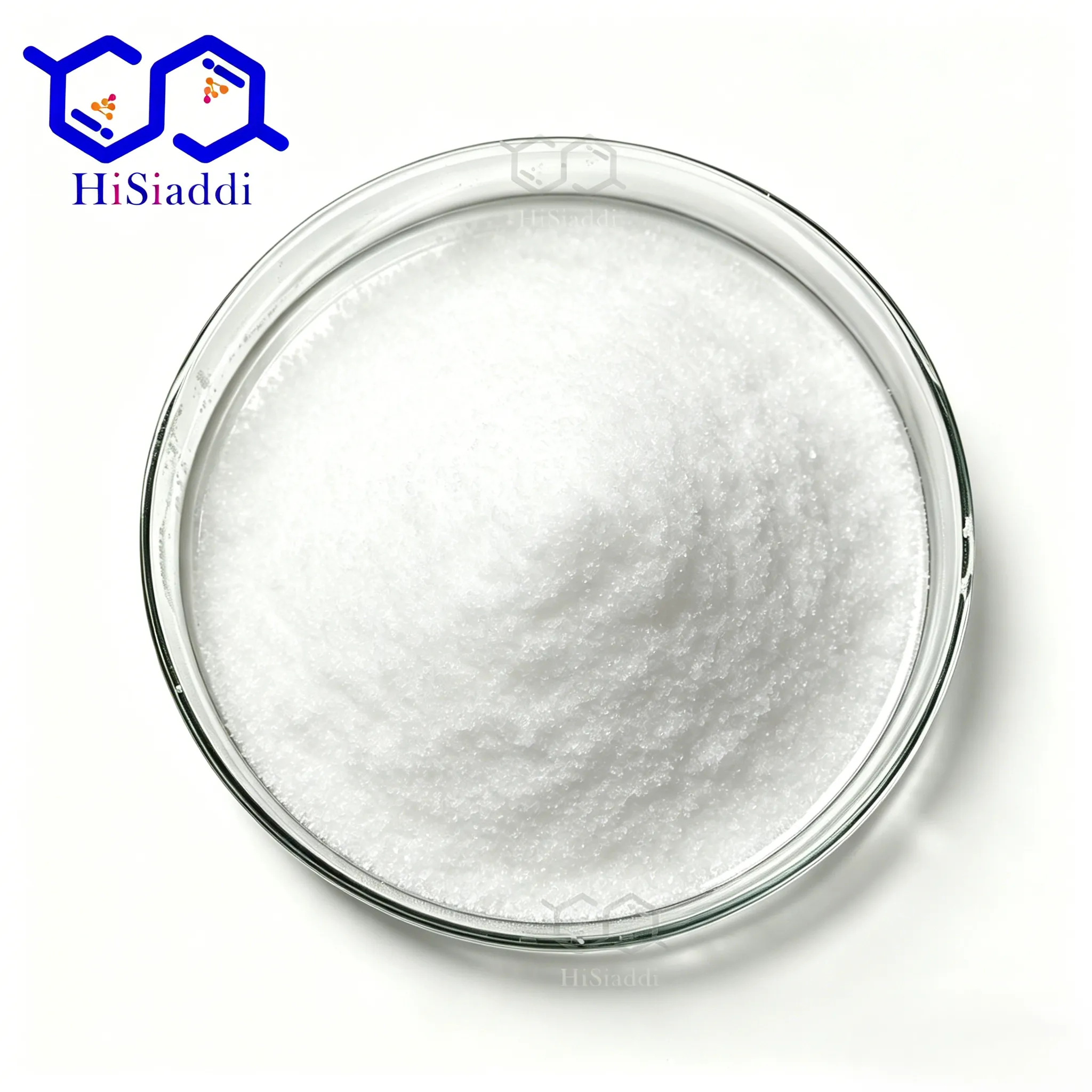
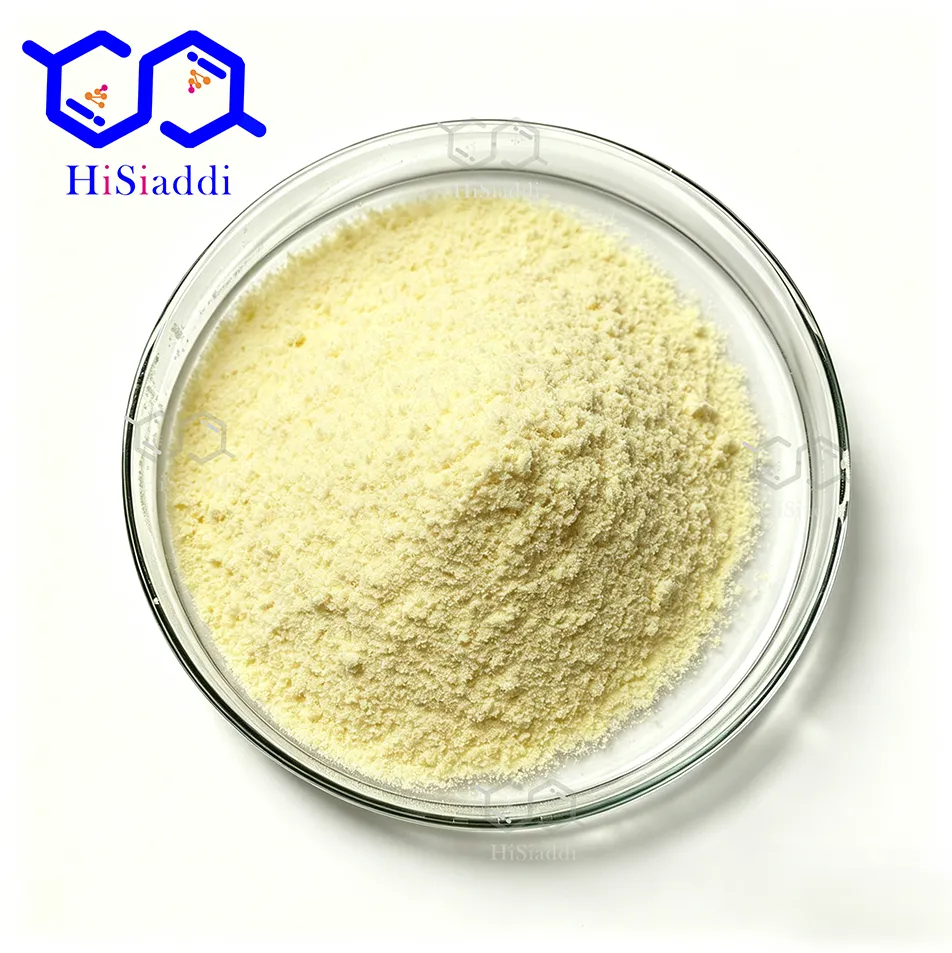
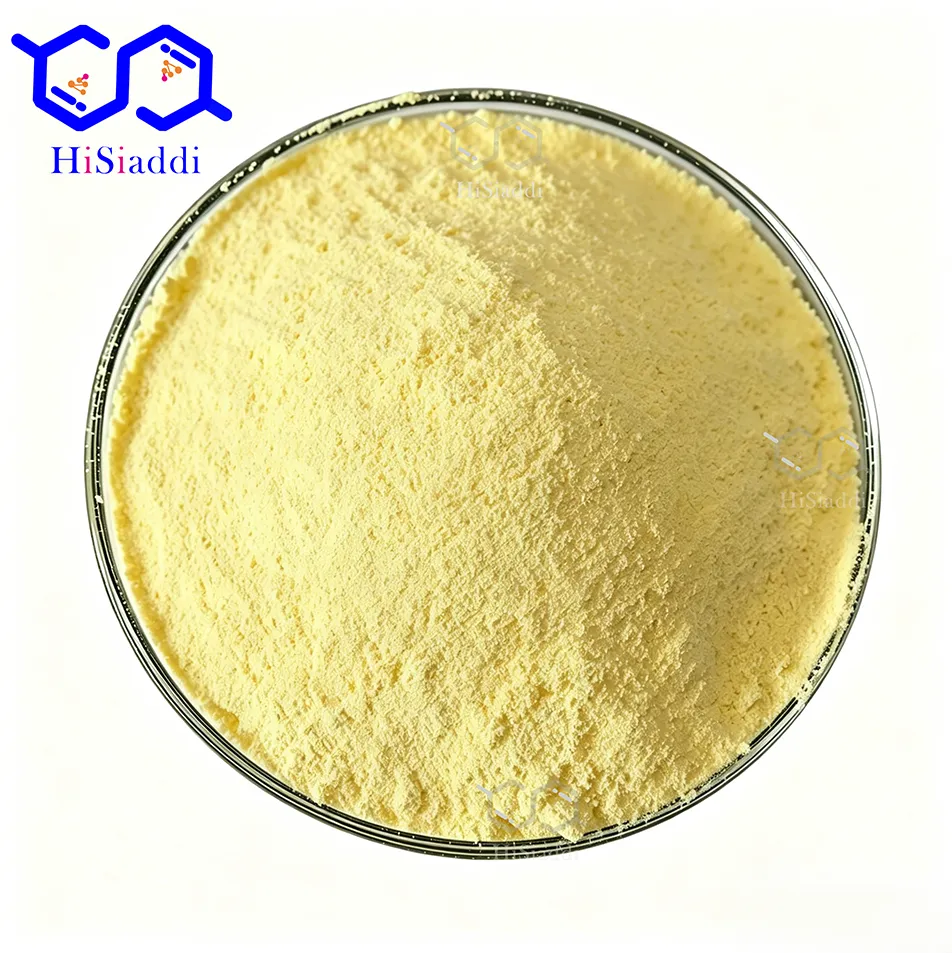
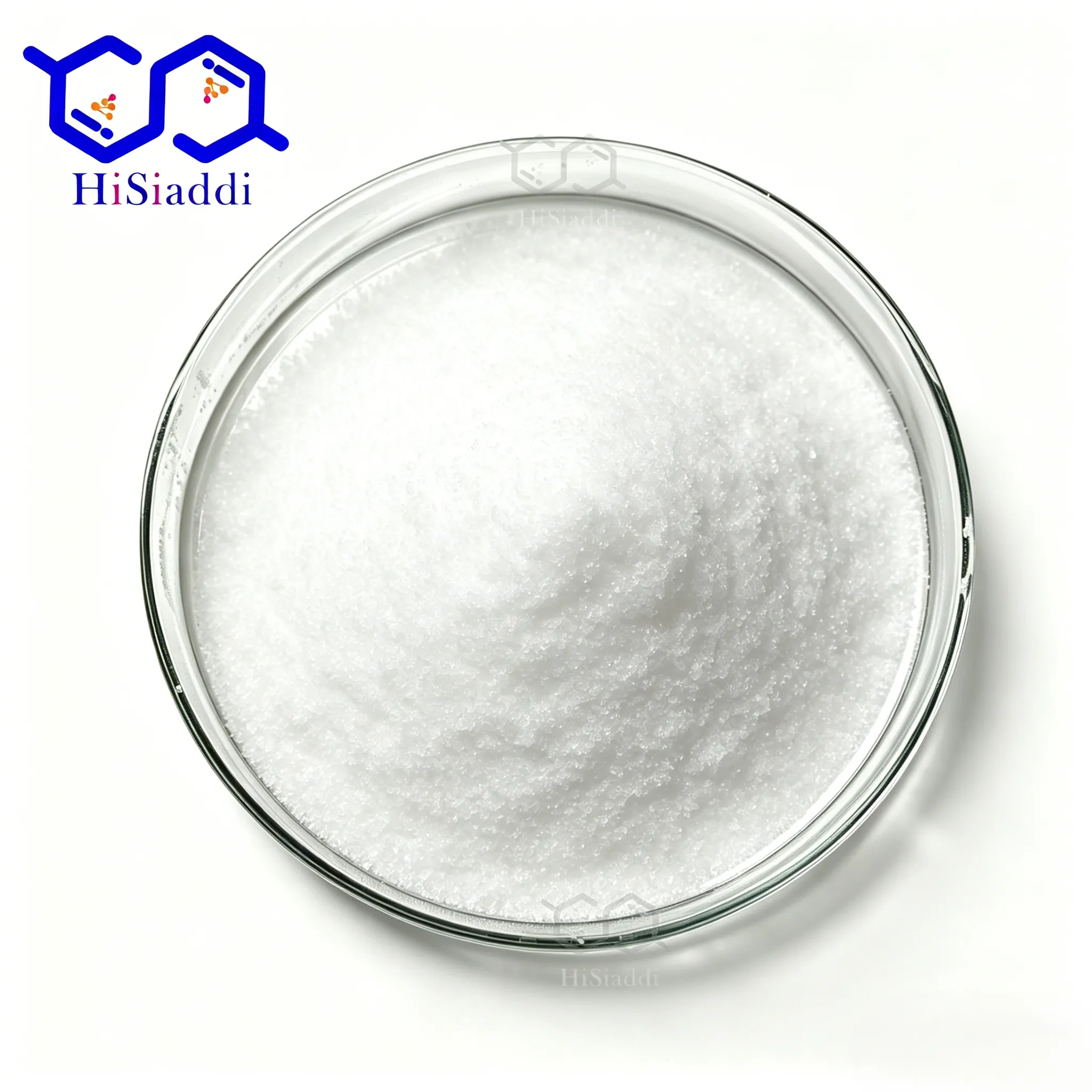
HALS 2020 is a narrow molecular weight distribution polymeric HALS, resistant to high temperature and high humidity, used for polyolefins, films, and carbon black filled systems. Relying on ten years of research-level consulting experience, HiSiaddi provides to the following well-known brands and models.
Rianlon — RIASORB® UV-2020: narrow distribution 2800–3200 (consistent with BASF), water extraction resistance ≤0.3% (95℃/100h), long-term stability; color difference ΔE<1.0 (better than international ΔE<1.5), excellent yellowing resistance for light or colored products; FDA/REACH compliant, outstanding performance in carbon black filled systems (artificial grass, pipes). Price is 75–80% of BASF's; heat resistance / migration resistance / yellowing resistance is comparable or better, ideal choice for high-end artificial grass / films.
Suqian Liansheng — HALS-2020: molecular weight 2600–3400, 40% improvement in water extraction resistance compared to 944; high thermal stability, T5%≥310℃, suitable for artificial grass extrusion (270–290℃) without degradation; low dust, good particle flow, highly compatible with large automated production lines. Cheaper than imported products by 25–30%, performance close to international top brands, the best cost-performance choice for artificial grass / pipe applications.
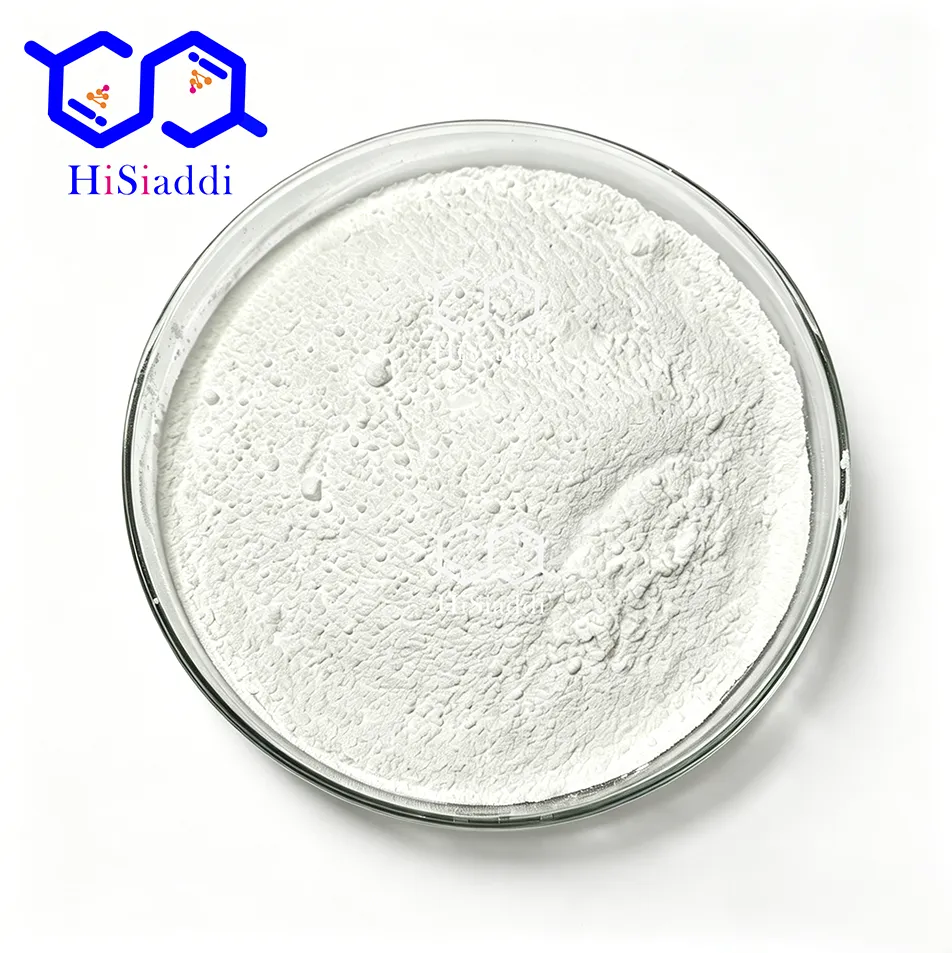
 CONTACT HiSiaddi NOW
Name: | Light Stabilizer HALS-2020 | Other Name: | Chimassorb 2020 |
CAS No. | 192268-64-7 | Brand: | Multi-Brand |
MF: | N/A | Model Number: | Multi-models |
EINECS No. | N/A | Place of Origin: | Jiangsu, China |
Purity: | 98% | Grade: | Industrial grade |
MOQ: | 1ton | Storage: | Please refer to the product packaging or contact the customer service |
When you purchase HALS-2020 as a buyer, you may encounter the following questions:
What are the core index advantages and application impacts of mainstream models of well-known HALS-2020 brands?
What competitive services can HALS-2020 suppliers provide?
What are the qualification certifications and market feedback of target HALS-2020 brands?
How about the inventory level and supply stability of HALS-2020 suppliers?
What factors need to be considered when selecting HALS-2020?
...and many other related questions.
HPLC purity reaches 99.3%, leading level in the industry; molecular weight distribution ranges from 2700–3300 g/mol with narrow distribution (PDI<1.1), achieving equivalent performance to BASF Chimassorb 2020.
Melting point: 128–133℃ with batch fluctuation ≤±1.5℃; 5% thermal weight loss temperature ≥360℃, suitable for high-temperature processing at 250–280℃ and high-speed injection molding/extrusion.
Volatile matter ≤0.4%, ash content ≤0.07%; water extraction weight loss ≤0.35% (95℃, 100h), excellent migration resistance and extraction resistance, ideal for high-temperature & high-humidity outdoor scenarios such as tropical and coastal areas.
Weak alkalinity (pH 7.2–7.8), no catalytic degradation on PVC and polyester; great compatibility with pigments and carbon black, color difference ΔE<1.2, effectively preventing yellowing of light-colored finished products.
Purity: 99.1%, stable narrow molecular weight distribution at 2650–3350 g/mol; melting point 125–135℃ with strong wide-temperature adaptability.
5% thermal weight loss temperature ≥355℃, resistant to high temperature of 240–275℃; low VOC content (<40 ppm), complying with EU automotive interior VOC standards, perfect for high-end cockpit materials.
Outstanding hydrolysis resistance with performance retention rate ≥92% after 24h immersion in 80℃ hot water; strong acid resistance (stable at pH 3–5), applicable to sulfur-containing agrochemical and acidic environments.
Excellent compounding compatibility, synergistic effect with UV-327/328 and Antioxidant 1010/168, boosting weather resistance by over 35% and reducing usage dosage by 20%.
Purity: 98.8%, moderate molecular weight distribution 2600–3400 g/mol; melting point 122–138℃, matching conventional processing temperature of 220–260℃.
Volatile matter ≤0.5%, ash content ≤0.1%; good anti-migration property with migration rate ≤0.12% after 72h at 70℃, suitable for thin-walled products such as fibers and films.
Strong weather resistance: PE agricultural film achieves over 3.5-year weather resistance with 0.25% dosage; well compatible with carbon black system to enhance weather resistance and thermal stability of black plastic products.
Mature domestic polymerization technology with stable impurity control and large-scale mass production (monthly output over 250 tons), prominent cost advantages.
Purity: 98.5%, universal molecular weight distribution 2550–3450 g/mol; melting point 120–140℃, applicable to extrusion, injection molding and film blowing processes.
Volatile matter ≤0.5%, ash content ≤0.12%; light transmittance ≥91% at 425nm, ideal for light-colored and transparent products without affecting transparency.
Excellent salt spray resistance with performance retention rate ≥83% after 1000h 5% NaCl salt spray test, suitable for coastal outdoor products; low precipitation avoids blooming and migration defects.
Cost-optimized formula adopting low-cost piperidine derivatives with qualified basic performance and strong price competitiveness.
Purity: 98.0%, wide molecular weight distribution 2500–3500 g/mol matching low-cost formulas; melting point 118–142℃ with broad processing window.
Volatile matter ≤0.6%, ash content ≤0.15%; qualified weather resistance: PP products achieve over 2.5-year weather resistance with 0.3% dosage, meeting basic outdoor application needs.
Wide applicability for polymers including PE, PP, EVA, ABS and TPU with flexible dosage of 0.2–0.5%.
Stable low price supported by Shandong petrochemical industrial chain with slight raw material price fluctuation.

| Brand | Mainstream Model | Core Index Advantages | Cost Performance (USD/MT) | Target B-end Buyers | Benefits for Downstream Buyers | Benefits for End Users |
| Unitechem | Unitechem® HALS-2020 | 99.3% purity, narrow molecular weight distribution, ≥360℃ heat resistance, low volatility & extraction resistance, weak alkalinity | 16200-17800 (Mid-to-high end) | High-end agricultural film factories, auto modification factories, premium artificial grass factories, food packaging factories | Low dosage, single-agent replacement, full compliance, cost control | 4-5 years agricultural film lifespan, 12-year weather-resistant auto parts, 8-year anti-lodging artificial grass |
| Rianlon | RIASORB® UV-2020 | 99.1% purity, ≥355℃ thermal stability, low VOC, excellent hydrolysis & acid resistance, synergistic compounding effect | 17000-18500 (High end) | Mid-to-high-end auto factories, home appliance factories, food container factories, high-end coating factories | Low VOC compliance, high temperature resistance, one-stop solution, low rejection rate | 10-year non-yellowing auto interiors, 9-year weather-resistant home appliances, safe & durable food packaging |
| Tiangang | Tiangang® HS-200 | 98.8% purity, 122-138℃ melting point, low volatility, strong weather resistance, stable mass production | 15000-16500 (Mid-range) | Small & medium agricultural film factories, woven plastic factories, mid-range artificial grass factories, additive distributors | Flexible small batches, high cost performance, stable supply, trial order friendly | Over 3.5 years service life for greenhouse films, 6-year weather-resistant artificial grass, 4-year durable woven bags |
| JADEWIN | JADEWIN® LH2020 | 98.5% purity, ≥91% light transmittance, great salt spray resistance, low precipitation, low cost | 14200-15500 (Mid-to-low end) | Economical agricultural film factories, recycled plastic factories, low-grade outdoor product factories, Africa & SEA traders | Low price, wide universality, salt spray resistance, flexible small orders | Over 2.5 years economical film lifespan, 2+ years anti-aging recycled plastics, 3+ years coastal product durability |
| Luhua | Luhua® HALS-2020 | 98.0% purity, wide processing window, qualified weather resistance, strong universality, stable low price | 13000-14300 (Low end) | Low-grade agricultural film factories, ordinary woven plastic factories, outdoor furniture factories, Africa & Middle East traders | Lowest cost, standard performance, wide compatibility, stable delivery | 2+ years low-cost film lifespan, 3+ years anti-aging outdoor furniture, 2.5+ years durable woven products |
HiSiaddi is an innovative foreign trade service provider driven by both technology transformation and foreign trade services. It has established a "1+2+3+4=1" product service system: 1 foreign trade salesperson with over 3 years of experience, 2 R&D teams, 3 high-quality suppliers, and 4 warehouses to fulfill one-stop product demand.
Backed by this service system, HiSiaddi boasts deeper expertise in HALS-2020 R&D and process optimization than most foreign trade firms, better insight into market demands and competitive edges of various HALS-2020 brands than standalone manufacturers, and a more thorough grasp of the HALS-2020 export market than research institutions.
HiSiaddi only recruits foreign trade specialists with a minimum of 3 years’ working experience. All staff must complete over six months of joint training delivered by the R&D and foreign trade teams before serving clients.
(1) Basic Support Services for HALS-2020
Supported by the foreign trade team and corporate service system, we deliver full-process one-stop document handling services for clients, including but not limited to provision and application of all compliance certificates for HALS-2020, and submission & resolution of third-party reports and quality warranty issues.
(2) Exclusive Premium Services for HALS-2020
Leveraging our R&D team, we provide customized product and technical consulting services, such as comparative analysis of core indicators and costs across all HALS-2020 brands, and regular sharing of global market updates.
Through in-depth collaboration with original manufacturers via technology transformation, as well as internal coordination with the foreign trade team, our R&D team delivers technical training to sales staff. This enables professional HALS-2020 customization and provides research-grade consulting on HALS-2020 brand matching and application formula optimization.
(1) Research-Grade Customization Services for HALS-2020
Custom molecular weight distribution, melting point and particle form (pellet/powder) with dust-free grades tailored to client equipment and formulations
Research-Grade Exclusive Formulas: Custom HALS-2020 blends based on a decade of high-molecular HALS data. Optimize ratios with UV-327/328, antioxidants 1010/168 and carbon black for polymers (PE/PP/TPO/EVA), processing temperatures 220–280°C and harsh outdoor environments. Cut additive usage by 15–25%, raise weather resistance by 30–40% and reduce yellowing ΔE below 1.0.
Domestic Substitute for BASF Chimassorb 2020: Full side-by-side test reports; alternative grades costing 28–32% less with equivalent performance; free pilot testing and performance comparison reports.
(2) Research-Grade Consulting Services for HALS-2020
Monthly online technical training on formulation, processing and compliance; factory tours at Liansheng and Rianlong; annual technical summits with industry experts covering cutting-edge HALS-2020 applications.
Our foreign trade and R&D teams collaborate to conduct preliminary market research, on-site factory audits, product testing, deep technology transformation cooperation and bulk purchasing cooperation. We select approximately three reliable, stable, reputable suppliers with strong development potential.
(1) Initiative to Secure Lower HALS-2020 Prices
Long-term partnerships built on technology transformation and authorized distribution grant us access to factory-direct pricing.
(2) Long-Term Supply Chain Assurance for HALS-2020
Long-term cooperation via technology transfer and authorized distribution strengthens production supervision, full-lot traceability, batch stability control, and compensation guarantees for substandard third-party inspection results.
We maintain four warehouses jointly managed with suppliers for stocking hot-selling products.
(1) Fast Local Delivery & On-Site Issue Resolution for HALS-2020
Our four warehouses are located at Qingdao Port (North China), Ningbo Port (East China), Shenzhen Port (South China), and Zhengzhou (inland logistics hub). This enables prompt HALS-2020 shipments and on-site staff to resolve transit damage, packaging defects or export compliance issues immediately when they arise.
(2) Mitigate Price Volatility & Support Custom Packaging for HALS-2020
We pre-stock inventory in advance during peak price seasons to cushion cost fluctuations. Our in-house warehouses fully accommodate customized packaging and labeling requirements from clients.
As a new-type foreign trade service provider driven by both technology transformation and foreign trade business, HiSiaddi has established a "1+2+3+4=1" service system and can supply HALS-2020 sourced from multiple well-known original manufacturers. Supported by its R&D capacity as a tech-driven foreign trade enterprise, HiSiaddi provides professional analysis of common difficulties faced by global B2B buyers sourcing HALS-2020 from China, alongside tailored solutions from HiSiaddi.
If you require more professional and in-depth analysis regarding HALS-2020 selection, please contact HiSiaddi customer service.
1. Under high-filler modification with calcium carbonate and wood flour, fillers readily adsorb the active components of HALS-2020. Outdoor window and guardrail profiles fade and crack after just 18 months of use, failing to meet the 3-year baseline weather resistance standard required by overseas markets.
2. Low-molecular-weight components separate out during conventional extrusion at 190–230°C, forming white blooming fog on profile surfaces that drastically reduces adhesion for subsequent spraying and lamination processes, resulting in high finished product defect rates.
3. Large deviations in active component content across batches create inconsistent anti-aging performance in profiles manufactured with identical formulations, triggering frequent after-sales complaints, returns and financial deductions from overseas clients upon bulk shipment.
4. Poor compatibility with customized color profiles: mixing with inorganic and weather-resistant colorants drastically diminishes light stabilization efficiency, limiting capacity to accept customized multi-color outdoor profile orders.
1. Supply modified HALS-2020 with enhanced filler adsorption resistance. Optimized molecular structures reduce filler adsorption rates, maintaining consistent anti-aging performance even in 45% high-filler systems and guaranteeing over 3 years of outdoor service life for profiles.
2. Purified refined raw materials with tightly controlled low-molecular impurity content eliminate blooming across the full processing temperature range, compatible with post-spraying and cladding processes to drastically cut finished product waste.
3. Rigorous batch-by-batch quality control with accompanying test reports for active component content, thermal stability and particle size, minimizing inter-batch performance gaps to unify weather resistance quality across all finished profiles.
4. Complimentary mixing compatibility sample testing with customized additive-colorant matching recommendations to stabilize protective performance for all types of colored outdoor profile formulations.
1. High-temperature injection molding of automotive interior and exterior rubber-plastic parts causes thermal decomposition and loss of HALS-2020. Exposed components yellow and embrittle after short-term sunlight exposure, failing to meet the 5-year service warranty mandated by vehicle manufacturers.
2. Gradual leaching of stabilizers upon contact with engine oil, lubricants and cleaning agents rapidly weakens anti-aging capacity, leading to component deformation and cracking failures.
3. Strict access audits by European and American automotive OEMs demand complete compliance certification documentation; incomplete credentials bar suppliers from entering formal automotive component supply chains and cost large stable order opportunities.
4. High barriers for small sample testing and small-batch trial orders inflate buyers’ upfront sample costs and extend pilot production cycles, delaying new product R&D progress.
1. Thermally stabilized HALS-2020 with elevated critical thermal decomposition temperature drastically reduces additive loss during injection molding, sustaining long-term anti-yellowing and anti-cracking protection for automotive rubber-plastic parts.
2. Oil-resistant enhanced formulation resists dissolution and erosion by grease, retaining consistent protective performance under oil-contact operating conditions matching automotive component application environments.
3. Complete English-language compliance certification documentation including RoHS and REACH aligned with overseas automotive OEM audit standards to accelerate supplier qualification approval.
4. Free small-quantity test samples and flexible small-batch trial orders shorten new product testing cycles, with dedicated technical staff supporting on-site pilot production troubleshooting.
1. Agglomerated raw HALS-2020 particles disperse poorly within powder anti-corrosion coatings, forming speckles and uneven granular protrusions on sprayed film surfaces that fail cosmetic quality standards.
2. Stabilizers trigger discoloration reactions under high-temperature coating curing, causing dull yellowing of white and light-colored anti-corrosion films resulting in full product rejection.
3. Outdoor steel structure and pipeline anti-corrosion coatings rapidly lose gloss, peel and delaminate under prolonged sun and rain exposure, with protective lifespans falling far below contracted standards agreed with overseas clients.
4. Slow delivery of multi-spec small-batch orders disrupts continuous production scheduling for coating manufacturers operating multiple simultaneous formulations and delays order fulfillment.
1. Ultra-fine grinding processing breaks down agglomerated HALS-2020 particles paired with matched dispersion systems to deliver smooth, defect-free coating films without granular discoloration flaws.
2. Anti-yellowing modified manufacturing process eliminates thermal discoloration during high-temperature curing, preserving pure consistent color in light-tone coatings to meet premium anti-corrosion coating appearance specifications.
3. Complementary UV absorber compounding schemes deliver dual enhanced weathering and anti-corrosion performance to extend steel structure service life and satisfy overseas engineering acceptance criteria.
4. Dedicated coating supply channel prioritizes rapid scheduling and delivery for multi-variety small-batch orders to maintain uninterrupted customer production lines.
1. Missing ISO certifications, certificates of origin, quality inspection slips and other customs clearance & customer audit documents; incorrectly formatted English versions repeatedly hinder customs clearance and supply qualification reviews.
2. Tight production capacity during industry-wide peak demand regularly delays contracted delivery dates, exposing intermediaries to liquidated damages and permanent client churn due to missed downstream supply deadlines.
3. Production formulation compatibility and performance malfunctions reported by downstream factories lack professional multilingual technical support, slowing fault diagnosis and prolonging unresolved after-sales issues.
4. High unit prices create heavy capital occupation for bulk inventory; volatile global raw material prices expose stocked goods to depreciation and loss risks.
1. One-stop provision of standardized full-set English compliance documentation including quality inspection reports, certificates of origin and system certification materials directly usable for customs clearance and customer factory audits.
2. Binding capacity guarantee supply agreements prioritize order production slots during peak demand to minimize delivery delays, with formal compensation mechanisms defined for overdue shipments to reduce intermediary operational risks.
3. Multilingual chemical technical specialists provide 24-hour response to downstream production issues, remotely assisting formulation adjustment and fault diagnosis to resolve after-sales problems efficiently.
4. Overseas warehouse consignment stocking with on-demand partial shipment options reduce intermediary inventory capital pressure; long-term fixed-price contracts hedge against raw material price volatility risks.
1. Stringent environmental regulations for children’s products and home-use plastics render standard HALS-2020 grades non-compliant with hazardous substance limits, barring market access to European and American consumer markets.
2. Irritating residual odors in molded plastic finished goods fail home and maternal-infant safety standards, driving high consumer return volumes.
3. Moisture absorption and caking occur during long ocean shipping and warehouse storage, impeding feeding operations while gradual loss of active components undermines anti-aging protection for finished plastic products.
1. Low-toxicity eco-friendly HALS-2020 grades with tightly controlled hazardous substance limits meet overseas daily plastic regulatory thresholds for smooth market compliance testing.
2. Low-odor purification manufacturing removes volatile irritating impurities to deliver odor-free finished goods suitable for maternal-infant and household safety plastic production.
3. Standard moisture-proof sealed packaging prevents moisture absorption and caking throughout ocean shipping and warehousing, preserving consistent active ingredient performance and stable finished product quality long-term.
If you require more professional and in-depth analysis regarding HALS-2020 selection, please contact HiSiaddi customer service.
Control organic chlorine residue at ≤15 ppm (the figure for conventional domestic products is generally 35~60 ppm) to comply with the EU REACH environmental regulations;
Narrow the melting range to 118~126 °C to match the client's high-speed flat yarn drawing machines and prevent yarn breakage;
Limit the chromaticity to ≤30 APHA to avoid yellowing of light-colored PP flat yarns.
During the cast film production process, precipitates accumulated on the die head, forming crystal spots and pits on the film surface. Frequent shutdowns for die head cleaning reduced production efficiency by 40%;
Exposed to intense ultraviolet radiation along the Mediterranean coast of Turkey, the geomembranes suffered surface embrittlement within 8 months of outdoor use, failing to meet the weather resistance requirements. The client suspended mass production and invited HiSiaddi’s technical team for on-site diagnosis and optimization.
Lead time
Quantity (ton) | 0 - 10 | 10 - 30 | > 30 |
Lead time (days) | 7 | 15 | To be negotiated |
The monthly inventory volume of HALS-2020 is 30 tons, with appropriate adjustments upwards or downwards in response to peak and off-peak seasons.
HiSiaddi safeguards the supply stability of HALS-2020 through the following measures:
(1) Performance evaluation and screening of HALS-2020 brand factories based on on-time delivery rate, batch pass rate, timeliness of risk alerts, and completeness of documentation to assess their supply stability.
(2) For each mainstream model or major grade of HALS-2020, secure 1 primary high-quality brand manufacturer and 2 backup high-quality manufacturers.
(3) Each factory operates independent production lines in separate production zones to prevent production halts caused by major unforeseen incidents such as environmental production suspensions and power outages.
Through long-term cooperation with brand manufacturers via technology commercialization and authorized distribution channels, HiSiaddi can effectively strengthen supervision over the production processes of brand manufacturers, optimize full-process traceability management, improve batch stability control, and further reinforce real-time monitoring of the supply stability of HALS-2020 products.
Long-term Annual Framework Supply Guarantee Agreement. HiSiaddi signs 12-month long-term agreements with leading manufacturers. The agreements specify the minimum guaranteed supply volume, maximum price hike range, and priority production scheduling rights during peak seasons. It is stipulated that manufacturers shall issue a 30-day prior written notice if production is suspended due to environmental rectification or equipment maintenance, and backup manufacturers will be activated to replenish goods accordingly.
We have 4 warehouses, which are jointly operated and managed with suppliers to store hot-selling products.The four warehouses are located at Qingdao Port in North China, Ningbo Port in East China, Shenzhen Port in South China, and Zhengzhou, China’s inland logistics hub. This setup guarantees sufficient supply and timely shipment of HALS-2020 during peak seasons.
HiSiaddi issues a rolling demand forecast covering the subsequent three months on the 25th of each month, allowing manufacturers to reserve production capacity in accordance with the forecast. Any new urgent orders from overseas clients will be prioritized to draw on inventories or production capacity from backup manufacturers.
Unstable logistics for HALS-2020 will extend delivery lead times. HiSiaddi has established alternative arrangements covering multiple freight forwarders, ports and transportation solutions:
(1) Binding of multiple professional chemical freight forwarders for HALS-2020
Each product is assigned 2 to 3 freight forwarders with hazardous chemical/food transport qualifications affiliated with different shipping lines. Alternative sailing schedules can be switched to immediately in case of space shortages or customs inspections on a single shipping route.
(2) Backup transportation solutions for HALS-2020
Ocean freight serves as the standard mode; air freight and rail freight are reserved as alternatives for urgent orders. Long-term agreements for temperature-controlled containers are signed for temperature-sensitive and perishable food additives to secure shipping space.
(3) Visual tracking and digital early warning for HALS-2020
Freight forwarders synchronize daily updates on container loading, customs declaration, vessel loading and port arrival milestones. If customs inspection occurs, replenishment from backup inventory will be initiated immediately to shorten client waiting periods.
Full-chain digital early warning automatically monitors four categories of risks:
Factory side: Expiring supplier environmental assessment certificates, renewal of production permits, scheduled major equipment overhauls, and notifications of price hikes for upstream raw materials;
Inventory side: Inventory falling below safety thresholds, excessive inventory age, and batches failing quality inspection;
Logistics side: Shipping line space shortages, strikes at destination ports, and updates to customs policies;
Overseas side: Revisions to additive regulations and adjustments to import restriction lists in target countries.
Early warning notifications are automatically pushed to procurement and business leads, allowing backup suppliers or inventory contingency plans to be activated in advance.
As a new foreign trade service provider driven by dual engines of technology commercialization and export trading, HiSiaddi has built a "1+2+3+4=1" service system, supplying original factory sources of HALS-2020 from multiple well-known brands.
As an export service provider with independent R&D capabilities, HiSiaddi avoids the biased brand promotion typical of single-manufacturer distributors. We objectively analyze China’s top export-competitive HALS-2020 manufacturers and share their certification credentials and real market feedback to streamline buyers’ sourcing decisions.
Contact HiSiaddi customer service for objective, comprehensive profiles of China’s leading HALS-2020 brands.
· Flagship grade: RIASORB UV-2020 (polymerized, molecular weight 2500±300, weak alkalinity, low migration)
· Core End-User Market Feedback
o New energy vehicles: Compatible with PP/PE interior/exterior trim and battery enclosures, 0.2%–0.4% dosage delivers over 15 years of outdoor weather resistance with VOC <50ppm. Mass-adopted by BYD, NIO and Li Auto with over 40% market penetration in 2025.
o Photovoltaic backsheets: Blended with UV absorbers and antioxidants, the formulation eliminates yellowing and cracking over 25 years outdoor exposure, passing aging validation by LONGi and JinkoSolar while supporting an 8%–12% product premium.
o Engineering plastics: Outstanding compatibility with PA66 and PBT with zero blooming/migration, lifting production yields by 5%–10%. Direct drop-in replacement for BASF HALS-2020 cutting material costs by 20%.
· Official Qualifications & Certifications
o EU REACH full substance registration (2023)
o US FDA 21 CFR 178.2010 food-contact certification (2024)
o EU Regulation 10/2011 plastic food-contact material certification (2024)
o ISO 9001 / 14001 / 45001 integrated management system certifications
o National High-Tech Enterprise status with 25 invention patents in HALS technology
· Flagship grade: UNITECHEM LS-2020 (polymerized, molecular weight 2200±200, neutral pH, high anti-migration performance)
-image placeholder: Unitechem LS-2020 pellet sample-
· Core End-User Market Feedback
o High-end agricultural films: Formulated for 5+ year service life greenhouse films, 0.3%–0.5% dosage delivers anti-aging and anti-drip performance. Dominates key agricultural film production zones in Shandong (China), Israel and Spain with 28% YoY export volume growth in 2025.
o Biodegradable plastics: Solves 3–5 year outdoor aging issues for PBAT/PLA resins, validated by Kingfa Technology and Jindan Technology; bio-based compound formulations cut carbon footprints by 15%.
o PP fiber & artificial turf: Excellent anti-extraction and color retention, 0.4%–0.6% dosage prevents fading and breakage over 10 years of service life; replaces imported additives for a 25% cost reduction.
· Official Qualifications & Certifications
o EU REACH full substance registration (2022)
o US FDA food-contact certification (2023)
o EU Regulation 10/2011 certification (2023)
o China CCIC export inspection exemption qualification
o 18% global HALS market share with client partnerships covering SABIC, LG Chem and Dow
· Flagship grade: KINGHONG 2020 (polymerized, molecular weight 2300±200, low alkalinity, superior resin compatibility)
-image placeholder: Kinghong Group factory gate-
· Core End-User Market Feedback
o Coatings & inks: Formulated for automotive and industrial paints with VOC <40g/L and strong anti-yellowing performance, compatible with polyurethane and acrylic resin systems. 0.5%–0.7% dosage delivers over 12 years of outdoor weather resistance, recognized by AkzoNobel and Nippon Paint.
o Black masterbatch & dark-tinted products: Stable efficacy under high UV absorption, 0.6%–0.8% dosage eliminates blooming and color deviation for carbon black-filled PP/PE; dark system order volume rose 35% in 2025.
o Wire & cable insulation: Optimized for XLPE layers with 120°C/1000h thermal aging resistance and anti-migration properties, UL 94 V-0 certified for export cable manufacturers across Southeast Asia and Europe.
· Official Qualifications & Certifications
o EU REACH registration (2023)
o US FDA 21 CFR 175.105 food-contact adhesive certification
o EU ECHA SVHC substance compliance
o China Green Product Certification (2024)
o 12 invention patents for HALS composite formulations, OEM supplier for BASF and Clariant
· Flagship grade: TIANGANG HS-200 (polymerized, molecular weight 2400±300, neutral pH, ultra-high thermal stability)
· Core End-User Market Feedback
o Military & outdoor equipment: Specified for military tents, ballistic gear and outdoor toolboxes, maintains stable performance from -40°C to 120°C with superior salt spray and UV resistance. Certified by China North Industries Group with export sales to the Middle East and Eastern Europe.
o Home appliance housings: Formulated for PP air conditioner and washing machine casings, 0.3%–0.5% dosage prevents yellowing over 10 years of outdoor exposure; replaces imported additives for an 18% cost reduction.
o Recycled polymer modification: Compatible with PE/PP recycled feedstocks (≤5% impurity content), restores additive efficacy to 90% of virgin resin levels at 0.4%–0.6% dosage, cutting raw material costs by 15%–20%. Recommended by the European Plastics Recyclers Association (EPRS).
· Official Qualifications & Certifications
o EU REACH registration (2021, first batch of approved domestic HALS manufacturers)
o US FDA food-contact certification (2022)
o GJB 9001 military product quality management system certification
o ISO 14064 carbon footprint verification (2024)
o National drafting member of China’s HALS industry standards
· Flagship grade: HUANGMA HM-2020 (polymerized, molecular weight 2100±200, weak alkalinity, available in solid pellet and liquid forms)
· Core End-User Market Feedback
o Elastomers & TPU: Specified for footwear, tubing and sealing components, high elasticity and anti-aging performance at 0.2%–0.4% dosage prevents cracking after 5 years of outdoor exposure; certified by ANTA, Li-Ning and BASF TPU division.
o Composite packaging films: Optimized for BOPP/CPP films with low haze, high transparency and zero migration; retains 90% heat-seal strength after 5000h aging, exported to packaging manufacturers across Southeast Asia and South America.
o Custom formulation services: Adjustable molecular weight, alkalinity and physical form (liquid/solid) to match specialty resins including EVA and POE with 2–3 week custom order lead times; custom orders accounted for 40% of total sales in 2025.
· Official Qualifications & Certifications
o EU REACH registration (2023)
o US FDA 21 CFR 177.1520 plastic food-contact certification
o EU Regulation 10/2011 certification (2024)
o ISO 9001 / 14001 integrated management system certifications
o 8 invention patents covering liquid HALS technology, OEM supplier for Clariant and ADEKA
· EU REACH: All five brands completed full substance registration with no SVHC high-concern substances, enabling unrestricted circulation within the EU single market.
· US FDA + EU 10/2011: Full food-contact certification portfolio, eligible for food packaging, infant goods and medical devices to access high-end Western markets.
· Carbon footprint & green certifications: Rianlon and Tiangang hold ISO 14064 verification; Huangma obtained EU ECO certification. Domestic HALS carbon footprints are 10%–15% lower than foreign equivalents, supporting CBAM compliance for EU exports.
· Molecular weight & anti-migration: All grades adopt polymerized structures (MW >2000) delivering low volatility and zero migration, suitable for thin-gauge products including fibers and films.
· Long-term weather resistance: Stable performance for 10–25 years outdoor exposure, thermal stability up to 280°C, compatible with PP/PE, engineering plastics, coatings and elastomers.
· Synergistic additive effects: Blending with UV absorbers and antioxidants doubles anti-aging performance while cutting required additive dosage by 30%–50%, delivering significant total cost optimization.
· Price competitiveness: 20%–25% lower unit cost than BASF and Solvay products with identical quality and batch consistency.
· Guaranteed lead times: 2–4 week delivery versus 6–8 weeks for European/American suppliers, 7-day emergency order response with sufficient on-hand inventory.
· Technical support services: End-to-end formula design, weathering testing, compliance consulting and customized formulation tuning with 24-hour technical specialist support.
Sourcing from China’s leading HALS-2020 manufacturers delivers four key benefits:
1. Full regulatory compliance: Universal EU REACH, US FDA and EU 10/2011 certifications eliminate export compliance risks.
2. World-class performance: Performance fully matches BASF HALS-2020 with low migration, low VOC and long-term weather resistance.
3. Extreme cost-performance: 20%–25% lower raw material pricing paired with reduced additive loading cuts total composite material costs by 15%–25%.
4. Secure, responsive supply chains: 2–4 week standard delivery windows with dedicated technical support and customizable formulation development.
Contact HiSiaddi customer service for deeper, more valuable HALS-2020 market intelligence.
As a new foreign trade service provider driven by dual engines of technology commercialization and export trading, HiSiaddi has built a "1+2+3+4=1" service system, supplying original factory sources of HALS-2020 from multiple well-known brands.
As an export service provider with independent R&D capabilities, HiSiaddi avoids the biased brand promotion typical of single-manufacturer distributors. We objectively analyze China’s top export-competitive HALS-2020 manufacturers and share detailed breakdowns of their production workflows, supply chain reliability and core technical indicators, plus the downstream procurement impacts of these factors to streamline buyers’ sourcing decisions.
Contact HiSiaddi customer service for objective, comprehensive profiles of China’s leading HALS-2020 brands.
· Synthetic workflow: Triacetonamine → Tetramethylpiperidinol → Polycondensation → End-Capping → High-Vacuum Distillation → Activated Carbon Decolorization → Pelletization
· Core technical strengths
o One-pot polymerization yields narrow molecular weight distribution (PDI<1.2), eliminating low-molecular-weight fractions prone to migration.
o Closed-loop rectification under nitrogen blanketing restricts volatile content to ≤0.3%, far below EU VOC regulatory limits.
o Fully automated DCS continuous production with reaction temperature/pressure fluctuations controlled within ±0.5°C / ±0.1bar, guaranteeing exceptional batch-to-batch consistency.
· Production capacity: Dual manufacturing bases in Tianjin and Zhongwei with total annual capacity of 12,000 tons, single production line maximum throughput of 4,000 tons/year.
· Inventory reserves: 3,000 tons permanent safety stock covering 3 months of global order demand.
· Lead times: Standard 2-week delivery, 7-day expedited orders; European/American regional warehouses offer 48-hour direct shipment.
· Raw material security: 3-year fixed-price supply agreements with BASF and Dow for acetone and adiponitrile, limiting feedstock cost fluctuations to ≤5%.
· Export credentials: Complete REACH, FDA and EU 10/2011 certification portfolio; 28% YoY export volume growth in 2025.
· Molecular weight: 2500±300 (PDI<1.2)
· Appearance: Transparent pale yellow pellets, dust-free
· Melting point: 135–145°C; Thermal decomposition temperature: >360°C
· Volatile matter: ≤0.3%; Ash content: ≤0.05%
· Light transmittance (425nm): ≥93%; Effective nitrogen content: ≥4.8%
· Alkalinity: Weakly alkaline (pH 7.5–8.5), compatible with acidic resin systems
· Universal formula compatibility: Narrow molecular weight distribution and mild alkalinity deliver consistent performance across PP/PE, engineering plastics and coatings with zero blooming in dark color formulations.
· Material cost optimization: 0.2%–0.4% additive loading versus 0.8%–1.2% for conventional HALS cuts composite material costs by 18%–25%.
· Simplified compliance: Full food-contact certification enables direct use in infant goods and food packaging without secondary third-party testing.
· Synthetic workflow: Triacetonamine → Piperidinamine → Copolymerization → Neutralization → Water Washing → Thin-Film Evaporation → Pelletization
· Core technical strengths
o Solvent-free bulk polymerization achieves ≥92% product yield while cutting wastewater discharge by 60%, meeting EU environmental manufacturing standards.
o Proprietary composite catalyst reduces reaction cycle time by 40% and lowers energy consumption by 25%.
o CNAS-accredited in-house quality control lab conducts online testing every 2 hours, with batch performance relative standard deviation (RSD) <0.8%.
· Production capacity: Single-site manufacturing base in Suqian with total annual capacity of 10,000 tons, the world’s largest dedicated HALS production facility.
· Self-sufficient intermediates: On-site 20,000 ton/year triacetonamine production facility delivers 100% self-control of core feedstock supplies.
· Inventory reserves: 2,500 tons permanent base stock, expanded to 4,000 tons during agricultural film peak demand (Q4–Q1).
· Lead times: Standard 2–3 week delivery; direct spot shipment to Southeast Asian and Middle Eastern clients.
· Price stability: 20%–25% lower unit pricing versus foreign brands with quarterly price fluctuations capped at ≤$1.5/kg.
· Molecular weight: 2200±200 (PDI<1.3)
· Appearance: White to pale yellow pellets
· Melting point: 125–135°C; Thermal decomposition temperature: >350°C
· Volatile matter: ≤0.4%; Ash content: ≤0.08%
· Effective nitrogen content: ≥4.5%; Alkalinity: Neutral (pH 7.0–7.5)
· Top cost-performance choice: Neutral pH and broad resin compatibility make this grade ideal for agricultural films, artificial turf and PP fiber applications, delivering 25% lower raw material costs versus imported equivalents.
· Optimized for recycled feedstocks: Neutral chemistry prevents polymer degradation in recycled PE/PP; 0.4%–0.6% additive loading restores anti-aging efficacy to 90% of virgin resin levels.
· Reliable peak season supply: Zero stockout risks during agricultural film manufacturing surges with price hikes capped at ≤5%, protecting downstream gross profit margins.
· Synthetic workflow: Tetramethylpiperidinol → N-Alkylation Modification → Polycondensation → Precision End-Capping → Purification → Pelletization
· Core technical strengths
o Patented N-alkylation low-alkalinity technology stabilizes pH at 6.5–7.5, eliminating precipitation issues in acidic coating systems.
o Precision end-capping limits terminal hydroxyl residue to <0.1%, eliminating blooming and restricting color deviation ΔE<0.5 in dark-tinted formulations.
o Optimized high-temperature thermal stability maintains structural integrity up to 280°C for high-speed engineering plastic extrusion lines.
· Production capacity: Manufacturing base in Weihai Lingang Industrial Zone with annual capacity of 6,000 tons, focused exclusively on premium high-end HALS grades.
· Market positioning: Specialized premium additive manufacturer serving AkzoNobel, Nippon Paint and Clariant.
· Inventory reserves: 1,500 tons permanent base stock; order-driven production model with standard 3–4 week lead times.
· Technical support: 24-hour formula troubleshooting service with complimentary weathering and color difference analytical testing for clients.
· Molecular weight: 2300±200 (PDI<1.25)
· Appearance: Transparent pale yellow pellets
· Melting point: 130–140°C; Thermal decomposition temperature: >355°C
· Volatile matter: ≤0.35%; Ash content: ≤0.06%
· Alkalinity: Neutral to weakly acidic (pH 6.8–7.2); Effective nitrogen content: ≥4.6%
· Industry-leading solution for dark/acidic systems: Low alkalinity and precision end-capping eliminate blooming and color drift, making this grade the top choice for black masterbatches and automotive coatings.
· Stable high-temperature processing: Zero thermal degradation up to 280°C boosts production yields by 5%–10% for engineering plastic high-speed extrusion lines.
· Premium product differentiation: Formulations containing this grade support an 10%–15% end-product price premium for automotive coatings and photovoltaic backsheets.
· Synthetic workflow: Proprietary nitrogen heterocyclic intermediates → Piperidine derivatives → Polymerization → Ultra-Deep Purification → Pelletization
· Core technical strengths
o Full in-house triacetonamine synthesis delivers ≥99.5% intermediate purity, limiting total product impurities to <50ppm.
o Military-spec deep purification restricts heavy metal content to <1ppm, validated by GJB 9001 military quality system certification.
o Patented low-migration technology achieves ≥98% anti-extraction efficiency, eliminating migration and blooming in thin-gauge fiber and film products.
· Production capacity: Dual manufacturing bases in Beijing and Tianjin with total annual capacity of 5,000 tons, split between military-grade and premium civilian additive production lines.
· Corporate credentials: State-owned enterprise and designated military additive supplier with a 20-year unbroken safety operation record.
· Inventory reserves: 1,200 tons permanent base stock; military orders receive priority allocation with 3–4 week standard lead times for civilian customers.
· Certification portfolio: Complete REACH, FDA, EU 10/2011, GJB 9001 and ISO 14064 carbon footprint verification.
· Molecular weight: 2400±300 (PDI<1.25)
· Appearance: White dust-free pellets
· Melting point: 132–142°C; Thermal decomposition temperature: >360°C
· Volatile matter: ≤0.25%; Ash content: ≤0.05%
· Anti-extraction efficiency: ≥98%; Heavy metal content: <1ppm
· Military-grade all-climate stability: Consistent performance from -40°C to 120°C delivers over 20 years of outdoor anti-aging service life for floating photovoltaic equipment and military field hardware.
· Optimal for thin-gauge products: Ultra-low migration and high anti-extraction efficiency eliminate blooming and surface discoloration in fibers, thin films and thin-wall injection molded components.
· Carbon emission reduction benefits: 15% lower cradle-to-gate carbon footprint than foreign competitors, qualifying EU exports for CBAM carbon tariff exemptions.
· Synthetic workflow: Piperidinol monomer → Polymerization → Controlled molecular weight tuning → Dual solid/liquid product manufacturing → Final purification
· Core technical strengths
o Patented dual-form technology offers both solid pellet and liquid viscous product grades compatible with diverse manufacturing equipment.
o Flexible polymerization platform enables adjustable molecular weight ranging from 2100–2600, with customizable narrow/broad molecular weight distribution per client specifications.
o Integrated DCS+MES full-process control supports one-click formula switching for efficient small-batch, multi-grade custom order fulfillment.
· Production capacity: Manufacturing base in Shangyu with annual capacity of 4,000 tons, China’s largest mass producer of liquid HALS additives.
· Unique market positioning: Exclusive domestic mass producer of liquid HALS, supply partner for BASF TPU, ANTA and Li-Ning.
· Inventory reserves: 800 tons solid grade permanent stock, 500 tons liquid grade permanent stock; 2–3 week lead time for custom tailored formulations.
· Custom technical services: Fully adjustable molecular weight, alkalinity and physical form with complimentary lab-scale and pilot production trials for clients.
· Molecular weight: 2100±200 (solid pellets) / 2300±200 (liquid grade)
· Appearance: Solid – pale yellow pellets; Liquid – pale yellow viscous fluid
· Melting point: Solid grade 120–130°C; Liquid grade no melting point
· Volatile matter: Solid ≤0.4%; Liquid ≤0.8%
· Alkalinity: Weakly alkaline (pH 7.5–8.0); Effective nitrogen content: ≥4.3%
· Optimized for elastomer & TPU manufacturing: Liquid grade achieves perfect miscibility with TPU and elastomer matrices, preventing surface cracking after 5 years of outdoor exposure.
· Unmatched formulation flexibility: Tunable molecular weight and physical form resolve compatibility challenges for specialty resins including EVA and POE to support niche custom product development.
· Simplified processing workflows: Liquid grade can be directly metered via pumping systems without pre-heating dissolution, boosting production line efficiency by 10%.
表格
Brand | Grade | Molecular Weight | Alkalinity | Physical Form | Core Competitive Advantages | Unit Price ($/kg) | Standard Lead Time |
Rianlon | UV-2020 | 2500±300 | Weakly Alkaline | Pellets | Narrow molecular distribution, universal compatibility, ultra-low VOC | 15–16 | 2 weeks |
Unitechem | LS-2020 | 2200±200 | Neutral | Pellets | Best cost-performance, agricultural film specialty grade | 14–15 | 2–3 weeks |
Kinghong | KINGHONG 2020 | 2300±200 | Neutral to Weakly Acidic | Pellets | Optimized for dark/acidic coating systems, zero blooming | 16–17 | 3–4 weeks |
Tiangang | HS-200 | 2400±300 | Neutral | Pellets | Military-grade purity, ultra-low migration for thin-gauge products | 17–18 | 3–4 weeks |
Huangma | HM-2020 | 2100–2300 | Weakly Alkaline | Liquid + Solid Pellets | Dual physical forms, full customization, elastomer specialty grade | 15–17 | 2–3 weeks |
All five domestic brands hold complete REACH, FDA and EU 10/2011 certification, enabling direct drop-in replacement for BASF HALS-2020. Optimized low-alkalinity, narrow molecular weight and anti-migration designs eliminate traditional HALS pain points including blooming, surface migration and color deviation.
Domestic HALS-2020 is priced at $14–18/kg versus $18–22/kg for foreign premium brands, cutting raw material expenditure by $4,000–$8,000 per metric ton of additive. Combined with reduced required loading (0.2%–0.5% vs 0.8%–1.2% for legacy HALS), total composite material costs drop 15%–25%.
Domestic suppliers deliver finished goods within 2–4 weeks versus 6–8 weeks for European and American manufacturers, with 7-day expedited order response channels. Vertically integrated raw material production and permanent strategic inventory reserves eliminate supply disruption risks caused by geopolitical logistics volatility.
Vertical-specific grade matching enables targeted market differentiation:
· Agricultural film manufacturing → Unitechem
· Dark-tinted coatings & black masterbatch → Kinghong
· Military hardware & thin-gauge film/fiber products → Tiangang
· Elastomer/TPU & custom specialty formulations → Huangma
· General-purpose automotive & photovoltaic applications → Rianlon
· New energy vehicles & photovoltaic backsheets: Select Rianlon UV-2020 or Tiangang HS-200 for long-term outdoor weather resistance, ultra-low VOC and carbon footprint reduction benefits.
· High-end agricultural films & recycled polymer modification: Select Unitechem LS-2020 for neutral pH chemistry, superior cost-performance and reliable peak-season supply capacity.
· Dark-tinted automotive coatings & black masterbatch compounds: Select Kinghong KINGHONG 2020 for low alkalinity, zero blooming and tightly controlled color deviation.
· Elastomer/TPU production & fully customized specialty resin formulations: Select Huangma HM-2020 for dual liquid/solid physical forms, flexible molecular weight tuning and superior polymer miscibility.
Contact HiSiaddi customer service for deeper, more valuable HALS-2020 market intelligence.
As a new-type foreign trade service provider driven by both technology transformation and foreign trade business, HiSiaddi has established a "1+2+3+4=1" service system and can supply HALS-2020 sourced from multiple well-known original manufacturers. Supported by its R&D capacity as a tech-driven foreign trade enterprise, HiSiaddi conducts professional analysis on critical purchasing considerations and core product indicators to ease buyers’ selection concerns.
If you require more professional and in-depth analysis regarding HALS-2020 selection, please contact HiSiaddi customer service.
Based on mainstream overseas market business models, we divide purchasers into four categories: high-end industrial manufacturing buyers, mid-range general rubber & plastic production buyers, cross-border chemical distribution wholesalers, and outdoor/agricultural special product buyers. For each category, we distinguish pre-purchasing considerations (cooperation, supply chain, application compatibility) and core product indicators, with explanations integrated with real production, trade and regional regulatory implementation.
These buyers are mainly located in developed regions including Western Europe, North America, Japan, South Korea, Australia and New Zealand. They primarily manufacture automotive interior & exterior parts, high-end home appliance plastic housings, precision electronic components, medical auxiliary plastic parts, premium sports equipment and other products for global high-end end markets with stringent brand reputation requirements. Their production lines feature high automation and complex manufacturing processes. Any raw material defects may trigger large-scale production halts and brand compensation claims, resulting in the most rigorous purchasing decision-making process.
1.
Top Pre-Purchasing Comprehensive Considerations First priority lies in global regulatory and qualification compliance, rather than merely meeting a single national standard. Beyond basic environmental regulations such as EU REACH, RoHS and California Proposition 65, buyers will verify certifications for food-contact and human-contact materials, multilingual versions of Material Safety Data Sheets (MSDS), and full-batch product traceability systems. Some automotive supporting suppliers also require raw materials to pass internal vehicle manufacturer material access reviews, with suppliers obligated to provide long-term sample test reports and annual quality audit documentation. Second, formulation compatibility and process compatibility are thoroughly evaluated. HALS-2020 must be mixed with PP, ABS, PC/ABS, elastomers, color masterbatches and other auxiliary agents used in factories. Buyers conduct multiple rounds of lab and pilot tests to identify decomposition, migration, blooming, surface fogging and product discoloration of additives under high-temperature extrusion, injection molding, blow molding and other processes. Synergistic effects with various colorants and flame retardants are also confirmed to avoid formulation incompatibility conflicts. Third, long-term supply chain stability is highly valued. Most enterprises sign annual framework procurement agreements and reject frequent stockouts or batch quality fluctuations. They conduct on-site or online audits of suppliers’ production capacity, manufacturing equipment, quality control procedures and warehousing conditions, while assessing cross-border logistics timeliness and quality protection during transportation. Preference is given to partners offering fixed shipping schedules and overseas bonded warehouse stocking services. Price ranks last in the decision-making framework; buyers are willing to pay reasonable premiums for stable quality, comprehensive services and complete compliance qualifications, and will not base cooperation solely on low prices.
2.
3.
Core Product Indicators Under Strict Requirements with Extremely Narrow Parameter Ranges
4.
1. Active component content: As a high-molecular-weight hindered amine light stabilizer, the active ingredient determines weathering resistance lifespan. These buyers demand minimal deviation between measured and nominal values, uniform consistency across full batches, and zero inter-batch content fluctuations that would cause inconsistent anti-aging performance of finished products.
2. Thermal weight loss & volatile content: For high-temperature processing conditions, volatile content and thermal decomposition temperature at different temperatures are strictly tested. Excess volatiles generate irritating odors, cause equipment scaling during production, and impair product surface gloss; insufficient thermal stability leads to premature additive decomposition and complete loss of light stabilization performance.
3. Migration resistance & blooming rate: Non-negotiable red line for high-end plastic parts. Additives must not migrate from the substrate to the surface during long-term service or high-temperature storage, as blooming causes cosmetic defects, reduced adhesion and potential contact failures in electronic components.
4. Color & yellowing index: A strict baseline for light-colored, transparent and high-gloss products. The initial yellow index of raw materials is tightly controlled, alongside testing of yellowing acceleration under prolonged light exposure and high temperatures to maintain consistent long-term appearance of finished goods.
5. Artificial accelerated aging + natural weathering data: Suppliers must provide complete, reproducible aging test reports detailing attenuation cycles of mechanical properties and appearance under intense light and alternating high-low temperature environments, to match end-product warranty periods.
This largest group of purchasers is distributed across emerging and mid-tier consumer markets including Southeast Asia, Eastern Europe, South America, the Middle East and North Africa. They produce ordinary daily-use plastics, packaging films, general plastic pipes, civilian toys, basic home accessories and low-end outdoor goods. The industry features fierce homogenized competition, thin profit margins, volatile order volumes and conventional mixing, injection molding and film blowing production processes. Their core demand for raw materials is "sufficient performance, stable supply and low cost".
1.
Top Pre-Purchasing Comprehensive Considerations First, total end-to-end procurement cost (including unit price, international freight, tariffs, loading & unloading fees) is the primary decision factor. Buyers source multiple quotations and prioritize affordable goods with lower overall costs. Commercial terms such as minimum order quantity (MOQ), payment methods, credit periods and return policies are heavily scrutinized, with preference for suppliers with low order thresholds and flexible payment terms to accommodate small-batch, multi-batch procurement models. Second, product versatility is prioritized. Factories limit raw material categories and expect a single HALS-2020 grade compatible with PP, PE, PVC and other general plastics to reduce warehousing, batching and management costs. Only basic formulation compatibility tests are conducted, with acceptance of minor surface defects under standard processing conditions. Third, fast supply response is required. Orders fluctuate sharply with market demand, creating frequent rush replenishment orders. Suppliers must offer efficient order processing, stocking and delivery, paired with mature cross-border logistics routes to avoid production line downtime. Fourth, compliance only meets local basic market access standards. Suppliers merely need to provide basic customs clearance documents and general safety reports for destination countries; no advanced special certifications are required, so long as goods comply with local fundamental environmental regulations.
2.
3.
Core Product Indicators Complying with General Industrial Standards with Acceptable Parameter Fluctuations
4.
1. Basic active ingredient content: Compliance with national and international general industry standards is sufficient, with normal inter-batch deviations permitted to meet basic weather resistance requirements.
2. Three core impurity indicators: moisture, ash content and mechanical impurities. Excess impurities create surface black spots, pinholes and reduced strength in plastic products—critical inspection items subject to standard industry thresholds.
3. Dispersibility & fluidity: Compatible with standard mixing equipment; powder/granule forms must disperse evenly without agglomeration to ensure uniform distribution within plastic substrates and stable production efficiency.
4. Basic weather resistance: Only routine artificial aging test compliance is required for indoor and short-term outdoor applications; extended natural aging and extreme environment test data are not mandatory.
5. Product form & particle size: Mainstream granular/powder formats with uniform particle sizes are preferred; no customized special specifications are needed to suit standard production equipment.
These intermediaries do not conduct manufacturing; they purchase HALS-2020 for secondary repackaging, regional distribution and allocation to local small and medium-sized manufacturers and minor traders. Concentrated in major global chemical port hubs and regional chemical markets, their business covers diverse downstream customer types. Their purchasing logic centers entirely on "easy sales, easy transportation, smooth customs clearance and stable quality during long-term storage".
1.
Top Pre-Purchasing Comprehensive Considerations First, universality and completeness of compliance documentation. Distributed goods ship to multiple countries and end customers across regions, requiring universal full-set qualification documents including multilingual MSDS, quality inspection reports, certificates of origin, customs declaration materials and general compliance certifications. A single document package must support customs clearance and customer inspections across multiple territories, eliminating niche region-specific certifications. Second, stability during warehousing and long-distance transportation is prioritized. Goods undergo ocean shipping, multiple transshipments and prolonged warehouse storage, with some batches subject to secondary repackaging. Suppliers are evaluated on moisture absorption tendency, caking rate, room-temperature shelf life and temperature-humidity tolerance to prevent deterioration, caking or performance loss during transit and storage. Strict standards are enforced for outer packaging strength, moisture resistance, leakage prevention and damage protection. Third, market circulation and packaging specifications. Mainstream high-recognition standard grades are prioritized to mitigate inventory stagnation risks, with support for bulk industrial packaging and small/medium repackaging sizes to match variable downstream order volumes. Custom proprietary formulations or special specifications are rejected to guarantee universal applicability. Fourth, profit margin calculation. Intermediaries meticulously tally purchase prices, logistics expenses, repackaging costs and loss rates, favoring suppliers with stable supply, mild price volatility and steady gross profit margins. Long-term partnerships prioritize vendors with fixed price lock-in agreements.
2.
3.
Core Product Indicators Prioritizing Circulation Metrics with Baseline Performance Standards
4.
1. Three core circulation indicators: shelf life, caking rate and moisture absorption rate. These determine storage cycle and product usability, requiring zero caking, negligible moisture uptake and consistent performance under standard warehousing conditions.
2. Uniformity of specifications: All batch parameters must align with international general standards to ensure usability for all downstream manufacturing clients regardless of type.
3. Volatile content & stability: High-volatility products accumulate hazardous gas inside sealed ocean containers, so volatile content must stay within standard safe industrial ranges.
4. Routine quality testing: Active ingredient, ash and moisture content are only spot-checked against universal standards for acceptance; no deep refined testing is performed.
5. Standardized labeling: Packaging labels and parameter markings must follow global universal chemical labeling standards to facilitate secondary distribution and customer identification.
These purchasers are concentrated in regions with intense sunlight, extreme temperature swings, heavy rainfall/sandstorms, including all of Africa, tropical South America, the Mediterranean Southern Europe, inland Australia and tropical Southeast Asia. They produce agricultural greenhouse films, sunshade nets, outdoor building profiles, exposed pipelines, landscape plastic products and aquaculture plastic fittings, which remain fully exposed to harsh natural conditions year-round—dictating purchasing logic centered entirely on outdoor weather resistance.
1.
Top Pre-Purchasing Comprehensive Considerations First priority: Field-tested performance under extreme environments. Suppliers must provide real-world outdoor aging application cases and long-term user feedback matching target territories, with focused validation of performance under intense UV radiation, rapid high-low temperature cycles, high humidity, repeated rain erosion and sand abrasion. Clients in tropical and plateau regions may request special testing simulating local extreme operating conditions. Second, substrate compatibility and scenario-specific requirements. Primary substrates include PE, agricultural film specialty resins and outdoor PVC, with targeted testing of additive-substrate bonding effects. Agricultural products impose additional low-toxicity and zero-residue requirements to avoid adverse impacts on crops and soil, with separate agricultural chemical registration mandatory in some regions. Third, mass supply capacity during seasonal demand peaks. Agriculture and outdoor construction industries feature distinct peak purchasing cycles (e.g., spring farming, infrastructure booms) requiring large concentrated order fulfillment, with suppliers expected to coordinate container space and shipments for on-time peak delivery. Order volumes shrink drastically in off-seasons, creating highly flexible order demand. Fourth, compliance extends beyond basic environmental standards to dedicated agricultural and construction industry regulations; separate agricultural additive access restrictions enforced in certain countries are non-negotiable cooperation prerequisites.
2.
3.
Core Product Indicators Prioritizing Special Outdoor Performance with Routine General Checks
4.
1. UV resistance & long-term anti-aging capacity: The paramount metric. Testing evaluates UV shielding and absorption efficiency, alongside attenuation rates of mechanical strength, toughness and appearance over multi-year cycles, rejecting short-lived additives with rapid performance degradation.
2. Water extraction resistance: Products exposed to prolonged rain and dew leaching lose light stabilization functionality rapidly if susceptible to water extraction, requiring far stricter thresholds than standard rubber & plastic goods.
3. Wide temperature tolerance: Stabilizers must retain consistent performance across high-temperature sun exposure and winter freeze-thaw cycles without failure or substrate embrittlement induced by temperature fluctuations.
4. Low volatility & migration resistance: Rapid volatilization shortens service life under open-air outdoor conditions; migration risks crop contamination and environmental pollution, requiring tight control.
5. Long-term overall stability: Greater emphasis is placed on multi-year natural outdoor weathering data than short-term artificial accelerated aging, with end-product real-world outdoor service lifespan serving as the primary evaluation benchmark.
Below is a cross-dimensional comparison of purchasing logic, indicator preferences and commercial demands across the four buyer groups, covering core procurement objectives, compliance qualification requirements, product performance focus, price sensitivity, logistics & warehousing and supply models.
1. High-end industrial manufacturing buyers: Full-process quality control, process compatibility and long-term zero-failure performance for premium end consumer brands, with quality and risk mitigation as top priorities.
2. Mid-range general rubber & plastic buyers: Cost-performance balance and universal applicability with flexible supply to meet basic production demands under cost constraints.
3. Cross-border distribution wholesalers: Smooth circulation, hassle-free customs clearance, stable warehousing and consistent profit margins, with seamless transshipment and distribution as core targets.
4. Outdoor/agricultural special product buyers: Extreme environment adaptability and long-duration outdoor weather resistance to withstand harsh open-air operating conditions.
1. High-end industrial manufacturing: Multi-country high-tier environmental, safety and contact material certifications + full-batch traceability + annual quality audits, with the most comprehensive and stringent qualification system plus coordination for downstream brand access reviews.
2. Mid-range general rubber & plastic: Only basic destination-country customs clearance and environmental documentation to meet minimum market entry thresholds, with no additional special certification obligations.
3. Cross-border distribution wholesalers: Universal global full-set qualifications + multilingual documentation compatible with cross-border customs clearance and multi-customer inspections, emphasizing cross-territory document versatility.
4. Outdoor/agricultural products: Basic compliance supplemented by dedicated agricultural and construction industry standards plus low-toxicity safety certifications, highlighting scenario-specific regulatory requirements.
1. High-end industrial manufacturing: Granular control of all metrics including active content, thermal stability, migration resistance, color and aging performance with ultra-narrow allowable parameter error ranges.
2. Mid-range general rubber & plastic: Focus limited to foundational indicators such as moisture, ash, impurities, basic dispersibility and standard active content, accepting normal industry parameter fluctuations.
3. Cross-border distribution wholesalers: Circulation metrics (shelf life, anti-caking, moisture absorption rate, transportation safety) take precedence; product performance only needs to meet baseline industry standards.
4. Outdoor/agricultural products: Primary focus on four outdoor-specific metrics: UV resistance, water extraction resistance, wide temperature tolerance and long-term natural weathering; general indicators undergo only routine screening.
1. High-end industrial manufacturing buyers: Lowest price sensitivity; minimal cross-vendor quotation comparison, willingness to pay reasonable premiums for superior quality and service.
2. Mid-range general rubber & plastic buyers: Highest price sensitivity; total end-to-end cost drives decision-making with frequent quotation comparison, prioritizing low-cost high-value supply options.
3. Cross-border distribution wholesalers: Moderate price sensitivity; balanced evaluation of purchase price, logistics and repackaging loss to secure stable distribution profit margins.
4. Outdoor/agricultural product buyers: Moderately low price sensitivity; willing to pay modest premiums for qualified long-term weather resistance performance.
1. High-end industrial manufacturing buyers: Annual long-term framework orders requiring stable production capacity and precise delivery timelines; preference for overseas warehouse stocking and fixed logistics solutions to sustain long-term partnership stability.
2. Mid-range general rubber & plastic buyers: Small-batch, multi-batch orders with frequent emergency replenishment; demand low MOQs, fast delivery and flexible logistics routes matching volatile order volumes.
3. Cross-border distribution wholesalers: Multi-size packaging with heavy-duty protective outer packaging for ocean shipping and repeated transshipment; critical focus on long-term storage stability of goods.
4. Outdoor/agricultural product buyers: Concentrated large-batch procurement during seasonal demand peaks requiring rapid mass shipment, with drastically reduced off-season order volumes; supply rhythm aligned with industrial cycles.
If you require more professional and in-depth analysis regarding HALS-2020 selection, please contact HiSiaddi customer service.



 +86-13120989737
  info@hisiaddi.com
 English