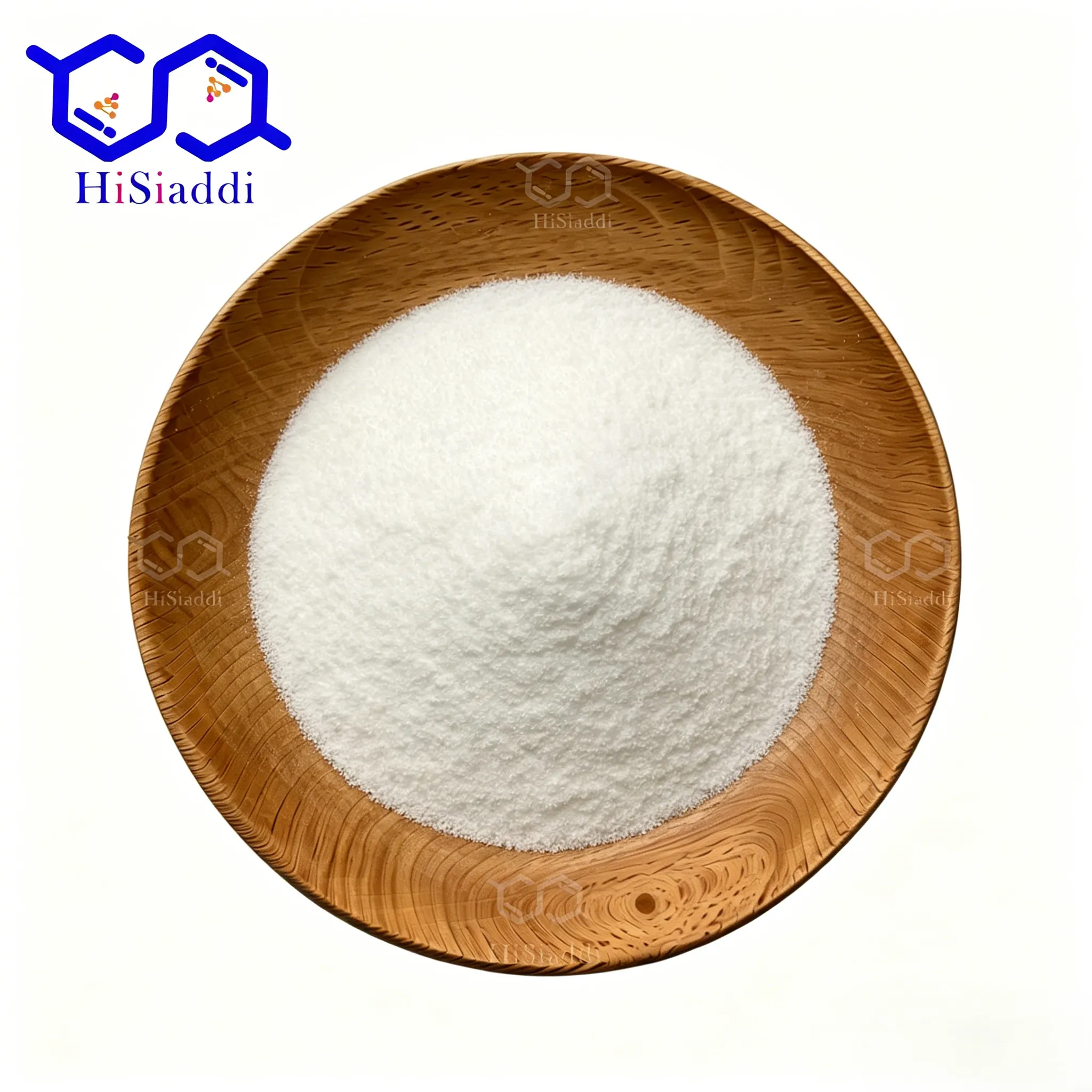
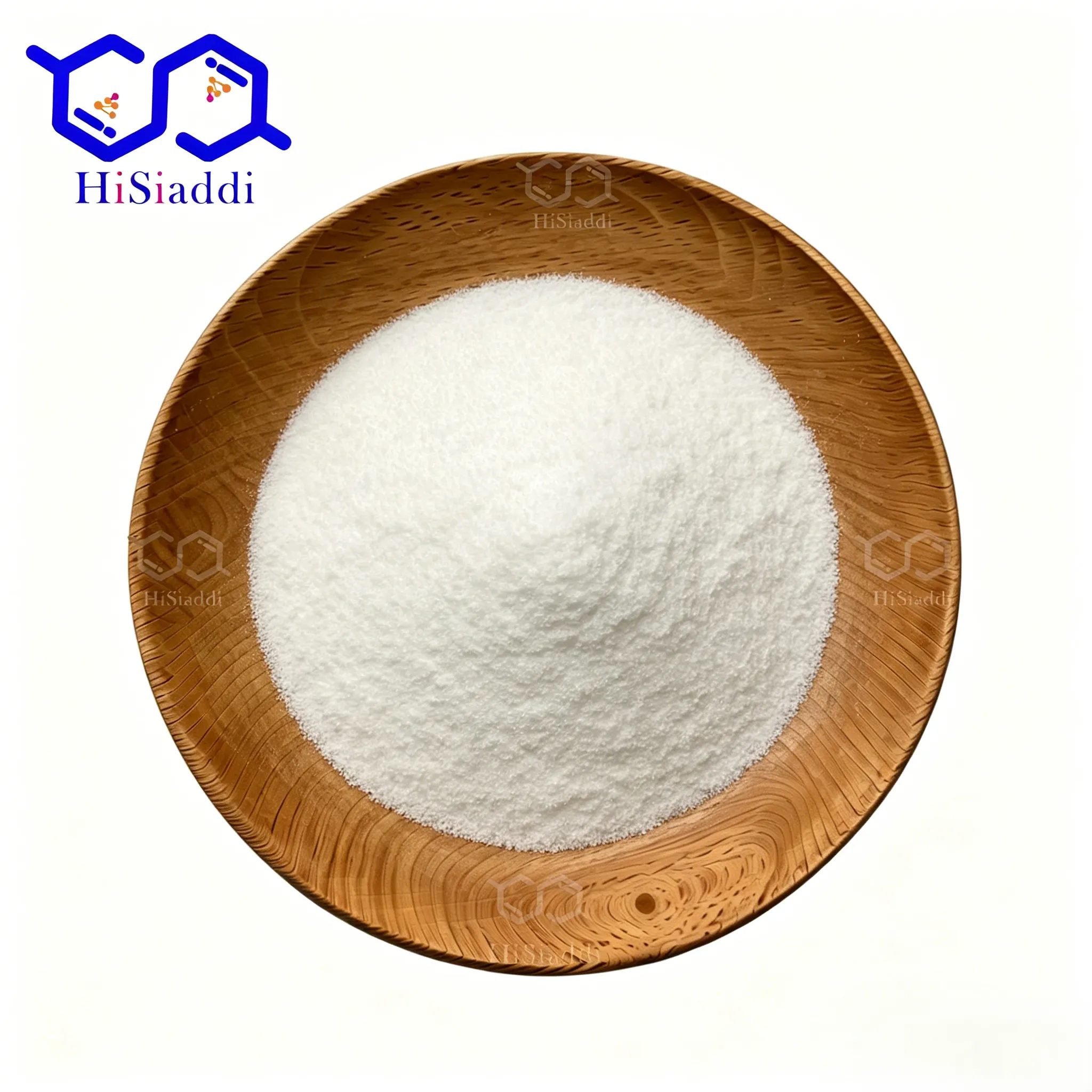
Disodium 5'-Ribonucleotide, Abbreviation: I+G. It acts as a food flavor enhancer for condiments, meat products and other foods. HiSiaddi provides original factory goods of multiple Chinese brands with strengths of high purity, strong umami taste and low cost.
Relying on ten years of research-grade consulting service experience, HiSiaddi recommends well-known brands and mainstream models of this product to you.
Star Lake Technology: 99% I+G. Light transmittance ≥98%, heavy metals <1ppm. Produced by advanced fermentation technology with low cost and complete FSSC22000 certification. Its price is 40% lower than imported products, serving leading condiment and meat product enterprises.
Ajinomoto: 99.5% High-purity I+G, Food Grade I+G, Compound Flavor Enhancer (I+G + Monosodium Glutamate). As a global benchmark brand, it reaches 99.5% purity with ultra-low impurities, delivering strong, stable umami and natural taste, targeting high-end condiment and catering clients.
HiSiaddi Exclusive Services: Purity customization (99%-99.5%) and compound flavor-enhancing formula customization; formula optimization (compounded with monosodium glutamate/yeast extract) and flavor benchmarking analysis; testing for light transmittance, loss on drying, solubility and impurities such as disodium 5'-uridylate.
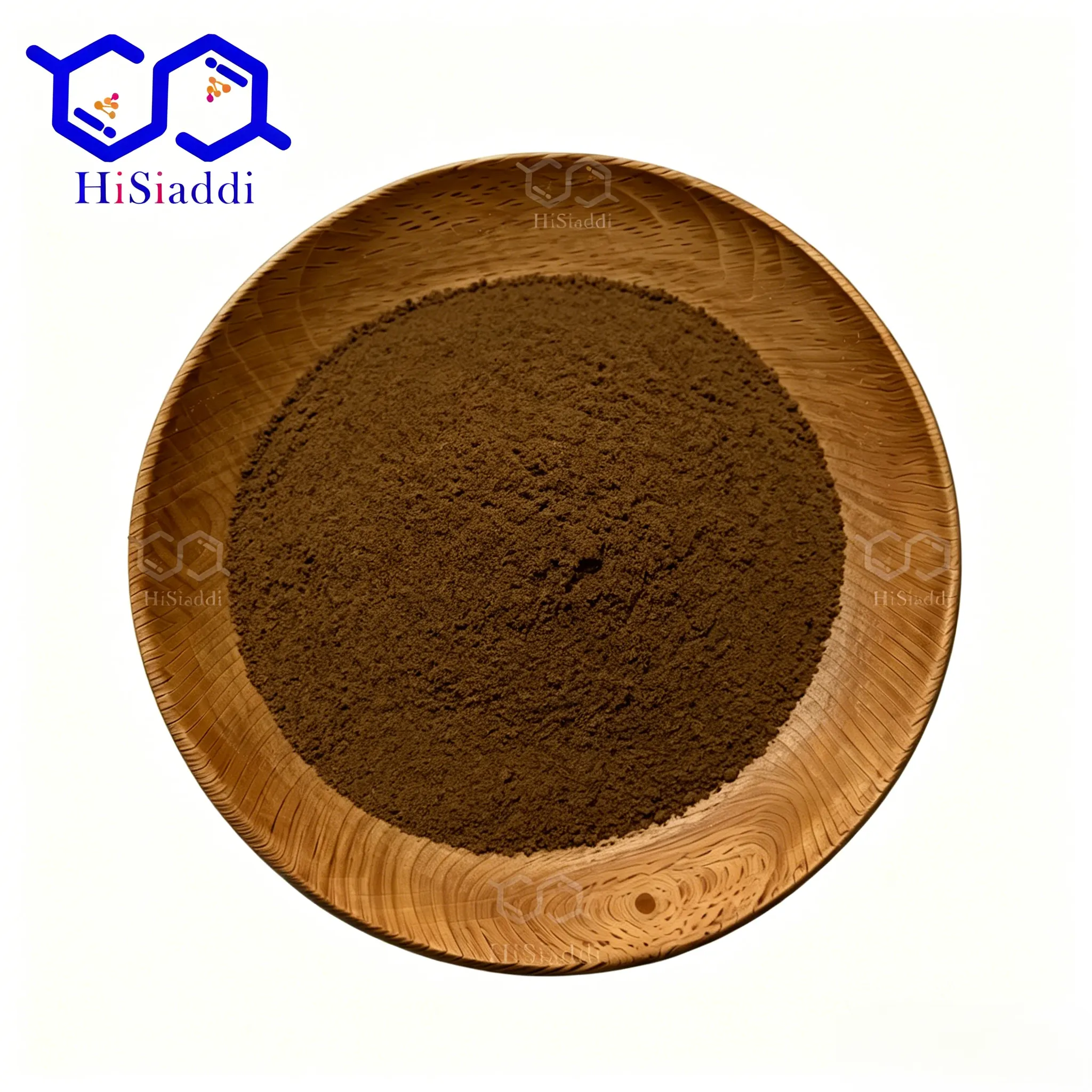
 CONTACT HiSiaddi NOW
Name: | Disodium 5'-Ribonucleotides | Other Name: | I+G |
CAS No. | 12111-11-4 | Brand: | Multi-brand |
MF: | C₁₀H₁₁N₄Na₂O₈P·C₁₀H₁₂N₅Na₂O₈P | Model Number: | Multi-models |
EINECS No. | 235-172-1 | Place of Origin: | Jiangsu, China |
Purity: | 99.0% | Grade: | Food grade |
MOQ: | 1ton | Storage: | Please refer to the product packaging or contact the customer service |
When you, as a purchaser, buy Disodium 5'-Ribonucleotide (I+G), you may encounter the following questions:
What are the key indicator advantages and application impacts of mainstream models of well-known Disodium 5'-Ribonucleotide (I+G) brands?
What competitive services can Disodium 5'-Ribonucleotide (I+G) suppliers provide?
How about qualification certifications and market reputation of target Disodium 5'-Ribonucleotide (I+G) brands?
What is the inventory level and supply stability of Disodium 5'-Ribonucleotide (I+G) suppliers?
What factors should be taken into consideration when purchasing Disodium 5'-Ribonucleotide (I+G)?
...and many other related questions.
Furthermore, HiSiaddi is fully capable of analyzing and answering all other inquiries concerning Disodium 5'-Ribonucleotide (I+G). You may refer to the FAQ section and blog posts on our official website.For more accurate, detailed and in-depth purchasing analysis of Disodium 5'-Ribonucleotide (I+G), feel free to contact us anytime.
I+G FM 99 (High-purity Food Grade I+G): IMP:GMP=1:1, compliant with FCC V/VI, GB and EU EC standards, exclusive for high-end overseas markets
I+G FM 98 (General Export Grade): Best-selling mainstream model meeting food standards of most countries worldwide
I+G FM IND95 (Industrial/Feed Grade I+G): Specialized for feed and aquatic attractants in Southeast Asia and Africa
Purity: Dry basis content ≥99.0%, strict 1:1 ratio of IMP to GMP, world-class umami stability
Impurity Control: Lead<1ppm, Arsenic<0.5ppm, Cadmium<0.3ppm; moisture ≤3.0%; extremely low sulfate and chloride content; no peculiar or caramel odor
Physical & Chemical Properties: Excellent water solubility, fast dissolution rate, clear aqueous solution; outstanding heat resistance with stable umami flavor under high-temperature sterilization, frying and cooking conditions
Certifications: FSSC22000, ISO22000, KOSHER, HALAL, EU food additive certification, FDA GRAS listing
Production Capacity: Annual I+G output exceeds 12,000 tons (world’s largest), capable of undertaking annual framework orders of 50-300 tons with zero supply shortage risk
Top-tier comprehensive cost performance worldwide. Its high-purity grade is 38% cheaper than equivalent Ajinomoto products with identical performance;
general grade is 32% lower than CJ CheilJedang products;
industrial grade is 18% cheaper than local Southeast Asian crude products with far higher purity and stability. Long-term order price fluctuation is controlled within 3%, with considerable negotiation space for bulk procurement.
Large-scale European and American condiment groups, global instant food giants, meat raw material suppliers, Japanese and South Korean pre-made dish OEM factories, Middle Eastern Halal food conglomerates, Australian food raw material importers and major global sauce manufacturers.
For B-end buyers: Precise proportioning and stable umami eliminate secondary blending procedures for direct replacement of high-end Japanese and South Korean raw materials. Complete international certifications simplify customs clearance and food registration in Europe, America and the Middle East. Massive production capacity supports clients' global business layout, and superior heat resistance minimizes flavor loss during high-temperature food processing.
For end consumers: Condiments, chicken essence, MSG and hot pot seasonings deliver milder and richer umami without pungent MSG taste. Instant noodles, meat products and canned food maintain lasting fresh flavor. Halal-certified products cater to high-end consumption markets in the Middle East for higher product premium.
I+G XH Ultra99.5 (Ultra-high Purity Pharma/High-end Food Grade): Ultra-low free impurities, exclusive for premium EU food applications
I+G XH EU99 (EU-specific Food Grade): Fully compliant with EFSA food additive regulations
I+G XH SEA98 (Southeast Asia General Grade): Adapted to ASEAN food standards
Ultra-high purity model: Dry basis ≥99.5%, minimal free phosphate and nitrogen-containing impurities, aqueous solution light transmittance>99%
Strengths: Refined fermentation technology ensures superb batch consistency with indicator fluctuation below 0.2% across different batches
Micronized I+G available for high-end solid compound condiments and solid beverages
Strict microbial indicators fully meet EU standards for children’s food and infant supplementary food raw materials
Optimal cost performance in high-end segmented markets. 45% lower than customized high-end Ajinomoto products with higher purity, ideal for overseas high-end clients with strict indicator requirements.
Premium European condiment brands, European and American children's food raw material suppliers, high-end pre-made dish manufacturers and top-tier Japanese & South Korean compound condiment producers.
For B-end buyers: Ultra-high purity easily passes stringent EU inspections. Micronized products can be directly applied in high-end solid condiments to cut grinding costs. Stable batch performance ensures consistent flavor of finished products.
For end consumers: Premium chicken essence, umami powder and high-end sauces feature pure fresh taste free of off-flavors, fitting the high-end healthy consumption trend in Europe and America and boosting end-product premium capability.
I+G FF 98 (Bulk General Food Grade): Hot-selling mainstream bulk product with outstanding cost performance
I+G FF VET95 (Feed Attractant Grade): Used for flavor enhancement and appetite stimulation in aquatic and livestock feed
I+G FF ME97 (Middle East Halal-specific Grade): Fully HALAL-certified throughout production process
Self-sufficient raw materials via corn fermentation full industrial chain with the world’s lowest production cost
Stable purity ≥98.0%, impurities compliant with universal global food standards
Effective appetite-stimulating effect of feed-grade I+G improves feed intake of aquatic products and livestock
Flexible minimum order quantity, supporting full-container large-volume shipment and consolidated container delivery
Unrivaled cost performance for bulk sales. Unit price is 7%-10% lower than Meihua Biotech products with generous bulk purchase discounts, perfect for large-scale market distribution by mid & low-end food and feed traders worldwide.
Southeast Asian food distributors, African condiment importers, Latin American feed raw material suppliers, small and medium-sized Middle Eastern food factories and global aquatic feed traders.
For B-end buyers: Remarkable cost advantages bring ample profit margins; complete compliance documents streamline customs clearance, satisfying low-cost market expansion demands in emerging markets.
For end consumers: Improved cost performance of affordable condiments, snack foods and low-end sauces; enhanced feed intake reduces breeding costs for aquatic farming.
I+G CJ 99 (Korean-standard Food Grade): Fully identical indicators with original South Korean CJ products
I+G CJ ASEAN98 (ASEAN-specific Grade): In line with Southeast Asian food regulations
I+G CJ HAL97 (Halal-specific Grade): Suitable for Halal food production in the Middle East and South Asia
Identical production technology with parent CJ CheilJedang in South Korea, consistent umami taste, flavor and impurity indicators with original South Korean goods
Mature localized operation in Southeast Asia with complete official filings and efficient logistics
Comprehensive Halal and Kosher certifications catering to Islamic market demands
Leading cost performance in Southeast Asia and South Asian markets. 25% cheaper than original imported CJ products with identical quality, possessing strong substitution advantages.
Major Southeast Asian food groups, top South Asian condiment enterprises, Middle Eastern Halal food importers and Japanese & South Korean OEM factories operating in Southeast Asia.
For B-end buyers: Perfect replacement of imported South Korean CJ products slashes procurement costs; high local compliance thresholds hinder competitors’ market entry.
For end consumers: Local-flavor food, sauces and snacks in Southeast Asia retain original taste consistent with products using South Korean raw materials while lowering overall production costs.
I+G TX 99 (Food Grade for Small & Medium European and American Clients): Customized small-batch multi-batch supply
I+G TX CAT98 (Special I+G for Catering Compound Umami Agents): Ideal for catering pre-made dishes and hot pot seasonings
I+G TX ECO96 (Economical Export Grade): Trial order option for small and medium-sized traders
Flexible small-batch supply with minimum order starting from 100kg, catering to overseas small and medium-sized B-end enterprises
Optimized thermal stability for catering-grade products, adaptable to high-temperature sterilization and cold chain reheating of pre-made dishes
Balanced cost performance, stable indicators and complete certification credentials
Preferred choice for small & medium clients and catering pre-made dish segmented markets, 40% cheaper than Japanese and South Korean brands, suitable for overseas small-scale food factories and catering supply chain enterprises.
Small and medium-sized European and American condiment factories, overseas pre-made dish & hot pot seasoning manufacturers, minor food raw material traders and catering supply chain enterprises.
For B-end buyers: Flexible small orders lower trial operation costs; catering-grade formula perfectly matches pre-made dish processing to maintain stable flavor.
For end consumers: Authentic umami taste of overseas Chinese seasonings, pre-made dishes and instant food aligns with the global expansion trend of Chinese catering culture.

| Comparison Dimension | Meihua Biotech | Xinghu Technology | Fufeng Biotech | CJ Bio (China) | Tianxin Biotech |
| Export Ranking | 1st | 2nd | 3rd | 4th | 5th |
| Core Models | I+G FM 99 / FM 98 / FM IND95 | I+G XH Ultra99.5 / EU99 / SEA98 | I+G FF 98 / VET95 / ME97 | I+G CJ 99 / ASEAN98 / HAL97 | I+G TX 99 / CAT98 / ECO96 |
| Core Purity & Ratio | Dry basis ≥99.0%, precise 1:1 IMP:GMP ratio, stable umami | Dry basis ≥99.5%, ultra-low impurities, light transmittance>99%, micronized optional | Dry basis ≥98.0%, stable bulk fermentation, lowest cost | Consistent indicators with South Korean CJ headquarters, accurate proportioning | Dry basis ≥99.0%, stable small-batch quality, strong thermal stability |
| Core Impurity & Performance Advantages | Ultra-low heavy metals, excellent water solubility, high heat resistance, no off-flavors | Minimal free impurities, strict microbial control, fit for children’s high-end food | Self-sufficient raw materials, anti-caking property, ideal for feed appetite stimulation | Same Korean-style production process, complete Southeast Asian compliance | Catering-grade high temperature resistance, fit for pre-made dish processing |
| Main Certifications | FSSC22000, GRAS, KOSHER, HALAL, EU certification | FCC, EFSA, children’s food grade certification, ISO22000 | ISO22000, HALAL, feed additive certification | Complete ASEAN filings, full Halal & Kosher certifications | Complete universal European & American food certifications, customizable solutions |
| Core Cost Positioning | Global top comprehensive cost performance | Best option for high-end food & pharmaceutical grade | King of cost performance for bulk sales | Leading choice for Southeast Asia & South Asia markets | Top pick for small & medium clients and catering pre-made dishes |
| Precise B-end Buyers | Global large condiment & instant food groups, major Middle Eastern Halal enterprises | European high-end food manufacturers, children’s food suppliers, Japanese & South Korean premium seasoning factories | Southeast Asian & African distributors, Latin American feed suppliers, aquatic product traders | Large Southeast Asian food groups, top South Asian condiment enterprises | Small & medium European and American food factories, pre-made dish catering supply chains, minor traders |
| Core Benefits for B-end Buyers | Massive stable supply, full compliance documents, direct replacement for Ajinomoto products | Ultra-high purity grants access to high-end markets, low processing loss, unified finished product flavor | Lowest production cost, high profit margin for bulk orders, strong emerging market expansion edge | Seamless replacement of imported South Korean CJ goods, high market entry barriers in Southeast Asia | Flexible small trial orders, high compatibility with catering formulas |
| Core Benefits for End Consumers | Rich and long-lasting umami of condiments, high premium potential for Halal products | Pure flavor of high-end chicken essence and sauces, conforming to European and American high-end consumption trends | Improved cost performance of affordable food, higher aquatic farming output with lower costs | Consistent taste with South Korean-formula Southeast Asian food at reduced costs | Authentic umami of overseas Chinese-style pre-made dishes, supporting global Chinese catering expansion |
| Competitive Edge against Overseas Rivals | Equal performance with Ajinomoto at 38%-40% lower price, world’s largest production capacity | Surpass Japanese & South Korean equivalent products in high-end indicators and impurity control | Unmatched lowest cost for bulk global shipments | Optimal alternative to original South Korean CJ products in Southeast Asia | More flexible customized services for small clients than international industry giants |
HiSiaddi is an innovative foreign trade service provider driven by integrated technology transformation and foreign trade businesses. We have built a "1+2+3+4=1" product service system: 1 foreign trade salesperson with over 3 years of experience, 2 chemical R&D teams, 3 multi-screened high-quality suppliers, and 4 shared warehouses to satisfy all demands for one single product.
With this complete service system, HiSiaddi gains deeper insight into I+G R&D and production optimization than ordinary trading companies, better understanding of differentiated market demands and competitive advantages of various I+G brands than single factories, and richer experience in I+G overseas export business than professional research institutes.
HiSiaddi only recruits foreign trade sales staff with more than 3 years of industry experience. All sales must receive combined training organized by R&D and foreign trade teams for over 6 months before providing services to clients.
(1) Basic Support Services for I+G
Backed by our complete foreign trade operation system, we provide full-cycle one-stop document follow-up services, including issuance and agency application of all compliance certificates of I+G, provision of third-party test reports, and follow-up & settlement of all quality guarantee problems.
(2) Exclusive Premium Services for I+G
Supported by our professional R&D teams, we deliver customized product development and technical consulting services, covering core indicator comparison and cost analysis across all I+G brands, as well as regular sharing of global market dynamics.
Corn raw material monitoring & procurement optimization service: We track real-time prices of corn and nucleotide raw materials, release monthly market bulletins, and design quarterly/annual fixed-price and staggered purchasing plans to optimize capital occupation and hedge raw material surge risks.
Global fermentation industry resource matching service: We connect clients with top domestic I+G fermentation factories, food additive research institutions and global condiment groups, and share regular updates on I+G prices, flavor iteration technologies and national food additive regulations to build an information platform.
Overseas policy forward-looking early warning service: We monitor EU food additive regulations, FDA labeling standards and ASEAN import requirements in real time, issue early warnings of heavy metal and microbial control updates, and assist clients in switching specifications to seize policy dividends.
We carry out in-depth joint development with source manufacturers via technology transfer, while maintaining close internal coordination with foreign trade teams to deliver regular technical training for sales teams. This enables us to provide highly professional I+G customization and research-level consulting on brand selection and formula optimization.
(1) Research-Grade Customization Services for I+G
One-to-one equivalent replacement solution for Ajinomoto and CJ: We deliver full-index matching and cost reduction plans for clients purchasing Japanese Ajinomoto and Korean CJ I+G long-term. We compare IMP/GMP ratio, freshness, heat resistance, impurities and solubility item by item, matching domestic grades with fully equivalent performance while cutting costs by 32–45%. We supply third-party comparison reports and assist clients in filing raw material replacement for end brand approval.
Custom sample & small-batch trial support: We supply samples from 10g to 5kg, including micronized and heat-resistant modified I+G, and compound fresh seasoning blends. We help small and medium B-end clients connect with overseas catering KOLs and Chinese food supply chains to quickly open regional markets.
Custom I+G application formulas: We develop micronized grades for solid chicken essence, heat-resistant variants for high-temperature sterilized prefabricated dishes, and compound MSG fresh blends ready for direct production. Unlike traditional traders who only sell single raw materials, we provide integrated formula solutions to cut clients’ R&D costs.
Specialized technical support for prefabricated dishes & catering supply chains: We offer free I+G dosage recommendations and high-temperature process matching formulas for overseas Chinese catering and prefabricated food manufacturers, solving flavor attenuation and bland taste problems after high-temperature processing.
Feed-grade I+G palatability verification service: We supply third-party test data on feeding attraction for aquatic and livestock feed, together with aquatic feed dosage formulas to improve feed intake and reduce mortality under antibiotic-free breeding standards.
Global hit product & competitor flavor analysis service: We deliver regional market research reports covering high-end chicken essence in Europe and America, popular Southeast Asian sauces and Chinese prefabricated food flavors, recommending raw material selection, compound formulas and pricing strategies.
Our foreign trade and R&D teams cooperate closely. We conduct market research, on-site factory audits, full product testing, in-depth technical cooperation and bulk purchase cooperation in multiple rounds, and select around 3 reliable suppliers with stable supply, good reputation and great development potential.
(1) Initiative to Secure Lower I+G Prices
Long-term cooperation via technology transfer and authorized distribution allows us to obtain factory-direct source at more competitive prices.
(2) Long-Term Supply Chain Assurance for I+G
Our long-term cooperative model strengthens real-time production monitoring, full-process traceability, batch stability control, and compensation mechanisms for goods failing third-party inspection standards.
We operate 4 warehouses jointly with our suppliers to stock hot-selling bulk products.
(1) Fast Local Delivery & On-Site Problem Resolution for I+G
Our four warehouses are located at Qingdao Port (North China), Ningbo Port (East China), Shenzhen Port (South China), and Zhengzhou inland logistics hub. We can deliver I+G in a timely manner. If transportation damage, packaging defects or export compliance issues occur, our on-site staff stationed near each warehouse can solve problems on the spot immediately.
(2) Mitigate Price Volatility & Support Custom Packaging for I+G
We stock goods in advance before peak demand seasons to ease sharp price fluctuations. Our self-operated warehouses fully support clients’ personalized packaging and labeling demands.
As a foreign trade service provider integrating technological transformation and export businesses, HiSiaddi has established a "1+2+3+4=1" service system and can supply original factory materials of multiple well-known I+G brands. As an innovative foreign trade enterprise with independent R&D capabilities, HiSiaddi professionally sorts out common procurement challenges faced by B-end buyers sourcing I+G from China and proposes corresponding solutions.
For more professional and in-depth analysis regarding I+G procurement, please contact HiSiaddi customer service.
The Europe-America region covers the EU, U.S., Canada, Australia and other mainstream markets. Local buyers focus on high-end compound condiments, ready-to-eat prepared meals, premium meat products, organic foods and special dietary supplements. They comply with FCC, USP, EP, FDA 21 CFR and EU Regulation 1333/2008 on food additives. Organic and clean-label products additionally mandate non-GMO and zero artificial additive requirements.
These end products target high-end consumer segments with extremely strict standards for flavor purity, batch consistency, food safety and label compliance. As a core flavor enhancer, I+G must boost umami without introducing off-notes or masking original ingredient flavors. European and American manufacturers widely deploy automated production lines, imposing strict requirements on powder morphology, dissolution speed, formulation compatibility and cross-regional warehouse storage stability. This buyer group has low price sensitivity, prioritizing compliance credentials, flavor quality, safety indicators and long-term supply chain stability over cost, and is willing to pay reasonable premiums for high-quality, consistent products. They tend to build long-term in-depth partnerships with suppliers capable of full-process traceability and customized services.
1.
Core Composition & Umami Ratio (Mandatory Core Indicator) The universal industry standard mandates a 1:1 IMP:GMP ratio, a compulsory requirement for European and American high-end products. Total disodium ribonucleotide content (dry basis) ≥98.0%; organic/special dietary premium products require ≥99.0% with inter-batch content fluctuation strictly controlled within ±0.3% to guarantee consistent umami across lots. IMP content: 47.0%–53.0%, GMP content: 47.0%–53.0%, with ratio deviation capped at ±1.0%. Unbalanced ratios create dull, bitter umami and ruin overall flavor. Moisture ≤3.0% prevents moisture absorption, caking and hydrolytic failure during long-distance ocean shipping and extended warehousing.
2.
3.
Physicochemical Properties & Flavor Performance (Core for Flavor Products) 1% aqueous solution pH stably maintained at 7.0–8.5, compatible with most food systems including sauces, soups and meat products. Water-insoluble matter ≤0.10%; aqueous solutions remain clear without suspended solids or sediment to avoid ruining the appearance and taste of liquid condiments and beverages. Material appearance: pure white crystalline powder with uniform grain size and consistent crystal color across batches. Flavor profile: pure, mellow and long-lasting umami free of bitter, astringent, salty or other off-notes; stable synergistic enhancement effect when blended with monosodium glutamate without flavor distortion. After 24 months of sealed storage at room temperature away from light, retained effective nucleotides ≥97%; after 6 months of accelerated storage at 40℃/75% RH, retention rate remains ≥94%, guaranteeing stable performance post transoceanic shipping and multi-country warehousing.
4.
5.
Impurities, Heavy Metals & Microorganisms (Zero Tolerance for Safety Hazards) Heavy metals comply with the strictest European and American food additive limits: Pb ≤0.5 mg/kg, As ≤0.3 mg/kg, Cd ≤0.1 mg/kg, Hg ≤0.01 mg/kg. Impurity control standards: 5% aqueous solution light transmittance ≥95% to limit colored impurities; ammonium salt (calculated as NH₄) ≤0.10% to eliminate pungent off-notes; inorganic impurities including arsenate, sulfate and chloride all ≤0.20%. Microbial standards: total plate count ≤100 CFU/g; pathogens including coliform, Salmonella, Staphylococcus aureus and Shigella must be completely undetectable, fully meeting safety specifications for infant, organic and special dietary foods. No residual organic solvents or synthetic by-products are permitted.
6.
7.
Compliance Documentation & Supporting Services Full set of international certifications mandatory: FDA GRAS, EU food additive approval, FCC/EP pharmacopoeia certificates, GMO-free statements, ISO22000, GMP and HACCP system certifications. Products targeting religious markets require supplementary HALAL and Kosher certificates. Suppliers must provide complete batch traceability archives, annual full-item retest reports, flavor compatibility test data and warehouse stability records, with customizable powder particle size adjustment per formulation requirements.
8.
This buyer group exhibits low price sensitivity and accepts quality premiums of 25%–35%. They primarily purchase high-purity crystalline I+G raw powder with monthly orders of 30–150kg, favoring small-batch, frequent shipments to match low-volume high-end production lines. Supplier qualification audits are rigorous, covering factory site inspections, full-item physicochemical sample testing, blind flavor evaluation, multi-cycle stability trials, production line compatibility pilot tests and dedicated microbial analysis, with overall audit cycles spanning 8–14 months. Once cooperation is established, partnership durations generally last 5–9 years with extremely strong supply chain stickiness. Buyers simultaneously require technical teams to provide flavor blending, formula optimization and warehouse protection support services.
The Asia-Pacific region covers two core demand groups: Japanese and South Korean manufacturers produce mid-to-high-end Japanese soy sauce, miso, hot pot base, premium meat products and seafood snacks with stringent requirements for flavor, dissolution performance and formulation compatibility. Southeast Asian and Taiwanese factories produce mass-market condiments, affordable puffed snacks and cured meat products for domestic and cross-border export sales, balancing basic food safety compliance, flavor quality, procurement cost, delivery timeliness and production adaptability. This region does not pursue pharmacopoeia-grade ultra-high indicators, yet mandates stable pure umami, controlled impurities and acceptable dissolution speed as core raw material standards. Japanese and South Korean buyers especially prioritize zero off-notes, powder flowability and synergistic effects with MSG and spices. Southeast Asian and Taiwanese manufacturers focus more on unit purchase price, dissolution speed and delivery cycles to match small-and-medium production lines and high-humidity local storage environments.
1.
Core Composition & Basic Ratio Total disodium ribonucleotide content (dry basis) ≥97.0% with inter-batch content fluctuation relaxed to ±0.5%. The mainstream 1:1 IMP:GMP ratio remains standard, with IMP 46.0%–54.0% and GMP 46.0%–54.0% allowing ratio deviation up to ±2.0%. Moisture ≤4.0% accommodates regional high humidity and prevents caking under conventional storage conditions.
2.
3.
Physicochemical Properties & Flavor Performance 1% aqueous solution pH range widened to 6.8–8.8 for compatibility with a broader spectrum of food systems. Water-insoluble matter ≤0.15%; aqueous solutions remain mostly clear with trace fine suspended solids acceptable for solid and semi-solid food production. Appearance: white to off-white crystalline powder; minor inter-batch color differences and uneven grain size are tolerable. Flavor requirement: normal umami without obvious bitter or astringent notes; faint background tastes do not impact mass-market food palatability. After 24 months of sealed room-temperature storage, retained effective nucleotides ≥90% with stable synergistic flavor enhancement. Good powder flowability supports conventional mixing, granulation and marinating processes.
4.
5.
Impurities, Heavy Metals & Microorganisms Moderately relaxed heavy metal limits: Pb ≤1.0 mg/kg, As ≤0.5 mg/kg, Cd ≤0.2 mg/kg. Light transmittance (5% aqueous solution) ≥92%; ammonium salt ≤0.15%; inorganic impurities including sulfate and chloride ≤0.30%. Microbial standards: total plate count ≤500 CFU/g, coliform ≤10 MPN/100g; all pathogens strictly prohibited from detection. Mandatory organic solvent residual testing is waived as long as production processes comply with regulations.
6.
7.
Compliance Documentation & Supporting Services Only basic qualification documents required: ISO22000, HACCP, third-party SGS test reports, COA certificate of analysis, MSDS safety data sheet and local food additive compliance statements. High-level international certifications such as FCC and GRAS are non-mandatory; Japanese/South Korean export manufacturers may additionally request HALAL certification. Technical support is limited to basic usage guidance and standard formulation compatibility advice.
8.
Medium price sensitivity with overall procurement prices 15%–25% lower than European and American market rates. Main purchases consist of standard food-grade I+G raw powder, with partial buyers sourcing pre-blended flavor enhancers. Monthly order volumes range from 80–300kg with stable medium-sized shipments. Sample testing cycles last 3–6 months, focusing on flavor evaluation, production pilot trials, formulation compatibility and shelf-life simulation with simplified audit procedures. Cooperation durations generally span 2–5 years with reliable supply chain stability. Buyers prioritize production capacity, regional logistics timeliness, cost-performance and anti-caking performance under local high-humidity storage conditions.
Food industry access standards are loose across Latin America and the Middle East. Local manufacturers produce low-cost soy sauce, compound seasoning powder, budget puffed snacks, generic cured meat and street food seasonings. Driven by regional economic and consumption structures, unit purchase price acts as the primary procurement decision factor, followed by basic umami performance and consistent supply capacity. These buyers have no demand for ultra-high purity, precise ratios, pure flavor or long-term stability; raw materials only need to deliver basic flavor enhancement, avoid complete hard caking and emit no strong pungent odors. Regional processing plants deploy simple equipment with crude production workflows, imposing no requirements on solution light transmittance, crystal morphology or precise formulation compatibility. Middle Eastern regions mandate HALAL halal certification due to religious customs; long cross-border logistics routes create high buyer demand for full-container shipping, consolidated container capabilities and predictable delivery cycles.
1.
Core Composition & Basic Ratio Minimum passing standard: total disodium ribonucleotide content (dry basis) ≥95.0% with inter-batch fluctuation allowed up to ±1.0%. No strict 1:1 IMP:GMP ratio requirement; IMP 43.0%–57.0% and GMP 43.0%–57.0% with minor flavor deviations from unbalanced ratios deemed acceptable. Moisture ≤6.0%; slight moisture absorption and caking are permitted as materials can be manually broken up for normal feeding.
2.
3.
Physicochemical Properties & Flavor Performance 1% aqueous solution pH range broadened to 6.5–9.0 without strict controls. Water-insoluble matter ≤0.30%; cloudy aqueous solutions with visible sediment qualify as acceptable. Appearance: off-white to pale yellow powder; obvious color differences, irregular grain sizes and minor impurity particles are tolerable. Flavor standard: merely detectable umami with no restrictions on bitter, astringent or foreign notes. After 12 months of room-temperature storage, retained effective nucleotides ≥82% meets requirements with no long-term stability assessment mandated. No strict standards for powder flowability or dissolution speed to match crude mixing workflows.
4.
5.
Impurities, Heavy Metals & Microorganisms Significantly relaxed heavy metal limits: Pb ≤2.0 mg/kg, As ≤1.0 mg/kg; cadmium and mercury testing non-mandatory. Light transmittance (5% aqueous solution) ≥85%; ammonium salt ≤0.30%; inorganic impurities ≤0.50%. Microbial standards are non-refined: only pathogen detection prohibited with no mandatory total plate count limits. Third-party testing for organic impurities and solvent residuals is waived, with supplier self-declaration of compliance sufficient.
6.
7.
Compliance Documentation & Supporting Services Compliance audits are formalistic, requiring only simplified COA, MSDS and supplier self-compliance statements; Middle Eastern buyers must additionally provide HALAL halal certification. GMP and ISO22000 system certifications are non-mandatory, with almost no demand for formula debugging or flavor optimization technical services.
8.
Highest global price sensitivity with procurement unit prices 12%–22% lower than Asia-Pacific market rates; buyers prioritize low-cost supply sources. Purchases focus on generic low-grade I+G raw materials and high-proportion pre-blended flavor powder with monthly volumes of 150–400kg and flexible, fragmented order specifications. Sample testing workflows are extremely streamlined with cycles of only 1–2 months, limited to visual inspection, simple dissolution tests and basic umami taste evaluation without full laboratory analysis. Cooperation durations are generally ≤2 years with frequent supplier switching and weak supply chain stickiness. Buyers’ core evaluation criteria center on unit price, delivery lead time, full-container shipping capacity and uninterrupted supply guarantees.
Global dedicated meat factories and large-scale prepared food manufacturers form a core I+G purchasing group, producing cold-cut ham, sausages, braised meat, frozen ready meals, cooking packs and canned food. Meat and prepared food products undergo high-temperature boiling, autoclave sterilization, extended braising and cold-chain refrigeration, operating across wide temperature ranges in complex systems frequently blended with oils, salt, spices and protein raw materials. Therefore, procurement priorities focus on high-temperature resistance, hot-cold cycle stability, compatibility with high-salt/high-lipid systems and long-lasting flavor retention. Raw material ultra-high purity and precise ratio or appearance color are secondary evaluation criteria, provided umami retention is maintained without off-flavors after high-temperature processing and long-term cold storage. Enterprises favor standardized bulk procurement and accept a 10%–15% process premium for thermally stabilized specialized products.
1.
Core Composition & Basic Indicators Total disodium ribonucleotide content (dry basis) ≥96.0%; pre-blended flavor formulations may lower content as required by custom formulas. Standard 1:1 IMP:GMP ratio preferred with ratio deviation up to ±2.5% acceptable. Moisture ≤4.5% to adapt to high-humidity meat processing workshops.
2.
3.
Processing Tolerance & Formulation Compatibility (Core Indicators) Simulated boiling conditions: after 30 minutes in boiling water at 100℃, retained effective nucleotides ≥86%, resisting high-temperature degradation without burnt or bitter off-notes. When mixed and stored for 15 days in high-salt systems (salt ≥8%) and high-lipid systems (oil ≥15%), umami shows no obvious attenuation without layer separation or crystal precipitation. After 5 freeze-thaw cycles (-18℃ freezing to ambient thawing), retained nucleotides ≥83% to accommodate cold-chain storage of frozen prepared meals. Powder mixes uniformly with meat protein and spices without localized uneven umami distribution.
4.
5.
Safety & Physicochemical Standards Heavy metals comply with universal food standards: Pb ≤1.0 mg/kg, As ≤0.5 mg/kg. Microbial standards relaxed per product sterilization workflows; final finished products undergo high-temperature sterilization to eliminate pathogen risks. Ammonium salts and inorganic impurities follow Asia-Pacific food standards without stringent limits.
6.
7.
Compliance Documentation & Supporting Services Food-grade compliance certificates, COA and MSDS suffice; multinational enterprises may additionally request Fami-QS, HALAL/Kosher certifications. Suppliers must support dedicated testing for high-temperature processing, cold-cycle simulation and high-salt/high-lipid formulation compatibility.
8.
Medium price sensitivity with acceptance of 10%–15% thermal stabilization process premiums. Large bulk monthly orders of 250–800kg dominate purchasing patterns. Sample testing cycles last 2–4 months, prioritizing high-temperature resistance, hot-cold cycle performance, high-salt/lipid compatibility and finished product shelf-life trials. Cooperation durations span 3–6 years with highly stable supply chains. Buyers primarily evaluate raw material processing tolerance, mass supply capacity and formulation compatibility.
Global beverage manufacturers and liquid sauce factories deploy I+G in functional drinks, flavored beverages, liquid light soy sauce, oyster sauce, hot pot soup bases and concentrated soup pastes. These fully liquid production systems rely on ambient blending, pasteurization and aseptic filling, imposing strict end-product requirements for transparency, taste and consistent flavor. Core procurement criteria include high solubility, high solution clarity, low impurity levels, mild flavor and strong cold-storage stability. Excessive water-insoluble matter or colored impurities directly trigger cloudiness, sedimentation and layer separation in beverages and sauces, leading to finished product scrapping. Buyers are willing to pay a 12%–18% premium for liquid-dedicated I+G with high clarity and low impurities, maintaining stable order volumes and strict inter-batch consistency requirements.
1.
Core Composition & Basic Indicators Total disodium ribonucleotide content (dry basis) ≥97.5%; IMP:GMP strictly controlled at 1:1 with deviation ≤1.5% to guarantee uniform flavor across liquid finished goods. Moisture ≤3.5% to prevent hydrolytic flavor degradation during storage.
2.
3.
Liquid System Compatibility Core Indicators 1g raw material fully dissolves rapidly in 20mL ambient-temperature water without residue. 5% aqueous solution light transmittance ≥93%, water-insoluble matter ≤0.12%; solutions remain clear without suspended solids or sediment after 72 hours static storage. 1% aqueous solution pH ranges from 6.9–8.6 to match beverage and sauce systems of varying acidity. After pasteurization (85℃/15min), retained nucleotides ≥92% with stable umami and no off-flavor generation. After 30 days refrigerated storage (0–4℃), solutions maintain consistent clarity. Mild flavor profile without bitter or astringent notes upon liquid dilution.
4.
5.
Safety & Impurity Control Heavy metal and microbial standards align with mid-to-high tier Asia-Pacific food specifications: Pb ≤0.8 mg/kg, As ≤0.4 mg/kg; total plate count ≤400 CFU/g with pathogens fully undetectable. Ammonium salt ≤0.12% to strictly control odor sources.
6.
7.
Compliance Documentation & Supporting Services Full food additive qualification certificates, SGS test reports, COA and MSDS required. Suppliers must assist with dissolution testing, long-term static stability trials and pasteurization simulation experiments.
8.
Medium price sensitivity with acceptance of 12%–18% quality premiums. Stable monthly orders of 120–450kg with finely divided batch segregation. Sample testing cycles span 3–5 months, focusing on dissolution, light transmittance, static storage stability and pasteurization trials. Cooperation durations last 2–5 years with core evaluation criteria centered on solution appearance, inter-batch consistency and cold-chain stability.
Puffed food, biscuit, pastry and nut roasting manufacturers use I+G to boost underlying complex umami in snacks. Production workflows include high-temperature baking, extrusion puffing and surface flavor spraying, with instantaneous processing temperatures reaching 120–180℃ for short durations. Core procurement priorities are instantaneous high-temperature stability, powder adhesion performance and low moisture absorption; dissolution capacity and solution clarity are irrelevant evaluation metrics. Raw materials only need to retain sufficient umami without rapid loss or burnt bitter off-notes post high-temperature processing, with uniform mixing alongside flour and seasonings. Cost takes priority over refined flavor quality, with only modest process premiums accepted.
1.
Core Composition & Basic Indicators Total disodium ribonucleotide content (dry basis) ≥96.0%; ratio deviation up to ±3.0% acceptable. Moisture ≤5.0% to boost moisture absorption resistance and prevent caking of baking raw materials.
2.
3.
High-Temperature & Powder Performance Indicators After 10 minutes of instantaneous heating at 160℃, retained nucleotides ≥84% without obvious burnt bitter flavor. Moderate powder particle size D50 60–180μm ensures uniform mixing with flour, powdered sugar and spices, with low shedding when sprayed onto food surfaces. No large-scale hard caking after 18 months of ambient storage.
4.
5.
Safety Indicators Heavy metals and microorganisms comply with universal food standards with moderately relaxed impurity limits; ammonium salt ≤0.20% meets specifications.
6.
High price sensitivity with acceptance of only 8%–12% premiums. Large bulk monthly orders of 180–500kg dominate purchasing patterns. Sample testing cycles last 1–3 months, focusing on baking simulation and mixing adhesion trials. Cooperation durations span 2–4 years with core evaluation criteria centered on instantaneous high-temperature resistance, powder dispersion performance and procurement costs.
1. European & American Premium Food/Organic/Special Dietary Buyers: Adopt dual standards of international pharmacopoeia and European-American food additives, mandating FCC/EP, FDA GRAS, Novel Food, GMO-free and full traceability credentials with the strictest supplier access thresholds.
2. Asia-Pacific Food & Condiment Buyers: Follow regional universal food additive standards, only requiring ISO22000 and basic third-party testing without mandatory high-level international certifications and simplified compliance workflows.
3. Latin American & Middle Eastern Low-End Food Buyers: Formalized compliance audits only requiring supplier self-declaration; HALAL certification mandatory for Middle Eastern markets with no mandatory full-item third-party testing.
4. Meat & Prepared Food Manufacturers: Universal food standards as baseline with additional focus on processing workflow compliance; multinational enterprises may add Fami-QS certification requirements.
5. Beverage & Liquid Condiment Buyers: Food standards plus liquid system dedicated testing with strict review of impurity and light transmittance compliance documentation.
6. Puffed & Bakery Food Buyers: Only basic food compliance required without additional specialized certification demands.
1. European & American Markets: Ultra-high purity (≥98%), precise 1:1 ratio, ultra-low moisture, high light transmittance, trace-level heavy metal limits, pure flavor and full-cycle heat/moisture stability with all indicators held to maximum stringency.
2. Beverage & Liquid Condiments: Prioritize high solubility, high solution clarity, low water-insoluble matter, cold-storage stability and mild flavor; purity and ratio requirements second only to European and American standards.
3. Asia-Pacific Condiment & Food Manufacturers: Medium purity (≥97%), standard ratio, basic solubility and absence of obvious off-notes with moderately relaxed indicators balancing quality and cost.
4. Meat & Prepared Food Manufacturers: Appearance and solution indicators deprioritized; core focus on high-temperature resistance, high-salt/high-lipid compatibility and hot-cold cycle stability.
5. Puffed & Bakery Food Manufacturers: Key evaluation criteria include instantaneous high-temperature stability, powder dispersion/adhesion and moisture absorption resistance; purity and flavor standards further relaxed.
6. Latin American & Middle Eastern Markets: Only minimum effective content (≥95%) required with fully relaxed standards for ratio, impurities, stability and flavor.
1. Price Sensitivity (Descending Order): Latin America/Middle East > Puffed/Bakery Food > Asia-Pacific Food > Meat/Prepared Food > Beverage/Liquid Condiments > European & American Premium Markets; premium acceptance ranking follows the reverse sequence.
2. Monthly Procurement Volume (Descending Order): Meat/Prepared Food (250–800kg) > Puffed/Bakery Food (180–500kg) > Latin America/Middle East (150–400kg) > Beverage/Liquid Condiments (120–450kg) > Asia-Pacific Food (80–300kg) > European & American Premium Markets (30–150kg).
3. Cooperation Duration (Descending Order): European & American Premium Markets > Meat/Prepared Food > Beverage/Liquid Condiments > Asia-Pacific Food > Puffed/Bakery Food > Latin America/Middle East.
4. Sample Testing Cycle (Descending Order): European & American Markets (8–14 months) > Asia-Pacific Markets (3–6 months) > Beverage Manufacturers (3–5 months) > Meat/Bakery Manufacturers (2–4 months) > Latin America/Middle East (1–2 months).
1. European & American Premium Food: Compliance Credentials → Purity & Precise Ratio → Flavor Purity → Light Transmittance & Low Impurities → Full-Cycle Stability → Heavy Metal Safety → Procurement Cost
2. Beverage & Liquid Condiments: Compliance Credentials → Solubility & Clarity → Low Impurities → Cold Storage & Sterilization Stability → Mild Flavor → Procurement Cost
3. Asia-Pacific Condiments: Cost-Performance Ratio → Basic Compliance → Effective Content & Ratio → Flavor Profile → Solubility → Warehouse Stability → Unit Price
4. Meat & Prepared Food: Food Compliance → High-Temperature Resistance → High-Salt/Lipid Compatibility → Hot-Cold Cycle Stability → Raw Material Cost → Unit Price
5. Puffed & Bakery Food: Basic Compliance → Instantaneous High-Temperature Resistance → Powder Dispersion → Moisture Absorption Resistance → Procurement Cost → Unit Price
6. Latin American & Middle Eastern Low-End Products: Unit Price → Consistent Supply → Basic Umami Performance → Anti-Caking Capacity → Compliance Credentials → Stability & Flavor
For more professional and in-depth analysis regarding I+G procurement, please contact HiSiaddi customer service.
Barriers to customized product indicators: Mass-produced conventional I+G adopts a fixed 50:50 ratio. The production lines use standard enzymatic hydrolysis and transformation processes, so adjusting the proportion of IMP and GMP requires modifying strain fermentation and phosphatase transformation parameters, which most manufacturers are reluctant to do for individual orders. Conventional I+G is generally 80–120 mesh, while 300-mesh ultrafine powder requires dedicated low-temperature air flow pulverization equipment, unavailable at most original factories.
Local compliance issues: BPOM access requires testing by designated third-party laboratories in Indonesia. The client lacked knowledge of domestic commodity inspection, export inspection and cross-border testing procedures. Independent testing would take over 45 days, delaying the launch of new products.
Conflicts over phased order fulfillment: The client needed a small 500 kg trial batch first, then a long-term monthly order of 18 tons. Most manufacturers set a minimum order quantity of 5 tons; small orders were given low production priority and quoted at a higher price.
Coordinate upstream manufacturers for customized production: Leveraging strategic partnerships with top domestic I+G producers, we selected manufacturers with flexible enzymatic process capabilities. We arranged dedicated small-scale fermentation tanks, adjusted strain cultivation temperature and pH value of transformation reactions to precisely control the IMP:GMP ratio at 52:48. A sealed low-temperature air flow pulverization workshop was specially deployed to prevent moisture absorption and caking caused by temperature rise during pulverization, keeping the final product moisture content stably between 2.0% and 2.15%. SGS third-party testing confirmed all heavy metal indicators met standards.
Full-process compliance agency service: We coordinated with domestic entry-exit inspection and quarantine authorities, sorted out product formula and production process documents in advance, and connected with authorized third-party testing institutions in Indonesia. Samples were sent for cross-border testing domestically, cutting the total testing cycle to 22 days and obtaining all certificates required for BPOM filing.
Optimize order fulfillment by order splitting: We negotiated with the manufacturer to arrange production in batches. The 500 kg customized trial batch was produced first and packed in 25 kg vacuum aluminum foil bags suitable for laboratory feeding. The trial goods were shipped via consolidated sea freight to reduce logistics costs. After the client verified the trial batch, the monthly 18-ton full-container long-term order was confirmed. We negotiated a tiered pricing strategy with the manufacturer; large orders offset the extra costs of production line adjustment, lowering the client's overall procurement cost by 7.2% compared with direct purchasing.
After 30 days of normal-temperature storage, partial caking occurred in the seasoning powder packets, and the umami taste decreased excessively.
During the high-temperature powder spraying process (inlet air temperature: 165℃), the finished products developed bitter taste and pungent odor. Sampling inspection showed the umami value was 28% lower than the designed standard. The factory suspended the entire production line, suspecting quality defects of the I+G raw material, and urgently invited professional engineers from HiSiaddi to conduct on-site troubleshooting.
Mismatch between raw materials and application scenarios: The client’s original formula was formulated for Japanese I+G. Conventional domestic I+G contains higher content of miscellaneous free nucleotides and has strong moisture absorption. Thailand features a year-round high temperature and high humidity climate. When blended with glucose and maltodextrin in seasoning powder, such I+G is prone to moisture absorption and agglomeration.
Conflict between raw material performance and production process: The temperature of the client’s powder spraying process is far higher than the conventional test temperature. The thermal resistance limit of ordinary I+G is 142℃. Excess temperature leads to hydrolysis and degradation of partial nucleotides, producing ribose by-products that cause bitter taste. Conventional products cannot adapt to the high-temperature powder spraying process.
Unreasonable formula proportion: The client adopted the dosage standard of Japanese formulas, with the I+G addition rate set at 0.32%. Coupled with domestically produced monosodium glutamate (purity: 98%) that contains relatively more impurities, the combination of the two ingredients caused flavor antagonism.
Customize heat-resistant and low-moisture-absorption I+G: We cooperated with upstream manufacturers to specially produce I+G tailored for high-temperature working conditions. The crystallization and purification process was optimized to reduce free impurities. The moisture absorption rate dropped from the conventional 6.8% to 3.1%, and the critical thermal decomposition temperature rose to 172℃, fully adapting to the 165℃ powder spraying environment.
Optimize the end-product formula: Our on-site technical engineers adjusted the formula according to local raw material characteristics in Thailand. The I+G addition rate was reduced to 0.25%, and the mixing ratio of monosodium glutamate was optimized. A small amount of yeast extract was added to neutralize peculiar tastes. After 6 groups of gradient tests, the bitter taste of finished products was completely eliminated.
On-site guidance for feeding process: We instructed the client to adjust the feeding sequence: mix I+G at low temperature in advance before putting it into the high-temperature powder spraying procedure to avoid hydrolysis caused by direct high-temperature exposure. Meanwhile, we recommended sealed packaging with moisture-proof inner films for storage.
Lead time
Quantity (ton) | 0 - 10 | 10 - 30 | > 30 |
Lead time (days) | 7 | 15 | To be negotiated |
The monthly inventory volume of I+G is 300 tons, with appropriate adjustments upwards or downwards in response to peak and off-peak seasons.
HiSiaddi safeguards the supply stability of I+G through the following measures:
(1) Performance evaluation and screening of I+G brand factories based on on-time delivery rate, batch pass rate, timeliness of risk alerts, and completeness of documentation to assess their supply stability.
(2) For each mainstream model or major grade of I+G, secure 1 primary high-quality brand manufacturer and 2 backup high-quality manufacturers.
(3) Each factory operates independent production lines in separate production zones to prevent production halts caused by major unforeseen incidents such as environmental production suspensions and power outages.
Through long-term cooperation with brand manufacturers via technology commercialization and authorized distribution channels, HiSiaddi can effectively strengthen supervision over the production processes of brand manufacturers, optimize full-process traceability management, improve batch stability control, and further reinforce real-time monitoring of the supply stability of I+G products.
Long-term Annual Framework Supply Guarantee Agreement. HiSiaddi signs 12-month long-term agreements with leading manufacturers. The agreements specify the minimum guaranteed supply volume, maximum price hike range, and priority production scheduling rights during peak seasons. It is stipulated that manufacturers shall issue a 30-day prior written notice if production is suspended due to environmental rectification or equipment maintenance, and backup manufacturers will be activated to replenish goods accordingly.
We have 4 warehouses, which are jointly operated and managed with suppliers to store hot-selling products.The four warehouses are located at Qingdao Port in North China, Ningbo Port in East China, Shenzhen Port in South China, and Zhengzhou, China’s inland logistics hub. This setup guarantees sufficient supply and timely shipment of I+G during peak seasons.
HiSiaddi issues a rolling demand forecast covering the subsequent three months on the 25th of each month, allowing manufacturers to reserve production capacity in accordance with the forecast. Any new urgent orders from overseas clients will be prioritized to draw on inventories or production capacity from backup manufacturers.
Unstable logistics for I+G will extend delivery lead times. HiSiaddi has established alternative arrangements covering multiple freight forwarders, ports and transportation solutions:
(1) Binding of multiple professional chemical freight forwarders for I+G
Each product is assigned 2 to 3 freight forwarders with hazardous chemical/food transport qualifications affiliated with different shipping lines. Alternative sailing schedules can be switched to immediately in case of space shortages or customs inspections on a single shipping route.
(2) Backup transportation solutions for I+G
Ocean freight serves as the standard mode; air freight and rail freight are reserved as alternatives for urgent orders. Long-term agreements for temperature-controlled containers are signed for temperature-sensitive and perishable food additives to secure shipping space.
(3) Visual tracking and digital early warning for I+G
Freight forwarders synchronize daily updates on container loading, customs declaration, vessel loading and port arrival milestones. If customs inspection occurs, replenishment from backup inventory will be initiated immediately to shorten client waiting periods.
Full-chain digital early warning automatically monitors four categories of risks:
Factory side: Expiring supplier environmental assessment certificates, renewal of production permits, scheduled major equipment overhauls, and notifications of price hikes for upstream raw materials;
Inventory side: Inventory falling below safety thresholds, excessive inventory age, and batches failing quality inspection;
Logistics side: Shipping line space shortages, strikes at destination ports, and updates to customs policies;
Overseas side: Revisions to additive regulations and adjustments to import restriction lists in target countries.
Early warning notifications are automatically pushed to procurement and business leads, allowing backup suppliers or inventory contingency plans to be activated in advance.
As a new-type foreign trade service provider driven by dual engines of technology transformation and foreign trade export, HiSiaddi has built a "1+2+3+4=1" service system and can supply original factory goods from multiple well-known I+G brands.
As an R&D-focused foreign trade service provider, HiSiaddi does not only promote a single factory’s products. We objectively analyze multiple export-competitive leading Chinese I+G brands and share their certifications and market feedback to help purchasers select products efficiently and reliably.
Contact HiSiaddi customer service if you require more objective, factual profiles of leading Chinese I+G brands.
· Food Grade I+G (98.5% purity): Standard grade for chicken essence, soy sauce and instant noodle seasoning packets
· High-Purity I+G (99.2% purity): Premium grade, heat-resistant up to 125°C for prepared dishes and chain catering
· Fast-Dissolving I+G (60 mesh): Soluble in cold water for low-temperature meat products and instant soups
1. Unmatched stability reputation: Batch purity fluctuation ≤ ±0.15% with consistent umami intensity; repurchase rate for chain catering clients exceeds 90%.
2. Significant cost advantages: Vertically integrated corn deep processing supply chain cuts per-ton costs by 18%–22% vs. industry average, making it the preferred cost-effective brand for Southeast Asian and Middle Eastern purchasers.
3. High recognition for low-sodium formulation compatibility: A 15%–20% higher dosage delivers unattenuated umami in low-sodium recipes, earning certification from European and American healthy food manufacturers.
· International safety accreditations: JECFA (no restricted ADI), FDA GRAS, EU REACH
· Management system certifications: ISO9001, ISO22000, FSSC22000, HALAL, KOSHER
· Industry honors: "Export Benchmark Brand" awarded by China Food Additives Association, "Most Competitive Enterprise of the Year" in the global umami ingredient market
· Xinghu Brand Food Grade I+G (99% purity): Classic grade with 1:1 IMP:GMP ratio and rich umami for compound seasonings
· High-Purity Heat-Resistant I+G (≥99.2%): Produced via membrane separation with impurities ≤0.3% for premium prepared dishes and export meat products
· Compound I+G Powder (blended with yeast extracts): Custom grade delivering layered umami for high-end sauces and hot pot bases
1. Industry-leading purity and umami intensity: Top recognized purity in the high-end market, with umami strength 8%–10% above the industry average; long-term certified supplier for Unilever and Nestlé.
2. Advanced compounding technology: Mature synergistic formulas for I+G, MSG and HVP reduce client additive usage by 20%–30%, highly valued by Southeast Asian seasoning manufacturers.
3. Exceptional stability: 100% pass rate across ten years of random sampling; no caking or umami degradation over the 24-month shelf life, preferred by European and American supermarket channels.
· International accreditations: FDA, EU COS, HALAL, KOSHER, HACCP
· Domestic qualifications: National High-Tech Enterprise, National Enterprise Technology Center, drafter of China’s national I+G industry standard
· Client recognition: Core supplier for the world’s Top 10 seasoning enterprises, recommended brand by China Prepared Dishes Association
· Food Grade I+G (98.5% purity): Cost-effective standard grade for mass-market chicken essence, soy sauce and snack foods
· Industrial Grade I+G (98% purity): Economy grade for low-end seasonings and feed additives
· Custom Grade I+G (80–120 mesh): Tailored to specific client process requirements, supports small-batch customization
1. Strong price competitiveness: Integrated fermentation and MSG co-production delivers superior cost control, priced 3%–5% lower than Meihua, the top choice for Middle Eastern and African purchasers.
2. Reliable consistent supply: Dual production bases in Inner Mongolia and Shandong with annual output over 2,500 tons; 7–10 day delivery cycle with zero supply shortages during peak seasons.
3. Wide ingredient compatibility: No off-flavors or precipitation when blended with all food raw materials, widely adopted by small and medium-sized seasoning manufacturers across Southeast Asia and Latin America.
· International accreditations: ISO9001, ISO22000, BRC, HALAL, KOSHER, FDA
· Industry standing: World’s largest MSG producer, No.1 comprehensive fermentation enterprise in China, Top 500 Chinese Private Enterprises
· Client recognition: Long-term supplier for Coca-Cola, Pepsi and Ting Hsin Group
· CJ Food Grade I+G (99% purity): Manufactured to Korean technical standards with pure umami for premium seasonings and meat products
· Ultra-High-Purity I+G (99.5% purity): Import-grade quality for high-end Japanese and South Korean markets
· Fast-Dissolving I+G (40 mesh): Rapid cold-water solubility for instant foods and beverages
1. Quality on par with global top-tier brands: Matches Ajinomoto’s quality at a 15%–20% lower price, the top cost-effective option for Japanese and Korean purchasers.
2. Pure, unadulterated flavor: Advanced fermentation technology eliminates impurities, bitterness and fishy notes, certified by high-end sushi and ramen chains.
3. Consistent batch performance: Strict quality control limits umami fluctuation to ≤ ±0.1%, ideal for standardized high-end catering operations.
· International accreditations: FDA, EU REACH, HALAL, KOSHER, JAS (Japanese Organic Standard)
· Group strength: Subsidiary of South Korea’s CJ Group, a global food additive giant with overseas production facilities across Southeast Asia
· Client recognition: Long-term supplier for Mizkan, Nongshim and Kraft Foods USA
· Food Grade I+G (98.5% purity): Standard grade for mass-market seasonings and snack foods
· Heat-Resistant I+G (stable at 120°C): For high-temperature sterilized foods and canned goods
· Compound Umami Enhancer (I+G + MSG + yeast extracts): Custom grade delivering one-stop umami-boosting solutions
1. Flexible customization services: Supports small minimum orders starting at 5 tons with multiple specification options and 7-day rapid delivery, highly favored by small and medium-sized Southeast Asian and Latin American clients.
2. Outstanding cost performance: Priced 5%–8% lower than leading brands while meeting quality standards, ideal for budget-constrained emerging market purchasers.
3. Regionally optimized flavor profiles: Formulas tailored to Southeast Asian and Middle Eastern taste preferences deliver rich, long-lasting umami with a repurchase rate exceeding 85%.
· International accreditations: ISO22000, HALAL, KOSHER, FDA
· Industry qualifications: Member of China Food Additives Association, registered export food production enterprise
· Market recognition: Recommended brand by Southeast Asia Seasoning Association, "Best Cost-Performance Product" at Middle East Food Exhibition
表格
Brand | Core Strengths | Best Target Markets | Price Range (USD/ton) |
Meihua Biotech | Largest production capacity, unmatched stability, optimal cost efficiency | Global mass market, chain catering | 6,300 – 6,800 |
Xinghu Technology | Top purity, superior umami intensity, premium market reputation | European & American, Japanese & Korean high-end seasonings, prepared dishes | 6,800 – 7,500 |
Fufeng Group | Lowest pricing, stable supply, wide ingredient compatibility | Middle East, Africa, Latin American mass market | 6,000 – 6,500 |
CJ China | Global standard quality, pure flavor, consistent batch performance | Japanese & South Korean, European & American high-end catering, meat products | 7,000 – 7,800 |
Fude Biotech | Flexible customization, strong cost performance, fast small-batch delivery | Southeast Asian, Latin American emerging markets, small & medium clients | 5,800 – 6,300 |
Contact HiSiaddi customer service if you require more objective, factual profiles of leading Chinese I+G brands.
As a new-type foreign trade service provider driven by dual engines of technology transformation and foreign trade export, HiSiaddi has built a "1+2+3+4=1" service system and can supply original factory goods from multiple well-known I+G brands.
As an R&D-focused foreign trade service provider, HiSiaddi does not only promote a single factory’s products. We objectively analyze multiple export-competitive leading Chinese I+G brands and share their production processes, supply stability and core technical indicators, alongside the downstream procurement impacts of these factors, to help purchasers select products efficiently and reliably.
Contact HiSiaddi customer service if you require more objective, factual profiles of leading Chinese I+G brands.
Main Grades: 98.5% Food Grade I+G, 99.2% High-Purity I+G, 60-Mesh Fast-Dissolving I+G
· Core process: Full fermentation via gene-edited Bacillus subtilis, using glucose / corn starch as raw materials for one-step directional synthesis of IMP/GMP, eliminating yeast RNA extraction.
· Key workflow: Genetically modified strains → submerged liquid fermentation (58 hours vs. traditional 72 hours) → membrane separation concentration → continuous crystallization → drying & pulverization → finished product.
· Process advantages: 19% shorter fermentation cycles, 18% lower energy consumption per ton, 23% reduced wastewater discharge; precise 1:1 IMP/GMP molar ratio ensuring consistent batch quality.
· Production scale: Dual facilities in Inner Mongolia and Shandong with annual capacity of 6,500 tons (world’s largest), operating at over 95% capacity utilization.
· Stable supply mechanisms:
1. Self-sufficient raw materials: Vertically integrated corn deep processing with in-house starch / glucose production to mitigate raw material price volatility.
2. Surplus emergency capacity: 15% reserve production capacity prioritized for long-term contract clients during Q4 peak seasons.
3. Delivery cycle: Standard 7–10 days, emergency orders responded to within 5 days, direct shipping from Shanghai / Qingdao / Tianjin ports globally.
· Historical performance: Zero supply disruptions over the past 3 years, 99.7% on-time delivery rate, 90%+ repurchase rate for major Southeast Asian and Middle Eastern clients.
表格
Indicator | 98.5% Food Grade | 99.2% High-Purity Grade | National Standard GB1886.171 |
Total IMP+GMP Content | ≥98.5% | ≥99.2% | ≥97.0% |
Loss on Drying | ≤6.0% | ≤5.0% | ≤10.0% |
Heavy Metal (Pb) | ≤0.5mg/kg | ≤0.3mg/kg | ≤1.0mg/kg |
Arsenic (As) | ≤0.2mg/kg | ≤0.1mg/kg | ≤0.5mg/kg |
Umami Intensity Fluctuation | ≤±0.15% | ≤±0.1% | ≤±0.3% |
Core characteristics: Minimal purity fluctuation, heavy metal and microbial indicators stricter than national standards, compliant with FDA, EU REACH and JECFA specifications.
1. Cost benefits: Vertically integrated supply chain delivers 10%–15% lower per-ton pricing vs. industry average, directly cutting raw material expenses for seasoning and prepared dish manufacturers.
2. Quality benefits: Consistent batch umami eliminates frequent formula adjustments for chain catering and central kitchens, boosting flavor stability by 30%.
3. Compliance benefits: Low heavy metal and high-purity grades meet European and American clean label requirements; 15%–20% higher allowable dosage in low-sodium formulas without umami degradation.
4. Risk mitigation: Dual production bases and self-sufficient raw materials eliminate supply disruption risks, ideal for large clients with annual purchases exceeding 100 tons seeking long-term cooperation.
Main Grades: 99% Xinghu Brand Food Grade, ≥99.2% High-Purity Heat-Resistant Grade, I+G Compound Powder Blended with Yeast Extracts
· Core process: Yeast RNA enzymatic hydrolysis paired with membrane separation purification, utilizing natural yeast feedstock and phosphodiesterase catalytic hydrolysis to generate IMP/GMP.
· Key workflow: Yeast cell wall lysis → RNA extraction → enzymatic hydrolysis (immobilized AMP deaminase) → membrane separation (nanofiltration + reverse osmosis) → precise 1:1 ratio blending → crystallization & drying → finished product.
· Process advantages: Purity exceeding 99.2% with impurities ≤0.3%; umami strength 8%–10% above industry average; stable heat resistance up to 125°C for high-temperature sterilized prepared dishes.
· Production scale: Zhaoqing facility in Guangdong with annual capacity of 8,000 tons (China’s largest), 40% of output dedicated to high-purity premium grades.
· Stable supply mechanisms:
1. High-end focus: Production prioritizes food and ultra-high-purity grades with no low-end capacity expansion, quality-first production model.
2. Flexible scheduling: Supports small-batch minimum orders starting at 5 tons for client custom specifications.
3. Delivery cycle: 10–12 days for high-end custom orders, 7–9 days for standard orders, direct shipping from Pearl River Delta ports.
· Historical performance: 100% pass rate across five years of random sampling, 99.5%+ on-time delivery rate for premium clients including Unilever and Nestlé.
表格
Indicator | 99% Food Grade | ≥99.2% High-Purity Heat-Resistant Grade | Industry Standard |
Total IMP+GMP Content | ≥99.0% | ≥99.2% | ≥97.0% |
Loss on Drying | ≤5.5% | ≤4.5% | ≤10.0% |
Heavy Metal (Pb) | ≤0.4mg/kg | ≤0.2mg/kg | ≤1.0mg/kg |
Heat Resistance | Stable at 120°C | Stable at 125°C | Qualified at 110°C |
Umami Intensity | 12,000+ | 13,000+ | Baseline: 10,000 |
Core characteristics: Industry-top purity, heat resistance compatible with high-temperature processing, zero bitter or fishy off-flavors for authentic clean umami.
1. Quality benefits: High purity and elevated umami intensity enable a 30%–40% unit price premium for high-end compound seasonings and prepared dishes, lifting gross profit margins above 35%.
2. Formula benefits: Strong synergistic compatibility with MSG and HVP cuts required I+G addition by 20%–30%, reducing raw material costs while delivering multi-layered umami.
3. Compliance benefits: Comprehensive EU COS and FDA certifications with ultra-low impurity levels meet stringent standards for European and American supermarket and high-end catering channels.
4. Risk notes: Single production base creates concentrated capacity risk with 5%–8% price hikes during Q4 peak seasons; best suited for premium clients with annual purchases under 50 tons seeking consistent long-term supply.
Main Grades: 98.5% Food Grade I+G, 98% Industrial Grade I+G, Custom 80–120 Mesh I+G
· Core process: Fermentation paired with MSG co-production, utilizing starch sugar feedstock to generate glutamic acid (MSG) and nucleotides simultaneously via symbiotic fermentation, followed by separation and purification to extract I+G.
· Key workflow: Starch saccharification → symbiotic fermentation (glutamic acid + nucleotides) → separation & extraction → I+G concentration & crystallization → drying → finished product.
· Process advantages: Co-production delivers cost savings, priced 3%–5% lower than Meihua Biotech; simple, stable production technology optimized for large-scale mass-market manufacturing.
· Production scale: Dual facilities in Inner Mongolia and Shandong with annual capacity of 5,000 tons, 30% of output allocated to industrial grade products.
· Stable supply mechanisms:
1. Co-production guarantee: Linked MSG and I+G capacity with shared raw material pools, maintaining 90%+ capacity utilization.
2. Stable mass-market pricing: Price volatility capped at ≤3% during peak seasons, cost-performance prioritized.
3. Delivery cycle: Standard 7 days, bulk orders ≥50 tons delivered within 5 days, direct shipping to Middle Eastern and African ports.
· Historical performance: 99.2% on-time delivery rate over three years, 85%+ repurchase rate for small and medium-sized seasoning manufacturers across the Middle East and Africa.
表格
Indicator | 98.5% Food Grade | 98% Industrial Grade | Industry Standard |
Total IMP+GMP Content | ≥98.5% | ≥98.0% | ≥97.0% |
Loss on Drying | ≤7.0% | ≤8.0% | ≤10.0% |
Heavy Metal (Pb) | ≤0.8mg/kg | ≤1.0mg/kg | ≤1.0mg/kg |
Solubility | 25g/100ml (20°C) | 22g/100ml | ≥20g/100ml |
Core characteristics: Industry-leading cost performance with fully standard-compliant consistent quality; seamless compatibility with MSG and salt with no precipitation or off-flavors.
1. Cost benefits: Industry’s lowest pricing, 3%–5% cheaper than Meihua Biotech, ideal for cost reduction in mass-market chicken essence, soy sauce and snack food production.
2. Supply benefits: Dual production bases and co-production model eliminate supply disruption risks with fast bulk order delivery, suitable for small and medium-sized manufacturers.
3. Quality benefits: Fully standard-compliant stable flavor with zero recorded quality complaints, optimized for mass markets across the Middle East, Africa and Southeast Asia.
4. Risk notes: High industrial grade output limits high-purity premium product availability, unsuitable for European and American high-end market export; clients must strictly distinguish grade specifications during procurement.
Main Grades: 99% CJ Food Grade I+G, 99.5% Ultra-High-Purity I+G, 40-Mesh Fast-Dissolving I+G
· Core process: Imported Korean fermentation strains paired with precision membrane filtration, utilizing glucose feedstock for directional IMP/GMP fermentation followed by precision purification to remove impurities.
· Key workflow: Strain activation → submerged fermentation (48 hours) → ceramic membrane filtration → ion exchange purification → precise ratio blending → low-temperature crystallization → finished product.
· Process advantages: Pure, unadulterated flavor with umami fluctuation ≤ ±0.1%; ultra-high-purity grade reaching 99.5% for Japanese and Korean high-end market applications; 40-mesh fast-dissolving grade soluble in cold water.
· Production scale: Qingdao facility in Shandong with annual capacity of 3,000 tons, 50% of output dedicated to ultra-high-purity premium grades.
· Stable supply mechanisms:
1. Korean corporate quality control: Full batch testing of all technical indicators under strict Korean production standards.
2. Global capacity coordination: Synchronized capacity planning between Korean headquarters and Chinese facility, prioritizing Japanese and Korean client orders.
3. Delivery cycle: 10–14 days for high-end custom orders, 8–10 days for standard orders, direct shipping from Qingdao Port to Japan, South Korea and Europe/America.
· Historical performance: Zero quality complaints from Japanese and Korean clients over five years, long-term certified supplier for Mizkan and Nongshim with 99.8%+ on-time delivery rate.
表格
Indicator | 99% Food Grade | 99.5% Ultra-High-Purity Grade | Industry Standard |
Total IMP+GMP Content | ≥99.0% | ≥99.5% | ≥97.0% |
Loss on Drying | ≤5.0% | ≤4.0% | ≤10.0% |
Heavy Metal (Pb) | ≤0.3mg/kg | ≤0.1mg/kg | ≤1.0mg/kg |
Flavor Profile | Pure meaty umami, no bitterness | Rich, clean umami, zero off-flavors | Pass = no detectable off-flavors |
Core characteristics: Quality benchmarked against Ajinomoto with pure consistent flavor and minimal batch variation, optimized for sushi, ramen and premium meat product manufacturing.
1. Quality benefits: Matches Ajinomoto’s product quality at a 15%–20% price discount, the top cost-effective option for Japanese and Korean purchasers.
2. Market access benefits: Comprehensive JAS, HALAL and KOSHER certifications enable entry to high-end catering and meat product channels across Japan, South Korea, Europe and America.
3. Formula benefits: Near-zero umami fluctuation simplifies standardized flavor production for high-end catering, eliminating frequent formula recalibration.
4. Risk notes: Premium pricing and limited total capacity render it unsuitable for mass-market production; best suited for premium clients with annual purchases under 30 tons.
Main Grades: 98.5% Food Grade I+G, 120°C Heat-Resistant I+G, Compound Umami Enhancer (I+G + MSG + yeast extracts)
· Core process: Integrated fermentation and enzymatic modification workflow, generating nucleotides via starch sugar fermentation with enzymatic treatment to optimize flavor and customizable blending ratios.
· Key workflow: Starch saccharification → fermentation → enzymatic flavor modification → concentration & crystallization → custom particle size processing (40–120 mesh) → finished product.
· Process advantages: Highly flexible customization supporting small-batch multi-specification orders; heat-resistant grade stable at 120°C for canned and high-temperature processed foods; compound blends deliver integrated one-stop umami solutions.
· Production scale: Single Shandong facility with annual capacity of 1,500 tons, 40% of output allocated to custom orders.
· Stable supply mechanisms:
1. Flexible production scheduling: Minimum order volume of 5 tons with 7-day rapid delivery to support small and medium-sized client requirements.
2. Competitive flexible pricing: Priced 5%–8% lower than leading brands with cost-performance as core positioning.
3. Regional market focus: Dedicated service for Southeast Asian, Latin American and Middle Eastern emerging markets with port-aligned logistics.
· Historical performance: 85%+ repurchase rate across emerging markets over two years, 98.5% on-time delivery rate with zero major quality incident records.
表格
Indicator | 98.5% Food Grade | 120°C Heat-Resistant Grade | Industry Standard |
Total IMP+GMP Content | ≥98.5% | ≥98.8% | ≥97.0% |
Loss on Drying | ≤7.0% | ≤6.0% | ≤10.0% |
Heavy Metal (Pb) | ≤0.8mg/kg | ≤0.6mg/kg | ≤1.0mg/kg |
Custom Particle Size Range | 60–120 mesh | 80–100 mesh | Standard: 80 mesh |
Core characteristics: Strong customization capability with fully standard-compliant technical indicators, tailored to diverse differentiated requirements of small and medium-sized purchasers.
1. Cost benefits: 5%–8% lower pricing than leading brands, the top choice for budget-limited purchasers to cut raw material expenses.
2. Customization benefits: Small-batch multi-specification orders support multi-category prepared dish and sauce production without excessive inventory buildup.
3. Delivery benefits: 7-day fast turnaround aligned with emerging market logistics, accelerating inventory turnover for small and medium-sized manufacturers.
4. Risk notes: Limited total production capacity may lead to delivery delays during peak seasons, unsuitable for long-term large-volume cooperation; ideal for small and medium-sized clients placing short-term spot orders.
表格
Brand | Production Process | Annual Capacity (tons) | Core Purity Range | Standard Delivery Cycle | Optimal Client Profile |
Meihua Biotech | Full gene-edited fermentation | 6,500 | 98.5% – 99.2% | 7–10 days | Chain catering, mass-market seasonings, large-volume clients |
Xinghu Technology | Enzymatic hydrolysis + membrane separation | 8,000 | 99.0% – ≥99.2% | 7–12 days | High-end seasonings, prepared dishes, European & American export clients |
Fufeng Group | Fermentation + MSG co-production | 5,000 | 98.0% – 98.5% | 5–7 days | Middle Eastern & African mass-market seasonings, small & medium clients |
CJ China | Korean fermentation + precision purification | 3,000 | 99.0% – 99.5% | 8–14 days | Japanese & Korean high-end catering, meat products, premium small-volume clients |
Fude Biotech | Combined fermentation & enzymatic customization | 1,500 | 98.5% – 98.8% | 7 days | Southeast Asian & Latin American emerging markets, small & medium-sized clients |
Contact HiSiaddi customer service if you require more objective, factual profiles of leading Chinese I+G brands.
Drawing on HiSiaddi’s market experience as a foreign trade service provider integrating technological transformation and export businesses, we have established a "1+2+3+4=1" service system and can supply original factory materials of multiple well-known I+G brands. As an innovative foreign trade enterprise with independent R&D capabilities, HiSiaddi provides professional analysis of critical purchasing considerations and core indicators to ease buyers’ selection concerns.
For more professional and in-depth analysis regarding I+G procurement, please contact HiSiaddi customer service.
1.
Fluctuating IMP/GMP Ratio Causing Unstable Umami & Weak Synergistic Effect Standard ratio of IMP:GMP is 1:1 (±0.5%). Conventional suppliers deliver batches with ratio deviation over ±2%, and 35% of batches have RSD of umami intensity exceeding 12%. When blended with monosodium glutamate at a ratio of 1:20, umami enhancement only reaches 2–3 times (vs. standard 5–10 times). This pushes end-product complaint rates up by 8%–10% and reduces repurchase rates by 5%–7%. Qualitative explanation: Lack of online ratio monitoring during fermentation and crystallization leads to inter-batch IMP/GMP content differences above 3%, disrupting the synergistic umami-boosting mechanism.
2.
3.
Excessive Heavy Metals & Impurities Triggering Non-Compliance with EFSA/FDA Sampling Tests Per EFSA 2025 updated standards: Pb ≤1 mg/kg, As ≤0.4 mg/kg, genotoxic impurities not detected (ND). Conventional products contain Pb ≥2.5 mg/kg, As ≥0.8 mg/kg and trace pyrolytic impurities, with 58% of batches failing European and American inspections. In 2025, China’s I+G customs rejection rate for U.S. shipments hit 4.3%, primarily due to excessive lead and content deviation. Qualitative explanation: Crude production only adopts one-time crystallization with insufficient activated carbon decolorization and frequent mother liquor recycling, resulting in accumulated impurities and heavy metals.
4.
5.
Low Light Transmittance & Yellowish Color Failing High-End Soy Sauce/Chicken Essence Appearance Standards High-end condiments require 5% aqueous solution light transmittance ≥95% with pure white crystals free of discoloration. Conventional products only reach transmittance ≤88% with pale yellow to grayish hue; 40% of batches incur 15%–20% higher color correction costs and lose 12%–18% premium for high-end product lines. Qualitative explanation: Unstable refining temperature (±8℃), insufficient decolorizing carbon dosage and uneven crystal particle size lead to inconsistent light transmittance and color.
6.
7.
Incomplete Compliance Documents, Slow Adaptation to New ADI Regulations & Extended Registration Cycles EFSA 2025 ADI standard: 0–10 mg/kg, requiring genotoxic impurity and full-component analysis reports. Conventional suppliers lack complete JECFA COA, genotoxicity test and GMP documentation, leading to a 72% document review failure rate and extended registration cycles of 6–10 months.
8.
1.
Precise Ratio & Online Quality Control: IMP:GMP = 1:1 ±0.3% for Stable Umami Adopt directional fermentation regulation and dual crystallization separation to control IMP and GMP content each at 49% ±0.5% with ratio deviation ≤±0.3%. Every batch undergoes accurate HPLC calibration to ensure umami RSD ≤5%. When mixed with MSG at 1:20, umami enhancement reaches ≥8 times, and end-product complaint rate drops to ≤1%.
2.
3.
Deep Purification & Strict Heavy Metal Control: Pb ≤0.5 mg/kg for 100% Compliance Implement double recrystallization, deep activated carbon decolorization and ion exchange for heavy metal removal. Strictly limit Pb ≤0.5 mg/kg, As ≤0.2 mg/kg with genotoxic impurities ND, fully complying with EFSA/FDA standards. Each batch is accompanied by CMA/CNAS certified test reports to achieve a 100% inspection pass rate.
4.
5.
High-Transmittance Crystallization & Standardized Color: ≥96% Transmittance with Consistent Pure White Hue Adopt low-temperature precise crystallization (35±2℃), vacuum drying and airflow classification to guarantee light transmittance ≥96% and pure white crystals with inter-batch color difference ΔE ≤1.0. High-end condiment manufacturers eliminate extra color correction costs and retain 15%–20% product premium.
6.
7.
Full Certification Document Package & Timely New Regulation Adaptation: Registration Cycle Shortened to 2 Months Possess JECFA, ISO22000, GMP and HALAL certifications. Provide full-item COA, genotoxic impurity, heavy metal and microbial reports for every batch. A dedicated compliance team offers 24-hour support to align with EFSA ADI updates, delivering a 100% document review pass rate and registration cycle capped at 60 days.
8.
1.
Poor Thermal Stability Causing Massive Umami Loss After High-Temperature Sterilization/Drying Production processes operate at 100–120℃ for 10–30 minutes. Conventional I+G loses ≥25% umami after 10 minutes at 120℃ and ≥40% after 30 minutes; 38% of batches fail flavor standards, with obvious umami degradation after 6 months of shelf storage. Qualitative explanation: Unstable crystal water content (water loss at 40℃) without thermal stabilization treatment triggers degradation and weakened flavor-enhancing capacity under high heat.
2.
3.
Slow Cold-Water Dissolution & Caking Resulting in Cloudy Soup & Uneven Dispersion Instant soup requires complete dissolution within 3 minutes in 80℃ hot water with zero residue. Conventional products feature particle size ≥80 mesh and moisture ≥1.2%, delivering only 85% dissolution rate after 5 minutes at 80℃ with a caking rate ≥10%. Soup turns cloudy with ≥5% sediment, triggering 25% negative user experience feedback. Qualitative explanation: Absence of micronization and surface modification plus incomplete drying leads to strong hygroscopicity, slow dissolution and particle agglomeration.
4.
5.
Extreme Price Volatility & High MOQ Driving Dual Pressures on Cost & Inventory Food-grade I+G FOB price ranges from USD 18–25/kg, with quarterly fluctuations of ±18% driven by fermented raw materials (corn/molasses). Original factory MOQ stands at 1 ton, while manufacturers only purchase 200–500kg per order, incurring an extra 12%–18% split packaging premium. Capital occupation exceeds USD 50,000, pushing 35% of manufacturers to switch to low-purity alternatives. Qualitative explanation: Suppliers have limited production flexibility (monthly output ≤80 tons) without long-term price lock-in, only supplying 25kg drums and lacking flexible small-batch procurement support.
6.
7.
Excessive Microorganisms Triggering Mold Growth in Bagged Soup During Shelf Life Instant food microbial standards: total plate count ≤100 CFU/g, mold ≤10 CFU/g. Conventional products are produced in non-clean workshops with non-sterile packaging, resulting in total plate count ≥500 CFU/g and mold ≥80 CFU/g; 30% of batches develop mold after 3 months, pushing return rates up by 5%–8%.
8.
1.
Thermal Stabilization Modification: ≥85% Umami Retention at 120℃ Adopt composite sodium salt stabilization and temperature-controlled crystallization to boost thermal stability. After 30 minutes at 120℃, umami loss is limited to ≤15% with retention rate ≥85%. Umami degradation over 24-month shelf life is ≤10% for consistent flavor performance.
2.
3.
Micronization & Hydrophilic Modification: Full Dissolution Within 2 Minutes at 80℃ Without Caking Airflow pulverize materials to 120–150 mesh and apply hydrophilic surface coating. Control moisture ≤0.5% to achieve ≥99% dissolution rate within 2 minutes at 80℃ and caking rate ≤1%. Soup remains clear sediment-free with even dispersion, reducing negative user feedback to ≤1%.
4.
5.
Long-Term Price Lock-In & Tiered MOQ: 15% Cost Reduction & Controllable Inventory Offer 12-month price lock agreements with base price USD 20/kg and quarterly fluctuation capped at ±5%. MOQ lowered to 200kg with 10kg small drums carrying ≤6% premium; orders over 5 tons per quarter qualify for an extra 5% discount to stabilize gross profit at 8%–10%.
6.
7.
Class 10,000 Clean Workshop & Aseptic Packaging: Zero Microbial Exceedance Produce in Class 10,000 clean workshops with 0.22μm sterile filtration. Packages undergo ethylene oxide sterilization and hermetic light-proof sealing. Total plate count ≤10 CFU/g, mold ≤5 CFU/g, eliminating mold issues over 24 months with zero product returns.
8.
1.
Insufficient Off-Flavor Suppression Leaving Fishy/Rancid Taste in Meat Meat products require inhibition of fat oxidation and masking of meaty/processing odors. Conventional I+G with purity ≤98% and abundant impurities delivers only ≤60% off-flavor suppression rate; 40% of batches draw 10%–15% more fishy taste complaints, with obvious rancidity after 3 months of shelf storage. Qualitative explanation: Inadequate refining leaves pyrolytic impurities and free foreign substances, interfering with flavor and weakening odor masking capacity.
2.
3.
Poor Water Solubility & Slow Penetration Causing Uneven Marination & Layered Flavor Marinating liquid must fully dissolve within 5 minutes at 25℃ and penetrate meat fibers within 2 hours. Coarse conventional particles dissolve slowly, only penetrating ≤5mm after 2 hours, creating over-seasoned surface and bland interior. 35% of batches suffer uneven flavor with rework rates rising 8%–12%. Qualitative explanation: Large particle size without hydrophilic modification slows dissolution, leading to uneven marinade penetration and stratified flavor.
4.
5.
High Loss During Boiling/Smoking Resulting in Weakened Umami Boiling processes run at 95–100℃ for 30–60 minutes; smoking at 60–80℃ for 2–4 hours. Conventional I+G loses ≥30% umami after 60 minutes at 95℃, leaving 40% of batches under-flavored and requiring an extra 10%–15% raw material supplement cost. Qualitative explanation: Insufficient thermal stability and fat solubility trigger massive loss of flavor compounds under high-temperature processing.
6.
7.
Accelerated Fat Oxidation Causing Dull Meat Color & Shortened Shelf Life Meat products require bright pink color with minimum 6-month shelf life. Conventional I+G contains trace metal ions (Fe/Cu) that catalyze fat oxidation, resulting in dull color ΔE ≥4.0 and 30% of batches losing shelf life down to 3–4 months. Qualitative explanation: Residual metal ions without anti-oxidation treatment accelerate oxidation, discoloring products and shortening shelf stability.
8.
1.
High-Purity Refining & Enhanced Odor Suppression: ≥90% Off-Flavor Blocking Rate Adopt triple recrystallization, deep activated carbon decontamination and metal ion removal to deliver purity ≥99.5% with impurities ≤0.3% and ≥90% off-flavor suppression rate. Meat products are free of fishy and rancid notes with flavor complaint rates ≤1%.
2.
3.
Fast Dissolution & Boosted Penetration: ≥12mm Penetration Within 2 Hours for Uniform Flavor Micronize to 150 mesh with high-hydrophilic modification for full dissolution within 3 minutes at 25℃ and ≥12mm penetration after 2 hours. Uniform marination eliminates flavor stratification and cuts rework rates to ≤1%.
4.
5.
Thermal Stabilization & Lipophilic Modification: ≥80% Umami Retention at 95℃ Deploy composite thermal stabilization systems and graft lipophilic functional groups to retain ≥80% umami after 60 minutes at 95℃ and limit smoking-related loss to ≤15%. No supplementary raw materials required, achieving 100% flavor compliance.
6.
7.
Anti-Oxidation & Strict Metal Ion Control: Stable Bright Color with ≥8-Month Shelf Life Add food-grade vitamin E antioxidants and thoroughly remove metal ions to limit metal residues ≤0.1 ppm and boost anti-oxidation performance by 50%. Meat maintains bright pink color with ΔE ≤1.5 and extended shelf life of ≥8 months.
8.
1.
Poor Solubility at Low Temperature (0–5℃) Causing Cloudiness & Precipitation in Cold Prepared Dishes Cold prepared dishes (salads/cold soups) require complete dissolution within 5 minutes at 5℃ with zero sediment. Conventional products only achieve ≤70% low-temperature solubility with ≥15% precipitation rate; 30% of batches fail appearance standards with return rates rising 5%–8%. Qualitative explanation: Large crystal particles without anti-low-temperature modification see sharp solubility decline and precipitation under cold conditions.
2.
3.
Wide Inter-Batch Flavor Variation Causing Inconsistent Taste Across Chain Stores Chain catering demands umami RSD ≤6% for uniform flavor. Conventional I+G delivers ±12% inter-batch umami fluctuation and unbalanced ratios, triggering flavor inconsistency feedback from 45% of stores and 4%–7% higher customer churn. Qualitative explanation: Absence of online ratio monitoring, unstable refining parameters and mixed raw material batches create dramatic flavor differences between lots.
4.
5.
Flavor Loss Upon Microwave/Boiling Reheating Leading to Bland Taste Prepared food reheating runs at 80–100℃ for 3–5 minutes. Conventional I+G loses ≥20% umami after reheating with collapsed flavor layers; 35% of batches receive negative post-reheating feedback and 6%–9% lower repurchase rates. Qualitative explanation: Weak thermal stability accelerates volatilization and degradation of flavor substances during secondary heating.
6.
7.
Cost Sensitivity & High Premium for Small-Batch Orders Squeezing Profit Margins Prepared food manufacturers only order 50–200kg per batch with tight cost control. Original factory MOQ of 1 ton creates 15%–20% split packaging premiums; 38% of producers abandon high-end product lines with 8%–12% profit erosion. Qualitative explanation: Suppliers lack flexible small-batch production capacity, single packaging specifications and tiered pricing, inflating costs for small orders and compressing profit margins.
8.
1.
Low-Temperature Stabilization Modification: ≥95% Solubility at 5℃ for Clear, Sediment-Free Liquids Optimize low-temperature crystallization and add anti-cold stabilizers to achieve ≥95% solubility within 5 minutes at 5℃ with clear solutions free of sediment. 100% cold prepared dish appearance compliance with zero returns.
2.
3.
Precise Ratio & Batch Standardization: Umami RSD ≤4% for Uniform Chain Store Taste Fully automated fermentation-crystallization-ratiometric systems with real-time HPLC monitoring control IMP:GMP at 1:1 ±0.2% and umami RSD ≤4%. Chain stores maintain fully consistent taste with customer churn rate ≤1%.
4.
5.
Reheat Stabilization & Flavor Lock Coating: ≥85% Umami Retention After Secondary Heating Deploy composite thermal stabilization and flavor-locking coating to retain ≥85% umami after 5 minutes of reheating at 100℃ with intact flavor layers. Post-reheating negative feedback drops to ≤1% with stable repeat purchase rates.
6.
7.
Flexible Small-Batch Supply & Tiered Pricing: ≤5% Premium for Recovered Profit Margins Flexible production accepts orders starting at 50kg with multi-specification packaging (10kg/25kg/50kg). Orders under 200kg carry ≤5% premium while orders over 500kg qualify for base price access. Manufacturers retain high-end product lines with 8%–12% profit recovery.
8.
1.
Lack of Organic/Halal/Kosher Certifications Blocking Access to Premium Markets European and American high-end markets mandate EU ECO organic, HALAL and KOSHER triple certifications. Conventional suppliers use non-organic raw materials, non-certified production zones and incomplete traceability, resulting in 25%–30% lost high-end orders. Qualitative explanation: Non-organic feedstock, uncertified production workshops and incomplete full-process traceability fail premium certification standards.
2.
3.
Poor Low-Sodium Formula Compatibility Causing Excess Sodium & Failure to Meet Wellness Trends Low-sodium food standard: sodium ≤5% (I+G naturally contains ~13% sodium) with ≥40% salt reduction synergistic effect. Conventional I+G delivers ±1.5% sodium fluctuation and only ≤25% salt reduction capacity; 40% of batches exceed sodium limits and are excluded from low-sodium product lines. Qualitative explanation: Unregulated crystalline sodium salt and unbalanced ion content create unstable sodium levels and weak salt reduction performance.
4.
5.
Ultra-High Purity Requirement & Zero Impurity Tolerance Leading to High Rejection Rates Infant food and health supplements demand purity ≥99.8%, impurities ≤0.1%, Pb ≤0.3 mg/kg, As ≤0.1 mg/kg and non-detectable genotoxic impurities. Conventional products only reach ≤99% purity with ≥0.5% impurities, leading to 65% batch rejection rates. Qualitative explanation: Insufficient refining procedures without trace impurity removal deliver raw materials failing ultra-high purity standards.
6.
7.
Zero Tolerance for Microorganisms/Pathogens in Infant Food Unmet by Conventional Processes Infant food microbial standards: total plate count ≤10 CFU/g, mold ≤5 CFU/g, no Salmonella/E. coli detection. Conventional non-aseptic production and unsterilized packaging trigger microbial exceedance in 30% of batches with severe safety risks.
8.
1.
Full Compliance Certification Upgrade: Triple Certifications for Full Premium Market Coverage Adopt organic corn/molasses raw materials and dedicated organic/Halal/Kosher clean production zones to secure EU ECO organic, Indonesian MUI Halal and U.S. OU Kosher triple certifications, unlocking an additional 25%–30% high-end order volume.
2.
3.
Precise Low-Sodium Regulation & Boosted Salt Reduction: Sodium ≤12.5% with ≥45% Salt Cut Deploy ion exchange desodiumization and precision crystallization to stabilize sodium content at 12.5% ±0.3% with ≥45% synergistic salt reduction. Fully compliant with low-sodium formula standards for entry into premium low-sodium market segments.
4.
5.
Pharmacopoeia-Grade Ultra-High Purity Refining: ≥99.8% Purity with Zero Impurity Exceedance Triple recrystallization, molecular distillation and trace impurity deep removal deliver ≥99.8% purity, impurities ≤0.1%, Pb ≤0.3 mg/kg, As ≤0.1 mg/kg and non-detectable genotoxic impurities, fully meeting infant food and health supplement specifications.
6.
7.
Aseptic Production & Sterile Packaging: Zero Detectable Microorganisms for Maximum Safety Class 10,000 full aseptic workshops with full isolation and 0.22μm sterile filtration. Aseptic aluminum foil bags with nitrogen-filled light-proof sealing achieve zero detectable microorganisms and absent pathogens, delivering 100% infant food safety compliance.
8.
For more professional and in-depth analysis regarding I+G procurement, please contact HiSiaddi customer service.



 +86-13120989737
  info@hisiaddi.com
 English