Alkyl Polyglycoside, abbreviated as APG, is a green non-ionic surfactant, applied in high-end personal care, tableware washing and industrial cleaning. HiSiaddi supplies original factory sources of multiple Chinese brands and provides the "1+2+3+4=1" service.
Yangzhou Chenhua: CH-APG0810 (C8-C10, 50%); free alcohol < 0.5%, purity ≥ 99.5%; biodegradation rate ≥ 95%; resistant to strong alkali and high salt with good compatibility; certified by ECOCERT, FDA and REACH; priced at 55% of BASF of Germany, a cost-performance benchmark of global green surfactants.
Jiangsu Wanqi: WQ-APG0814 (50%); plant-based raw materials of palm oil/corn starch, non-toxic and non-irritating; rich and delicate foam (0810 type), strong detergency (1214 type); low eye irritation, suitable for infant products; mid-grade is 25% cheaper than European and American brands, ideal for mass production of mid-to-high-end personal care and tableware detergents.
HiSiaddi Exclusive Services: C8/C10/C12/C14 carbon chain customization, active matter concentration 50%-70%, low foam/high foam modification; test reports for free alcohol, biodegradation rate and foam height; 3%-6% direct discount for long-term contractual orders.
 CONTACT HiSiaddi NOW
Name: | Alkyl Polyglucoside | Other Name: | APG |
CAS No. | 68515-73-1 | Brand: | Multi-brand |
MF: | N/A | Model Number: | Multi-models |
EINECS No. | 271-220-9 | Place of Origin: | Shandong, China |
Purity: | 50% / 70% | Grade: | Industrial grade, cosmetic grade |
MOQ: | 1ton | Storage: | Please refer to the product packaging or contact the customer service |
When you purchase Alkyl Polyglycoside (APG) as a buyer, you may encounter the following questions:
What are the core indicator advantages and application effects of mainstream models of well-known APG brands?
What competitive services can APG suppliers provide?
How are the qualification certifications and market reputation of target APG brands?
What about inventory availability and supply stability of APG suppliers?
What key factors should be taken into account when selecting APG?
...and many other relevant inquiries.
Main export models: WQ APG0810 FP (high-purity food contact grade, equivalent to BASF Glucopon 600 CS UP), WQ APG1214 HP (special grade for high-end skincare & natural personal care), WQ APG0810 S (general green blending grade)
Core competitive advantages
Precisely stable active content at 50±1.0%, free fatty alcohol ≤0.5%, glucose residue ≤0.3% (far better than national standard ≤1.0% and international common standard ≤0.8%); color ≤15 Hazen, water-white transparent and free of greasy odor; OECD full biodegradation rate over 98%, complying with FDA and EU 10/2011/EU food contact standards, fully matching top-grade food-grade APG from BASF.
Manufactured with food-grade corn glucose and refined coconut oil fatty alcohol. It creates fine moderate foam with powerful detergency and easy rinsing without residue. Extremely mild with skin irritation index below 0.03, ideal for baby care, sensitive skin facial cleansers and high-end tableware cleaners. It maintains stable cleaning performance even in high-hardness water.
Excellent high temperature, acid and alkali resistance; no delamination or turbidity at 5℃, suitable for high-temperature food cleaning processes and ocean shipping & storage in frigid regions worldwide. Perfectly compatible with amphoteric surfactants, amino acid surfactants and cationic conditioners without clouding or flocculation.
Complete full-set compliance documents: REACH registration, ECHA notification, food contact material certification, CPNP filing, MSDS, COA, HALAL, KOSHER and FDA records. It is a long-term qualified supplier for European and American organic cleaning brands, North American maternal-infant care brands and luxury personal care manufacturers.
Annual output of high-purity APG exceeds 60,000 tons, capable of undertaking annual ten-thousand-ton framework orders from international natural personal care groups.
Price range: 3.0-3.6 USD/kg. It equals the quality of BASF products priced at 3.9-4.6 USD/kg while being 23%-29% cheaper, holding leading cost performance globally in food-grade cleaning and high-end maternal-infant care fields.
Target B-end buyers: European & American high-end natural tableware cleaning groups, maternal-infant care brands, sensitive skin skincare enterprises, international organic cleaning brands, food processing cleaning factories and famous-brand natural personal care OEM manufacturers.
Benefits for downstream buyers: One-stop food contact compliance enables direct application in tableware and food industry cleaning, avoiding safety risks in European and American markets. Low free alcohol and minimal residues eliminate secondary refining procedures and simplify formula design. Highly stable batch quality ensures consistent foam volume, detergency and skin feel of finished goods. Complete compliance certificates support direct registration of cosmetics and food cleaning products in Europe and America, saving huge testing and certification costs. Its natural plant-based property helps shape marketing highlights of organic, cruelty-free and sustainable concepts.
Benefits for end users: Mild dish soap protects hands without chemical residues, safe for fruit and vegetable cleaning; baby care products are gentle and non-irritating; facial cleansers are skin-friendly and non-tightening, well in line with global clean beauty and natural organic consumption trends.
Main export models: LH APG0810 M (mid-to-high-end universal personal care grade), LH APG1214 C (standard grade for daily chemicals & skincare), LH APG0810 E (special grade for industrial environmental-friendly cleaning)
Core competitive advantages
Active content at 50±1.2%, free fatty alcohol ≤0.7%, color ≤25 Hazen with faint mild odor. It delivers strong detergency, balanced foam and easy rinsing performance, perfectly applicable to mainstream formulas of dish soap, laundry detergent, hand sanitizer and household cleaners.
Great electrolyte, hard water and temperature resistance adapts to high-temperature emulsification and filling processes of daily chemical products with stable formula performance free from delamination and turbidity; outstanding storage stability prevents hydrolysis and performance decline.
Self-owned large-scale APG synthesis base in Shandong realizes mass stable monthly supply free from international brand capacity constraints, able to fulfill bulk long-term orders from global leading daily chemical groups.
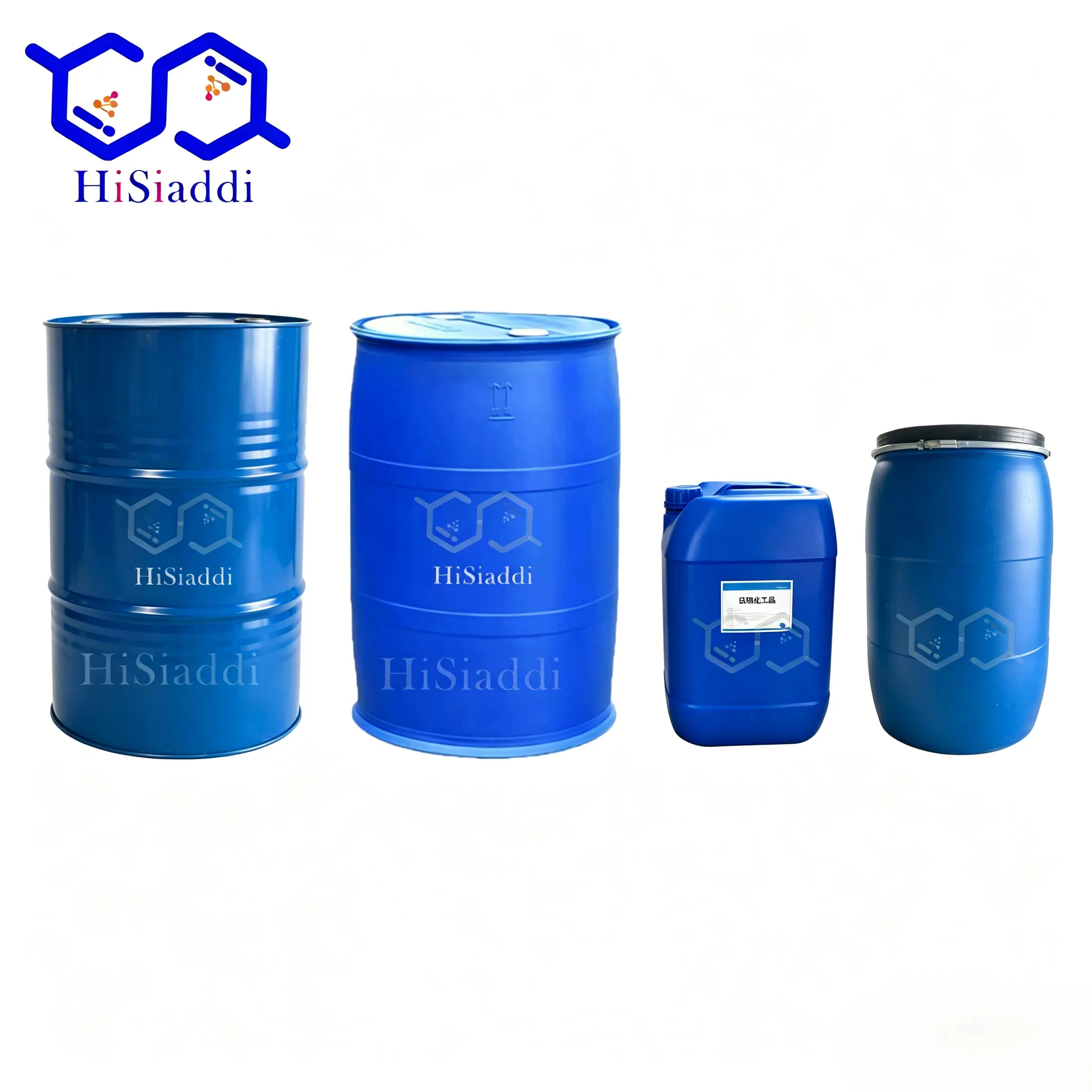
Standard export packaging including 200kg plastic drums and IBC tanks greatly reduces loss during long-distance ocean transportation; balanced performance and cost meet diversified market demands.
Price range: 2.4-2.9 USD/kg. It is the most cost-effective choice for natural personal care and tableware cleaning markets in Southeast Asia, Latin America and the Middle East, outperforming low-grade APG from India and Malaysia, costing only 51%-61% of European and American equivalent products.
Target B-end buyers: Southeast Asian tableware cleaning factories, Latin American natural daily chemical groups, Middle Eastern household cleaning brands, global hand sanitizer & laundry detergent brands and regional daily chemical raw material distributors.
Benefits for downstream buyers: Balanced performance covers full ranges of household cleaning and personal care products; stable mass supply ensures timely restocking in peak seasons and smooth new product launch; basic green environmental compliance meets global natural cleaning trends; it effectively improves product mildness and natural attribute to strengthen terminal market competitiveness.
Benefits for end users: Popular dish soap cleans efficiently and cares for hands; laundry detergent rinses easily with no residual substances; daily care products are safe and natural to satisfy household green cleaning demands.
Main export models: LL APG1214 P (low-irritation exclusive grade for pet care), LL APG0810 LF (low-foam special grade for industrial cleaning), LL APG W (special grade for wet wipes & no-rinse cleaning products)
Core competitive advantages
Customizable free alcohol content, foam height, hydrophilicity and irritation level as required. Pet-care grade features mild formula and hair conditioning effect suitable for cat and dog skin; low-foam grade has minimal foam yet strong detergency for high-pressure spray industrial cleaning; wet wipe grade dries fast with no residual substances and reliable antibacterial safety.
Strict microbial control with total bacterial count below 10 CFU/g, complying with hygiene standards for wet wipes and no-rinse cleaning products. Its pure plant-based property supports overseas zero-waste and natural pet care labeling application.
Excellent strong alkali and oil stain resistance enables stable application in harsh industrial scenarios such as automobile cleaning, metal cleaning and textile pretreatment.
Flexible small-batch production supports orders ranging from 1 ton to 25 tons, perfectly matching R&D and mass production demands of medium & small pet care brands and emerging natural cleaning enterprises.
Price range: 2.5-3.1 USD/kg. It enjoys top reputation in global pet care and low-foam industrial cleaning markets with far stronger customization capability than international nonionic surfactant giants.
Target B-end buyers: European & American pet care brands, low-foam industrial cleaning enterprises, Southeast Asian wet wipe manufacturers, niche natural cleaning brands and cross-border green raw material traders.
Benefits for downstream buyers: Custom-tailored indicators fit segmented formulas accurately to eliminate repeated formula adjustment; natural mild formulas are friendly to pets and sensitive skin users; low-foam feature boosts efficiency of industrial high-pressure cleaning and saves water resources; small-batch procurement effectively cuts inventory pressure for start-up brands.
Benefits for end users: Pet care products relieve itching gently and keep pet hair smooth; industrial cleaning is efficient and low-foam with water-saving and eco-friendly advantages; wet wipes deliver safe cleaning effect without residues.
Main export models: ZY APG0810 G (base material for personal care compound formulation), ZY APG0810 D (strong alkali resistant grade for industrial cleaning), ZY APG B (universal bulk blending grade)
Core competitive advantages
Stable active content within 49.5%-50.5% with ultra-strong compounding compatibility, freely blendable with anionic, cationic and amphoteric surfactants, serving as core base material for natural personal care formulas. Industrial grade features outstanding strong alkali, oil stain and hard water resistance, ideal for heavy-duty industrial cleaning, textile desizing and leather cleaning.
Complete basic REACH, MSDS and COA documents meet market access requirements for daily chemicals and industrial cleaning products in most countries worldwide.
Abundant bulk stock stored in IBC tanks and industry-leading production capacity make it the preferred choice for bulk purchasing by global large-scale industrial cleaning and daily chemical compounding enterprises.
Price range: 2.0-2.5 USD/kg. It achieves optimal cost performance in industrial blending fields and fully surpasses low-grade APG products from Southeast Asia in overall quality.
Target B-end buyers: Global personal care compounding factories, industrial detergent manufacturers, textile auxiliary suppliers and industrial chemical importers in the Middle East and Africa.
Benefits for downstream buyers: Low procurement cost and stable compounding performance improve cleaning efficiency and product mildness; sufficient bulk supply supports large-scale industrial production; standard universal compliance certificates remove all customs clearance obstacles worldwide.
Benefits for end users: Industrial cleaning solutions are efficient and eco-friendly with good biodegradability; mass-market personal care products are natural and mild with prominent cost advantages.
Main export models: YE APG U (global universal blending grade), YE APG L (cost-effective industrial raw material grade), YE APG EX (enhanced universal export grade)
Core competitive advantages
Active content ranges from 49%-51% with balanced and stable indicators, suitable for formulation of general daily chemicals, budget-friendly natural personal care products and basic industrial cleaning agents worldwide.
Complete basic compliance documents including basic REACH registration, MSDS and COA satisfy import access standards of most developing countries.
Full specifications of 200kg drums and IBC tanks with sufficient perennial spot goods ensure ultra-fast delivery, capable of undertaking large-volume bulk orders from global distributors.
Extremely competitive pricing, with YE APG L priced at 1.8-2.1 USD/kg, comprehensively superior to inferior low-grade APG from India and Malaysia.
Price range: 1.8-2.4 USD/kg. It dominates global mid-to-low-end natural daily chemical and industrial cleaning markets with ultimate cost performance.
Target B-end buyers: Global large-scale daily chemical raw material distributors, overseas personal care repackaging factories, budget-friendly natural personal care brands and basic daily chemical importers in Africa and the Middle East.
Benefits for downstream buyers: Lowest raw material procurement cost creates huge profit margins after repackaging and secondary compounding; sufficient spot inventory and fast delivery guarantee timely market supply; simplified standard compliance procedures make customs clearance easy and efficient.
Benefits for end users: Budget-friendly natural personal care and household cleaning products are mild and safe to meet public green consumption demands with strong terminal price competitiveness.

| Brand | Main Models | Core Indicators (Active Matter / Free Alcohol / Biodegradability / Food Grade Standard) | Unit Price (USD/kg) | Cost-Effectiveness Positioning | Core Target B-end Buyers | Practical Downstream Benefits | End User Advantages | Core Superiority vs European & American Brands |
| Jiangsu Wanqi Bio | WQ APG0810 FP/HP/S | Active matter 50±1%, Free alcohol ≤0.5%, Biodegradability>98%, Top-tier food-grade compliance | 3.0-3.6 | Top cost performance in global high-end natural personal care | European & American food cleaning, maternal-infant care, organic cleaning brands | One-stop food-grade compliance, low residual content, ultra-stable batches, green marketing empowerment | Residue-free tableware cleaning, safe mild baby care, non-tightening facial cleansing | Equal quality to BASF, 23%-29% lower price, stronger food-grade application adaptability |
| Shandong Lianhong New Materials | LH APG0810 M/C/E | Active matter 50±1.2%, Free alcohol ≤0.7%, excellent hard water & temperature resistance, stable performance | 2.4-2.9 | Global leading large-scale supplier for mass-market natural personal care | Southeast Asian tableware cleaning, Latin American daily chemicals, household cleaning groups | Stable bulk supply, full-category cleaning applicability, complete green compliance | Hand-friendly household detergent, easily rinsed laundry products, safe natural daily cleaning | Only 51%-61% price of Western brands with more reliable supply capacity |
| Guangdong Langli New Materials | LL APG1214 P/LF/W | Active matter 49.8-50.2%, customizable foam volume & irritation level, low foam & mild property | 2.5-3.1 | Optimal choice for pet care & low-foam industrial cleaning | European & American pet care brands, industrial high-pressure cleaning factories, wet wipe manufacturers | Accurate formula matching, prominent natural selling points, flexible small-batch supply | Anti-itching pet hair care, water-saving efficient industrial cleaning, mild safe wet wipes | More powerful customization capability and lower MOQ than international industry giants |
| Zhejiang Zanyu Technology | ZY APG0810 G/D/B | Active matter 49.5-50.5%, strong compounding performance, strong alkali resistance, universal bulk grade | 2.0-2.5 | Best solution for industrial cleaning & daily chemical compounding | Global personal care compounding plants, industrial detergent manufacturers, textile auxiliary suppliers | Low bulk purchasing cost, stable compounding effect, fit for large-scale industrial production | Eco-friendly efficient industrial cleaning, cost-effective mass-market personal care products | Larger production scale and more favorable prices than overseas medium & small manufacturers |
| Anhui You'er Fine Chemical | YE APG U/L/EX | Active matter 49-51%, balanced stable indexes, abundant spot goods, diversified packaging options | 1.8-2.4 | Ultimate cost performance for bulk distribution business | Global green raw material distributors, budget-friendly personal care brands, African & Middle Eastern daily chemical importers | Lowest procurement cost, fast spot delivery, universal customs clearance documents | Mild natural basic care products, outstanding terminal market price advantages | Lowest global market price, far better quality than inferior APG from Southeast Asia |
Compared with international giants including BASF, Dow, Croda and Kao: Overseas famous brands carry high brand premium, set high minimum order quantity, have long delivery cycles, incur high food-grade compliance costs and lack flexible customization services. Chinese APG features lower free alcohol content, more complete food-grade certification, higher biodegradability and much more competitive prices. It supports small-batch trial orders and precise personalized customization, becoming the most ideal alternative product for global natural personal care, food cleaning and industrial eco-friendly cleaning enterprises to expand green product lines.
Compared with low-grade APG from India and Malaysia: Inferior overseas products have high free alcohol content, heavy residual substances, strong skin irritation and incomplete biodegradability, failing to meet food-grade safety standards. Chinese refined APG is made of pure natural plant sources with low impurities, mild property, complete compliance qualifications and stable comprehensive performance, steadily dominating the global mid-to-high-end green nonionic surfactant market.
The five core brands fully cover all mainstream application sectors including high-end food-grade cleaning, natural maternal-infant care, mass household cleaning, pet care, low-foam industrial cleaning and bulk daily chemical formulation, satisfying all budget levels and full-scenario procurement demands of global B-end purchasers.
HiSiaddi is an innovative foreign trade service provider driven by dual engines of technology transformation and foreign trade services. It has built a "1+2+3+4=1" product service system: 1 foreign trade salesperson with over 3 years of experience, 2 R&D teams, 3 high-quality suppliers and 4 warehouses to fulfill one product demand.
With this service system, HiSiaddi outperforms most foreign trade companies in R&D optimization and technical processes of APG, understands the market demands and competitive advantages of APG for different brands better than single factories, and has deeper insights into the foreign trade market of APG than scientific research institutions.
HiSiaddi only recruits foreign trade salespersons with more than 3 years of work experience. Before serving customers, all sales staff must receive training from both scientific research and foreign trade teams for more than 6 months.
(1) Basic Support Services for APG
Supported by the foreign trade team and corporate service system, we provide customers with one-stop full-process document handling services, including but not limited to issuance and application of various compliance certificates for APG, provision of third-party test reports, and resolution of quality after-sales issues.
(2) Exclusive Advantage Services for APG
Backed by our R&D team, we offer customers customized product and technical consulting services, including but not limited to core indicator adaptation and cost comparison analysis of APG from various brands, regular sharing of APG market trends, etc.
Global green nonionic surfactant price early warning service comparing Chinese APG with BASF, Dow and Croda grades.
Global natural personal care & green chemical supply chain network matching service for dual sourcing & channel expansion empowerment.
Through in-depth cooperation with source factories via technology transformation and close internal collaboration with the foreign trade team, our R&D teams deliver professional technical training to sales staff, enabling more customized APG solutions and providing research-grade consulting for brand matching and application formula optimization of APG.
(1) Research-Grade Customization Services for APG
Precise control of free fatty alcohol & foam performance via glycosylation optimization. We tailor mild food-contact grades, ultra-gentle baby care variants and low-foam alkali-resistant industrial cleaning APG.
(2) Research-Grade Consulting Services for APG
Formulation guidance for food-grade fruit & vegetable cleaners and natural baby wash formulas.
Specialized low-foam APG solutions for pet care and high-pressure industrial cleaning equipment.
Compatibility guidance for blending APG with amino acid and cationic surfactants for synergistic mild cleansing.
Anti-freezing storage guidance for cold-region shipping and legal guidance for natural ingredient marketing claims in EU markets.
Our foreign trade and R&D teams work together to select around 3 reliable, stable and promising suppliers through multi-stage assessments including preliminary market research, on-site factory audits, product testing and deep technology & purchasing cooperation.
(1) Initiative to Secure Lower APG Prices
Long-term cooperation via technology transformation and exclusive distribution allows us to source factory-direct raw materials at preferential prices.
(2) Long-Term Supply Chain Assurance Services for APG
Long-term technical transformation and distribution partnerships strengthen production monitoring, full-product traceability, batch stability control and compensation guarantees for products failing third-party inspections.
We operate 4 warehouses jointly with suppliers for stocking hot-selling APG products.
(1) Fast Local Shipment & On-Site Issue Resolution
Our four warehouses are located in Qingdao Port (North China), Ningbo Port (East China), Shenzhen Port (South China) and Zhengzhou (inland logistics hub), ensuring timely delivery of APG. On-site staff can resolve transportation damage, packaging defects and export compliance issues promptly when they occur.
(2) Price Fluctuation Mitigation & Custom Packaging Support
We stock inventory in advance ahead of peak seasons to offset drastic price swings. Our self-owned warehouses support customized packaging and label designs to meet personalized client demands.
Custom APG trial kits for R&D formulators including food, baby, pet and industrial cleaning dedicated grades.
As a new-type foreign trade service provider driven by technological transformation and foreign trade operations, HiSiaddi has established a "1+2+3+4=1" service system and can supply original factory sources of multiple well-known APG brands. As a foreign trade enterprise with independent R&D capabilities, we systematically sort out common procurement challenges faced by B-end buyers sourcing APG from China and propose targeted solutions from HiSiaddi.
If you require more professional and in-depth analysis on APG selection, please contact HiSiaddi customer service.
1. Indicator Instability Issues: Overseas small and medium daily chemical washing factories use APG primarily as the primary surfactant for infant care and dishwashing detergents. National and European daily chemical standards require APG active content at 50%±1% and residual alcohol <1%. However, cross-batch raw materials from various factories often show active content ranging from 47% to 53% and residual fatty alcohol between 1.3% and 2.2%. When manufacturers feed materials per fixed formulas, finished products fail viscosity, foam, and hard water resistance standards, resulting in scrapped bulk washing stock with production losses ranging from thousands to tens of thousands of Euros per batch.
2. Mismatched Grade Selection Pain Points: APG features three mainstream carbon chain grades (APG0810, APG1214, APG0814). Lacking professional testing laboratories, overseas buyers rely solely on supplier parameter sheets for selection. For example, using APG0810 for high-viscosity body wash causes finished product stratification, while APG1214 applied to low-foam dish soap results in excessive foam that fails EU product testing.
3. Customs Inspection Restrictions: EU REACH and US EPA set clear limits on residual alcohol and glucose monomer content in APG. Low-cost supplies without REACH pre-registration face customs sampling detention upon arrival, generating port storage fees and return shipment costs.
1. Fixed Sample Batch Indicator Locking: Third-party SGS test reports (mandatory testing for active substance, residual alcohol, and glucose) are provided for every shipment batch. A 500g pre-shipment sample is sent to the purchaser’s laboratory for small-scale trials. Full unconditional product exchange applies if indicators deviate from contracted standards, with return and replacement freight borne by HiSiaddi.
2. Carbon Chain Grade Matching Service: Purchasers provide end-product formulas, target foam values, and application scenarios; our technical engineers match the corresponding carbon chain APG grade. Free sample delivery is offered, with mass production arranged only after successful small-scale trials to eliminate grade mismatching risks.
3. One-Stop Supporting Compliance Documentation: Pre-registration numbers for EU REACH and US TSCA filing documents for all APG grades are readily available. Certificates of origin and commodity inspection reports accompany shipments, with electronic compliance documents shared with overseas customs brokers one week in advance to prevent customs detention.
1. Low-Temperature Physical Defect Pain Points: High-latitude European and American regions (Northern Europe, Canada) experience warehouse temperatures of -5°C to 0°C in winter. Conventional industrial-grade APG gels and separates at approximately 5°C, making barreled raw materials unpumpable into reaction kettles. Purchasers require over 24 hours of pre-heating, incurring additional steam energy costs. After thawing, low-quality APG undergoes oil-water separation and cannot be used to formulate pesticide emulsions or foliar fertilizer auxiliaries.
2. Inconsistent Water Solubility Performance: Agrochemical auxiliaries require APG to fully dissolve rapidly in hard water (300ppm calcium-magnesium ions) without flocculent precipitation. Excess polysaccharide impurities in some supplies generate flocculation upon dilution, destroying pesticide suspension systems and causing stratification and failure of finished pesticides.
3. Subpackaging Loss Pain Points: Most small and medium agrochemical manufacturers use 200L iron drums for subpackaging. Unstable viscosity of low-quality APG creates filling measurement errors exceeding 5%, generating hidden raw material losses over long-term procurement.
1. Custom Low-Temperature Modified Supplies: Anti-freeze modified APG tailored for cold-region buyers with a freezing point controlled at ≤-3°C. Refrigerated test samples are sent in advance for purchasers to simulate local warehouse temperature solidification testing. Mass goods use thickened insulated iron-plastic composite drums for packaging.
2. Specialized Hard Water Solubility Sample Testing: Simulated hard water matching local tap water hardness of purchasers is prepared for pre-shipment solubility testing. Mass production commences only after passing, with hard water solubility failure compensation clauses embedded in contracts.
3. Standardized Viscosity Control & Filling Reference: Viscosity fluctuations of identical APG grades are limited to ±50mPa·s. Measured density and reference filling coefficients are labeled on every drum, with factory viscosity test reports attached to enable precise filling and reduce subpackaging losses for buyers.
1. Uncontrollable Comprehensive Costs: Overseas traders distribute APG to local small and medium cleaning manufacturers. Domestic factories only quote ex-factory prices without itemizing export customs clearance fees, certificate of origin charges, inland freight, and container miscellaneous fees. Hidden costs increase by 5–8% upon cargo arrival, pushing traders into pricing losses. Some supplies cannot issue formal export VAT invoices, disqualifying buyers from export tax rebates and raising overall procurement costs.
2. High Minimum Order Barriers: Leading domestic factories typically impose a 20-ton minimum order quantity. European and American small traders only require 3–8 tons monthly for distribution. Full-container standalone orders tie up large working capital and generate high warehousing stocking costs.
3. Multi-Grade Consolidated Shipment Challenges: Traders simultaneously require 2–3 APG grades (APG0810 for food-grade cleaning, APG1214 for heavy-duty industrial degreasing). Most factories prohibit mixed loading in single containers, requiring separate shipments that double ocean freight expenses.
1. Full-Lump-Sum Itemized Quotation: All quotations itemize product value, inland trucking, customs clearance, documentation, and port miscellaneous fees. Tax-inclusive tax-rebate eligible quotations separately list rebate amounts to clarify net landed costs with no hidden surcharges upon arrival. Formal export sales contracts and VAT invoices are issued.
2. Consolidated Group Ordering to Lower Minimum Order Thresholds: We aggregate orders from multiple overseas small traders shipping to the same destination port to fill full containers, reducing the minimum purchase quantity to 1 ton for individual buyers with on-demand cargo split delivery, eliminating standalone full-container stocking requirements.
3. Multi-Grade Mixed Loading Within Single Containers: Optimized container loading plans allow mixing 2–3 different carbon chain APG grades within a 20ft container, with partitioned stacking and separate shipping mark labeling. Detailed split loading manifests are provided for easy cargo separation and pickup at destination ports.
1. Insufficient Salinity Resistance Indicators: Produced water salinity in Middle Eastern and Russian oilfields ranges from 50,000 to 150,000 ppm. APG used as enhanced oil recovery auxiliaries must remain stable without precipitation under high salt conditions, while conventional daily chemical-grade APG generates flocculation in saline environments and cannot adapt to oilfield operating conditions. Many buyers receive qualified lab samples yet face severe performance degradation of mass shipments under high salinity.
2. Delayed Delivery Scheduling: Oilfield projects rely on seasonal centralized stocking. Domestic factories face production delays due to raw material glucose and fatty alcohol supply volatility, missing oilfield stocking windows and triggering project shutdowns.
3. Mismatched Bulk & Drum Packaging Options: Large oilfield purchasers prefer IBC tote bulk filling systems, yet many suppliers only offer 200L small drums, drastically increasing manual handling costs for buyers’ tank filling operations.
1. Custom Oilfield-Specific Modified APG Supply: High salinity-resistant modified APG dedicated to oilfield applications is supplied with customized indicators matched to purchaser-provided produced water salinity data. Pre-shipment high salinity testing is conducted using water samples sent by buyers, with mass shipment performance required to fully match retained samples. Full return rights and empty container loss compensation apply for non-compliant performance.
2. Reserved Stocking to Lock Delivery Timelines: For long-term cooperative oilfield clients, upstream fatty alcohol and glucose raw material inventories are pre-locked with quarterly framework stocking agreements securing production capacity. Liquidated damages for port detention apply for delayed shipments per contract terms.
3. Customizable Packaging Options: Flexible supply of 200L iron-plastic drums and 1000L IBC totes; bulk tank truck export arrangements available for major clients to match automated oilfield feeding systems.
1. Risk of Exceeding Food-Grade Indicator Limits: North American and European food manufacturers use APG for fruit & vegetable cleaners and food equipment detergents. FDA and EU food contact material regulations restrict heavy metals (lead, arsenic) to <10ppm and methanol to <200ppm. Industrial-grade APG frequently exceeds these limits, resulting in failed finished product testing and complete batch removal from retail shelves.
2. Missing Qualification Documentation: Most domestic APG only hold daily chemical-grade test reports without third-party food-grade certifications, preventing buyers from submitting filings to local food safety authorities and barring end-product supermarket distribution.
1. Dedicated Food-Grade Production Line Raw Material Supply: Fully refined APG specifically formulated for food contact applications is supplied. Third-party FDA and LFGB food contact safety test reports accompany every batch, with strict control over heavy metal, methanol, and residual alcohol thresholds. Unconditional returns and exchanges apply for non-compliant batches.
2. Full Supporting Qualification Documentation Delivery: Product food-grade filing materials and factory hygiene qualification copies are provided to assist buyers with local food safety authority filings, with original certification documents shipped alongside cargo for customs clearance.
For professional, in-depth analysis on APG selection, please contact HiSiaddi customer service.
Barriers to customized raw material production: Domestic APG factories adopt dedicated production lines for single carbon chain products, with no mature mass production processes for mixed carbon chain products. Small-batch blending tends to cause uneven carbon chain distribution and unstable foam performance.
Strict index control: The required methanol residue limit of 20ppm is far below the national standard. Conventional distillation processes cannot meet this requirement, and additional molecular distillation refinement is necessary. Most manufacturers were reluctant to adjust production procedures for small-batch orders.
Complicated overseas certification: Australia’s TGA registration requires full toxicological and microbiological test reports for raw materials. The client had no access to local testing services in China, and independent sample testing would take over 45 days.
Collaborated with manufacturers to develop customized processes: We partnered with APG manufacturers under the Yangzhou Chenhua system. Two separate production lines were used to produce pure C0810 and C1214 respectively, which were then blended at a precise ratio of 3:7 via sealed automatic metering reactors. After three rounds of lab tests and one-ton pilot production, the blending process was finalized to stabilize carbon chain distribution. Secondary molecular distillation was applied for purification, keeping methanol residue steadily between 15ppm and 18ppm to satisfy the client’s requirements.
One-stop service for international certifications: We worked with CNAS-accredited domestic laboratories to conduct all tests in accordance with Australian TGA and HALAL standards. Full sets of Chinese and English test reports were issued within 30 days, and we assisted the client with raw material registration in Australia and submission of documents for halal certification.
Customized packaging and sea transportation protection: Food-grade sterile IBC tanks complying with Australian food material standards were adopted, lined with double layers of food-grade PE film. Constant-temperature moisture-proof shipping containers were selected to prevent APG from turbidity caused by temperature fluctuations during long-distance sea transportation.
Improper formulation ratio: The client’s original formula contained 2.3% APG. This type of high-carbon-chain APG has a high foaming property. Under the high-temperature field conditions of Thailand (32~38℃), massive foam formed and clogged spray nozzles. In addition, the formula lacked organosilicon synergists, resulting in poor wetting and penetration of pesticide liquid on leaf surfaces.
Mismatched product selection: The client used the additives for low-volume electrostatic spraying on dry farmland. Standard high-foam C1214 APG is designed for conventional large-volume spraying and is incompatible with high-pressure fine spray equipment. Low-foam modified APG dominated by C0810 is more suitable for this scenario.
Incorrect feeding process: The client added the entire amount of APG at normal temperature in one batch. When mixed with local hard well water in Thailand, APG agglomerated locally, causing uneven dispersion of additives and unstable pesticide efficacy.
Optimized raw material selection: Based on local water quality and spray equipment parameters in Thailand, our technical team developed customized low-foam modified APG with a C0810:C1214 ratio of 8:2. The proportion of high-carbon-chain components was reduced to weaken foaming capacity. We also provided 50kg of modified samples free of charge for field trials.
Reconstructed the formulation system: We adjusted the formula: reduced the APG dosage to 0.9%, and added 0.3% polyether organosilicon defoaming and synergistic agent to replace the single APG system. We also guided the client to conduct five groups of field efficacy comparison tests.
Standardized production operation: We formulated standardized feeding procedures: first add water and adjust the pH value to 6.0~6.5 with citric acid, then add APG gradually under low-speed stirring to avoid agglomeration caused by one-time feeding at high temperature. A complete set of operating instructions (SOP) in Thai was delivered to the client.
Lead time
Quantity (ton) | 0 - 10 | 10 - 30 | > 30 |
Lead time (days) | 7 | 15 | To be negotiated |
The monthly inventory volume of APG is 300 tons, with appropriate adjustments upwards or downwards in response to peak and off-peak seasons.
HiSiaddi safeguards the supply stability of APG through the following measures:
(1) Performance evaluation and screening of APG brand factories based on on-time delivery rate, batch pass rate, timeliness of risk alerts, and completeness of documentation to assess their supply stability.
(2) For each mainstream model or major grade of APG, secure 1 primary high-quality brand manufacturer and 2 backup high-quality manufacturers.
(3) Each factory operates independent production lines in separate production zones to prevent production halts caused by major unforeseen incidents such as environmental production suspensions and power outages.
Through long-term cooperation with brand manufacturers via technology commercialization and authorized distribution channels, HiSiaddi can effectively strengthen supervision over the production processes of brand manufacturers, optimize full-process traceability management, improve batch stability control, and further reinforce real-time monitoring of the supply stability of APG products.
Long-term Annual Framework Supply Guarantee Agreement. HiSiaddi signs 12-month long-term agreements with leading manufacturers. The agreements specify the minimum guaranteed supply volume, maximum price hike range, and priority production scheduling rights during peak seasons. It is stipulated that manufacturers shall issue a 30-day prior written notice if production is suspended due to environmental rectification or equipment maintenance, and backup manufacturers will be activated to replenish goods accordingly.
We have 4 warehouses, which are jointly operated and managed with suppliers to store hot-selling products.The four warehouses are located at Qingdao Port in North China, Ningbo Port in East China, Shenzhen Port in South China, and Zhengzhou, China’s inland logistics hub. This setup guarantees sufficient supply and timely shipment of APG during peak seasons.
HiSiaddi issues a rolling demand forecast covering the subsequent three months on the 25th of each month, allowing manufacturers to reserve production capacity in accordance with the forecast. Any new urgent orders from overseas clients will be prioritized to draw on inventories or production capacity from backup manufacturers.
Unstable logistics for APG will extend delivery lead times. HiSiaddi has established alternative arrangements covering multiple freight forwarders, ports and transportation solutions:
(1) Binding of multiple professional chemical freight forwarders for APG
Each product is assigned 2 to 3 freight forwarders with hazardous chemical/food transport qualifications affiliated with different shipping lines. Alternative sailing schedules can be switched to immediately in case of space shortages or customs inspections on a single shipping route.
(2) Backup transportation solutions for APG
Ocean freight serves as the standard mode; air freight and rail freight are reserved as alternatives for urgent orders. Long-term agreements for temperature-controlled containers are signed for temperature-sensitive and perishable food additives to secure shipping space.
(3) Visual tracking and digital early warning for APG
Freight forwarders synchronize daily updates on container loading, customs declaration, vessel loading and port arrival milestones. If customs inspection occurs, replenishment from backup inventory will be initiated immediately to shorten client waiting periods.
Full-chain digital early warning automatically monitors four categories of risks:
Factory side: Expiring supplier environmental assessment certificates, renewal of production permits, scheduled major equipment overhauls, and notifications of price hikes for upstream raw materials;
Inventory side: Inventory falling below safety thresholds, excessive inventory age, and batches failing quality inspection;
Logistics side: Shipping line space shortages, strikes at destination ports, and updates to customs policies;
Overseas side: Revisions to additive regulations and adjustments to import restriction lists in target countries.
Early warning notifications are automatically pushed to procurement and business leads, allowing backup suppliers or inventory contingency plans to be activated in advance.
HiSiaddi is an innovative foreign trade service provider driven by dual engines of technology transformation and foreign trade export. It has established a "1+2+3+4=1" service system and can supply original factory goods of multiple well-known APG brands.
As a R&D-focused foreign trade service provider, HiSiaddi does not only promote its own brands like single manufacturers. We objectively analyze multiple Chinese brands with strong export competitiveness and share their certifications and market feedback transparently, enabling purchasers to select suppliers efficiently and reliably.
If you require more authentic, objective information on multiple well-known Chinese APG brands, please contact HiSiaddi customer service.
Key takeaways: High market concentration, complete certification portfolios, and strong endorsements from major international clients
1. Shanghai Finechem Chemical Co., Ltd. – Central SOE background, No.1 export volume, core supplier for high-end personal care and detergents
2. Yangzhou Chenghua New Materials Co., Ltd. – China’s largest production capacity, No.2 export volume, leading market share in EU and North America
3. Zhejiang Zanyu Technology Co., Ltd. – Leading daily chemical enterprise, No.3 export volume, outstanding cost-performance and stability
4. Jiangsu Jintong Chemical Co., Ltd. – Technical cooperation with BASF, No.4 export volume, pioneer of low-temperature enzymatic high-end APG
5. Jiangsu Wanqi Bio Co., Ltd. – National Specialized, Sophisticated, Unique & Innovative "Little Giant" enterprise, No.5 export volume, strengths in high-purity industrial-grade products
· APG1214 (C12–C14): Premium wash care, infant & sensitive skin exclusive formulations
· APG0810 (C8–C10): Mainstream grade for household detergents and agrochemical adjuvants
· APG1618 (C16–C18): High-moisturizing skincare and cream formulations
· ✅ Full-model EU REACH registration, ECOCERT organic certification, COSMOS natural certification
· ✅ U.S. USDA biobased certification, HALAL halal certification, RSPO sustainable palm oil certification
· ✅ ISO 9001, ISO 14001, OHSAS 18001 integrated management system certifications
· ✅ "Most Influential Raw Material Supplier" awarded by China Cleaning Industry Association
· Europe: Class A supplier designated by L’Oréal, Henkel and Danone. APG1214 accounts for 12% of formulations for German infant care brand Babylove with zero quality complaints for 3 consecutive years.
· North America: Passed global supplier audits by P&G and Johnson & Johnson. APG0810 is used in North American concentrated laundry detergents with 28-day biodegradability ≥97%, exceeding the EU standard (≥90%).
· Customer satisfaction score: 9.6/10 among international daily chemical clients, ranking top across three metrics: batch consistency, low irritation and fine foam texture.
· APG-1214 (C12–C14, free alcohol ≤0.5%): Premium personal care and medical disinfectant wipes
· APG-0810 (C8–C10, purity ≥99.5%): Household and industrial cleaning
· APG-C10 (narrow distribution DP1 ≥92%): Agrochemicals and hard water application scenarios
· ✅ Full-model EU REACH registration, ECOCERT certification, USDA biobased certification
· ✅ ISO 9001, ISO 14001 certifications; National Green Factory accreditation
· ✅ 2024 Science and Technology Progress Award from the Chemical Industry Society of China (continuous enzymatic process technology)
· Europe: Captured 15% of China’s APG market share in the EU in 2025, ranking first among domestic manufacturers. APG-1214 is adopted by Bayer (Germany) and Sanofi (France) for medical disinfectant wipes with skin irritation index ≤0.1 (ultra-mild).
· Southeast Asia & Middle East: APG-0810 holds a 22% market share in laundry detergents in Vietnam and Thailand, with quality comparable to BASF at a 12% price discount.
· Supply chain reputation: Stable ten-thousand-ton scale supply with 98% on-time delivery rate. Capable of restocking clients within 7 days even during peak European demand seasons in 2025 amid global supply shortages.
· APG1214 (general grade, 50% active matter): Mass-market body wash and shower gel
· APG0810 (highly concentrated, 70% active matter): Household dish soap and laundry detergent
· APG-C12 (daily chemical exclusive, color ≤20 Hazen): Transparent cosmetic formulations
· ✅ EU REACH registration, ECOCERT certification; China Green Product Certification
· ✅ ISO 9001, ISO 14001 certifications; Top 100 Domestic Daily Chemical Supplier
· Leading domestic daily chemical brands: Core supplier for Blue Moon, Nice and Shanghai Jahwa with a 92% formulation penetration rate.
· Southeast Asia: Exports to Indonesia and Malaysia surged 35% year-on-year in 2025. APG0810 is widely used in mid-tier dish soap with stable foam and strong degreasing performance, priced 18% lower than Japanese and Korean alternatives.
· Quality evaluation: Batch color difference ≤3 Hazen, far superior to the industry standard (≤10); annual quality complaint rate <0.1%.
· APG1214-L (low-temperature enzymatic, free alcohol ≤0.3%): Premium liquid detergents and skincare products
· APG0810-H (high hard water resistance, stable at 2000ppm hardness): Agrochemicals and industrial cleaning
· ✅ EU REACH registration, ECOCERT, COSMOS certifications
· ✅ Joint low-temperature enzymatic process developed with BASF, holding EU green process patents
· European premium detergents: APG1214-L is formulated in Unilever’s high-end laundry detergents, delivering 40% better solubility at 5°C than competing products, tailored to Nordic market demands.
· Agrochemical sector: APG0810-H is adopted by Syngenta, offering outstanding hard water resistance and emulsification stability, capturing a 12% market share in soybean herbicide adjuvants across Brazil and Argentina.
· APG1214-HP (purity ≥99.2%, ultra-low residue): Semiconductor and photovoltaic cleaning
· APG0810-IF (food-grade, FDA 21 CFR certified): Food equipment cleaning and beverage additives
· ✅ EU REACH registration, ECOCERT certification; FDA food contact certification
· ✅ National Specialized, Sophisticated, Unique & Innovative "Little Giant" enterprise, MIIT Green Factory accreditation
· New energy & electronics: APG1214-HP is used for photovoltaic silicon wafer and lithium battery separator cleaning, with metal ion residue <1ppm, passing supplier audits by CATL and LONGi Green Energy.
· Food processing: APG0810-IF replaces polysorbate in UHT milk stabilizers for Yili and Mengniu, delivering purer taste and extending shelf life by 15%.
· Profit margin edge: Industrial-grade APG priced at RMB 20,000–25,000/ton with gross margins over 40%, far exceeding general-grade variants.
1. Full compliance guarantee: Complete REACH/ECOCERT/USDA certification portfolios for all grades, enabling direct market access to high-end European and American markets.
2. Performance matching international leaders: Purity ≥98.5%, free alcohol ≤0.5%, biodegradability ≥95%, with select indicators outperforming BASF and Clariant.
3. Significant price advantages: 10%–20% cheaper than European and American brands, 15%–25% cheaper than Japanese and Korean brands.
4. Reliable supply chain: Annual capacity of 30,000–50,000 tons for leading manufacturers, with delivery lead times of 7–14 days and robust supply guarantees during peak demand seasons.
If you require more authentic, objective information on multiple well-known Chinese APG brands, please contact HiSiaddi customer service.
HiSiaddi is an innovative foreign trade service provider driven by dual engines of technology transformation and foreign trade export. It has established a "1+2+3+4=1" service system and can supply original factory goods of multiple well-known APG brands.
As a R&D-focused foreign trade service provider, HiSiaddi does not only promote its own brands like single manufacturers. We objectively analyze multiple Chinese brands with strong export competitiveness and transparently share their production processes, supply stability and key performance indicators, as well as the impacts of these core factors on purchasers, to help buyers select suppliers efficiently and reliably.
If you require more authentic, objective information on multiple well-known Chinese APG brands, please contact HiSiaddi customer service.
· Core route: Direct glycosylation of glucose and natural C8–C14 fatty alcohols via self-developed patented solid acid catalysis, with zero organic solvents used throughout production; no dioxane or formaldehyde residues.
· Refining: Two-stage purification via molecular distillation and thin-film evaporation to separate free alcohols and oligosaccharides, achieving reaction conversion ≥93% and 25% lower energy consumption than traditional batch reactors.
· Environmental performance: Closed-loop wastewater circulation with COD discharge <50mg/L, meeting EU industrial emission standards.
· Capacity: Dual manufacturing bases in Jinshan (Shanghai) and Nantong (Jiangsu) with total annual capacity of 28,000 tons and single production line maximum output of 12,000 tons/year.
· Raw material security: 3-year fixed-price long-term supply agreements with COFCO and Yihai Kerry, maintaining corn starch and palm kernel oil inventory covering ≥45 days of consumption.
· Delivery performance: 95% production automation with full DCS process monitoring; standard lead time 7–10 days, guaranteed restocking within 10 days even in Q4 peak seasons; 99.2% on-time export delivery rate in 2025.
· Risk resistance: Central SOE financial support caps quarterly price fluctuations at ≤5%, with no unplanned temporary price hikes.
· Appearance: Colorless to pale yellow transparent liquid at 25°C, APHA color ≤15 (industry standard ≤30)
· Solid content: APG1214 (50%±1), APG0810 (65%±1)
· Free alcohol: ≤0.8% (≤0.5% for premium grades)
· 28-day biodegradability (OECD 301B): ≥97%
· Microbial count: <100 CFU/g, heavy metals (Pb/As) <1 ppm
1. Formulation safety assurance: Solvent-free, ultra-mild formulation grade directly applicable to infant and sensitive skin care products, eliminating the need for additional toxicology testing and cutting certification cycles by 3–6 months.
2. Exceptional batch consistency: Viscosity and color fluctuations ≤3%, eliminating risks of layering or discoloration in transparent high-end shower gel and cosmetic formulations.
3. Direct EU market compliance: Full REACH/ECOCERT/USDA certifications for all grades, enabling seamless entry to premium German and French markets.
4. Predictable cost control: Long-term fixed-price supply agreements with no peak-season surcharges, ideal for long-term contract clients such as L’Oréal and Henkel.
· Core route: Continuous glycosylation of glucose and fatty alcohols via patented low-temperature enzymatic catalysis (Patent No. ZL201810023456.7) at 85–90°C (vs. traditional 110–120°C), cutting energy consumption by 32%.
· Refining: Three-stage molecular distillation reduces free alcohol to ≤0.5% with purity ≥99.5%.
· Automation: 3 fully automated production lines with DCS and online near-infrared quality control sampling every 2 hours, limiting batch deviation to ±0.5%.
· Capacity: Manufacturing base in Baoying (Jiangsu) with total annual capacity of 35,000 tons and single continuous line output of 15,000 tons/year, ranking first domestically.
· Raw material security: Self-owned fatty alcohol supporting facilities plus strategic raw material reserves, maintaining palm kernel oil inventory covering ≥60 days of consumption and sustaining 80% capacity utilization even under extreme market conditions.
· Delivery performance: Standard lead time 7–12 days, 98.5% on-time delivery rate during peak EU Q2 demand in 2025; dedicated exclusive production lines for key international clients including Bayer and Sanofi.
· Quality consistency: Inter-batch deviation <0.5%, zero quality complaints from long-term partners Blue Moon and Nice.
· Free alcohol: ≤0.5% (industry standard ≤1.0%)
· Purity: ≥99.5% (medical premium grade)
· Color: APHA ≤10 (ultra-transparent grade)
· Foam height (0.1% solution at 25°C): ≥180 mm
· Hard water resistance: Stable without delamination at ≥2000 ppm calcium-magnesium ions
1. Top choice for premium formulations: Ultra-low free alcohol and high purity suit medical disinfectant wipes and infant care products, with skin irritation index ≤0.1 complying with EU medical-grade standards.
2. Hard water application advantage: APG-C10 withstands 2000 ppm hard water, removing the need for extra chelating agents in agrochemical and industrial cleaning formulas and reducing formulation costs by 5–8%.
3. Unmatched supply reliability: 35,000-ton annual capacity plus dedicated production lines, ideal for ten-thousand-ton bulk buyers with zero stockout risks during peak seasons.
4. Cost optimization: Scale effects and low energy consumption deliver prices 5–8% lower than Finechem, delivering optimal overall cost-performance.
· Core route: Continuous fixed-bed catalytic glycosylation of glucose and fatty alcohols at 100–105°C with conversion ≥92%; 100% recovery of unreacted fatty alcohols with circulation utilization ≥95%.
· Capacity: 30,000-ton annual integrated production facility with self-sufficient fatty alcohol supply (100% vertical integration).
· Core strengths: Mature, stable low-cost process optimized for mass daily chemical manufacturing.
· Capacity: Manufacturing base in Jiaxing (Zhejiang) with total annual capacity of 30,000 tons, capturing 18.7% of domestic daily chemical-grade APG market share.
· Raw material security: Self-owned fatty alcohol production plus long-term fixed-price supply agreements, limiting raw material cost fluctuations to ≤3%.
· Delivery performance: Standard lead time 5–8 days, supporting fast small-batch orders of 5–20 tons; Southeast Asian exports rose 35% year-on-year in 2025 with a 98.8% on-time delivery rate.
· Flexible production: Rapid switching between C8/C10/C12 carbon chain grades to meet multi-variety, small-batch demands from daily chemical brands.
· Solid content: APG1214 (50%±1), APG0810 (70%±1 high-concentration grade)
· Free alcohol: ≤1.0% (standard daily chemical grade threshold)
· Color: APHA ≤20 (suitable for transparent cosmetic formulations)
· pH (10% aqueous solution): 10.0–11.5 (mild formulation compatibility)
· Foam height (0.1% solution): ≥170 mm
1. Cost-performance leader for mass-market daily chemicals: Vertical integration delivers 15–20% price discounts versus imported brands, ideal for mass-market dish soap and laundry detergent formulations.
2. Broad formulation compatibility: Low color and moderate pH enable seamless compounding with AES and betaine without existing formula adjustments.
3. Flexible small-order support: Minimum order of 5 tons with 5-day lead time, perfect for small daily chemical brands conducting trial orders and new product development.
4. Complete domestic compliance certifications: China Green Product Certification plus EU REACH, enabling unimpeded exports to Southeast Asia and the Middle East.
· Core route: Low-temperature enzymatic glycosylation of glucose and fatty alcohols at 55–65°C cutting energy consumption by 40%; narrow DP distribution technology (DP1 ≥92%) drastically improves low-temperature solubility.
· Refining: Vacuum rectification plus membrane filtration delivers free alcohol ≤0.3% with zero precipitation at 5°C.
· Technical endorsement: Joint patent with BASF and EU green process certification.
· Capacity: Manufacturing base in Nanjing (Jiangsu) with total annual capacity of 20,000 tons, capturing 14.2% market share in premium liquid detergent-specific APG.
· Raw material security: Imported palm kernel oil plus domestic high-purity glucose guarantee consistent low-temperature performance.
· Delivery performance: Standard lead time 10–14 days, focused exclusively on premium clients (Unilever, Syngenta) with 97% on-time delivery for customized orders.
· Quality consistency: Stable low-temperature performance (no delamination after 24h storage at -5°C), with ≤5% variation in low-temperature solubility across batches.
· Free alcohol: ≤0.3% (ultra-premium grade)
· Low-temperature solubility: Fully soluble at 5°C with no precipitation (core requirement for Nordic markets)
· Hard water resistance: ≥2500 ppm (ideal for high-hardness agricultural water applications)
· 28-day biodegradability: ≥98% (exceeding the strictest EU standards)
1. Unique advantage for cold-climate markets: Full solubility at 5°C eliminates the need for antifreeze additives in Nordic and Canadian laundry detergents, simplifying formulations and cutting costs.
2. Optimized for high-hardness agrochemical water: APG0810-H withstands 2500 ppm hard water, boosting herbicide formulation stability by 30% for soybean crops in Brazil and Argentina.
3. Premium product pricing power: BASF technical endorsement plus ultra-low free alcohol enables a 20–30% retail price premium, perfect for differentiated high-end brand positioning.
4. Full export compliance portfolio: REACH/ECOCERT/COSMOS certifications for direct access to premium EU liquid detergent markets.
· Core route: Enzymatic catalytic glycosylation of glucose and fatty alcohols at 75–80°C with conversion ≥94%; three-stage molecular distillation plus 0.22μm sterile filtration limits metal ion residue to <1 ppm.
· Capacity: Manufacturing base in Yancheng (Jiangsu) with total annual capacity of 12,000 tons, a domestic leader in high-purity industrial-grade APG production.
· Core strengths: Ultra-high purity, minimal residual impurities, food-grade compliance, tailored for semiconductor, photovoltaic and food processing applications.
· Capacity: 12,000-ton annual capacity dedicated exclusively to ≥99.2% high-purity APG, holding over 10% market share in industrial and food-grade niche segments.
· Raw material security: Food-grade glucose plus pharmaceutical-grade fatty alcohols with full traceability, complying with FDA food contact standards.
· Delivery performance: Standard lead time 12–15 days, accepting minimum orders of 1 ton for small-batch high-end new energy and electronics clients; new energy sector exports rose 50% year-on-year in 2025.
· Quality control: Full-batch SGS testing with comprehensive FDA/REACH/heavy metal test reports, zero recorded quality incidents.
· Purity: ≥99.2% (high-purity industrial grade)
· Metal ion content (Fe/Cu/Zn): <1 ppm (semiconductor cleaning requirement)
· Microbial count: Sterile (<1 CFU/g) (food-grade specification)
· Residual impurities: Free of dioxane, formaldehyde and organic solvents
· FDA certification: 21 CFR 172.818 (food contact approval)
1. Mandatory material for new energy & electronics manufacturing: Ultra-low metal ion content and high purity meet strict standards for photovoltaic silicon wafer and lithium battery separator cleaning, passing supplier audits by CATL and LONGi Green Energy.
2. Full food processing compliance: FDA food-grade certification enables use in UHT milk stabilizers and food equipment cleaning, replacing polysorbate to deliver purer flavor and extend product shelf life by 15%.
3. High gross margin potential: Industrial-grade APG priced at RMB 20,000–25,000/ton with gross margins over 40%, vastly superior to general-grade alternatives.
4. Customized flexible service: Minimum order of 1 ton with tailored formulation development to meet differentiated niche application requirements.
表格
Brand | Core Production Technology | Supply Characteristics | Standout Performance Metrics | Most Suitable Client Groups |
Finechem | Solvent-free green synthesis | Central SOE stable supply, no peak-season price hikes | Ultra-mild, zero residual impurities | Infant & sensitive skin care, EU high-end cosmetic brands |
Chenghua | Low-temperature enzymatic continuous process | Largest domestic capacity, dedicated exclusive production lines | Free alcohol ≤0.5% | Medical disinfectant wipes, agrochemical hard water applications |
Zanyu | Fully integrated closed-loop industrial chain | Flexible manufacturing, fast small-batch delivery | Industry-leading cost-performance, universal daily chemical compatibility | Mass-market household care brands, Southeast Asian exporters |
Jintong | BASF co-developed low-temperature enzymatic technology | Customized premium-grade supply, exceptional low-temperature stability | Fully soluble at 5°C, 2500 ppm hard water resistance | Nordic cold-climate laundry detergents, South American agrochemical producers |
Wanqi | High-purity enzymatic synthesis + sterile filtration | Specialized sophisticated manufacturer, small-batch ultra-high purity orders | Metal ion residue <1 ppm | Semiconductor, photovoltaic and food-grade processing manufacturers |
If you require more authentic, objective information on multiple well-known Chinese APG brands, please contact HiSiaddi customer service.
As a new-type foreign trade service provider driven by technological transformation and foreign trade operations, HiSiaddi has established a "1+2+3+4=1" service system and can supply original factory sources of multiple well-known APG brands. As a foreign trade enterprise with independent R&D capabilities, we will analyze key purchasing considerations and core indicators from a professional perspective to ease purchasers’ selection concerns.
If you require more professional and in-depth analysis on APG selection, please contact HiSiaddi customer service.
Overseas buyers do not request quotations at the first step; instead, they analyze the fundamental raw material landscape of major global APG production regions. After all, the core raw materials of APG are natural glucose and fatty alcohols, and local production capacity of these two materials directly impacts product costs. European manufacturers rely on local palm alcohol and corn glucose industrial chains with high self-sufficiency of natural raw materials, yet labor and environmental protection costs remain persistently high. Southeast Asian regions benefit from palm oil producing areas with cheap fatty alcohol raw materials, while glucose is mostly imported. Supply fluctuations are affected by palm harvest cycles and tariff policies in Southeast Asian countries.
China’s production sector boasts globally abundant glucose production capacity and fully localized fatty alcohol supply, with dense supporting petrochemical and corn deep processing industrial chains. However, a small portion of high-end long-chain fatty alcohols still rely on imports. When screening suppliers worldwide, purchasers simultaneously verify suppliers’ local raw material procurement channels to predict price hikes and supply disruptions of upstream raw materials, avoiding delayed orders due to upstream shortages. Meanwhile, buyers track changes in import/export tariffs, anti-dumping policies, and export tax rebates across exporting countries. For instance, some Southeast Asian nations offer tariff preferences for exporting daily chemical raw materials to China, while China’s different ports feature varying general preferential tariff rates and FTA rates for exports to all countries—these are critical criteria for screening production origins.
Overseas B-end purchasing falls into three categories: annual framework orders (fixed monthly repeat orders from large daily chemical manufacturers), seasonal bulk orders (centralized stocking ahead of European and American washing & care peak seasons and industrial cleaning procurement cycles), and small-batch formula sample orders. Therefore, global price comparison prioritizes verifying effective production capacity of each factory.
First, distinguish between designed capacity and actual operating capacity. Many factories claim an annual APG output of ten thousand tons, yet actual operation is constrained by environmental production limits and raw material shortages. Second, evaluate flexible production: APG covers multiple carbon chain specifications (C8-C10, C12-C14, C16-C18). Switching between specifications requires reactor cleaning and process adjustment. Large manufacturers can shift between multiple specifications in a short time, while small and medium factories face a 3–7 day production changeover cycle, often delaying small sample orders.
Purchasers also calculate factory warehouse storage capacity and logistics efficiency of nearby ports: East China manufacturers rely on Shanghai and Ningbo Ports; Southeast Asian suppliers use Singapore and Indonesia Ports; European factories depend on Hamburg Port. Periodic container shortages, inland trucking costs, and tight shipping space at each port directly impact delivery timelines—practical implementation factors in global product selection.
Purchasers use APG for downstream daily chemicals, food additives, industrial cleaners, and agricultural auxiliaries sold domestically, and regulatory barriers vary drastically across nations—this constitutes the core threshold for global procurement and the primary screening standard to eliminate non-compliant suppliers.
· EU markets demand REACH registration and CPNP cosmetic notifications;
· The US requires FDA raw material filings and EPA compliance for agricultural auxiliaries;
· Japan and South Korea mandate inclusion in the Ministry of Health, Labour and Welfare’s approved raw material lists;
· Australia, the Middle East, and other regions enforce local access standards for daily chemical raw materials.
When comparing Chinese, European, and Southeast Asian supplies, purchasers fully verify complete sets of certifications matching their target markets. Many small and medium manufacturers only hold domestic national standard test reports without specialized overseas certifications—even with ultra-low quotations, they are eliminated outright to prevent cargo detention at ports or terminal product removal from supermarkets due to non-compliant raw materials. Buyers also review factory ISO quality management and GMP cosmetic production standards, which are mandatory requirements for daily chemical purchasers.
Downstream industries have vastly different compounding requirements for APG: infant care products prioritize low-irritation, high-purity APG; heavy-duty industrial cleaners demand high-activity, alkali-resistant APG; agricultural auxiliaries require low-foam, high-permeability modified APG.
Major European and American purchasers operate in-house R&D laboratories, yet small and medium brands lack formula development capabilities. Hence, global supplier screening places heavy emphasis on manufacturers’ ability to provide customized modification, compounding optimization, and sample testing services. Large European manufacturers possess strong R&D strength but impose minimum order quantities of dozens of tons for customization; small Southeast Asian factories offer flexible formula adjustments yet unstable quality control. Leading domestic Chinese APG factories strike a balance between the two, supporting small-batch customized sample production with moderate minimum order thresholds—a key advantage weighed by global purchasers when comparing supply sources.
Cross-border procurement features extended capital turnover cycles: sea freight takes 20–45 days, compounded by extended credit terms from overseas end customers. Thus, buyers horizontally compare payment terms across global suppliers:
· Most European and American local suppliers require a 30% advance deposit with full balance paid before shipment, offering minimal credit periods;
· Some small Southeast Asian factories provide limited OA credit terms yet suffer unstable supply;
· Leading domestic Chinese manufacturers adjust payment methods based on cooperation tenure and order volume: advance deposits for new clients, with L/C settlements negotiable for long-term strategic partners.
Additionally, quotations under FOB, CIF, DDP and other trade terms, freight allocation, and damage compensation clauses constitute hidden comparison factors during price negotiations. Suppliers offering more flexible trade terms gain an edge under equivalent quality conditions.
The core pricing metric for APG is active substance content, with mainstream commercial specifications at 30%, 50%, and 70% solid content. Actual measured active substance levels from different manufacturers fluctuate ±1~3% for identical nominal specifications. For example, low-cost APG labeled 50% active substance may test only 46–47% active ingredients. While unit pricing appears cheaper, the comprehensive cost per unit of active ingredient ends up higher for purchasers.
During global price comparisons, buyers require third-party SGS test reports delivered with shipments and stipulate post-arrival third-party re-inspection protocols. Deductions or full returns/exchanges apply if active substance content falls below contracted values—a mandatory checkpoint for every order. Separately, free glucose and residual fatty alcohol ratios are monitored: excessive free glucose causes mold growth and deterioration in washing products, while excess residual fatty alcohol increases product irritation.
Fixed pH ranges correspond to different application scenarios:
· Daily washing & care APG: standard pH 11.5–12.5;
· Modified neutral-formula APG: adjustable pH 7–9;
· Industrial cleaners: tolerate higher pH values.
Purchasers test sample pH directly; excessive pH fluctuations cause stratification and turbidity when compounded with their proprietary systems. National standards cap free fatty alcohol at ≤1%, with high-end cosmetic-grade APG requiring ≤0.5%. Free glucose is limited to ≤3% for general use (relaxed for agricultural/industrial grades). Cosmetic buyers enforce strict thresholds, as excess levels trigger microbial proliferation and shortened shelf life of finished goods. These two limits are embedded as acceptance clauses in purchase contracts during global sourcing.
APG color ranges from pale yellow transparent liquid to dark brown, with superior refining processes yielding lighter hues:
· Cosmetic-grade APG: colorless to pale yellow viscous liquid;
· Industrial-grade APG: dark yellow to brown liquid.
Premium APG has almost no off-odors, while low-quality stock retains pungent raw material odors rendering it unusable for washing products. Water solubility serves as a critical auxiliary indicator: high-quality products remain non-precipitating and non-stratified at low temperatures (~5°C), whereas cheap APG flocculates and separates under cold conditions, making it unsuitable for low-temperature cleaners. Purchasers conduct independent low-temperature stability tests during sampling to eliminate substandard supplies—this test rapidly differentiates high-purity European APG, semi-refined Southeast Asian APG, and fully refined domestic Chinese APG.
Dish soap and laundry detergent purchasers prioritize foam height and defoaming speed; agricultural auxiliary buyers target low-foam APG; industrial strong alkaline cleaning raw materials demand stability without deactivation under pH 13 strong alkaline environments. Two APG synthesis routes (one-step and two-step) dictate acid-alkali resistance and foam performance: two-step processes deliver superior stability yet higher production costs, while one-step technology reduces costs but weakens environmental tolerance. Buyers select targeted grades based on their end product operating conditions instead of solely evaluating unit pricing.
Long-distance ocean transit involves heavy vibration, with APG conventionally packed in IBC totes and 200L plastic drums. Purchasers verify packaging wall thickness and leak-proof sealing designs: low-quality drums suffer leakage during sea transport with a 2–5% material loss rate, while heavy-duty reinforced totes limit losses to under 0.3%. When calculating landed costs, buyers incorporate estimated cargo loss into total pricing. Suppliers with superior packaging protection gain an advantage under identical unit pricing, with formal clauses for damaged replenishment and loss compensation agreed in advance.
Long-term cross-border framework orders often involve monthly repeat shipments for half a year or longer. The biggest risk lies in large fluctuations of active content, color, and pH across batches of identical APG grades, triggering production line readjustments and finished product scrap for downstream factories. When screening global suppliers, buyers request quality inspection reports from the past three months for cross-batch data comparison. Large-scale standardized manufacturers maintain minimal cross-batch deviations, while small workshop producers exhibit severe indicator swings. Even with low quotations, long-term bulk purchasers avoid such suppliers—this is a core quality control metric for sustained cooperation.
For professional, in-depth analysis on APG selection, please contact HiSiaddi customer service.



 +86-13120989737
  info@hisiaddi.com
 English