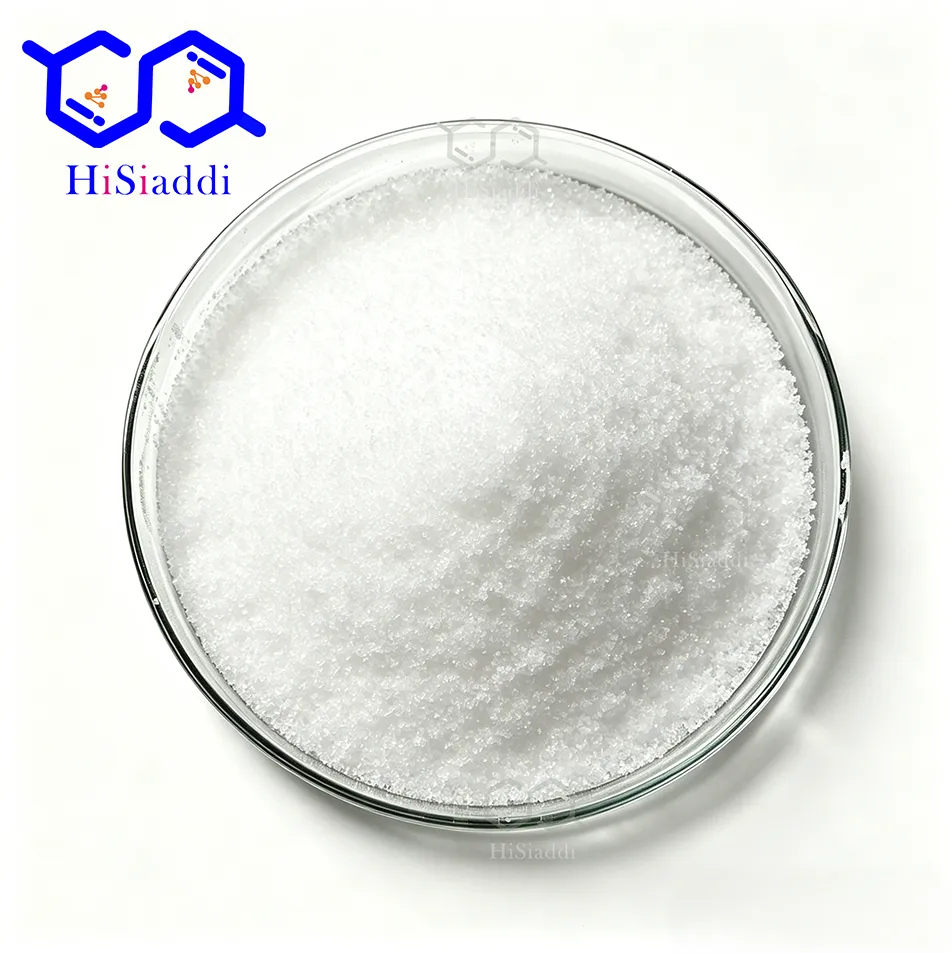
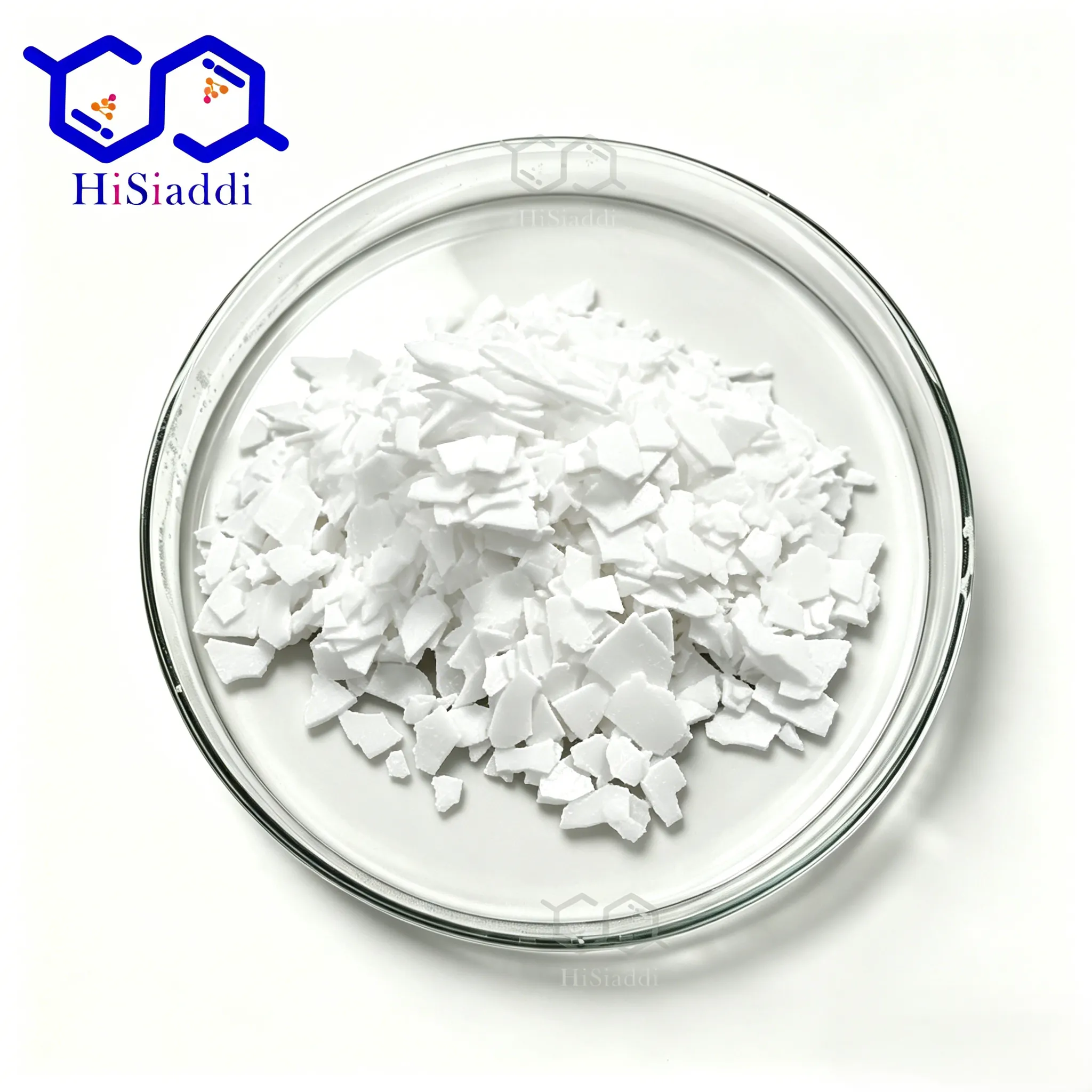
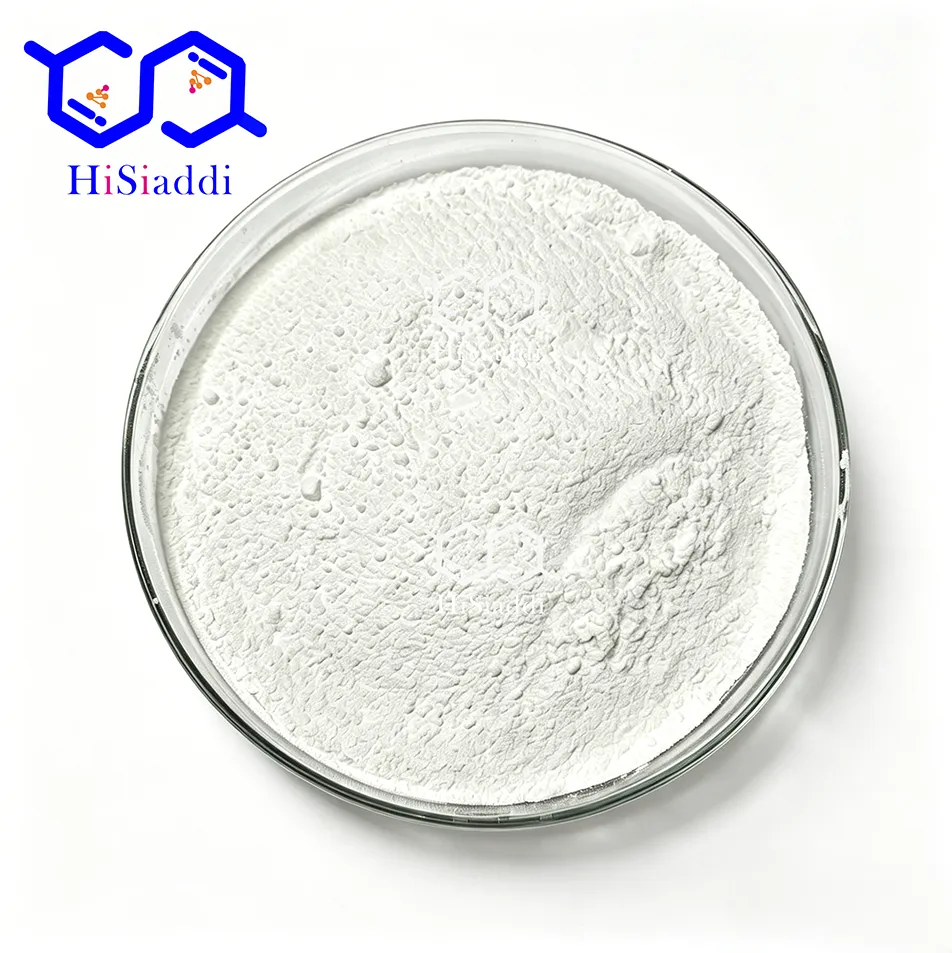
Bisphenol A Bis (diphenyl phosphate), abbreviated as BDP, is a halogen-free phosphorus-based flame retardant plasticizer with low smoke, low toxicity and migration resistance. HiSiaddi can provide original factory supplies of multiple Chinese brands and the "1+2+3+4=1" service.
Wansheng offers WS-BDP (≥99%) and WS-BDPH (high-purity grade, ≥99.5%) with phosphorus content ≥8.9%, acid value ≤0.05mgKOH/g, thermal stability ≥330℃ and low volatility, benchmarking Lanxess BDP at an 18%-22% lower price, suitable for electronic shells, automotive plastic parts and PCB manufacturers.
Luhua provides LH-BDP (≥98.5%) and LH-BDPE (electronic grade, ≥99%) with phosphorus content ≥8.8%, moisture ≤0.05%, low chromaticity and good compatibility, priced 5%-8% lower than Wansheng at the mid-end level, suitable for Middle Eastern automotive interior factories and South American small electronic part factories.
HiSiaddi Exclusive Service: Offers consultation on key indicator & cost comparison of multiple brands, PC/ABS flame retardant formula, high-temperature processing stability and halogen-free synergy scheme; provides thermal stability, phosphorus content, moisture and acid value testing; supports customization: phosphorus 8.8%-9.0%, acid value ≤0.05.
 CONTACT HiSiaddi NOW
| CAS No: | 181028-79-5 | Brand Name: | Multi-brand |
| MF: | C39H34O8P2 | Model Number: | Multi-models |
| EINECS No: | 611-829-8 | Grade: | Industrial grade |
| Purity: | 99% | Place of Origin: | China |
| MOQ: | 1ton | Storage: | Please refer to the product packaging or contact the customer service. |
When purchasing BDP as a buyer, you may encounter the following questions:
What are the key indicator advantages of major models from well‑known BDP brands and their impacts on application performance?
What competitive services can BDP suppliers provide?
What are the qualification certifications and market feedback of target BDP brands?
How about the inventory level and supply stability of BDP suppliers?
What factors should be considered when selecting BDP?
... and many other questions.
As an innovative foreign trade service provider driven by dual engines of technology commercialization and cross‑border trading in China, HiSiaddi has established a “1+2+3+4=1” service system to deliver competitive services for B‑end buyers.
Addressing these concerns, we will first answer your most critical and immediate question: from a global competition perspective, what are the key indicator advantages of renowned Chinese BDP brands and their downstream benefits?
Additionally, HiSiaddi is pleased to analyze and answer other BDP‑related questions. You may check the FAQ section and blog on our website.
For more accurate, detailed and in‑depth analysis regarding BDP selection, please feel free to contact us.
Bisphenol‑A bis (diphenyl phosphate), abbreviated as BDP, CAS No.: 5945‑33‑5, is a halogen‑free liquid aromatic phosphate ester flame retardant. China is the world's largest producer and exporter of BDP, with its production capacity accounting for over 80% of the global total. Its top overseas counterparts are Albemarle NcendX P‑30 (USA), ICL Fyrol BDP (Israel) and Daihachi Chemical CR‑741 (Japan).
Overseas buyers prioritize phosphorus content, acid value, moisture, color (APHA), thermal decomposition temperature, free phenol, viscosity, hydrolysis stability, flash point, batch consistency and compliance documentation when sourcing BDP. Core pain points of conventional BDP include hydrolysis, high acid value causing screw corrosion, high color affecting light‑colored components, and excessive free phenol leading to non‑compliant VOC emissions. Leading domestic BDP grades have fully resolved these issues and can directly substitute imported products.
HiSiaddi supplies original factory BDP from top Chinese brands tailored to diverse buyer groups. Based on export statistics, production capacity, global market share, compliance standards, long‑term procurement reputation among overseas buyers, as well as HiSiaddi's on‑site inspections and long‑term cooperation experience with major Chinese BDP manufacturers, we have shortlisted the top 5 well‑known Chinese BDP brands: Jiangsu Yake Technology, Shandong Daoer Chemical, Zhejiang Wansheng Co., Ltd., Guangdong Jintian New Materials and Anhui Aikelan Flame Retardant Materials. All brands adopt large‑scale continuous production, enabling stable bulk exports with complete English‑language documents including REACH, RoHS, SGS, UL, MSDS and COA. Domestic BDP is priced at 55%–70% of imported equivalents from Albemarle (USA) and ICL (Israel). High‑end grades match or even outperform imported products in critical indicators such as low acid value, low color, low free phenol and hydrolysis resistance, serving as a core cost‑down alternative for halogen‑free flame retardancy in overseas engineering plastics.
Below is an in‑depth breakdown of each brand.
Main Grades: BDP‑H (High‑Purity Low‑Acid High‑End Grade), BDP‑STD (Standard Export General‑Purpose Grade)
Phosphorus content ≥9.0%, flame retardancy fully consistent with imports; stable V‑0 flame retardant rating at equivalent loading rates.
Acid value ≤0.05 mgKOH/g (industry‑leading); ultra‑low acidity prevents corrosion of extrusion screws, dies and metal inserts, eliminating equipment wear during long‑term production.
APHA color ≤30, water‑white; compatible with color matching for light‑colored and transparent PC/ABS parts without extra color adjustment.
Free phenol ≤80 ppm, ultra‑low VOC; meets strict EU VOC requirements for automotive interiors and electrical & electronic products.
Moisture ≤0.05%, exceptional hydrolysis stability; no delamination or hydrolysis during long‑term storage, suitable for humid environments.
Thermal decomposition temperature ≥320℃, compatible with high‑temperature extrusion and injection molding of PC/ABS with no decomposition or fuming.
Viscosity 2800–3200 mPa·s, moderate fluidity for easy dispersion and processing
Annual capacity: 12,000 tons, 72% for export; top choice for high‑end markets in Europe, America, Japan and South Korea with world‑class batch consistency.
Cost‑Performance: High‑end positioning, priced at 70% of Albemarle NcendX P‑30 with 99% performance parity; preferred for high‑end transparent/light‑colored engineering plastics.
Target B‑End Buyers: Large‑scale European & American engineering plastic compounders, automotive plastic modification enterprises, high‑end electrical masterbatch manufacturers, copper clad laminate producers, PPO‑specialized compounders and UL‑certified modification groups
1:1 direct substitution for imported BDP from Albemarle and ICL with minimal formula adjustment; identical flame retardant and plasticizing effects
Low acid value reduces screw corrosion and equipment downtime & maintenance costs, boosting yield by 4%–7%
Low color suits transparent PC and white PC/ABS, minimizing color masterbatch debugging and waste loss
Low free phenol passes EU ELV, REACH and VOC tests, enabling access to high‑end automotive and consumer electronics supply chains
Stable annual production capacity; annual price‑lock and supply guarantee agreements available to avoid risks of raw material price hikes and supply shortages in peak seasons
Specific End‑User Benefits: Original equipment manufacturers (OEMs), laptop casings, high‑end home appliances, photovoltaic inverter housings, precision connectors and 5G communication components; delivers halogen‑free V‑0 rating, low‑smoke non‑dripping performance, hydrolysis resistance and long‑term non‑yellowing properties to meet compliance requirements of global premium brands.
Main Grades: DR‑BDP‑G (High‑Heat‑Resistant Hydrolysis‑Resistant Grade for Glass‑Filled Applications), DR‑BDP‑202 (Standard General‑Purpose Grade)
Phosphorus content ≥8.9%, acid value ≤0.08 mgKOH/g, weakly neutral; ideal for glass‑filled PC/ABS and PPO
Thermal decomposition temperature ≥315℃, resistant to high temperatures from high‑speed shearing of glass fibers with sustained flame retardancy
Enhanced hydrolysis stability for long‑term outdoor use in humid and high‑moisture environments
APHA color ≤40, compliant with most industrial and outdoor‑grade plastic components
Free phenol ≤120 ppm, meets basic VOC standards of the Middle East and Eastern Europe
Annual capacity: 9,000 tons; significant logistics advantages via China‑Europe Railway Express; top exporter to the Middle East, Russia and Eastern Europe with highly stable supply
Cost‑Performance: Mid‑to‑high‑end positioning, priced at 65% of imports; outperforms general‑purpose imported grades in glass‑filled applications with outstanding cost‑effectiveness
Target B‑End Buyer: Glass‑filled engineering plastic compounders, Middle Eastern outdoor plastic manufacturers, Eastern European auto parts compounders, general electronic masterbatch producers and small‑to‑medium copper clad laminate enterprises
Hydrolysis‑resistant formula prevents post‑production flame retardancy failure and cracking of outdoor products
Compatible with glass fiber compounding processes with high processing tolerance and stable formulations
Shipment from northern ports enables fast delivery via China‑Europe Railway Express and lower logistics costs
Significant unit price advantages for bulk procurement, ideal for mass cost reduction of outdoor products
Specific End‑User Benefits: Outdoor EV charging pile housings, automotive chassis components, Eastern European home appliance casings and outdoor communication equipment; delivers stable flame retardancy, heat‑humidity resistance and long service life.
Main Grades: WS‑BDP‑STD, WS‑BDP‑Eco (Economical General‑Purpose Grade)
Phosphorus content ≥8.8%, acid value ≤0.12 mgKOH/g, meeting global general industrial standards
APHA color ≤50, suitable for dark‑colored and black plastic components
Moisture ≤0.08%, moderate viscosity for modification of standard PC/ABS and HIPS
Annual capacity: 15,000 tons, China's largest BDP producer with extreme price advantages and the lowest bulk procurement costs
Cost‑Performance: Mid‑tier benchmark, priced at 60% of imports; meets 90% of general‑purpose halogen‑free engineering plastic applications with the highest mass‑supply cost‑effectiveness
Target B‑End Buyers: Southeast Asian general plastic compounders, Vietnamese/Indonesian home appliance casing manufacturers, Indian halogen‑free masterbatch producers, African low‑voltage electrical plastic manufacturers and small‑to‑medium electronic modification enterprises
Massive production capacity guarantees supply stability with no shortage risks in peak seasons; 7–10‑day lead time
Lowest unit procurement cost, ideal for mass cost reduction of dark‑colored home appliances and general electronic components
Stable indicators compatible with standard extrusion equipment with no need for high‑end process adjustments
Specific End‑User Benefits: General home appliance casings, socket panels, computer peripherals and low‑voltage electrical fittings; achieves halogen‑free flame retardancy and low‑smoke eco‑performance to meet basic export compliance standards.
Main Grades: JT‑BDP‑Ultra (Low‑VOC Weather‑Resistant Grade), JT‑BDP‑UV (UV‑Resistant Anti‑Yellowing Grade)
Phosphorus content ≥8.95%, acid value ≤0.06 mgKOH/g
Free phenol ≤70 ppm, industry‑leading VOC control; suitable for high‑temperature, high‑humidity and sun‑exposed environments in Southeast Asia
Outstanding UV resistance and anti‑yellowing properties; no fading or chalking after long‑term outdoor exposure
Shipment from South China port clusters (Shenzhen/Guangzhou) enables fastest delivery to Southeast Asia, Hong Kong, Macao and Taiwan
Customizable grades including low‑dust, food‑contact‑grade and low‑heavy‑metal BDP
Cost‑Performance: Mid‑to‑high‑end positioning, priced at 68% of imports; optimal compatibility with high‑end applications in Southeast Asia, Hong Kong, Macao and Taiwan
Target B‑End Buyers: Thai/Malaysian high‑end home appliance manufacturers, Hong Kong‑Macao‑Taiwan precision electronic compounders, thin‑wall transparent component masterbatch producers and Southeast Asian new energy component enterprises
Low‑VOC and low free phenol properties enable easy compliance with environmental and VOC tests across Southeast Asian countries
UV and anti‑yellowing properties suit air‑conditioner housings, small home appliances and outdoor consumer electronics
Fast South China sea freight reduces inventory turnover pressure
Specific End‑User Benefits: Southeast Asian air‑conditioner housings, high‑end small home appliances, outdoor power supply components and precision consumer electronics; dual compliance with halogen‑free eco‑standards and weather‑resistant flame retardancy requirements.
Main Grades: AKL‑BDP‑LowAcid (Ultra‑Low‑Acid Grade), AKL‑BDP‑Food (Food‑Contact‑Grade BDP)
Phosphorus content ≥8.9%, acid value ≤0.04 mgKOH/g, ultra‑low acidity for injection molding with precision metal inserts
Specially enhanced hydrolysis stability for rainy and humid climates in South America
Customizable special‑grade BDP including UL94‑specialized, low‑heavy‑metal, food‑contact‑grade and non‑blooming grades
In‑depth market presence in South America and Australia with complete local compliance documents, carbon footprint reports and ESG materials
Cost‑Performance: Mid‑tier custom‑oriented positioning, priced at 63% of imports; outstanding cost‑effectiveness for special compliance applications
Target B‑End Buyers: Latin American plastic compounders, Australian halogen‑free flame retardant enterprises, food‑contact‑grade plastic manufacturers and medical low‑voltage electrical masterbatch producers
Ultra‑low acid value prevents precision metal component corrosion, suitable for high‑end electronic and medical fittings
Customizable indicators precisely meet strict environmental regulations of South America and Australia
Food‑contact‑grade grades applicable to contact parts of small home appliances, expanding high‑end product categories
Specific End‑User Benefits: South American home appliances, Australian outdoor goods, food‑contact‑grade plastic components and medical low‑voltage fittings; halogen‑free compliance, safety, environmental protection and long‑term stability.

| Comparison Dimension | Jiangsu Yake BDP‑H | Shandong Daoer DR‑BDP‑G | Zhejiang Wansheng WS‑BDP‑STD | Guangdong Jintian JT‑BDP‑Ultra | Anhui Aikelan AKL‑BDP‑LowAcid |
| Product Positioning | High‑end high‑purity low‑acid grade, substitute for original Albemarle/ICL products | Mid‑to‑high‑end glass‑filled hydrolysis‑resistant specialized grade | Mid‑tier general‑purpose economical mass‑supply grade | Mid‑to‑high‑end low‑VOC weather‑resistant UV‑resistant grade | Mid‑tier special‑grade ultra‑low‑acid compliance‑customized grade |
| Phosphorus Content | ≥9.0% | ≥8.9% | ≥8.8% | ≥8.95% | ≥8.9% |
| Acid Value (mgKOH/g) | ≤0.05 | ≤0.08 | ≤0.12 | ≤0.06 | ≤0.04 |
| APHA Color | ≤30 | ≤40 | ≤50 | ≤35 | ≤38 |
| Free Phenol (ppm) | ≤80 | ≤120 | ≤150 | ≤70 | ≤75 |
| Thermal Decomposition Temperature | ≥320℃ | ≥315℃ | ≥310℃ | ≥318℃ | ≥316℃ |
| Moisture | ≤0.05% | ≤0.06% | ≤0.08% | ≤0.05% | ≤0.06% |
| Core Competitive Advantages | Ultra‑stable batches, low acid/color/phenol, hydrolysis resistance, compatibility with European & American high‑end applications | Glass fiber compatibility, hydrolysis resistance, logistics advantages for Eastern Europe & Middle East | Largest capacity, lowest price, most stable supply | Low‑VOC UV resistance, fast South China logistics, Southeast Asian compatibility | Ultra‑low acid value, food‑grade customization, full compliance for Latin America & Australia |
| Price vs. Imports | 70% | 65% | 60% | 68% | 63% |
| Key Export Regions | Europe, America, Japan, South Korea | Middle East, Eastern Europe, Russia | Southeast Asia, India, Africa | Southeast Asia, Hong Kong, Macao, Taiwan | Latin America, South America, Australia |
| Core B‑End Buyers | Large automotive/new energy/high‑end electronic compounders | Glass‑filled PC/PPO manufacturers, outdoor product producers | General PC/ABS compounders, dark‑colored home appliance manufacturers | Southeast Asian high‑end home appliance & thin‑wall transparent component enterprises | Latin American special‑grade plastic & food‑contact‑grade manufacturers |
| Core Downstream B‑End Benefits | 1:1 import substitution, high yield, stable formulations, high‑end VOC compliance | Hydrolysis resistance, stable glass fiber processing, bulk cost reduction | Lowest cost, short lead time, massive capacity guarantee | Low‑VOC anti‑yellowing, optimal sea freight efficiency, simplified compliance | Ultra‑low acid corrosion prevention, customized indicators, compliance with regional special regulations |
| End‑User Applications | Automotive OEMs, 5G electronics, photovoltaic inverters, high‑end home appliances | Outdoor EV charging piles, automotive chassis parts, Eastern European home appliances | General home appliances, computer peripherals, low‑voltage electrical fittings | Southeast Asian air‑conditioners, outdoor power supplies, precision consumer electronics | South American home appliances, Australian outdoor goods, food‑contact‑grade components |
| Direct Overseas Counterparts | Albemarle NcendX P‑30, ICL Fyrol BDP | ICL general‑purpose BDP | Imported economical BDP | Albemarle weather‑resistant BDP | Imported special‑grade compliance BDP |
Performance: Top 5 Chinese leading BDP grades fully match imported products in phosphorus content, thermal stability and flame retardancy efficiency; high‑end grades outperform overseas original products in acid value, color, free phenol and hydrolysis resistance, fully meeting global high‑end application requirements.
Cost: Domestic BDP is priced at only 55%–70% of imports, delivering an overall cost reduction of 30%–45% for bulk procurement.
Production Capacity & Supply Chain: China holds a global monopoly on BDP production capacity with stable continuous manufacturing, avoiding issues faced by overseas brands including price hikes, supply shortages, long lead times and high minimum order quantities.
Customization Capability: Chinese manufacturers rapidly develop custom grades including ultra‑low‑acid, low‑VOC, UV‑resistant, food‑contact‑grade and glass‑fiber‑specialized BDP; overseas brands feature long customization cycles and extremely high prices.
Compliance: All top 5 brands provide complete REACH, RoHS, SGS, UL, COA and MSDS documentation, compatible with customs clearance, factory audits and end‑brand qualification reviews worldwide.
HiSiaddi is a new type of foreign trade service provider driven by both technology transformation and foreign trade business. It has built a "1+2+3+4=1" product service system: 1 foreign trade salesperson with over 3 years of experience, 2 R&D teams, 3 high-quality suppliers, and 4 warehouses to fulfill each product demand.
With this service system, HiSiaddi surpasses most foreign trade enterprises in R&D optimization and technical processes of BDP, outperforms individual manufacturers in capturing market demands and competitive edges of different BDP brands, and has a deeper understanding of the BDP foreign trade market than research institutes.
HiSiaddi only recruits foreign trade sales staff with more than 3 years of working experience. All salespeople must complete over 6 months of joint training by the R&D team and foreign trade team before serving clients.
(1)BDP Basic Support Services
Backed by the foreign team and corporate service system, we provide customers with one-stop full-process document processing services, including but not limited to the issuance and handling of all BDP compliance certificates, as well as the provision of third-party test reports and follow-up solutions for quality complaints.
(2)BDP Exclusive Value-Added Services
Supported by the R&D team, we deliver product customization and technical consulting services to clients, including but not limited to core index matching and cost analysis of all BDP brands, plus regular sharing of BDP market trends.
We carry out in-depth cooperation with raw material manufacturers through technology transformation, and maintain close internal collaboration with the foreign trade team to deliver technical training for sales personnel, enabling professional customization of BDP and offering research-level consulting for BDP brand matching and application optimization.
(1)BDP Research-Grade Customization Services
Customized service with ultra-low acid value, low chroma and low free phenol indicators: The core pain points of overseas buyers are high acid value causing equipment corrosion, high chroma affecting transparent parts and excessive free phenol leading to unqualified VOCs. We cooperate with manufacturers to customize high-end BDP with acid value ≤0.03 mgKOH/g, APHA ≤25 and free phenol ≤50ppm, matching strict standards of automotive interior and 5G precision electronic products.
(2)BDP Research-Grade Consulting Services
Anti-hydrolysis and glass fiber system special optimization service: Optimize particle size and dispersibility of BDP for glass fiber reinforced PC/PPO and outdoor humid environments to avoid substrate hydrolysis and flame retardant failure; provide free sample comparison testing to screen optimal grades matching glass fiber shearing processes.
Our foreign trade team and R&D team work collaboratively. Through preliminary market research, factory site visits, product testing, in-depth technical cooperation and product procurement partnerships, we select around 3 reliable, stable, reputable manufacturers with great development potential.
(1) Initiative to Secure Lower Raw Material Prices
Long-term cooperation via technology transfer and exclusive agency enables us to obtain factory direct supplies at more competitive prices.
(2) BDPLong-Term Supply Chain Assurance Services
Long-term technical and agency cooperation strengthens full production supervision, full-lot traceability, stable batch quality control, and compensation guarantees for products failing third-party inspections.
We have 4 warehouses, which are jointly operated and managed with suppliers to store hot-selling products.
(1)BDP Fast Local Delivery & On-Site Problem Resolution
The four warehouses are located at Qingdao Port in North China, Ningbo Port in East China, Shenzhen Port in South China and Zhengzhou, the inland logistics hub, to ensure timely delivery of BDP. On-site staff can resolve transport accidents, packaging defects and export compliance issues locally once BDP encounters abnormal situations.
(2) BDP Price Stabilization & Custom Packaging Support
We stock goods in advance during peak seasons with drastic price fluctuations to ease price volatility. Self-operated warehouses support customized packaging and label solutions to meet personalized customer demands.
testtesttesttesttesttesttest
As a new-type service provider driven by dual engines of technology transformation and professional service, HiSiaddi has established a "1+2+3+4=1" service system and can supply original factory materials of multiple well-known brands for BDP. As a new-type supplier with R&D capabilities, HiSiaddi has repeatedly resolved customers’ customized BDP requirements and delivered formulation optimization solutions through technological transformation partnerships with manufacturers and precise insight into market demands. Below are HiSiaddi’s case studies on customized BDP development and formulation optimization consultation.
Case 1: Customized BDP with Low Free Phenol, Low Hydrolyzable Phosphorus Alcohol Impurities and Low High-Temperature Precipitation Complying with EU REACH & RoHS for a Leading New Materials Group in Lyon, France (PC/ABS Automotive Interior Compounds, Glass-Filled PBT Connectors, Epoxy Electronic Potting Adhesives)
Customer Background
A listed Western European automotive electronics new materials group headquartered in Lyon, France, with three core product lines: flame-retardant PC/ABS alloys for passenger car instrument skeletons, glass-reinforced flame-retardant PBT for automotive connectors, and high-temperature resistant epoxy potting resins for miniature electronic components. Its products are designated for long-term procurement by Peugeot and Renault for vehicle interior parts, mass-purchased by local French electronic component manufacturers, and supplied as raw materials for precision instrument potting across Western Europe.
BDP is a macromolecular solid aryl phosphate flame retardant featuring stable phosphorus content and a heat resistance temperature up to 290°C. Its bisphenol A backbone improves compatibility with engineering plastics, prevents migration and precipitation of small molecules, and delivers both flame retardancy and plasticization effects. It is often compounded with zinc borate CF to achieve phosphorus-boron synergistic flame retardancy, making it the mainstream grade for halogen-free flame retardant systems in PC/ABS and PBT modification. Unlike liquid RDP, solid BDP avoids excessive softening and overflow of resin under high-temperature injection molding conditions during solid feeding, making it suitable for high-temperature injection molding processes.
In 2024, European raw materials including phosphorus oxychloride, industrial phenol and bisphenol A were constrained by multiple factors: environmental production limits at France’s phosphorus chemical parks, overhaul of phenolic intermediate facilities in Germany, and tight shipping space on Mediterranean shipping routes. High-purity electronic-grade BDP from BASF was fully out of stock across Europe. Crude industrial-grade BDP available on the market contained high residual free phenol, acidic phosphorus impurities generated by hydrolysis of monophosphates, and incompletely cyclized short-chain phosphate byproducts. Free phenol volatilized during twin-screw extrusion at high temperatures and corroded equipment inner walls, causing oily spots and stains on molded part surfaces. Acidic phosphorus impurities catalyzed premature hydrolysis and caking of epoxy resins during storage, rendering them scrapped. High-temperature migration of small-molecule byproducts led to failure of the glow wire test for modified plastics, disqualifying the parts from EU automotive component access standards.
Hindered by poor raw material quality, the customer’s three core production lines simultaneously cut output by 38%. Delivery delay warnings emerged successively for annual automotive interior frame orders and fixed procurement orders for electronic connectors in France. Compliance-qualified safety stock of BDP only supported 7 consecutive days of continuous production. The group launched a global tender for suppliers, and submitted samples to its central testing laboratory for 24 full-dimensional physical, chemical and application tests covering active ingredient content, free phenol, acid value, phosphorus content, TGA thermogravimetric analysis, high-temperature precipitation at 280°C, glow wire test of PC/ABS samples, epoxy storage stability, and screening of REACH restricted substances. Special working groups consisting of supply chain procurement, polymer modification R&D and EU automotive electronics compliance teams conducted on-site factory audits, verifying continuous esterification production line configuration, toluene-water multi-stage countercurrent extraction units, vacuum thin-film solvent removal equipment, full-process quality control traceability systems, and mass supply capacity of ten-thousand-ton scale one by one. Long-term directional customized cooperation was finalized after multiple rounds of horizontal data comparison, on-site production condition verification and business clause negotiation.
Mandatory technical indicators for automotive electronic-grade BDP set by the customer:
Off-white solid particles
Main active component ≥99.1%
Free phenol ≤24 ppm
Product acid value ≤0.07 mgKOH/g
Phosphorus content ≥8.95%
Onset thermal decomposition temperature ≥288°C
Precipitate at constant 280°C for 2 h ≤0.05%
Glow wire temperature of PC/ABS test specimens ≥850°C
No delamination or caking of epoxy potting adhesive after sealed storage at room temperature for 90 days
Compliant with four EU regulations: REACH, RoHS, ELV, WEEE
No attenuation of particle flowability or flame retardant efficiency after sealed storage away from light at ambient temperature for 12 months
Initial customized purchase order: 55 tons, split into gradient-packed test samples of 2.1 kg each for small-scale twin-screw modification of PC/ABS, injection molding commissioning of glass-filled PBT, epoxy potting formulation verification and long-term high-temperature retention samples. The overall delivery cycle was fixed at 43 calendar days. A full set of fully English compliance documents were delivered: SDS safety data sheets, original HPLC and GC test chromatograms, special free phenol ledgers, thermogravimetric test reports, third-party glow wire test certificates, raw material traceability documents, and official compliance statements for multiple categories.
Core customer pain points: Free phenol corroded extrusion equipment and caused precipitated stains on finished parts; acidic impurities triggered epoxy resin caking and scrappage; small-molecule byproducts reduced glow wire performance, blocking access to the EU automotive supply chain.
Eight Subdivided Technical Challenges for Customization
The reversible cyclization esterification reaction of phosphorus oxychloride with phenol and bisphenol A leads to high difficulty in free phenol removal. Phenol has a wide solubility range in toluene and water, and single solvent extraction only removes 51% of free phenol. Toluene fractional extraction combined with selective phenolic adsorption resin fixed beds is required for dual impurity removal, while multi-stage refining continuously reduces finished product yield, imposing strict control over the balance of active content, free phenol and production cost.
Hydrolysis of monophosphates generates acidic phosphorus impurities; trace acidic components readily catalyze epoxy hydrolysis. Terminal weak alkaline buffer neutralization and precision pressure filtration are adopted, with a narrow adjustable pH tolerance range for the system—minor fluctuations directly cause excessive product acid value.
Batch control of high-temperature precipitation performance is cumbersome; incompletely cyclized short-chain phosphates are the root cause of high-temperature precipitation. Precise segmented negative pressure rectification cuts light-component byproducts, and minor deviations in vacuum and temperature control parameters will directly raise high-temperature precipitation values.
Phosphorus content stability directly correlates with glow wire flame retardant indicators. The customer stipulated glow wire fluctuation of modified samples from the same batch ≤30°C. Fixed raw material feeding ratios and segmented temperature rise curves for esterification are adopted in mass production, with online regular liquid phase and phosphorus content monitoring.
Strict control over particle size uniformity: excessively coarse particles cause fish-eye defects during modification and dispersion, while excessively fine particles lead to dust generation, bridging and feeding blockages. Low-temperature granulation and classification control the particle size distribution range.
Dual compliance for EU automotive and electronics sectors: glow wire and ELV hazardous substance tests must be completed by authoritative laboratories in France, as domestic test reports cannot be accepted by French customs and complete vehicle brands, leading to lengthy cycles for document translation and overseas compliance filing.
BDP particles absorb moisture and easily agglomerate after moisture absorption. Double-layer sealed packaging with PE inner film iron drums and constant temperature & humidity control in shipping containers are adopted for ocean transportation.
Tight full-link performance delivery within 43 days, covering multiple connected links: air freight of test samples, parallel small-batch formulation trials for three product types, continuous esterification mass production of 55 tons, full precision physical, chemical and flame retardant testing, compilation and review of full compliance documents, export customs declaration and loading. Production lines adopt 24-hour three-shift operation with full-process quality control.
Full-Module Solutions Implemented by HiSiaddi
We integrated domestic designated fine chemical factories for aryl phosphate flame retardants, EU-authorized third-party testing institutions for automotive electronics, local French automotive compliance consultants and solid powder hazardous chemical ocean freight service providers, dividing the project into seven special teams to tackle optimization tasks including esterification synthesis, multi-stage countercurrent toluene-water extraction, free phenol resin adsorption removal, acidic phosphorus impurity neutralization and filtration, low-temperature finished product granulation and classification, compliance document compilation, and constant temperature sealed storage & transportation.
At the esterification stage, phenol and bisphenol A raw materials were pre-rectified for impurity removal and dehydration. The molar feeding ratio of phosphorus oxychloride was precisely controlled, and low-temperature segmented stepped temperature control was applied for cyclization esterification, raising the total conversion rate of three-step esterification to 99.3%, thus reducing the initial stock of free phenol and short-chain acidic phosphorus byproducts from the source. Crude ester entered three-stage gradient alternating countercurrent extraction with toluene and warm water, stripping free monomers layer by layer relying on the solubility difference of phenol in the two-phase solvent. Semi-finished products after extraction passed through a phenolic selective adsorption resin fixed bed to capture residual trace phenol. Trace acidic impurities were precisely neutralized via the terminal buffer system followed by precision filtration. The final finished product achieved an active content of 99.33%, free phenol of 17 ppm and acid value of 0.05 mgKOH/g, with phosphorus content reaching 9.02%, all exceeding the customer’s technical specifications.
Refined semi-finished products underwent sealed high-vacuum thin-film solvent removal at 285°C for 3 hours to eliminate residual low-molecular-weight byproducts, resulting in a measured high-temperature precipitation of 0.03% at 280°C for finished products.
For performance control, samples were taken every 12 minutes from mass production lines to test phosphorus content and glow wire data of small specimens, with dynamic fine-tuning of rectification fraction cutting parameters. Glow wire fluctuation of mass-produced batches was controlled within 22°C, meeting batch consistency standards.
Finished products were granulated via low-temperature water cooling and sorted by roller classification to obtain uniform particles, eliminating fish-eye defects during modification processing and ensuring smooth feeding without bridging or blockages.
For compliance work, local certified French laboratories were commissioned to complete full testing for automotive ELV, WEEE and glow wire requirements. Compliance specialists collaborated with local automotive regulatory consultants to organize a full set of English test ledgers, SDS and impurity analysis reports, reviewed by legal and compliance teams from both parties. The complete documents can be directly used for raw material customs clearance in Lyon and supplier qualification filing for Peugeot and Renault complete vehicles.
For storage and transportation, closed iron drums lined with PE inner bags were adopted for sealed packaging. Ocean shipping containers were maintained at a constant temperature of 22±3°C with internal humidity ≤50%, with real-time remote temperature and humidity monitoring to avoid particle agglomeration caused by moisture absorption.
After all indicators of test samples passed verification, full-load continuous mass production was launched. Dedicated technical specialists provided 7×24-hour follow-up support for feedback from small-batch trials on the customer’s three production lines. Particle packaging, full physical and chemical testing, handover of compliance documents and ocean loading & shipment were completed on the 41st day of the project.
Final Project Outcomes
The delivered BDP passed one-time full incoming physical & chemical sampling inspection, automotive electronics compliance verification and actual production trials on the customer’s modification and epoxy production lines in Lyon. Flame-retardant PC/ABS automotive interior parts ran smoothly during extrusion without equipment corrosion or oily precipitated stains on product surfaces, with stable glow wire performance reaching 850°C to resume full-year fixed supply for Peugeot and Renault interior components. Glass-reinforced PBT automotive connector injection molding produced no fish-eye defects, complying with environmental access standards for French automotive parts. Epoxy electronic potting adhesives maintained stable storage without delamination or caking, supporting stable supply to precision component manufacturers across Western Europe.
The customer purchased a total of 74 tons of BDP stably throughout the year, listing our product as a core grade in its global procurement portfolio. Both parties jointly developed ultra-high-purity low-precipitation BDP dedicated to automotive modification. We provided monthly updates on EU ELV and RoHS regulatory revisions, as well as formulation optimization guidance for BDP-zinc borate CF phosphorus-boron synergistic flame retardant compounding.
Case 2: Closed-Loop Rectification of Defects Caused by Crude BDP at an Automotive Modified Plastic & Epoxy Potting Processing Plant in Chonburi, Thailand
Customer Background
A local medium-sized automotive electronics new materials factory in Chonburi, Thailand, specializing in economical PC/ABS interior modified compounds for Japanese automotive supporting systems and epoxy potting resins for small and medium power supplies. Its products supply automotive component industrial parks around Chonburi and small-to-medium electronic manufacturers across Thailand.
In 2024, the enterprise cut raw material procurement costs by bulk purchasing low-cost crude industrial-grade BDP to replace the original refined grade. After full-scale feeding of the new raw material, frequent failures occurred on two production lines: the barrel of twin-screw extruders suffered pitting corrosion from phenol, and dense oily precipitated spots appeared on PC/ABS product surfaces; epoxy potting adhesives delaminated and caked within 15–20 days of warehousing and became unusable; phosphorus content varied drastically across batches, leading to excessive fluctuation of glow wire parameters and disqualification for export to Southeast Asian complete vehicle manufacturers; raw materials absorbed moisture and agglomerated during open storage, causing frequent feeding blockages and production line shutdowns. The overall defective rate of finished products reached 29.7%, and multiple batches of automotive orders failed flame retardant and environmental protection sampling inspections, resulting in mass returns. Repeated adjustments to processing temperatures and additional synergistic flame retardant dosing failed to resolve the issues, prompting the customer to request urgent on-site rectification support within 5 days.
Seven Root Causes of On-Site Quality Failures
Crude BDP lacked multi-stage solvent extraction and resin phenol removal refining processes, leading to free phenol >225 ppm and excessive acidic phosphorus impurities, triggering three concurrent problems: equipment corrosion, product precipitation and epoxy caking.
High content of incompletely cyclized short-chain phosphate byproducts caused severe high-temperature precipitation and drastically reduced flame retardant glow wire performance.
Main active ingredient content was below 97.3%, with phosphorus content fluctuation exceeding 0.8%, resulting in inconsistent flame retardant indicators across batches.
No low-temperature granulation and classification process, leading to irregular particle size, poor dispersion during modification, fish-eye defects and frequent feeding blockages.
Packaging lacked sealed moisture-proof treatment; Thailand’s year-round high temperature and humidity rapidly caused moisture absorption and agglomeration of particles.
Raw material incoming inspection only relied on visual appearance checks without physical and chemical sampling tests for free phenol and phosphorus content, leading to full-scale production of unqualified raw materials.
Open barrel feeding operations in the workshop caused powder to continuously absorb water vapor from ambient air, further degrading material quality.
Tiered Rectification Implementation Details
Immediately suspend all stock crude BDP and fully switch to our automotive electronic-grade low-precipitation refined BDP.
Establish an independent constant-temperature sealed raw material warehouse for solid phosphorus-based flame retardants equipped with industrial dehumidification and temperature control equipment, maintaining warehouse temperature at 23–33°C and ambient humidity ≤62%. Iron drums are stored in sealed partitions with strict first-in-first-out inventory management.
Mandate five compulsory incoming raw material inspection items: active ingredient content, free phenol, acid value, phosphorus content and small-specimen glow wire testing. Any batch failing a single indicator shall be fully rejected.
Optimize BDP addition ratios, zinc borate synergist compound proportions, and extrusion/potting temperature control parameters for the modified plastic and epoxy potting production lines respectively.
Shorten the open exposure duration of raw materials after barrel opening, and install rainproof and dust barriers in feeding zones.
Compile a standardized operation manual covering BDP warehouse management, incoming inspection, feeding procedures and production abnormal disposal, and deliver special practical training for all posts.
Rectification Outcomes
All product quality failures were completely eliminated. Extrusion equipment ceased corrosion, no oily precipitated spots remained on plastic products, epoxy potting adhesives maintained stable long-term storage without delamination, and all glow wire and environmental protection indicators passed inspections for export clearance. Uniform particles enabled smooth feeding without blockages, and the overall finished product defective rate dropped to 0.57%. All returned automotive orders were restarted and delivered.
The Chonburi enterprise repurchased a total of 41 tons of BDP across all grades throughout the year, establishing long-term cooperation covering regular supply, quarterly on-site process inspections and interpretation of automotive flame retardant regulations for Southeast Asia.
Lead time
Quantity (ton) | 0 - 10 | 10 - 30 | > 30 |
Lead time (days) | 7 | 15 | To be negotiated |
The monthly inventory volume of BDP is 10 tons, with appropriate adjustments upwards or downwards in response to peak and off-peak seasons.
HiSiaddi safeguards the supply stability of BDP through the following measures:
(1) Performance evaluation and screening of BDP brand factories based on on-time delivery rate, batch pass rate, timeliness of risk alerts, and completeness of documentation to assess their supply stability.
(2) For each mainstream model or major grade of BDP, secure 1 primary high-quality brand manufacturer and 2 backup high-quality manufacturers.
(3) Each factory operates independent production lines in separate production zones to prevent production halts caused by major unforeseen incidents such as environmental production suspensions and power outages.
Through long-term cooperation with brand manufacturers via technology commercialization and authorized distribution channels, HiSiaddi can effectively strengthen supervision over the production processes of brand manufacturers, optimize full-process traceability management, improve batch stability control, and further reinforce real-time monitoring of the supply stability of BDP products.
Long-term Annual Framework Supply Guarantee Agreement. HiSiaddi signs 12-month long-term agreements with leading manufacturers. The agreements specify the minimum guaranteed supply volume, maximum price hike range, and priority production scheduling rights during peak seasons. It is stipulated that manufacturers shall issue a 30-day prior written notice if production is suspended due to environmental rectification or equipment maintenance, and backup manufacturers will be activated to replenish goods accordingly.
We have 4 warehouses, which are jointly operated and managed with suppliers to store hot-selling products.The four warehouses are located at Qingdao Port in North China, Ningbo Port in East China, Shenzhen Port in South China, and Zhengzhou, China’s inland logistics hub. This setup guarantees sufficient supply and timely shipment of BDP during peak seasons.
HiSiaddi issues a rolling demand forecast covering the subsequent three months on the 25th of each month, allowing manufacturers to reserve production capacity in accordance with the forecast. Any new urgent orders from overseas clients will be prioritized to draw on inventories or production capacity from backup manufacturers.
Unstable logistics for BDP will extend delivery lead times. HiSiaddi has established alternative arrangements covering multiple freight forwarders, ports and transportation solutions:
(1) Binding of multiple professional chemical freight forwarders for BDP
Each product is assigned 2 to 3 freight forwarders with hazardous chemical/food transport qualifications affiliated with different shipping lines. Alternative sailing schedules can be switched to immediately in case of space shortages or customs inspections on a single shipping route.
(2) Backup transportation solutions for BDP
Ocean freight serves as the standard mode; air freight and rail freight are reserved as alternatives for urgent orders. Long-term agreements for temperature-controlled containers are signed for temperature-sensitive and perishable food additives to secure shipping space.
(3) Visual tracking and digital early warning for BDP
Freight forwarders synchronize daily updates on container loading, customs declaration, vessel loading and port arrival milestones. If customs inspection occurs, replenishment from backup inventory will be initiated immediately to shorten client waiting periods.
Full-chain digital early warning automatically monitors four categories of risks:
Factory side: Expiring supplier environmental assessment certificates, renewal of production permits, scheduled major equipment overhauls, and notifications of price hikes for upstream raw materials;
Inventory side: Inventory falling below safety thresholds, excessive inventory age, and batches failing quality inspection;
Logistics side: Shipping line space shortages, strikes at destination ports, and updates to customs policies;
Overseas side: Revisions to additive regulations and adjustments to import restriction lists in target countries.
Early warning notifications are automatically pushed to procurement and business leads, allowing backup suppliers or inventory contingency plans to be activated in advance.
As a new-type foreign trade service provider driven by dual engines of technology transformation and export trading, HiSiaddi has established a "1+2+3+4=1" service system and can supply original factory goods of multiple well-known BDP brands.
As a technology R&D-focused foreign trade service provider, HiSiaddi avoids the biased brand promotion common to single-brand factories. We objectively analyze multiple Chinese brands with strong export competitiveness and share their qualification certifications and market feedback to help buyers make more efficient, stable purchasing decisions.
If you require more authentic, objective information on multiple well-known Chinese BDP brands, please contact HiSiaddi customer service.
· WS-BDP-995 (General Grade): Purity ≥99.5%, phosphorus content 8.9%–9.1%, thermal decomposition temperature ≥300°C
· WS-BDP-998 (Electronic/Automotive Grade): Purity ≥99.8%, total metal ions ≤3 ppm, chloride ions ≤5 ppm, thermal decomposition temperature ≥330°C
· WS-BDP-998H (High Hydrolysis-Resistant Premium Grade): 40% improved hydrolysis stability, suitable for new energy battery compartments and outdoor electronics
1. Widest global customer coverage: Exports account for over 50% of total output, supplying Covestro, SABIC, LG Chem, Kingfa Science & Technology, Minth Group and other major enterprises.
2. Benchmark automotive-grade recognition: IATF16949 certified, with 5-year exclusive supply agreements signed with Faway Group and Minth Group, boasting zero failure records in vehicle assembly applications.
3. Preferred supplier for high-end PC/ABS alloys: Captures over 35% market share in premium PC/ABS alloys, with inter-batch color difference ≤0.5 grade and 12% lower volatility compared to imported alternatives.
4. Reliable delivery network: Three production bases in Zhejiang, Jiangsu and Shandong support 7-day fast delivery with robust supply guarantee capacity during peak demand seasons.
✅ EU REACH Registration: All grades fully registered, Registration No.: 01-2119458067-45-0001 ✅ US UL94 V-0 Certification: Valid for grades 998/998H, Certification No.: E47628 ✅ RoHS, REACH & SVHC Compliance: Full-batch SGS testing confirming halogen-free and heavy-metal-free formulation ✅ ISO9001/14001/45001 Triple Management System Certifications ✅ Recipient of Kingfa Science & Technology’s 2025 "Technology Innovation Award" – the only BDP supplier honored with this distinction
· YK-BDP-E998 (Electronic Grade): Purity ≥99.85%, total metal ions ≤2 ppm, thermal decomposition temperature ≥342°C (industry-leading)
· YK-BDP-N995 (New Energy Special Grade): Low smoke density, 125°C high-temperature resistance, designed for power battery modules and housings
· YK-BDP-G990 (General Industrial Grade): Cost-effective formulation for standard PC/ABS and PPO/HIPS applications
1. Breakthrough semiconductor packaging certification: Passed qualification for TSMC Nanjing Fab with small-batch supply, commanding a 31% price premium; the only domestic BDP brand admitted to high-end semiconductor supply chains in China.
2. Locked supply for top new energy manufacturers: Certified for CATL Kirin 3.0 batteries, with bulk procurement by Gotion High-Tech and Farasis Energy; penetration rate exceeds 40% in battery flame retardant applications.
3. Industry-leading thermal stability: Grade E998 achieves 5% weight loss at 342°C, 8–10°C higher than imported competitors, suited for high-temperature manufacturing processes of high-speed copper clad laminates.
4. Strong overseas reputation: European CCL clients rate its batch consistency superior to Japan’s ADEKA, with European export volume surging 28% in 2025.
✅ EU REACH Registration: All grades fully registered ✅ US UL94 V-0 Certification: Valid for grades E998/N995, Certification No.: E52196 ✅ TSMC Class-A Supplier Certification for semiconductor packaging materials ✅ IATF16949 Automotive Industry Certification for new energy vehicle components ✅ ISO9001/14001/45001 Triple Management System Certifications
· RY-BDP-995 (Flagship Export Grade): Purity ≥99.5%, acid value ≤0.05 mgKOH/g, compatible with PC/ABS and PVC
· RY-BDP-998 (Premium Export Grade): Purity ≥99.8%, total metal ions ≤5 ppm, fully REACH & SGS certified
· RY-BDP-995W (Hydrolysis-Resistant Grade): 30% enhanced hydrolysis stability for outdoor construction materials and home appliance housings
1. Top market share in mid-tier European & American segments: Exports account for 39.8% of total output, delivering balanced cost-performance and stable quality at 15%–20% lower prices than Japanese and American brands.
2. Qualified supplier for BASF and Dow Chemical: Long-term bulk supply with a 99.97% batch pass rate.
3. Preferred choice for Southeast Asia & Middle East markets: ASEAN exports rose 35% in 2025, matching local demand for home appliances and automotive interior parts.
4. Flexible delivery solutions: Multiple packaging options (250kg drums, 1250kg IBC totes, bulk tankers) with fast response for small orders starting at 1 metric ton.
✅ EU REACH Registration: All grades fully registered ✅ US UL94 V-0 Certification: Valid for grade 998 ✅ RoHS, REACH & SVHC Compliance: Full-batch SGS testing ✅ ISO9001/14001/45001 Triple Management System Certifications ✅ National High-Tech Enterprise & Anhui Specialized, Refined, Distinctive & Innovative (SRDI) Enterprise Accreditations
· MR-BDP-995 (General Flame Retardant Grade): Purity ≥99.5%, delivers 25% higher flame retardant efficiency when compounded with brominated flame retardants, optimized for engineering plastic alloys
· MR-BDP-998 (High-Clarity Grade): Haze ≤1.5%, ideal for premium transparent PC/ABS and optical-grade materials
· MR-BDP-995F (Low-Smoke Grade): 30% reduced smoke density for rail transit and public building interior applications
1. Pioneering bromine-phosphorus compound technology: Synergistic formulation with in-house brominated flame retardants cuts required loading by 40% and reduces overall material costs by 18%, widely favored by plastic modifiers.
2. Strong reputation for automotive interiors: Low VOC and low odor formulation passed odor testing standards of Volkswagen and Toyota; automotive-sector exports grew 22% in 2025.
3. Stable supply chain: Self-owned salt field resources deliver high raw material self-sufficiency, mitigating price volatility by 5%–8% versus peer manufacturers.
4. Recognition for premium transparent materials: Grade 998 matches the clarity of Japan’s ADEKA for high-end electronic housings at a 12% price discount.
✅ EU REACH Registration: All grades fully registered ✅ US UL94 V-0 Certification: Valid for grades 995/998 ✅ RoHS, REACH & SVHC Compliance: Full-batch SGS testing ✅ ISO9001/14001/45001 Triple Management System Certifications ✅ National High-Tech Enterprise & Shandong SRDI Enterprise Accreditation (endorsed by Shouguang Municipal People’s Government)
· ProFlame-P249 (Standard Export Grade): Purity ≥99.5%, phosphorus content ≥8.9%, REACH certified, flagship product for European markets
· ProFlame-P249H (High-Temperature Resistant Grade): Thermal decomposition temperature ≥320°C, suited for high-speed CCL and automotive engine peripheral components
· ProFlame-P249L (Low-Viscosity Grade): 20% reduced viscosity for superior dispersion and processing fluidity in thin-wall molded parts
1. Fastest European market growth rate: EU exports surged 42% in 2025, ranking as the preferred supplier for German and Italian plastic modifiers with consistent quality and reasonable pricing.
2. Excellent compatibility with engineering plastics: Fully miscible with PC/ABS and PPO/HIPS without blooming or compromised mechanical performance.
3. Strong small-batch customization capacity: Customizable acid value, viscosity and color with a 7–10 day turnaround for tailored formulations.
4. Eco-friendly production profile: Full-process clean manufacturing with EU PAS 2050 carbon footprint certification, aligning with CBAM carbon tariff requirements.
✅ EU REACH Registration: All grades fully registered, Registration No.: 01-2119485623-42-0001 ✅ US UL94 V-0 Certification: Valid for grades P249/P249H ✅ RoHS, REACH & SVHC Compliance: Full-batch SGS testing ✅ ISO9001/14001/45001 Triple Management System Certifications ✅ EU PAS 2050 Carbon Footprint Verification
表格
Brand | Export Revenue Ranking | Core Competitive Advantage | Best Fit Application Scenarios | Premium Margin Range |
Wansheng | 1 | Dual automotive & electronic certification, ultra-stable delivery | Premium PC/ABS, automotive components | 15%–20% |
Yoke | 2 | Industry-leading electronic-grade purity & thermal stability | Semiconductor packaging, new energy batteries | 25%–31% |
Runyue | 3 | Superior cost-performance, recognized in mid-tier European & American markets | Standard engineering plastics, home appliances | 5%–10% |
Moris | 4 | Bromine-phosphorus compound technology, low smoke & low VOC | Automotive interiors, rail transit | 10%–15% |
Novista | 5 | Rapid European growth, powerful customization capability | High-speed CCL, thin-wall molded components | 10%–15% |
· Premium Electronics / Semiconductors: Prioritize Yoke YK-BDP-E998 (TSMC certified, industry-leading purity)
· New Energy Vehicle Battery Components: Prioritize Wansheng WS-BDP-998H / Yoke YK-BDP-N995 (hydrolysis & high-temperature resistance)
· Mid-Tier European & American Markets / Cost-Sensitive Procurement: Prioritize Runyue RY-BDP-995 (top cost-performance, full compliance)
· Automotive Interiors / Low-Smoke Requirements: Prioritize Moris MR-BDP-995F (low smoke density & low VOC)
· European Market / Thin-Wall Molded Parts (Carbon Compliance + High Fluidity): Prioritize Novista ProFlame-P249 (flexible delivery, carbon footprint compliant)
If you require more authentic, objective information on multiple well-known Chinese BDP brands, please contact HiSiaddi customer service.
As a new-type foreign trade service provider driven by dual engines of technology transformation and export trading, HiSiaddi has established a "1+2+3+4=1" service system and can supply original factory goods of multiple well-known BDP brands.
As a technology R&D-focused foreign trade service provider, HiSiaddi avoids the biased brand promotion common to single-brand factories. We objectively analyze multiple Chinese brands with strong export competitiveness and share their qualification certifications and market feedback to help buyers make more efficient, stable purchasing decisions.
If you require more authentic, objective information on multiple well-known Chinese BDP brands, please contact HiSiaddi customer service.
· WS-BDP-995 (General Grade): Purity ≥99.5%, phosphorus content 8.9%–9.1%, thermal decomposition temperature ≥300°C
· WS-BDP-998 (Electronic/Automotive Grade): Purity ≥99.8%, total metal ions ≤3 ppm, chloride ions ≤5 ppm, thermal decomposition temperature ≥330°C
· WS-BDP-998H (High Hydrolysis-Resistant Premium Grade): 40% improved hydrolysis stability, suitable for new energy battery compartments and outdoor electronics
1. Widest global customer coverage: Exports account for over 50% of total output, supplying Covestro, SABIC, LG Chem, Kingfa Science & Technology, Minth Group and other major enterprises.
2. Benchmark automotive-grade recognition: IATF16949 certified, with 5-year exclusive supply agreements signed with Faway Group and Minth Group, boasting zero failure records in vehicle assembly applications.
3. Preferred supplier for high-end PC/ABS alloys: Captures over 35% market share in premium PC/ABS alloys, with inter-batch color difference ≤0.5 grade and 12% lower volatility compared to imported alternatives.
4. Reliable delivery network: Three production bases in Zhejiang, Jiangsu and Shandong support 7-day fast delivery with robust supply guarantee capacity during peak demand seasons.
✅ EU REACH Registration: All grades fully registered, Registration No.: 01-2119458067-45-0001 ✅ US UL94 V-0 Certification: Valid for grades 998/998H, Certification No.: E47628 ✅ RoHS, REACH & SVHC Compliance: Full-batch SGS testing confirming halogen-free and heavy-metal-free formulation ✅ ISO9001/14001/45001 Triple Management System Certifications ✅ Recipient of Kingfa Science & Technology’s 2025 "Technology Innovation Award" – the only BDP supplier honored with this distinction
· YK-BDP-E998 (Electronic Grade): Purity ≥99.85%, total metal ions ≤2 ppm, thermal decomposition temperature ≥342°C (industry-leading)
· YK-BDP-N995 (New Energy Special Grade): Low smoke density, 125°C high-temperature resistance, designed for power battery modules and housings
· YK-BDP-G990 (General Industrial Grade): Cost-effective formulation for standard PC/ABS and PPO/HIPS applications
1. Breakthrough semiconductor packaging certification: Passed qualification for TSMC Nanjing Fab with small-batch supply, commanding a 31% price premium; the only domestic BDP brand admitted to high-end semiconductor supply chains in China.
2. Locked supply for top new energy manufacturers: Certified for CATL Kirin 3.0 batteries, with bulk procurement by Gotion High-Tech and Farasis Energy; penetration rate exceeds 40% in battery flame retardant applications.
3. Industry-leading thermal stability: Grade E998 achieves 5% weight loss at 342°C, 8–10°C higher than imported competitors, suited for high-temperature manufacturing processes of high-speed copper clad laminates.
4. Strong overseas reputation: European CCL clients rate its batch consistency superior to Japan’s ADEKA, with European export volume surging 28% in 2025.
✅ EU REACH Registration: All grades fully registered ✅ US UL94 V-0 Certification: Valid for grades E998/N995, Certification No.: E52196 ✅ TSMC Class-A Supplier Certification for semiconductor packaging materials ✅ IATF16949 Automotive Industry Certification for new energy vehicle components ✅ ISO9001/14001/45001 Triple Management System Certifications
· RY-BDP-995 (Flagship Export Grade): Purity ≥99.5%, acid value ≤0.05 mgKOH/g, compatible with PC/ABS and PVC
· RY-BDP-998 (Premium Export Grade): Purity ≥99.8%, total metal ions ≤5 ppm, fully REACH & SGS certified
· RY-BDP-995W (Hydrolysis-Resistant Grade): 30% enhanced hydrolysis stability for outdoor construction materials and home appliance housings
1. Top market share in mid-tier European & American segments: Exports account for 39.8% of total output, delivering balanced cost-performance and stable quality at 15%–20% lower prices than Japanese and American brands.
2. Qualified supplier for BASF and Dow Chemical: Long-term bulk supply with a 99.97% batch pass rate.
3. Preferred choice for Southeast Asia & Middle East markets: ASEAN exports rose 35% in 2025, matching local demand for home appliances and automotive interior parts.
4. Flexible delivery solutions: Multiple packaging options (250kg drums, 1250kg IBC totes, bulk tankers) with fast response for small orders starting at 1 metric ton.
✅ EU REACH Registration: All grades fully registered ✅ US UL94 V-0 Certification: Valid for grade 998 ✅ RoHS, REACH & SVHC Compliance: Full-batch SGS testing ✅ ISO9001/14001/45001 Triple Management System Certifications ✅ National High-Tech Enterprise & Anhui Specialized, Refined, Distinctive & Innovative (SRDI) Enterprise Accreditations
· MR-BDP-995 (General Flame Retardant Grade): Purity ≥99.5%, delivers 25% higher flame retardant efficiency when compounded with brominated flame retardants, optimized for engineering plastic alloys
· MR-BDP-998 (High-Clarity Grade): Haze ≤1.5%, ideal for premium transparent PC/ABS and optical-grade materials
· MR-BDP-995F (Low-Smoke Grade): 30% reduced smoke density for rail transit and public building interior applications
1. Pioneering bromine-phosphorus compound technology: Synergistic formulation with in-house brominated flame retardants cuts required loading by 40% and reduces overall material costs by 18%, widely favored by plastic modifiers.
2. Strong reputation for automotive interiors: Low VOC and low odor formulation passed odor testing standards of Volkswagen and Toyota; automotive-sector exports grew 22% in 2025.
3. Stable supply chain: Self-owned salt field resources deliver high raw material self-sufficiency, mitigating price volatility by 5%–8% versus peer manufacturers.
4. Recognition for premium transparent materials: Grade 998 matches the clarity of Japan’s ADEKA for high-end electronic housings at a 12% price discount.
✅ EU REACH Registration: All grades fully registered ✅ US UL94 V-0 Certification: Valid for grades 995/998 ✅ RoHS, REACH & SVHC Compliance: Full-batch SGS testing ✅ ISO9001/14001/45001 Triple Management System Certifications ✅ National High-Tech Enterprise & Shandong SRDI Enterprise Accreditation (endorsed by Shouguang Municipal People’s Government)
· ProFlame-P249 (Standard Export Grade): Purity ≥99.5%, phosphorus content ≥8.9%, REACH certified, flagship product for European markets
· ProFlame-P249H (High-Temperature Resistant Grade): Thermal decomposition temperature ≥320°C, suited for high-speed CCL and automotive engine peripheral components
· ProFlame-P249L (Low-Viscosity Grade): 20% reduced viscosity for superior dispersion and processing fluidity in thin-wall molded parts
1. Fastest European market growth rate: EU exports surged 42% in 2025, ranking as the preferred supplier for German and Italian plastic modifiers with consistent quality and reasonable pricing.
2. Excellent compatibility with engineering plastics: Fully miscible with PC/ABS and PPO/HIPS without blooming or compromised mechanical performance.
3. Strong small-batch customization capacity: Customizable acid value, viscosity and color with a 7–10 day turnaround for tailored formulations.
4. Eco-friendly production profile: Full-process clean manufacturing with EU PAS 2050 carbon footprint certification, aligning with CBAM carbon tariff requirements.
✅ EU REACH Registration: All grades fully registered, Registration No.: 01-2119485623-42-0001 ✅ US UL94 V-0 Certification: Valid for grades P249/P249H ✅ RoHS, REACH & SVHC Compliance: Full-batch SGS testing ✅ ISO9001/14001/45001 Triple Management System Certifications ✅ EU PAS 2050 Carbon Footprint Verification
表格
Brand | Export Revenue Ranking | Core Competitive Advantage | Best Fit Application Scenarios | Premium Margin Range |
Wansheng | 1 | Dual automotive & electronic certification, ultra-stable delivery | Premium PC/ABS, automotive components | 15%–20% |
Yoke | 2 | Industry-leading electronic-grade purity & thermal stability | Semiconductor packaging, new energy batteries | 25%–31% |
Runyue | 3 | Superior cost-performance, recognized in mid-tier European & American markets | Standard engineering plastics, home appliances | 5%–10% |
Moris | 4 | Bromine-phosphorus compound technology, low smoke & low VOC | Automotive interiors, rail transit | 10%–15% |
Novista | 5 | Rapid European growth, powerful customization capability | High-speed CCL, thin-wall molded components | 10%–15% |
· Premium Electronics / Semiconductors: Prioritize Yoke YK-BDP-E998 (TSMC certified, industry-leading purity)
· New Energy Vehicle Battery Components: Prioritize Wansheng WS-BDP-998H / Yoke YK-BDP-N995 (hydrolysis & high-temperature resistance)
· Mid-Tier European & American Markets / Cost-Sensitive Procurement: Prioritize Runyue RY-BDP-995 (top cost-performance, full compliance)
· Automotive Interiors / Low-Smoke Requirements: Prioritize Moris MR-BDP-995F (low smoke density & low VOC)
· European Market / Thin-Wall Molded Parts (Carbon Compliance + High Fluidity): Prioritize Novista ProFlame-P249 (flexible delivery, carbon footprint compliant)
If you require more authentic, objective information on multiple well-known Chinese BDP brands, please contact HiSiaddi customer service.
As a new foreign trade service provider driven by both technology commercialization and foreign trade services, HiSiaddi has established a "1+2+3+4=1" service system and can supply original factory goods of multiple well-known brands for BDP borate. As a foreign trade enterprise with R&D capabilities, we will analyze key purchasing considerations and critical indicators from a professional perspective to ease customers’ procurement concerns.
If you require more professional and in-depth analysis regarding BDP borate selection, please contact HiSiaddi customer service.
Before finalizing suppliers and product grades, pre-evaluation covering six dimensions is recommended: target market access regulations, downstream processing process compatibility, end-product application scenarios, supplier supply chain strength, cross-border long-distance storage and transportation conditions, and customization & technical support services. This forms the foundation for smooth cross-border procurement.
First, strictly verify regional regulations and market access qualifications. As a halogen-free organophosphorus flame retardant, BDP is widely applied in highly regulated sectors including electronics, automobiles, toys and building materials, with significant disparities in global regional access rules that constitute the primary red line for cross-border trade. For the EU market, products must comply with the REACH Regulation and SVHC Substances of Very High Concern screening; RoHS 2.0 is mandatory for electrical and electronic products, while toys and children’s articles additionally need to meet EN 71-3. For the North American market, TSCA chemical inventory registration is required, automotive parts shall conform to North American automotive material specifications, and copper-clad laminates & electronic boards must satisfy UL fire resistance and material standards. Japan, South Korea and Australia impose stringent controls on organic residues, hydrolysis stability and heavy metals. General safety standards apply to basic industrial markets in Southeast Asia, the Middle East and South America; however, full sets of international certifications must be prepared if goods are re-exported to EU and North American end customers. Customs authorities worldwide will inspect multi-language MSDS, batch COA reports and third-party test certificates. The entity, batch and factory information on all certificates must be fully consistent; missing or inconsistent qualifications will directly lead to cargo detention or return. All items must be verified in advance during procurement preparation.
Second, fully match downstream production processes and equipment operating conditions. BDP normally appears as colorless to pale yellow transparent viscous liquid, primarily used in twin-screw extrusion, injection molding, resin polymerization, plate lamination and polyurethane foaming processes. Processing temperatures for engineering plastics mostly range from 220℃ to 280℃. The product’s thermal stability and high-temperature volatility directly affect production yield: insufficient thermal stability will cause carbon deposition on equipment, yellowing of finished products and irritating flue gas. Automated continuous batching lines demand extremely consistent viscosity and batch-to-batch fluidity; viscosity fluctuations will unbalance formula ratios and result in inconsistent flame retardancy and mechanical properties of finished goods. For polyurethane and epoxy resin systems, hydrolysis resistance and compatibility are critical; inadequate hydrolysis resistance will trigger system delamination and abnormal curing. For thin products such as copper-clad laminates and films, low precipitation performance must be controlled to prevent surface stickiness and performance degradation in later service. New customers are advised to send samples for trial production to verify compatibility with existing formulas and equipment.
Third, distinguish end-product positioning and long-term service environments. High-value products including high-end electrical appliances, precision auto parts and premium copper-clad laminates require high-purity, low-residue, hydrolysis-resistant and low-color-number premium grades. For EU and North American children’s toys and infant-contact rubber & plastic products, strict control of migratable impurities, heavy metals and irritants is essential. Standard grades can be selected for general home appliance casings, conventional engineering plastics and civil fireproof boards to balance overall costs. Outdoor building materials and products used in coastal high-humidity, wide temperature fluctuation environments additionally require assessment of weather resistance and long-term hydrolysis resistance to prevent attenuation of flame retardancy and surface precipitation after outdoor service. Product positioning leads to large gaps in testing standards and procurement costs; targeted grade selection balances quality and profit.
Fourth, evaluate supplier production capacity, raw material supporting capacity and long-term supply stability. BDP is synthesized via esterification, condensation and refining using bisphenol A, phenol and phosphorus oxychloride as core raw materials, featuring complex production processes and high technical barriers for purification. Raw material price volatility and environmental governance directly impact factory operating rates. For global bulk long-term orders, multi-port distribution and peak-season replenishment purchasers, manufacturers with continuous closed-loop production lines and self-supplied raw materials are prioritized. Such enterprises deliver stable output with minimal production fluctuations during off/peak seasons and environmental inspections. Confirm whether suppliers support delivery via major ports including Qingdao, Shanghai, Ningbo and Tianjin, and can flexibly handle full-container, LCL and small-batch rush orders. In addition, inspect the factory laboratory capabilities, including full physical and chemical self-inspection, hydrolysis testing and coordination with third-party sampling inspections, to guarantee controllable batch quality.
Fifth, plan cross-border packaging, transportation and long-distance storage & transportation schemes. As a liquid chemical, BDP is not classified as highly flammable or explosive, with few restrictions on global sea, land and air transportation. Nevertheless, its viscosity rises at low temperatures, slight discoloration occurs under prolonged high temperature, and slow hydrolysis takes place upon prolonged contact with water. For ocean freight, multi-country transshipment and tropical shipping routes, sealed galvanized iron drums or plastic drums with double-layer barrel sealing are required, paired with sun and heat insulation protection to avoid product discoloration and quality degradation caused by high cabin temperatures. No heating is required for transportation to alpine regions, yet goods must be stored at room temperature after warehousing to prevent sharp viscosity increases that hinder unloading and usage. Storage and transportation must avoid mixed loading with strong acids, strong alkalis and strong oxidants; warehouses in high-humidity areas shall implement moisture-proof management. Standard packaging adopts 200kg standard drums, while IBC tote tanks are available for large factories with automated production lines to adapt to diverse loading, unloading and warehousing equipment.
Finally, consider product customization services and after-sales technical support capabilities. Different global formula systems and end products impose personalized requirements on BDP viscosity, color number, residual monomers and hydrolysis stability. Suppliers with mature customization capabilities can fine-tune indicator ranges upon demand. Premium suppliers also provide formula compounding guidance, such as matching ratios and dosage optimization with other halogen-free flame retardants and tougheners, helping downstream customers improve finished product performance and reduce comprehensive material costs. Such technical support is a key reference for long-term cooperation.
Regardless of product grade or destination region, the following basic physical and chemical indicators are rigid standards to be inspected for each batch upon factory delivery and arrival. Substandard indicators will directly damage fundamental flame retardancy, processing stability and finished product quality, representing non-negotiable quality bottom lines.
1.
Active Ingredient Purity (Main BDP Content) Purity is the core determinant of comprehensive product performance. Higher active ingredient content means lower proportions of unreacted raw materials, intermediates and oligomer impurities, delivering superior flame retardancy, thermal stability and hydrolysis resistance. Industry classification standards: General industrial grade ≥97.0%, standard electronic grade ≥98.0%, high-purity premium electronic/automotive grade ≥99.0%. Low purity leads to elevated residues of phenol, bisphenol A and phosphate monomers, which reduce flame retardancy efficiency, aggravate high-temperature volatilization, product odor and post-processing precipitation risks, ranking first among all testing items.
2.
3.
Acid Value Acid value reflects the content of free acidic substances in the product, a critical parameter affecting hydrolysis resistance, equipment corrosion and resin system stability. General grade acid value ≤0.1 mgKOH/g; premium grade for precision products is strictly controlled ≤0.05 mgKOH/g. Excessively high acid value will corrode metal equipment including extruders, injection molding machines and reaction kettles; acidic substances accelerate BDP self-hydrolysis and damage polymer systems such as PVC, epoxy resin and polyurethane, triggering material delamination, incomplete curing and accelerated aging of finished goods.
4.
5.
Moisture Content BDP readily undergoes hydrolysis upon contact with water, making moisture a tightly controlled indicator for liquid organophosphorus flame retardants. General industry standard moisture ≤0.10%; premium hydrolysis-resistant grade ≤0.05%. Excessive moisture triggers continuous hydrolysis during long-distance sea transportation and warehousing, leading to rising acid value and performance deterioration. Moisture also generates bubbles during resin polymerization and plate lamination, damaging product structures. Strict control of this indicator is mandatory for procurement in high-humidity regions.
6.
7.
Color Number (Platinum-Cobalt Scale) BDP is fundamentally a light-colored liquid, and color number directly determines the appearance of light-colored, transparent and white finished products. General industrial grade color number ≤100#, electronic & automotive appearance part grade ≤50#, premium transparent board & film grade controlled within 30#. High color number indicates oxidized impurities and heavy fraction residues, which cause yellowing and darkening of plastic products and boards after processing, failing appearance requirements for decorative components.
8.
9.
Kinematic Viscosity Viscosity determines fluidity at normal and low temperatures, precision of automated batching and dispersion rate in resin. Batch-to-batch viscosity fluctuations for the same grade must be limited to a tiny range. Excessively high viscosity impedes unloading and pipeline transportation in low-temperature environments; excessively low viscosity easily causes system delamination and uneven formula distribution. For alpine regions and automated closed batching lines, pre-confirmation of viscosity ranges matching local temperature conditions is required.
10.
11.
Flash Point As a liquid organic chemical, flash point serves as the fundamental safety indicator for transportation and warehousing. The flash point of mainstream qualified BDP products is ≥230℃, delivering high storage and transportation safety, and constitutes a basic safety item verified by logistics authorities worldwide.
12.
Classified by BDP’s four mainstream global application sectors, specialized testing indicators feature differentiated control priorities. These also distinguish product grades, pricing and application compliance standards for accurate quality control aligned with end products.
This sector demands high heat resistance, low volatility, low precipitation, high insulation and hydrolysis resistance with the strictest indicator control, directly linked to electrical safety and product service life.
1. Thermal Weight Loss / High-Temperature Volatiles: Electronic materials operate at high processing temperatures; volatile content ≤0.3% within the 260~280℃ range is required. Excessive volatiles generate flue gas and mold carbon deposition while reducing component insulation performance.
2. Residual Monomers (Phenol, Bisphenol A, Phosphate): EU and North American electronic regulations impose limits on residual monomers. Premium electronic grades require total residual content controlled within 500ppm to prevent long-term precipitation, odor and safety hazards.
3. Volume Resistivity: Ensures insulation performance of electronic components; qualified products feature volume resistivity ≥10¹³ Ω·cm. Impurities and hydrolysis products drastically reduce insulation parameters, triggering electric leakage risks.
4. Long-Term Hydrolysis Resistance: Simulates high-temperature and high-humidity aging environments to assess whether the product hydrolyzes and acid value rises within resin systems, acting as a core testing item for copper-clad laminates and outdoor electronic accessories.
Prioritizes anti-yellowing, low odor, weather resistance and low migration to match automotive interior environmental and appearance requirements.
1. Odor Grade: Closed vehicle cabins impose strict odor standards requiring full vehicle odor rating testing. Residual raw materials and volatile impurities cause unpleasant cabin odors; premium vehicle models prioritize low-odor refined grades.
2. Thermal Aging Yellowing Index: Simulates long-term light exposure and high-temperature in-vehicle environments to assess color stability and avoid yellowing and fading of interior parts.
3. Heavy Metal Content: Complies with RoHS and automotive material environmental standards, with lead, cadmium, mercury, hexavalent chromium and other hazardous substances below regulatory limits.
Beyond general indicators, standards align with toy safety regulations focusing on low migration, non-toxicity and non-irritation.
1. Migratable Heavy Metals: Tested per EN 71-3 and CPSIA standards with migratable heavy metal limits far stricter than general industrial products, representing a veto item for toy market access.
2. Restricted Organic Substance Screening: Comprehensive screening of carcinogenic and sensitizing organic impurities and residual monomers; all restricted substances must fall below regulatory thresholds.
Centered on basic flame retardancy, compatibility and cost control with moderately relaxed indicator requirements for cost-effectiveness.
1. Flame Retardancy Efficiency: Evaluates compounding performance with resins and polyols, stably achieving UL94 V-0 and board fire ratings under standard addition ratios.
2. Compatibility: Focuses on whether delamination or turbidity occurs after long-term mixing to guarantee uniform and stable coating, foaming system and board slurry.
3. Foaming Stability: For polyurethane foaming systems, ensures the product does not disrupt foaming ratio and cell structure, avoiding uneven cells or collapse.
Beyond physical and chemical indicators, cross-border global procurement simultaneously requires attention to qualification certifications, customizable services, supply capacity and inherent product drawbacks, critical for long-term stable cooperation and personalized demand fulfillment.
Universal basic documents worldwide: ISO9001 quality management system certificate, multi-language MSDS safety data sheet, batch-by-batch COA test report, SGS basic physical and chemical test report. EU market: REACH registration, SVHC screening, RoHS 2.0; EN 71-3 additionally required for toy products. North American market: TSCA chemical registration, UL material certification (electronics & board products), CPSIA (toy products). Japan, South Korea, Australia: Local chemical substance inventory registration, special organic residue test reports. All certificates must remain valid with consistent factory, brand and shipment batch information.
Major domestic BDP manufacturers support multiple personalized customizations for global B-end customers:
1. Fine-tuning of indicator ranges: Targeted reduction of acid value, moisture, color number and residual monomers for premium electronic and automotive applications.
2. Viscosity customization: Adjust product viscosity based on transportation and batching conditions to adapt to alpine regions or automated production lines.
3. Hydrolysis resistance enhancement customization: Deep refining to boost anti-hydrolysis performance for high-humidity end products.
4. Low-odor, low-volatilization modification: Optimize residual components to meet odor requirements for automotive and indoor articles.
5. Packaging customization: Switch between 200kg standard drums and IBC tote tanks, customize multi-language outer packaging labels.
6. Pre-mixed compound customization: Pre-blend with other halogen-free flame retardants and additives at customer-specified ratios to simplify downstream processes.
Prioritize large-scale manufacturers with self-supplied raw materials and continuous distillation production lines. BDP purification involves complex processes, and continuous facilities guarantee highly consistent batch indicators. Enterprises with annual capacity above 10,000 tons deliver minimal output fluctuations and stable lead times amid raw material price hikes, environmental supervision and peak order seasons. Standard full-container order lead time ranges from 7 to 12 days, with multi-port direct shipment support and acceptance of small urgent rush orders. Small-scale intermittent production equipment delivers insufficient purification precision and large batch discrepancies, unsuitable for long-term cross-border bulk orders and high-standard end markets.
1. BDP is liquid with leakage risks during transportation and loading/unloading. Packaging tightness must be strictly inspected; thickened iron drums with anti-collision protection are preferred for long-distance sea freight.
2. Slight thermal decomposition still occurs under ultra-high temperatures above 300℃, rendering BDP unsuitable for ultra-high-temperature special engineering plastics.
3. Viscosity rises significantly at low temperatures, hindering unloading and pipeline transportation in alpine regions during winter; pre-planning for warehouse thermal insulation and pipeline heat tracing is required.
4. Standard grades feature average hydrolysis resistance; acid value gradually rises during long-term high-humidity and aquatic service. Custom hydrolysis-resistant grades are mandatory for outdoor high-humidity products.
5. Ultra-high-purity, low-residue and low-odor customized grades require multi-step production processes with higher selling prices, moderately increasing downstream raw material costs.
If you require more professional and in-depth analysis regarding BDP borate selection, please contact HiSiaddi customer service.



 +86-13120989737
  info@hisiaddi.com
 English