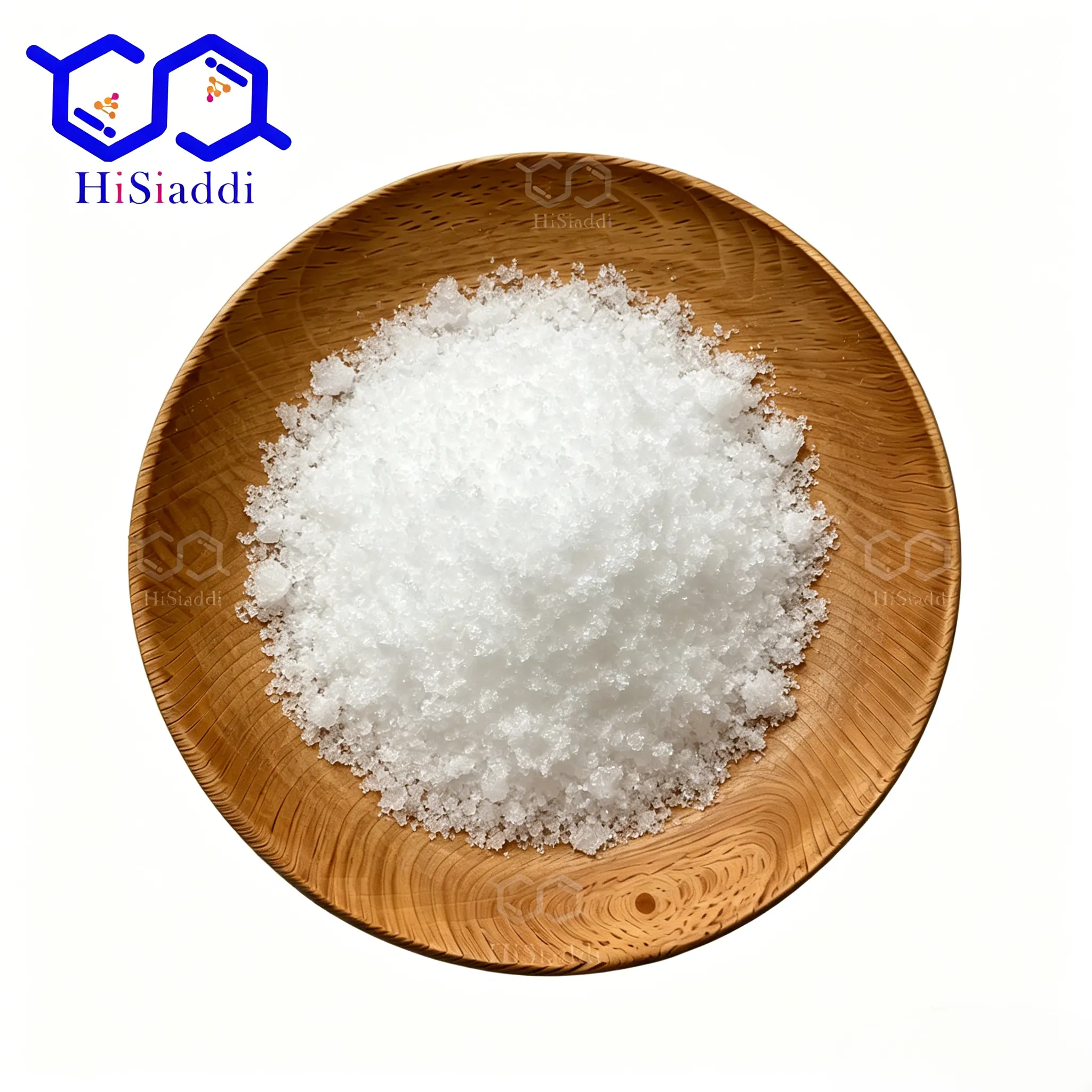
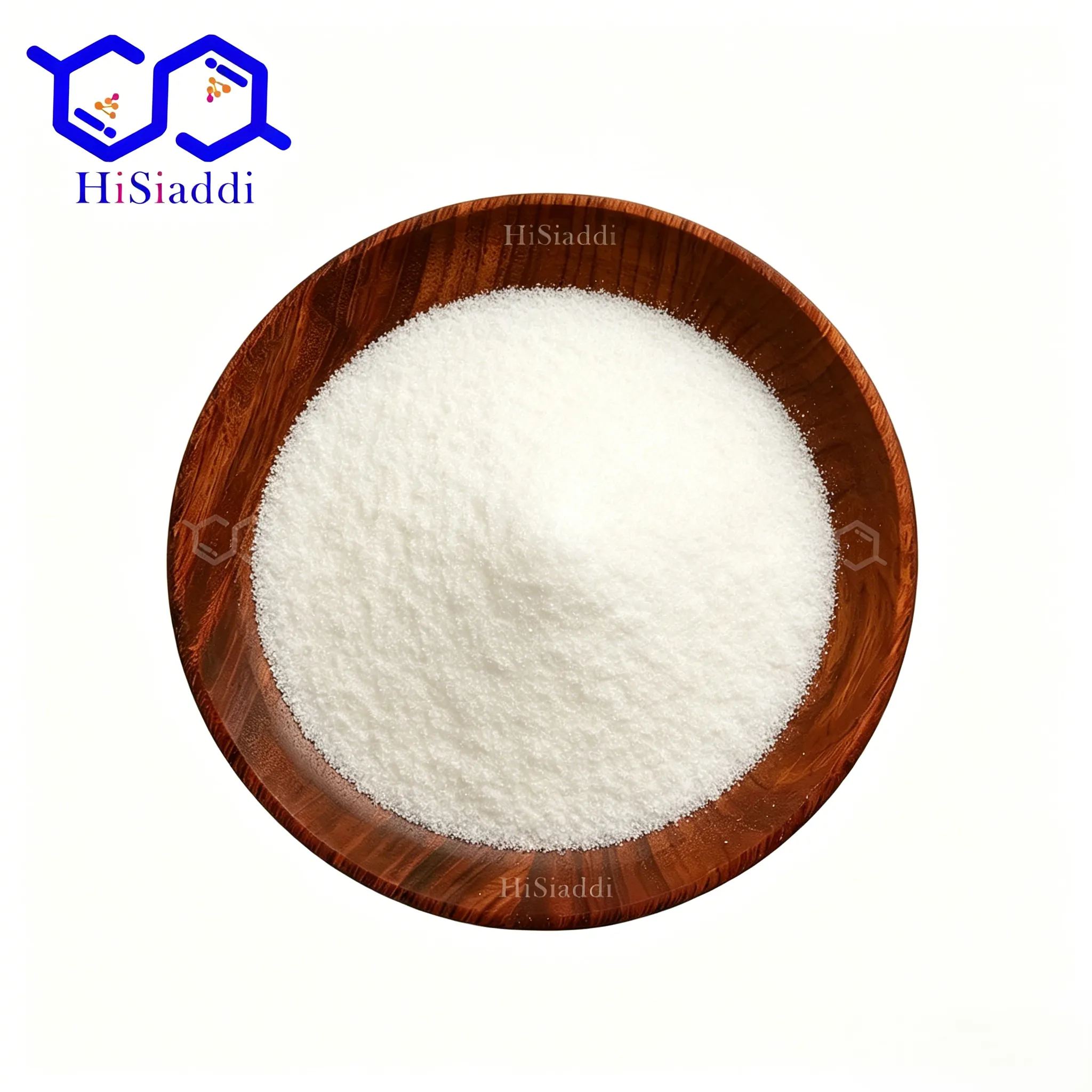
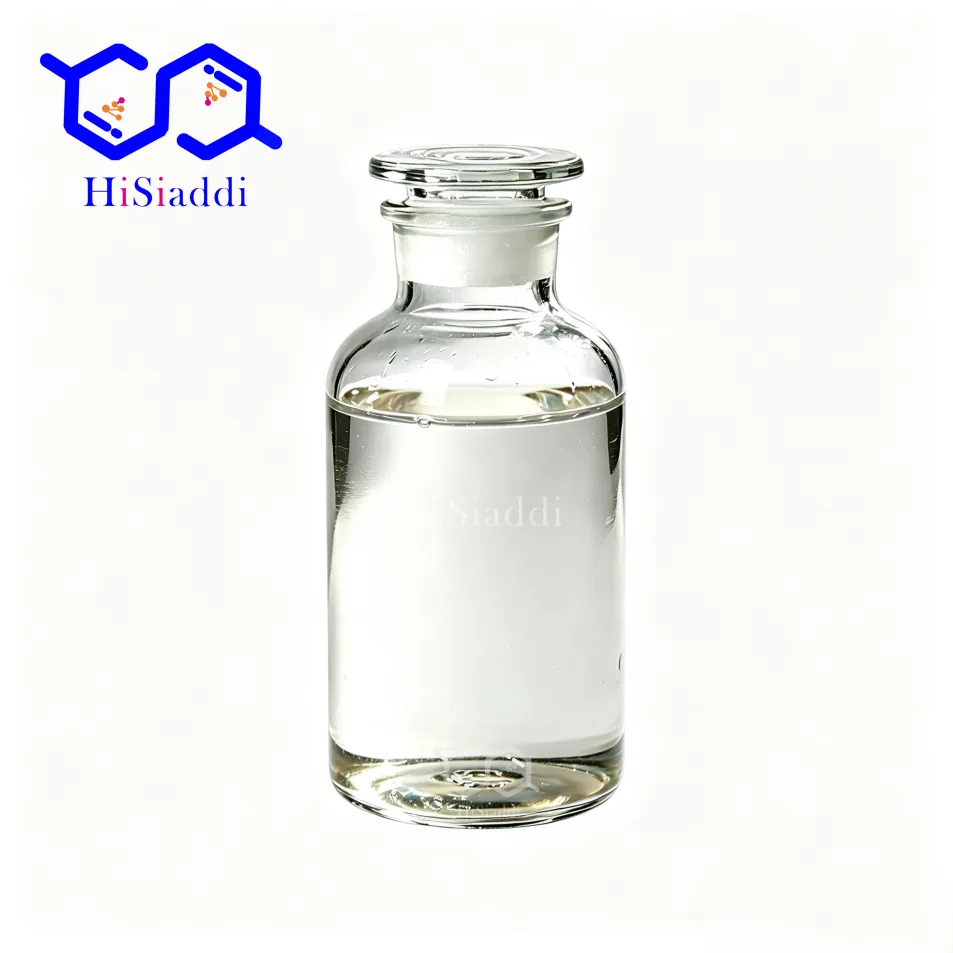
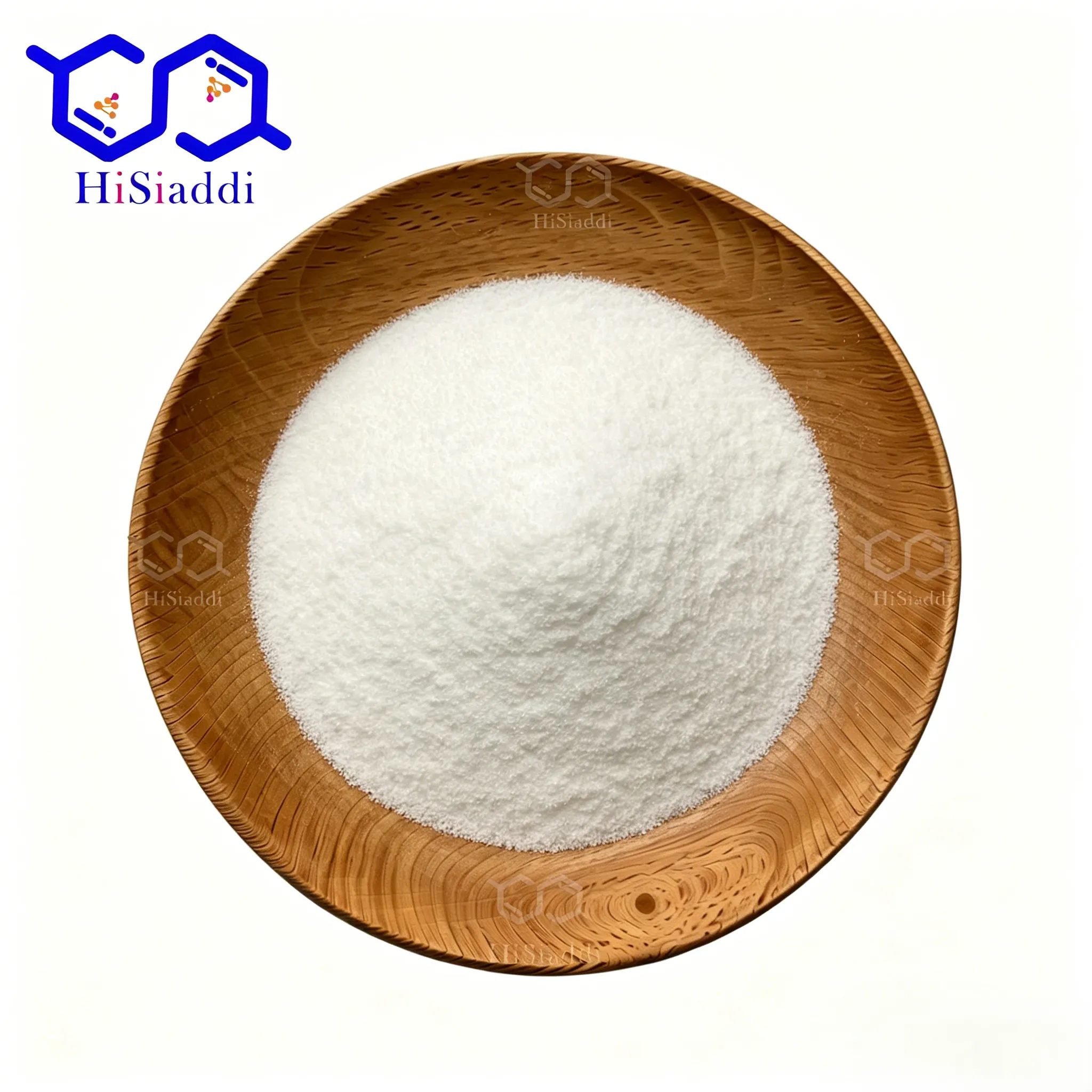
As a new-type foreign trade service provider driven by both technology commercialization and cross-border trade, HiSiaddi has established a "1+2+3+4=1" service system and can supply MHC sourced directly from multiple well-known original manufacturers.
As a technology R&D-focused foreign trade enterprise, HiSiaddi avoids biased self-promotion typical of single-brand manufacturers and objectively analyzes leading domestic and international MHC brands with large global market shares, sharing their landmark process advancements and breakthroughs to deliver authentic, timely market intelligence to purchasers.
For comprehensive, high-value MHC market insights, contact HiSiaddi customer service.
1. Technical Product Breakthrough Metrics Self-developed lanthanide rare earth intercalation + in-situ silane coating integrated modified MHC resolves uneven coating pain points of traditional wet modification. Initial thermal decomposition temperature rises from 282°C to 335°C; PVC Congo red thermal stabilization duration increases from 42min to 78min. Powder activation degree ≥97.5% with zero agglomeration in PP/PE matrices; particle size D50 controllable between 0.6~1.2μm. New high-transparency FDA food-contact grade MHC launched with total heavy metals ≤0.3ppm (national standard limit: 1ppm).
2. Process Improvements Green continuous synthesis utilizing industrial solid waste (carbide slag/aluminum ash) is fully operational, delivering 56% solid waste utilization rate, 23% lower unit product energy consumption and 11% reduced mass production manufacturing costs.
3. Benefits for Purchasers & End Users ① Buyers: Domestic MHC of equivalent performance carries a 22% lower purchase price versus imported alternatives; lead time for small-batch multi-grade customization shortens from 30 days to 12 days. ② Downstream PVC pipe / food packaging manufacturers: MHC addition rate cut by 18% to meet thermal stabilization standards, 12% higher product transparency, complete elimination of lead precipitation risks, seamless compliance with EU RoHS and US FDA testing. ③ Polyolefin Pelletizing End Users: 35% enhanced halogen adsorption capacity reduces screw carbon buildup and equipment downtime, cutting monthly maintenance costs per single extrusion line by 8%.
1. Technical Product Breakthrough Metrics Mass production of interlayer pore-controlled modified MHC delivers specific surface area elevated from standard 120m²/g to industry-leading 378~385m²/g, boosting flame retardant synergistic efficiency threefold. In PP halogen-free flame retardant formulas, MHC loading reduced by 25% at identical limiting oxygen index requirements, with tensile strength decline narrowed from 16% to below 5% to resolve the universal weakness of reduced mechanical performance from inorganic fillers. Smoke suppression efficiency rises 41% versus standard MHC, widening UL94-V0 molding temperature windows by 15°C.
2. Process Improvements Sealed continuous hydrothermal production lines eliminate performance fluctuations inherent to batch reactor manufacturing, limiting cross-batch performance deviation to ≤±2%.
3. Benefits for Purchasers & End Users ① Flame retardant masterbatch buyers: 13% lower raw material cost per ton of masterbatch, eliminating need for supplementary phosphorus-based flame retardant additives. ② New energy vehicle battery housing & 5G plastic component end users: Dual lightweighting and flame retardancy compliance enables alignment with EU automotive halogen-free regulations, lowering overseas export market entry barriers.
1. Technical Product Breakthrough Metrics Zinc-aluminum synergistic intercalation modified MHC targets the industry-wide "zinc burn blackening" defect during high-temperature PVC extrusion. No yellowing observed after 120 minutes of continuous extrusion at 210°C; calcium-zinc composite system synergistic stabilization coefficient rises 29%, compatible with high-speed rigid PVC extrusion (≥45m/min) operating conditions.
2. Process Improvements Low-temperature dry surface modification replaces traditional wet processes, cutting wastewater discharge by 72% and drying energy consumption by 19%.
3. Benefits Overseas PVC profile and high-speed extrusion pipe purchasers can directly substitute imported MHC without equipment modification, lowering extrusion reject rates from 7.2% to 2.1% and extending end-product pipe weathering service life by 25%.
1. Technical Product Breakthrough Metrics Organic anion intercalation modified photovoltaic-grade MHC delivers full-spectrum 280~400nm UV blocking with UV absorption capacity 2.5× standard MHC, visible light transmittance ≥91%. After 1200-hour accelerated UV aging, yellowing increment <2 (traditional organic UV absorbers register yellowing >7) with zero migration or precipitation.
2. Benefits Overseas EVA/POE photovoltaic film manufacturers can replace high-cost imported organic UV absorbers, cutting auxiliary material costs per ton of film by 18% and extending outdoor service life of photovoltaic modules by 3–5 years.
1. Technical Product Breakthrough Metrics Mass-produced nano ultra-thin flake modified MHC with flake thickness controlled at 20~40nm, soluble impurity Na⁺ ≤15ppm. When applied to high-nickel ternary cathode surface coating, material cycle attenuation rate drops 32%; the product has passed CATL overseas supply chain qualification audits.
2. Benefits Overseas lithium battery material purchasers replace Japanese/Korean imported coating-grade MHC with a 27% raw material cost reduction, extending cycle life of power battery end products.
1. Breakthrough Metrics 2025 commercialization of bio-organic acid intercalation modification technology delivers pharmaceutical excipient-grade MHC with heavy metals <0.1ppm, meeting US Pharmacopoeia (USP) and European Pharmacopoeia (EP) standards. New DHT-BIO series thermal stability elevated by an additional 18°C, suitable for pharmaceutical enteric carriers and oral tablet disintegration aids. Simultaneously optimized polyolefin-specialized low-migration MHC delivers 22% improved dispersibility in metallocene PE.
2. Process Improvements Malaysian new production lines adopt waste heat recovery synthesis technology cutting carbon emissions by 21%, with custom small-specification lead times compressed to 18 days.
3. Benefits European and American pharmaceutical and high-end polyolefin buyers achieve one-stop food + medical compliance, accelerating import filing approval for pharmaceutical excipients and reducing surface defect rates for premium plastic products.
1. Breakthrough Metrics Mass-produced Mg-Al-Zn ternary hybrid modified MHC delivers 45% improved hot-humid hydrolysis resistance, with <5% performance attenuation after 1000 hours of 85°C hot-humid aging. New energy battery housing specialized grade boosts flame retardant efficiency by 31%, retaining ≥88% low-temperature (-40°C) impact strength.
2. Benefits European and American automotive plastic component buyers achieve halogen-free flame retardancy and weatherability via a single MHC additive, reducing compound auxiliary additive varieties and enabling end-product new energy vehicle plastic parts to pass stringent European and American full-vehicle aging testing.
1. Breakthrough Metrics Nano-anchored modified MHC disperses uniformly in coating systems without additional dispersants, lowering coating storage sedimentation rate from 8.3% to 1.2%. Waterborne anti-corrosion coating dedicated MHC delivers 38% higher rust adsorption capacity.
2. Benefits Overseas industrial coating manufacturers simplify formula systems, cutting coating production man-hours by 12% and doubling salt spray resistance of finished anti-corrosion coatings.
1. Breakthrough Metrics Phosphorus anion intercalation composite modified MHC raises limiting oxygen index by 31% in halogen-free flame retardant systems, cutting loading rates by 30% at identical flame retardant grades and eliminating brittleness from high inorganic filler concentrations.
2. Benefits European wire & cable compound buyers achieve low-loading formulas with improved cable bending toughness; finished cables comply with EU CPR flame retardant regulations, expanding premium pricing potential for end products.
1. Breakthrough Metrics Mass production of modified MHC from recycled industrial aluminum waste with 62% recycled feedstock content delivers performance fully equivalent to virgin ore-derived grades, with a 33% reduction in full life-cycle carbon footprint and EU green product certification. PVC stabilizer long-duration heat resistance extended by 20%.
2. Benefits European and American buyers subject to carbon tariffs reduce end-product carbon tax expenditures by sourcing this grade, lowering EU export tariff costs by 5%~9%.
1. Cost Side: Domestic and international leading manufacturers have fully deployed green synthesis and waste recycling processes, driving an overall 8%~15% decline in average MHC prices across all grades over the past two years, optimizing long-term inventory procurement costs for buyers.
2. Compliance Side: Top domestic brands have completed full FDA, USP and EU REACH certifications, maturing import substitution for high-end MHC. Overseas purchasers now have dual sourcing options (domestic + imported), mitigating supply chain disruption risks previously limited to Japanese/European/American suppliers.
3. Application Side: Modification technology has expanded MHC functionality beyond traditional PVC stabilizers into four emerging high-growth sectors: lithium batteries, photovoltaics, automotive flame retardancy and pharmaceuticals. Buyers can source multiple application-specific grades from a single supplier, streamlining upstream vendor rosters.
For comprehensive, high-value MHC market insights, contact HiSiaddi customer service.

 +86-13120989737
  info@hisiaddi.com
 English